
In part 1, I described the natural wonders of Iceland, which we visited on a 10D9N trip. In this part, I describe the many other things we did: we went on a whale-sighting trip, visited a bird colony, an open-air museum, and much more. I will also describe the places where we stayed overnight and the food we ate.
Reykjavik
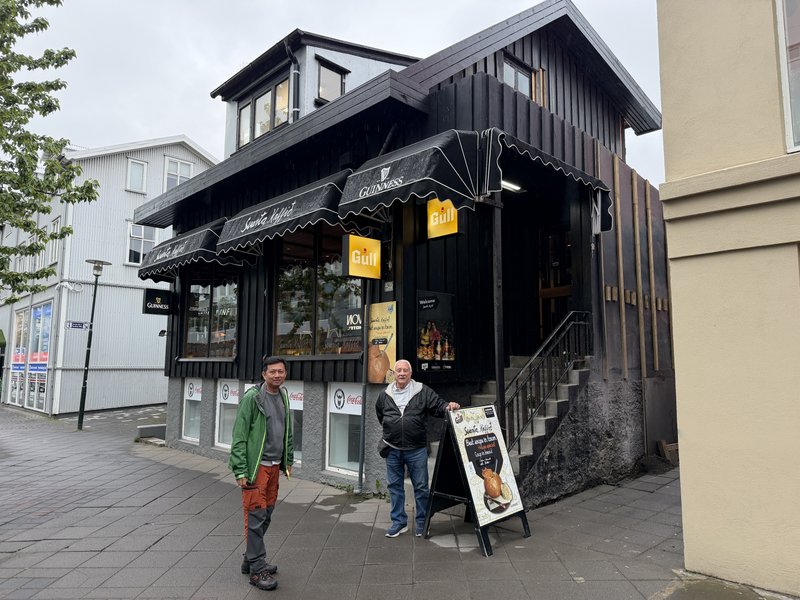
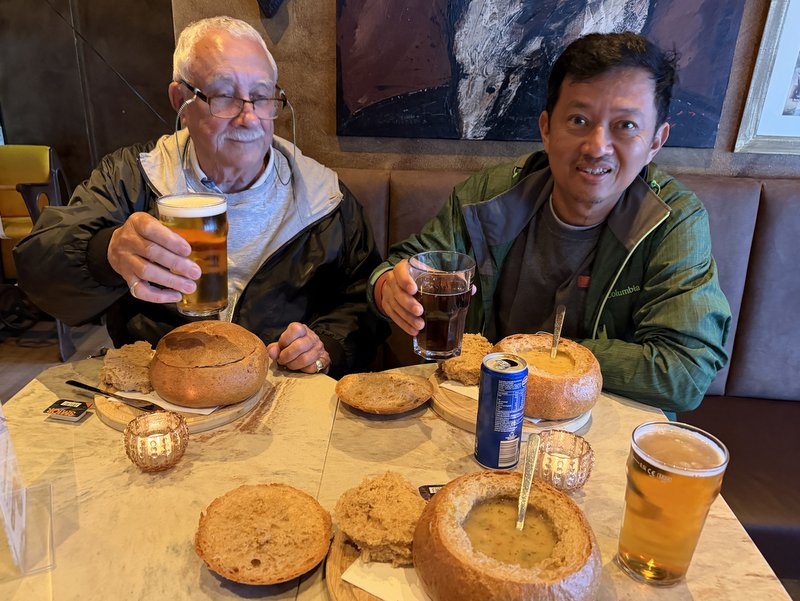
Iceland has a size of 2.4 times the Netherlands, but a population of only about 400.000. Reykjavik, the capital, is the only real town on the island. About 2/3 of the Icelanders live here. We stayed overnight on the first and the last night of our trip. The first night, after checking in at our hotel, we went out for dinner. Iceland has no culinary reputation, but the soup in a bread bowl at Svarta Kaffið was as delicious as it was unusual 😉
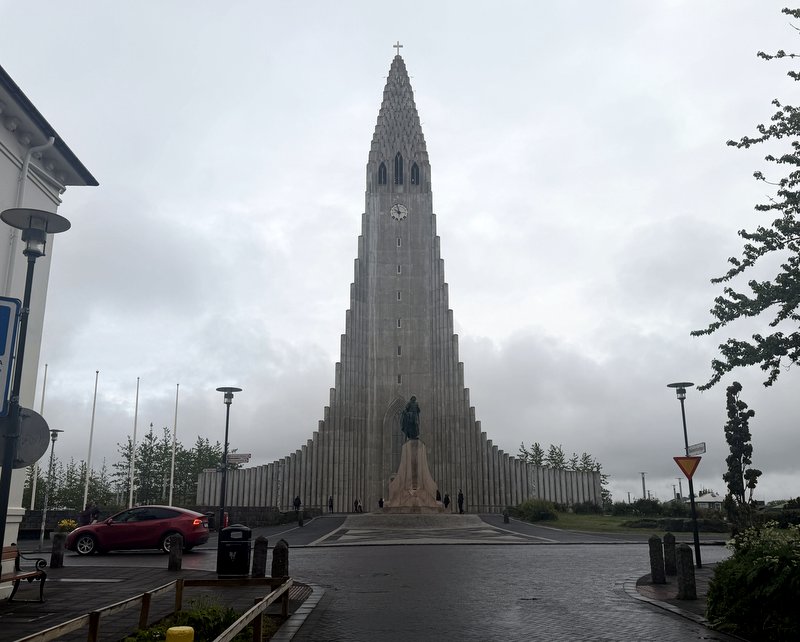
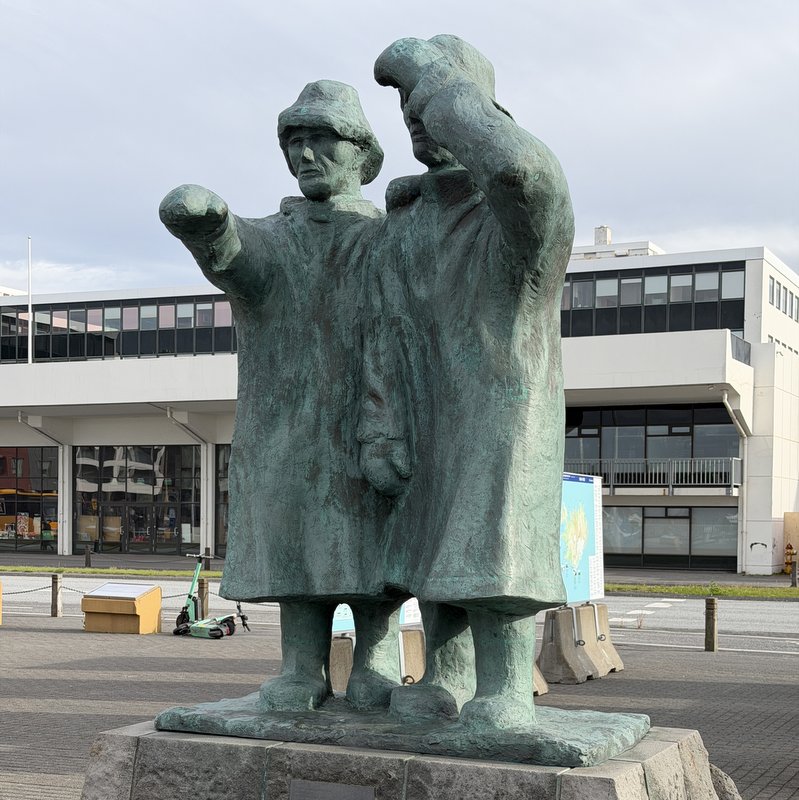
After dinner, we walked around and had a look at two landmarks of the town, the Hallgrímskirkja and the Sun Voyager. Both the church and the sculpture are related to the year 1986, when Reykjavik celebrated that it received town rights in 1786 from the Danish crown. The history of Iceland is complicated.

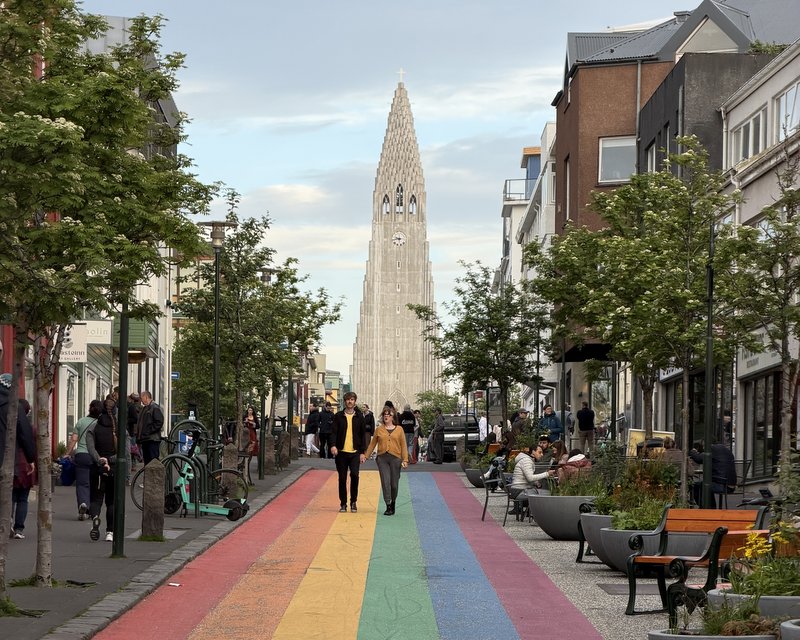
My first impression of the town was not really positive: a bit boring, cold, and grey. But that changed when we came back to Reykjavik after our round trip. Many people were out, enjoying the pleasant weather. Iceland is a progressive country, as the many rainbow-colored decorations show.
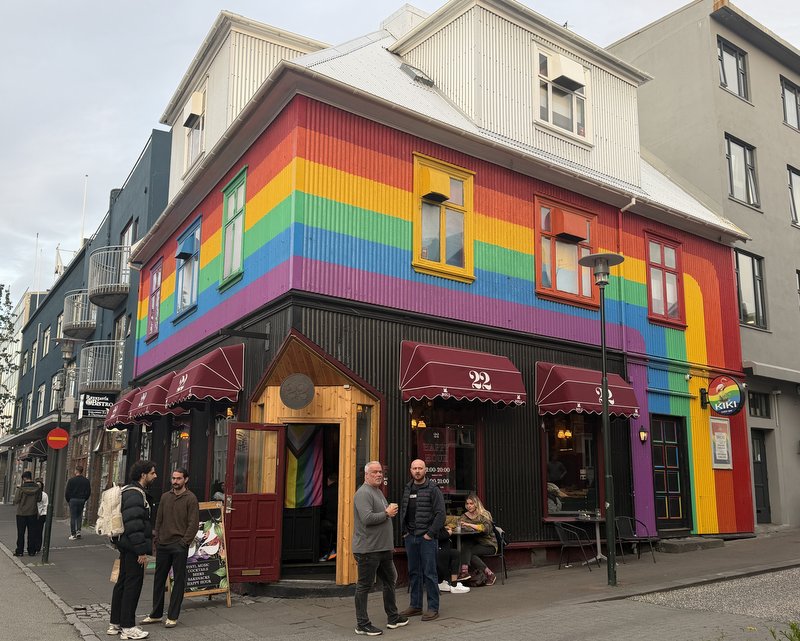
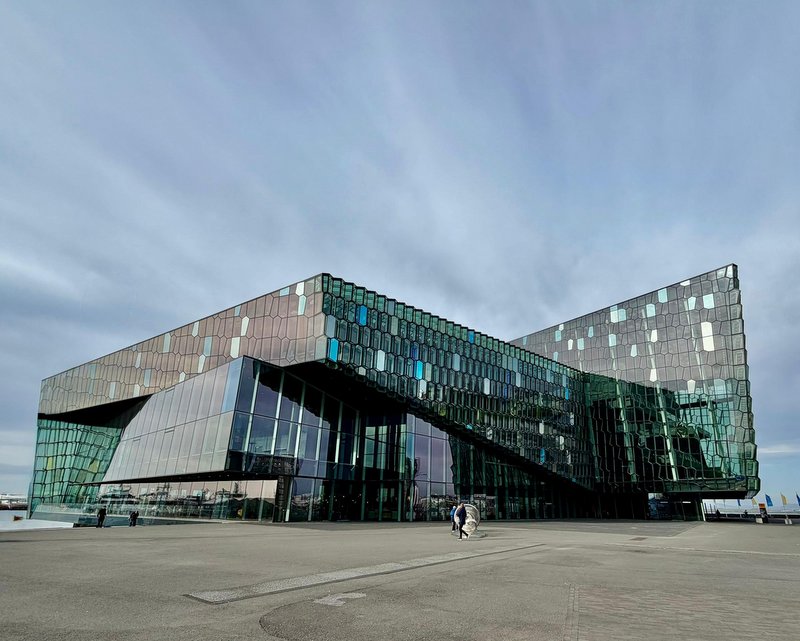
I was not impressed by the modern architecture of Reykjavik. Uninspired and boring. An exception was the Harpa Concert Hall and Conference Centre

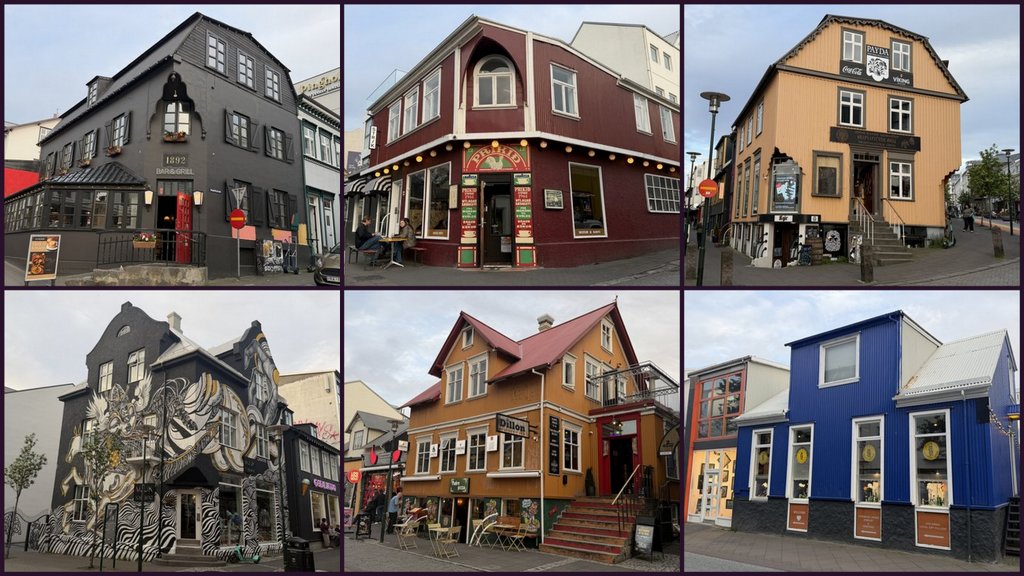
But the old harbor has many picturesque houses.
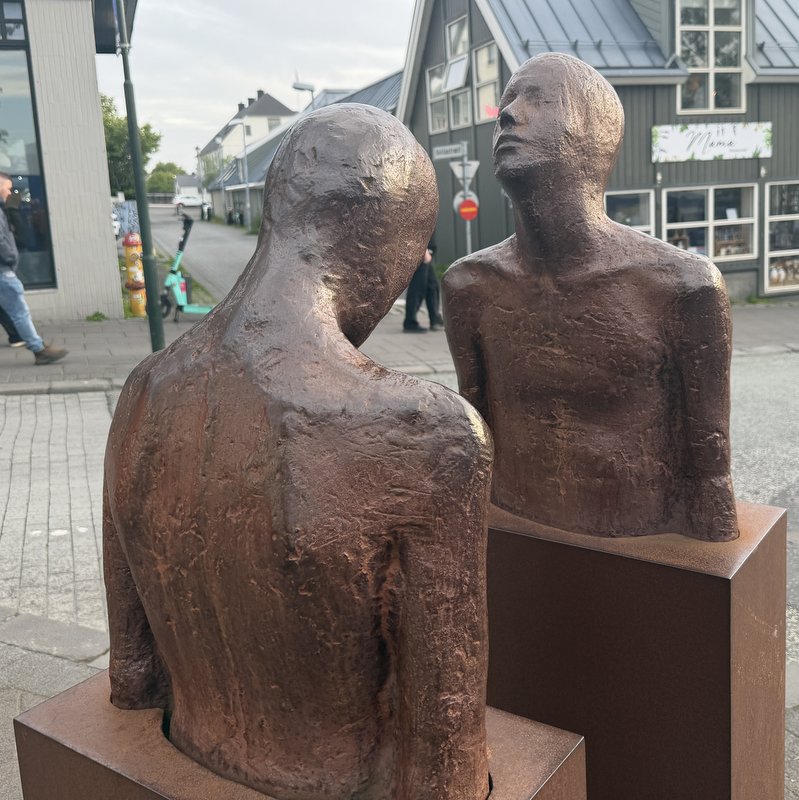
During our walk, we spotted several street artworks.

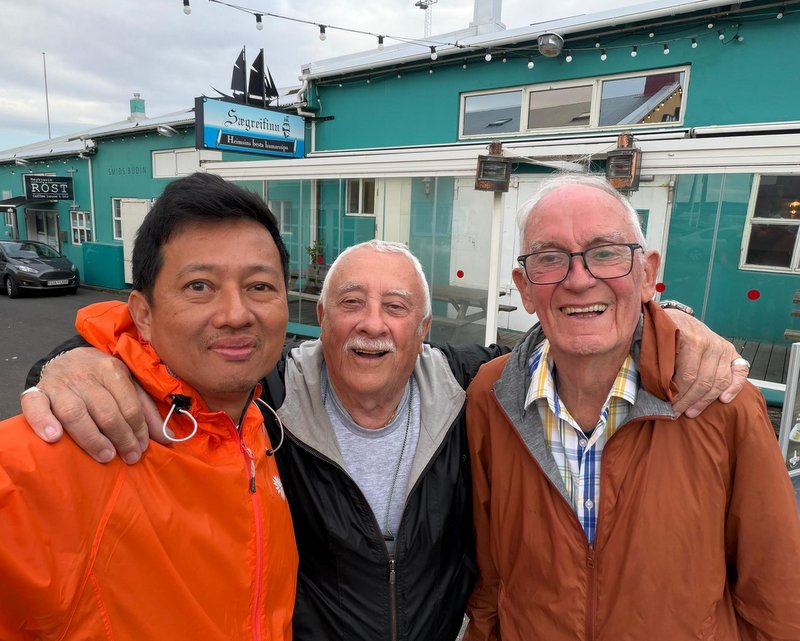
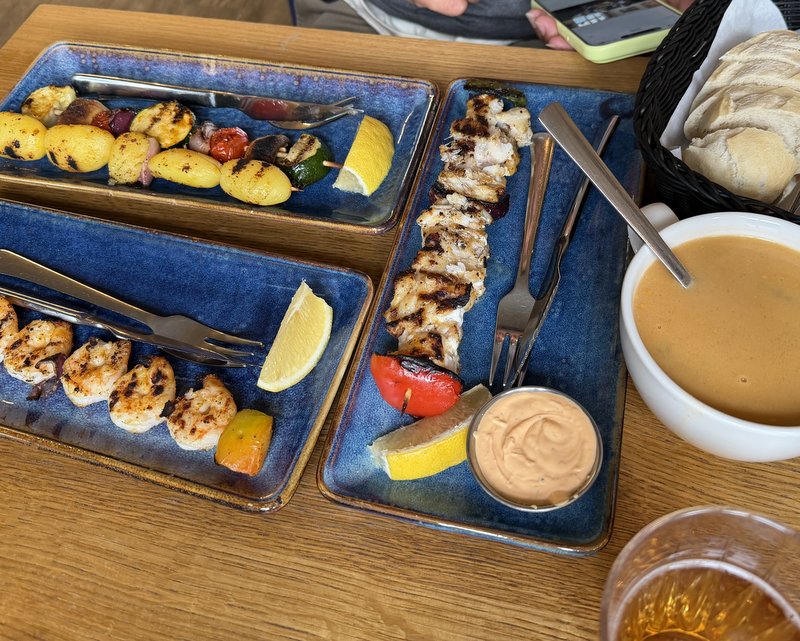
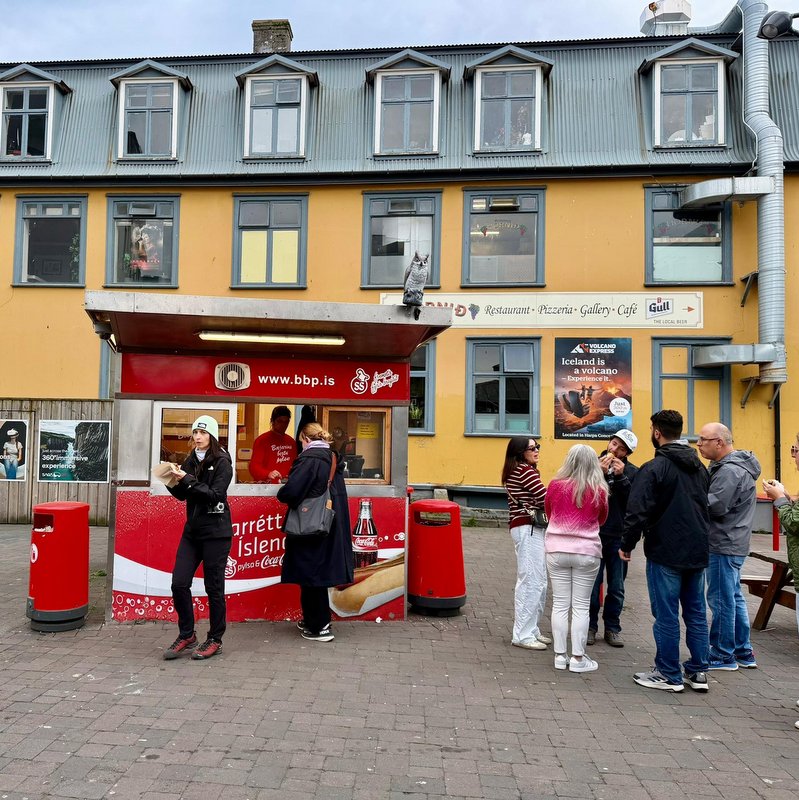
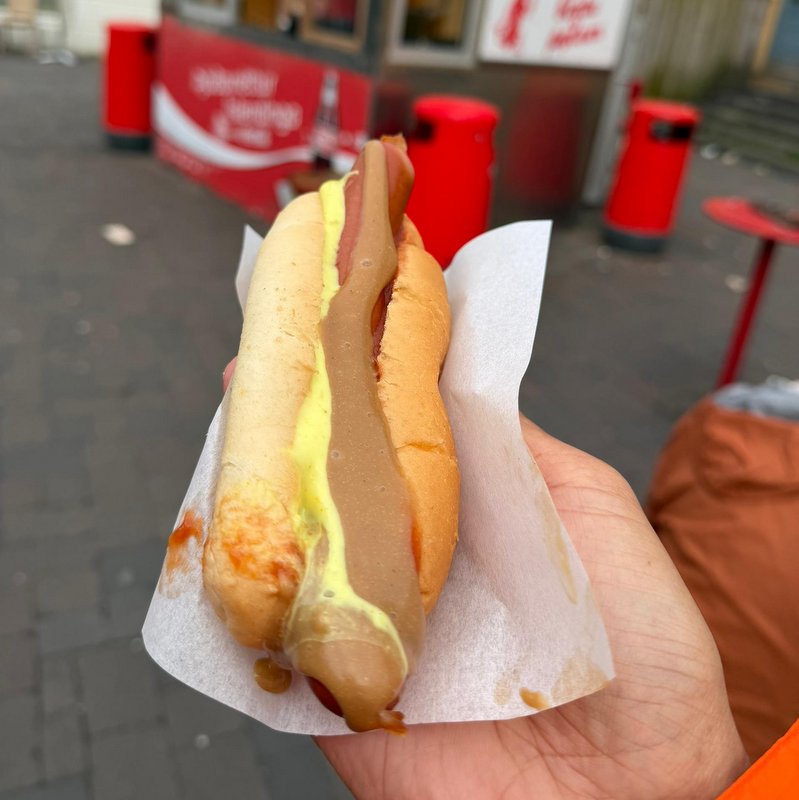
We had dinner in the Seabaron seafood restaurant, famous for its lobster soup. The seafood was nice, but the portions were small, so later we had a hot dog (Iceland’s favorite snack) and a beer.
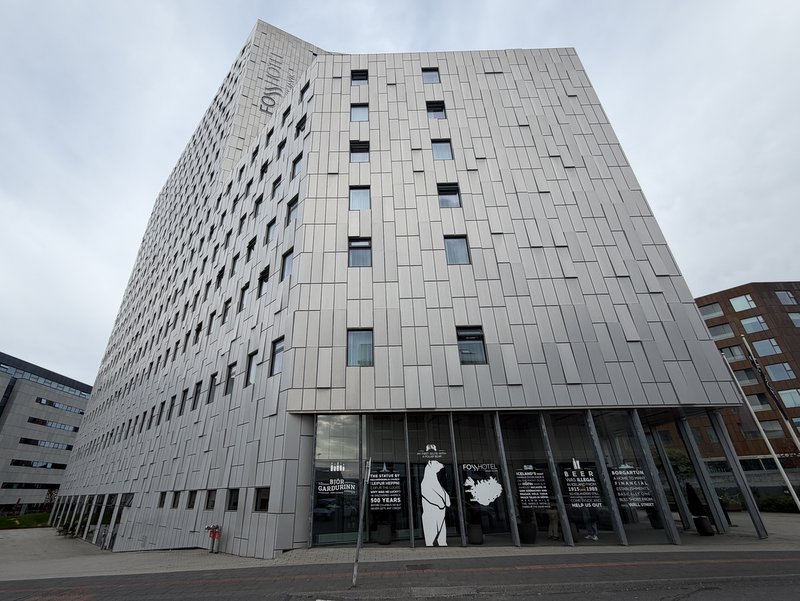
We stayed the last night in a modern hotel on an upper floor, so we had a view of the town and the church. This photo was taken at 11pm+, when the sun had not yet set.

Homestays
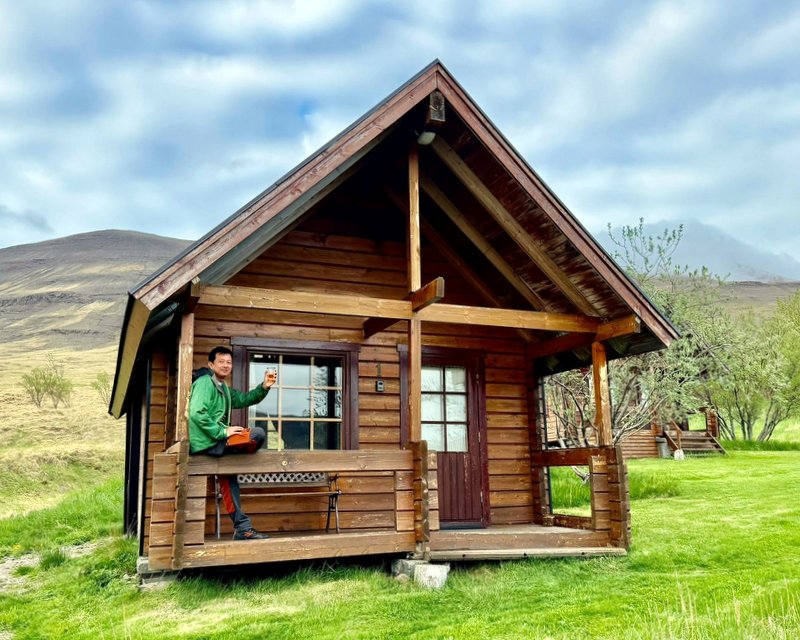
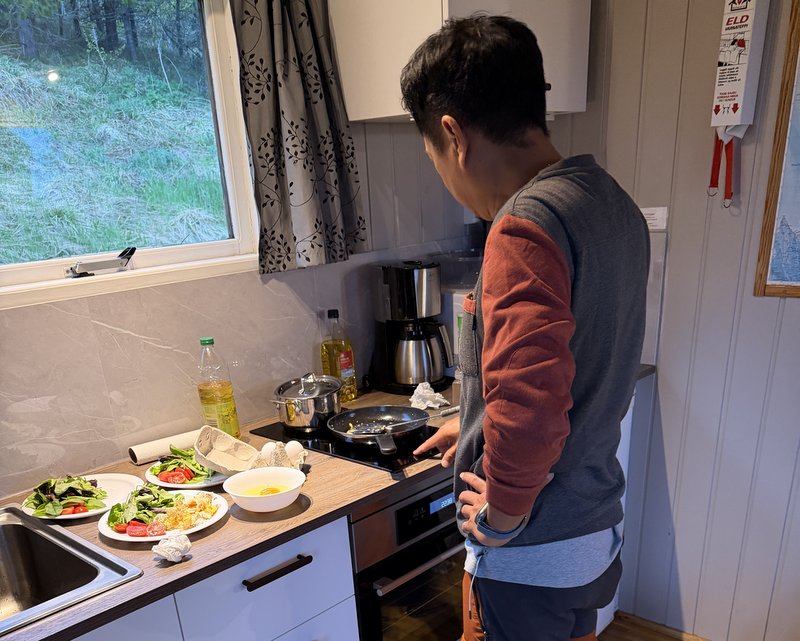
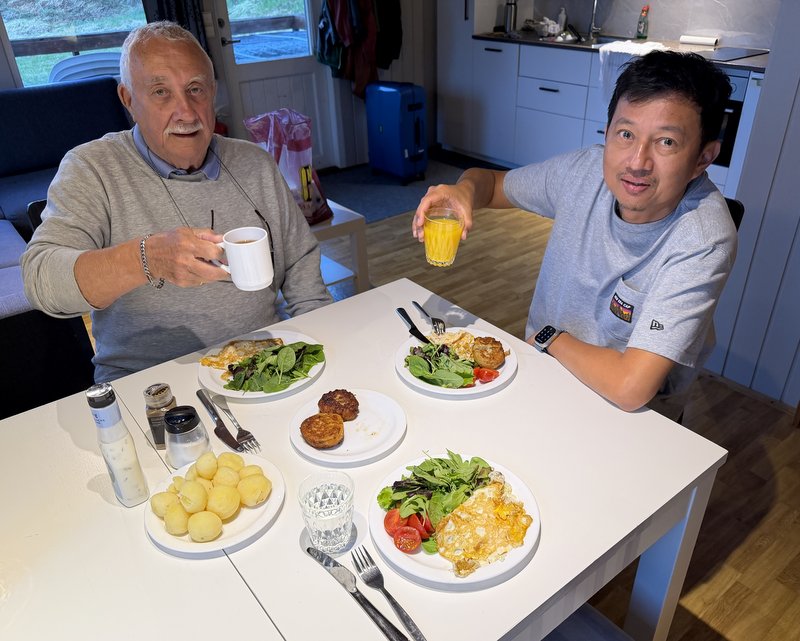
When Aric was planning the trip, he tried to find homestays for accommodation, so we could prepare our own food there. Here is the first one, a nice chalet, in the middle of nowhere. The bungalow was comfortable and fully equipped. We had bought provisions in a supermarket, and Aric was the cook.

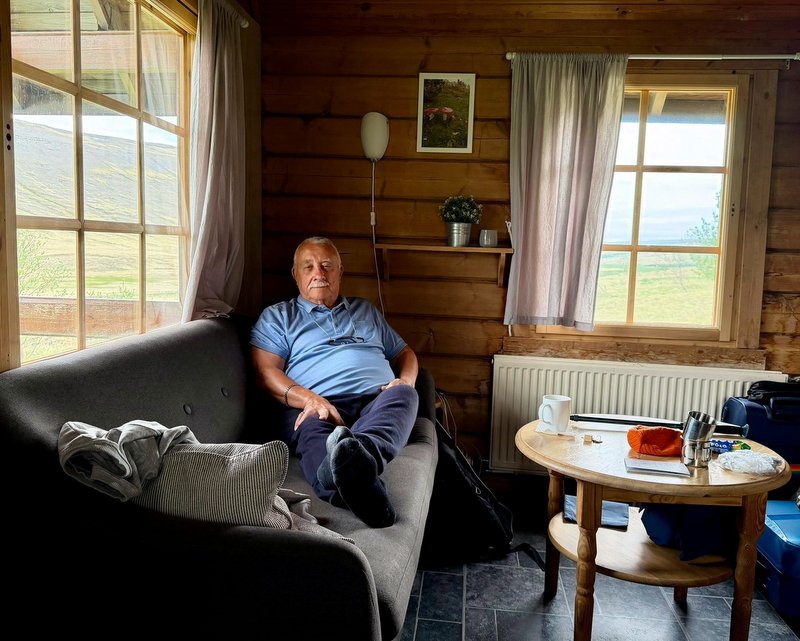
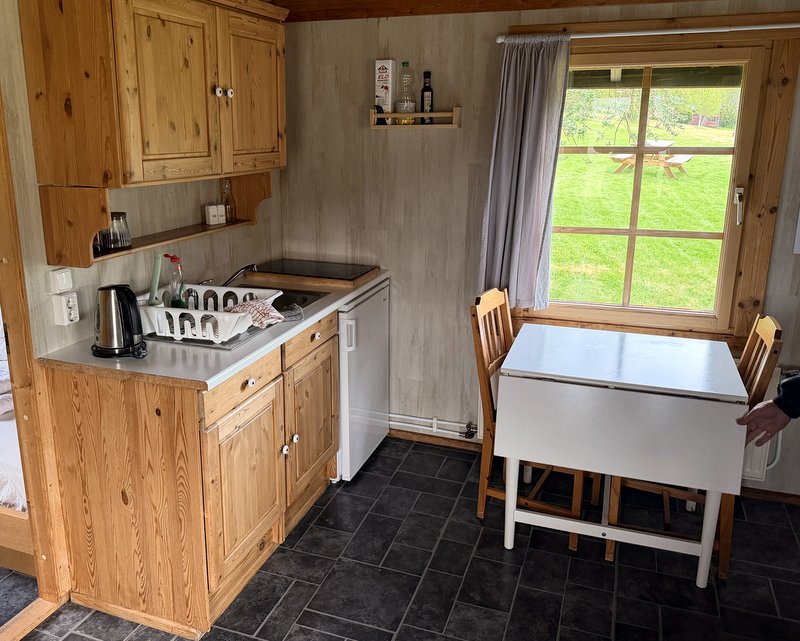
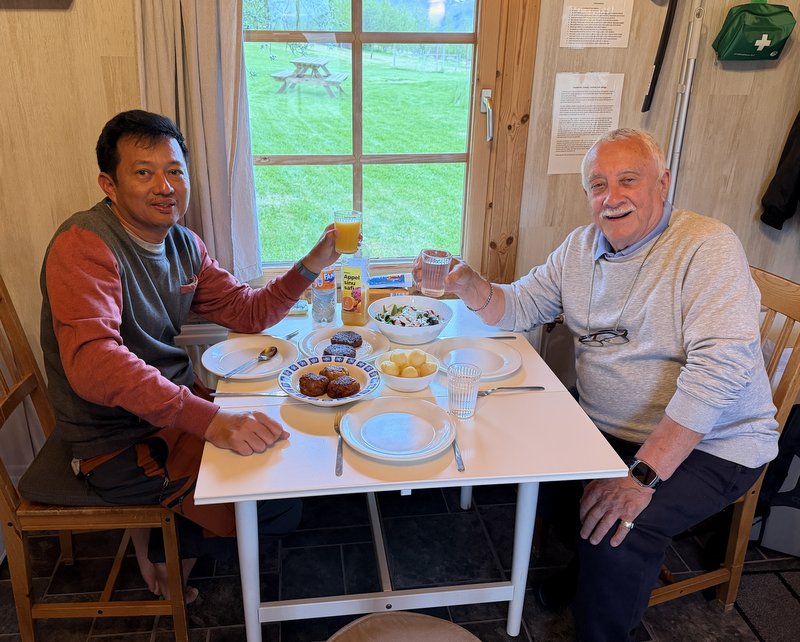
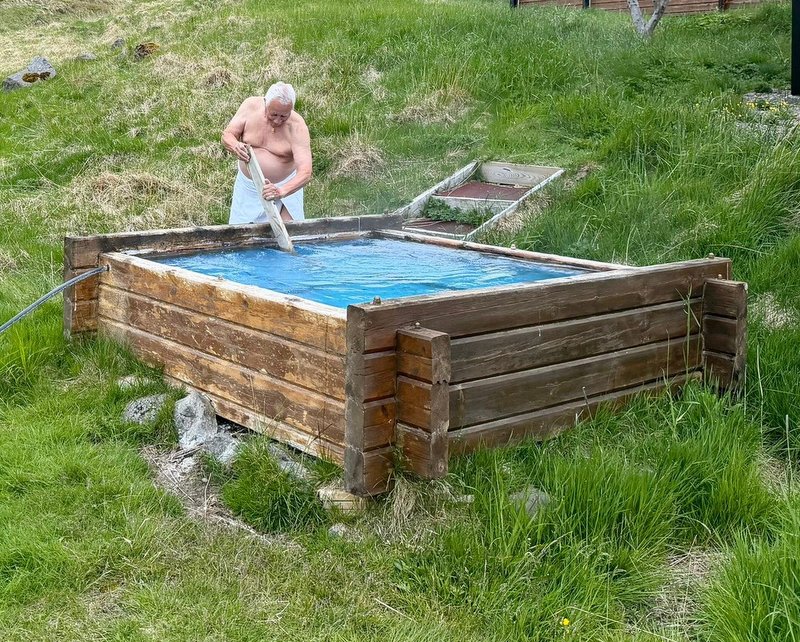
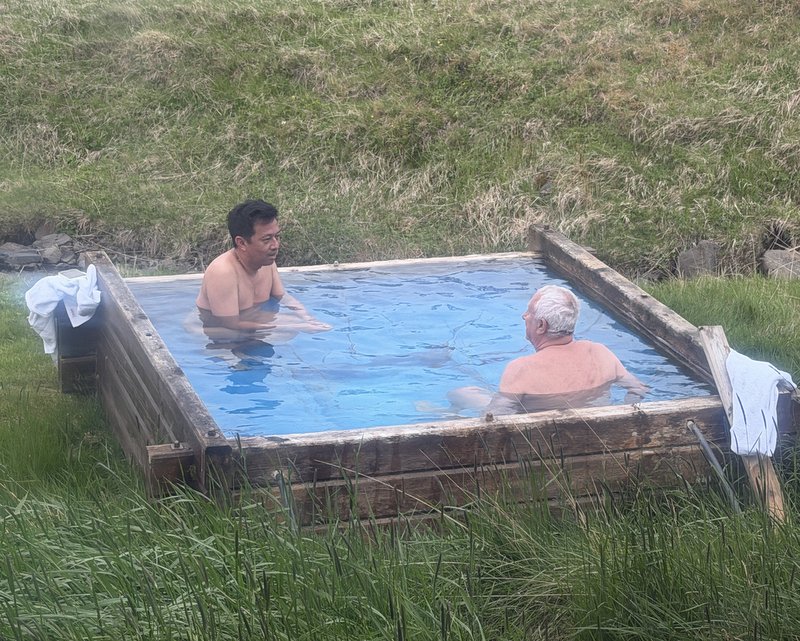
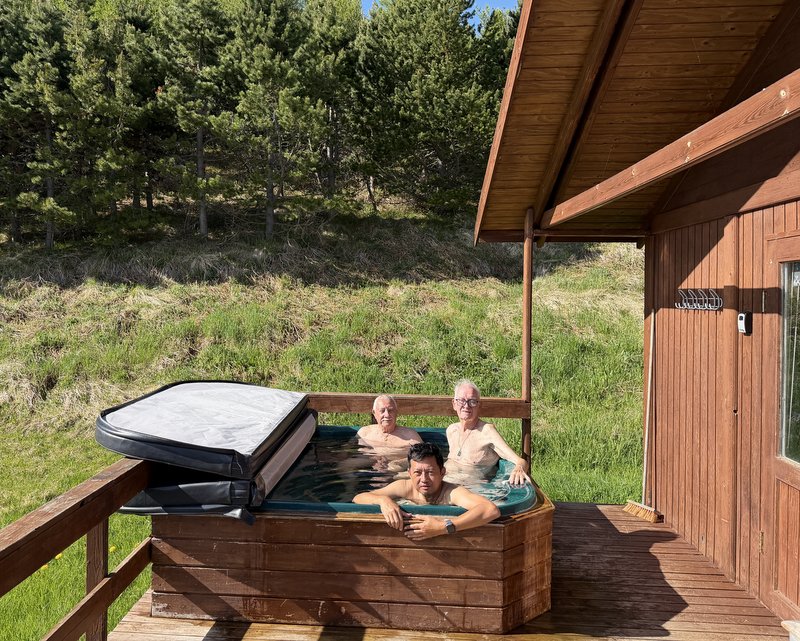
The homestay had its own hot bathtub. Hot geothermal water was diluted with cold water in a storage tank, from where it was piped to the bathtub. A little bit of sulfur smell and a bluish color of the water. Very enjoyable.
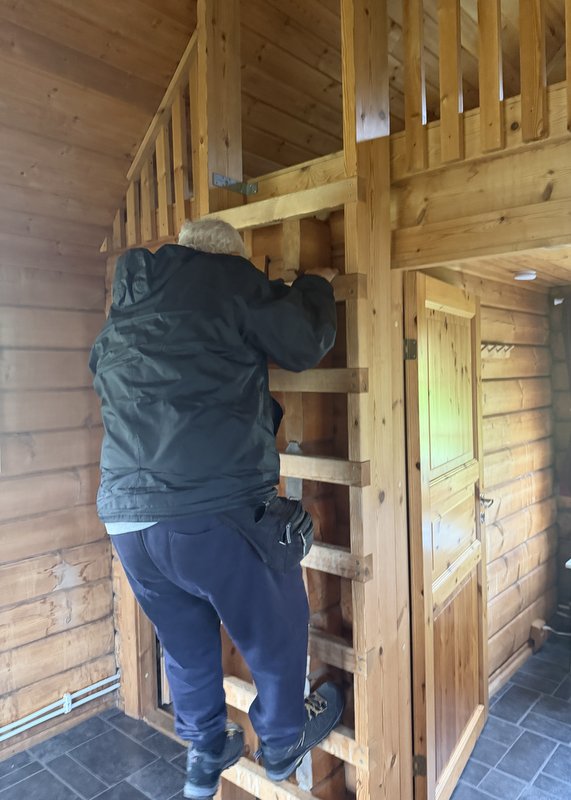
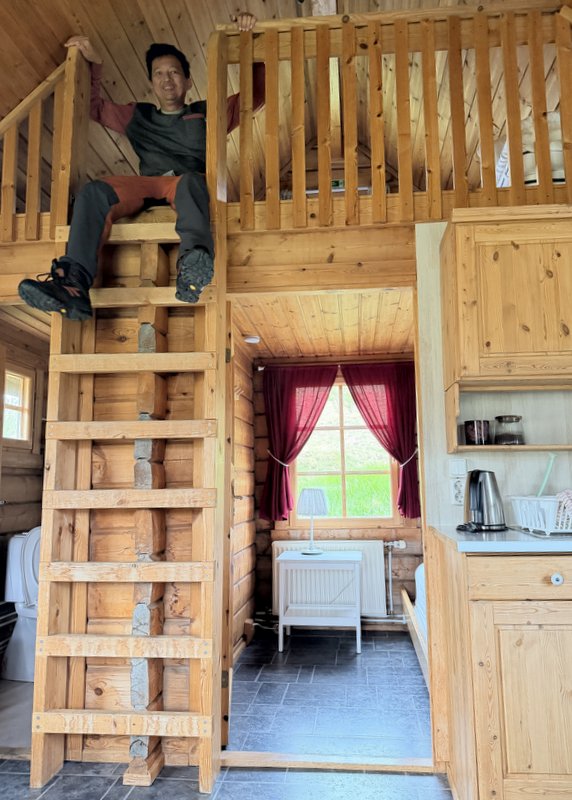
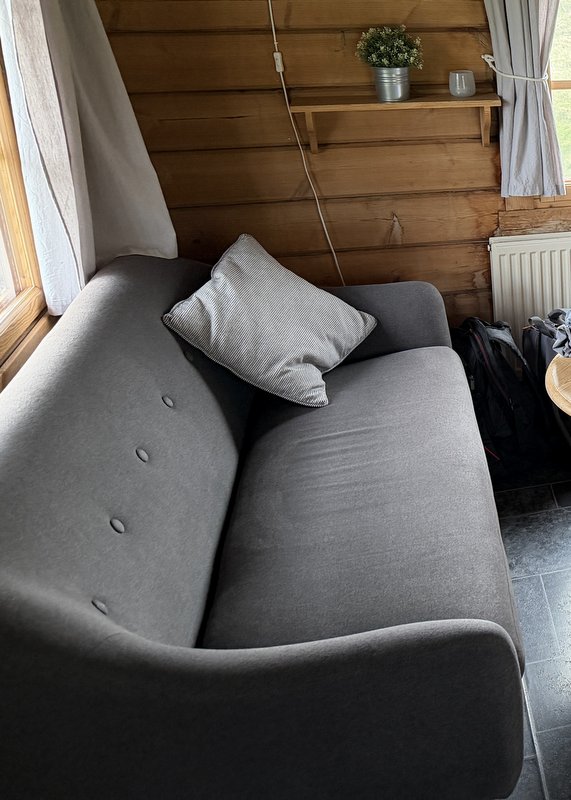
One master bedroom and extra beds reachable via a ladder. Too dangerous for us, but there was a sofa that could be used as a bed 😉
The second homestay was beautifully located with a fantastic view of the snow-covered mountains. The chalet had a bathtub too, but the water was not geothermal; instead, it was heated by electric power. We arrived late, after a long day, so it was only the next morning that we took a bath. Aric was again the cook.

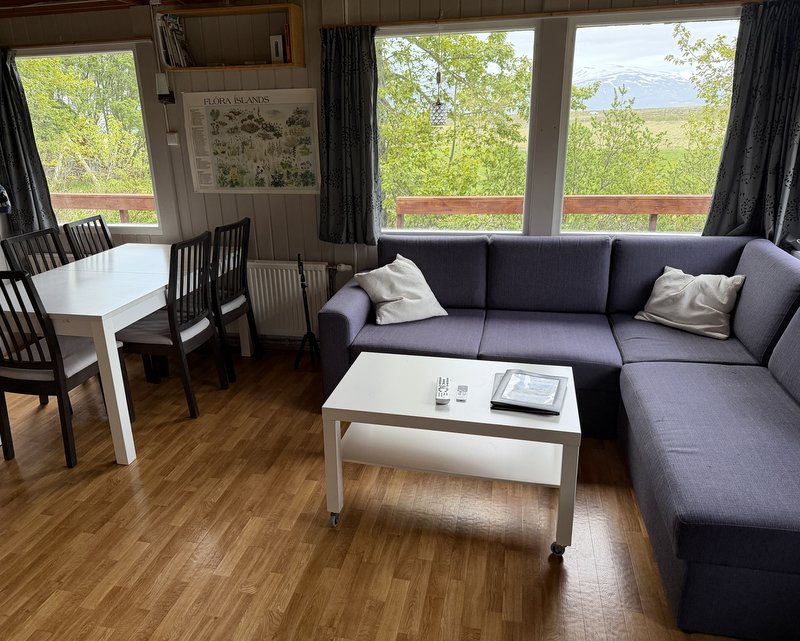
Our third homestay didn’t have a bathtub, but was special for another reason: it was a former church, transformed into a unique homestay. No separate bedroom; some beds on the upper floor, this time reachable via an easy ladder. Aric used his drone to take this aerial view.
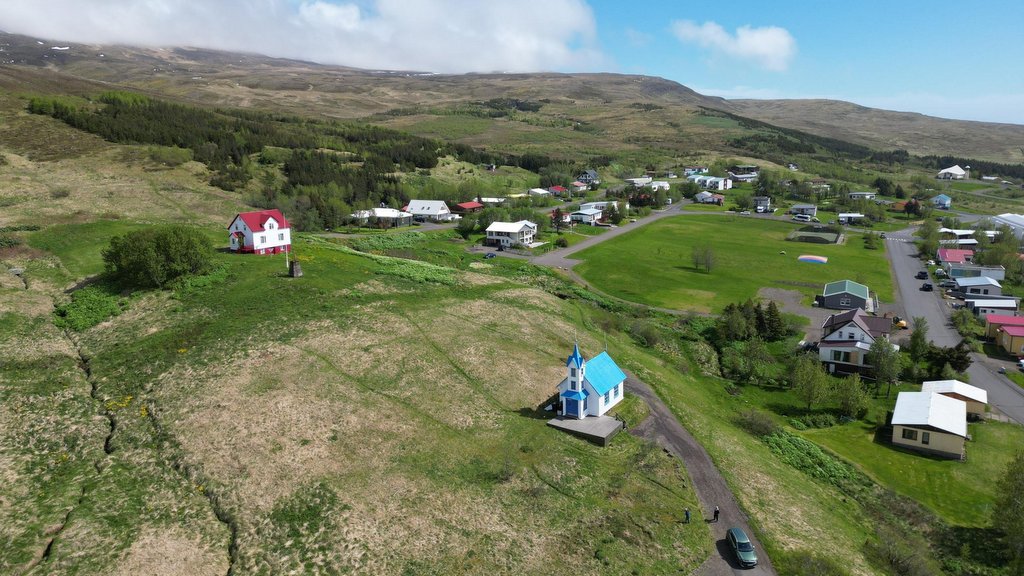
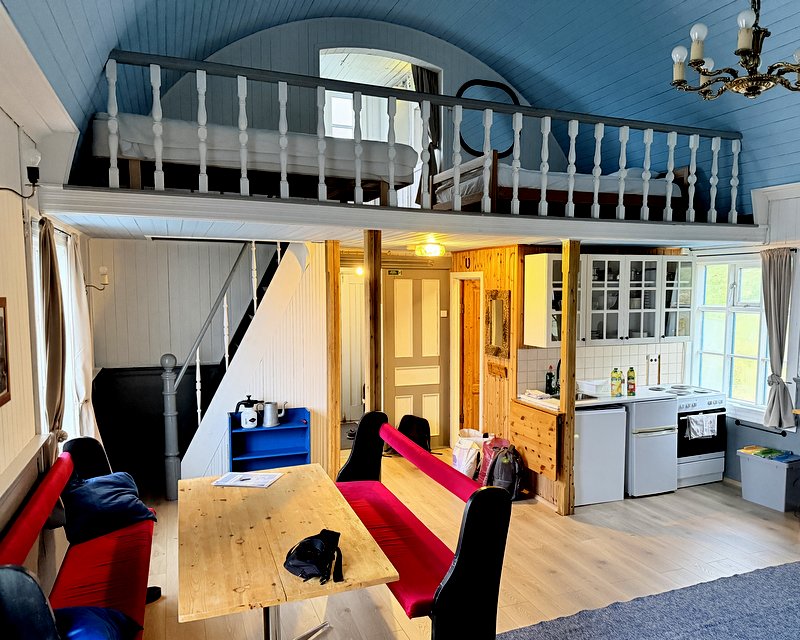
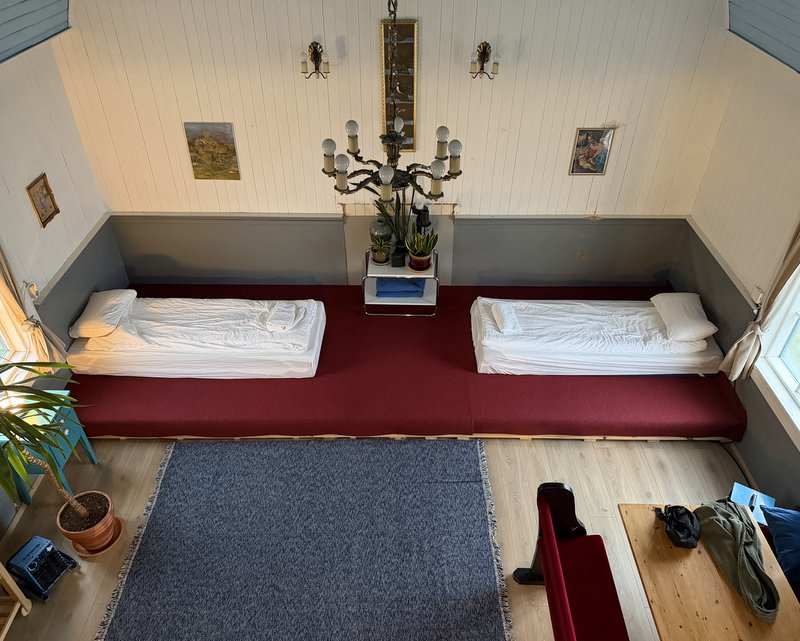
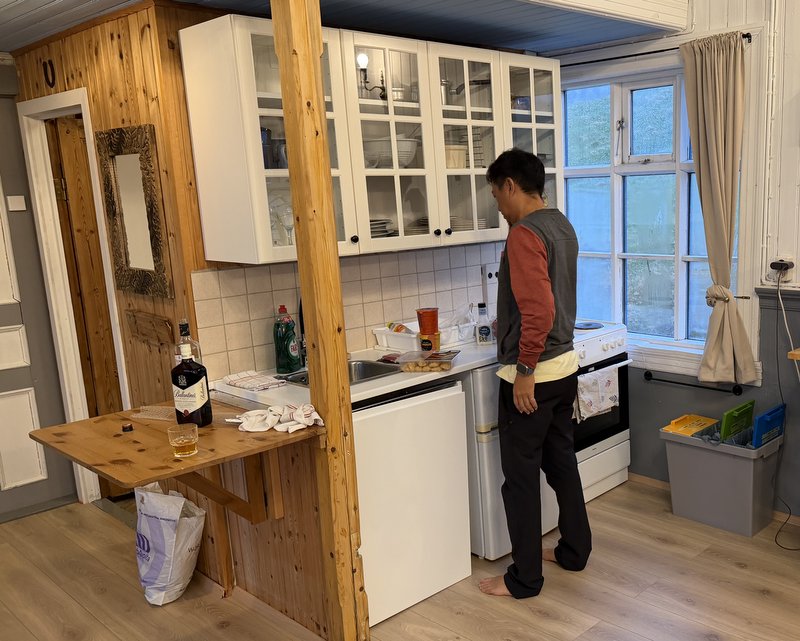
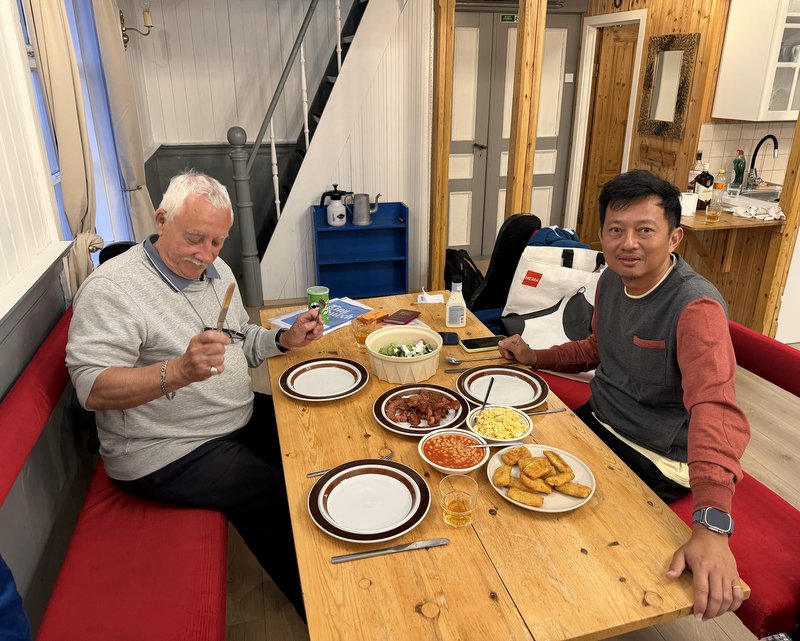
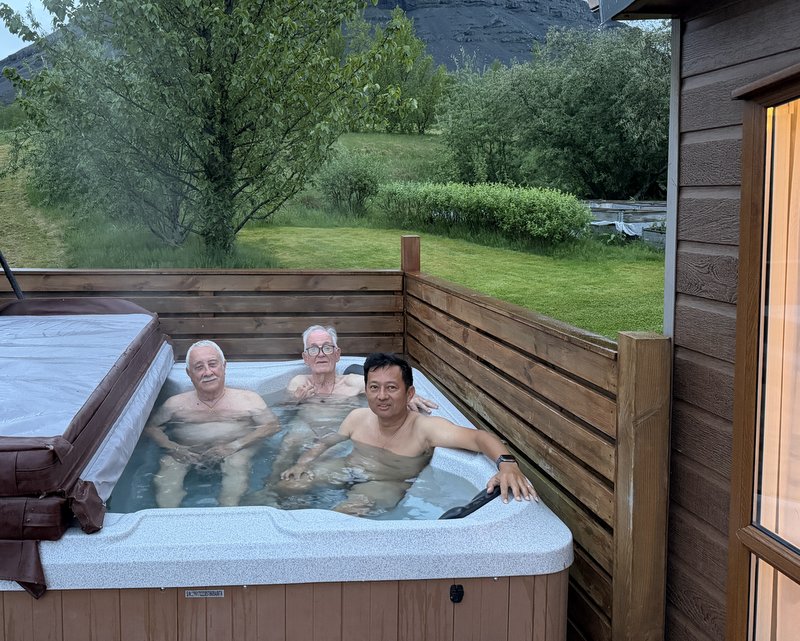
Our fourth homestay was quite big, with three bedrooms and again its own bathtub.

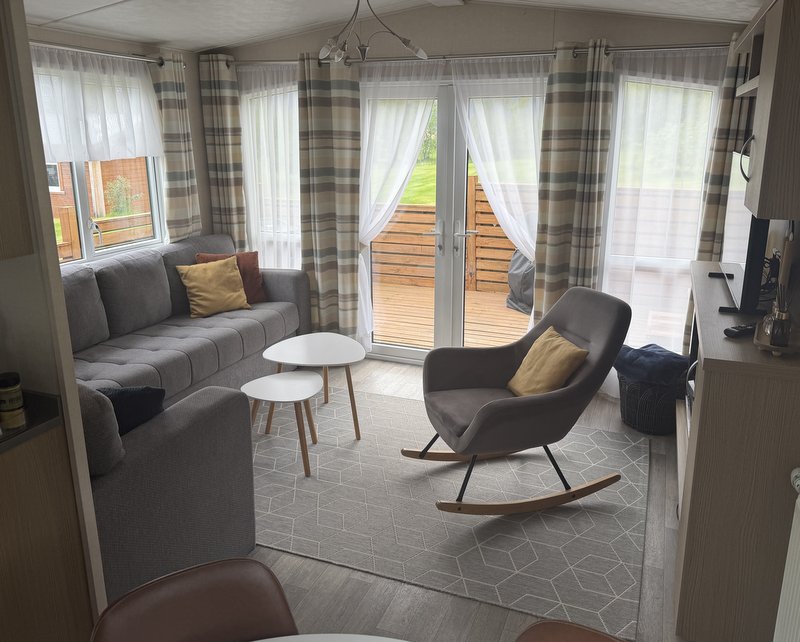
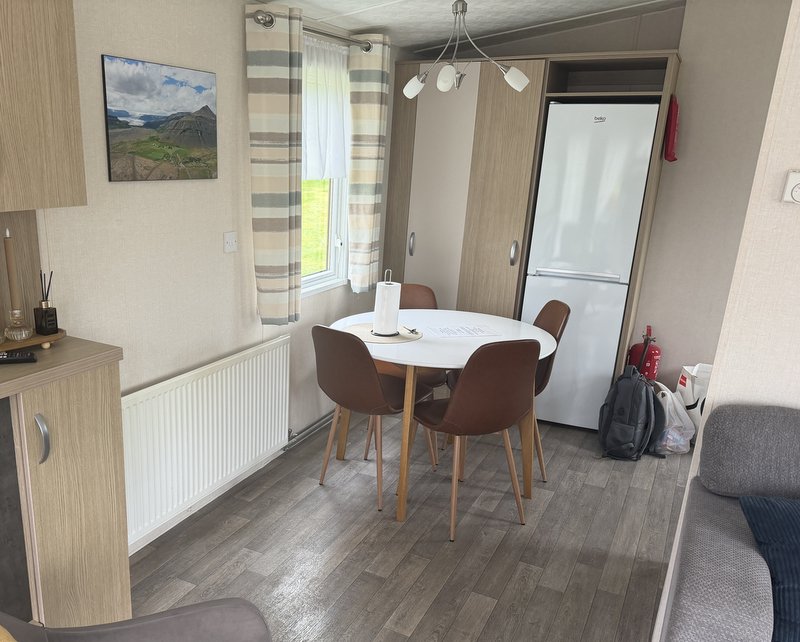

Homestay no 5 didn’t have a bathtub. Nice location against a backdrop of characteristic Icelandic rocks. As usual, Aric was the cook. One master bedroom and a sofa bed.
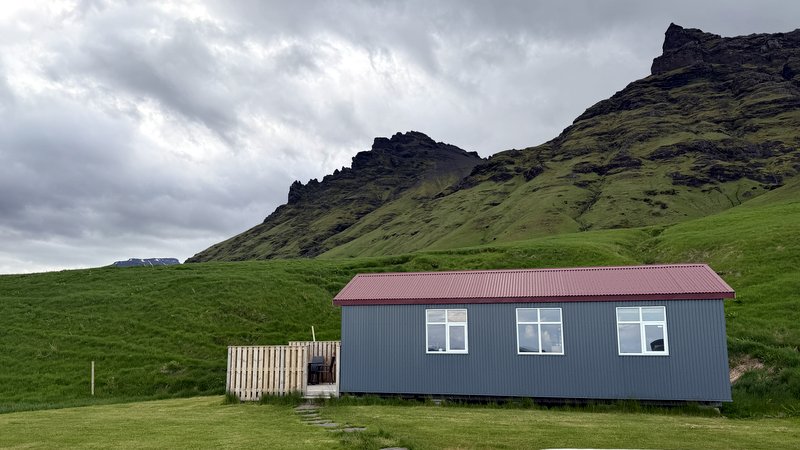
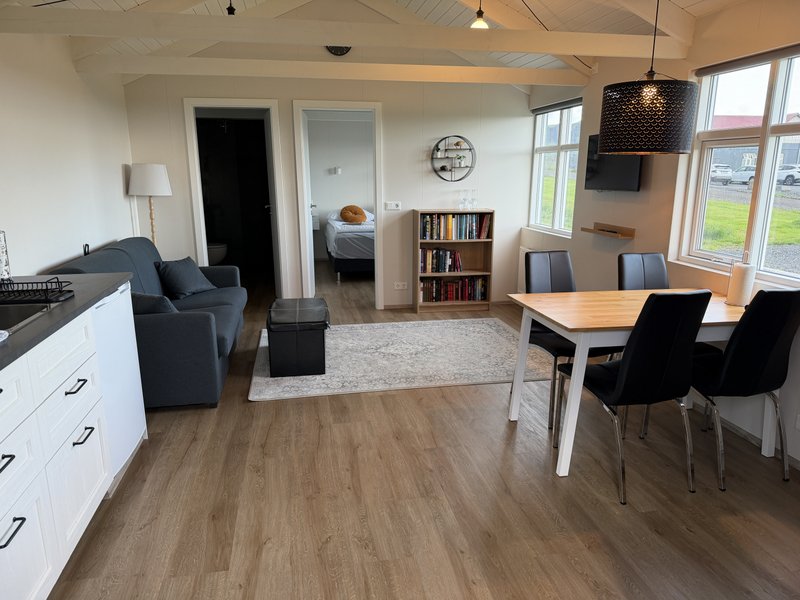
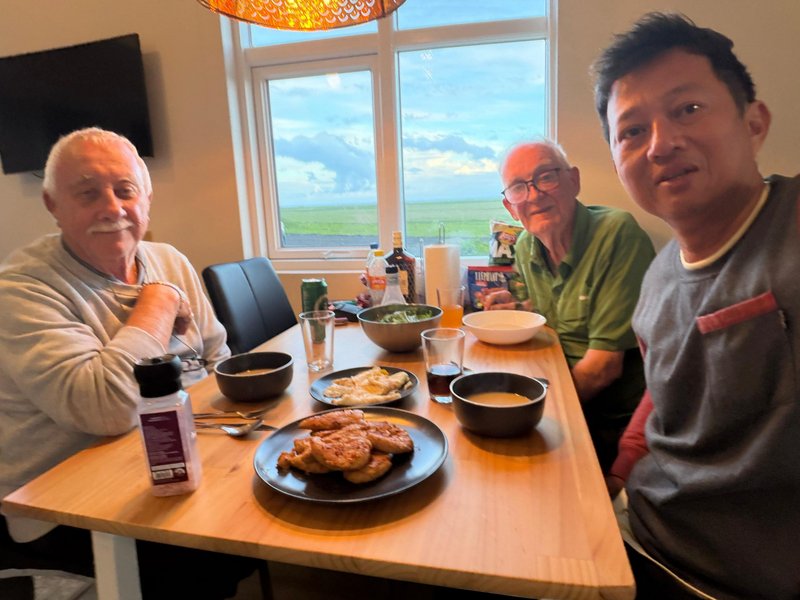
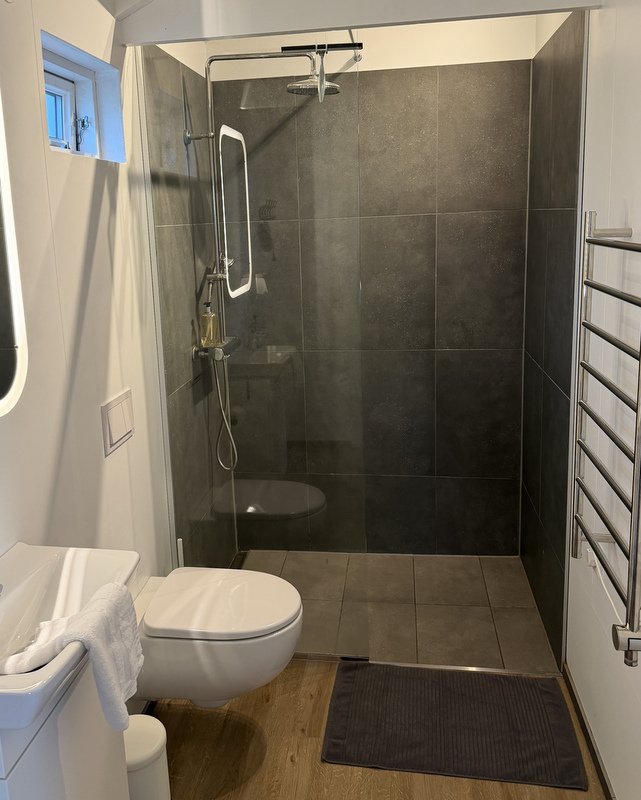
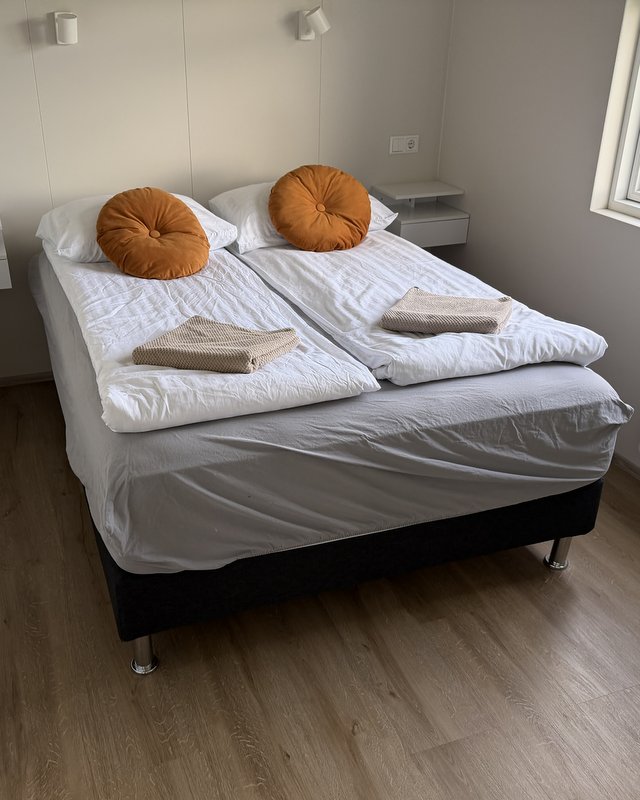
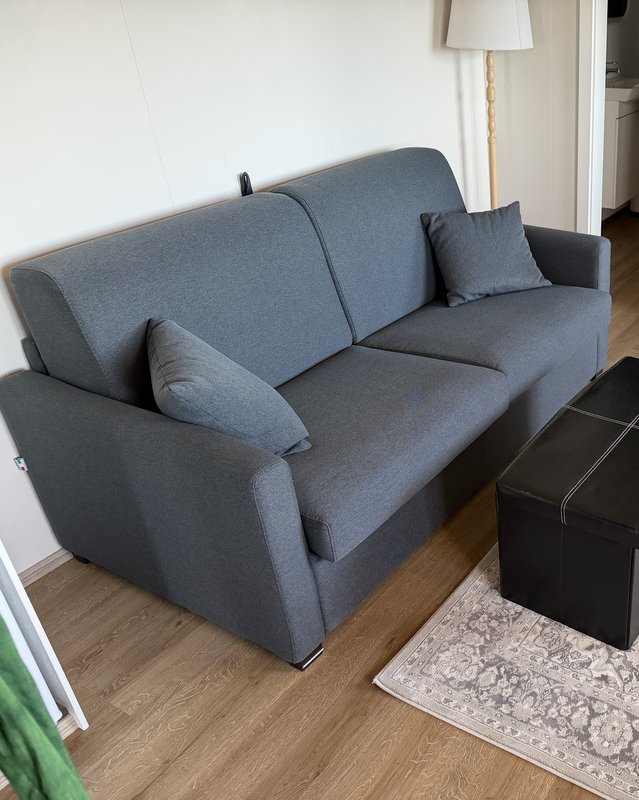
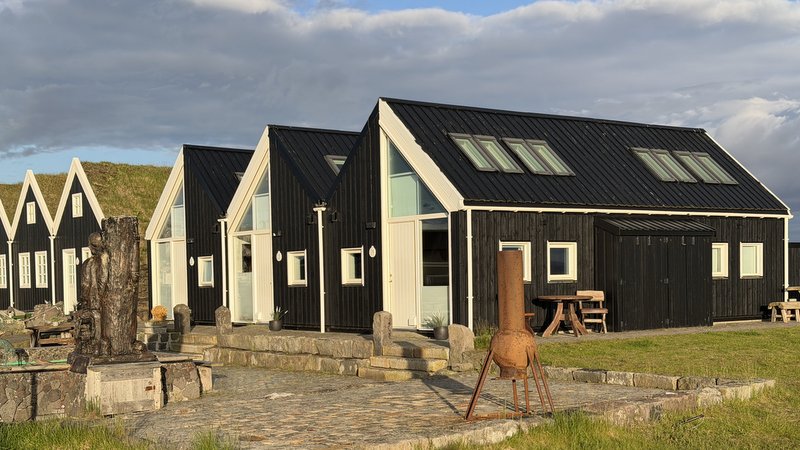
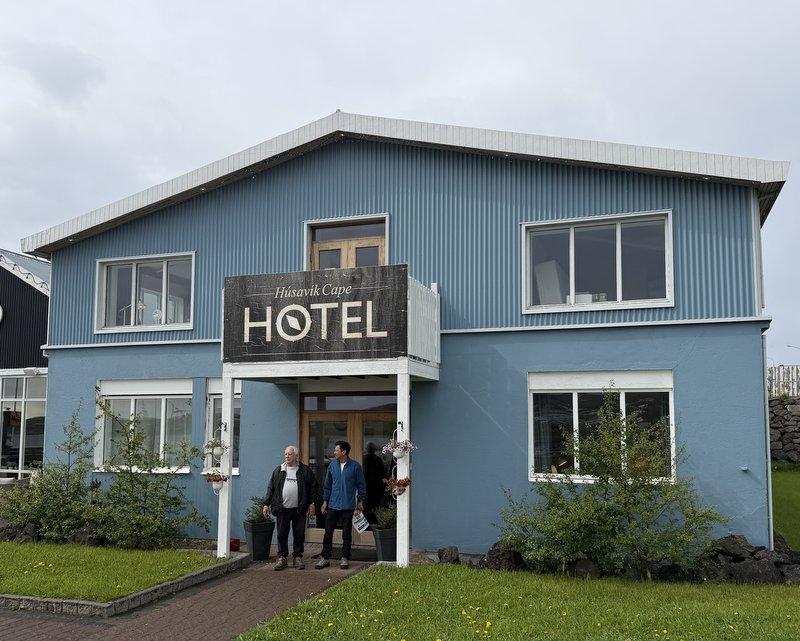
Our last night before going back to Reykjavik, Aric thought he had booked a homestay, but it was a hotel room. A very attractive former fisherman’s hut, but only a water kettle. Good that we had bought cup noodles as emergency food. The room was also very small, with two beds, only reachable via a steep ladder and no sofa bed. Well, we survived 😉 Actually, a nice hotel; a few of the rooms still had turf roofs. We had the corner room.
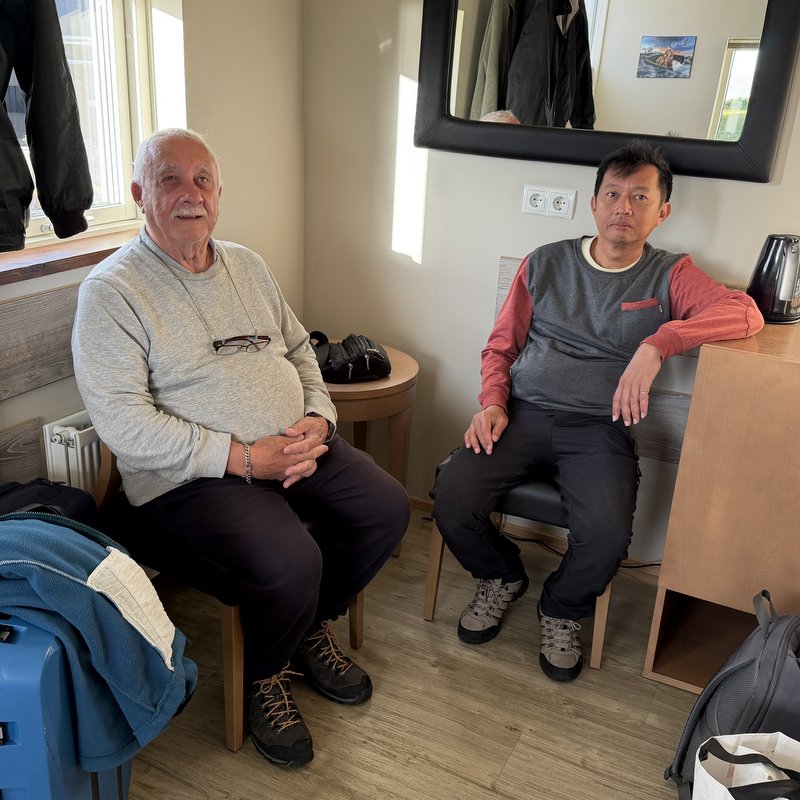
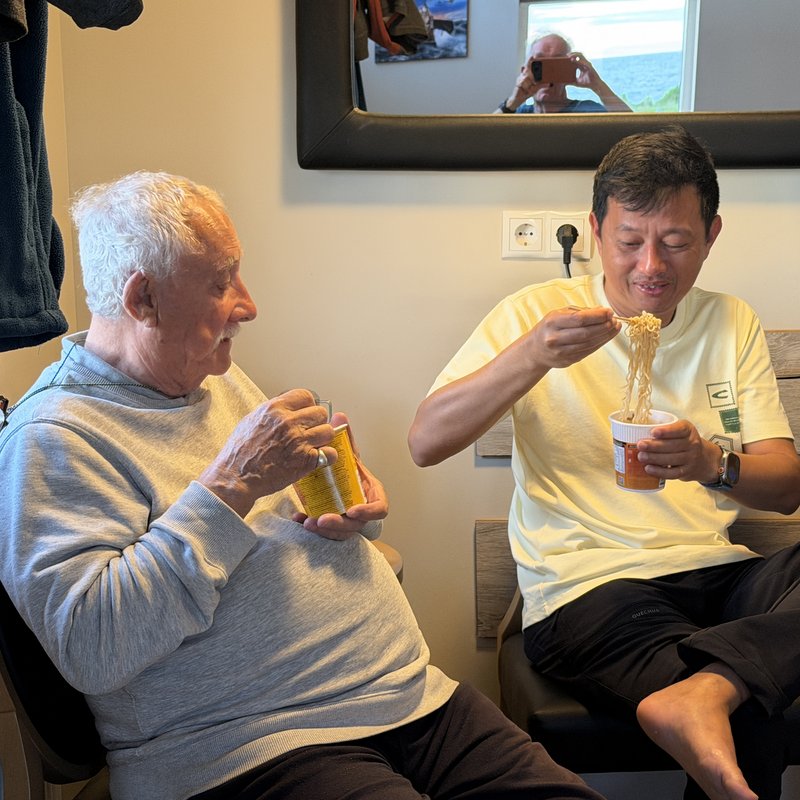
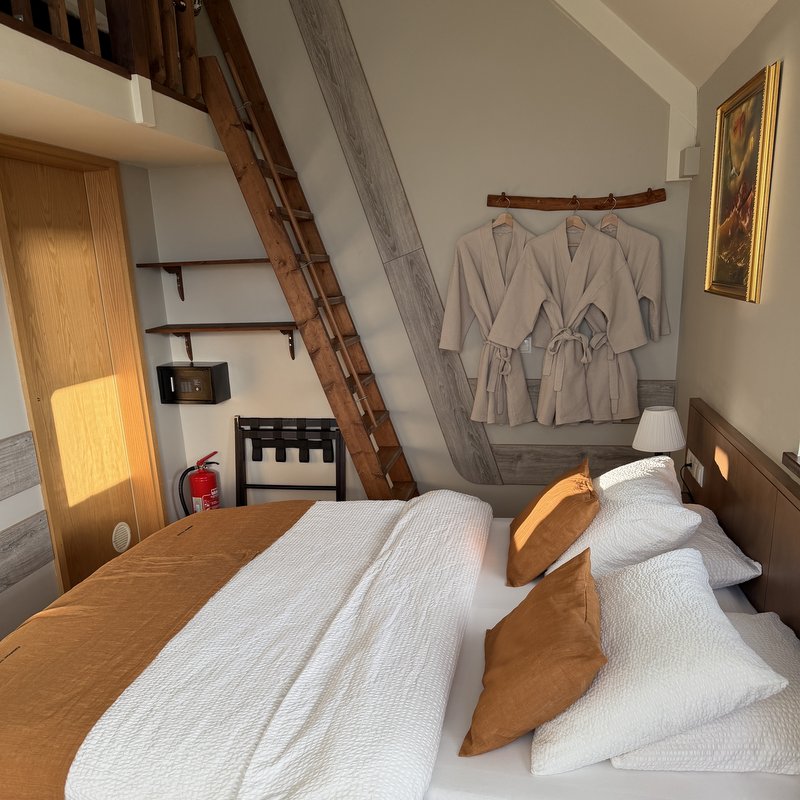
The homestays were an attractive part of our visit. Pity that we were so busy visiting places and driving many hours that we often arrived only around 9-10 pm. It was almost the Summer Solstice; the Sun sets around midnight and rises again a few hours later.
Almost daily, we visited a supermarket to buy provisions for breakfast and dinner.
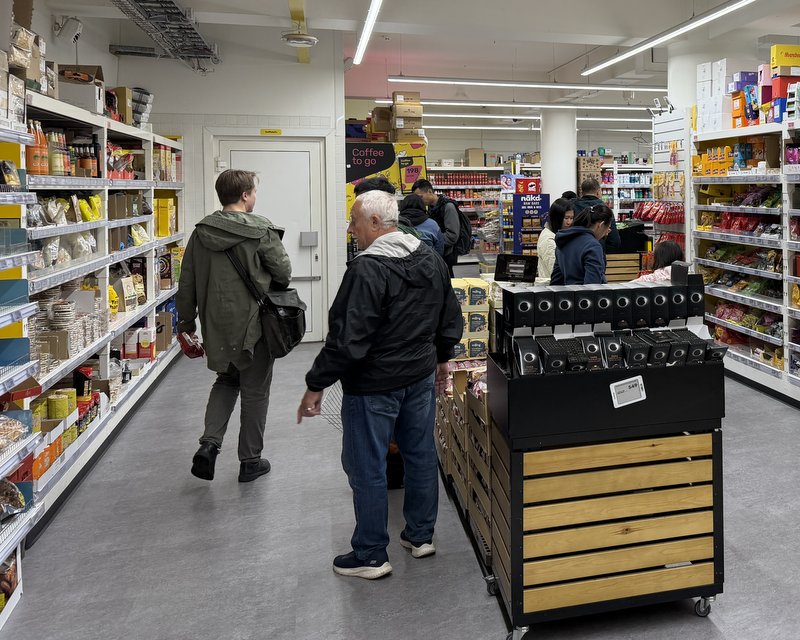
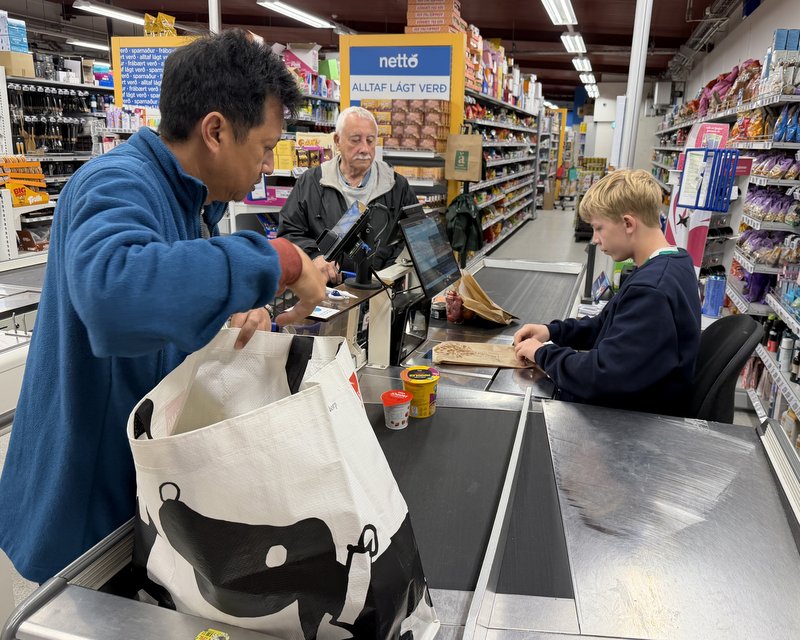
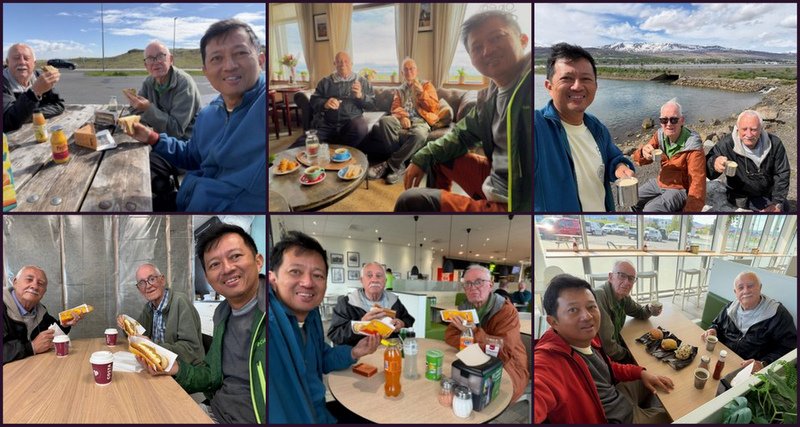
For lunch, we had some snack food or sandwiches. Petrol stations and major tourist attractions often had a cafe, or we had it at a picnic table when weather permitted.
Fauna and Flora
Whale-watching
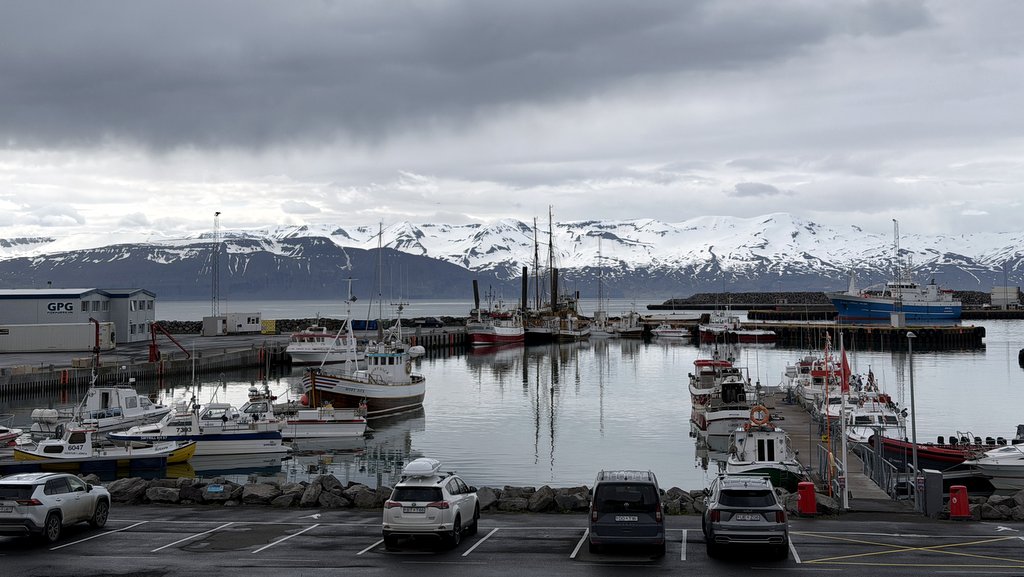
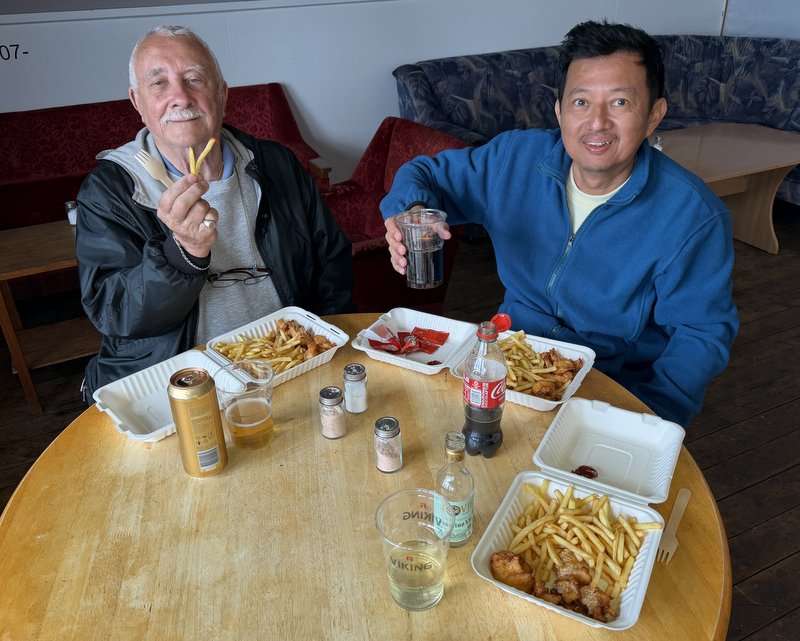
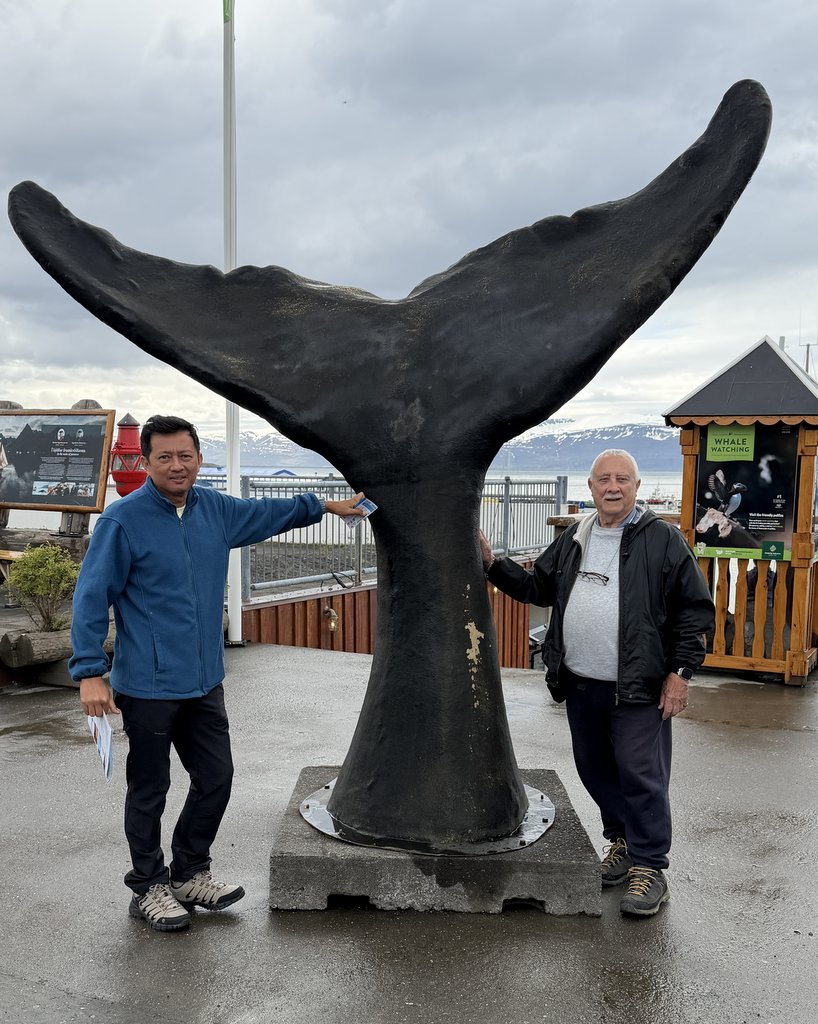
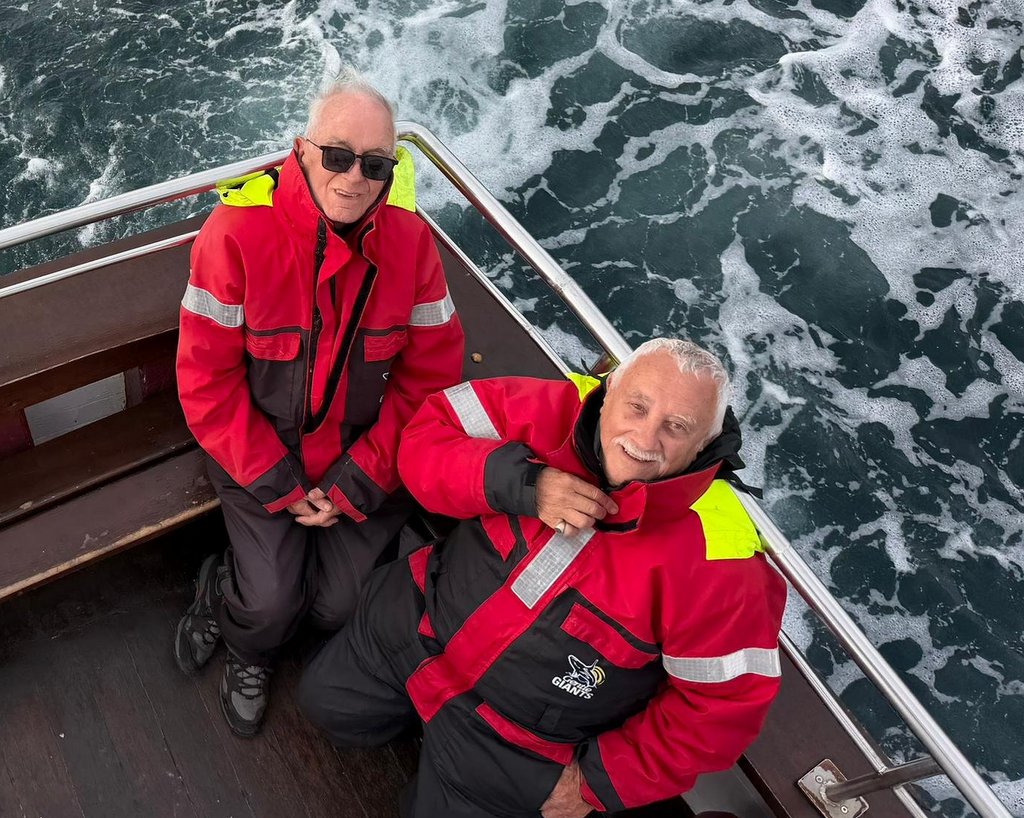
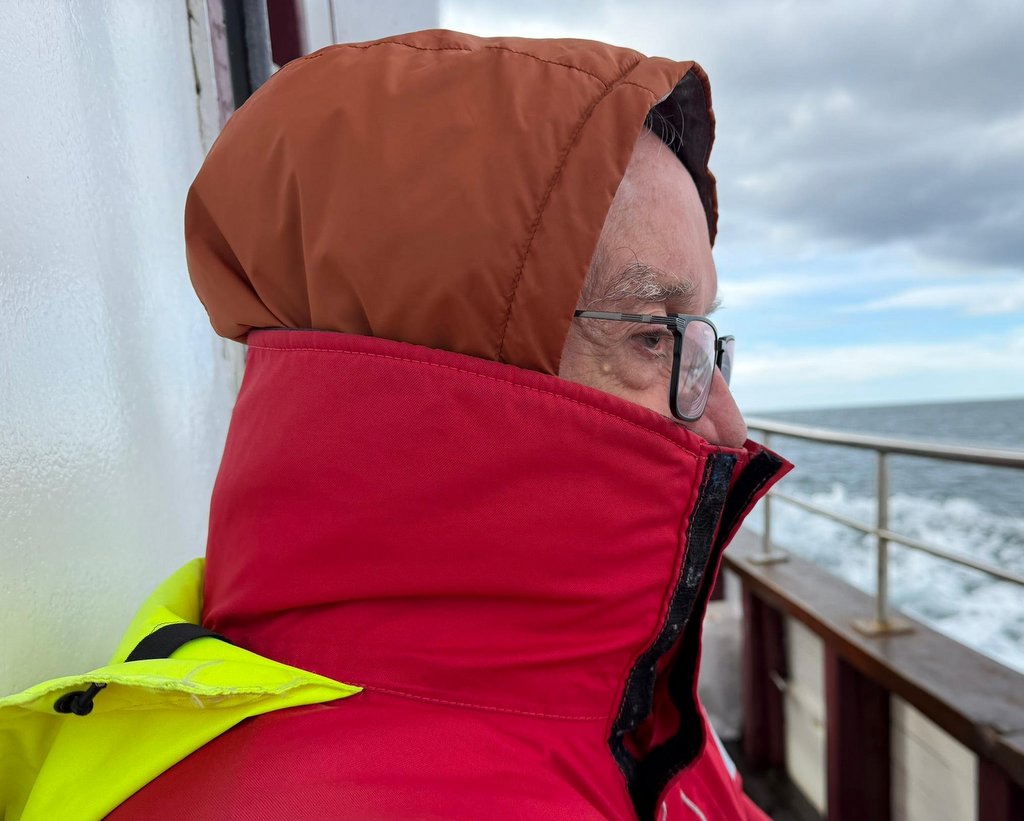
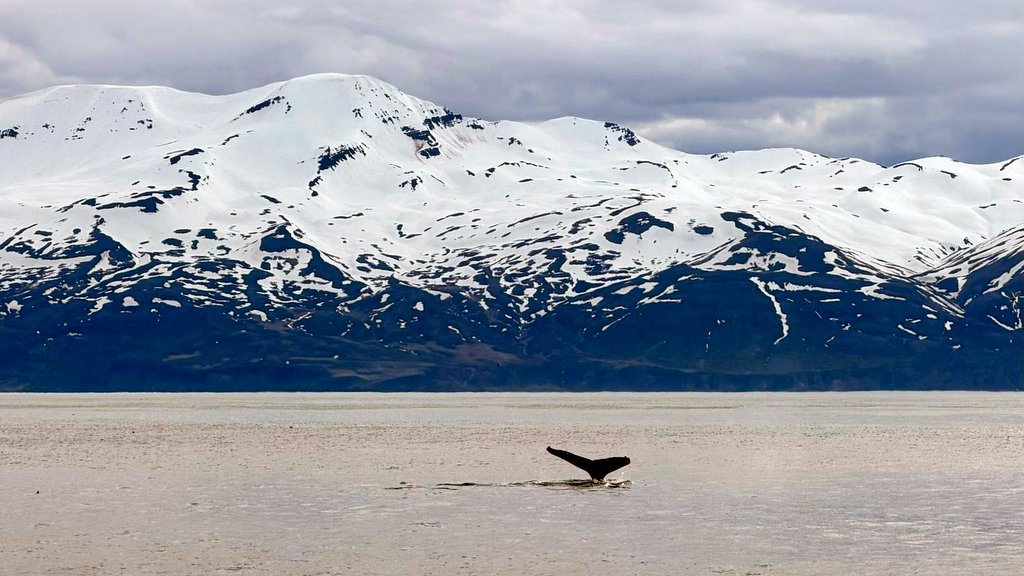
Two highlights were related to animals. Húsavík in Northern Iceland is widely recognized as the whale-watching capital of Iceland and all of Europe. We had booked a 3-hour trip starting at 5 pm, so we arrived early in the small town, checked in, and had lunch with fish and chips. The trip was well organized; we were given protective clothing, and a guide gave a warning when he spotted a whale. They are humpback whales, 14-17 m long, who come up to the surface every 10-15 minutes to breathe. The guide is trained to spot the spray when they exhale and gives the direction. When diving down, you can see their tail (if you are lucky). With my vision problem, I could not see details, but Aric managed to take a few nice shots.


Puffin Island
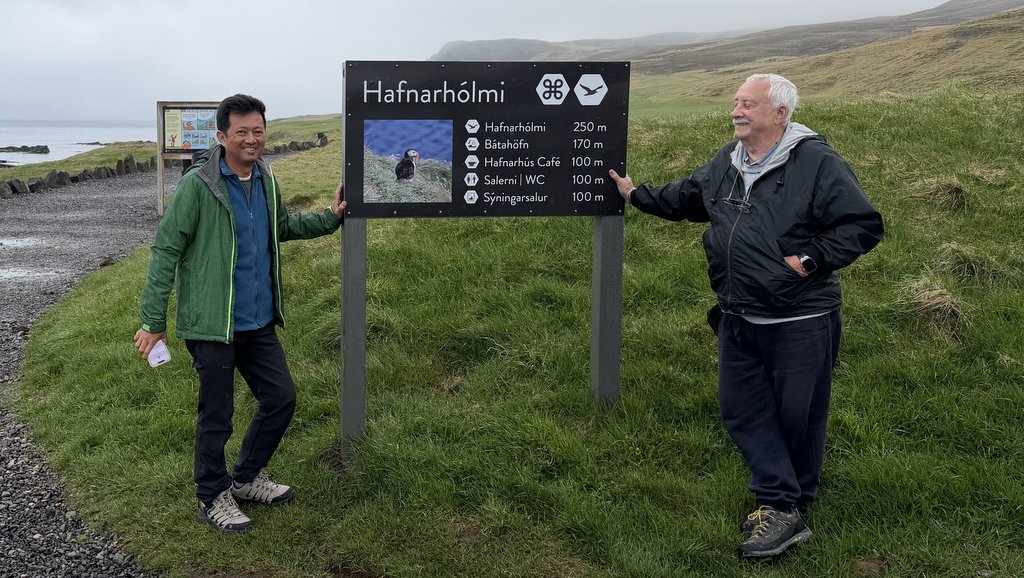
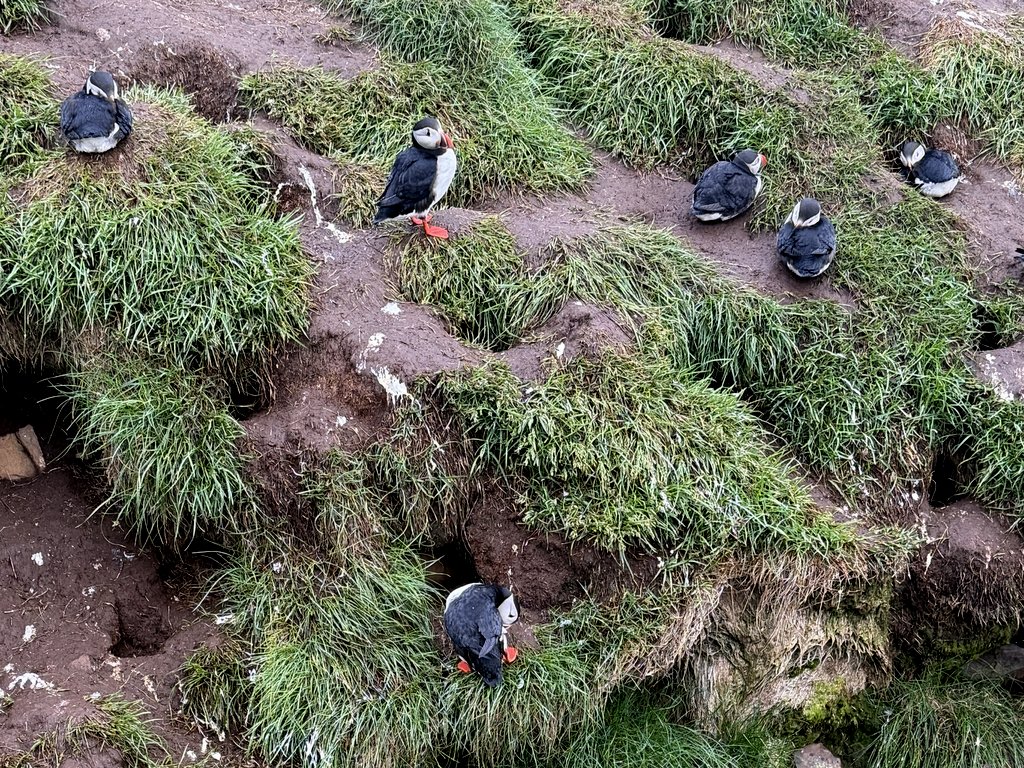
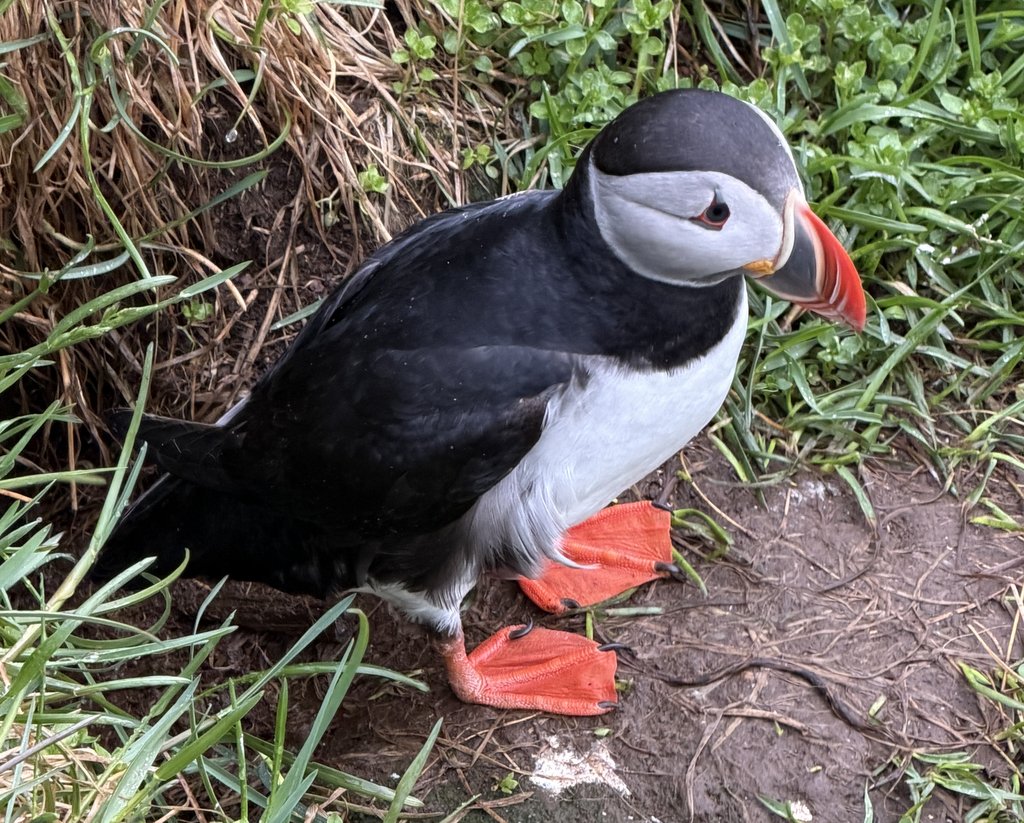
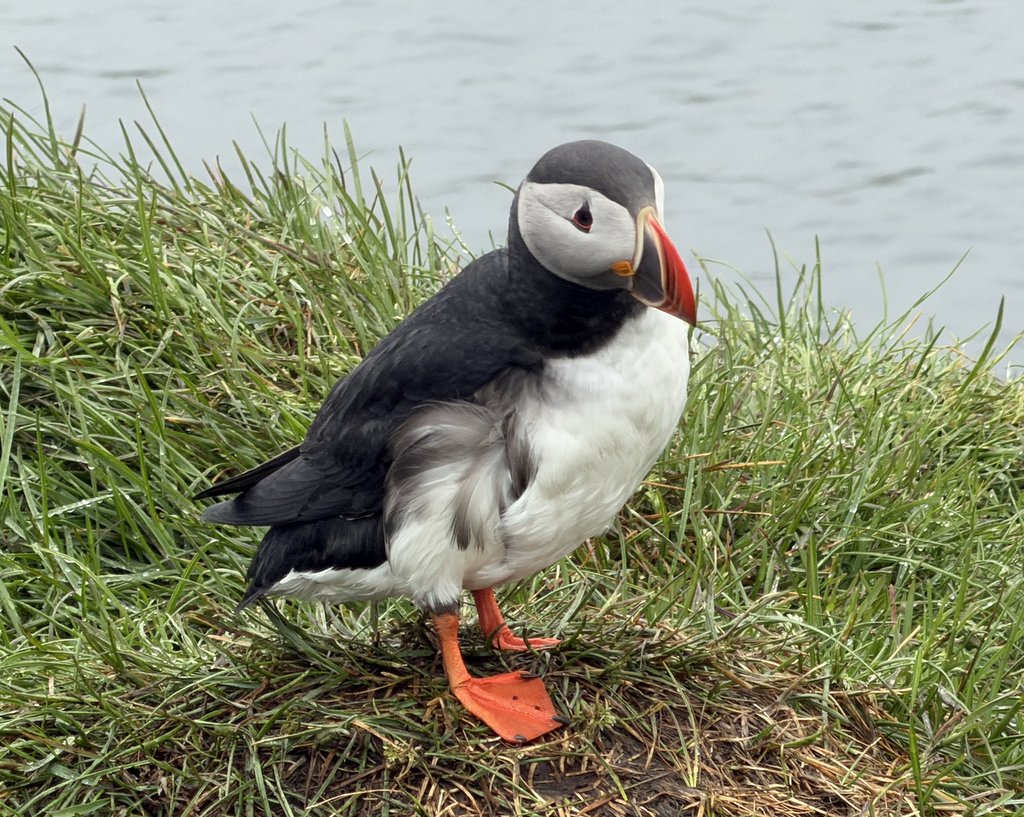
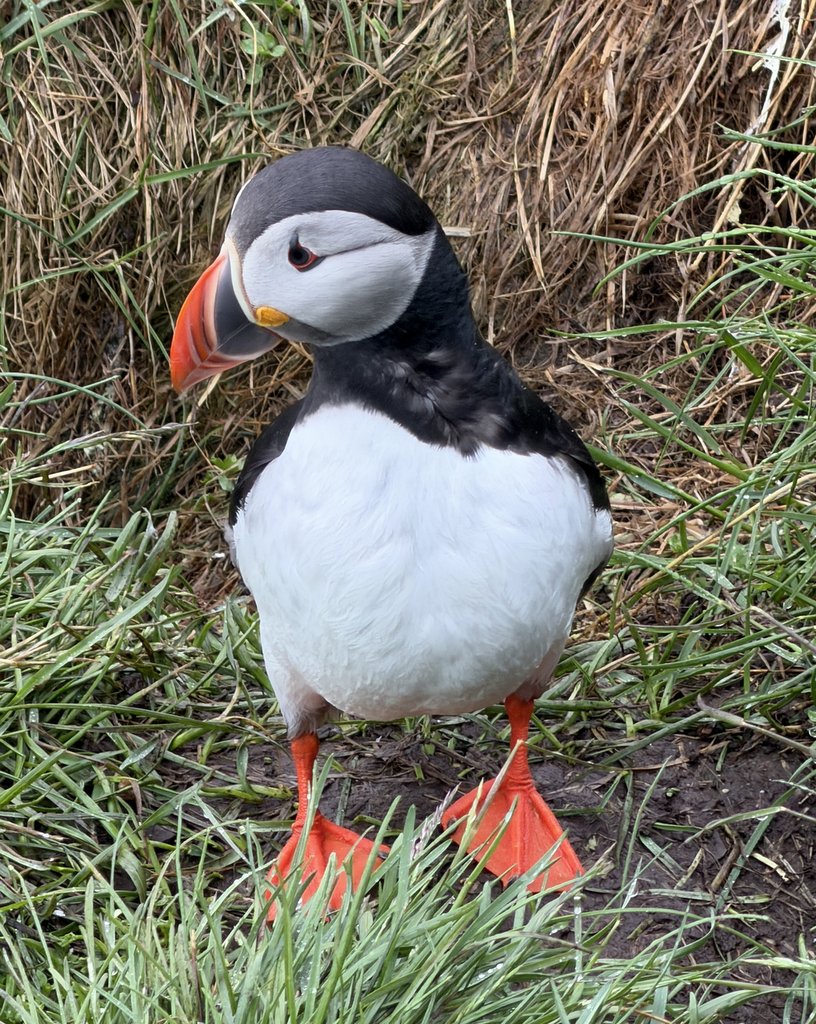
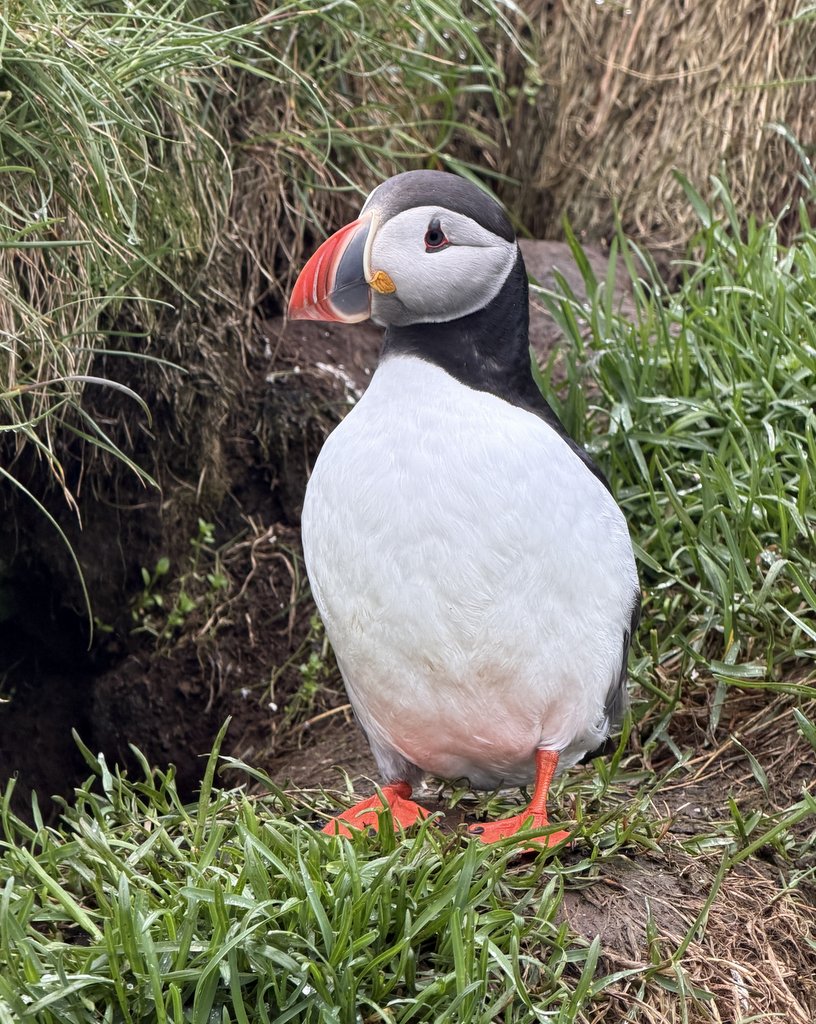
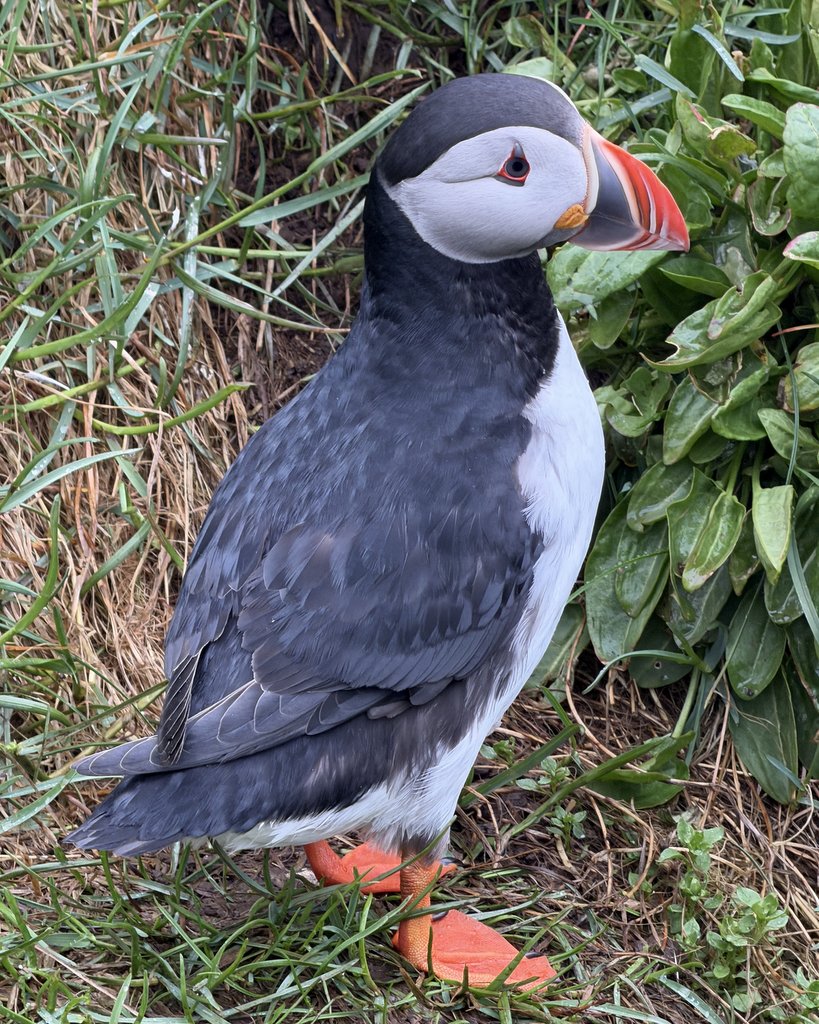
The following day we drove to Hafnarhólmi, widely considered Iceland’s puffin capital. In summer there are thousands of nesting Atlantic puffins. The small islet is connected by a causeway to the mainland, and wooden walkways and platforms have been constructed to watch the cute birds from very close by. Free access, and the birds are apparently not disturbed. Fascinating experience; you can not stop taking pictures.

Other animals abd flowers
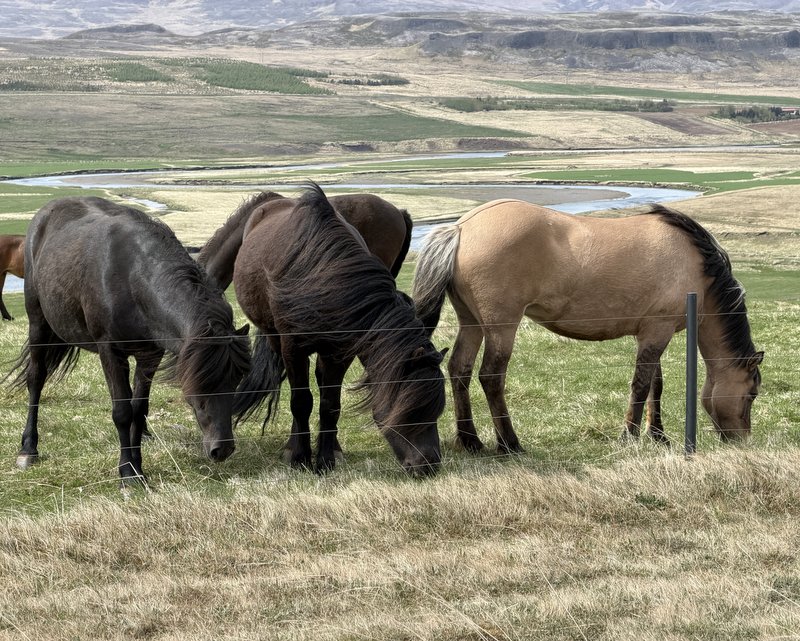
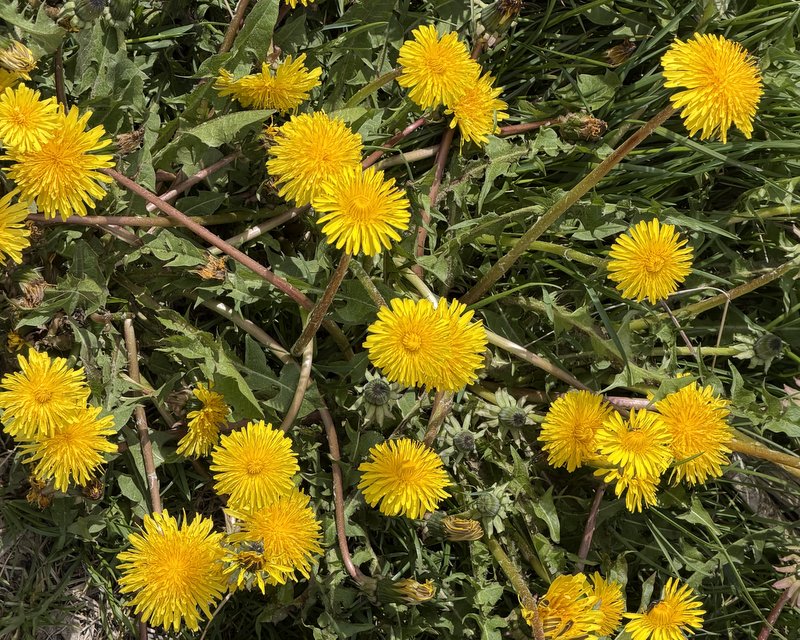
During our trip, we saw herds of horses and flocks of sheep. The beautiful Icelandic horses are small in size, but don’t call them ponies; that is impolite. We did not see much flora.
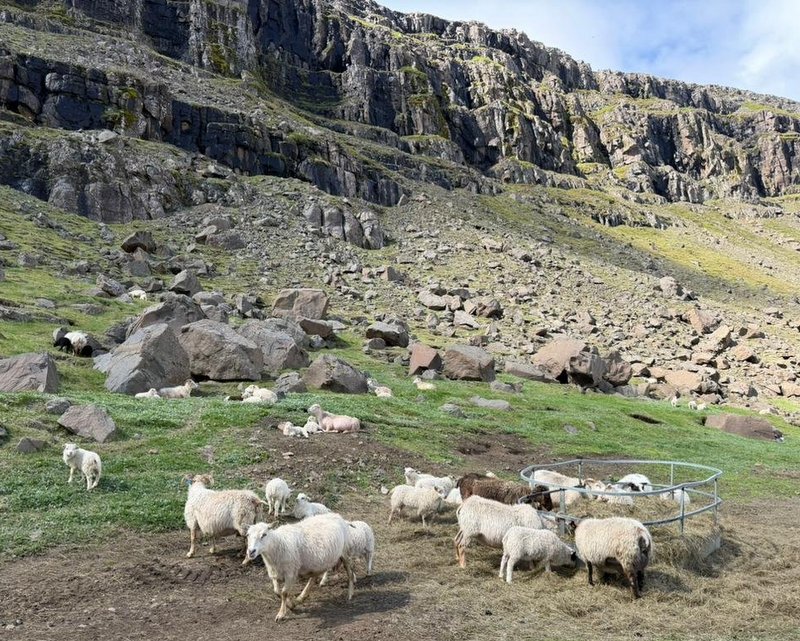
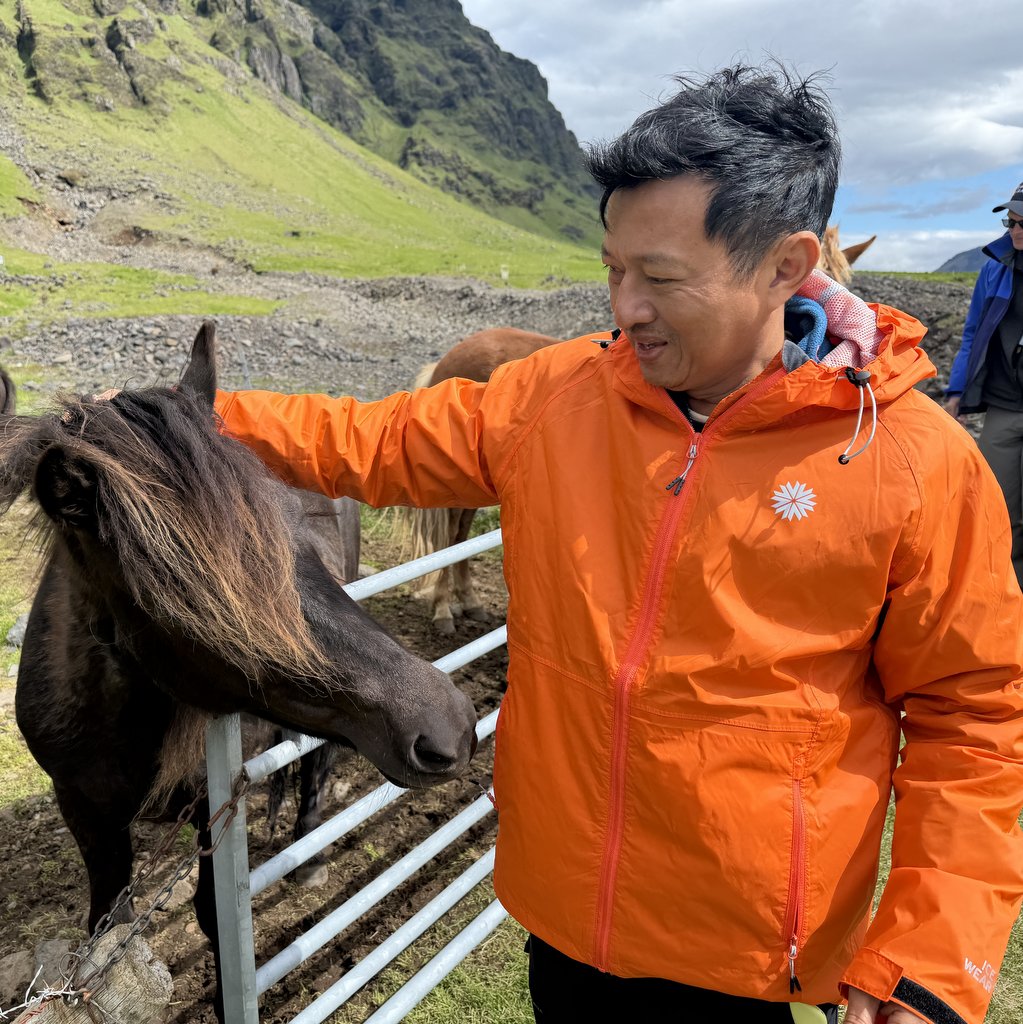
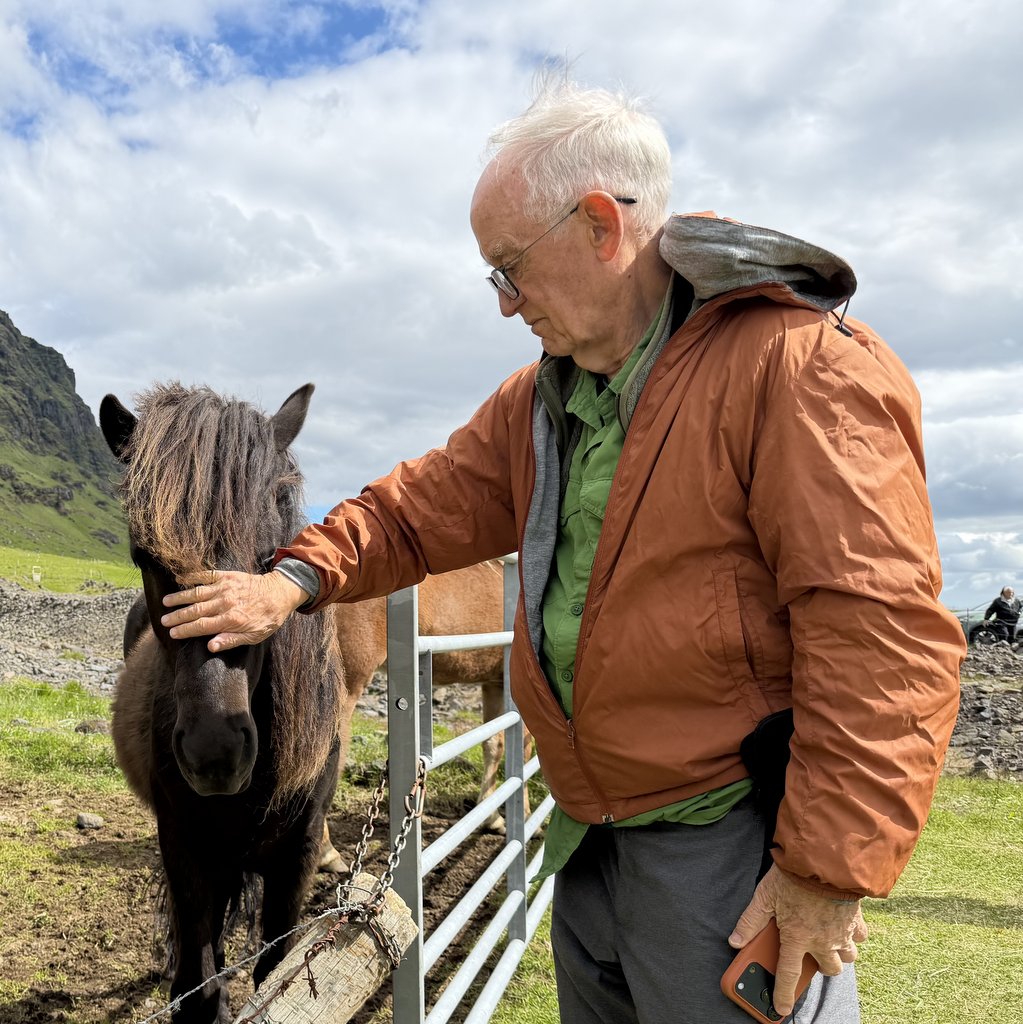

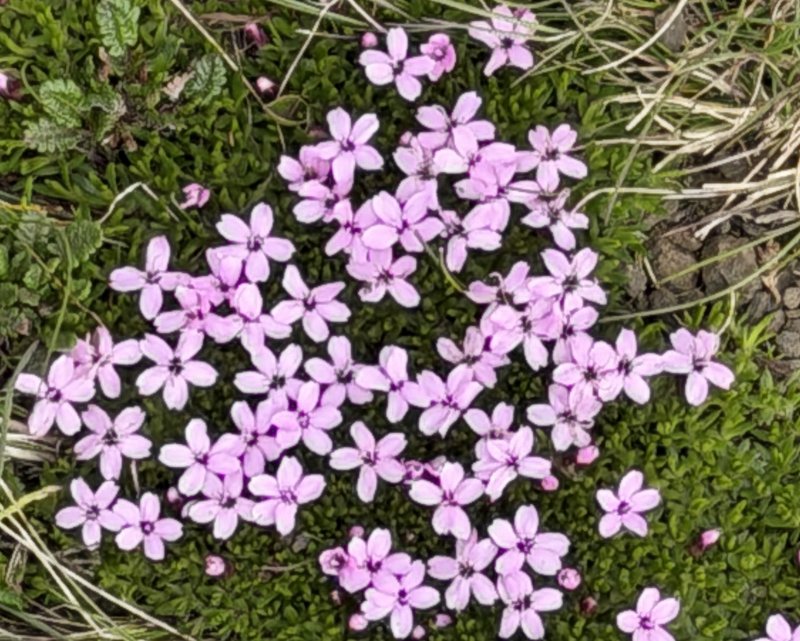
Turf Houses
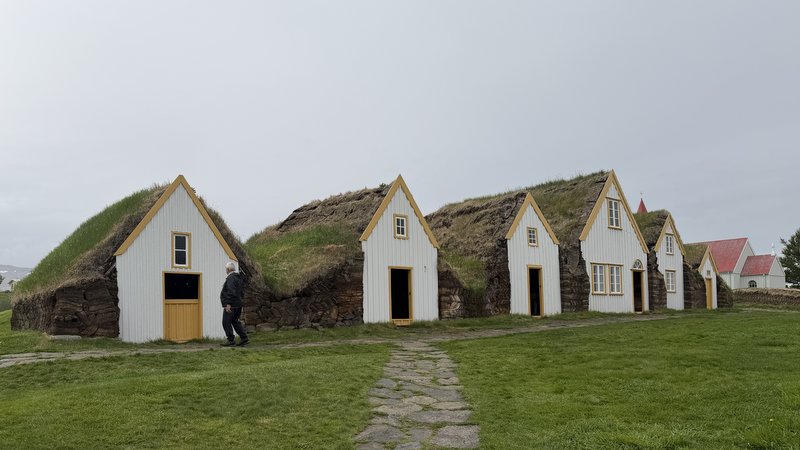
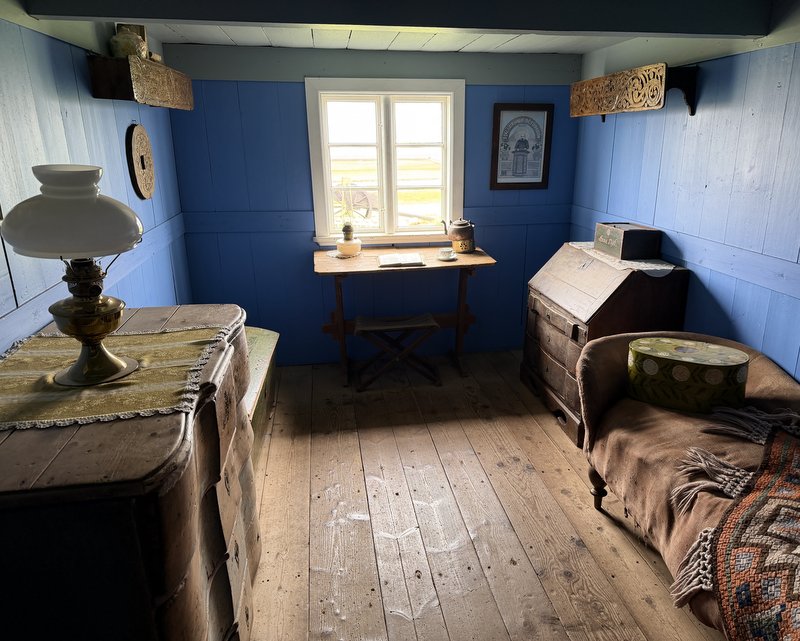
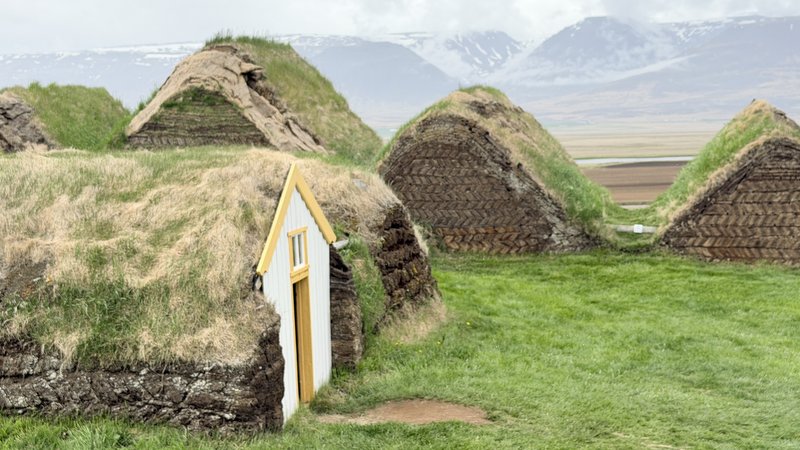
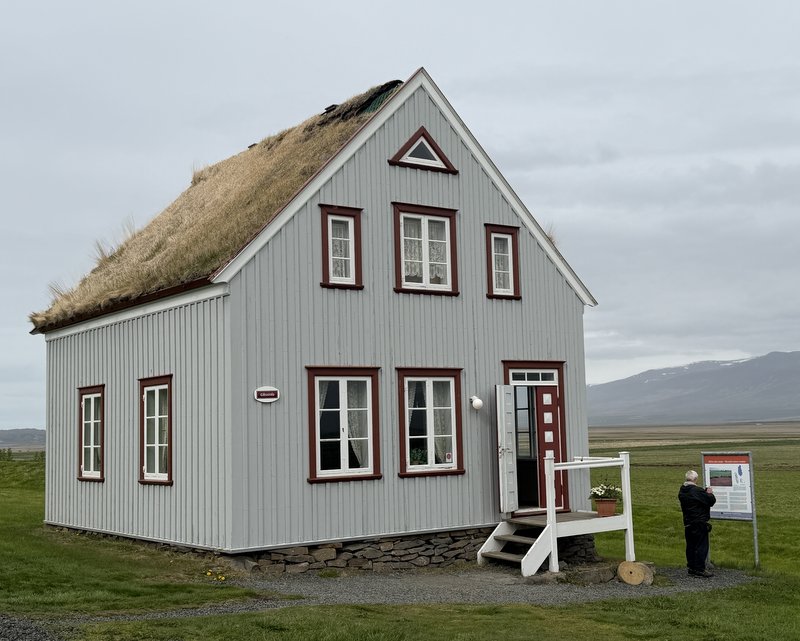
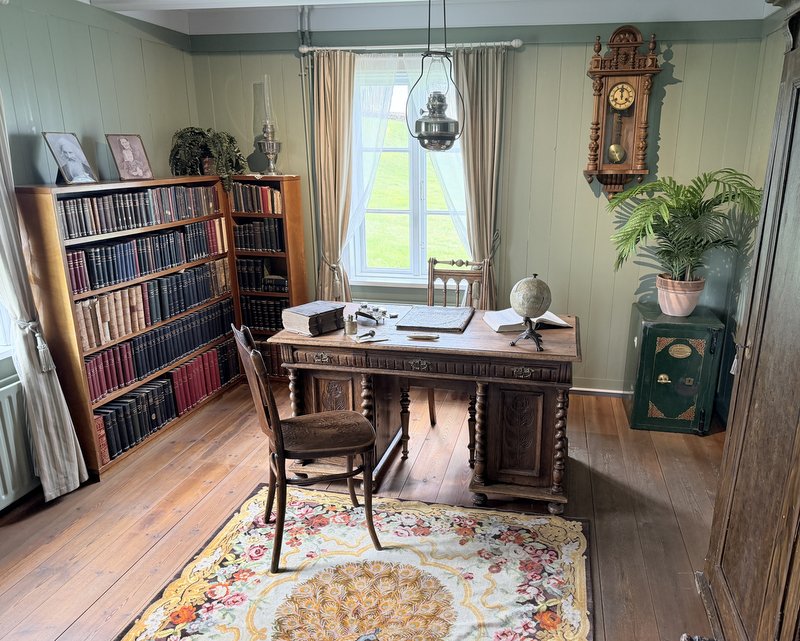
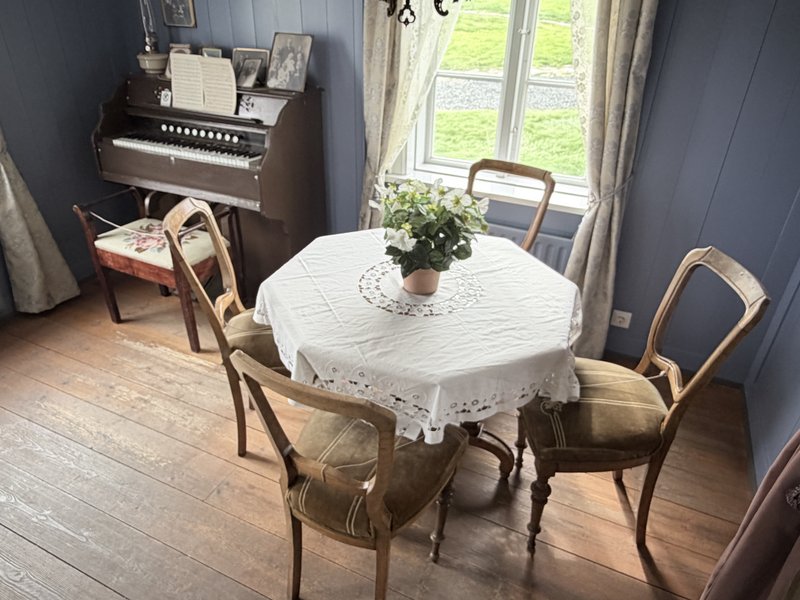
Using turf as a building material has been common in Iceland for over a thousand years. Its insulation properties made it suitable in a cold climate. On the second day of our round trip, we visited Glaumbær, where until 1948 villagers lived in turf houses. It has now become the Skagafjörður Folk Museum. There are 13 turf houses, which can be visited. Fascinating. Pity that it was drizzling and raining that day; otherwise we would have stayed longer. Here is the front row of six turf houses. Many of the artifacts have been kept after the residents left.
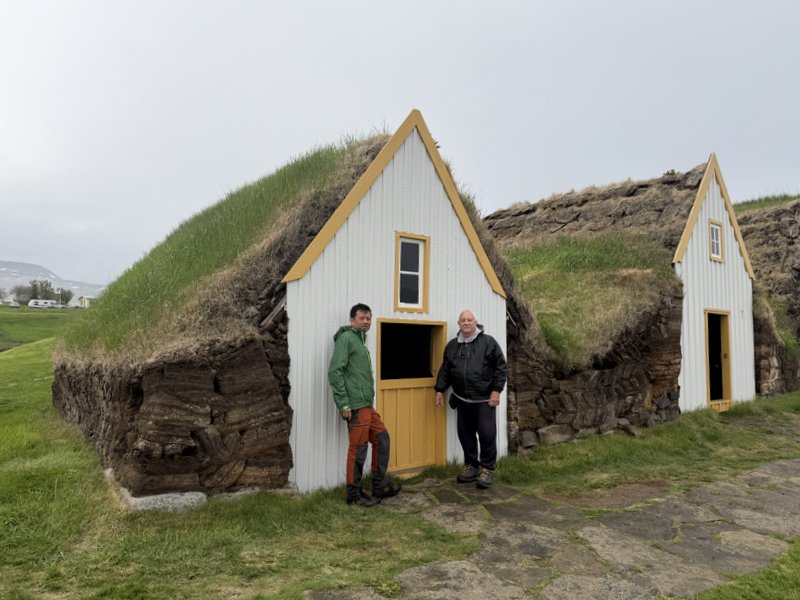
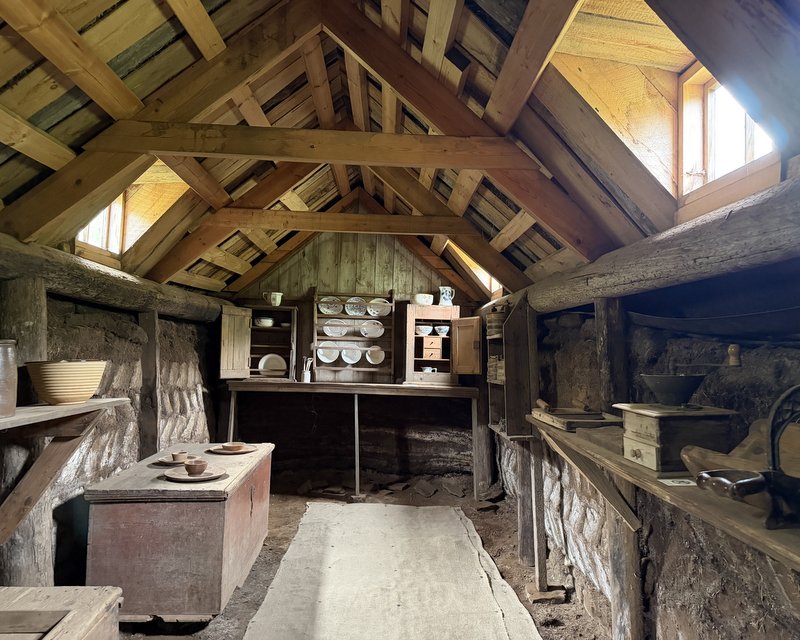
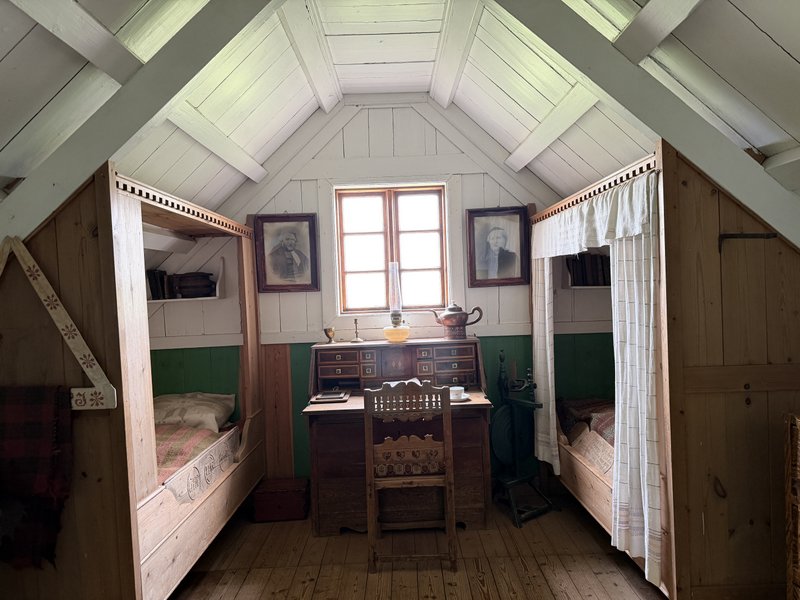
This timber house with a turf roof comes from another location and has been rebuilt here. It houses the management office and a cafe.

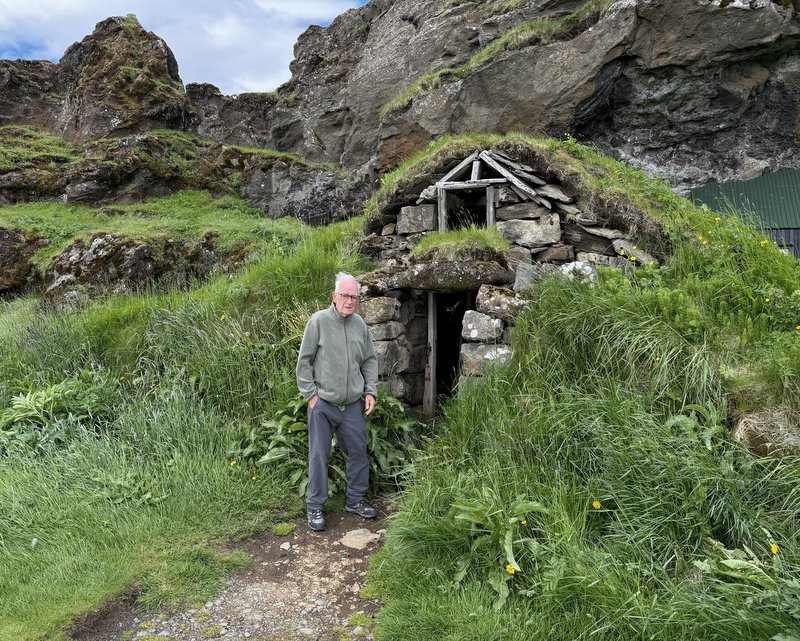
On our trip, we have seen a few more turf sheds and one of the six remaining turf churches. A few of the fishermen’s huts in our last “homestay” still had turf roofs.

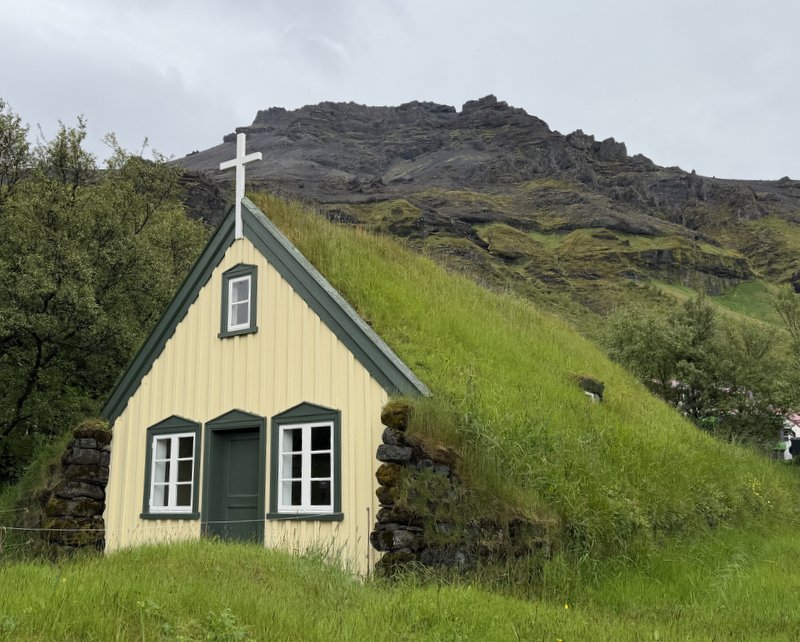
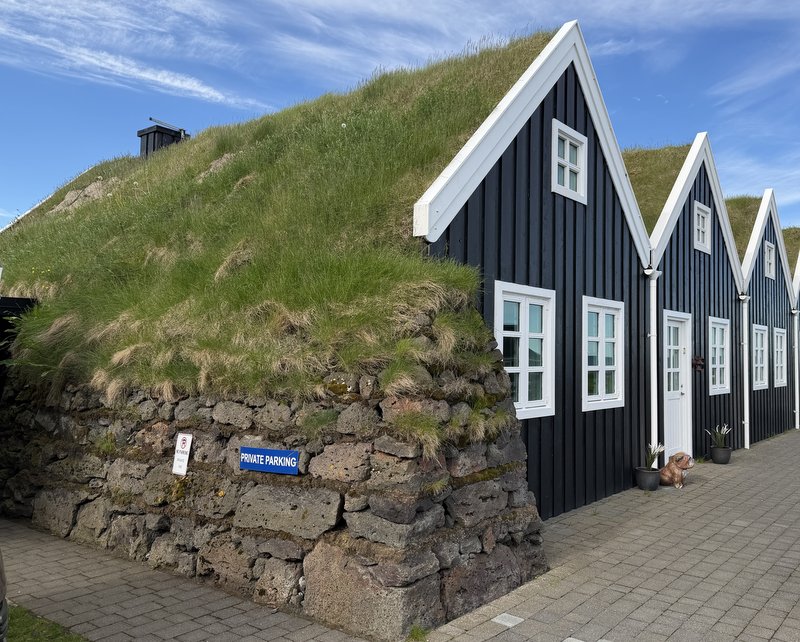
Other buildings
The first tourist attraction we visited after renting a car was a church! It is a real beauty, red-roofed against the backdrop of snow-covered hills. The church has become a popular tourist attraction for a peculiar reason. Here is why: Icelandic Church : The Eye Test House Is Going Viral Again and Its Real-Life Lookalike Is Beautiful. Actually, it is an urban legend, not true.
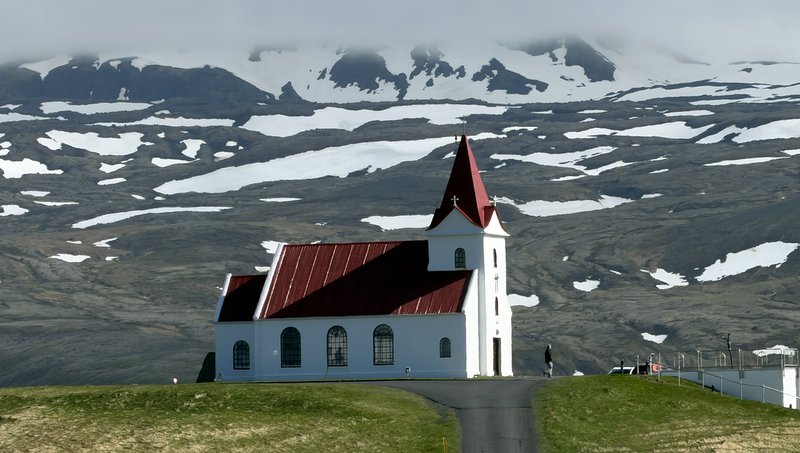
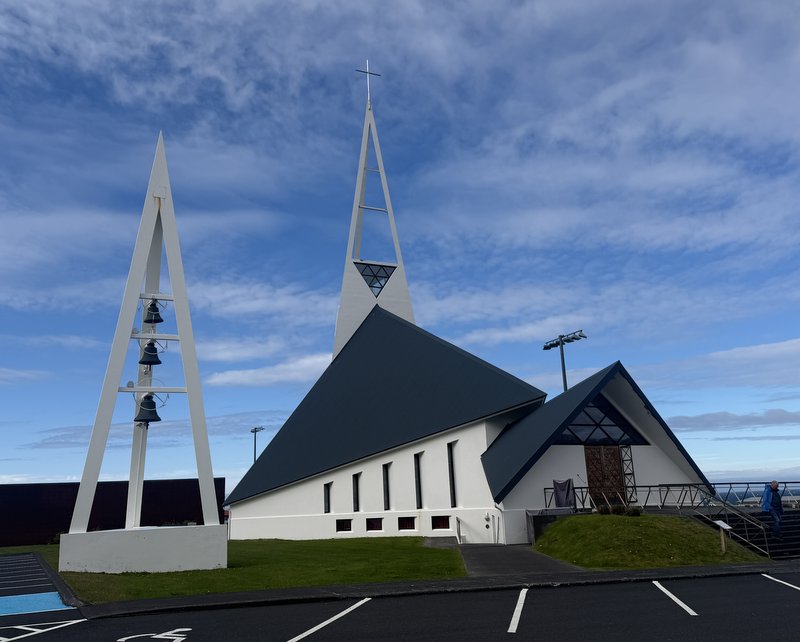
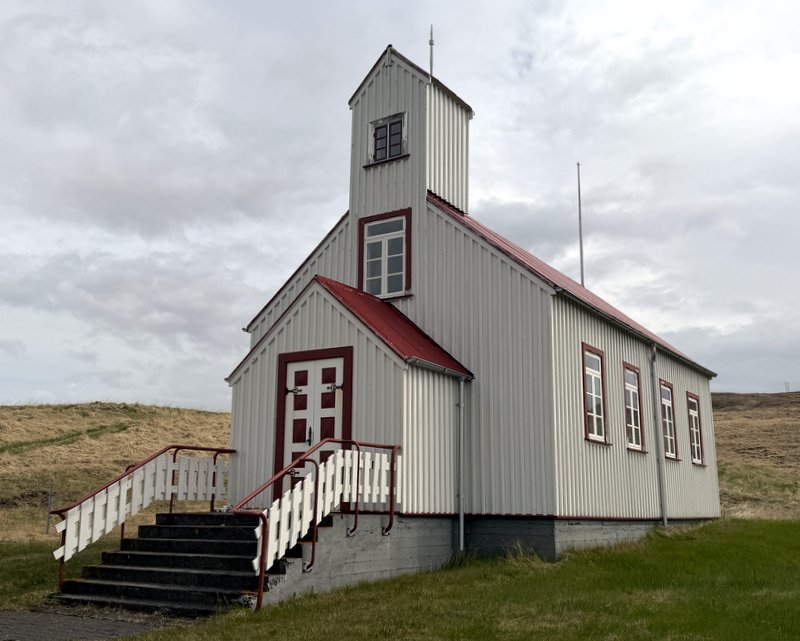
We took more pictures of churches, traditional and modern. Many of them are located in remote places.

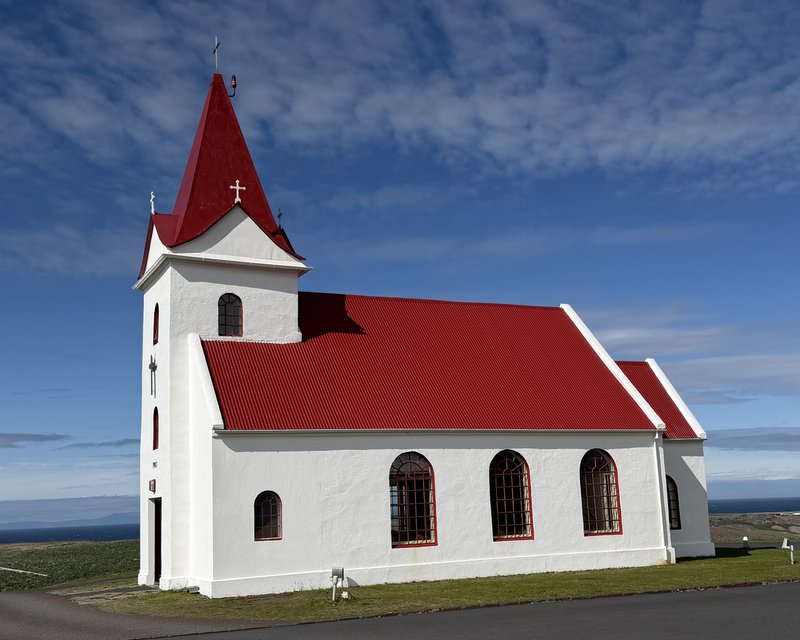

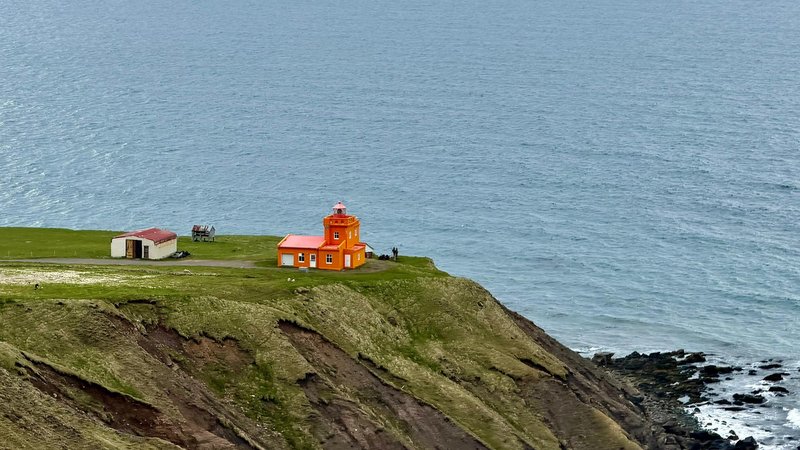
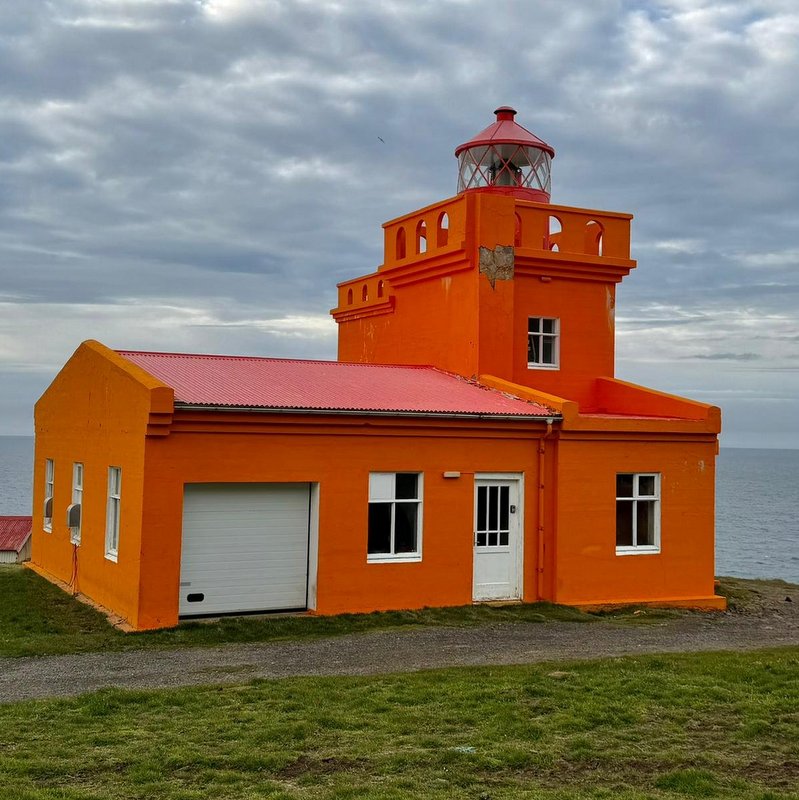
Lighthouses are a bit similar to churches. Remote location, with a tower.


Art
During our round trip we visited two public art installations.
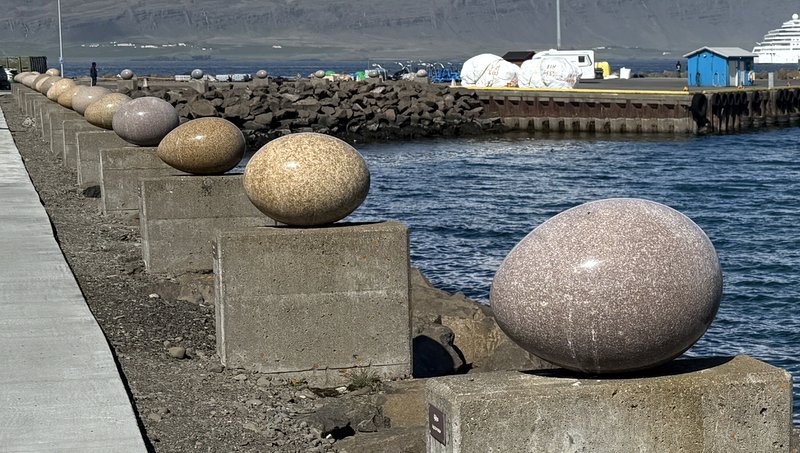
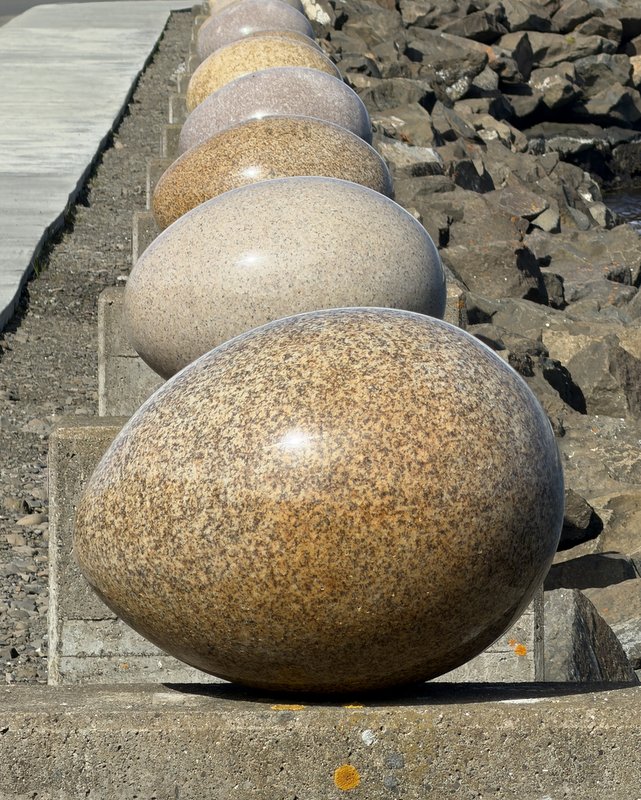
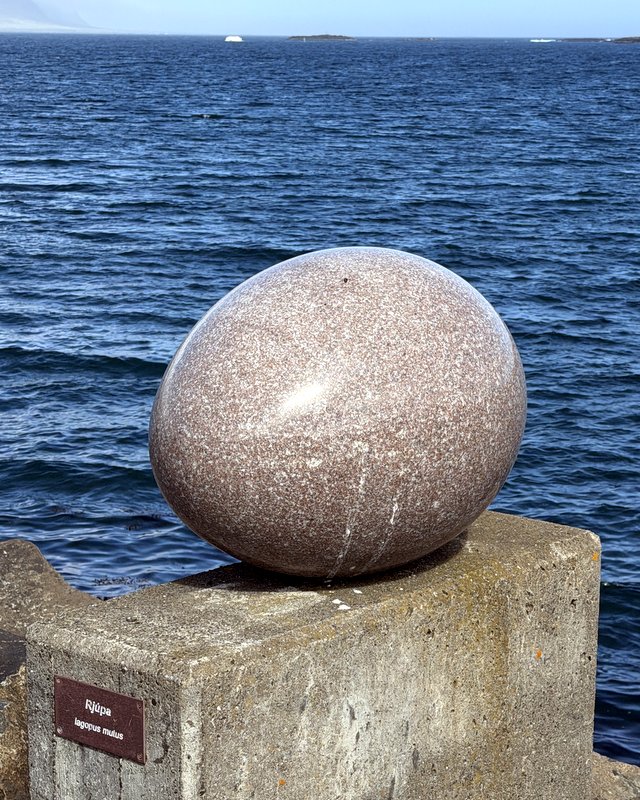
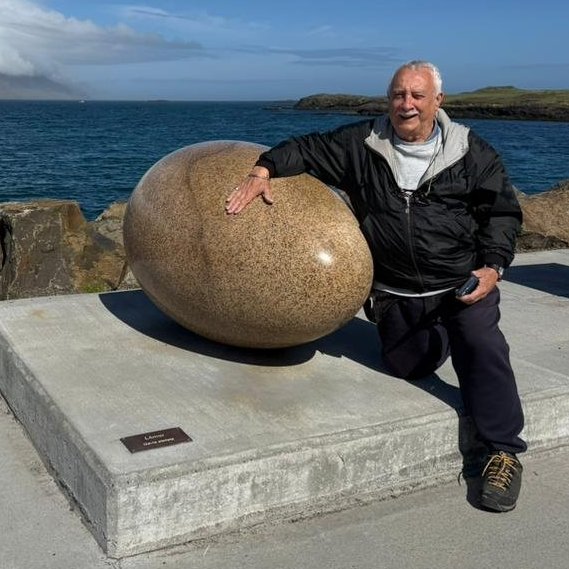
The Eggs of Merry Bay
Created by Sigurður Guðmundsson and officially unveiled in 2009. The installation consists of 34 oversized granite replicas of bird eggs. Each egg represents a different species of local bird that nests in the country.


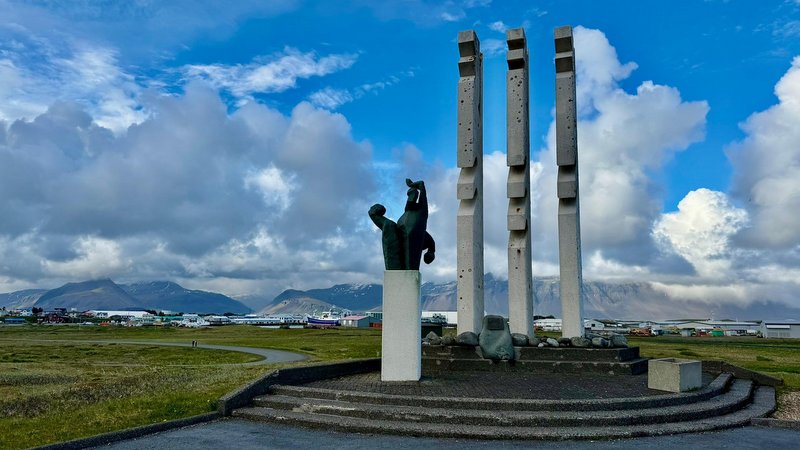
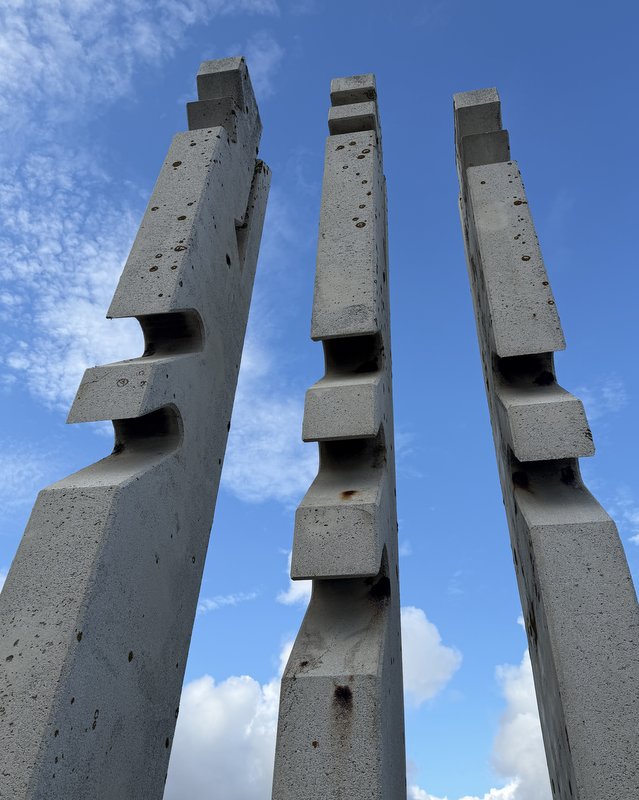
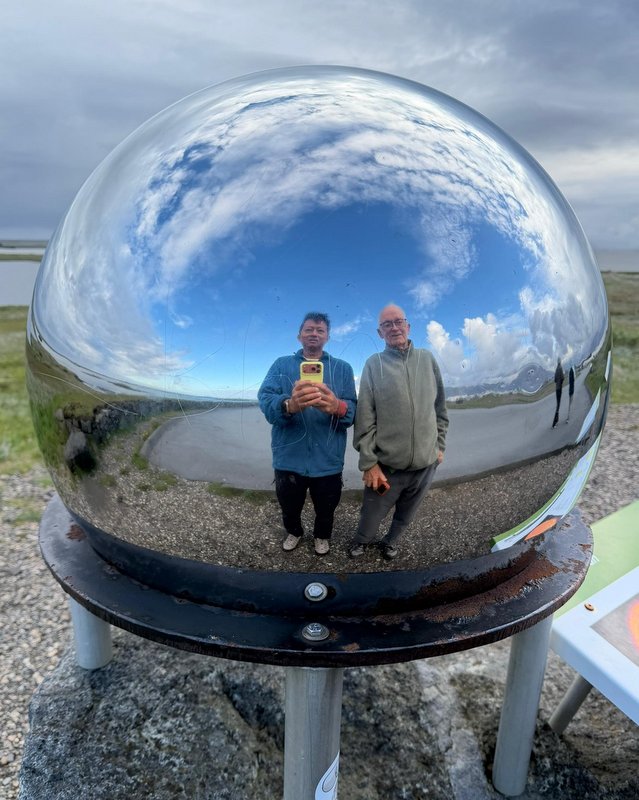
Höfn Universe Sculpture
This artwork was created by Jón Gunnar Árnason (who also created the Sun Voyager in Reykjavík). The bronze sculpture is a memorial for all fishermen who lost their lives at sea; the chrome ball represents the Sun, and the three pillars may point to the famous Pillars of Creation. –
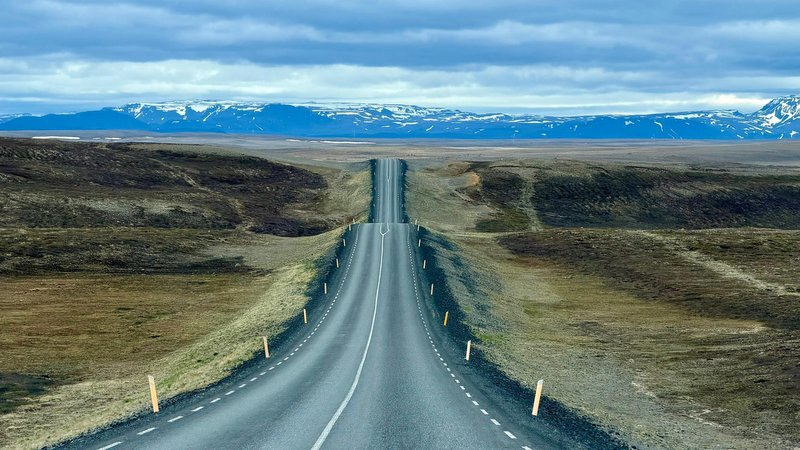
We drove about 2400 km, mainly on Highway no 1. It resulted in this lengthy blog
Very envious after reading this description of a fascinating trip and country. There seems to be a mystery member of your party who appears in many of the photos but is not introduced?
Our UK friend Rodney was introduced in my blog Our visit to Europe in 2026, where I write in the introduction:
Iceland was the main destination and Aric made am elaborate planning for a 10D9N visit. We asked our UK friend Rodney to join and visited him on a 5D4N trip before flying together to Reykjavik.
Wah so much development since we went there more than ten years ago
You didn’t go to the penis museum in Reykjavik?The Icelandic Phallological Museum. The whale penises are impressive!
I didn’t even know it existed 😉