Iceland 2026, part 2

In part 1, I described the natural wonders of Iceland, which we visited on a 10D9N trip. In this part, I describe the many other things we did: we went on a whale-sighting trip, visited a bird colony, an open-air museum, and much more. I will also describe the places where we stayed overnight and the food we ate.

Reykjavik

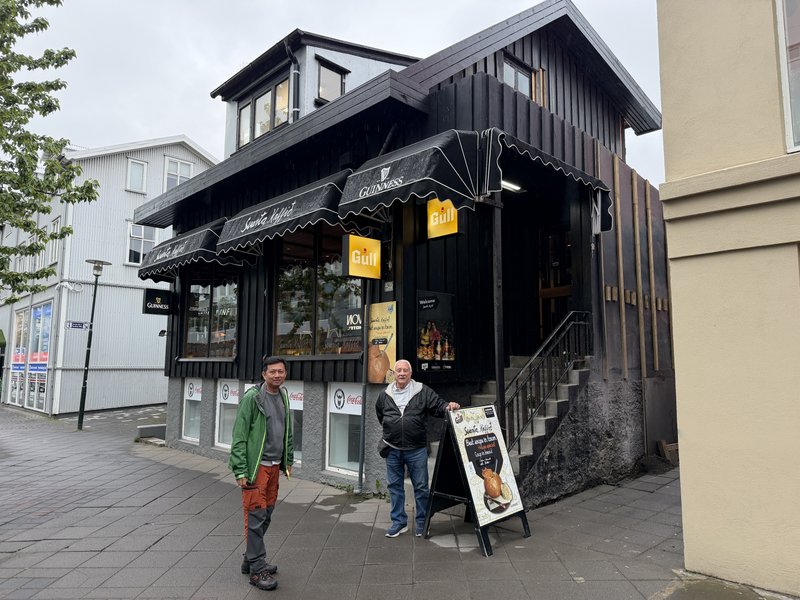
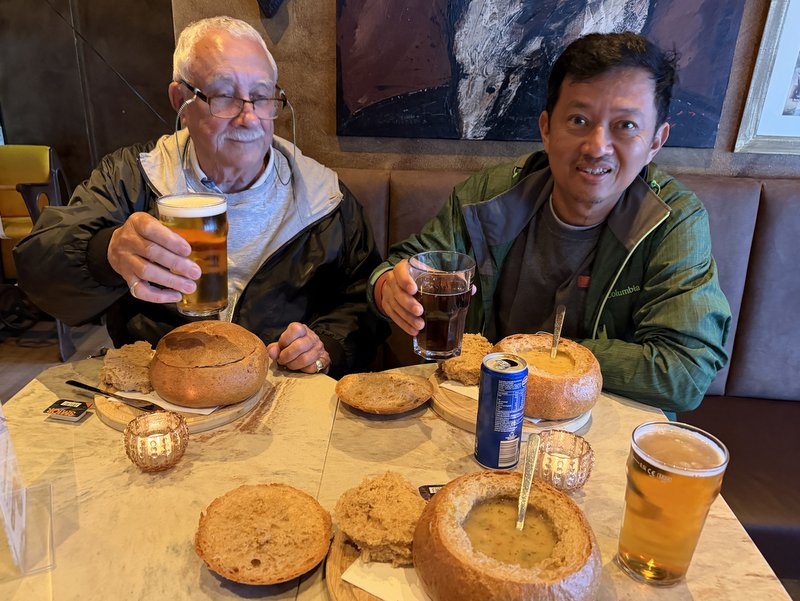
Iceland has a size of 2.4 times the Netherlands, but a population of only about 400.000. Reykjavik, the capital, is the only real town on the island. About 2/3 of the Icelanders live here. We stayed overnight on the first and the last night of our trip. The first night, after checking in at our hotel, we went out for dinner. Iceland has no culinary reputation, but the soup in a bread bowl at Svarta Kaffið was as delicious as it was unusual 😉
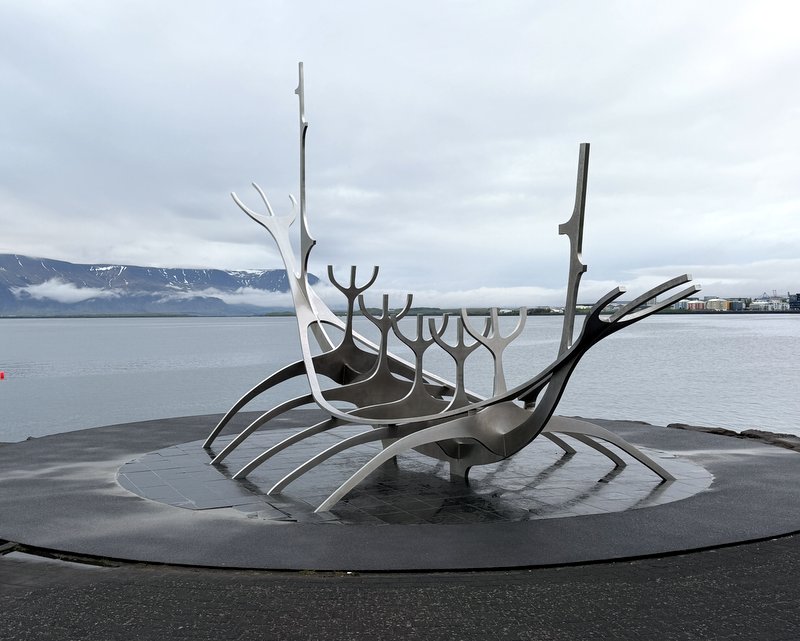
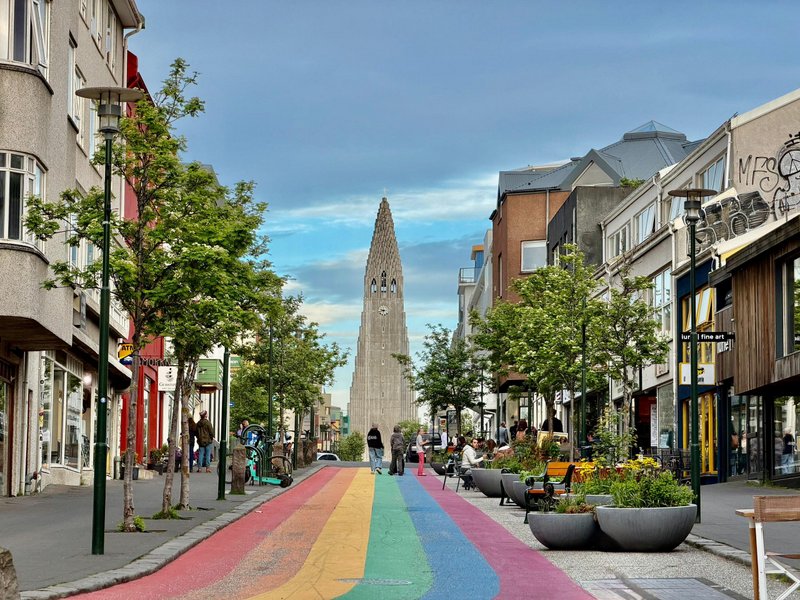
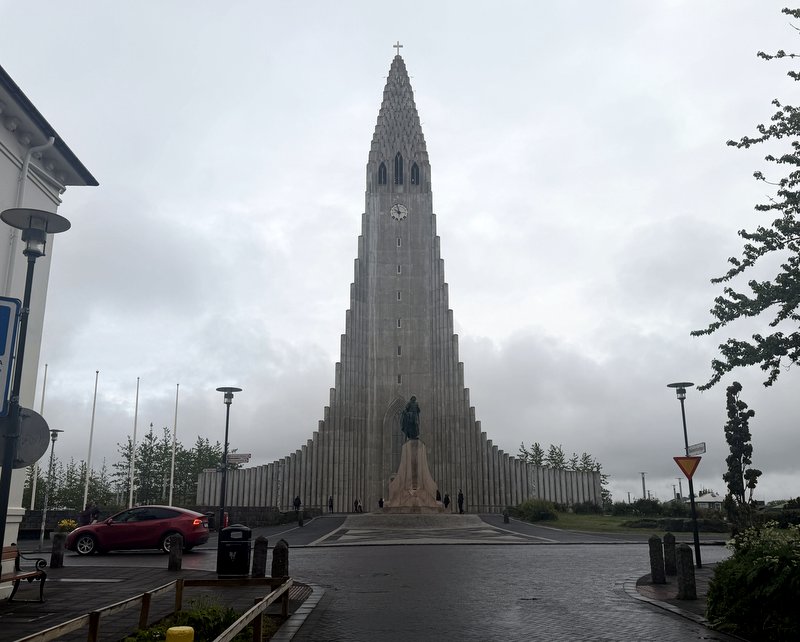
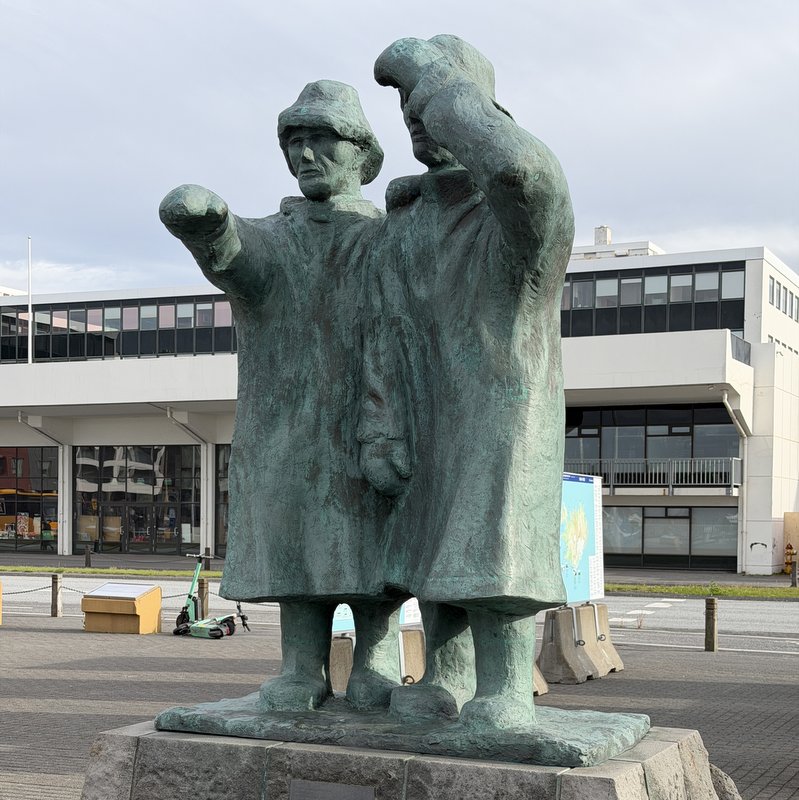
After dinner, we walked around and had a look at two landmarks of the town, the Hallgrímskirkja and the Sun Voyager. Both the church and the sculpture are related to the year 1986, when Reykjavik celebrated that it received town rights in 1786 from the Danish crown. The history of Iceland is complicated.
My first impression of the town was not really positive: a bit boring, cold, and grey. But that changed when we came back to Reykjavik after our round trip. Many people were out, enjoying the pleasant weather. Iceland is a progressive country, as the many rainbow-colored decorations show.
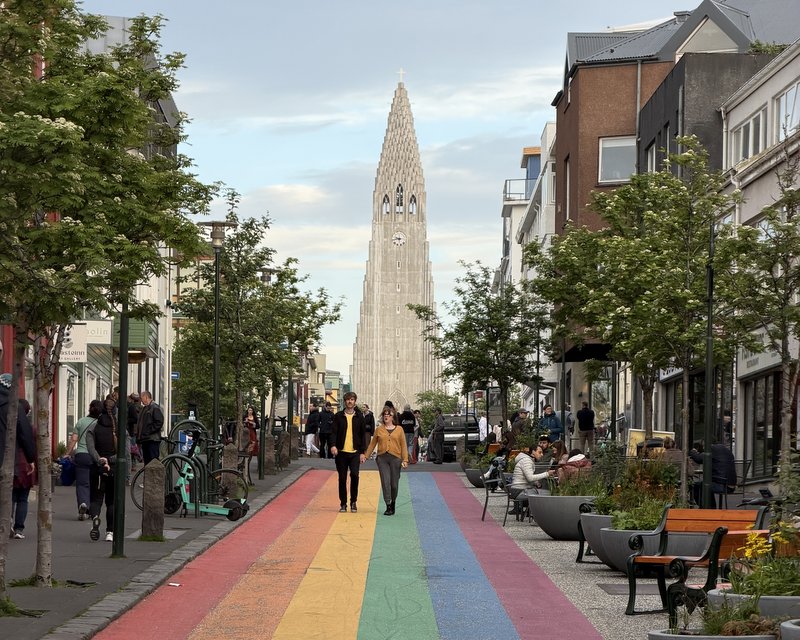
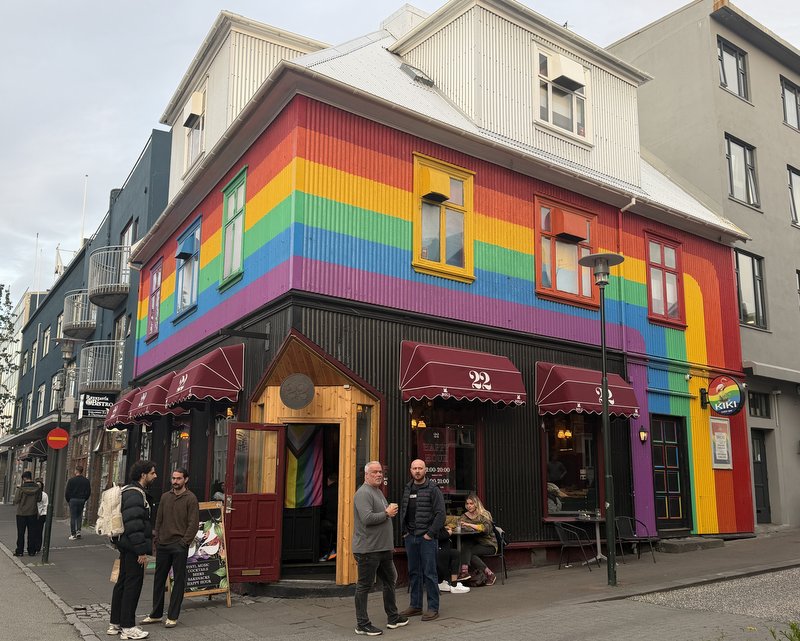
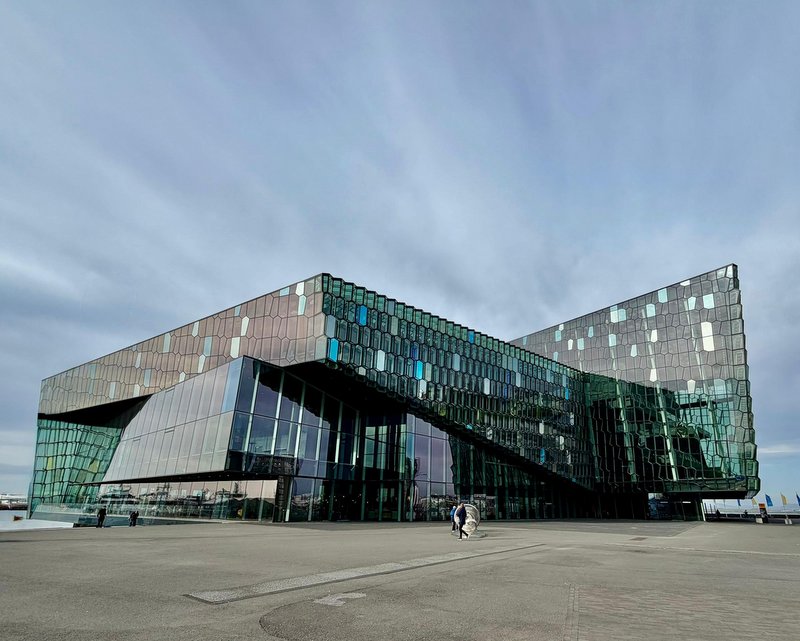
I was not impressed by the modern architecture of Reykjavik. Uninspired and boring. An exception was the Harpa Concert Hall and Conference Centre

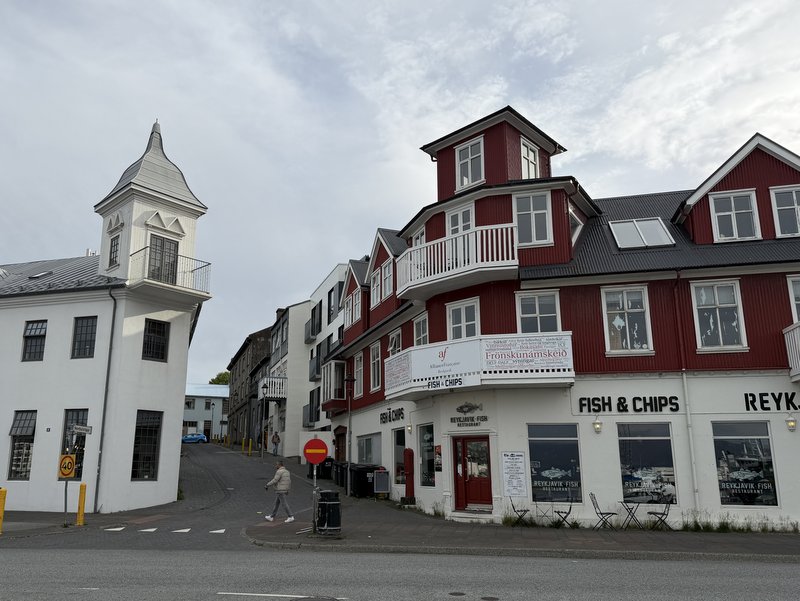
But the old harbor has many picturesque houses.
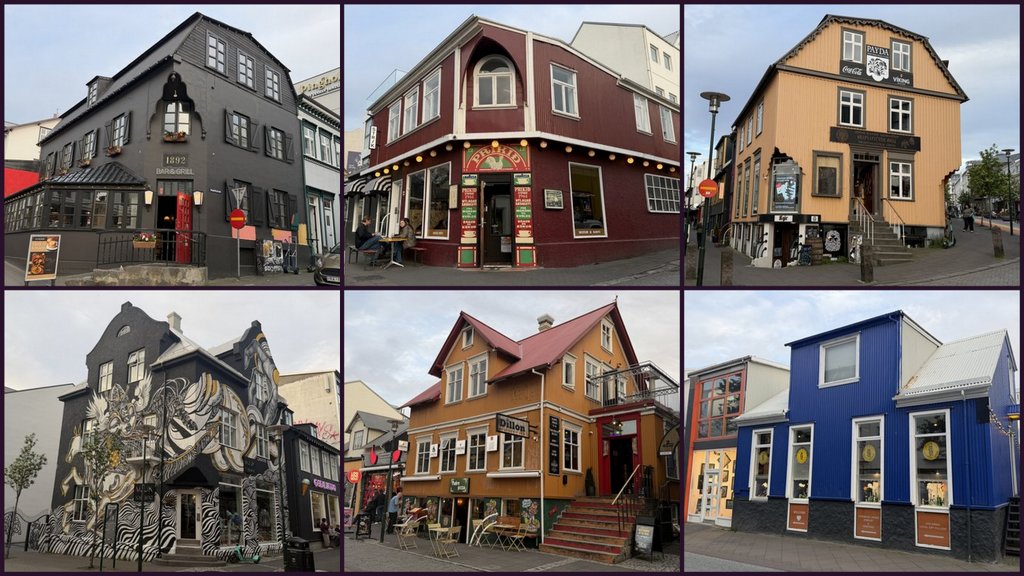
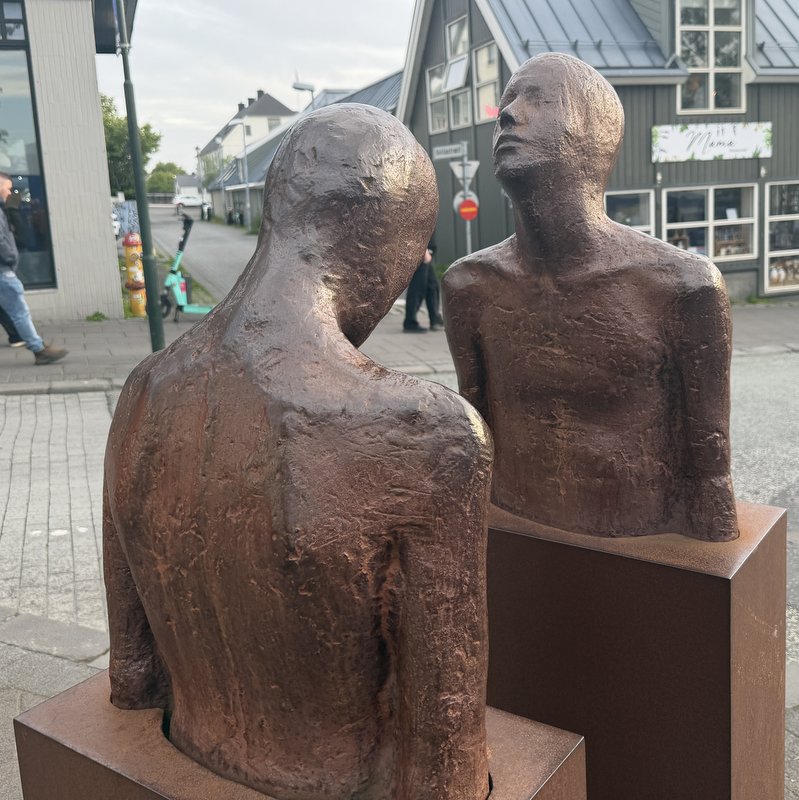
During our walk, we spotted several street artworks.
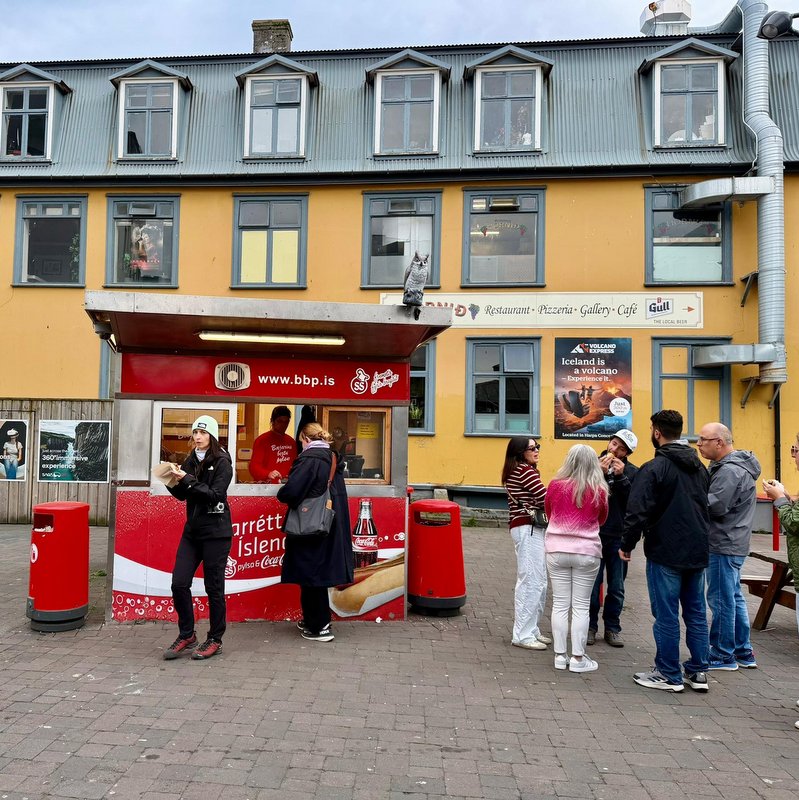
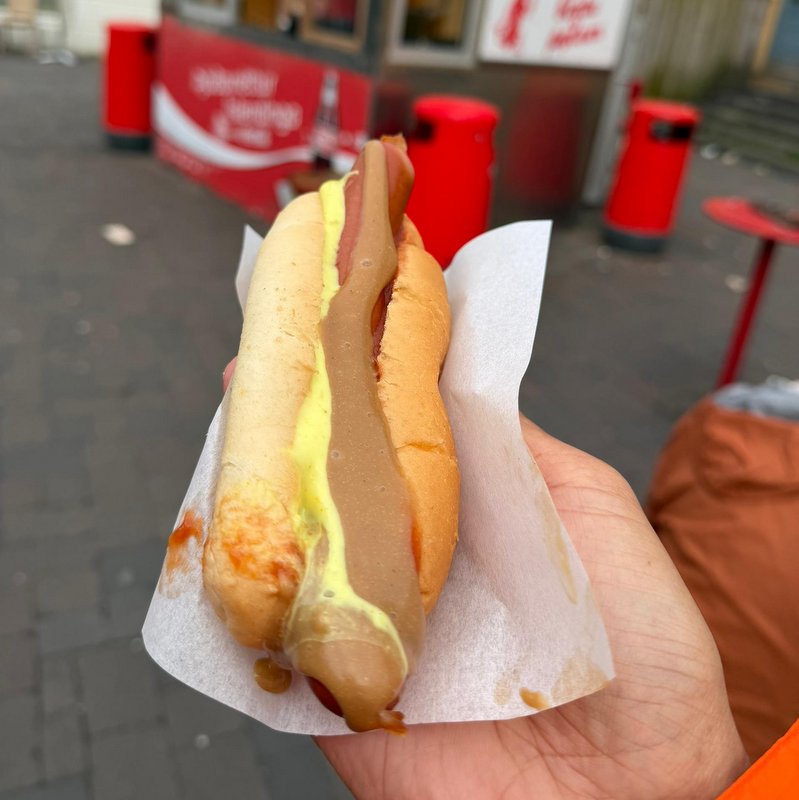
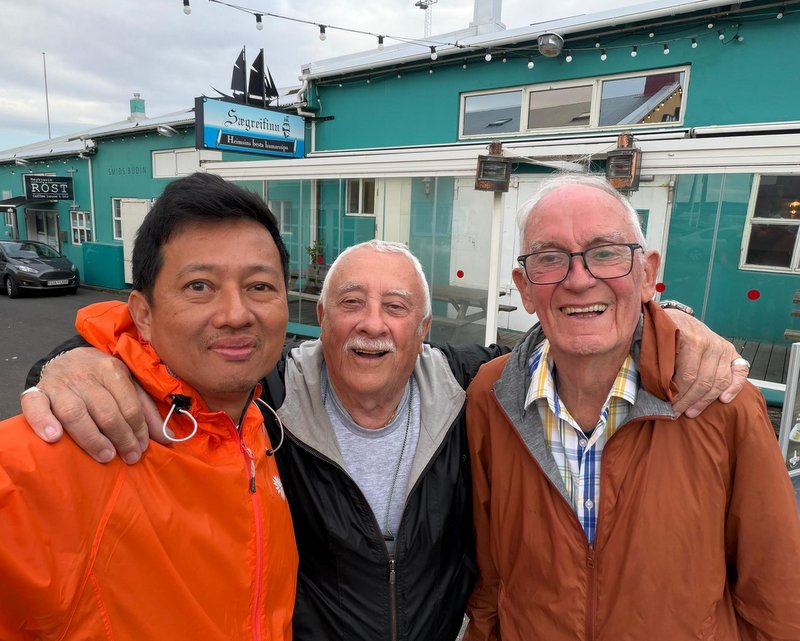
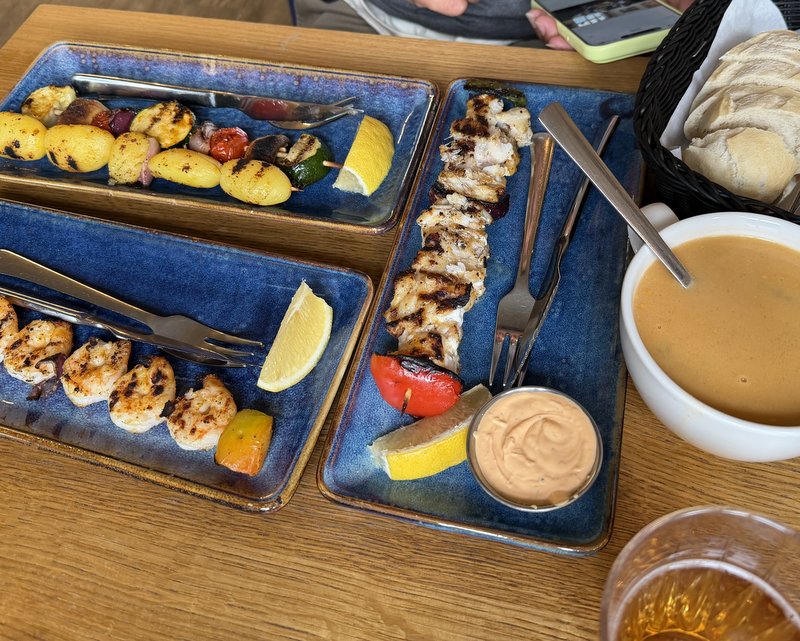
We had dinner in the Seabaron seafood restaurant, famous for its lobster soup. The seafood was nice, but the portions were small, so later we had a hot dog (Iceland’s favorite snack) and a beer.
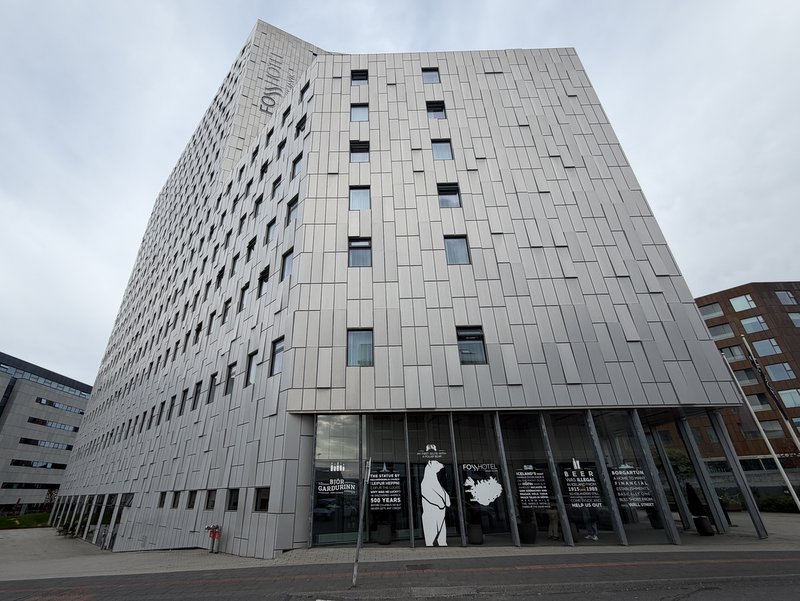
We stayed the last night in a modern hotel on an upper floor, so we had a view of the town and the church. This photo was taken at 11pm+, when the sun had not yet set.
Homestays

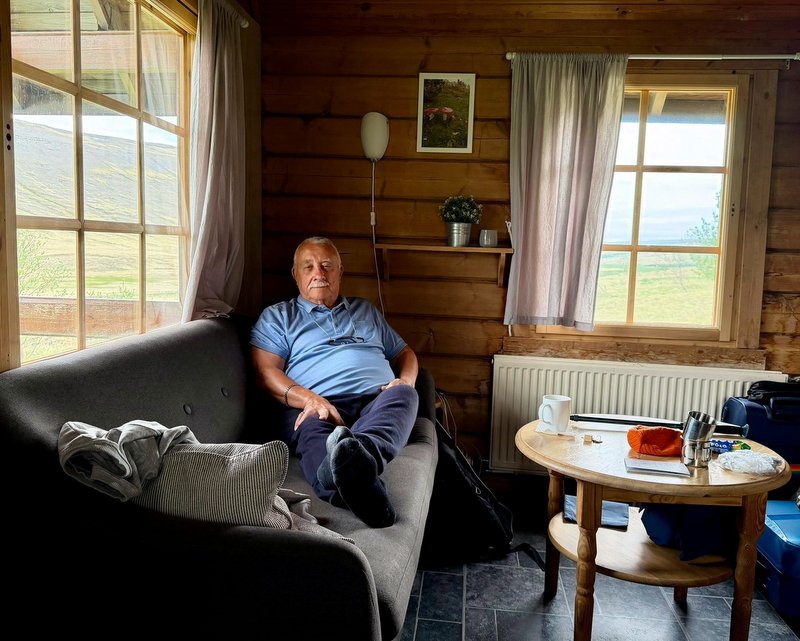
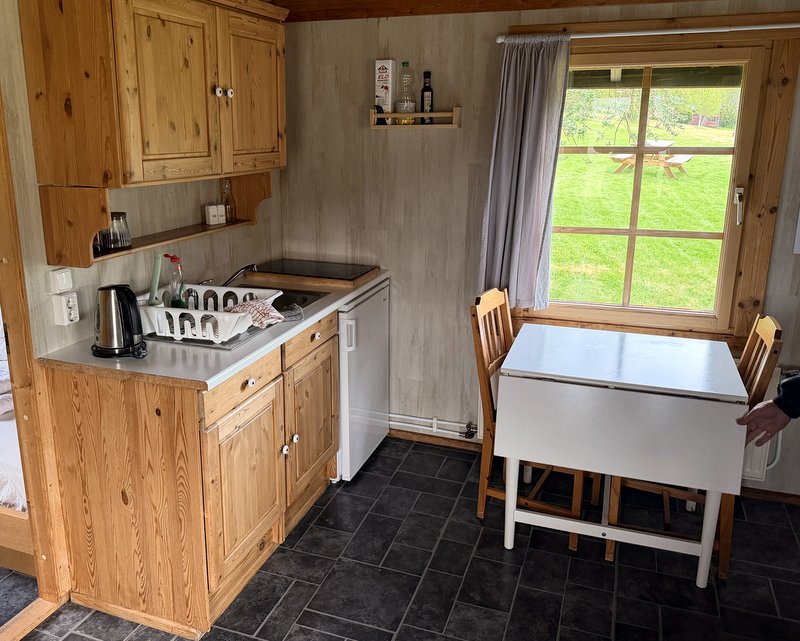
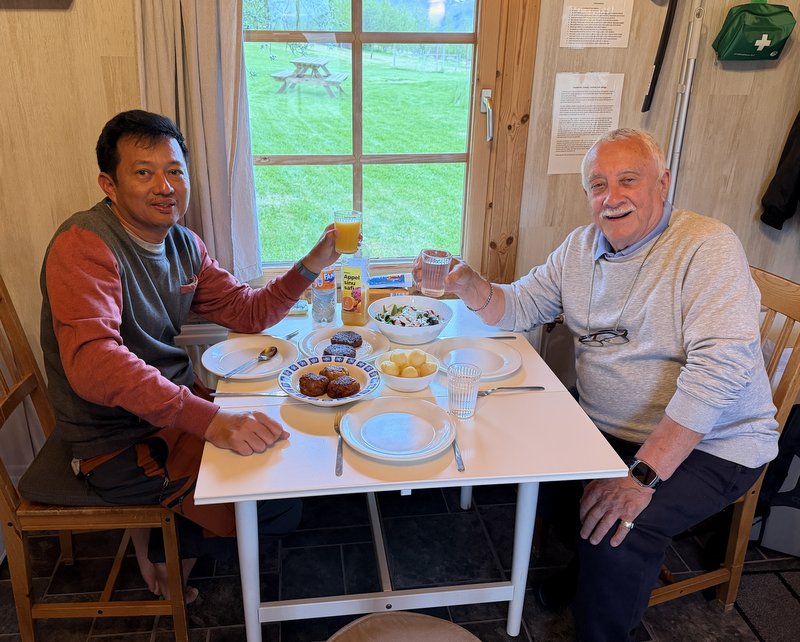
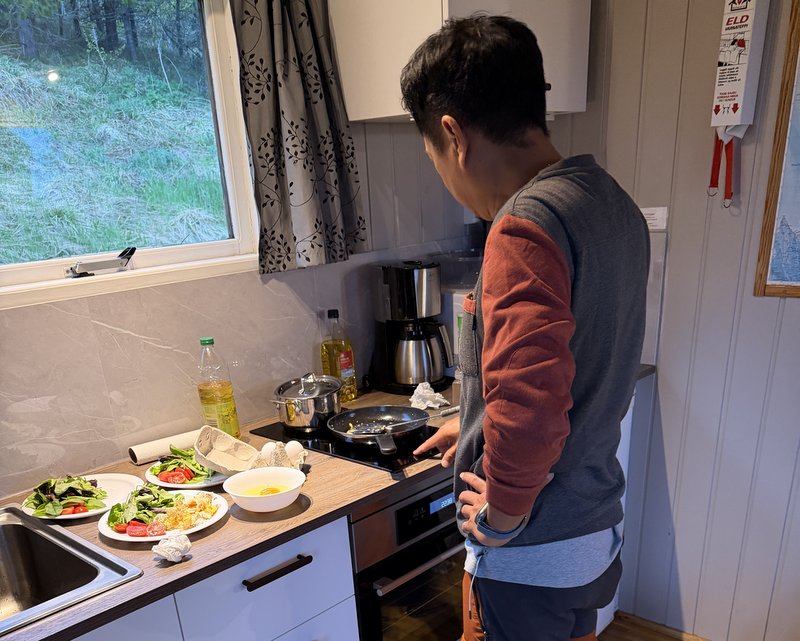
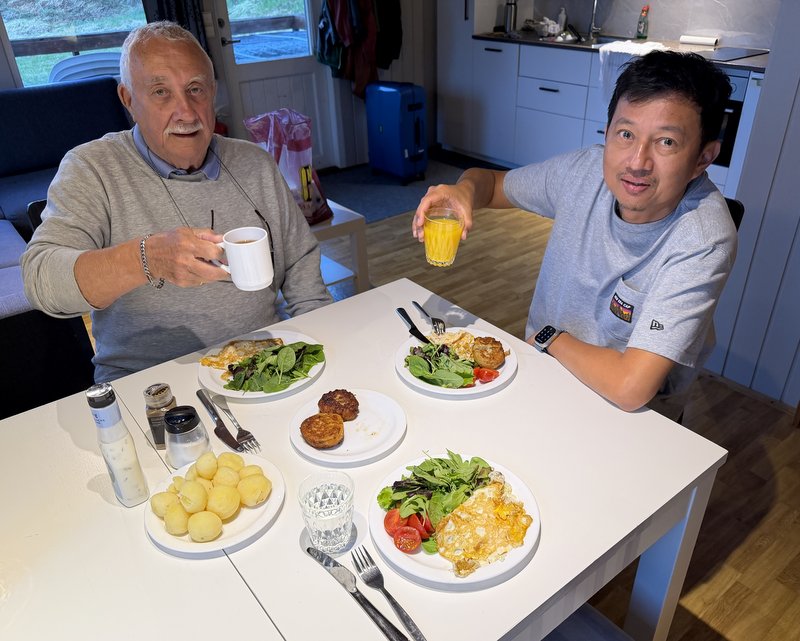
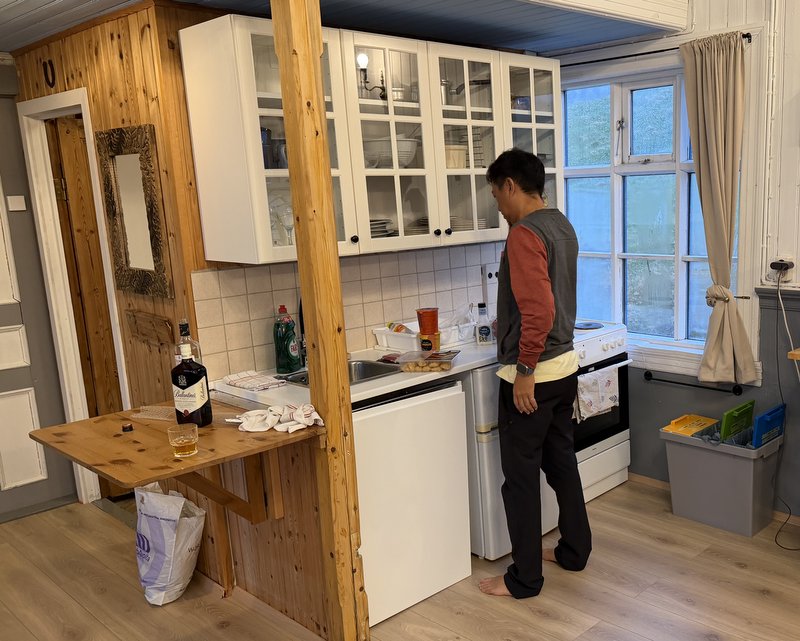
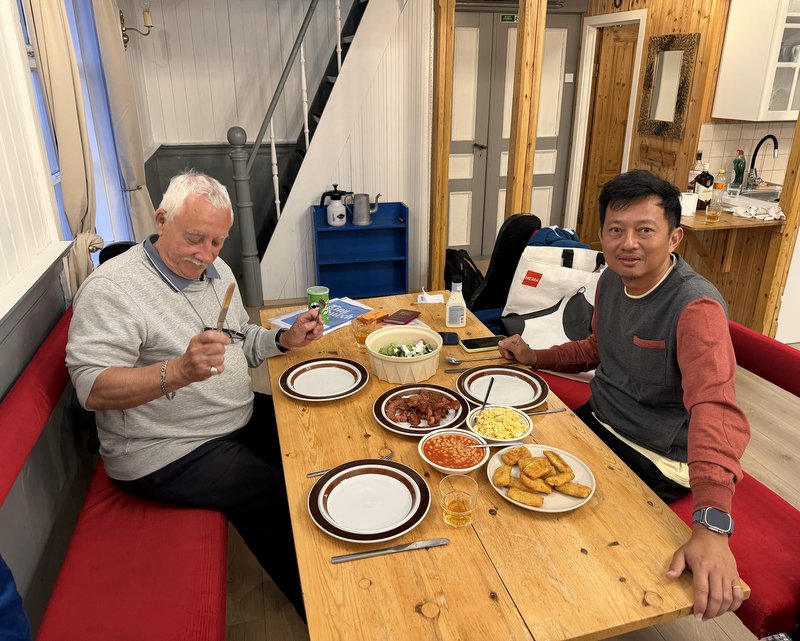
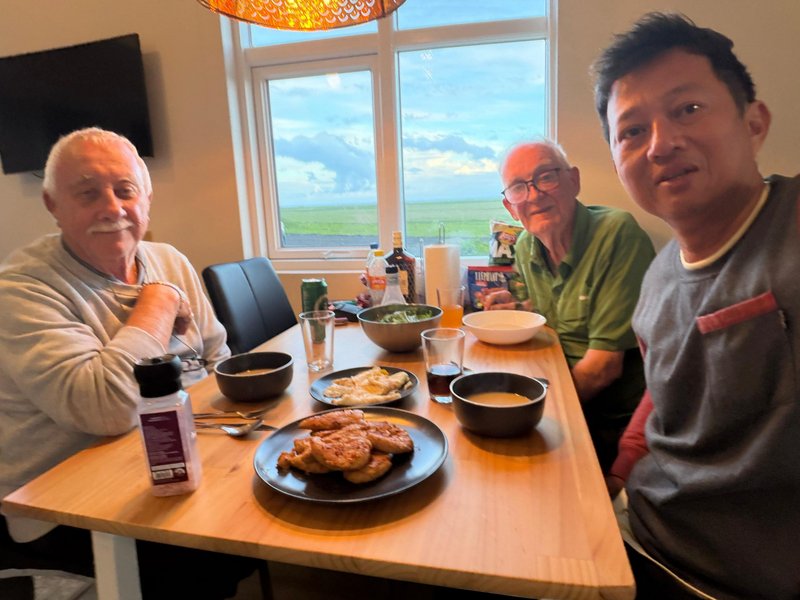
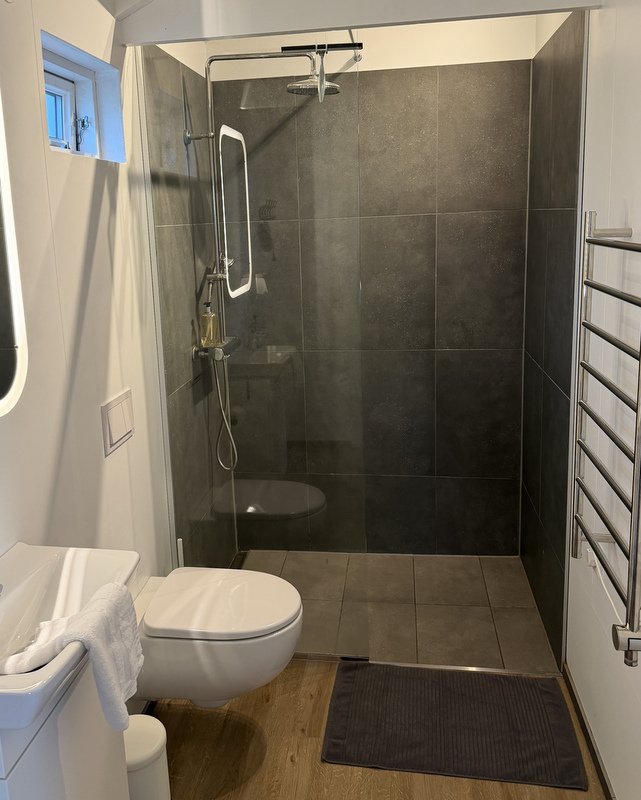
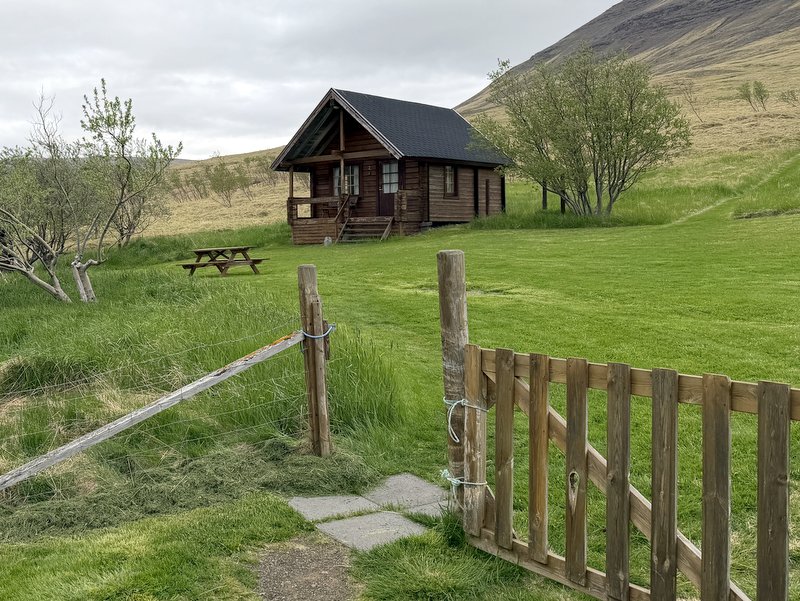
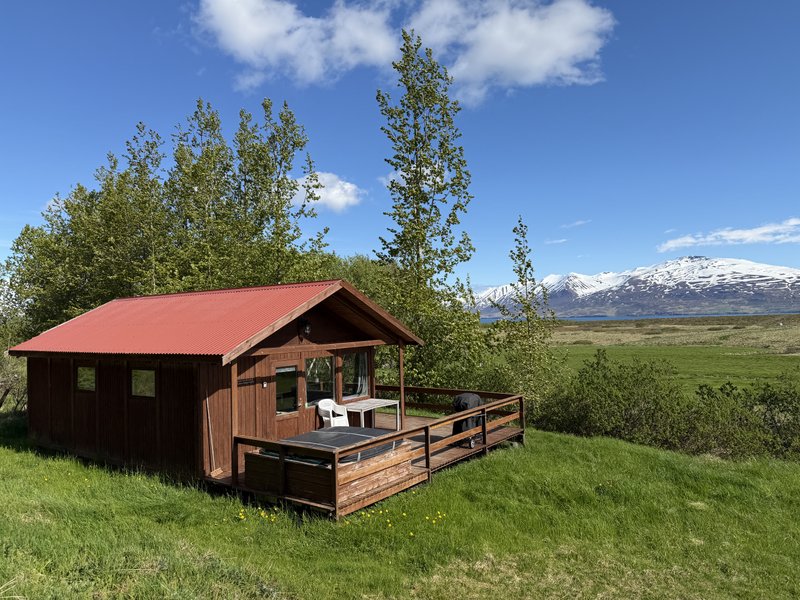
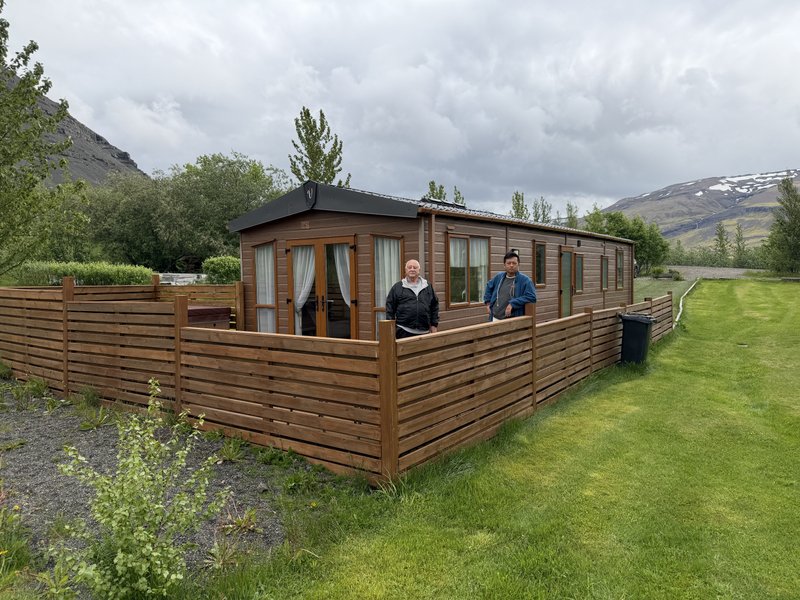
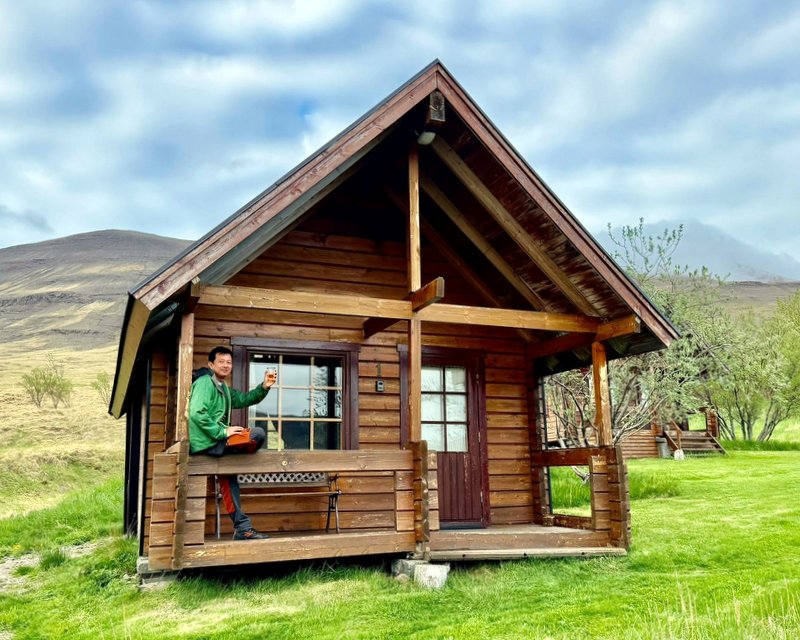
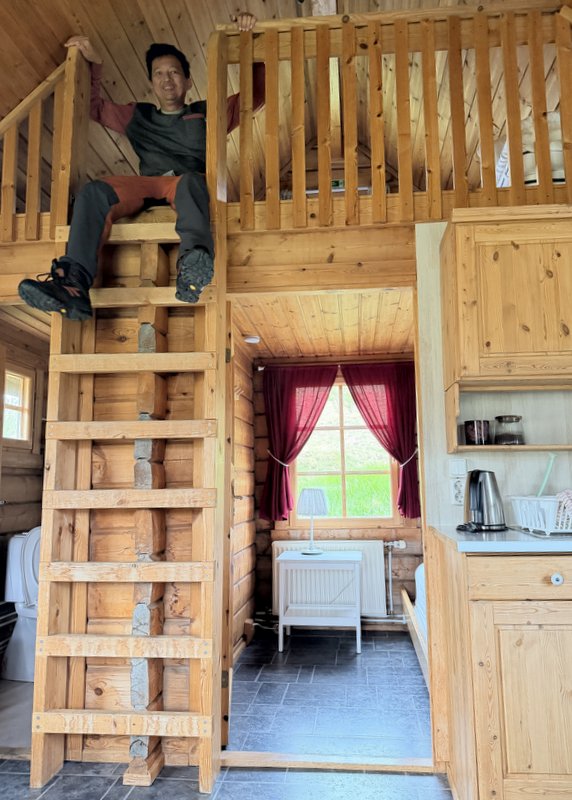
When Aric was planning the trip, he tried to find homestays for accommodation, so we could prepare our own food there. Here is the first one, a nice chalet, in the middle of nowhere. The bungalow was comfortable and fully equipped. We had bought provisions in a supermarket, and Aric was the cook.

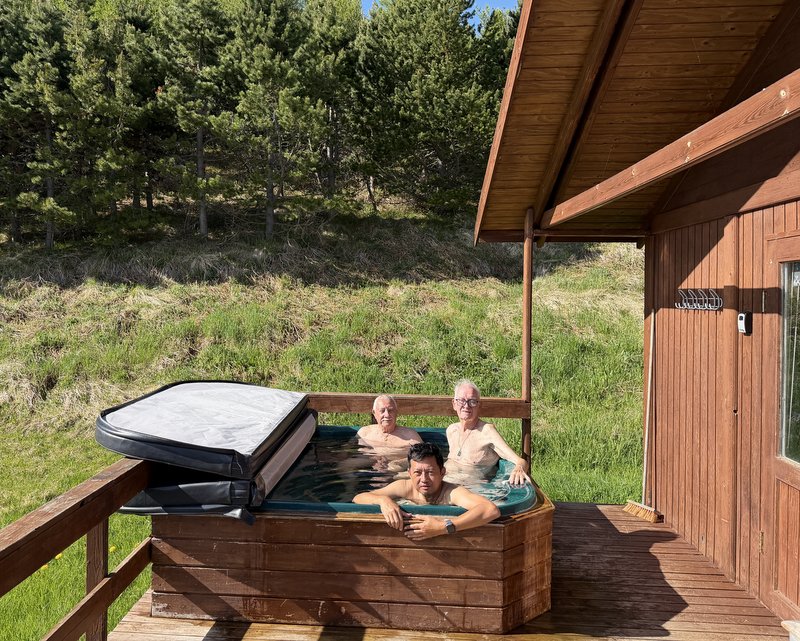
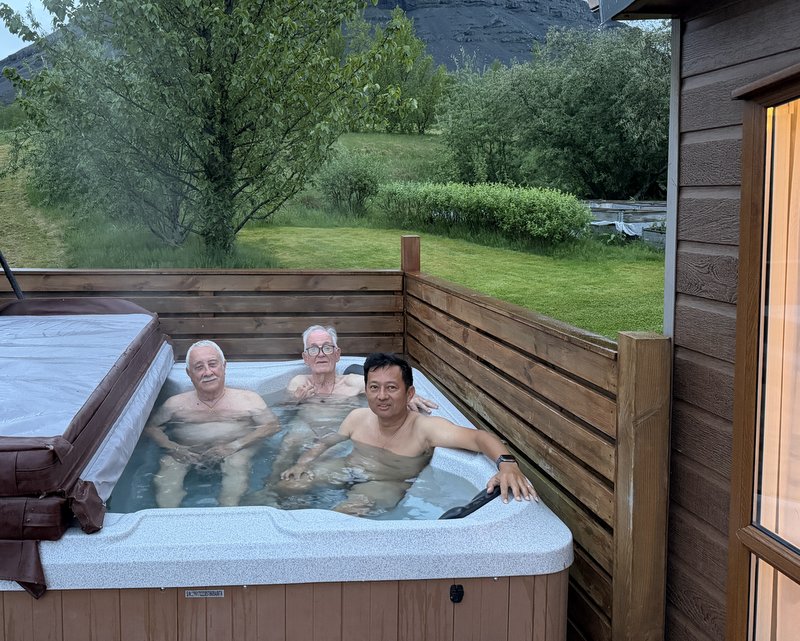
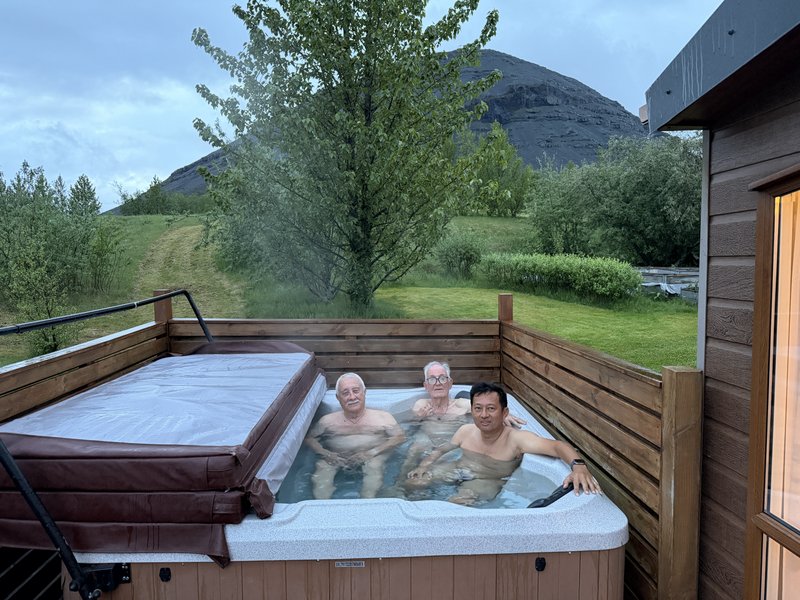
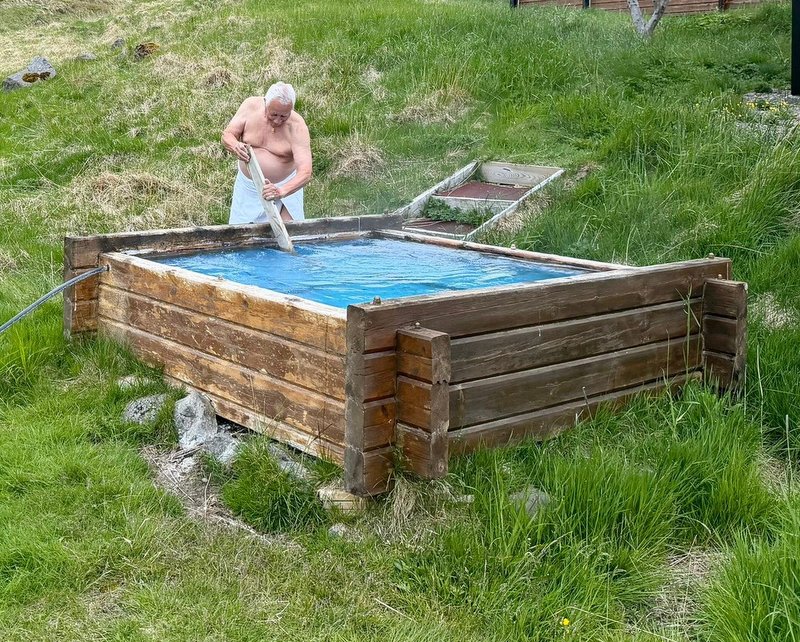
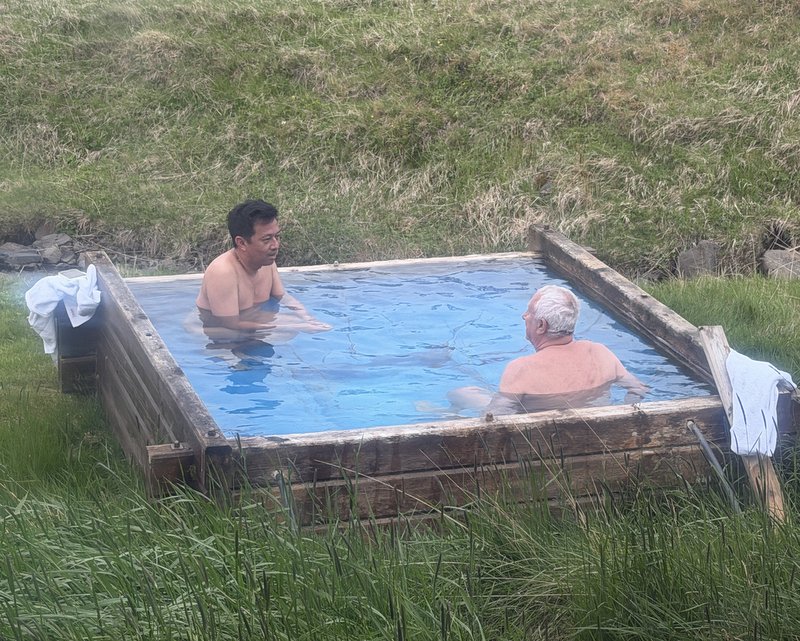
The homestay had its own hot bathtub. Hot geothermal water was diluted with cold water in a storage tank, from where it was piped to the bathtub. A little bit of sulfur smell and a bluish color of the water. Very enjoyable.
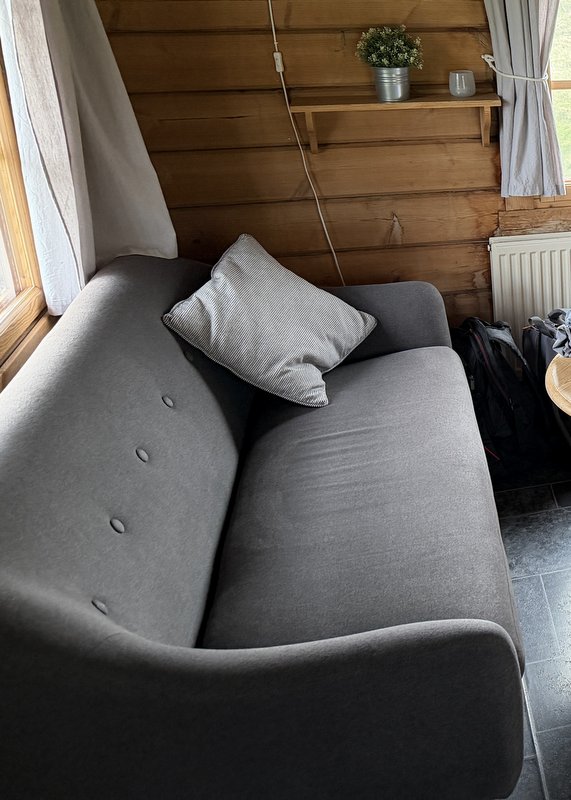
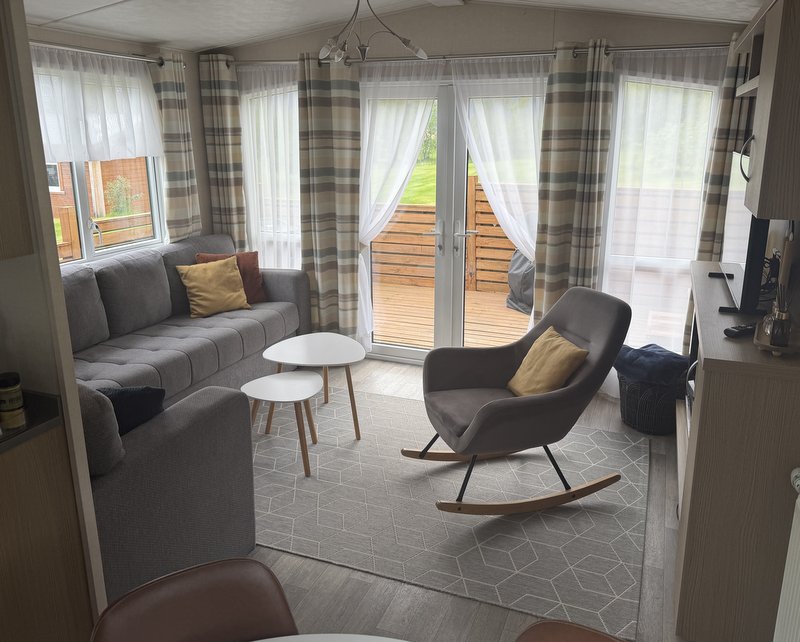
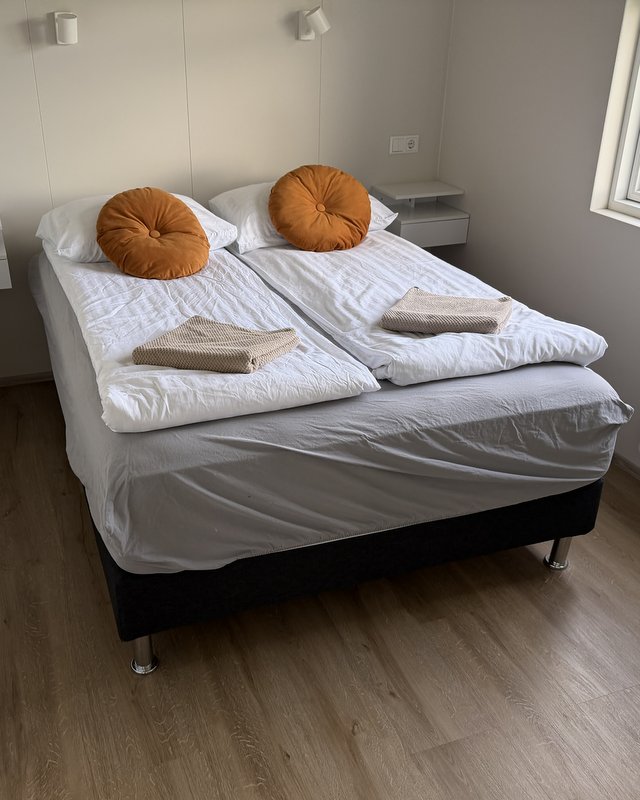
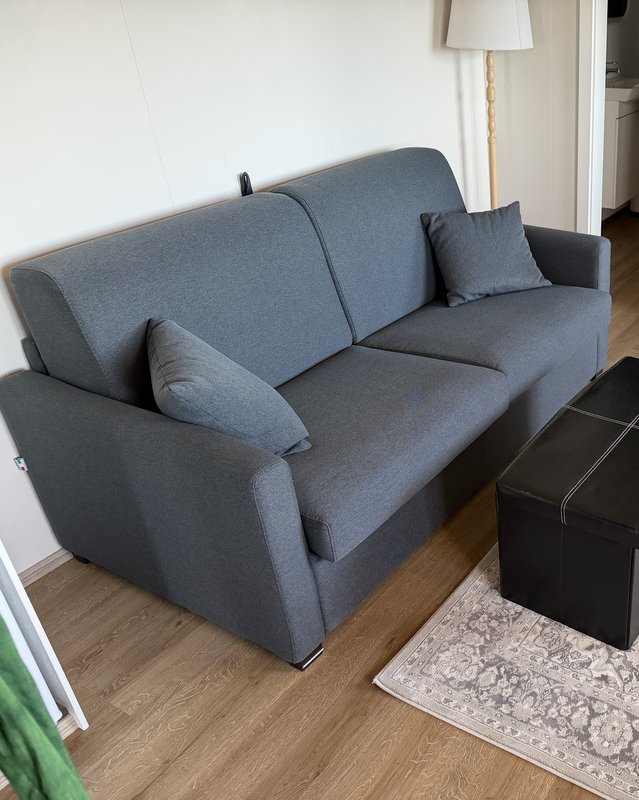
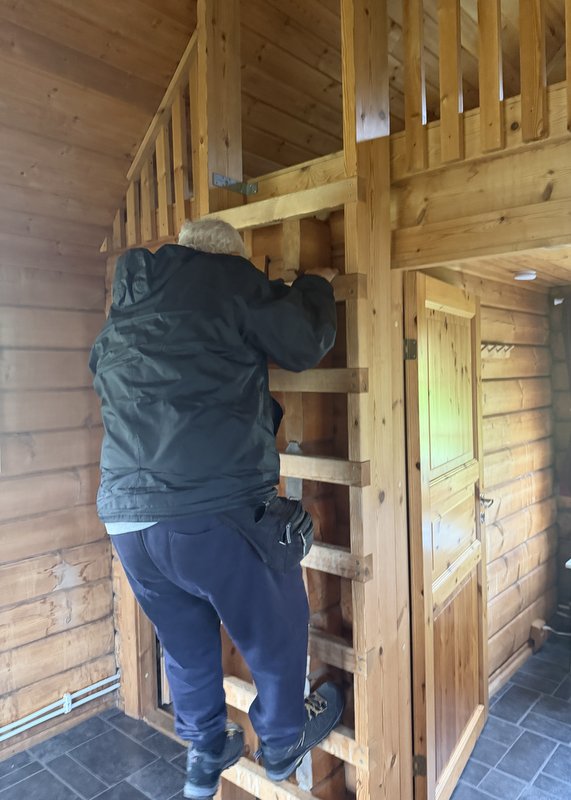
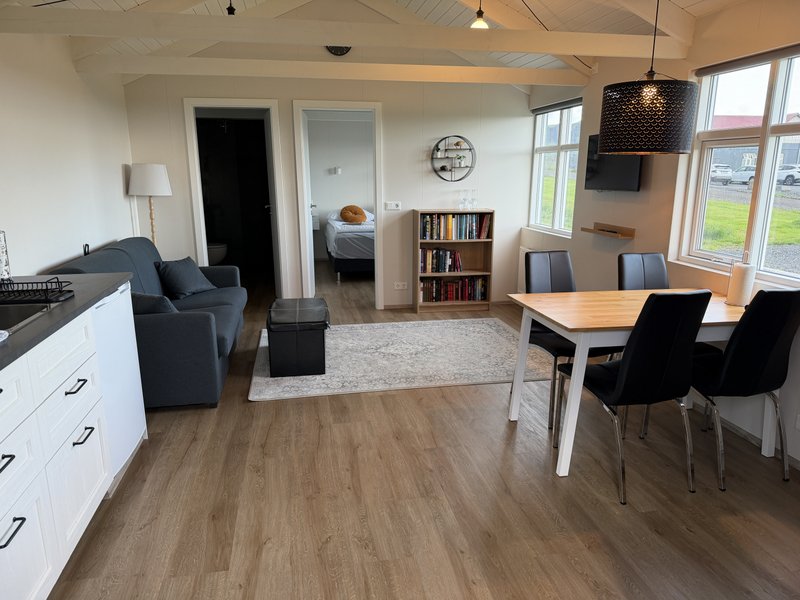
One master bedroom and extra beds reachable via a ladder. Too dangerous for us, but there was a sofa that could be used as a bed 😉
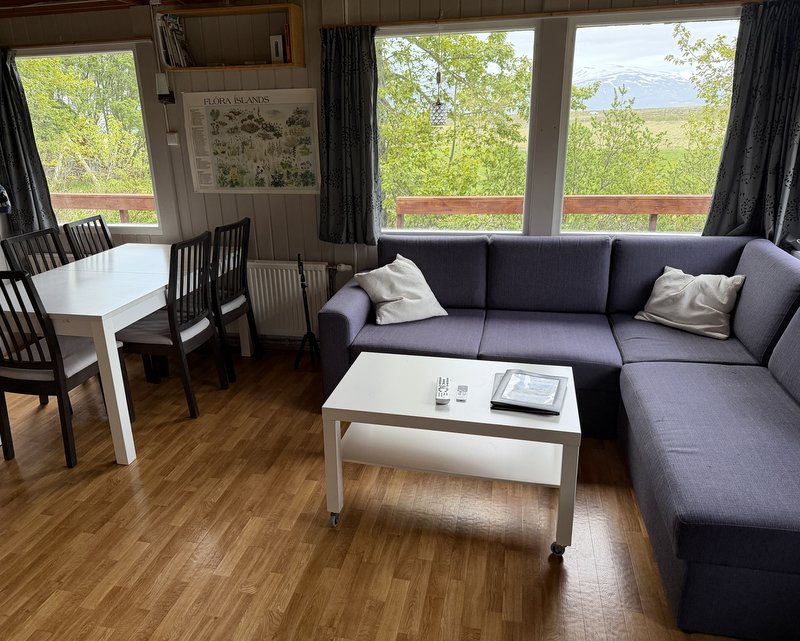
The second homestay was beautifully located with a fantastic view of the snow-covered mountains. The chalet had a bathtub too, but the water was not geothermal; instead, it was heated by electric power. We arrived late, after a long day, so it was only the next morning that we took a bath. Aric was again the cook.

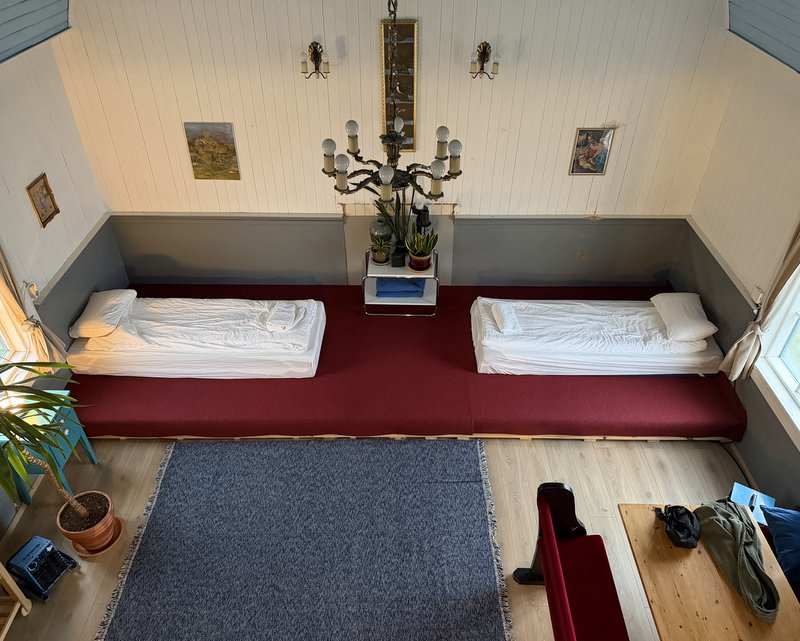
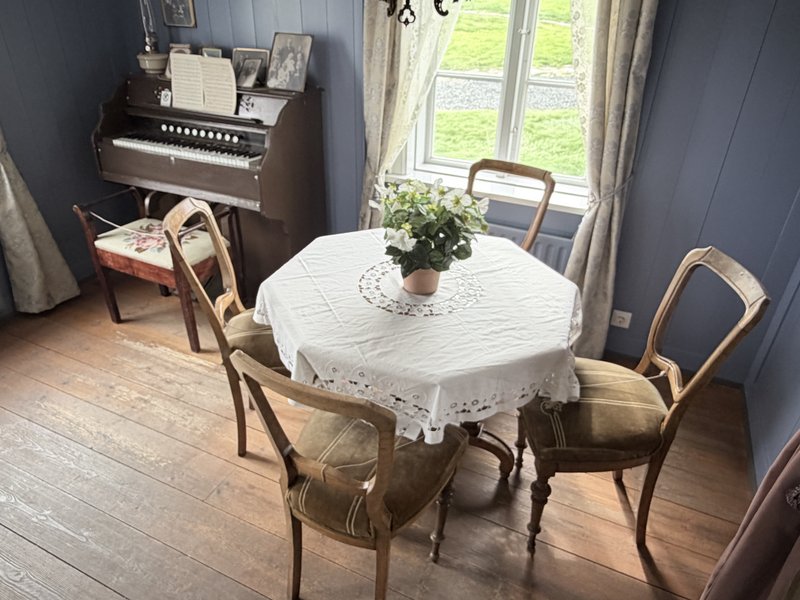
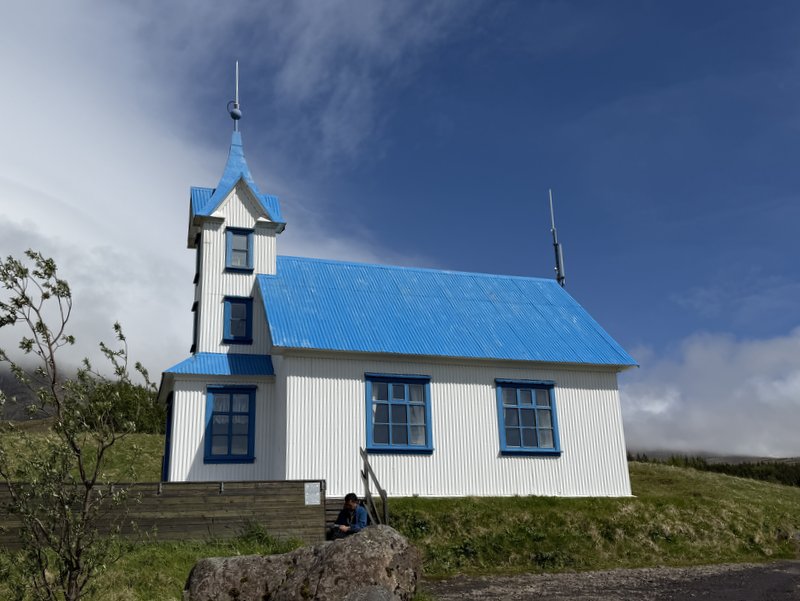
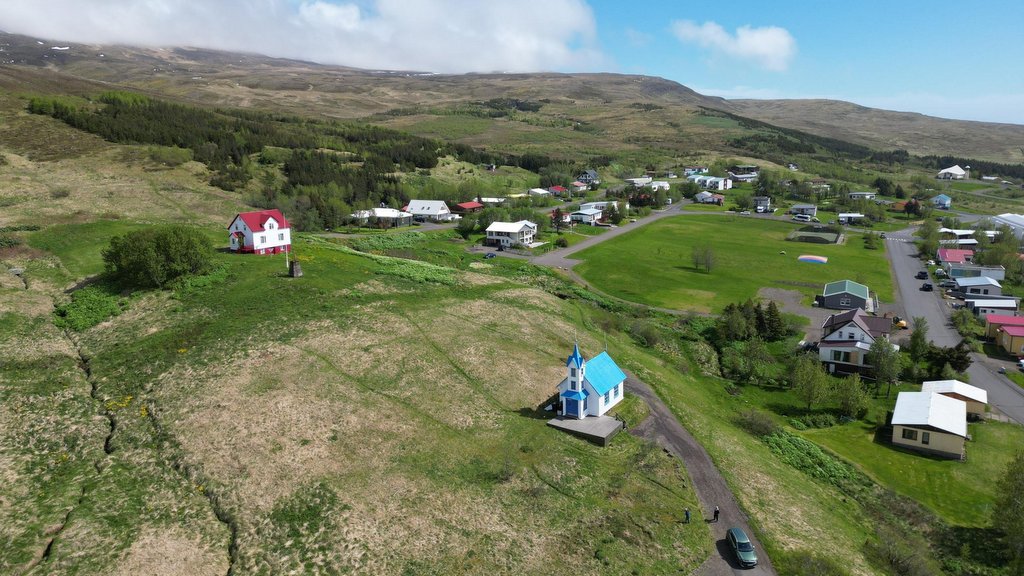
Our third homestay didn’t have a bathtub, but was special for another reason: it was a former church, transformed into a unique homestay. No separate bedroom; some beds on the upper floor, this time reachable via an easy ladder. Aric used his drone to take this aerial view.
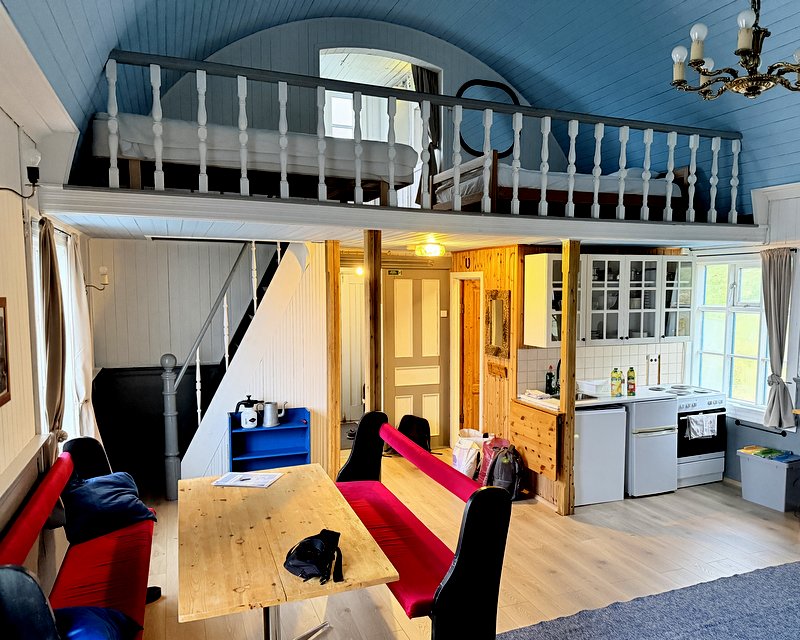
Our fourth homestay was quite big, with three bedrooms and again its own bathtub.

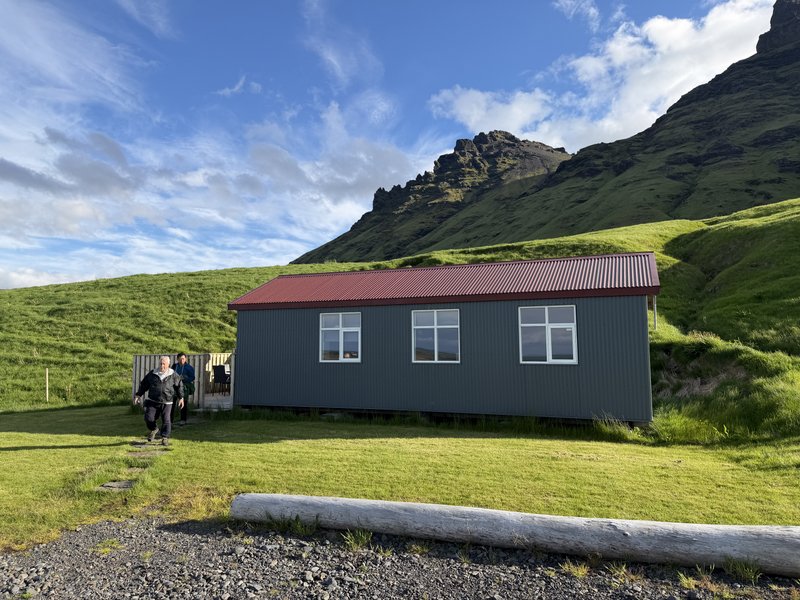
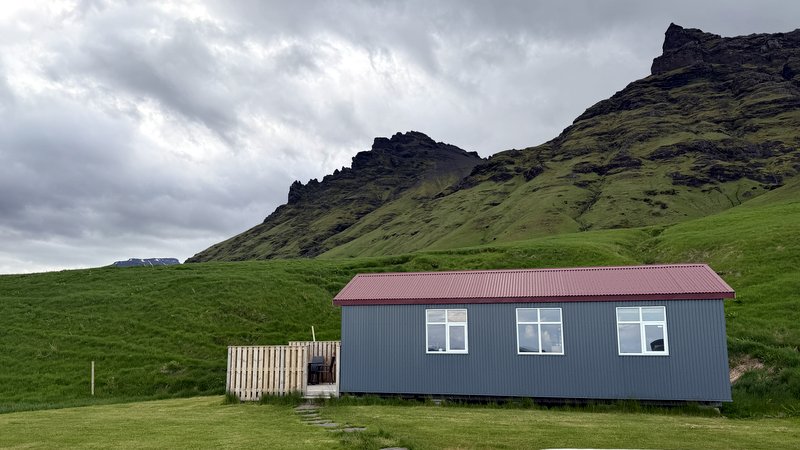
Homestay no 5 didn’t have a bathtub. Nice location against a backdrop of characteristic Icelandic rocks. As usual, Aric was the cook. One master bedroom and a sofa bed.
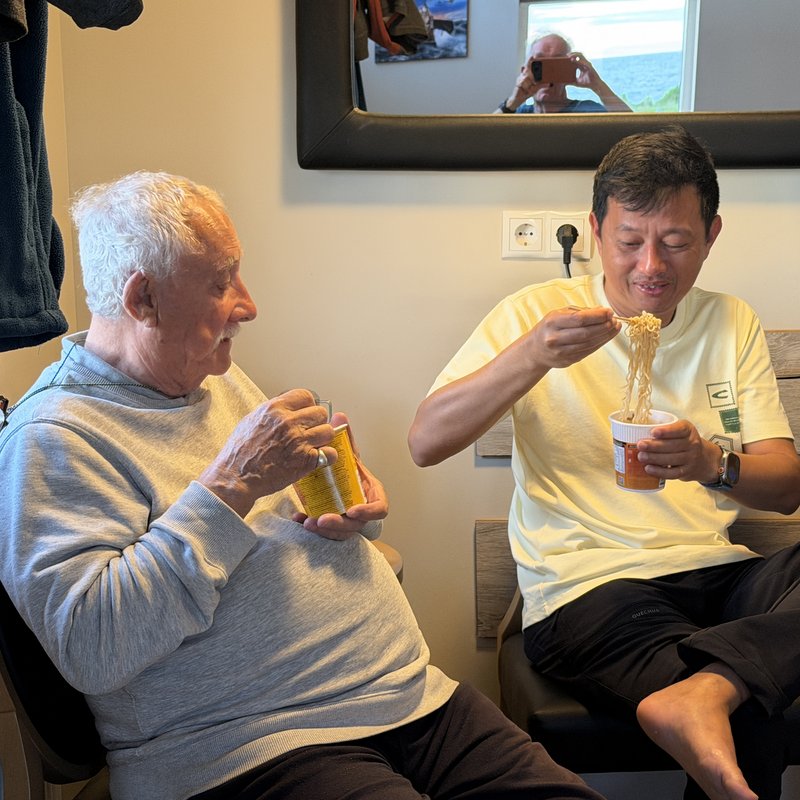
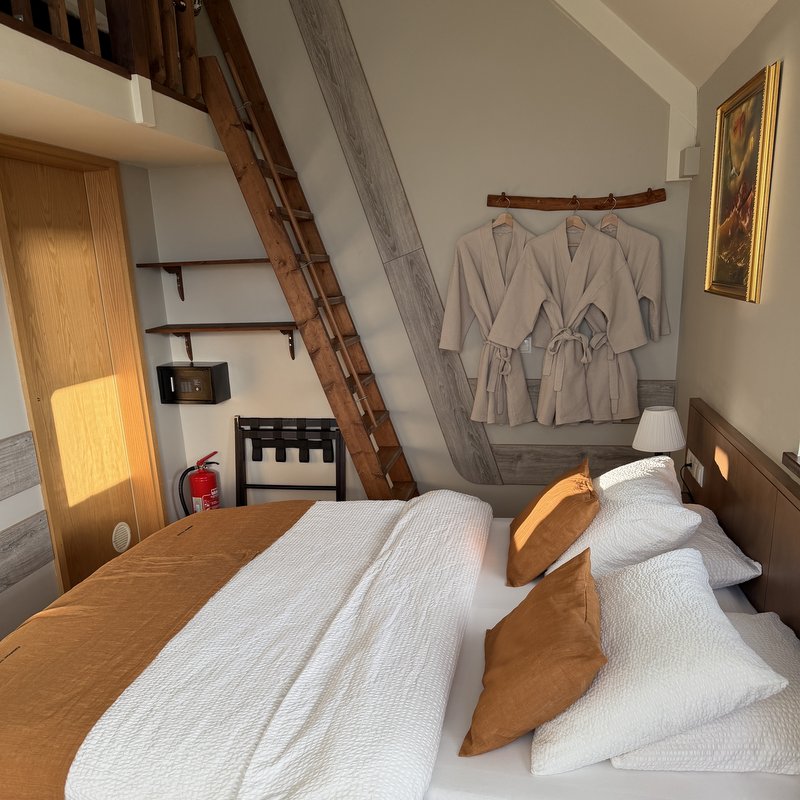
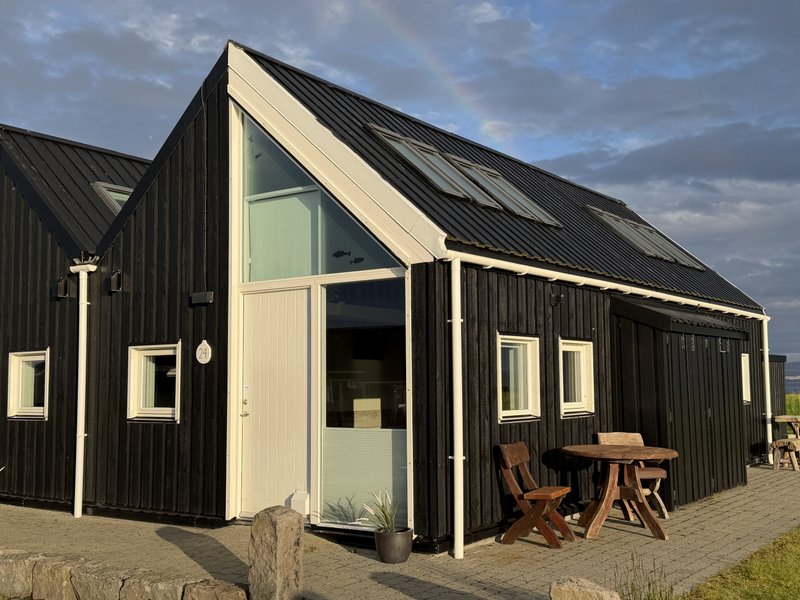
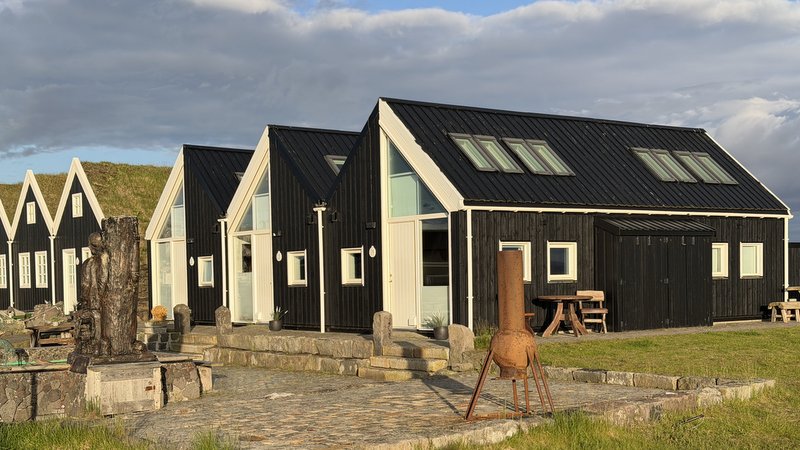
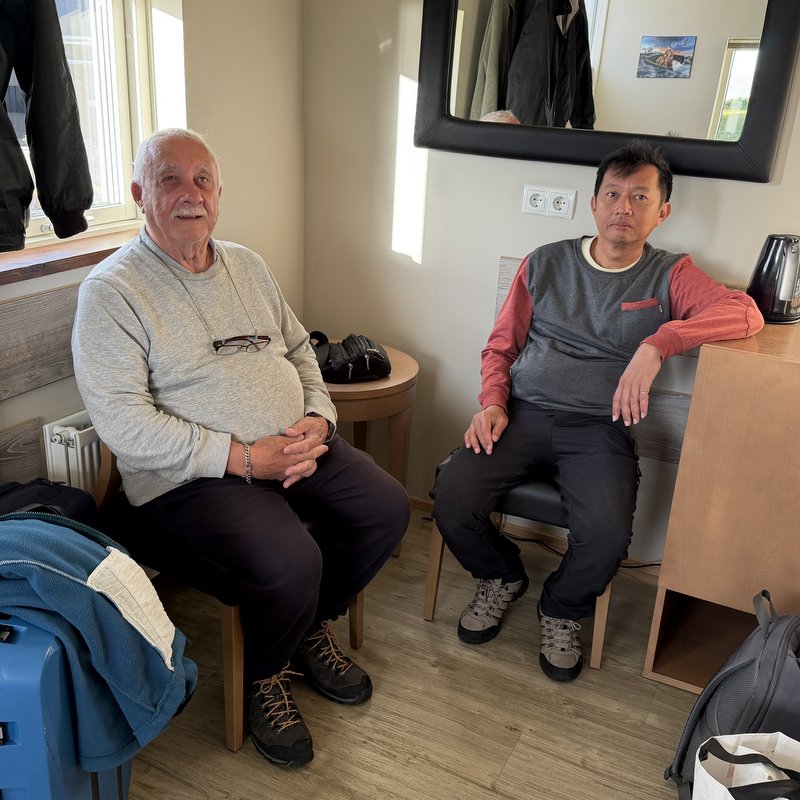
Our last night before going back to Reykjavik, Aric thought he had booked a homestay, but it was a hotel room. A very attractive former fisherman’s hut, but only a water kettle. Good that we had bought cup noodles as emergency food. The room was also very small, with two beds, only reachable via a steep ladder and no sofa bed. Well, we survived 😉 Actually, a nice hotel; a few of the rooms still had turf roofs. We had the corner room.
The homestays were an attractive part of our visit. Pity that we were so busy visiting places and driving many hours that we often arrived only around 9-10 pm. It was almost the Summer Solstice; the Sun sets around midnight and rises again a few hours later.

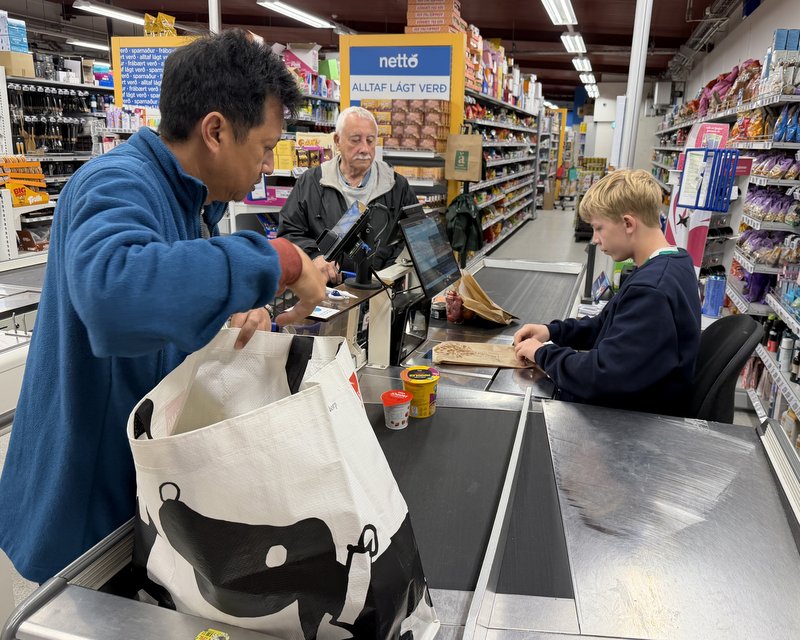
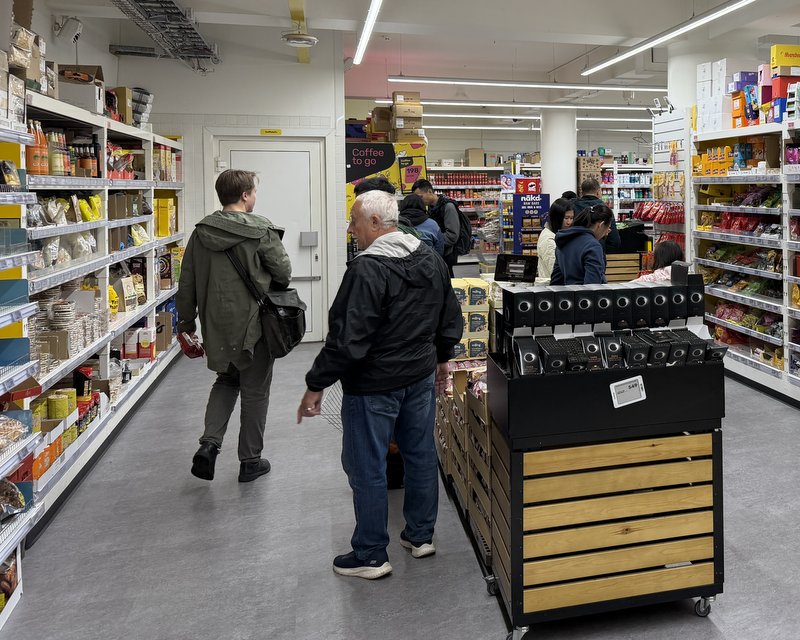
Almost daily, we visited a supermarket to buy provisions for breakfast and dinner.
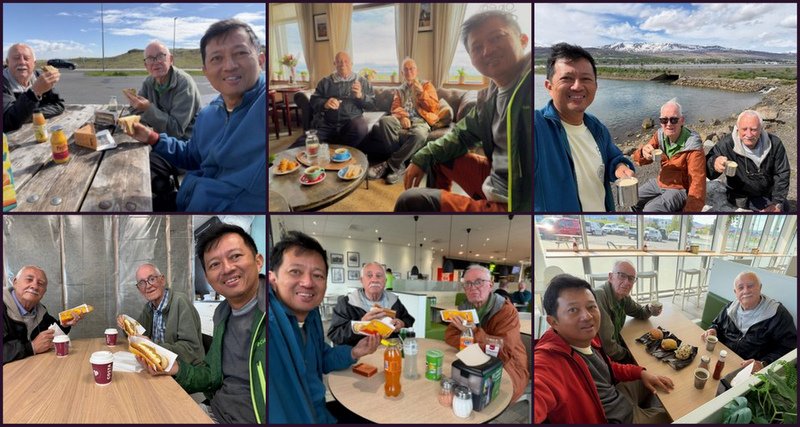
For lunch, we had some snack food or sandwiches. Petrol stations and major tourist attractions often had a cafe, or we had it at a picnic table when weather permitted.
Fauna and Flora

Whale-watching

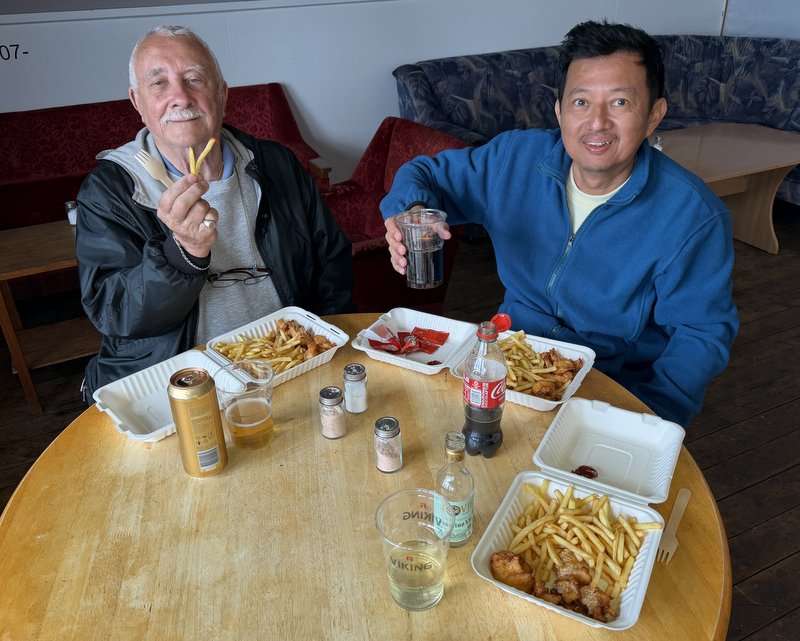
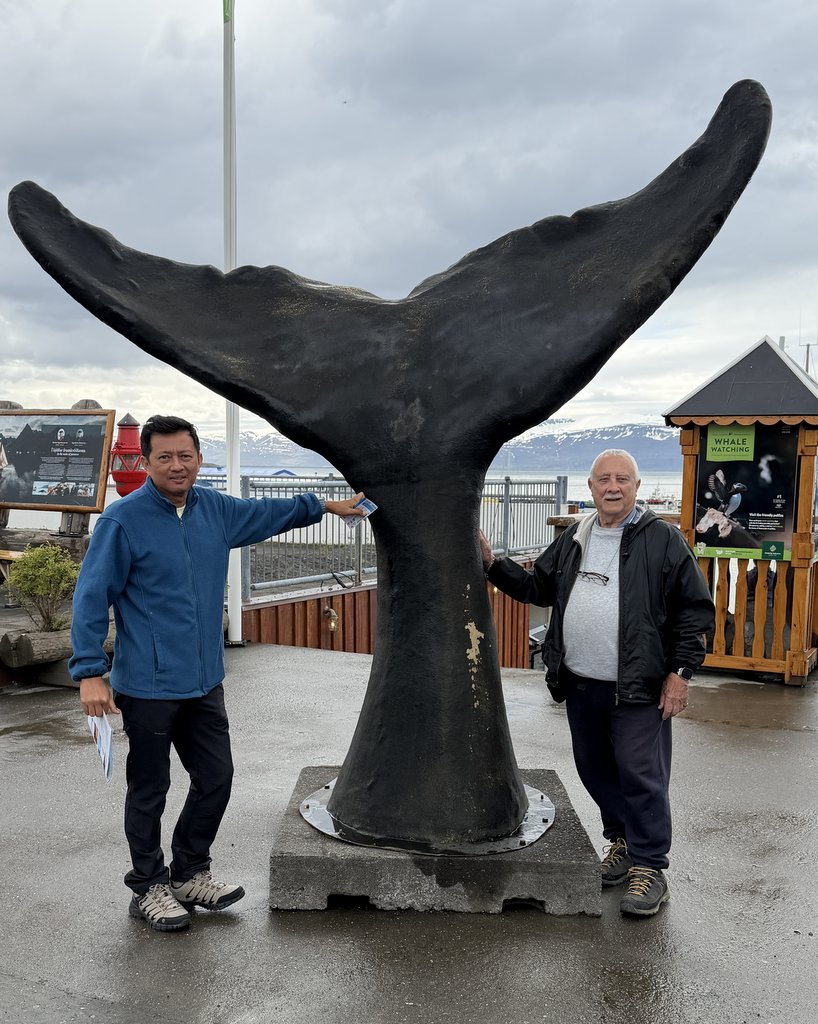
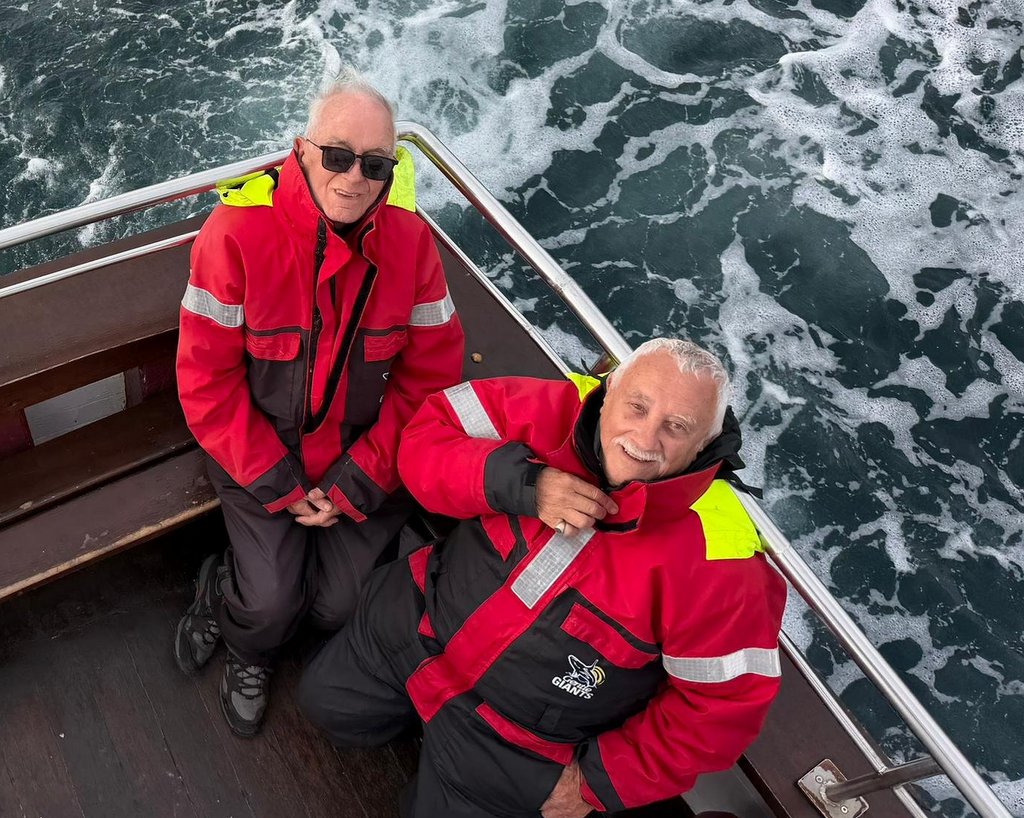
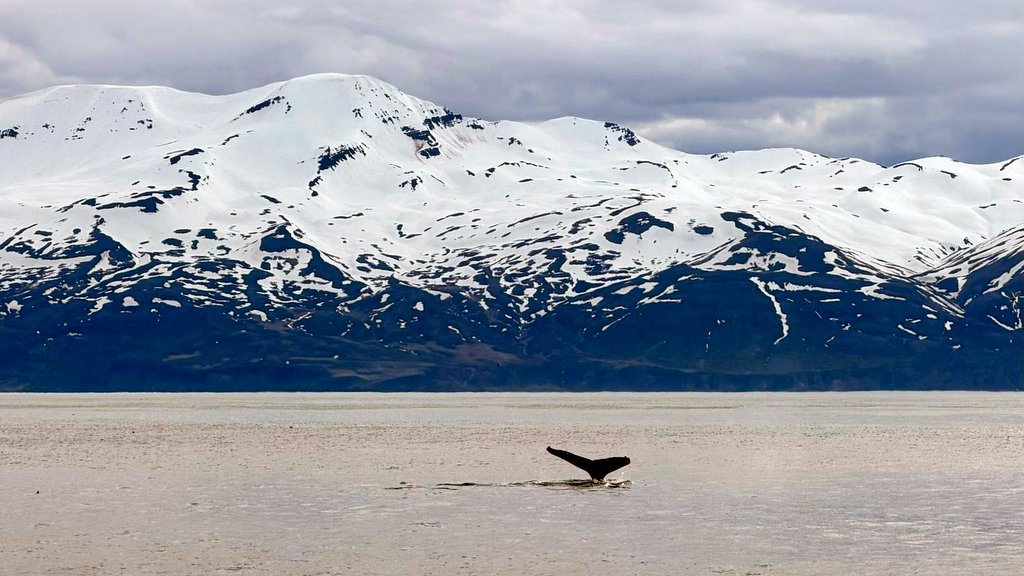
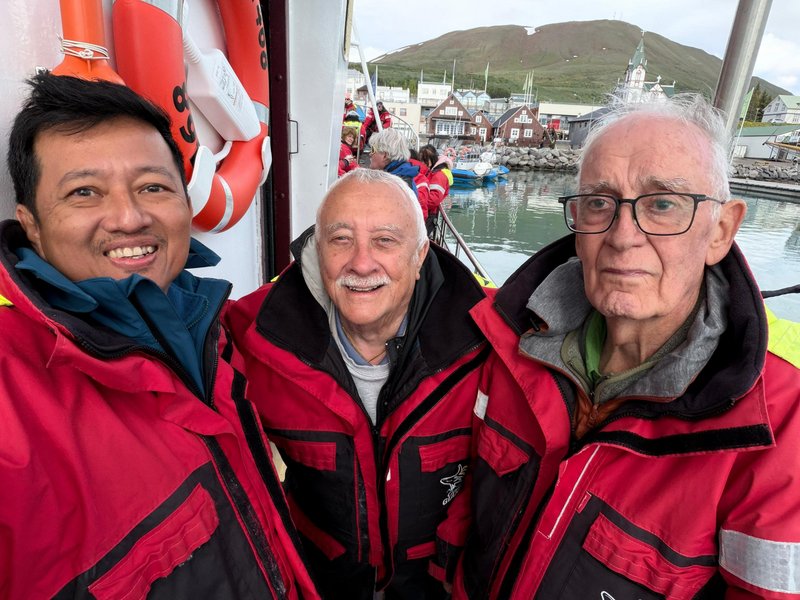
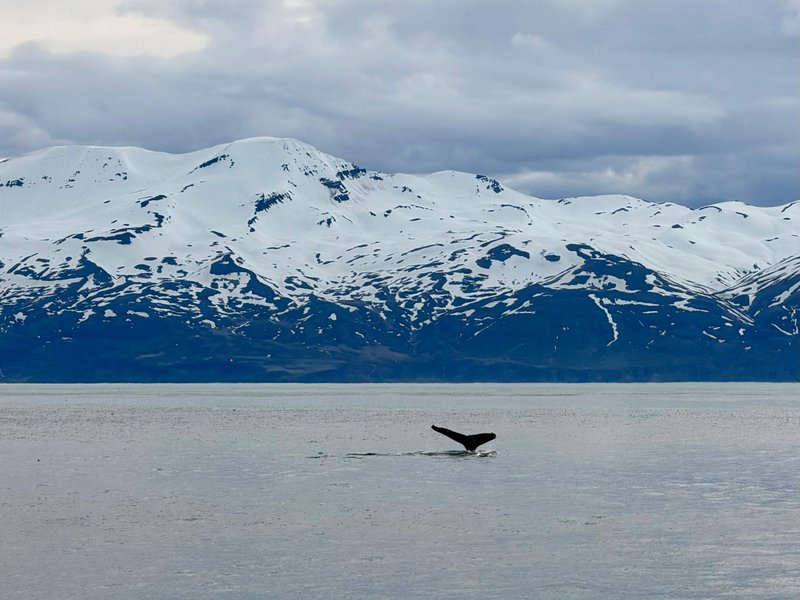
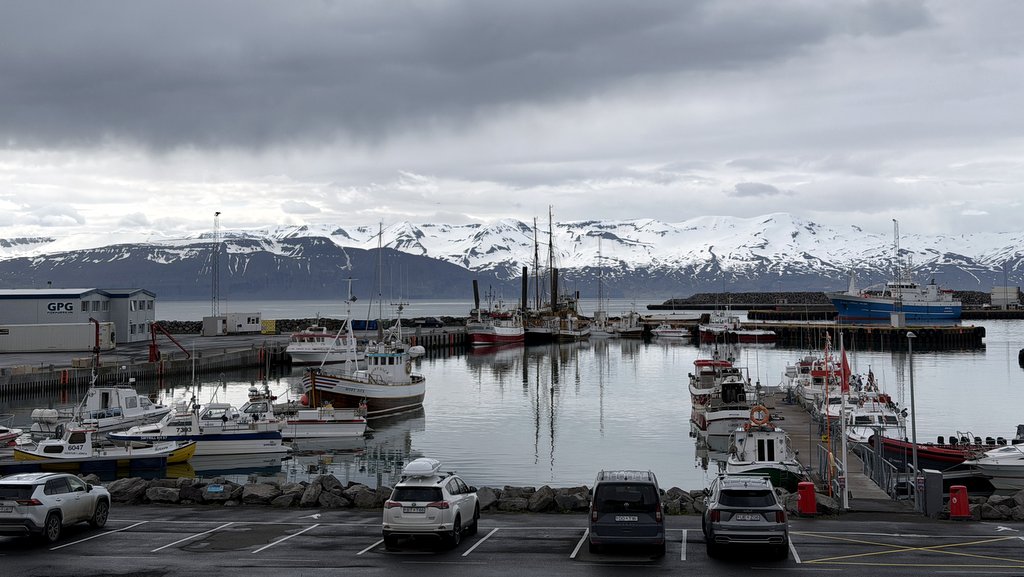
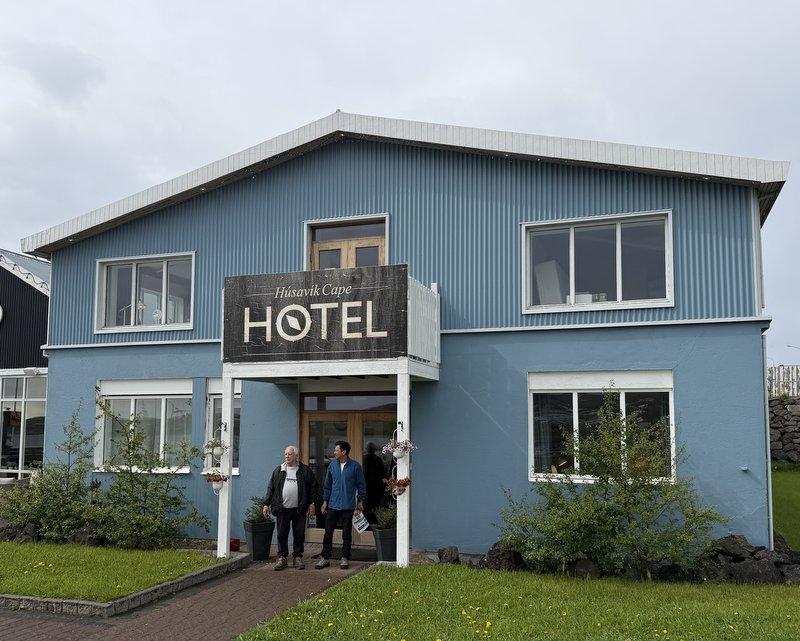
Two highlights were related to animals. Húsavík in Northern Iceland is widely recognized as the whale-watching capital of Iceland and all of Europe. We had booked a 3-hour trip starting at 5 pm, so we arrived early in the small town, checked in, and had lunch with fish and chips. The trip was well organized; we were given protective clothing, and a guide gave a warning when he spotted a whale. They are humpback whales, 14-17 m long, who come up to the surface every 10-15 minutes to breathe. The guide is trained to spot the spray when they exhale and gives the direction. When diving down, you can see their tail (if you are lucky). With my vision problem, I could not see details, but Aric managed to take a few nice shots.
Puffin Island

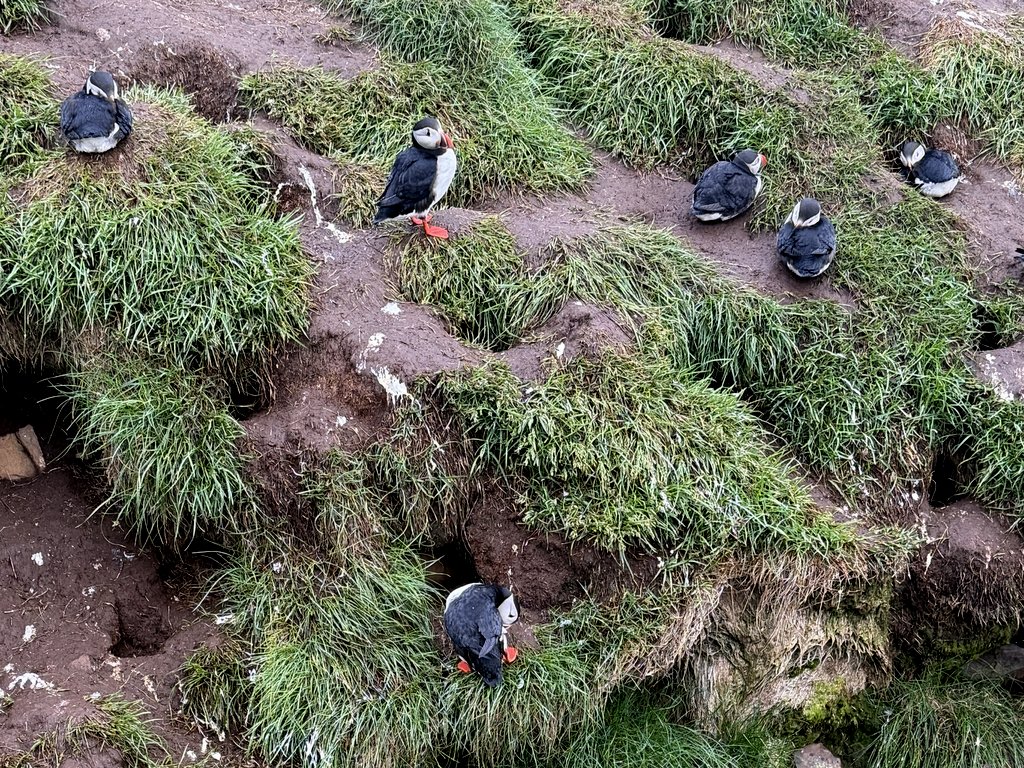
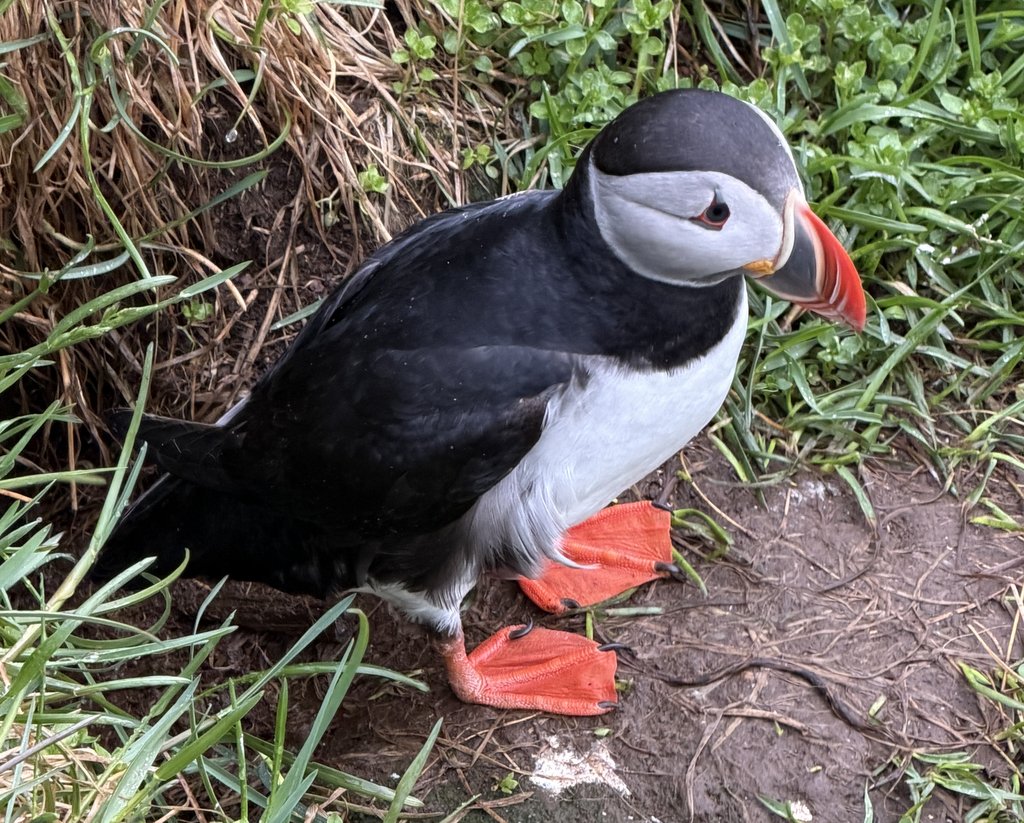
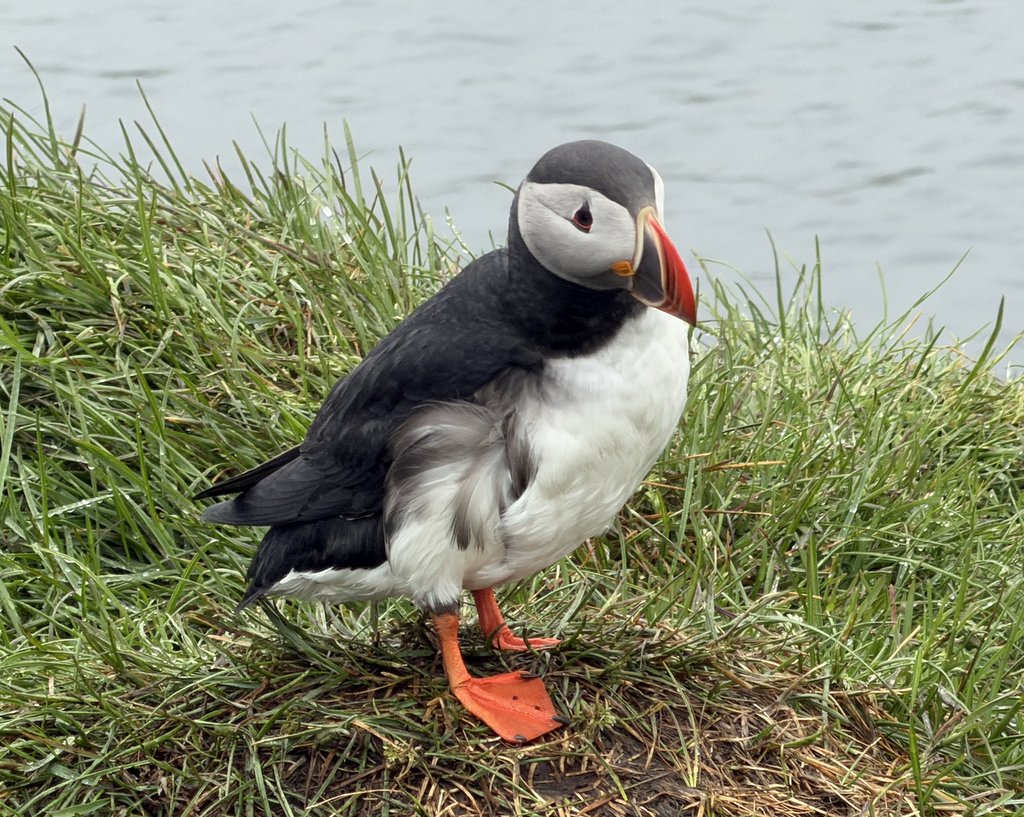
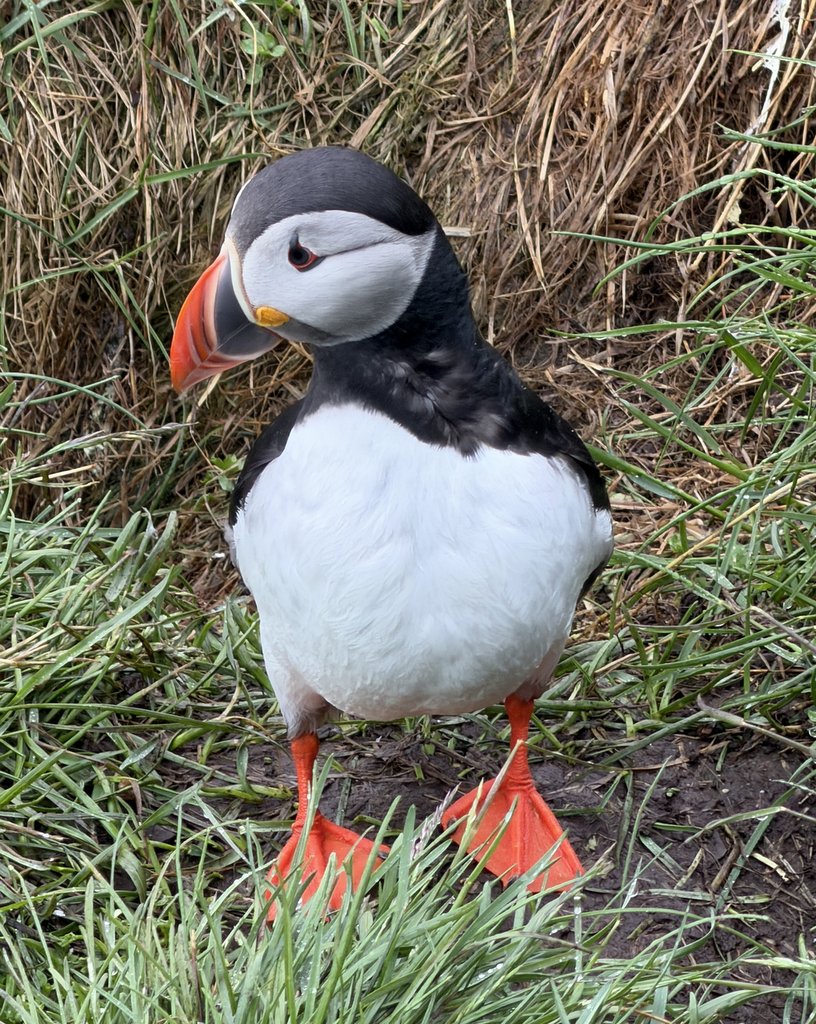
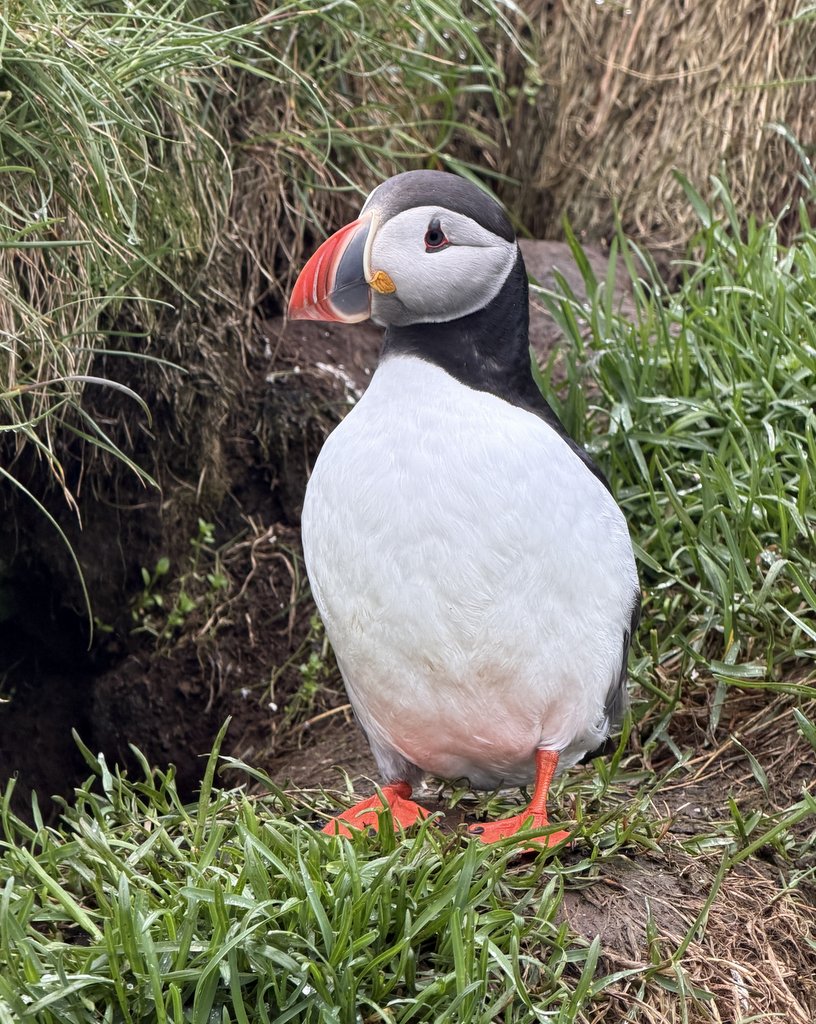
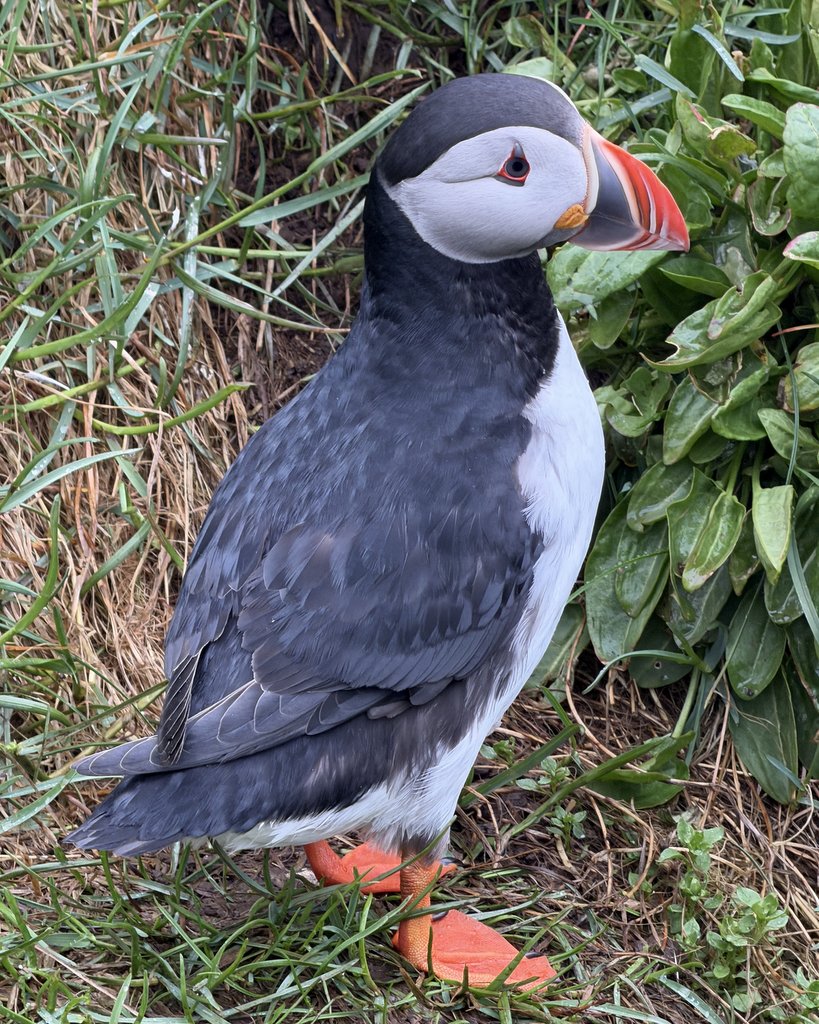
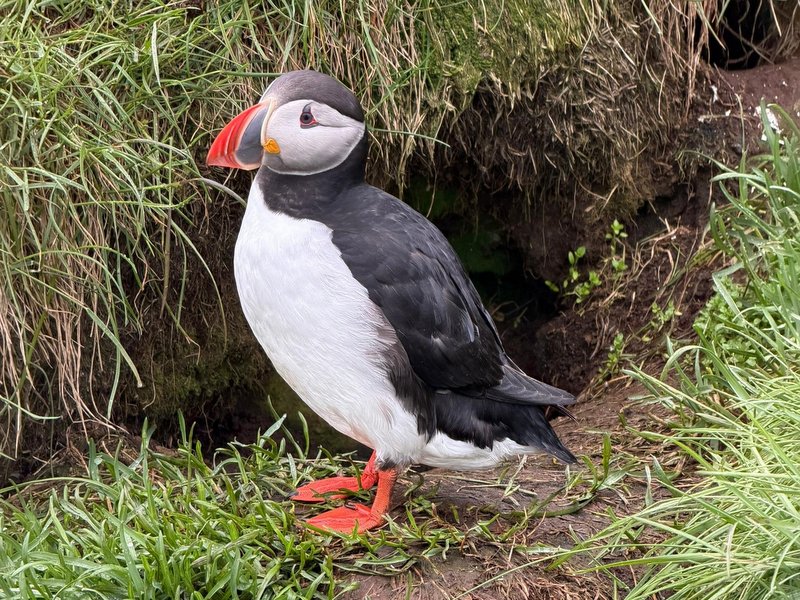
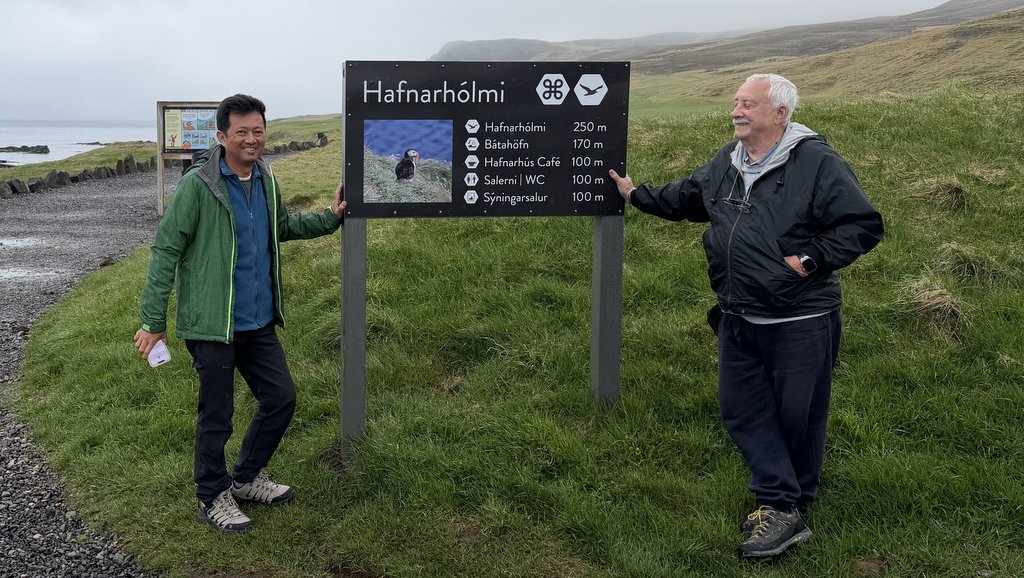
The following day we drove to Hafnarhólmi, widely considered Iceland’s puffin capital. In summer there are thousands of nesting Atlantic puffins. The small islet is connected by a causeway to the mainland, and wooden walkways and platforms have been constructed to watch the cute birds from very close by. Free access, and the birds are apparently not disturbed. Fascinating experience; you can not stop taking pictures.
Other animals abd flowers

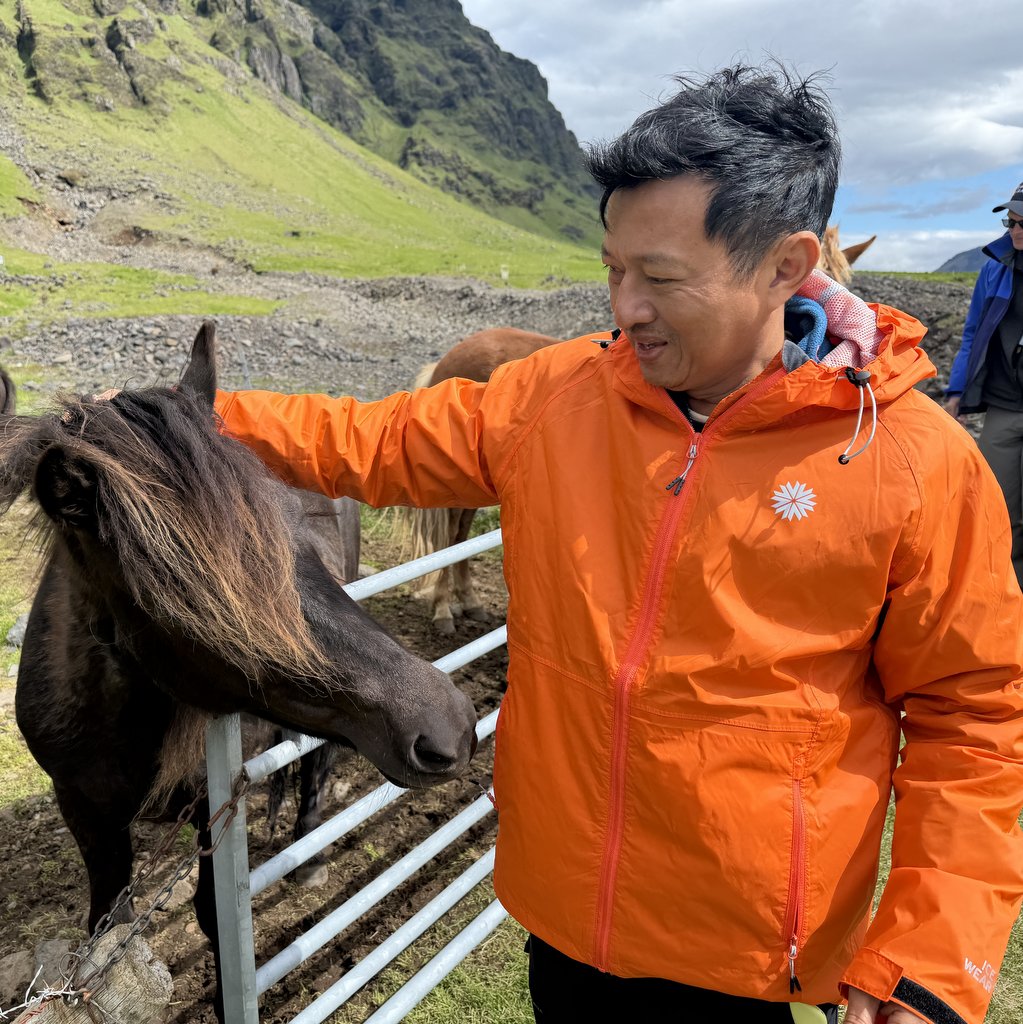
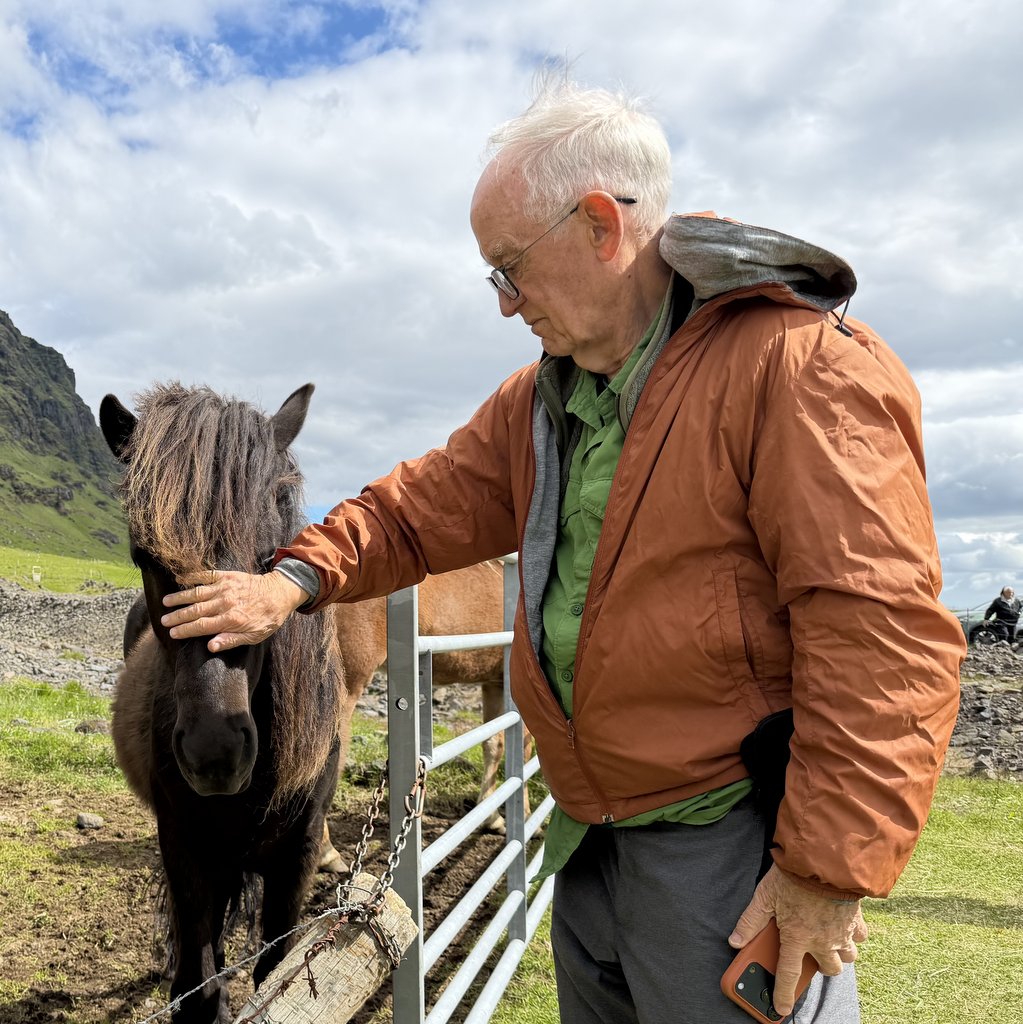
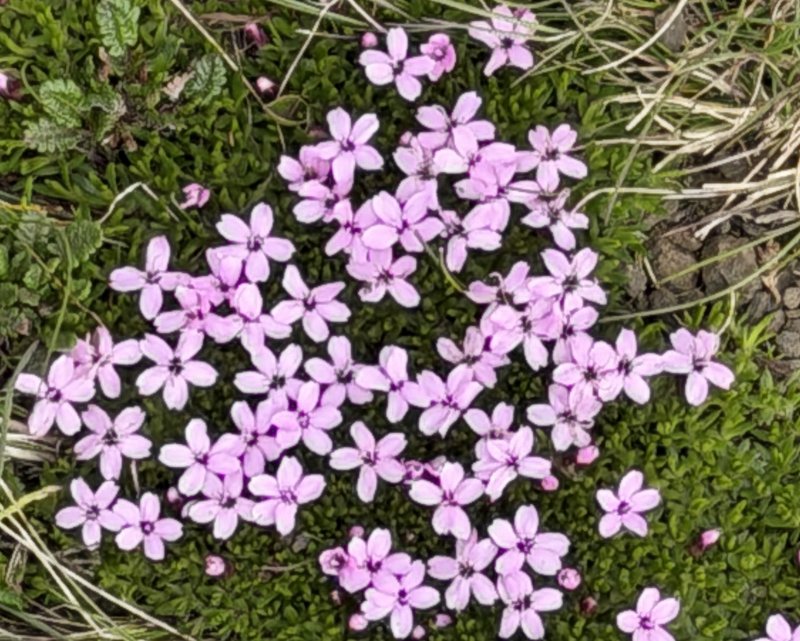
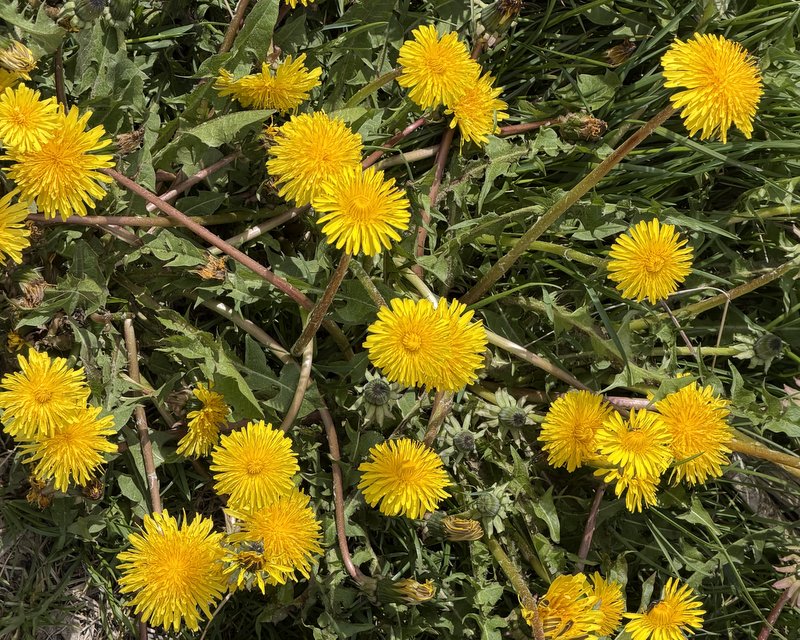
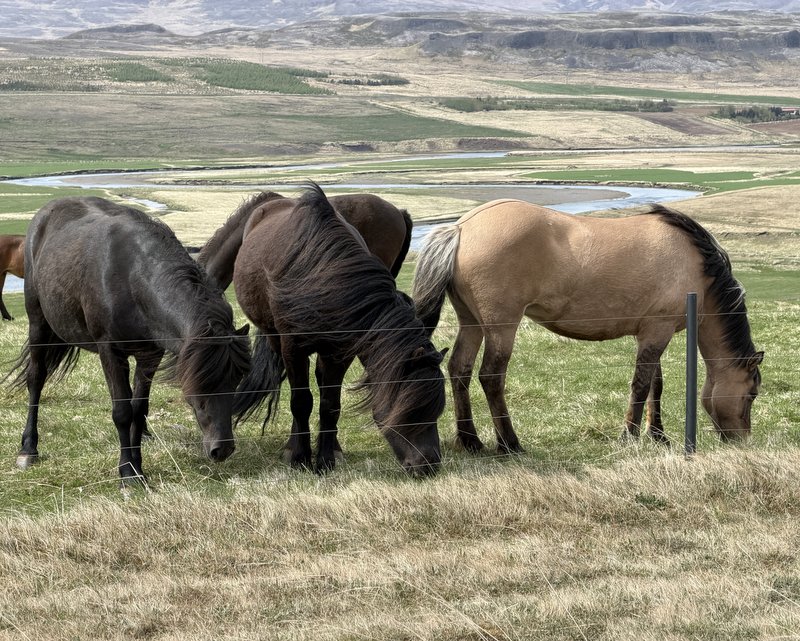
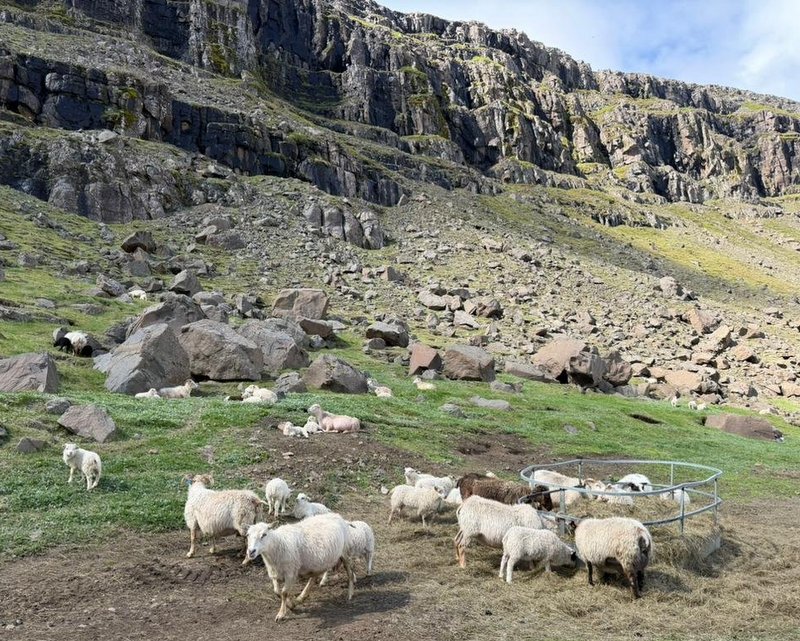
During our trip, we saw herds of horses and flocks of sheep. The beautiful Icelandic horses are small in size, but don’t call them ponies; that is impolite. We did not see much flora.
Turf Houses

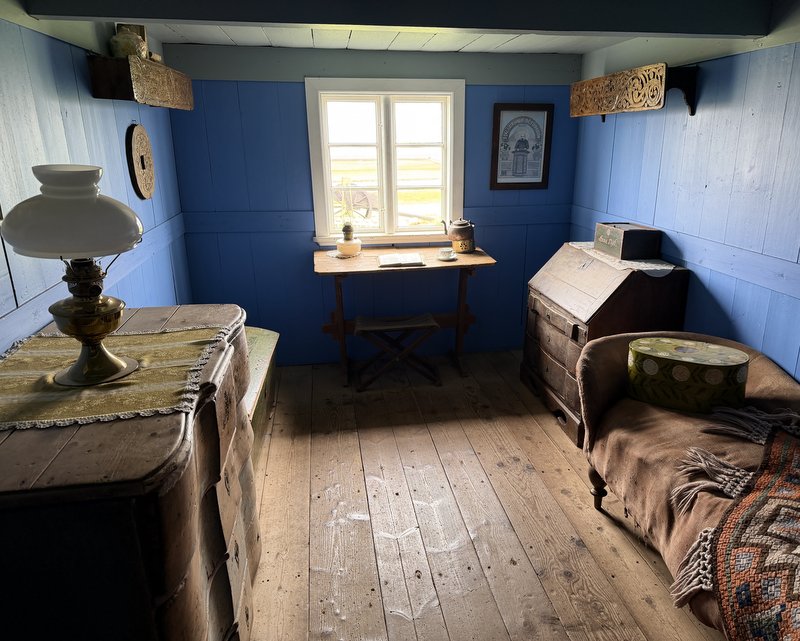
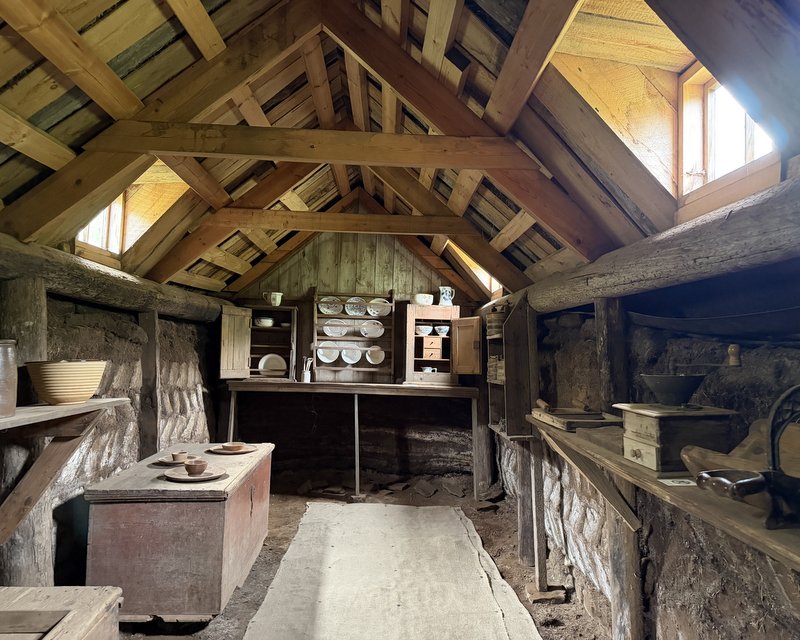
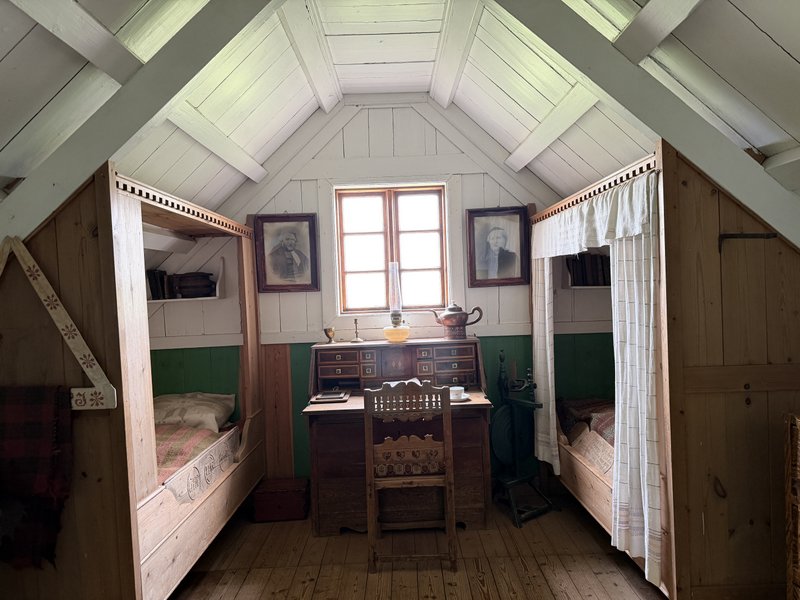
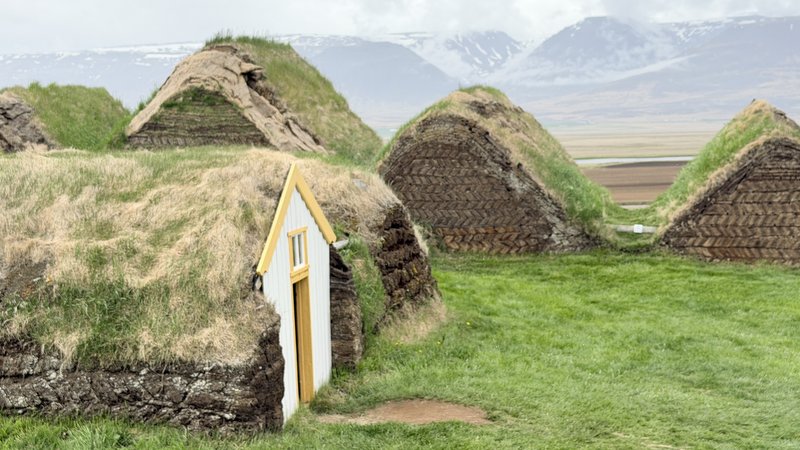
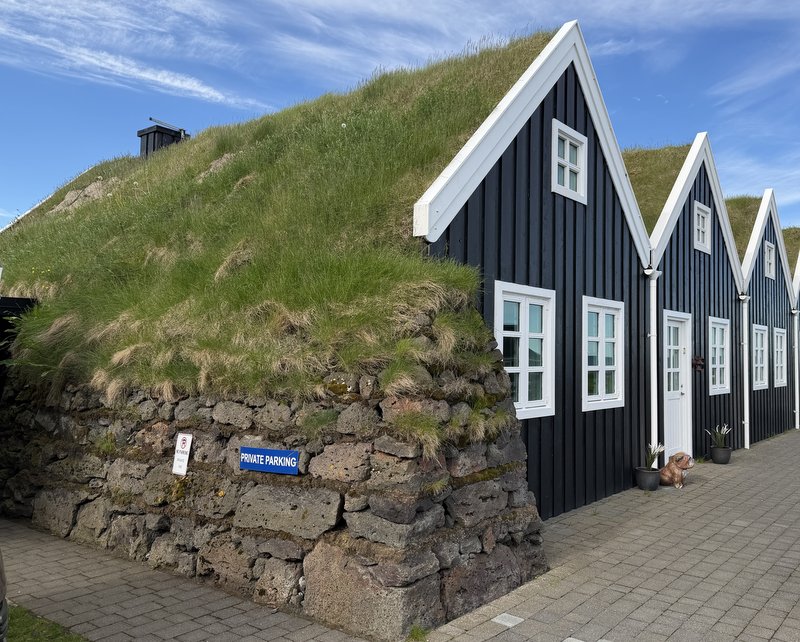
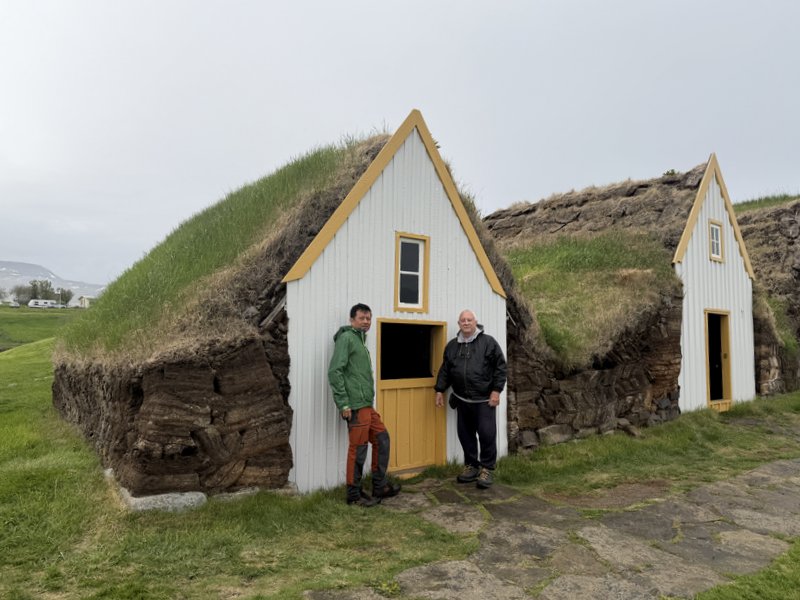
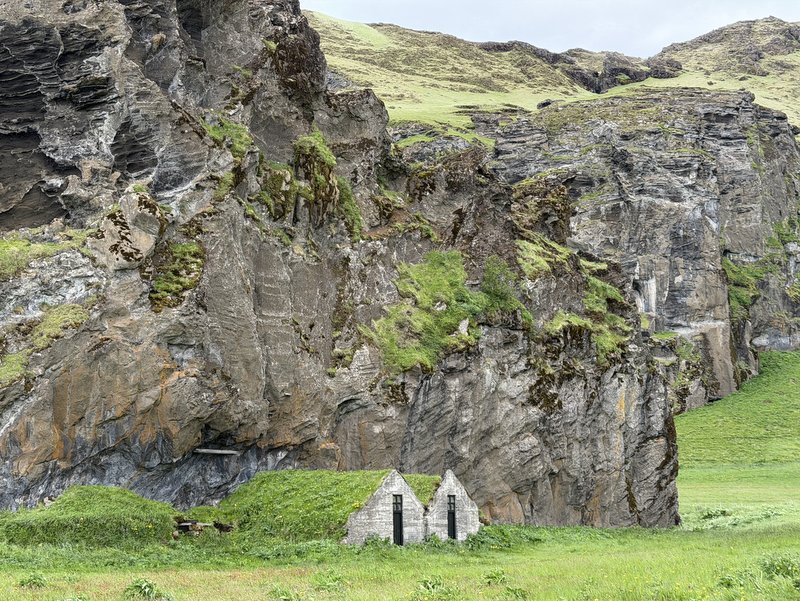
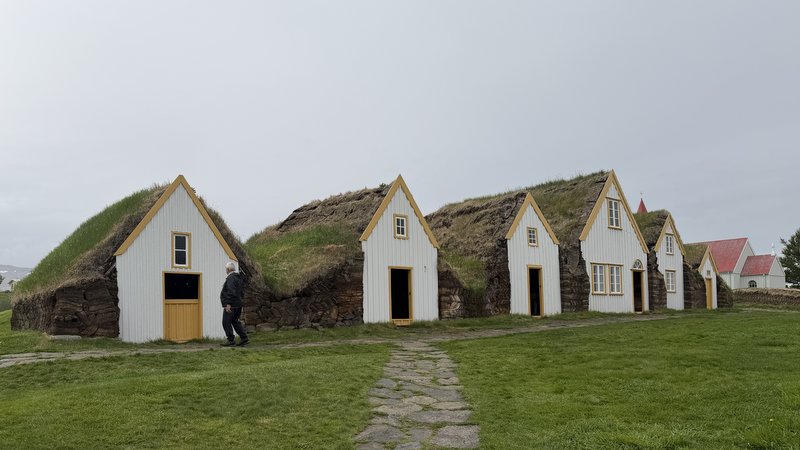
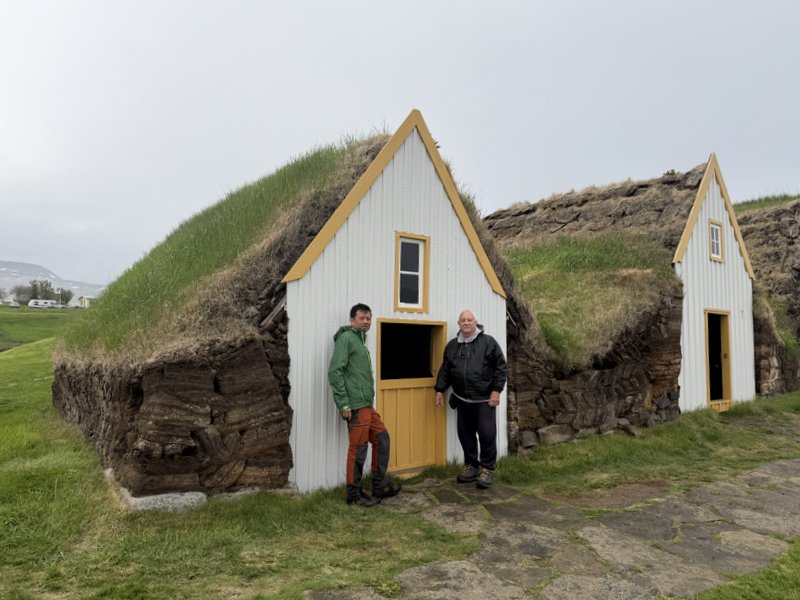
Using turf as a building material has been common in Iceland for over a thousand years. Its insulation properties made it suitable in a cold climate. On the second day of our round trip, we visited Glaumbær, where until 1948 villagers lived in turf houses. It has now become the Skagafjörður Folk Museum. There are 13 turf houses, which can be visited. Fascinating. Pity that it was drizzling and raining that day; otherwise we would have stayed longer. Here is the front row of six turf houses. Many of the artifacts have been kept after the residents left.
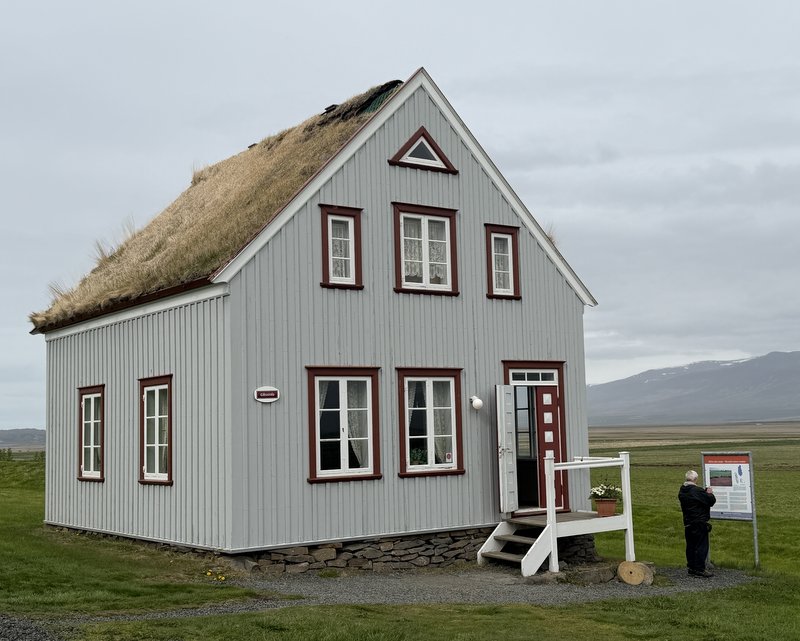
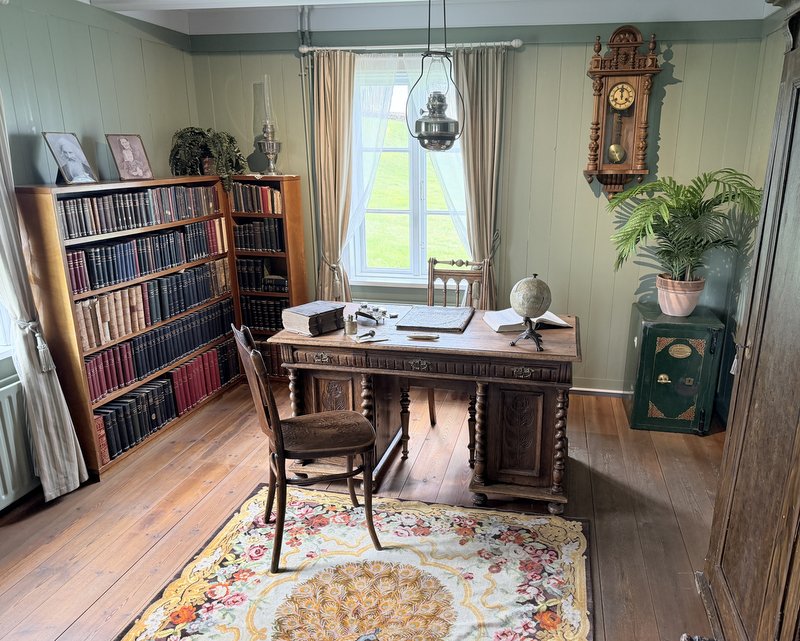
This timber house with a turf roof comes from another location and has been rebuilt here. It houses the management office and a cafe.
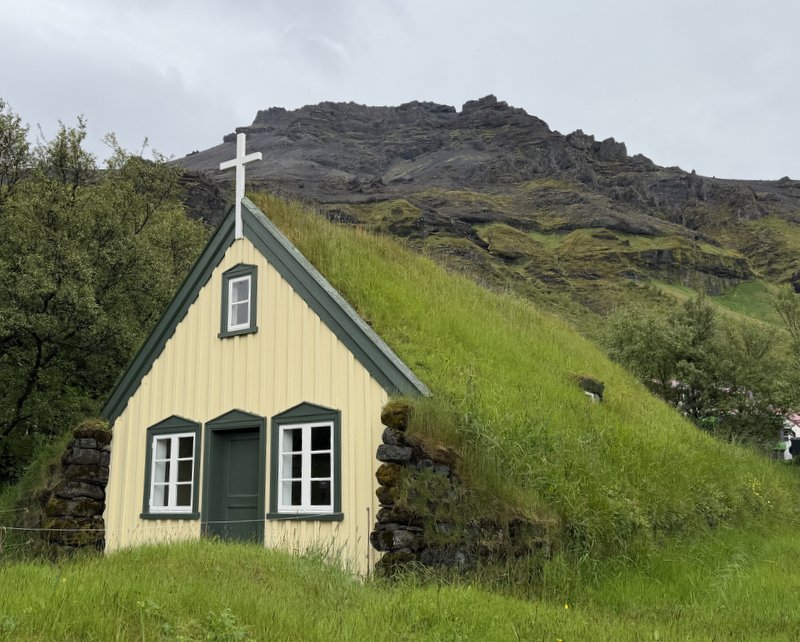
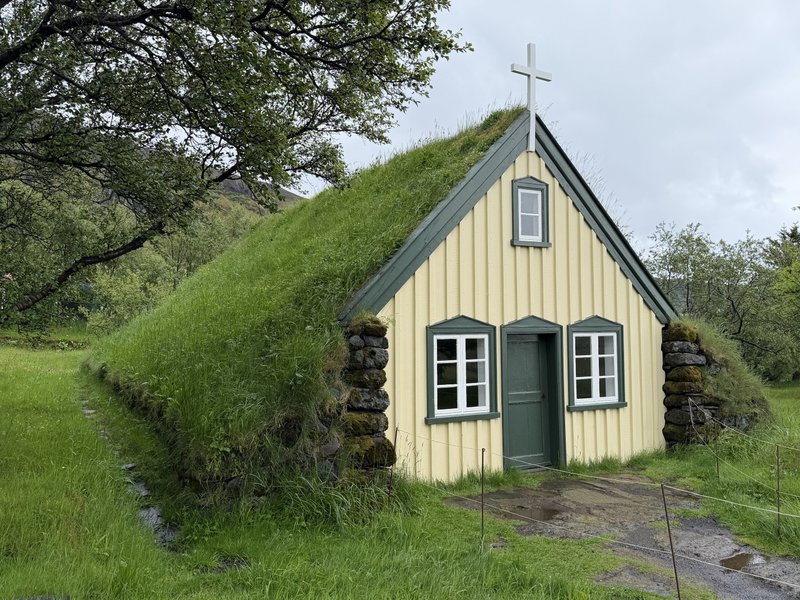
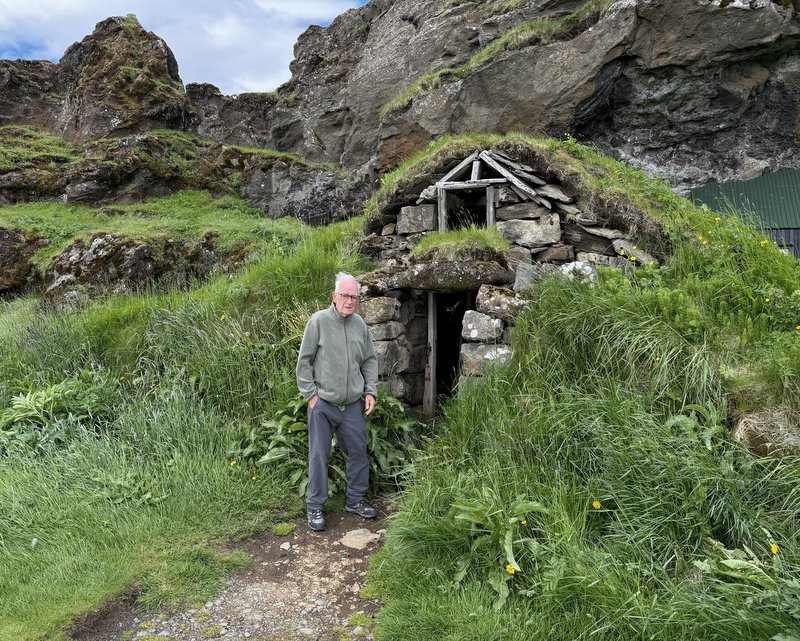
On our trip, we have seen a few more turf sheds and one of the six remaining turf churches. A few of the fishermen’s huts in our last “homestay” still had turf roofs.
Other buildings

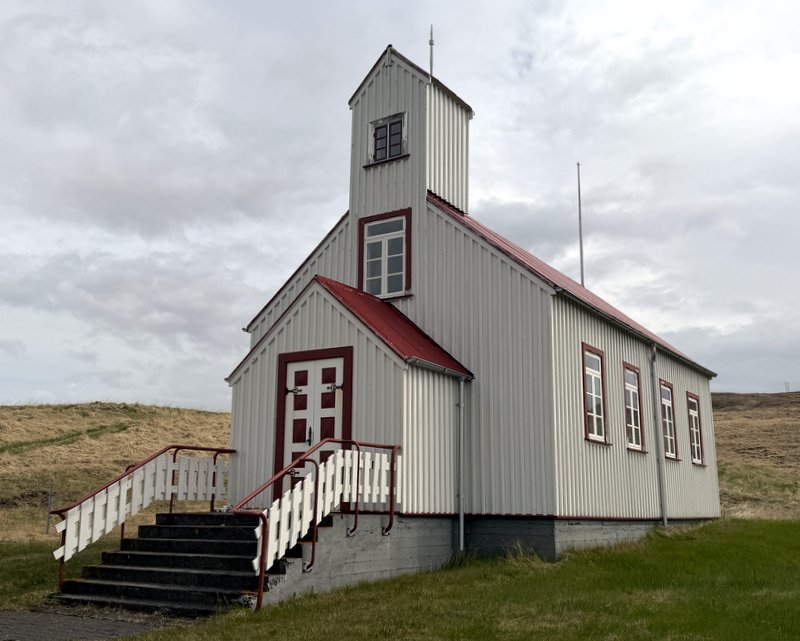
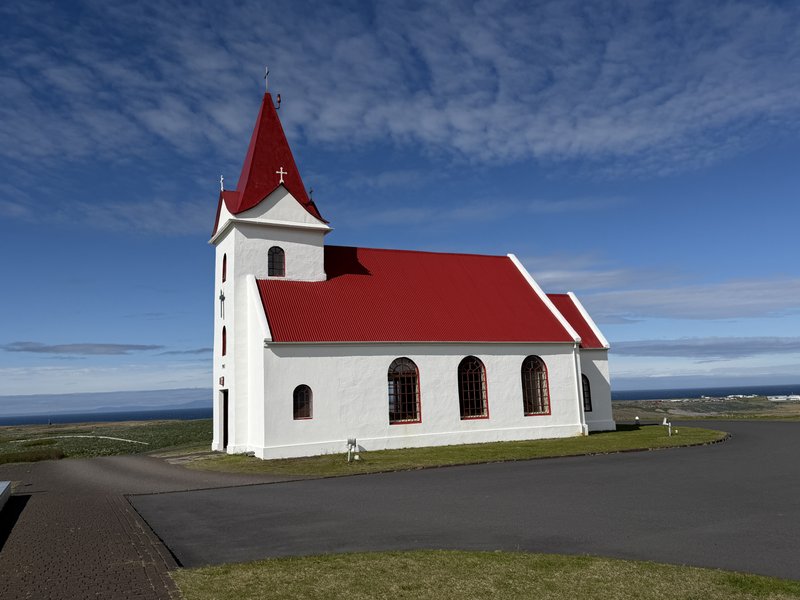
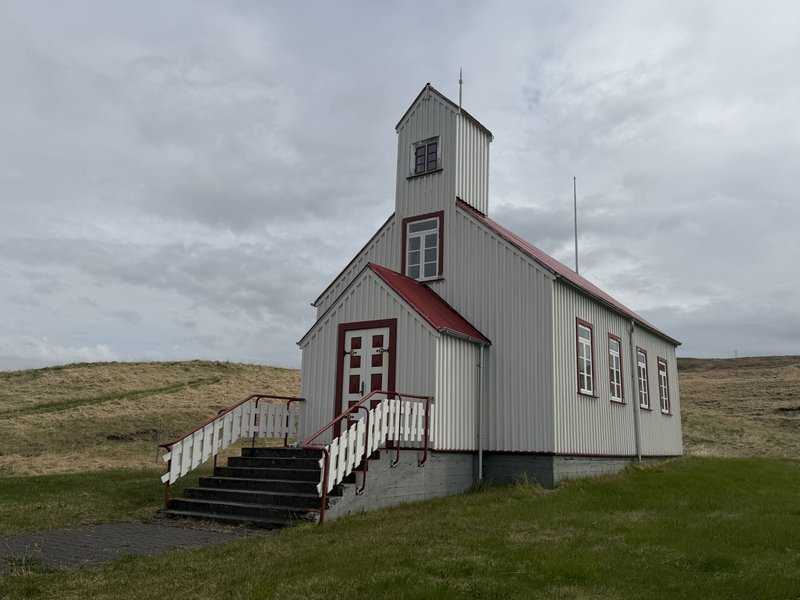
The first tourist attraction we visited after renting a car was a church! It is a real beauty, red-roofed against the backdrop of snow-covered hills. The church has become a popular tourist attraction for a peculiar reason. Here is why: Icelandic Church : The Eye Test House Is Going Viral Again and Its Real-Life Lookalike Is Beautiful. Actually, it is an urban legend, not true.
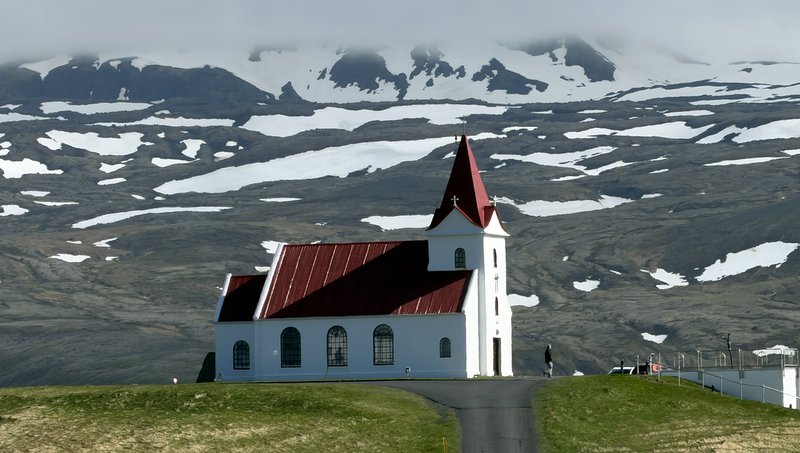
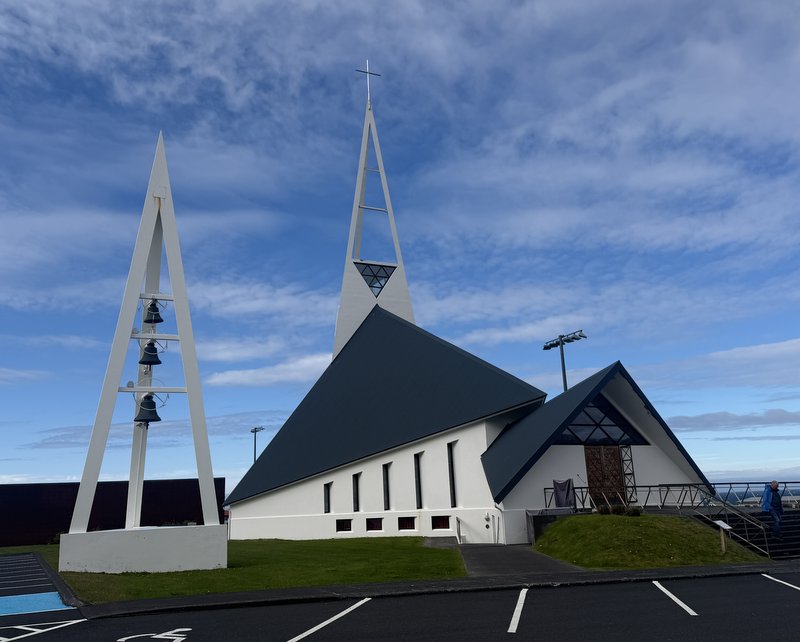
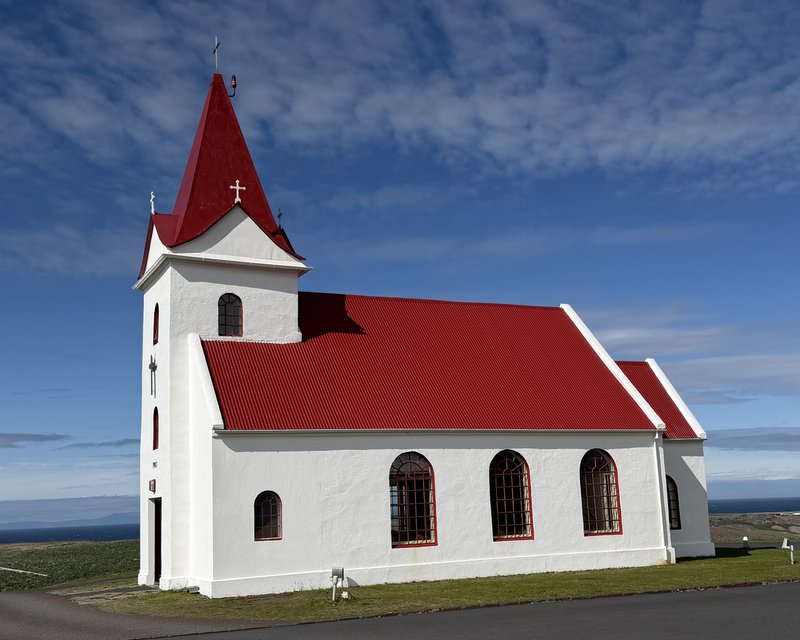
We took more pictures of churches, traditional and modern. Many of them are located in remote places.

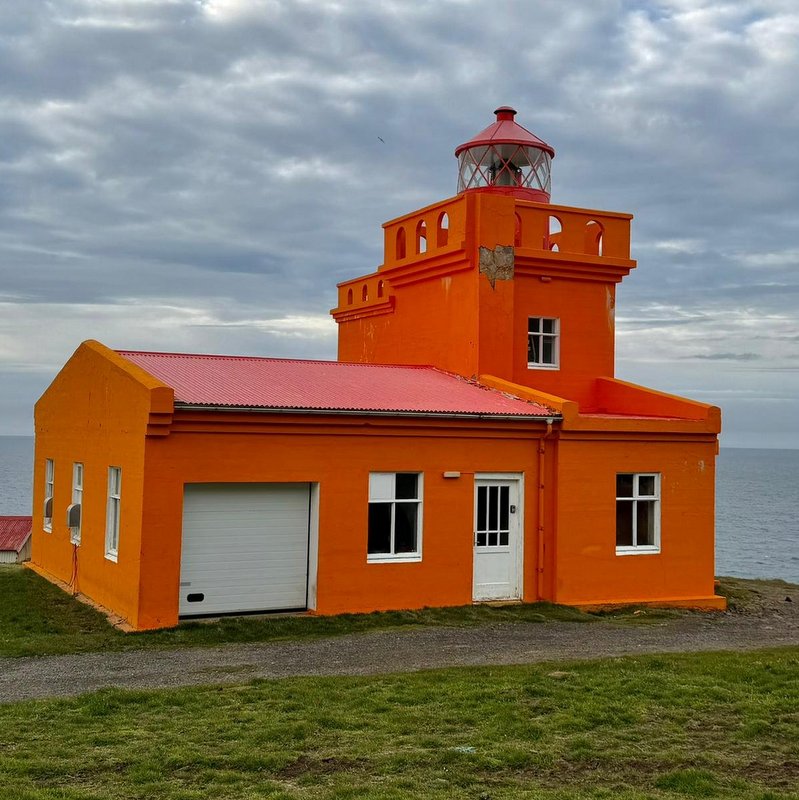
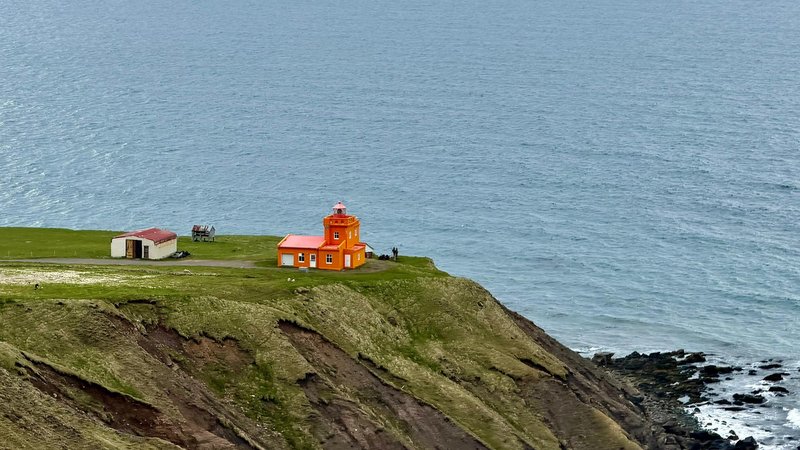
Lighthouses are a bit similar to churches. Remote location, with a tower.
Art

During our round trip we visited two public art installations.

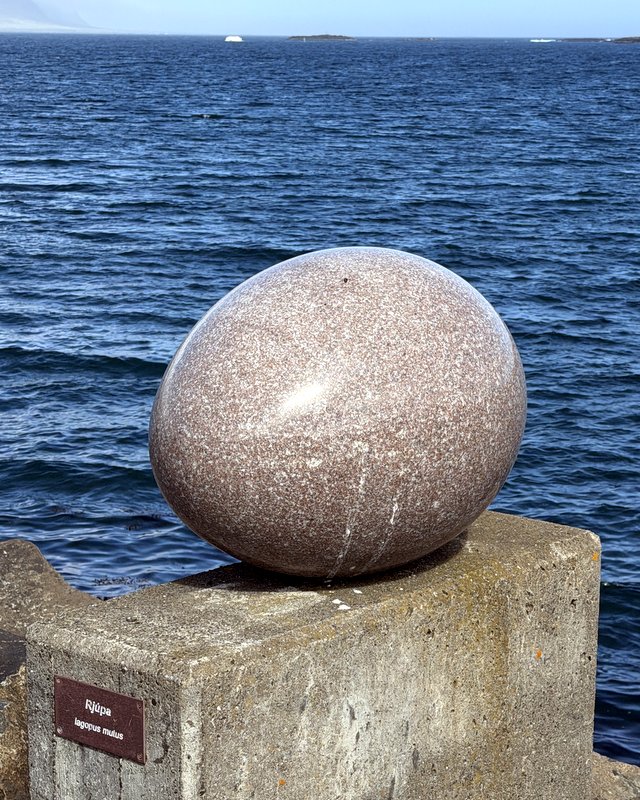
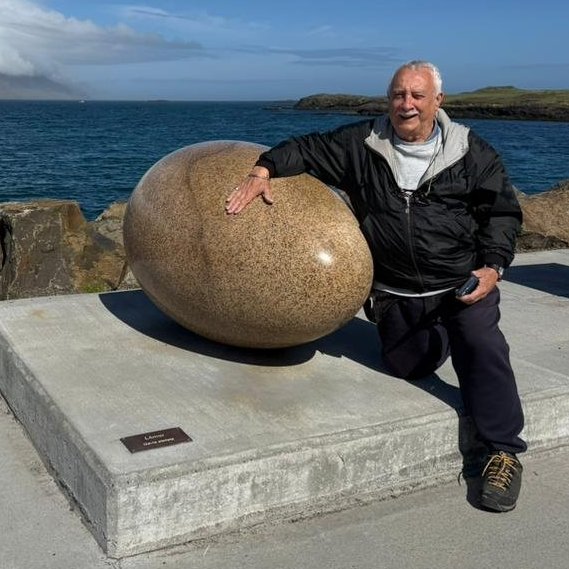
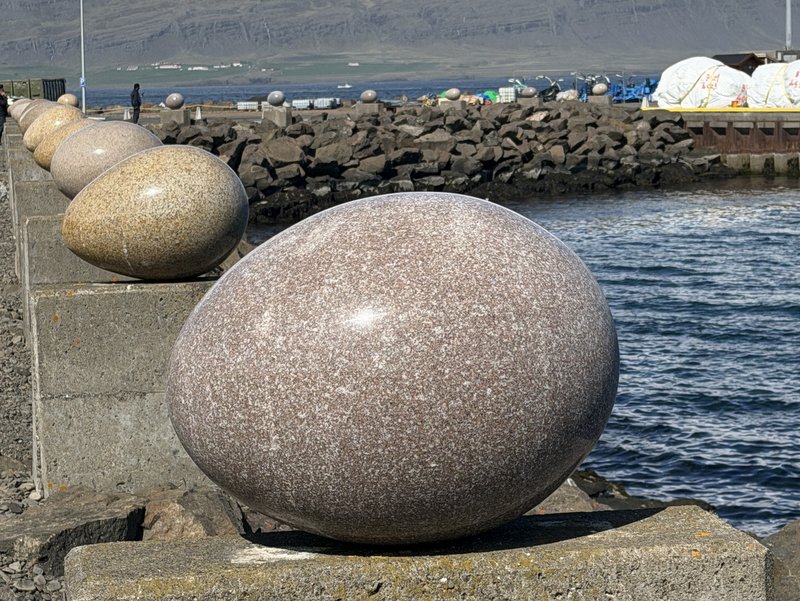
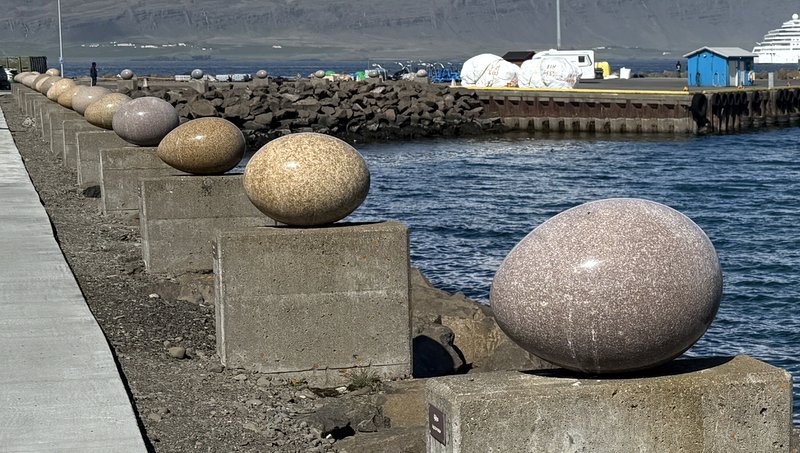
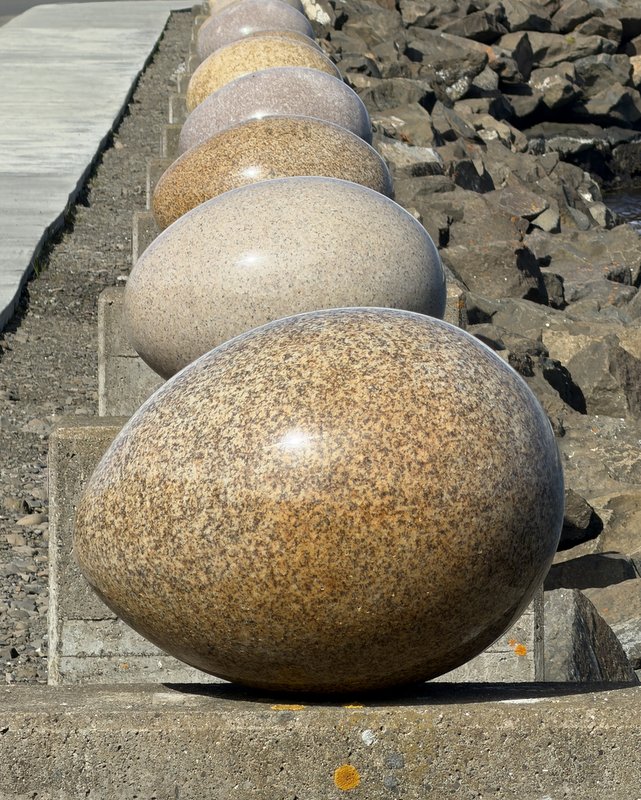
The Eggs of Merry Bay

Created by Sigurður Guðmundsson and officially unveiled in 2009. The installation consists of 34 oversized granite replicas of bird eggs. Each egg represents a different species of local bird that nests in the country.
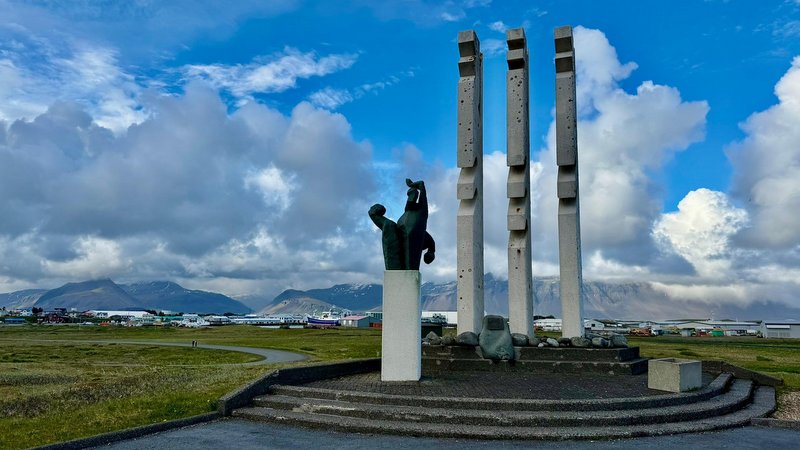
Höfn Universe Sculpture

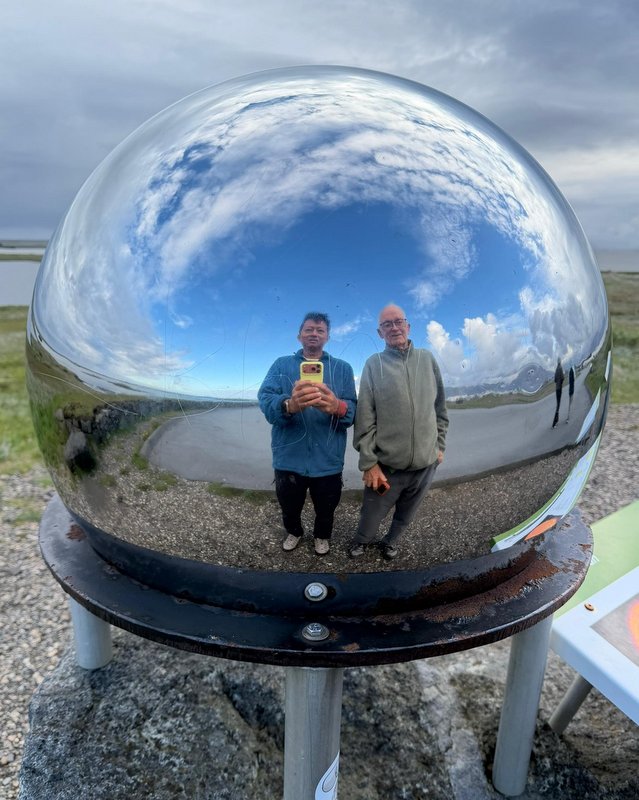
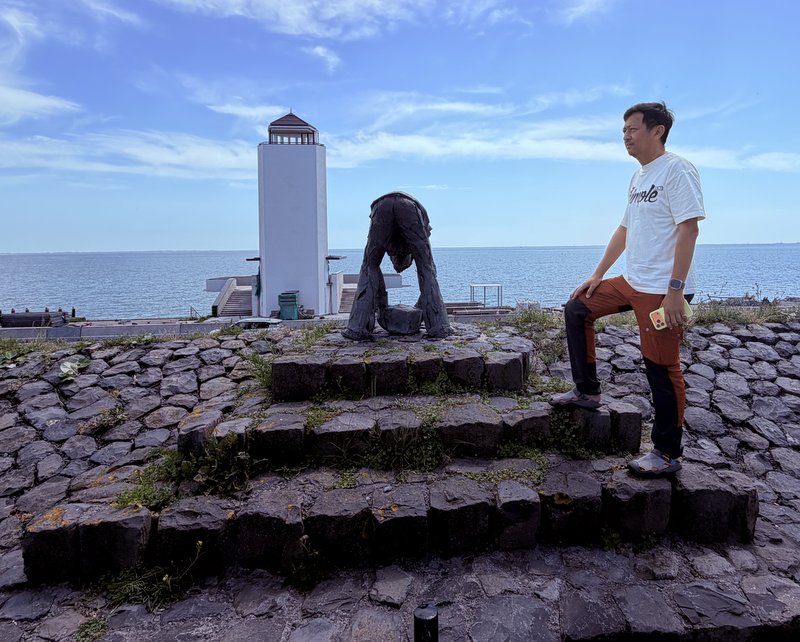
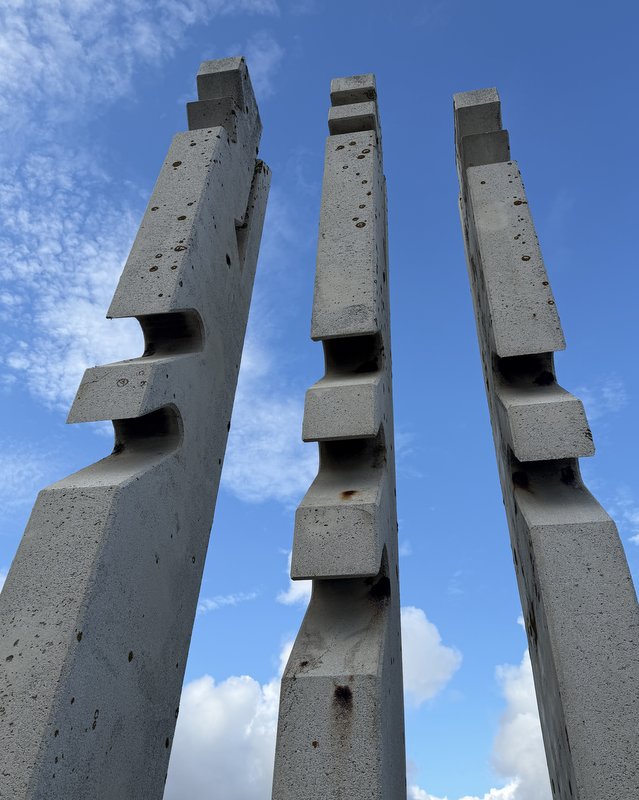
This artwork was created by Jón Gunnar Árnason (who also created the Sun Voyager in Reykjavík). The bronze sculpture is a memorial for all fishermen who lost their lives at sea; the chrome ball represents the Sun, and the three pillars may point to the famous Pillars of Creation. –
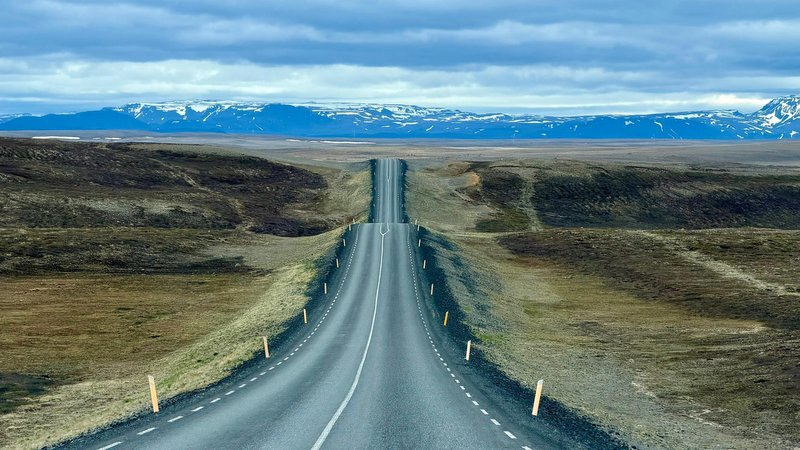
We drove about 2400 km, mainly on Highway no 1. It resulted in this lengthy blog
Iceland 2026, part 1

We visited Iceland on a 10D9N trip as part of our Europe holidays. Click here for a chronological account of this 7-week holiday. I have split this Iceland report into two parts because we have visited many places in those 10 days. This part describes the many natural wonders of Iceland.

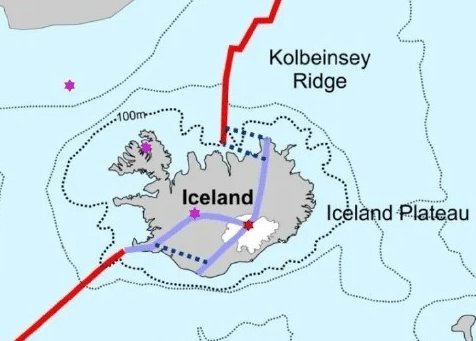
Iceland is unique because of two factors. In the first place it is located on top of the Mid-Atlantic Ridge. Two tectonic plates, the Eurasian and the North-American, are moving apart from each other a few cm per year, magma from the Earth’s mantle fills the gap and gives rise to a suboceanic mountain ridge. Iceland is one of the places where this ridge reaches the surface. Because of its origin, Iceland is volcanic; the last eruption was in 2025. The other factor is its northern location, very close to the Arctic Circle. During the Last Ice Age (~21000 years ago), the island was covered by an icecap of between 1500 and 2000 m thick. Volcanic eruptions beneath such an ice cap can have catastrophic consequences and are responsible for the island’s rugged structure.

Here are two images. One shows the Mid-Atlantic Ridge (in red) and fractures in the Earth’s crust (in blue), the other one the thickness of the icecap (in shades of grey) during the Last Ice Age.

Geothermal Activity

The fractured Earth crust allows groundwater to seep deep underground, where it is heated by magma to hundreds of degrees and returned to the surface, leading to hot springs, steam vents, and geysers. About one-third of Iceland’s electricity production uses this geothermal energy.


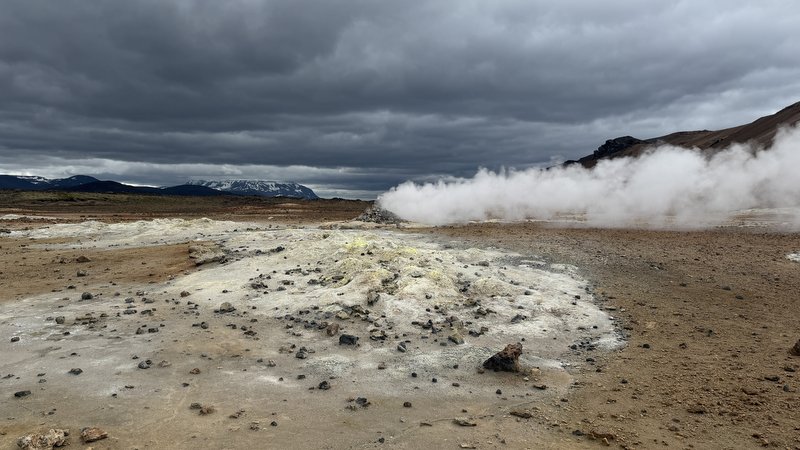
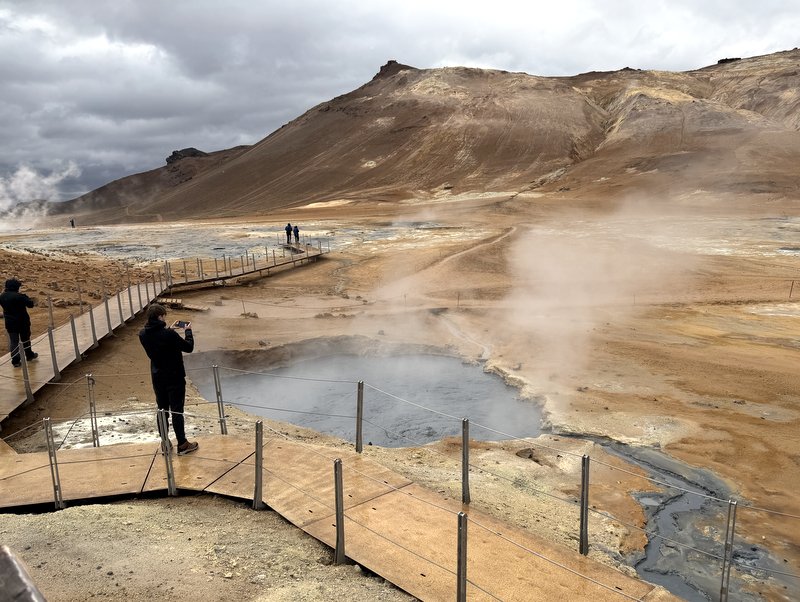
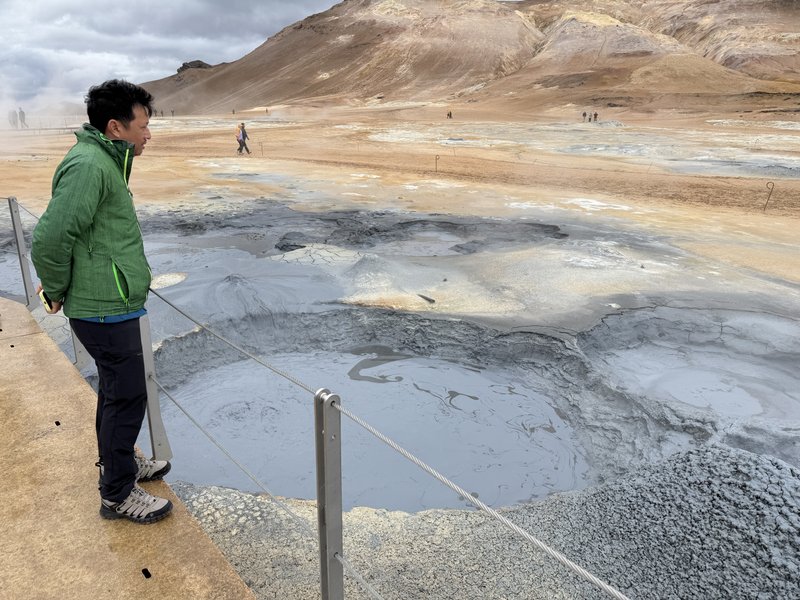
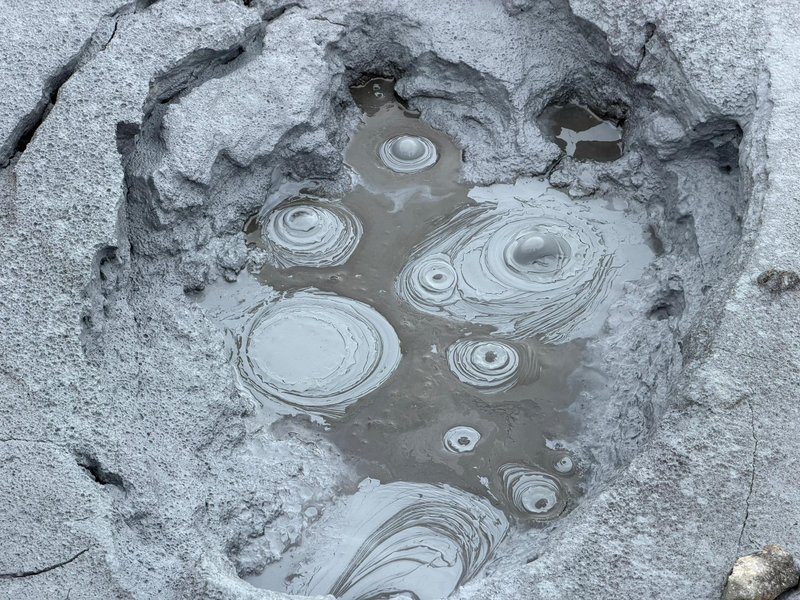
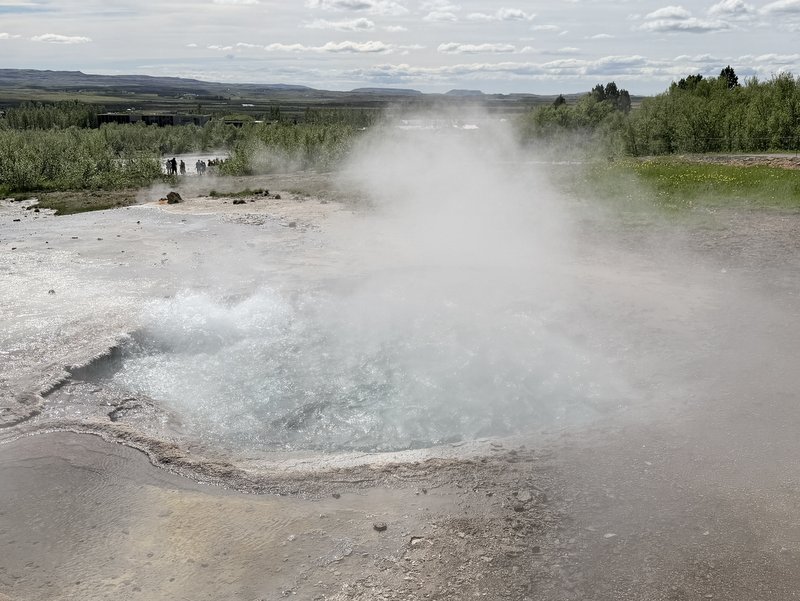
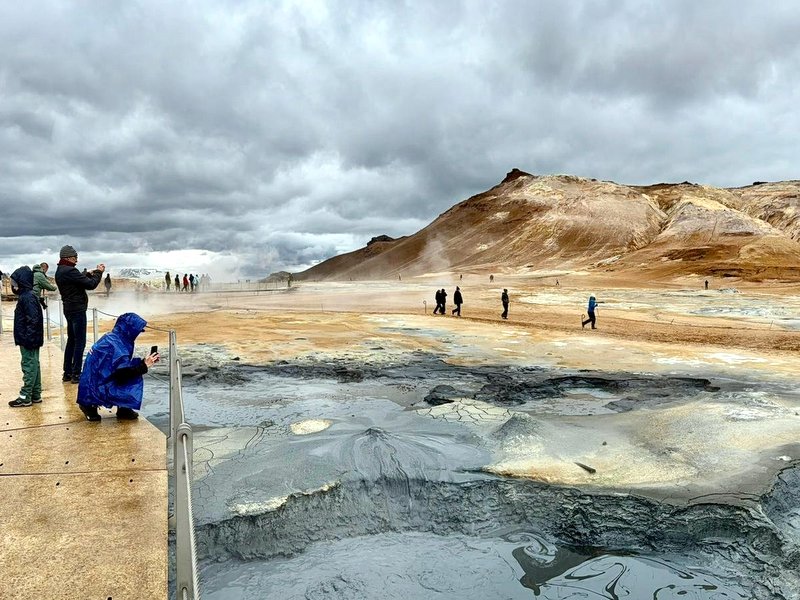
We visited Hveri, the most active geothermal area of Iceland. An alien landscape, steam vents (known as fumaroles), bubbling mud pools, yellow sulfur, and a smell of rotten eggs. Free access, but you have to pay for parking. Well-marked pathways near the pools; to the fumarole,- you could walk on your own. Fascinating.


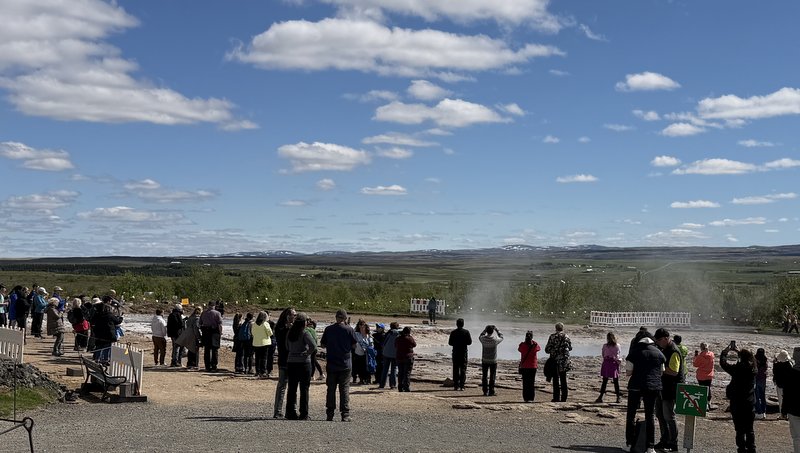
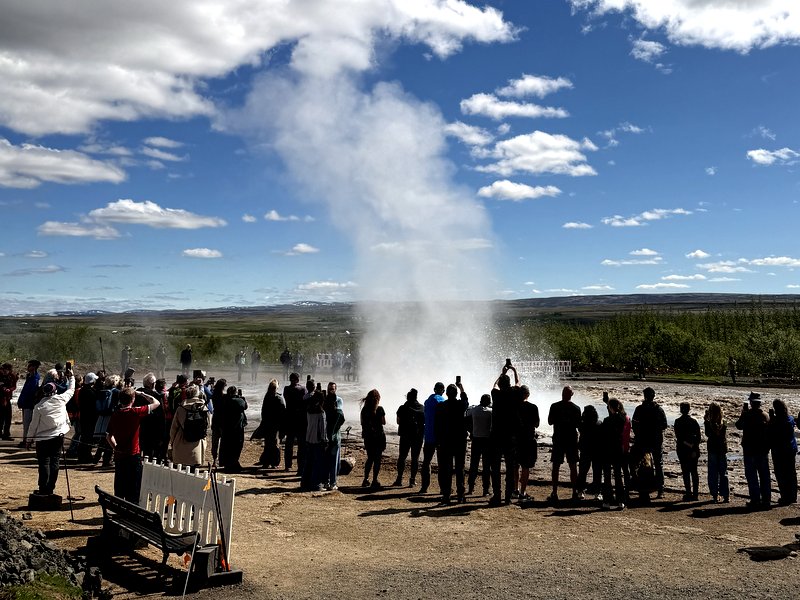
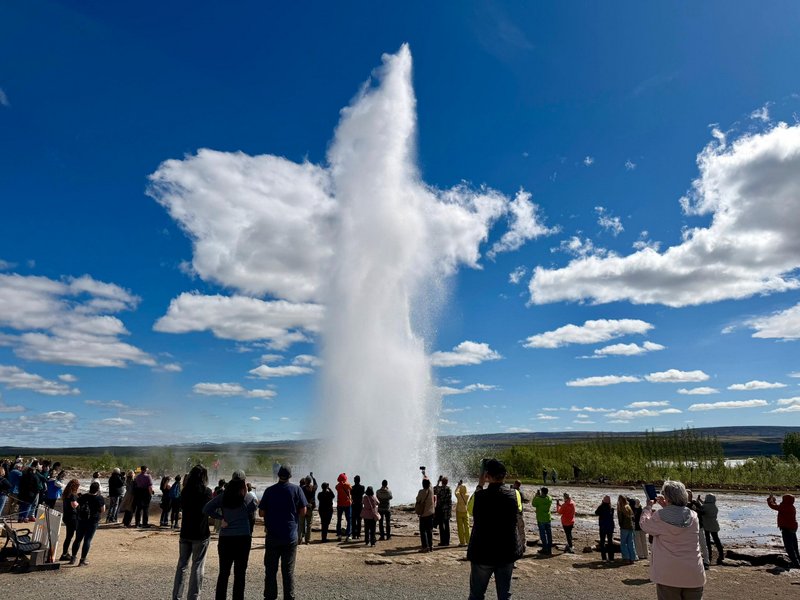
On our last day in Iceland we visited the famous Geysir, one of the most popular tourist attractions. Bus loads of tourists visit the location daily. A geyser is basically a hot spring, where water seeps down though cracks and gets (super) heated. This builds up pressure resulting in an eruption of water and steam. How often this happens, depends on the underground structure. Earthquakes can change this structure, there have been years that eruptions were rare, but presently the Great Geysir erupts every few minutes. Not always to the same height so we stayed for some time, hoping for a powerful one. There are also smaller geysers and mud pools


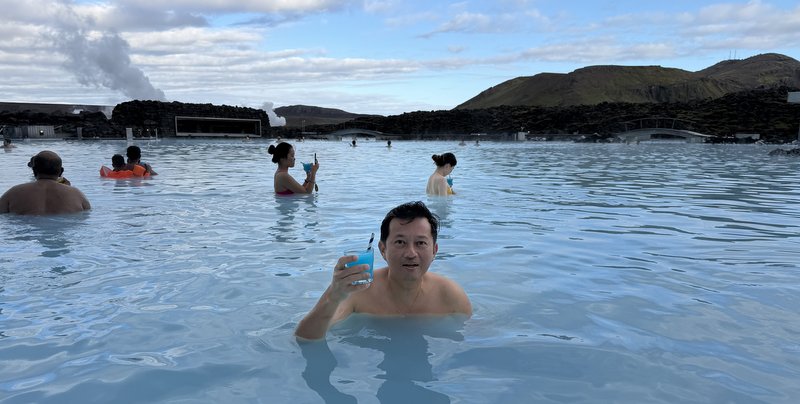
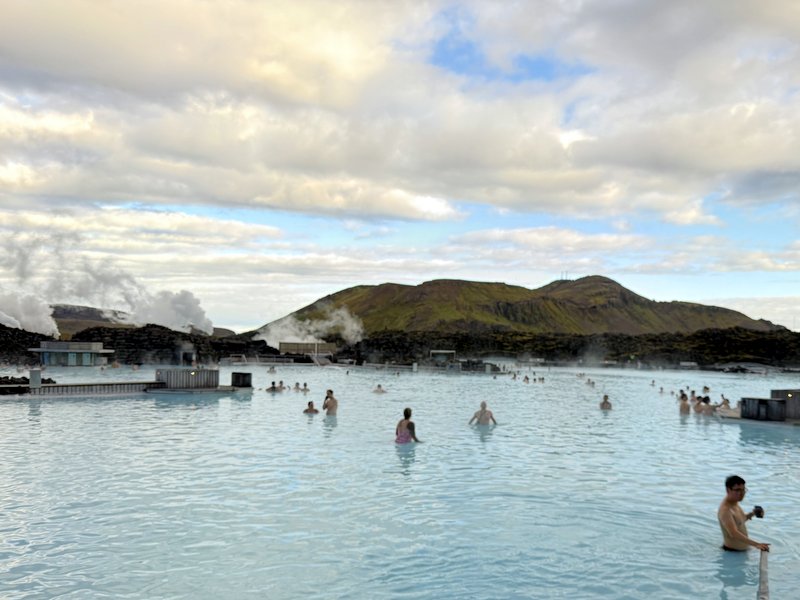
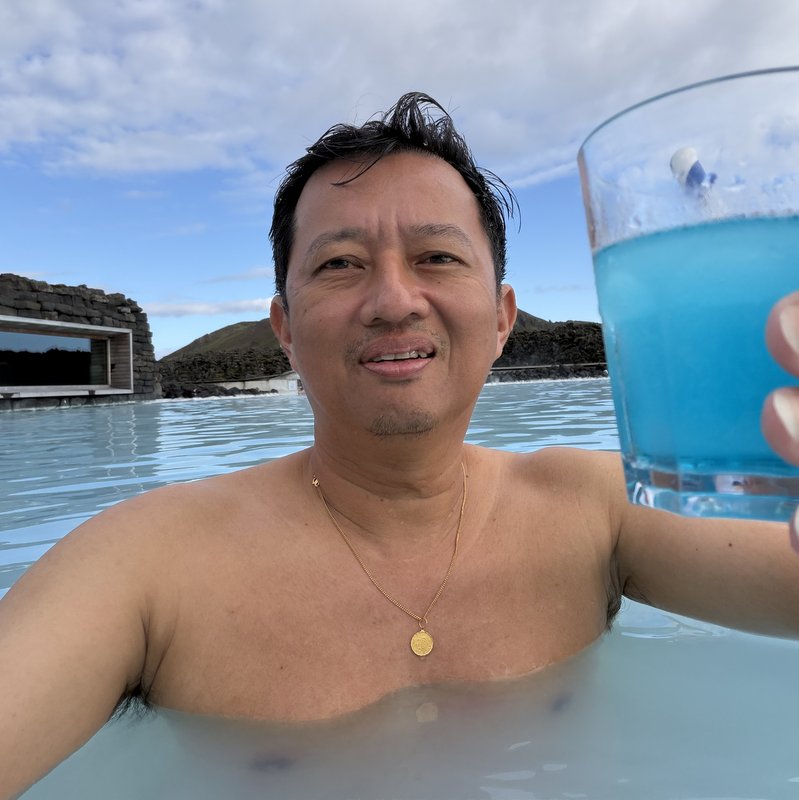
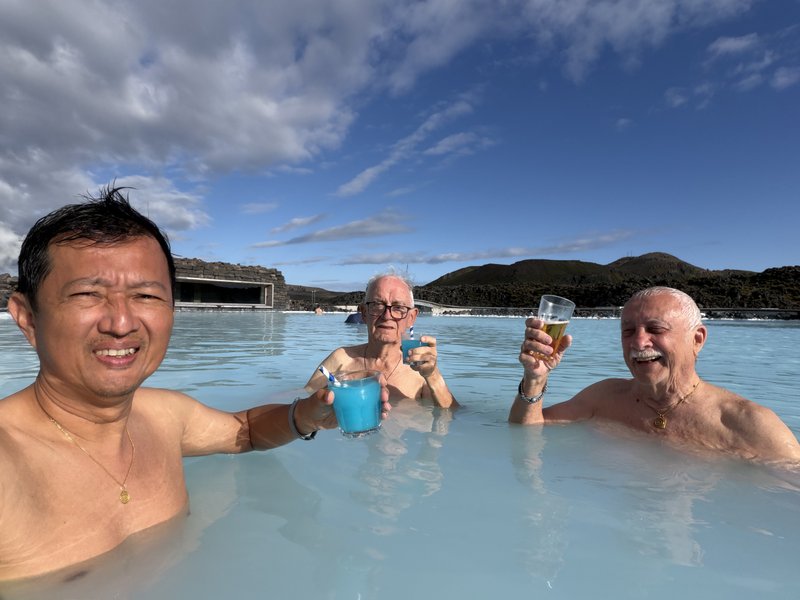
When you tell people that you visited Iceland, they often ask, did you visit the Blue Lagoon? And yes, we did, but it is very overrated and commercial It is actually a byproduct of a nearby geothermal powerplant. The powerplant uses superheated water to generate electricity and hot water for households. Then the wastewater is released in nearby ponds, the Blue Lagoon! Tickets are expensive and you need to book a timeslot. One free (non-alcoholic) drink is provided. Swimming is prohibited, we walked around in the milky blue water.

Glaciers

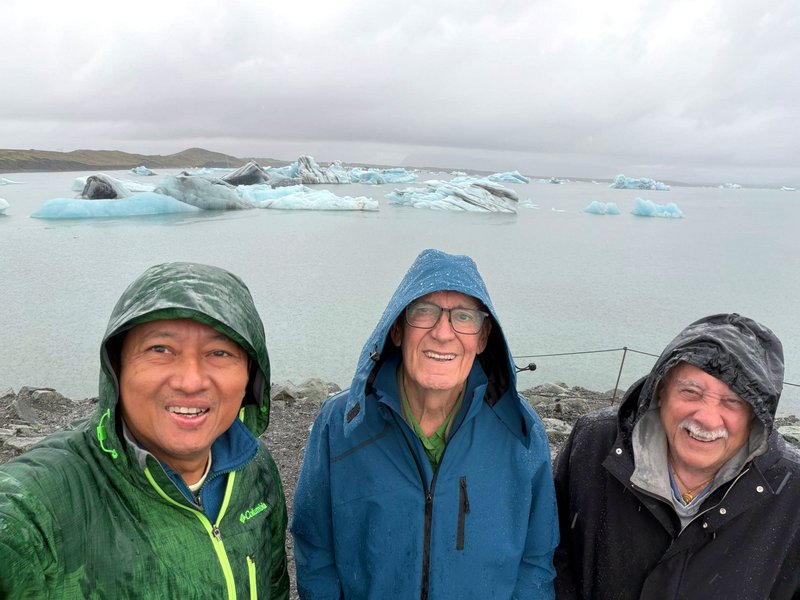
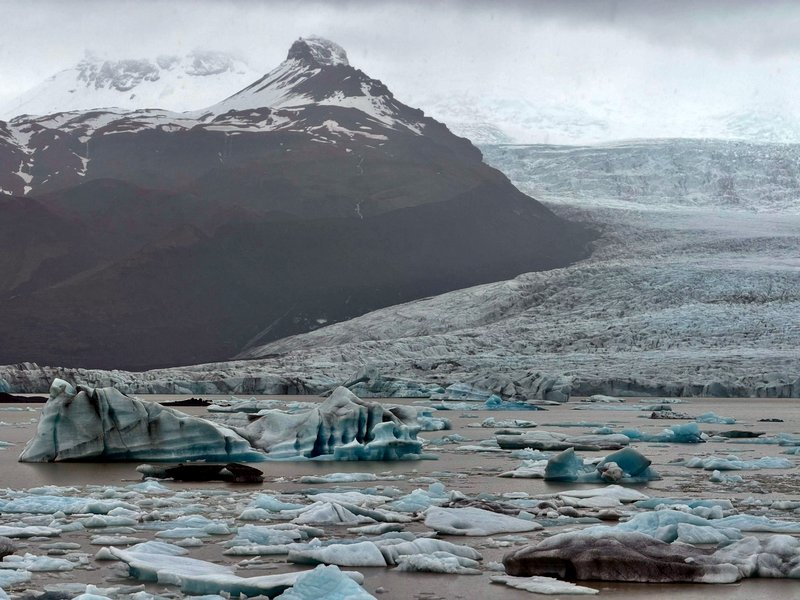
After the Last Ice Age, the icecap that covered Iceland, has melted, but glaciers still cover part of the island, and because of Iceland’s location, they can extend almost to the coast. As glaciers are still retreating, the melting ice forms a glacier lake and when near the sea a glacier lagoon! We visited the Jökulsárlón lagoon. Aric is standing on the beach with the lagoon behind him and far away the front of the glacier. The beach is called Diamond Beach, because the broken glacier pieces melt in the seawater and become transparent, like jewels.


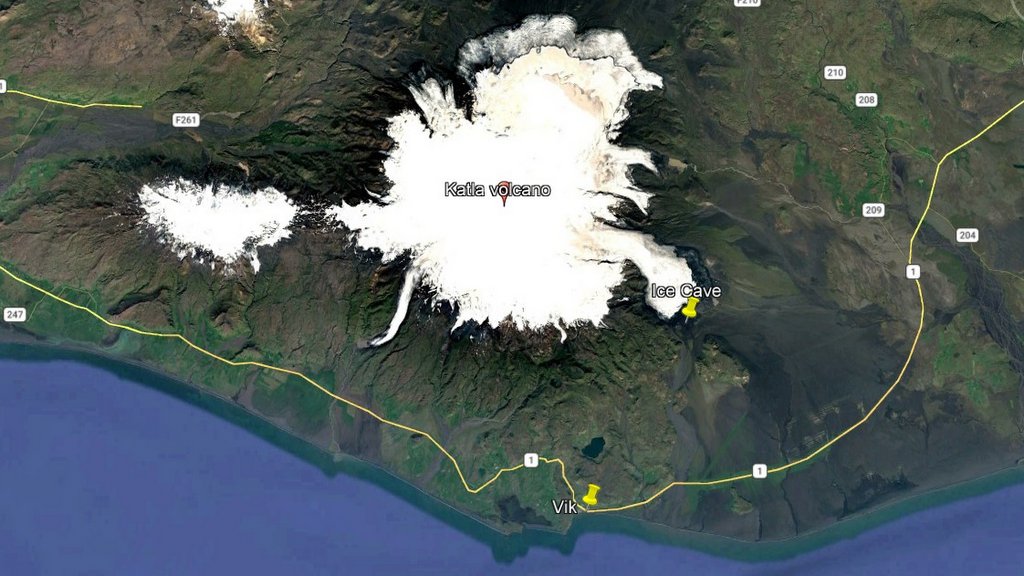
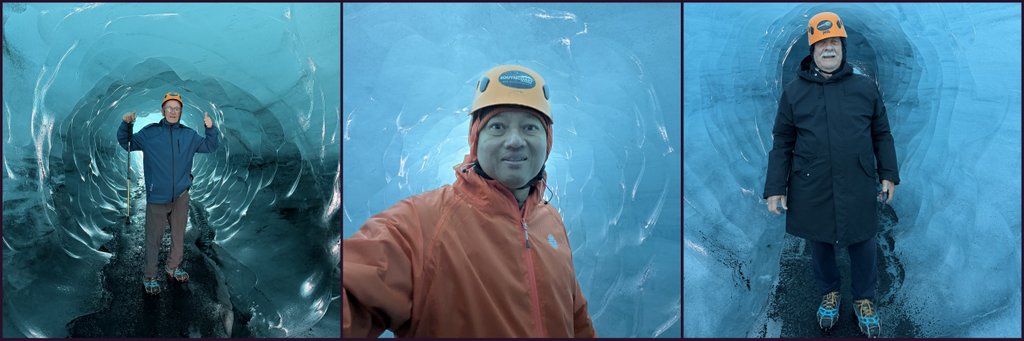
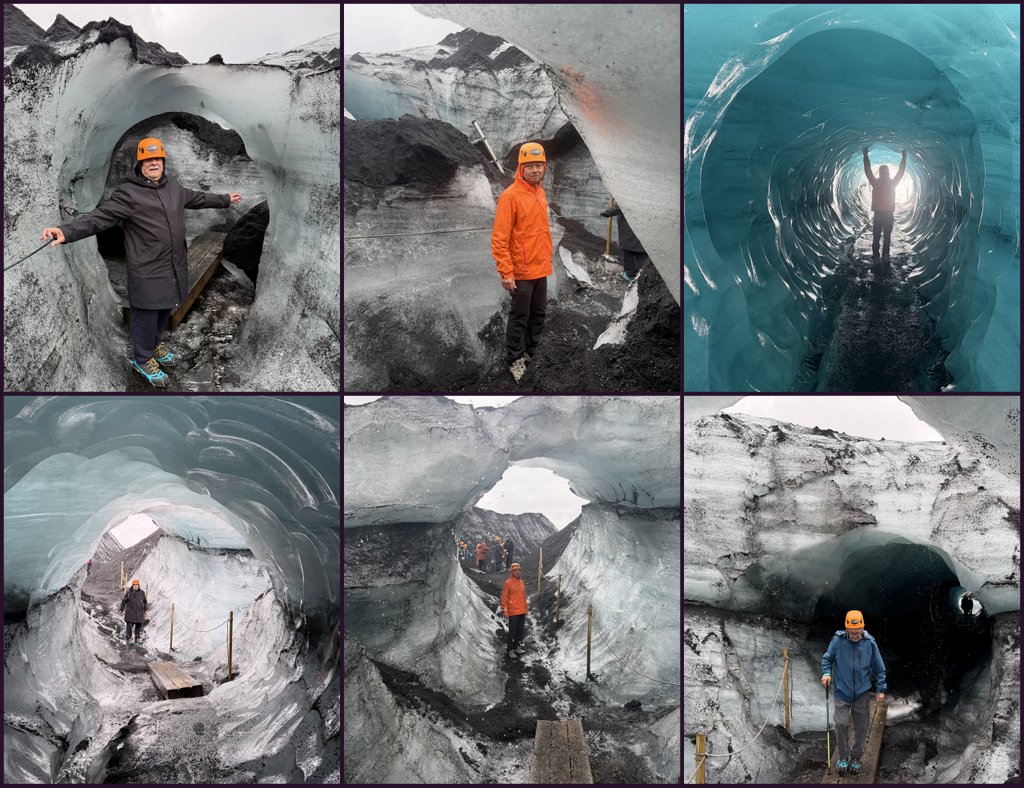
An absolute highlight of our Iceland holiday was a visit to the Katla Volcano Ice Cave. The Katla Volcano in the south of Iceland is one of the most active volcanos of the country. It is covered by an icecap of 200-700 meter thick. Every 40-80 years it has a major eruption, that can lead to a catastrophic glacier flood. The last one was in 1918, until now it is dormant, but closely monitored.

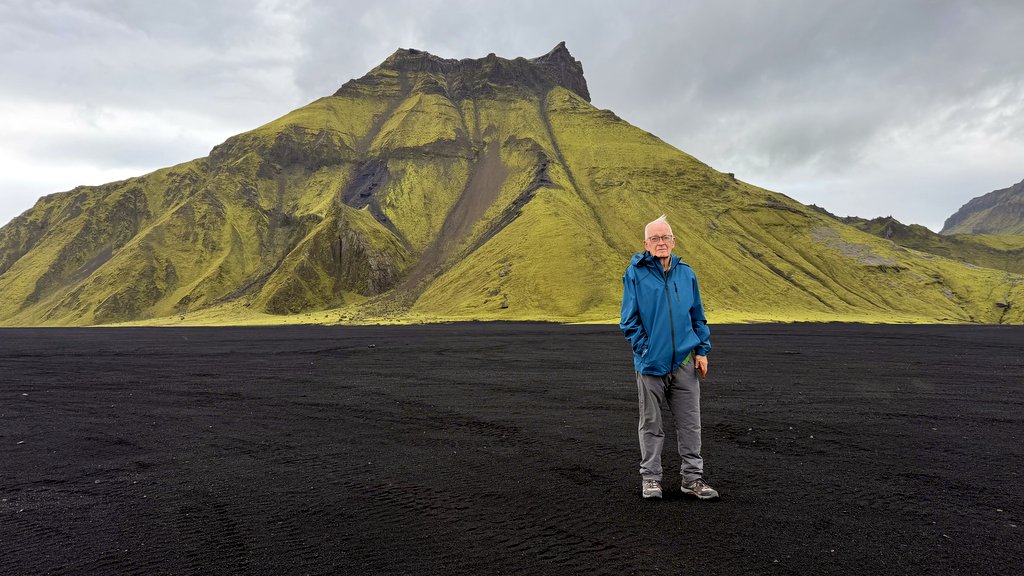
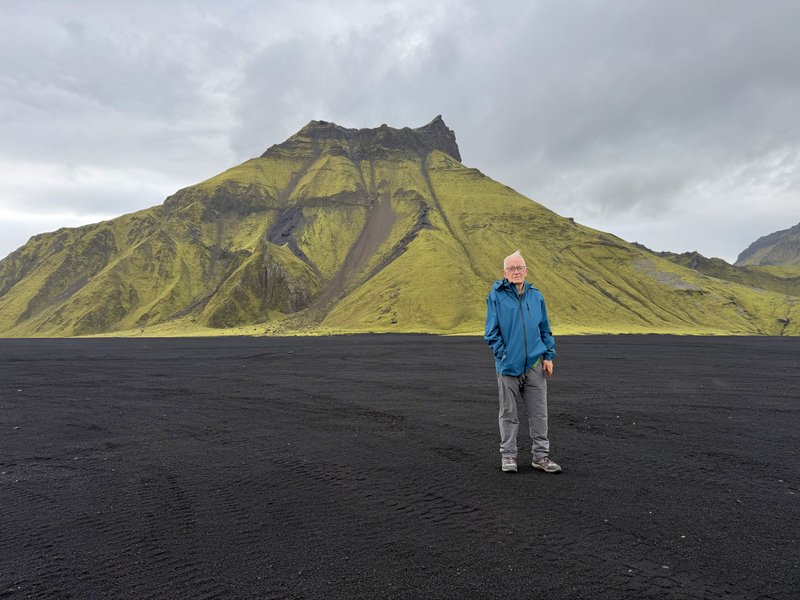
The “expedition” took 3 hours and started from Vik. a small village. After following the Ring Road for a while the super jeep went off road to our first stop, a beautiful black plain with a mossy-green mountain, where an episode of Star Wars had been filmed.

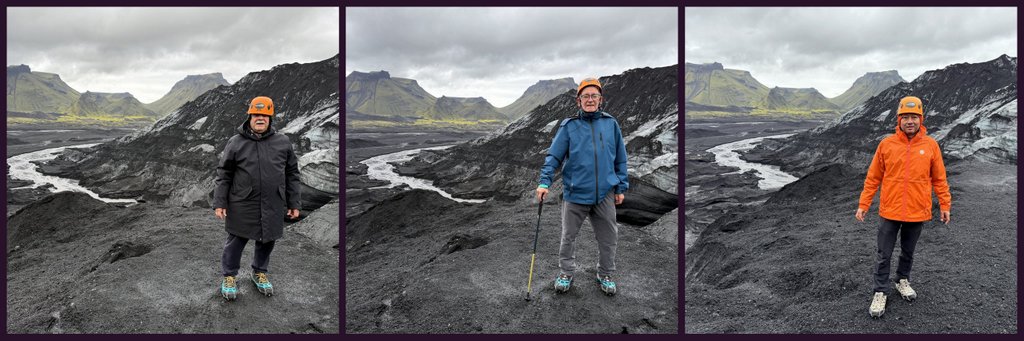
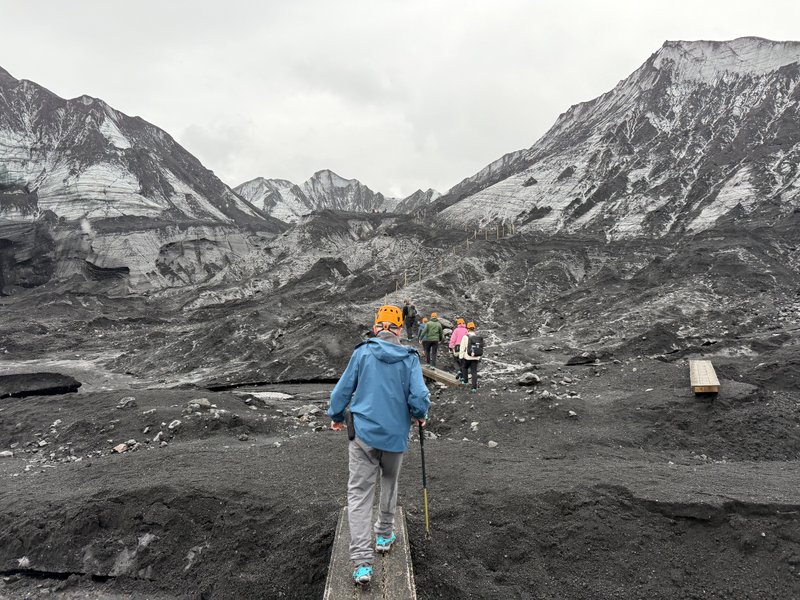
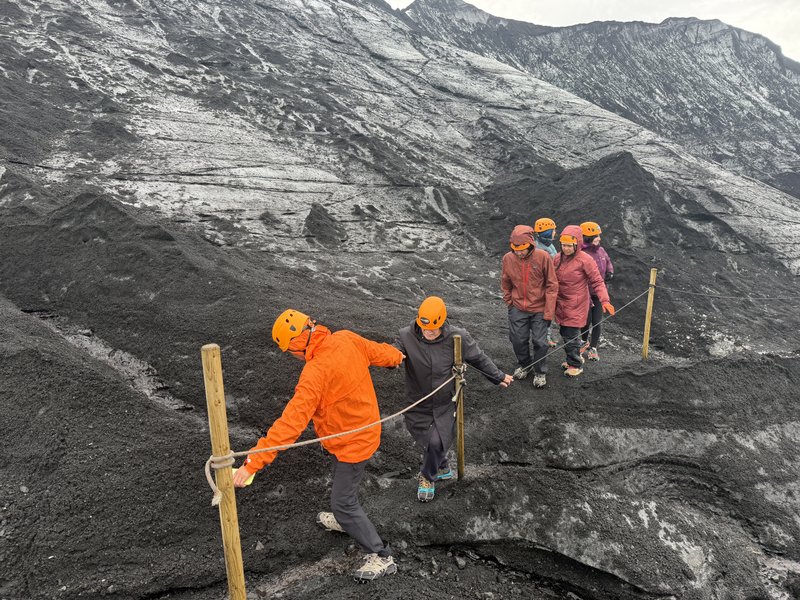
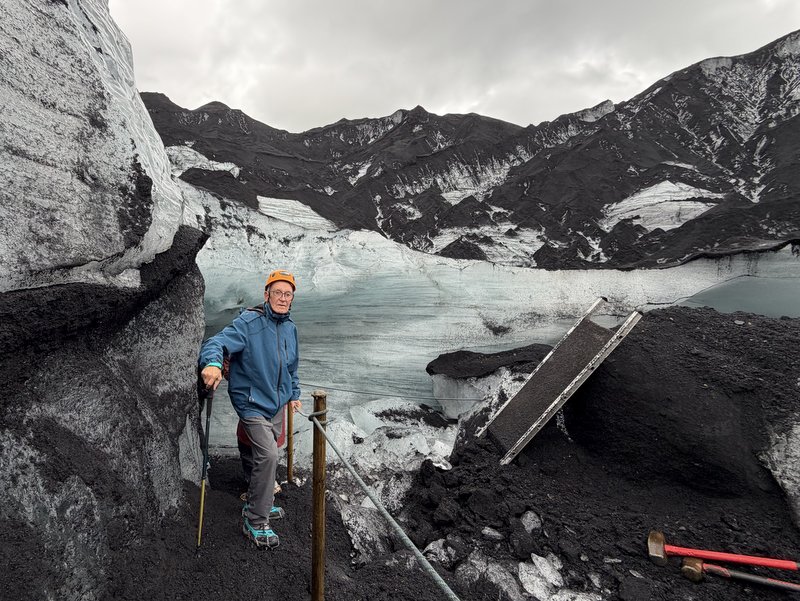
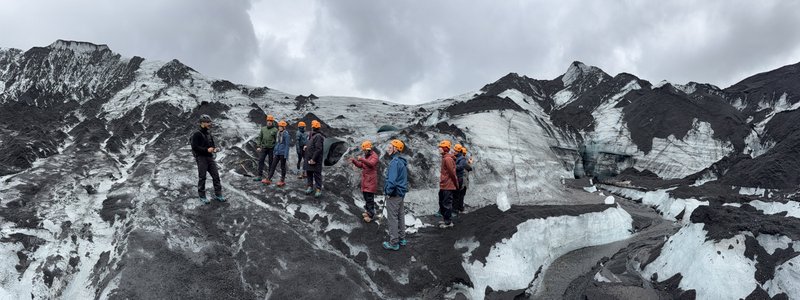
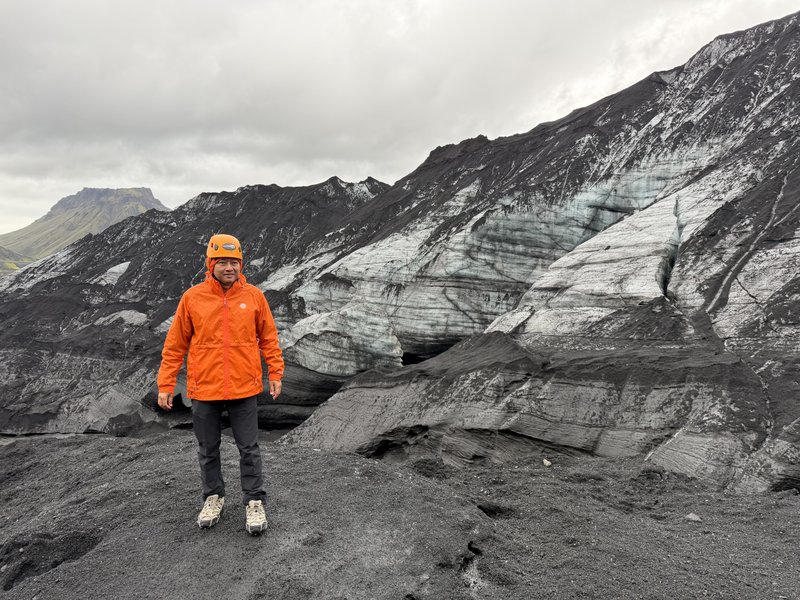
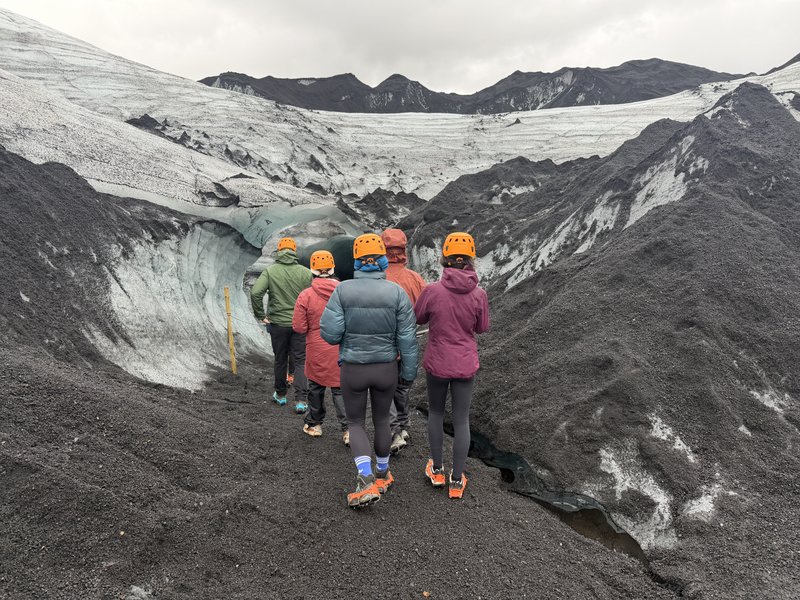
We continued to the glacier, where we were given helmets and crampons. The glacier is covered with black volcanic ash, the ice can be slippery. After putting them on, we were ready to go.

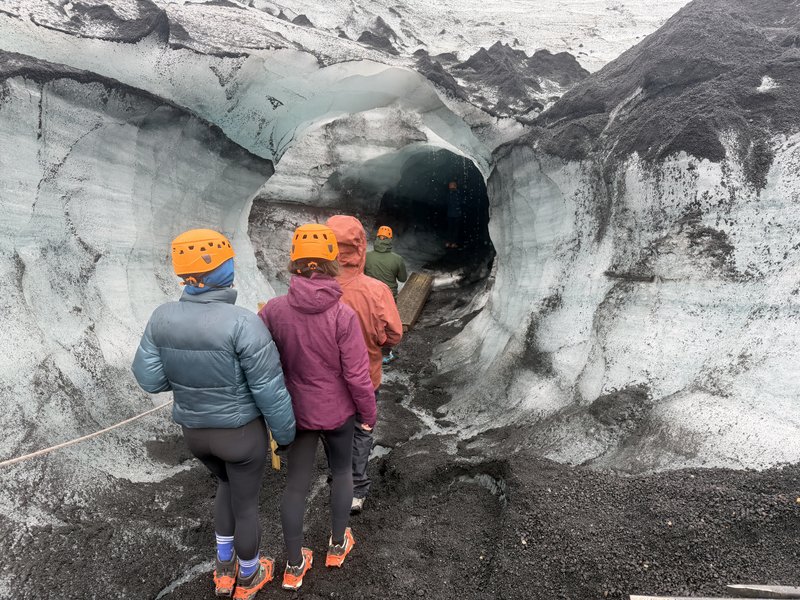
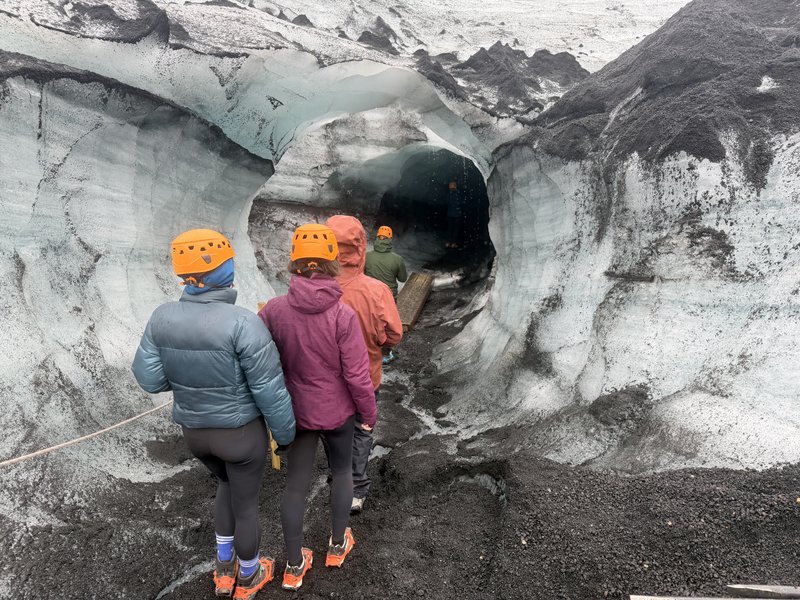
We are walking here on the glacier already/, climbing to the entrance of a man-made tunnel

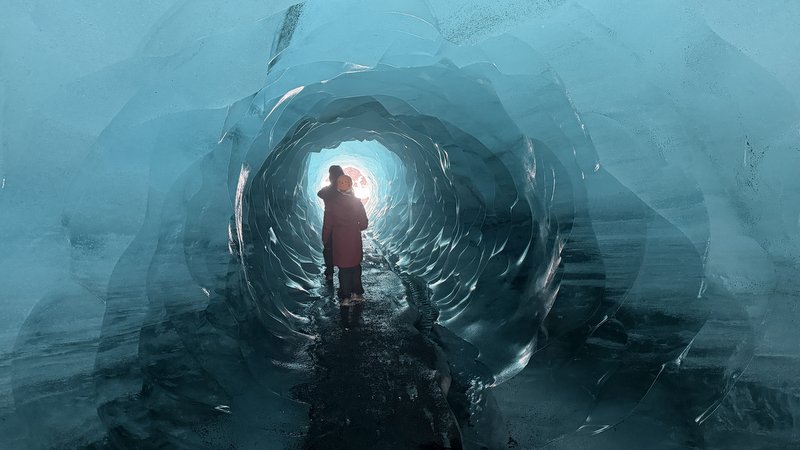
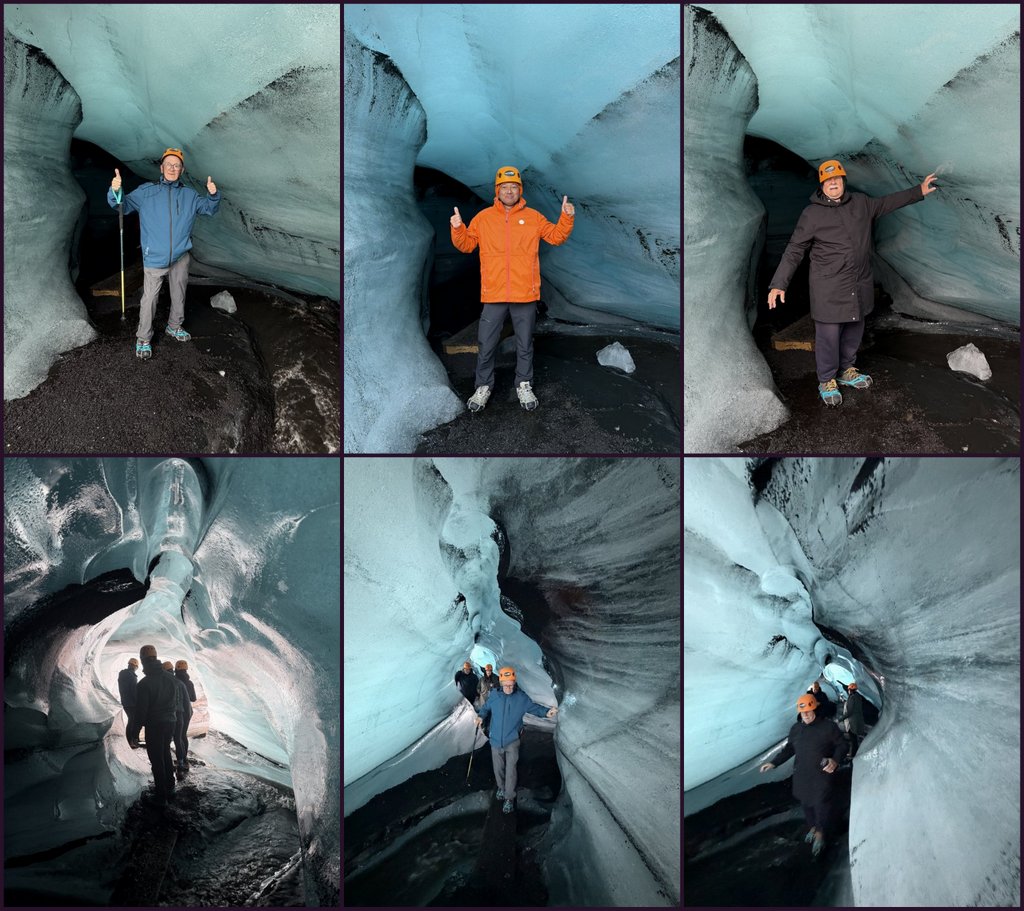
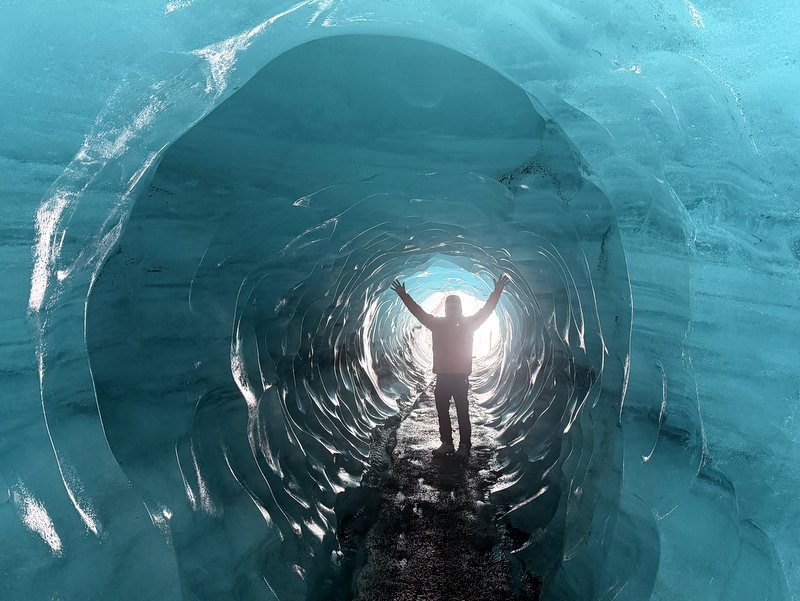
The tunnel is amazing/

After crossing the tunnel, we are surrounded by glacier.

In the ice cave.

Going back through the tunnel.

Returning helmets and crampons. What a spectacular adventure.

Waterfalls

Iceland is often called the “Land of Waterfalls” due to over 10.000 falls and cascades, fed by glaciers and rainfall. The volcanic structure of the island, with steep slopes and cliffs, provides a perfect location for often dramatic waterfalls. Here is a List of waterfalls in Iceland.

A few hours after we had started our clockwise round trip around the island, we stopped for the first waterfall. A fine example by Malaysian standards, but run of the mill in Iceland.

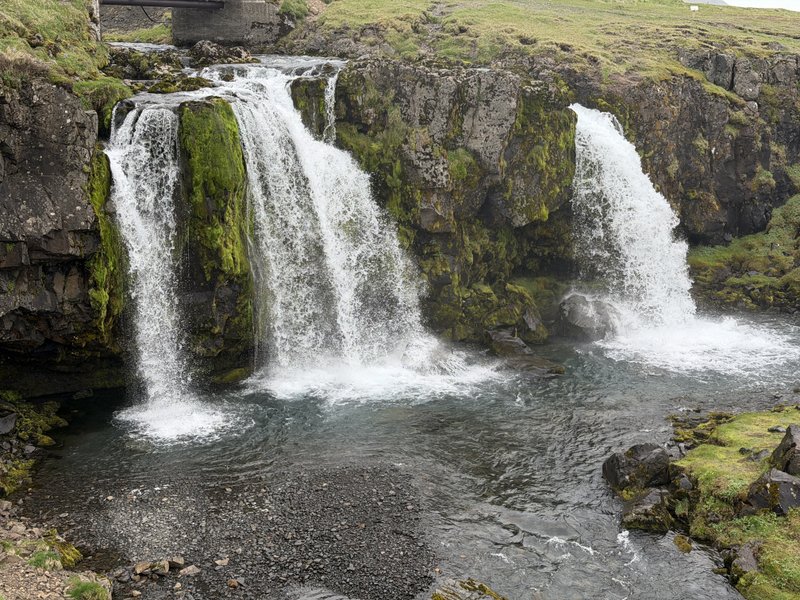
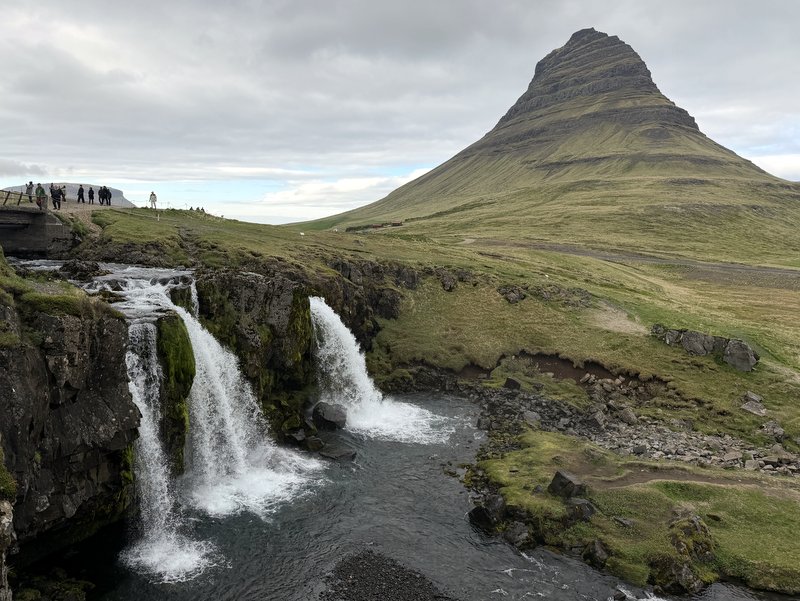
Later on the same day, visited the Kirkjufelllfossl (Foss is the Icelandic word for waterfall).- This is a popular tourist attraction, especially because of the “mountain”. This is not a volcano, but a so-called Nunatak, a rocky outcrop that protruded from the ice field that was here during the Ice Age.

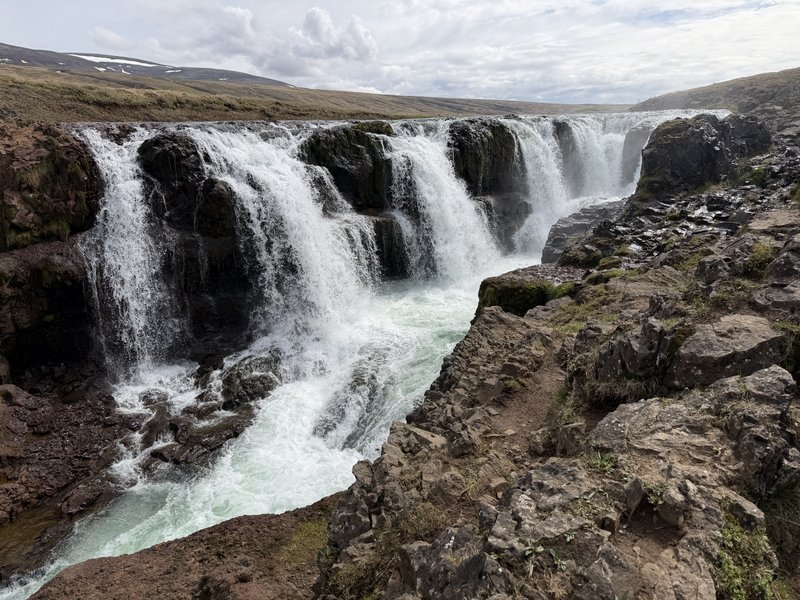
The following day we visited two waterfalls. First, the Kolugljúfur Canyon, 40-50 m deep and 1 km long, eroded by the Víðidals river. The water of this river plunges in several tiers, the Kolufossar waterfalls. Not very tall, but wide with an impressive water volume. –

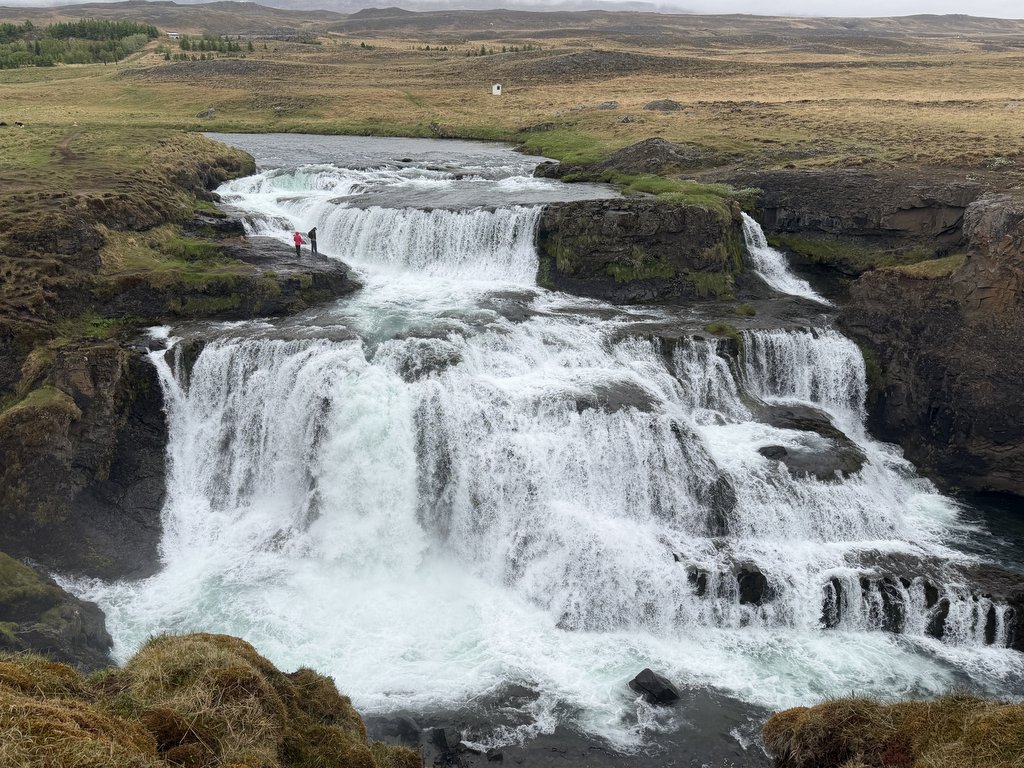
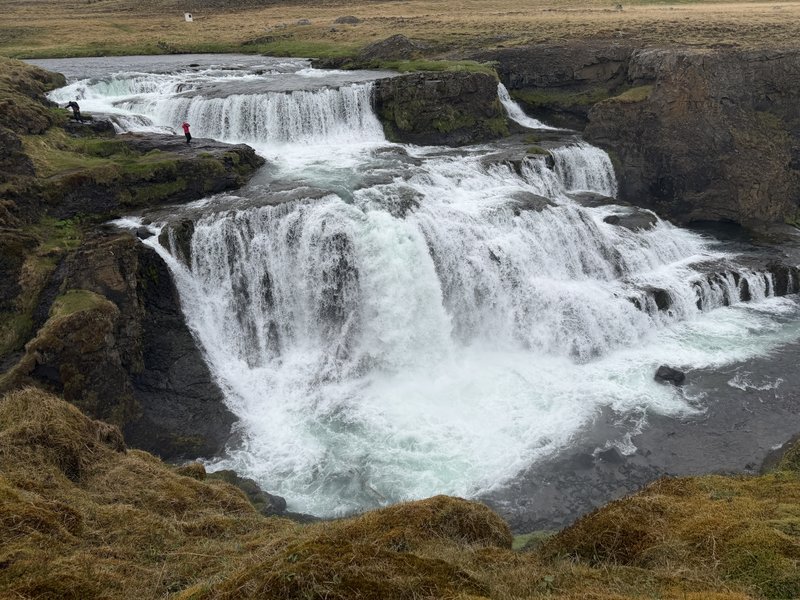
Later that day, we had a look at the Reykjafossl. This waterfall is on private land, we could visit it, but has recently been closed to visitors. Notice the tiny human figures in the pictures.

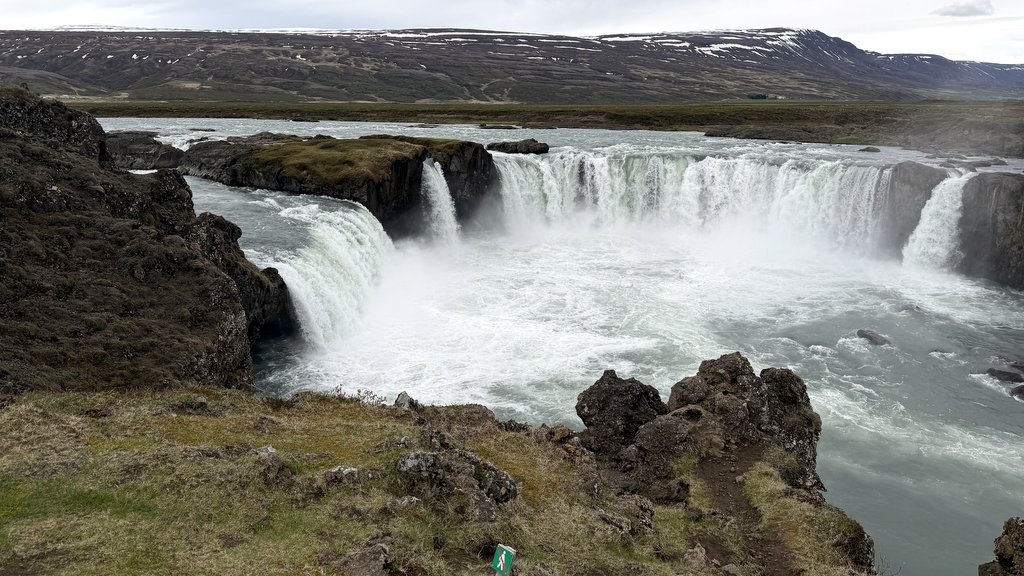
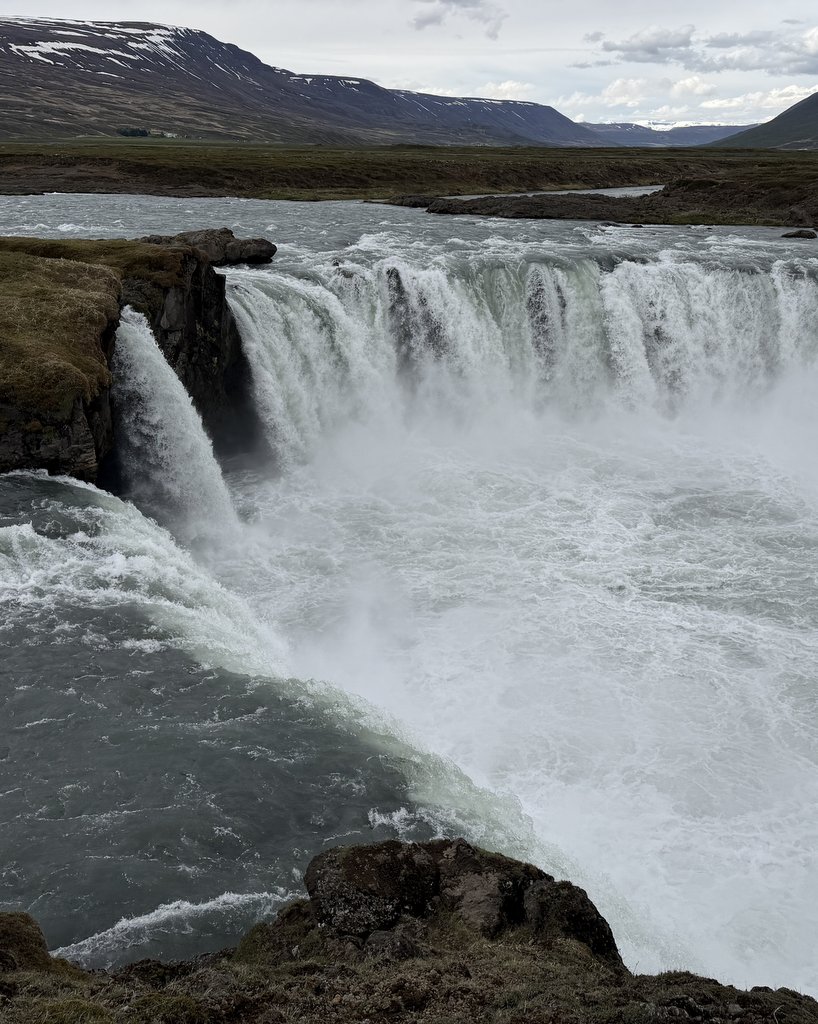
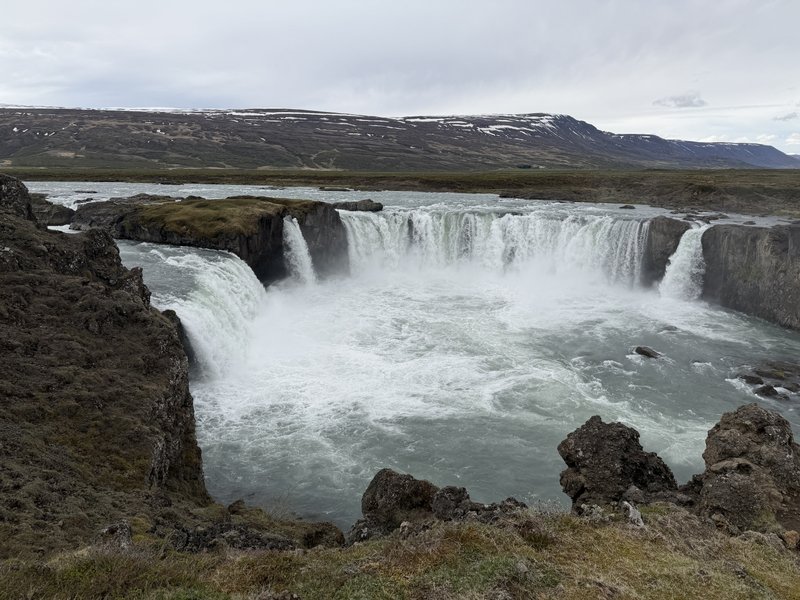
The next day we visited the Goðafoss. The water of the  Skjálfandafljót river falls from a height of 12 meters over a width of 30 meters. Very impressive.

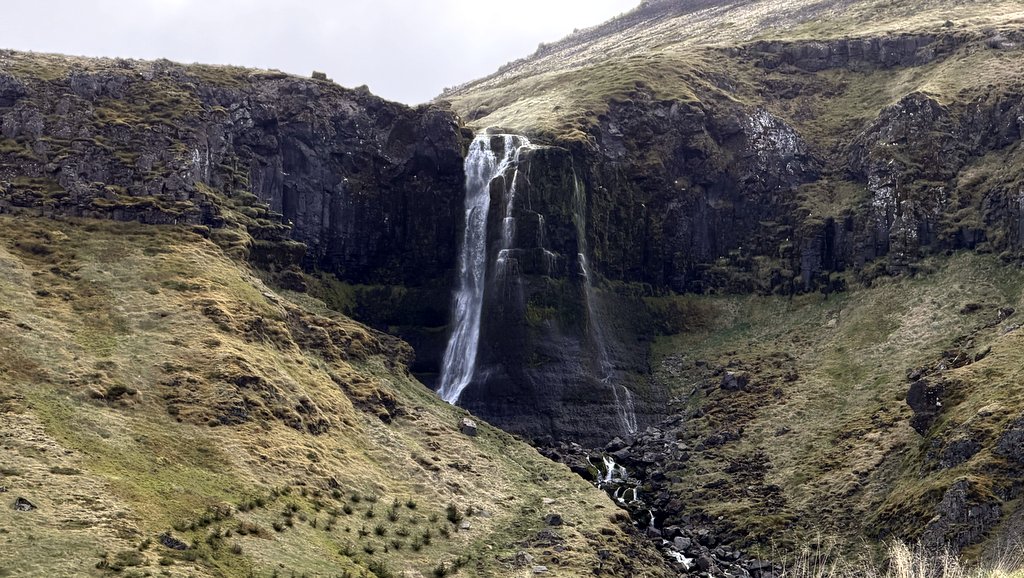
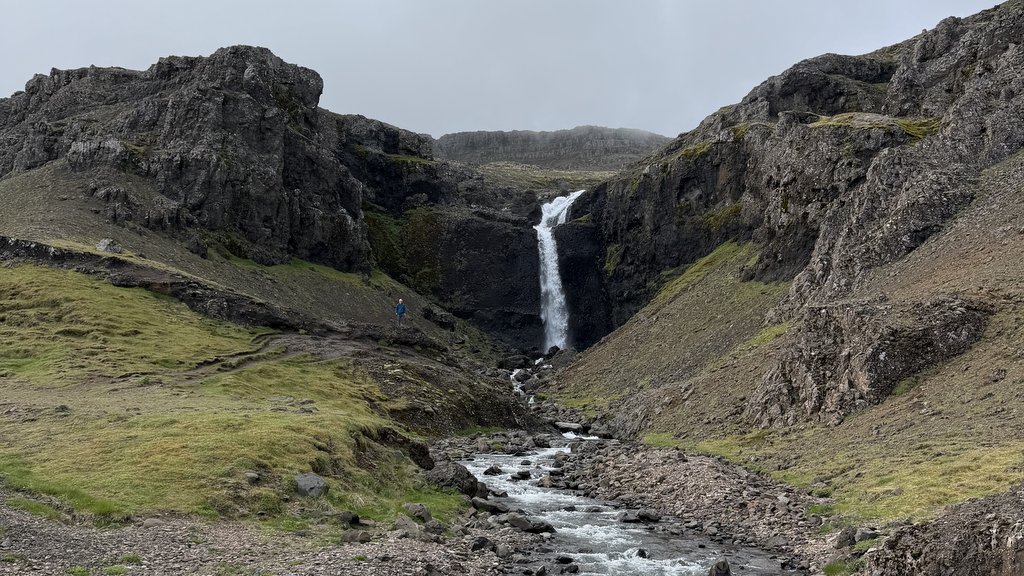
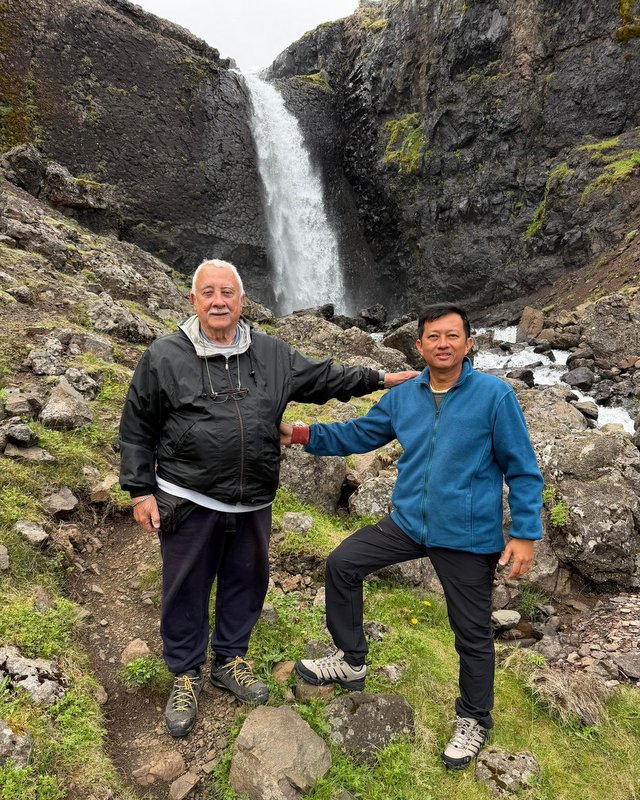
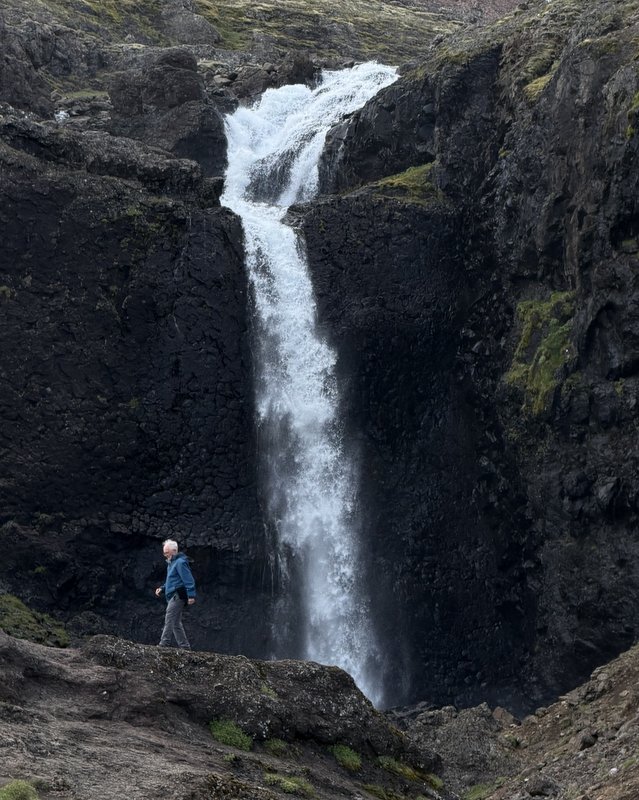
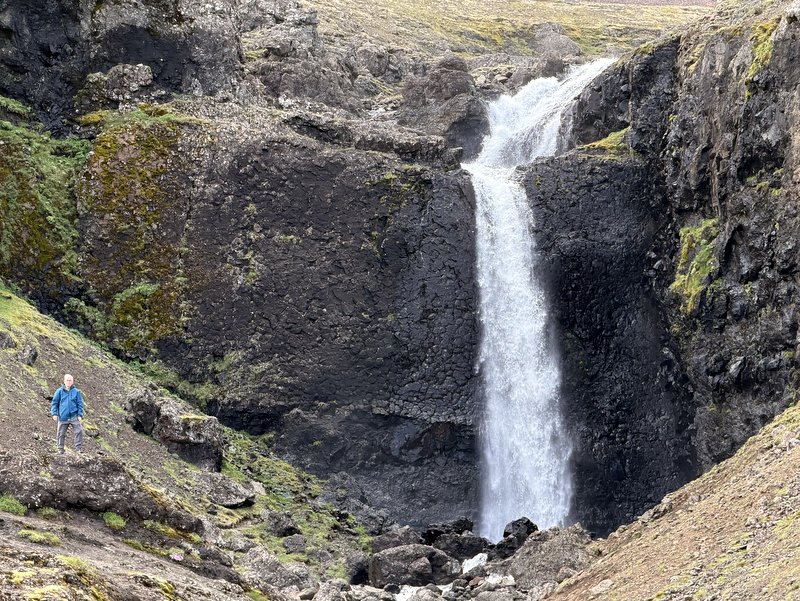
The last three waterfalls are all in substantial rivers, not very tall, but wide with lots of water. Here is a tall waterfall, visible from the Ring Road. A small parking lot with a picnic table, but no name. We walked closer and took pictures. I tried in vain to Google for a name, so we decided to name it ourselves: Lata JAR. Lata is a common name in Malaysia for a waterfall and JAR stands for Jam, Aric, Rodney.

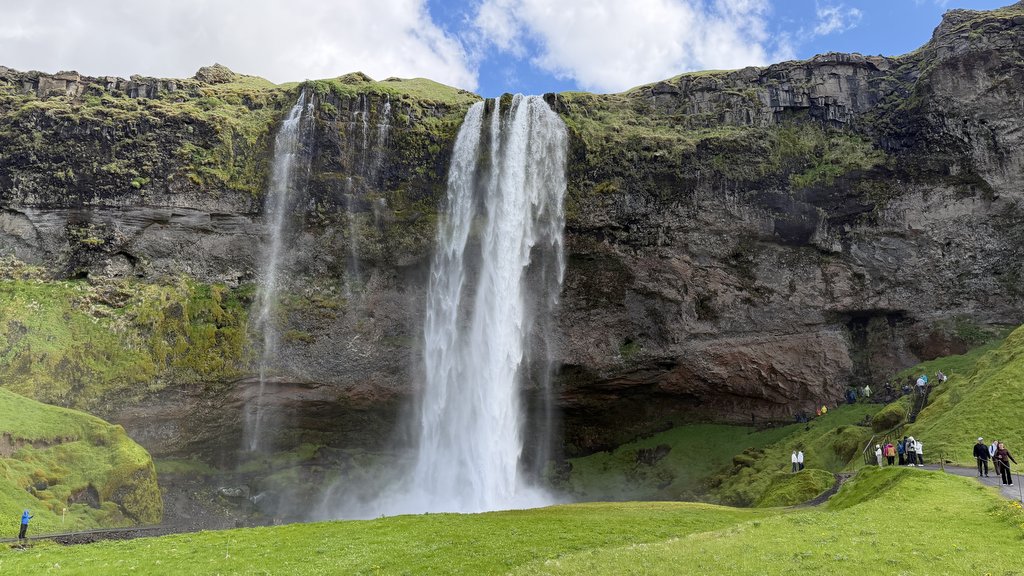
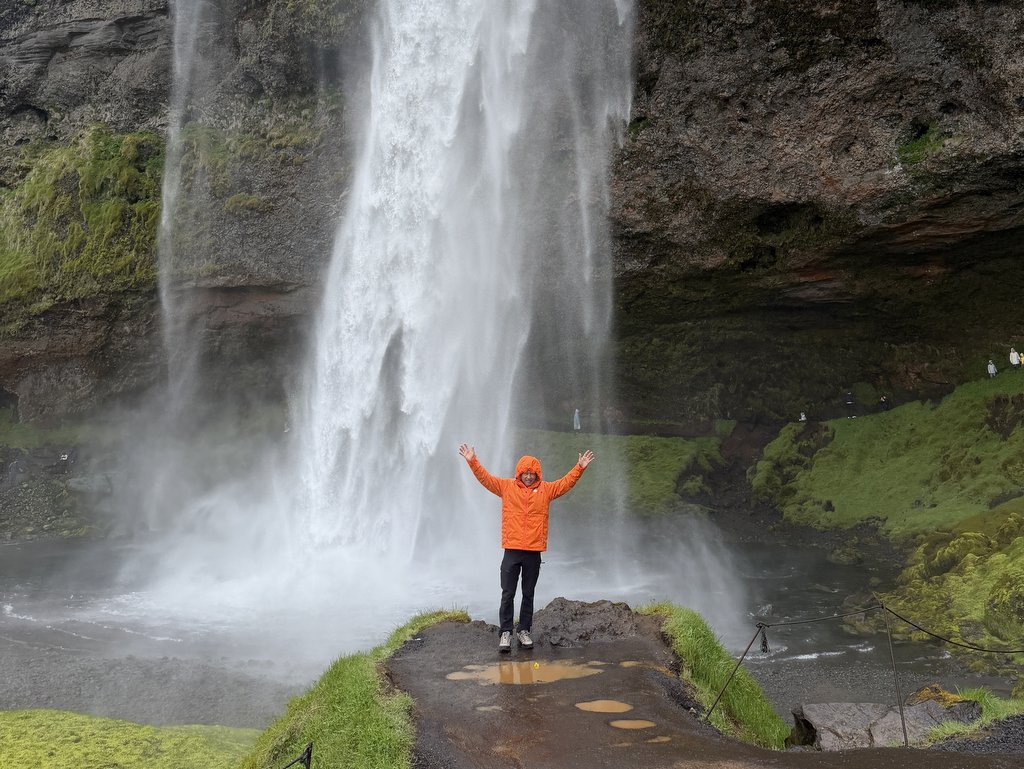
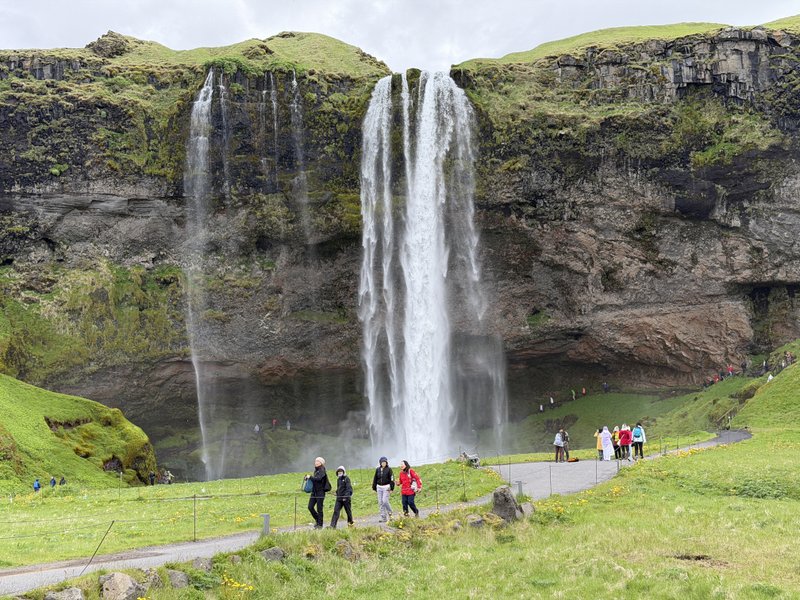
Another tall fall (~60 m), the Seljalandsfoss, is famous for the trail that allows visitors to walk entirely behind the falling water. We were prepared to get wet, and we got wet.

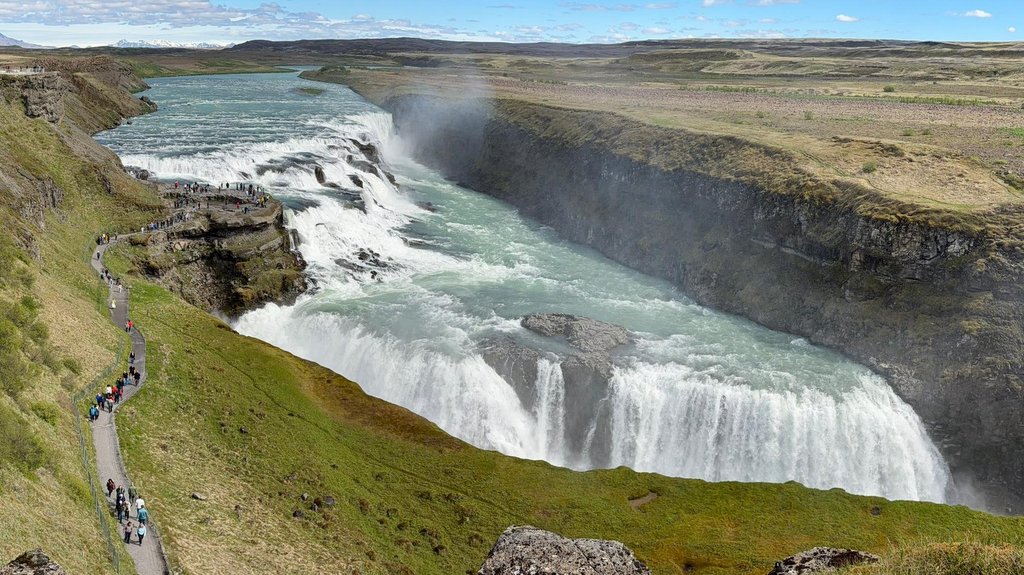
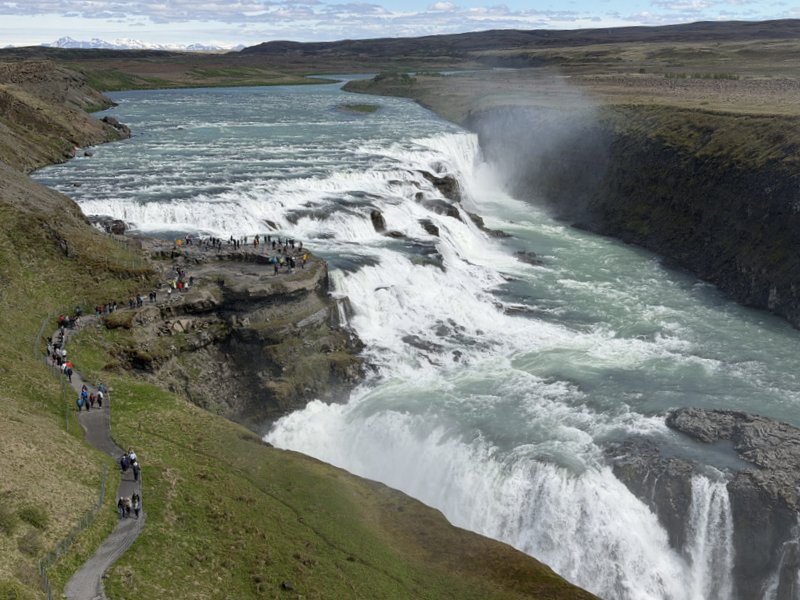
On the last day of our Iceland trip we visited the Gullfoss/

. We just had a quick look, no time to explore this powerful waterfall, a popular day excursion from Reykjavik

Other Natural Attractions

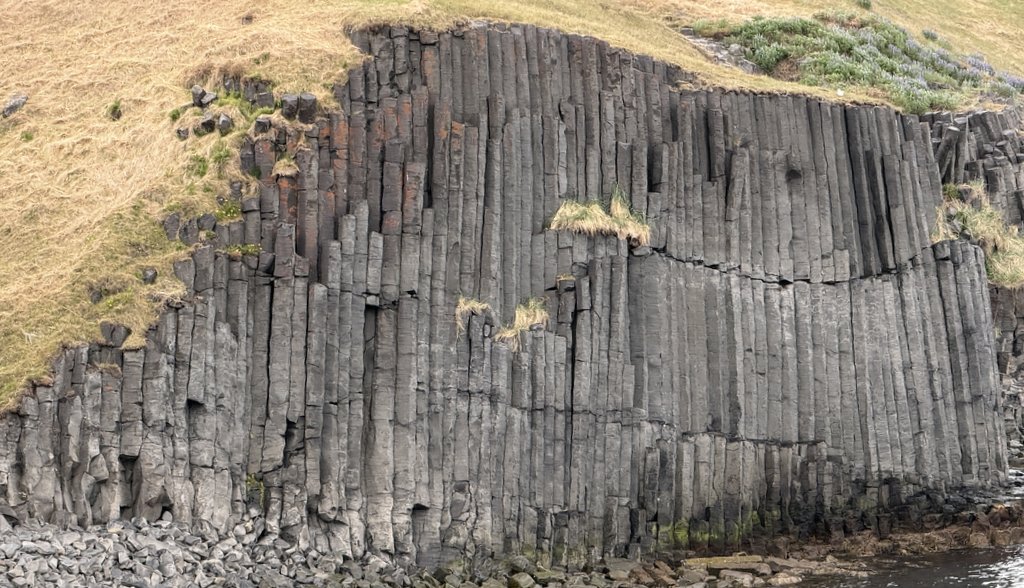
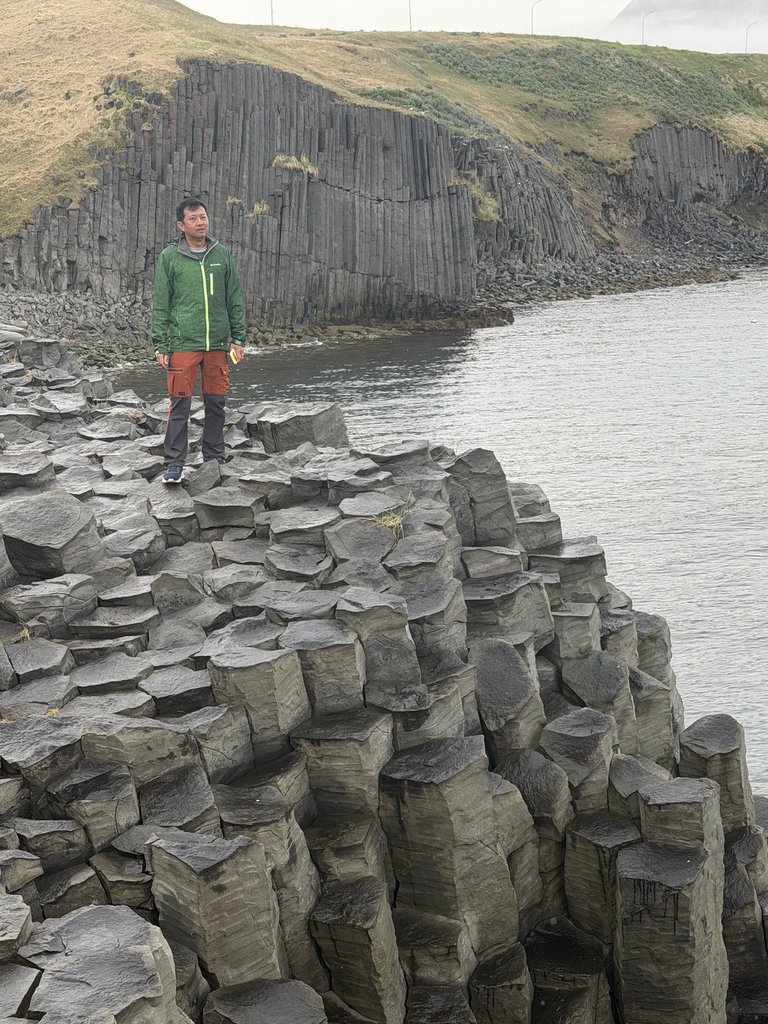
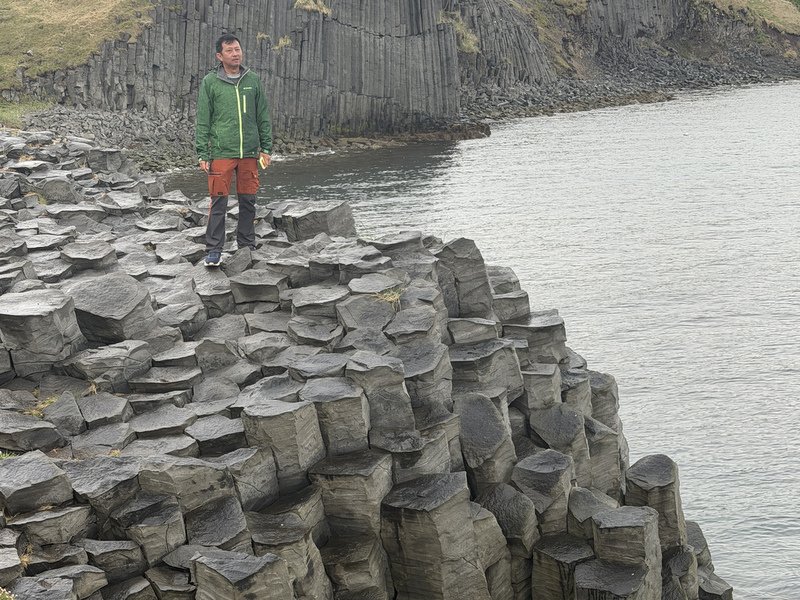
There are many locations where the volcanic origin of Iceland is clearly visible. Here are basalt columns at the coast of North Iceland.-

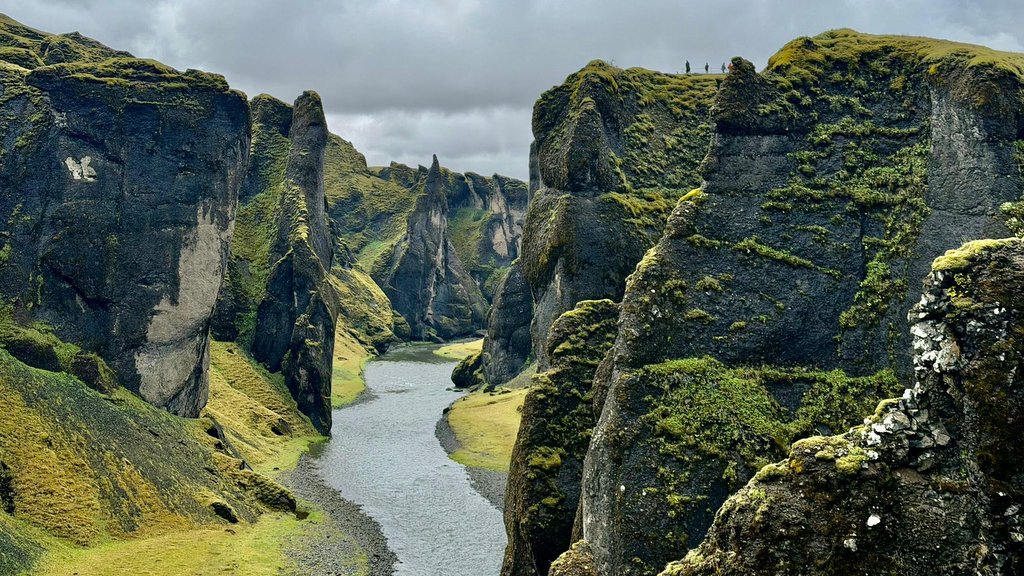
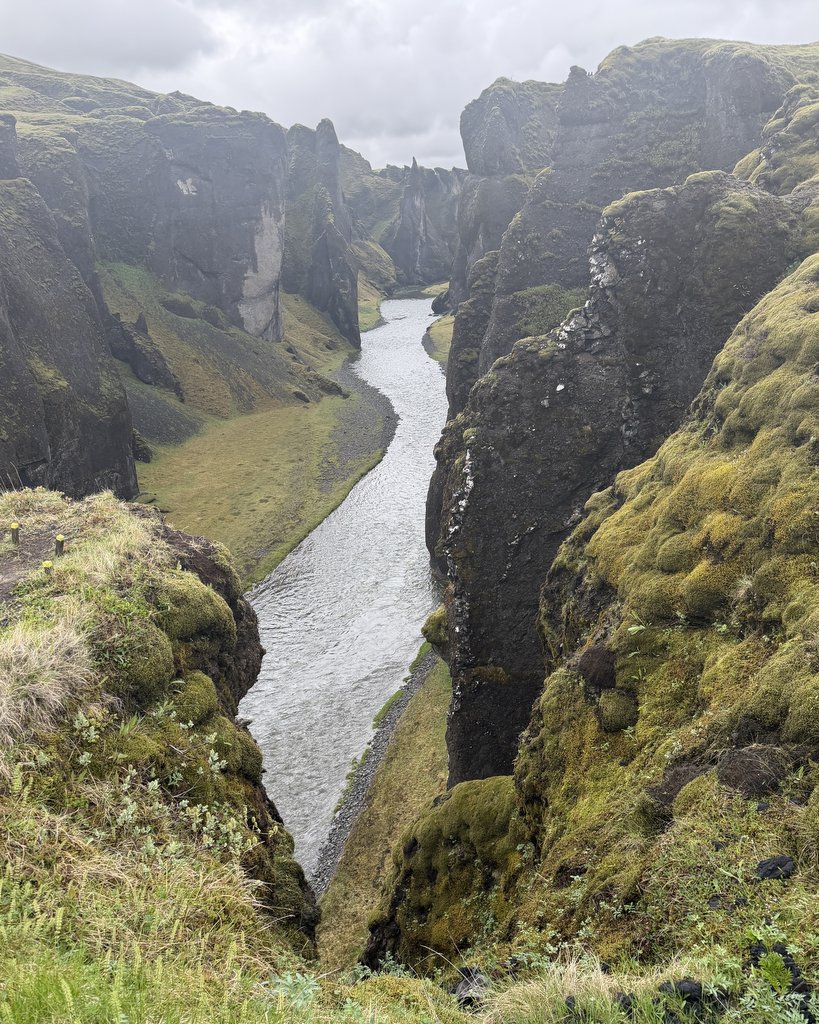
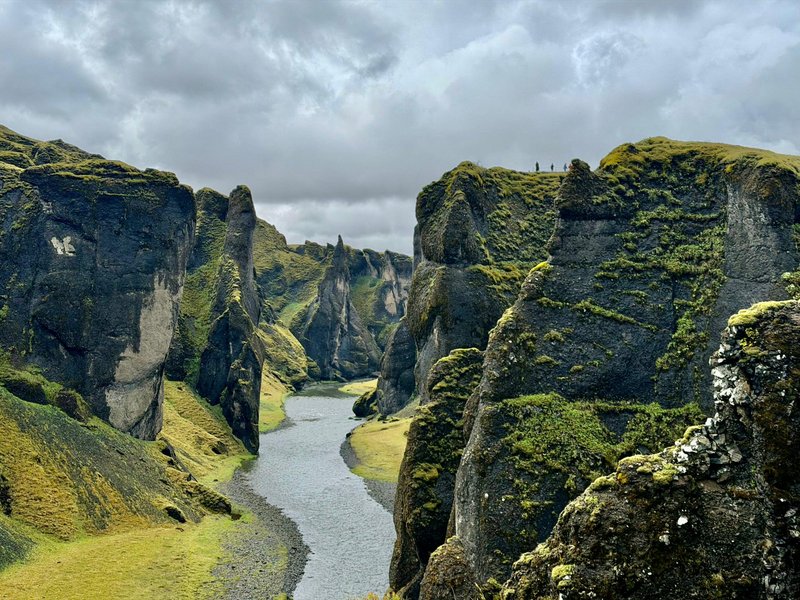
Here is a beautiful canyon, the Fjaðrárgljúfur in the Southern part of the island. Eroded by a river during many millennia. It is up to 100 m deep and about 2 km long.

Summary

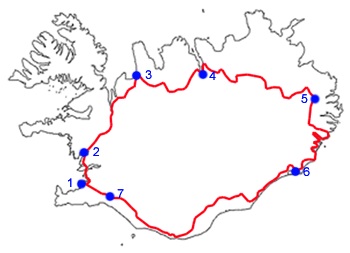
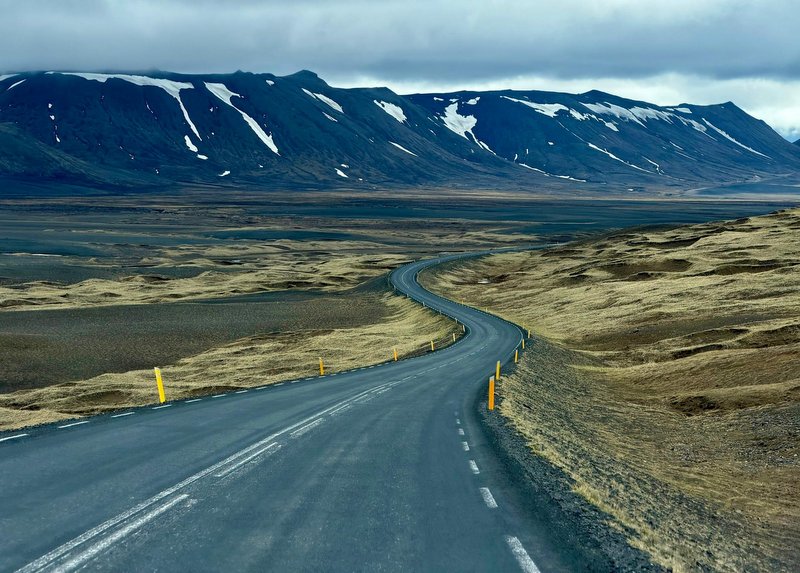
Iceland has a ring road around the island, called Highway 1. The left image shows the route. It is a two-lane road. The blue dots mark populated places. We followed basically this road, clockwise. Rodney was our expert driver, Aric was the navigator. Often we had to take secondary roads to reach a location. We drove around 2400 km in 8 days.

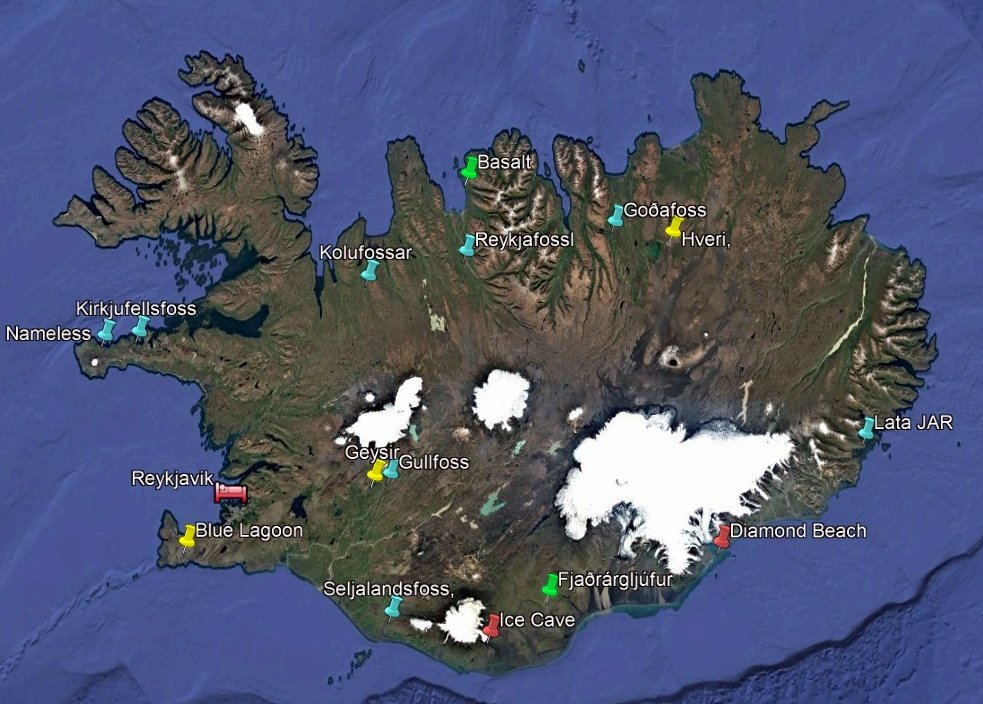
This Google Earth image shows the places we visited, using colored markers. Geothermal (yellow),glaciers (red), waterfalls (blue) and others (green).

In the second part of this Iceland report, more info about the “cultural” places we visited, the places where stayed overnight, the food we had, etc.

Our visit to Europe in 2026

On 11 May, we flew to Amsterdam. For Aric, it was the first time since 2019, but I had been back in 2023 and 2024. Last year, we were planning to visit Iceland, but I got a vision problem (AMD) that affects and limits my activities. This year we decided to travel together for five weeks, after which I would stay in Amsterdam on my own for two more weeks.

Iceland was the main destination and Aric made am elaborate planning for a 10D9N visit. We asked our UK friend Rodney to join and visited him on a 5D4N trip before flying together to Reykjavik. Aric proposed also a 6D5N trip to Germany. And of course there were visits to family and friends. So It was a full program.

I will write several blogs about the various trips, but start here with a chronological report. Only two photos per day, not easy to make a selection.

11 May

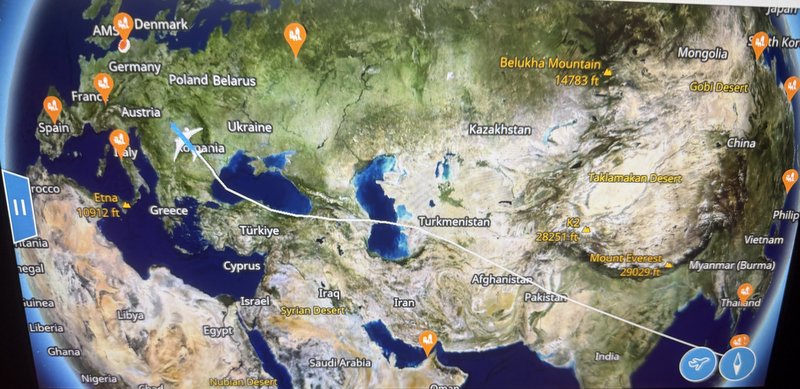
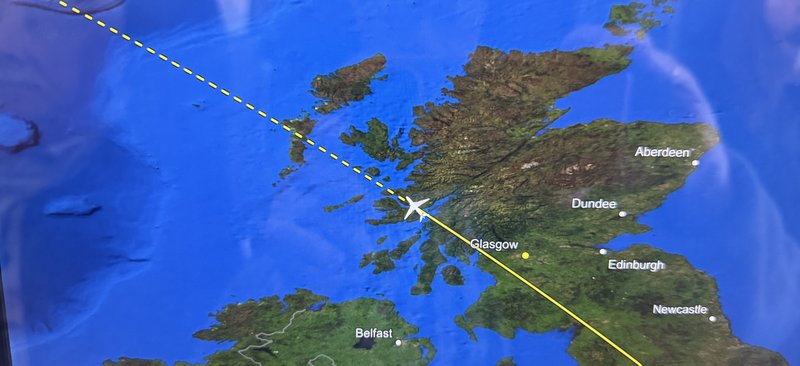
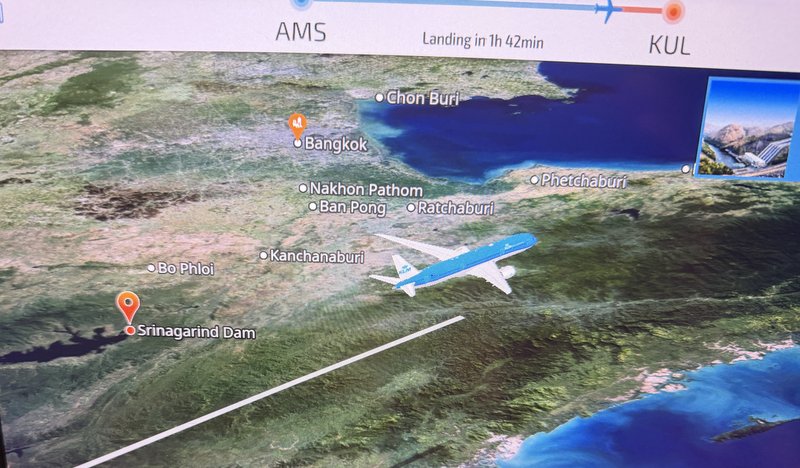
Traveling from KLIA to Schiphol, a direct, long flight. Notice how the route avoids the Middle East and Ukraine/

12 May

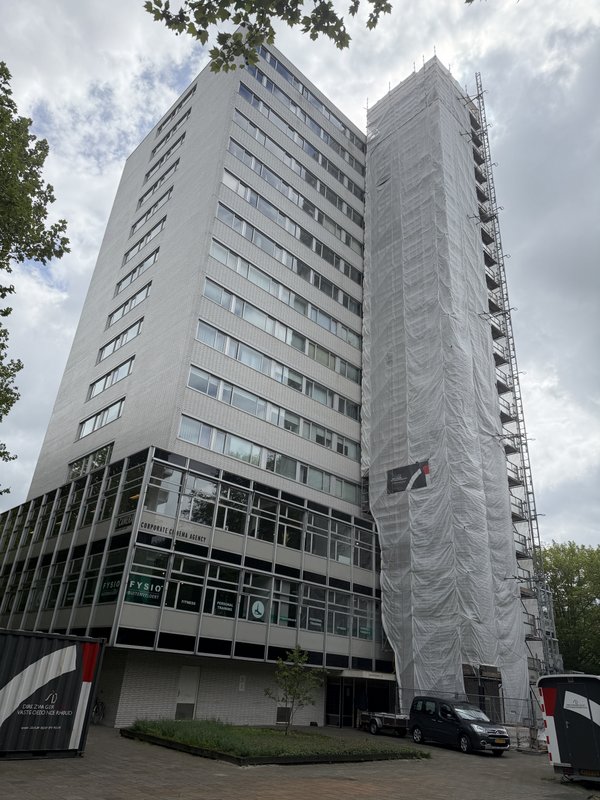
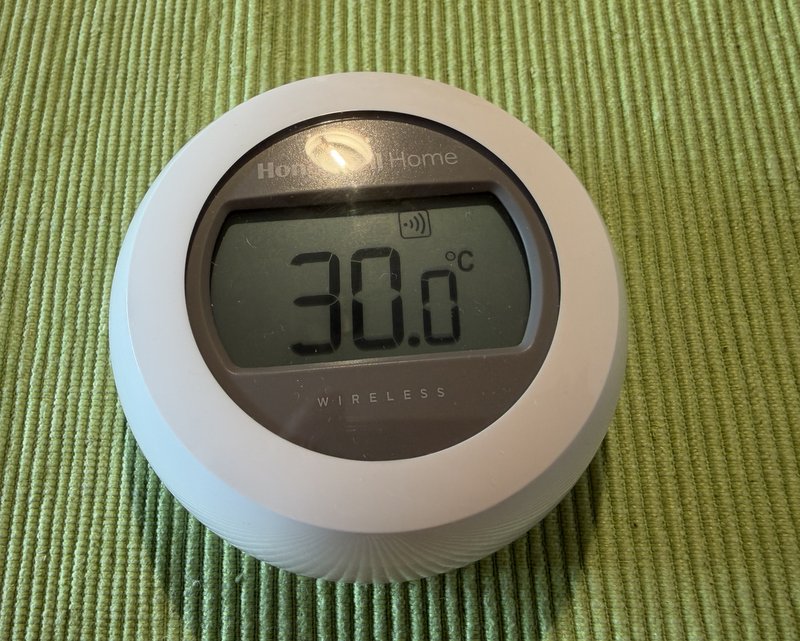
The pilot announced that the temperature at the airport was only 6° C. We took an Uber to my apartment, where an unpleasant surprise awaited us: the central heating was not working properly. An uncomfortable start to our trip.

13 Nay

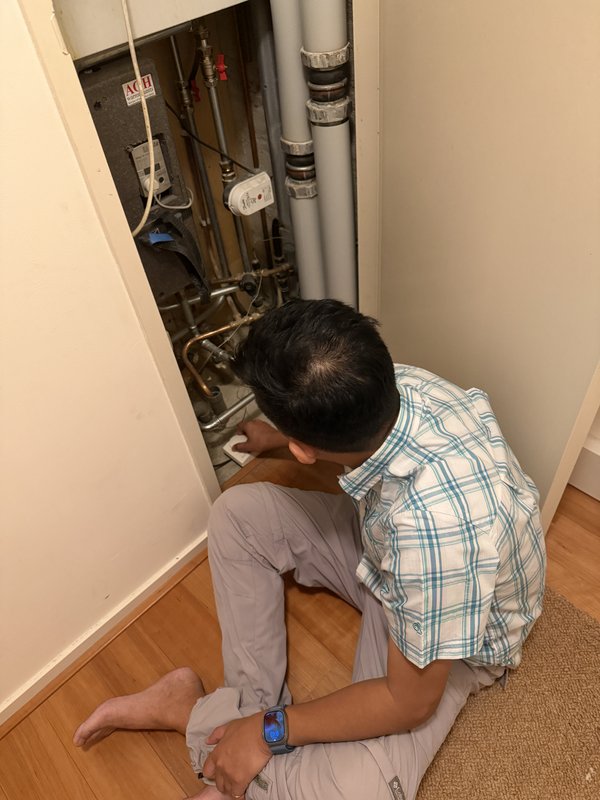
Trying to contact a central heating technician. In the afternoon, we visited my soulmate Inez, who had stayed with us several times in Malaysia.

14 May

After a long city walk, dinner with my brother Pim.

15 May

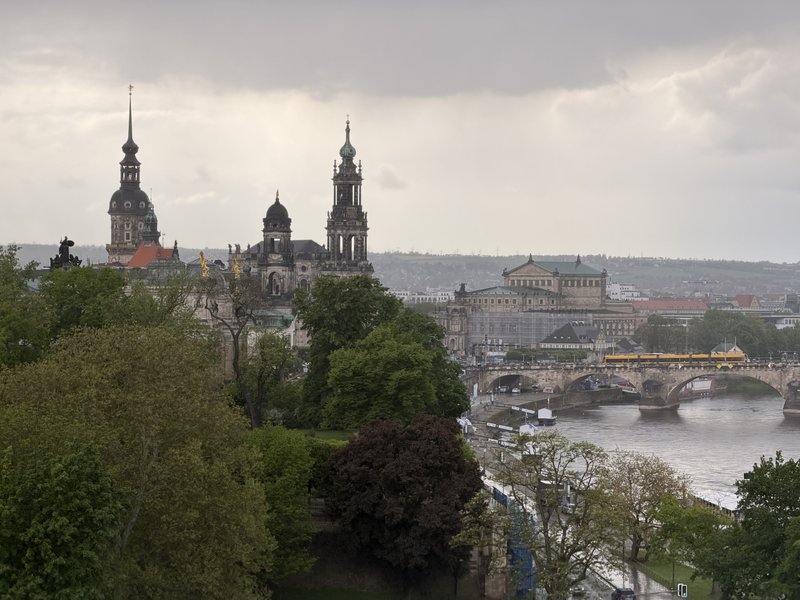
Start of our Germany trip. Lufthansa flight to Dresden, via Frankfurt. Hotell with view of the old town center.

16 Nay

Exploring Dresden. Many more pictures in a separate blog.

17 May

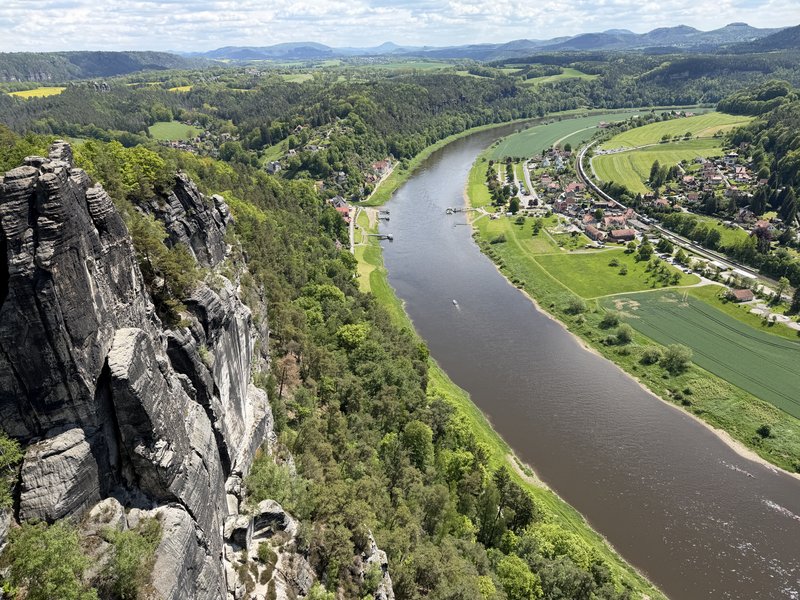
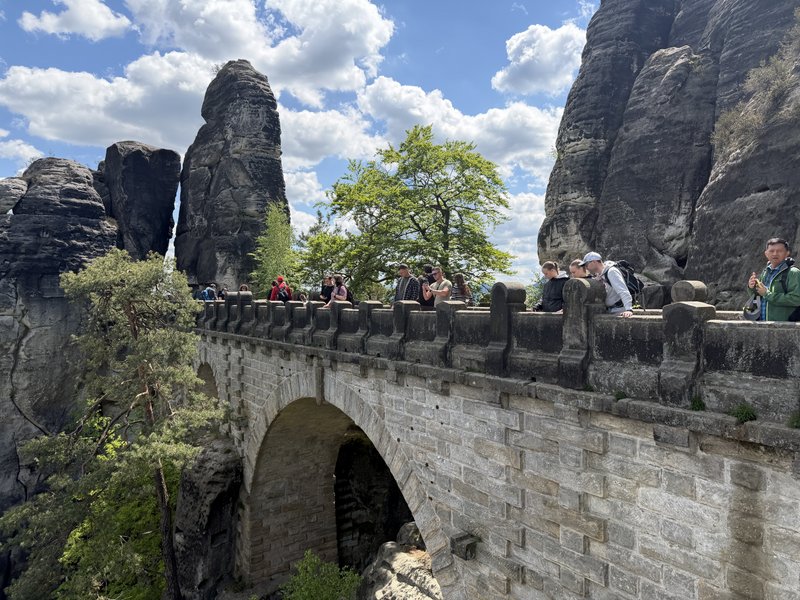
A fascinating day trip to Saxon Switzerland. The Bastei bridge is located high above the Elbe river. Lots of climbing. See separate blog.

18 May

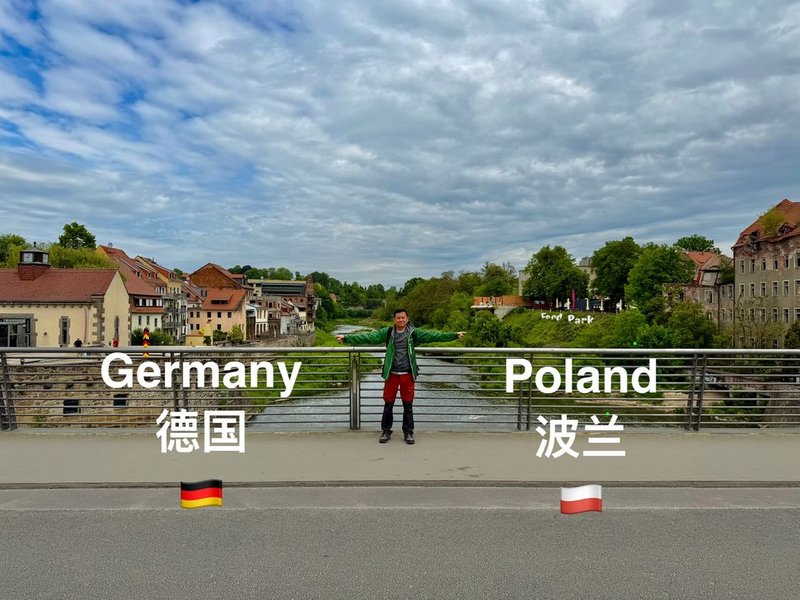
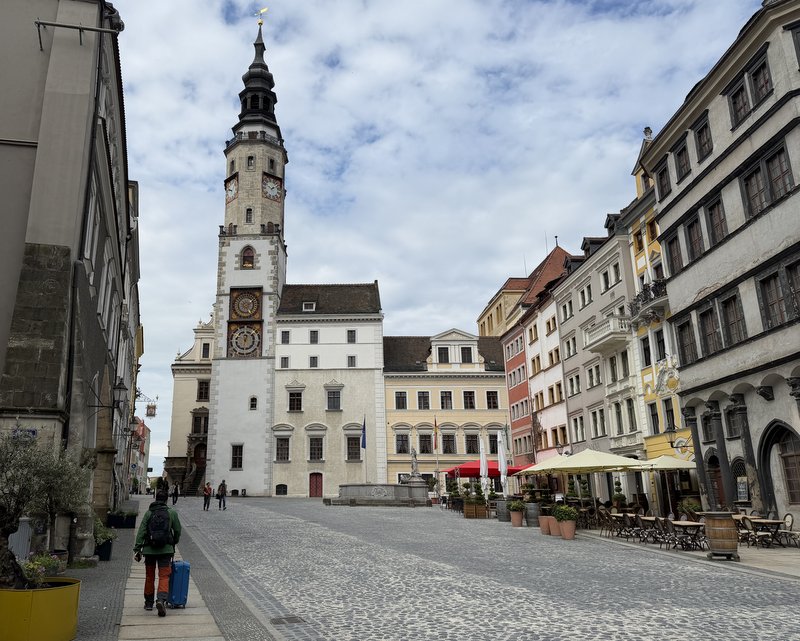
By train from Dresden to Gorlitz. The main reason that Aric wanted to visit this town, was the pedestrian bridge crossing between Germany and Poland.

19 May

The town has featured in movies and is worth a visit. Also about Gorlitz, a separate blog/

20 May

A traveling day. From Gorlitz by train back to Dresden, and flying back to Amsterdam via Munich.

21& 22 May

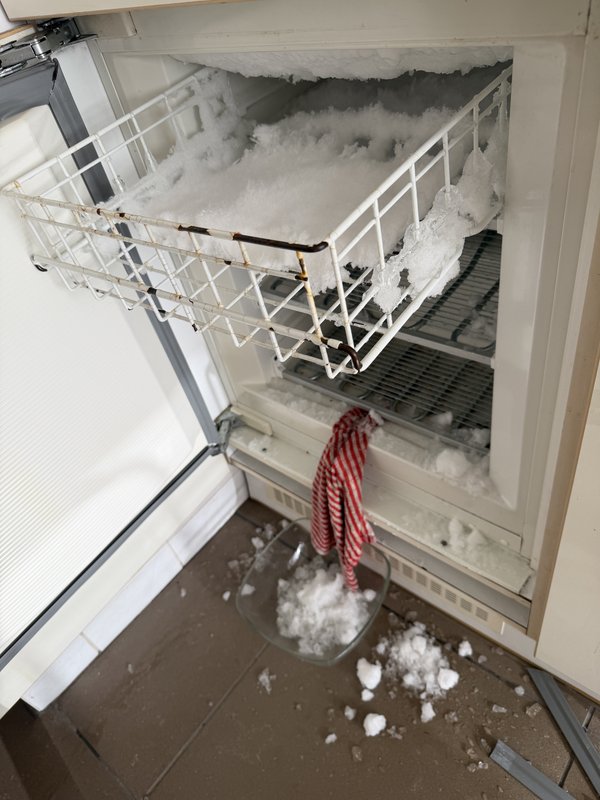
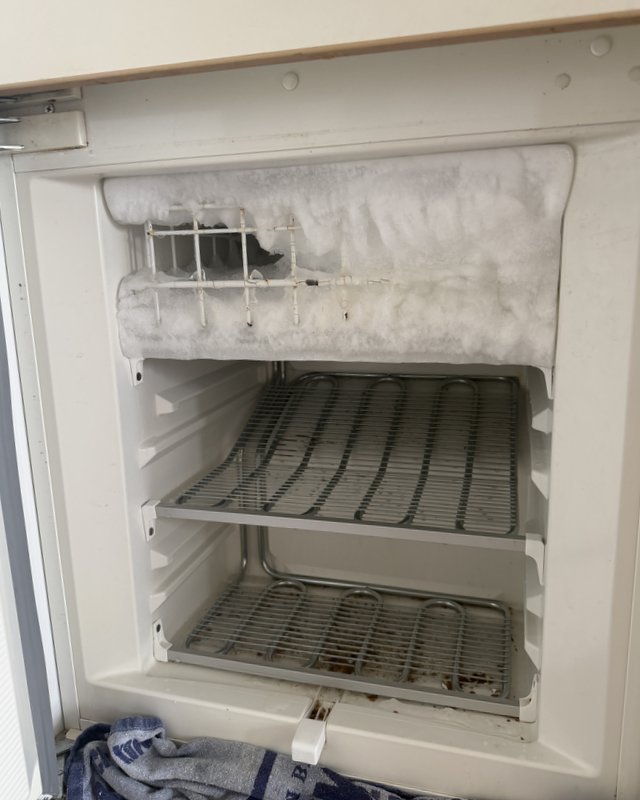
The central heating still wasn’t working, but it wasn’t as cold in the house anymore. There was a problem with the fridge, though. And we were both recovering from a bad cold. Two recovery days, to get ready for the family reunion.

23 May

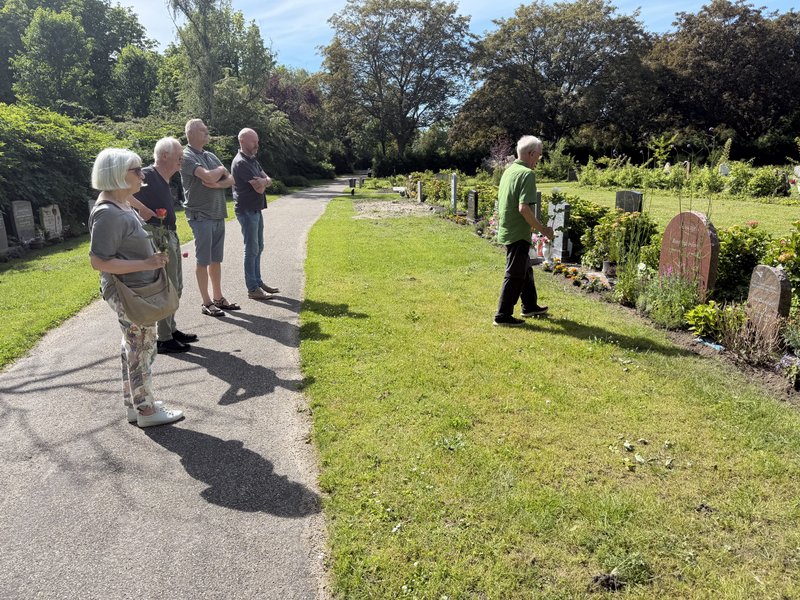
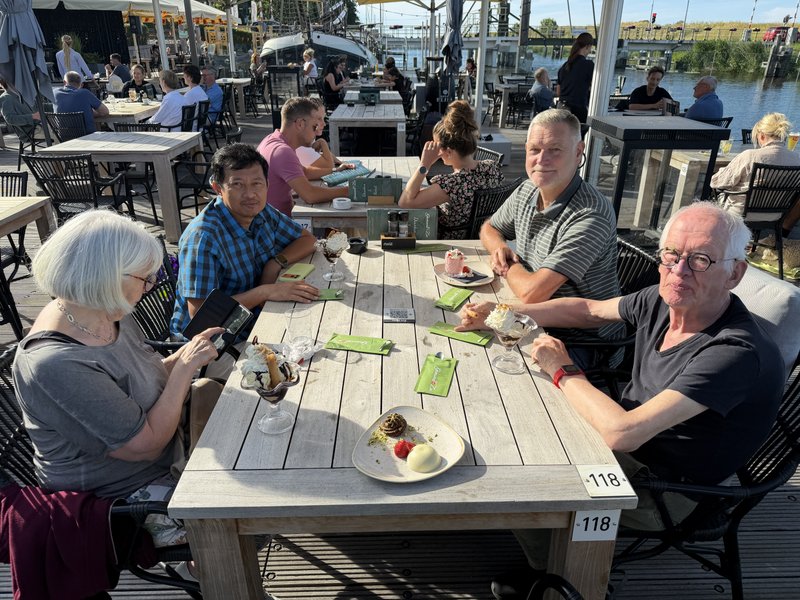
The family reunion started in the family house in Alphen. We visited the cemetery where my parents were buried, and had dinner in an Afghan restaurant. A very nice day, see the report for more details.

24 May

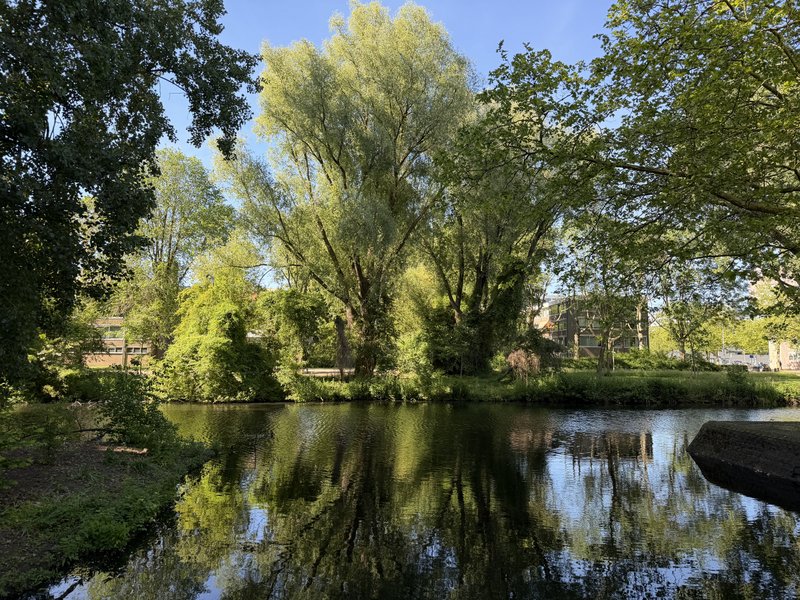
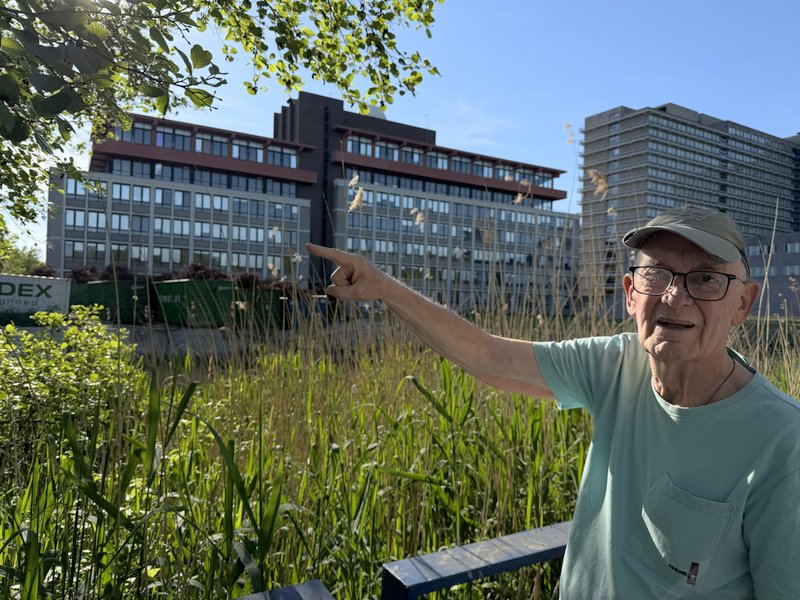
It was Whitsun, a public holiday in the Netherlands. We stayed at home, just walked in the neighborhood, had a look at -the university where I had spent my student years.

25 May

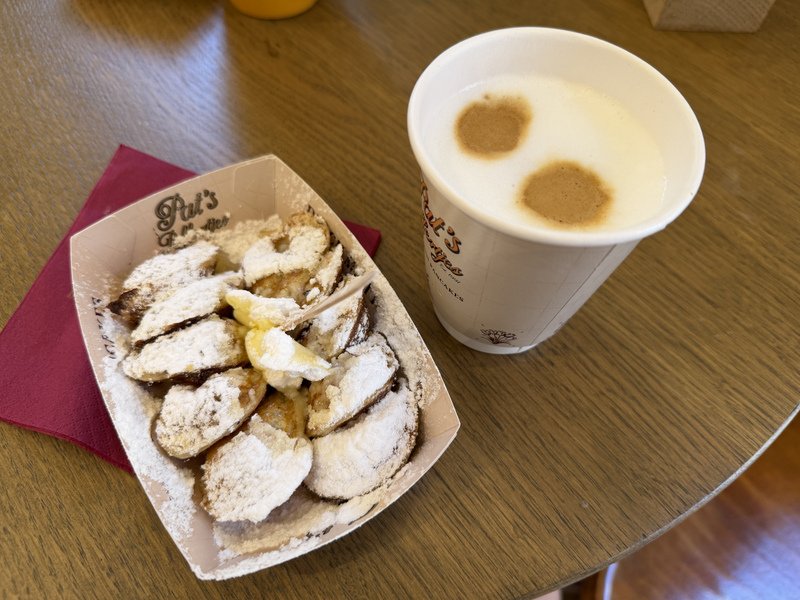
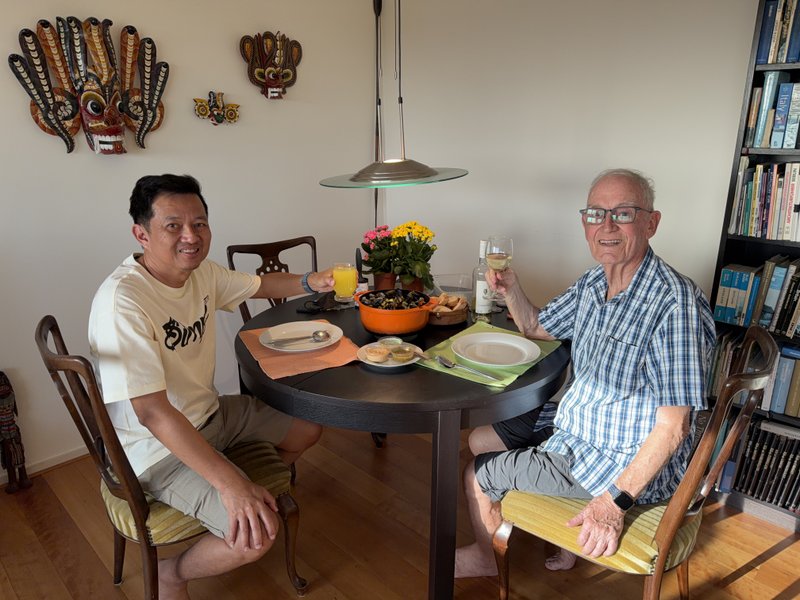
One more relaxing day. We wanted to eat poffertjes, the traditional Dutch mini-pancakes. But I forgot that Whit Monday is also a public holiday, Beautiful day, but the market and the shop we had in mind, was closed. We found another one and that evening we had mussels for dinner.

26 May

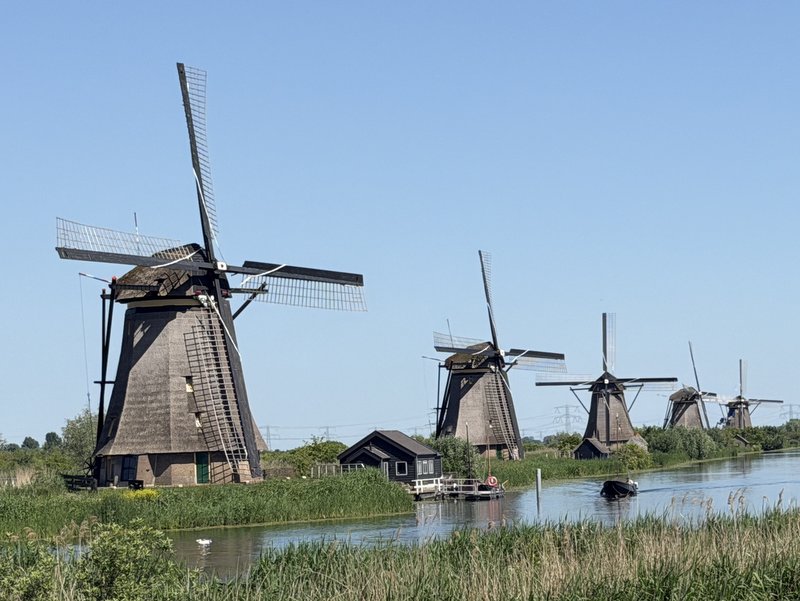
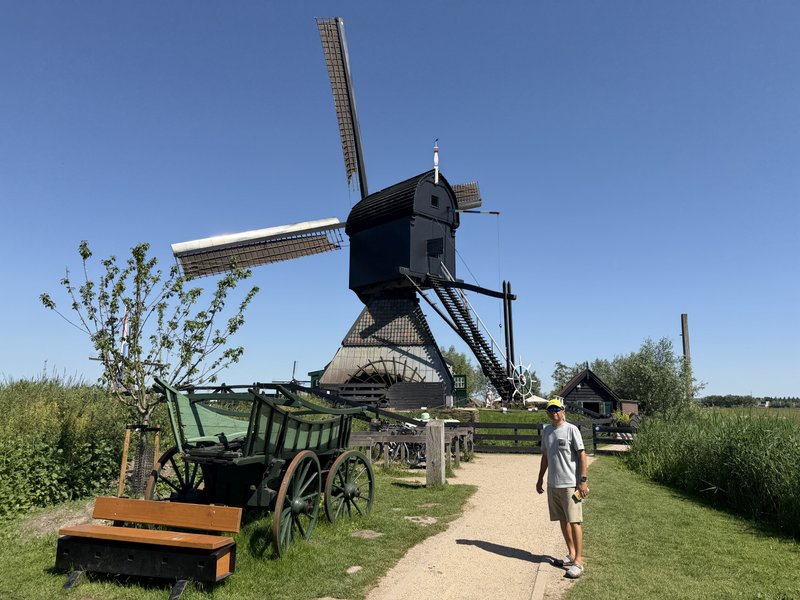
Time for action—a day trip to the windmills of Kinderdijk, a UNESCO World Heritage Site. I had been there a few years earlier, but it was Aric’s first. Perfect weather. More details in another blog.

27 May

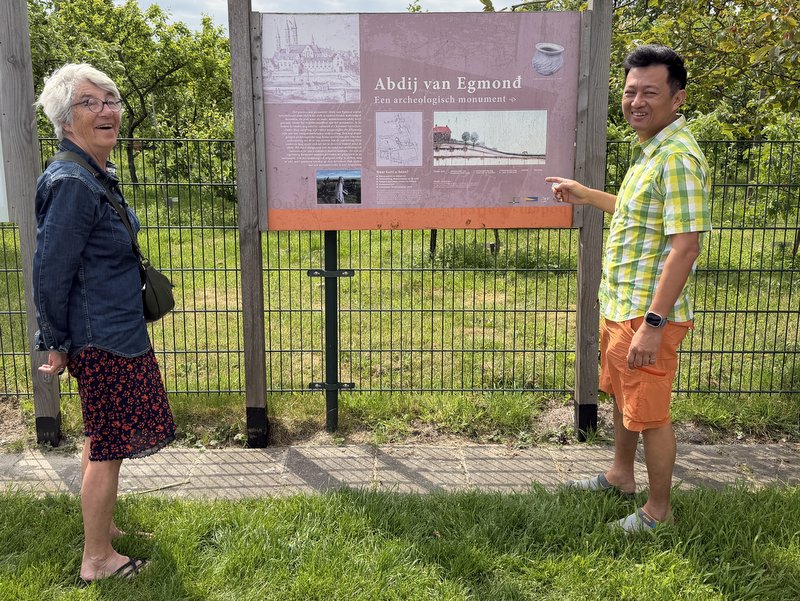
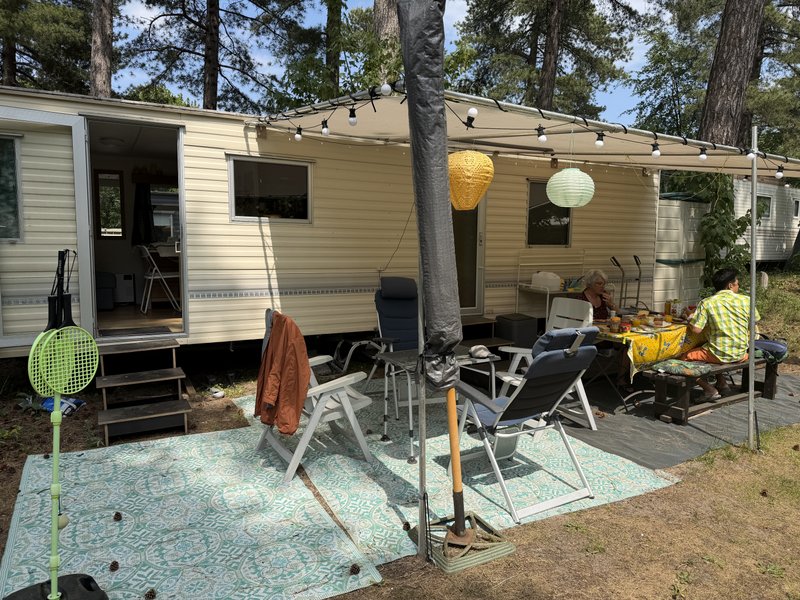
An outing with Inez. First, we visited the Abbey of Emond, expecting it to be historical ruins. A mistake, they had been replaced many decades ago by modern buildings. The afternoon we spent at Inez’s caravan in Bakkum, enjoying the quiet atmosphere. We had dinner in IJmuiden.

28 May

Staying at home. I tried (in vain) to solve the fridge problem and finally a guy came to inspect the central heating. He found a faulty part; his company would send me a quotation for repair.

29 May

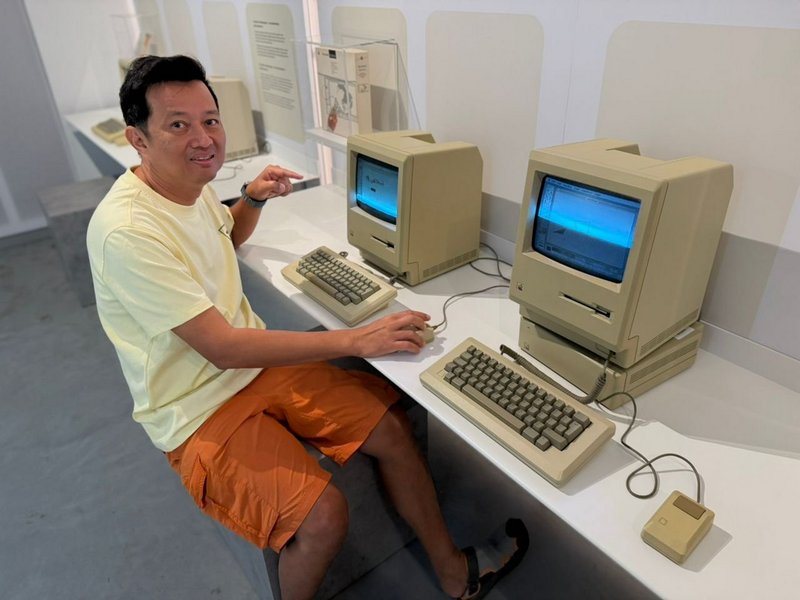
A very active day. Aric had read about a new Apple museum in Utrecht and, being an Apple addict, wanted to have a look. We had lunch with Yolanda and Math, and walked around in the town center. Back in Amsterdam, we had dinner with Nico and Yolanda, the brother and sister of Paul. Probably two vlogs about this day later 😉

30 May

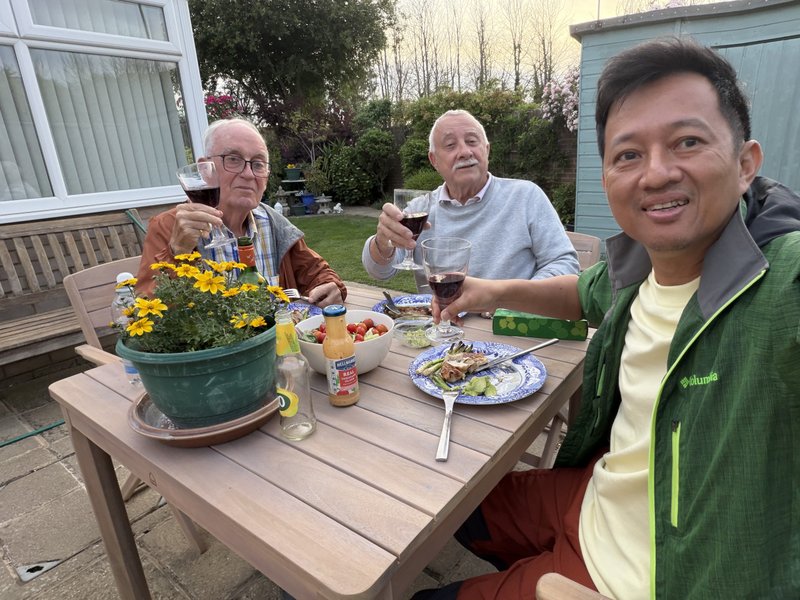
A traveling day. With EasyJet to Gatwick, where Rodney was waiting for us. He drove us back to Bognor Regis, where he is living. We had Lunch there and later dinner in the garden of his home.

31 May

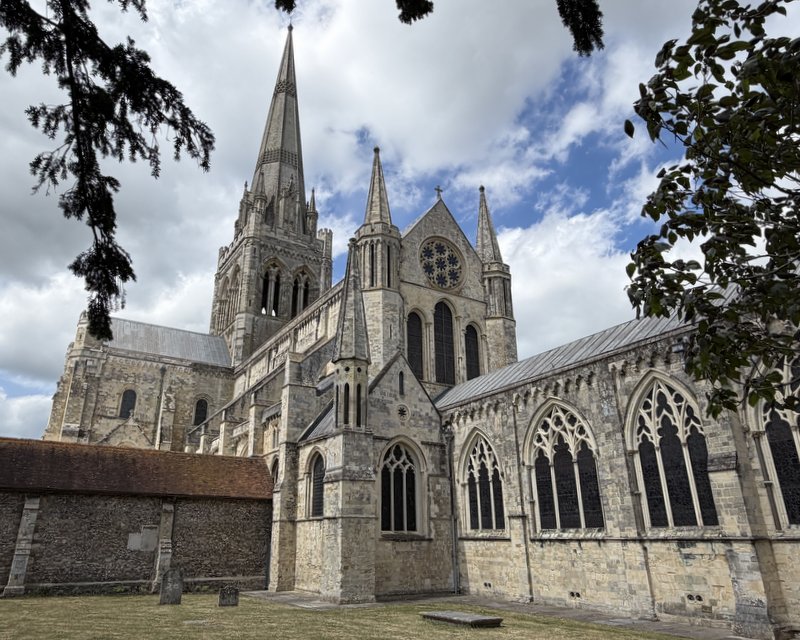
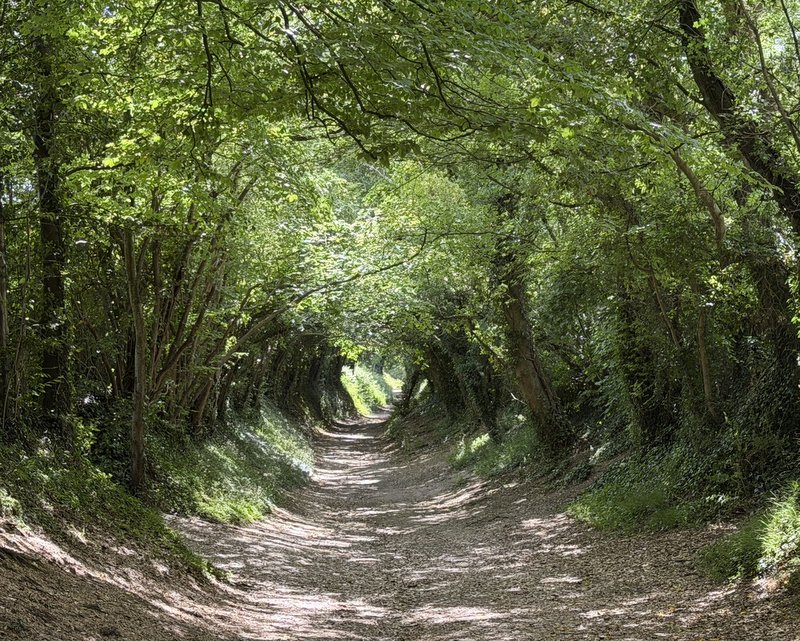
Exploring the region around Bognor Regis. We visited Chichester with its famous cathedral, which was unfortunately closed. We walked to the Halmaker windmill, passing through an enchanting tree tunnel.

1 June

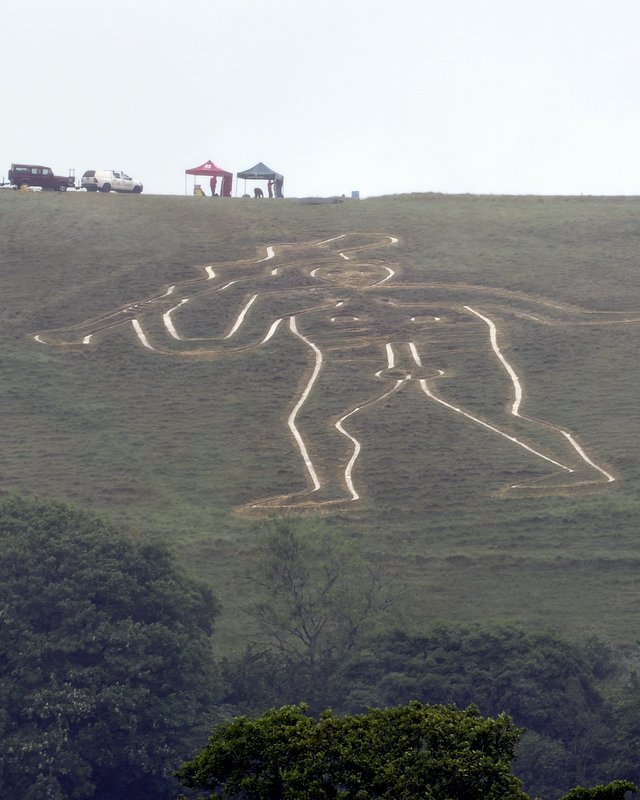
Instead of Stonehenge or the White Horse m we decided to visit the Cerne Abbas Giant, a two-hour drive away. When we arrived at the 55-meter-tall giant with his erection, it had started drizzling, not a good idea to walk closer. A nice pub in the village was alos closed. We continued to Dorchester for a pub lunch.

2 June

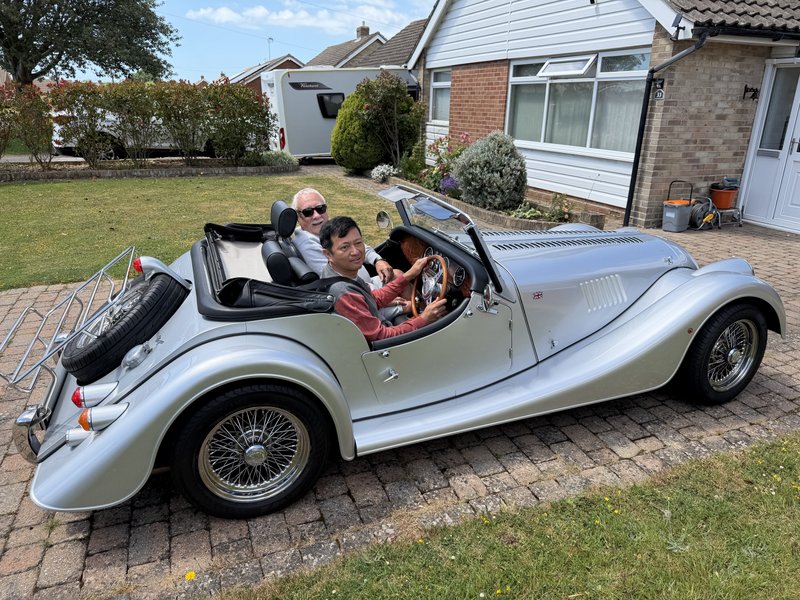
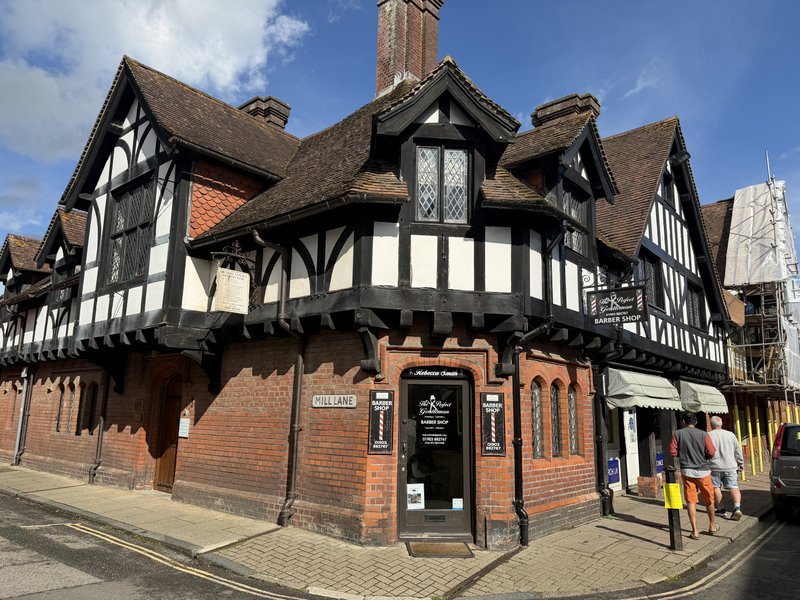
Of course, Rodney had to show us his love baby, a classical Morgan. Aric was even allowed to drive it a short distance. In the afternoon, we drove to nearby Arundel, a very picturesque town with a famous castle/

3 June

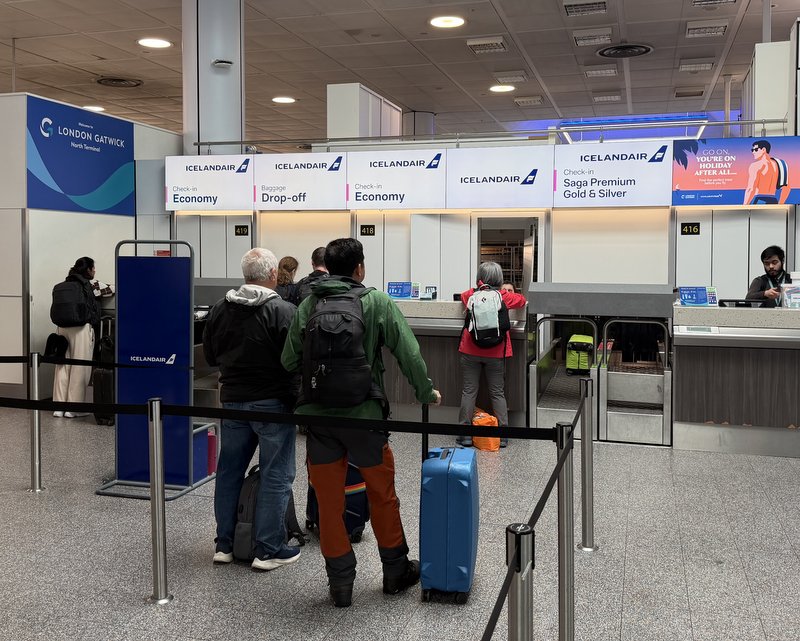
First day of our trip to Iceland. We took a taxi to our homestay in Reykjavik. In the evening, we went out for dinner and to get a first impression of the town. At 11 pm it was still broad daylight.

4 juni

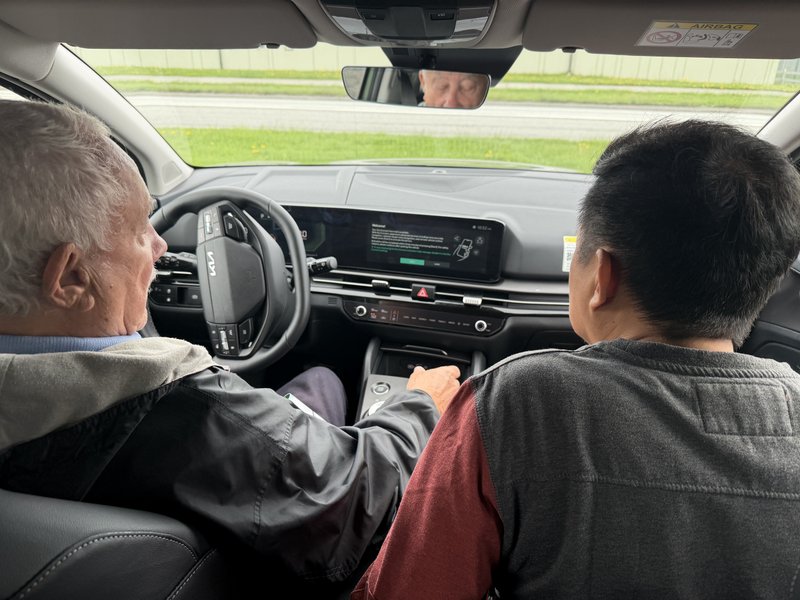
We rented a car for 9 days with Rodney as driver and Aric as navigator. Aric had prepared Google Maps for each day with the various points of interest marked. Here is for example the map for this day. We could only visit a few,

The first of many churches we visited. The National Religion is Evangelical Lutheran, but most Icelanders are secular. Waterfalls all over the island, often spectacular, like this one. Aric had booked idyllic homestays, often in the middle of nowhere. Well equipped, we prepared dinner and breakfast with food bought in local supermarkets.

5 Juni

The long daylight allows you to do a lot in one day. We started at 10 am and reached our fantastic homestay at 10 pm, visiting another church, two waterfalls, an open-air museum, basalt formations, and much more. Too much, we decided to limit our program.

6 Juni

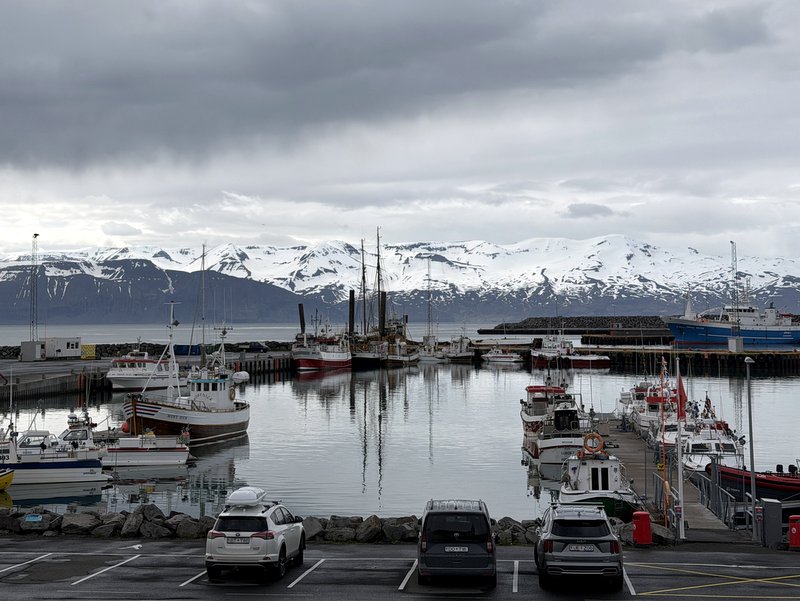
Aric had booked a whale-sighting boat trip for the afternoon and booked a hotel in the small town of Húsavík, where the excursions start. On our way, we passed a very dramatic waterfall. The trip took about 3 hours, we were given much-needed protective clothing. There is no guarantee that whales will be sighted, but we were lucky to spot quite a few. With my AMD, I can not see details, but Aric managed to take a few perfect shots. A well-organized trip.

7 juni

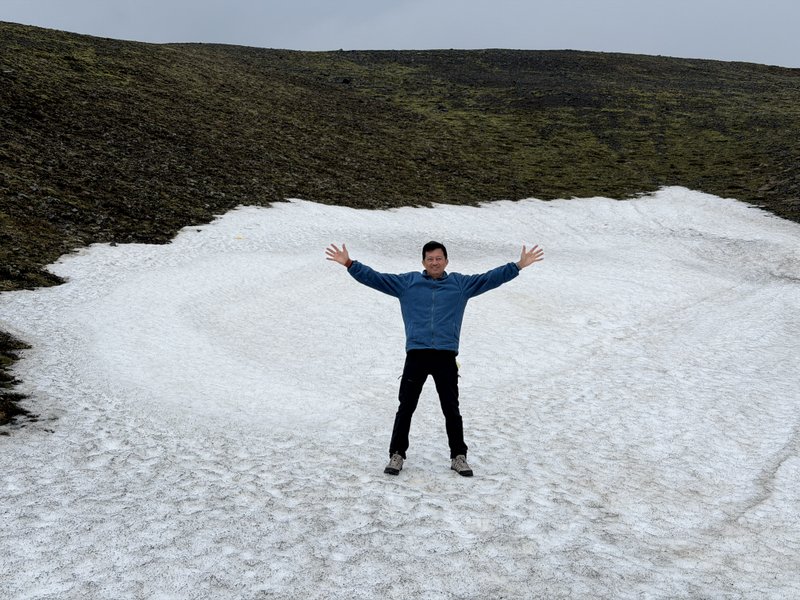
A long 11-hour drive. The main destination was the remote Puffin Island. On our way we stopped for a while only at Hverir, one of the most active geothermal sites of the island. A few hours later, Aric was walking in the snow. Puffin Island was worth the long ride, with hundreds of colorful birds, which you could almost touch. Our accommodation for the night was a former church, transformed into a charming homestay.

8 juni

This day we followed the south-eastern coastline of the island. We had a look at an artwork of eggs, representing all bird species from Iceland. We found another waterfall. that was not in the list prepared by Aric. And we stayed overnight in a luxury homestay, with its own hot bath tub.

9 juni

Glaciers in Iceland can reach the sea, where broken pieces of ice gradually melt in the sea water. We visited another church, with a grass roof.

0 juni

On this day we took part in the most spectacular event of our Iceland trip, a three-hour “expedition” to an Ice Cave, a man made tunnel inside a glacier. Later that same day we visited a waterfall, where there was a path behind the falling water In the late afternoon we visited the famous Blue Lagoon. And we stayed overnight in a fisherman hut, transformed into a homestay. What a day.

11 June

Our last full day. Before returning the car, we visited two of the top attractions in the region of Reykjavik, the spectacular geyser and another dramatic waterfall. Many tourists who stay only a few days in Island, visit these places. Our last night we stayed in a hotel in Reykjavik. After dinner we walked around in the old part of the town.

12 June

Traveling day. Rodney back to UK, Aric and I to Amsterdam

13-14 June

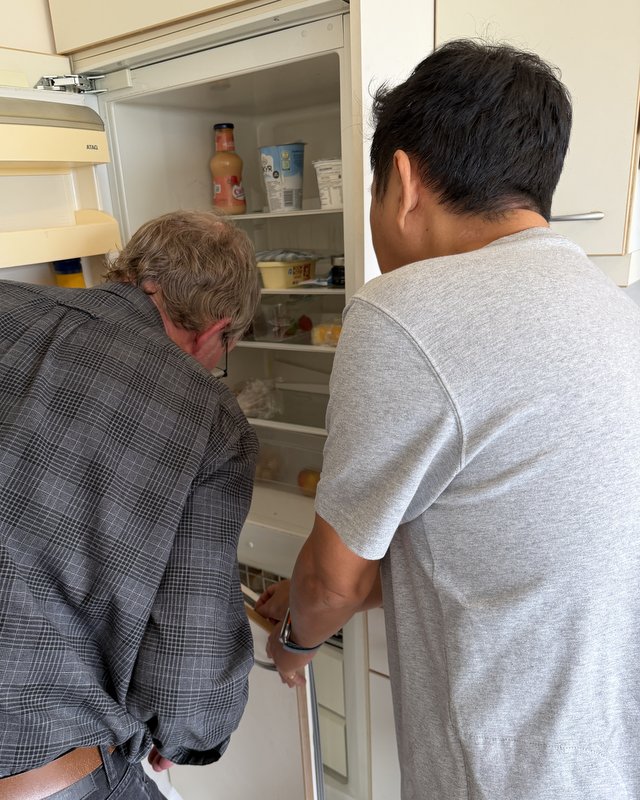
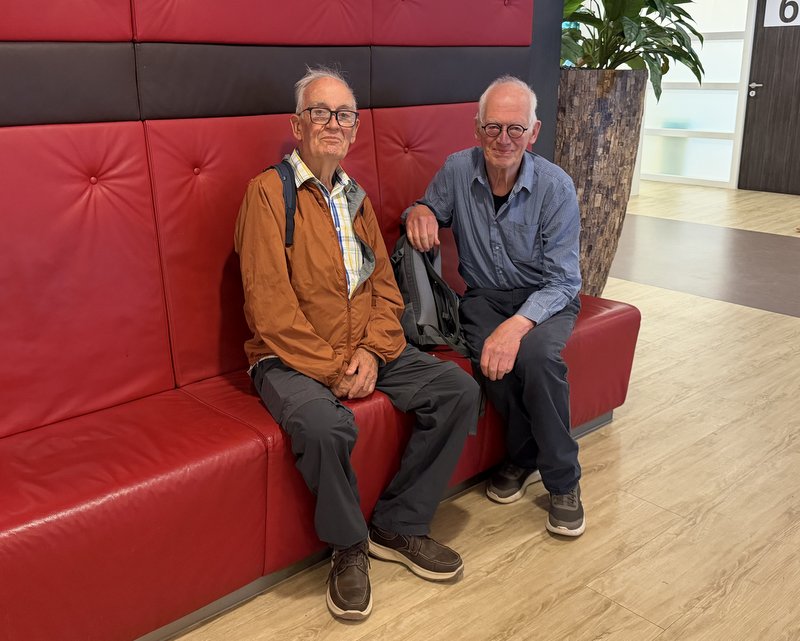
Recovery days. Defrosting the fridge, doing laundry. My brother Otto came to help us with the fridge. He and Aric managed to repair it!

15 June

On this day, Aric was supposed to fly back to Malaysia. During the trip to Iceland, I had noticed how dependent I had become on others due to my AMD. I worried about whether I would be able to spend the next two weeks independently in the Netherlands. It was a huge relief for me when Aric decided to change his return flight and fly back with me on June 29.

16 June

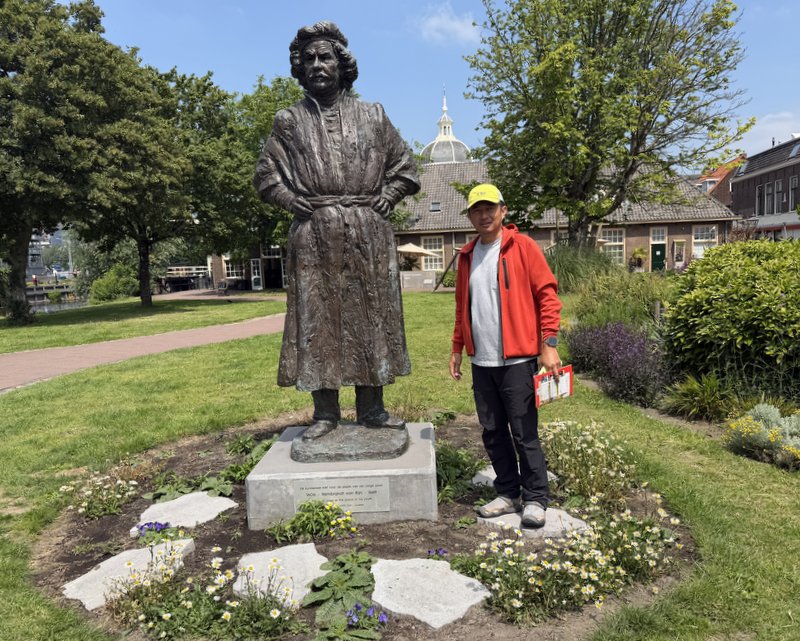
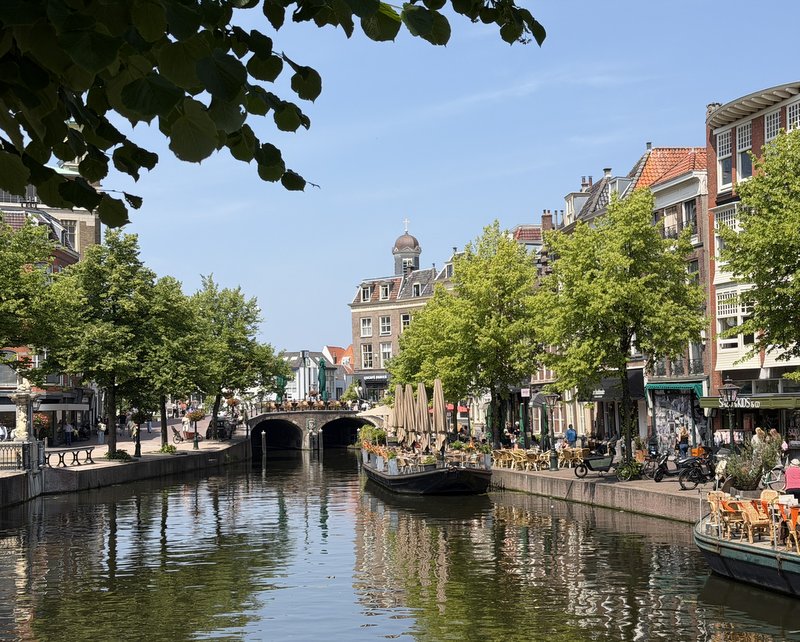
A day trip to Leiden. Aric thought he had never visited this historic town, but during our long city walk (8 km) he remembered a few locations from an earlier visit, more than 20 years ago. Separate blog about this trip.

17 June

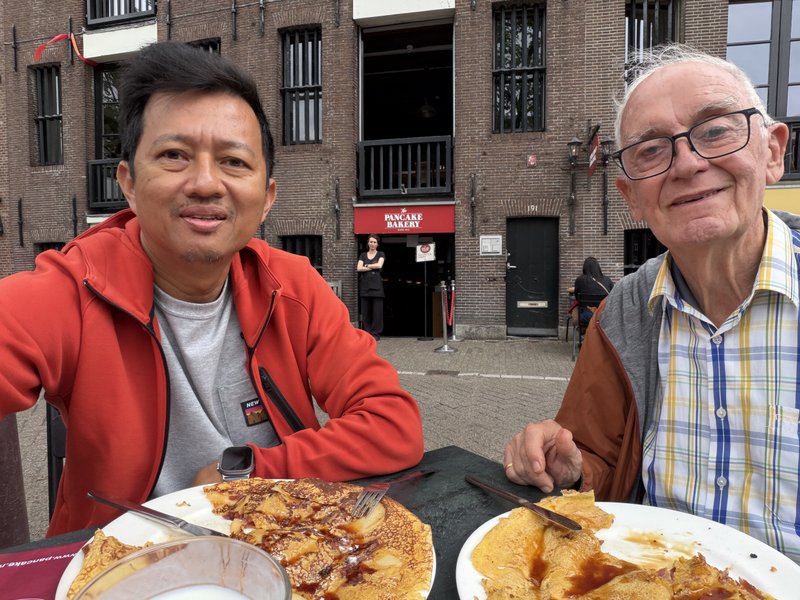
My brother Pim had a cataract operation and the eye clinic had advised him to come with an escort. We joined him and after the (successful) operation, took a Uber to his home, where we had coffee. Aric and I continued with another city walk and had lunch with pancake in the Pancake Factory at the Prinsengracht.

18 June

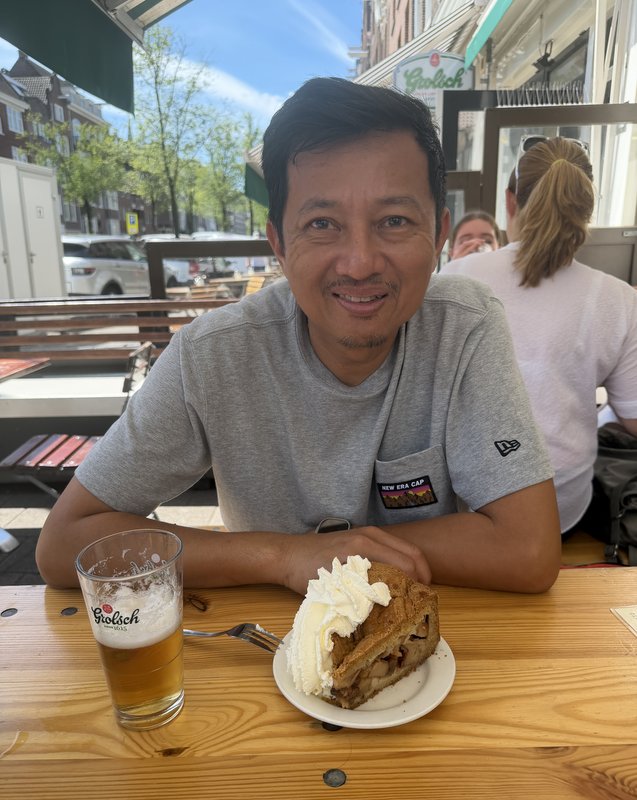
After visiting my friend and former student Roald, another city walk. This time lunch with Apple pie.
19 June

A resting day
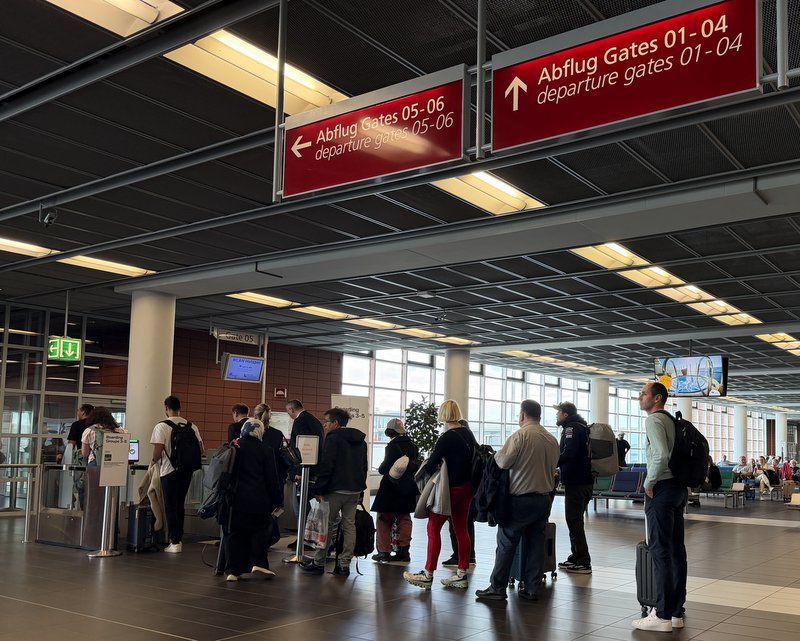
20 June

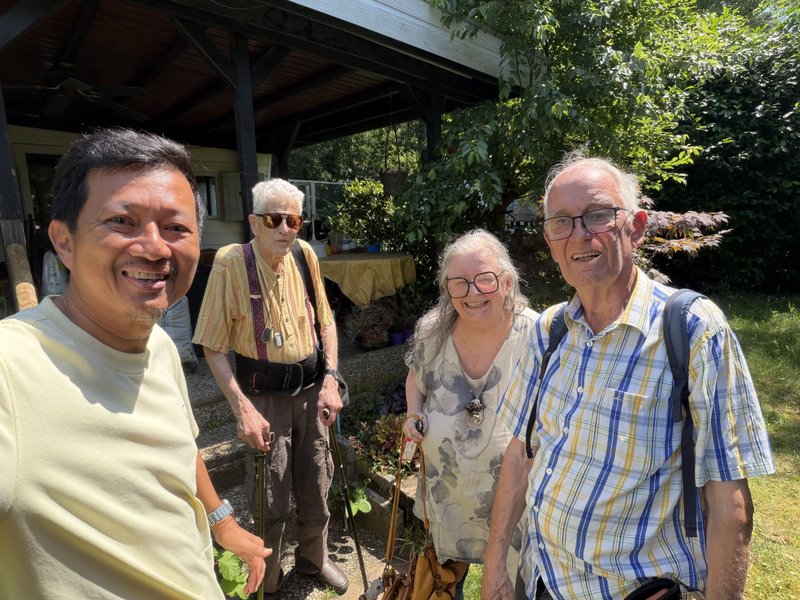
We visited our friends Marjan and Mike. When they lived in Malaysia, we met them and became friends. I kept in touch when they returned to the Netherlands, for Aric it was nice meeting them again after so many years.

21 June

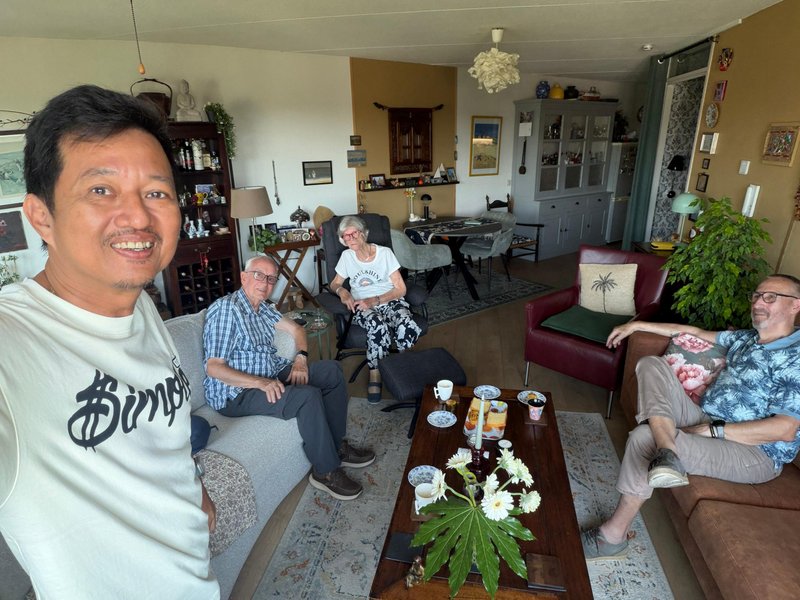
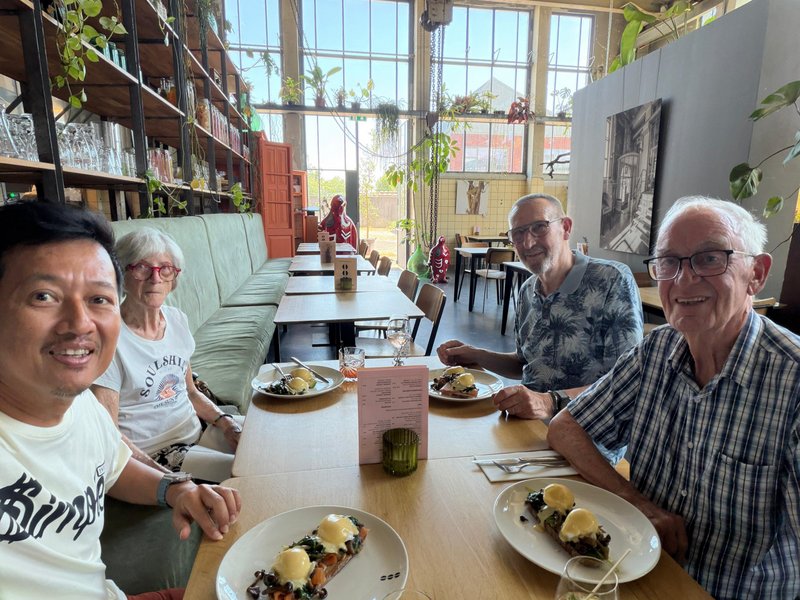
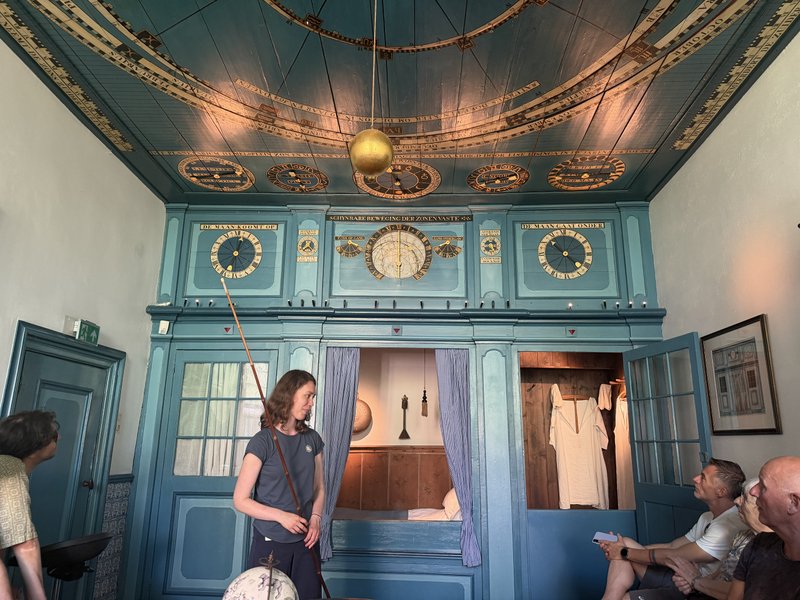
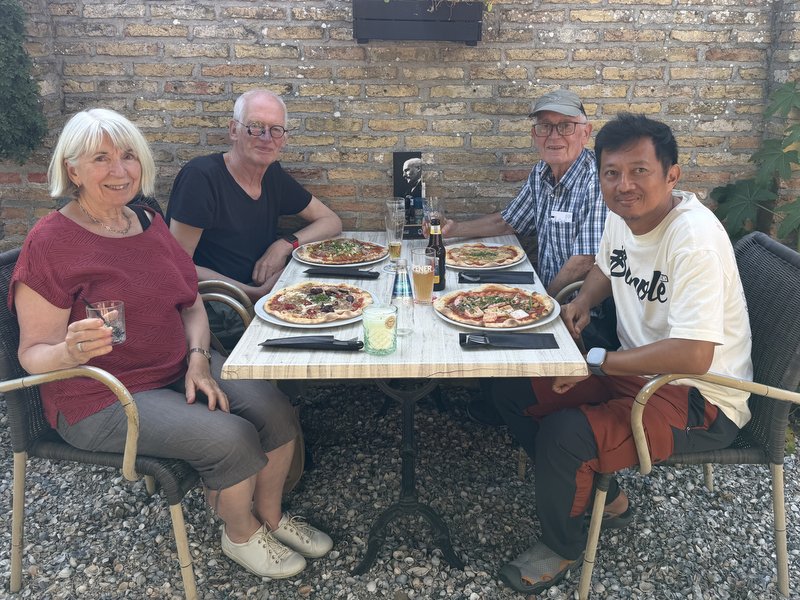
Pim had recovered fast from his cataract operation and could drive again. With him we went to Franeker, where we stayed overnight in the house of Nanda, his partner. In the afternoon we visited the Planetarium and had pizza for dinner. Very hot weather.

22 June

The four of us drove to Groningen where we met Jur and Jasper, partner, esp. son of my brother Ruud who passed away one year ago, when I was in Malaysia/ It was my wish to visit his grave. We had dinner later in a restaurant where I had dinner with Ruud and Jur in 2024. A satisfactory closure.

23 Juni

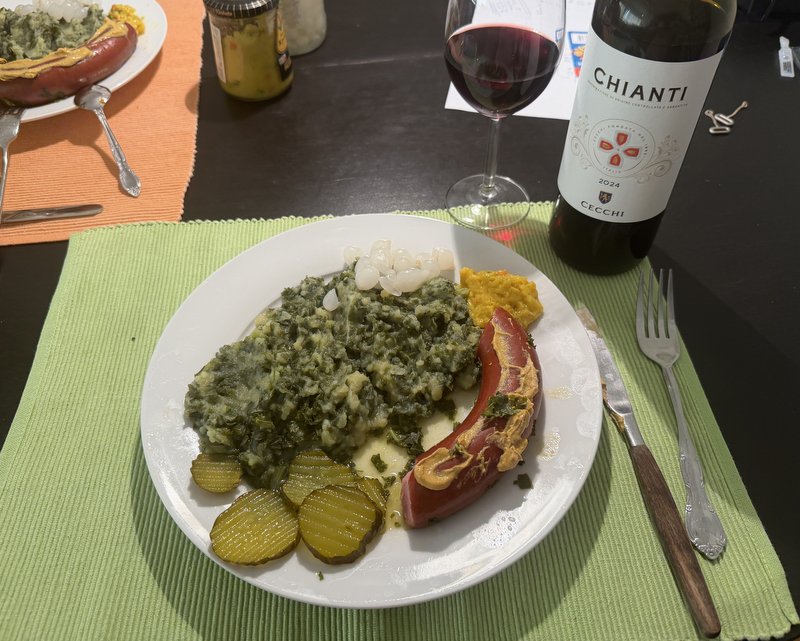
Traveling back to Amsterdam. During a conversation with my siblings about our past, the topic of the HEMA had surfaced, a traditional department store, famous for its “rookworst” (smoked sausage). They still sell them and that evening we had a traditional winter stew with the outside temperature more than 30 degrees!

24 June

Resting day

25 June

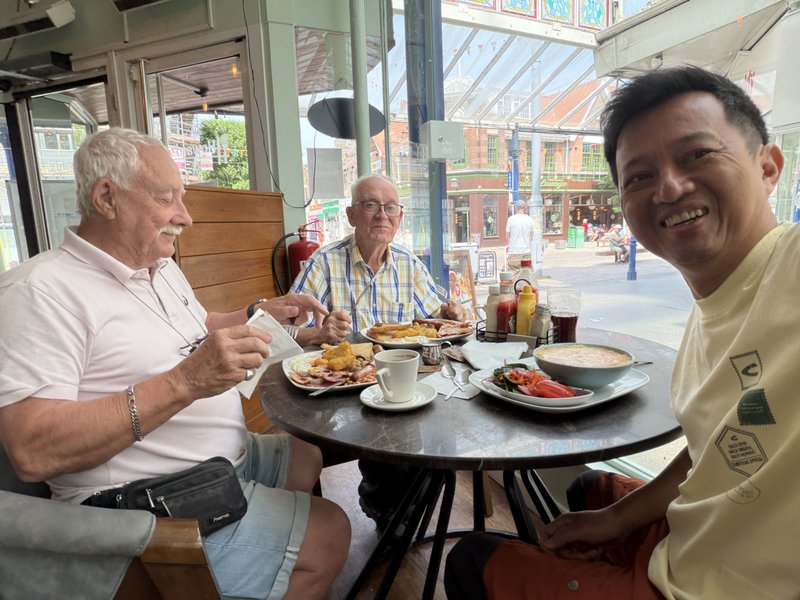
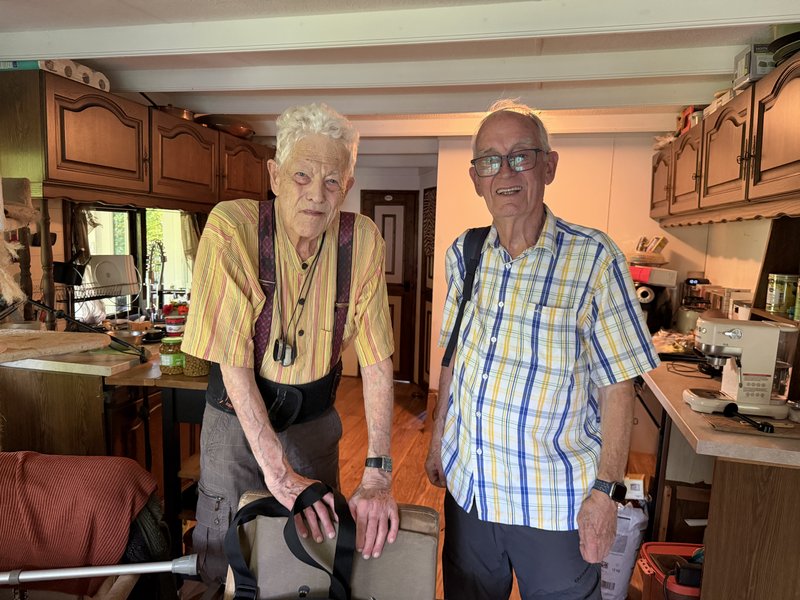
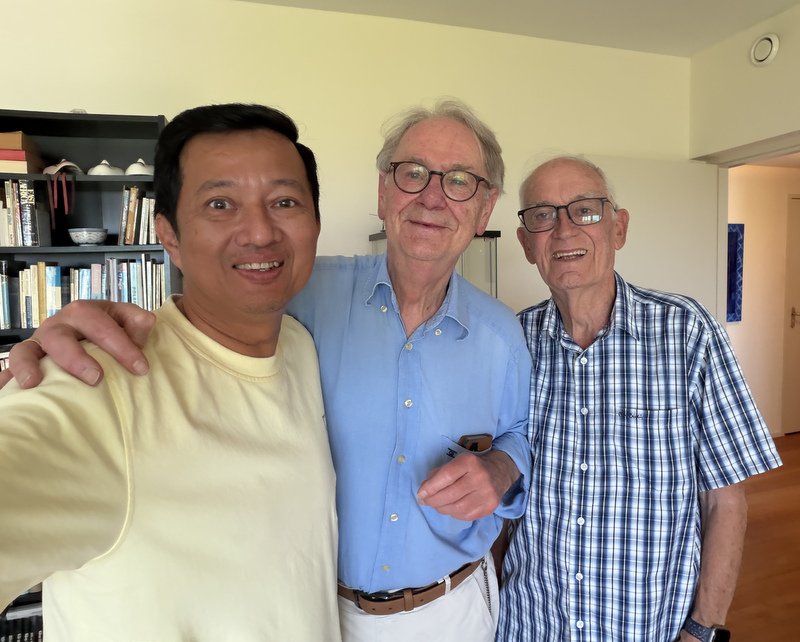
A long traveling day by bus and train to Doetinchem where we met Carle Poeder and Joanne. He is now 95 years old and was the school principal in 1976 when I started teaching. They had a house in southern France, where Aric and I visited them, years ago. Very nice meeting them again,

26 June

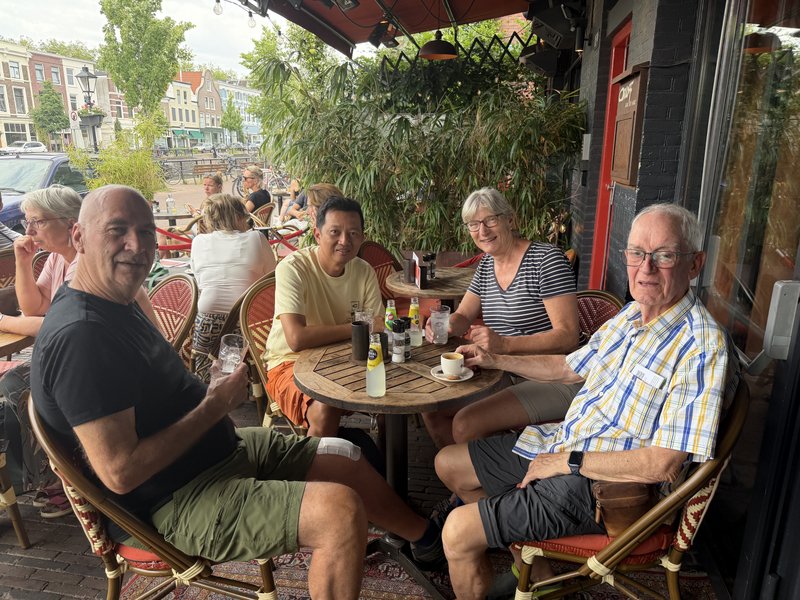
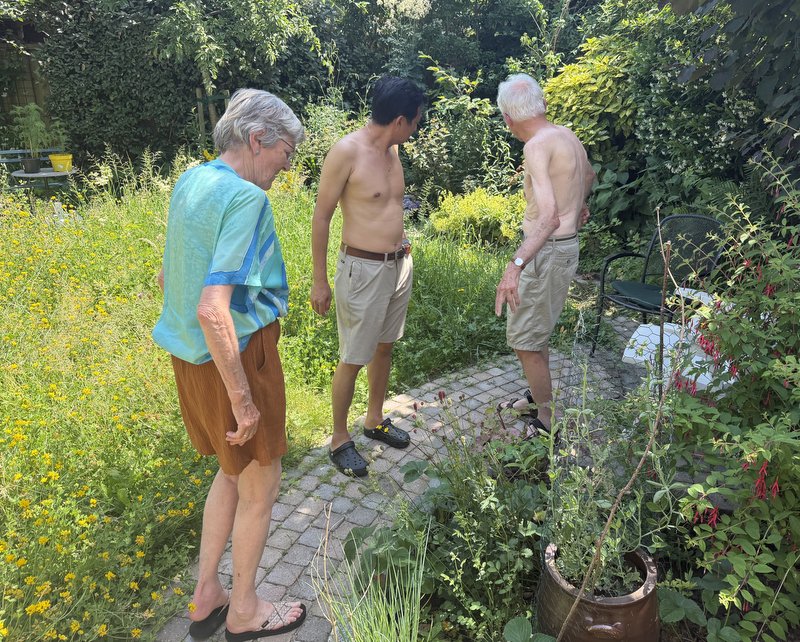
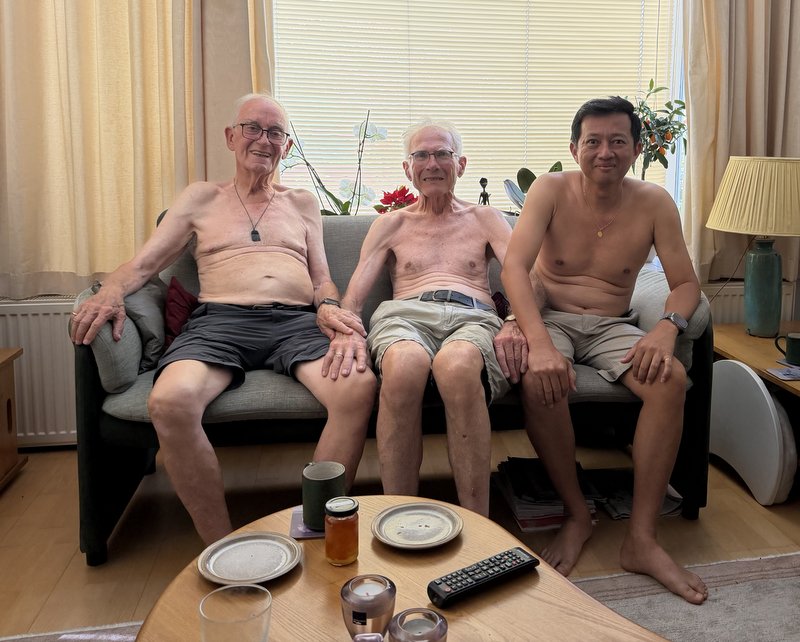
We visited my former university colleague Henk and his wife Marian. There was a heatwave in the Netherlands (a code red alert: stay at home), that explains how we were dressed. They had visited us 20 years ago in Malaysia and were pleased to meet Aric again.

27June

A last-minute visit of former school teacher and friend Hans. It was still very hot.

28 June

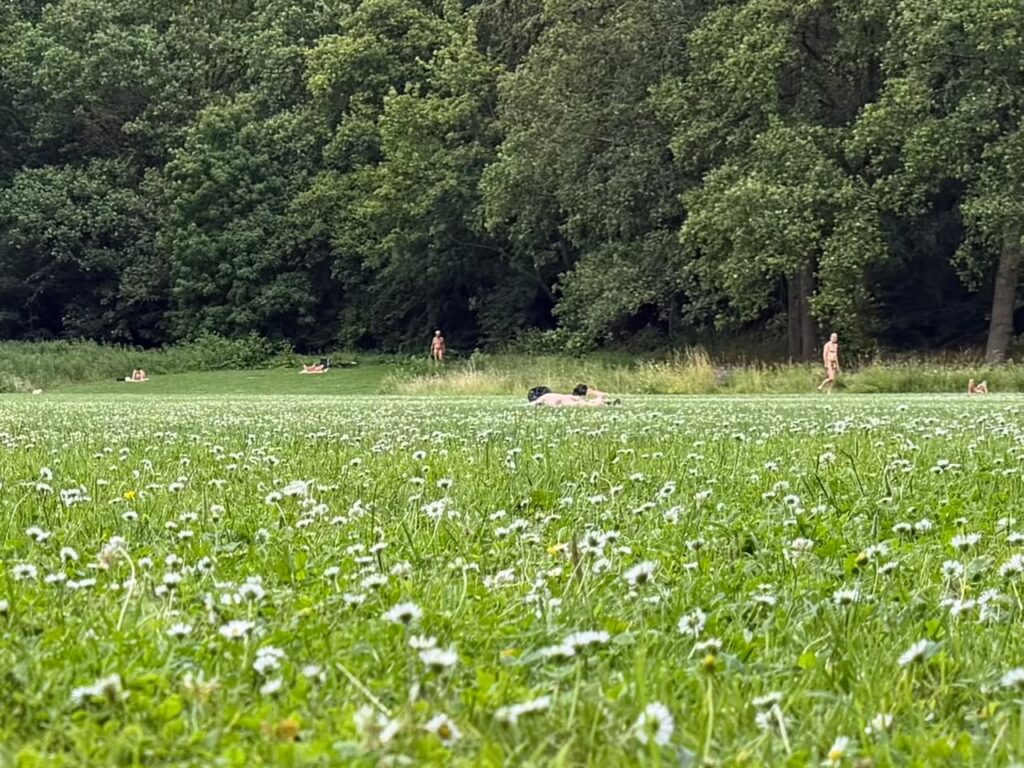
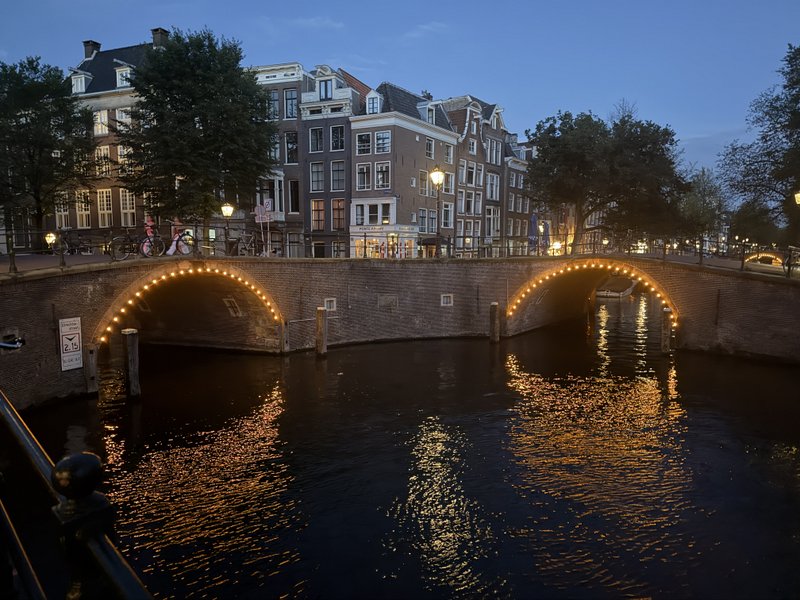
Our last full day in Amsterdam. The Amsterdams Bos park has a special area for nudist recreation, called the Zonnewiede. We decided to have a look. Although a Sunday, there were a few visitors only. Later that night we went for the last time to the town center, to take night view photos.

29 June

Flying back to Malaysia.