
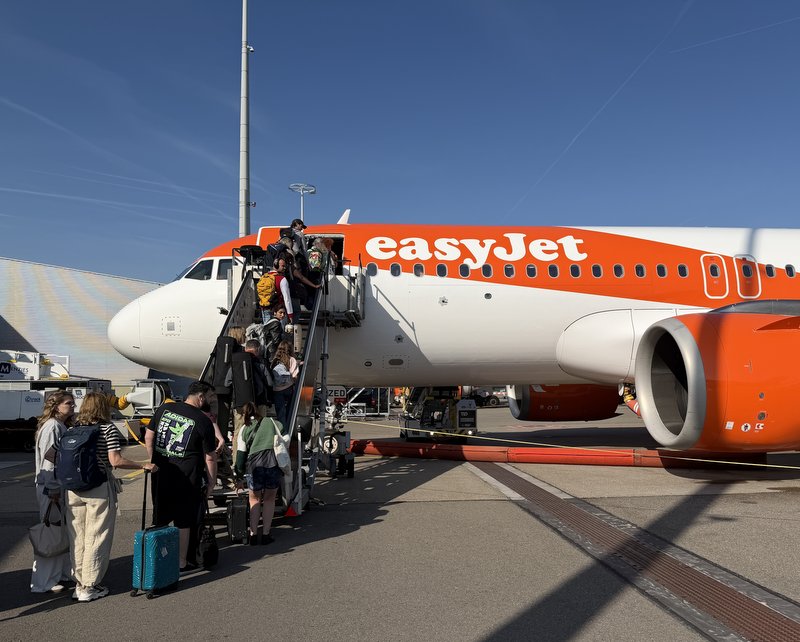
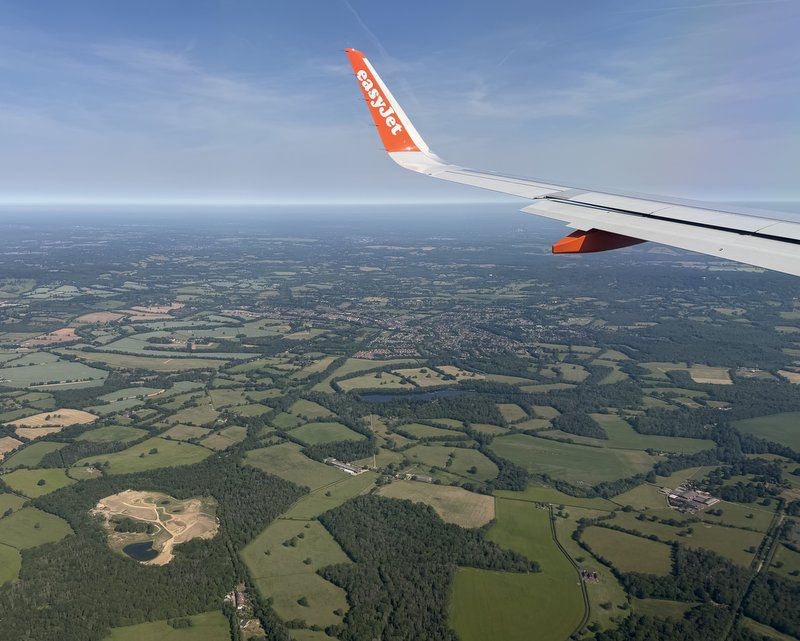
For our Iceland trip, we had asked Rodney, our UK friend, to join. He had visited me in 2024 in Amsterdam; this time, we decided to stay a few days with him in Bogmor Regis before our departure for Iceland. We took an EasyJet flight to Gatwick Airport, where he was waiting to pick us up.
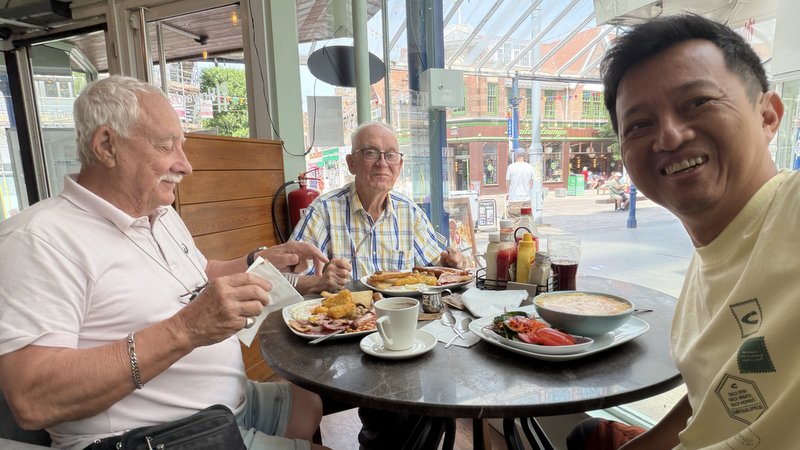
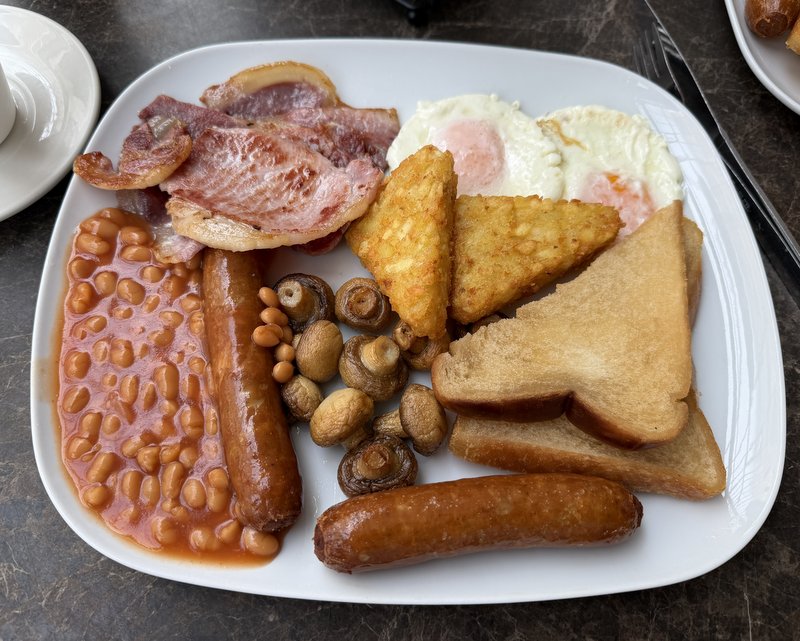
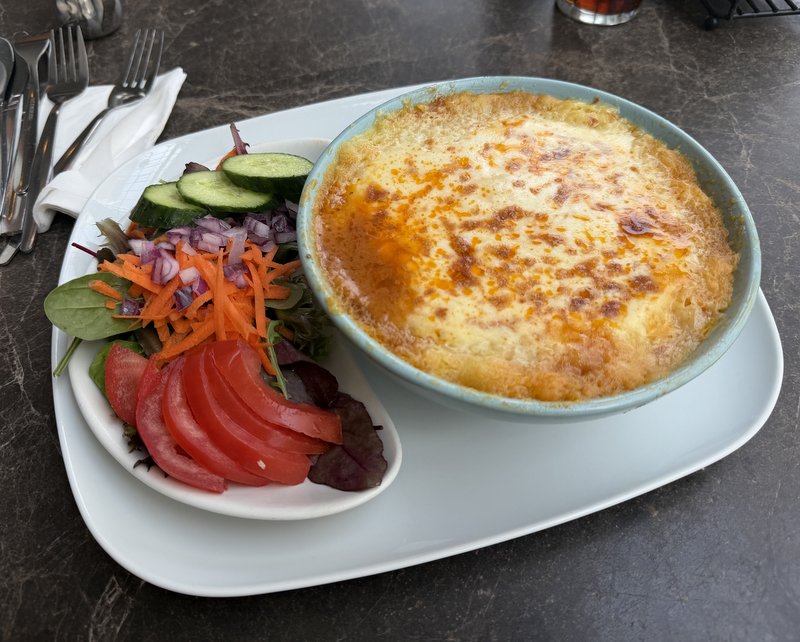
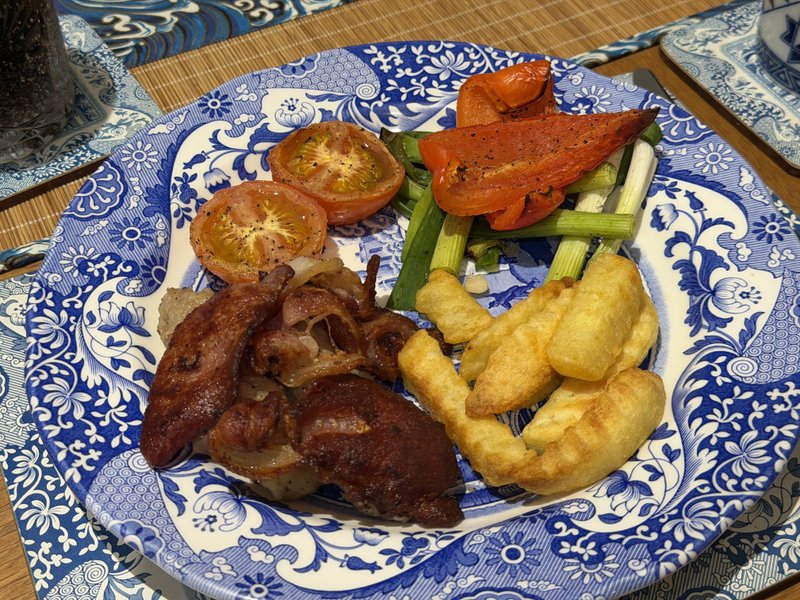
Bognor Regis is a seaside town in West Sussex. When we arrived there, it was time for lunch. We went to Howard’s, a popular coffee shop in the center of town at the Arcade. Rodney and I ordered their highly-rated Bigger Breakfast, and Aric had a Shepherds Pie. The breakfast was big enough to serve two; I could not finish it 😉
After lunch we walked around abit. Left the Arcade, right London Street
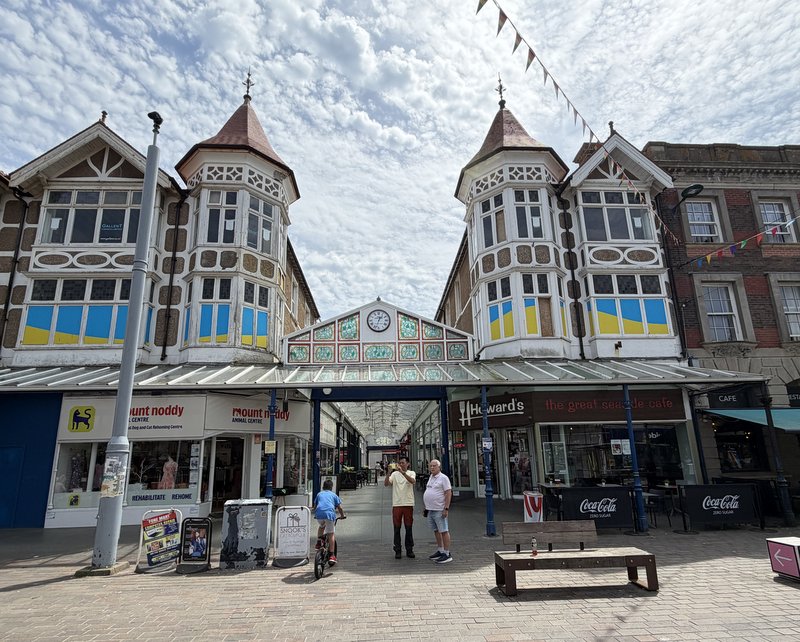
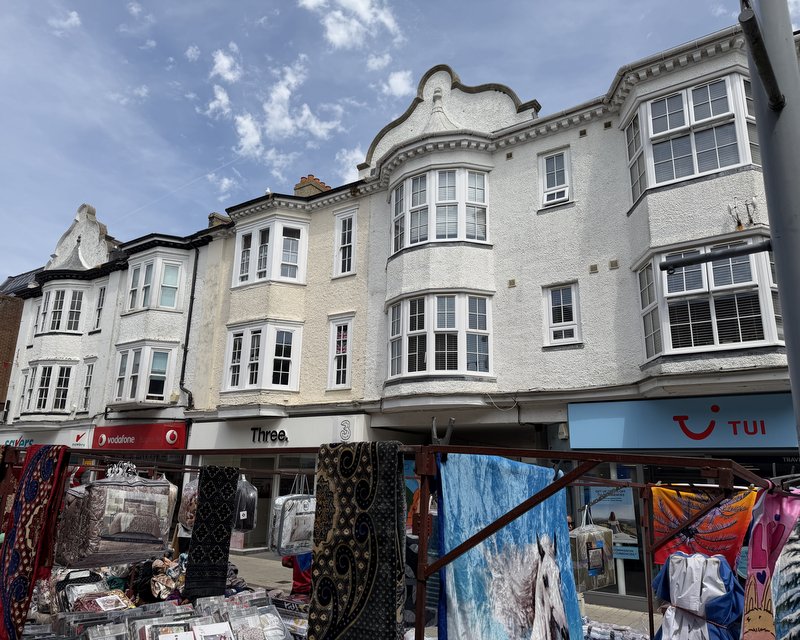
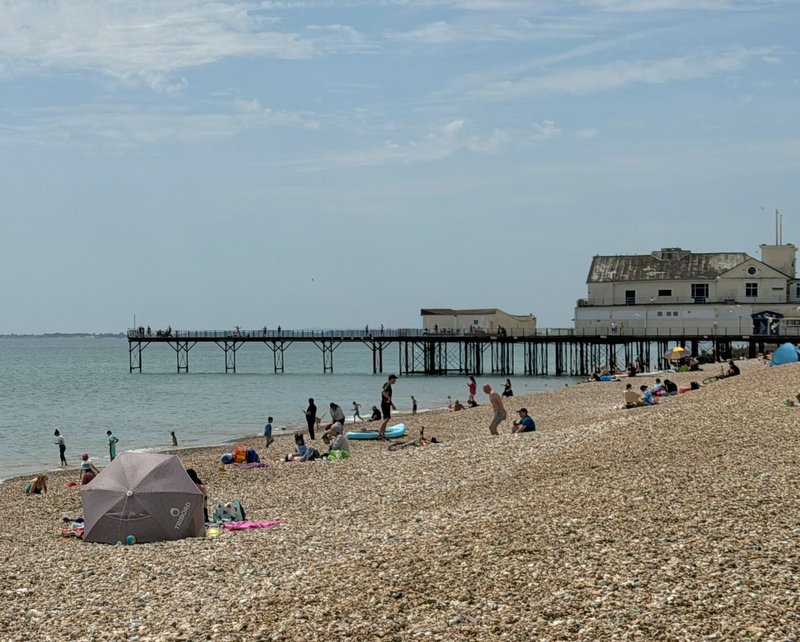
The history of Bognor Regis is quite interesting. In the 1790s, a London businessman came to Bognor, a small fishing village on the south coast of England, for his health. He liked the climate and decided to develop the village into a seaside resort. That worked well, it attracted royalty and in 1929 King George V decided to add Regis (of the King) to Bognor. Here is the beach of Bognor Regis.
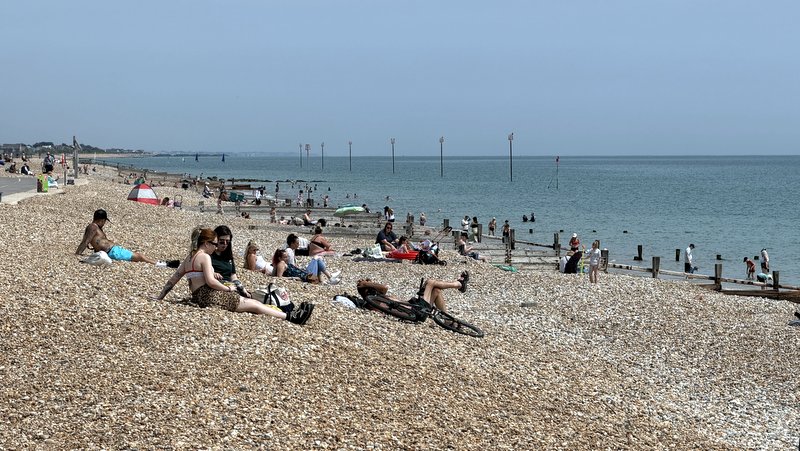
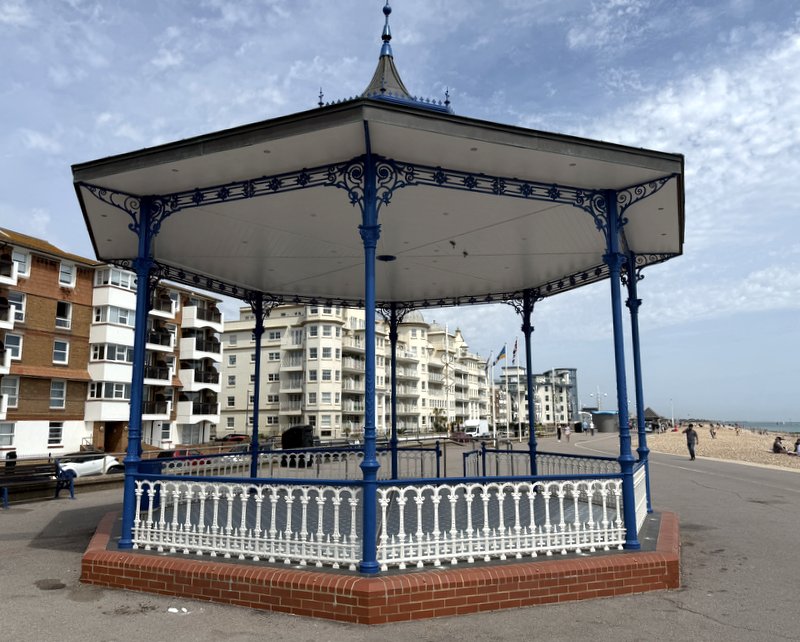
There may be heritage buildings left in the town, although I read that many have been demolished or modernized. We walked along the Esplanade and had a look at the attractive Bandstand ,built in 1878 for Cheltenham’s Imperial Gardens, and relocated to Bognor Regis in 1948. So it is heritage, but not local. We did not visit the pier, local heritage, opened in1865, but not much of it remains.
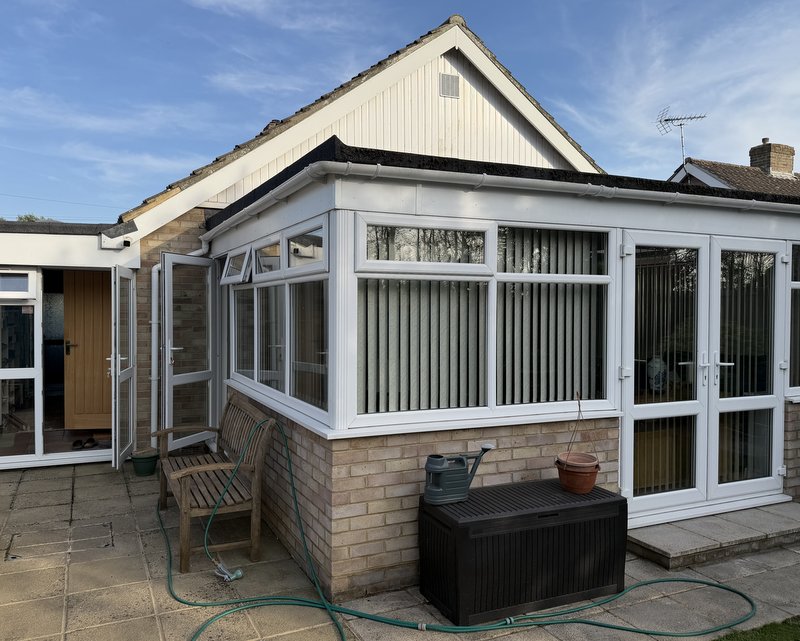
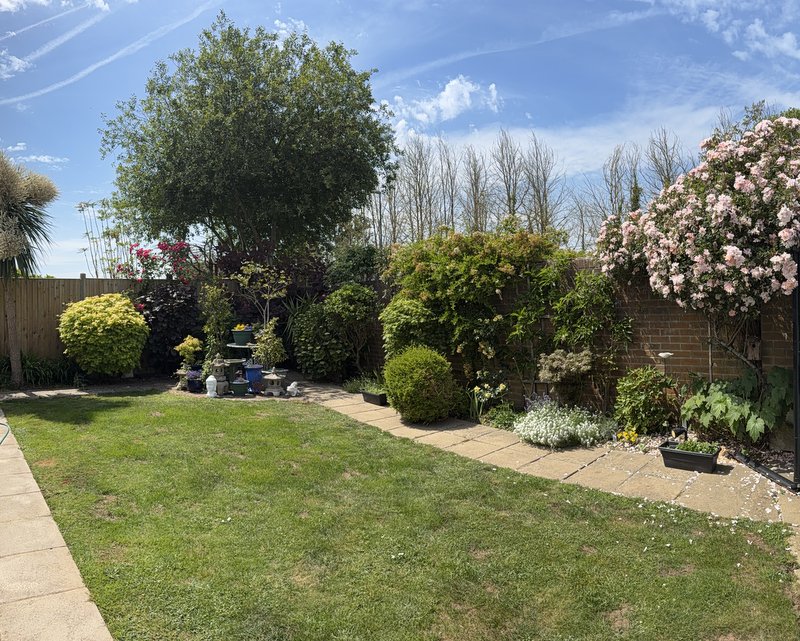
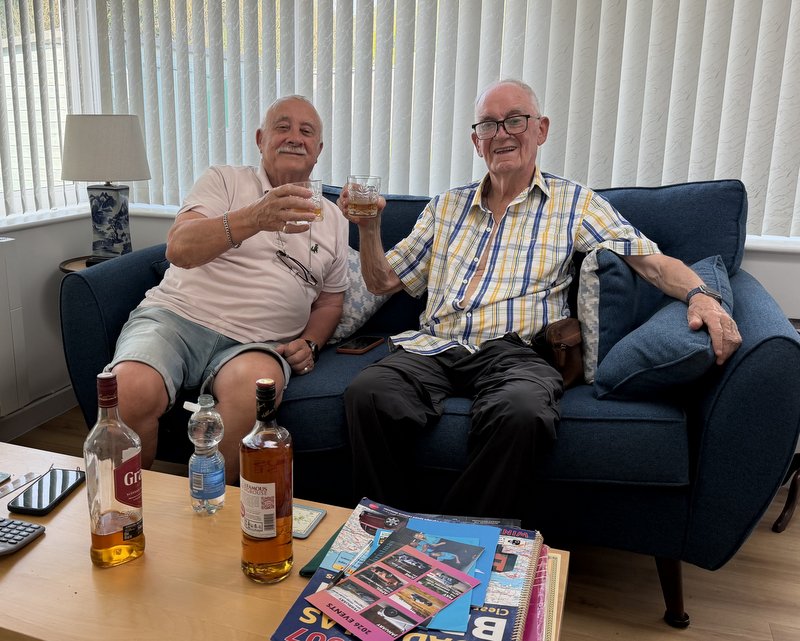
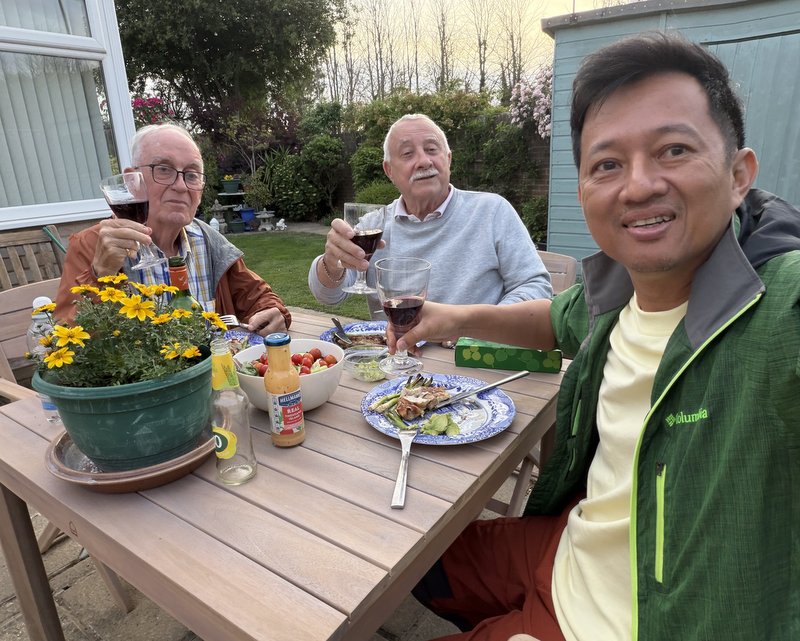
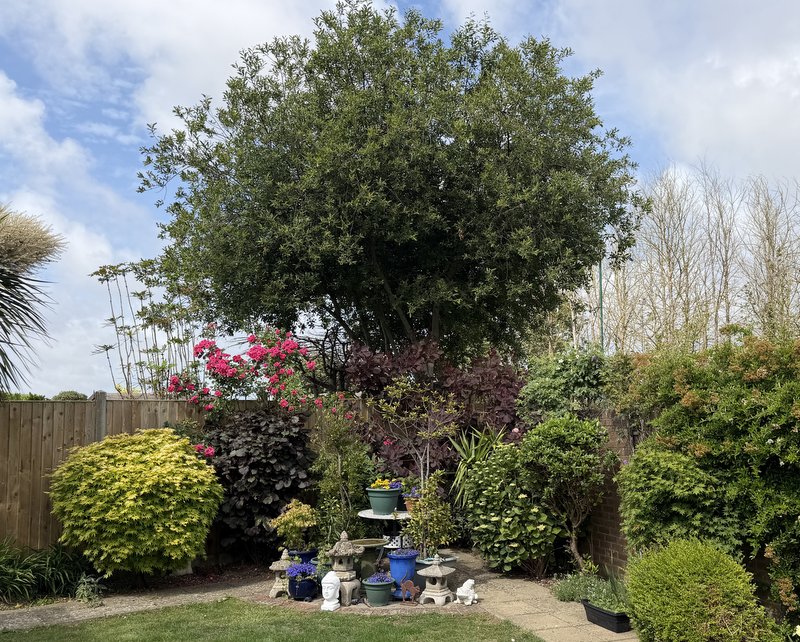
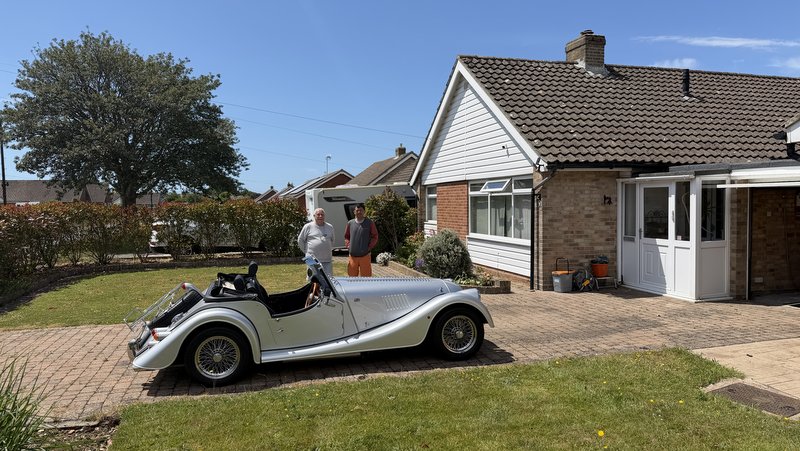
Rodney lives in Aldwick, a small village a few km west of Bognor Regis. A nice bungalow with a beautiful garden. We had a drink and the weather was suitable for a dinner in the garden.
The next day, we drove to Chichester, the County Town of West Sussex, about 11 km from Aldwick. It has a famous cathedral, founded in 1075. But there is much more to see; here is a list of 644(!) heritage buildings inside the city walls.
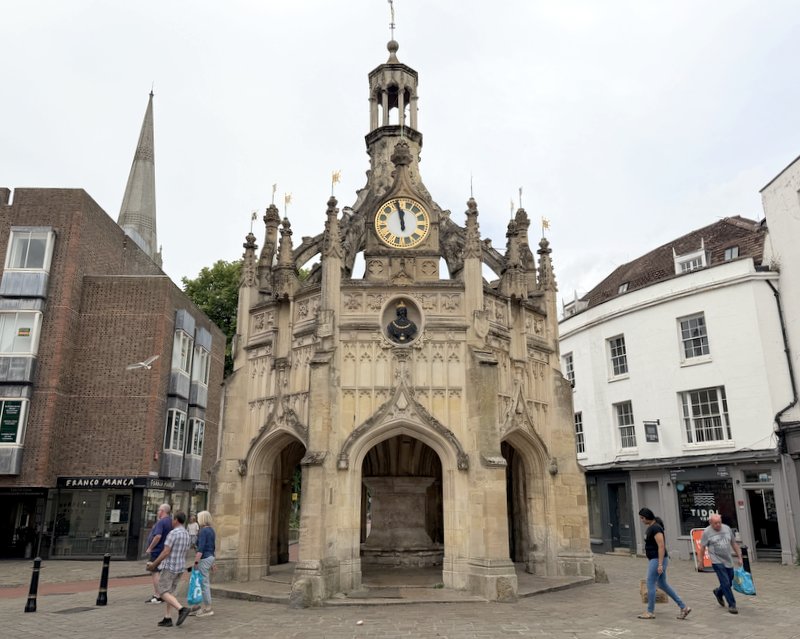
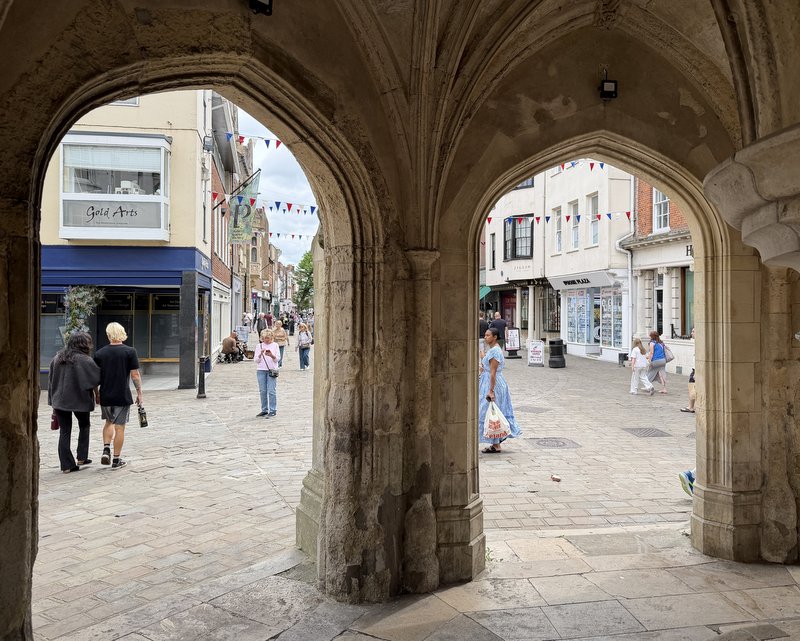
We parked outside the historical center and walked to the Chichester Cross, a market cross, built around 1500, so that the poor people should have somewhere to sell their wares, and as a meeting point.
The Chichester Cathedral is located nearby. It has been described by an art critic as “the most typical English Cathedral”. Unfortunately, we could only admire the exterior because they were preparing the church for the Festival of Flowers. Bad luck.
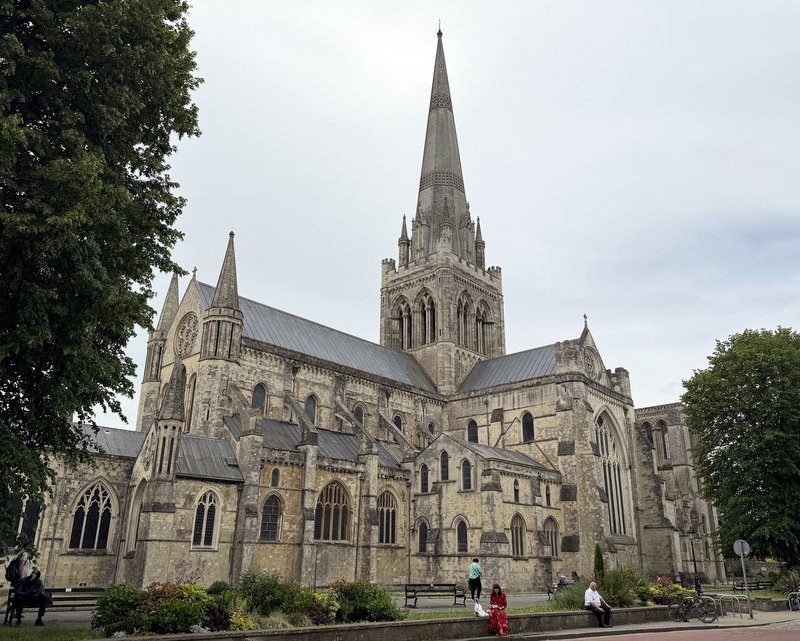
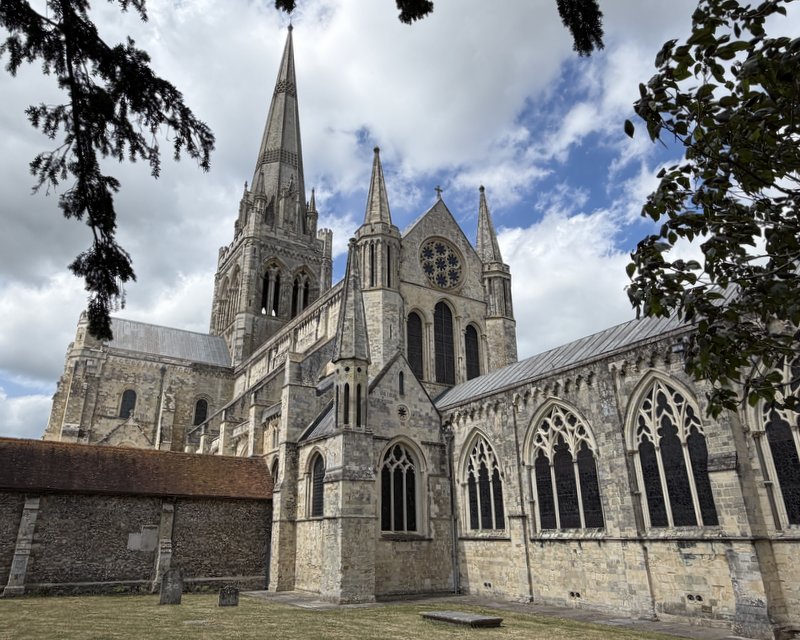
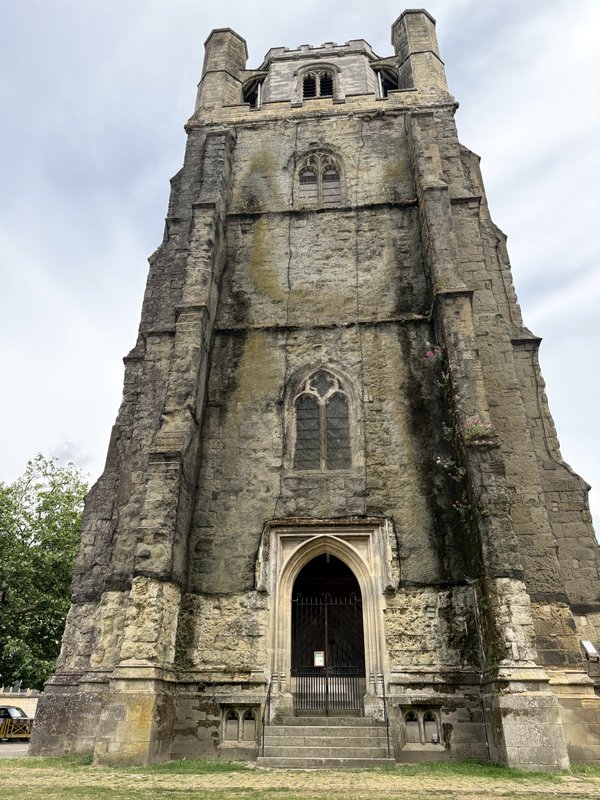
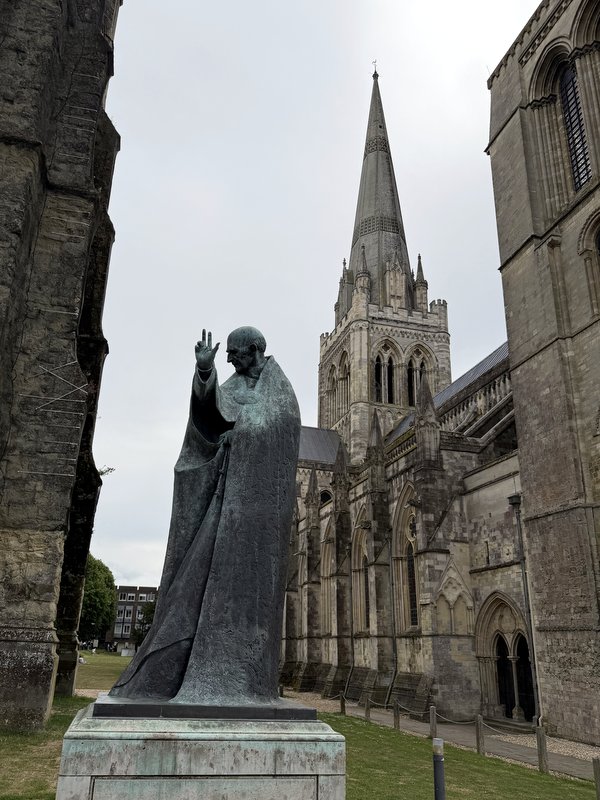
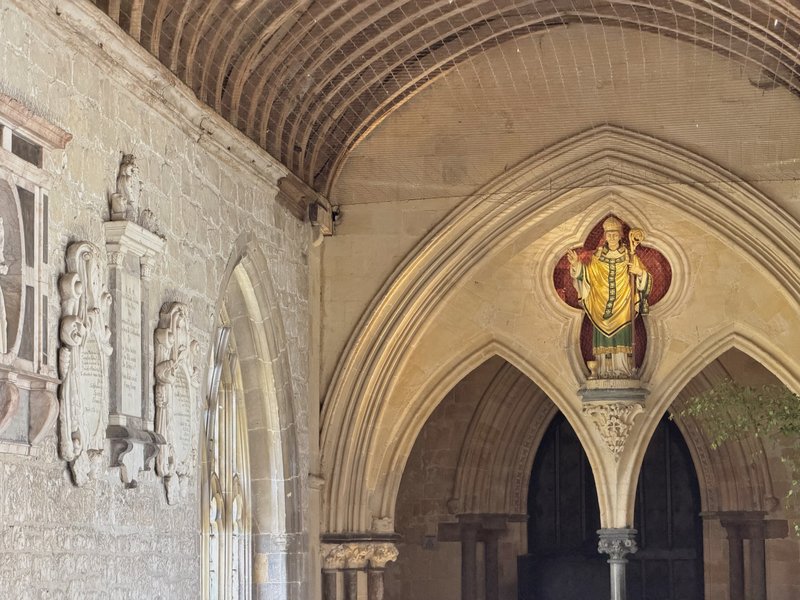
One feature is unique to English cathedrals: there is a separate bell tower (left picture). The other picture shows the statue of bishop Richard of Chichester (c. 1197 – 1253), who was buried in the cathedral. He became canonized in 1262.
The front side of the cathedral and the Bishop’s palace.
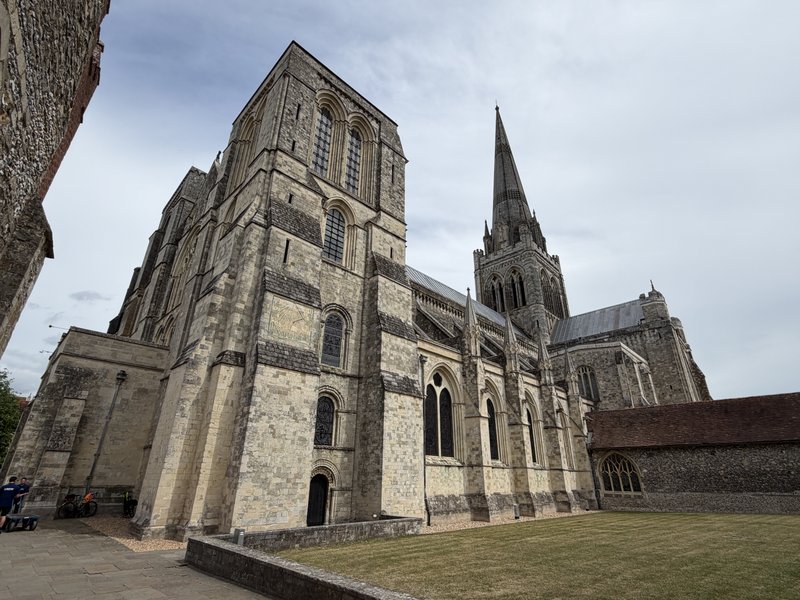
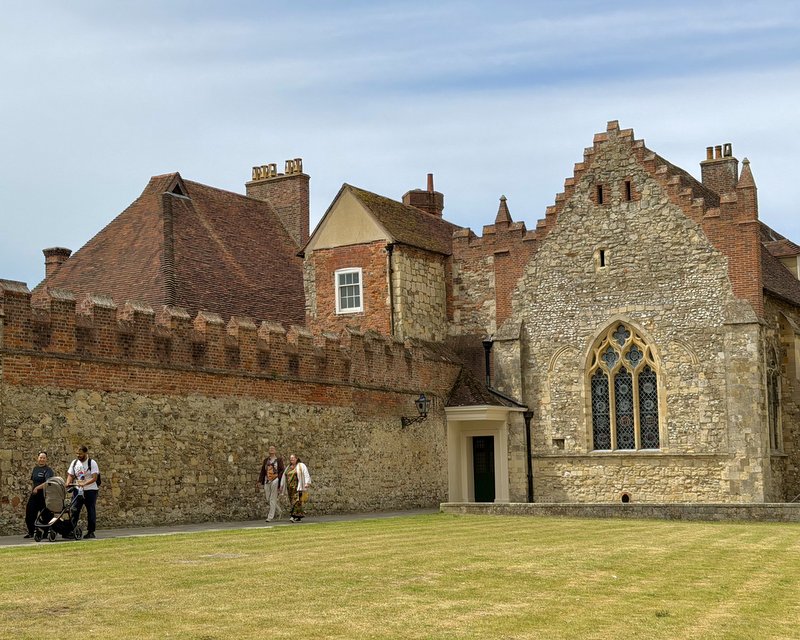
The shrine of St Richard became a popular center of pilgrimage, attracting such large crowds that cloisters were built to accommodate them.
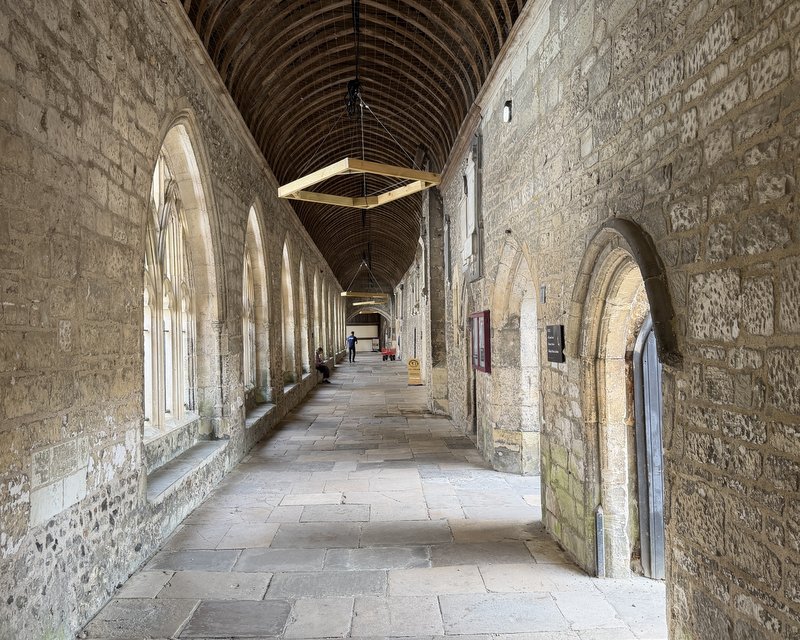
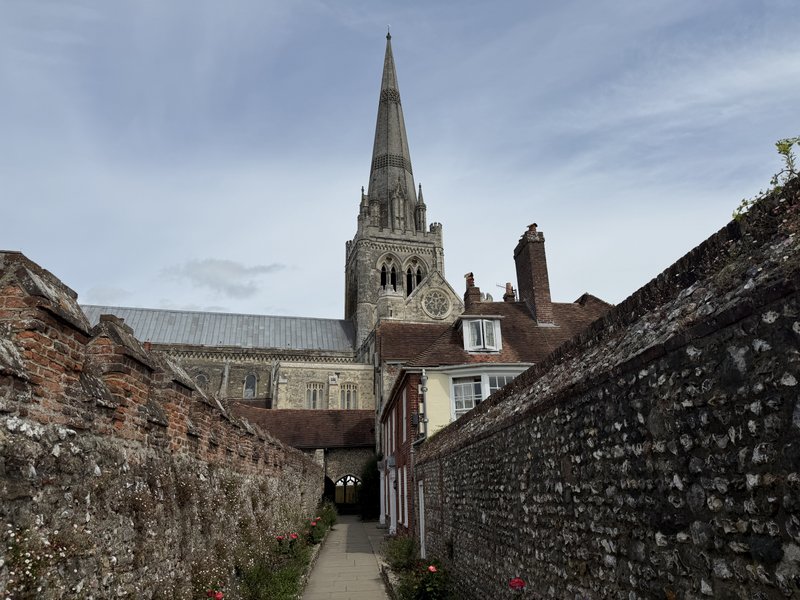
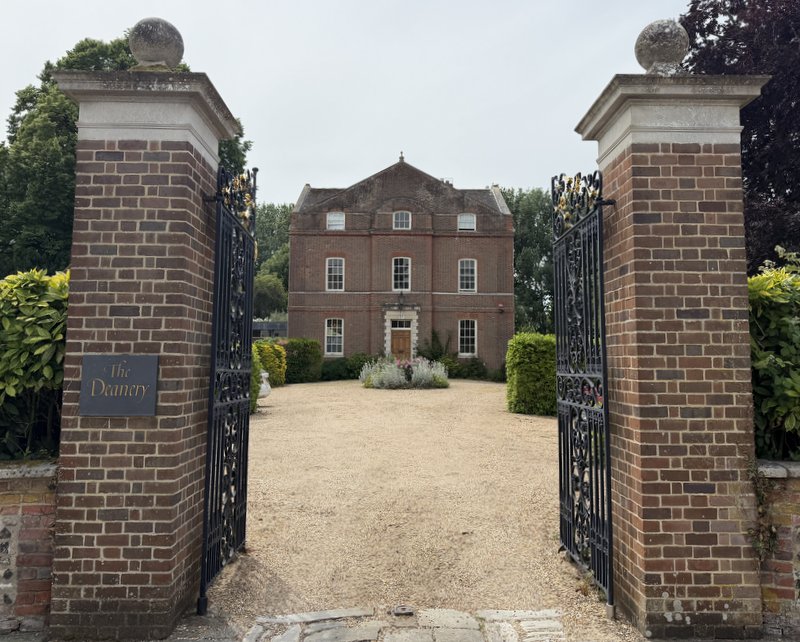
St Richard’s walk (left) has, for centuries, served as a traditional pilgrim route leading directly to the cathedral. The Deanery (right) was built in 1725.
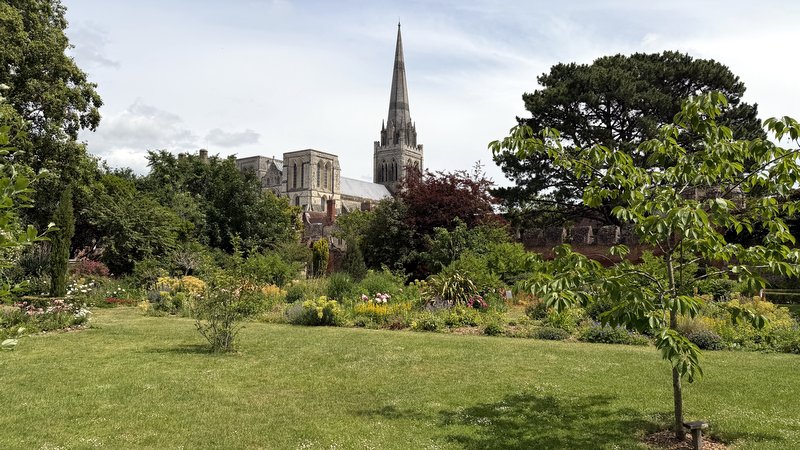
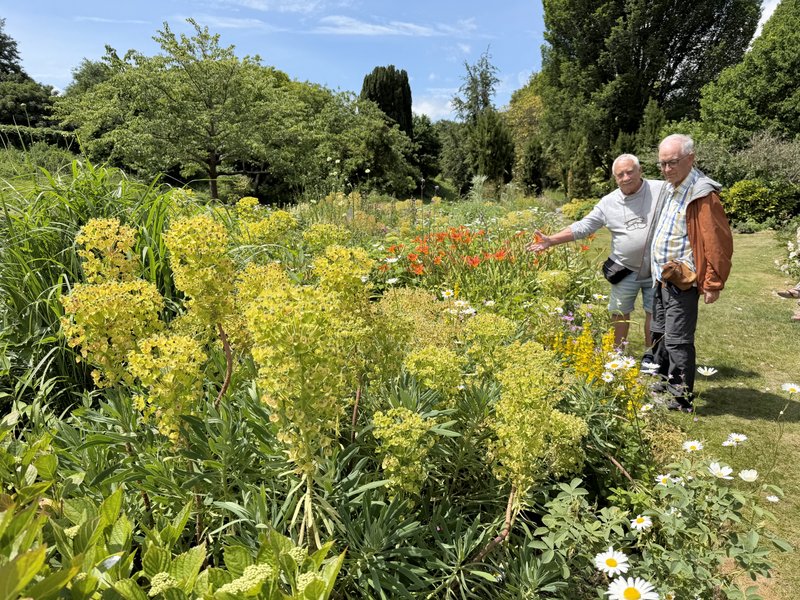
As we could not visit the cathedral, we relaxed in the extensive Bishop’s Palace Gardens.
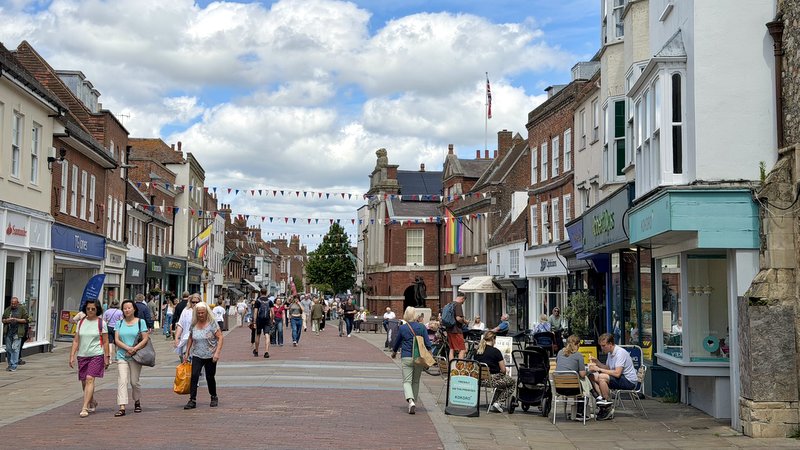
A large part of the historic center is a pedestrian area. Four main roads lead to the Chichester Cross, South, West, North and East Street. This is North Street.
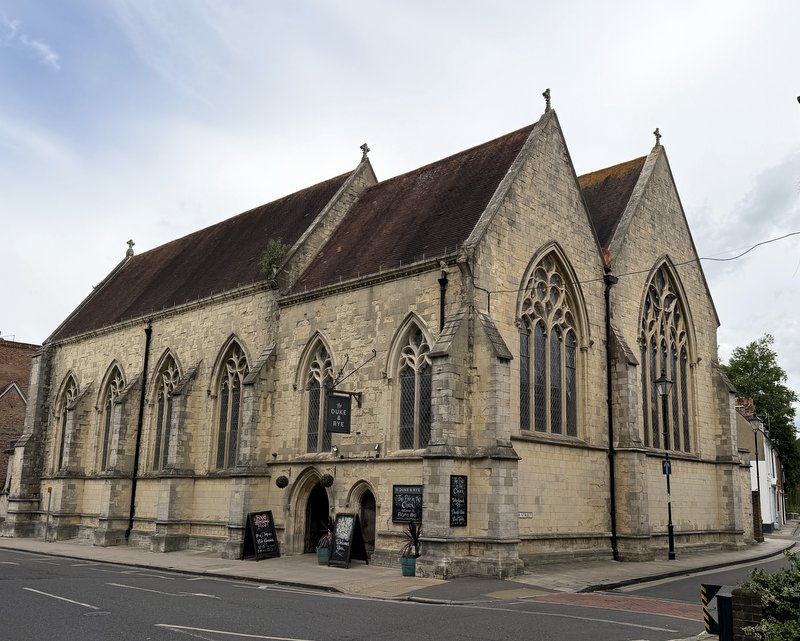
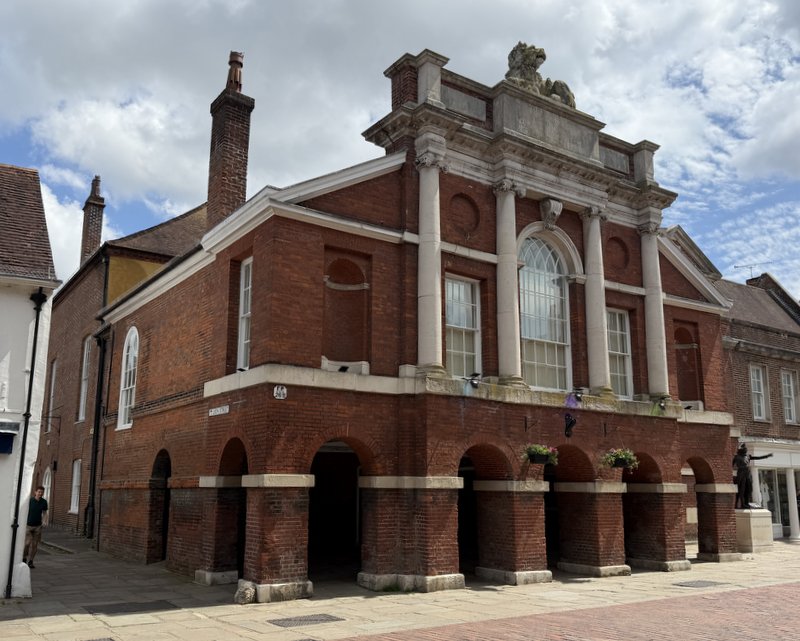
Walking around, I took pictures of buildings I found interesting without knowing what they were. With the help of Google AI, it was no problem to identify them.
Left: Church of St Peter the Great, built between 1848 and 1852. It is now the Duke & Rye pub(!). Right: The Council House, constructed in 1731. Serves as the offices for the Chichester City Council.
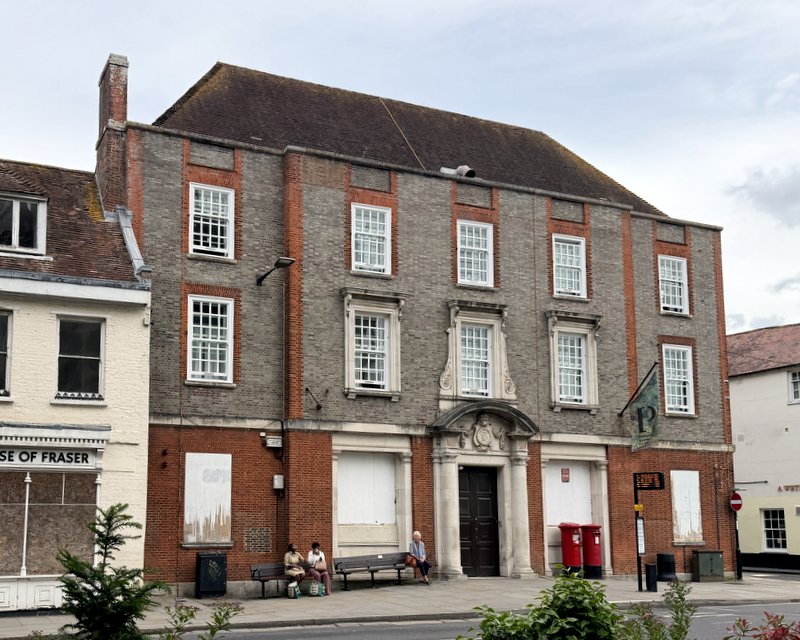
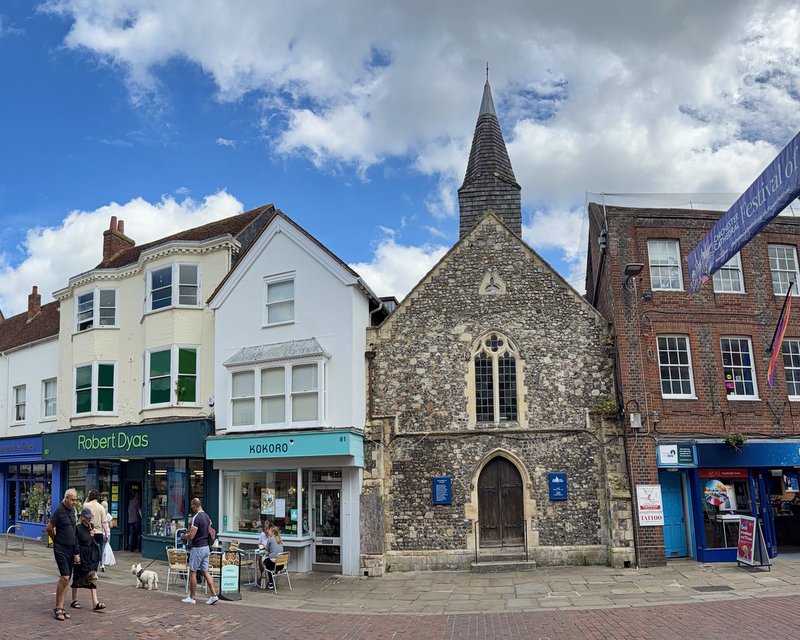
Left: the former Post Office, opened in1936. Now a Travelodge Hotel. Right: St. Olave’s Church, built circa 1050; it is believed to be the oldest surviving church in Chichester. Now a (Christian) bookshop.+
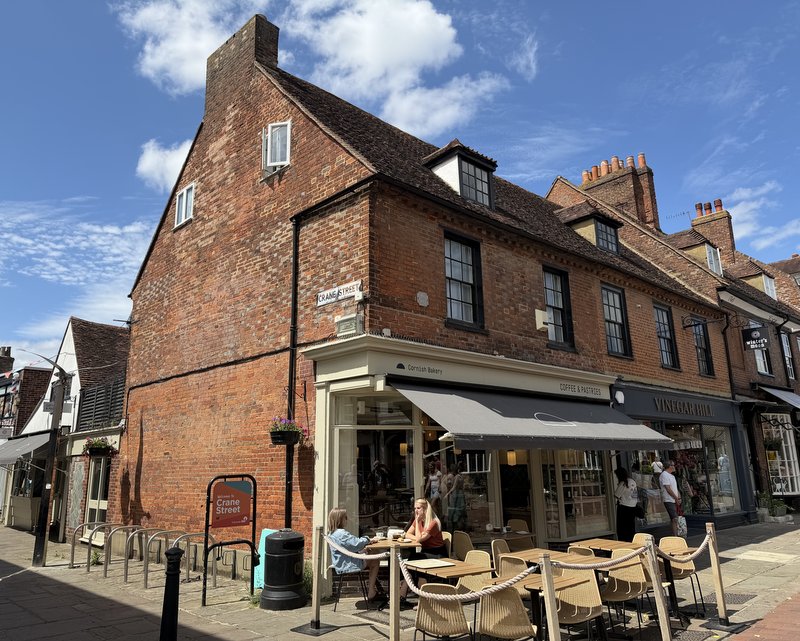
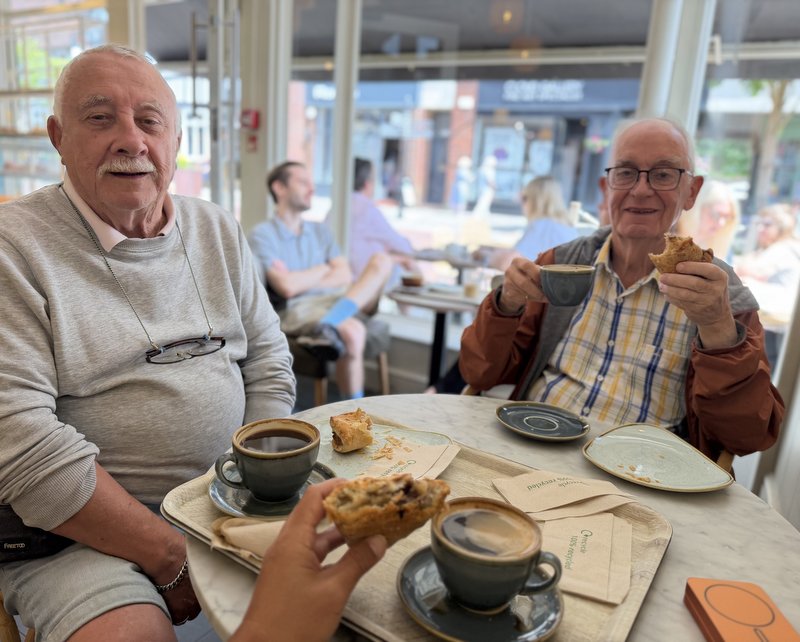
We had lunch at The Cornish Bakery.
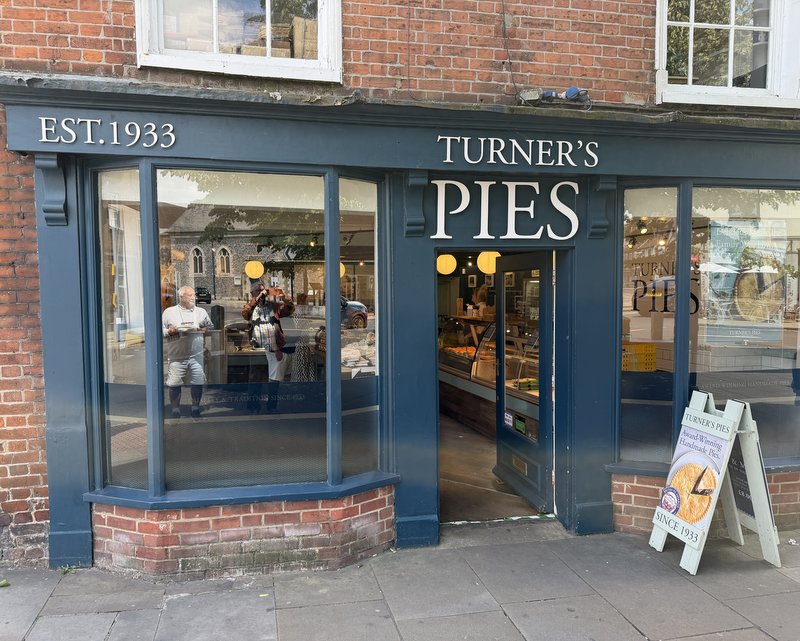
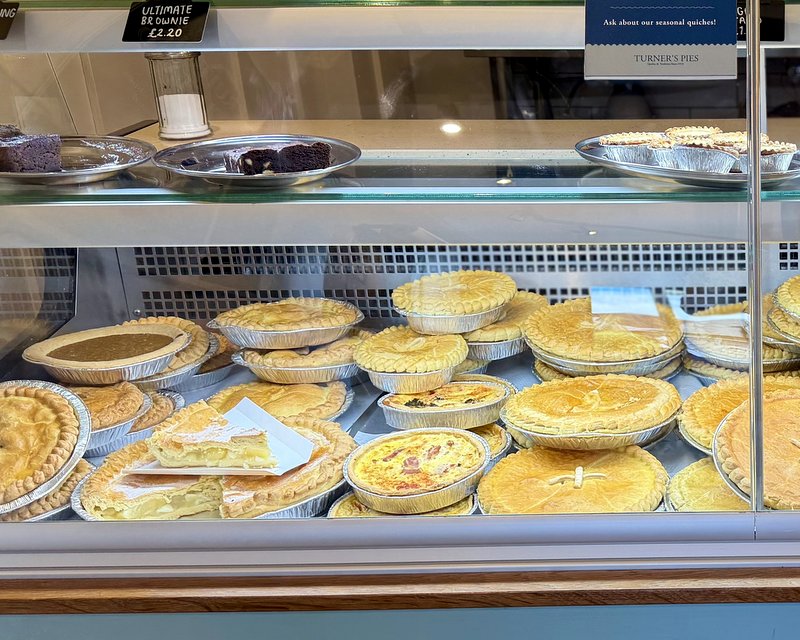
We did some shopping for dinner at Turner’s Pies, specializing in award-winning handmade pies.
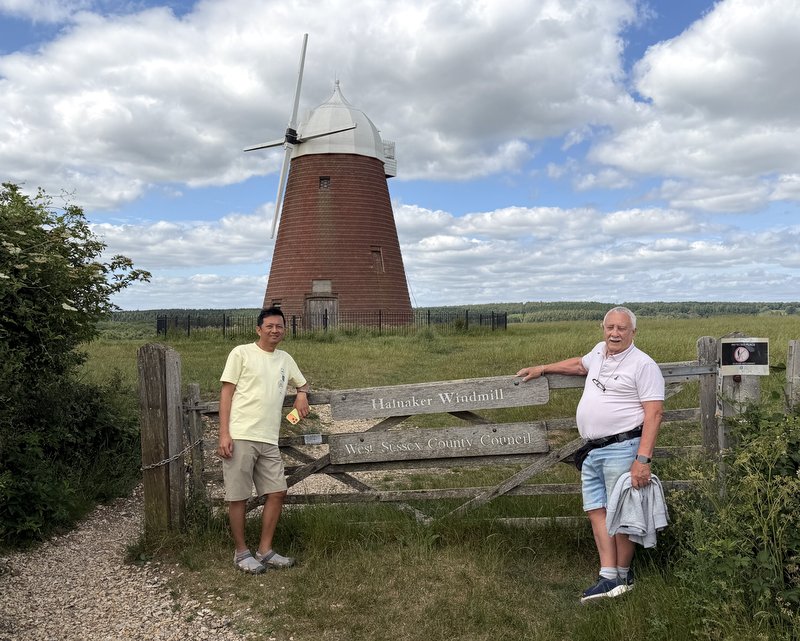
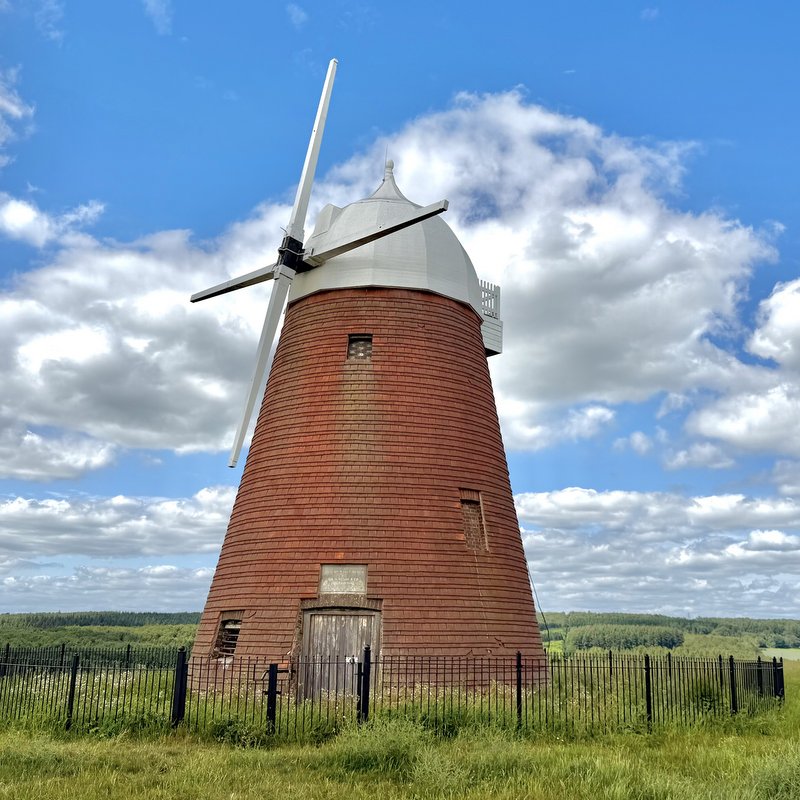
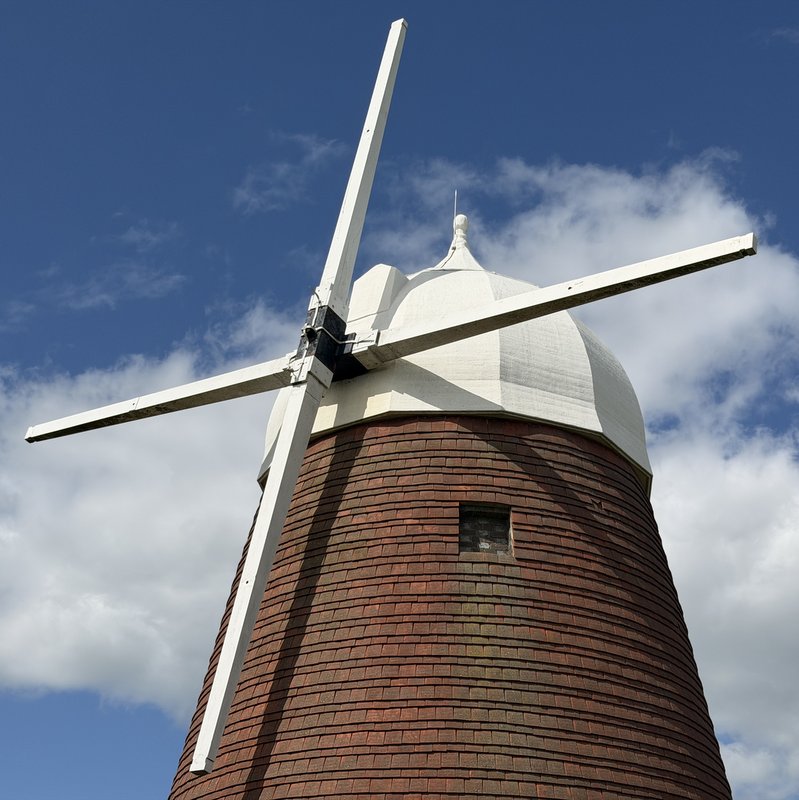
Next, we visited the Halnaker Windmill , a few km northeast of Chichester. It was first mentioned in 1540, the present mill dates from the 1740s. It was used to grind wheat and grain into flour.
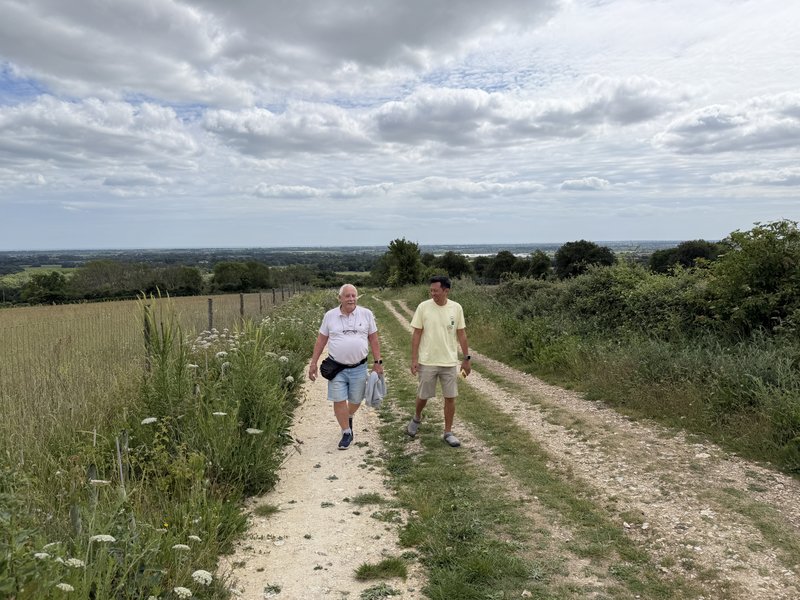
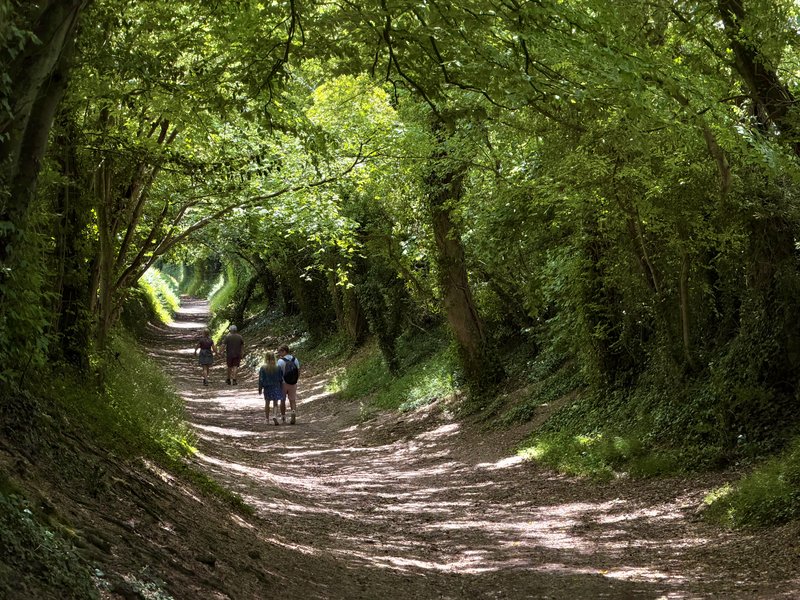
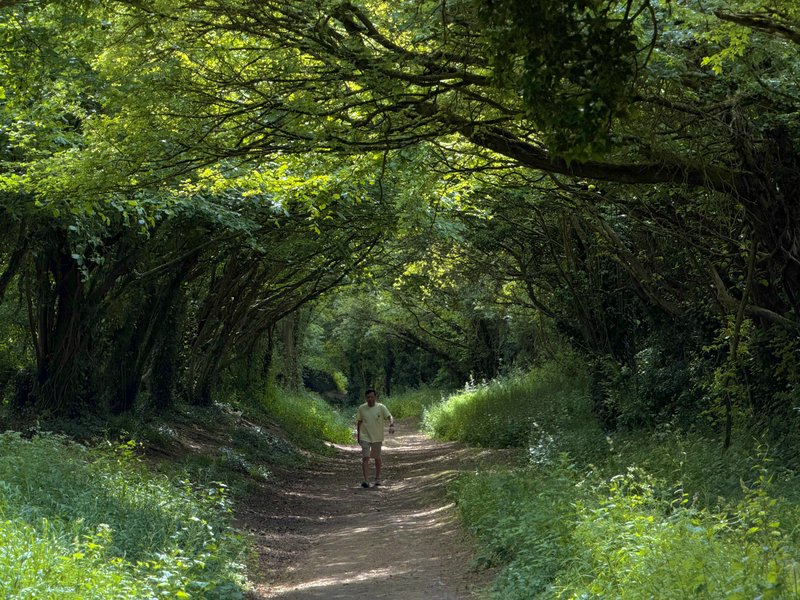
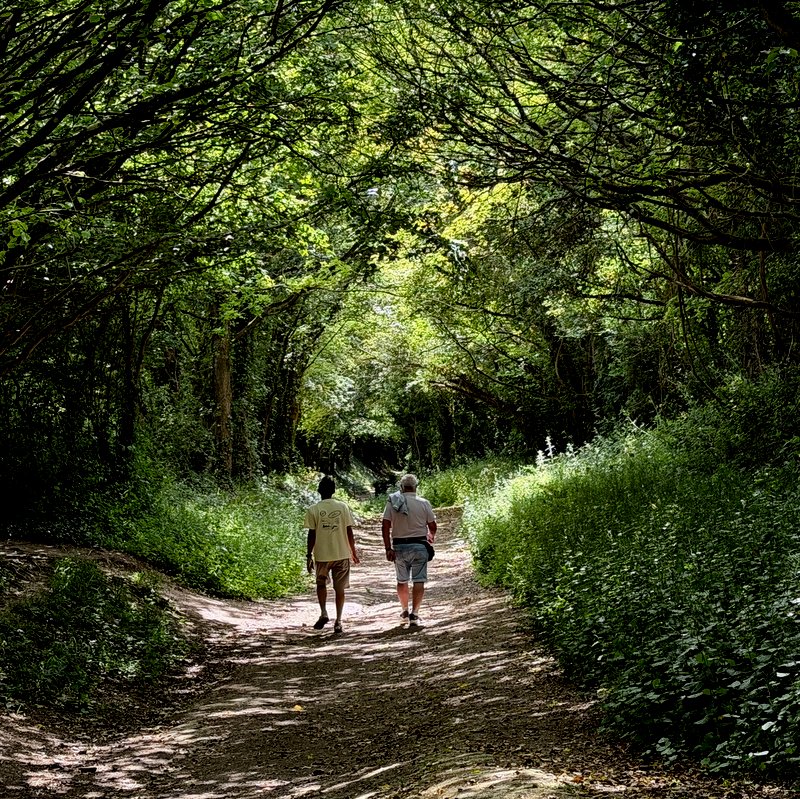
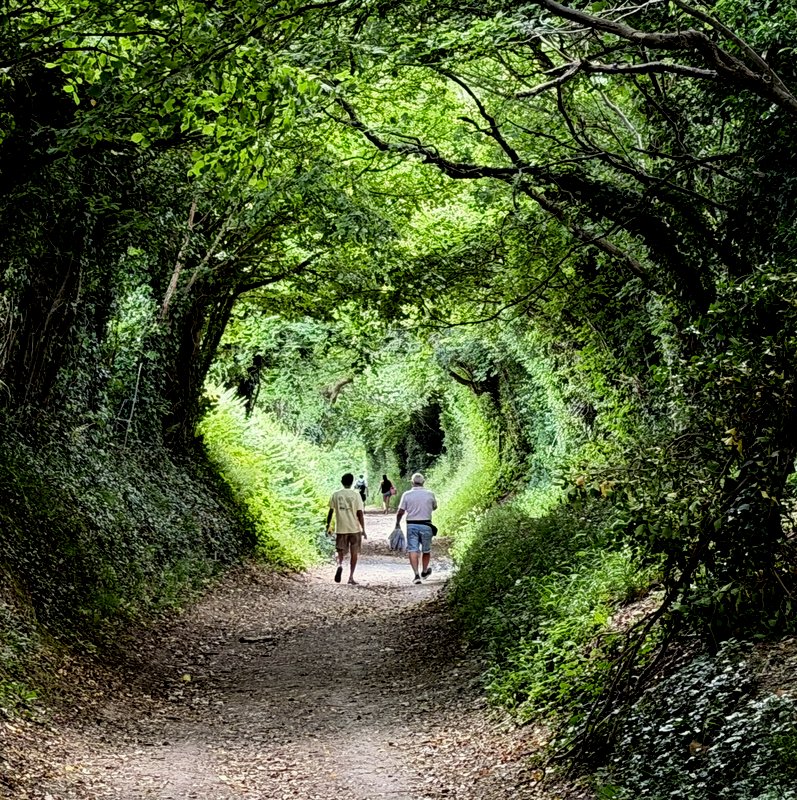
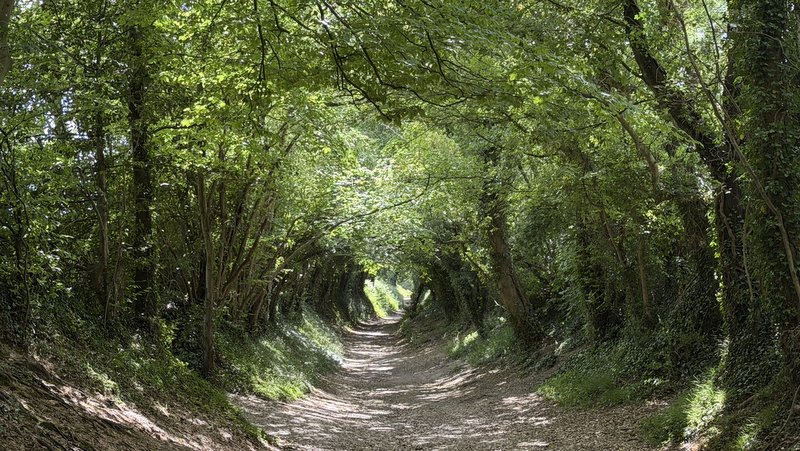
On our walk back, we passed through the Hallmaker Tree Tunnel. It is part of a ~2000 year old Roman road, worn out by many centuries of human traffic, causing the trees from both banks to overlap. Fascinating.
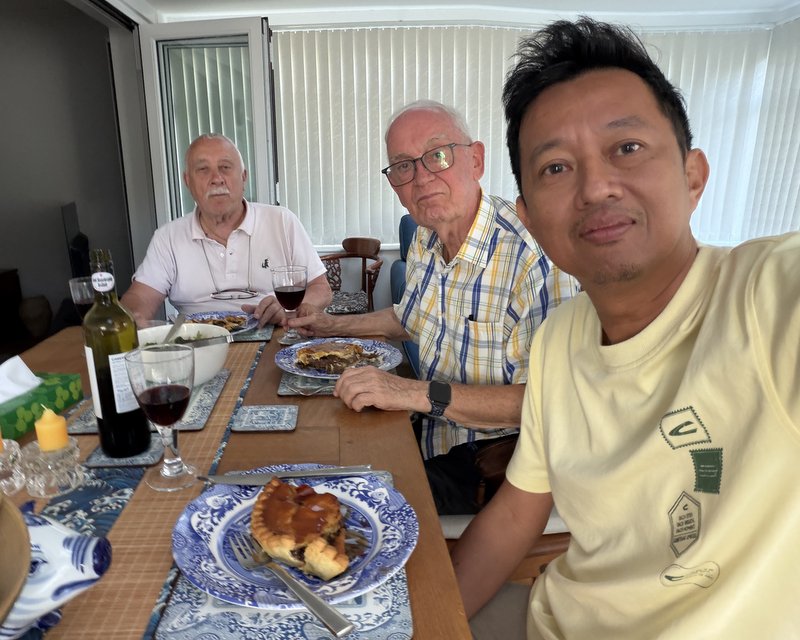
After this rewarding day, we went back to Rodney’s place and had dinner with the pie we bought in Chichester. The next morning, the weather still looked fine, but …..
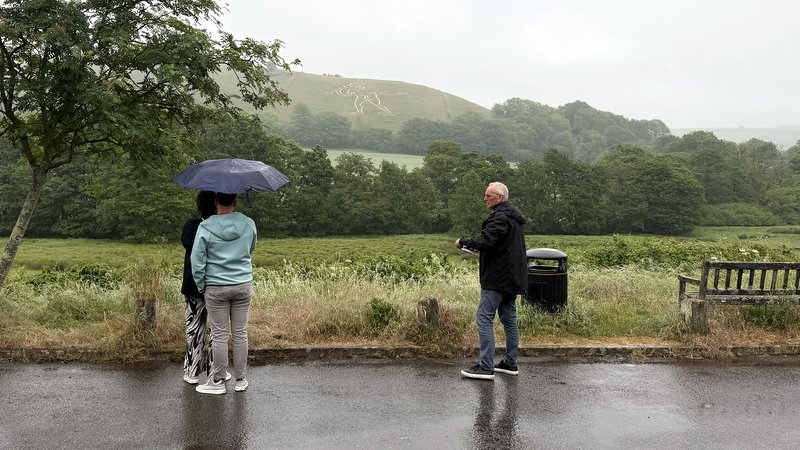
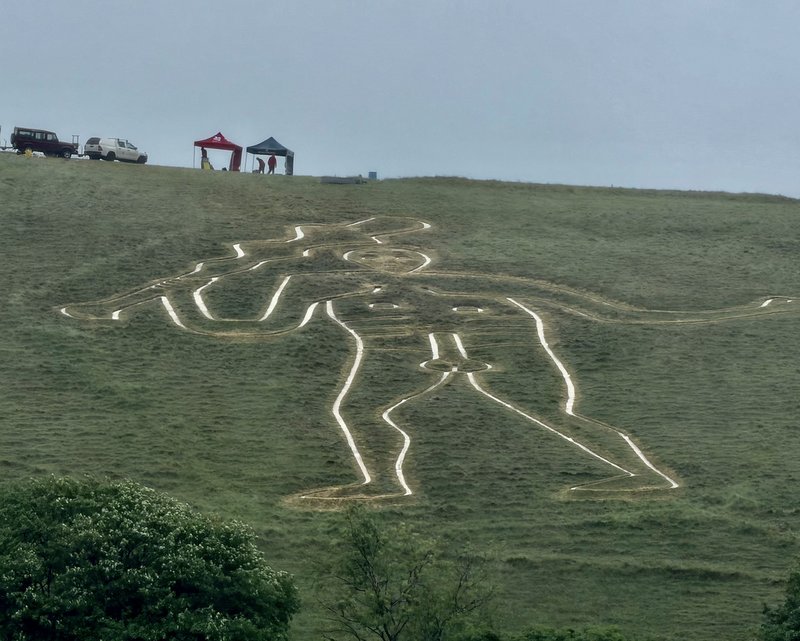
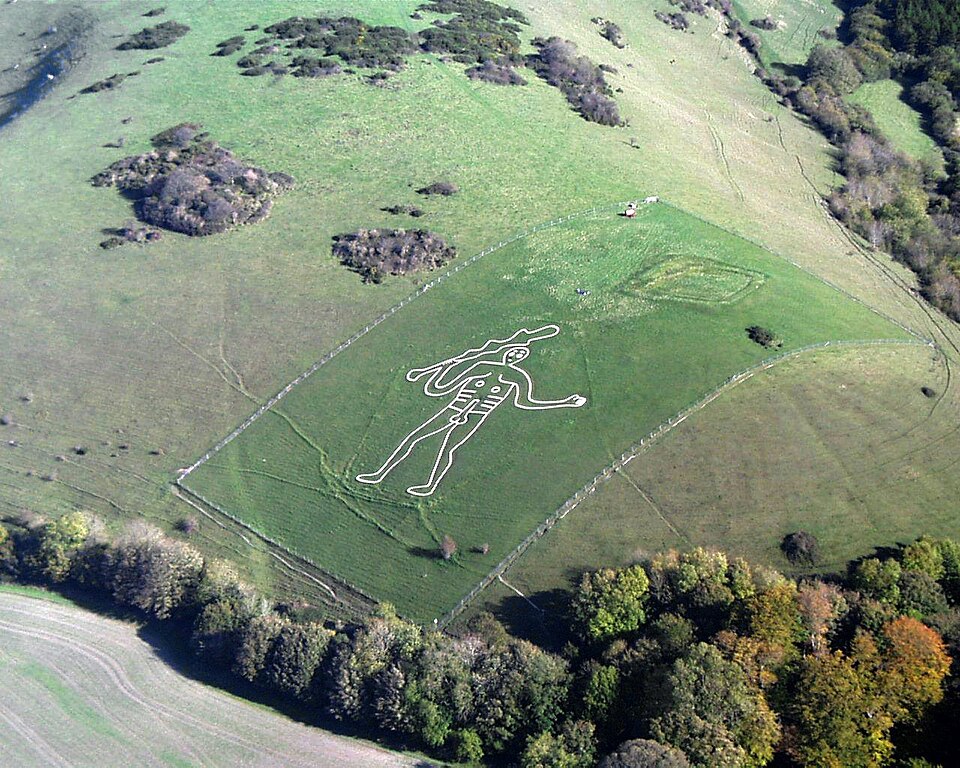
The plan was to visit the Cerne Abbas Giant. It is one of the English Hill Figures. This one is unusual because it represents a naked man with a prominent erection. Quite far from Bognor Regis, in Dorset, a two-hour drive, and when we arrived, the weather had changed. With a drizzle, we decided not to walk closer.
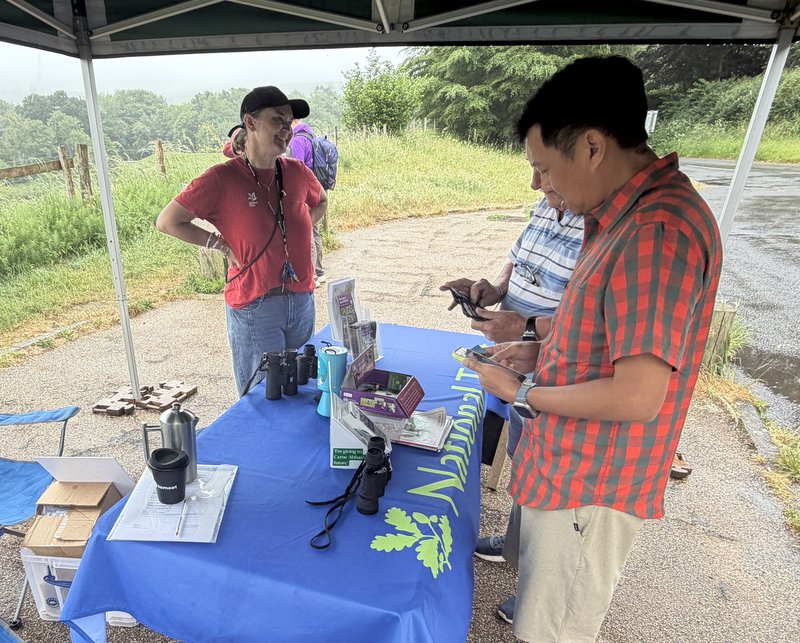
There was a stall with volunteers and donation box, where we could borrow binoculars.
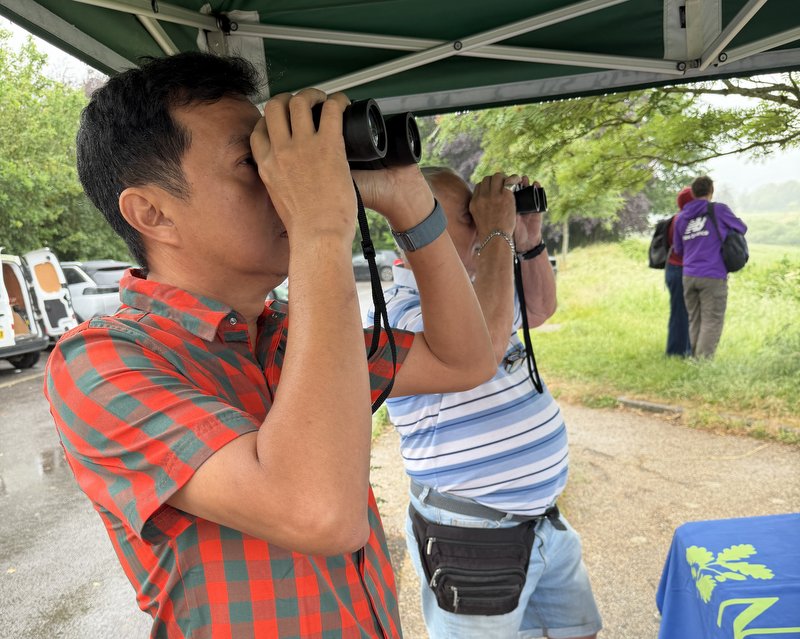
Modern Smartphones have good zoom options! For comparison, I took an aerial photo from the Internet. There has been a lot of discussion about the age of this hill figure; recent investigations suggest it was made between 700 and 1100.
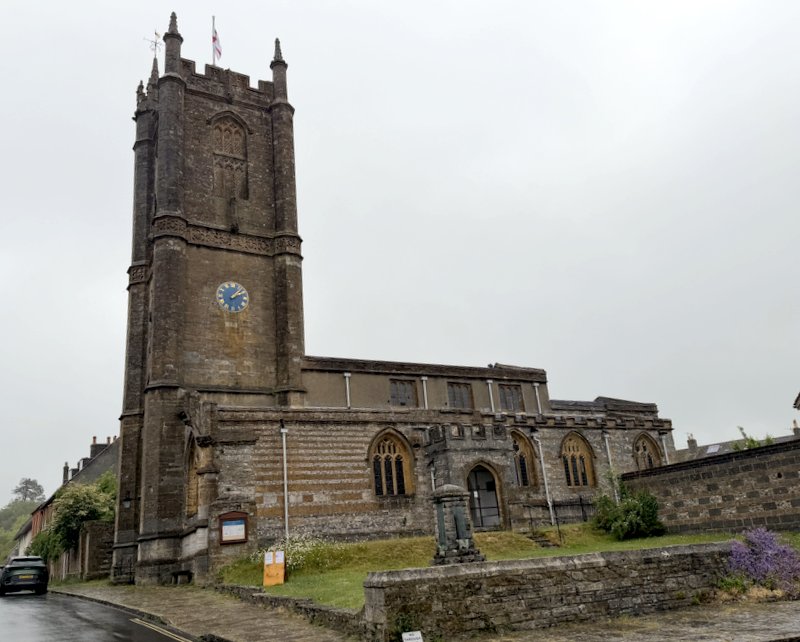
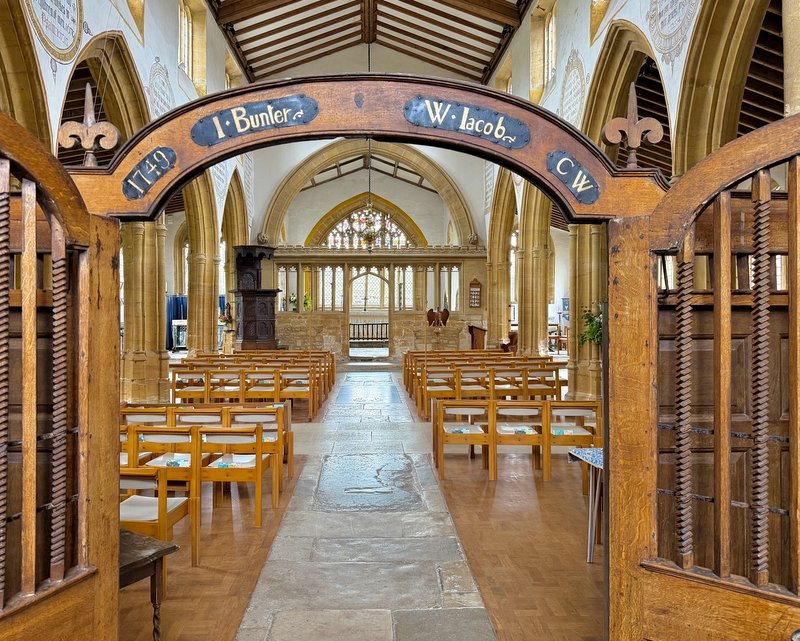
In the nearby village of Cerne Abbas we had a look at St Mary’s Church built around 1300
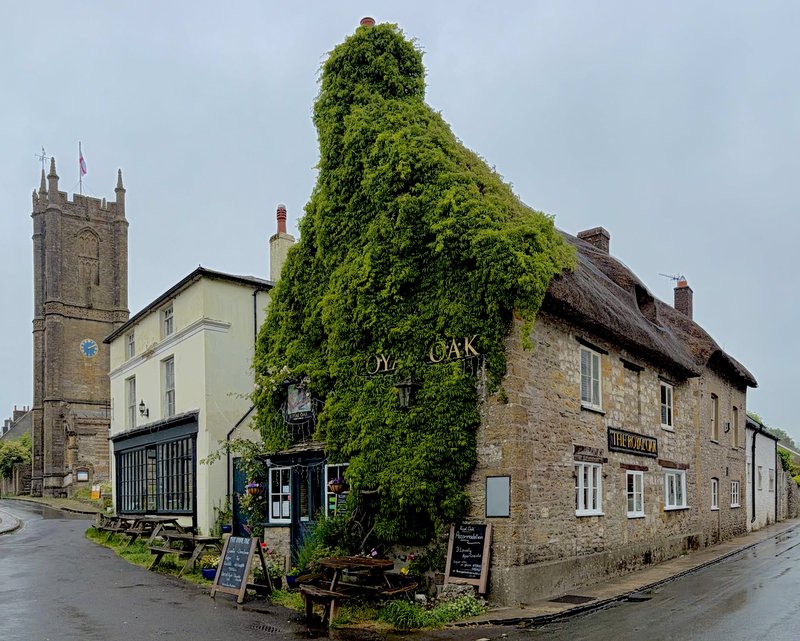
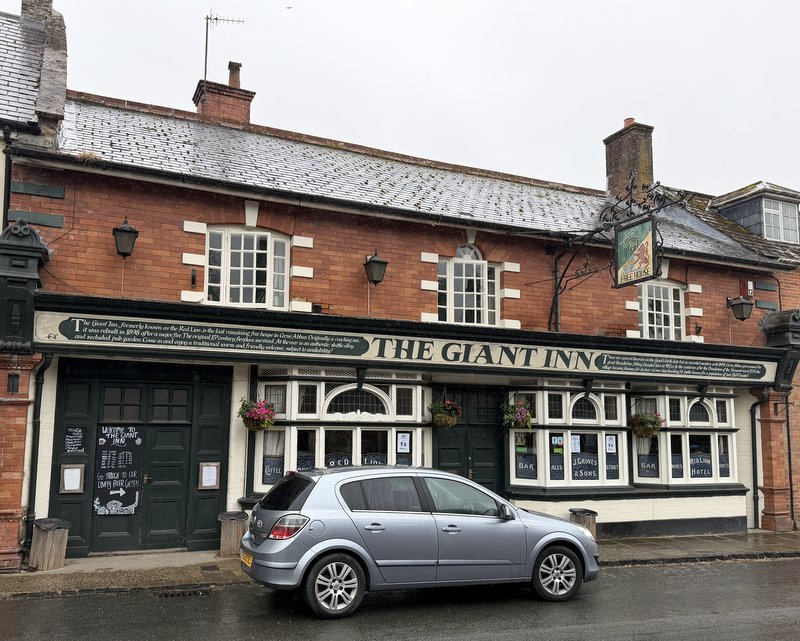
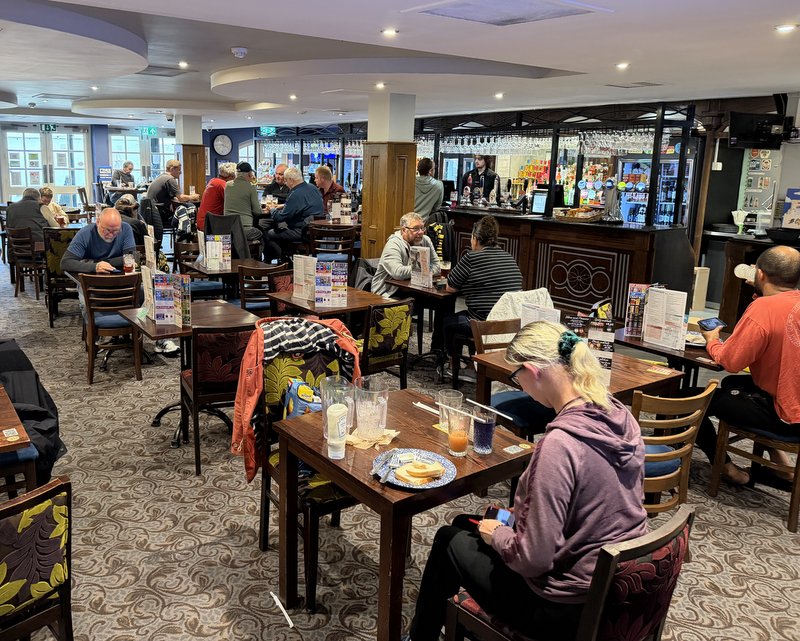
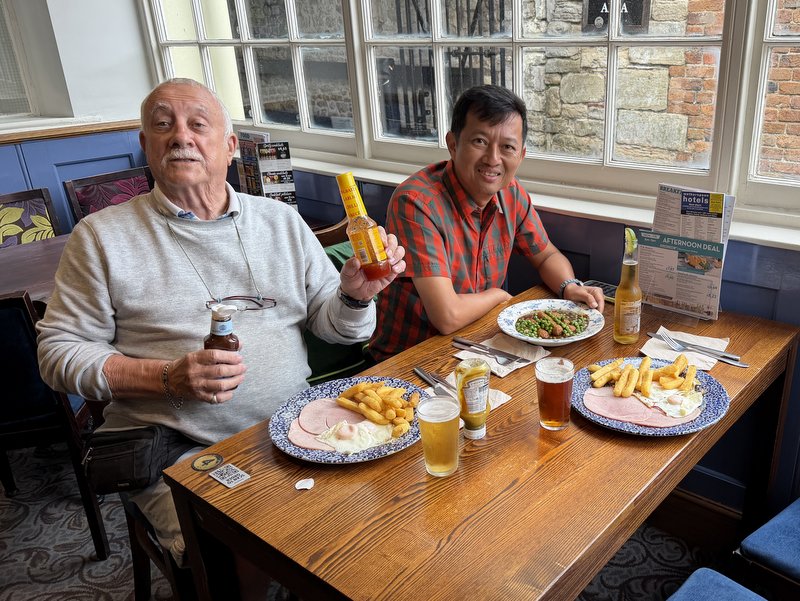
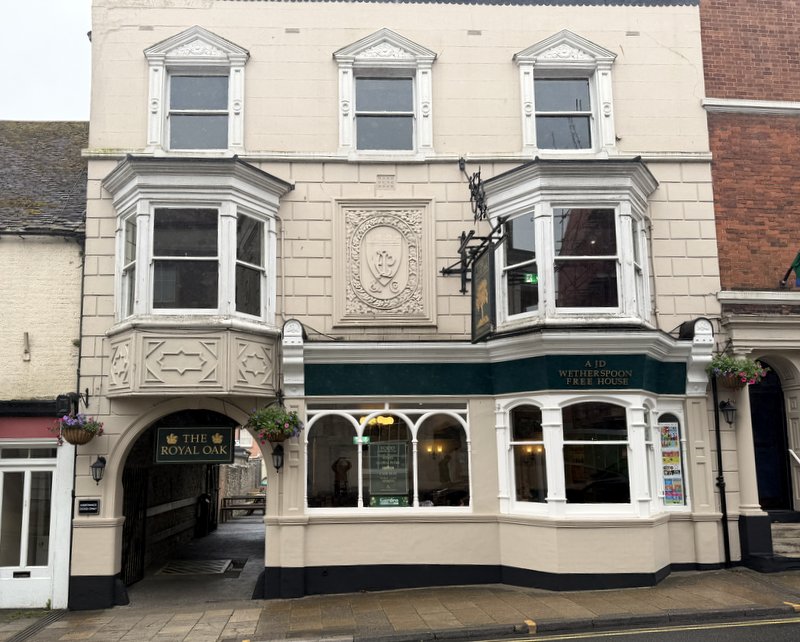
It was not our lucky day. The Royal Oak and the Giant Inn were both closed. We continued to Dorchester, about 10km from Cerne Abbas, and had lunch there.
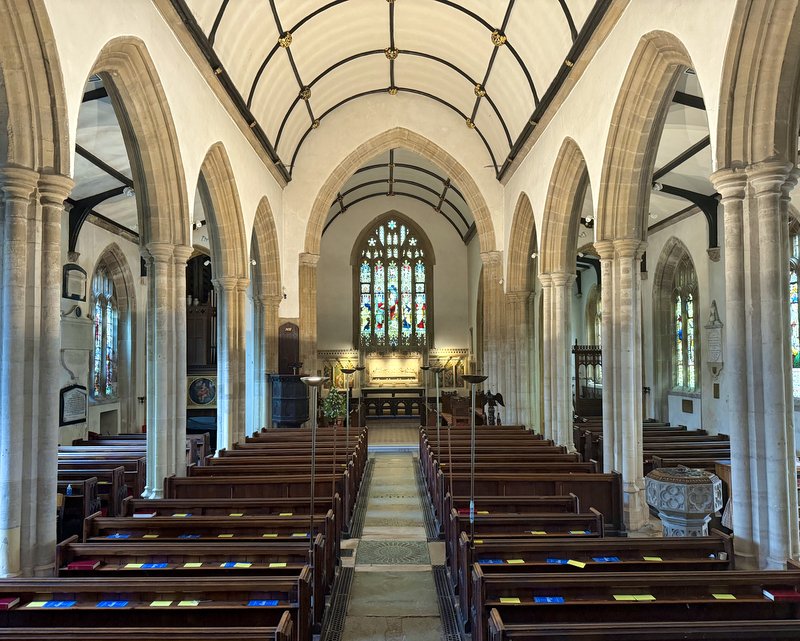
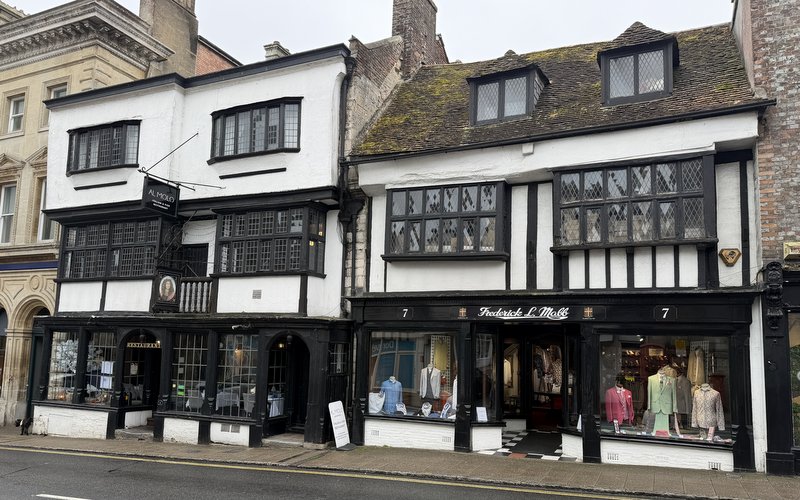
Dorchester is the County Town of Dorset and another historic town. We had a look at St Peter’s Church . The majority of the building dates to circa 1420.
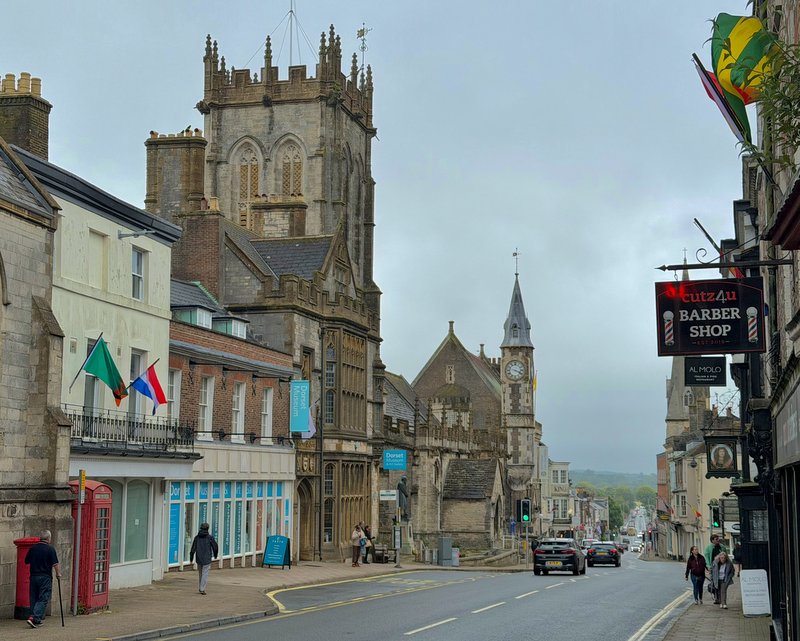
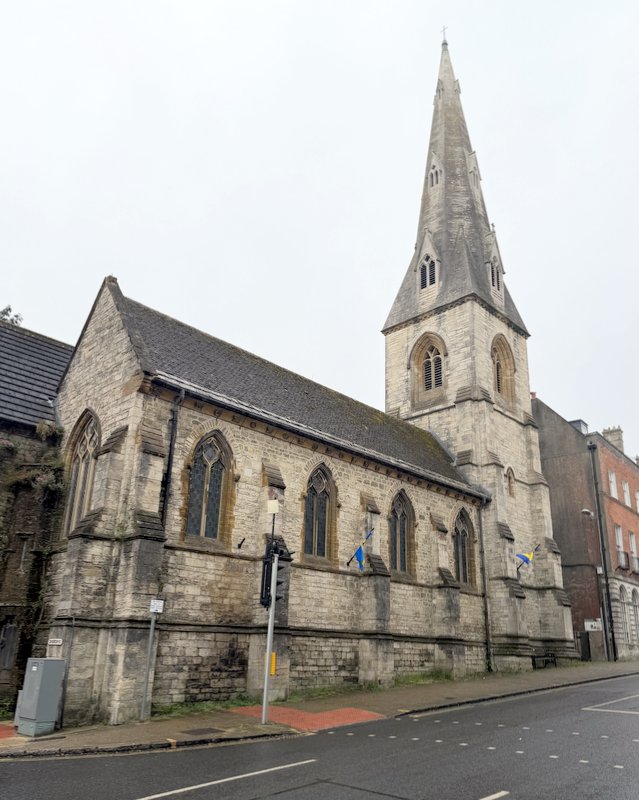
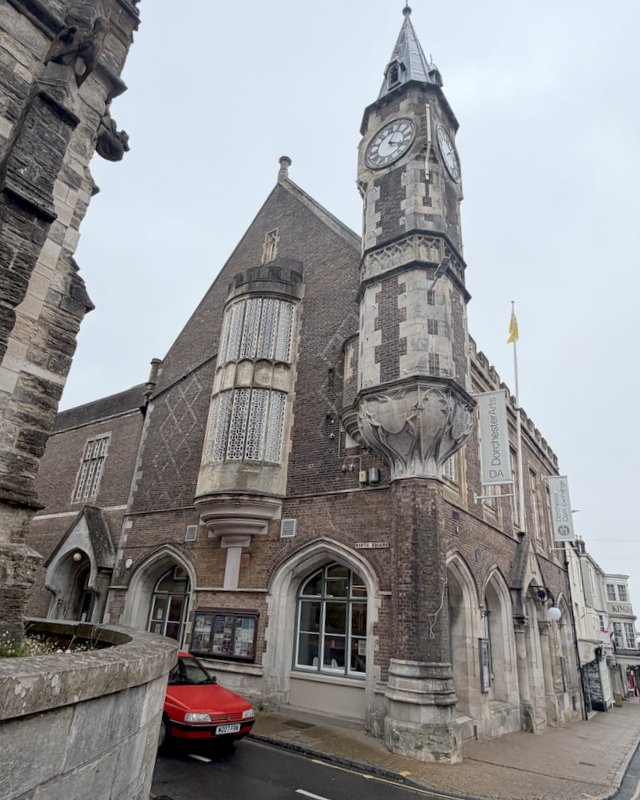
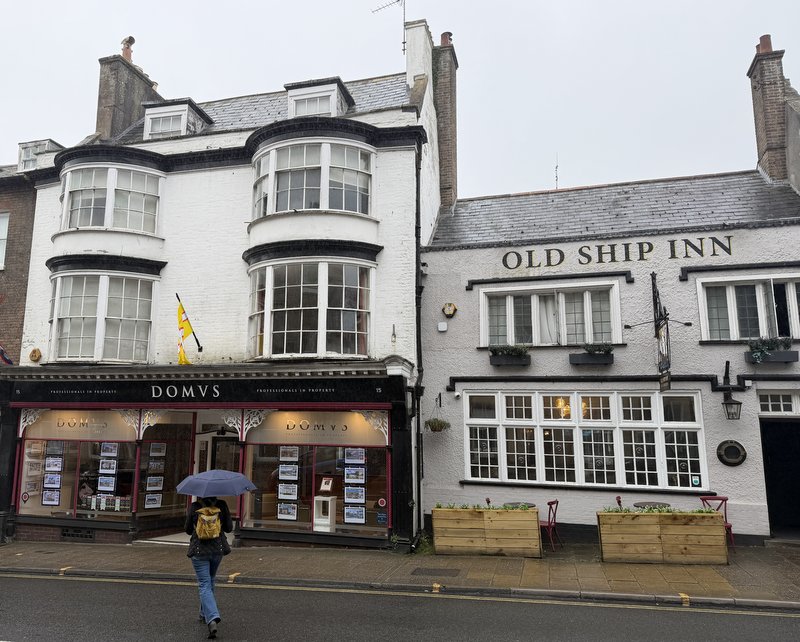
Left: the All Saints Church, built between 1843 and 1845. Right: the Dorchester Corn Exchange, built between 1847 and 1848.
It is a nice town, worth a more elaborate visit.
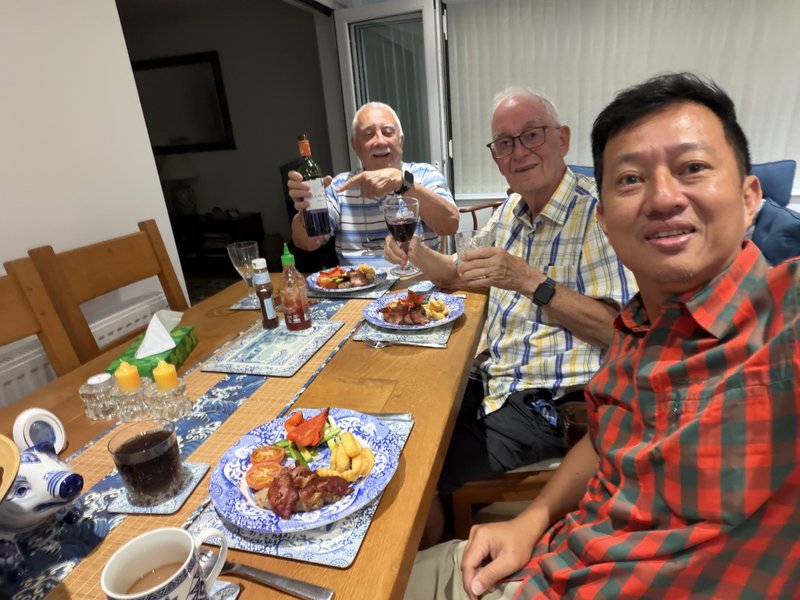
After a long drive back, another dinner prepared by Rodney
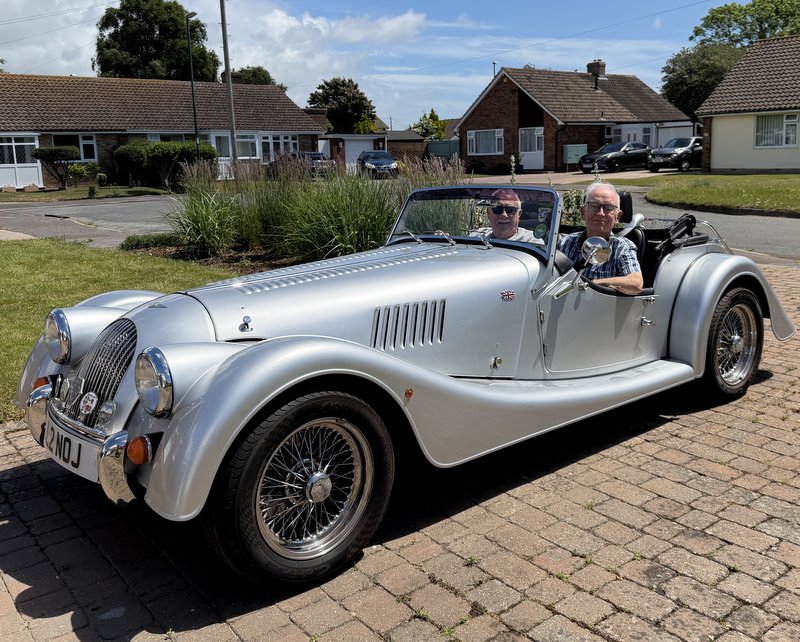
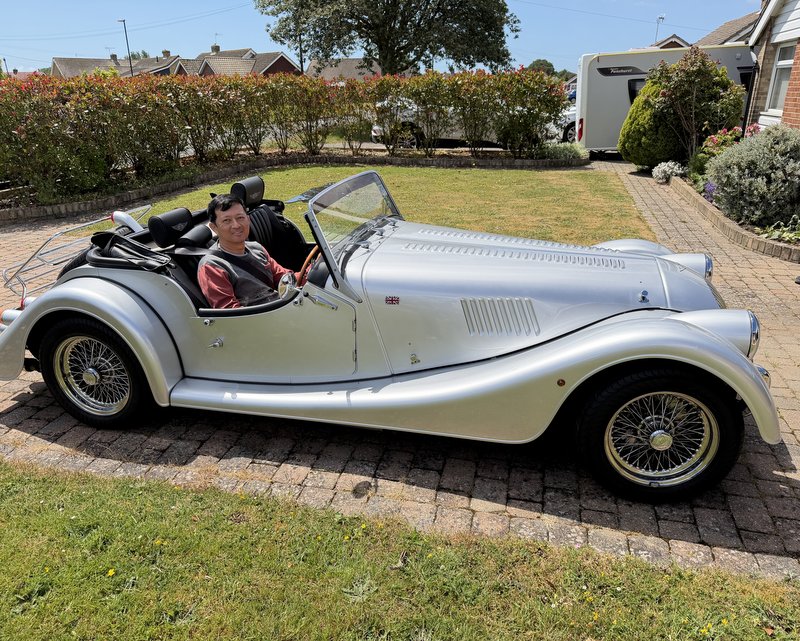
Our last day in Bognor Regis. Nice weather again; time for Rodney to show us his “baby”, a Morgan sports car. He invited me for a short ride (as a passenger), and Aric was even allowed to drive himself.
In the late afternoon, we made a short trip to Arundel, about 12 km from Bognor. The main attraction of the town is Arundel Castle, but we were too late to visit it.
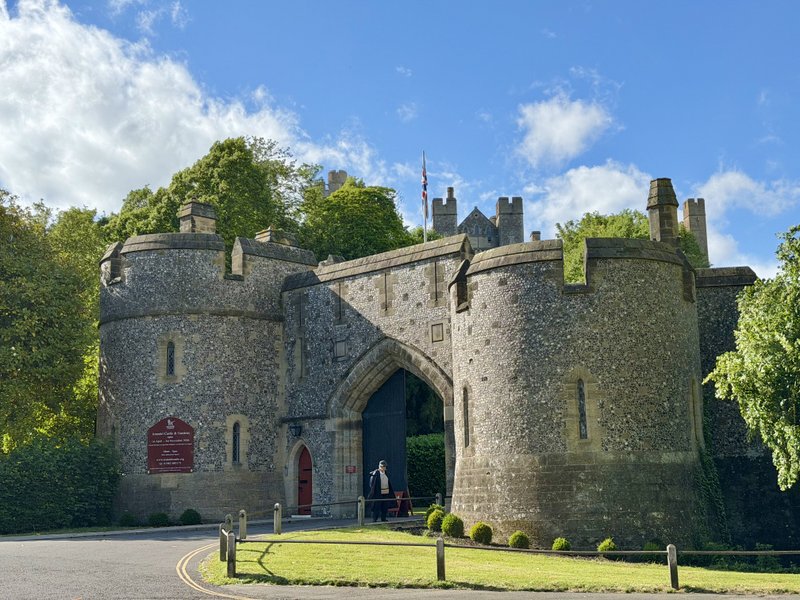
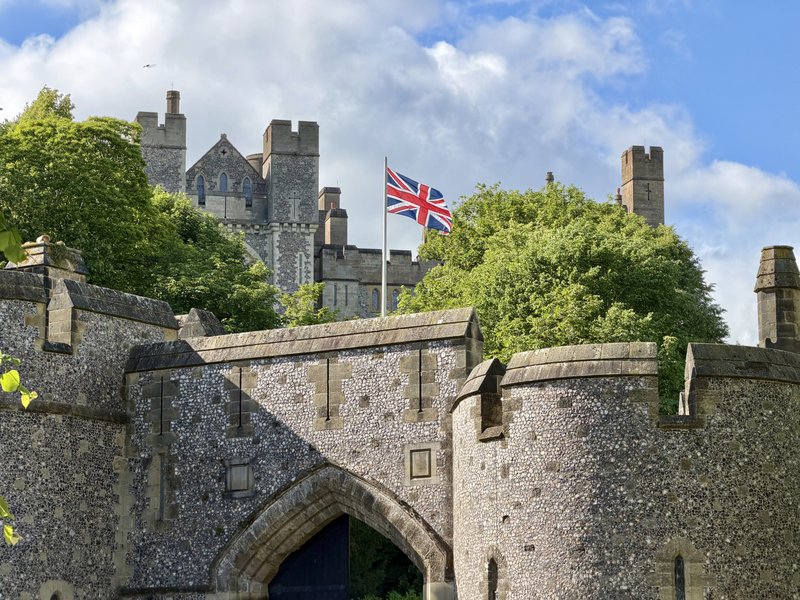
We just walked around the charming town.
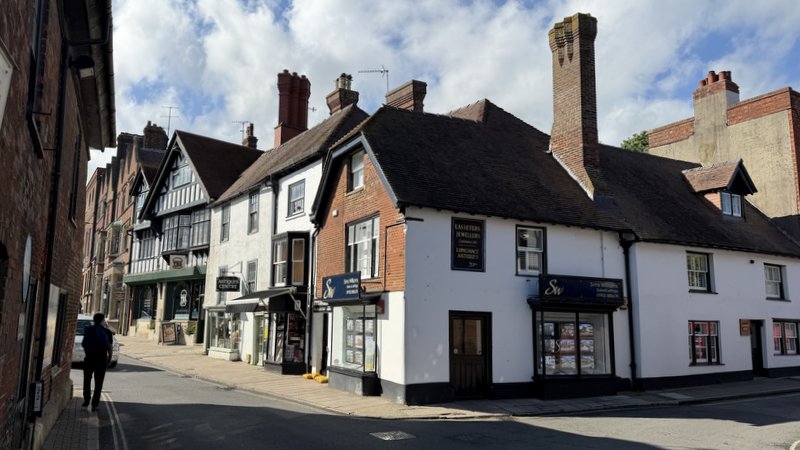
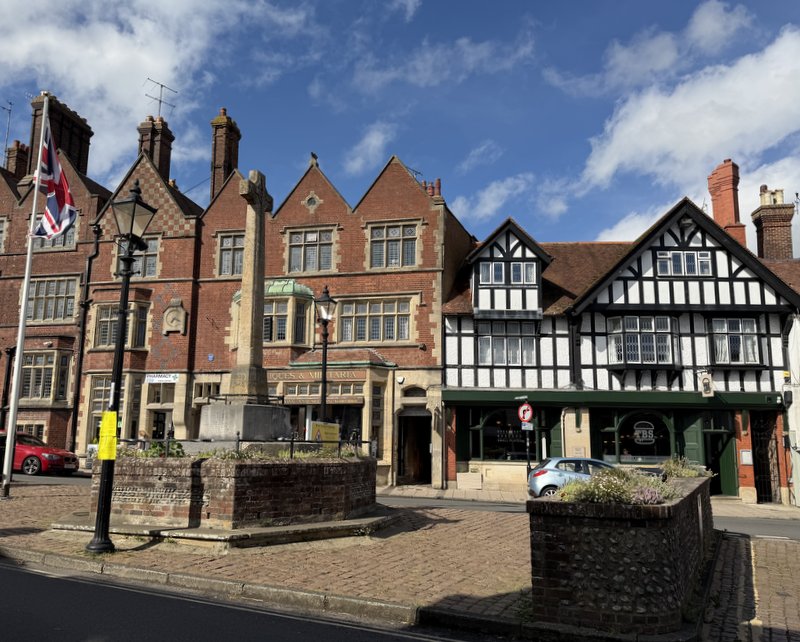
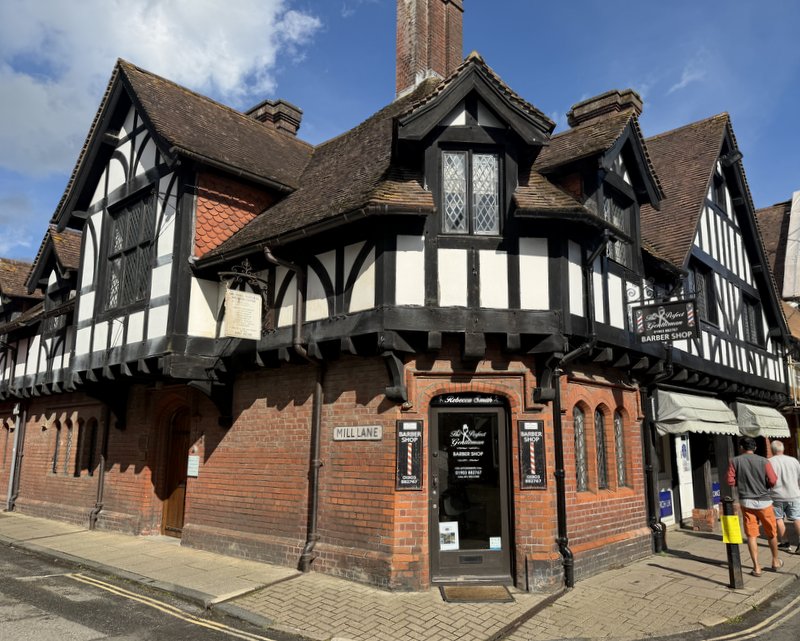
Our last dinner at Rodney’s home. We really appreciated his hospitality.
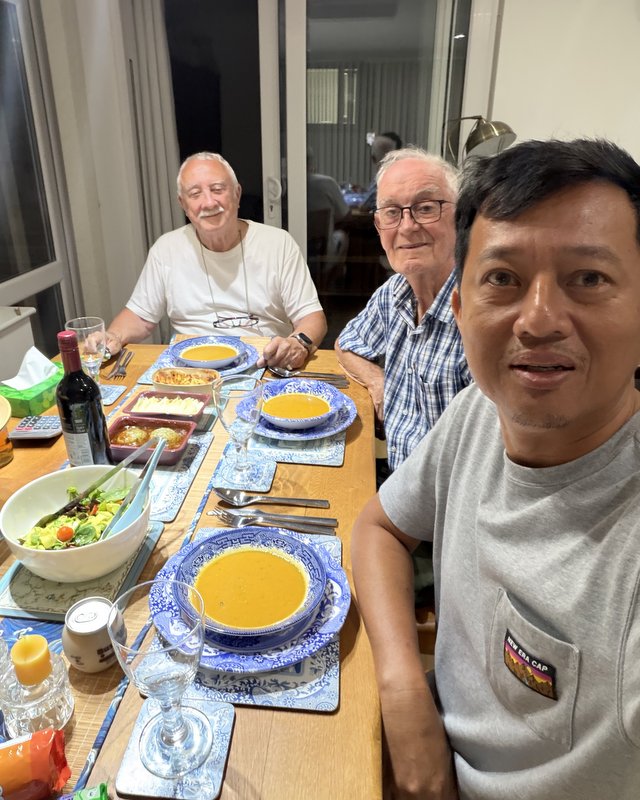
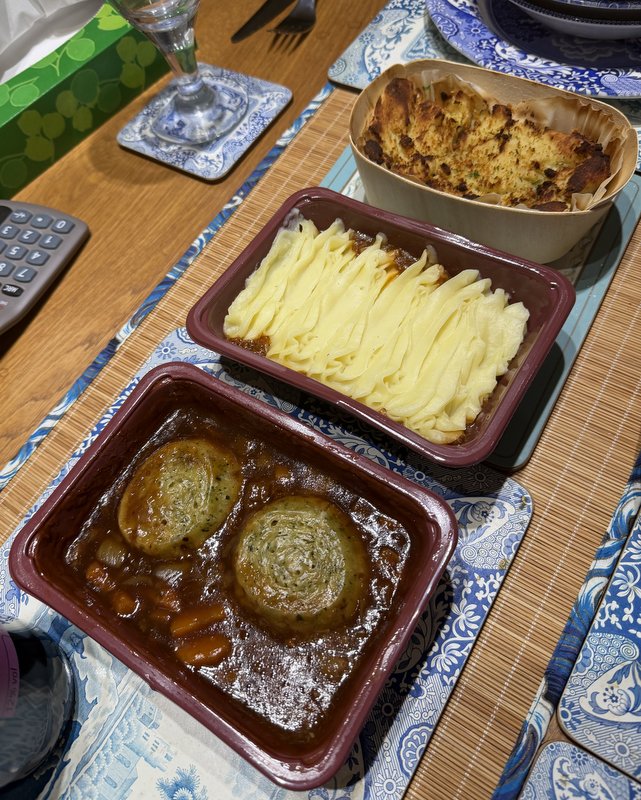
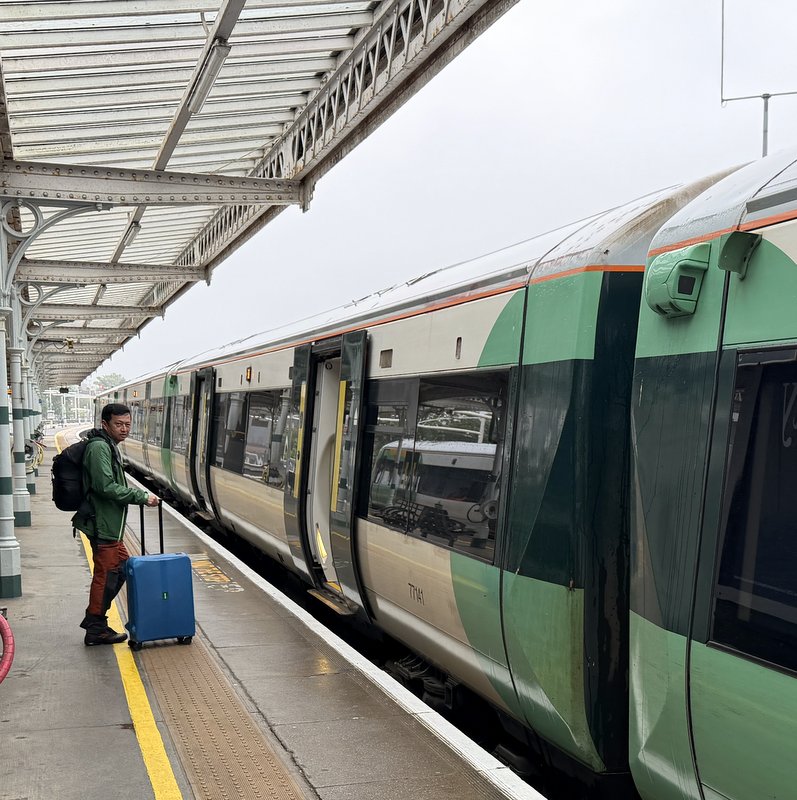
The following morning, we took a taxi to the station and from there a train to Gatwick Airport.
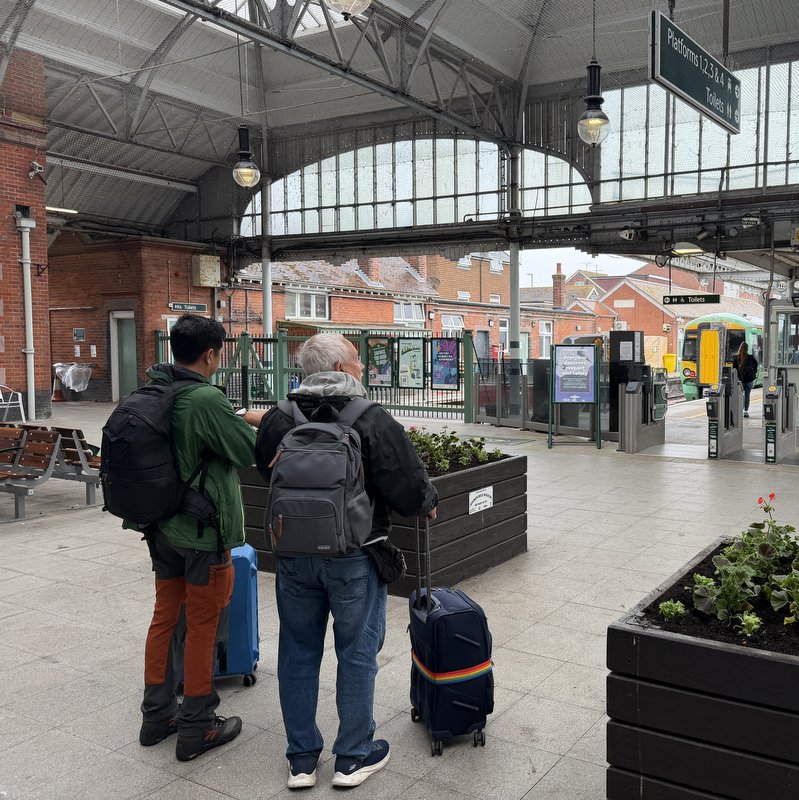
For reports about our Iceland trip, see Iceland part 1 and part 2.
Thanks to you and Aric for visiting me , I hope you can come again. There is so much more to see. Love the photos. !!
Any masterpiece capturing all the beautiful moments.
Glad to see you went to Wetherspoons. Great place to eat!