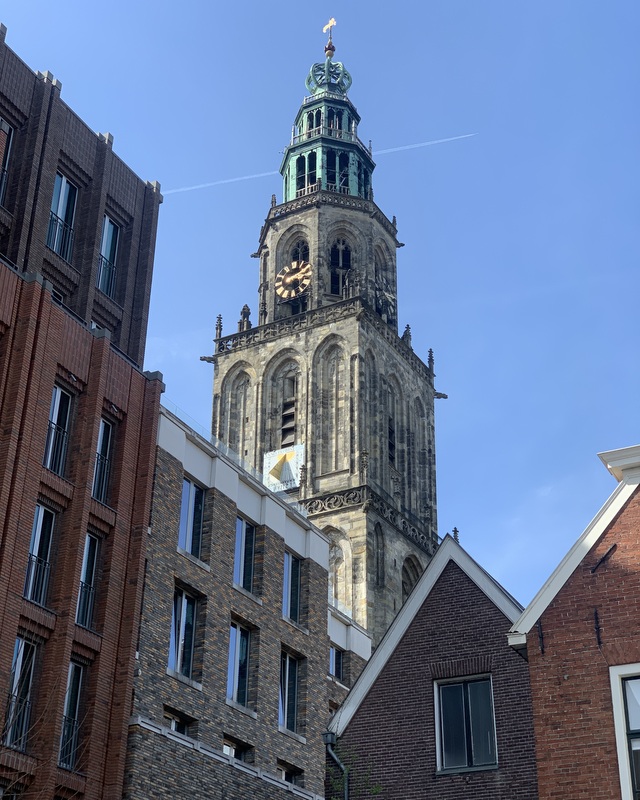
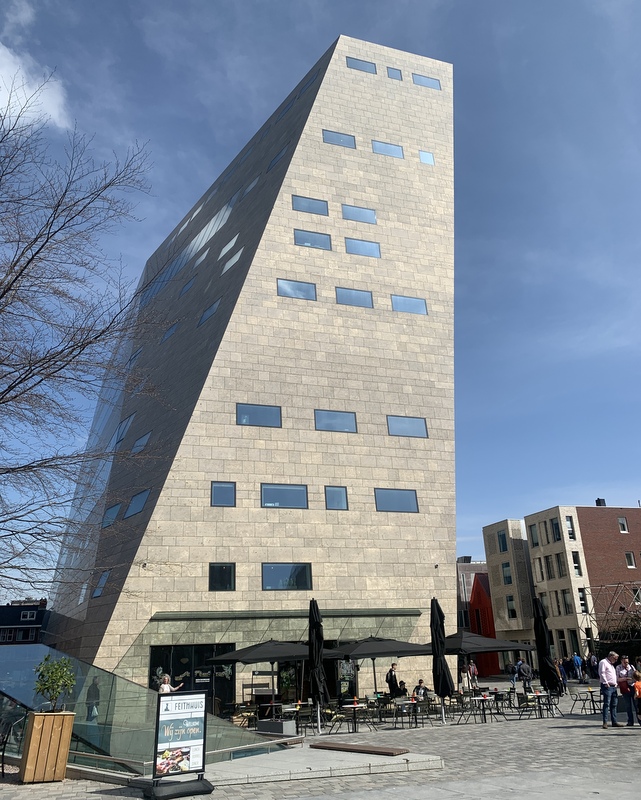
In 2015 I published a blog Trip up North and two years later another one, both about trips to the northern states of Peninsular Malaysia. During my present stay in the Netherlands I have made two trips to northern provinces, so here is a report about my Dutch Trip up North 😉 .
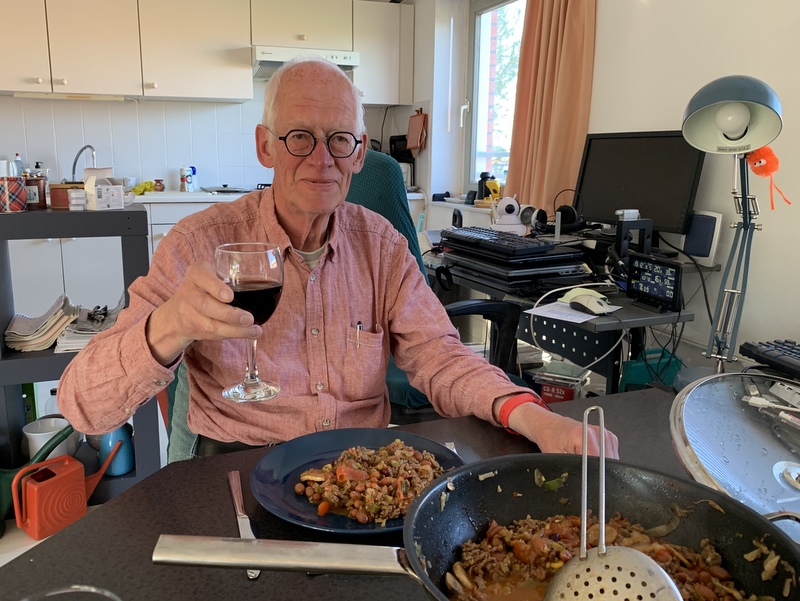
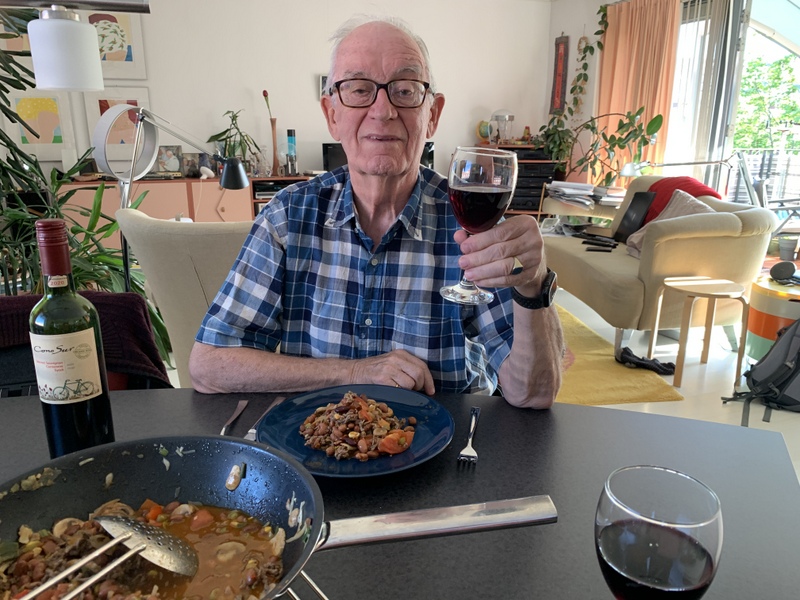
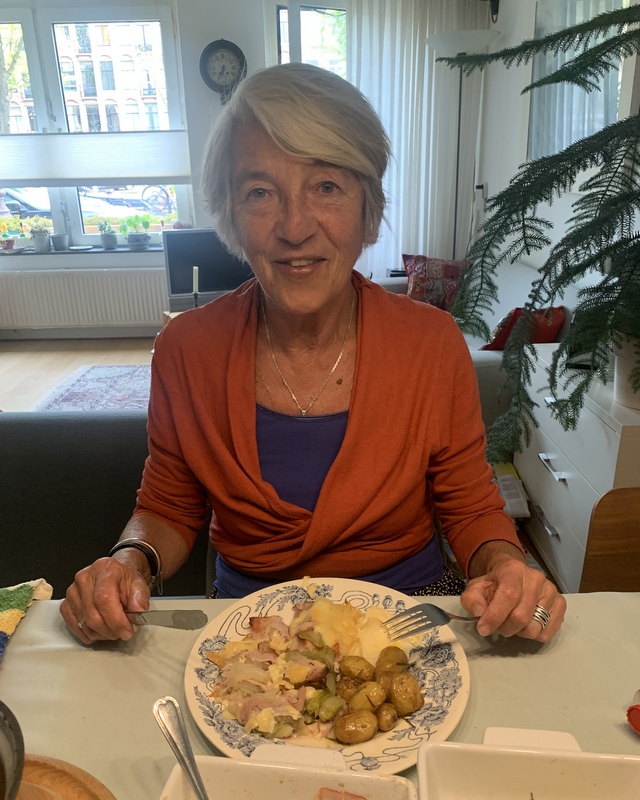
During my stay in Valkkoog with my sister Lous and brother-in-law Arend we made a day trip to Den Helder, the most northern town of the province North Holland. It is the main naval base of the Netherlands. There is a maritime museum which I may visit another time, because Lous and Arend wanted to show me two other attractions of the town.
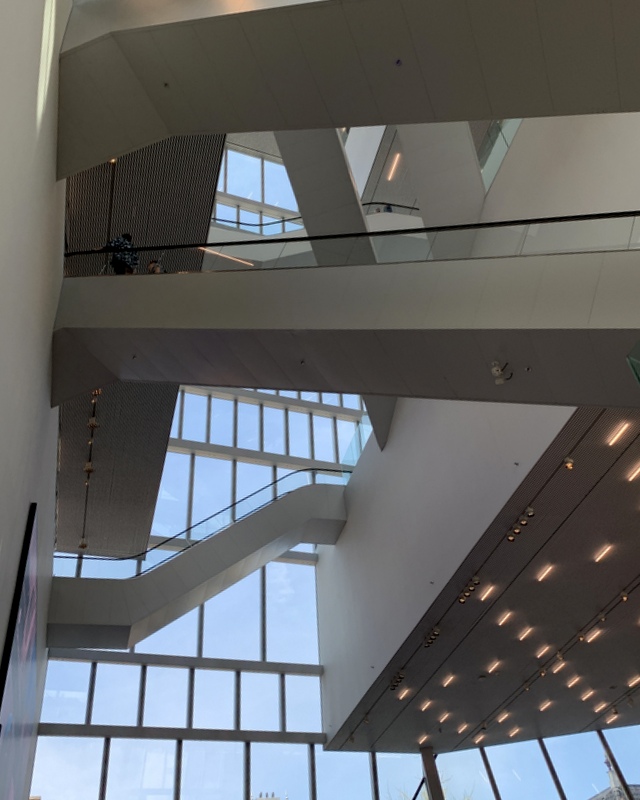
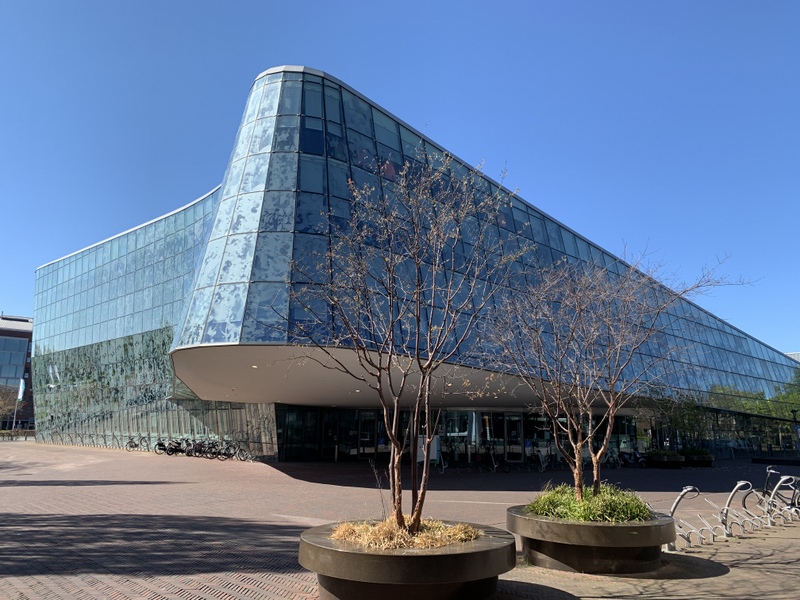
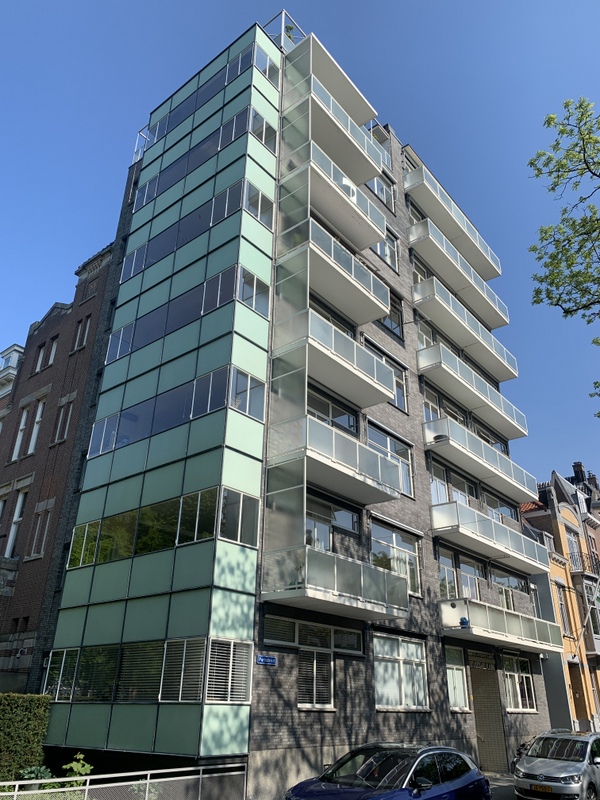
The first one was unusual, a public library: School 7. From the outside it looks like a modern.building.
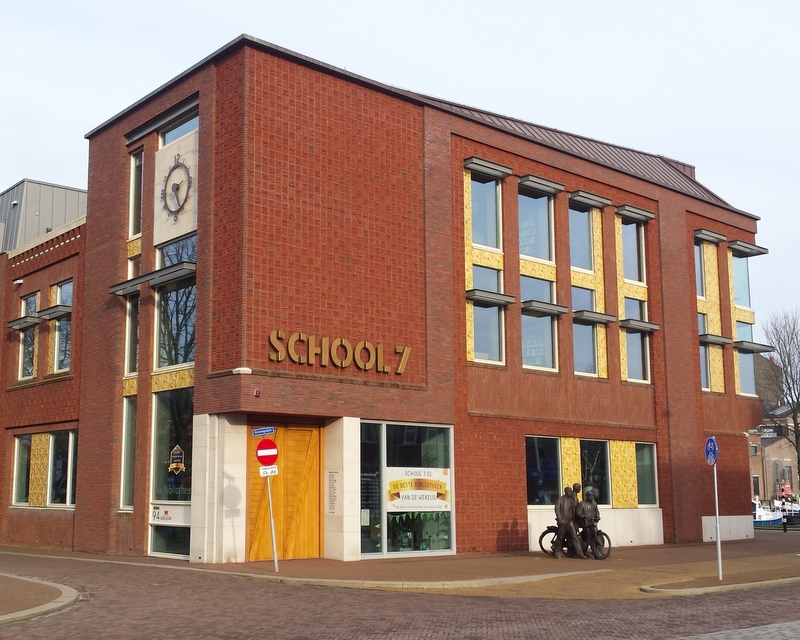
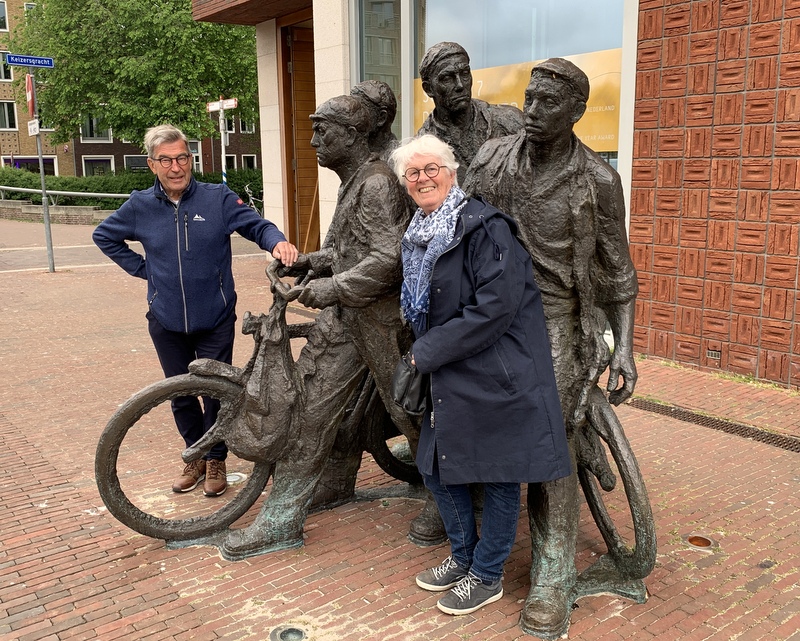
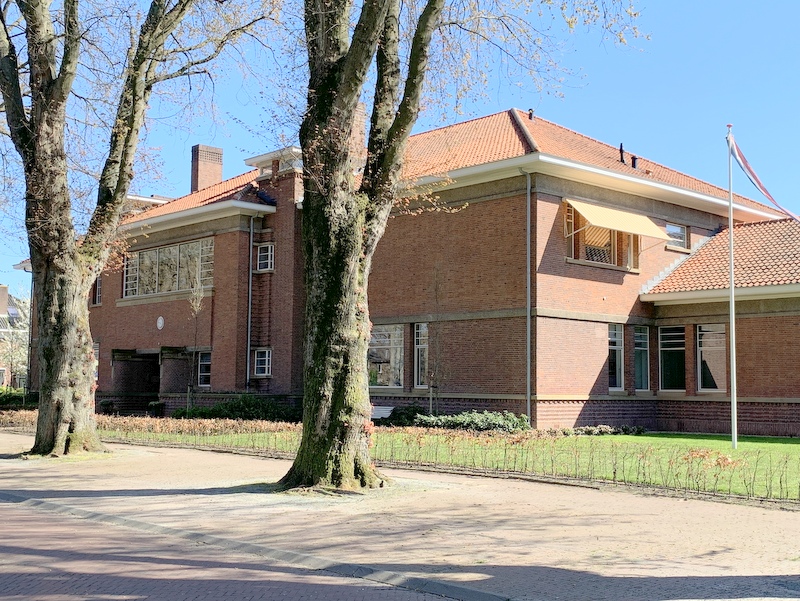
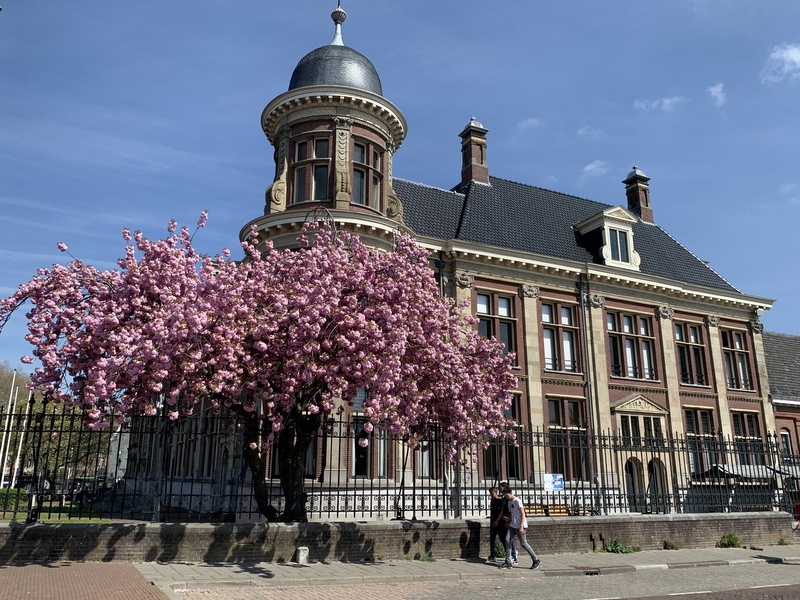
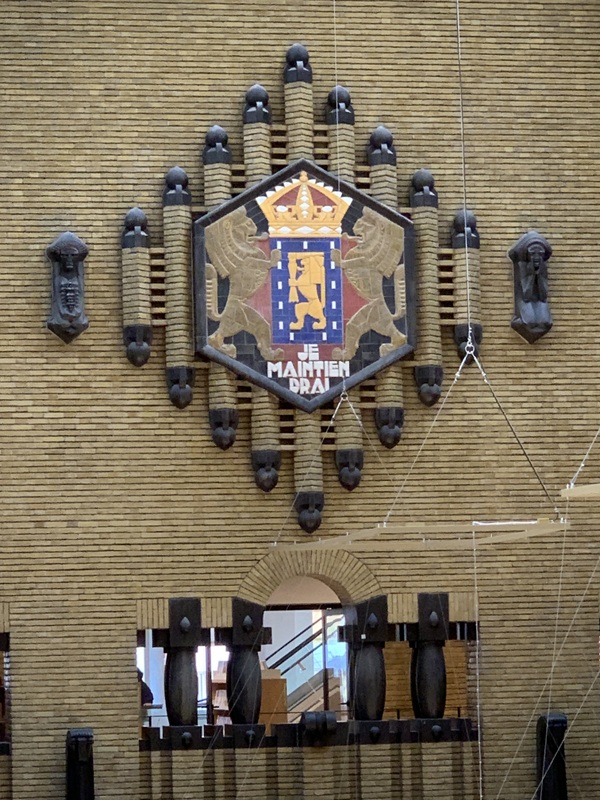
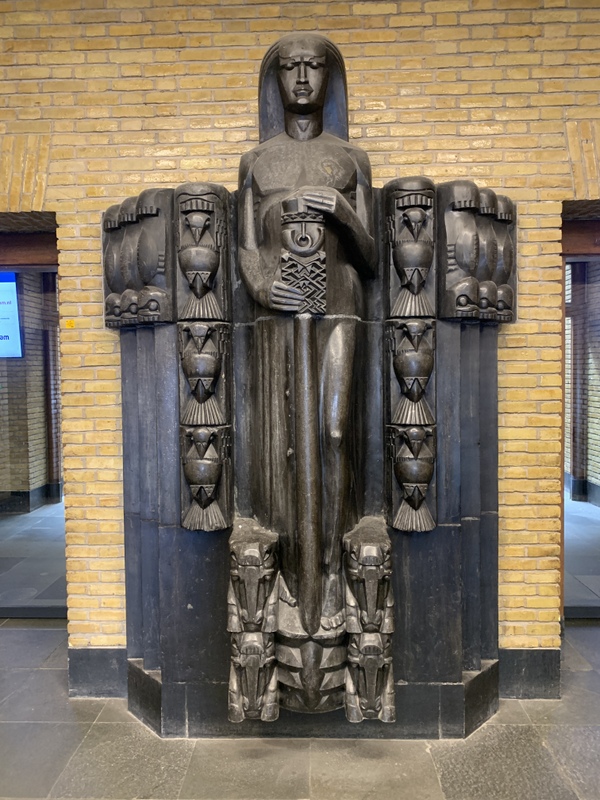
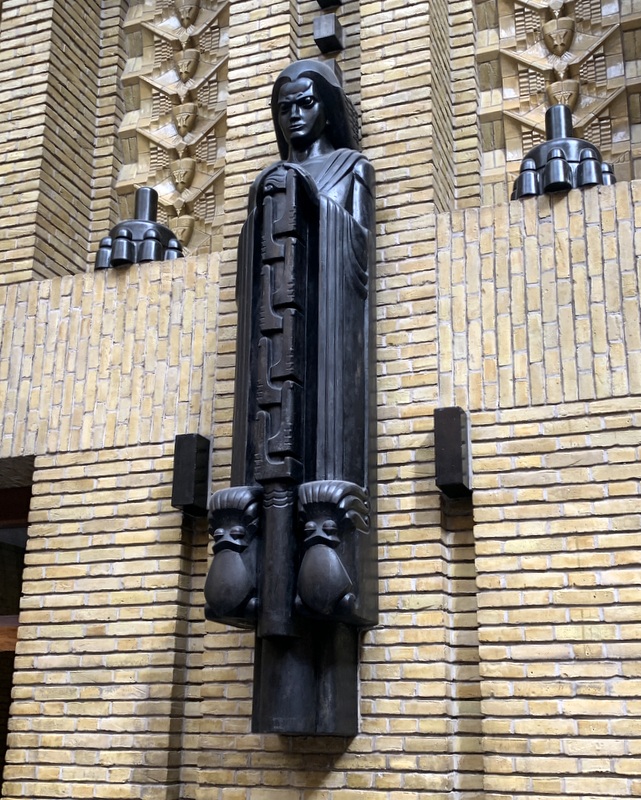
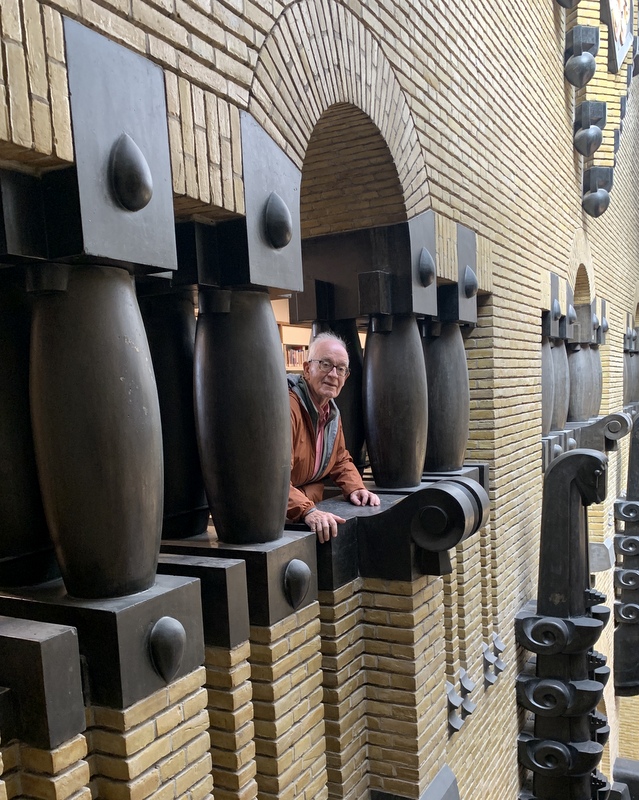
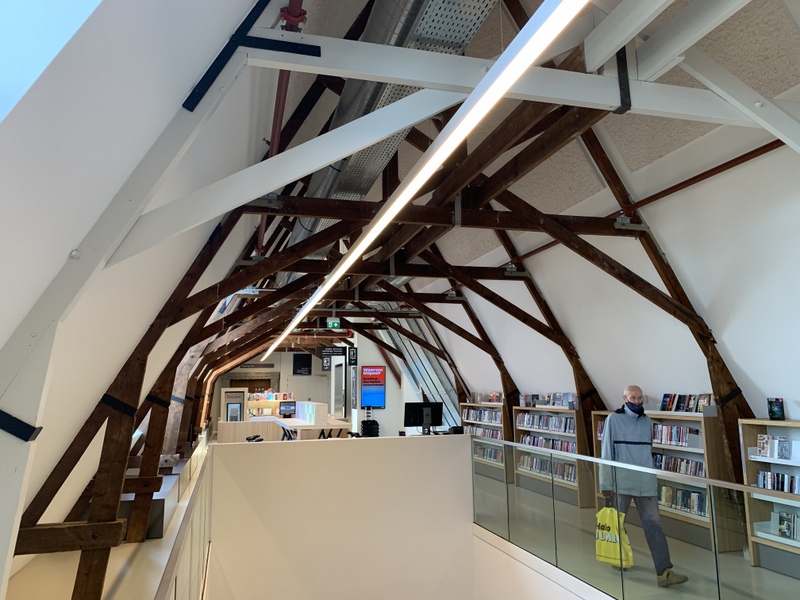
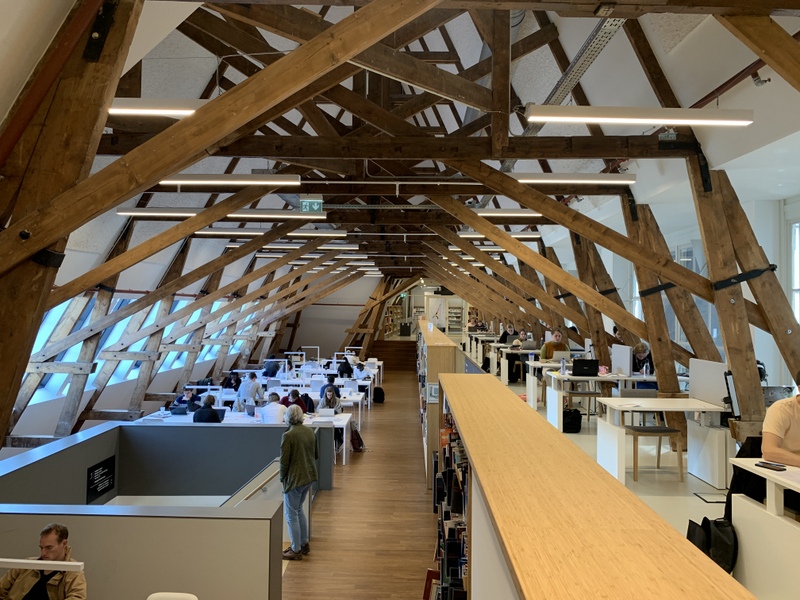
But look at the facade on the onther side and you will see something different. The modern library is an extension of a primary school, built in 1905. The structure of the old building has been cleverly preserved and is visble everywhere inside the library.
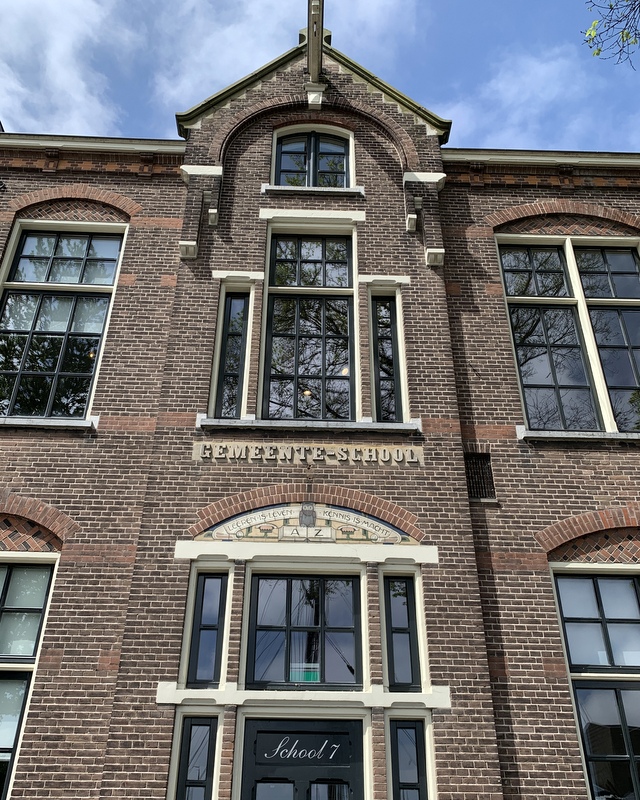
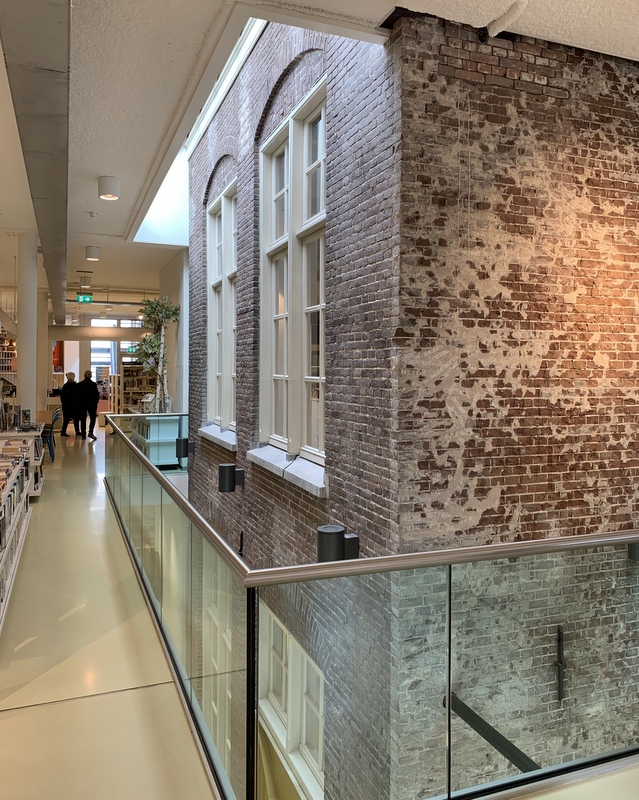
Originally the school had two floors , each with six classrooms and toilets for the pupils. The former toilets are now places where you can read a book, listen to a poem or watch a video.
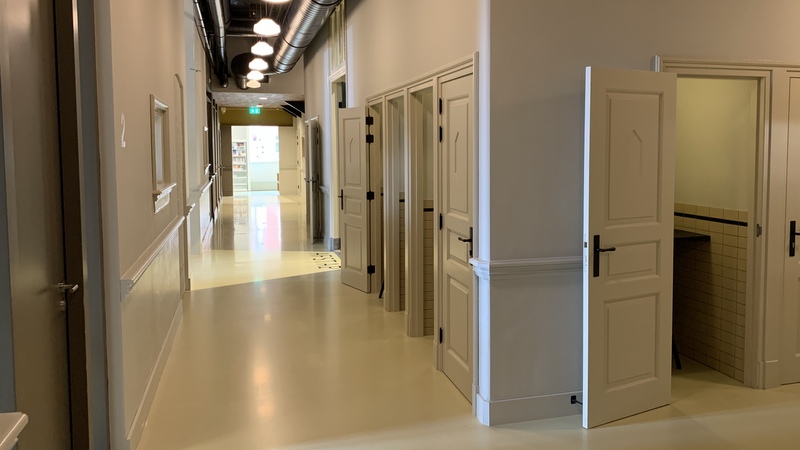
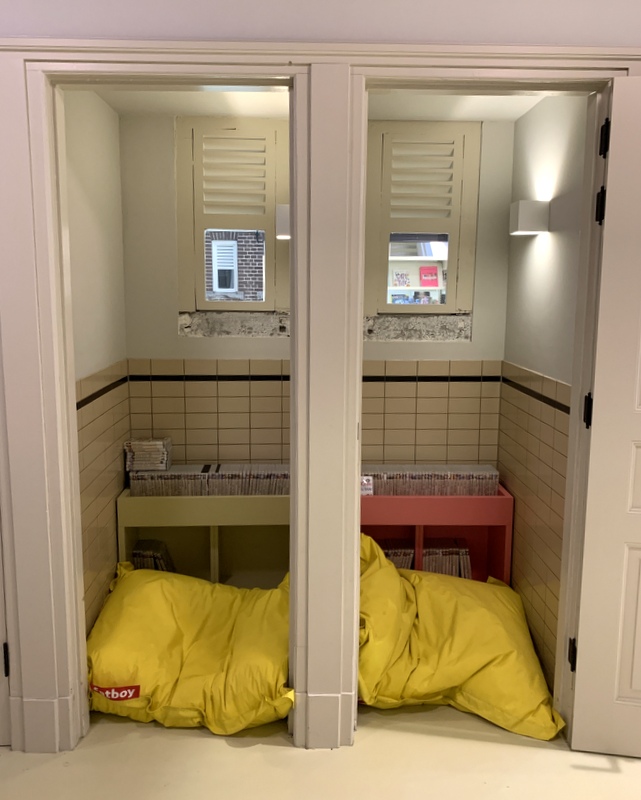
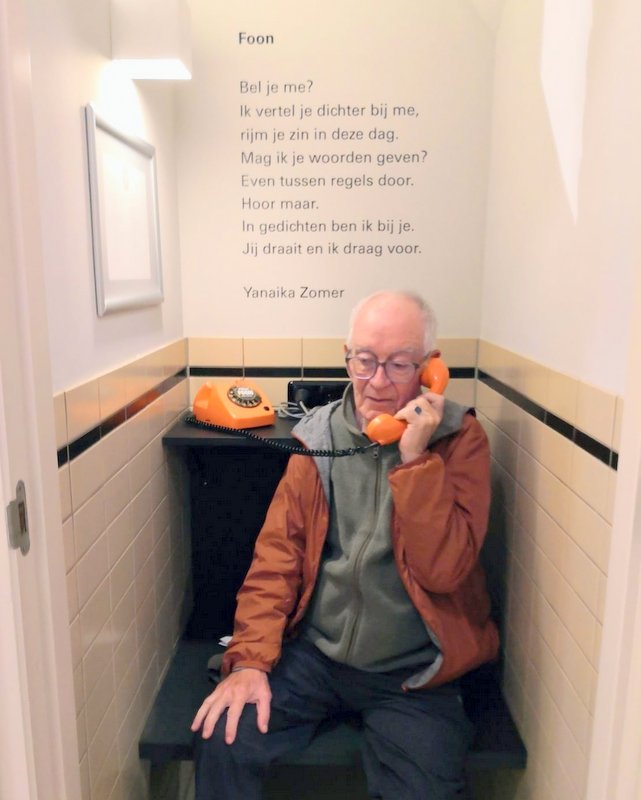
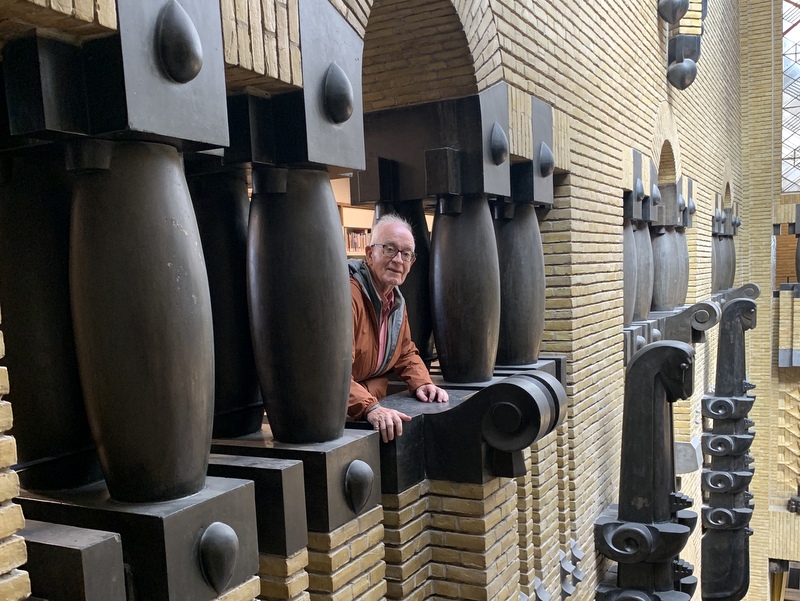
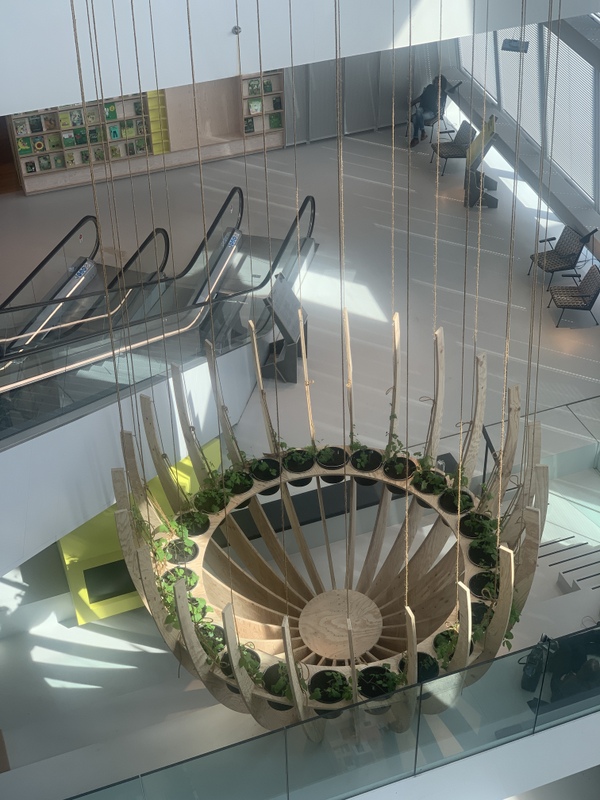
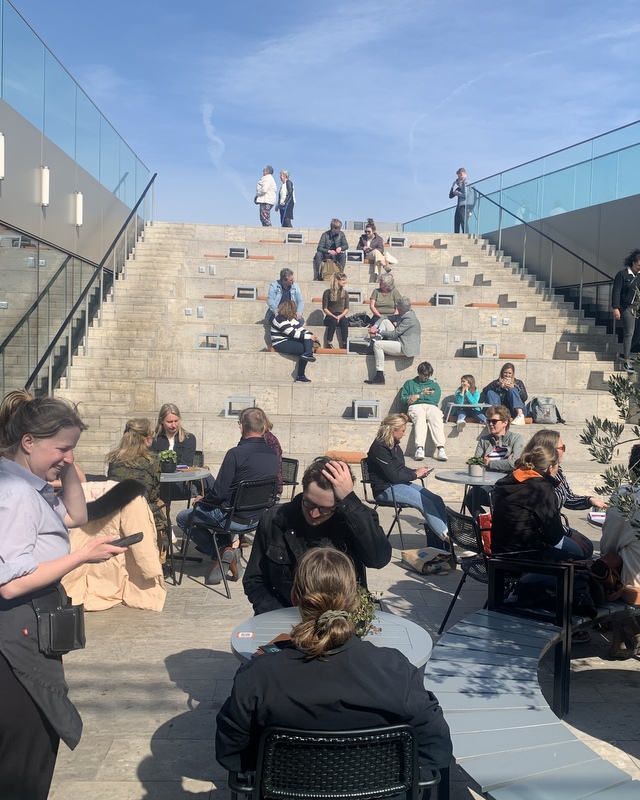
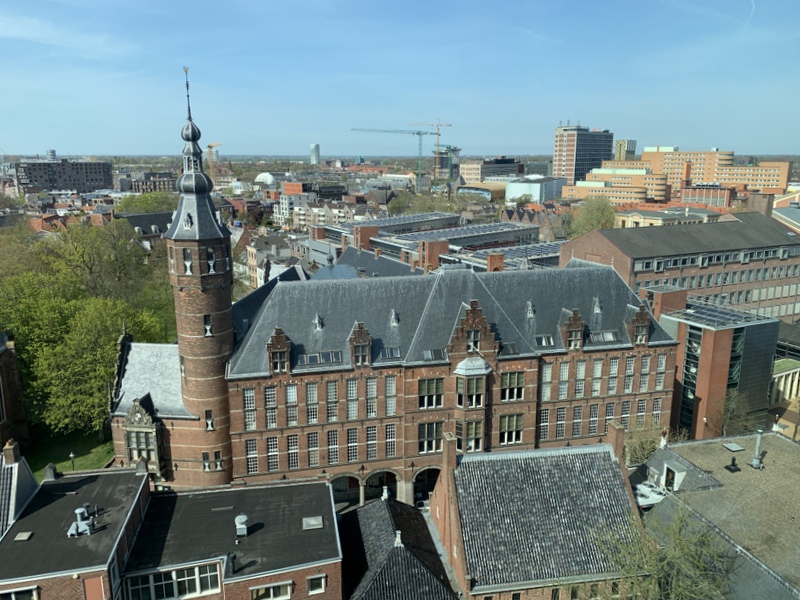
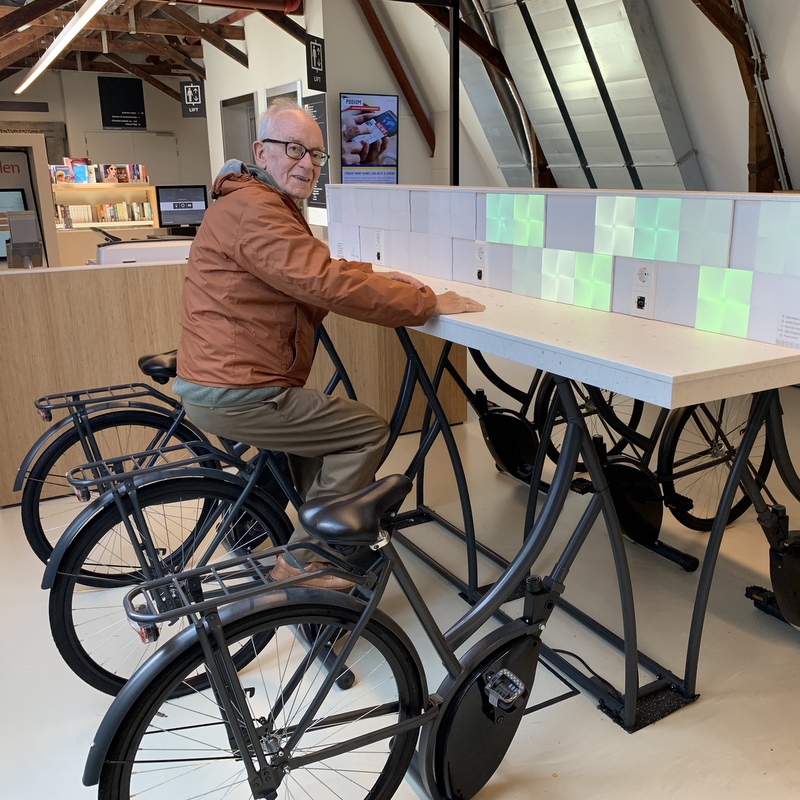
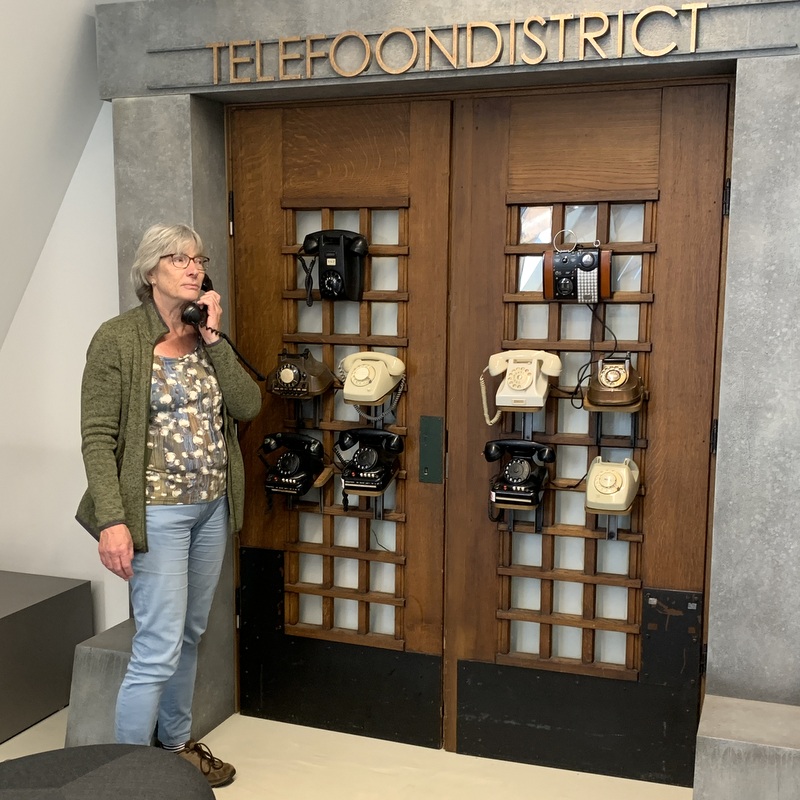
Here are a few pictures of the modern extension. Not suprisingly the library has won prizes, both in the Netherlands and internationally. More info about the awards here (in Dutch).
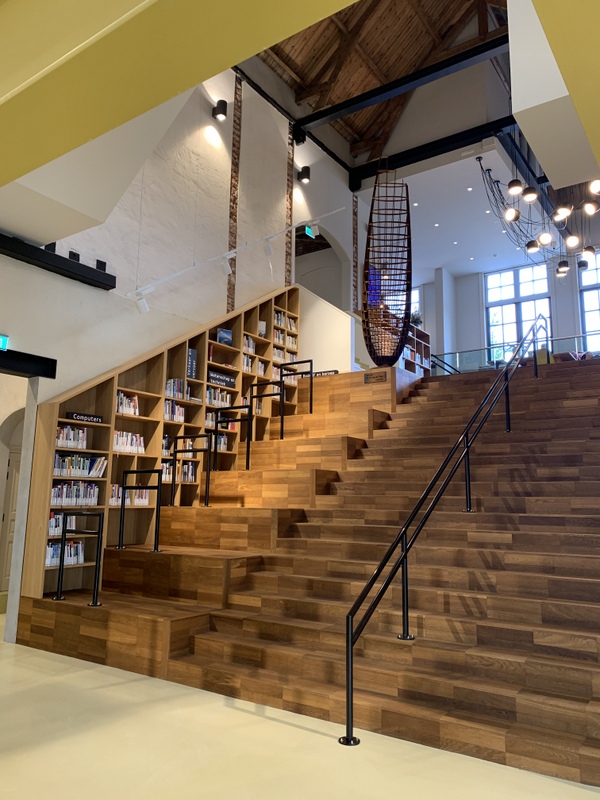
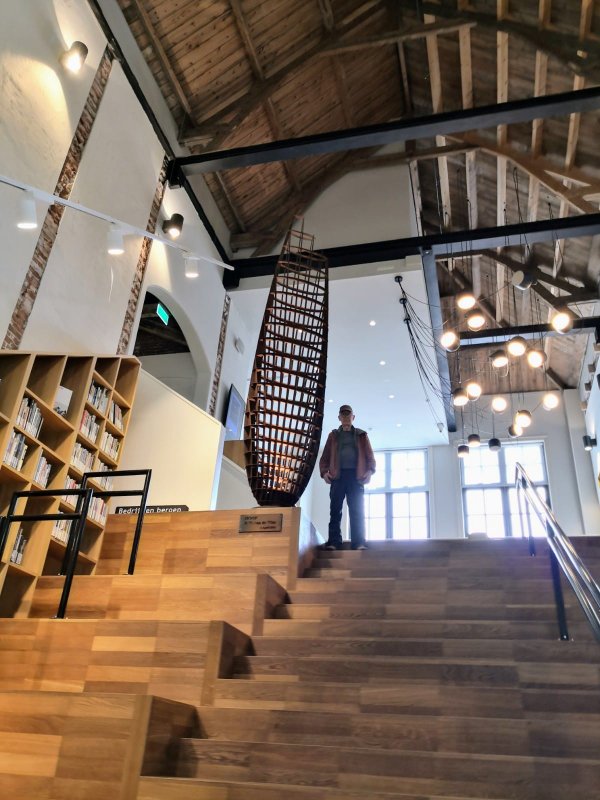
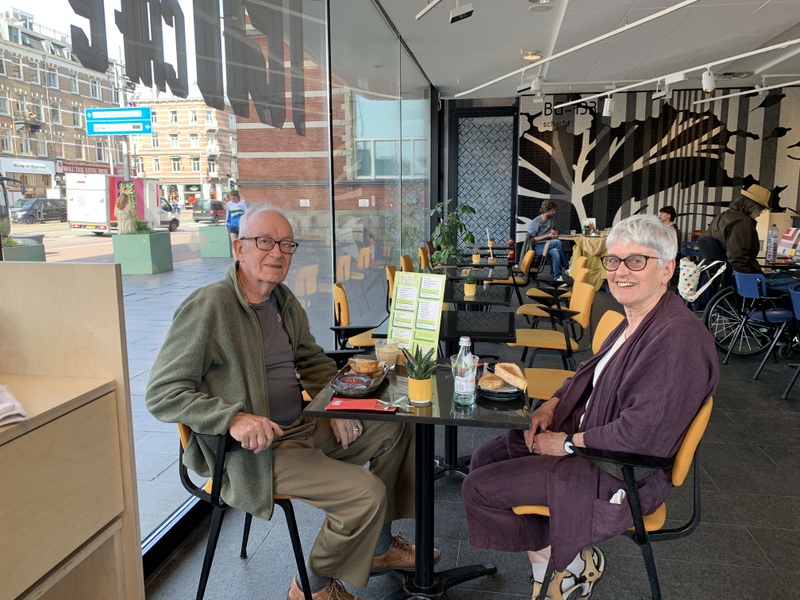
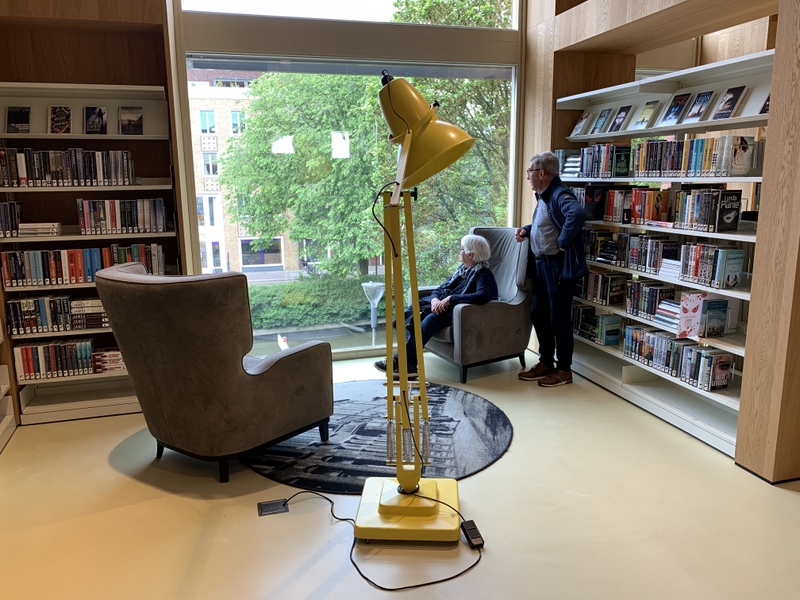
The library has a friendly atmosphere, you can sit down and read a book or enjoy a cup of coffee and a snack.
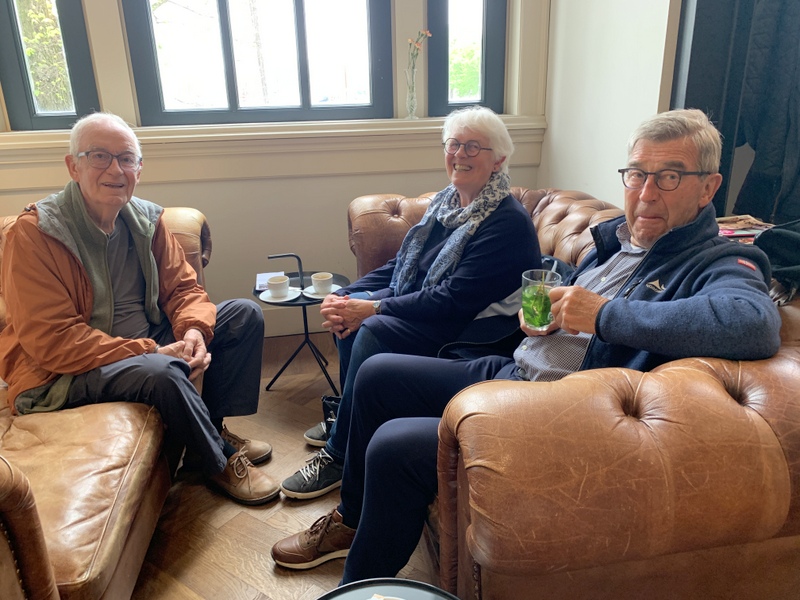
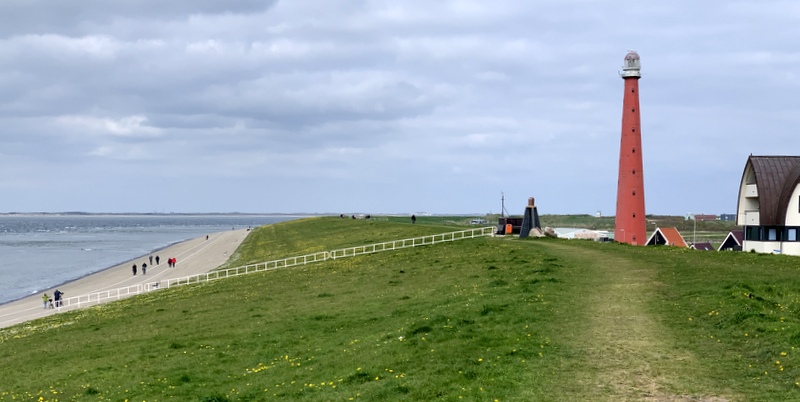
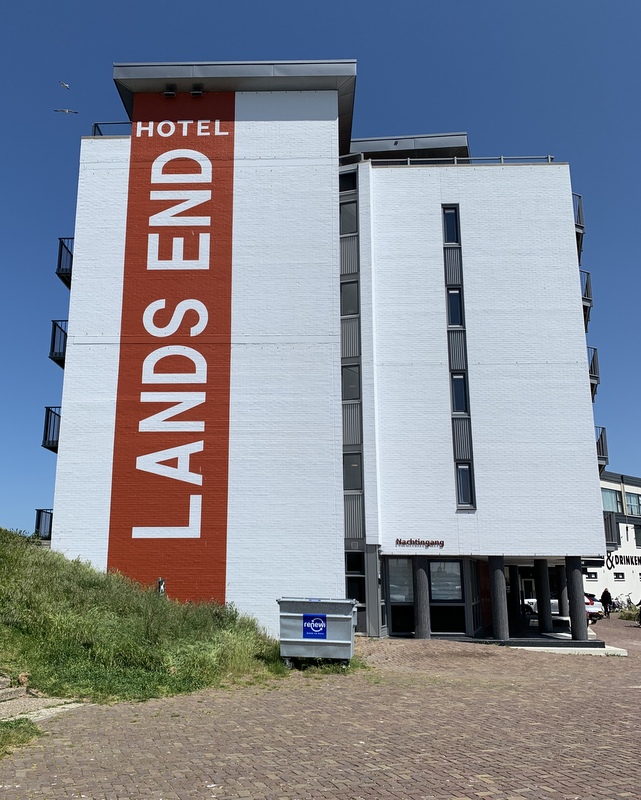
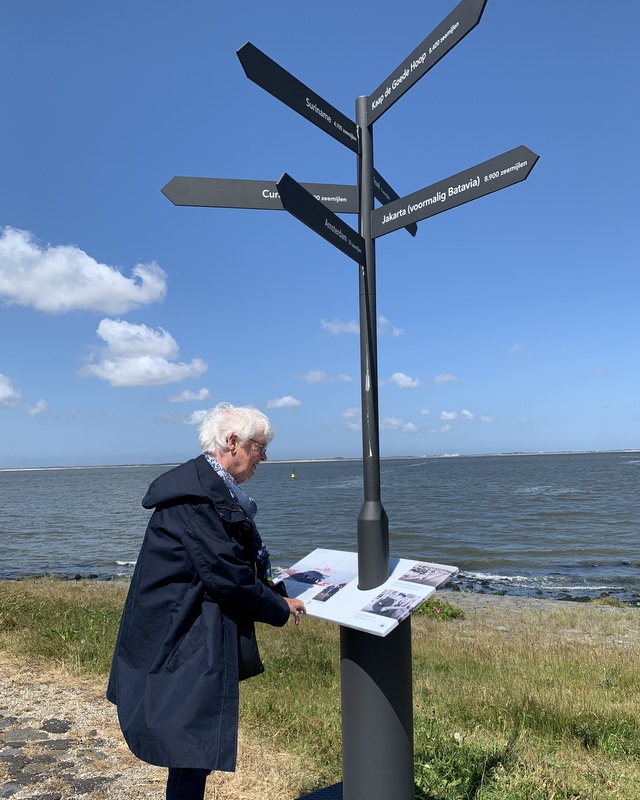
We had lunch at Lands End, the most northern (mainland) point of North Holland.
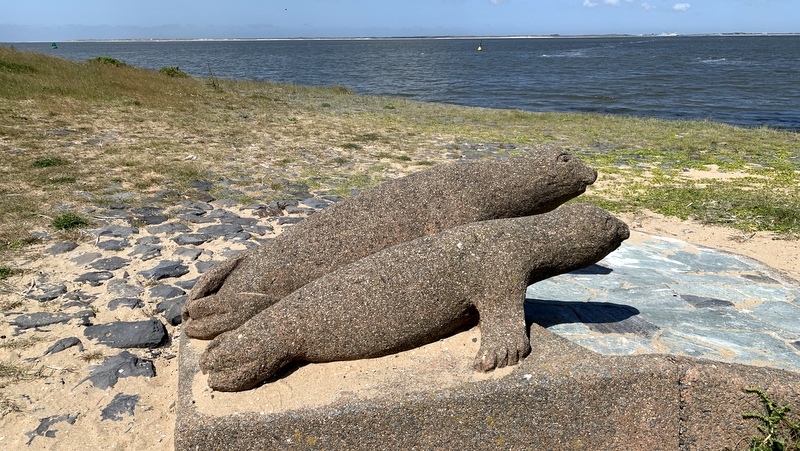
Two seals are watching the Wadden Sea. At the horizon you can see the Wadden island of Texel.
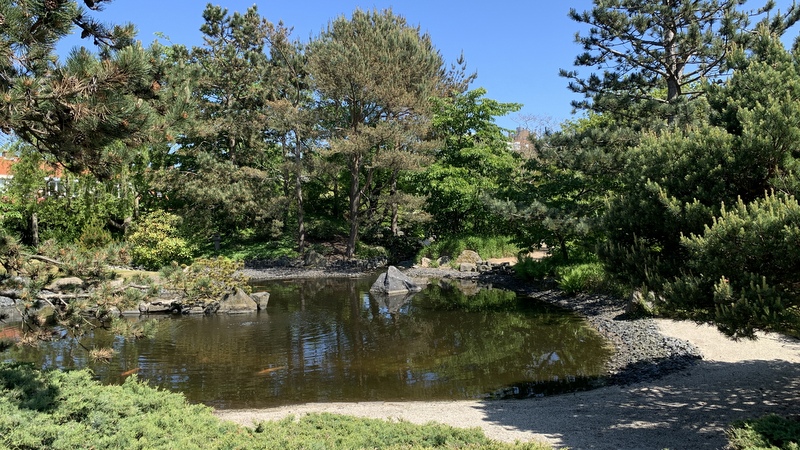
Another surprise in the afternoon, the Hortus Overzee, a botanical garden in the center of Den Helder town, in a residential area. Started in 1939 as the City Nursery, but around 2000 transformed into a tropical botanical garden, with for example a Japanese garden, a waterfall etc. Amazing.
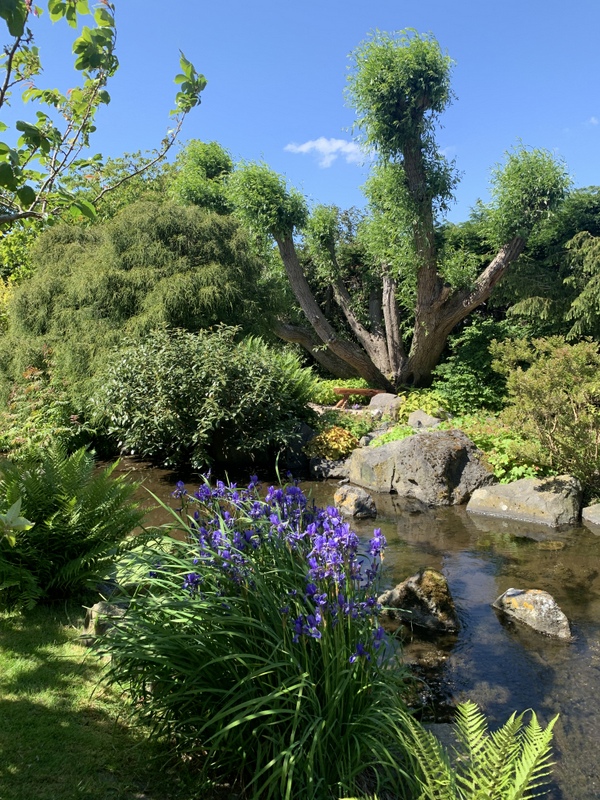
The Bird of Paradise flowers (center) are quite common in Malaysia, but it was a surprise to see them here.
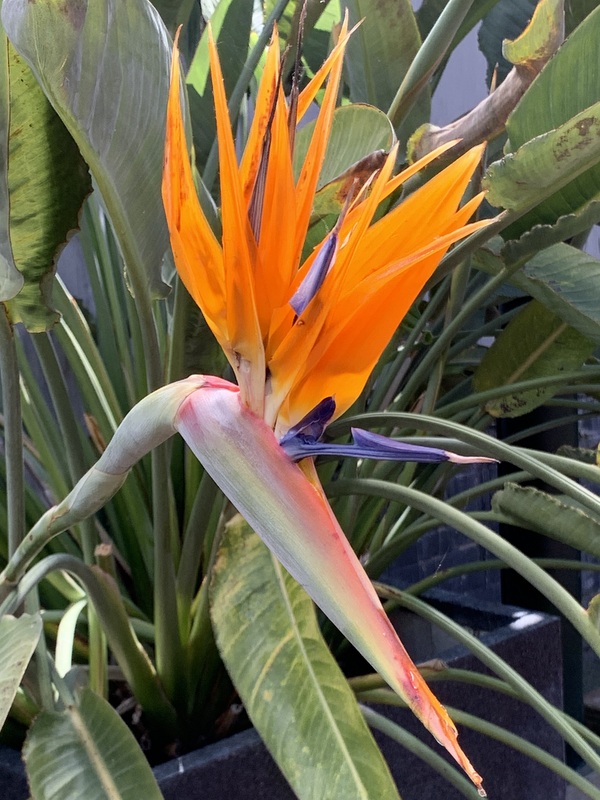
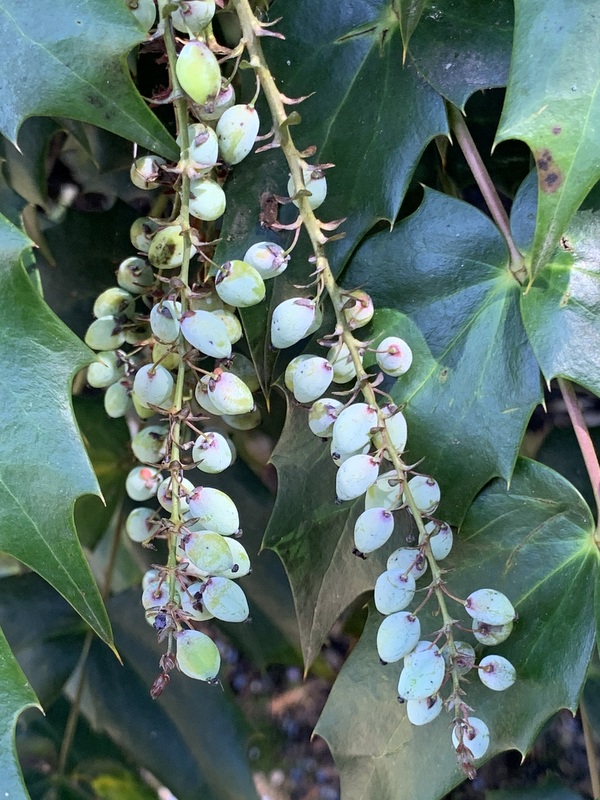
There are several greenhouses, where tropical plants are kept.
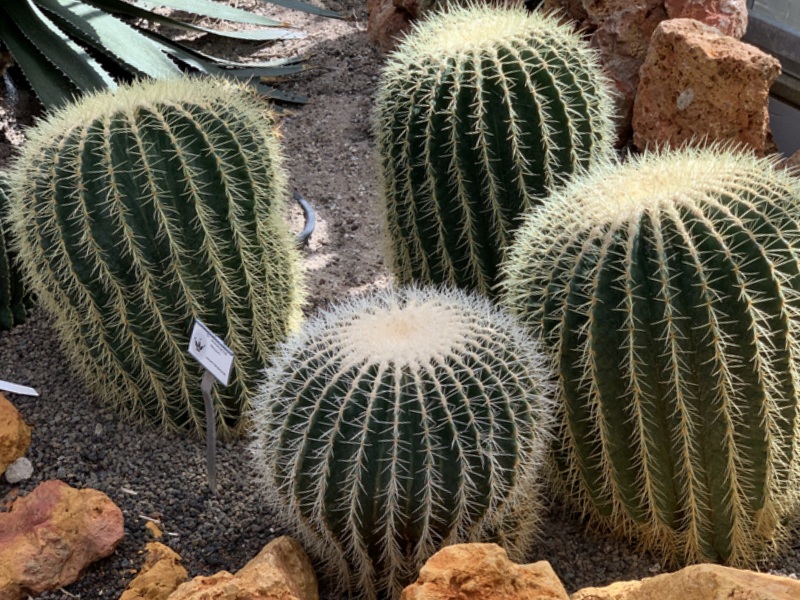
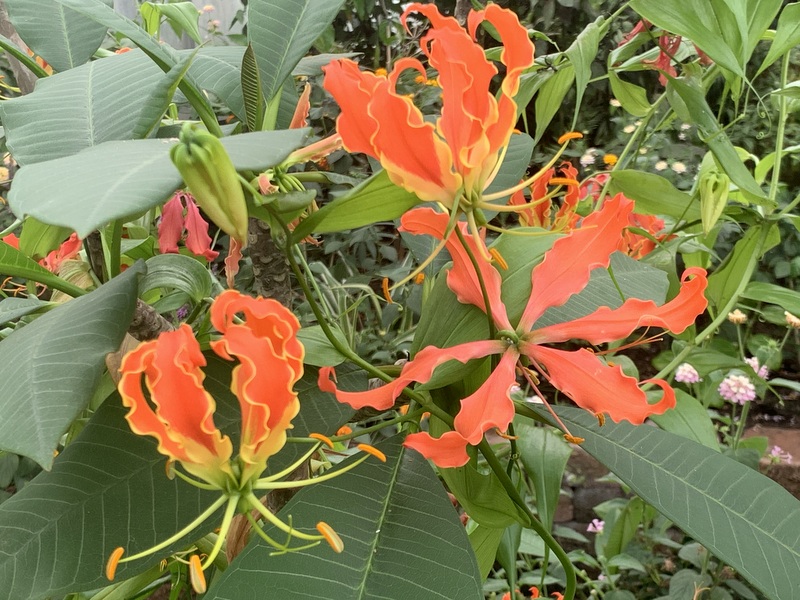
It was a real pleasure to walk around in these gardens.
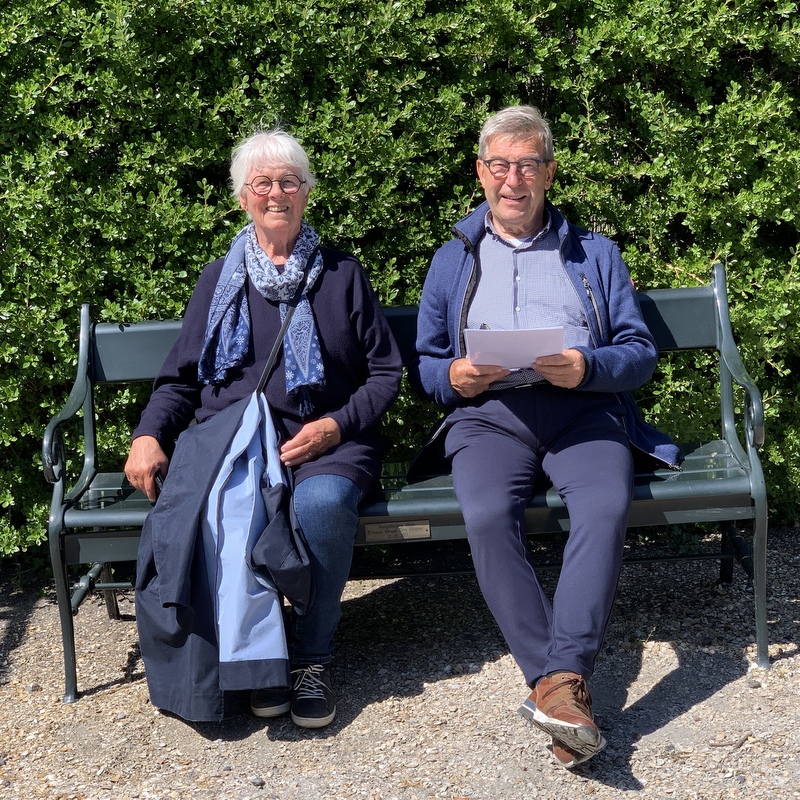
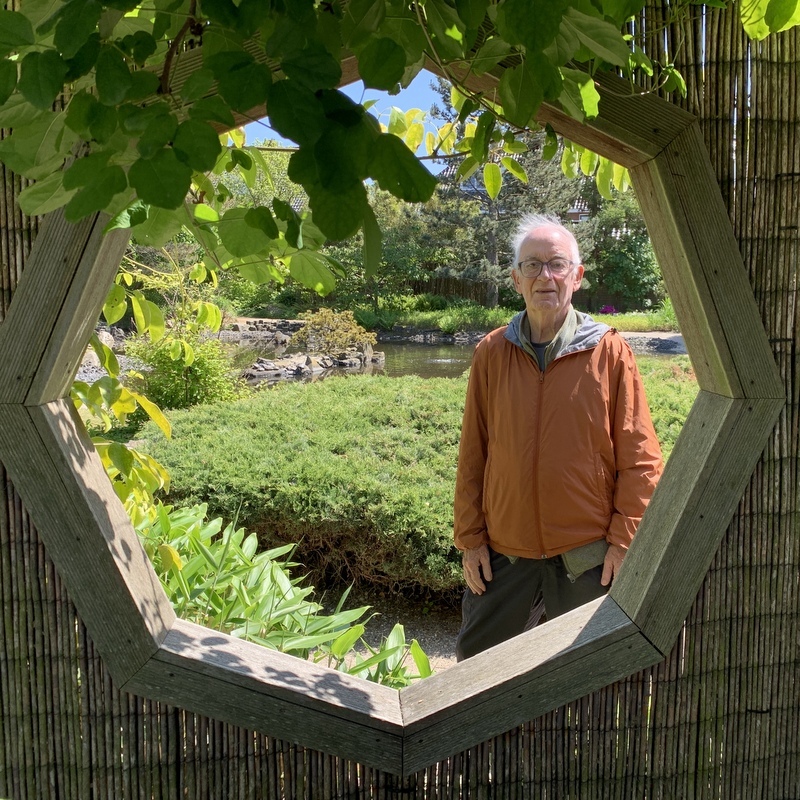
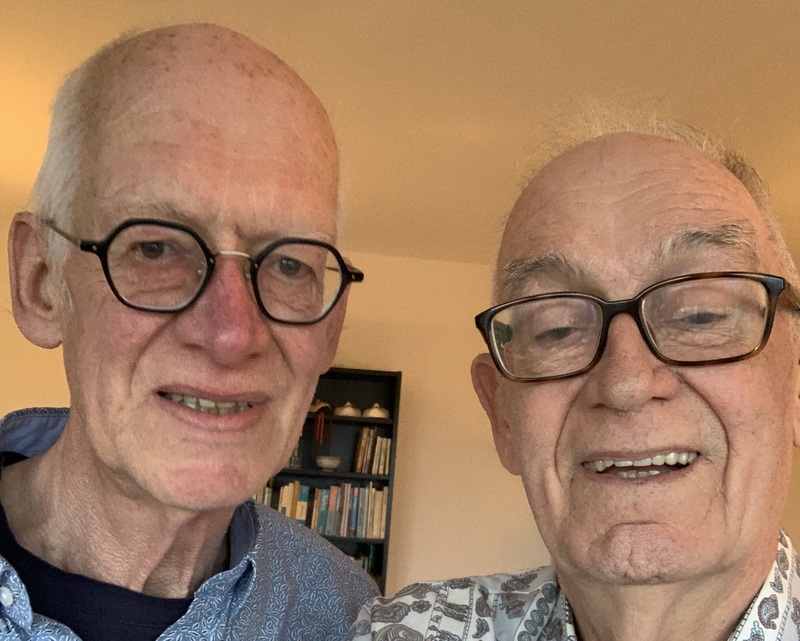
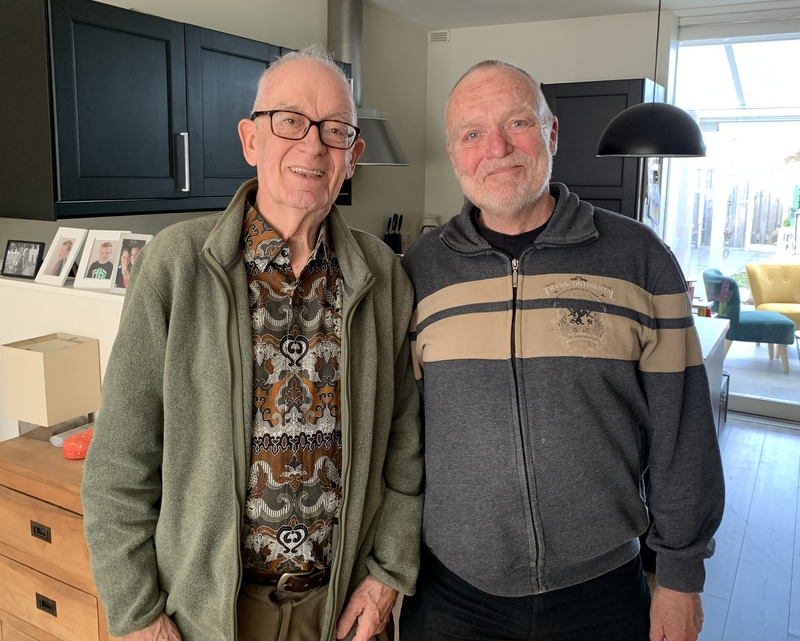
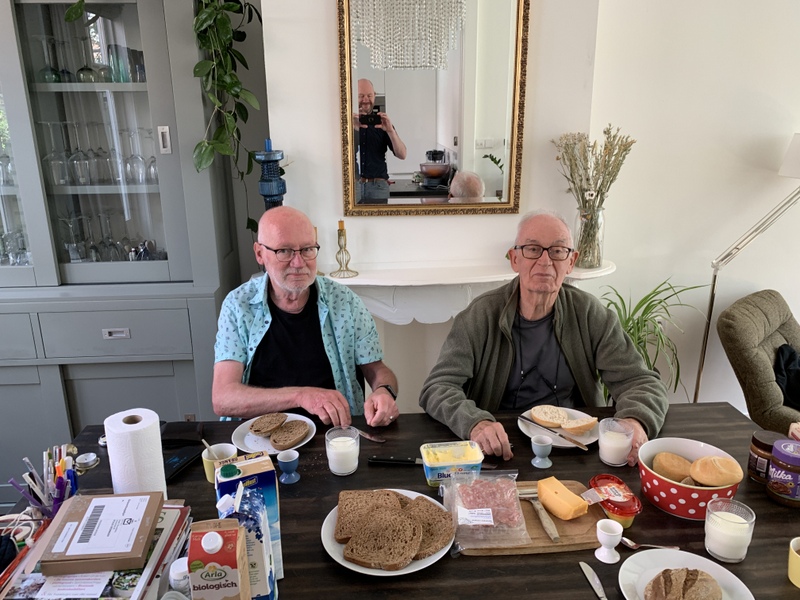
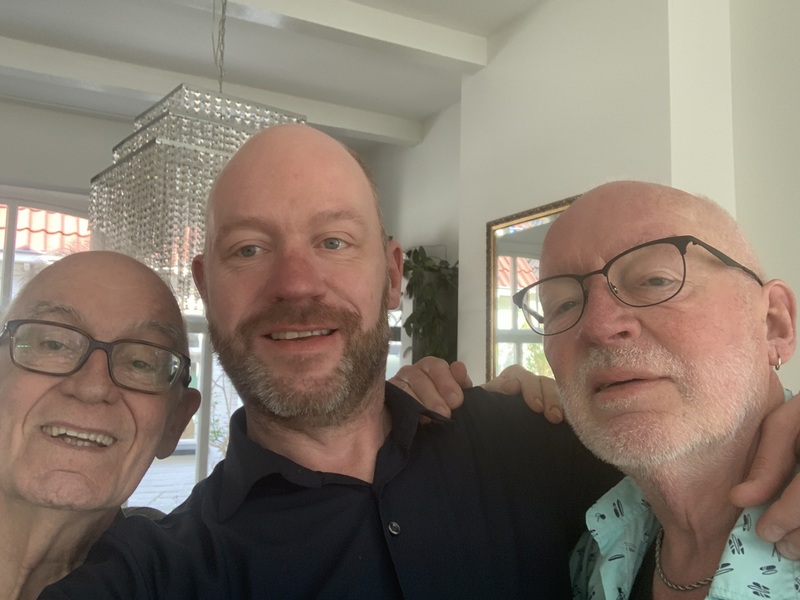
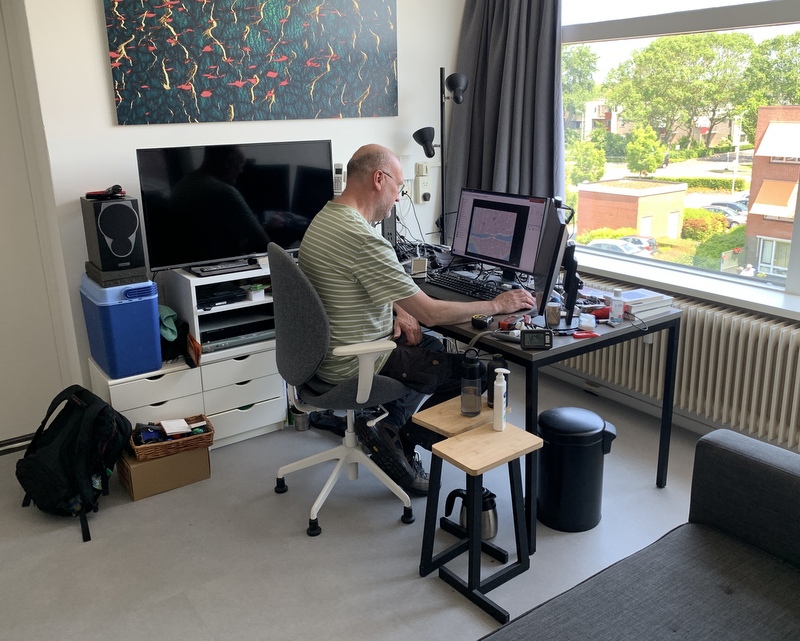
One week later I visited my brother Ruud and his partner Jur in Groningen. On my way I first stopped in Dokkum, to visit my friend Gerrit, who was my student when I started teaching in 1976. So we know each other more than 45 years!
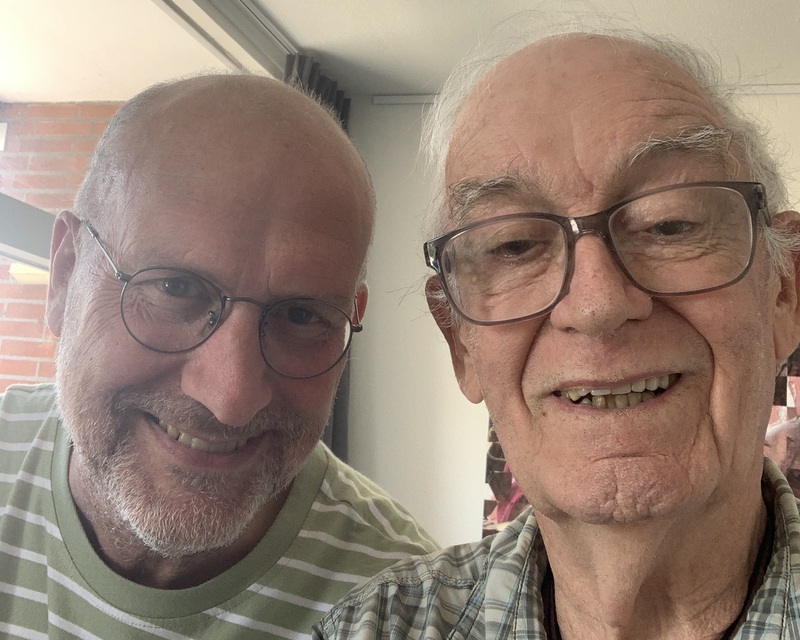
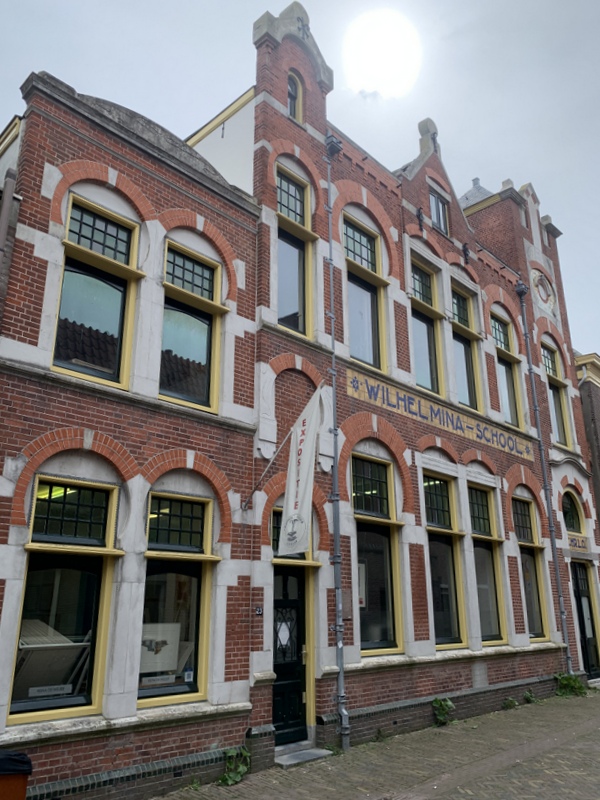
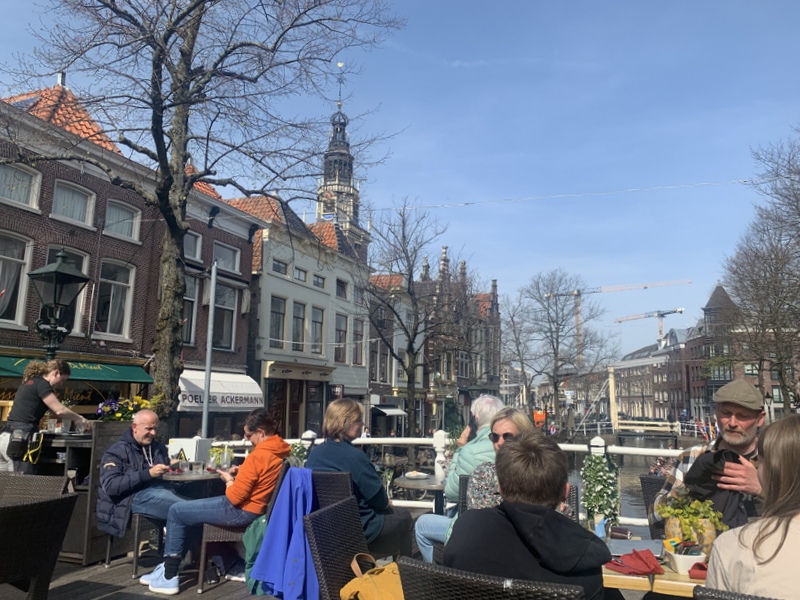
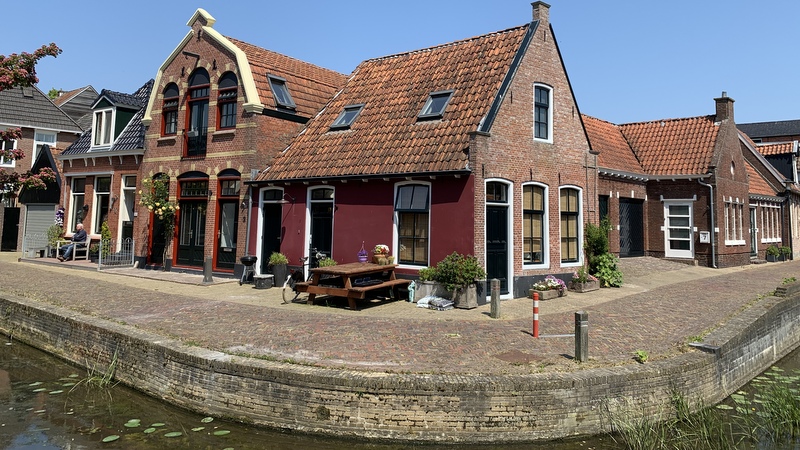
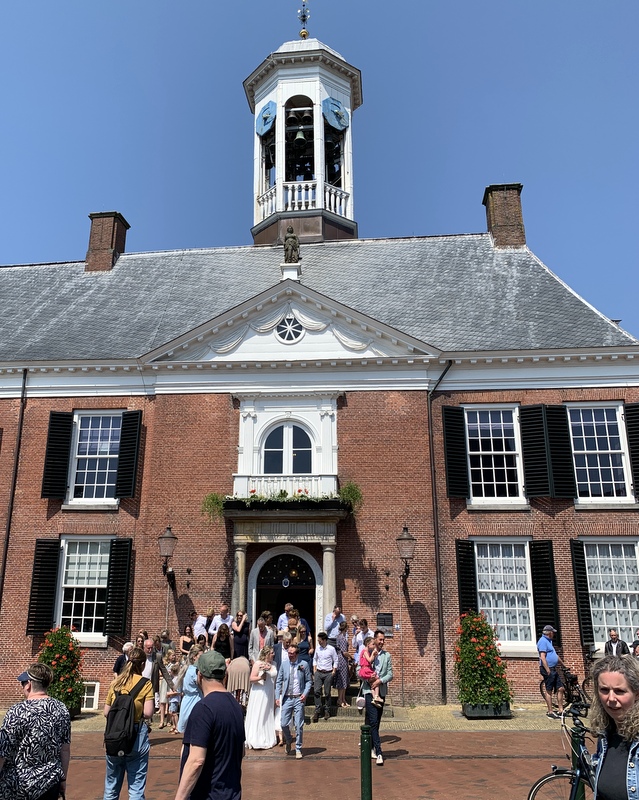
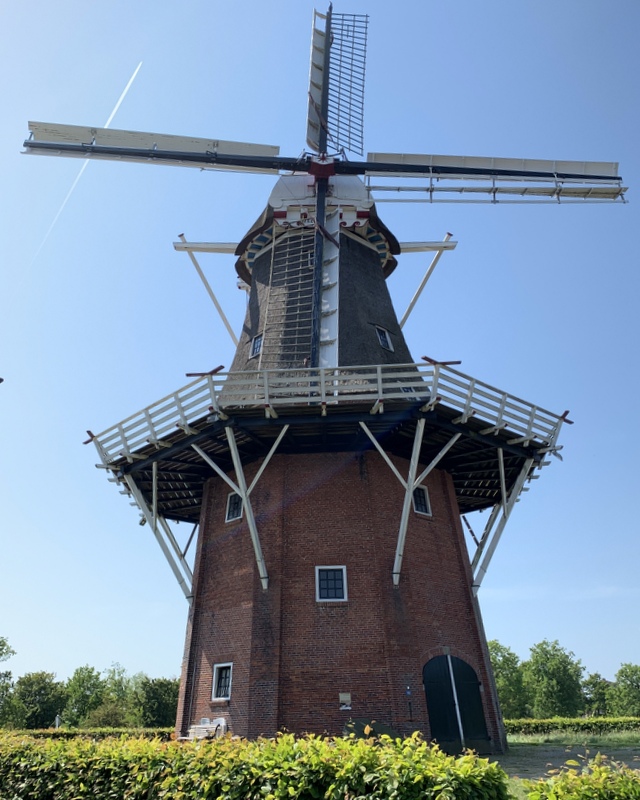
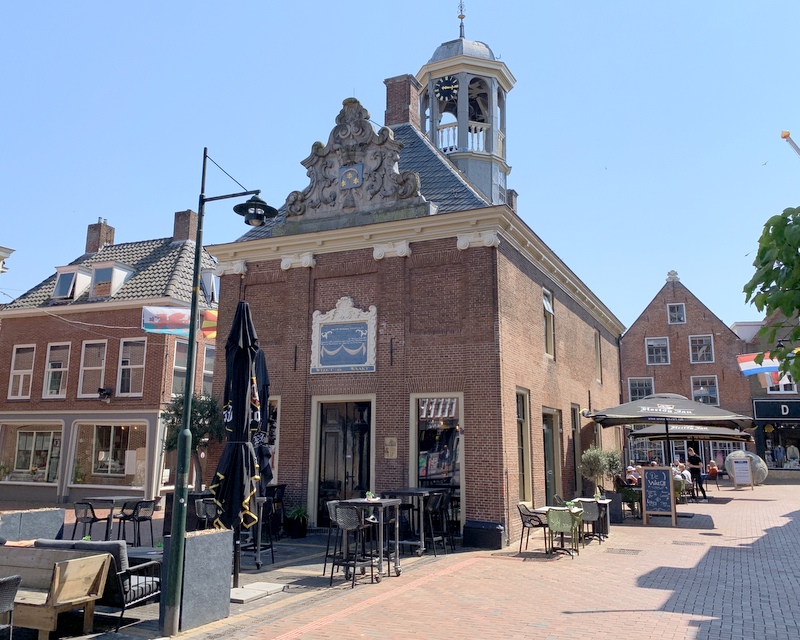
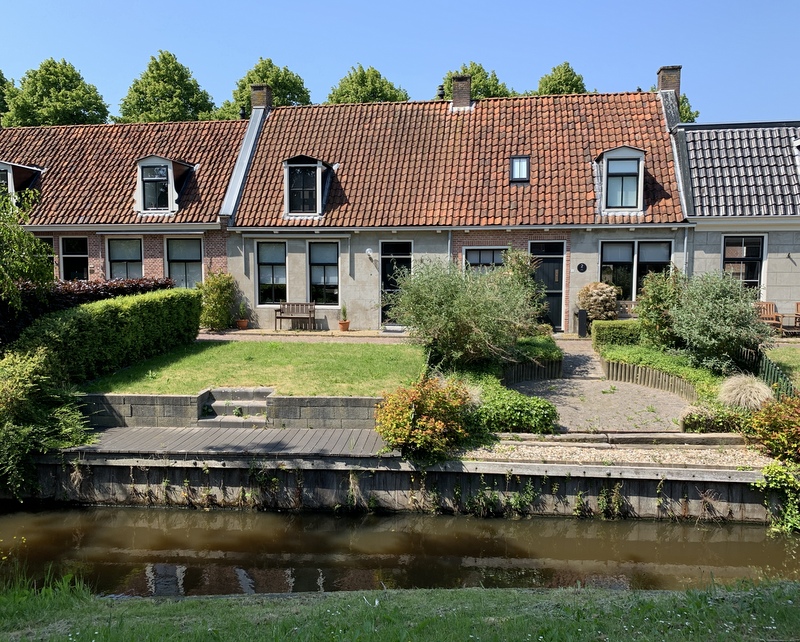
We walked around in Dokkum, a nice historical town.
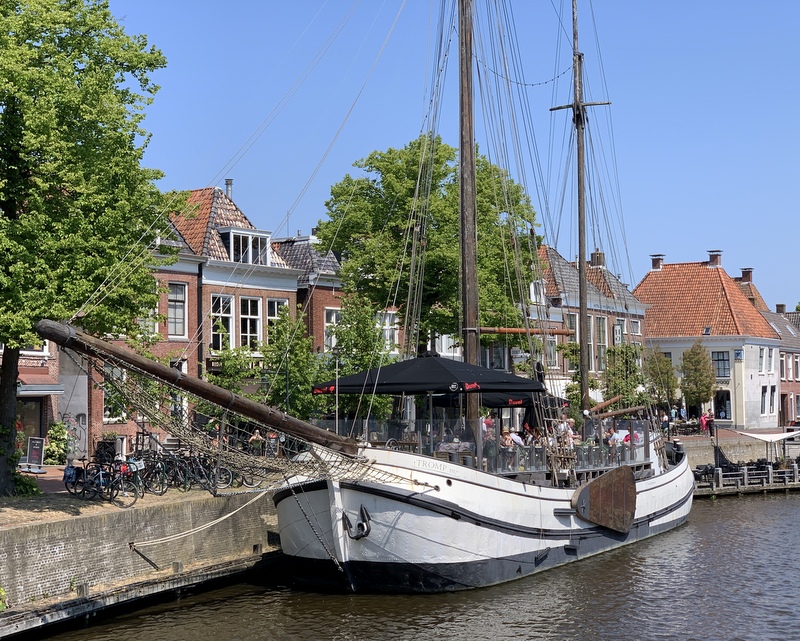
In the past Dokkum had as harbour, ships could use the Dokkumer Diep to reach what in those old days was called the Lauwerszee.
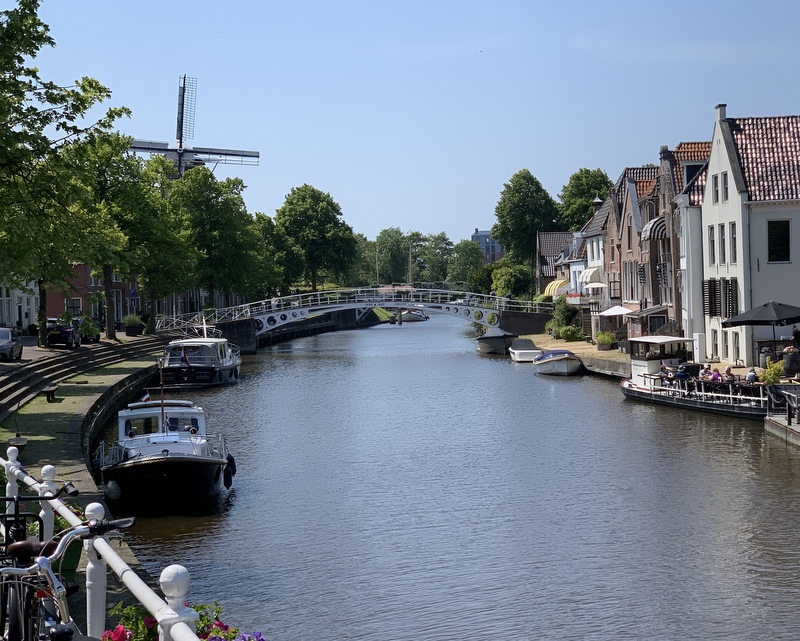
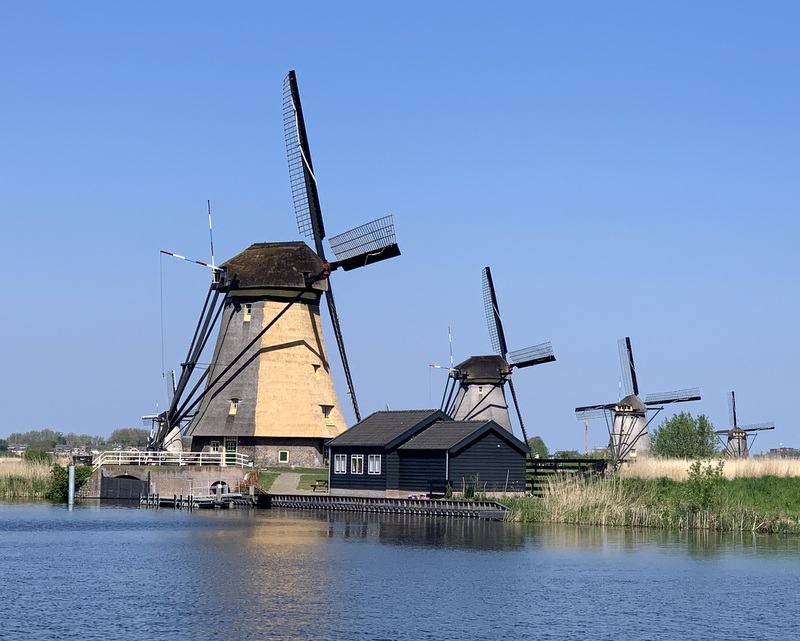
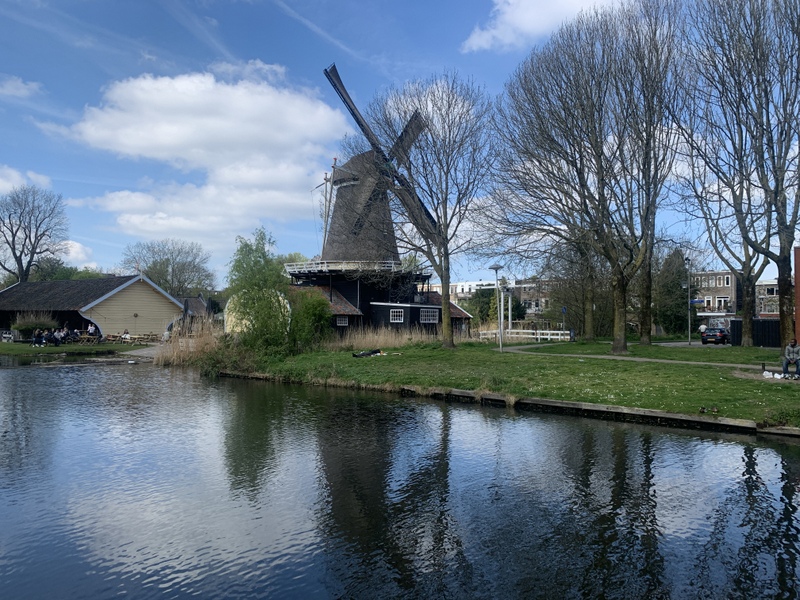
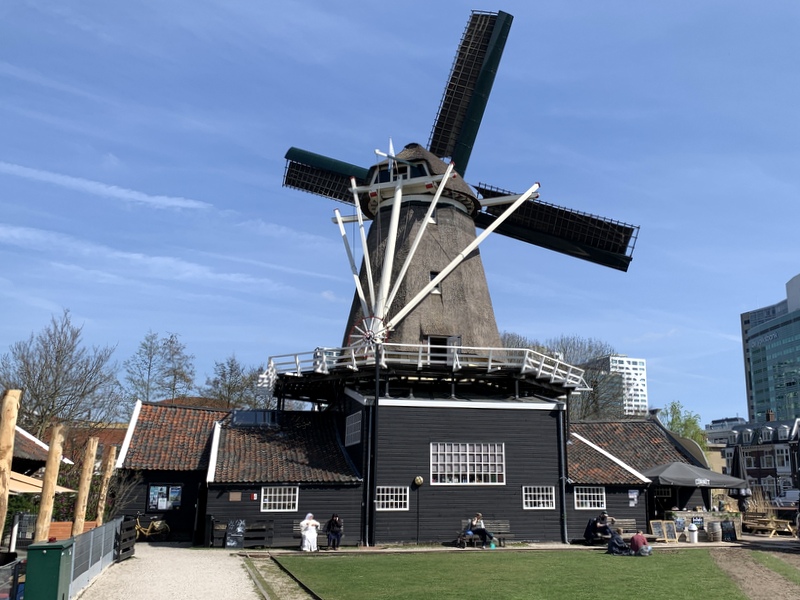
Left the city hall (1610), right the windmill Zeldenrust.
Left the public weigh house of Dokkum (1593).
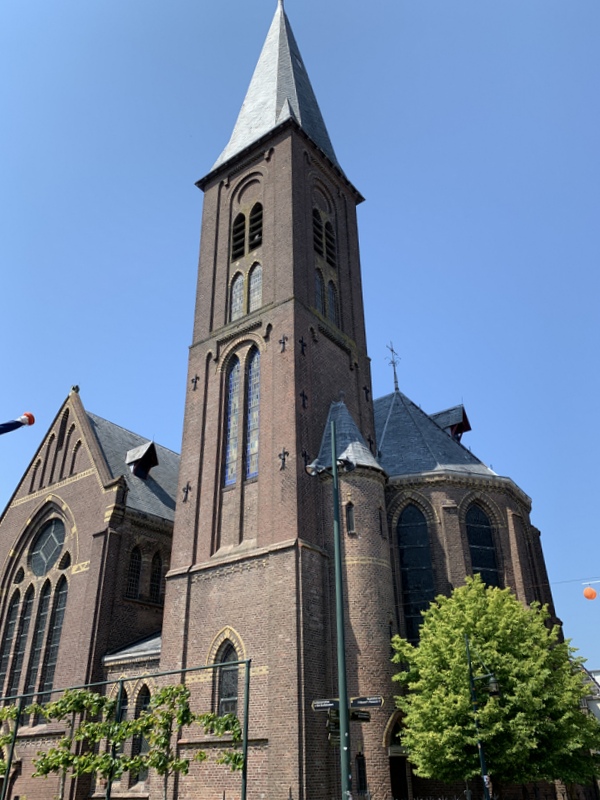
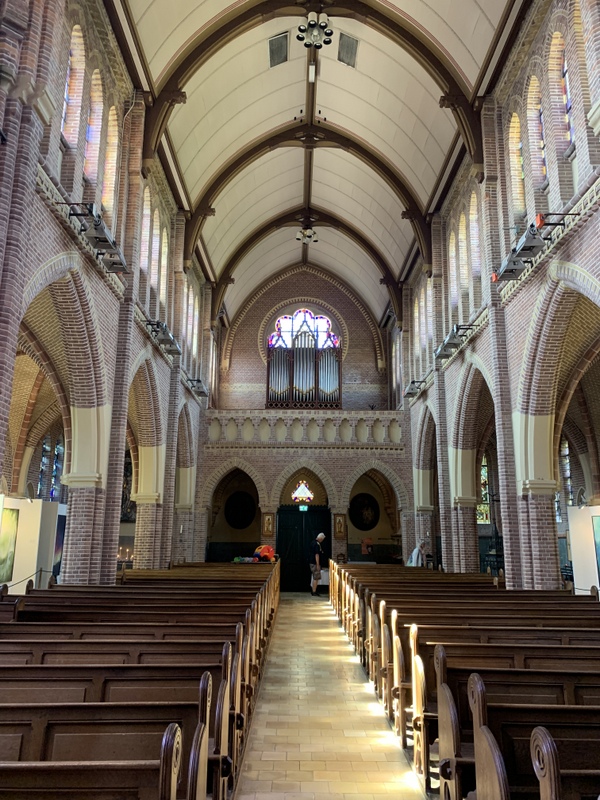
The St Boniface church (1871) built in Neogothic style by Cuypers (Rijksmuseum and Central Station in Amsterdam). In 754 Bonifacius was murdered in Dokkum, I learnt in primary school 😉 .
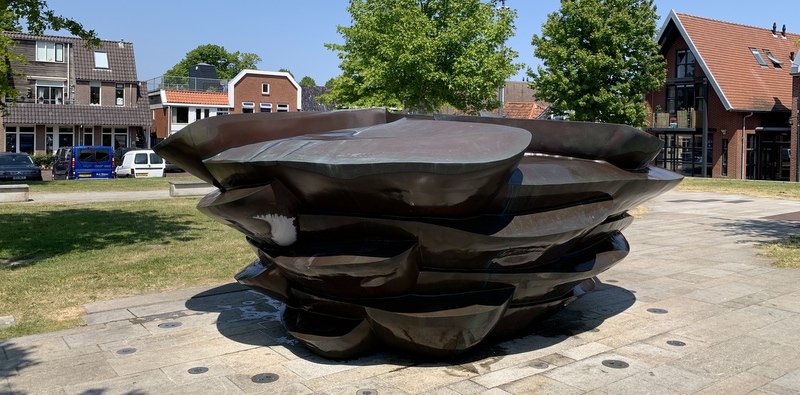
This is one of the 11 fountains , a series of art works, created in Friesland in 2018. This fountain is cooled inside, so the outside is often covered with hoar frost, but during my visit it was too hot 😉 .
A nice town, worth a more detailed visit in the future.
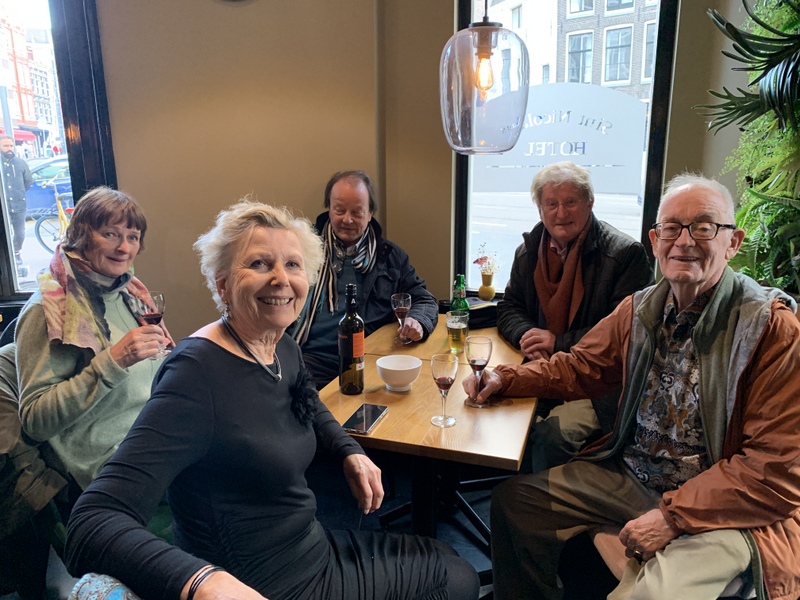
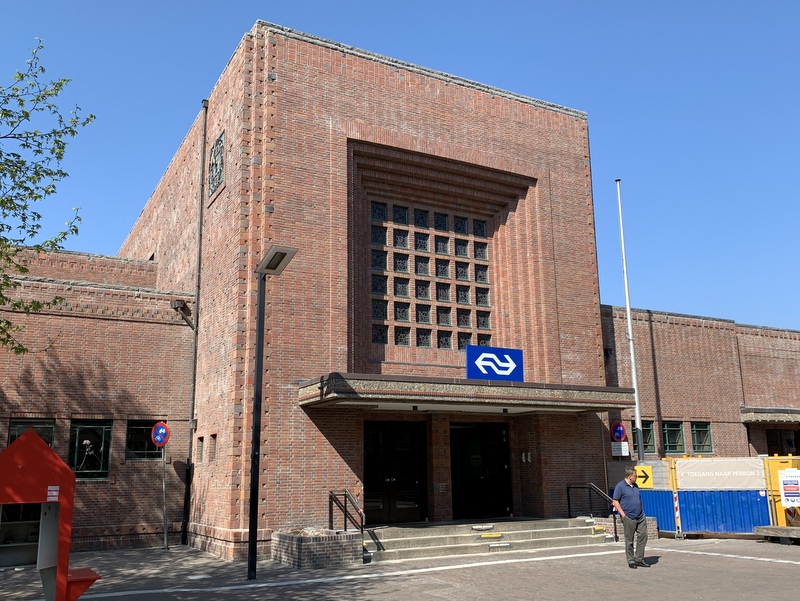
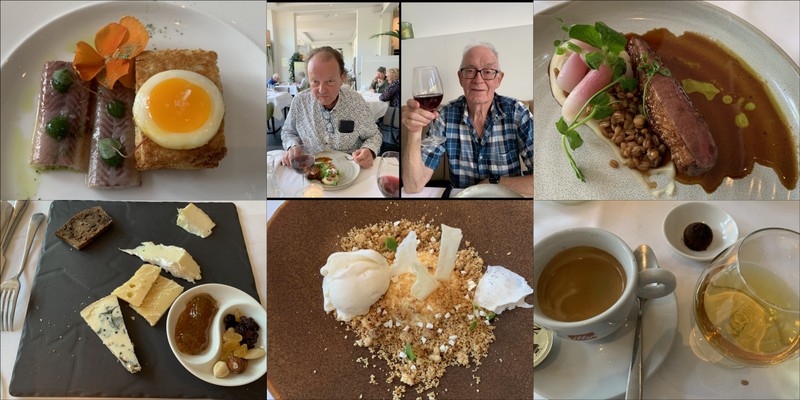
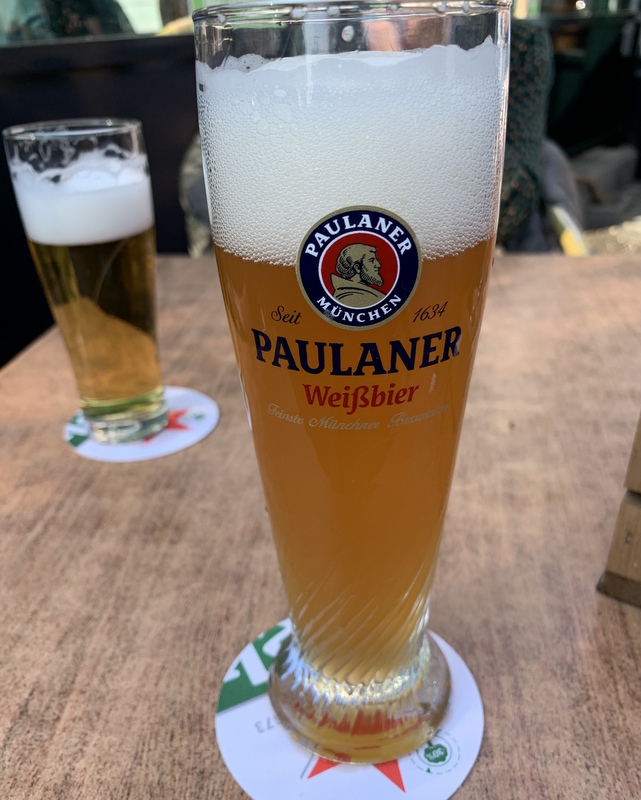
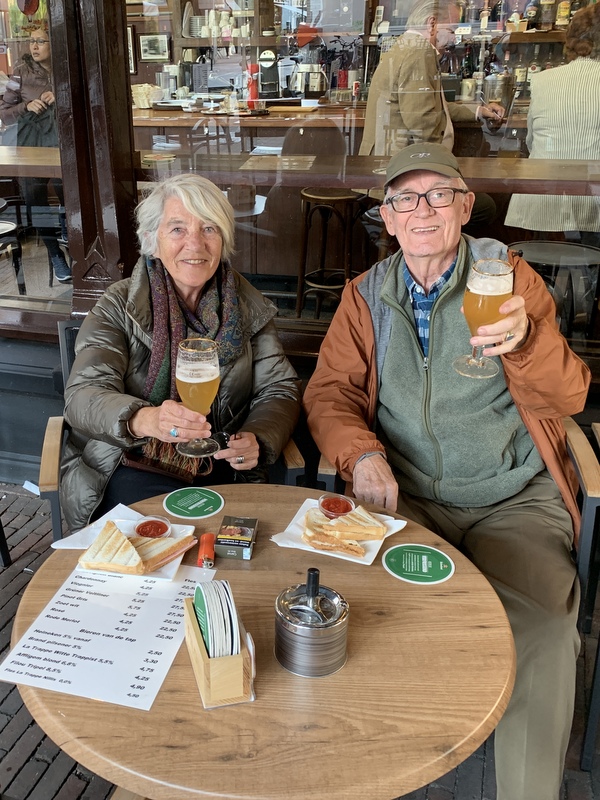
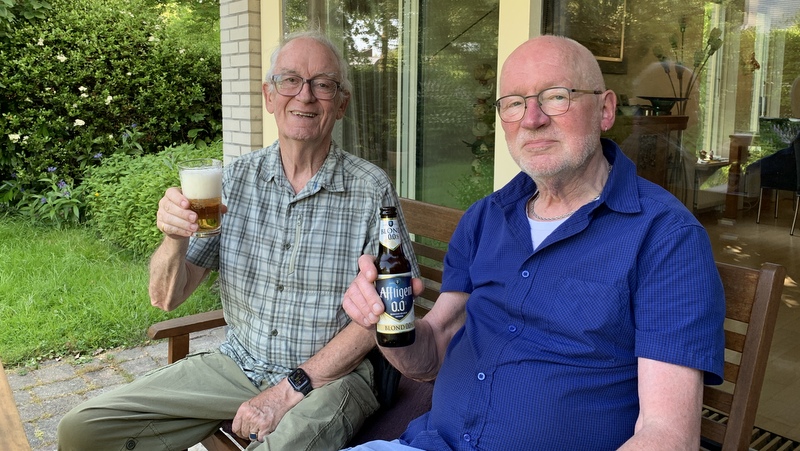
I continued my trip to Groningen where Ruud picked me up from the station. Beautiful weather, time for a refreshing beer. 0.0% beer, getting more and more popular these days.
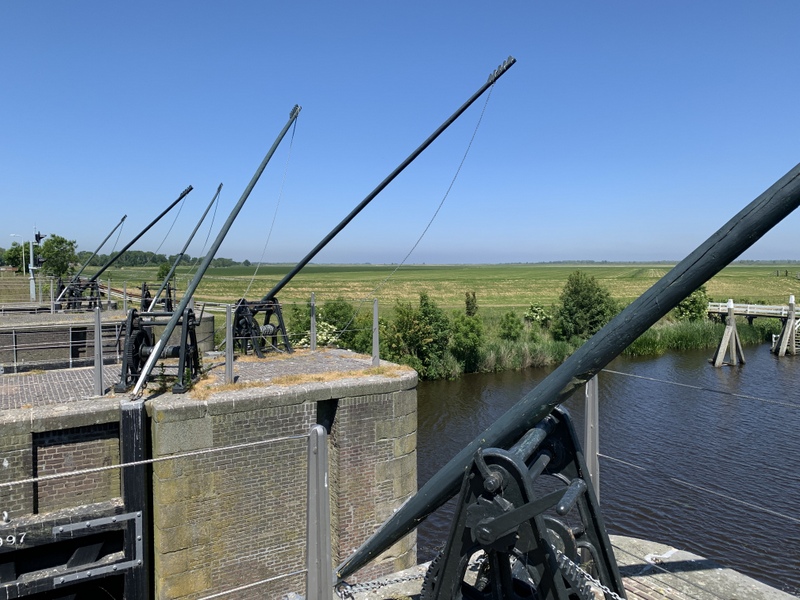
The next day we visited the northern part of Friesland. Right the Keersluis Munnikezijl, built in 1882 to improve water drainage in northeast Friesland.
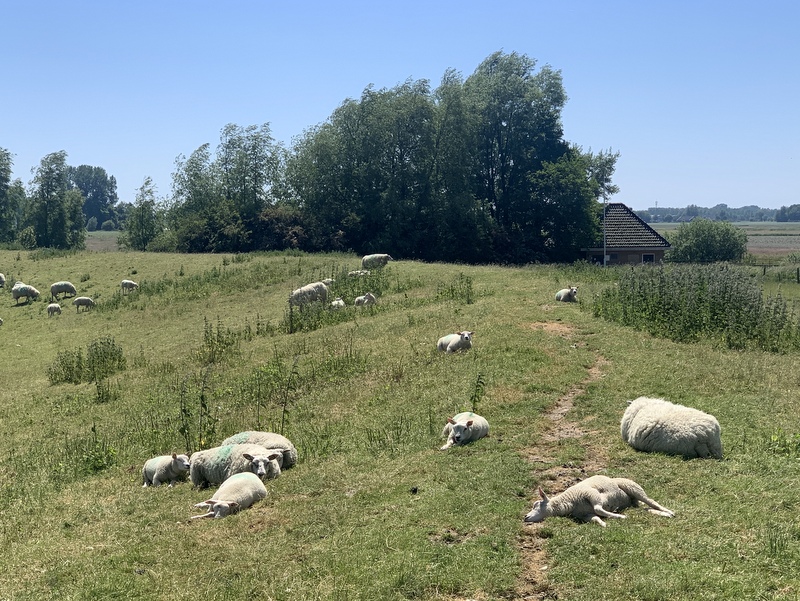
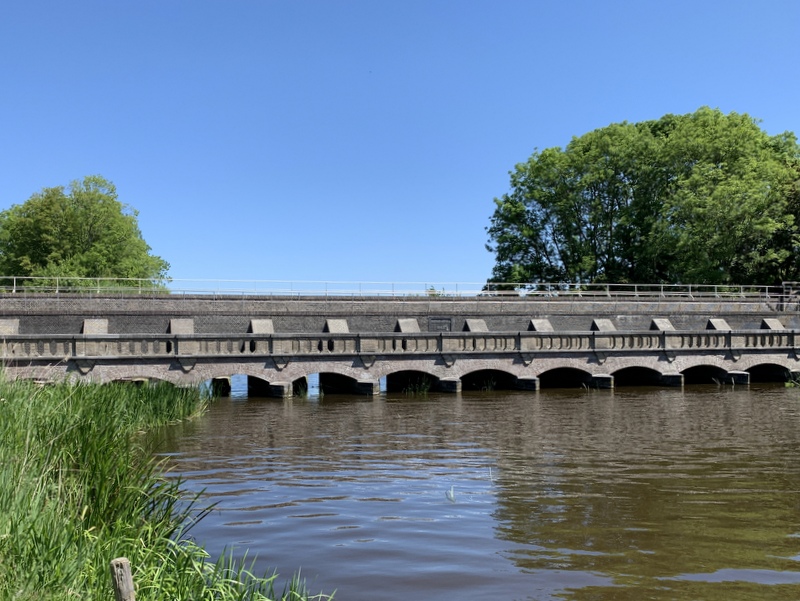
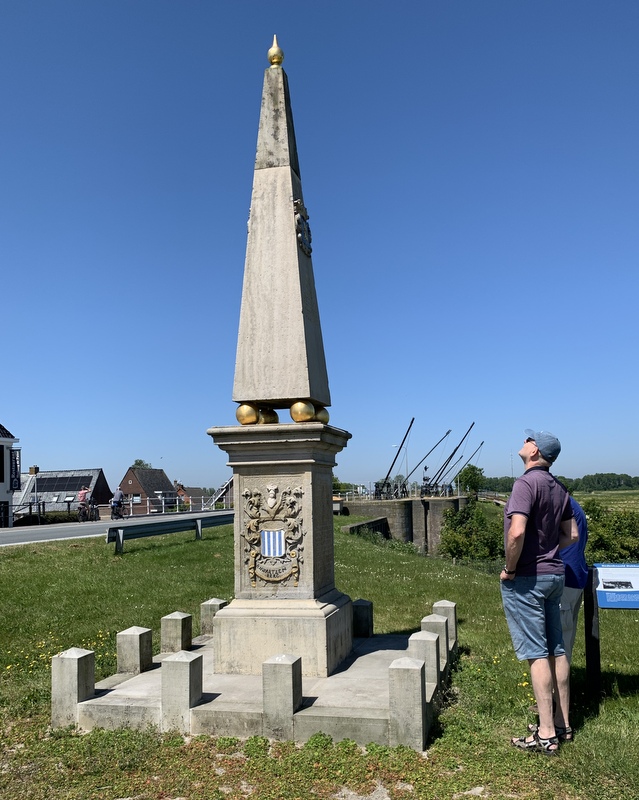
Flooding was always a problem in this part of Friesland. After the devastating Christmas Flood of 1717 it was decided to block the Dokumer Diep. The Dokumer Nieuwe Zijlen were completed in 1729 and are now National Heritage.
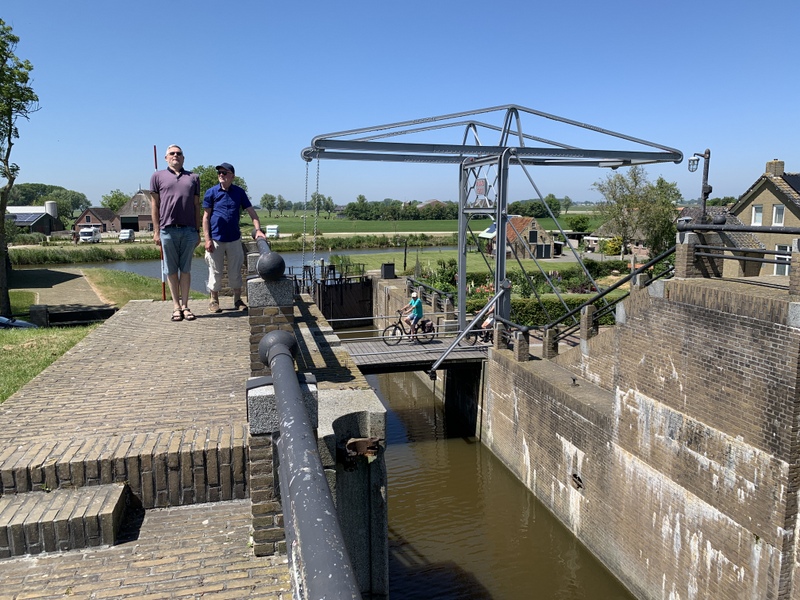
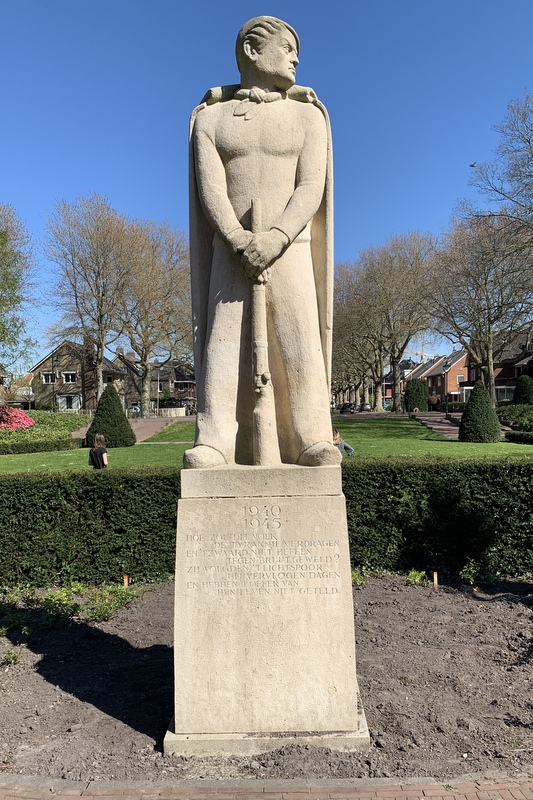
Left the monument that was erected in 1729 after completion of the works. The right picture shows a monument to remember the resitance fighters who lost their lives against the Germans at the end of WWII.
Our next stop was at the small village of Moddergat (~ Mud Hole). It was a fishing village where in 1883 17 of the 22 ships were lost at sea during a storm, killing 83 fishermen. A few of the fishermen houses have been restored and are now an interesting museum.
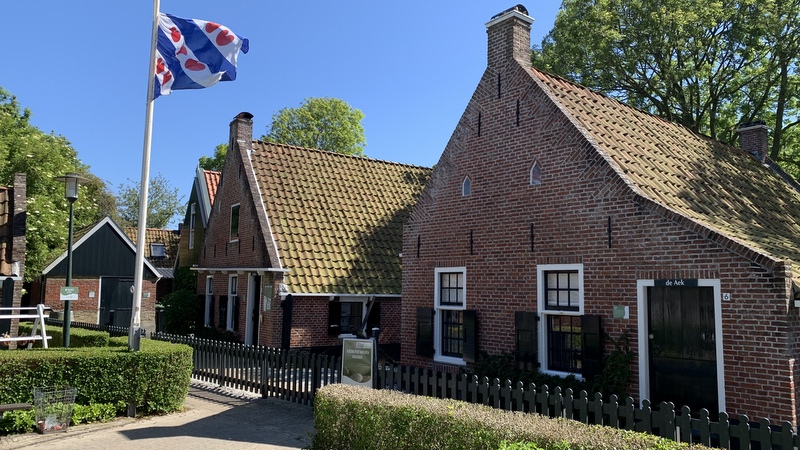
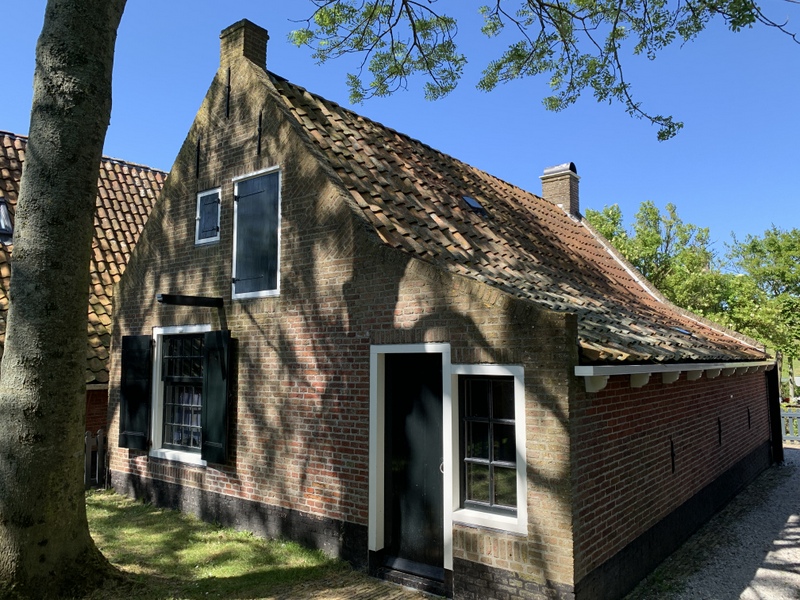
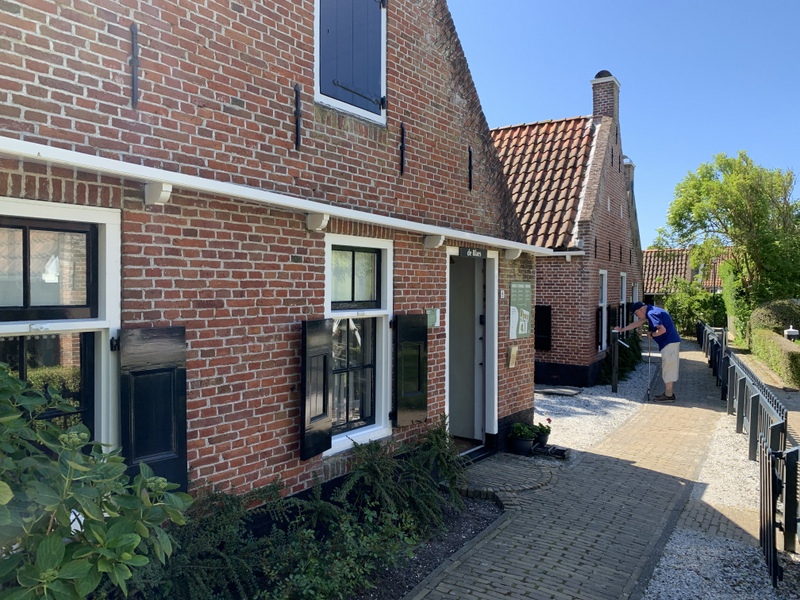
In one of the houses the interior can be admired. Often two families lived in one house.
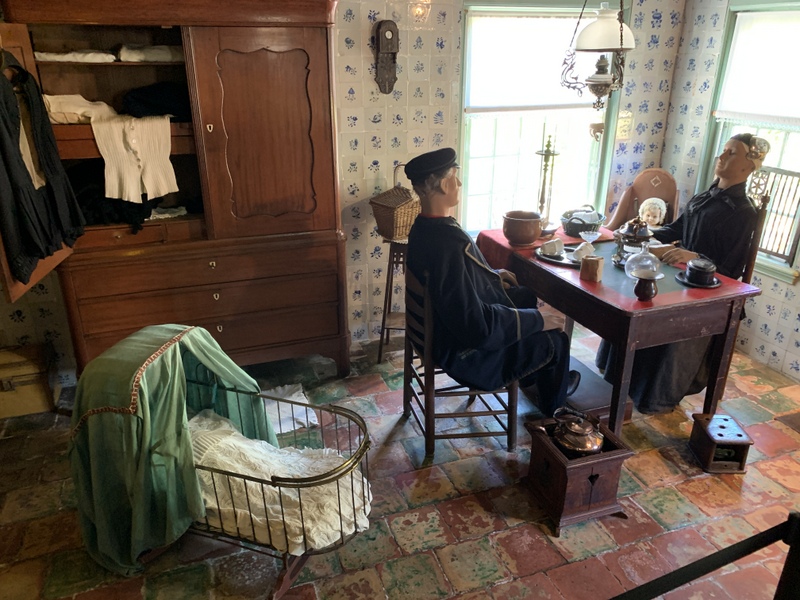
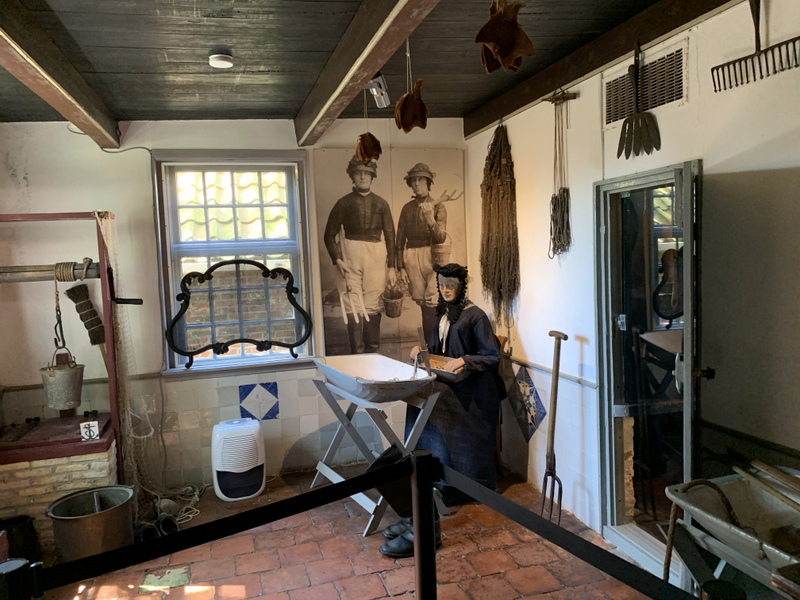
It was another day with beautiful weather. The right picture shows a monument to the women who, especially after the disaster, must have had a tough life.
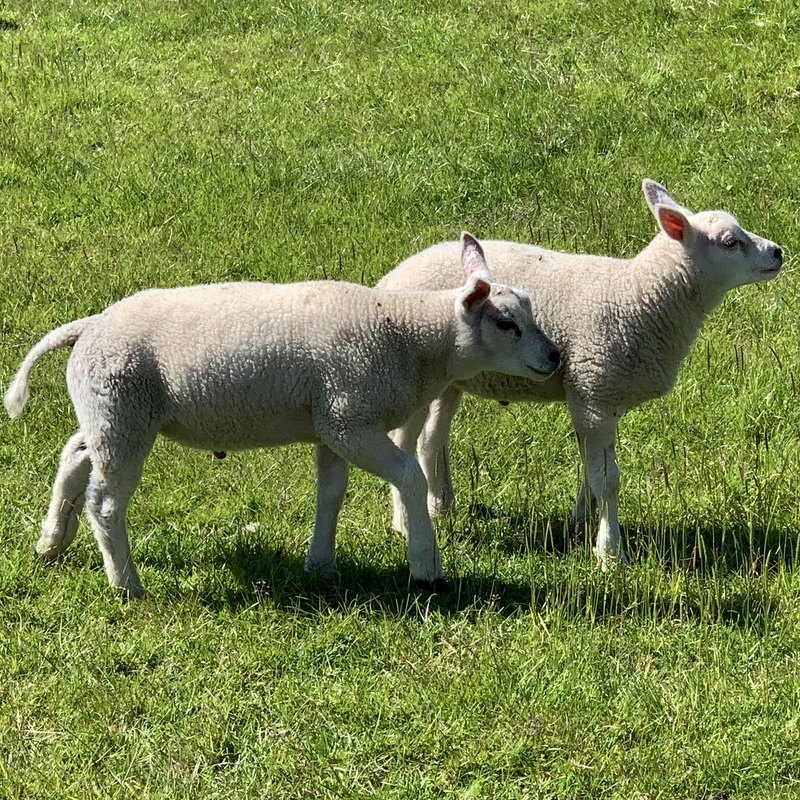
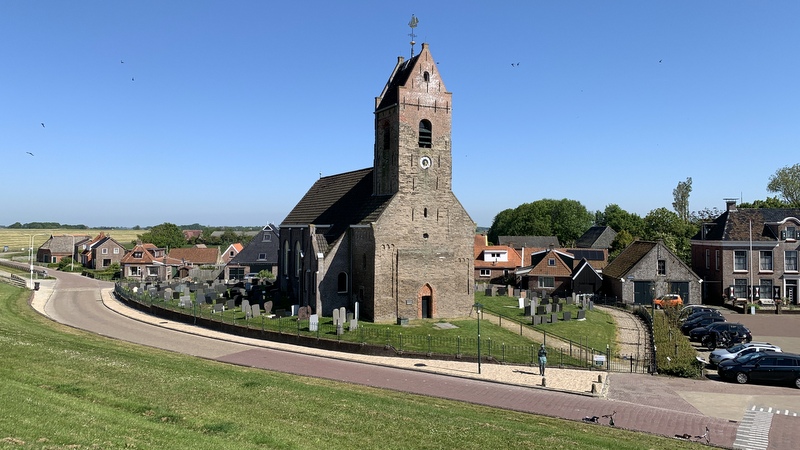
Our last stop was at Wierum, in the past another fishing village. Built on a terp, a man-made hill. Originally the church was the center of the village, now it is close to the dike, because part of the village has been swallowed by the sea.
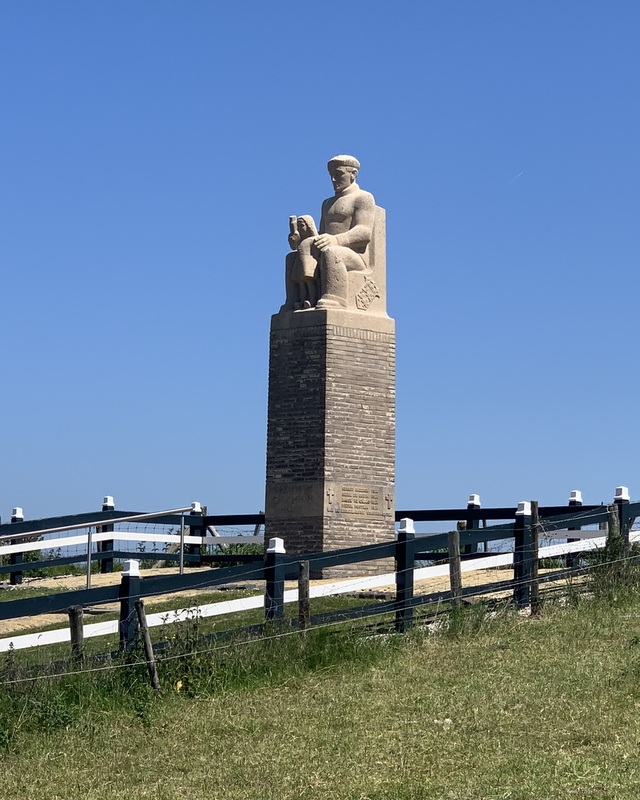
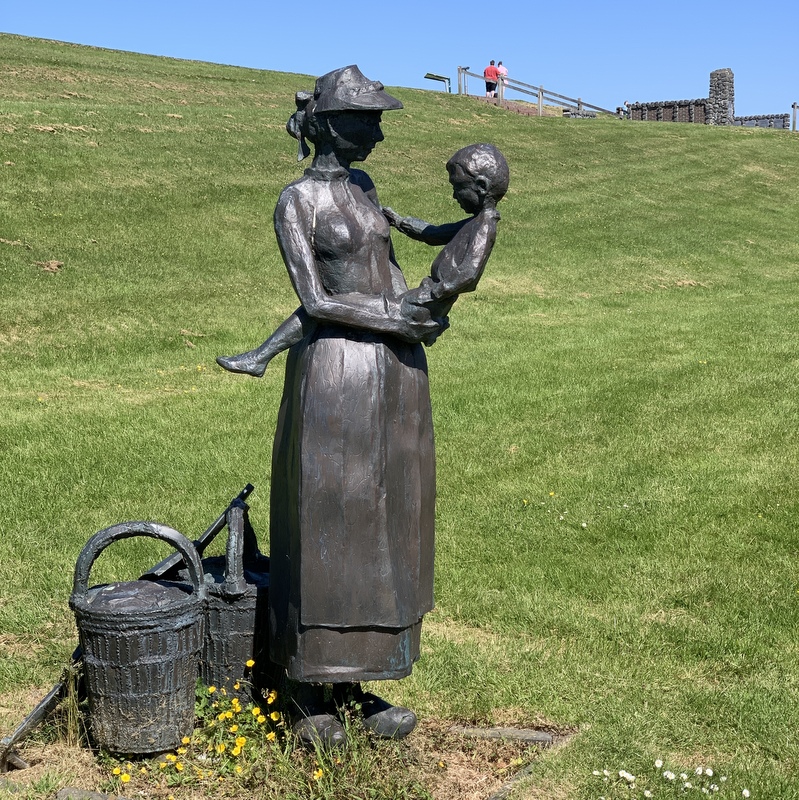
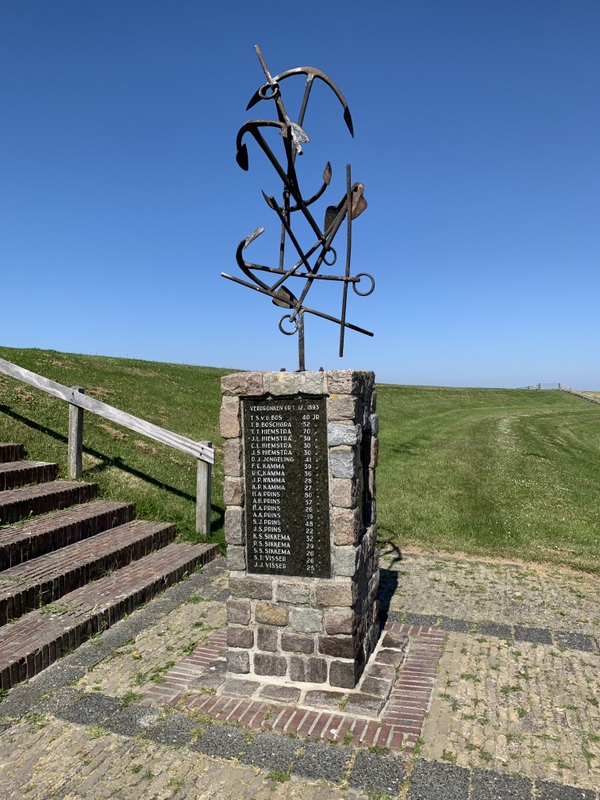
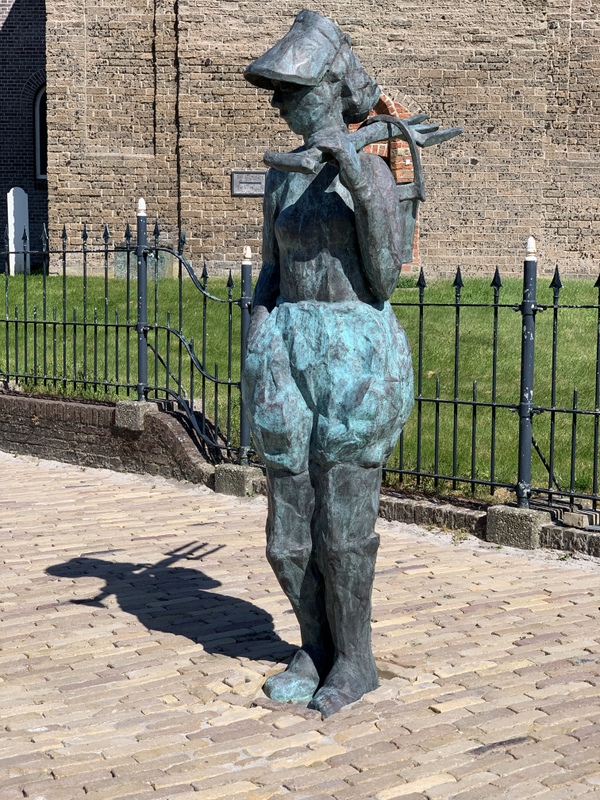
More monuments, left a memorial for the 22 fishermen who perished during another severe storm in 1893. Right a statue of a fishermen’s wive who had to walk across the mud flats to stab sea worms, which were used as bait by her husband, What a life! More info about Wierum here (in Dutch)
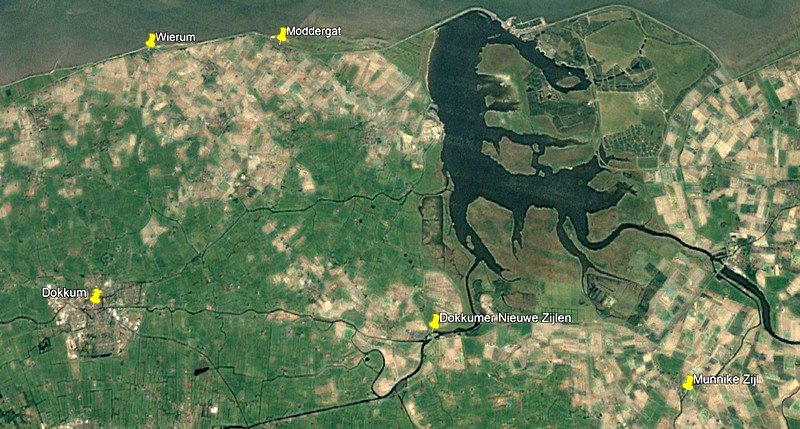
This part of Friesland was virtually unknown to me. . Here is a Google map of the region, where I have marked the places I have visited.
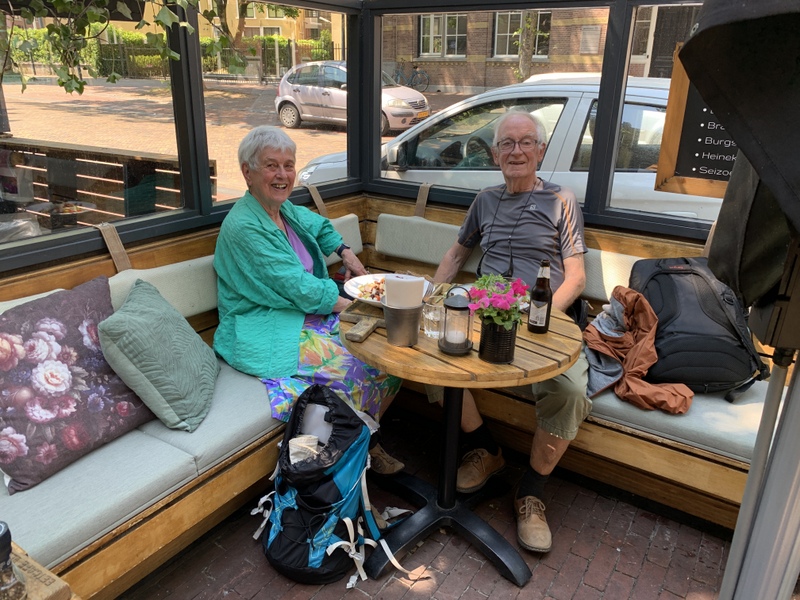
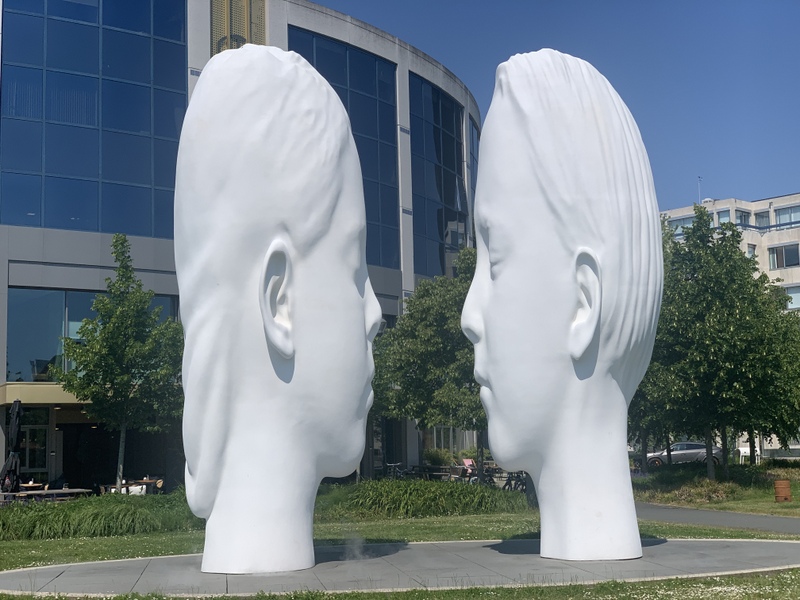
The next day, on my way back to Amsterdam, I stopped for a while in Leeuwarden, the capital of Friesland, to have lunch which my friend Nellie. We know each other since 1961, when we both were freshmen at the Free University of Amsterdam. The work of art near the station is another one of the 11 fountains, mentioned above.
A tiring, but rewarding 3D2N trip up north in the Netherlands.