Dutchman meets Orang Belanda

Recently I have visited my friend Joe Yap in Sabah. We had a nice time, full of activities. Here is a detailed report: Sabah November 2013

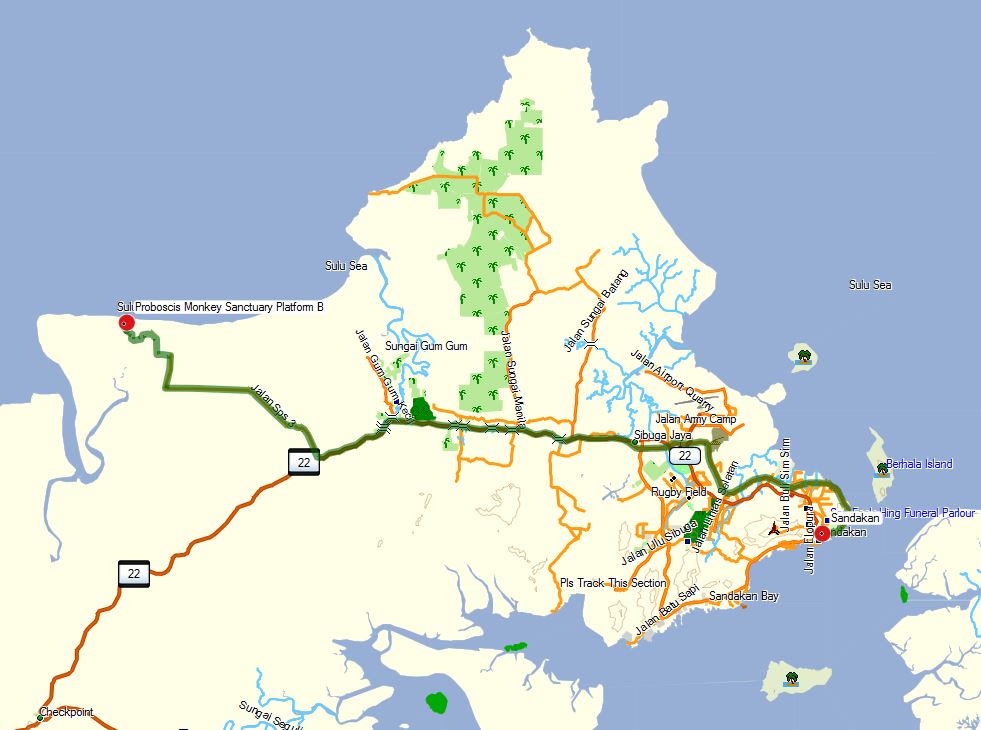
One highlight was the Labuk Bay Proboscis Monkey Sanctuary, located about 50 km from Sandakan.

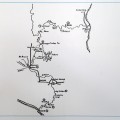
Sandakan_map

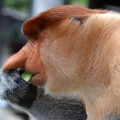
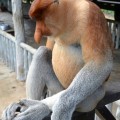
Near Sandakan there is also the better-known Sepilok Orang Utan Sanctuary, but I preferred to see the Proboscis Monkeys. Why? Because these splendid animals with their characteristic big noses and their potbellies are called in Malay: Orang Belanda, which means Dutch Man ! Not really a compliment for me and my compatriots… haha. Are our noses really that big? And our bellies that pot?

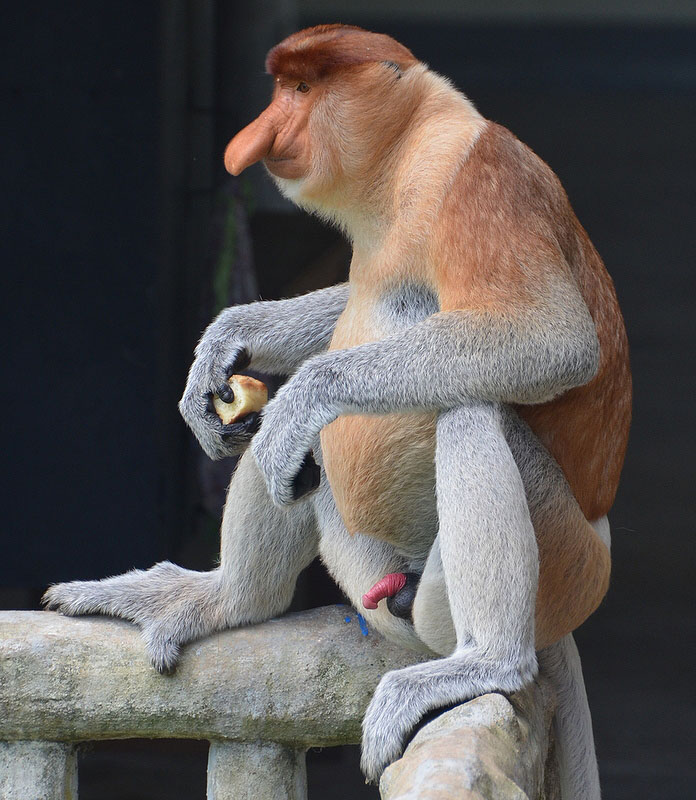
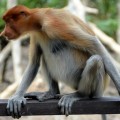
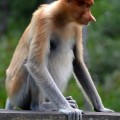
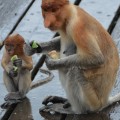
Here is a Dutch Man in all his glory.

Orang Belanda

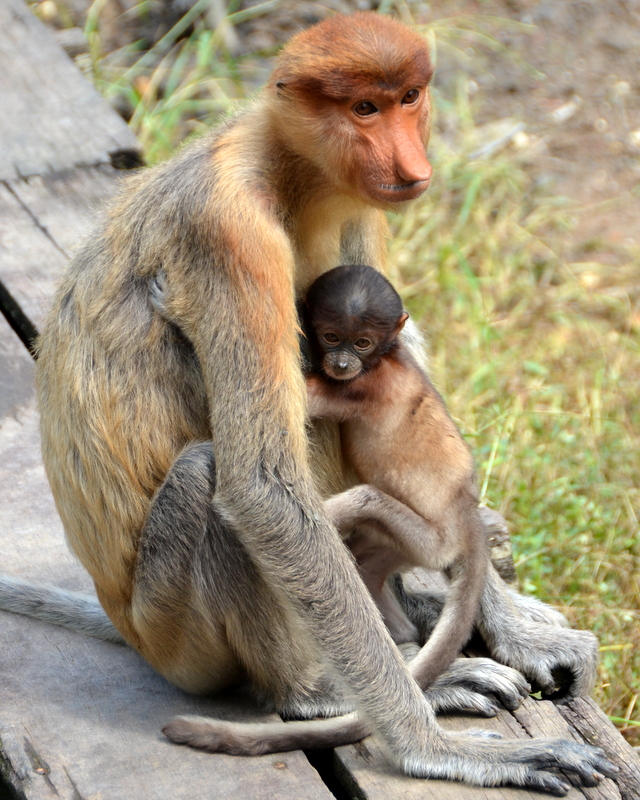
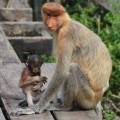
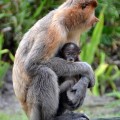
And here is a Dutch Lady with her child. She has a pot belly too, but her nose is smaller.

DSC_6812

The Proboscis Monkey is endemic to Borneo and considered an Endangered Species. Years ago I had seen them in Bako N.P in Sarawak, but only from a distance. Here they are used to humans and come close, especially during feeding times.

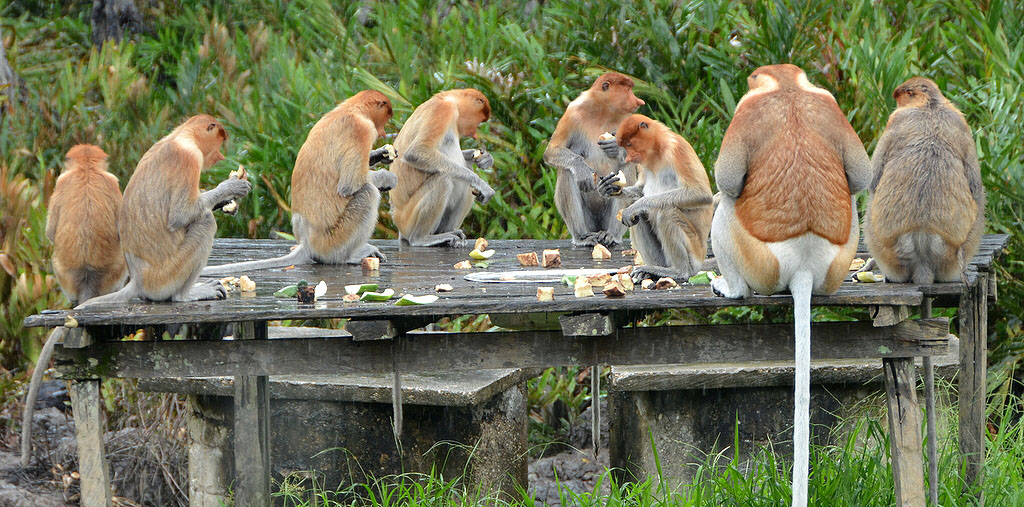
Feeding time

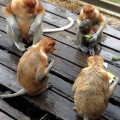
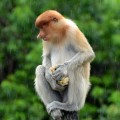
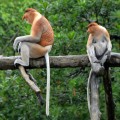
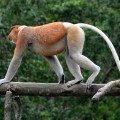
During our visit there were two (adult) males, each with his harem. Several of the females had children. These monkeys are really a photographers delight! Here is a collection of pictures.

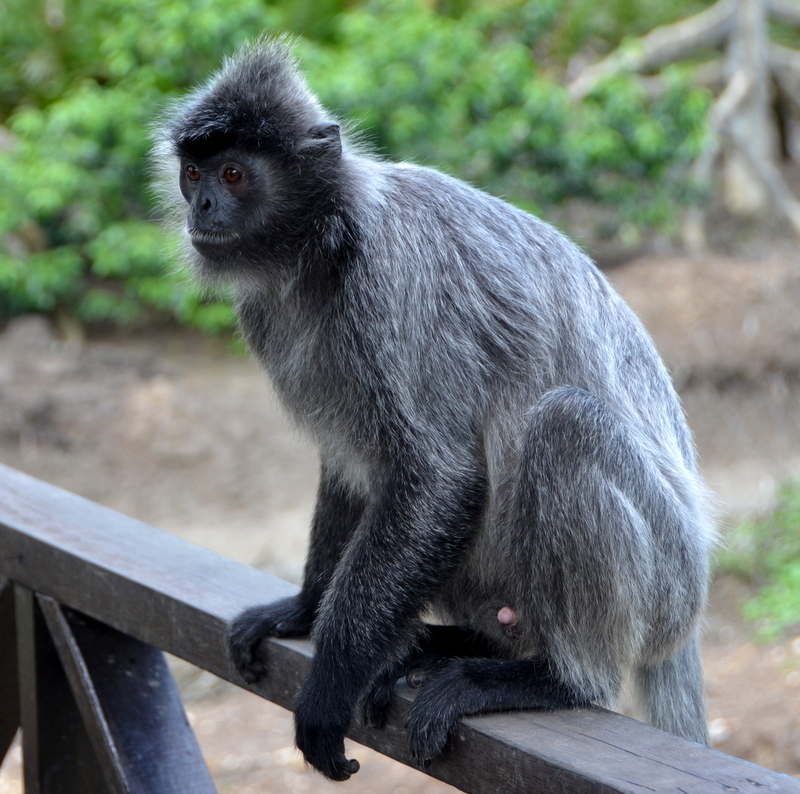
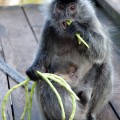
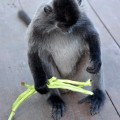
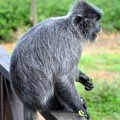
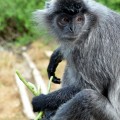
Besides the Proboscis Monkeys, there are also Silvered Leaf Monkeys. In Peninsular Malaysia you can find many of them in Kuala Selangor. Beautiful animals.

DSC_6830

Here also a few more pictures. They have long beans for lunch

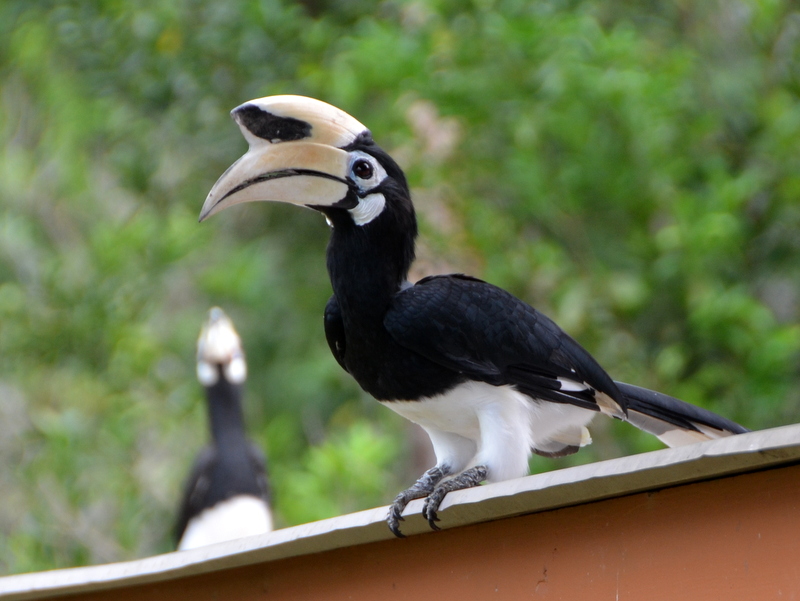
There are also a few hornbills (Oriental Pied)

Oriental Pied Hornbill

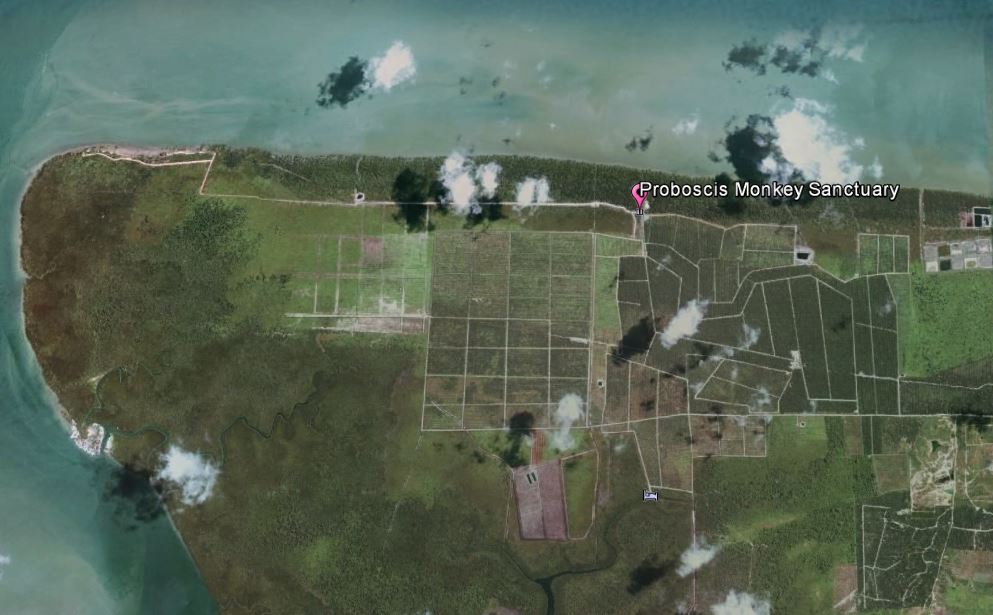
We enjoyed our visit tremendously, although I can understand that not everybody is happy with this project. The sanctuary is a small strip of mangrove forest and belongs to a oil palm plantation, as can be seen clearly on Google Earth.

Labuk Bay

A very small strip, hardly a sustainable habitat for a (fairly large) group of monkeys. They depend for their food on the Sanctuary and are almost domesticated. Exploited, say the critics. Very different from the Sepilok approach where the Orang Utans are taught to live independently of humans. Here are Tripadvisor comments, varying between “terrible” (21) and “excellent”(178).

My advice: visit the Sanctuary and judge for yourself 🙂

Waterfalls

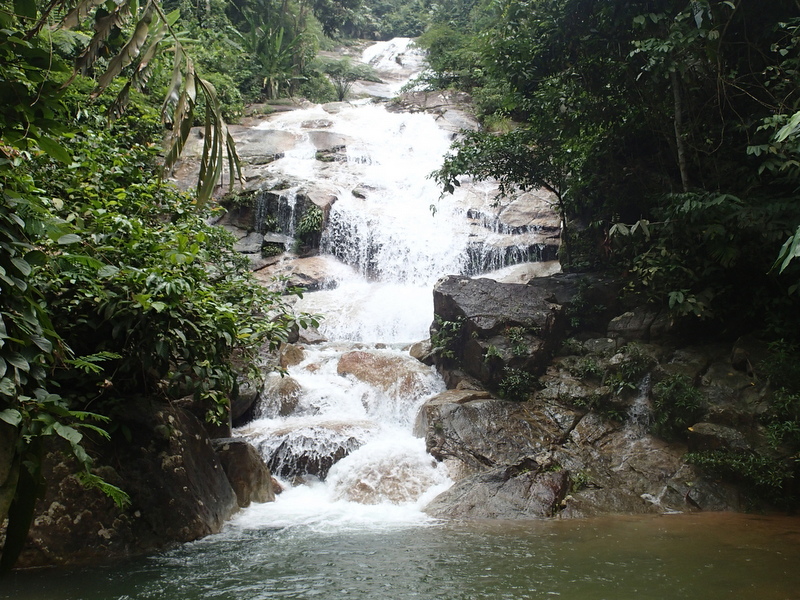
Quite a few times, on my waterfall hikes, I have met Eddie Yap, a nature guide. We became friendly, exchanged emails and agreed that we should try to make a trip together. But it never happened, until last week. It was a nice meeting, although the actual reason was not a happy one. Recently a nature guide drowned at a remote waterfall near Bentong, after he had first saved the life of one of his clients.

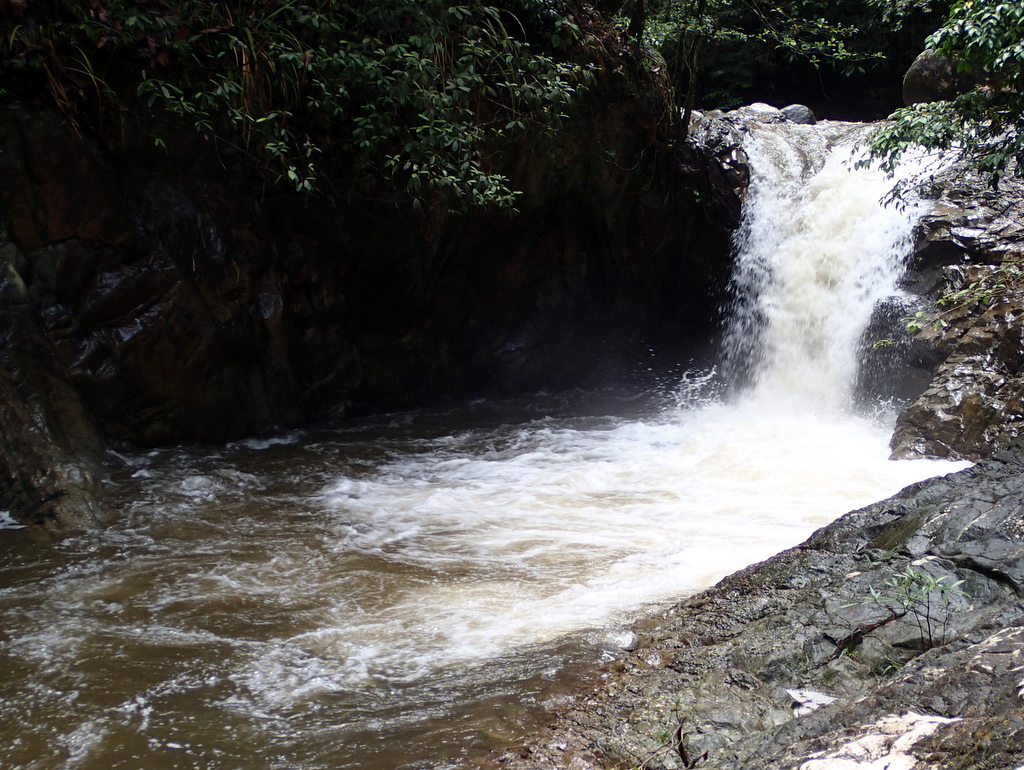
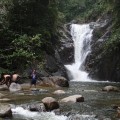
We had both visited this waterfall and did not really understand why it could be dangerous. So we decided to make Lata Hammers the target of our trip. Aric joined, as I have made it a rule now, to have at least three people on jungle hikes. Here is the upper fall, where the tragic accident happened.Upper Lata Hammersw

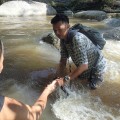
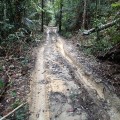
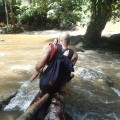
As you see, the water flow was huge, because there had been heavy rain the night before. At the trail head you have to cross the Perting Pandak river, and that was NOT easy. After that it is an easy, although muddy logging road, leading in about 45 minutes to the fall. Here you have to cross the river again, and it was good that a “bridge” consisting of trees had been constructed, otherwise crossing would have been very problematic. The waterfall was intimidating, turbulent waters, strong currents, we thought it wise not to swim. It is only a short walk to the upper fall, equally strong and turbulent. Here is a short video clip of the upper fall.

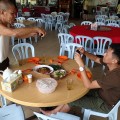
Although the target of this trip was a sad one, it was really a pleasure to finally make a trip with Eddie. We had a lot to talk about, and a lot in common, for example that we both like skinny dipping, haha. And good food, on our way back we stopped in Bukit Tinggi and had a delicious lunch at the 126 restaurant . Value for money too, we paid only RM 26 for the three of us!  Here are more pictures. Looking forward to a next meeting.

I took a few more videos at Lata Hammers. Here are the links: Crossing the tree bridge , The lower fall (notice the turbulence and the currents) and one more of the Upper fall

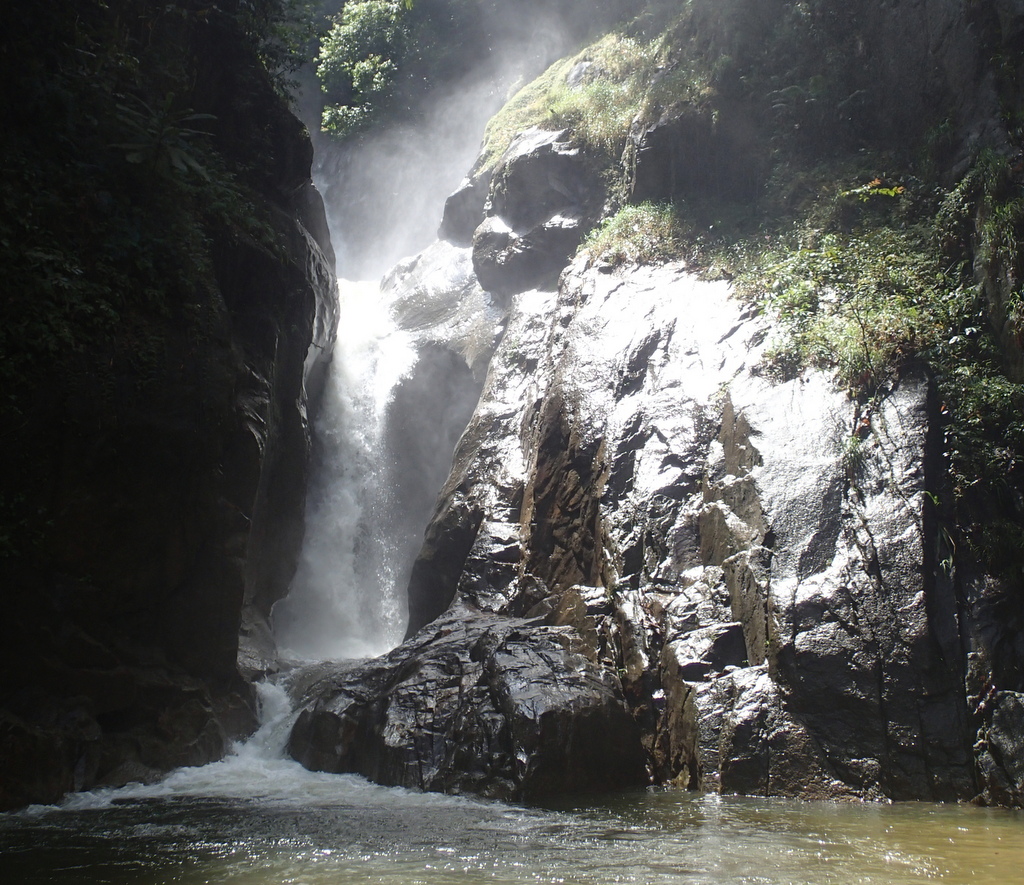
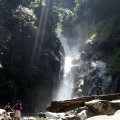
A few days later I went again to a waterfall. This time with my friends Richard and Gabriel, to the Chiling waterfall, near Kuala Kubu Baharu. This waterfall, the most popular in Malaysia, is only open to the public during weekends, you will not be the only visitor. As it is the rainy season now, I was expecting a large flow of water, so I had taken a rope for the (several) river crossings. But it had not been raining the night before, the crossings were passable, with some care. Here is the main fall , impressive, with a thunderous roar and a mist of water.

OLYMPUS DIGITAL CAMERA

It takes about 45 minutes from the ranger station (Chiling is a fish sanctuary) to the main fall. But first we climbed up to the upper fall, where it was quiet. Here is a video of the upper fall.

As the weather looked good, we decided to go the top fall, which I had explored in 2010 , We found the trail, it looked good, but unfortunately  it petered out halfway and as we were not in the mood to chop our way, we returned and went down to the main fall. We were surprised to find no visitors there, which caused Richard and Gabriel to do a joyful little dance.

Later new hikers arrived, but still it was not the crowd I had expected…:-) We had our lunch before we hiked back. I have visited this waterfall numerous times, it never gets boring! Here are more pictures.

Let me end this blog the same way as the waterfall pages on my website end:

Waterfalls can be dangerous ! Always take care about your safety


Journal 6-11-2013

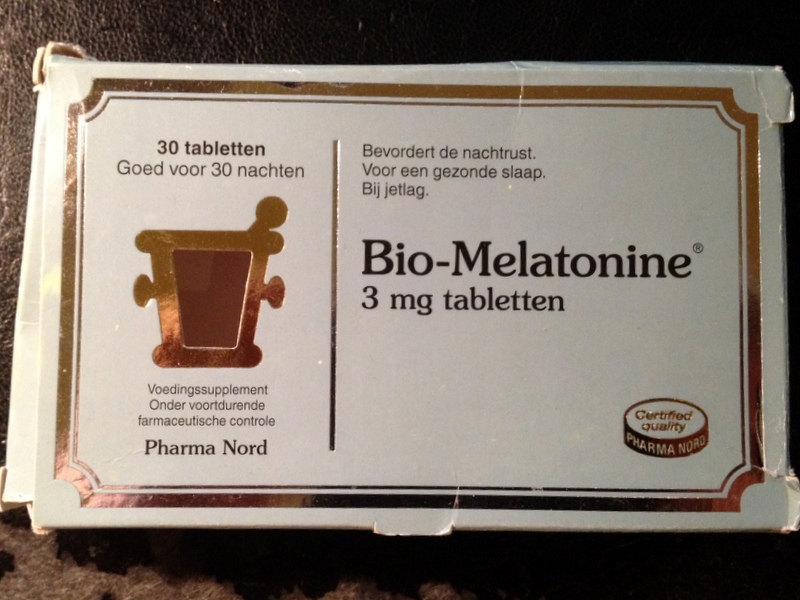
Back in my second home for almost three weeks already. How time flies. This time I suffered less from jet lag, maybe because I used Melatonin the first week. Melatonin is supposed to adjust your biological clock.

Melatonin

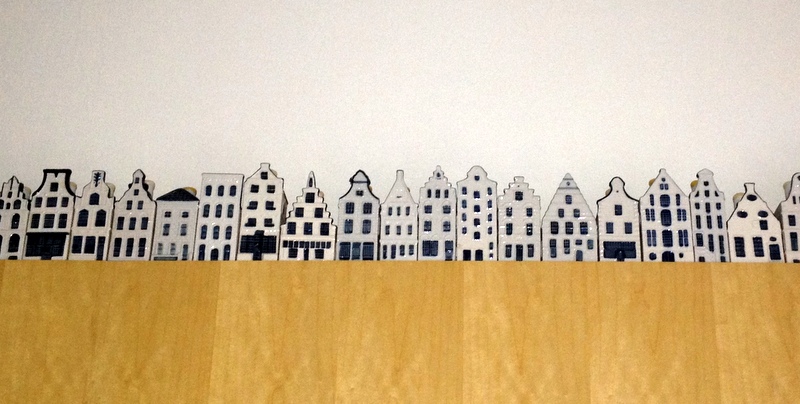
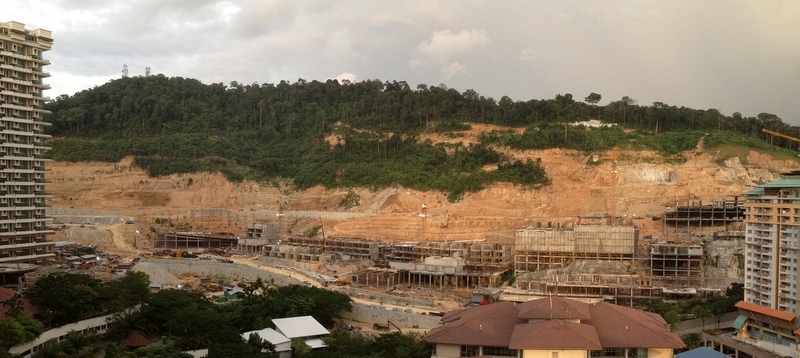
In earlier posts you have read that we are collecting KLM-houses. We bought many during our last visit, here is part of it. Next to it a sad picture of the present view from our balcony. The destruction of Bukit Lanjan has not stopped.

KLM-houses

View from our balcony


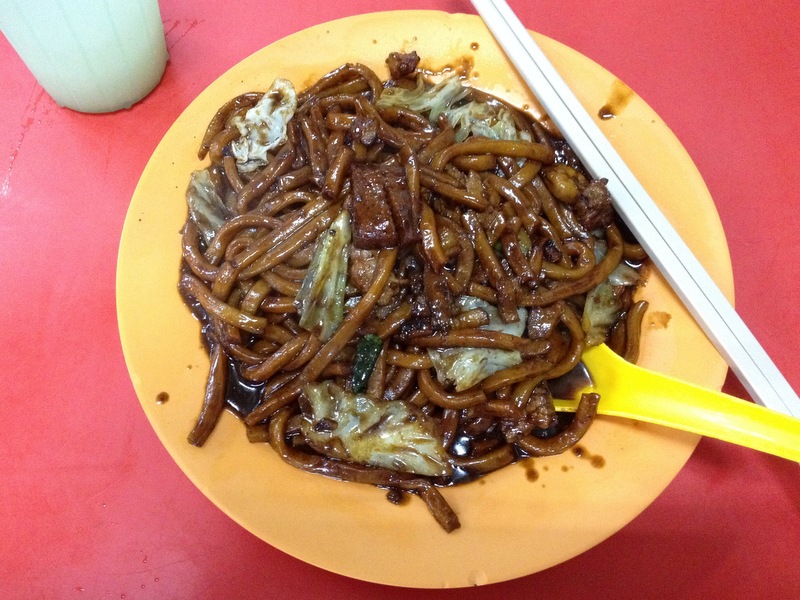
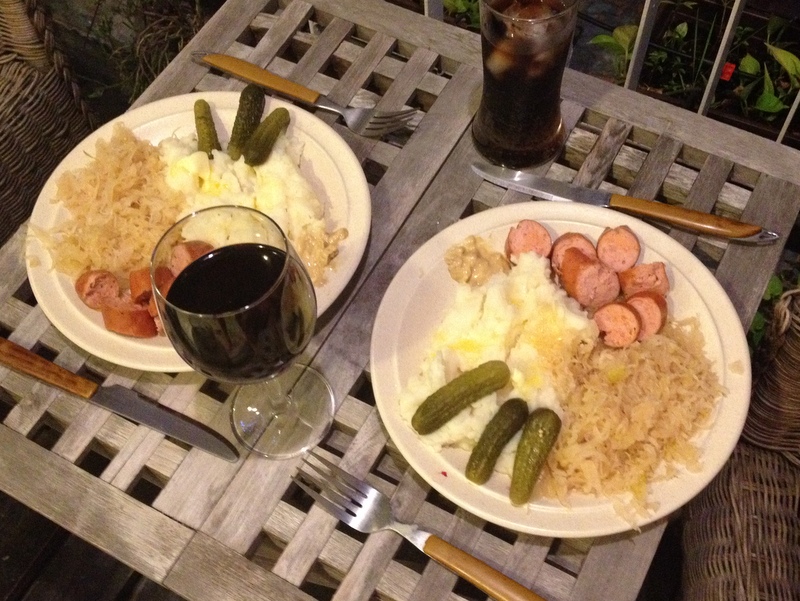
After two months of Western food I was craving for Nasi Lemak, Hokkien Mee (picture), Roti Chanai etc. But in the fridge there was still a smoked sausage (“rookworst”), so we had also a Western meal, with Sauerkraut and mashed potatoes..

Hokkien Mee

Sausage & Sauerkraut

After a few days of recovery I started walking again in Bukit Kiara. It is still under threat of “development”, but walking there remains a pleasure. Instead of completing the atrocious fence, the authorities should concentrate on maintenance. Personally I don’t mind the “illegal” rubber tappers, but the neglected signboard for the Sg Penchala is an eyesore.

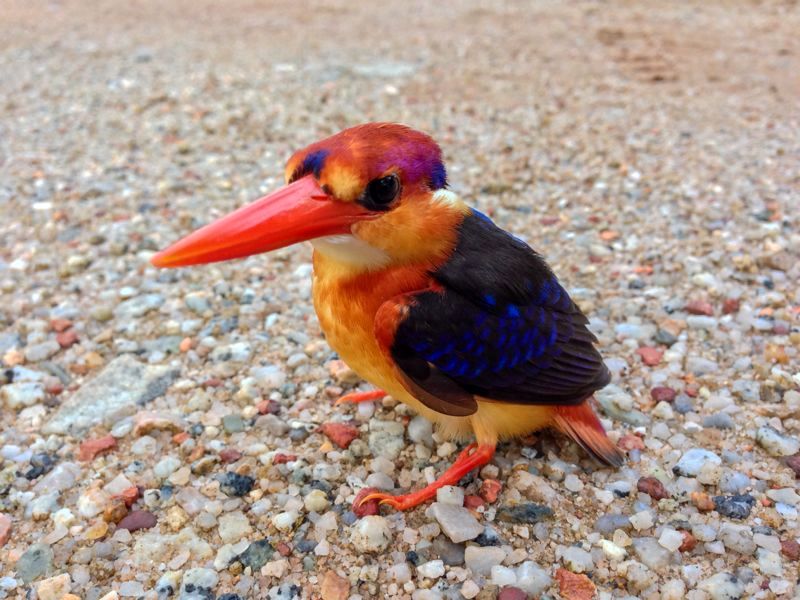
When Aric was back in Sabak Bernam he sent me a picture of a beautiful bird, found in his mum’s garden. With a broken wing. For my birding friend Khong it was no problem to id the bird: an uncommon Black-backed Kingfisher

Black-backed kingfisher

Aric took it back to KL, then a friend brought the tiny(!) bird to a bird doctor in Shah Alam. But the bird was too weak, it died. Pity.

After recovering from the flight, as usual came the craving for jungle and a waterfall…:-) I found Paul and Rahim willing to join me to a remote waterfall in the Tanjung Malim region, the Gerehang fall. Not many people visit this fall, Rahim had to do a lot of chopping to clear a trail.

Gerehang fall

During our hike of about 5 hours we did not meet a single soul. When we arrived it started to rain for a while, but after the shower, the sun came through again, so we had coffee and our lunch. Unfortunately, with the sun came also the sweat bees, many of them, and with (or because of?) all my precautions, I got stung again. A tiny sting in my finger, but it resulted in a swelling of my hand that lasted for more than one day. I did not have to use my Epipen, but it was worrying. Maybe I must stop going to remote places in the jungle. Here are some more pictures.

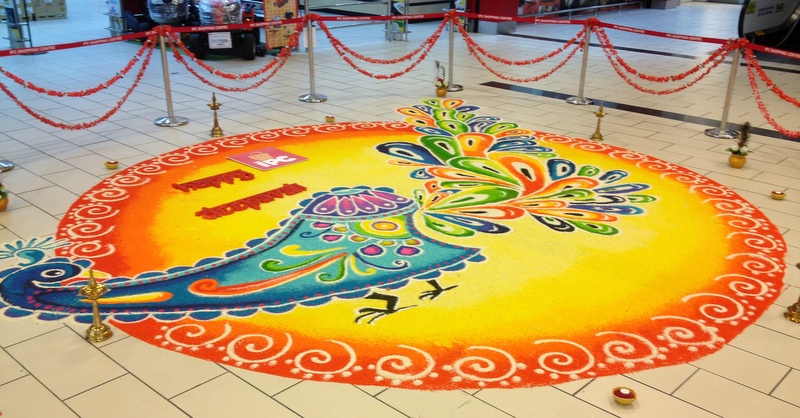
Last weekend it was Deepavali, the Hindu festival of light. In the Ikana/Ikea shopping center, a beautiful, elaborate, kolam was created.

2013-10-31 11.59.21

I spent the weekend in Taiping with my friends George and Jenny. Of course we visited the Lake Gardens, but also the ruins of the New Rest House. With May, another friend, I attended a delicious Deepavali lunch, offered by her Indian friends. I also took part in the Kathina festival, see my separate post. Here are some Taiping pictures

Malaysia, my 2nd home, full of variety


The Kathina festival 2013

During the rainy season (Vassa), Theravada Buddhist monks don’t travel and are going on retreat in a temple or monastery. When the rainy season is over, traditionally in October/November, the end of this 3-month retreat is celebrated during the Kathina festival.

The (legendary?) background of this festival is so interesting that I can not resist the temptation to tell you a bit about it.

A group of bhikkhus (monks) was on its way to the Buddha, when the rainy season started. Not to damage the harvest, living creatures (and themselves), they decided to stay where they were, although unhappy about the delay. After the rains stopped, they continued their travel. When they reached the Buddha, to console them, gave them a piece of cloth to stitch a robe. To stitch a robe, you need a frame, which is called a kathina. A detailed account can be found here

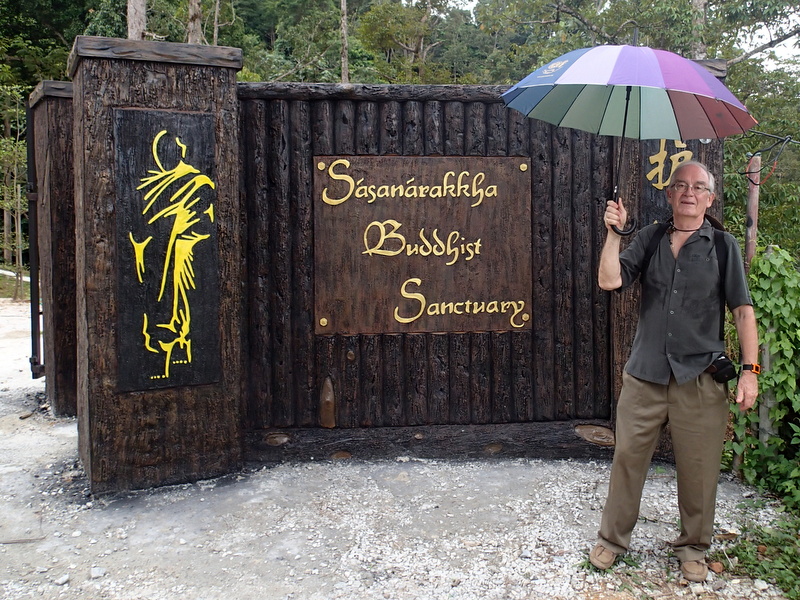
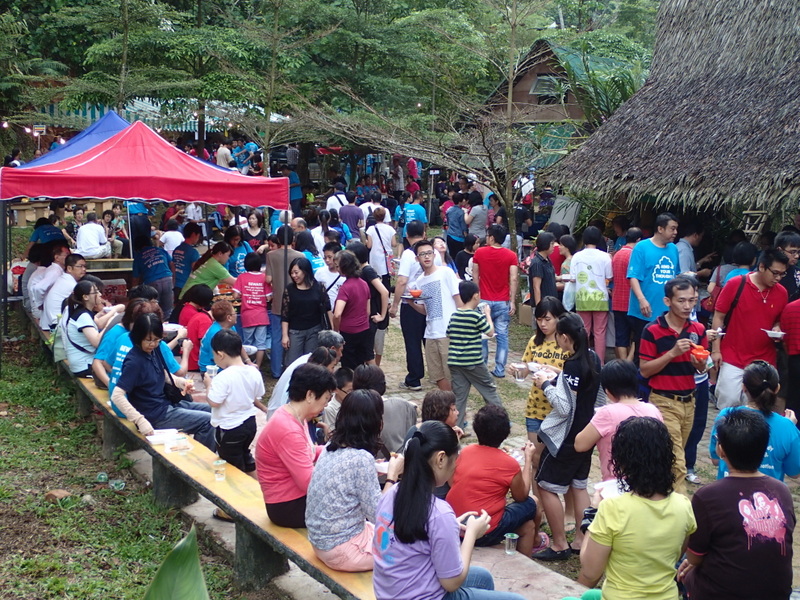
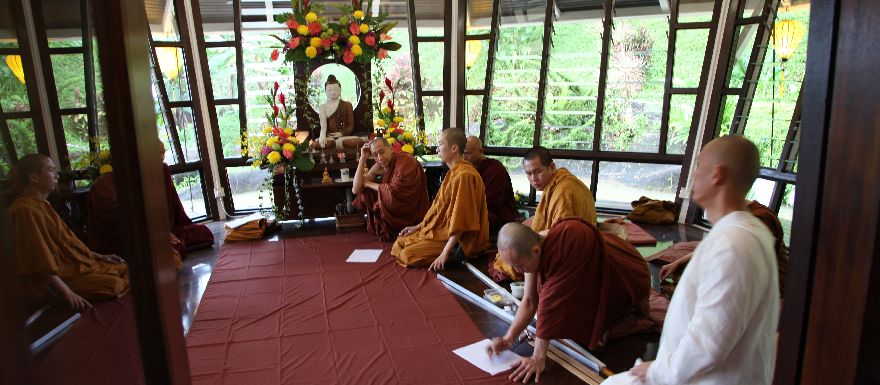
Nowadays the devotees offer this cloth (and other items) to the monks during the Kathina ceremony. This ceremony takes place in many locations in Malaysia, but is especially popular in Taiping, in the Sasanarakkha Buddhist Sanctuary. I have visited this beautiful, quiet sanctuary on the slopes of Maxwell Hill quite a few times.This time it was still beautiful, but not quiet with a few thousand visitors.

Entrance of the Sanctuary

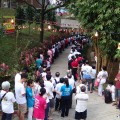
Many visitors

We went up early Sunday morning, as Jenny was a volunteer at one of the many food stalls. Food stalls, yes, because this is Malaysia, no celebration without food…:-)  Probably many visitors mainly came for the free food.

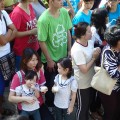
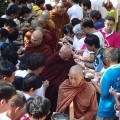
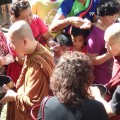
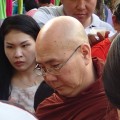
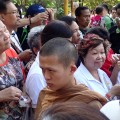
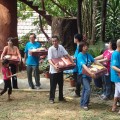
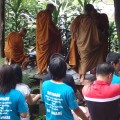
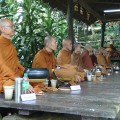
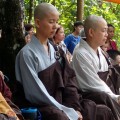
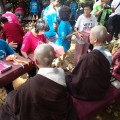
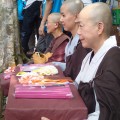
The Kathina procedure is as follows: the monks (this time there were seventeen plus three nuns) walk along the long row of devotees, who put a bit of rice in the alms bowl of each monk. They then proceed to their seats, where the robes and other items are given to them. One of the monks then gives a talk. It is finished around noon. Officially the cloth has to be sown into robes before the end of the day, but I don’t know if that is still the case nowadays. Here are pictures of the event.

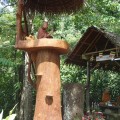
The event was organised very well, one organiser told me there were about 400 volunteers! On our way down, we passed one of the buildings of the sanctuary. This may be where the cloth is sown into robes, as I found a picture on the Internet, which seems to be taken inside this attractive building.

One of the buildings Sowing the robes


This was the second time I attended Kathina, it will hopefully not be the last one.


Europe trip 2013 Barcelona & Amsterdam

After our two-week trip through Europe we needed some time to relax and do our laundry. Only a few days because we had one more destination on our program: Barcelona in Spain. The town of Gaudi, the country of paella and sangria!

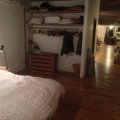
It was a short visit of three nights only. Instead of looking for a hotel we found a nice apartment, a loft on the fourth floor of an old building, near to the Ramblas and in the middle of the Red Light district…:-) The dimensions must have been something like 30 x 5 meter!


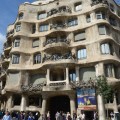
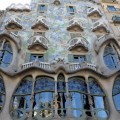
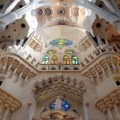
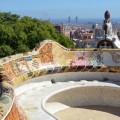
Of course we spent most of our time in Barcelona visiting and admiring the wonderful works of art created by Gaudi.. A pity that we were not the only ones! I have created a separate album about Barcelona on my Stuif’s Adventures site. Here only four pictures of the places we visited
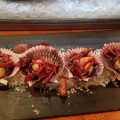
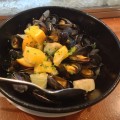
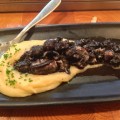
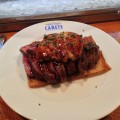
We had lots of tapas and sangria. Not always top quality. One night we had really a wonderful meal in a local tapas bar suggested to us by the hostess of our apartment. Spanish style, We started our dinner at about 10 pm..:-). Delicious food. The name of the restaurant is Cañete and you should not miss it when you visit Barcelona!
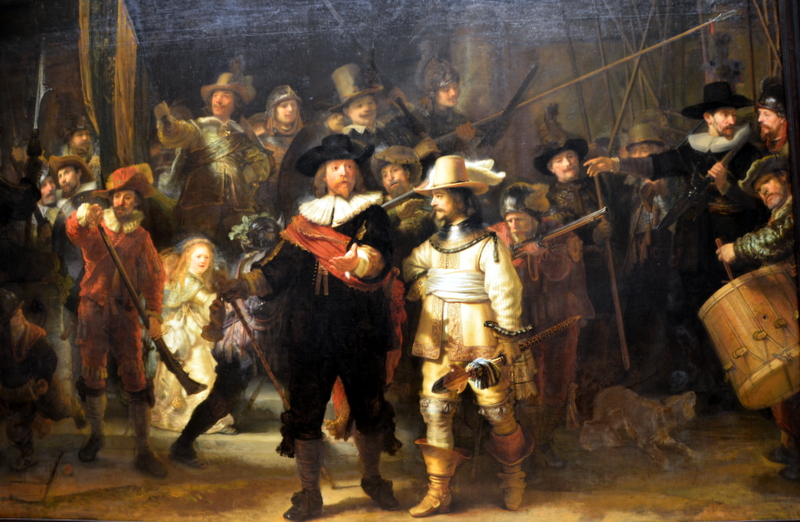
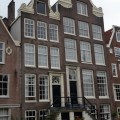
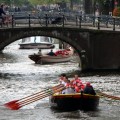
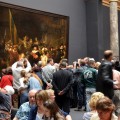
Back in Amsterdam, we had a few days left before Aric went back to Malaysia. The weather was still ok, so we looked for some more of the KLM houses. And we visited the Rijksmuseum, opened last year after an extensive renovation. With a spectacular result, I will post a separate blog later about it. We had a look at the Night Watch by Rembrandt, one of the most famous paintings in the world. Also here we were not the only ones…:-)
Night Watch

Here are a few more pictures of these last few days in Amsterdam

Europe Trip 2013 part 2

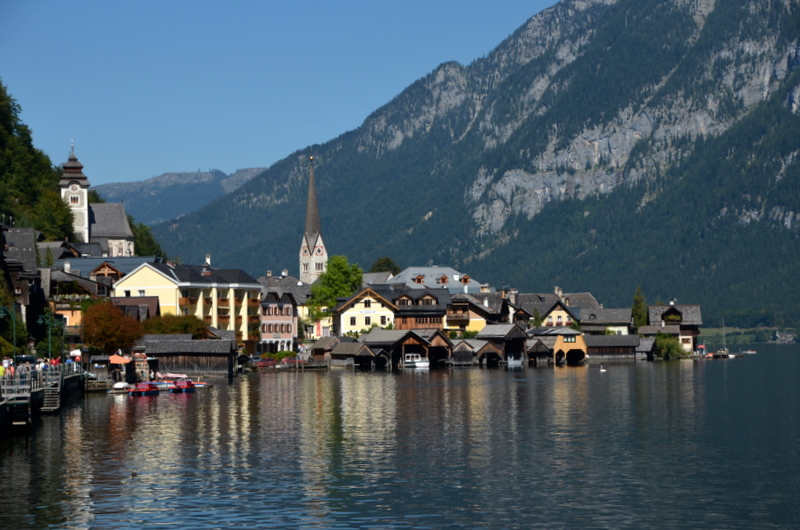
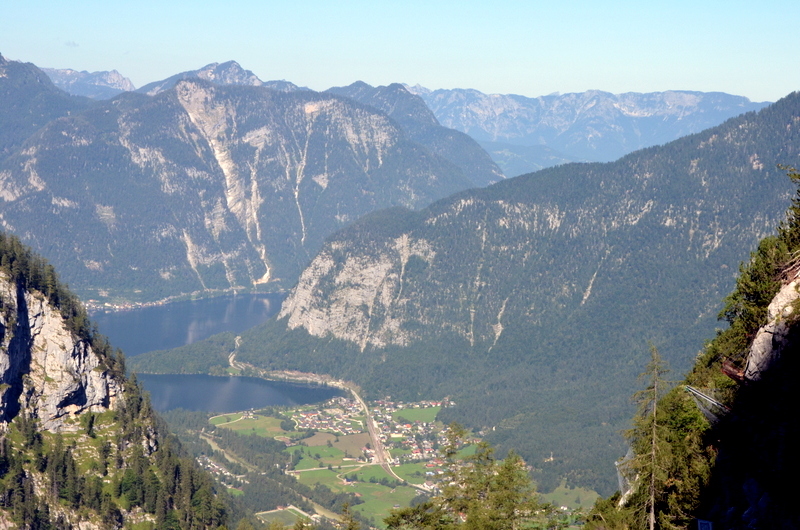
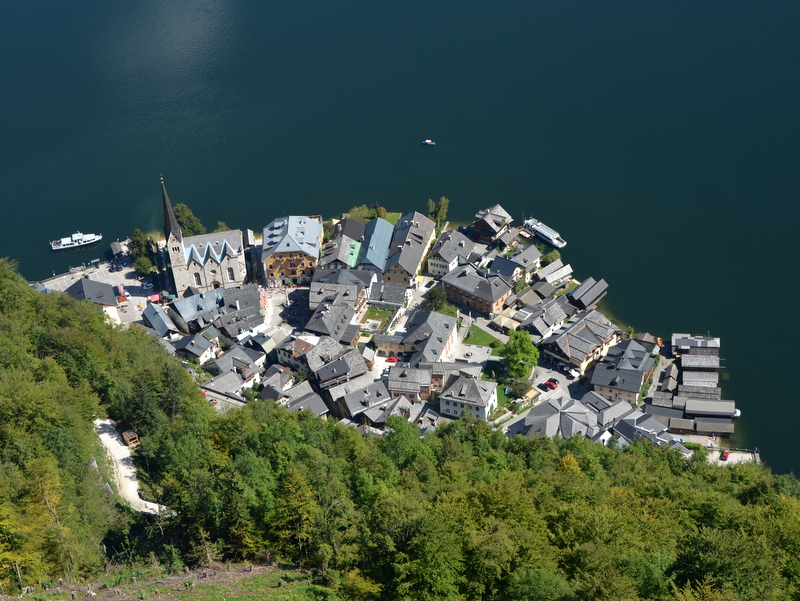
From Salzburg it is not far to the romantic small town of Hallstatt, situated on the shore of a lake.We stayed there three nights, to explore the region. Besides enjoying the atmosphere of the place, we visited a few popular tourist attractions.

DSC_5503

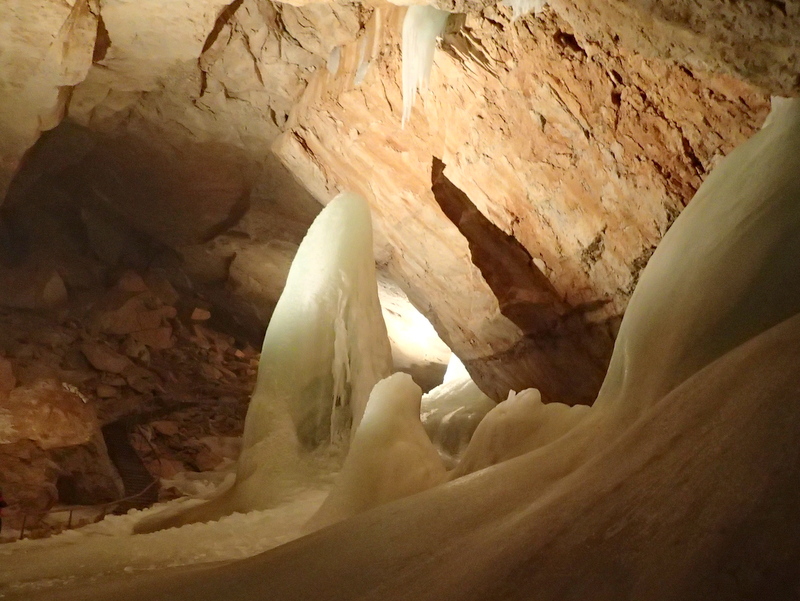
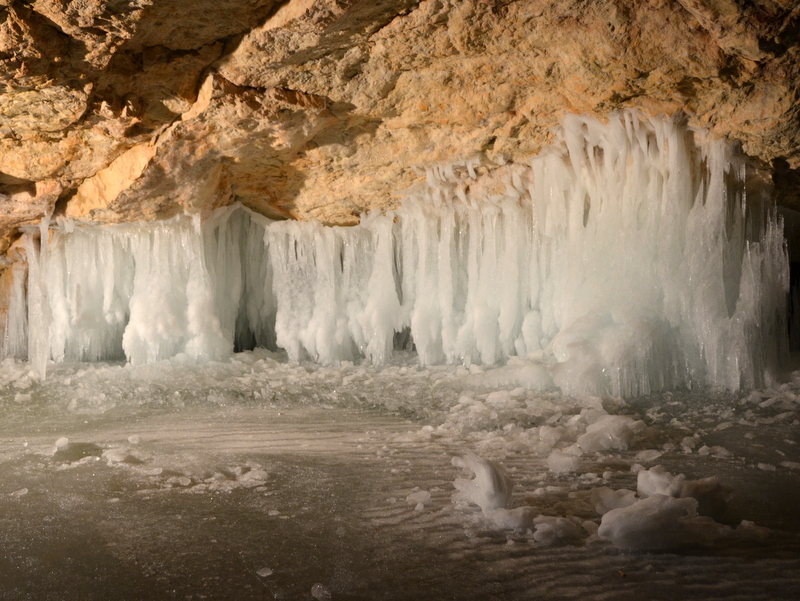
On our first day we took the cable car to the Ice Cave and the Five Fingers. The Ice Cave fills up completely with snow and ice during winter, even in summer this ice remains there.

DSC_5382

OLYMPUS DIGITAL CAMERA

DSC_5374

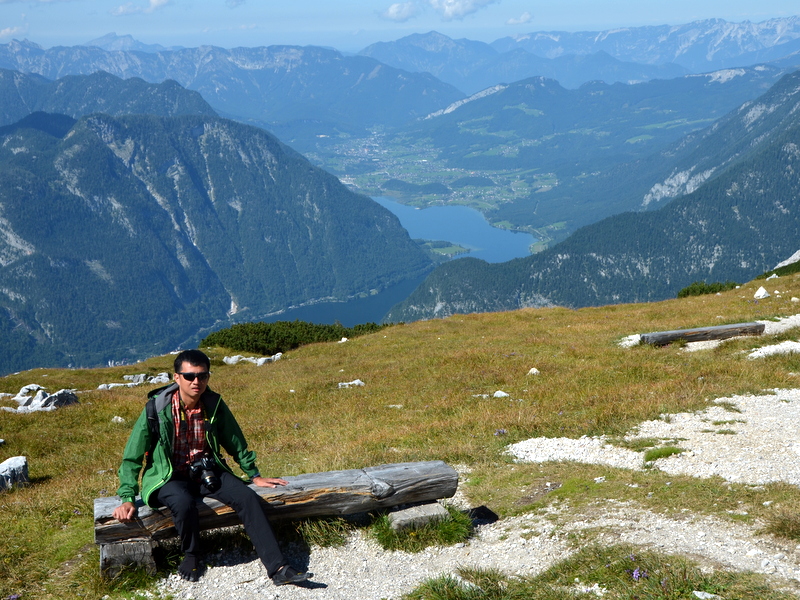
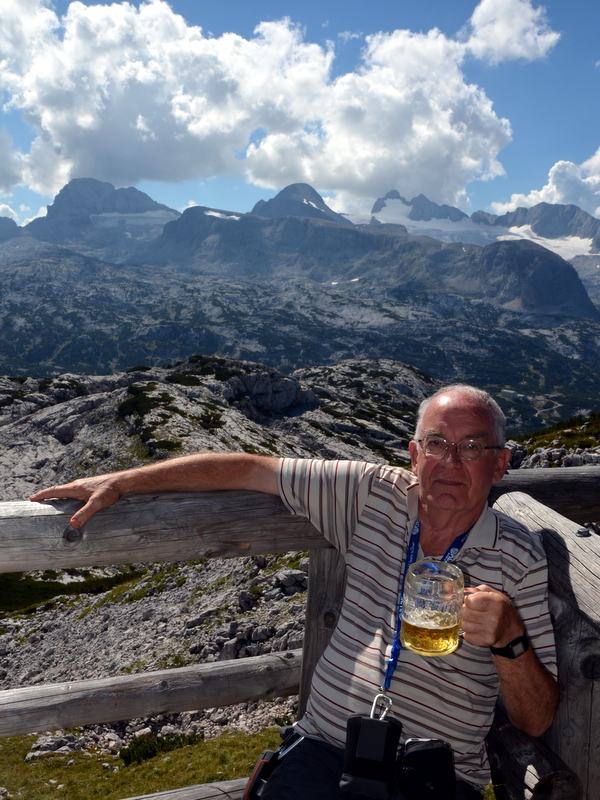
We also visited the nearby Mammoth Cave (not that interesting) and then took a second  cable car higher up. Fabulous views of the Hoher Dachstein massif (2995 m). Nice flowers. And a mountain hut, with food and beer, reminding me of my younger days as a mountaineer..:-)

DSC_5418

DSC_5410

DSC_5414


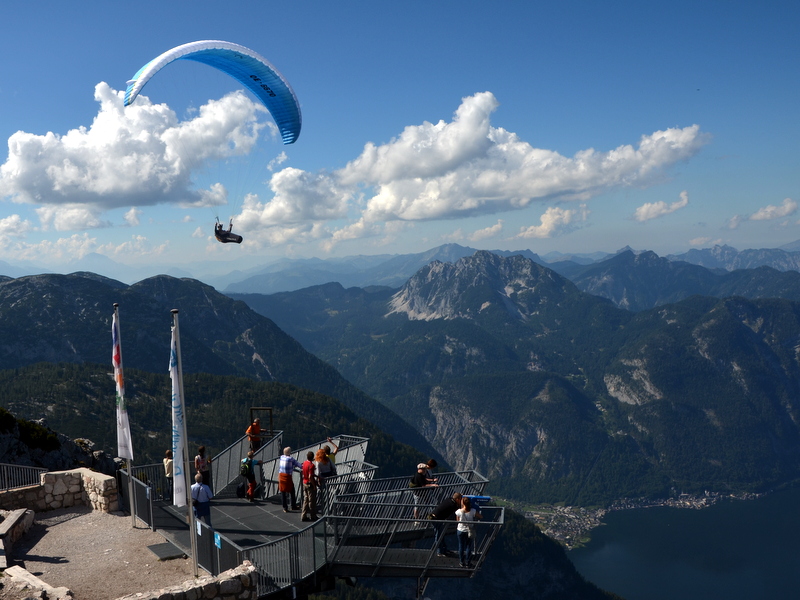
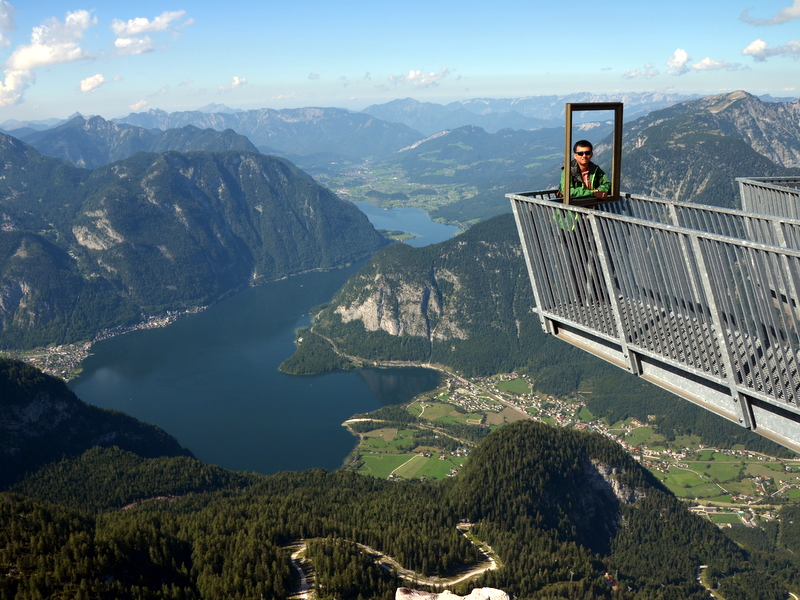
After our lunch we walked to the famous Five Fingers. A metal construction, resembling a hand with a beautiful view of Hallstatt deep down. Not suitable for people with fear of heights…:-) A popular place for paragliders

DSC_5448

DSC_5455

DSC_5491

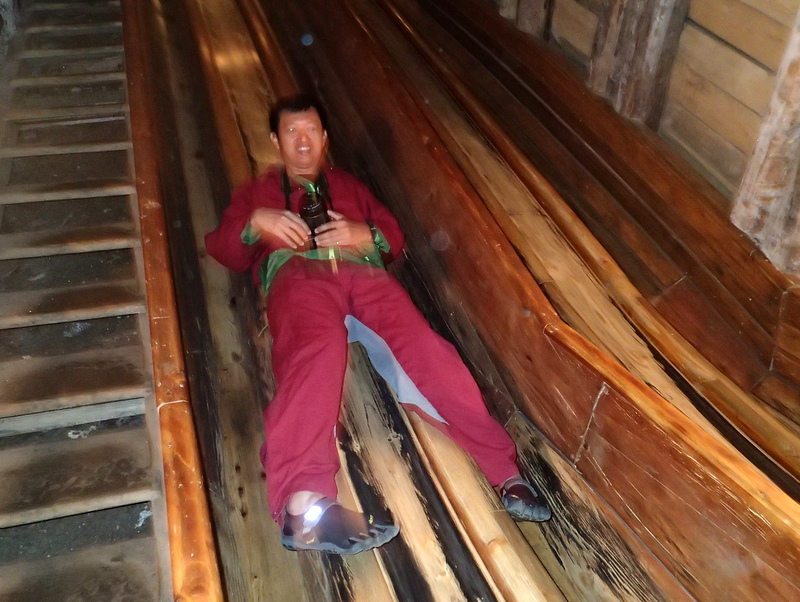
The next day we visited the salt mine. Hallstatt has a glorious past because of this mine. In the past miners mined the rock salt and to take it out they used slides. These slides are now a tourist attraction. Big fun!

OLYMPUS DIGITAL CAMERA

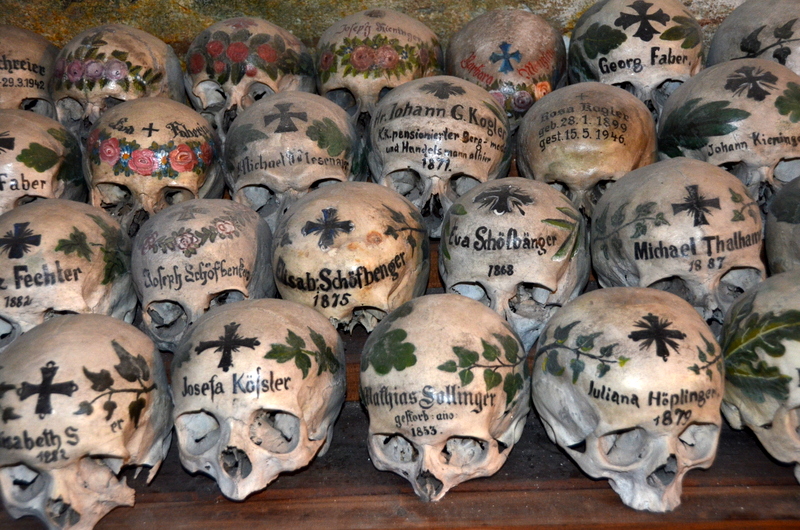
An “attraction” of a very different kind can be found in one of the churches. Because of its location, Hallstatt had only a limited space for a cemetery. Therefore after not so many years old graves were emptied to make space for new burials. The skulls of the deceased were treated with respect, painted with names etc, and kept in a chapel. Very impressive.

DSC_5521

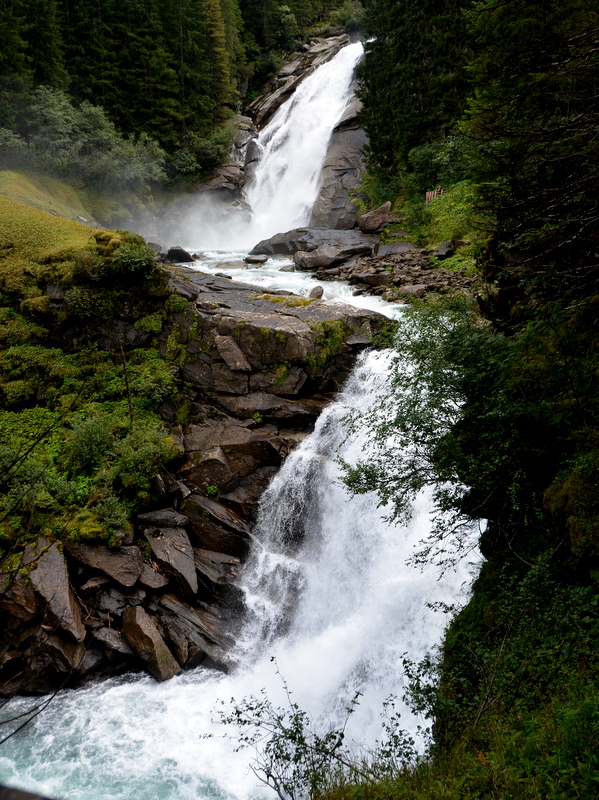
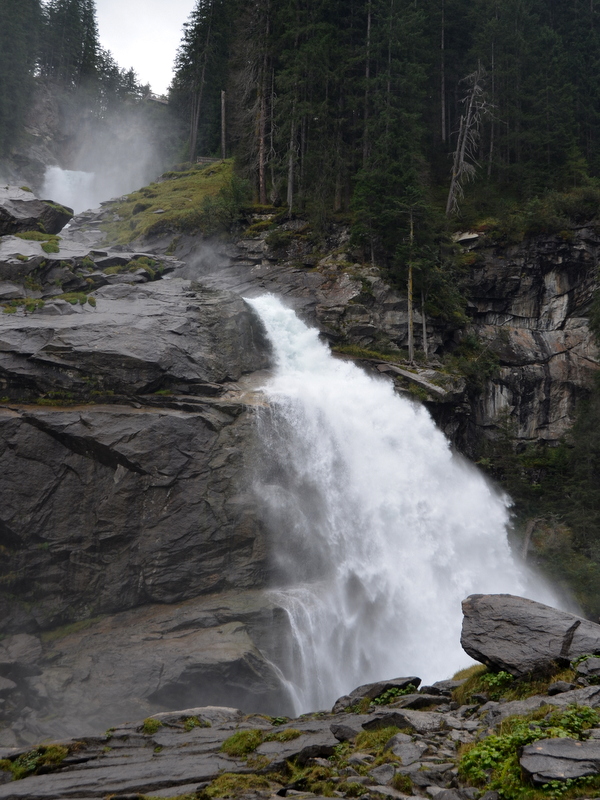
After Hallstatt we continued our trip in the direction of Switzerland, passing on our way the Krimml waterfalls. Impressive falls, the highest in Austria and, according to the website, the 5th-highest in the world. That however is cheating, as the falls consist of three separate tiers!

DSC_5551

DSC_5566

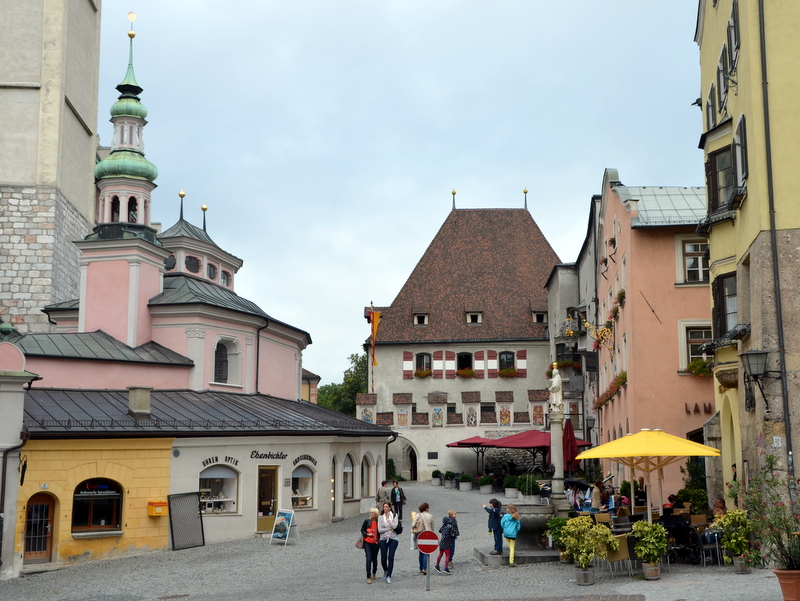
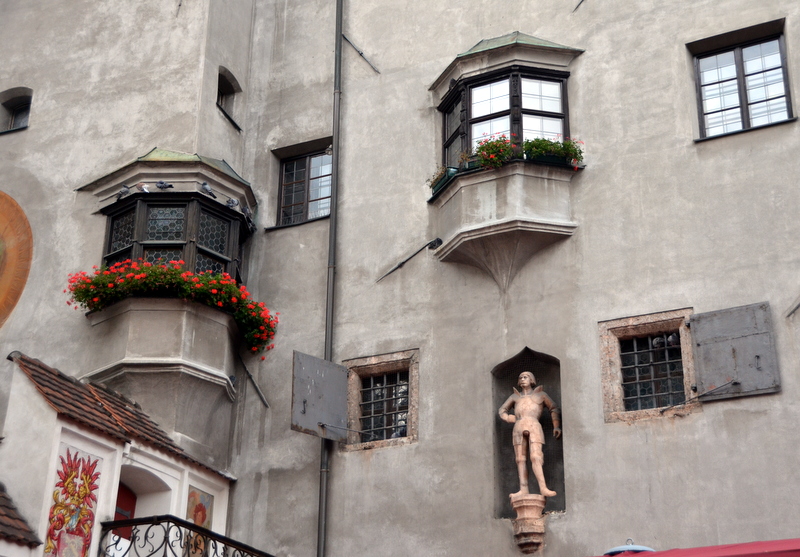
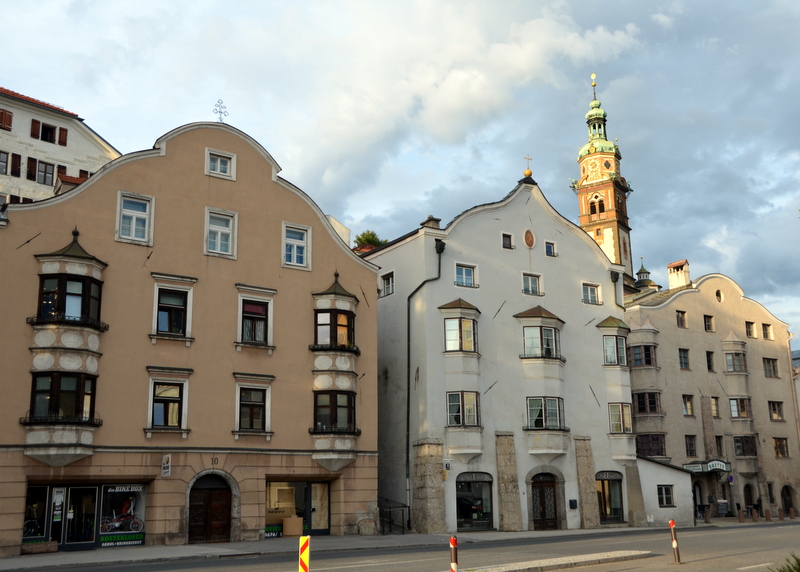
We had planned to spend one night in Innsbruck, but instead decided to stay in the small, medieval town of Hall in Tirol, not far from Innsbruck. An unexpected, pleasant surprise.

DSC_5609DSC_5594DSC_5576


Europe trip 2013 part 1

I will split this post in a few parts, because it covers a two-week trip through Europe, visiting Germany, Austria, Liechtenstein (!), Switzerland and France. I took more than 1000 pictures. Don’t worry, I will publish here only a few..:-)

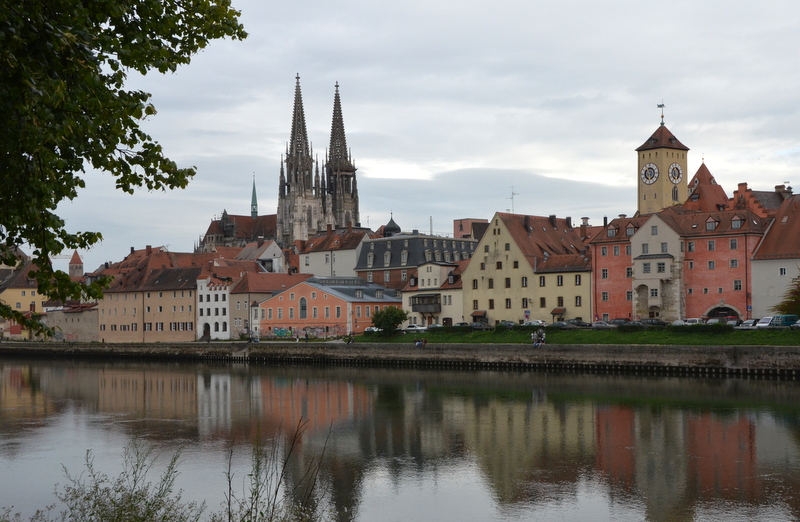
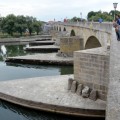
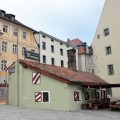
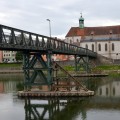
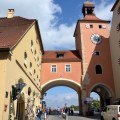
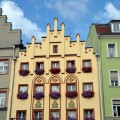
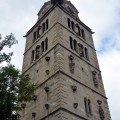
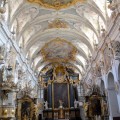
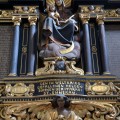
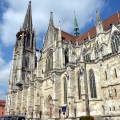
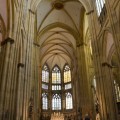
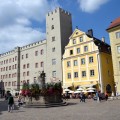
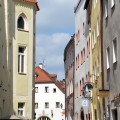
We started with a long (750 km) drive from Amsterdam to Regensburg in Bavaria. This is a very old town and a Unesco World Heritage site.

DSC_4967

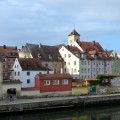
It is located on the Danube river, has many beautiful buildings and is famous food-wise for its sausages. Less touristic than its neigbours Nürnberg and Salzburg, it was a nice surprise for us.

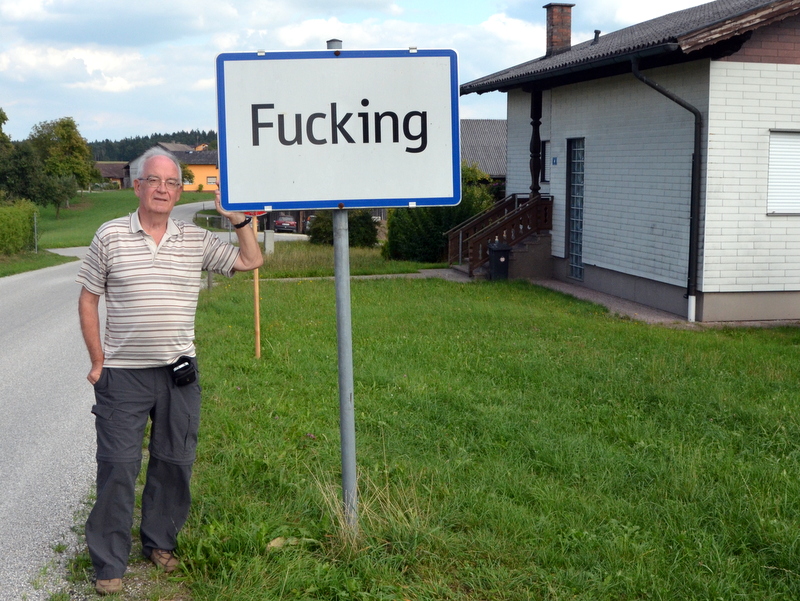
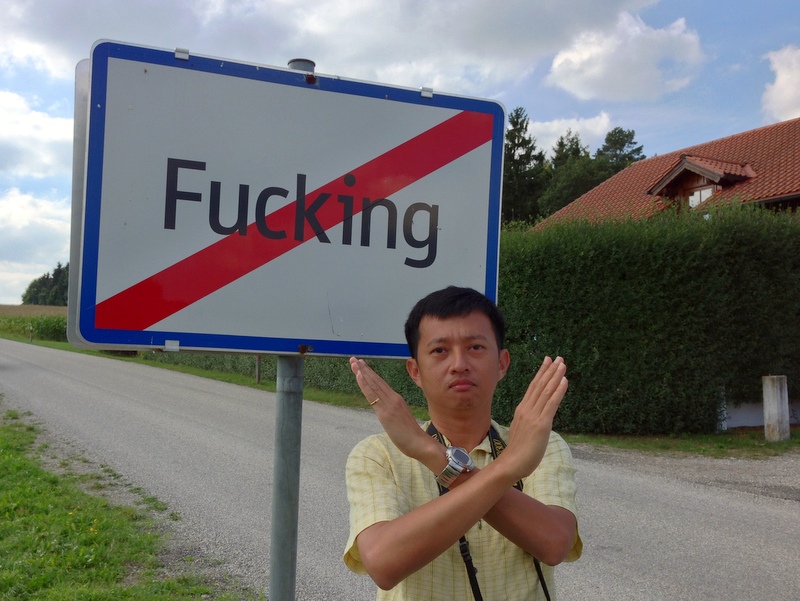
The next day we crossed the border with Austria on our way to a tiny hamlet with a funny name: Fucking. There is nothing to see, there is not even a shop, but every year thousands of tourists come here to have their picture taken with the signboard for the village. And so did we …:-)

DSC_5092-001

IMG_5624

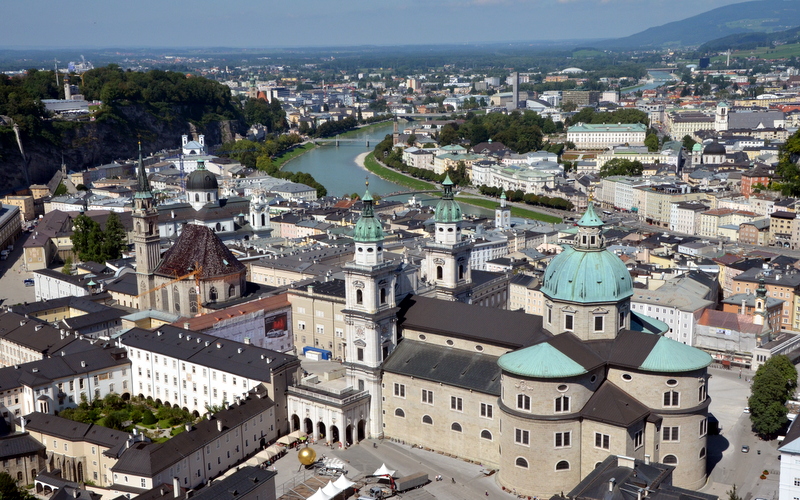
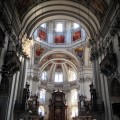
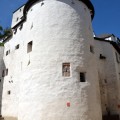
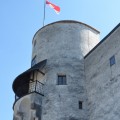
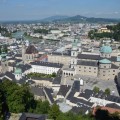
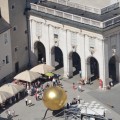
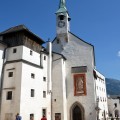
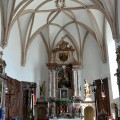
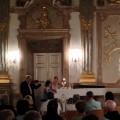
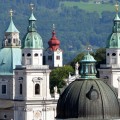
Salzburg was our next destination, the town where Mozart was born. We stayed in Hotel Mozart, had dinner in Cafe Mozart, visited the house where he lived and went to a concert where his music was played. The Salzburger Festspiele had just finished, but there were still many tourists. A beautiful town with the castle Hohensalzburg high above the town.

DSC_5172

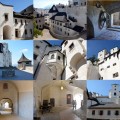
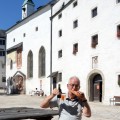
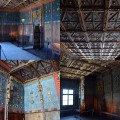
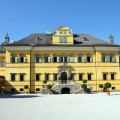
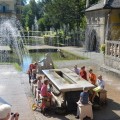
We stayed two nights in Salzburg, the weather was splendid. We really enjoyed the Hohensalzburg castle, spent almost a full day there. The Hellbrun Palace, just outside the town, was fun, with its trick fountains. Unbelievable that an archbishop was responsible for it. Here is a collection of Salzburg pictures.

From Salzburg we continued our trip to Hallstatt, that will be part two of this report. Here already two galleries about the whole trip. First some pictures of the places where we stayed overnight. We like Guesthouses, Pensions, Bed en Breakfast places better than the big hotels.

And of course we had lots of food…:-) The German and Austrian cuisine are not very refined, but they serve in general huge portions. With lots of beer.In France we had a few times really fine dining.

Penarikan recce – part 2

In an earlier post I have reported about my friend Chadel’s plan to paddle in his canoe from Muar to Pekan, using the Muar, Jempol, Serting, Bera and Pahang rivers with a portage (penarikan) at Bahau. In that post I described our recce from Bahau to Muar.

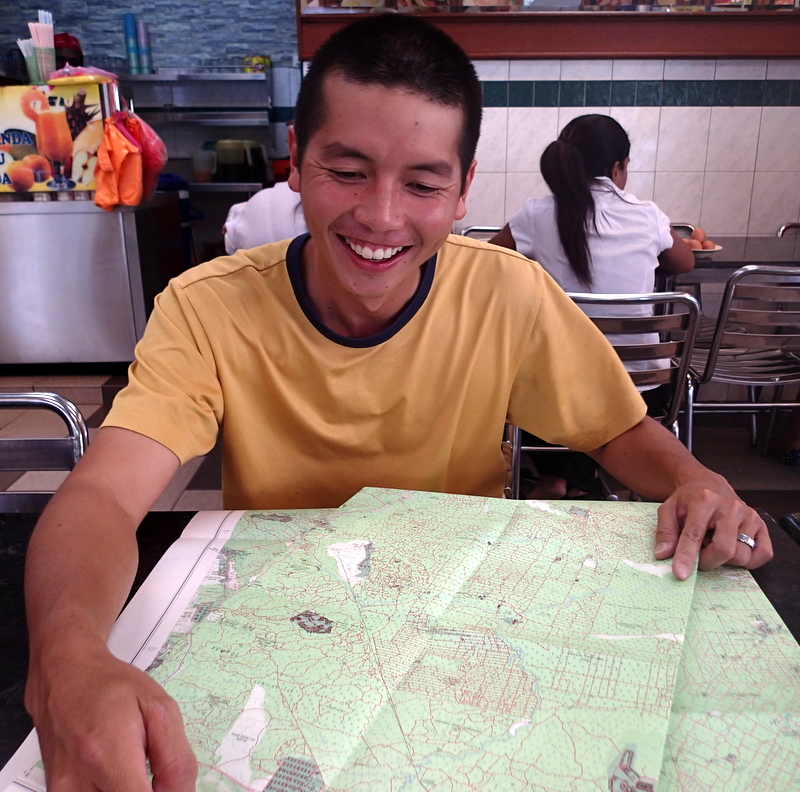
This time we started again in Bahau, but now we followed the Serting river as closely as possible. The Serting river is a small one, running through palm oil plantations and Felda land. Chadel had bought topo maps of the region.

Topo maps

OLYMPUS DIGITAL CAMERADuring our traditional breakfast in a mamak near my condo, we studied the maps and found a meandering route that would cross the Serting river as many times as possible.

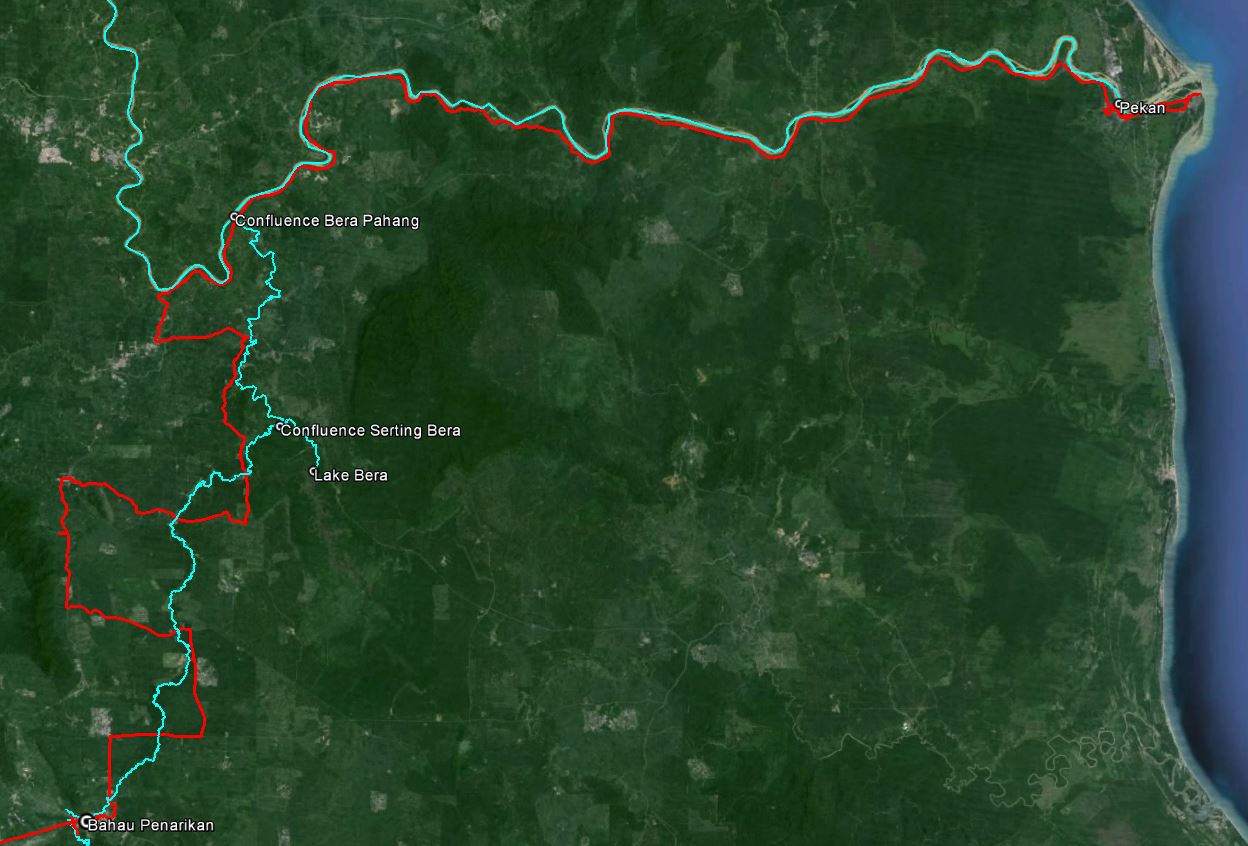
Here is the Google Earth map of our route (in red). The rivers are marked in blue

Penarikan_2

In Bahau we first checked the two locations chosen by Chadel for the Pull Out and Put In. The original penarikan was from the Jempol river to the Serting river, a distance of about 500 meter. Chadel is considering to take the canoe out a bit earlier, from the Muar river. Considerably longer distance, about 2.5 km, but he could then use existing roads, which would make the portage a lot easier. Here are the Pull Out and Put In places.

OLYMPUS DIGITAL CAMERA

Pull Out , Muar river

OLYMPUS DIGITAL CAMERA

Put In, Serting river


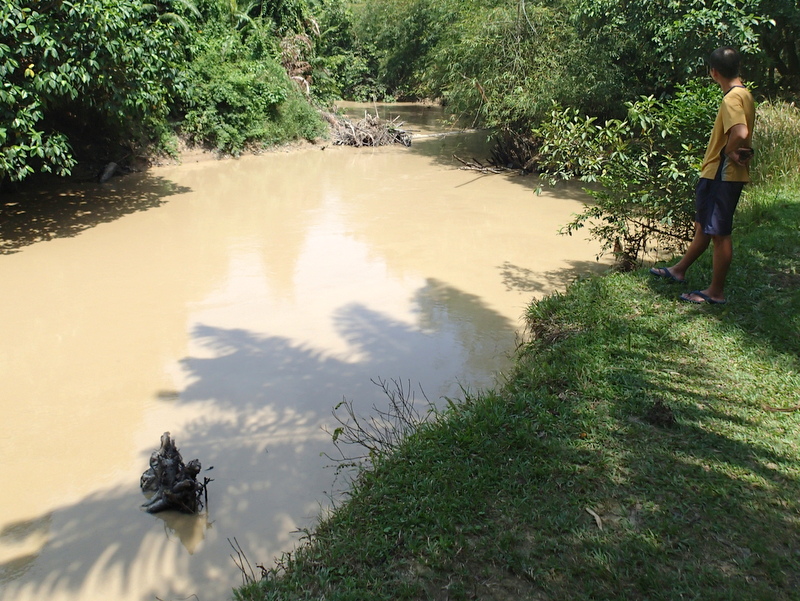
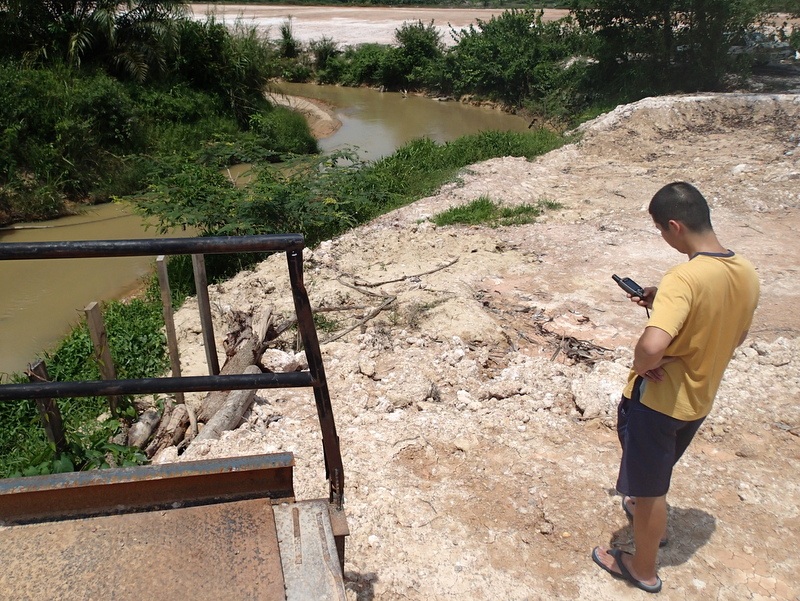
After lunch in Bahau we started the actual recce. Altogether we crossed the Serting river seven times. We took pictures at each crossing; when you click on a marker in the map below, you will see the correspondig picture. All the way, Serting remains a small stream, at least in this time of the year.  Often trees have fallen in the river, a potential risk of puncture when you are paddling over them.

View the  Recce in a larger map

The confluence of the Serting river with the Bera river is located in the middle of plantations and not accessible by road. The Bera river is a real river, draining the Tasik Bera, about 10 km south of the confluence. The Bera river flows into the mighty Pahang river, the longest and biggest river of the Malay Peninsula.

OLYMPUS DIGITAL CAMERA

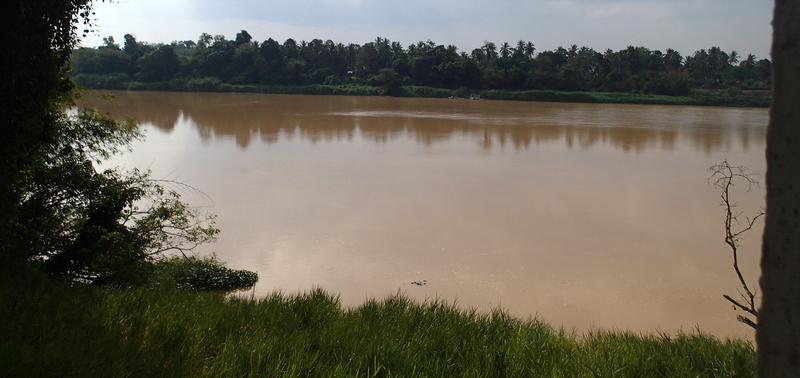
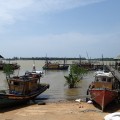
The mighty Pahang river

We arrived late in Pekan, wanted to stay overnight in the scenic Rest House, but that was fully booked, so we found suitable accommodation in the Melati Inn. Pekan is a sleepy hollow, but, driving around, we found a good Chinese restaurant and after our dinner we had coffee at a lively Malay stall near the Pekan riverfront.

OLYMPUS DIGITAL CAMERA

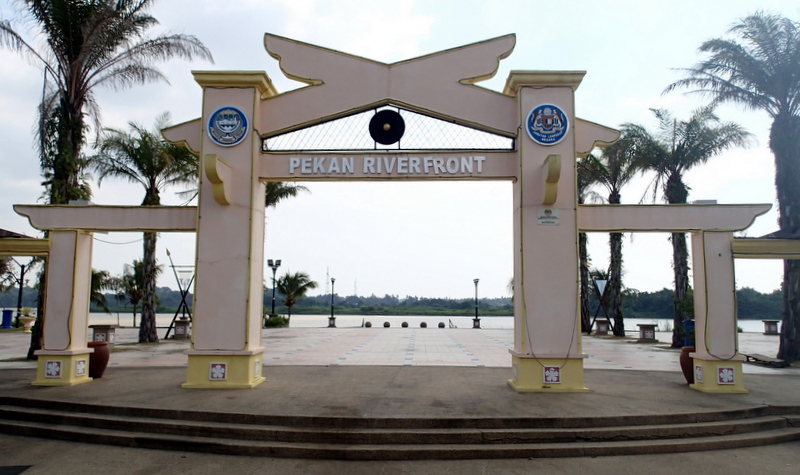
The next morning after breakfast we looked for a suitable pull out point. An easy decision, what could be a better location that the Pekan riverfront itself! When Chadel finishes his heroic expedition here, the Sultan of Pahang and the Prime MInister (Pekan is his constituency) can welcome him…:-)

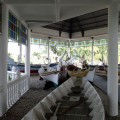
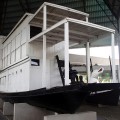
Pekan has a few nice mosques and an interesting museum: the Pekan Water Craft Gallery . It is an open-air museum, FOC, with an interesting collection of various types of boats. They even had information about the Bahau Penarikan! Not completely correct, they take the portage distance as 300 yards, which is not true. And it is suggested that the Penarikan route was discovered by the Malays, while it was actually already used by the Chinese before the Malays came to the Peninsula. A sensitive issue…:-)

Here are some pictures of Pekan

On our way back we visited the Pandan waterfall near Kuantan. Many visitors as it was school holidays.

2013-08-016

Chadel is planning to do the real expedition around March next year. I wish him good luck!

Journal 10-8-2013

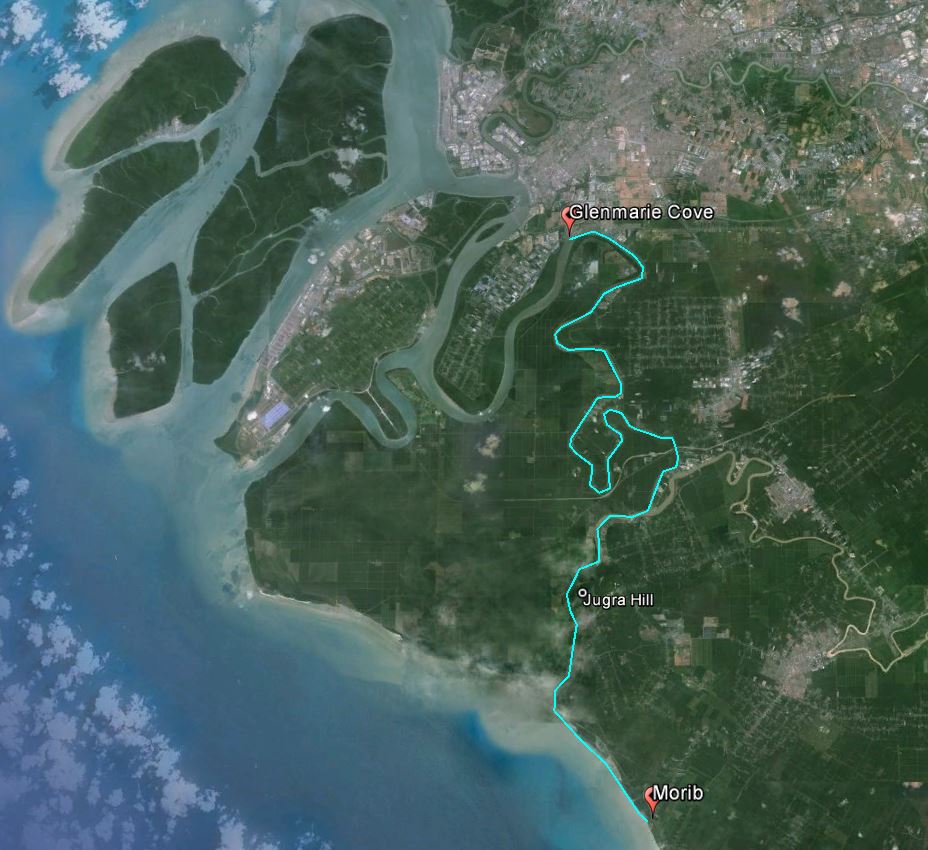
Recently my friend Chadel has been on a solo kayaking expedition from Glenmarie Cove (near Klang) to Morib, following the Langat river. The ~45 km trip took him two days with an overnight stay near Jugra. He needed somebody to bring him and his kayak home after the trip and I was willing to assist. Here is a GE map of the trip.

Chadel_trip

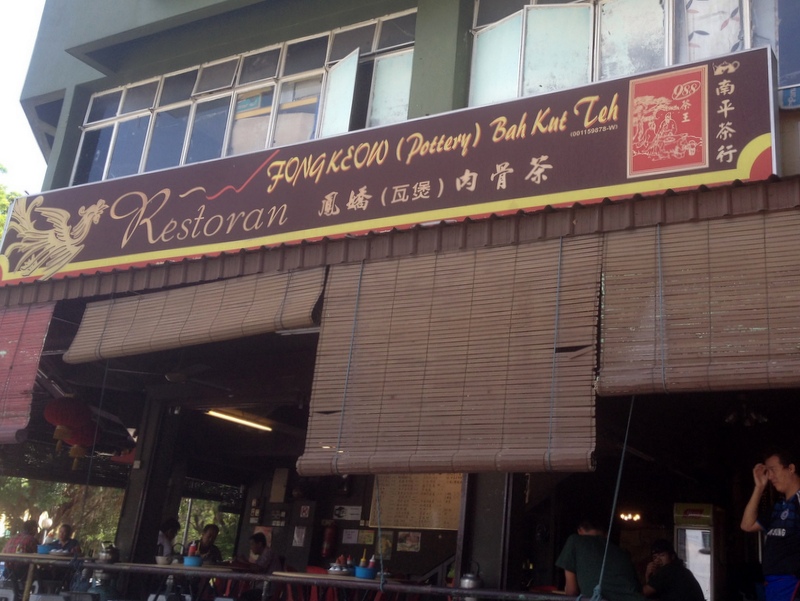
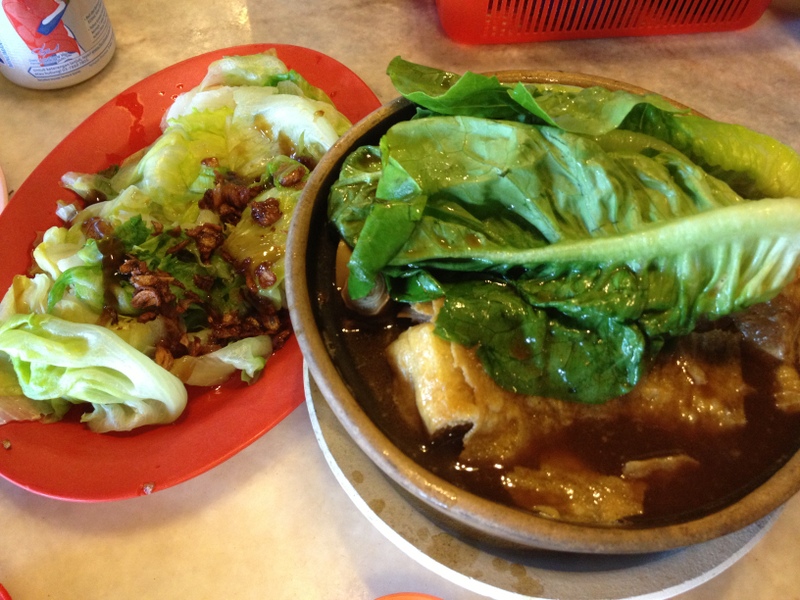
You can find a detailed report about this adventure on his website. To thank me for my help, he invited me for lunch in one of the famous Bah Kut Teh places in Klang, the Fong Keow restaurant. Not bad.

Fong Keow

Bah Kut Teh

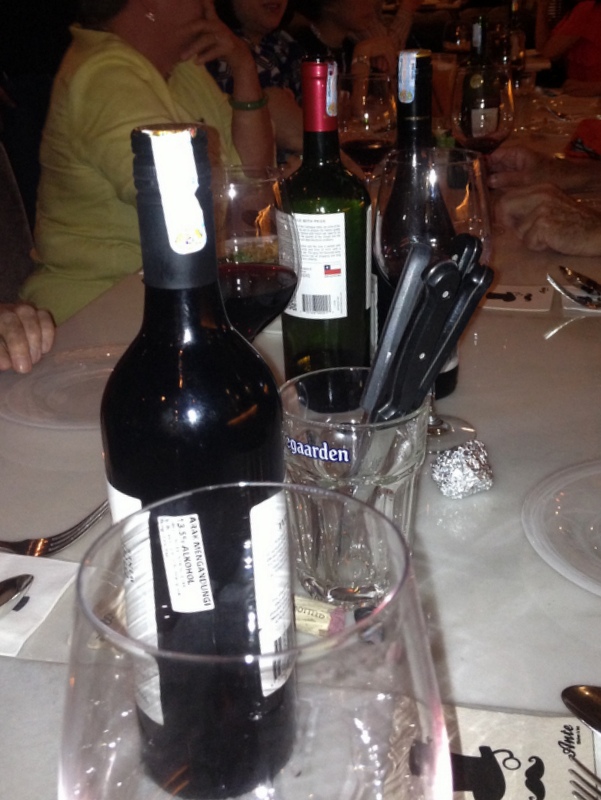
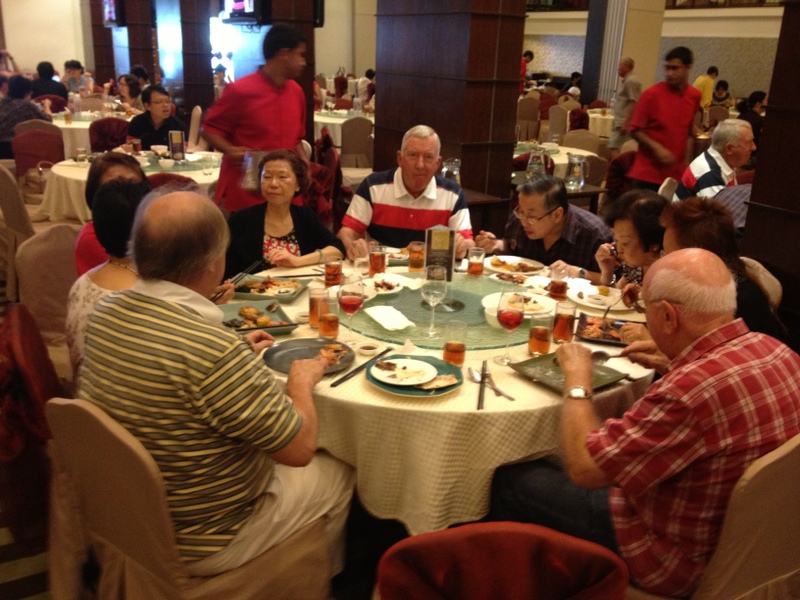
The last two weeks I have been meeting friends quite a few times for lunch or dinner. It is a miracle that I still manage to keep my weight under control..:-) Twice I met Pat and Wim and their friends, a pleasant mix of Asians and Europeans. The first time we had dinner in the Ante Kitchen and Bar in Solaris Dutamas. A “porky” dinner, where you could bring your own wine. Which we did…:-). A few days later I met them again at the Oriental Banquet Restaurant in PJ. On Sundays and public holidays they serve a Buffet Brunch, really Value For Money! You have to make a reservation, because it is popular and crowded!

Ante Kitchen & Bar

Oriental Banquet


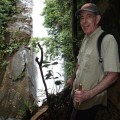
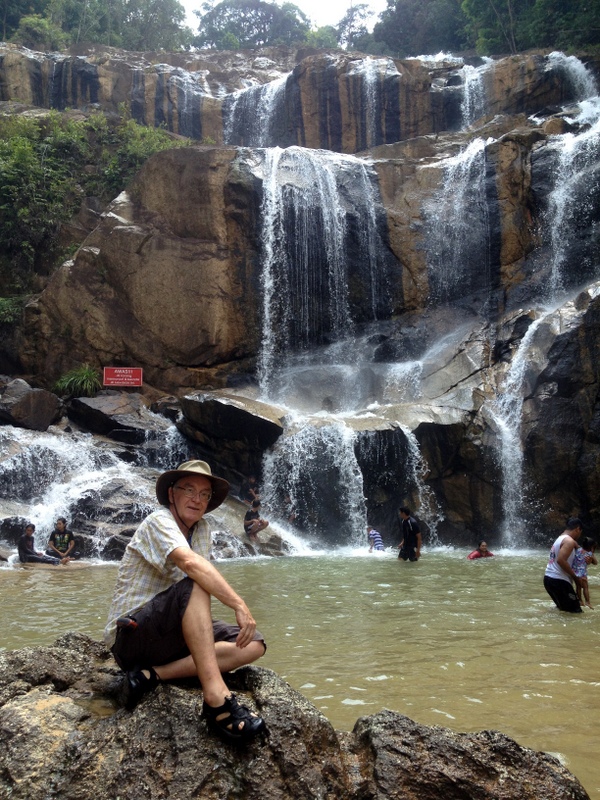
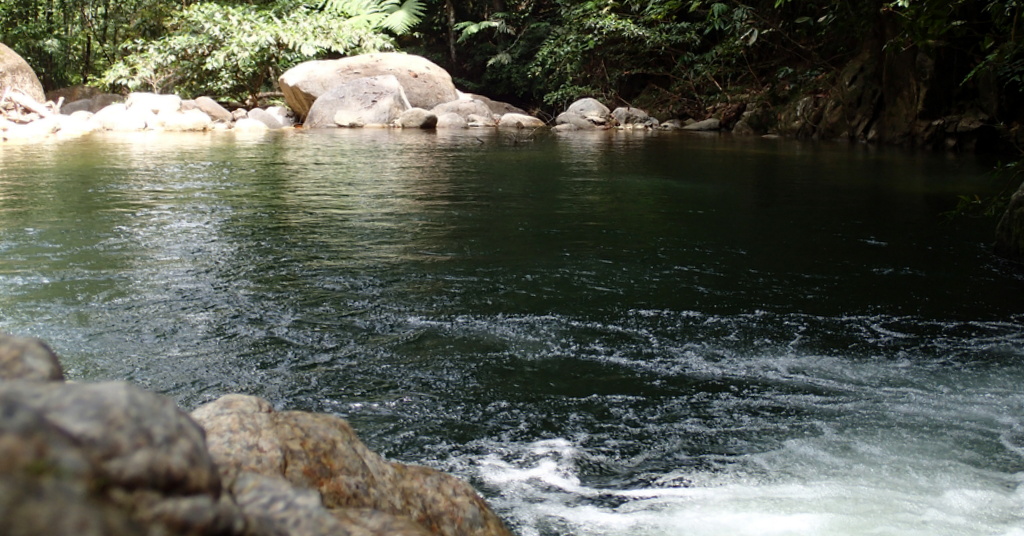
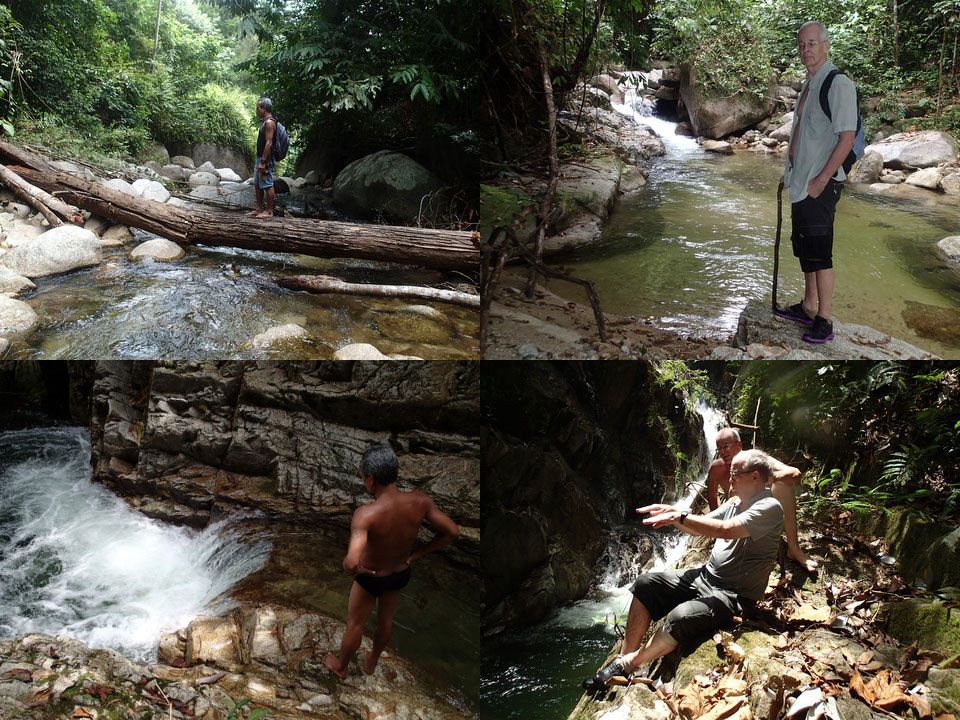
To loose some calories, I went a few days later to the Ulu Rening waterfall near Batang Kali. For the third time, this time with my Dutch friend Paul and my Semai friend Rahim. During my first visit I almost drowned in the turbulent water. This time there was less water, but still we did not take any risk. The huge pool is perfect for swimming. During our whole trip of six hours we did not meet a single soul!

Ulu Rening

Here are a few more pictures. To reach the fall you have to cross the Sg Rening a few times. In the lower left picture Rahim is looking at the turbulence. What I am trying to explain to Paul in the lower right picture, I have no idea..:-)

Ulu Rening

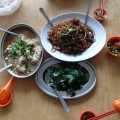
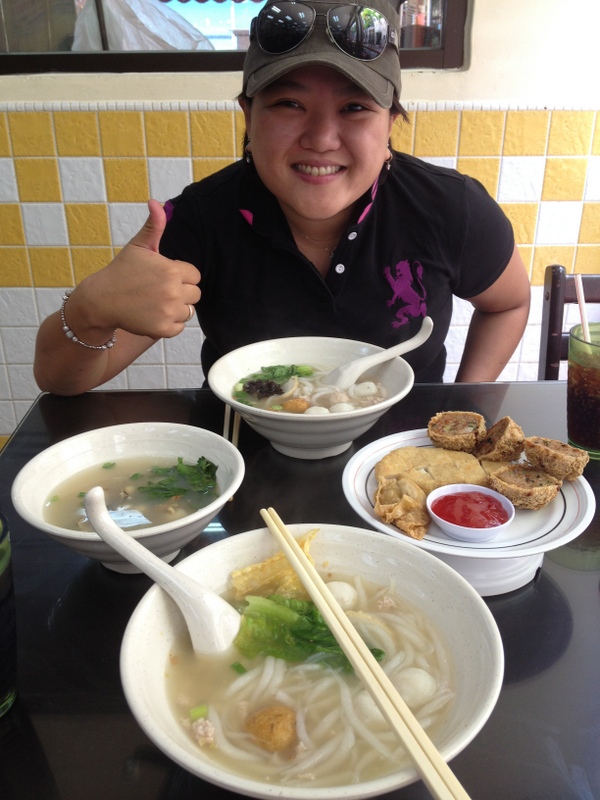
The following day I had lunch with Joe Yap.  We went to the Ah Koong restaurant in Taipan, famous for its fish balls and cake. Nice lunch, but we ordered too much food…:-)

Ah Koong

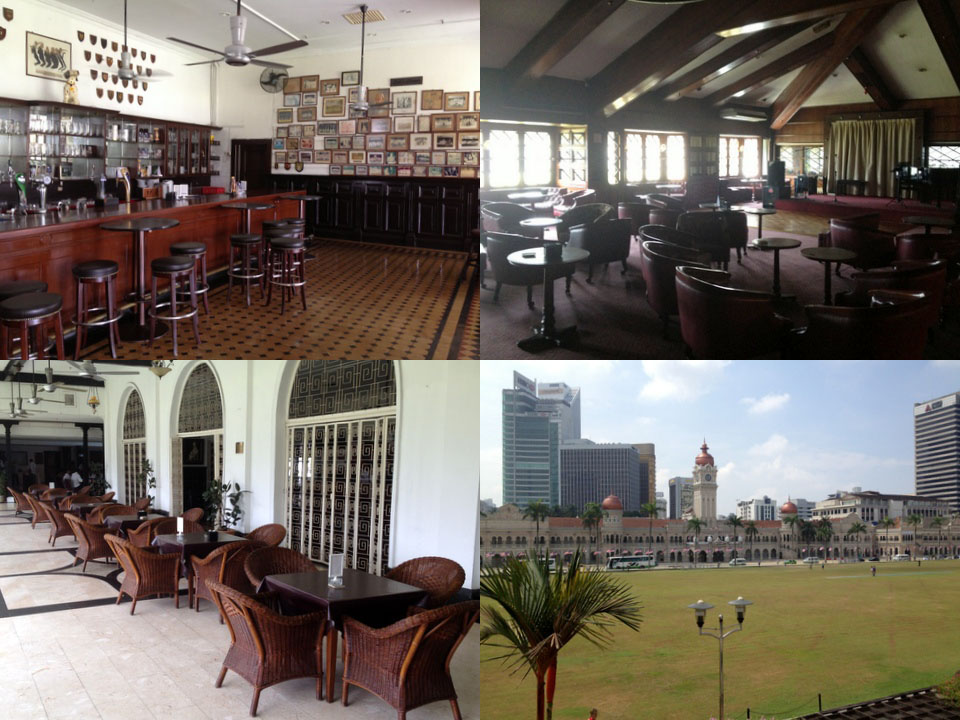
Finally, on the first day of Hari Raya, my friend Pola Singh invited me for lunch in his favourite chapati restaurant. But first he gave me a guided tour of the Royal Selangor Club, of which he is a member for many years. It was interesting to have a look at the interior of the “Spotted Dog”, as it is nicknamed.

Royal Selangor Club

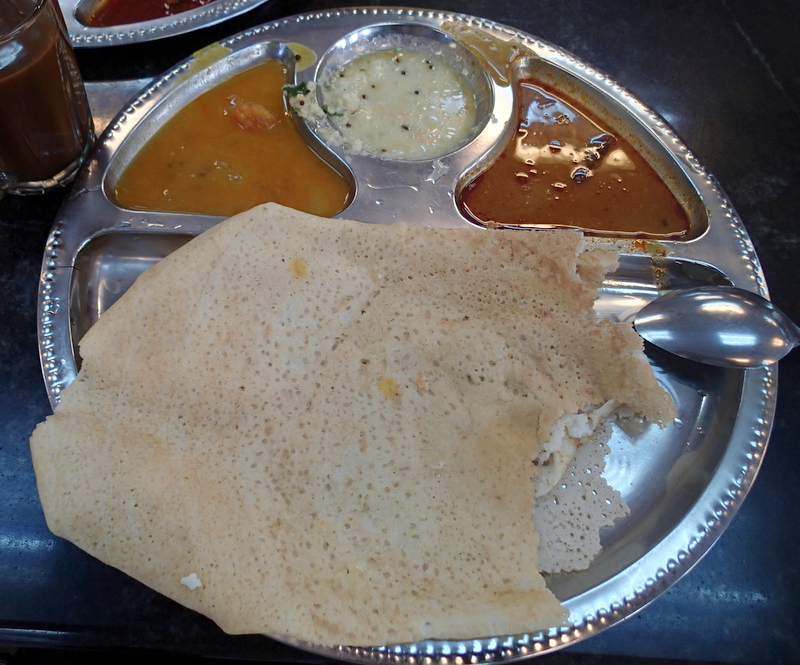
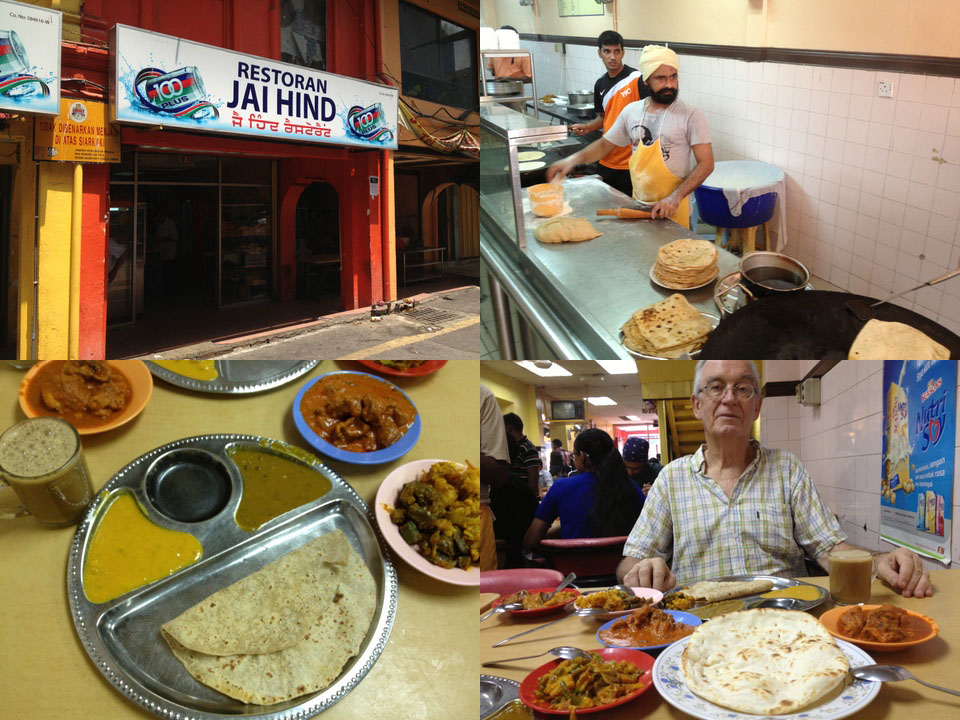
From the club we walked to restaurant Jai Hind in Jalan Melayu, off Jalan Masjid India, where we had a variety of chapati and naan with different veggies and curries. A place to come back to!

Jai Hind

GE13 the Aftermath

It is now about three months ago that the 13th General Election was held in Malaysia. Time for some comments, primarily for my non-Malaysian followers, although there might also be something new for my Malaysian friends..:-)

As I wrote in my post GE13: the Results , the ruling BN coalition remained in power, although with a reduced majority (133 against 89  for the opposition), but they lost the popular vote.
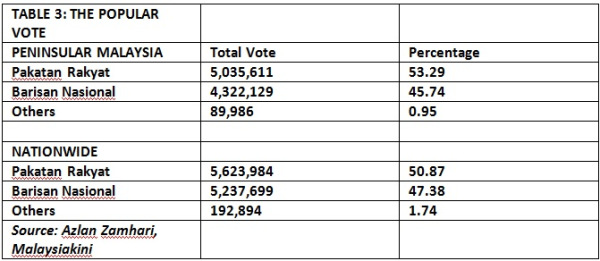
popular-vote

In the weeks following Election Day, numerous protest demonstrations were held, all over the country. Aric attended the biggest one, in Kelana Jaya and came home, deep in the night, full of enthusiasm: “There were people from all races and all ages. I really felt that I was a Malaysian“. He took this picture:
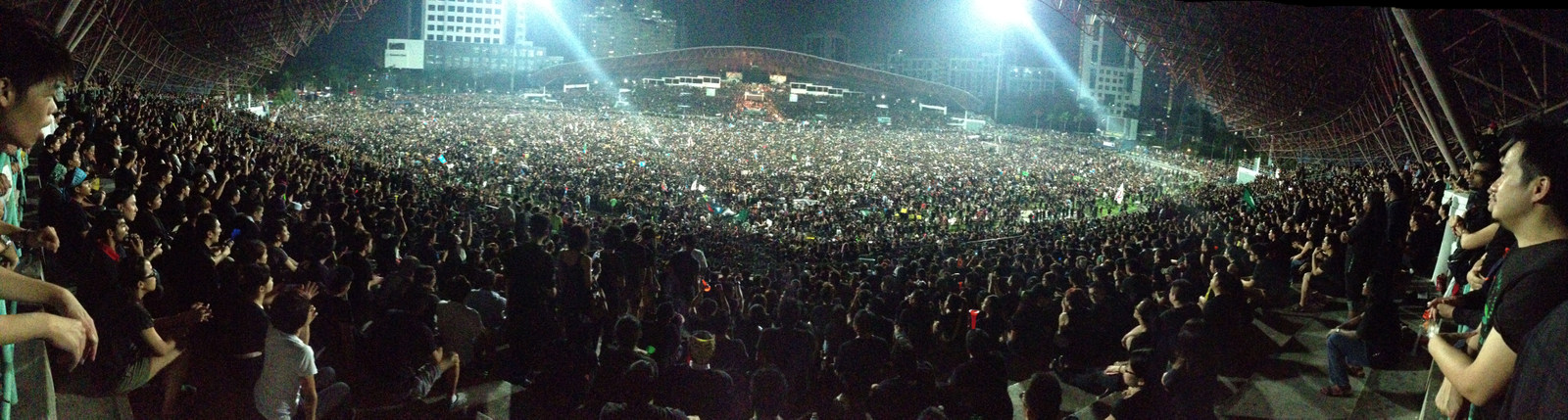
Kelana Jaya protest

Prime Minister Najib’s  first reaction was about a Chinese Tsunami. Newly-appointed Home Minister Datuk Seri Ahmad Zahid Hamidi said Malaysians who are unhappy with the country’s political system should leave the country. But it was not a Chinese tsunami, it was a result of the urban-rural divide.

There were more intelligent responses. Nazri, now minister of Tourism, in an interview with the Malay Mail, about the reduced support for BN: This is the tragedy of education. You keep them stupid, so they will keep you in government or you educate them and risk having them go against you. To be fair to him, he added: I will still choose the latter.

I will now try analyse the election results a bit. Let me recapitulate what I explained in my earlier post GE13. Malaysia uses a District System for the elections, instead of Proportional Representation. Two “dangers” in a District System are gerrymandering and malapportionment. Districts (constituencies) should have more or less the same size, if that is not the case, there is malapportionment. Even when they have the same size, you can still have gerrymandering. I found this very clear example of gerrymandering on the Internet. It shows four districts, equal in size, with two parties, Green and Purple. Counting the dots (voters), you will find 36 Green and 28 Purple. So Green would have a majority in a PR system.

In a District System the outcome depends strongly on the boundaries of the districts.
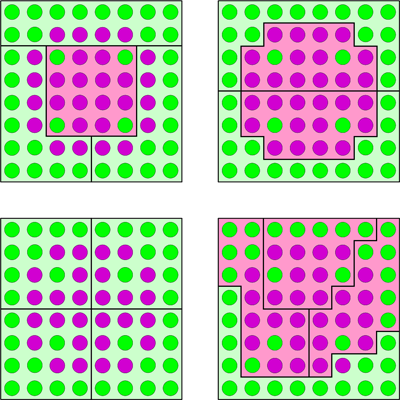
GerrymanderingLower left: in all four districts Green wins

Upper left: three Green districts, one Purple,

Upper right: two Green, two Purple,

Lower right: one Green, three Purple, so Green even looses!!

The delineation makes all the difference!

I have no idea how much gerrymandering is taking place in Malaysia, but the malapportionment is very obvious and in the rest of this blog I will concentrate on it.
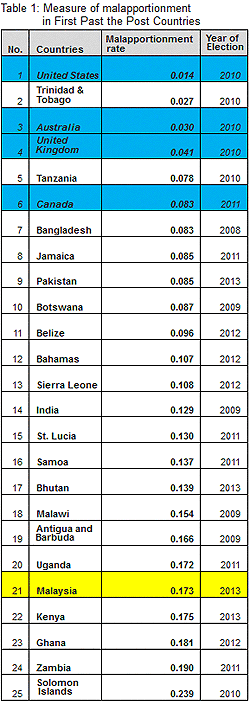
Malapportionment

Last week Malaysiakini published an article about malapportionment. In a list of 25 countries that use the District system, Malaysia takes a shameful 21st place, between Uganda and Kenya.

The reason is clear. In most countries there are rules for the relative size of districts. For example in the UK there can be no more than 5% difference with the national quota, where the national quota is defined as the number of voters divided by the number of MP’s

Malaysia had these rules too, but they were relaxed and finally completely abolished by the BN government.As a result in the last election, in the state of Selangor the Kapar district had 144159 voters and the Sabak Bernam district 37318. The national quota in the GE13 was 48927, so Kapar is ~ 195% more and Sabak Bernam ~ 25% less

Almost unbelievable!

In discussions with my Malaysian friends often even more extreme examples are given, for example the Igan district in Sarawak with 17771 voters or, the most extreme, Putrajaya Federal Territory with 14345 voters, TEN times less than Kapar.

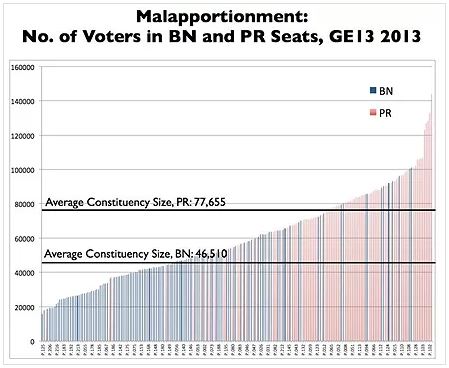
Here is a graph of all 222 constituencies ordered by size. Notice the huge difference in size, but especially that the constituencies where the Government (BN) won are on average a lot smaller than those where the Opposition (PR) won!
Malapportionment

A far cry from the One Man, One Vote principle! Of course after the election many people calculated how the result would have been if all votes would have had equal weight. Here is the result, taking Malaysia as a whole, if there would have been Proportional Representation. Not a majority for BN, but a clear win for the Opposition. The “real” election results are given for comparison, in orange.

Total voters Seats Quota BN BN seats PR PR seats
Malaysia 10861683 222 48927 5237699 107|133 5623984 115|89

Understandable that there was a lot of unrest and protest after the election, as many people felt that BN had no moral right to form a new government. However, the calculations given above are NOT correct, as I will explain now.

We have to go back to 1963, when Singapore, Sabah and Sarawak were considering/asked to join the newly (1957) formed Federation of Malaya. They were worried that they would be overwhelmed by the Peninsular states. As a safeguard it was agreed in the negotiations that the the three states would get 1/3 of the seats in Parliament, so for constitutional changes their consent would be needed. In 1963 the Federation of Malaysia was formed and the Parliament had 159 seats, 104 for Malaysia and 55 for the new states. A few years later Singapore decided to leave the Federation. And later the Federal Territories were created, first Kuala Lumpur (1974), then Labuan 1984) and finally Putrajaya (2001). In the present Parliament, Peninsular Malaysia has 153 seats, East Malaysia 56 and the three Federal Territories 13. Therefore East Malaysia has only ~ 25% of the seats in Parliament, less than 1/3, and many Sarawakians and Sabahans are unhappy with that!

Back to the elections. It will now be clear that the calculation of a national quota does not make sense in Malaysia, as it consists of three separate entities. For each of them we have to calculate the quota, and then we can for each of them calculate what the result of proportional representation would be! The results are given in this table:

Total voters Seats Quota BN BN seats PR PR seats
Peninsular Mal. 8690785 153 56803 4084928 72|82 4605857 81|71
East Mal. 1484784 56 26514 902866 34|47 581918 22|9
Federal Terr. 686114 13 53180 249905 5|4 581918 8|9
Malaysia 10861683 222 5237699 111|133 5623984 111|89

The three quota are in yellow. The quota for Peninsular Malaysia and the Federal Territories are in the same range, the quota for East Malaysia is much smaller, reflecting the special position of Sabah and Sarawak. For all three the number of seats is calculated according to proportional representation (light-blue) with the actual results in orange for comparison.

It is clear that in Peninsular Malaysia and the Federal Territories the opposition wins convincingly. But it is also clear that in East Malaysia BN wins convincingly, even with proportional representation! And because of the different weight factors, we come to a surprising final result: BN and PR would hold each other in balance, a hung Parliament, LOL.

Congratulations if you have been following this blog until here..:-) It has taken me many days to get a clear view of the situation.

A few concluding remarks

1. The numbers have been taken from this very accessible and detailed website: Malaysia Election Data

2. In many states a relatively small number of votes has been given to Independents etc. In total about 1.74%. None of these candidates got a seat. Also in proportional representation none of these candidates would get a seat. Therefore in the above calculations I have neglected those votes.

3. When you compare sizes of constituencies to show malapportionment, you must do that within each of the three entities. It makes no sense to compare Kapar and Putrajaya.

4. It is clear that the battle between government and opposition has to be fought in East Malaysia. East Malaysia is still the “fixed deposit” of the BN government.
5. The Election Commission will start a Delineation Exercise soon. For changing the number of seats a 2/3 majority is needed, for just delineation a simple majority is enough. The EC should be completely independent of the government, but the communis opinio in Malaysia is that EC and the government (BN) work hand in hand.
6. My bet is that the EC will propose to increase the number of seats for East-Malaysia, and as compensation for the opposition, split a few of the large constituencies in Peninsular Malaysia.