Two caves and a waterfall

A few weeks ago my friend Henry Chan whatsapped me about a”new” waterfall in the Sg Siput region, Lata Penyel, and a cave south of Ipoh, Gua Air. He had visited both places. and when I showed my interest, he said that he was willing to guide me there.

We share an interest in nature, especially waterfalls, and we have made several trips together. Here are the reports : Trip to Kedah and Penang, Tasik Kenyir and Trip up North .

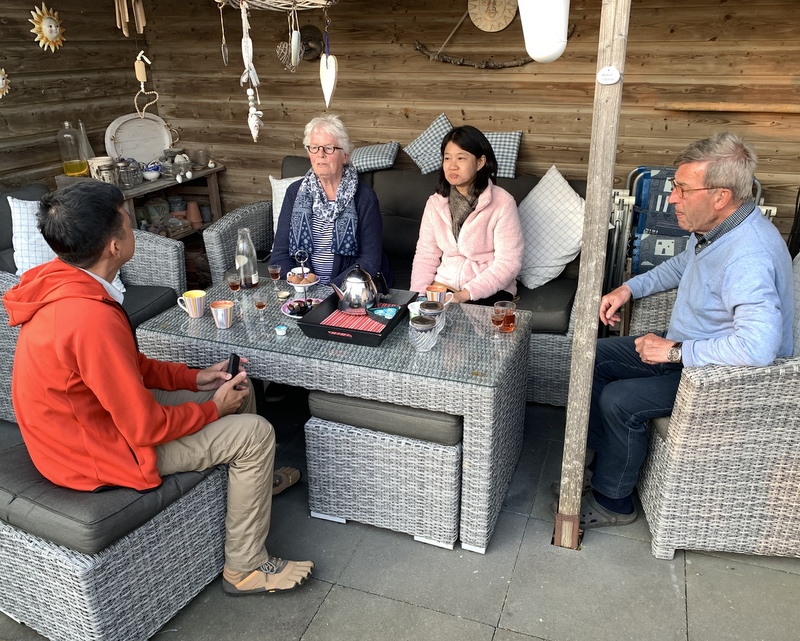
Henry and his wife Soon Lay live in Lunas, but they also have a house in Taiping, my 2nd hometown 🙂 . During my recent visit to Taiping, they also came to Taiping, and from there we made a day trip to Ipoh. A long trip, because we had decided to include a second cave, Gua Naga Mas, located not far from Gua Air.

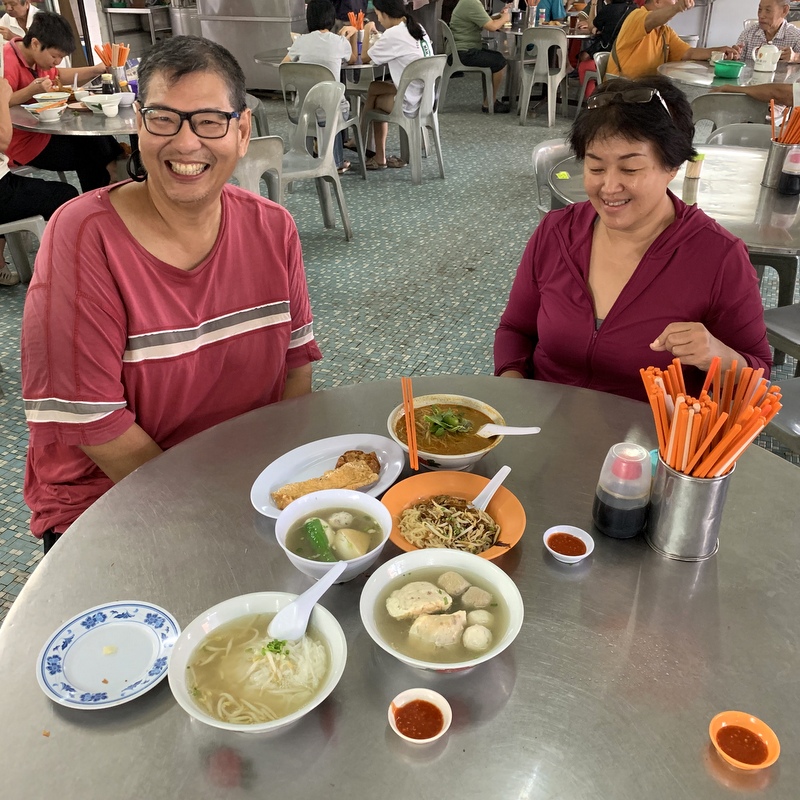
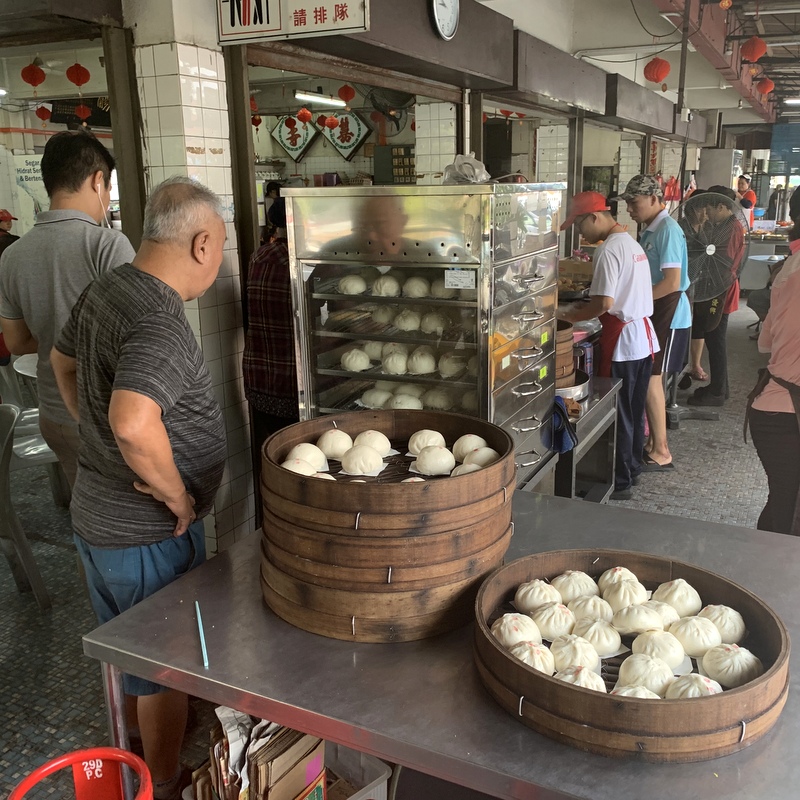
They picked me up from my hotel at 7 am and first we drove to Bercham for breakfast at Restoran New Paradise. Food is another shared interest, the restaurant is famous for its Char Siew Pao. We bought a few for lunch, I had Yong Tau Foo for breakfast. A good start of the day!
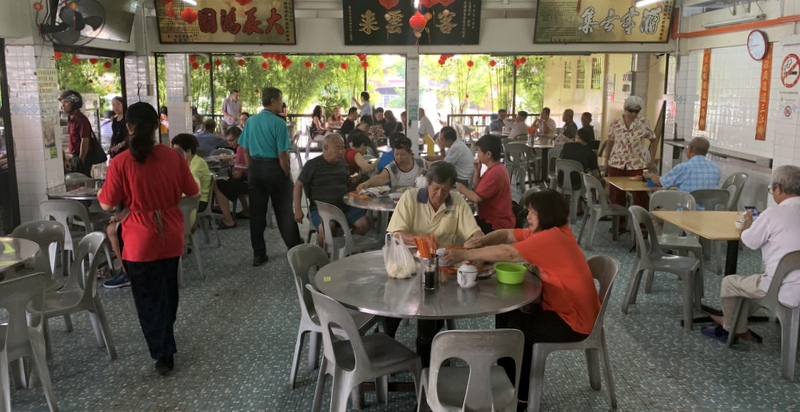
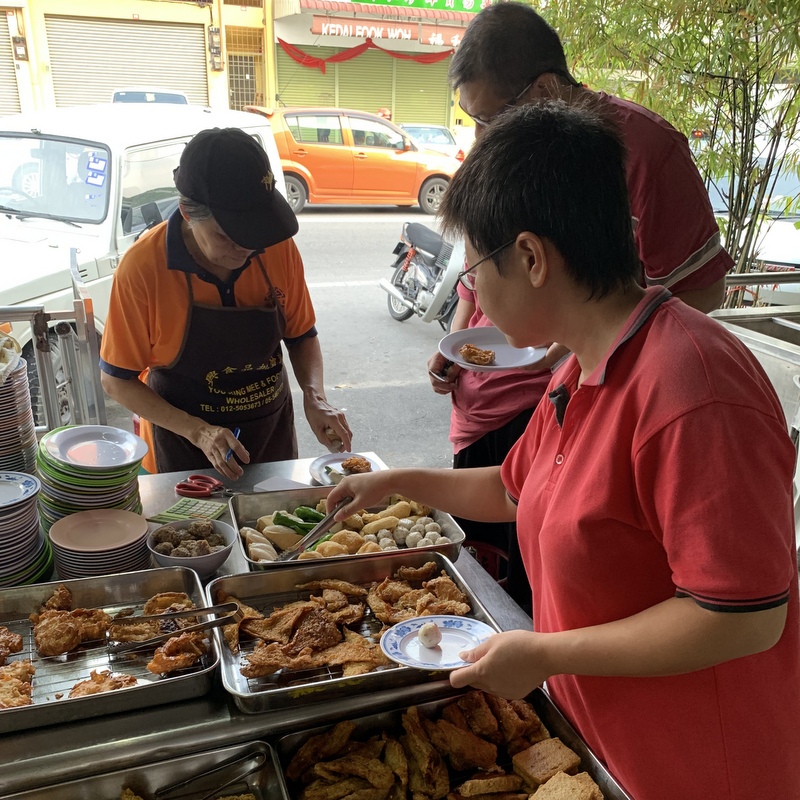
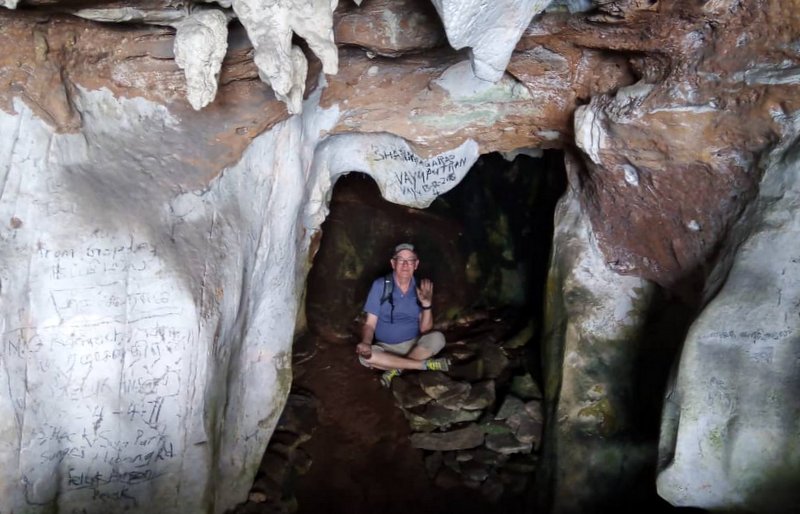
Our first destination was the Gua Naga Mas (Golden Dragon Cave). We had never been there, but Bernard, another friend of mine, had visited this cave and given us coordinates and directions.

The cave has been in the news recently because of a fossil animal skeleton inside the cave. In this newspaper article: Rare tiger fossil in cave at Gopeng, Perak, must be preserved more information can be found. My caving friend Liz Price has reported several times about the cave and the fossil, advocating that it should be better preserved.

October last year the Kinta Valley has been declared a National Geopark, hopefully the vulnerable limestone hills and caves will be better protected now against the ongoing quarrying onslaught!

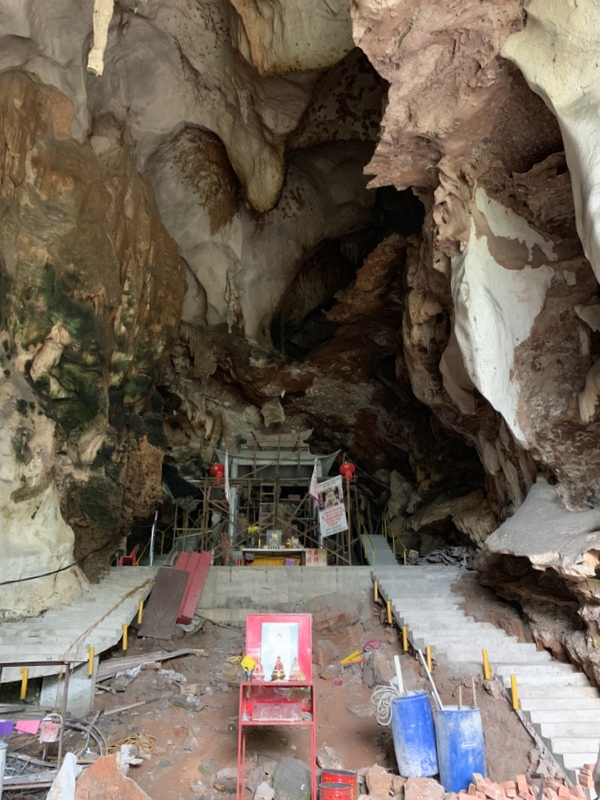
With Bernard’s directions we found the location easily. The limestone cave is part of a Buddhist temple, many of these cave temples can be found around Ipoh, see for example my blog Gunung Rapat Cave Temples . Compared with those temples, this one looks rather neglected. Steps lead to the upper cave with the fossil.
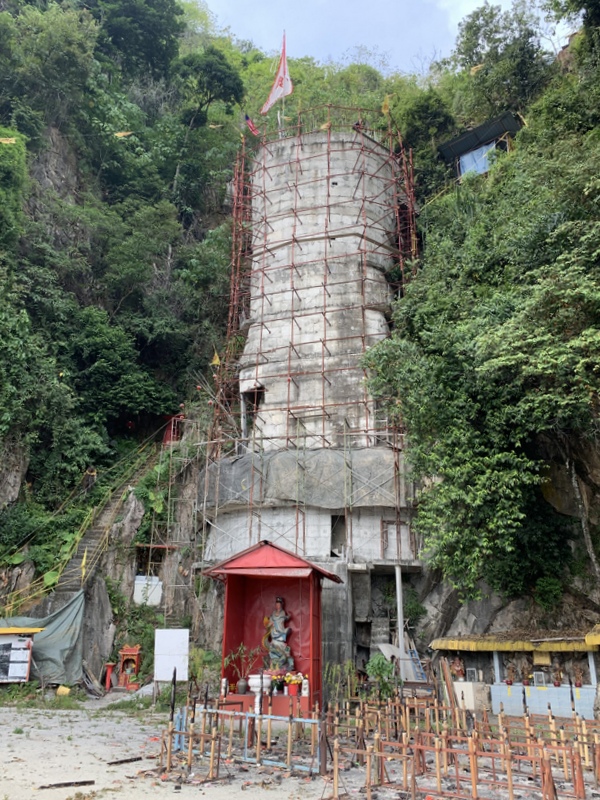
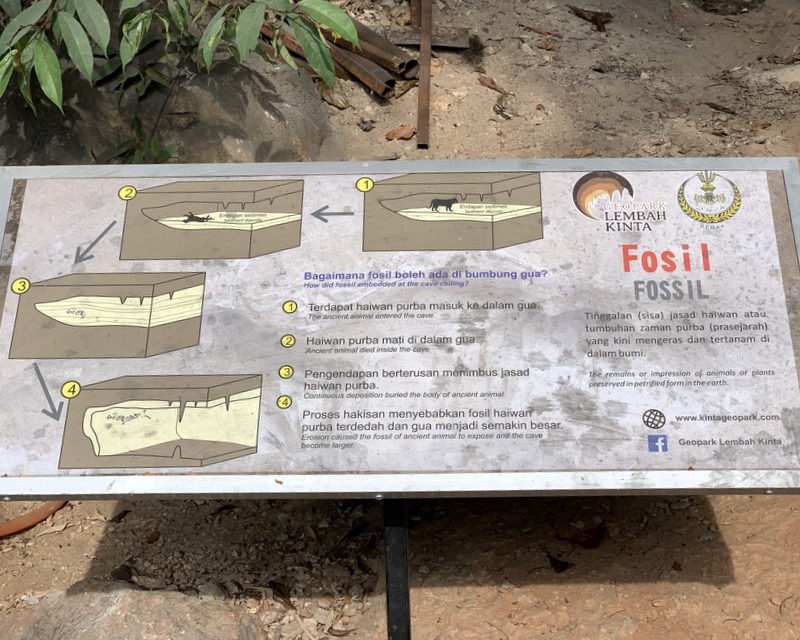
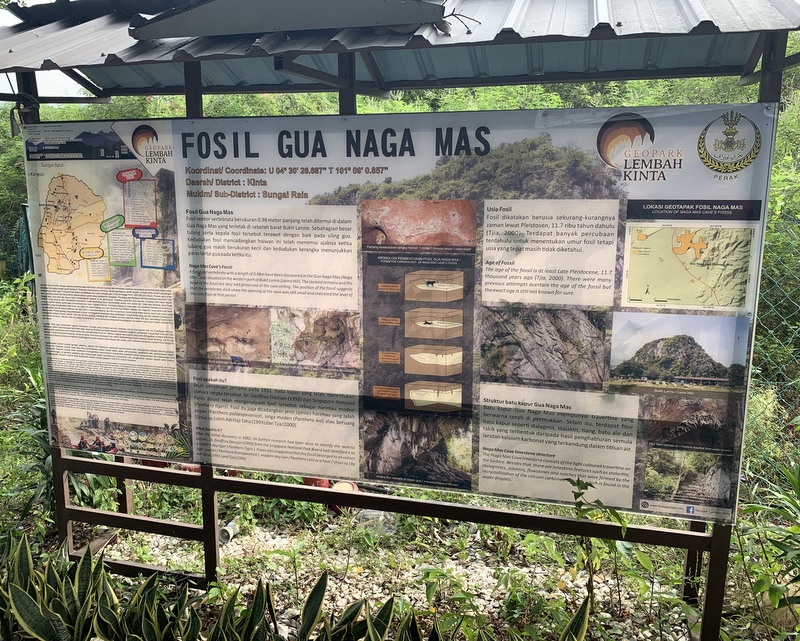
Information boards tell about the history of the fossil. They look new.
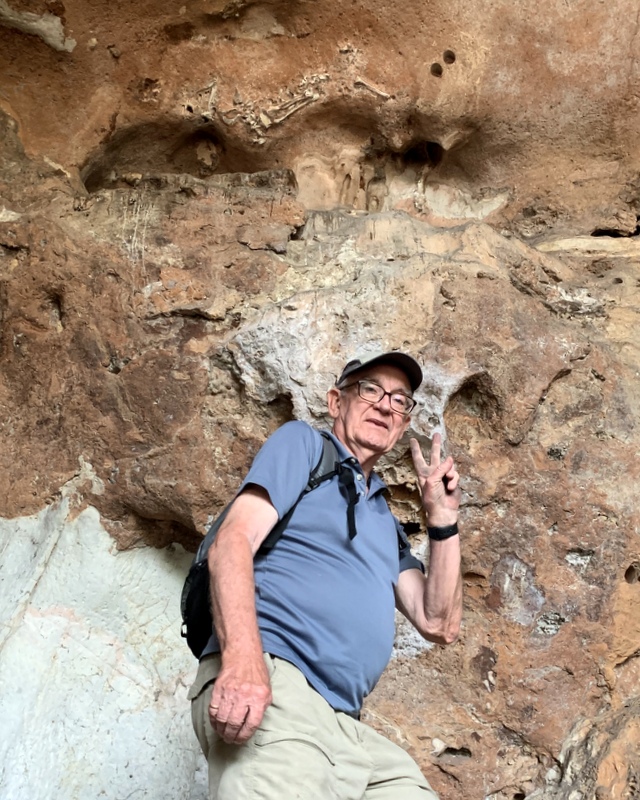
Here is the fossil. It could be a tiger, or a leopard, or even a bear. It could be more than 300.000 year old, according to a recent study.
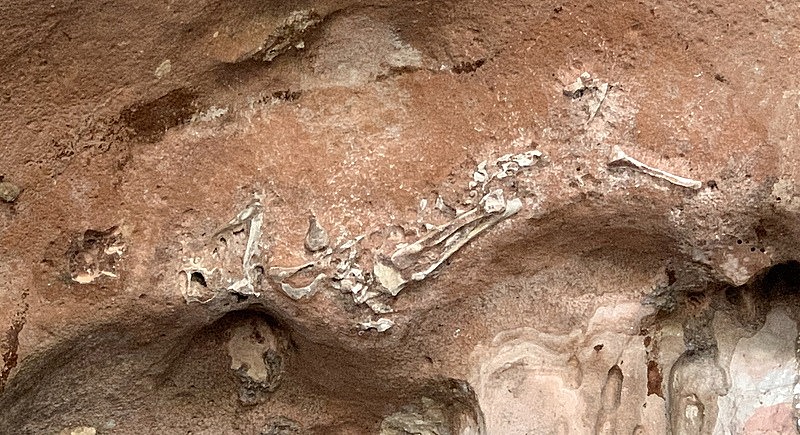
It is not that easy to spot, you must know where to look ;-). We were the only visitors. Using some rickety scaffolding you can come a bit closer to the fossil. Apparently there is work going on and probably in the future the cave and also the temple will look better.
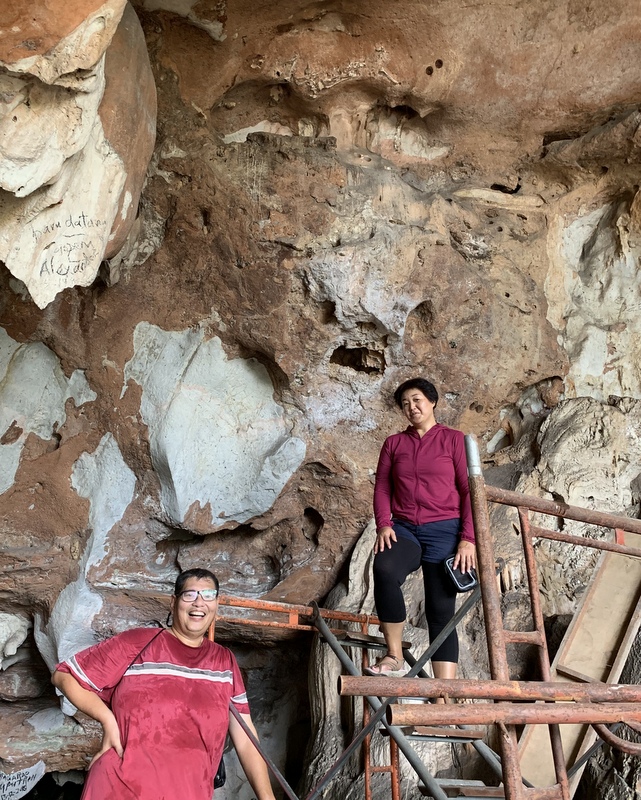
A few more pictures

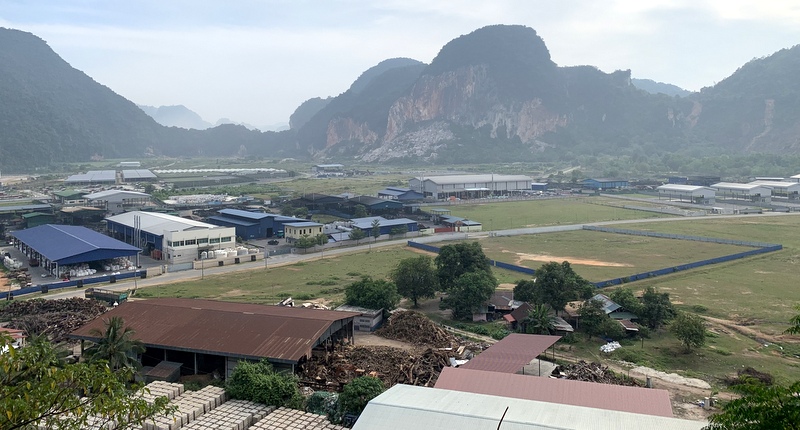
View of the surroundings from the cave entrance. A lot of industrial development. The hills are part of Gunung Lanno, our next destination.
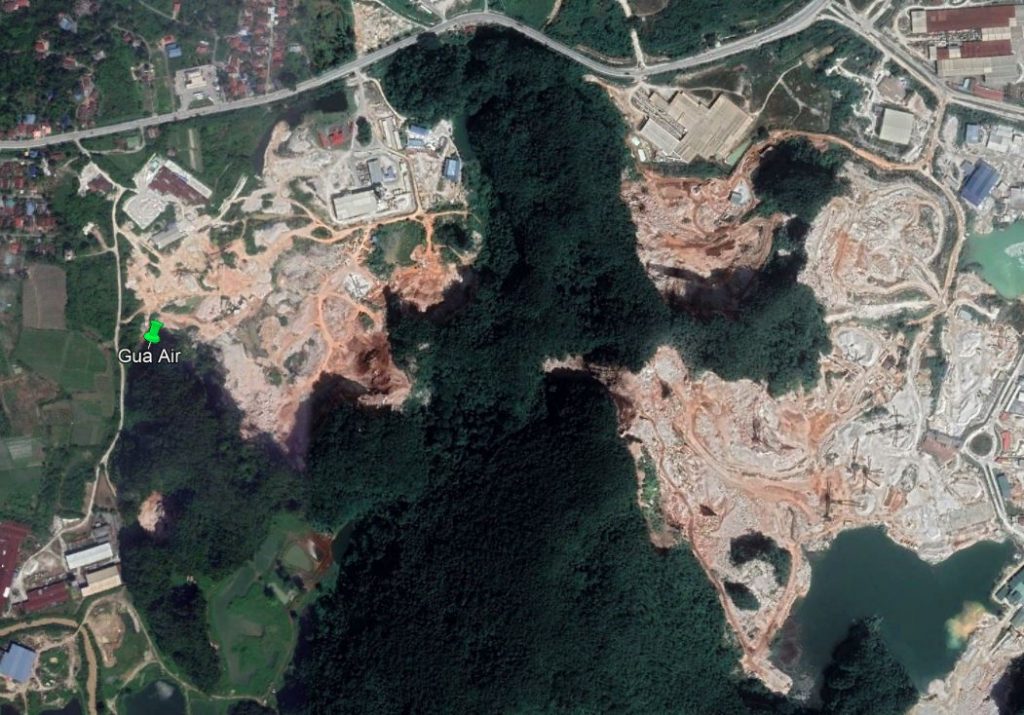
For the second cave, Gua Air (Water Cave) , we drove a few km north, to Gunung Lanno. Extensive quarrying takes place here, as can be seen in this GE screenshot. To visit the cave, you have to enter the quarry site, permission was easily given.
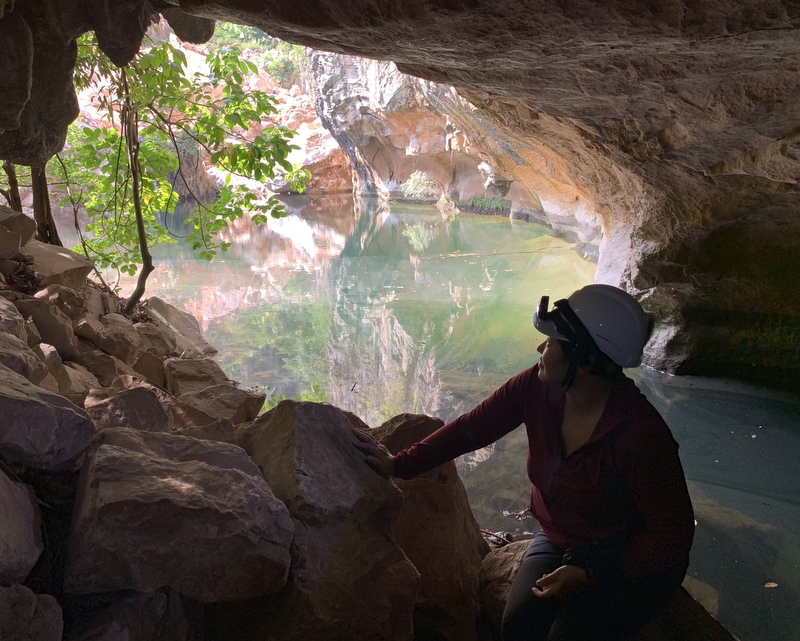
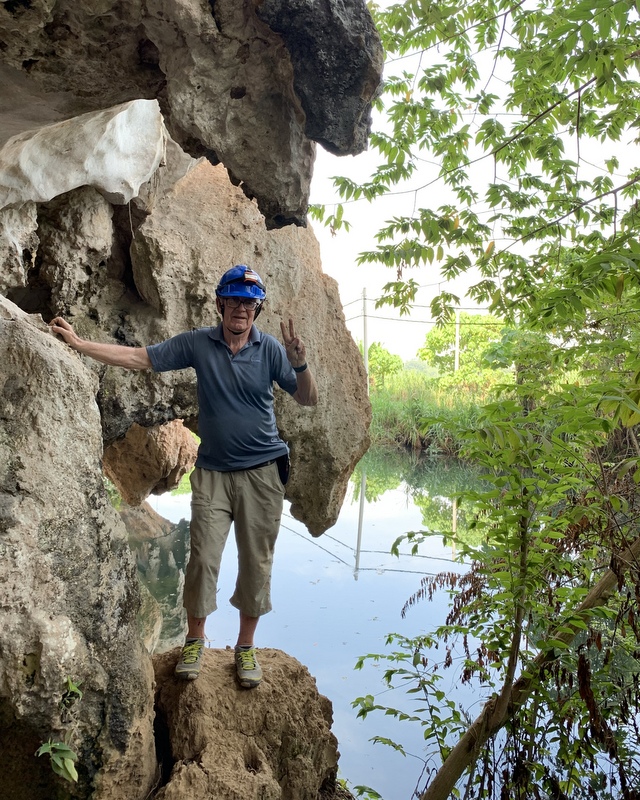
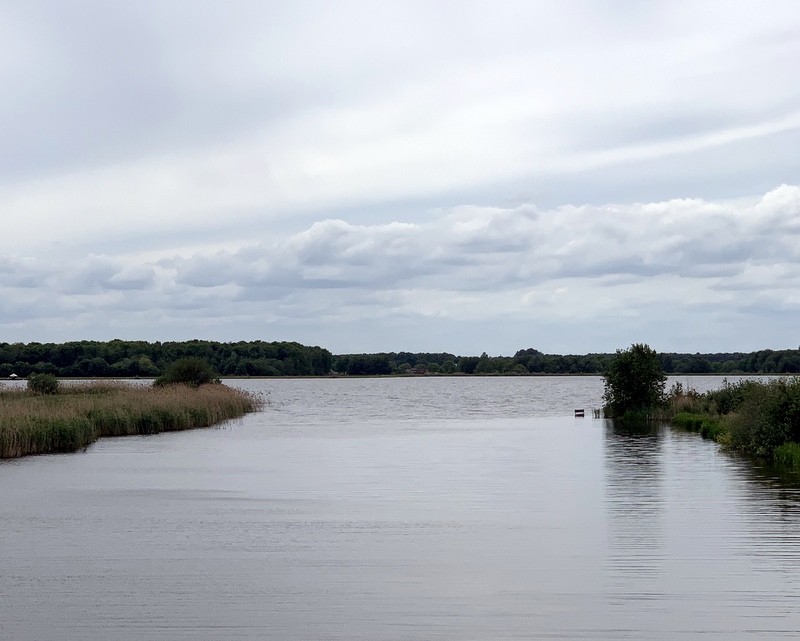
Before we entered the cave, we first drove a bit farther, where the cave exits in a beautiful lake with crystal clear water.
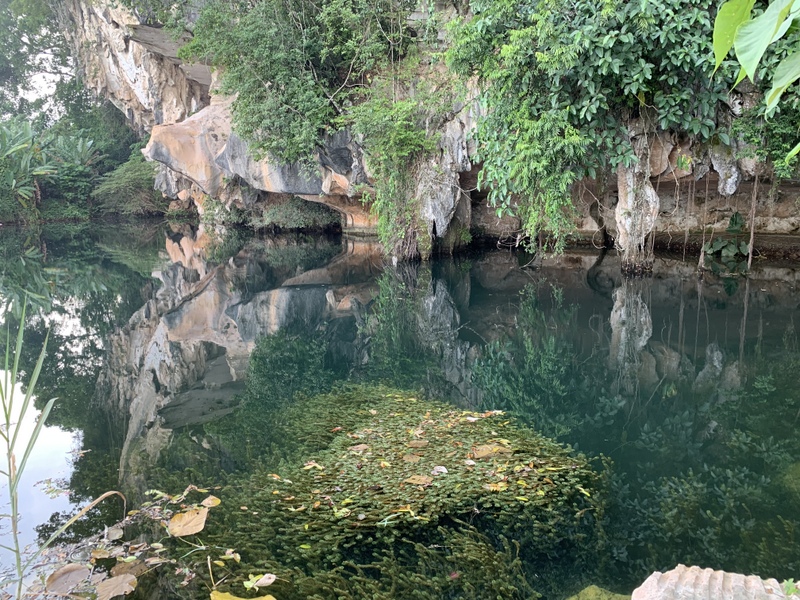
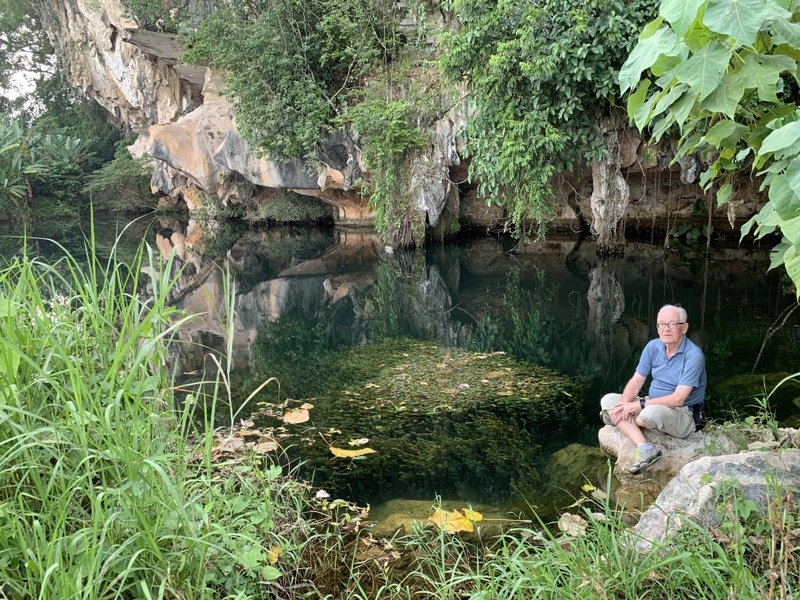
Nice surroundings.
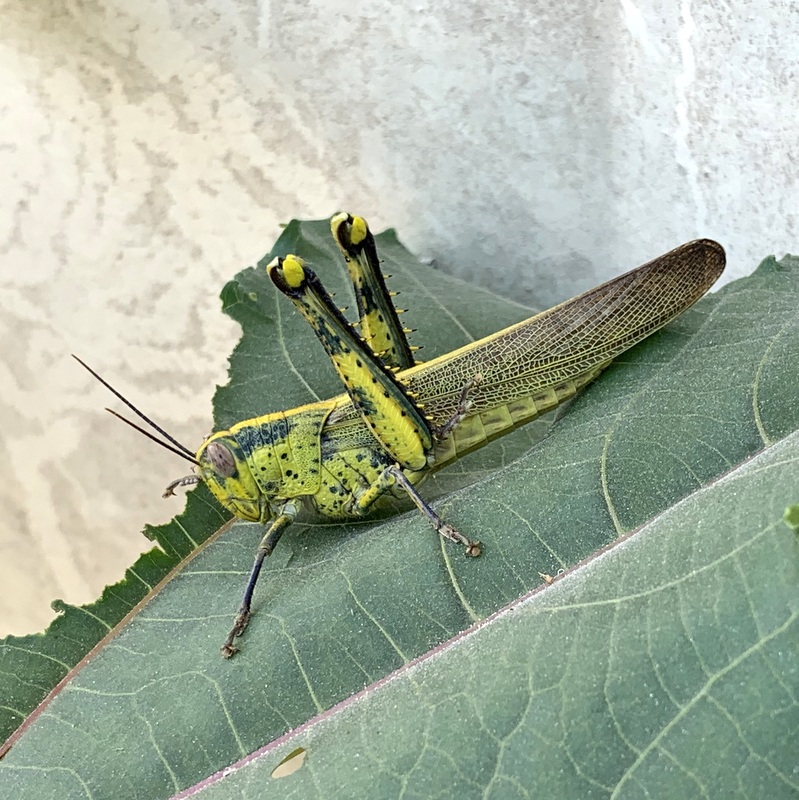
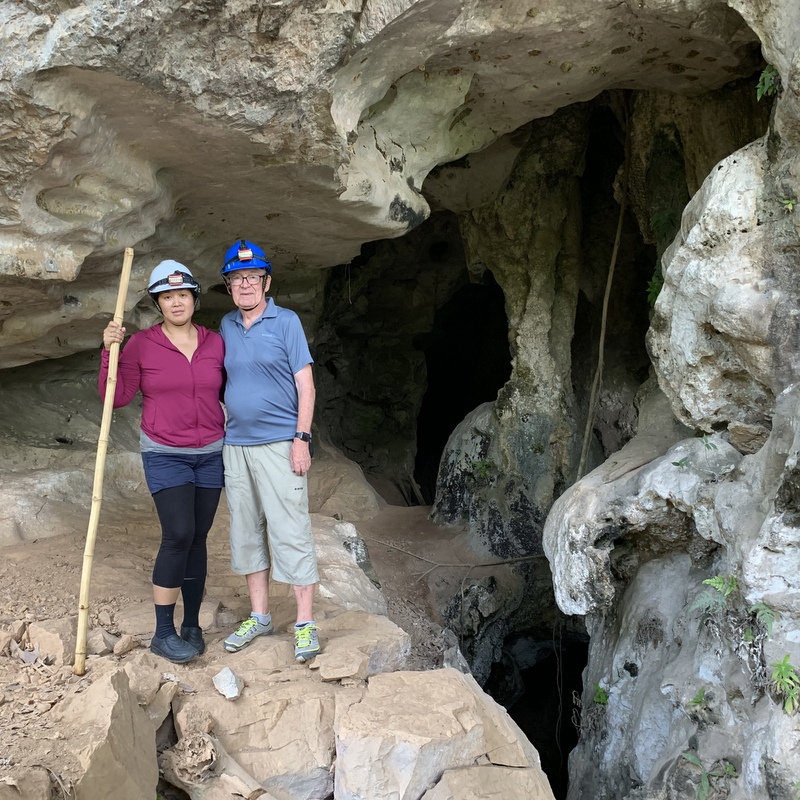
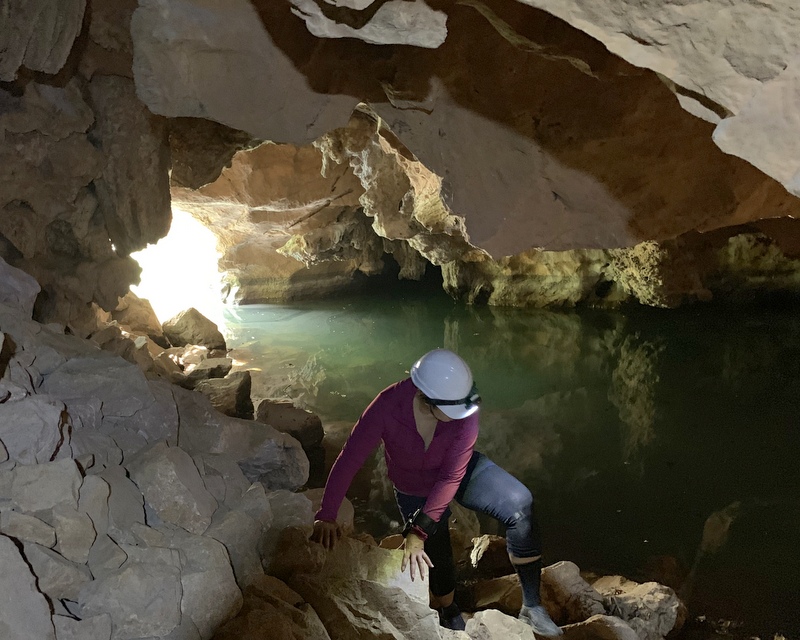
Back to the cave entrance. Henry had brought helmets and headlights.

Entering the cave was a bit tricky, using a ramshackle ladder. Some steps were already missing, and going down another one broke loose.
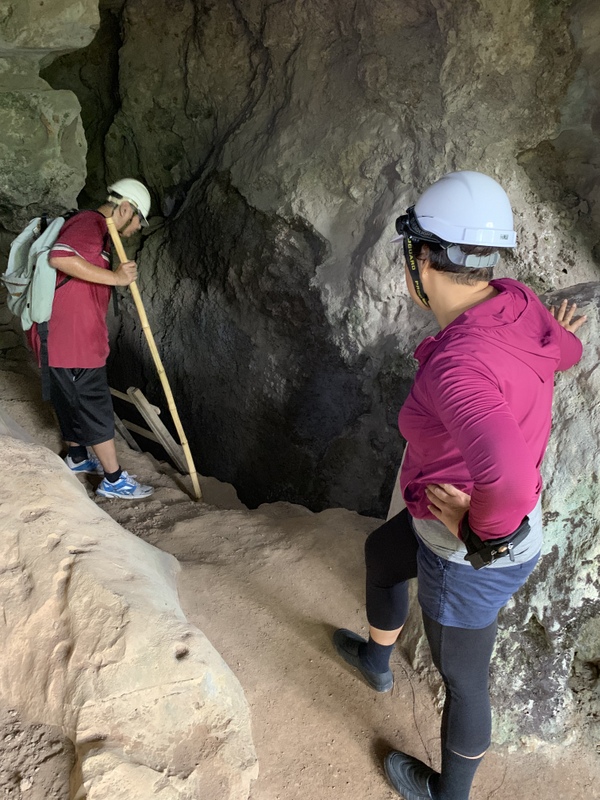
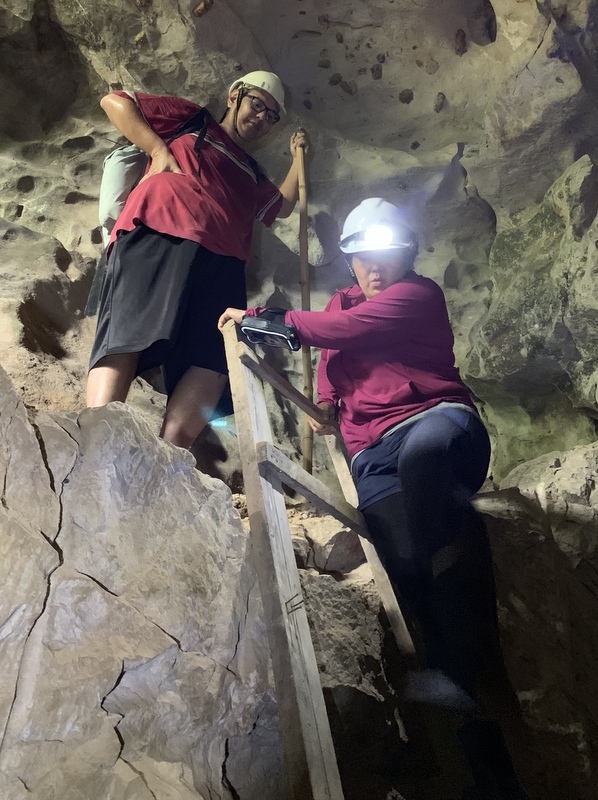
The cave itself was disappointing, only a short stretch, and probably not natural, but blasted. However, at the end you reach the small lake, really beautiful.
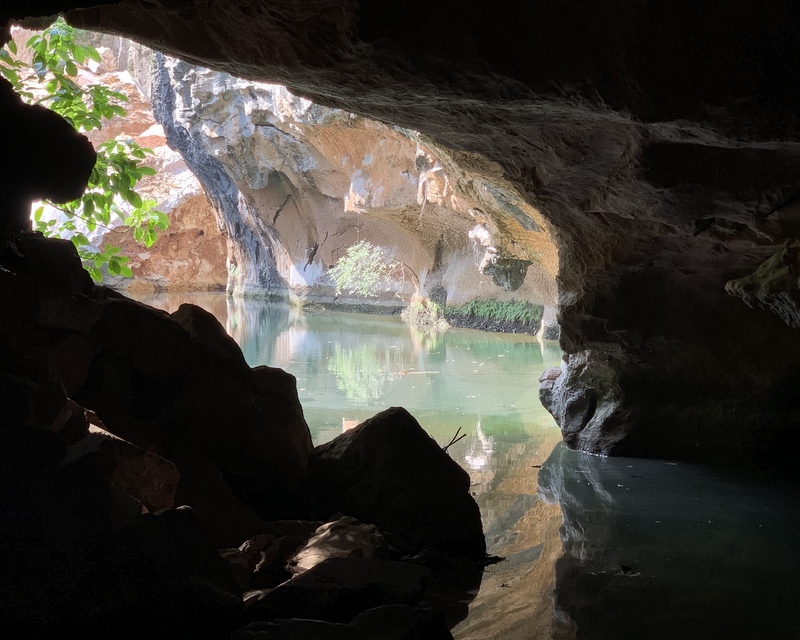
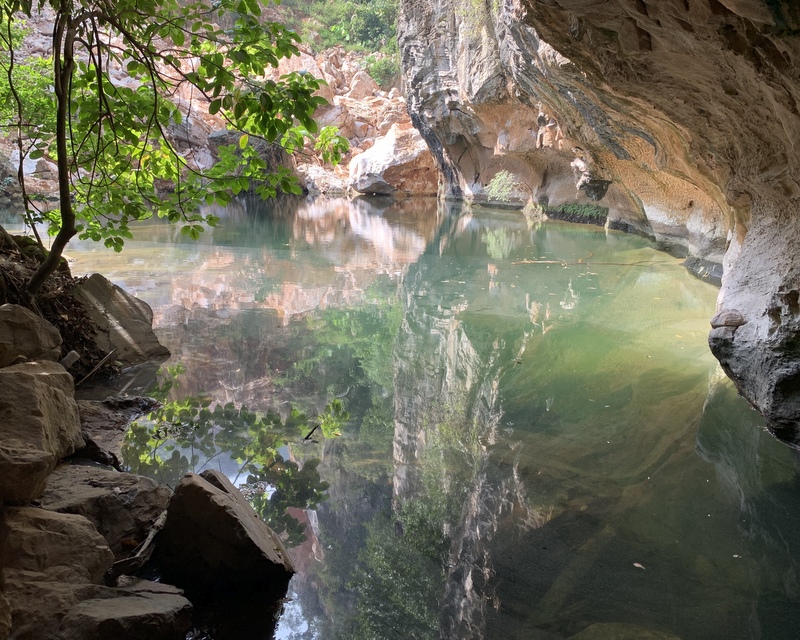
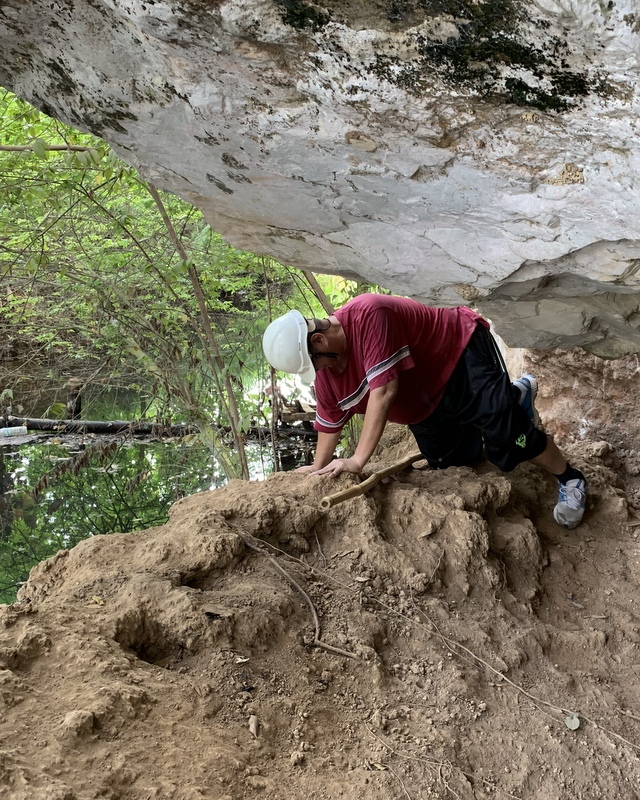
I was a bit worried if we would be able to climb up the ladder, which was now missing one more step, but we managed 🙂 . Outside the cave we followed a trail to the lake. That was more interesting than the cave itself.

Visiting the two caves had taken only taken about two hours, less time than we had expected. Henry decided that on our way to the waterfall, we could have lunch in the Old Friend Restaurant in Kuala Kuang (Chemor), famous for its Roast Duck. Delicious!
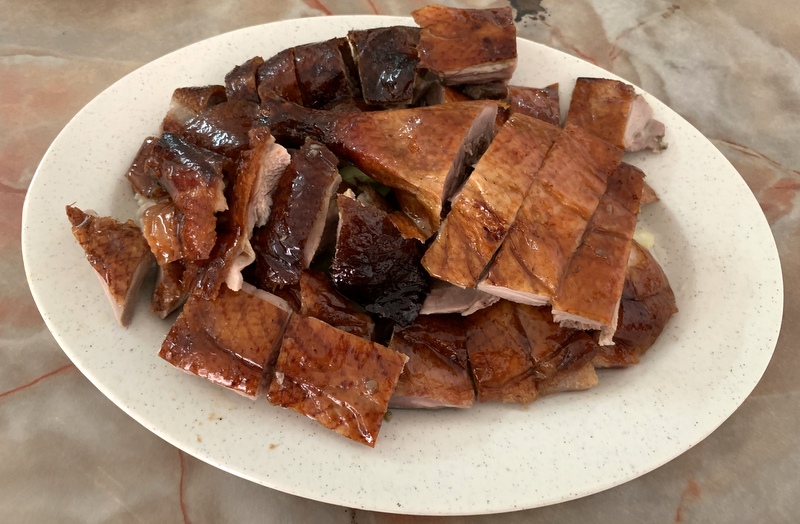
Our last destination was the Lata Penyel waterfall. In 2015 I visited waterfalls in the Sg Siput region: Sg Siput Waterfall Recce. I ended this blog with:

From Bawong 4WD roads lead to remote Pos Piah and Kg Kuala Mu. There must be dozens  if not hundreds of waterfalls along these roads, waiting for intrepid explorers!

A few years later the road to Kg Kuala Mu has been tarred and is now accessible for normal cars. But it still a 2.5 hour drive from Ipoh to Kuala Mu!

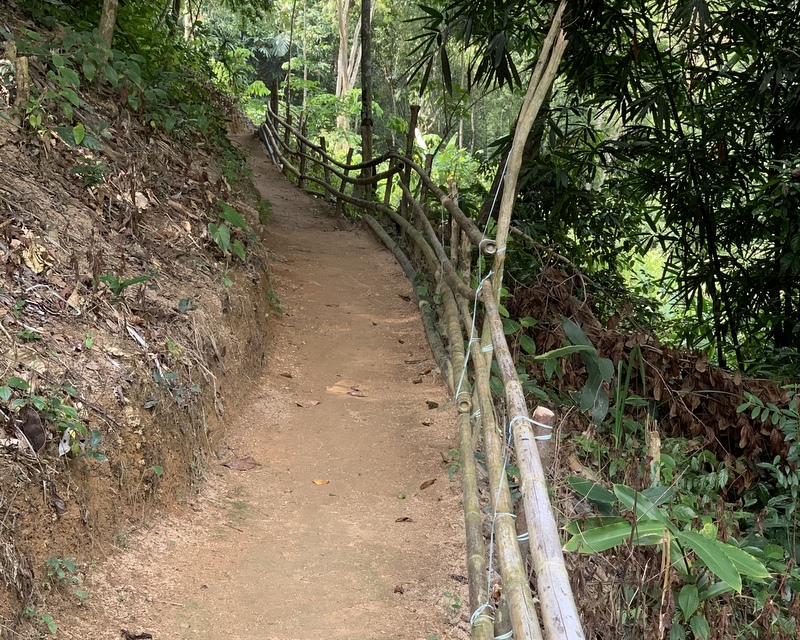
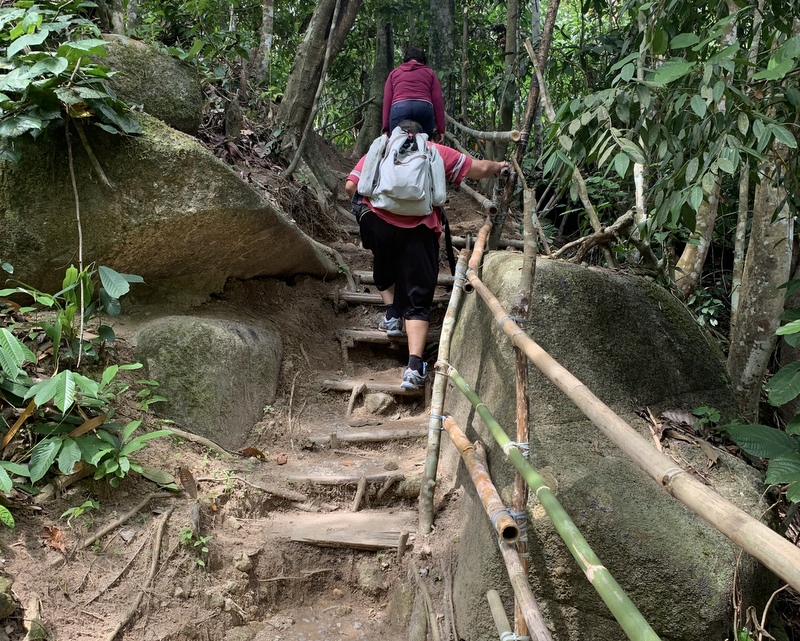
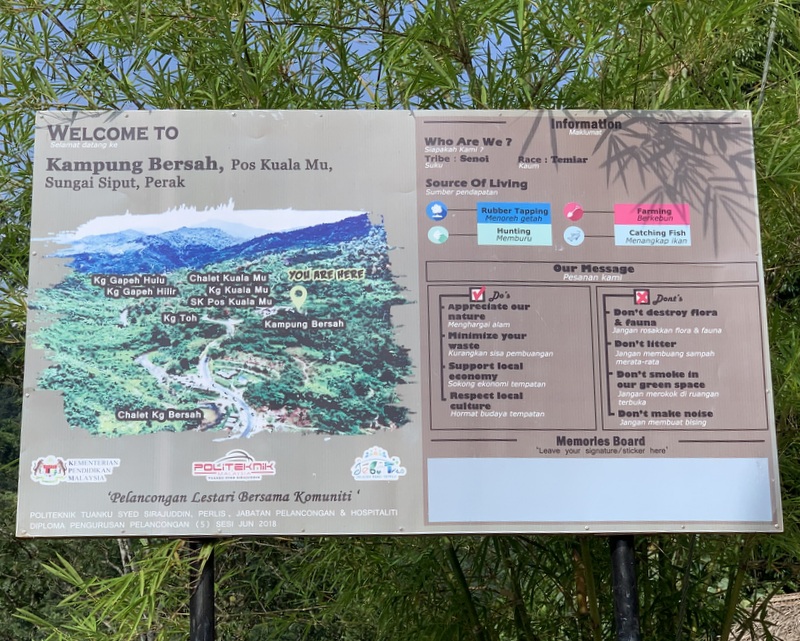
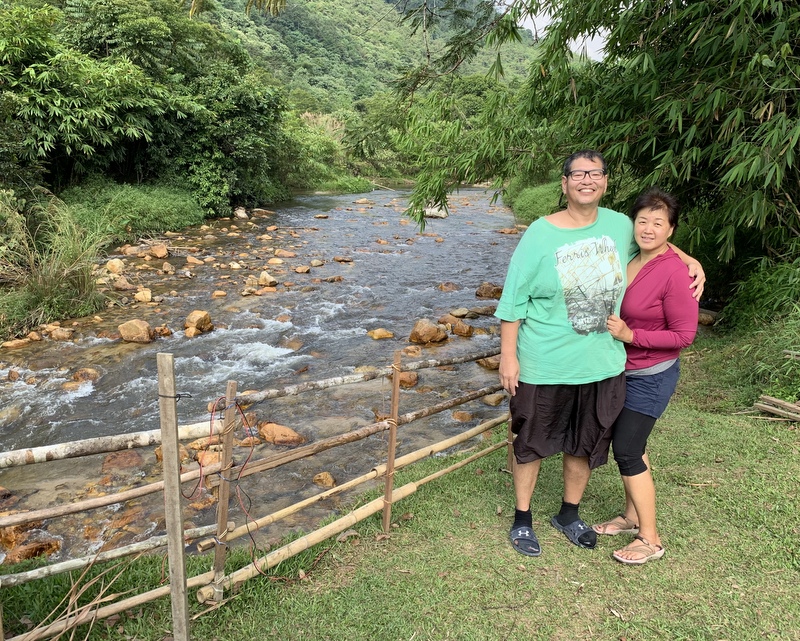
The Tengkoh Penyel waterfall is near the small Pos Yum kampung. and can be reached on an easy trail of about 600 m. The kampung folk (Temiar O.A.) maintain the trail and are doing a good job.

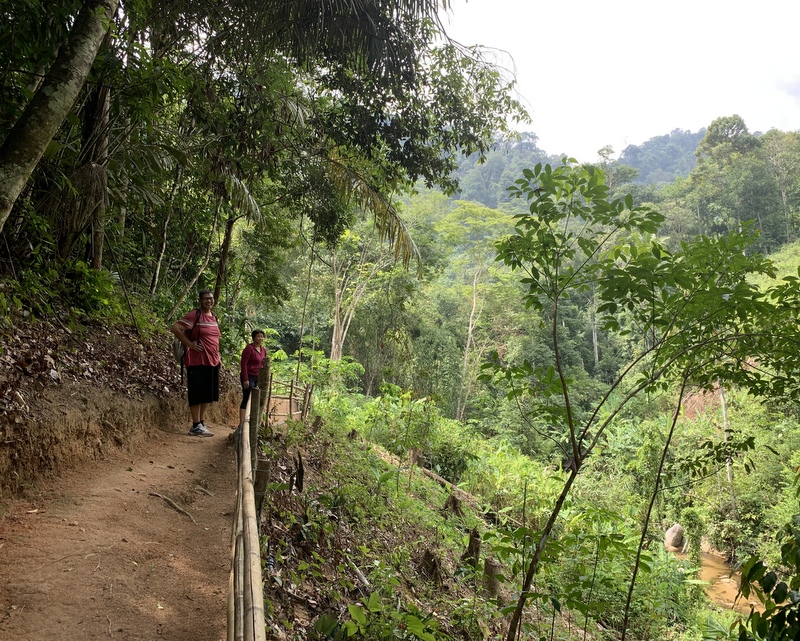
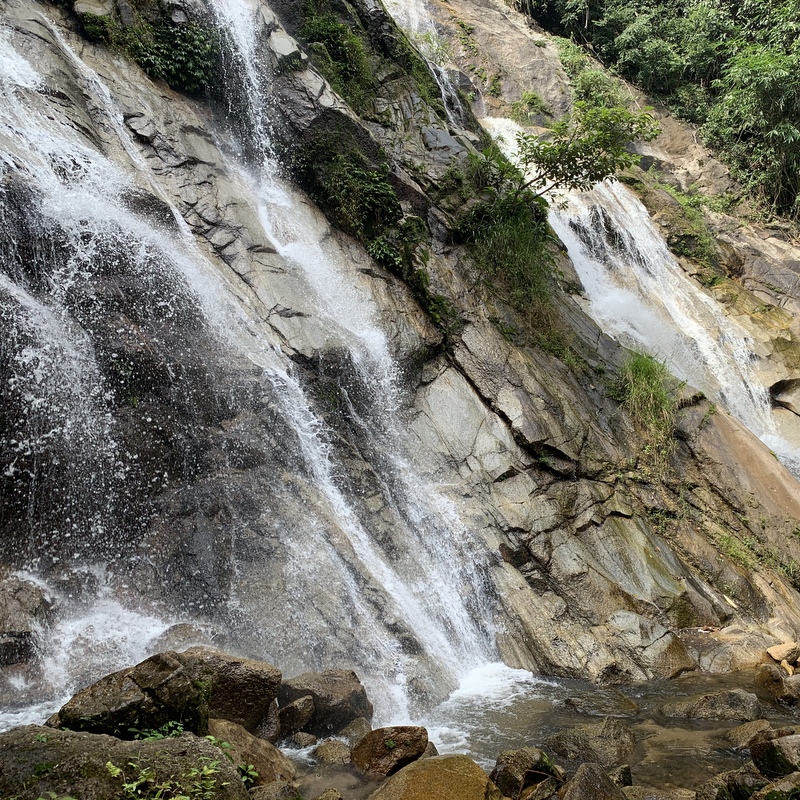
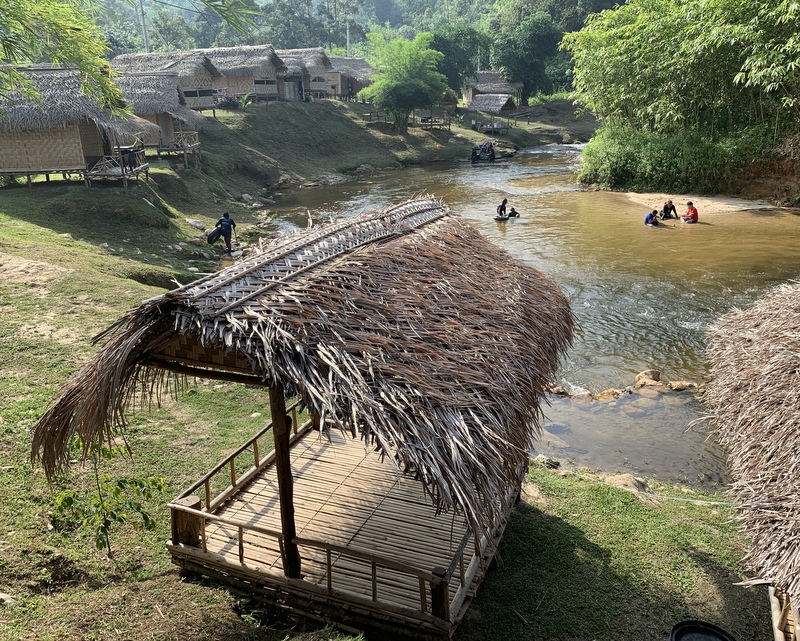
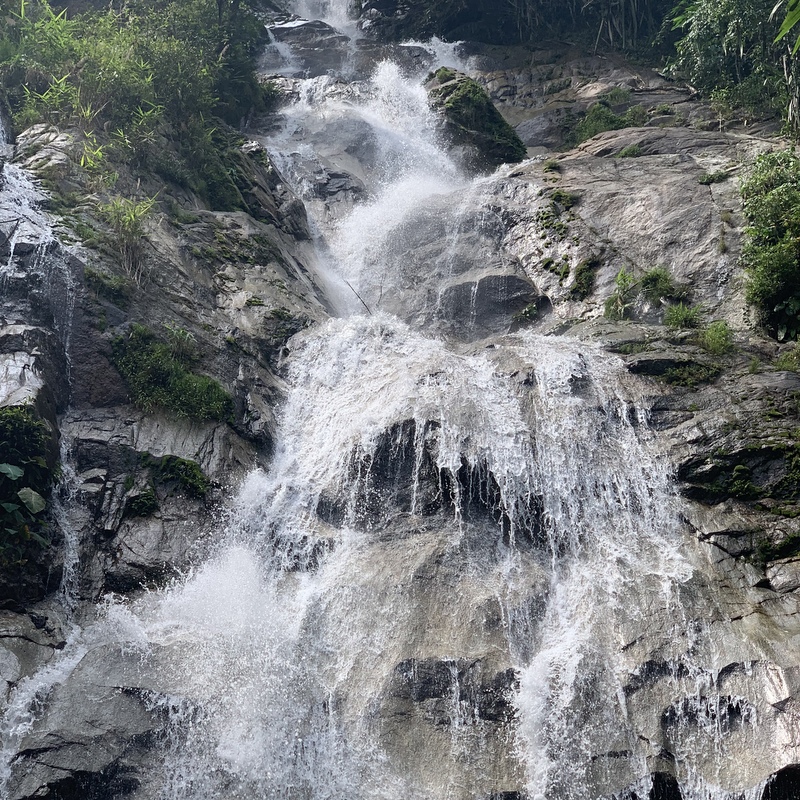
The tall waterfall is a real beauty, very scenic. There is only a wading pool, so it is safe for non-swimmers.

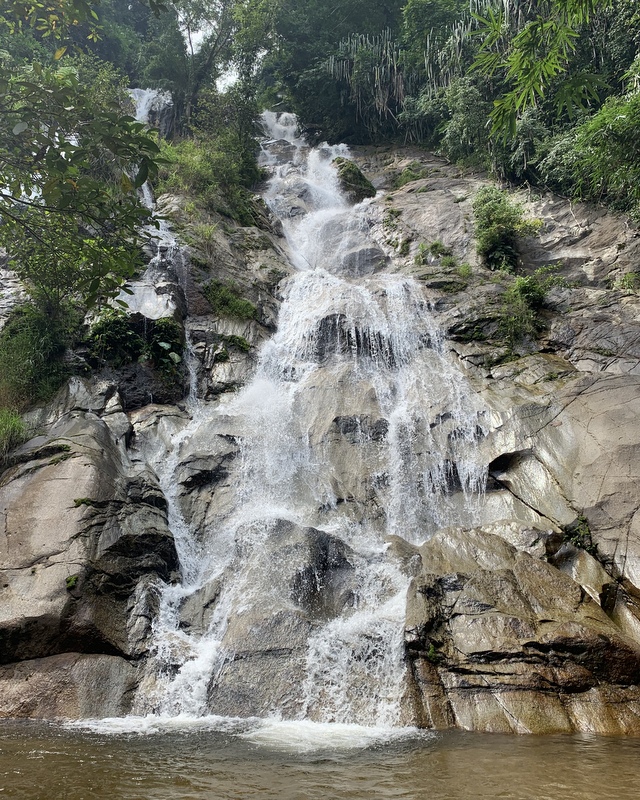
The tall waterfall is a real beauty, very scenic. There is only a wading pool, so it is safe for non-swimmers.
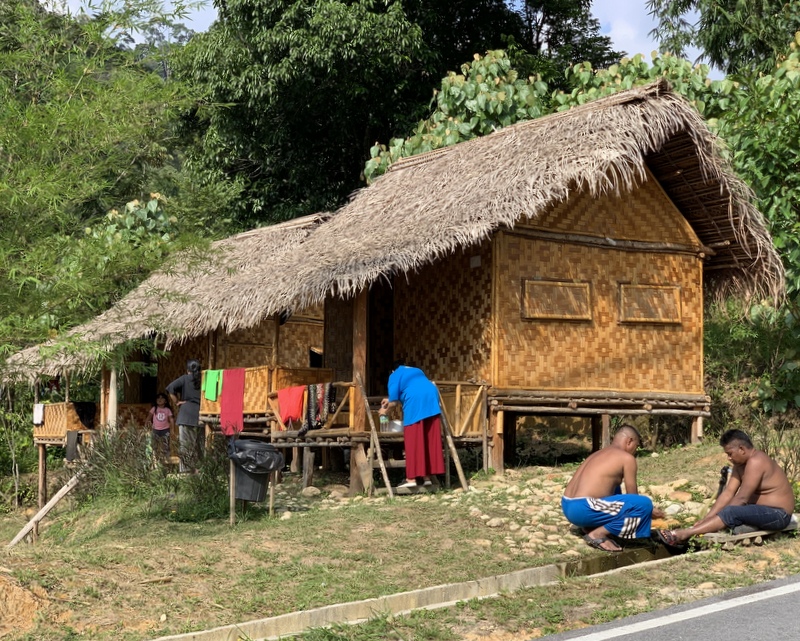
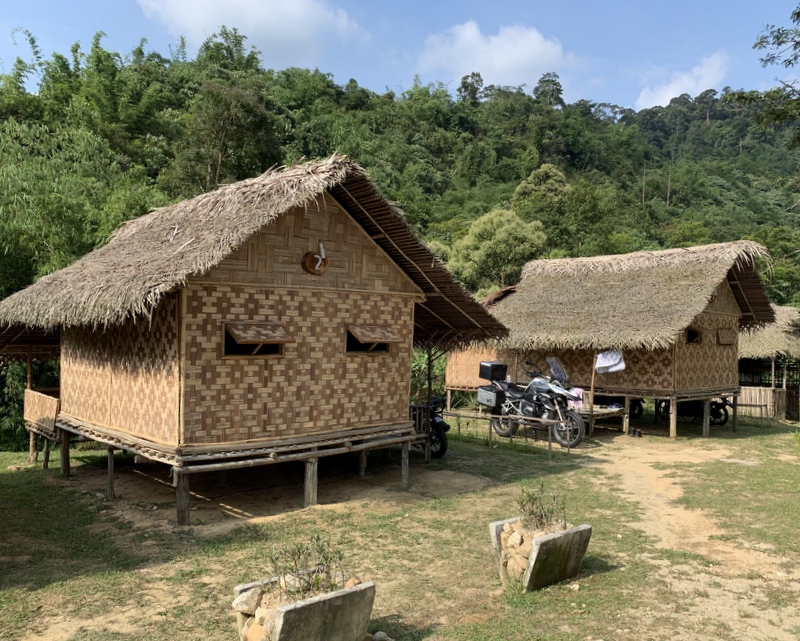
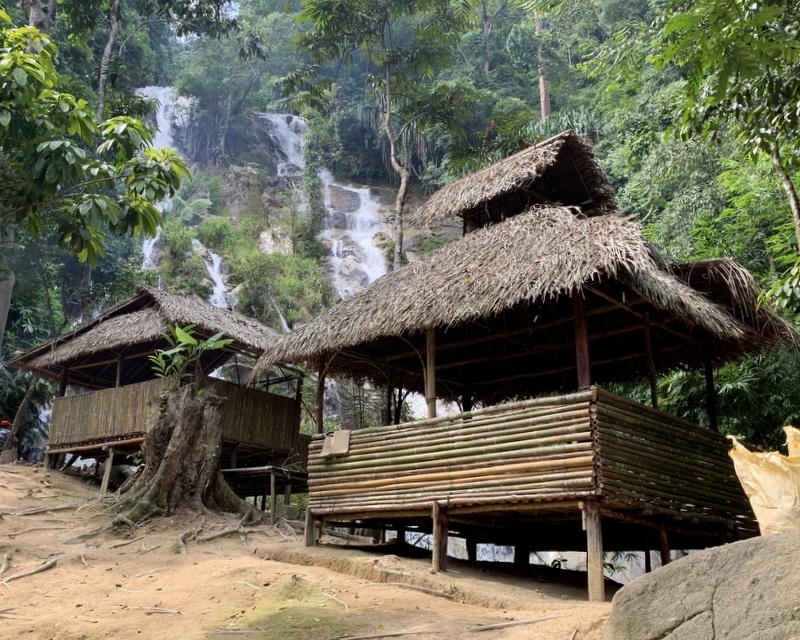
The Orang Asli have done a marvelous job, they have built a few shelters and huts near the waterfall. You can rent them and even stay overnight
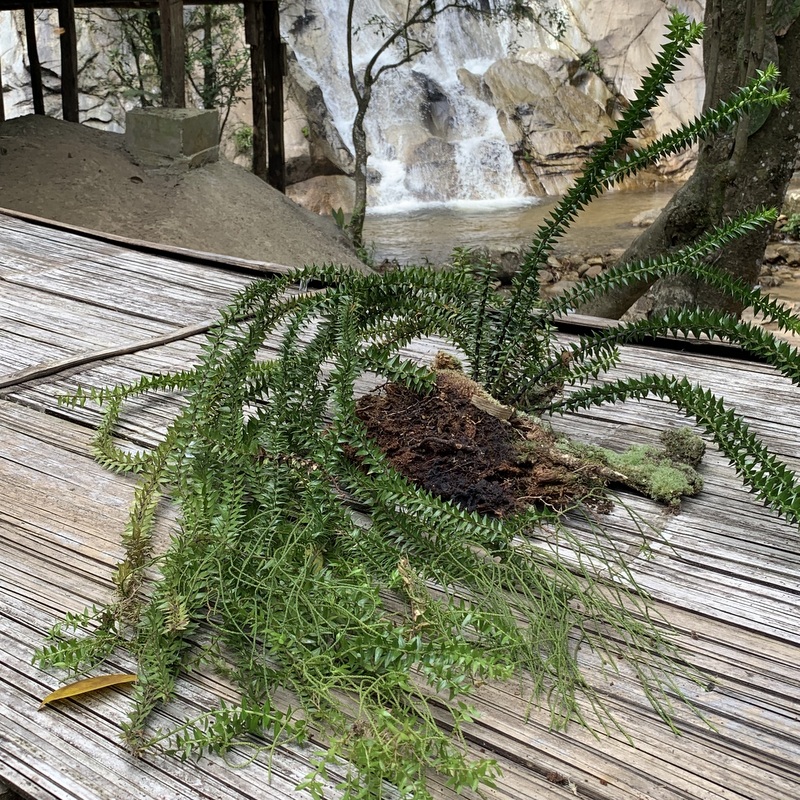
Some more pictures
Before driving back to Taiping, we still had time to have a look at Kampung Kuala Mu. A very winding road, climbing to an altitude of 600 m. Surprisingly there were many people there, bikers mainly, staying overnight in one of the huts. Well organised.
It was still a long way back to Taiping, where we arrived around 7 pm. Here is a Google Earth screenshot, with the location of the two caves, and the road from Chemor to the waterfall and Kuala Mu.

We finished this rewarding outing with a dinner at Thomas’ Western Food in Barrack Road. Henry had brought a few bottles of toddy!

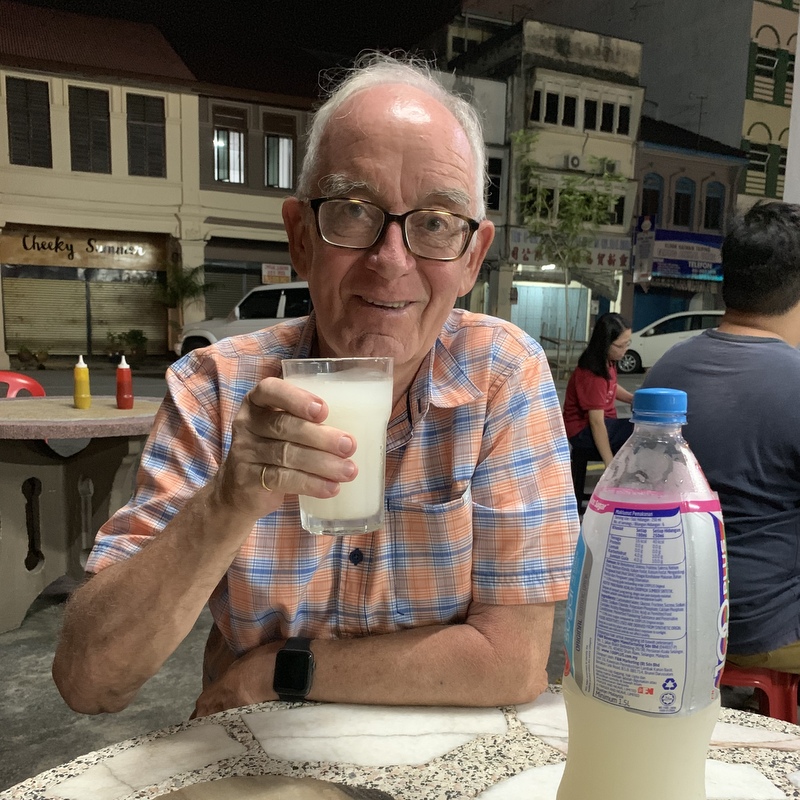
Looking forward to a next adventure with them!
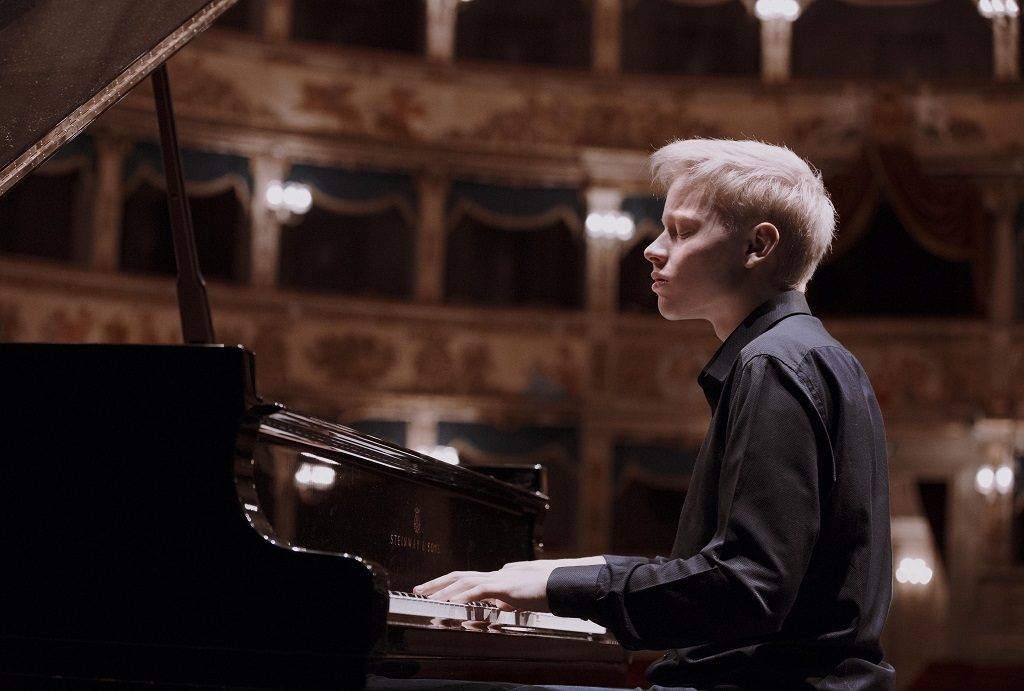
Alexander Malofeev

I must confess that until a few weeks ago, I had never heard about this young Russian pianist. I am interested in classical (piano) music, see for example my post about the 17th Chopin Piano Competition . This year, from 4 until 21 May, an international music competition was held in Beijing. This China International Music Competition (CIMC) was devoted to the piano.

The CIMC concert with the three finalists, and the presentation of the prizes can be viewed here. Malofeev got the second prize and not everybody was happy with the verdict of the jury. Have a look at the comments given. Here are a few:

Malofeev should have won. end of story. ” , “Malofeev is FAR ABOVE the rest. Politics again; what a shame! “, “Unforgivable result – a travesty of justice.“, ”
Alexander was obviously the best, is it Russophobia again? “

I got intrigued by Malofeev and searched for information and YouTube recordings.

He was born in Moscow on 21 October 2001 amd began studying the piano at the age of five.

The earliest recording I have found, is from May 2013, when he was eleven years old. He is playing Grieg’s piano concerto in A minor, the audio quality is not that good, but you should watch at least the beginning, how he is greeting the orchestra twice and struggling to adjust the piano stool!
The next recording is from about one year later, when Alexander took part in the 8th Tchaikovsky competition for young musicians, where he won the
First Prize and a Gold Medal. In this recording he is playing Saint-Saëns’ 2nd Piano Concerto in G minor. A spectacular performance by a 12 year old boy.

Again an endearing start 🙂 He comes on stage and wants to sit down, but then realises that he still has to greet the conductor and the concertmaster.

The quality of this YouTube is very good. If you don’t want to listen to the complete concerto, you should at least watch him playing the third movement. At the end of the recording he comes on stage with his piano teacher, another charming moment.

On 29-3-2015, Alexander Malofeev, 13 year old, plays Prokofiev’s 3rd Piano Concerto in C major. The (audio) quality of the video is not perfect, but it is fascinating to see him in action. And as if playing this demanding concerto is not enough, he gives an encore, Stravinsky’s Sacre du Printemps in a transcription for piano by Kurbatov.

I found two recordings of Tchaikovsky’s Piano Concerto no 1. This one was recorded in Saint Petersburg, also in 2015, on 25 December.

And this one is from the Scala in Milan, 6 February 2017, Malofeev is now 15 year old, a teenager, losing his puppy fat :-). He is playing two encores, a piano transcription of a “pas de deux” from Tchaikovsky’s Nutcracker Suite and Ondine, the first movement of Ravel’s Gaspard de la Nuit.

Last year, 27 July, Alexander, now 16 year old, played again Prokofiev’s
3rd Piano Concerto, this time at a festival in the south of France. It is interesting to compare this recording with the one recorded three years earlier (see above).

On 30 December 2018, 17 year old Malofeev played Rachmaninoff’s 3rd Piano Concerto in D minor in the Tchaikovsky Concert Hall in Moscow. A spectacular performance. It is interesting to read the comments. One of them says:

Its pretty obvious who the next winner of the Tchaikovsky Competition will be in June of 2019.

At the CIMC competition, May 2019, where Malofeev got the second prize, he played Mozart’s Piano Concerto in D minor, KV 466, in the final round. It is my favourite Mozart concerto and Alexander plays it beautifully.

For comparison here is the same concert, played by Tony Siqi Yun, the winner of the first prize. Also born in 2001, a few months older than Alexander. He is a Canadian and currently a student at the Juilliard School.

The chairperson of the CIMC jury is Yoheved Kaplinsky , who is also the
chair of the Piano Department of The Juilliard School. A coincidence? Not everybody will agree.

Until now the year 2019 has not been very lucky for Alexander Malofeev. The commenter, mentioned above, may have found it obvious that Alexander would be the next winner of the 2019 Tchaikovsky Competition, but actually he did not even survive the first round! Here is the list of contestants. Malofeev was the youngest of all. Maybe he should not have participated and wait a few more years.

Here is an interesting analysis of Alexander’s first round. He played Bach, Beethoven, Tchaikovsky, Chopin, Rachmaninoff and Liszt in a 50 minute recital. A quote from the analysis:

By the end of fifty minutes this pale, black-shirted young man of stooping posture had given his all and beyond. Totally drained, totally exhausted. Visually, seemingly even a little unwell, drenched in sweat. Just maybe this could explain the tailing off in parts of the Chopin and Liszt, the gradual lessening of right-hand ‘ring’ and strength. But his determination and imagination, the vision he wanted to deliver, never failed. In the grand scheme of things, the few (inconsequential) slips and blips counted for nothing. The personality and possibilities, the honed facility, the ability to cope under pressure, are what exhilarated.

The jury eliminated him.

I am sure that we will hear more about him.

Added October 2021:

An interesting video about Alexander, from9 to 19.

Journal Dutch trip 2019

On the 15th of April I arrived in Amsterdam and seven weeks later, on the 4th of June, I flew back to Malaysia.

I have written already quite a few blogs about this visit and I will give links in this final post. But there is still a bit more to report 🙂

The first two weeks Aric”s sister joined us, it was her first visit to the Netherlands, we visited many tourist attractions, here are some highlights.

Detailed report here : Aei Ling’s visit. We also spent a few days with her in Paris, resulting in a separate report: Paris.

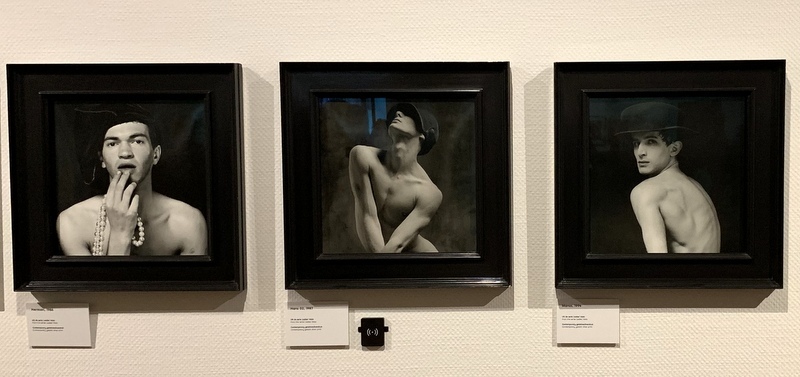
After Aei Ling had gone back to Malaysia, Aric stayed two more weeks. We visited a photo exhibition in Den Haag: Erwin Olaf in the Gemeentemuseum

And we spent five days in Italy, here is the report: Cinque Terre.

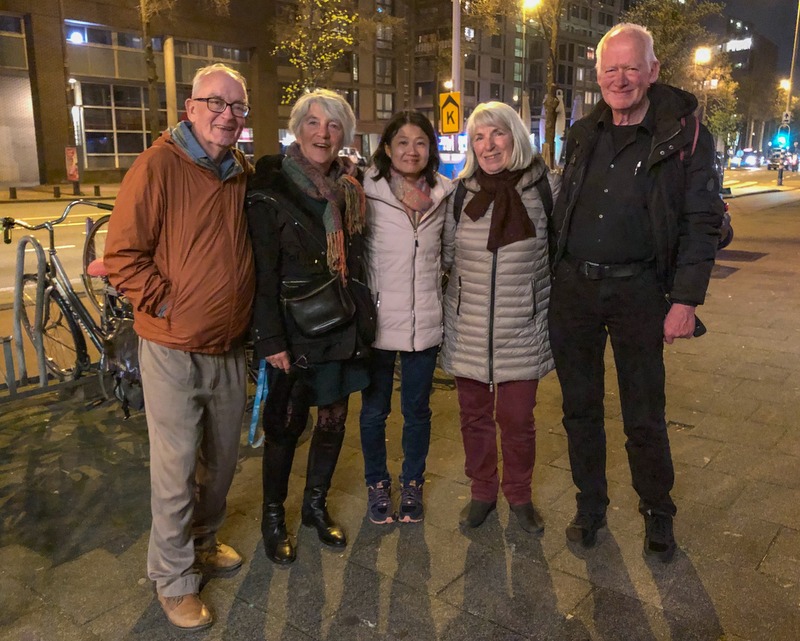
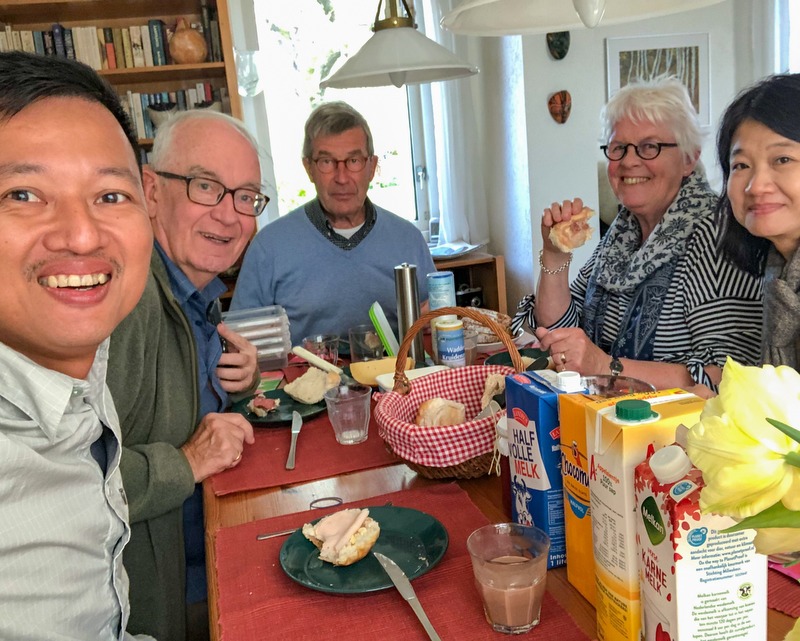
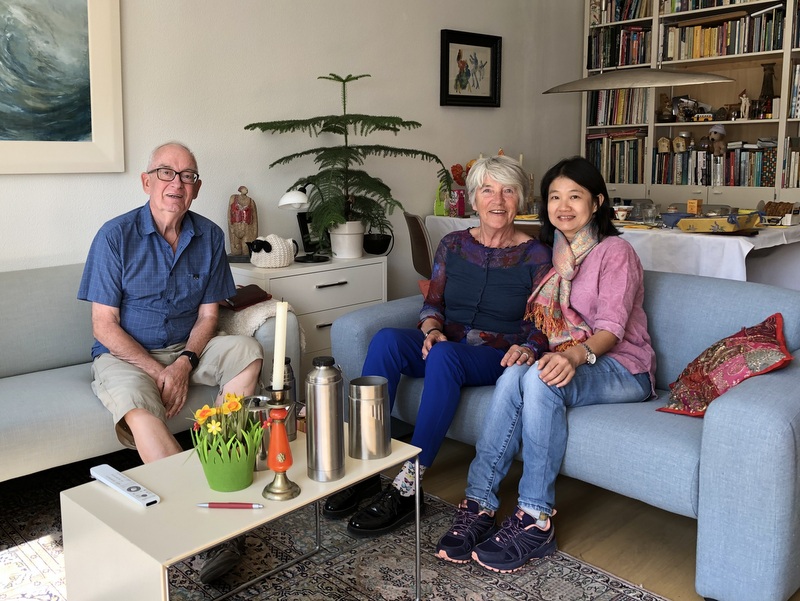
After Aric went back. I stayed for another three weeks. During that period I visited my family and friends. I wrote a report about three of these visits: Family Visits. Here a few pictures, one of each visit.

I also visited a friend in Utrecht and walked around a few hours in this beautiful town. It resulted in another post: Utrecht 2019 .

And finally I wrote a post about an open-air art exhibition in Amsterdam, which I visited just a few days before I flew back to Malaysia : ArtZuid

Altogether seven (!) blog posts 😉 . About some of my other activities I will report in this final post.

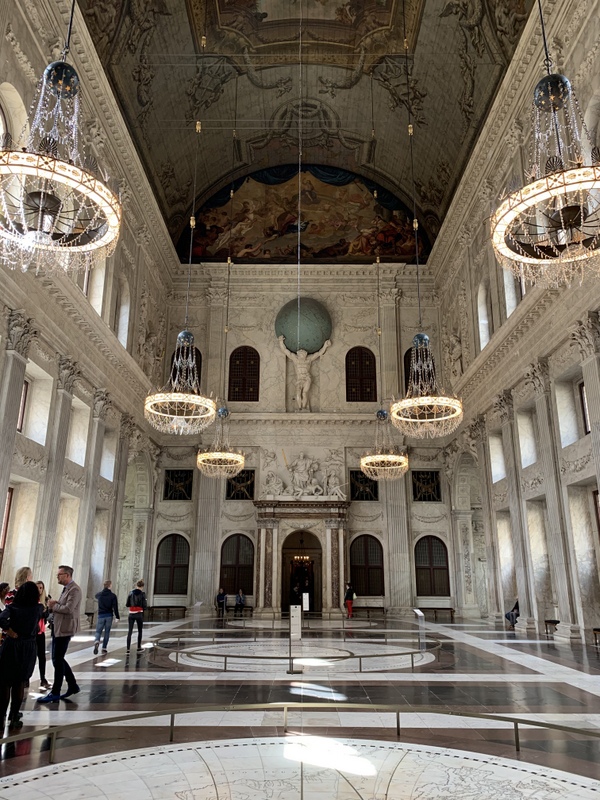
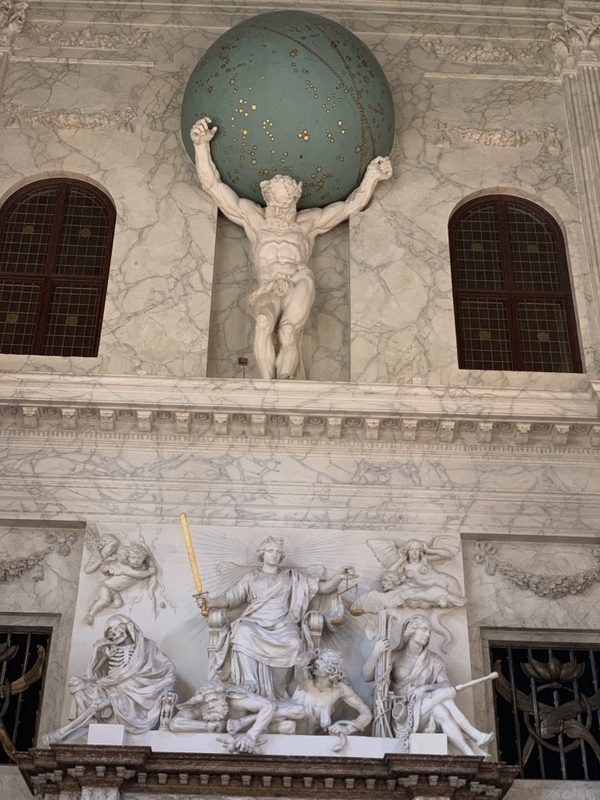
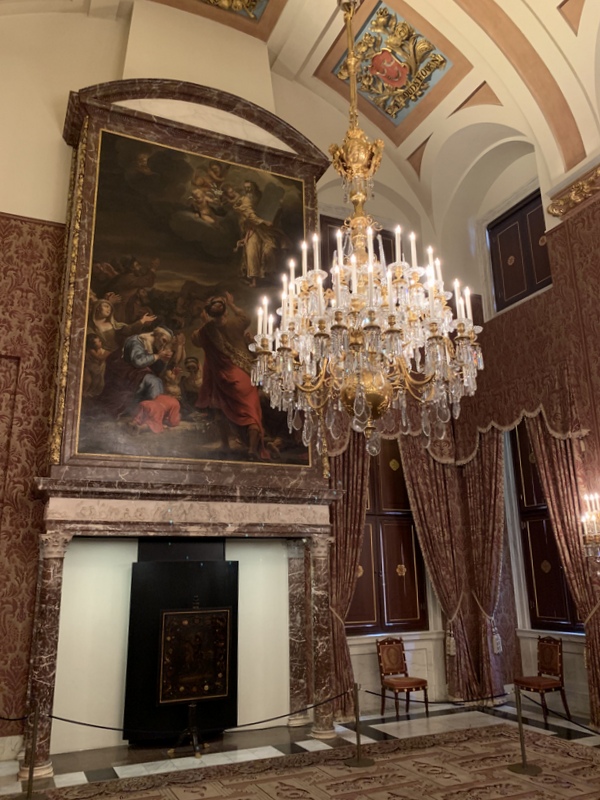
Aric and visited the Royal Palace in Amsterdam, Aric had never been there yet. In 2016 I have written a detailed report about the Royal Palace, Amsterdam. Here a few pictures taken during our visit.

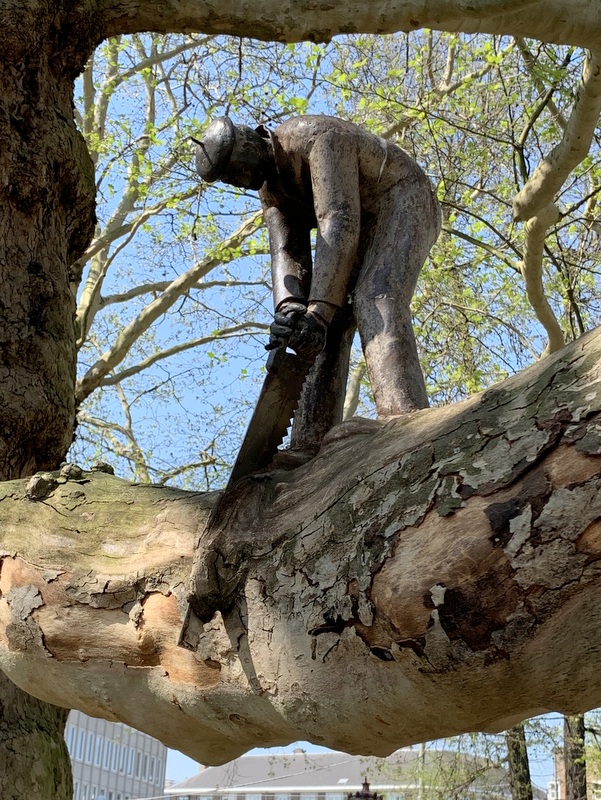
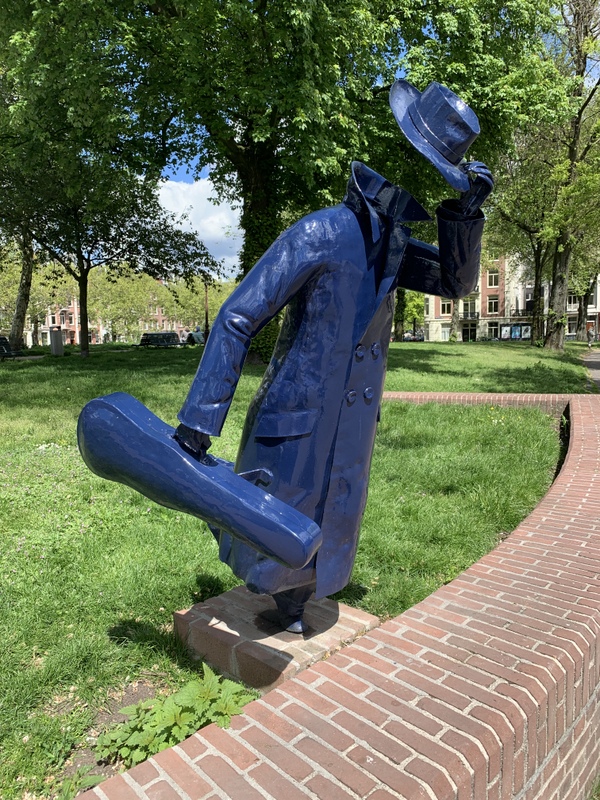
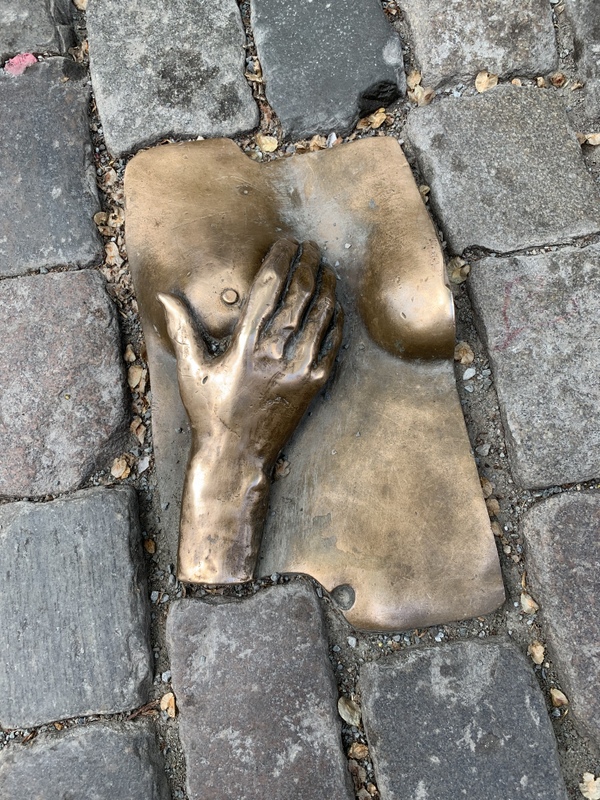
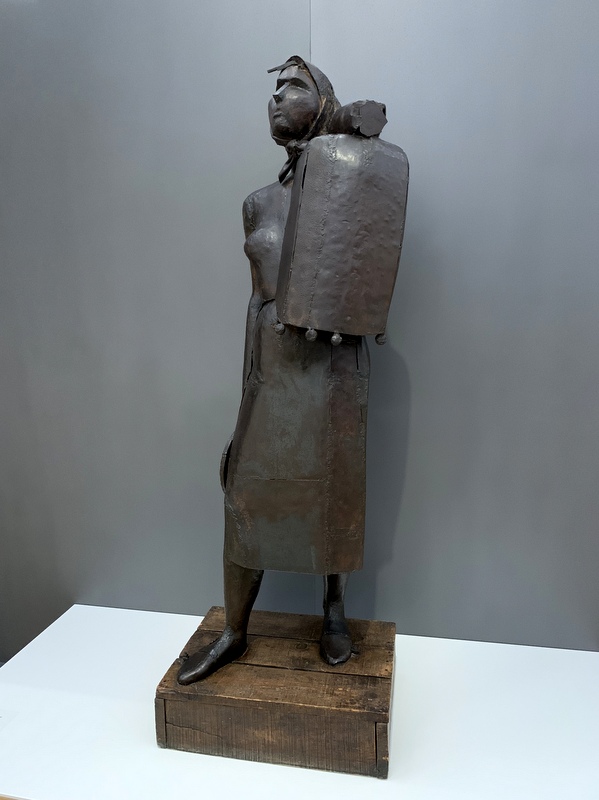
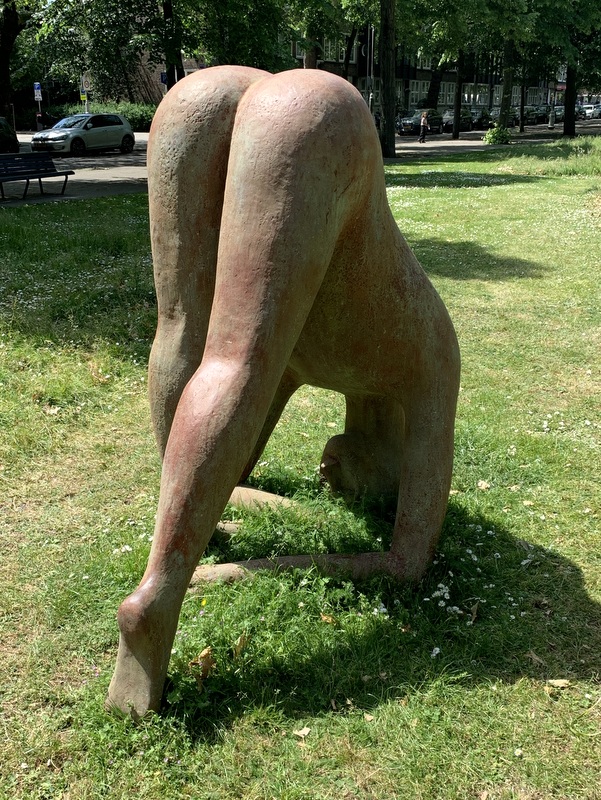
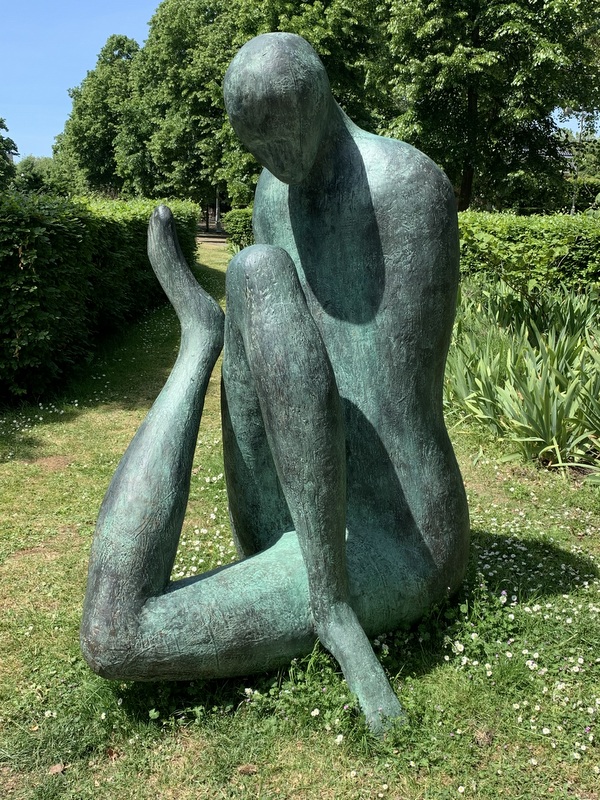
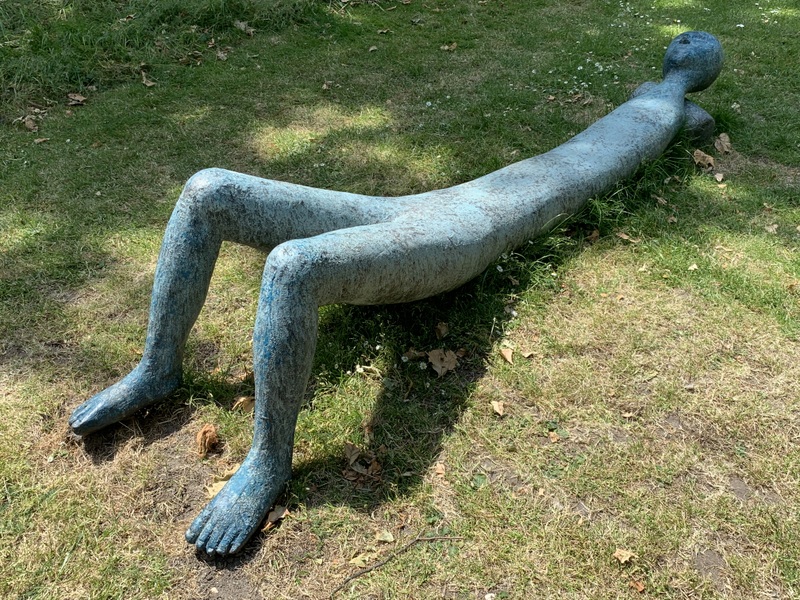
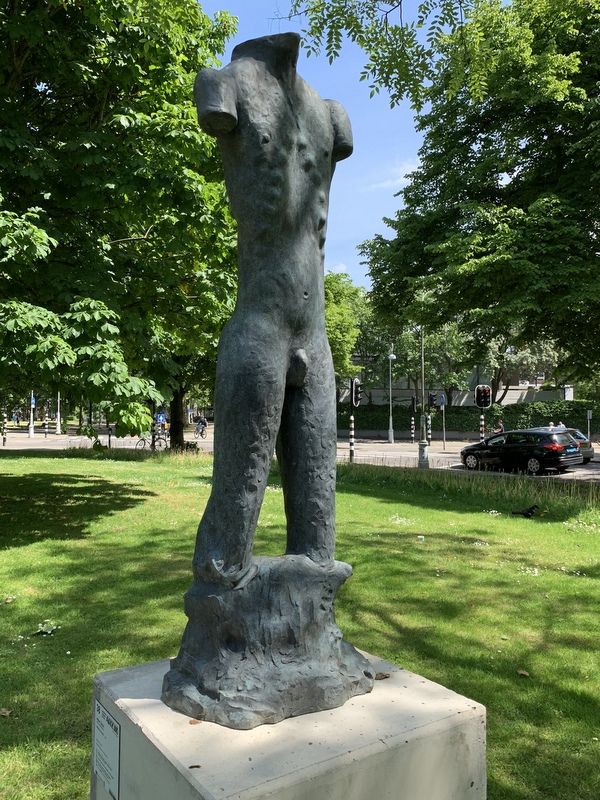
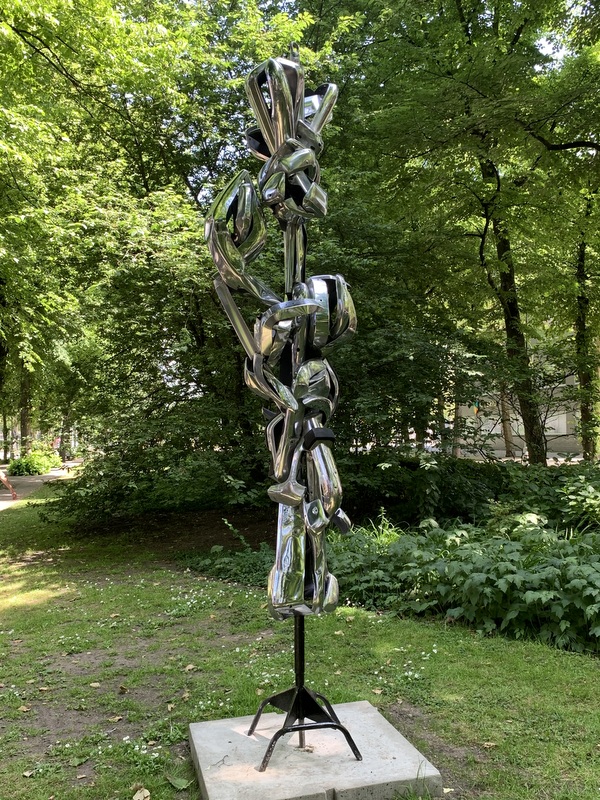
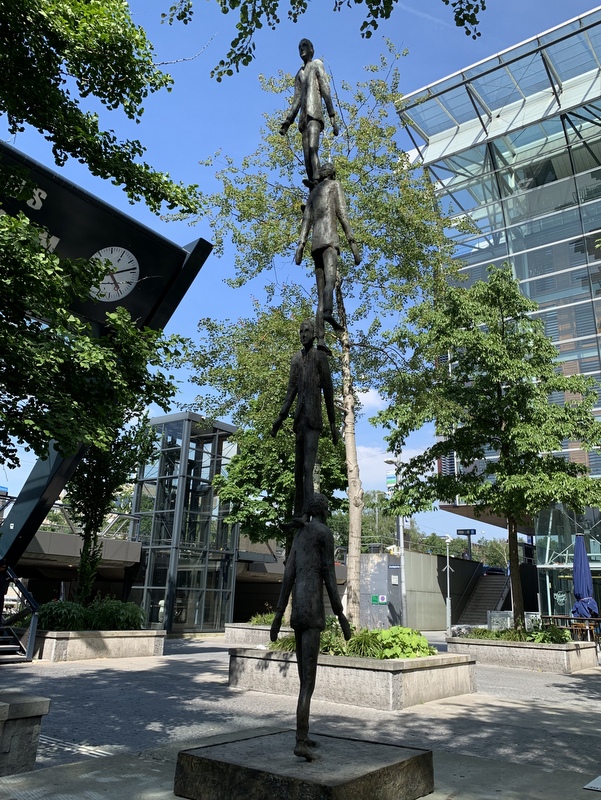
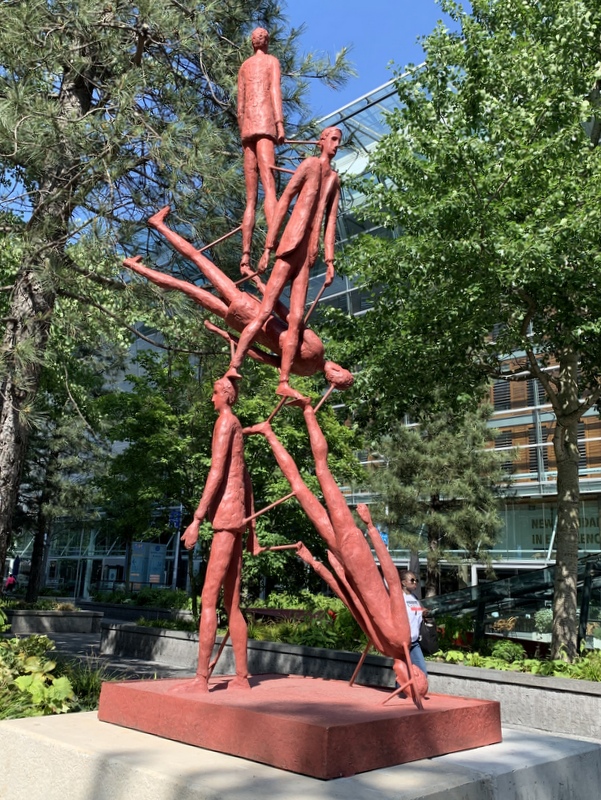
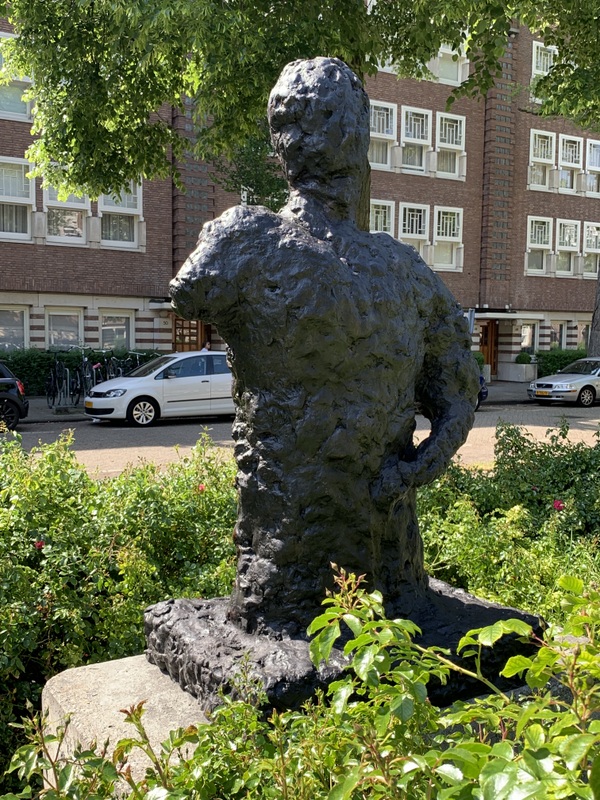
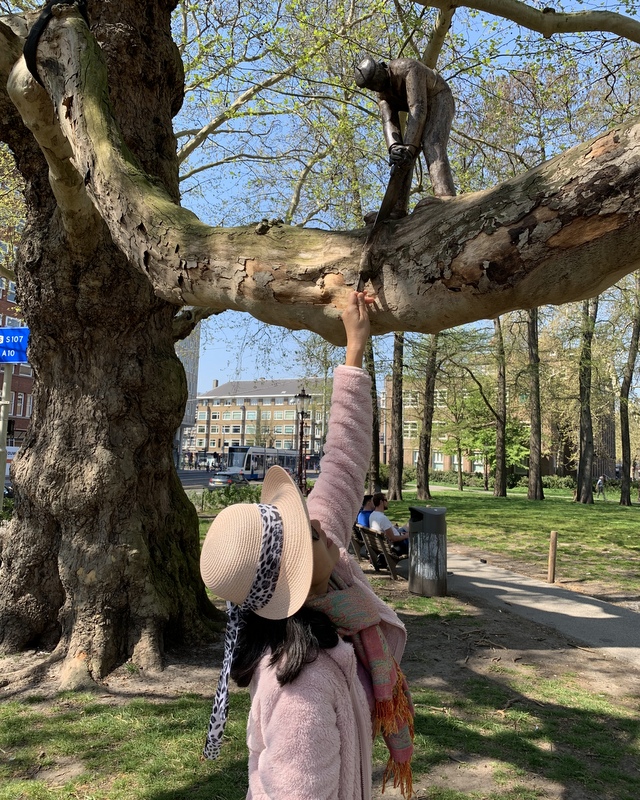
During an earlier visit, Aric had found on the Internet information about an interesting sculpture near the Leidseplein, the Little Saw Man. The artist is unknown, and has created more artworks in the past decades. We found two more.

Each time I come back to Amsterdam, I fall in love again with the town 🙂 .

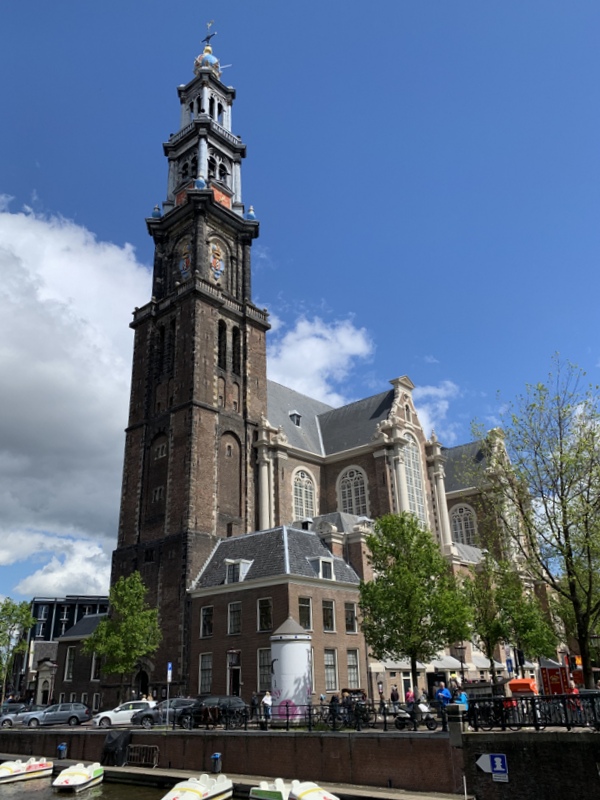
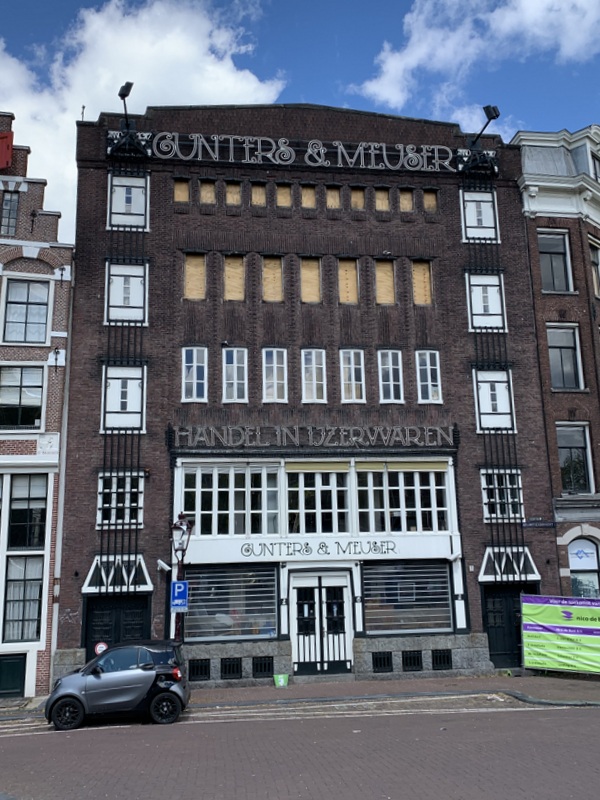
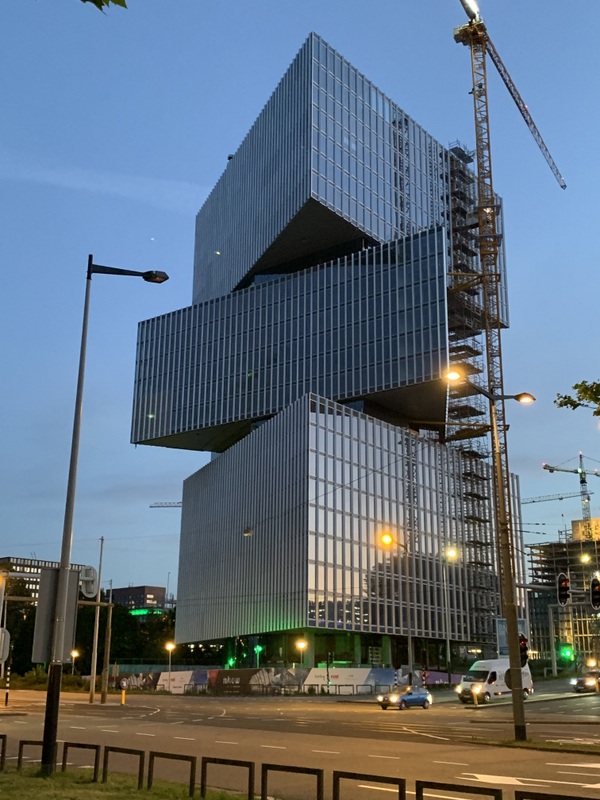
There is a lot of beautiful architecture, old and new. From left to right, the Westerkerk, the hardware store of Gunters & Meuser and the hotel Nhow, still under construction.

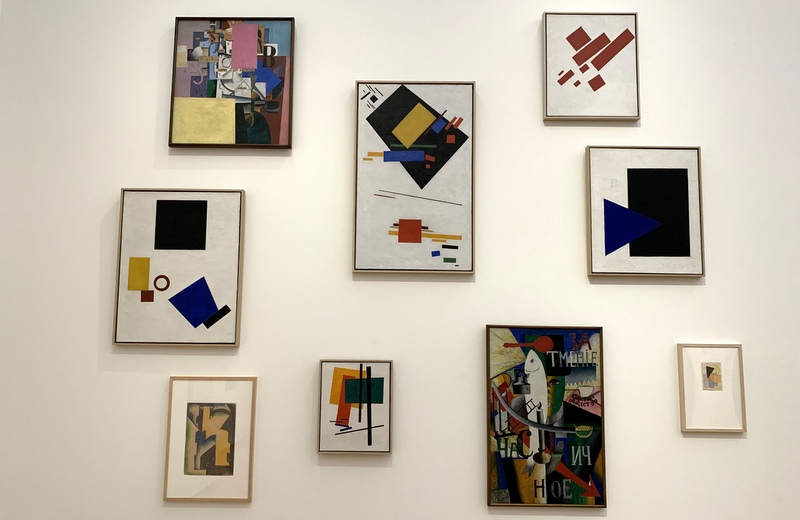
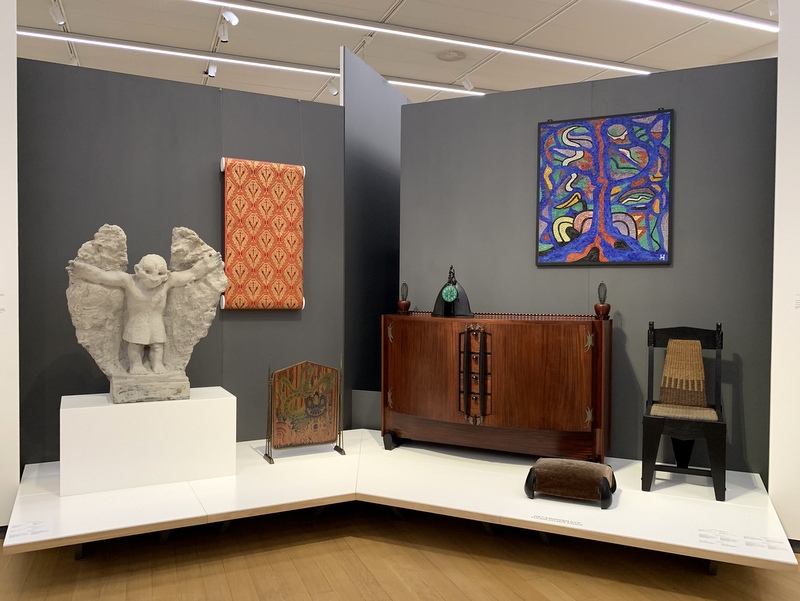
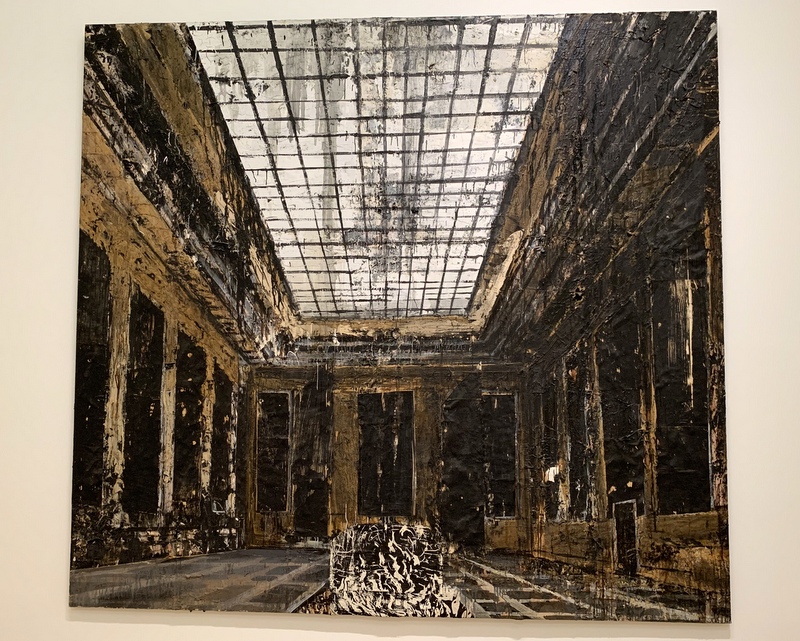
And there are so many beautiful museums! The Stedelijk Museum is one of my favourites. They have a large collection of Malevich paintings

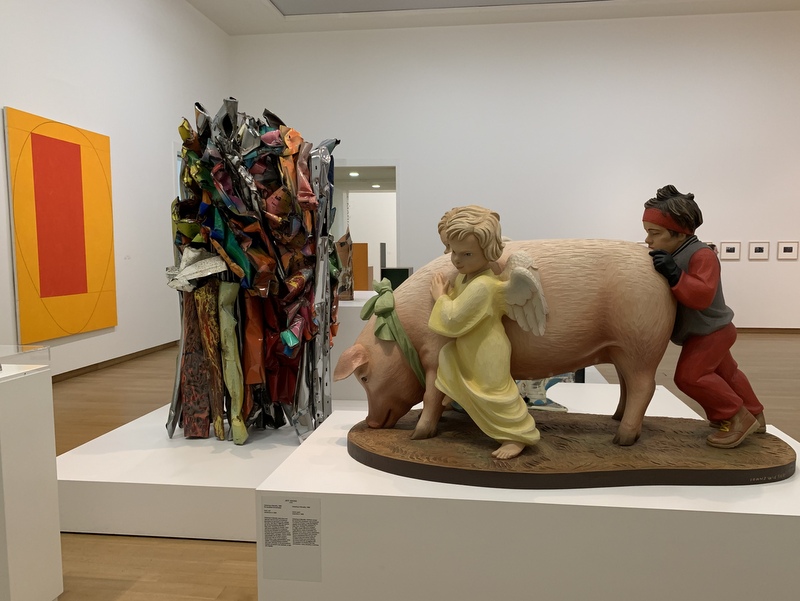
Like many museums do nowadays, often different art forms are combined in the exhibitions, which adds to the pleasure of walking around.

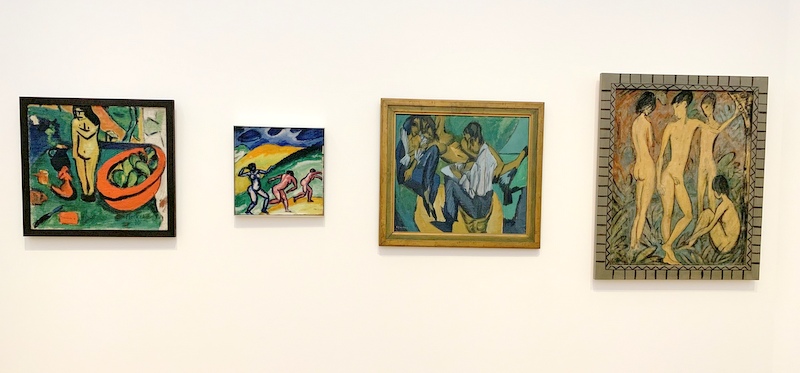
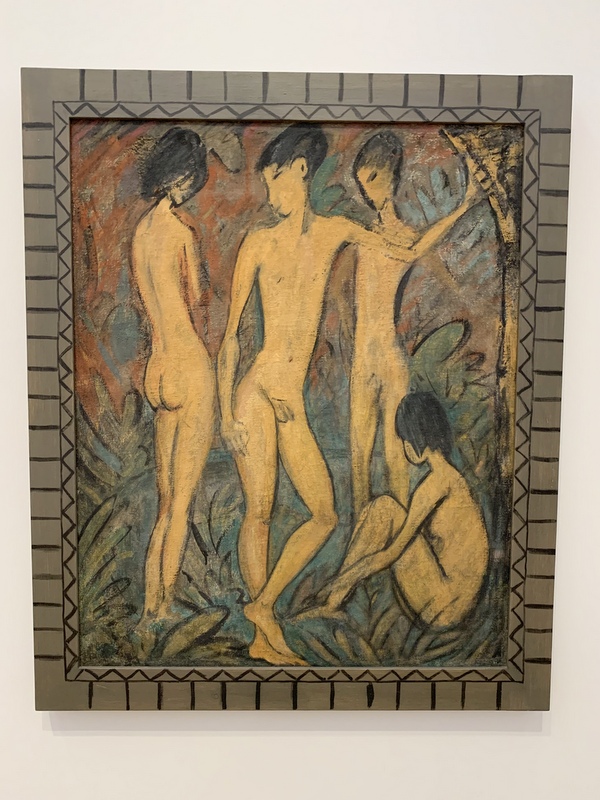
I like the German Expressionists, the museum has quite a large collection.

A few more of my favourites.

My followers will expect that I also write something about food and the meals I enjoyed :-). I had many lunches and dinners with friends, at home or in a restaurant, but I don’t always take pictures nowadays.

Let me start with a YouTube where I show how to eat a raw herring. It was on Kings Day, normally I am not dressed like this 🙂

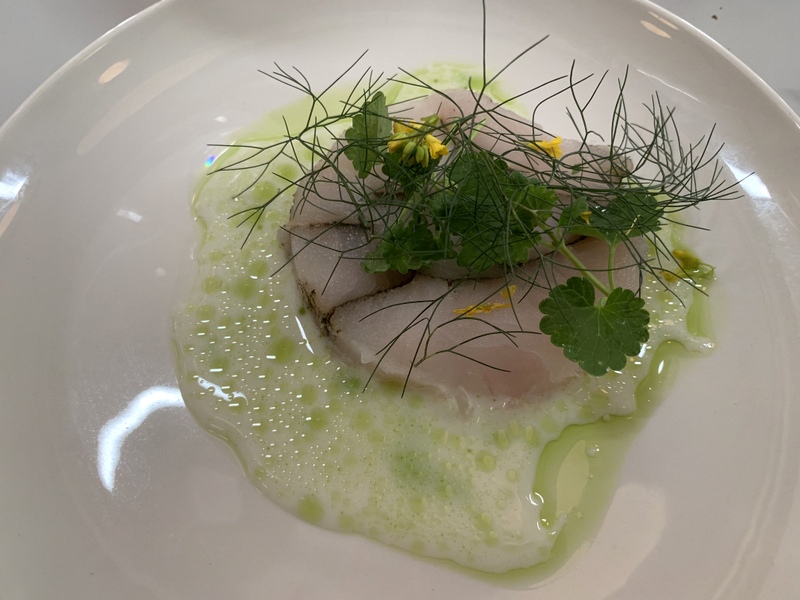
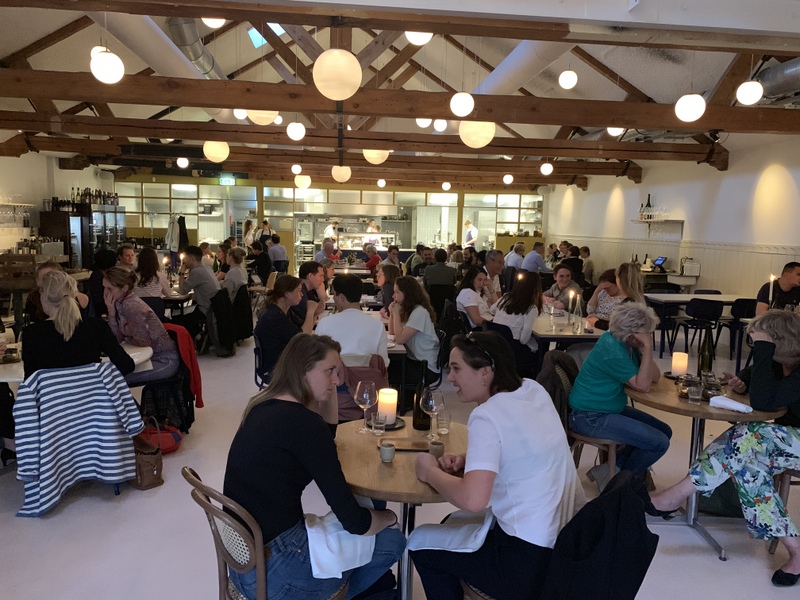
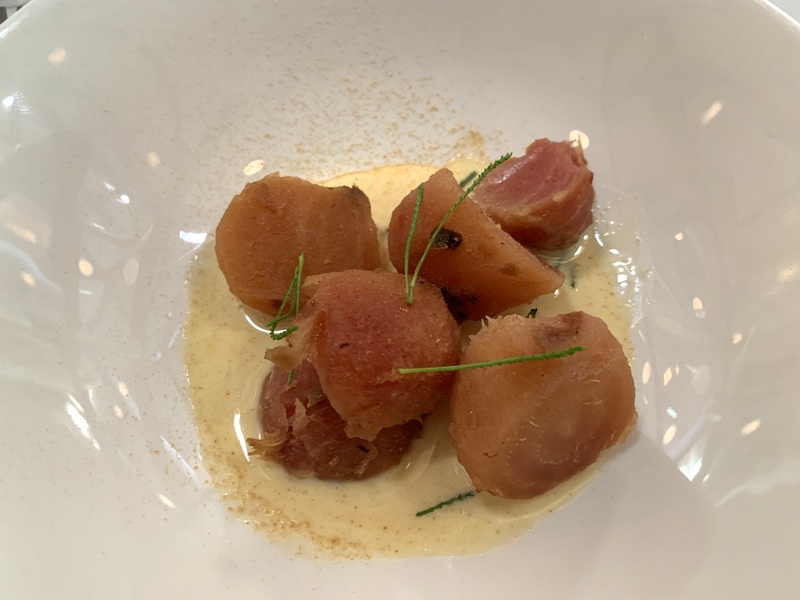
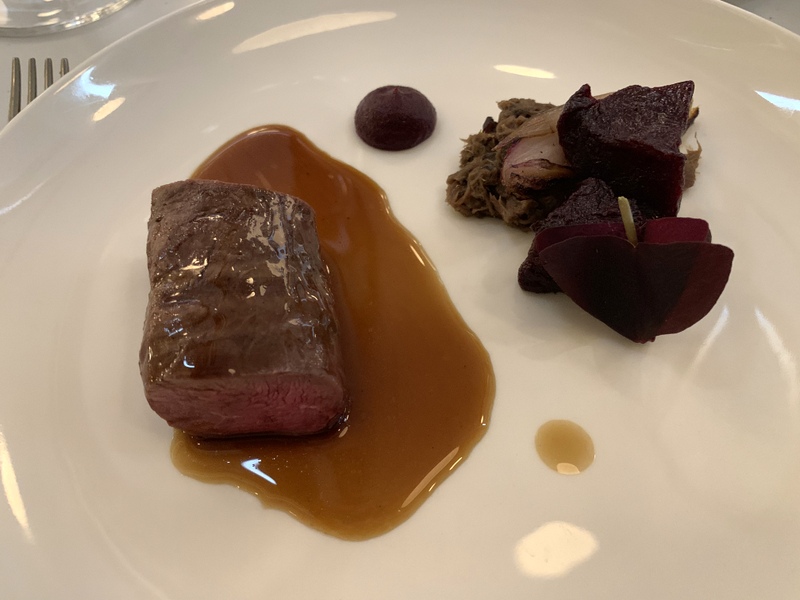
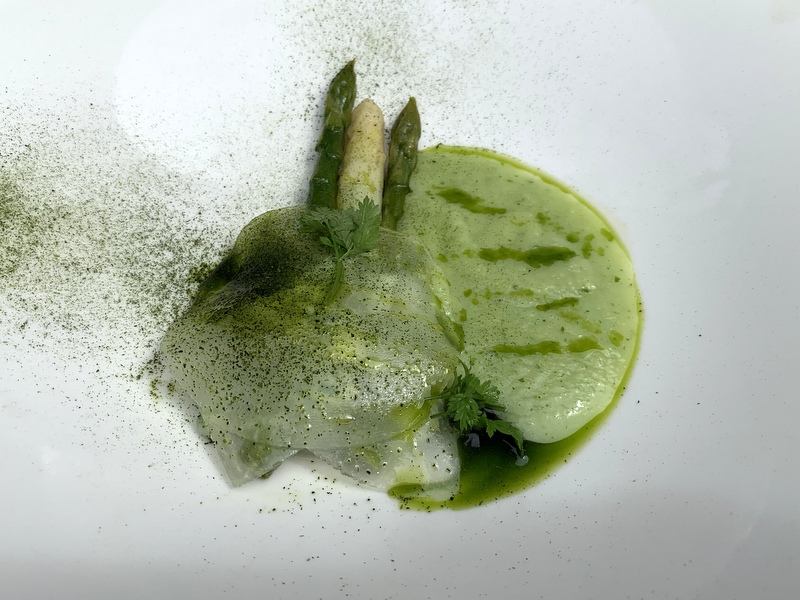
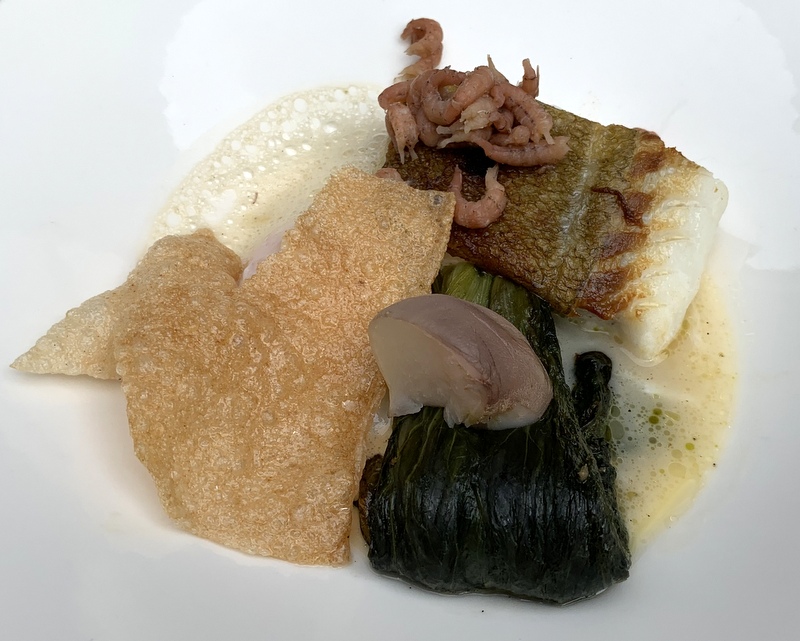
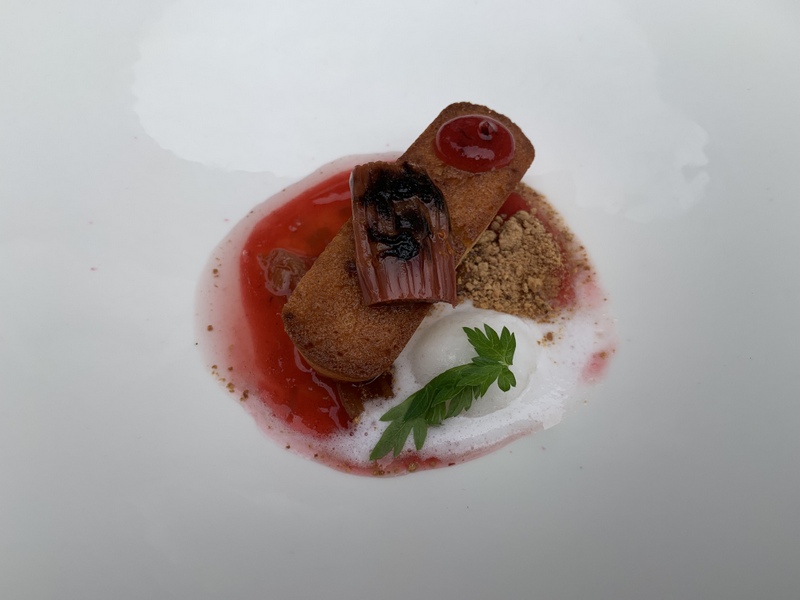
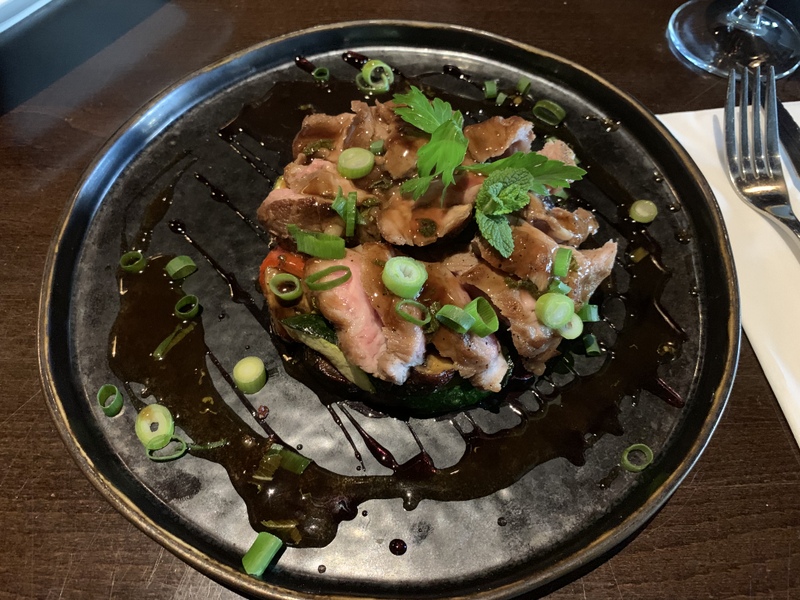
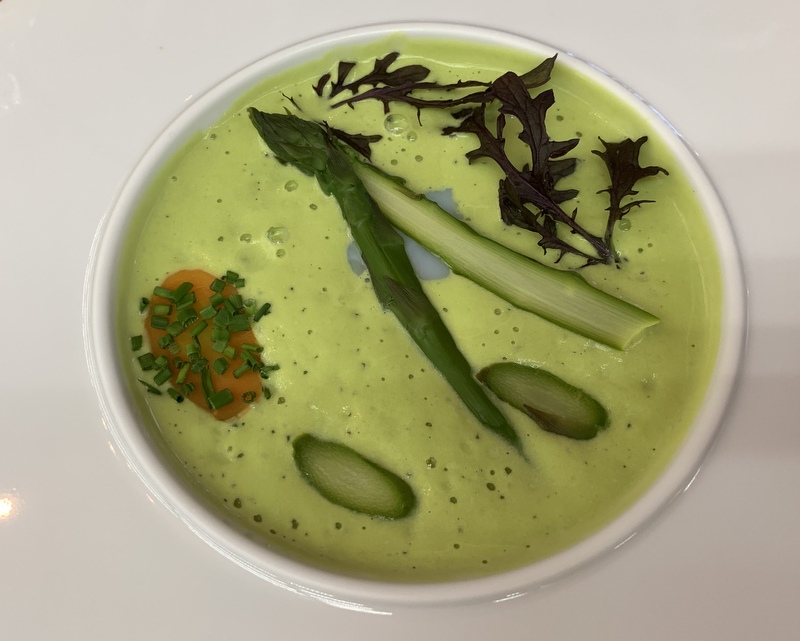
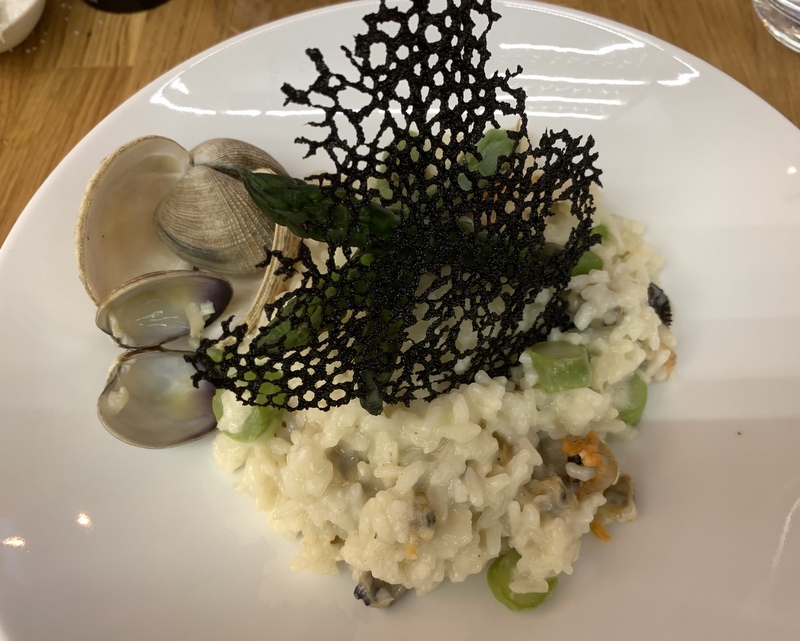
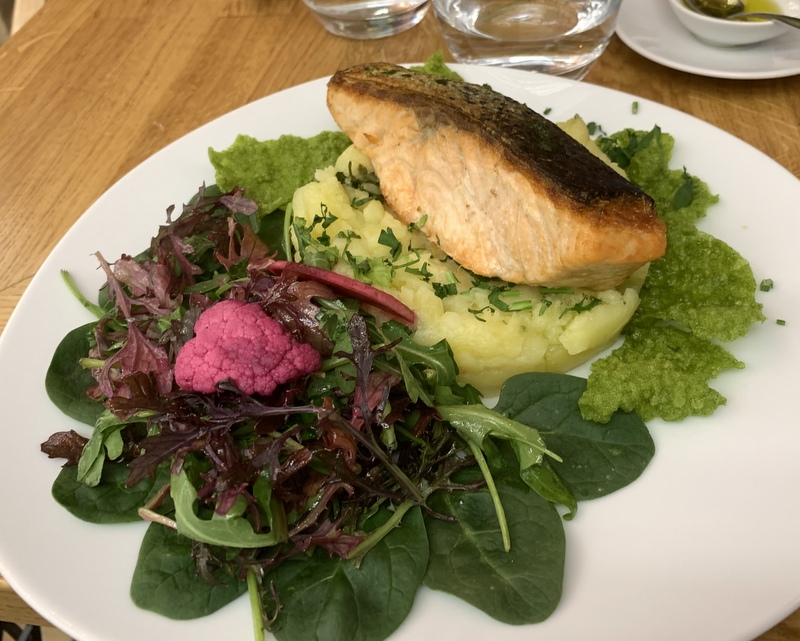
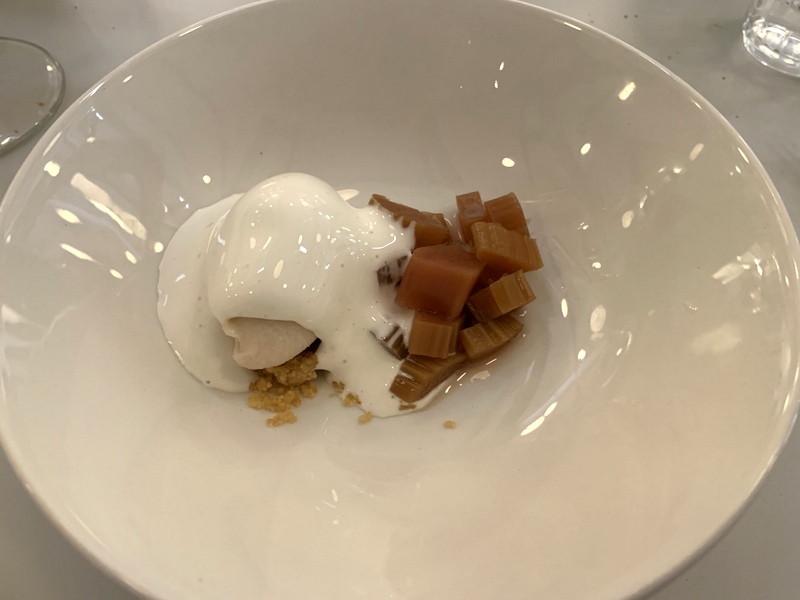
My usual dinner with Yolanda took place this time in restaurant Entrepot . Casual, relaxed atmosphere. We ordered the chef’s menu, 5 courses, and everything was delicious. Each dish looked as an artwork 😉

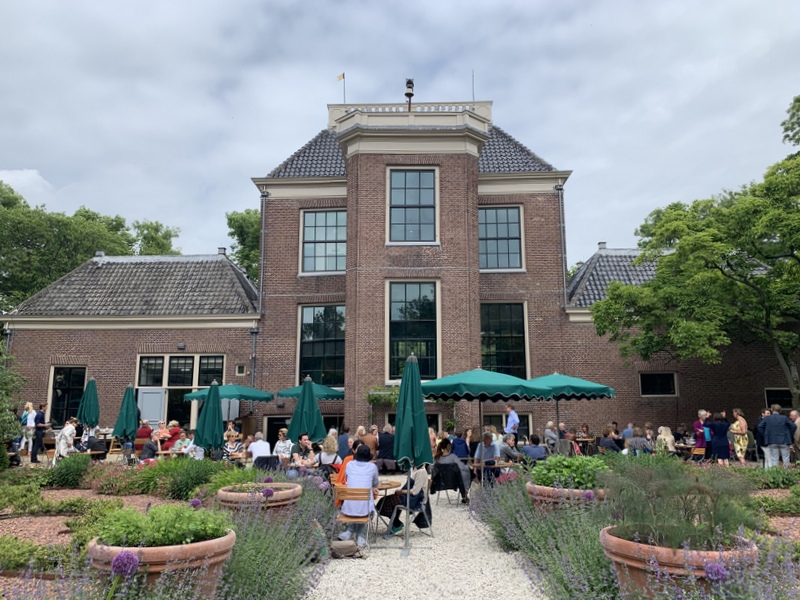
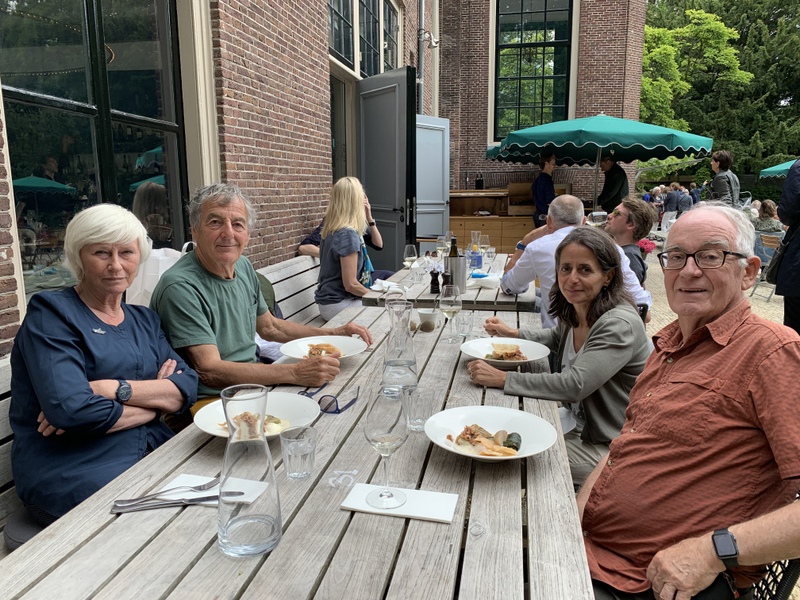
I had also a lunch with ex-colleagues from my school. In restaurant Merkelbach. a 3-course lunch menu. Beautiful weather, and here too each dish was a work of art (and delicious as well).

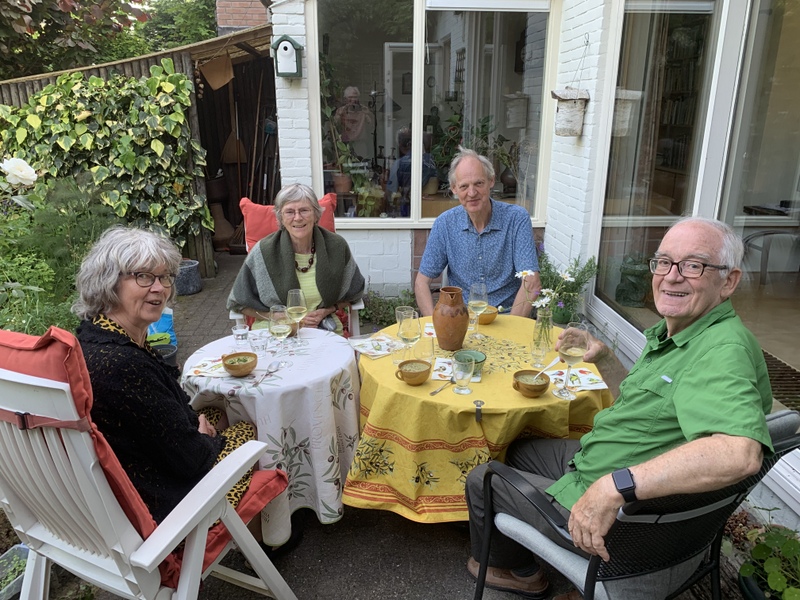
Two more “social” pictures. Left a lunch with friends from my school, right a dinner with friends from my university past.

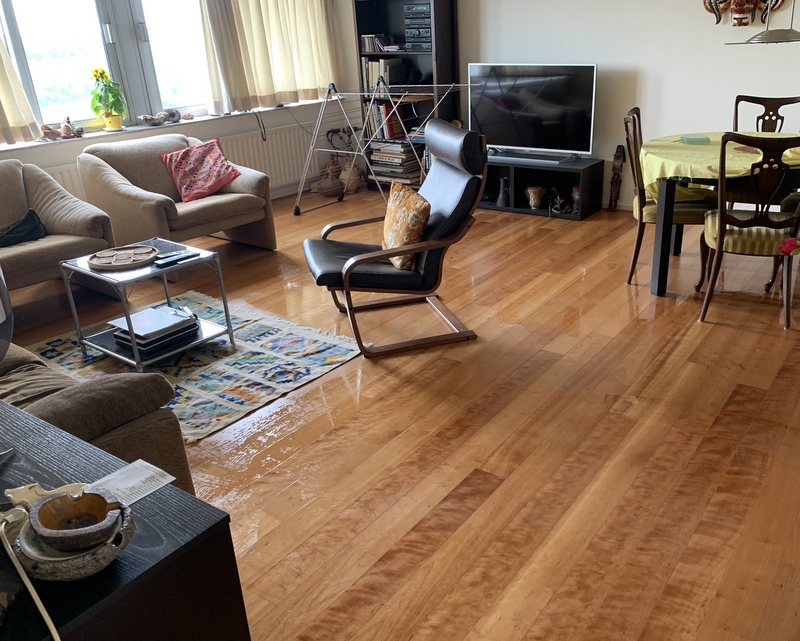
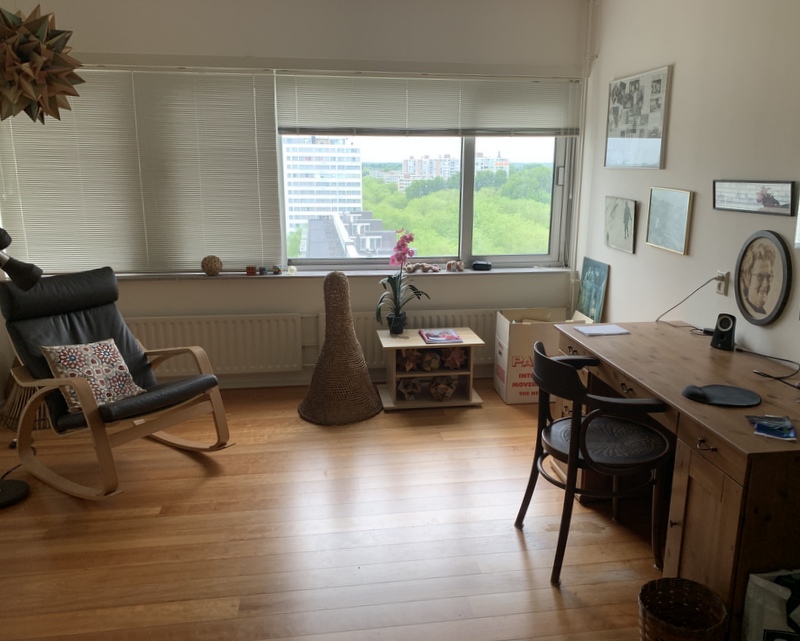
I will finish this post with a few pictures of my apartment and its direct environment. Here is the livingroom and my study annex guest room.

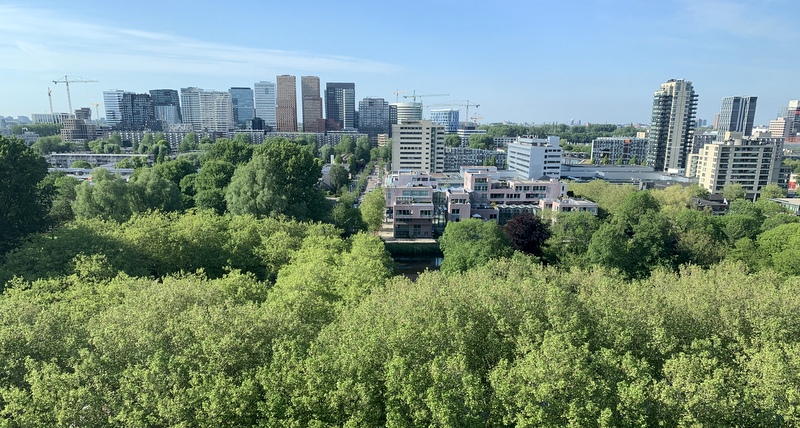
This is the view north from my apartment.

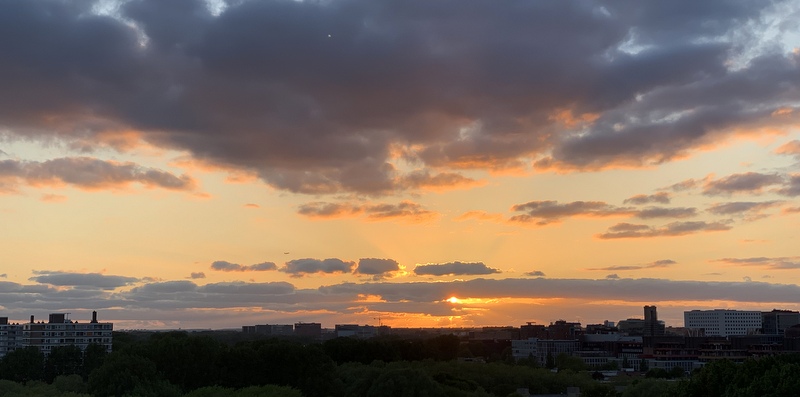
And here the view west during sunset.

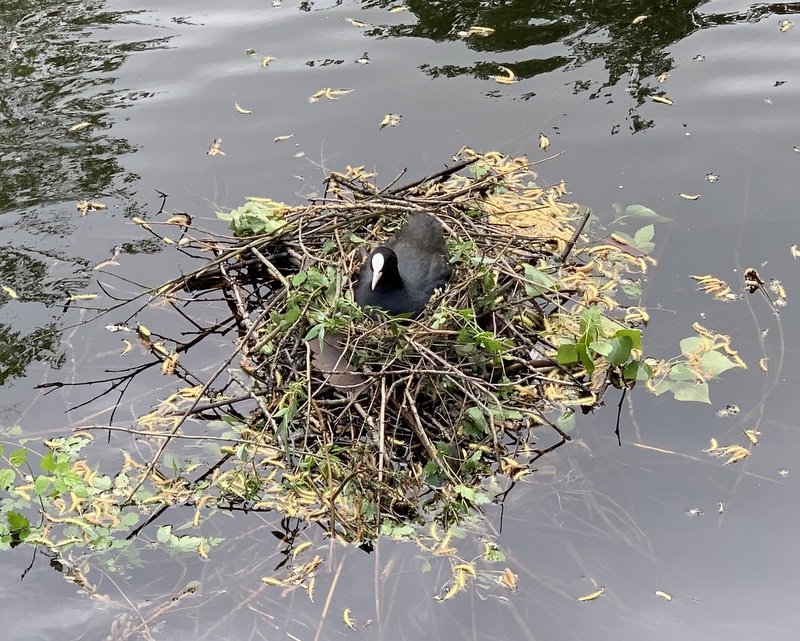
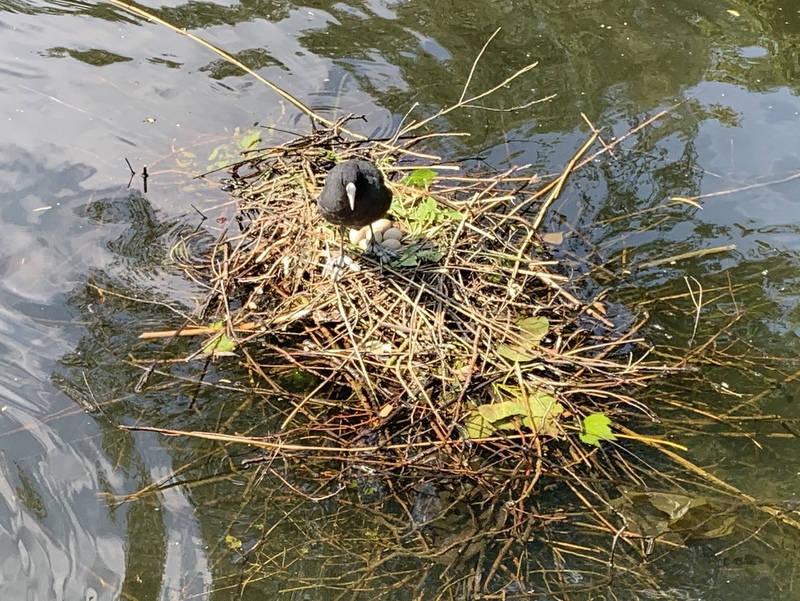
From my apartment it is a 5 minutes walk to a big shopping center, where I almost daily go for my grocery items. On my way I have to cross a small park, with a pond where I noticed a Common Coot who had built a nest. In the right picture the bird was standing up for a short while, so I could see that there were six eggs.

The nest was only a few meter away from a footpath and often people were standing there watching the bird.

On the first of June, three days before my departure, the eggs had hatched! In the video you can see three chicks and the father bringing food. Very interesting. Unfortunately on the last day, the nest was empty and only one chick was swimming beside the parents. Probably the other had been eaten by the seagulls who are frequenting the pond. That’s life

Seven wonderful weeks, though sometimes a bit hectic. After I came back to Malaysia from my “holidays”, I needed time to recover 🙂

Family Visits

During my visits to the Netherlands, my siblings and I often organise a reunion, see for example my blogs De Nollen and Family Gathering .

This time it was not possible to find a date that was suitable for everybody, so instead I met my siblings separately. My sister Lous and brother Pim, I had met already with Aei Ling and Aric, see my earlier report.

On 16 May I visited my brother Arie, who is living in Alkmaar. During an earlier visit in 2015 he had guided me around in this historical town: Alkmaar. This time we visited the Broeker Veiling, north of Alkmaar.

Here is a Google Earth image of what has been called the Realm of the Thousand Islands. From the 13th century farmers have created these small islands to cultivate vegetables, like onions, potatoes, cabbages.

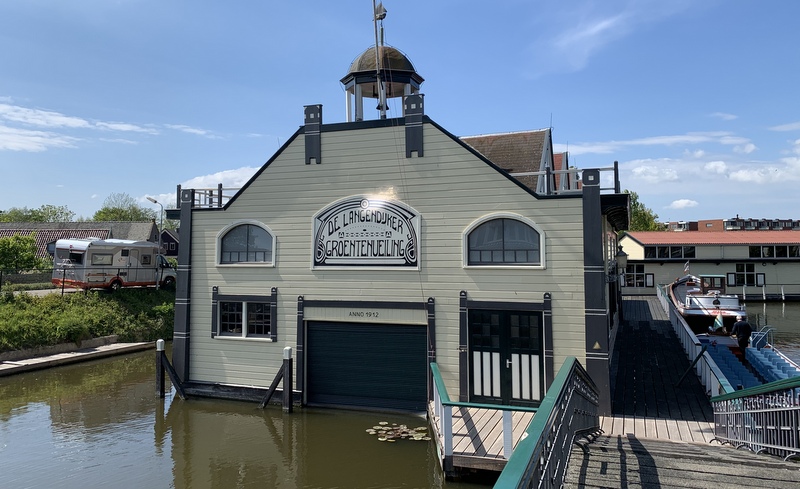
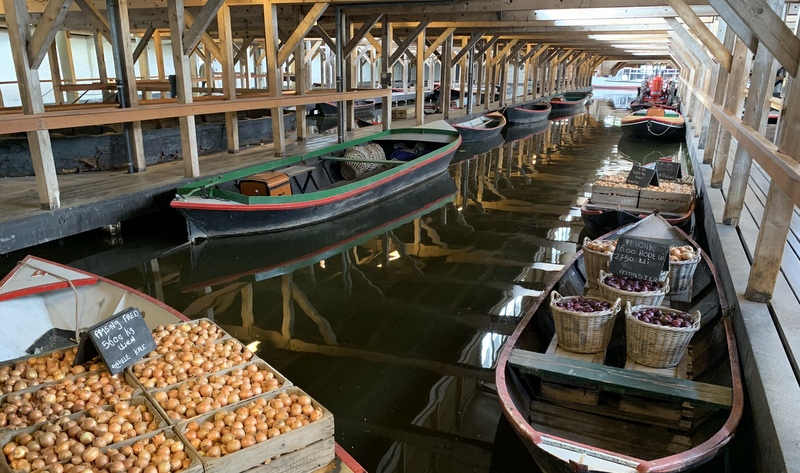
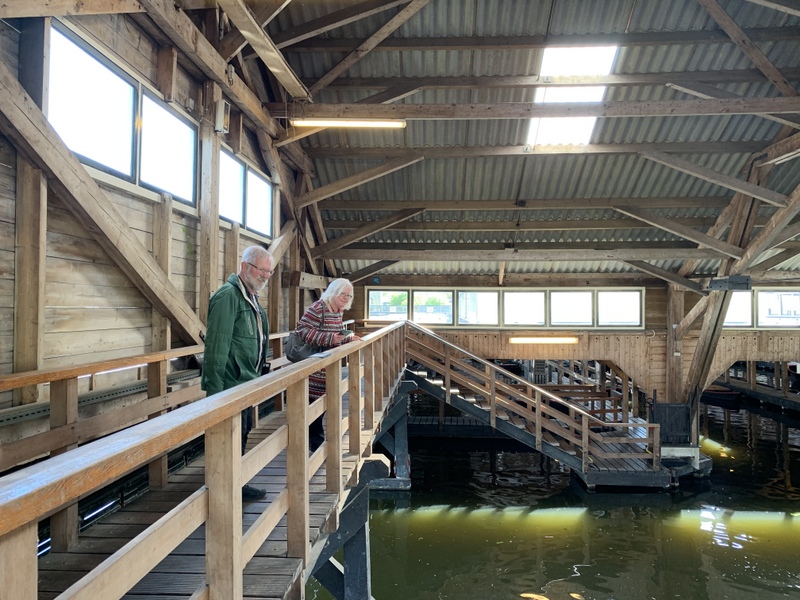
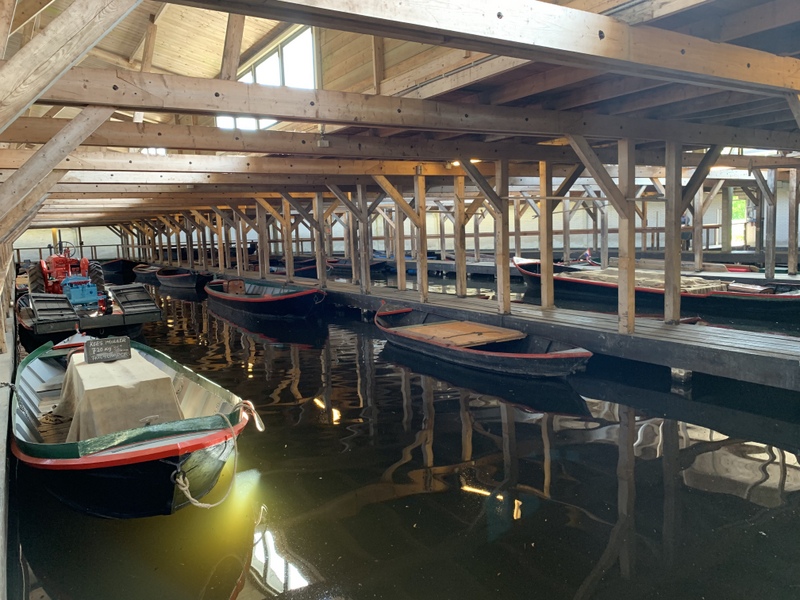
In 1887 the first vegetable auction took place, in the open air! In 1912 an auction building was constructed, built over the water, so the boats could sail through it.

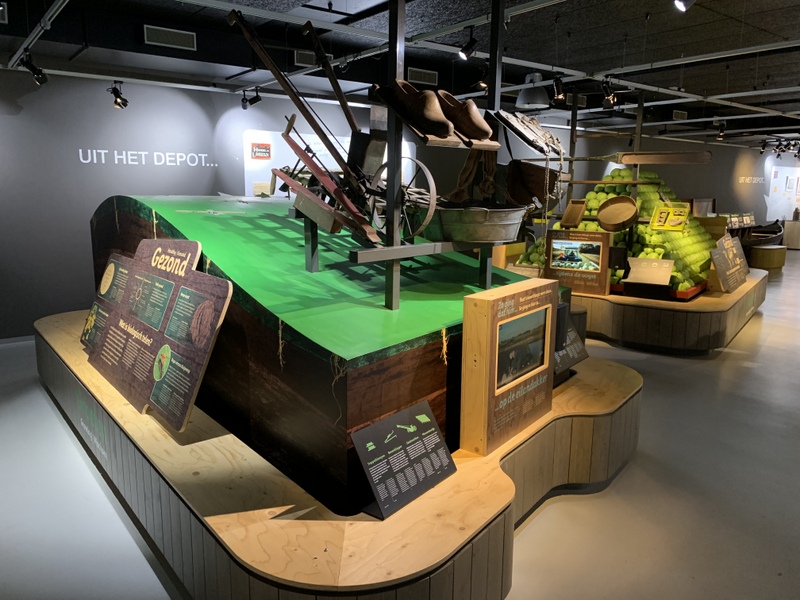
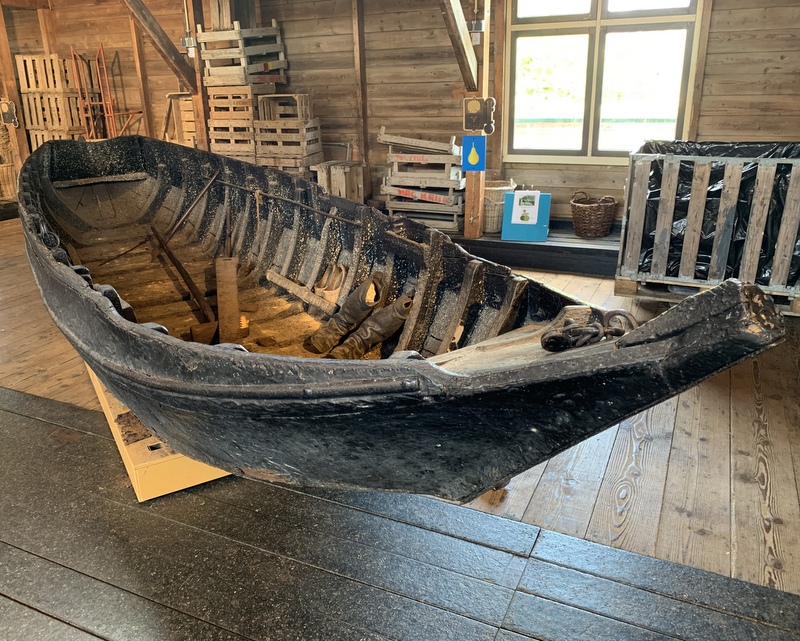
The real auctions do not take place here anymore, but the building has been beautifully preserved and is now part of the Museum Broekerveiling.

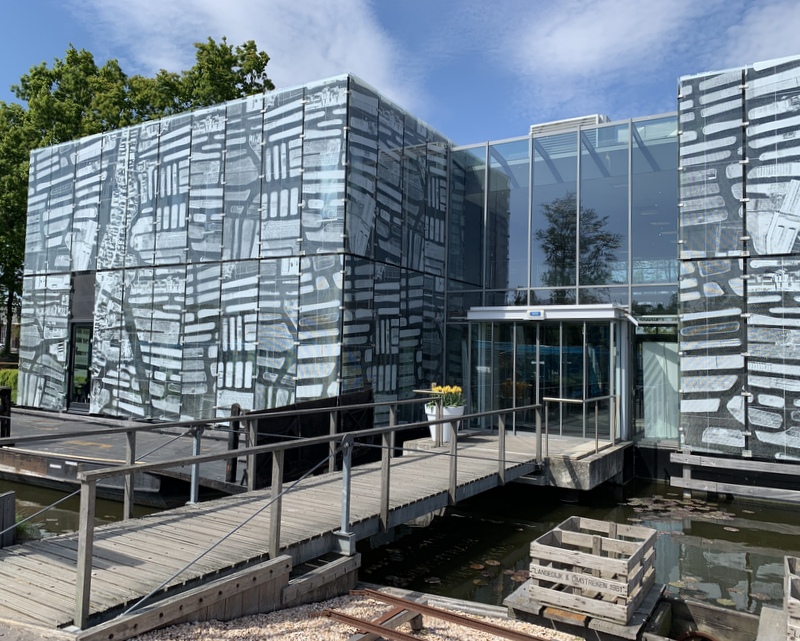
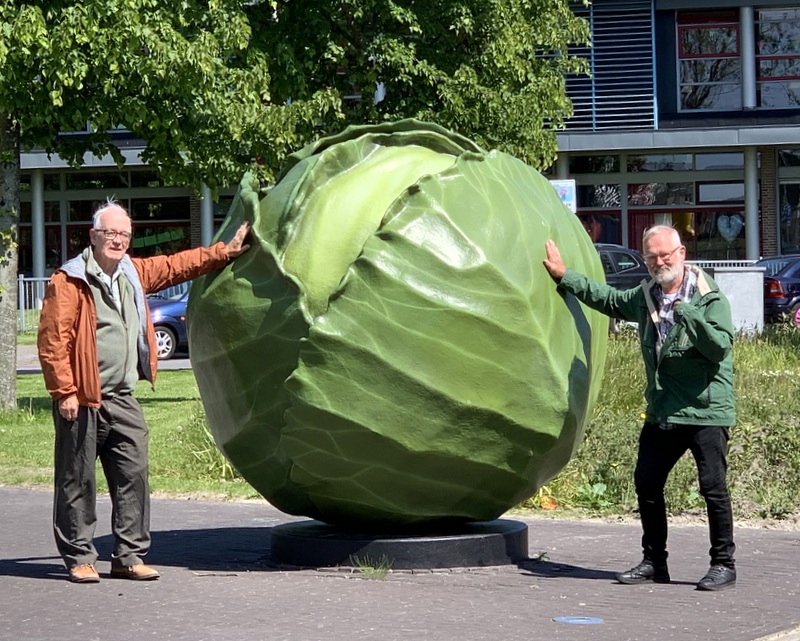
The walls of the modern main building have been decorated with photos of the thousand islands and the giant cabbage in front of the museum is of course an obvious photo object 🙂

The museum gives an interesting history of vegetable farming in the region. There are interactive displays and videos of people telling about their experiences when they were kids. It must have been a harsh life.

The auction building is surrounded by “lighallen” (mooring halls) where the farmers could wait until it was their turn, to sail through and have their cargo auctioned.

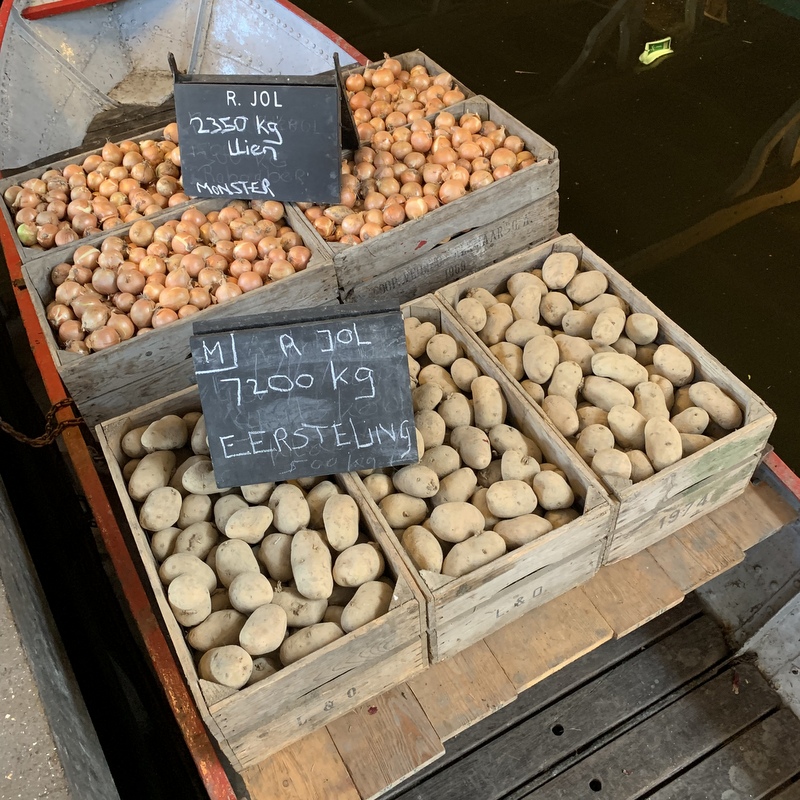
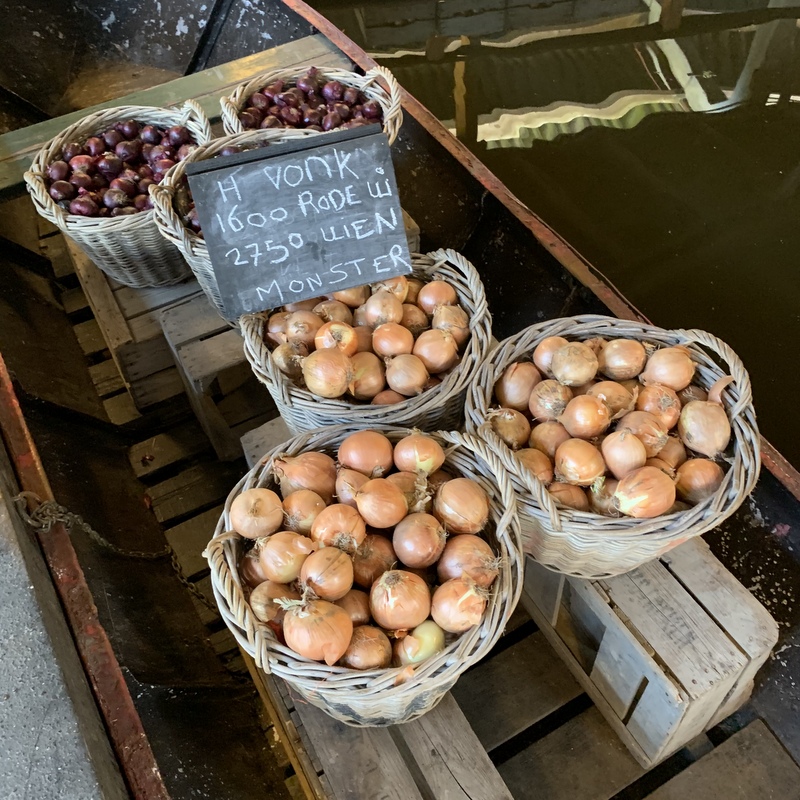
Although the real auctions don’t take place here anymore, the atmosphere is still very authentic. The blackboards mention the name of the farmer, the weight and other specifics about the cargo.

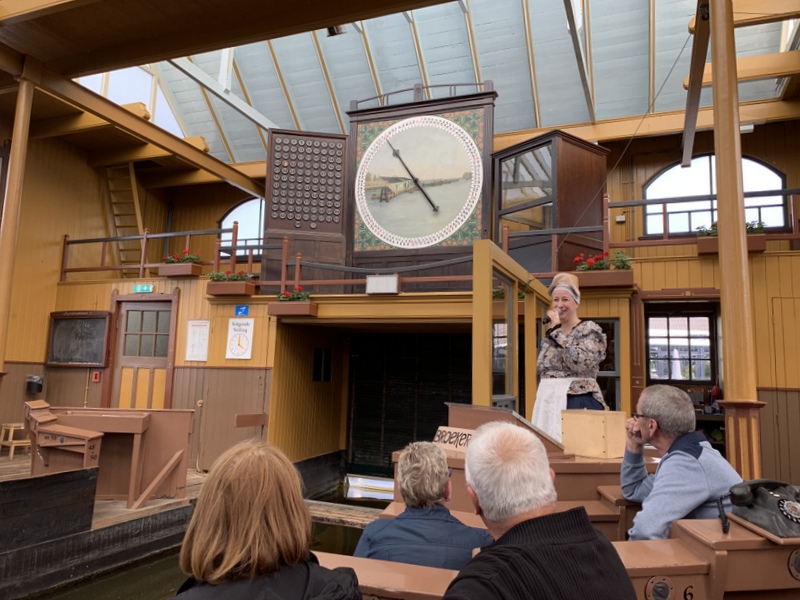
No real auctions, but regularly demonstrations are given in the auction hall. For me it was the highlight of our visit.

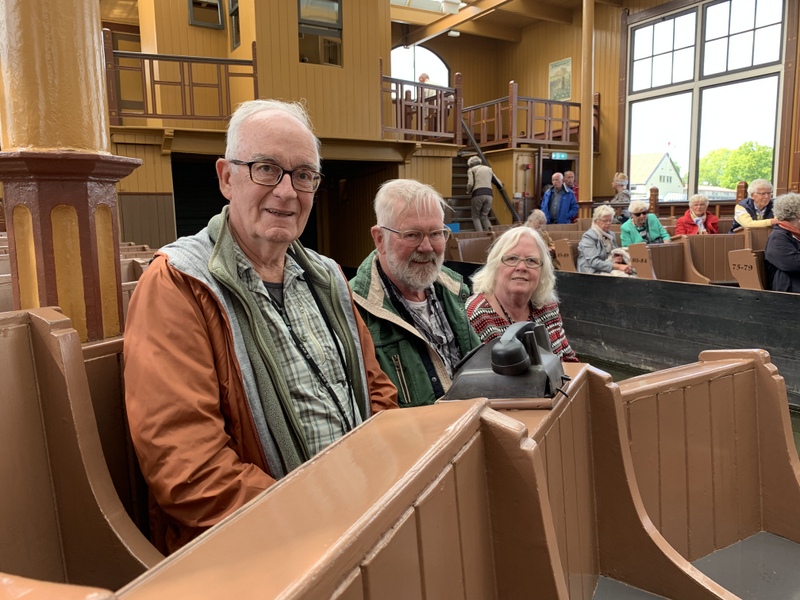
First the auctioneer explained the procedure. The starting price for a load is high, then the clock is going down and down to lower prices, until one of the buyers pushes a button in front of his seat. He will pay that price, so he must take care not to push too early :-). On the other hand, if he waits too long, another buyer will have pushed his button!

The Dutch expression is “veiling bij afslag”, when I searched for the English translation, I was quite surprised to find that it is : Dutch Auction !

We, the visitors, could bid ourselves! Of course not on huge quantities of onions etc, but on small bags of carrots, apples, strawberries, etc. I bought two pears, for 1.35 Euro, probably more expensive than in the supermarket. Big fun!

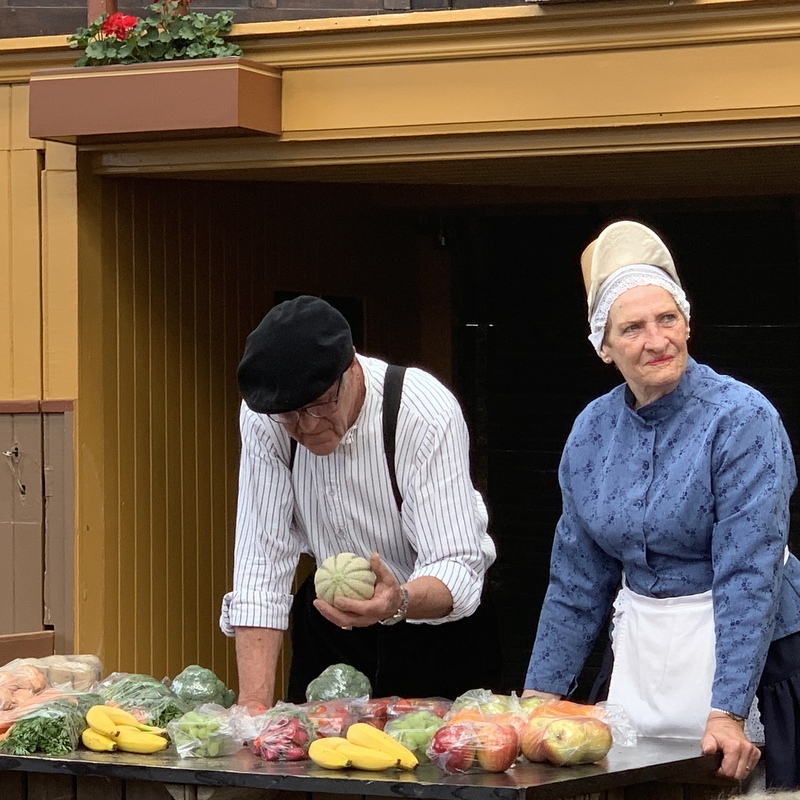
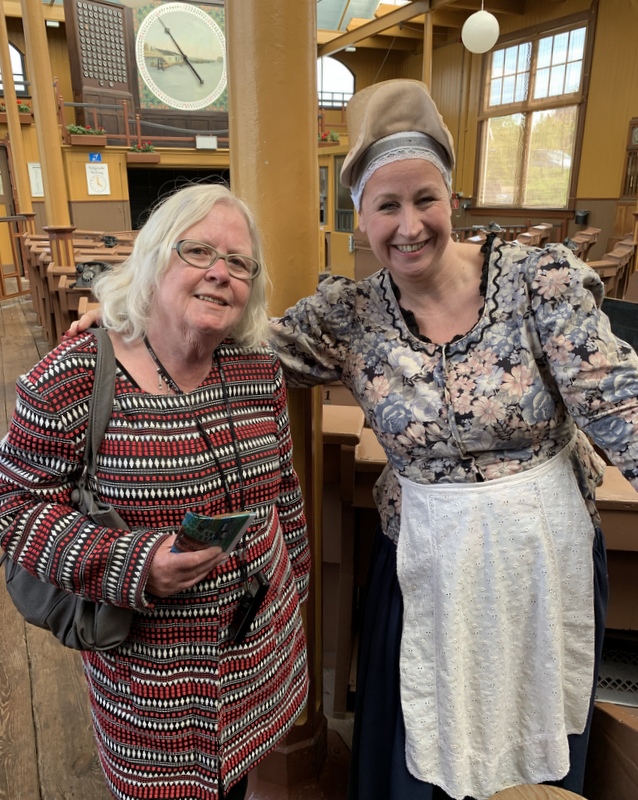
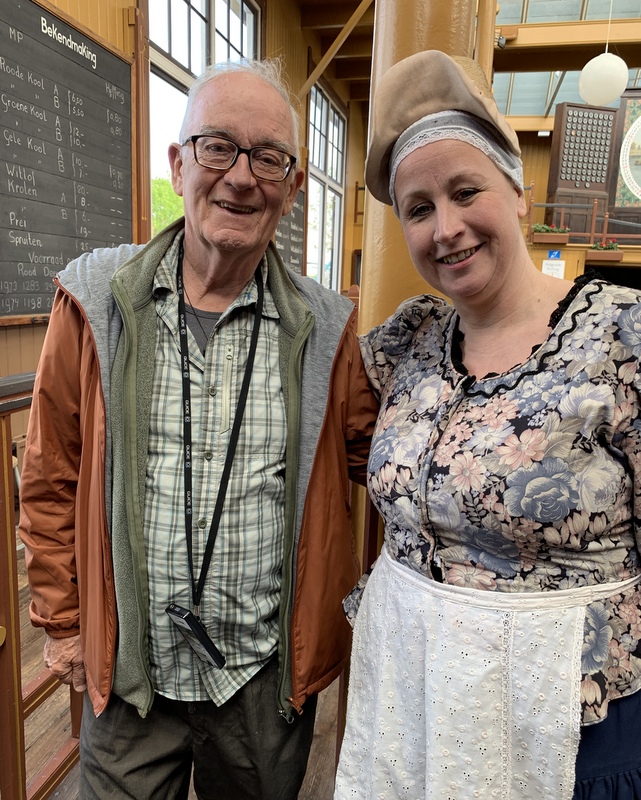
The lady auctioneer and the couple that played the role of farmers, gave a perfect, entertaining performance. She didn’t mind to have her photo taken with us, probably she will be in thousands of pictures..:-)

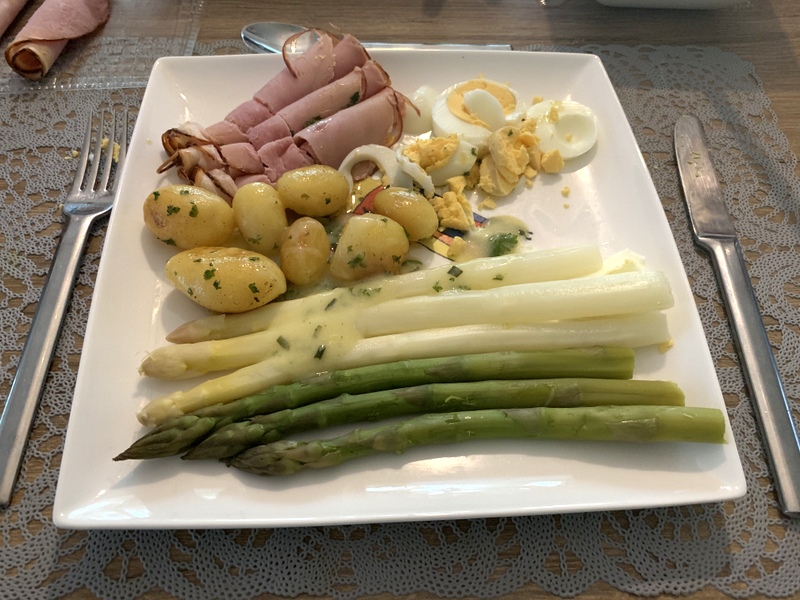
Back home, Ineke had prepared a Dutch meal, not with cabbage, but with asparagus. Delicious.

A few days later Otto, my youngest brother, visited me in my apartment in Amsterdam. We had dinner and, as usual, a long, interesting conversation about many different topics, like the universe for example 🙂

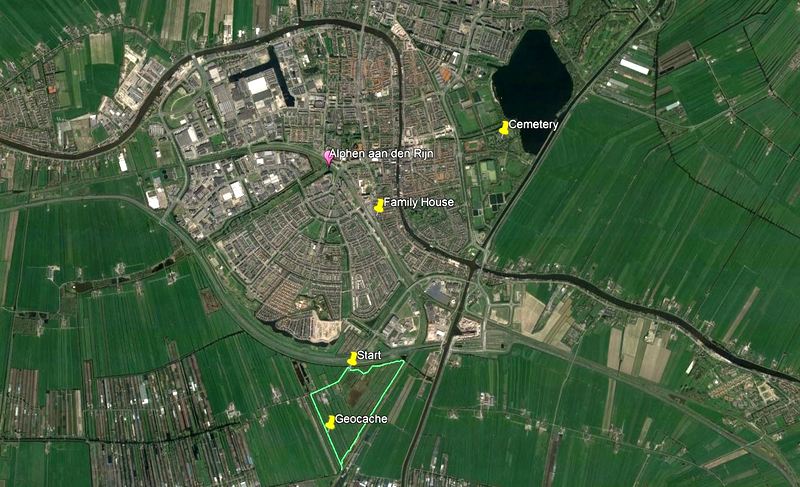
He stayed overnight and the next morning, after breakfast, we drove back to Alphen a/d Rijn, our hometown. We had lunch in the family house. The weather was nice, so in the afternoon we decided to go for a walk through the polders. When I was a teenager, it was my playground, a lot has been changed since then. Here is a Google Earth image with our walk in green.

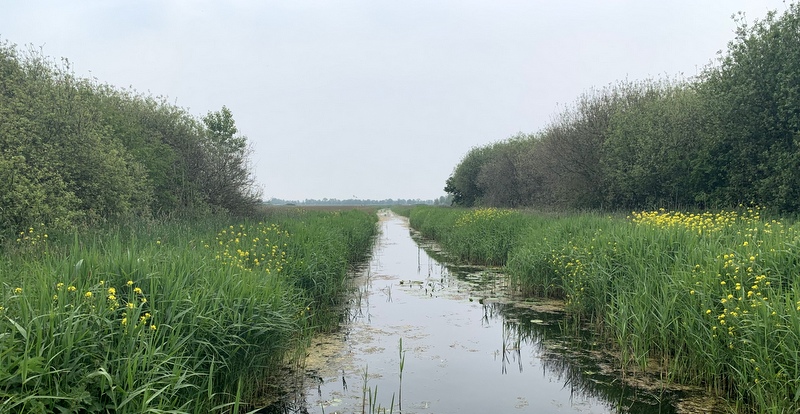
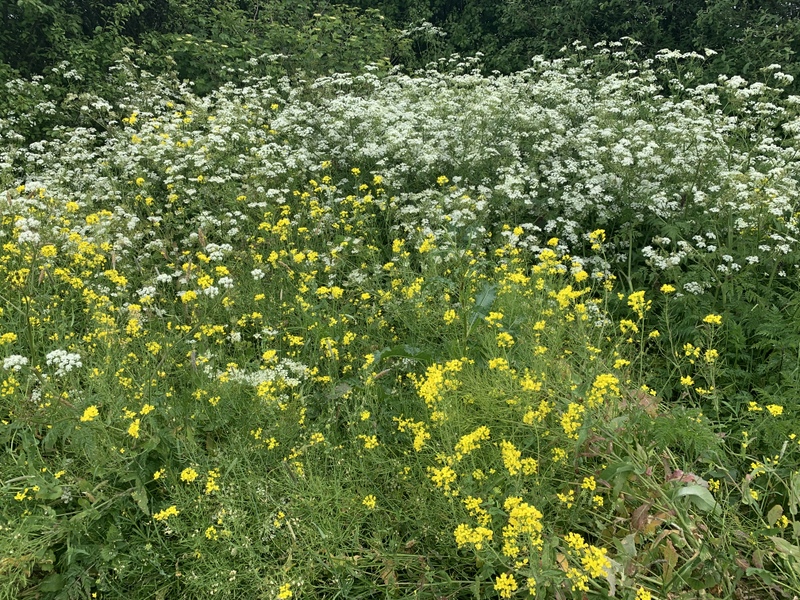
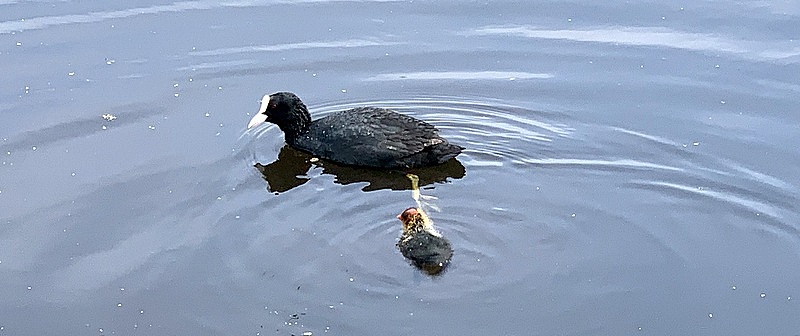
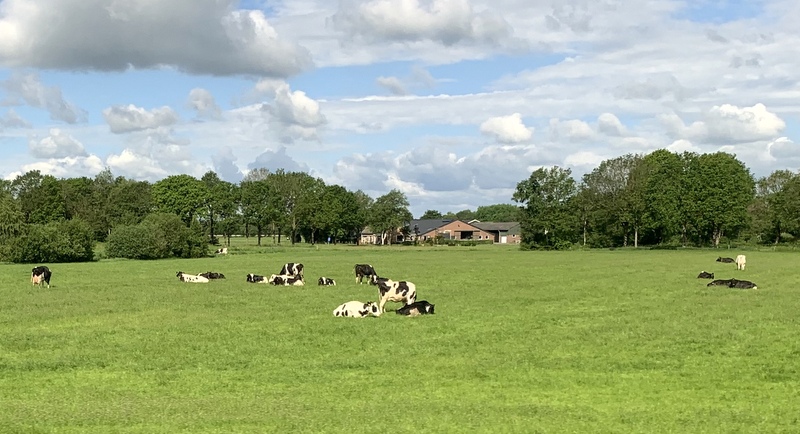
We walked through beautiful polder landscape. Part of the polder here has been “given back” to nature. Lots of flowers everywhere. A coot was swimming around with a single chick, probably the rest had been eaten already.

Part of the walk took us to the Bedelaarsbos (Beggars Forest). Not much of a forest actually :-). Sixteen years ago, my siblings and I have hidden a so-called geocache here, Bedelaarsbos. The geocache was a small container, hidden in a hollow tree trunk. It was a popular geocache, found about 150 times yearly. Otto took care of the cache regularly, because I was living in Malaysia most of the time. When he told me that the hollow space was closing up, getting too small for the container, we decided to archive the cache, now four years ago.

I did not have the coordinates of the cache location, so we tried to find the tree trunk, using our memory…:-). Not easy, but we thought it might be the tree in the right picture. Later, checking the website, I found that we were right!

It was a pleasant walk, about 3.9 km.

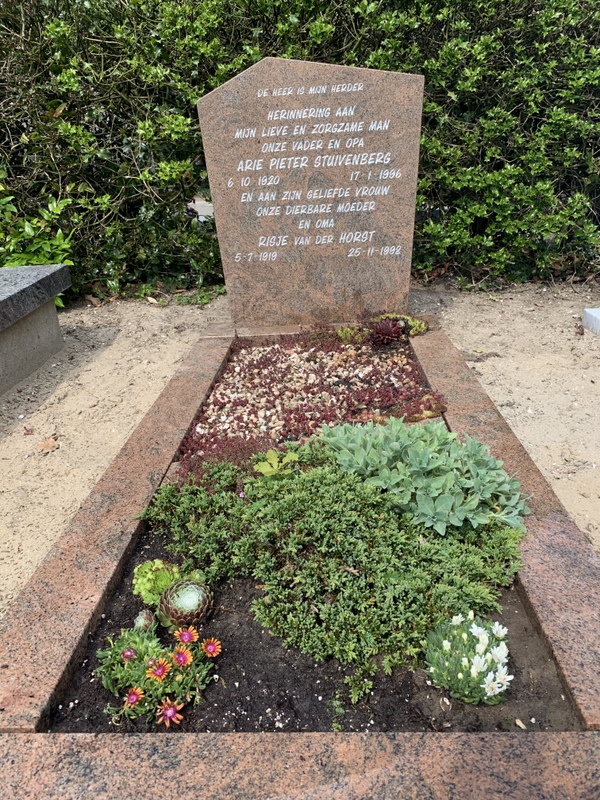
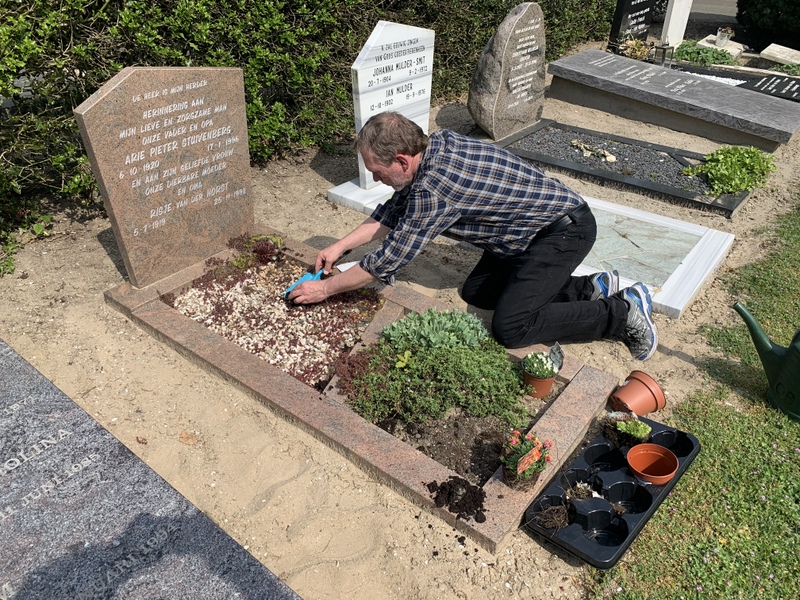
There was still time enough before I had to go back to Amsterdam. Otto suggested that we could visit our parents’ grave. First we went to a garden center to buy some plants, because he said the grave was a bit barren.

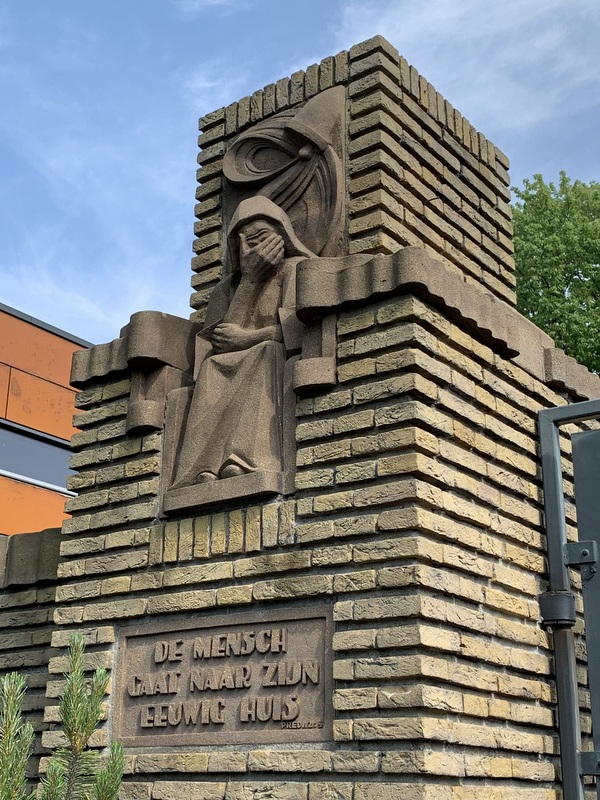
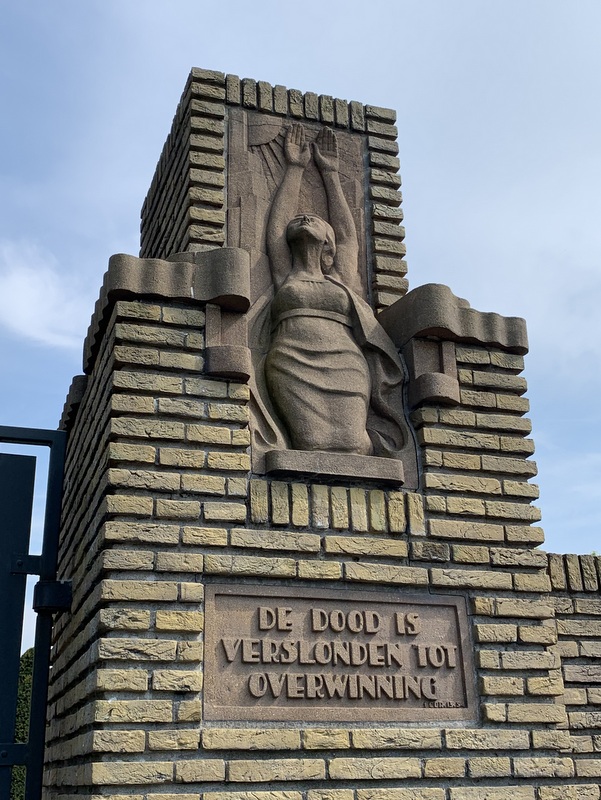
The cemetery was established during the thirties of the last century,
I had never noticed the nice sculptures at the entrance gate!

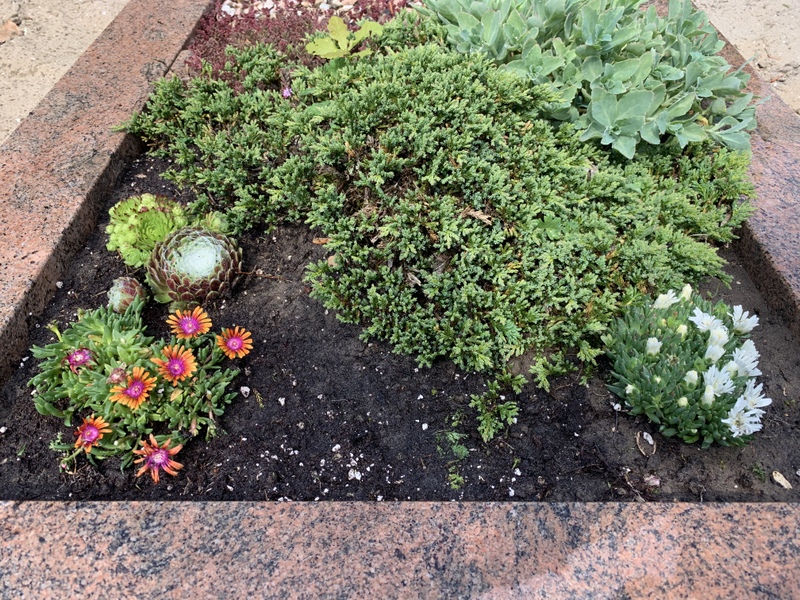
Left Otto as gardener, right the result of his work 🙂

At the end of the afternoon I took a bus back to Amsterdam

Ten days later I took the train to Groningen to visit my brother Ruud. During my stay in the Netherlands I always spend a few days with him, see for example my report Groningen 2018. This time he suggested to have a look at Blauwestad, a “new” village in the east of the province of Groningen.

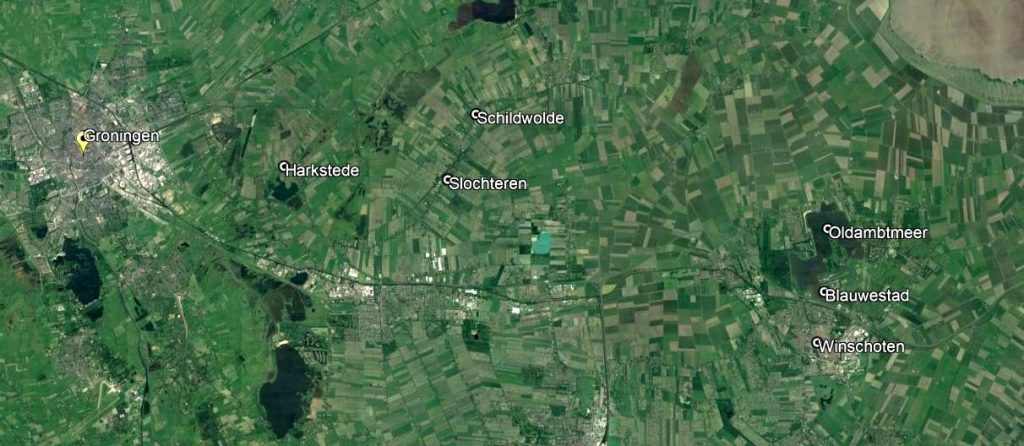
During our trip we passed several “old” villages, where we took pictures of churches and windmills. The locations are indicated in the Google Earth map

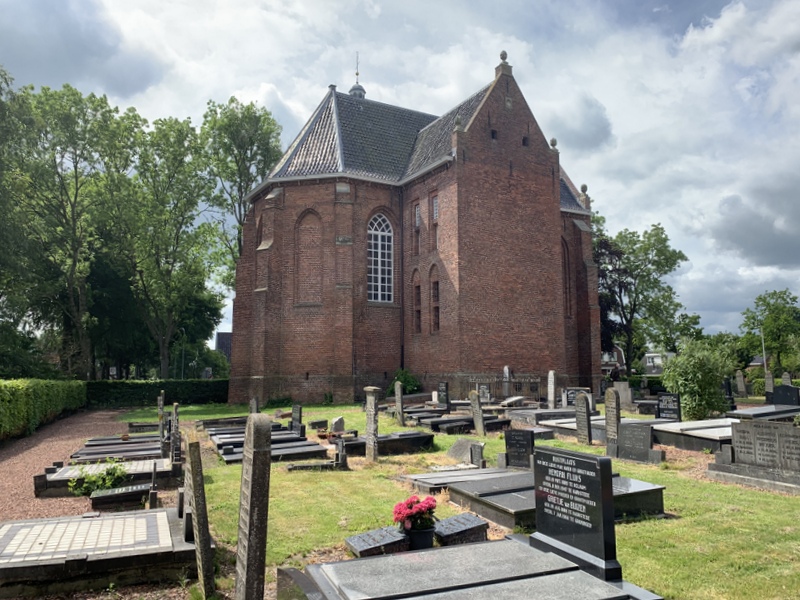
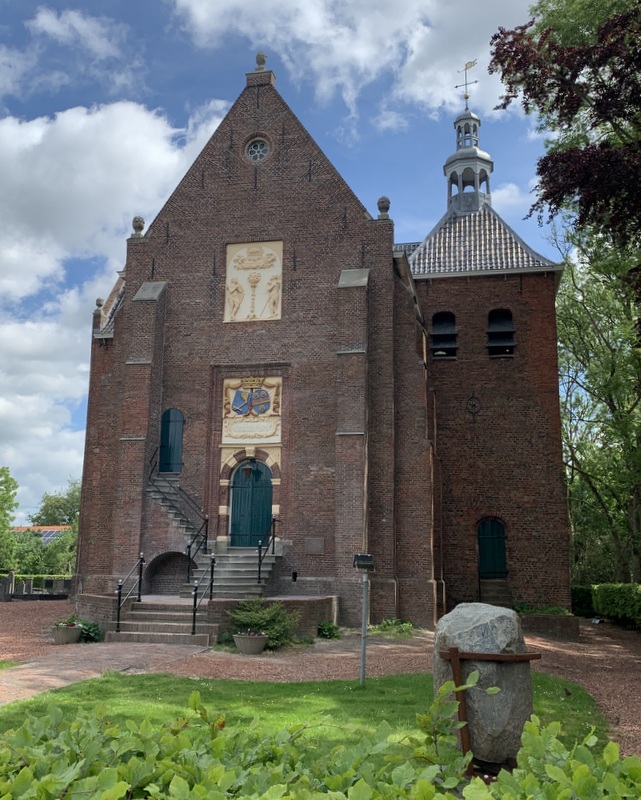
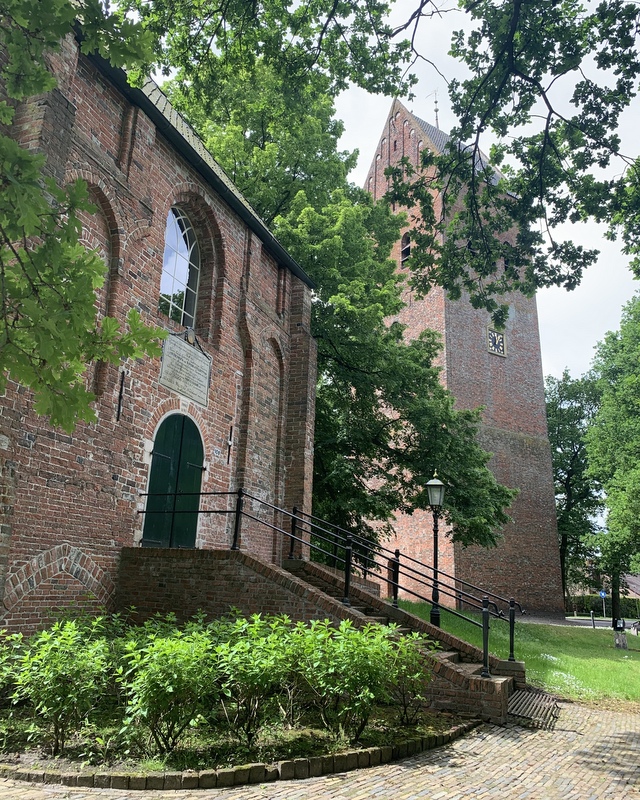
Our first stop was at Harkstede. The church in this village was built at the end of the 17th century by Henric Piccardt, a fascinating character, adventurer and diplomat (the link is in Dutch). He built the church also for himself, beneath the church there is a mausoleum for his family, and he had his own study and library in the church!

Above the church entrance the coat of arms of the Piccardt family. The tower in the right picture is much older than the church, dating back to about 1250.

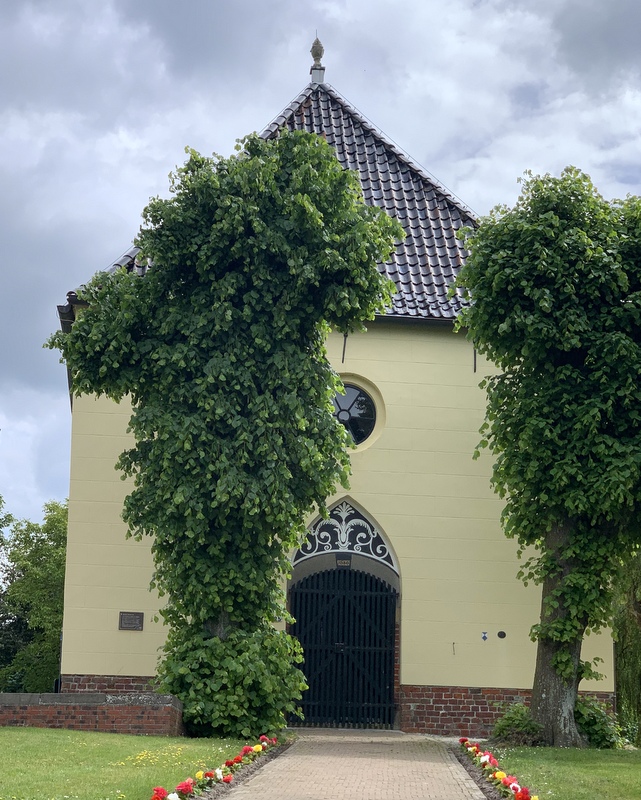
Next we visited the church of Slochteren. The original cruciform church was built in the 13th century, nowadays only the transept remains, with a separate church tower

A bit confusing. Anno 1650, but the inscription mentions MDCCLXXXIII = 1783.

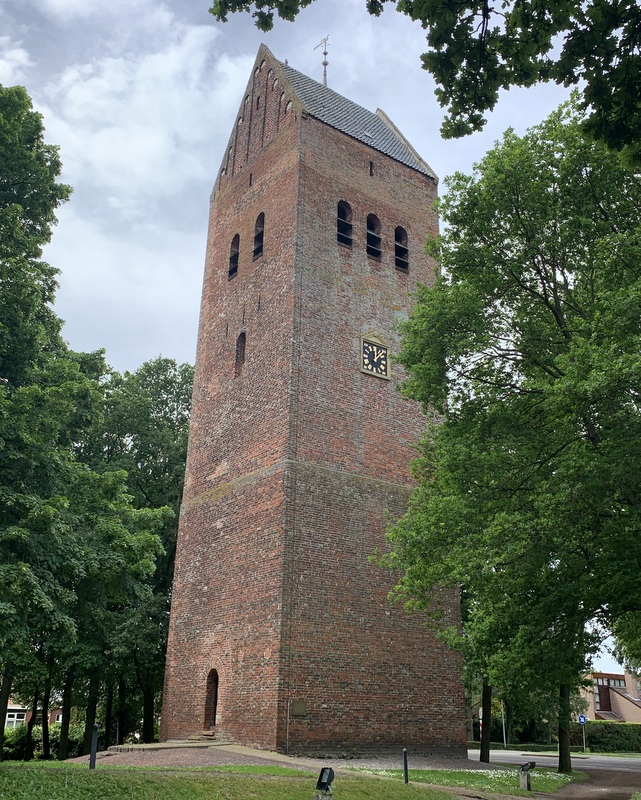
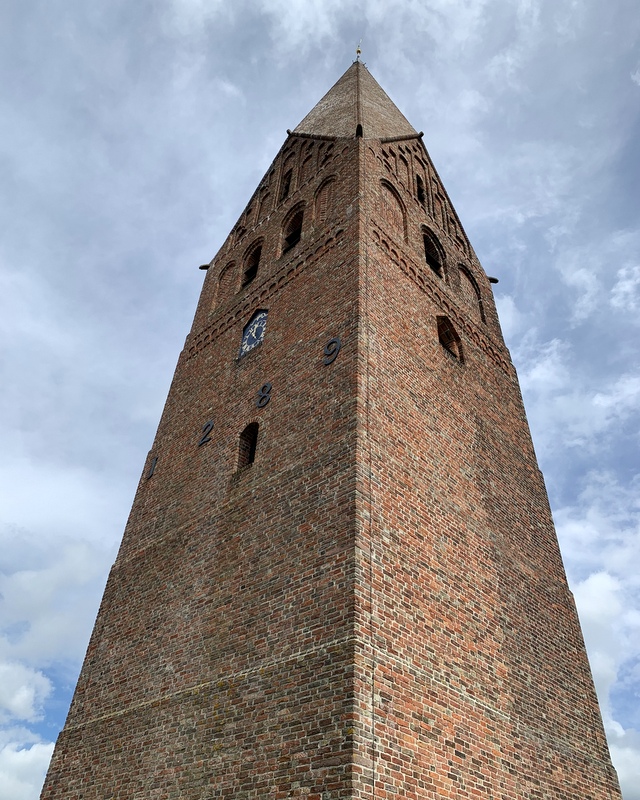
In Schildwolde, the church tower, separate like in Slochteren, belongs to the original 13th century church. It is an impressive, 48m tall structure. The church itself was built in 1686 and is a simple hall church.

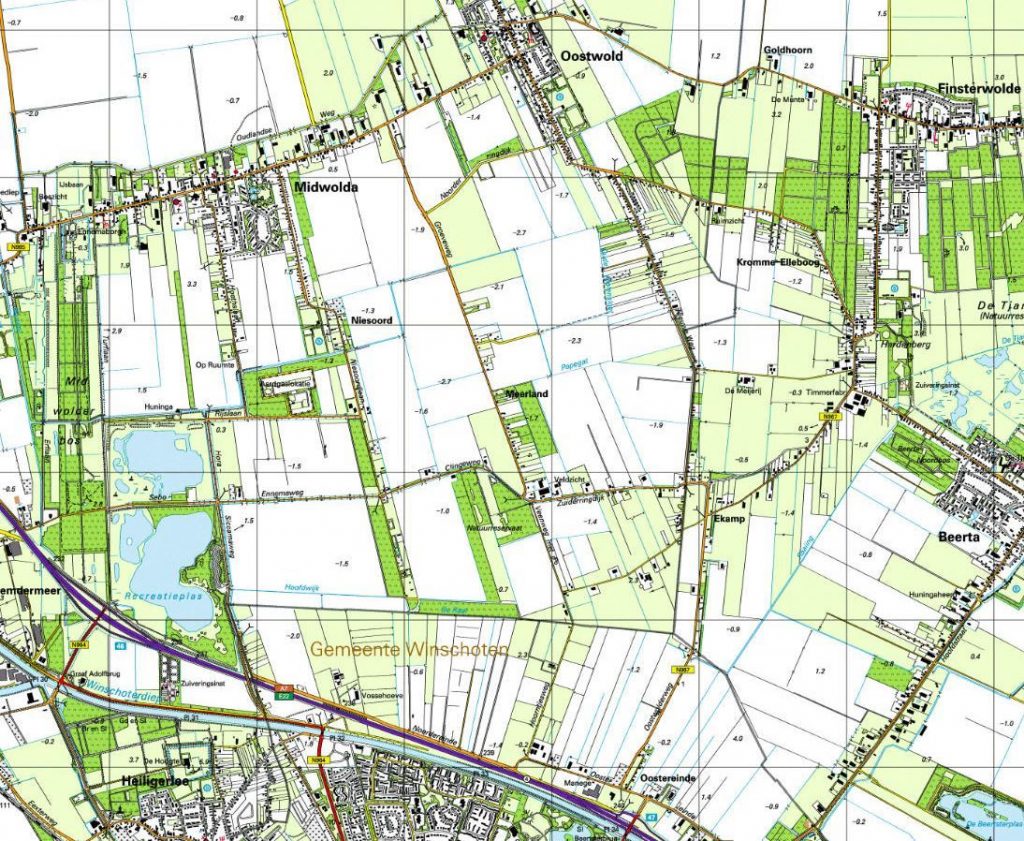
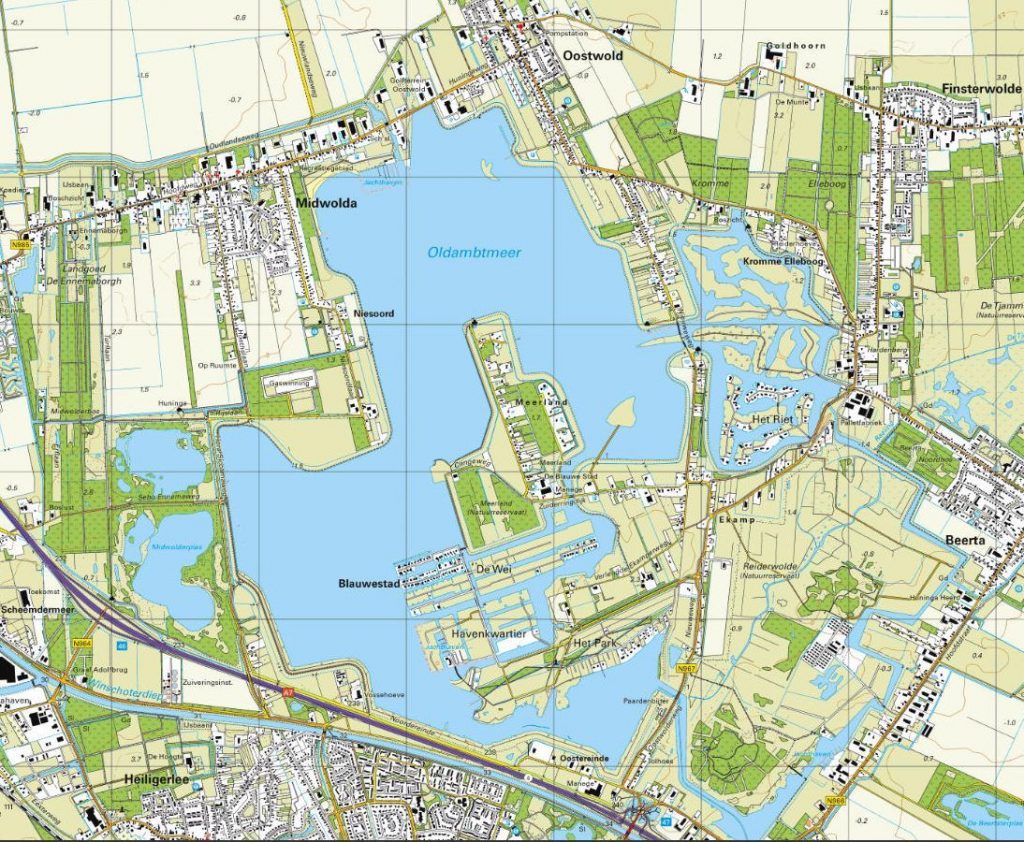
We continued to the Oldambtmeer, where we had lunch. The Oldambtmeer is an artificial lake of about 800 hectares in the Oldambt region. Compare the two maps below. In the center of the right map you can see the new village Blauestad.

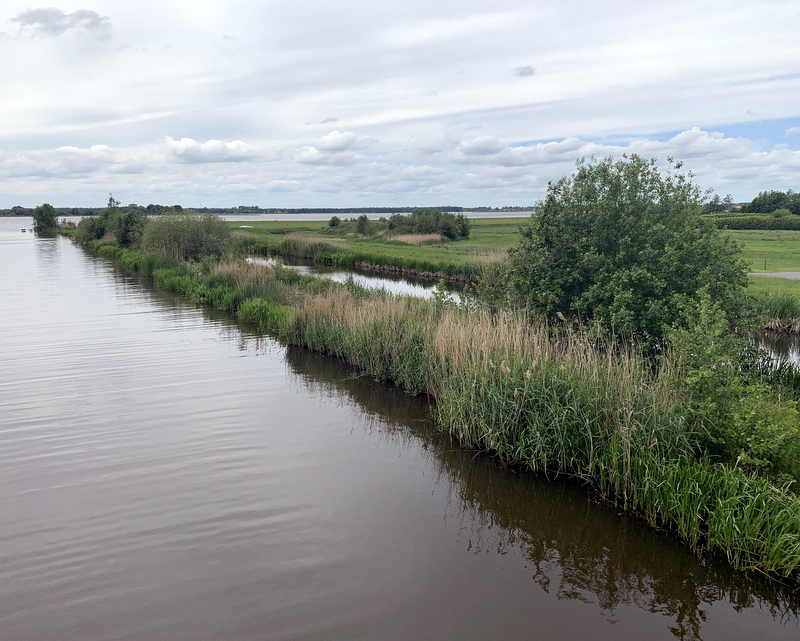
A few pictures of the lake. Its purpose is recreation, for the population of Blauestad and the other villages around the lake.

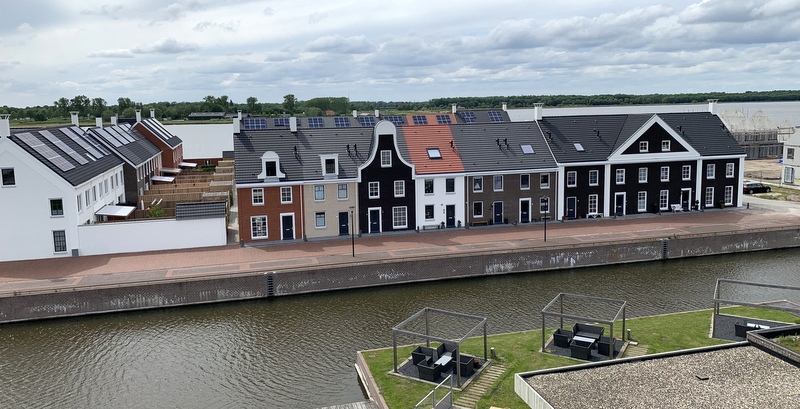
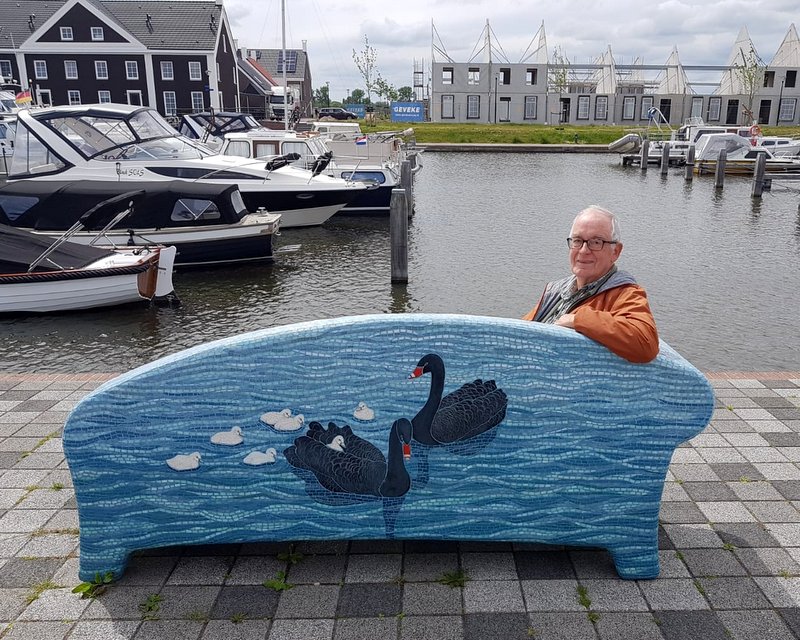
Here is a part of Blauestad, still under construction. Not really a place where I would like to live, but probably perfect for people who love sailing, fishing etc 🙂

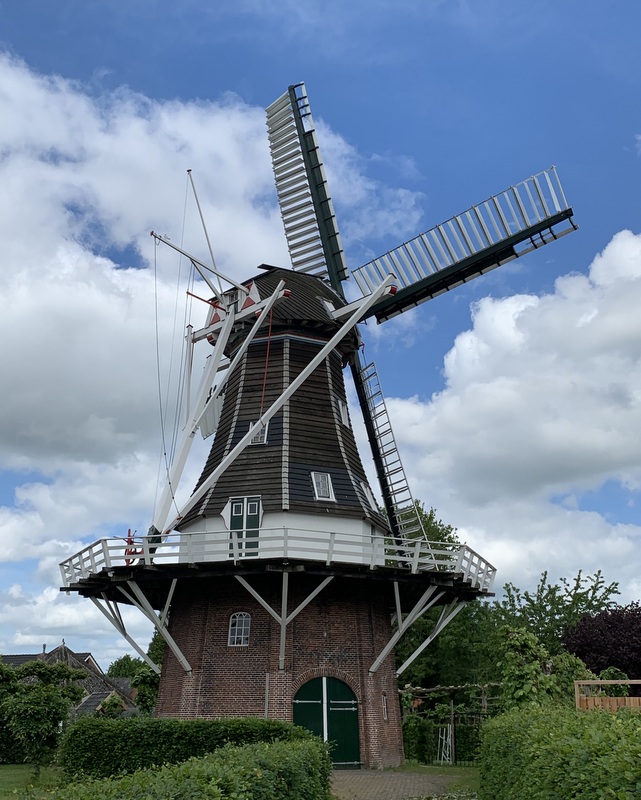
We passed two flour mills on our trip. The first was Stel’s Meuln in Harkstede. Built in 1851 as “grondzeiler”, a windmill where the blades almost reach the ground. Later raised on a platform to become a “stellingmolen”. This was often done in a built environment, so the blades could catch the wind better.

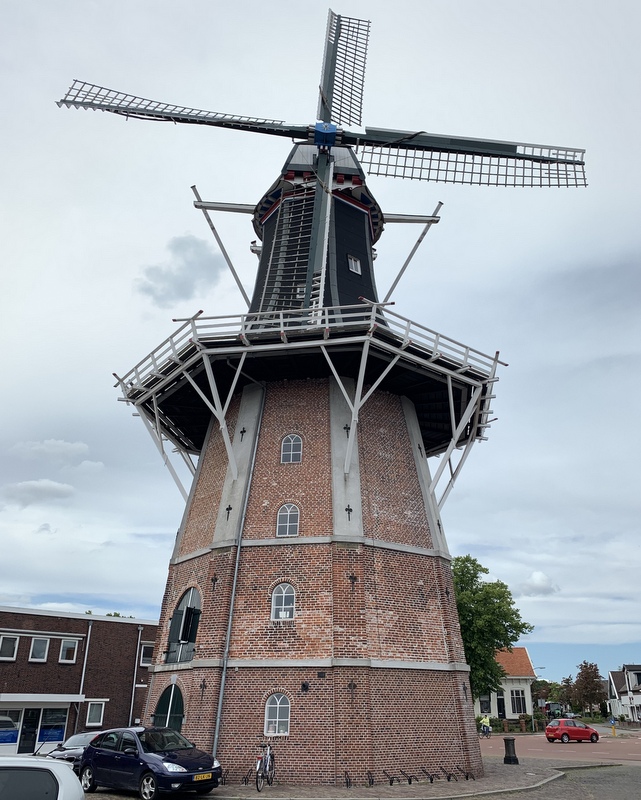
The other windmill is the Edens in Winschoten, built in 1763, the oldest windmill of the province Groningen. Raised several times because of the buildings, surrounding the mill. Looked very impressive.

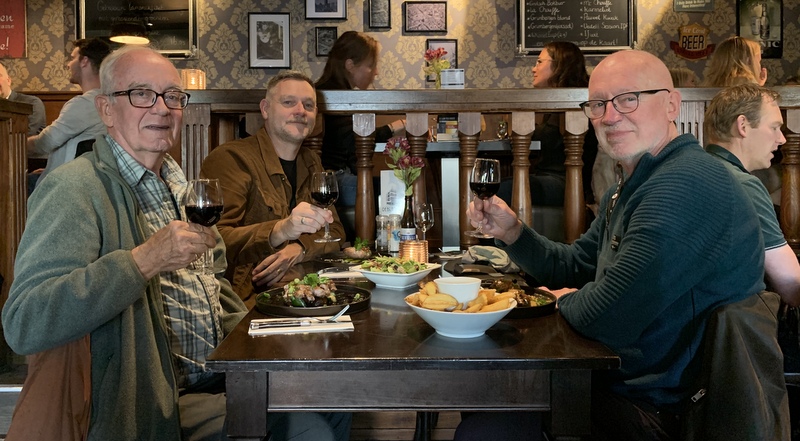
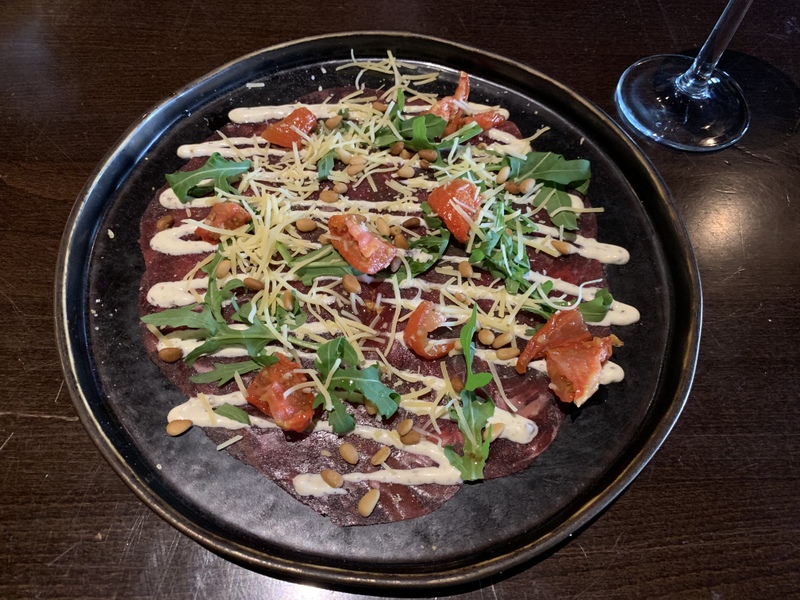
Back in Groningen town, we finished the day with a nice dinner in restaurant De Branderij.

The next morning I took the train back to Amsterdam

Utrecht, 2019

During my last stay in the Netherlands, I visited Leiden and I was very enthusiastic about this historic town. This time I had arranged to have lunch with a friend in Utrecht and I decided to make it a daytrip, so I could explore another historic town.

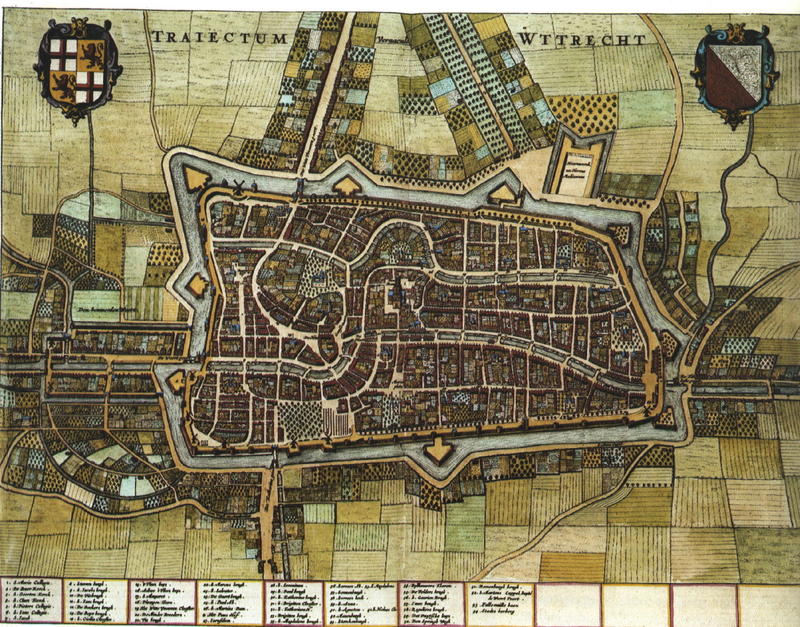
Let me start with three images. First a map of Utrecht , drawn in 1652. The town is surrounded by defensive moats (singels in Dutch).

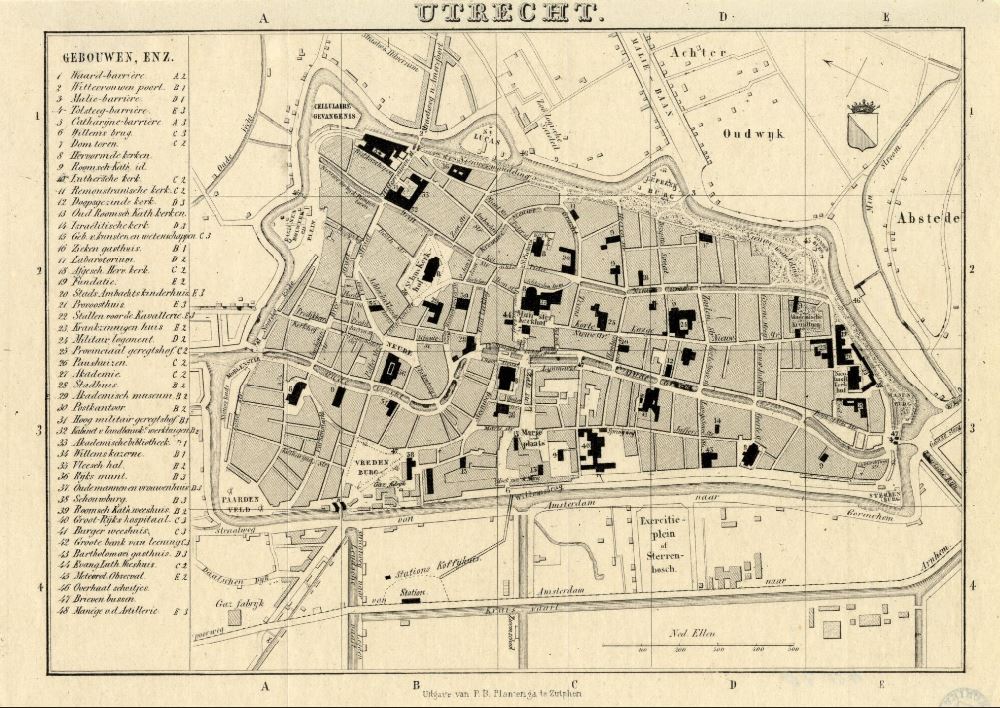
This map is from 1856. Still not much development outside the singels

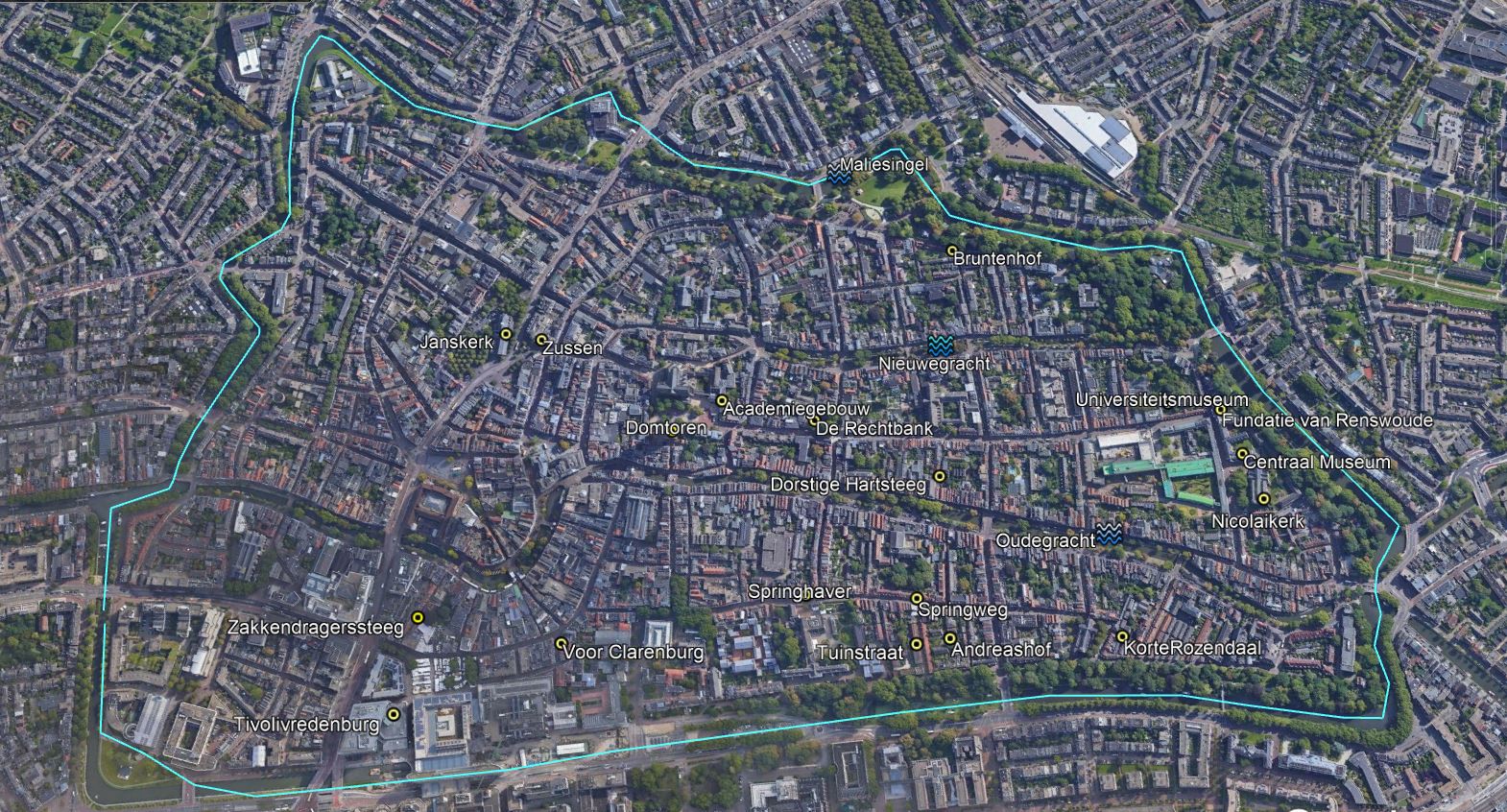
And here is a Google Earth screenshot from 2017. To guide the eye, I have marked the “singels” in blue and also indicated the locations where I have taken pictures. Click to enlarge. (I have rotated the GE image in such a way that North points in the same direction as in the old maps)

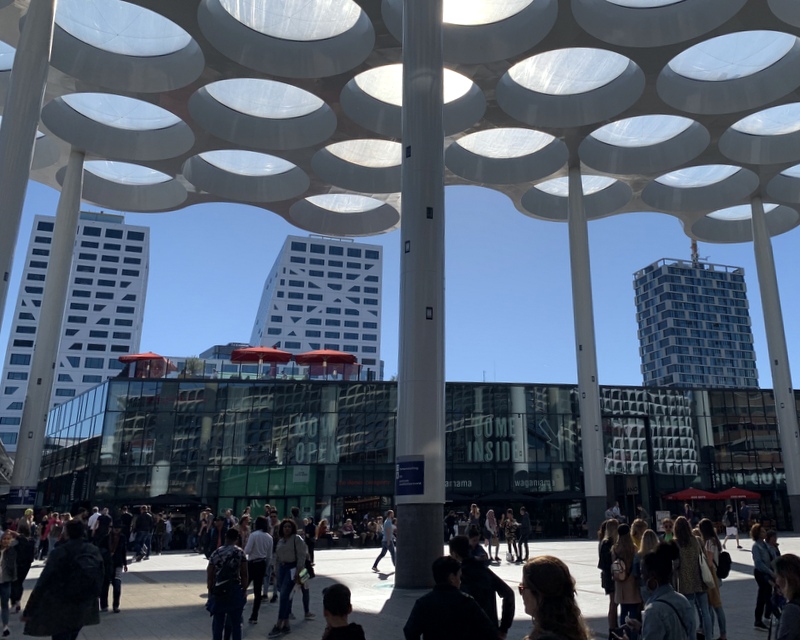
I arrived at Utrecht CS, the largest and busiest railway station in the Netherlands. To reach the historical town, I had to cross a shopping center to the Vredenburg square, from where I had a look at the TivoliVredenburg (2014), the modern music complex of Utrecht.

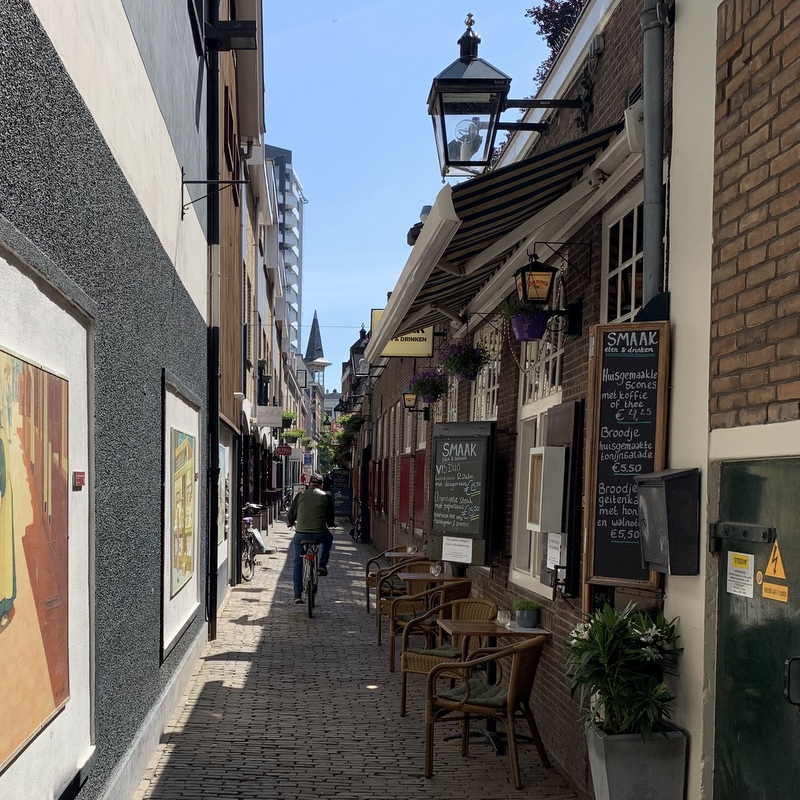
From the square I entered the Zakkendragerssteeg, mentioned for the first time in 1425 and reached the Oudegracht, dating back to the 12th century. In a few hundred meters from the 21th century to the Middle Ages 😉

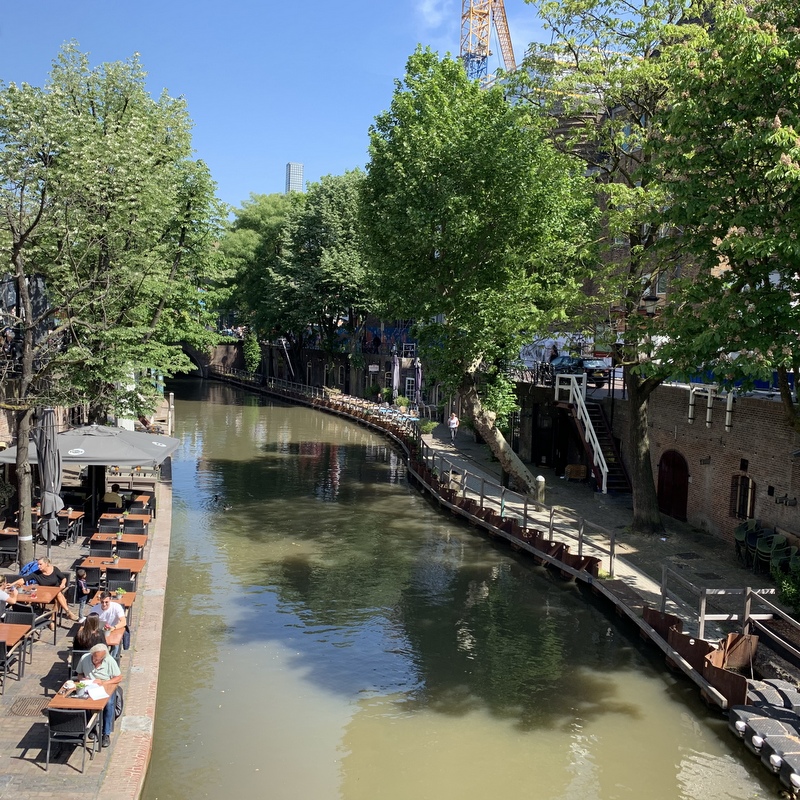
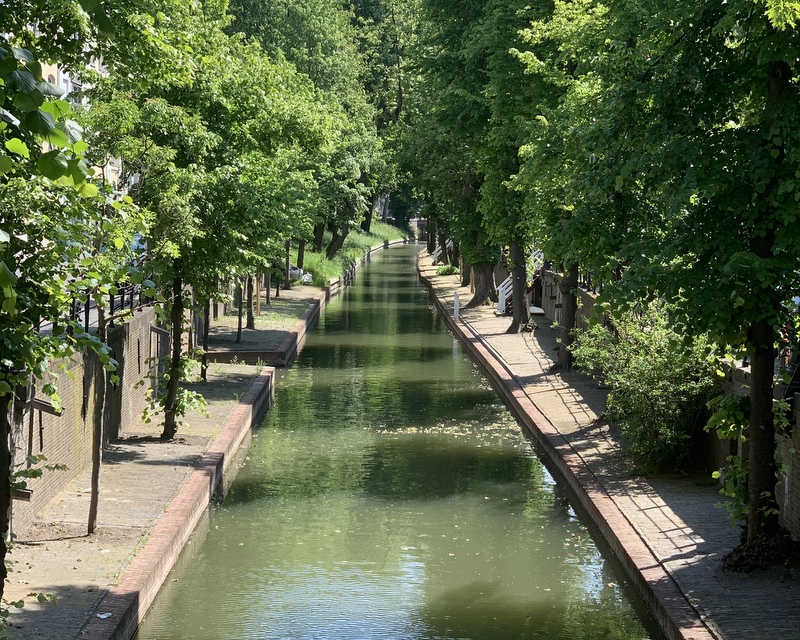
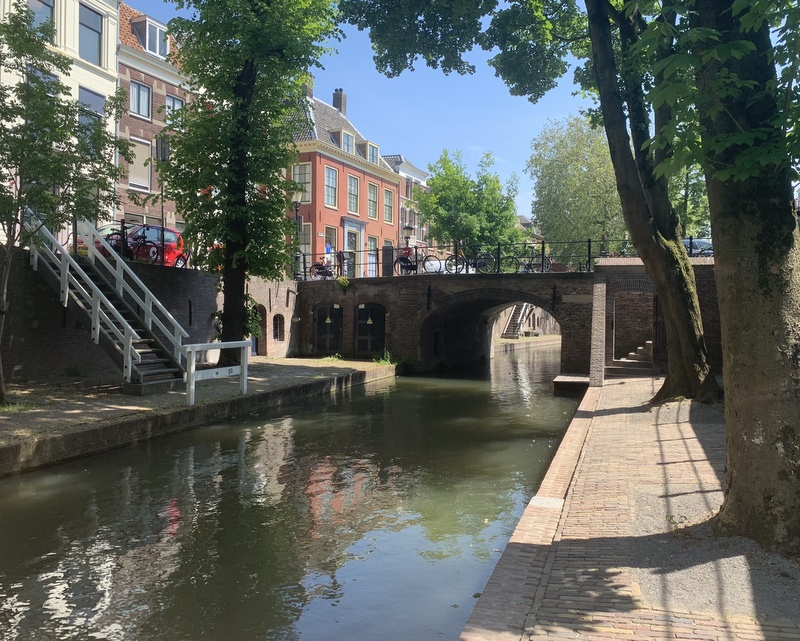
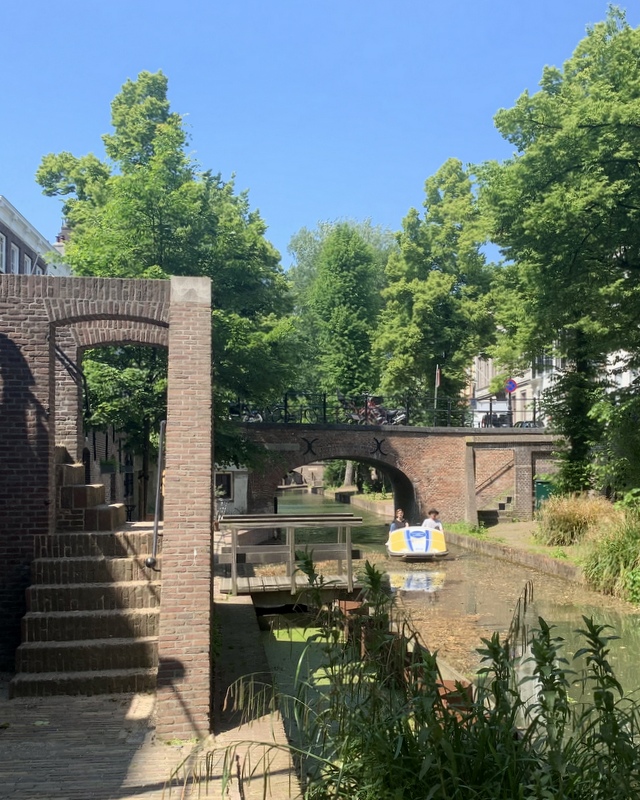
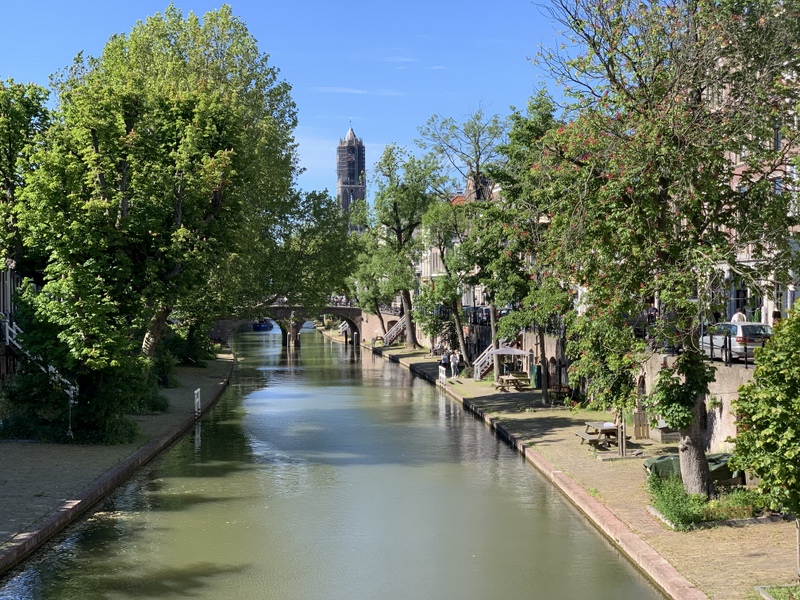
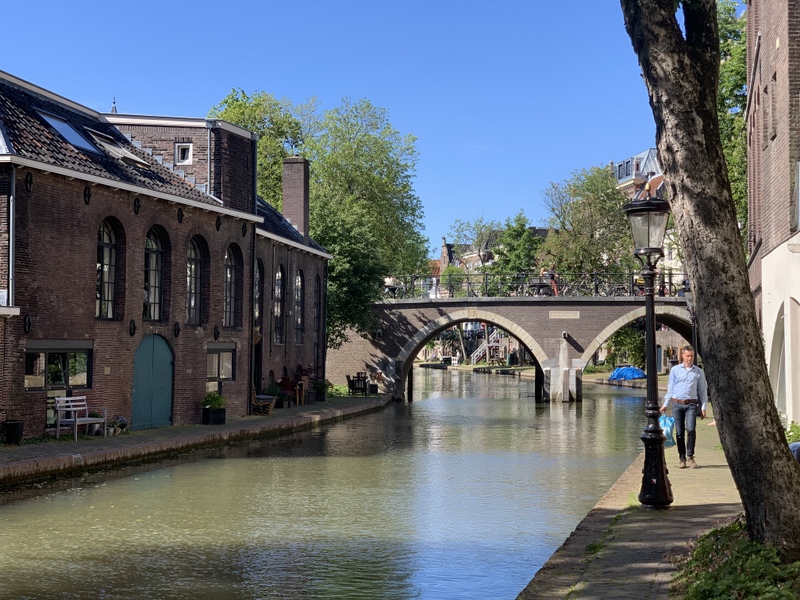
The canals of Utrecht (Oudegracht, Nieuwegracht and a few minor ones) are rather unique in the world, very different from the Amsterdam ones. They have functioned in the past as an inner-city harbour. The canals were connected to the rivers Rhine and Vecht, and alongside the canals there were wharves, giving access to basement cellars, underneath the houses of the merchants.

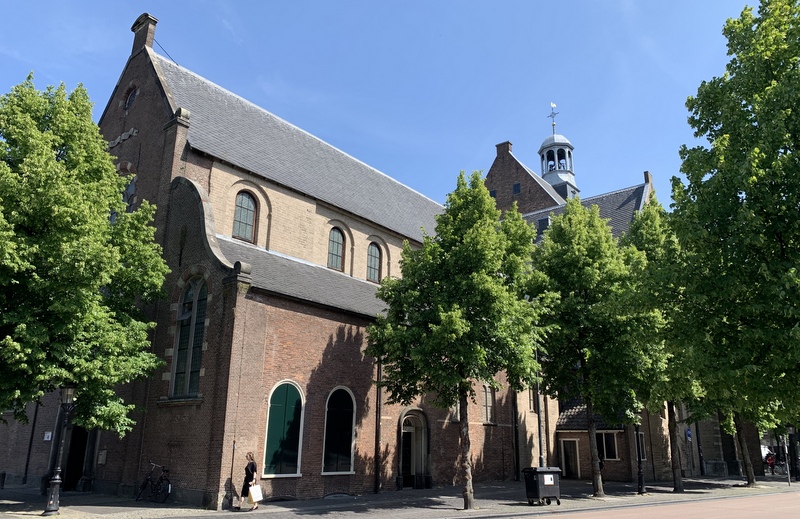
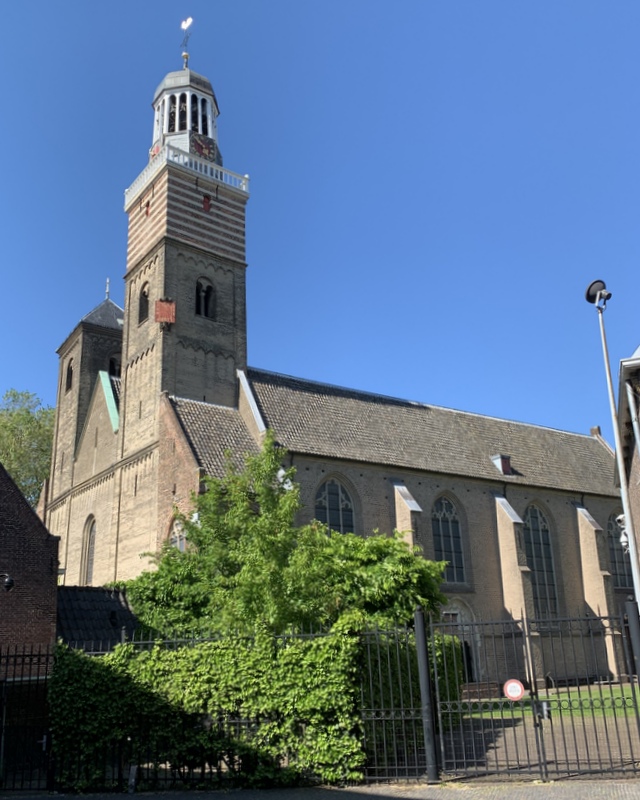
I crossed the Oudegracht (more pictures later) and walked to the Janskerk, founded shortly after 1040, built in roman style, but of course modified many times later.

I had no time to visit the interior, and continued to the hallmark of Utrecht, the Domtoren (Dom tower) built between 1321 and 1382. With a height of 112 m it is the tallest church tower in the Netherlands. Work was being done on it during my visit.

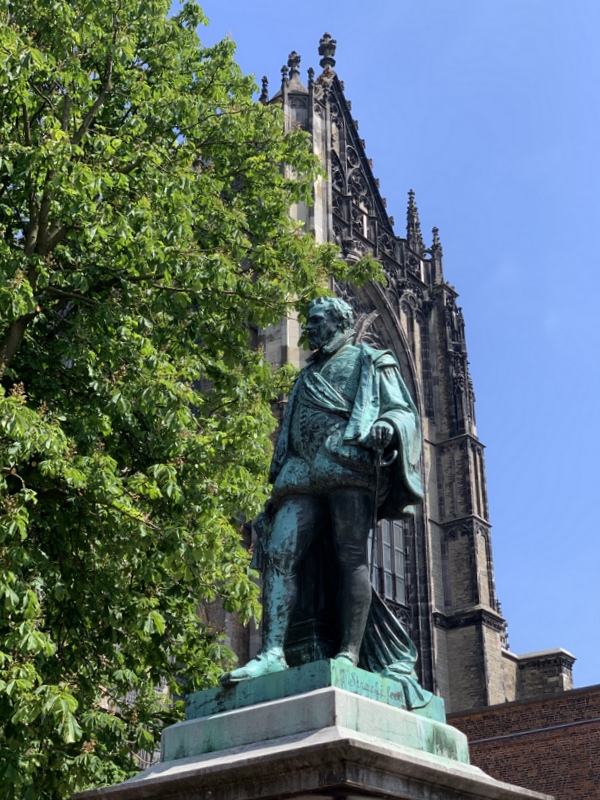
On the Dom square I took a picture of the statue of Jan van Nassau, the younger brother of William of Orange, who has been instrumental in the signing of the Unie van Utrecht (1579), regarded as the foundation of the Republic of the Seven United Provinces, during the war of independence with Spain.

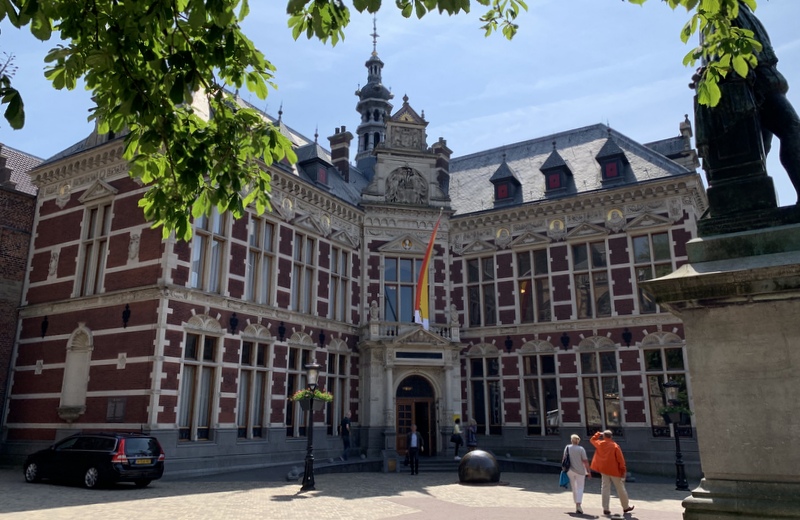
The Academiegebouw on the Dom square looks old, but isn’t ! It was built between 1891-94 in Dutch Neo-Renaissance style.

Then it was time for lunch. I met my friend at the Rechtbank, in earlier days a courthouse, now a popular cafe. He was one of my first students when I was a physics teacher, and is now a physicist himself…:-)

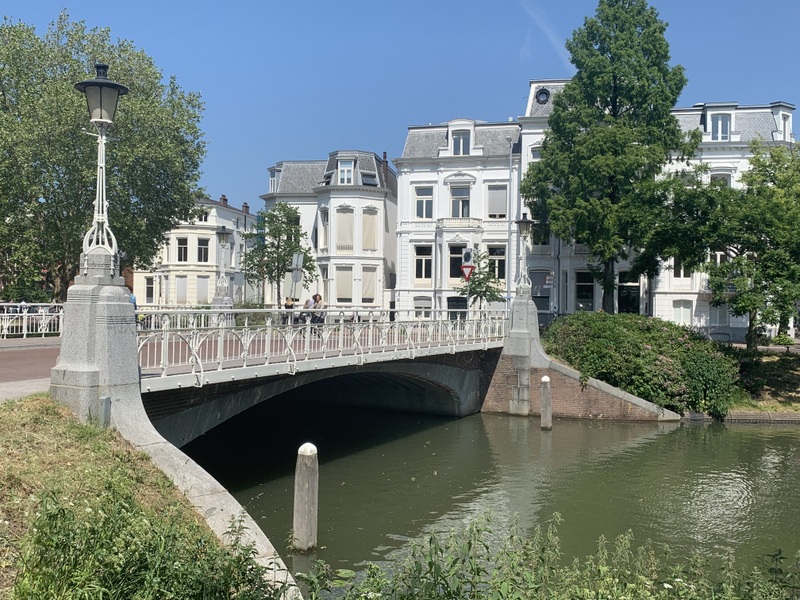
AFter our lunch I continued my walk, crossing the Nieuwegracht to the Maliesingel. The Nieuwegracht (New Canal) is actually very old, built around 1390, but still newer than the Oudegracht (Old Canal), which was built in the 12th century. The Maliesingel is one of the moats, still surrounding the old town.

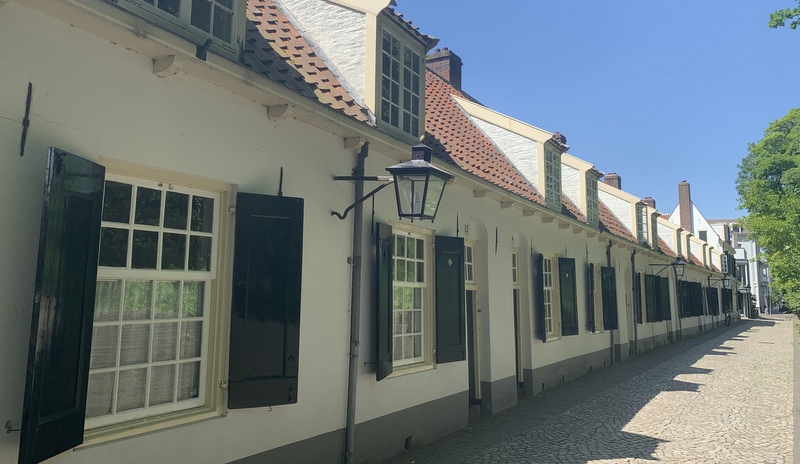
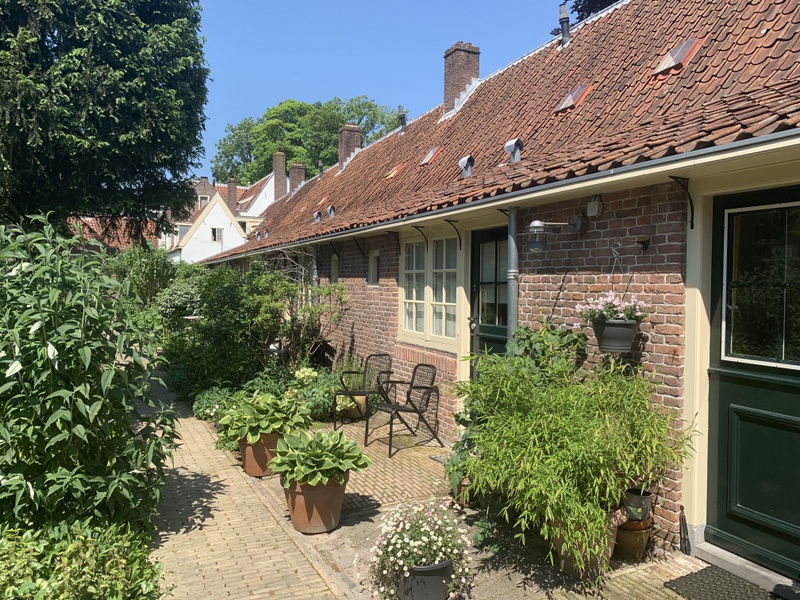
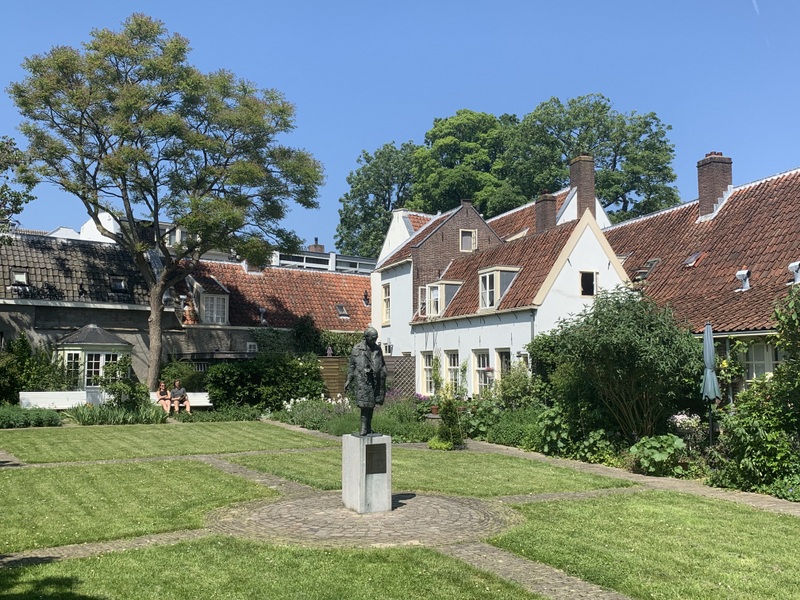
In the past, rich people sometimes built simple houses for the poor around a courtyard. The Dutch name for such a compound is “hofje”, in Utrecht you still find an alternative name : Kameren. The houses consisted basically of one room (kamer). Here is the Bruntenhof (Bruntscameren), built in 1621.

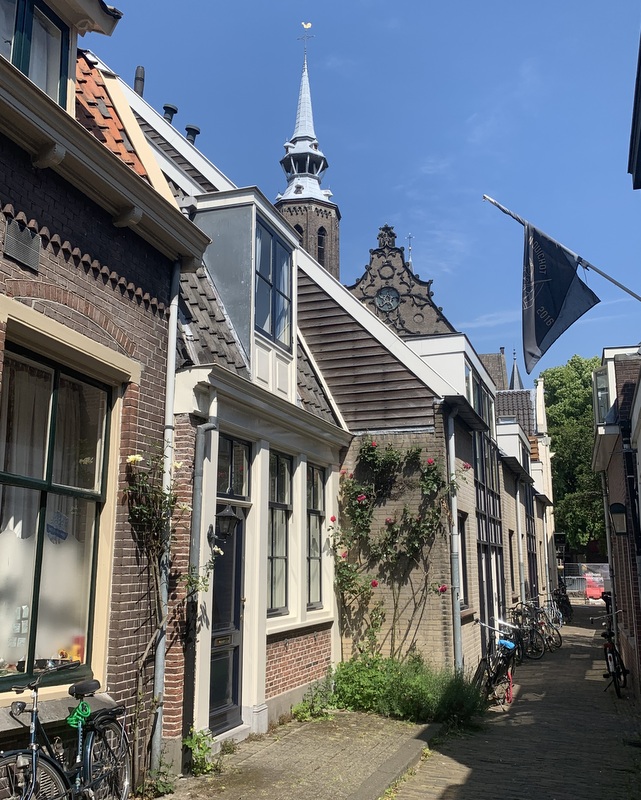
I wanted to visit the Centraal Museum, so I walked back to the Nieuwegracht and the Lange Nieuwstraat. This “New Street” dates back to ca 1300, same as the Dorstige Hartsteeg. The church tower you see in the background, belongs to St Catherine’s Cathedral, no time to visit.

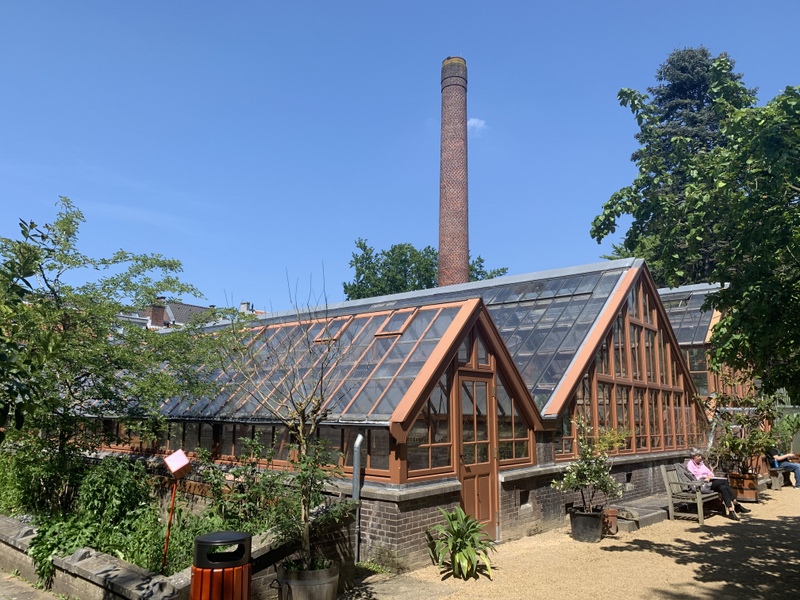
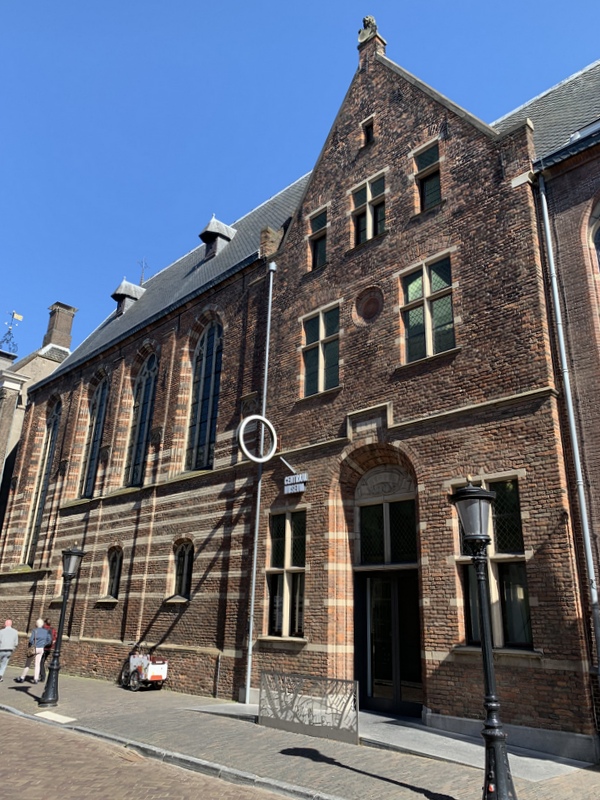
Walking to the Centraal Museum I noticed a sign for The University Museum and the Hortus , the former botanical gardens of the University.

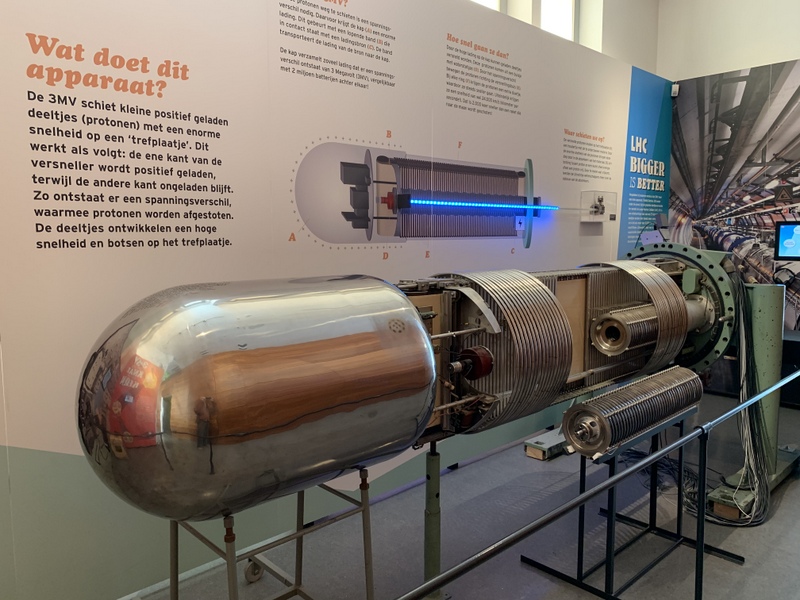
I spent some time in the University Museum. Interesting mixture of sometimes weird objects. As a physicist I was of course interested in the particle accelerator, in this case even more, because my friend told me that he had actually been working with this machine, during his research!

Walking to the Central Museum I passed the Beyerskameren (1597), another charity project to give (free) housing to the poor.

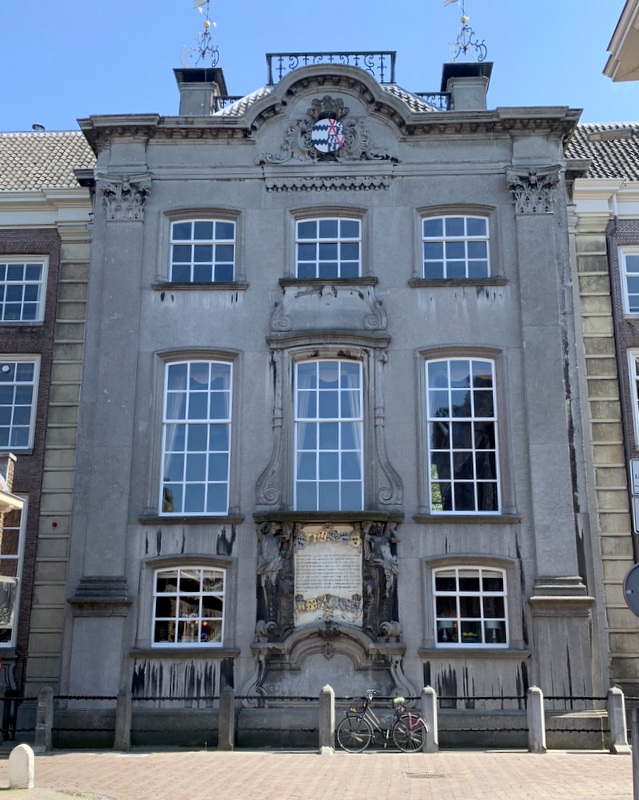
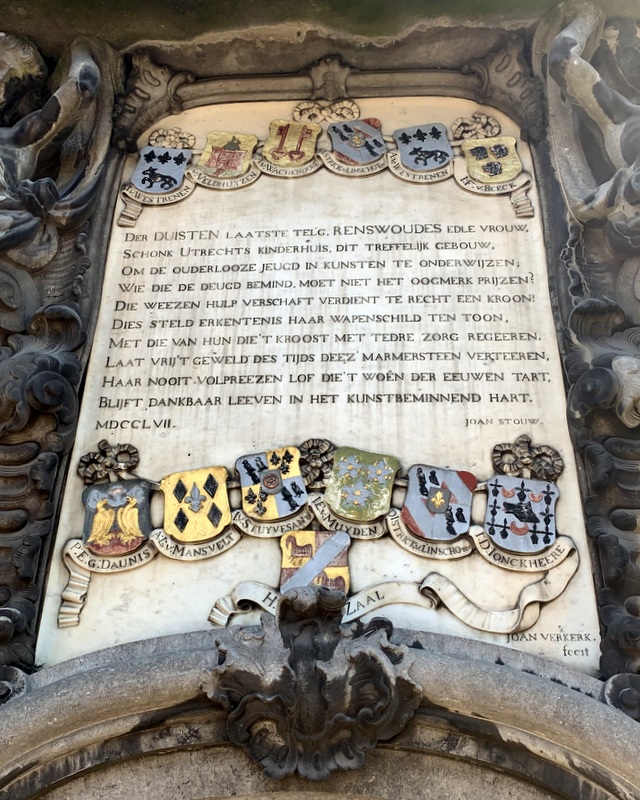
The end of the Lange Nieuwsstraat is dominated by the Fundatie van Renswoude. Built in Rococo style in 1757, it was meant to provide education for “intelligent” orphan boys. The interior must be magnificent, but is only open to the public at specific times, like the Open Monument Day.

The Centraal Museum is the main museum of Utrecht, founded in 1838. It has an interesting collection of “old” art, modern art, applied art, the history of Utrecht etc. For me it was the first time that I visited the museum. Therefore quite a lot of pictures.

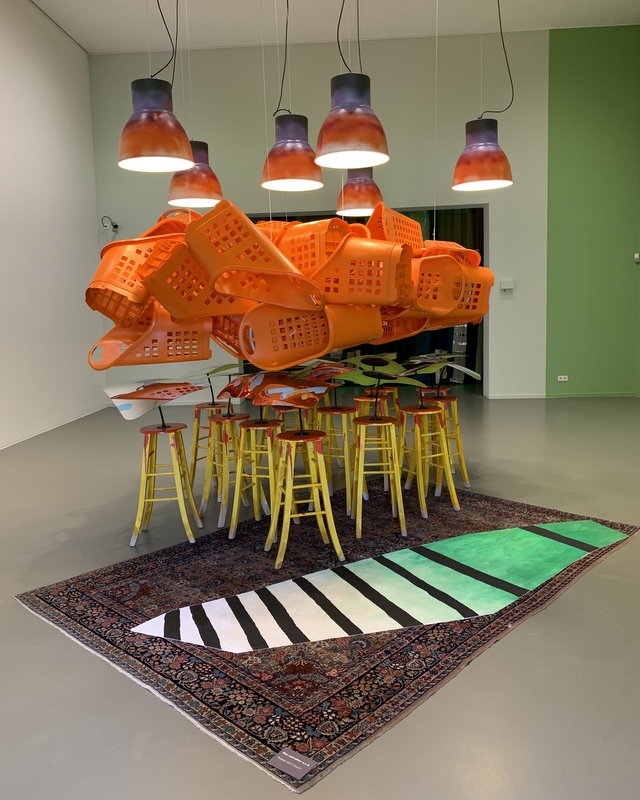
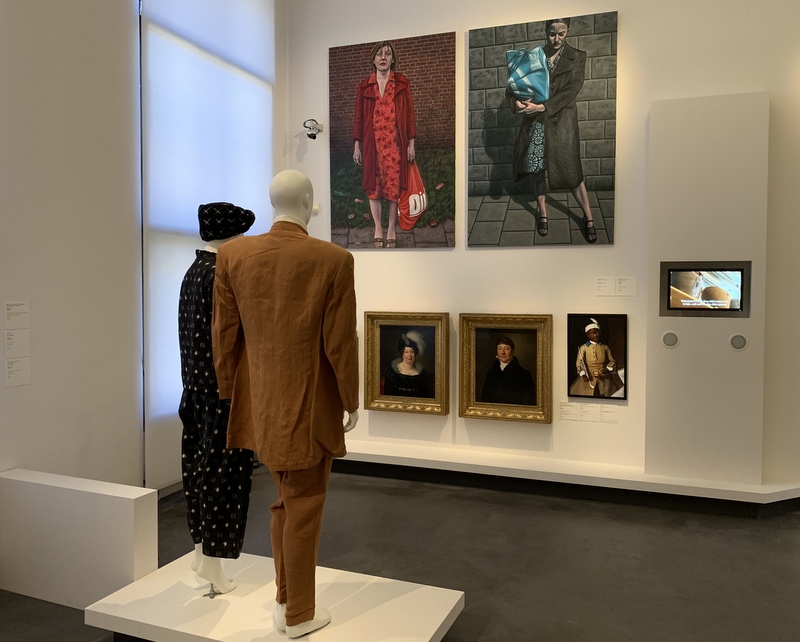
Many museums nowadays show their collection, combining the various art forms, like here: paintings, furniture, fashion. I really like this approach..

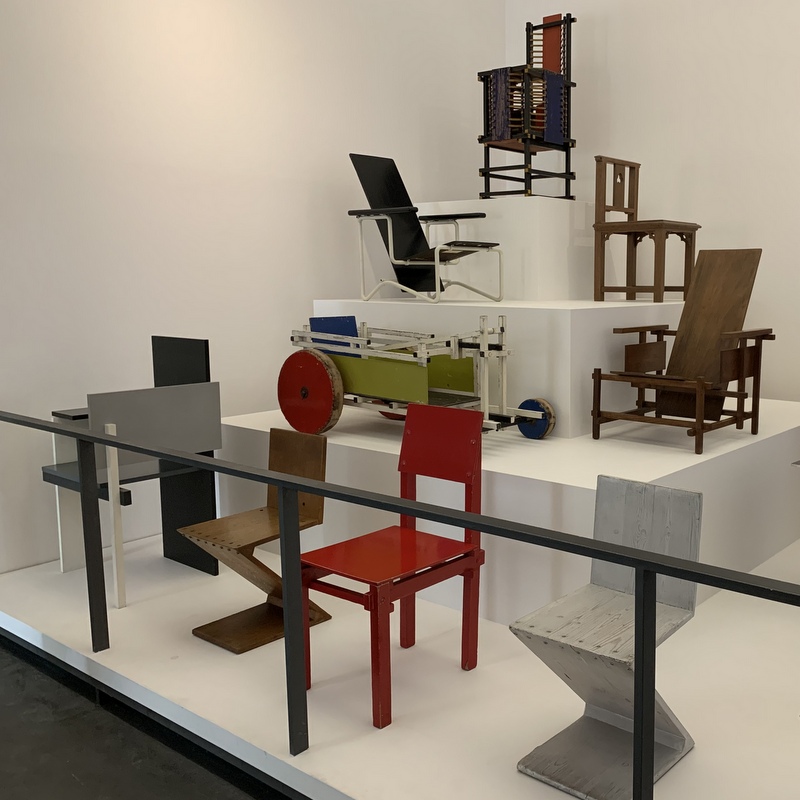
Of course the museum has lots of Rietveld furniture. The dollhouse is from the end of the 17th century and obviously not meant for children 🙂

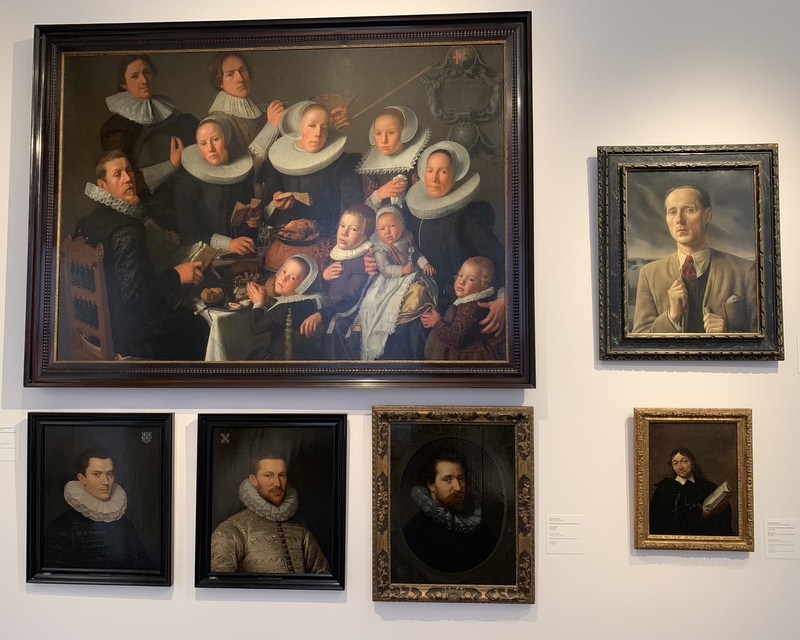
Two examples of art mixing. Left 17th century portraits combined with a self-portrait by Carel Willink (1922). Right various forms of fashion.

Roelant Saverij (1576 –1639) was a Golden Age painter who lived a large part of his life in Utrecht.

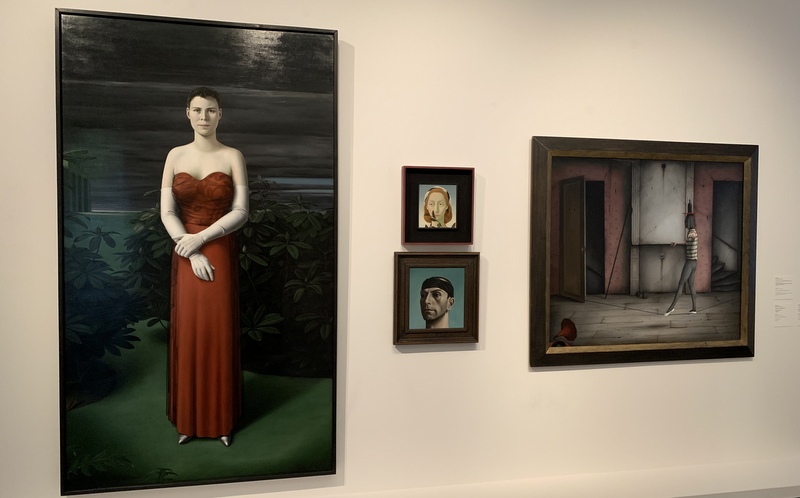
Pyke Koch 1901 – 1991 ) can also be considered an Utrecht painter. He and Carel Willink were the main representatives of Dutch Magic Realism. He was a perfectionist, his oeuvre is quite small, and I am always happy to find one of his paintings in a museum. The Centraal Museum has quite a few!

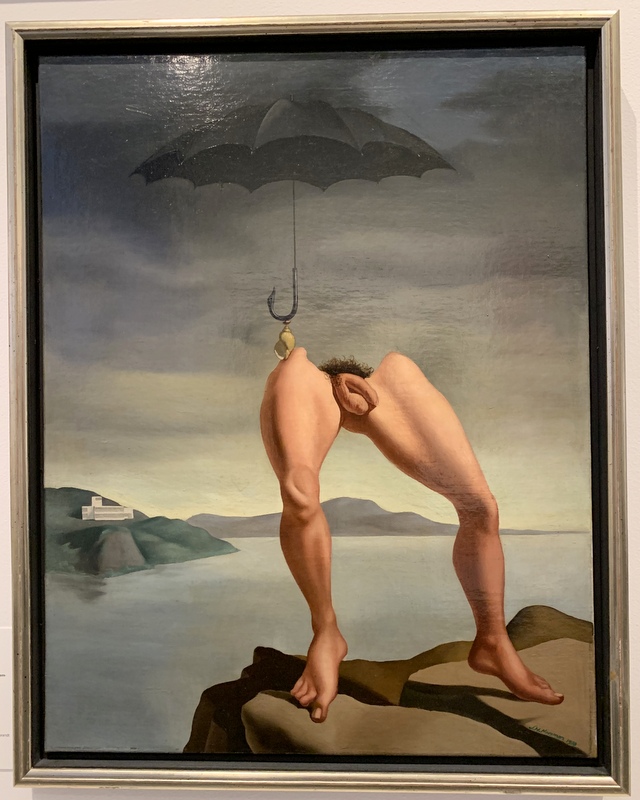
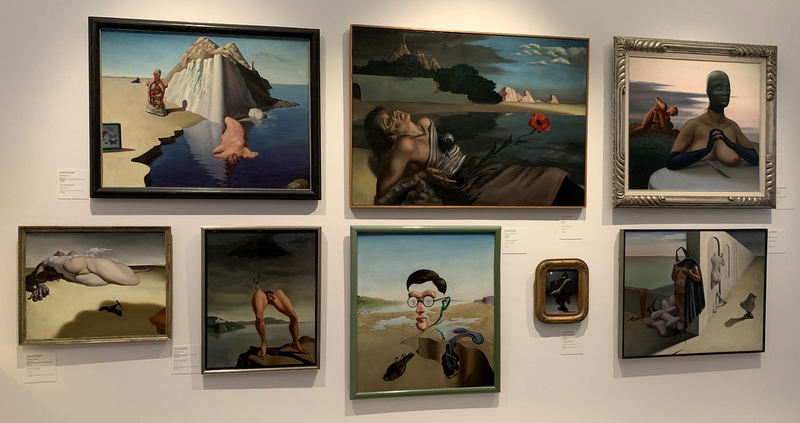
J.H. Moesman (1909-1988) was born in Utrecht and lived there almost all of his life. A Surrealist painter, the “Dutch Dali”. The museum houses a large collection of his works.

I spent only about one hour in this museum, a next time I will stay longer, there is a lot to see, but I had to make my way back to the station.

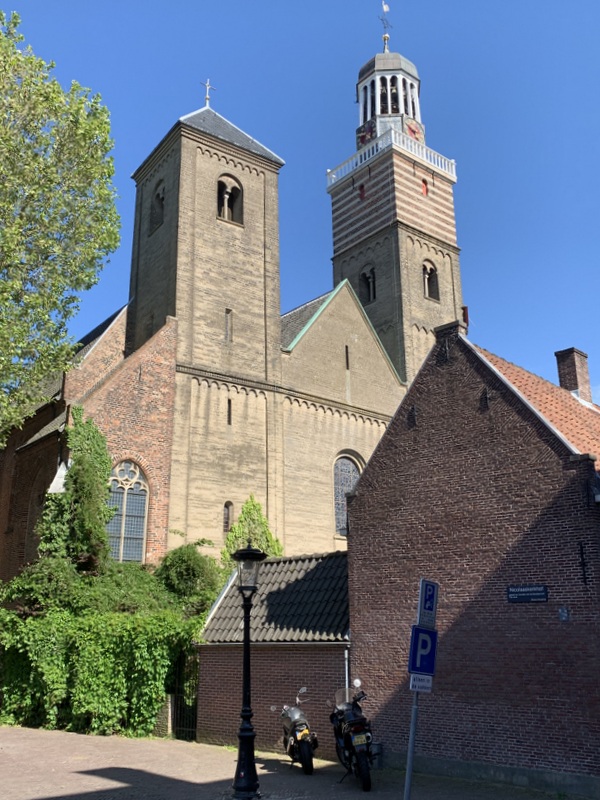
The Nicolai church is located next to the museum. Its origins go back to the 12th century, the front with the two towers is still in the original Roman style. In 1586 one tower was raised to make room for a carillon.

A few more pictures of de Oudegracht.

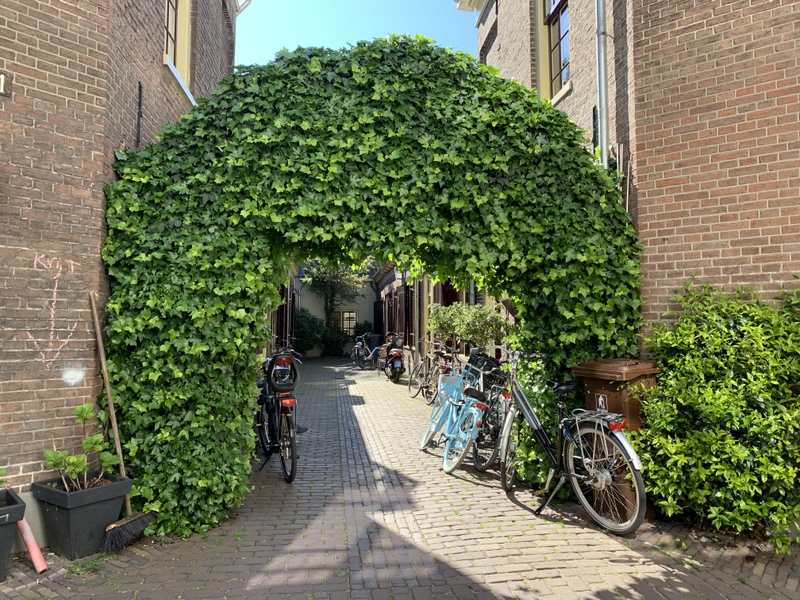
On my way back, I visited a few more “hofjes”. Lot of heritage buildings, a very pleasant part of Utrecht.

But Utrecht is not only interesting because of its heritage. It is a lively town, with many cafes, restaurants and entertainment outlets. And there is a lot of Jugendstil in Utrecht, one of my architecturale favourites. But that will be for a future visit.

When friends of mine are visiting the Netherlands, I sometimes advised them to skip overcrowded Amsterdam and visit Utrecht instead. Now that I have walked around myself, I will keep telling them: Visit Utrecht!

Erwin Olaf in the Gemeentemuseum

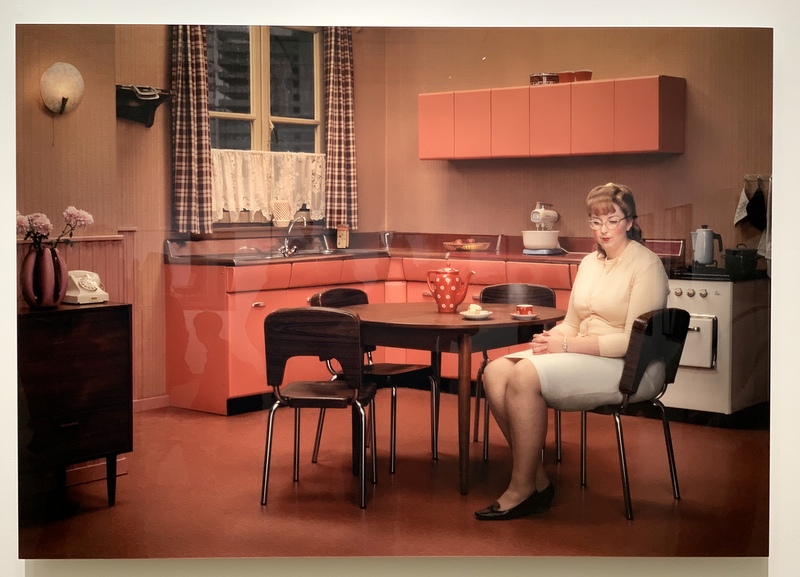
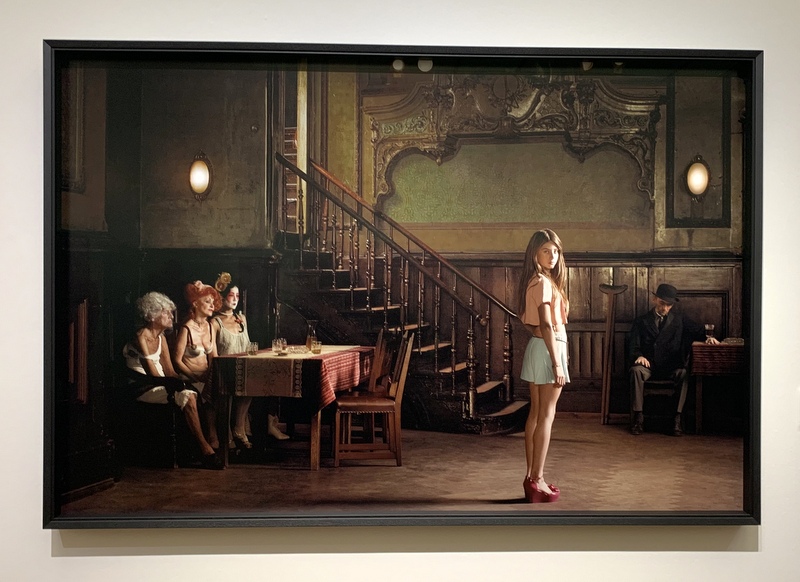
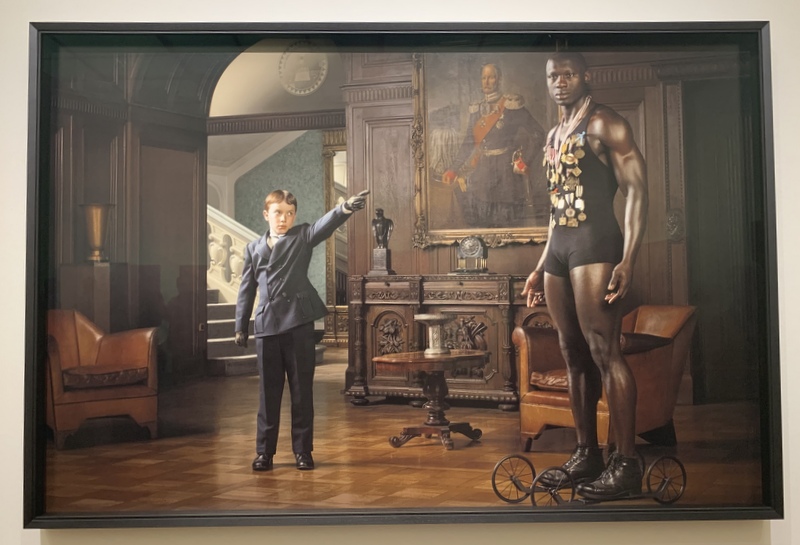
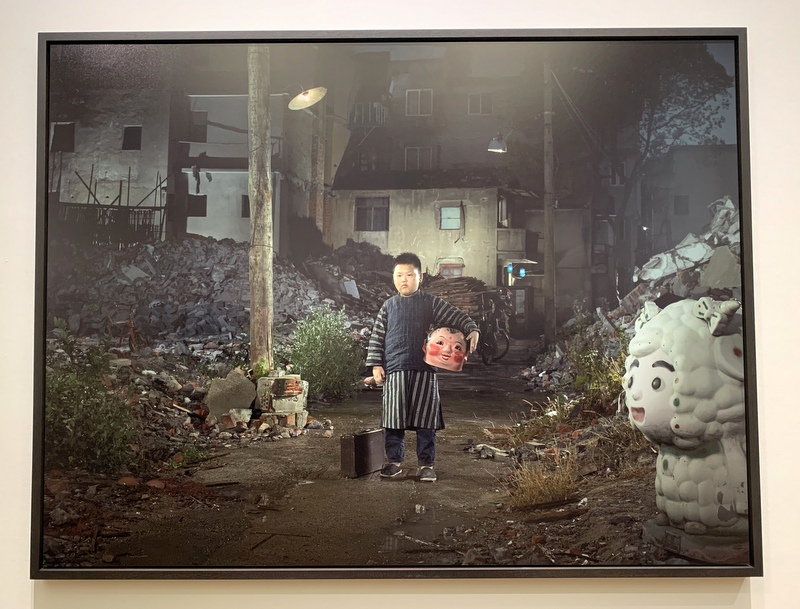
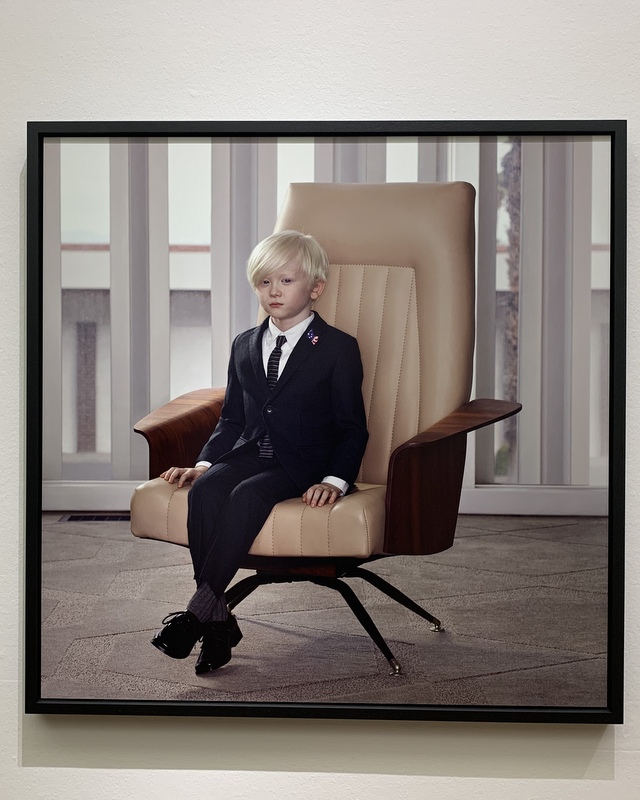
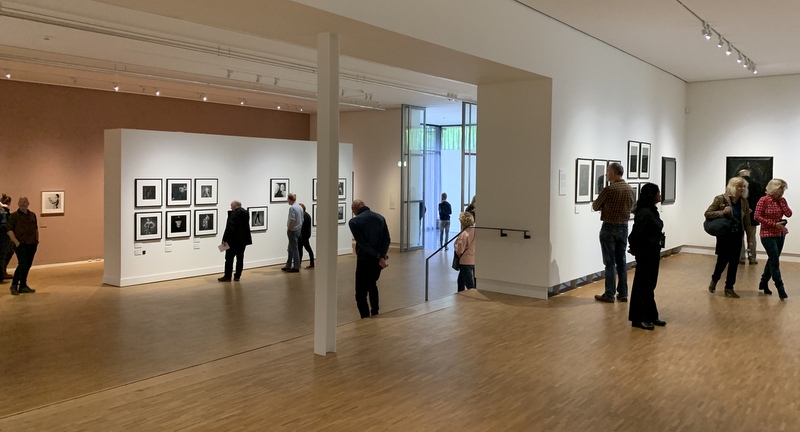
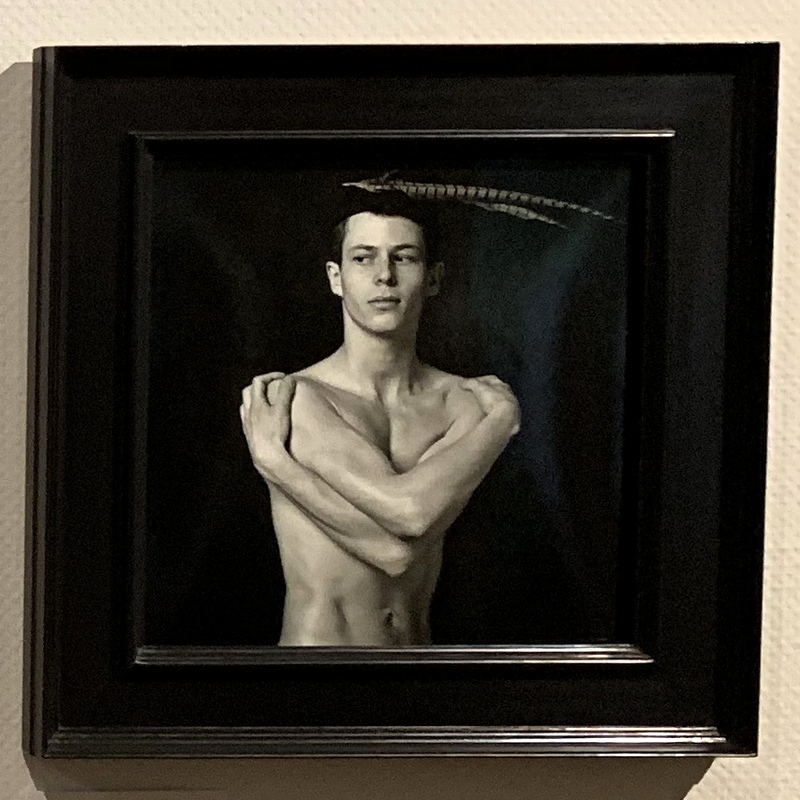
To celebrate the 60th birthday of Dutch photographer Erwin Olaf a double retrospective exhibition of his work has been held in the Gemeentemuseum and the Photography Museum, both in Den Haag.

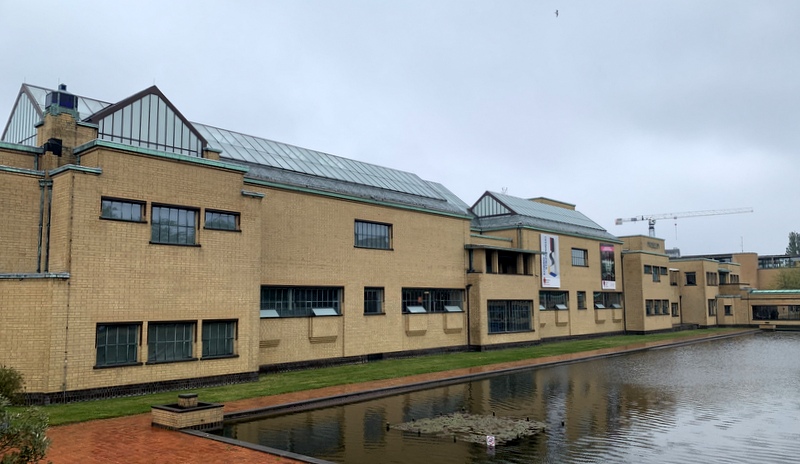
I have always been a fan of him, so during my recent trip to the Netherlands, Aric and I made a day trip to Den Haag. The Gemeentemuseum is one of my favourite museums. The building, designed by Berlage and constructed between 1931-1935, is an artwork itself, and the museum houses the world largest collection of Mondrian paintings. My last visit was in 2017, More museums in Den Haag

I was very impressed by the Erwin Olaf exhibition. I was familiar with his older work, but not really aware of his development during the last decades. As the Gemeentemuseum describes him, he is not only a photographer but has become a digital image-maker and storyteller.

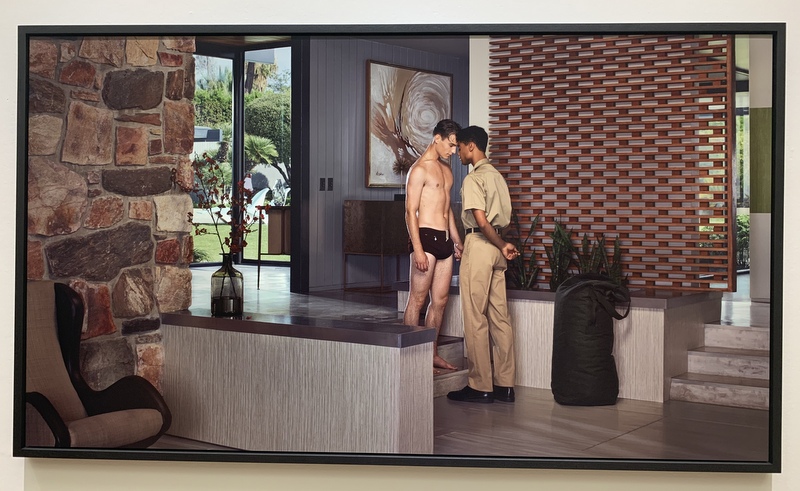
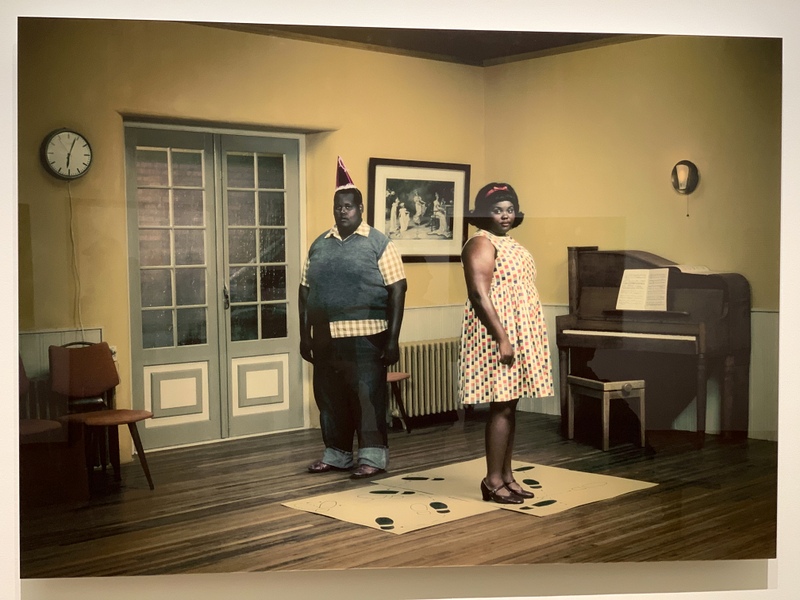
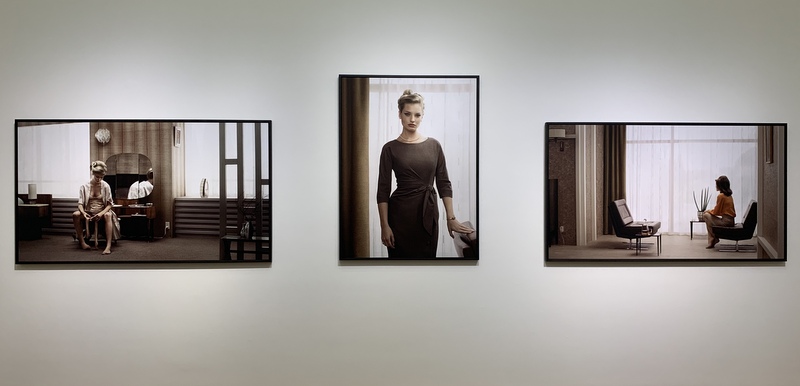
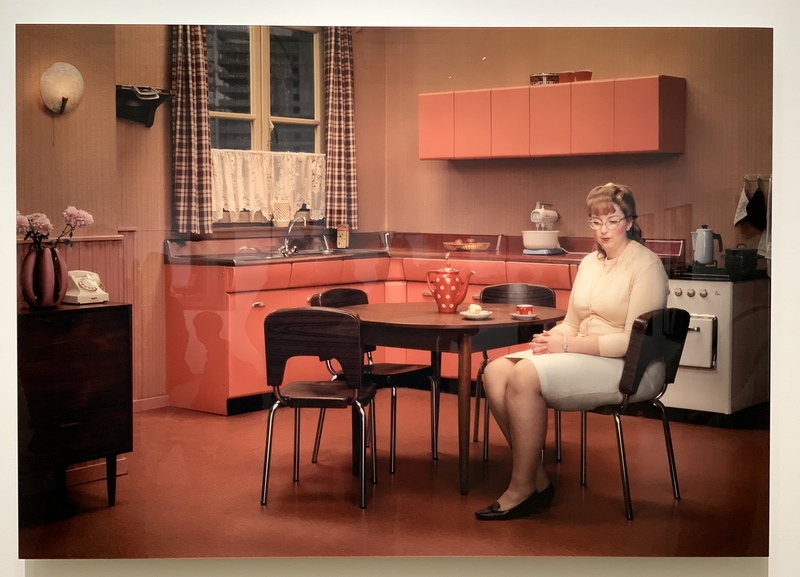
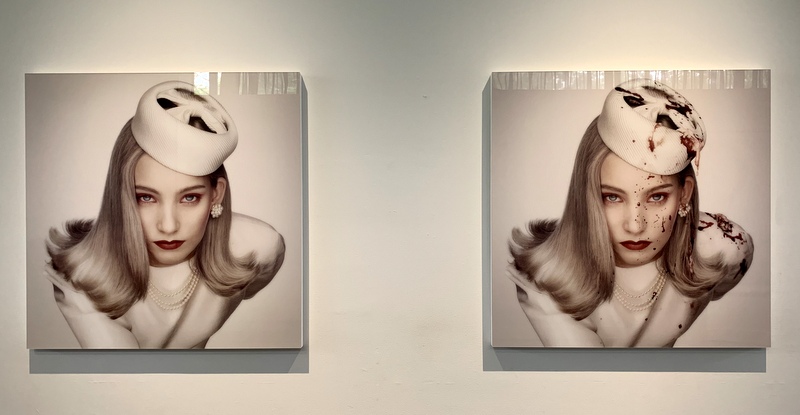
Here are two of his recent works, that especially fascinated, and also intrigued me.

What struck me is the lack on interaction between the two persons. They seem to be living in their own world. Here are a few more examples.

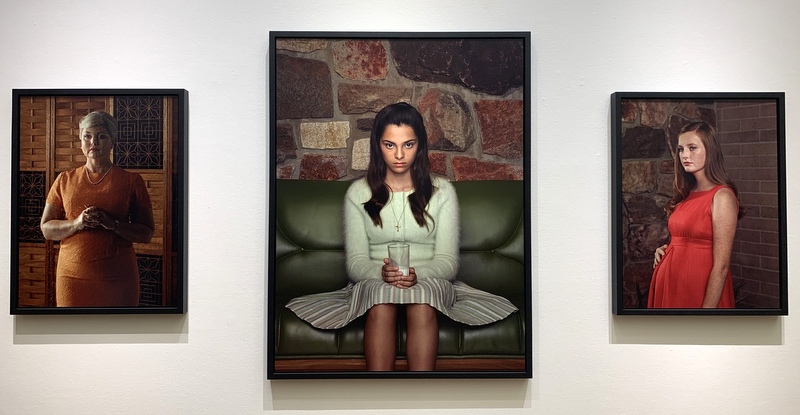
More persons, or one only, I get the same feeling of loneliness and isolation. With all of these (large-scale) photographs, you are wondering about the story behind it. And of course admiring the sheer technical perfection!

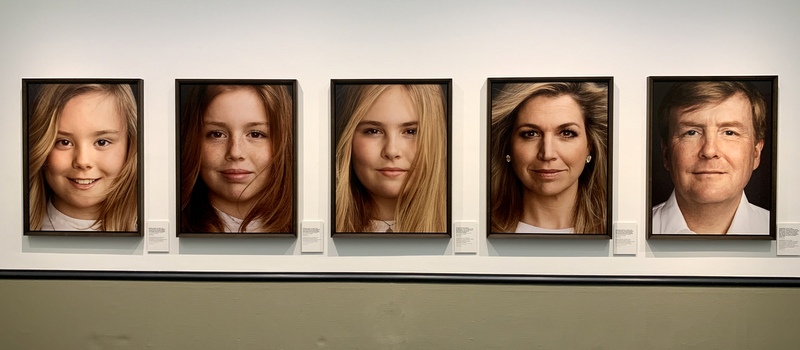
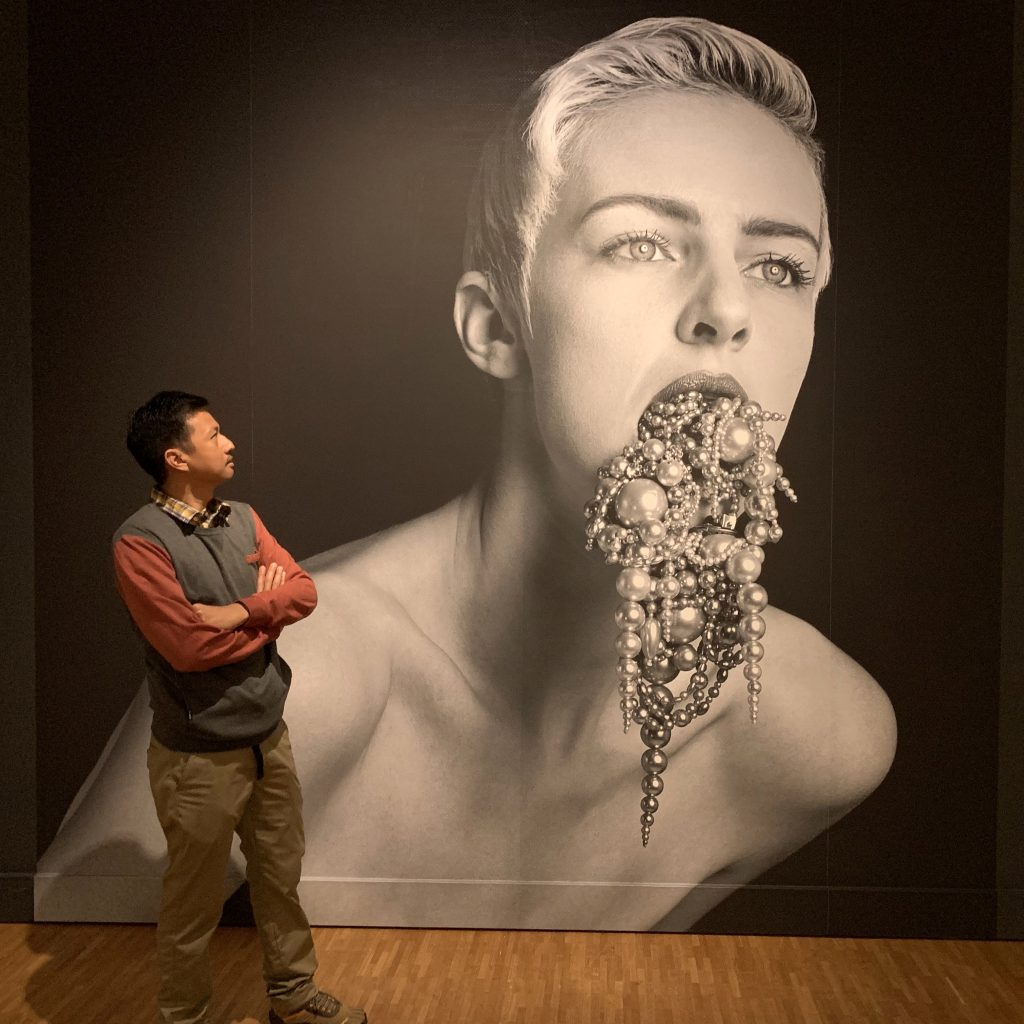
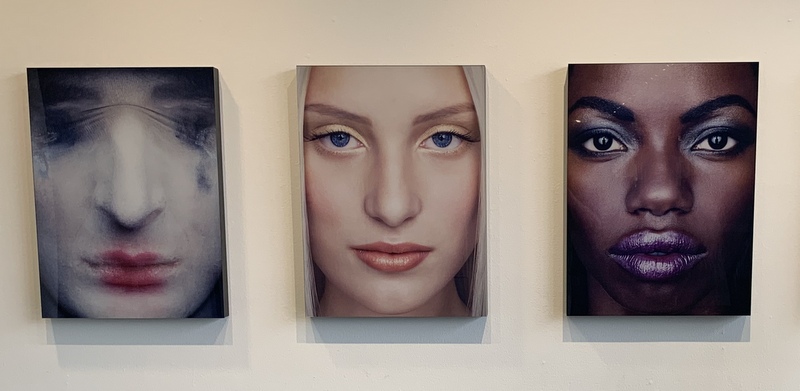
A selection of portrait photos

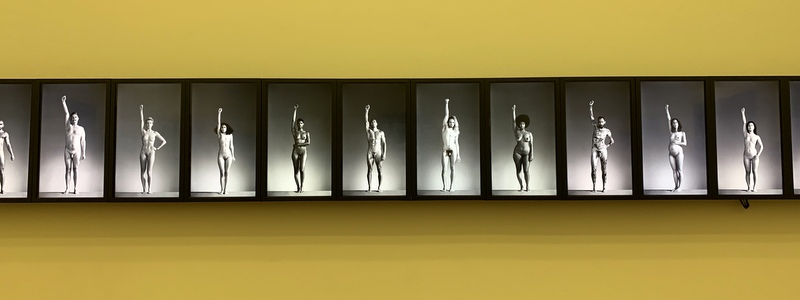
Erwin Olaf is also an installation artist.

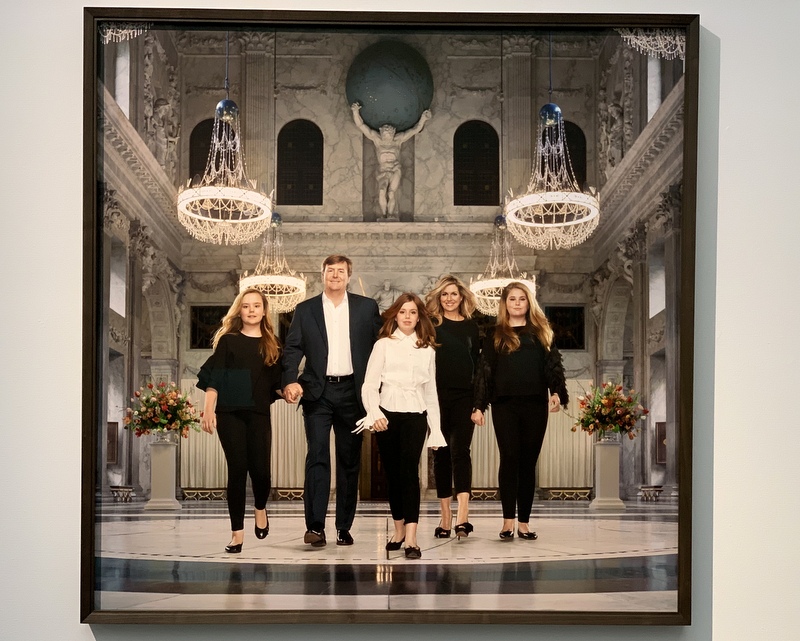
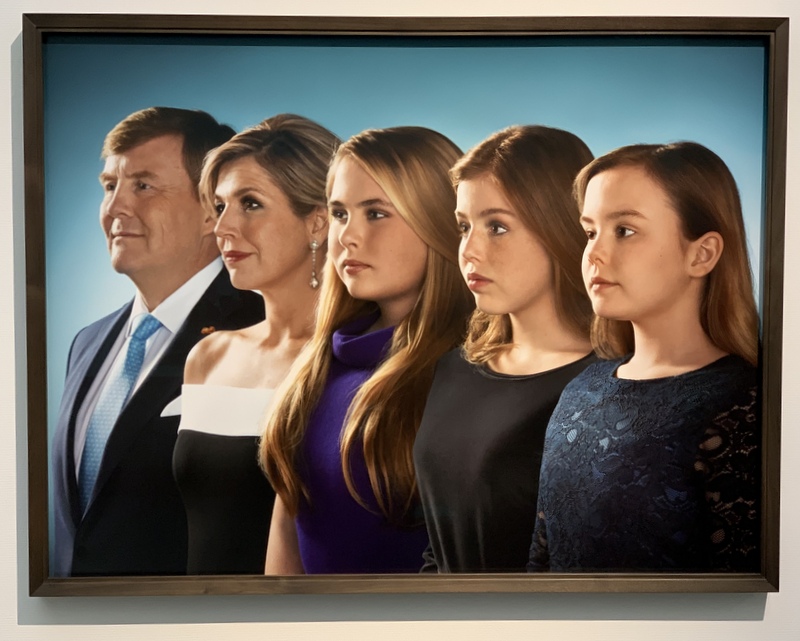
Last year he has made a widely acclaimed series of portraits of the Dutch Royal Family.

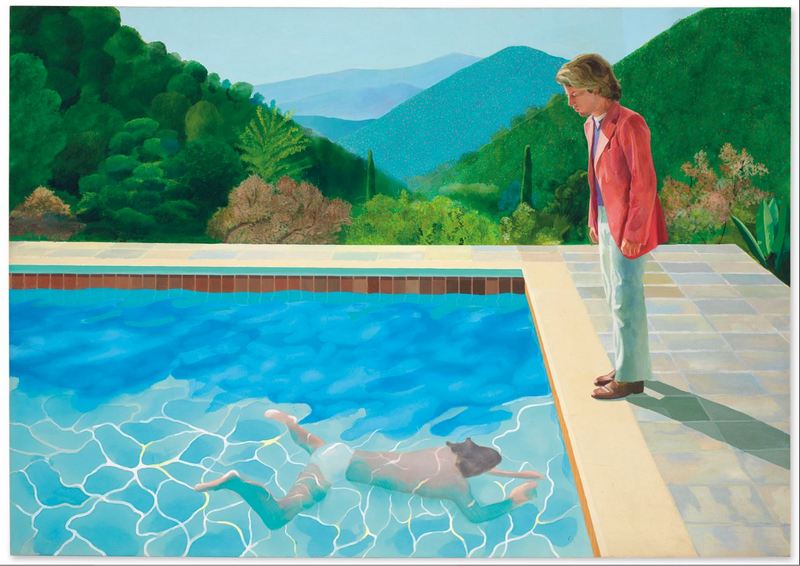
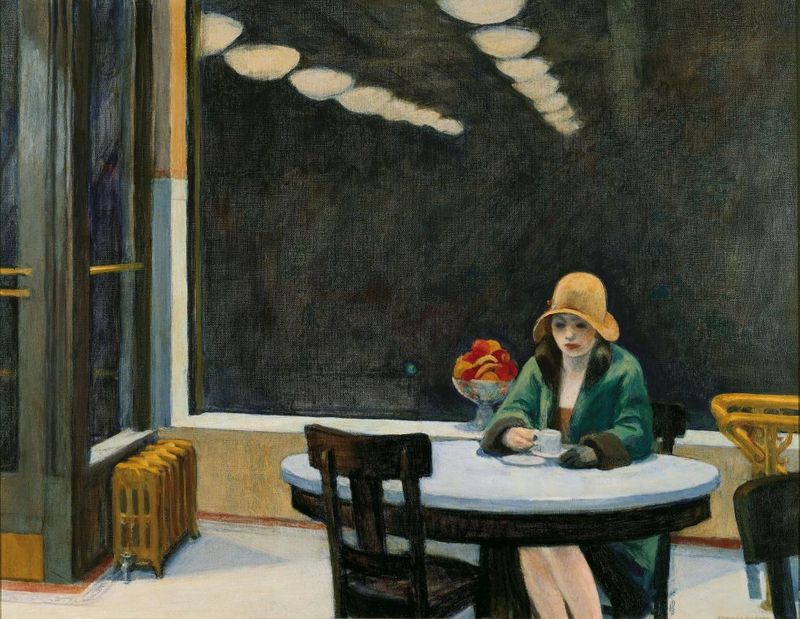
I enjoyed this exhibition of his recent works very much! Maybe also because some of his photographs reminded me of works by other favourite artists of mine 😉

Here is David Hockney‘s painting Portrait of an Artist (Pool with Two Figures) (1972).

And here is Edward Hopper‘s painting Automat (1927)

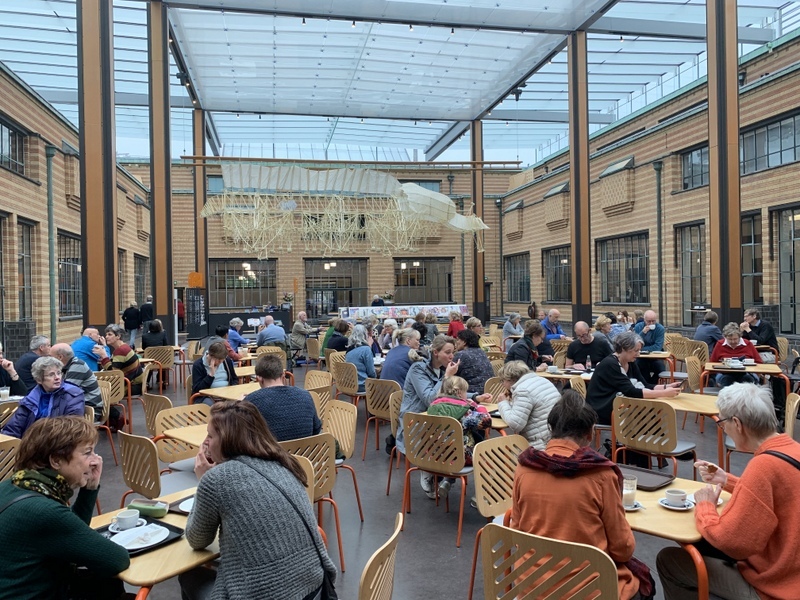
Before moving to the Photography Museum for the second part of the exhibition, we first had some food in the restaurant. The right picture shows my failed attempt to evoke loneliness and isolation 😉

The exhibition in the Photography Museum is about Erwin Olaf’s development as a photographer. Most of the photos I had seen before, so we spent less time here. There was also work of photographers who have influenced him.

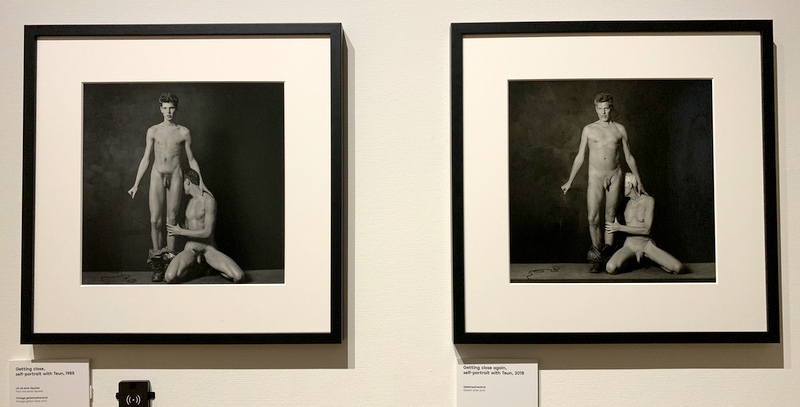
Two fascinating self-portraits, created 33 years apart!

More portraits

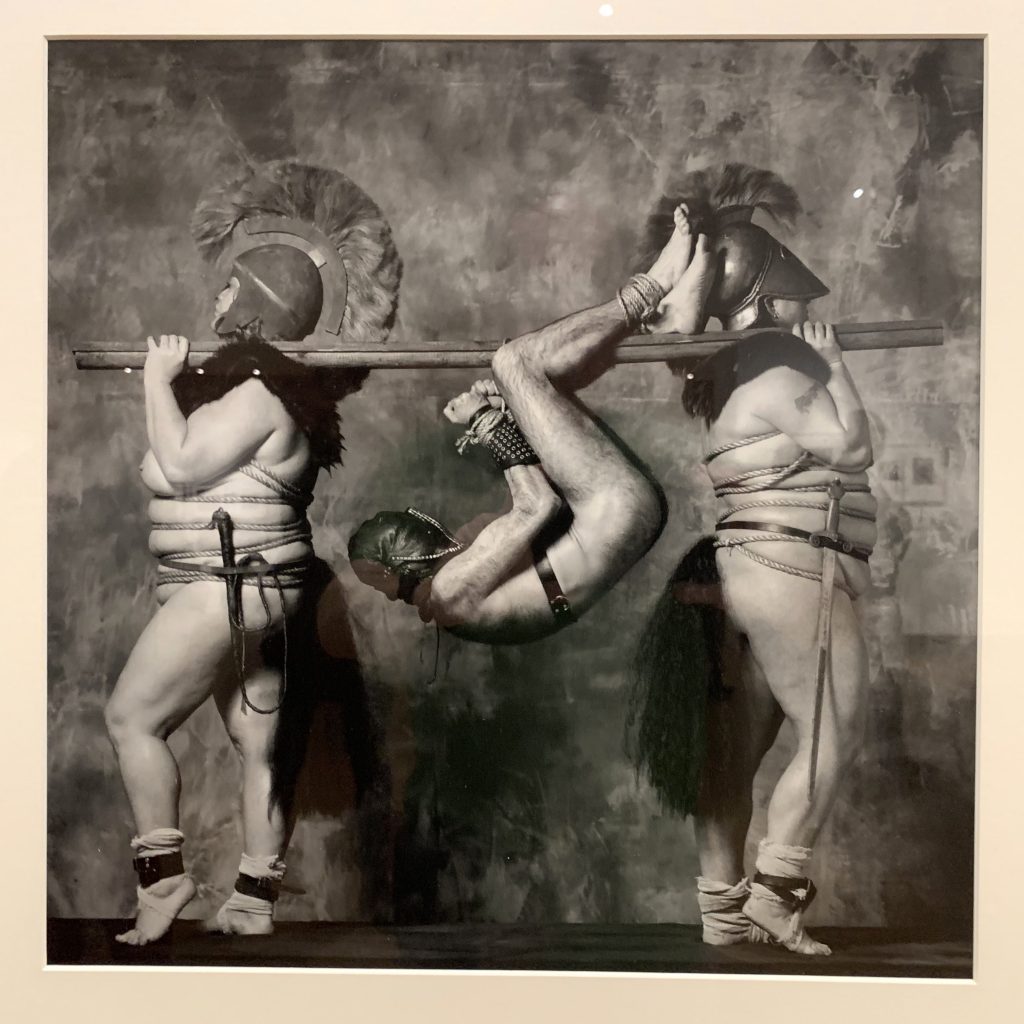
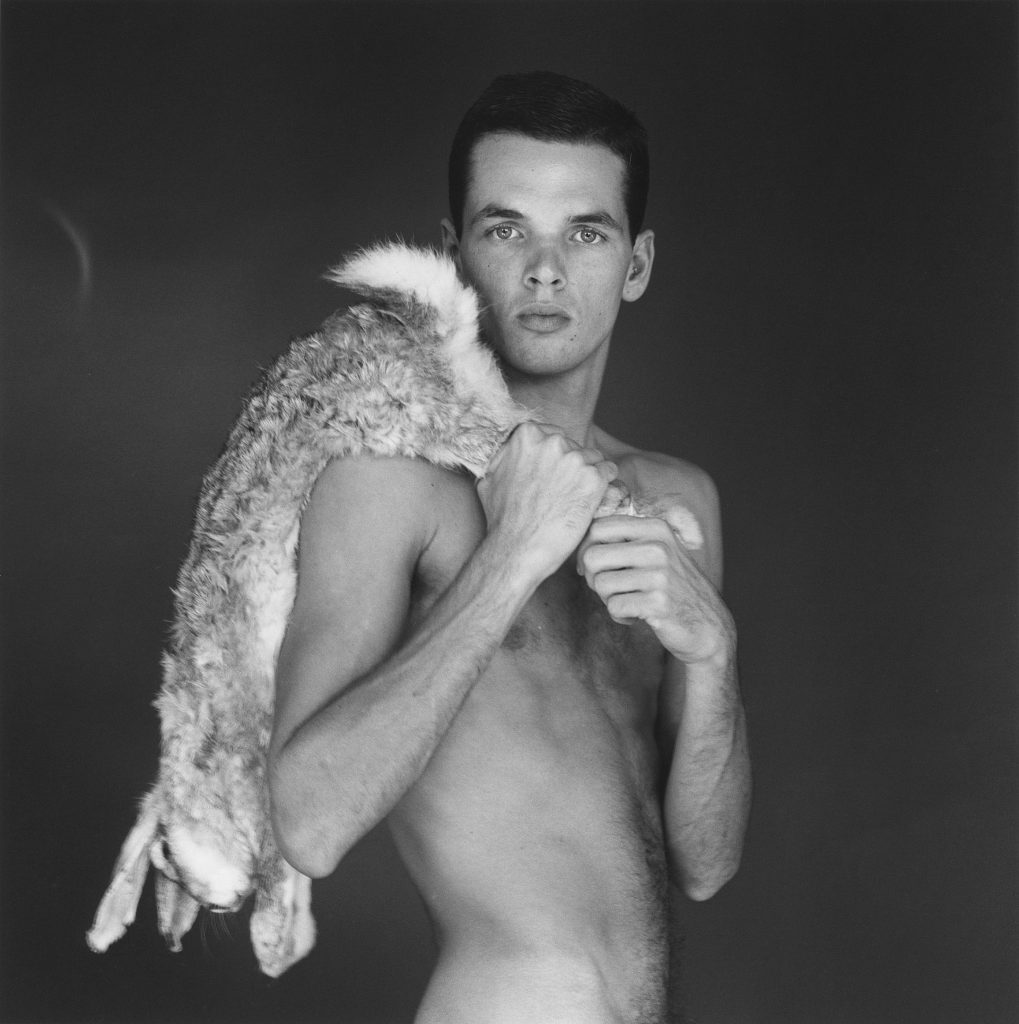
In his early years he was influenced by Robert Mapplethorpe 😉

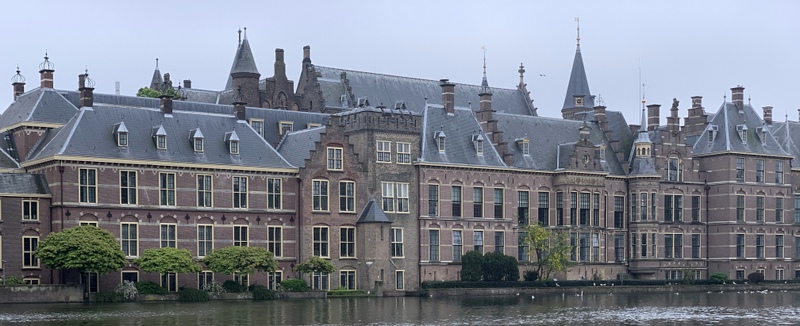
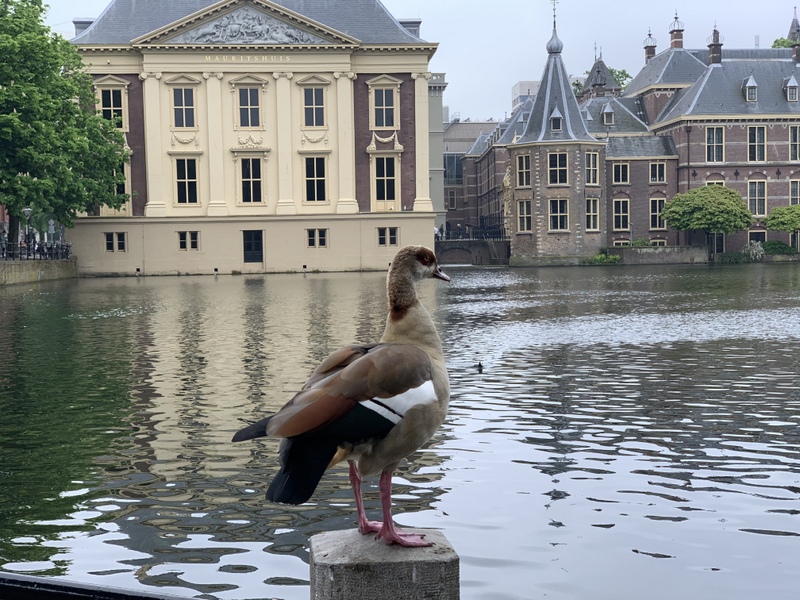
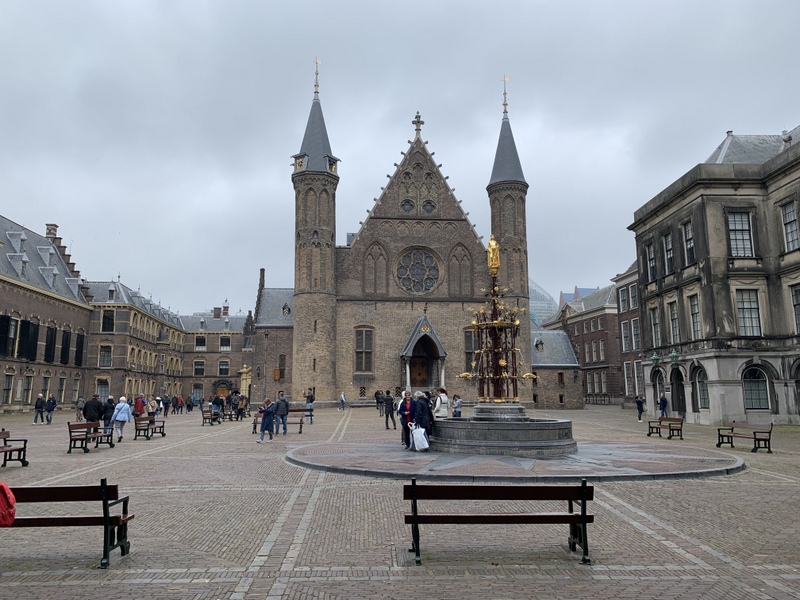
It was a perfect outing. On our way back, by tram to the Den Haag train station, we passed the parliament buildings and decided to have a short walk around, because Aric had never been there.

ArtZuid 2019

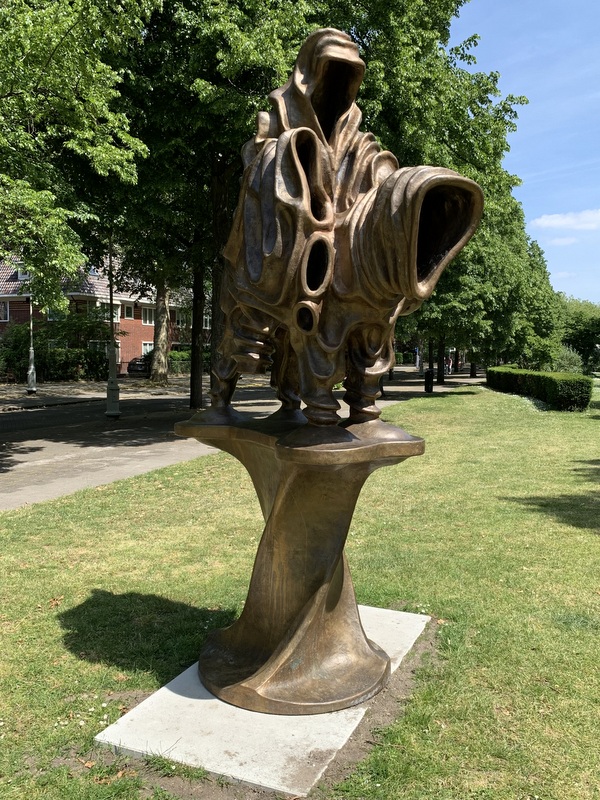
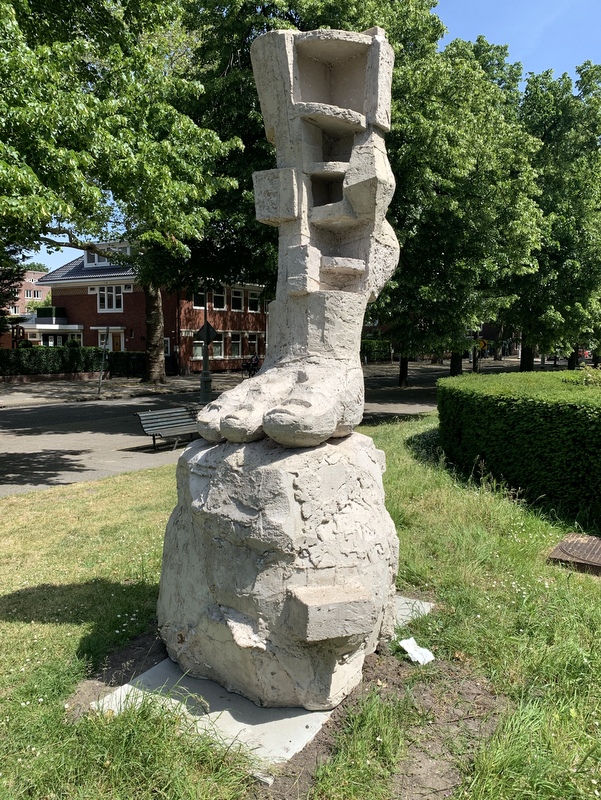
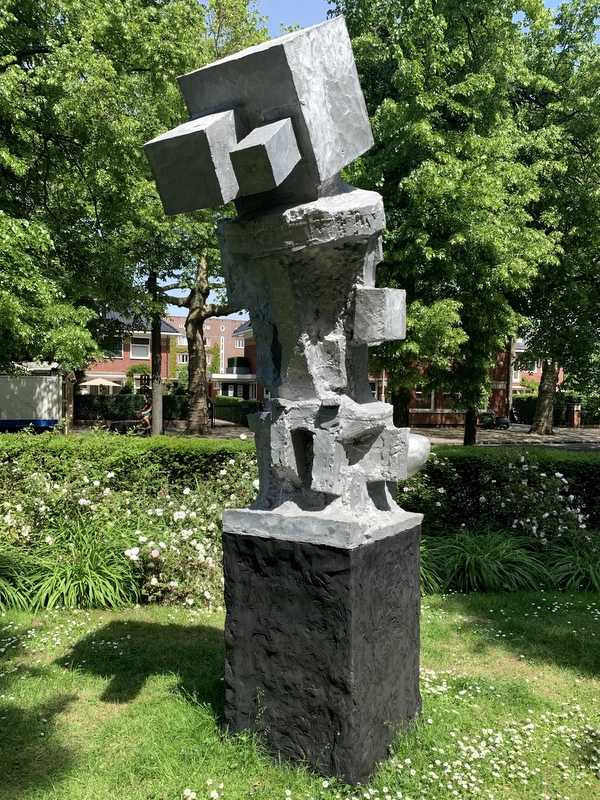
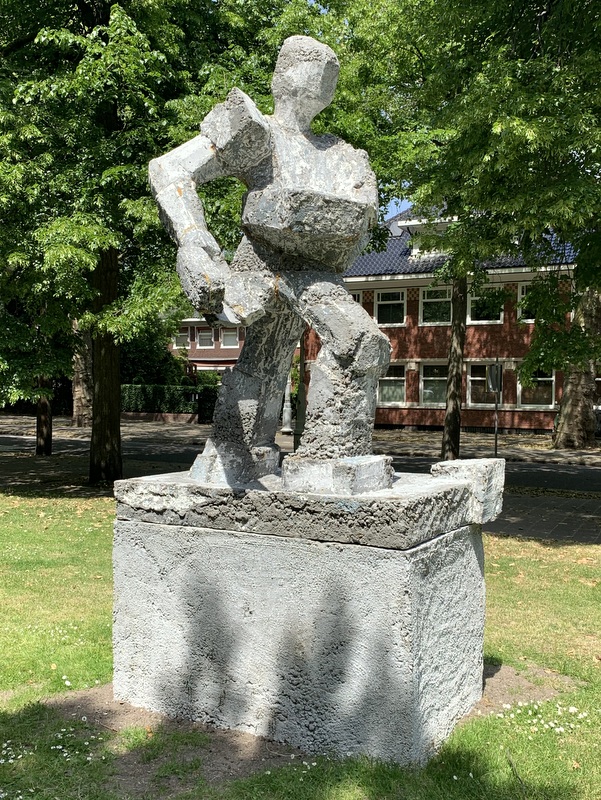
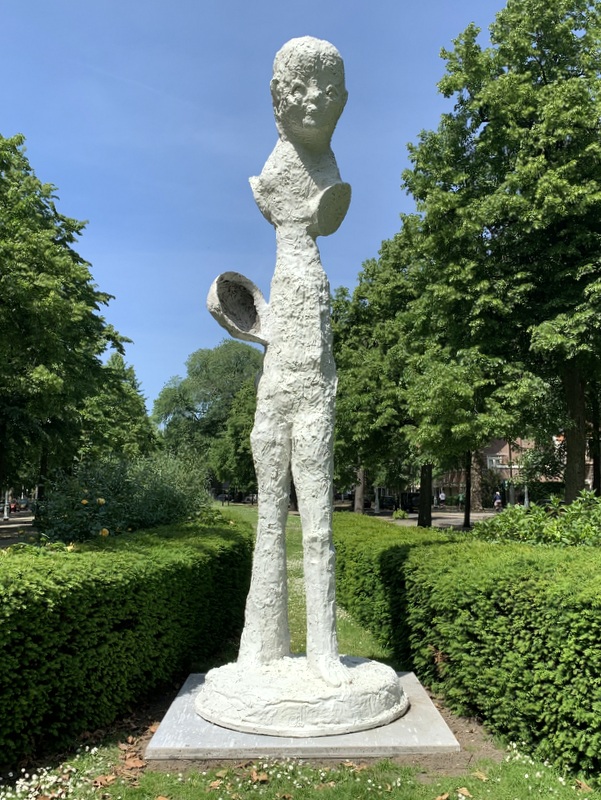
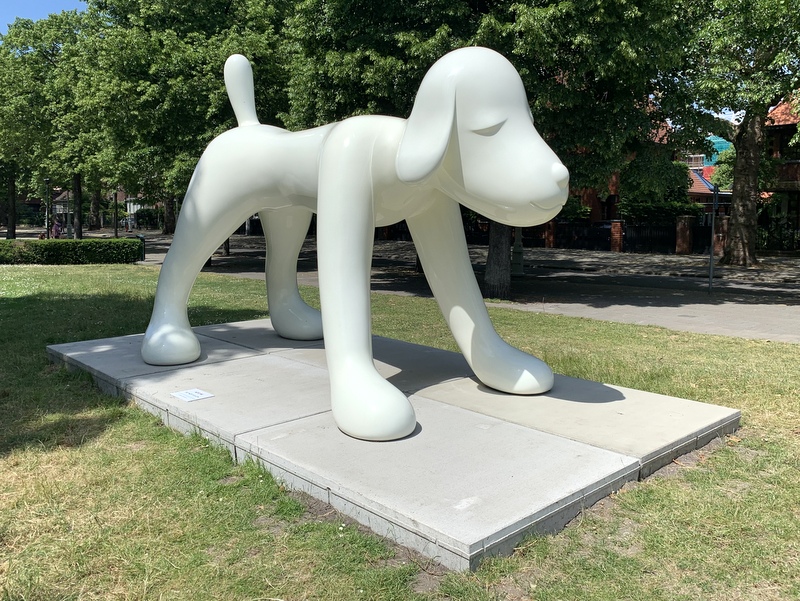
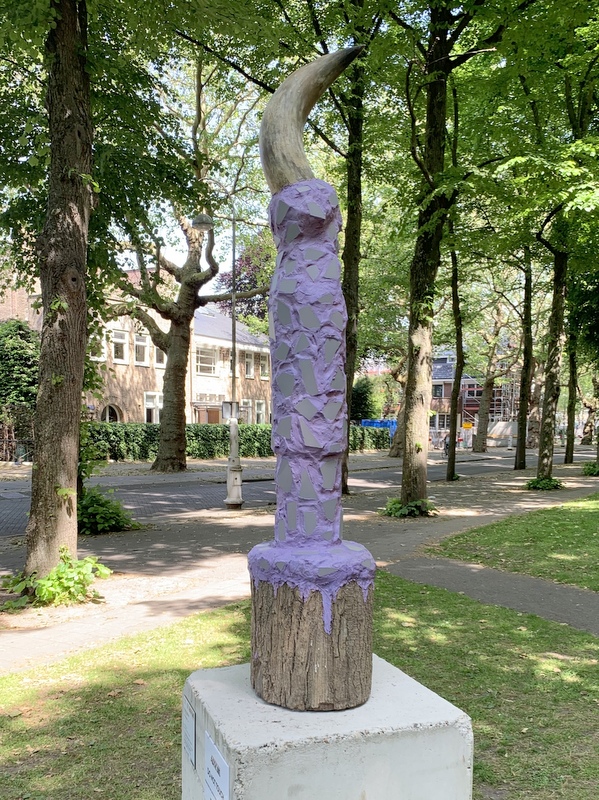
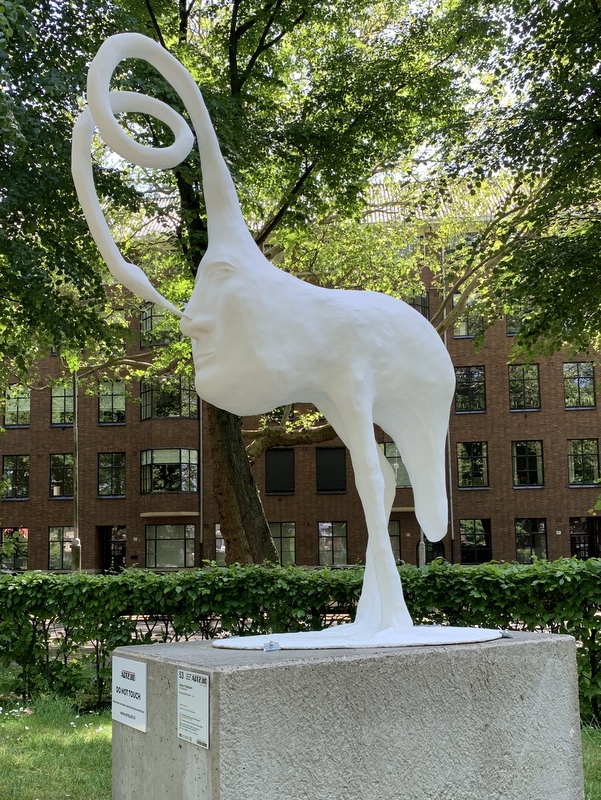
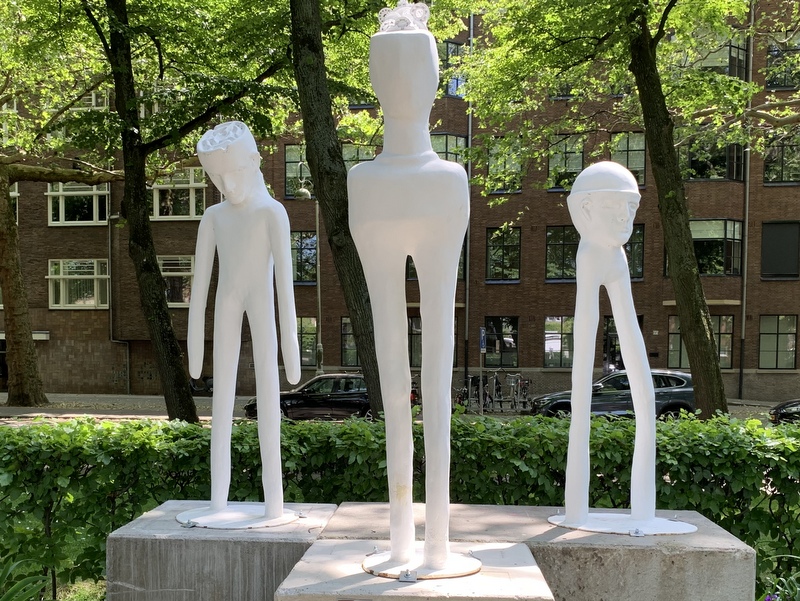
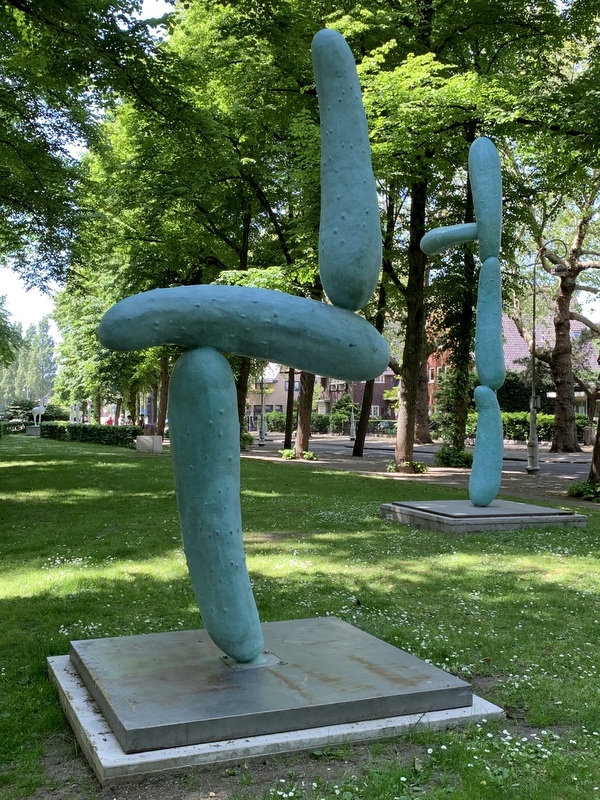
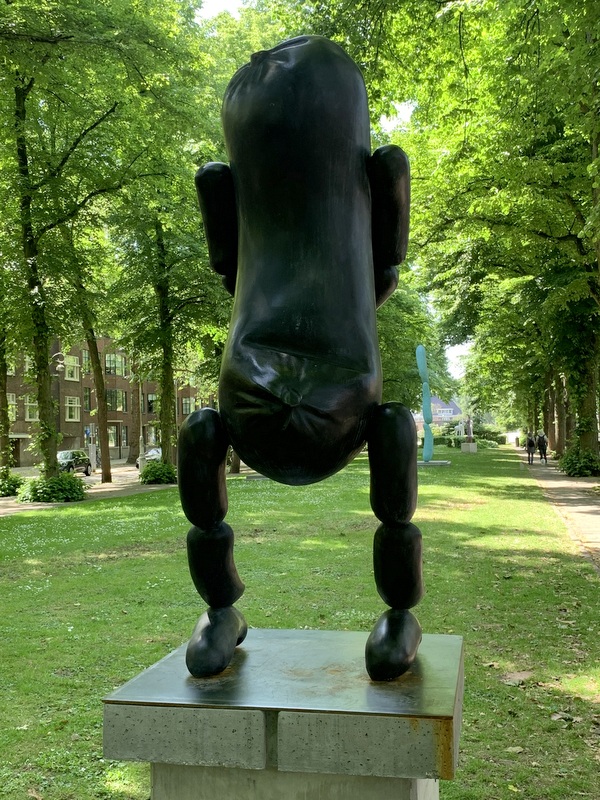
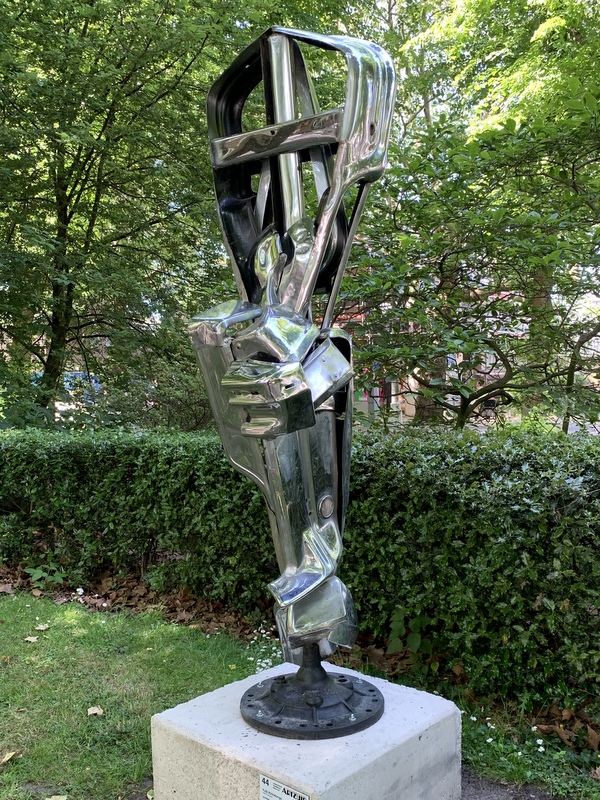
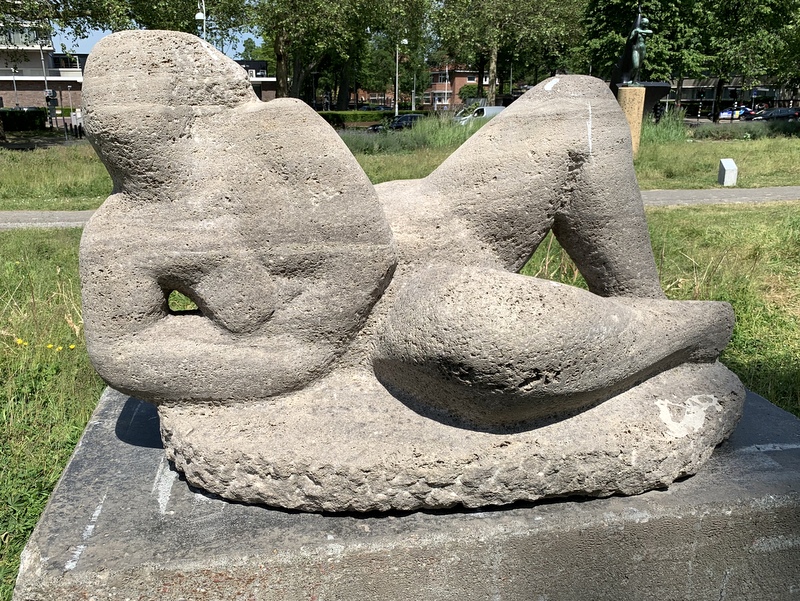
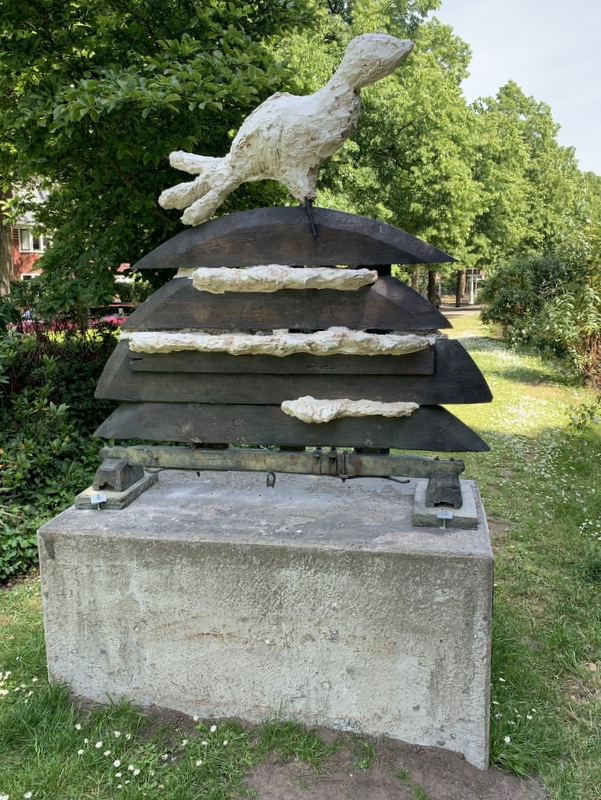
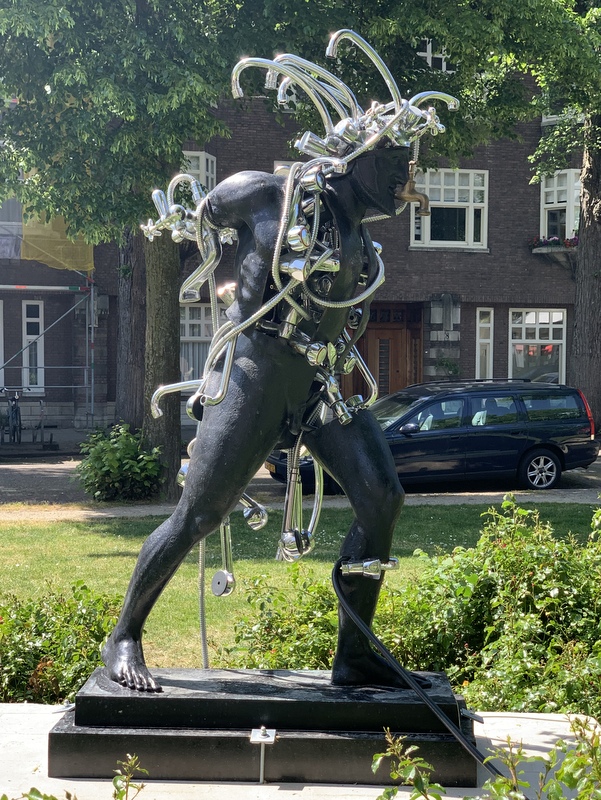
ArtZuid is an international sculpture exhibition which takes place every two years in Amsterdam. The first time was in 2009 and the artworks are exhibited mainly in Plan-Zuid, an urban development plan designed by Berlage in 1917. The 2019 exhibition takes place from May 17 to September 15. More information can be found on the ArtZuid website.

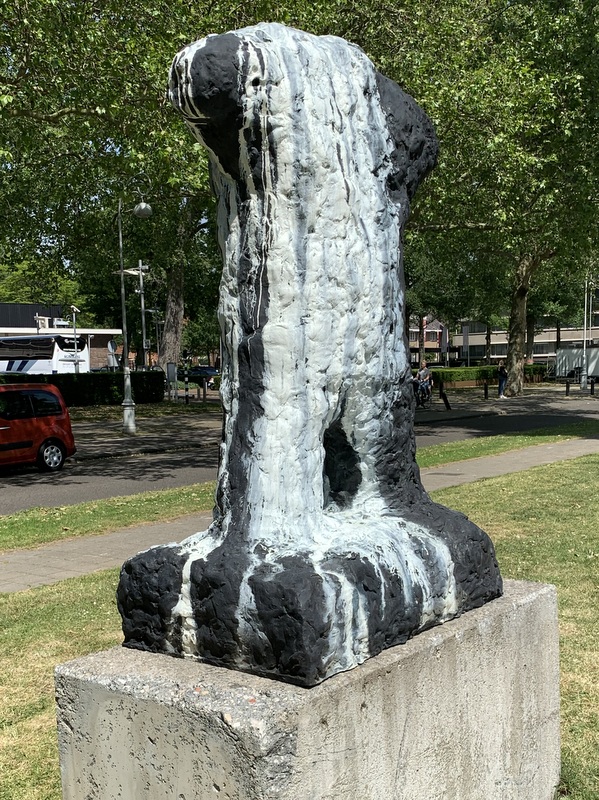
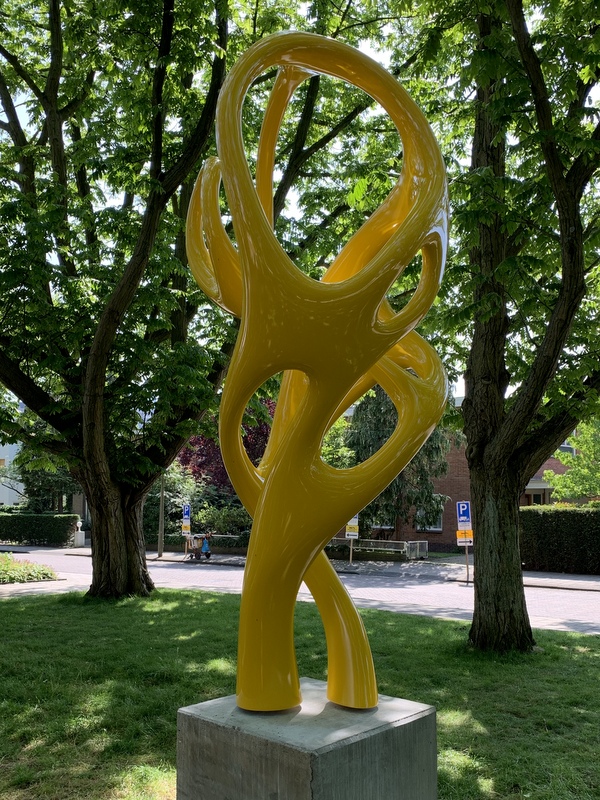
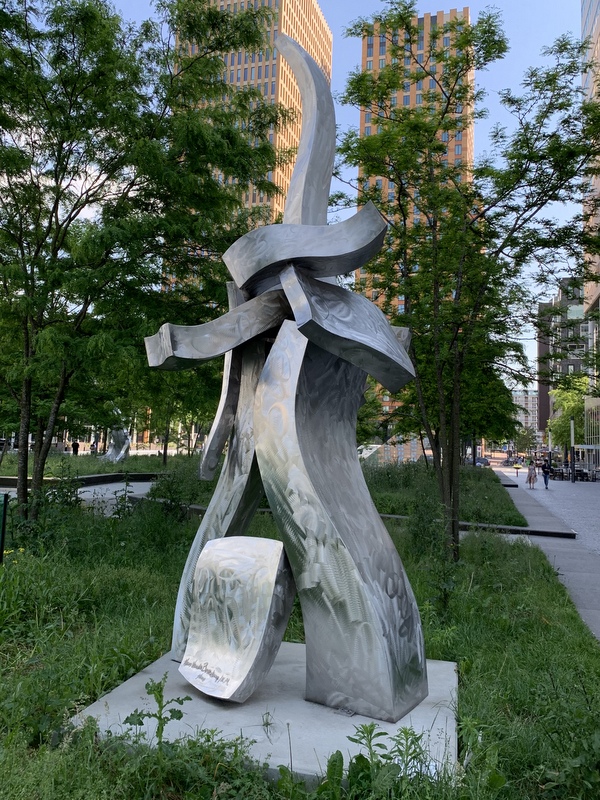
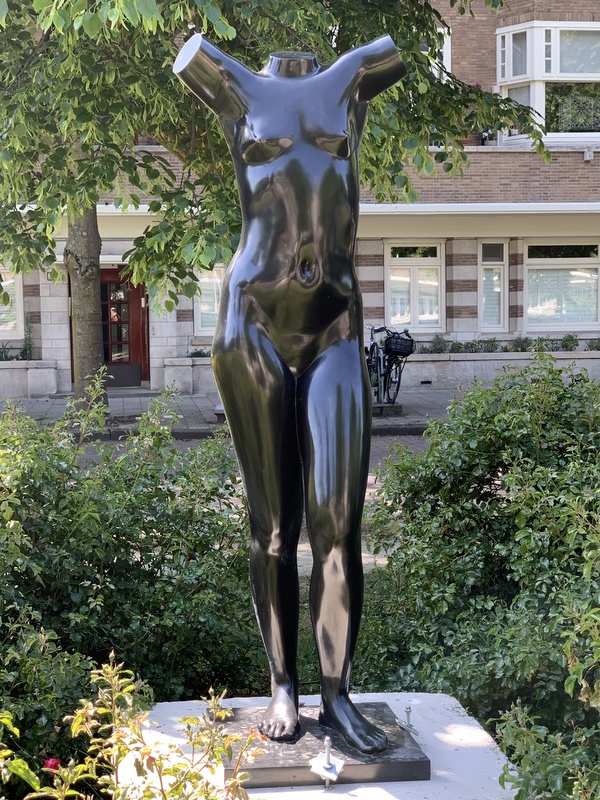
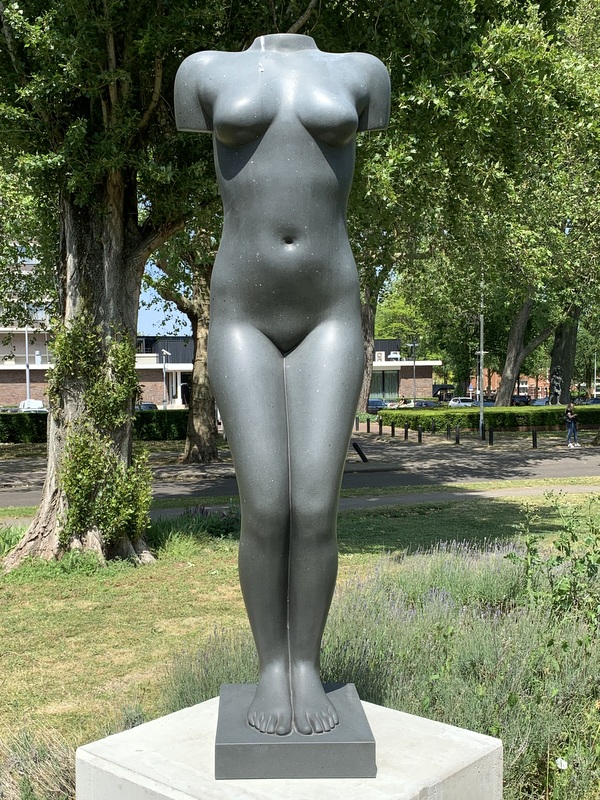
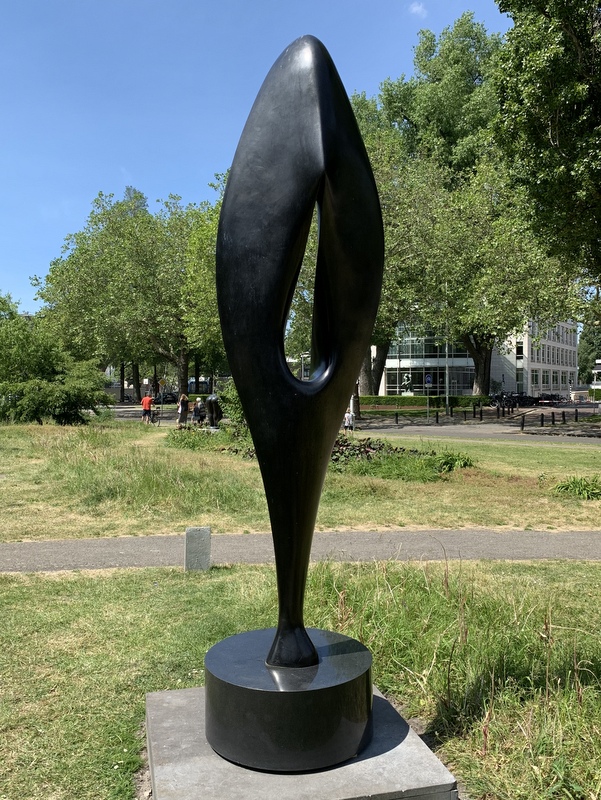
The exhibition is becoming bigger every time it is held, with extensions until the Rijksmuseum and Amstelveen. I limited myself to the proper ArtZuid exhibition, which has 91 items this year. Of course not all the works of art appealed to me, here is my selection. In a rather arbitrary order, but I start with those that have been created after 2000. For each artist I have added a link either to their own website, or to Wikipedia.

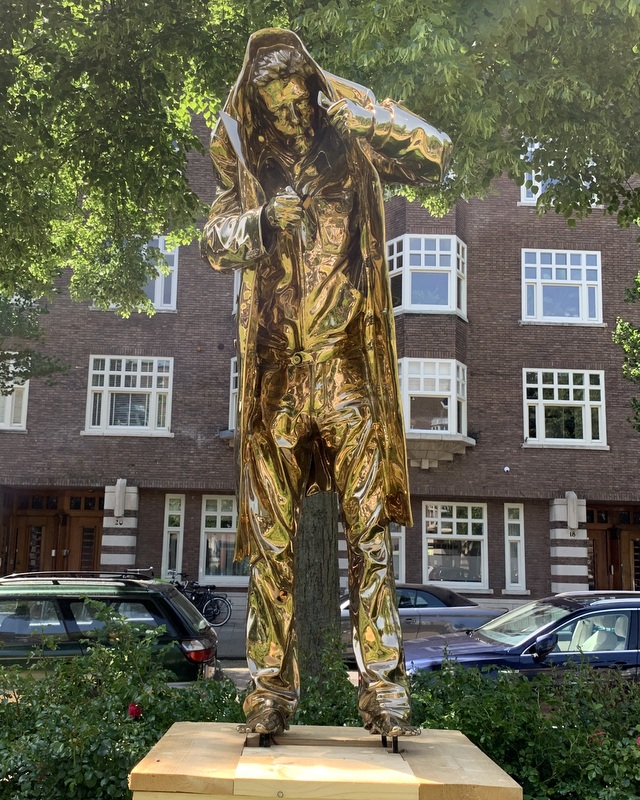
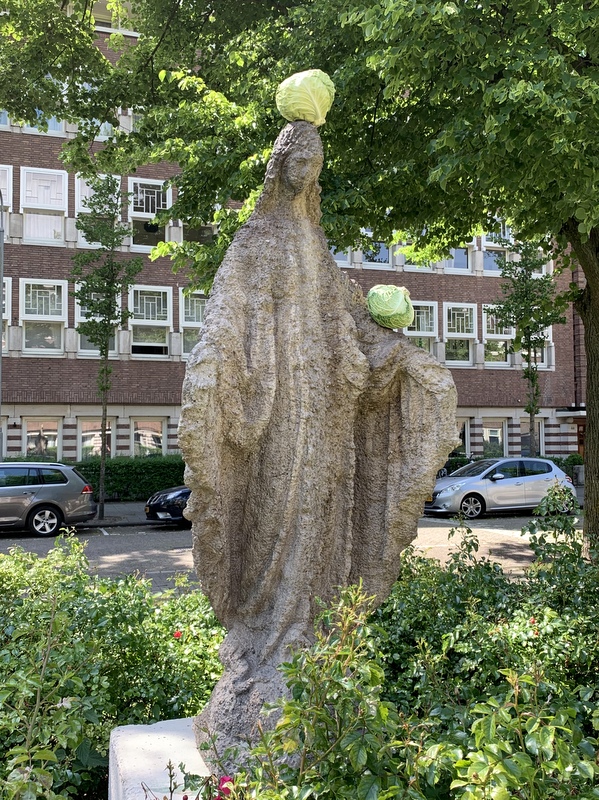
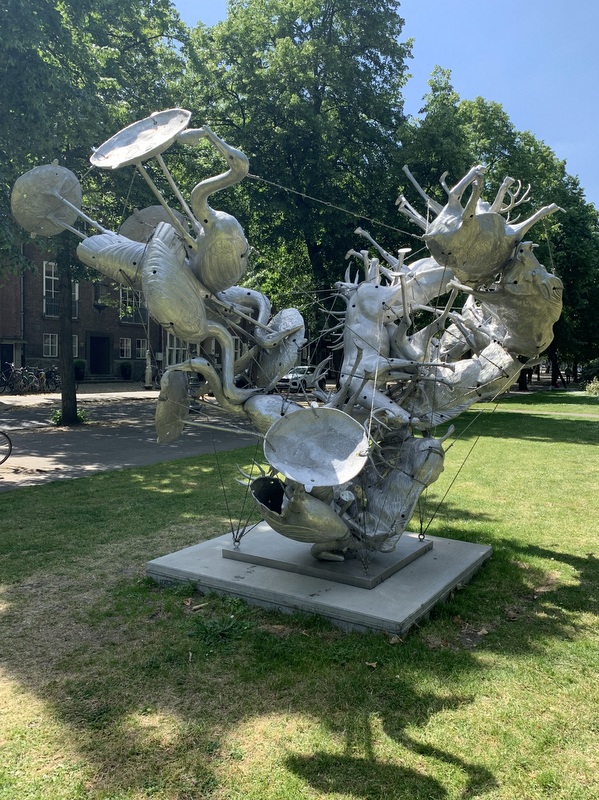
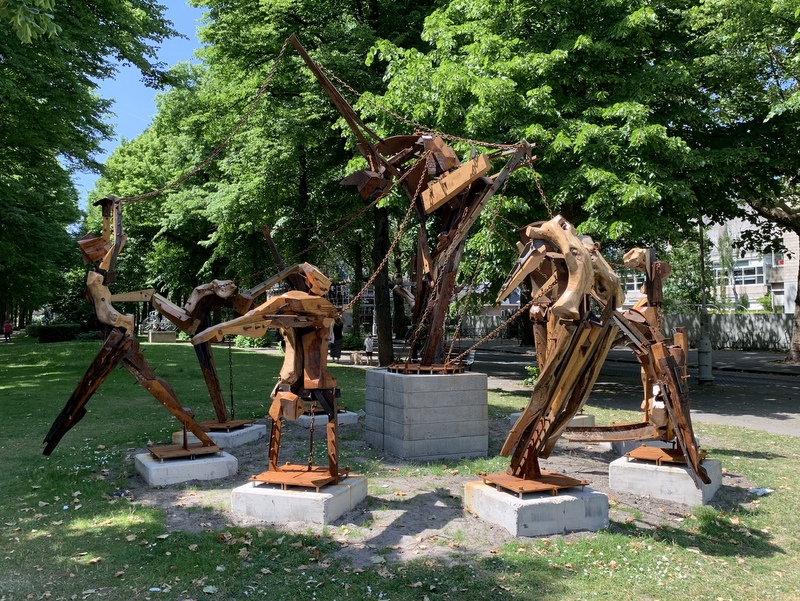
Atelier Van Lieshout. created in 1995 by Joep van Lieshout (1963), the Netherlands

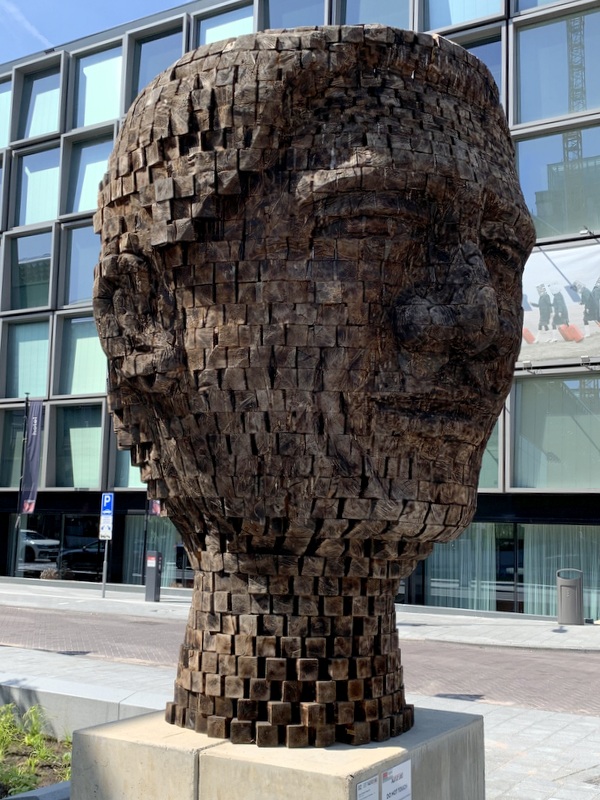
Henk Visch (1950), the Netherlands

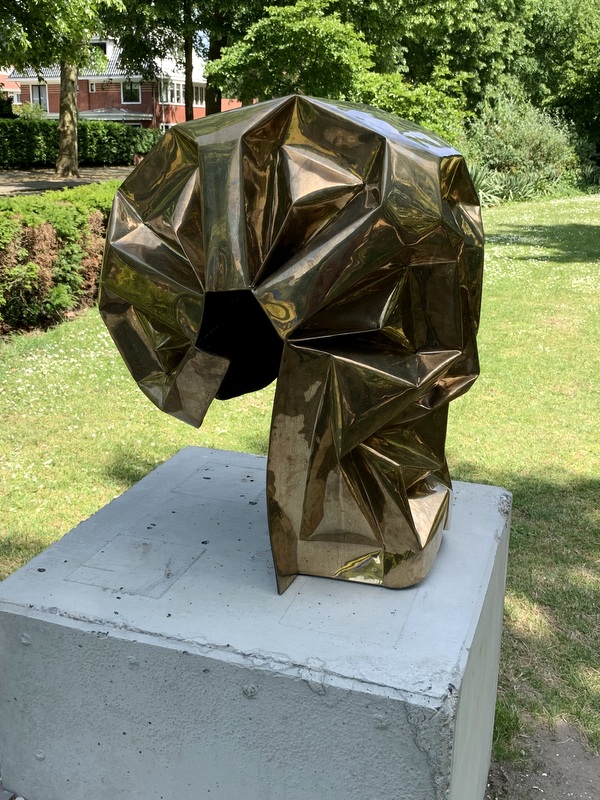
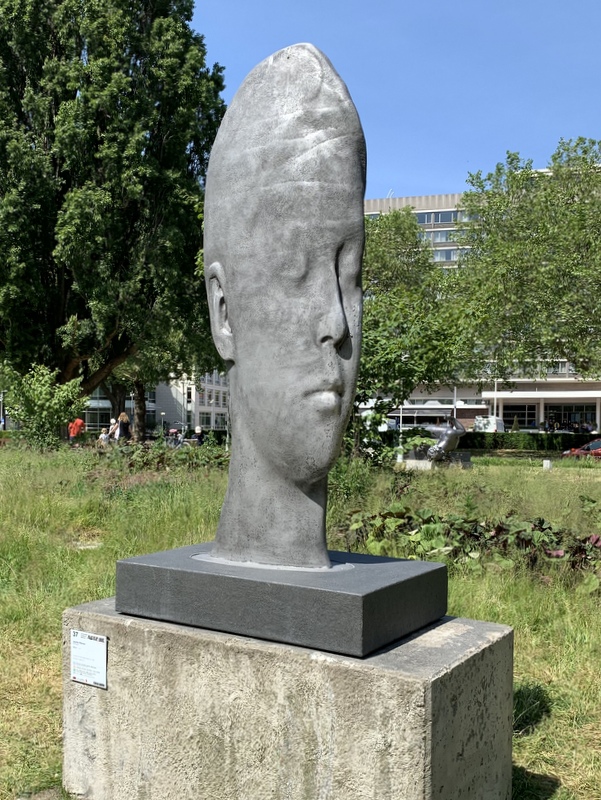
Johan Tahon (1965) , Belgium

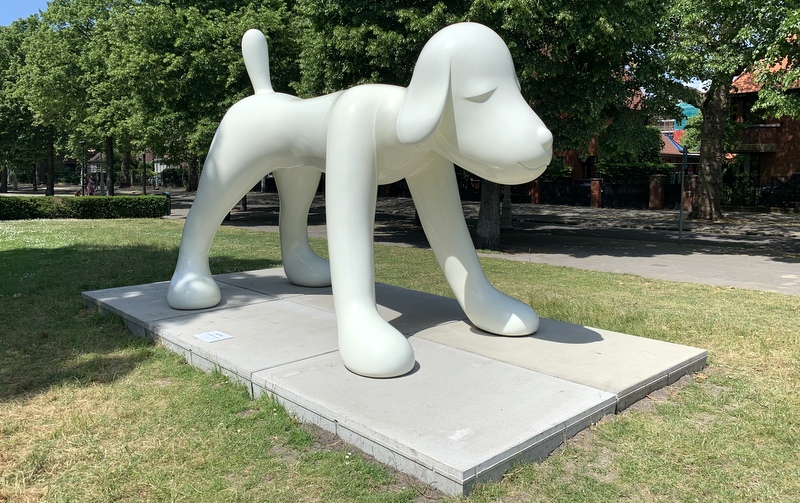
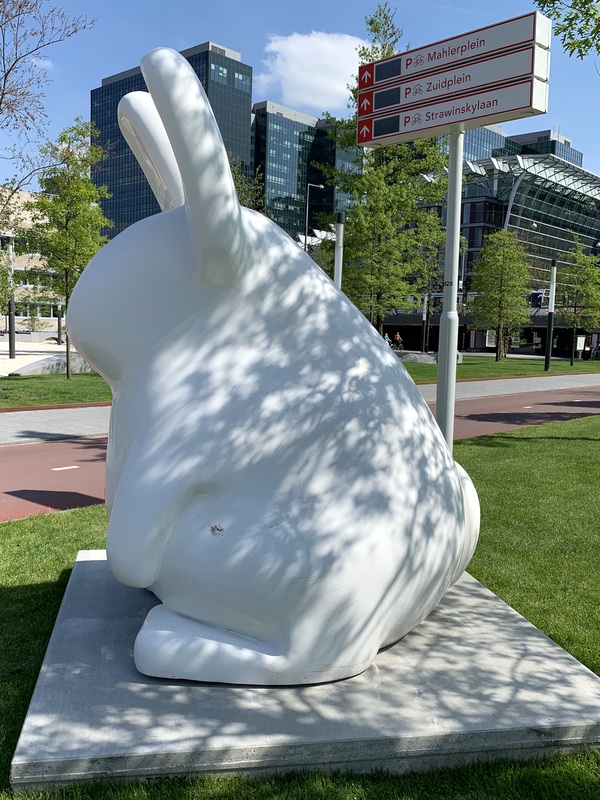
Yoshitomo Nara (1959), Japan

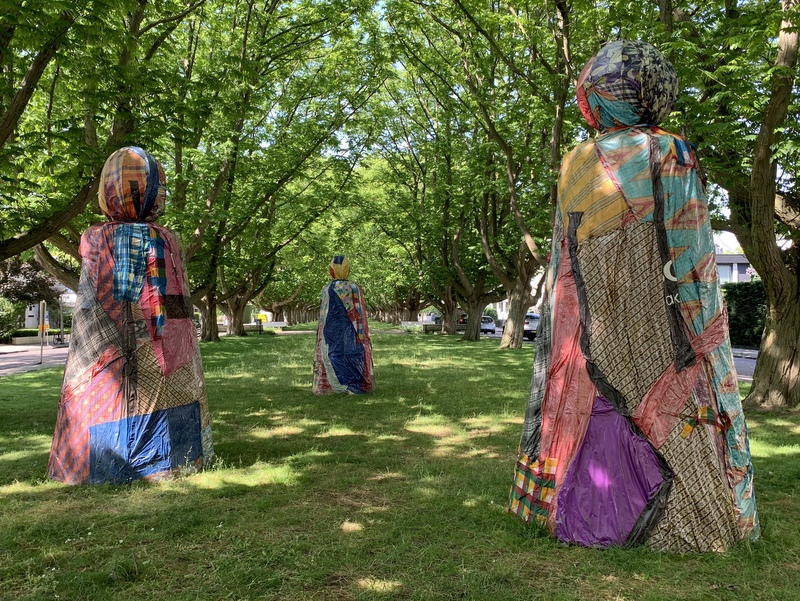
Gloria Friedmann (1950), Germany

Erwin Wurm (1954), Austria

Yubi Kirindongo (1946), Curaçao. Also represented with some older works.

Roberto Barni (1939), Italy

Armando (1929-2018), the Netherlands

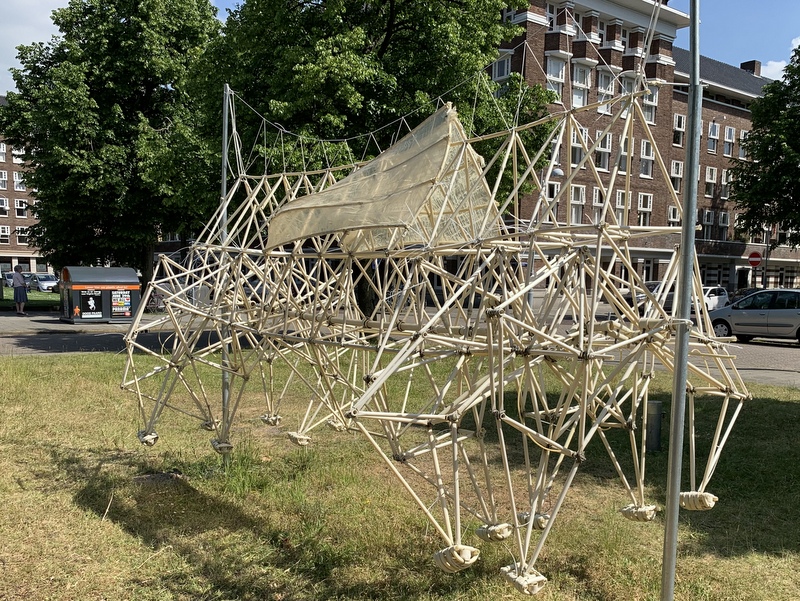
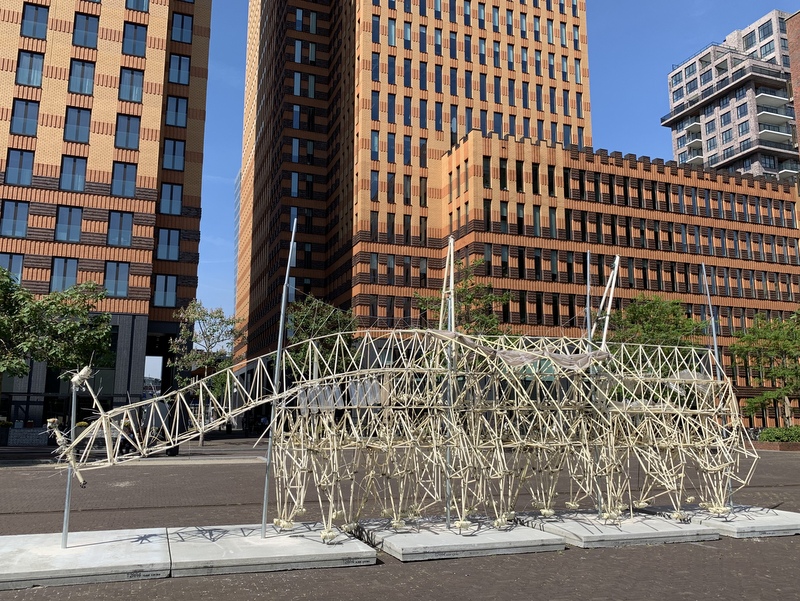
Theo Jansen (1948), the Netherlands

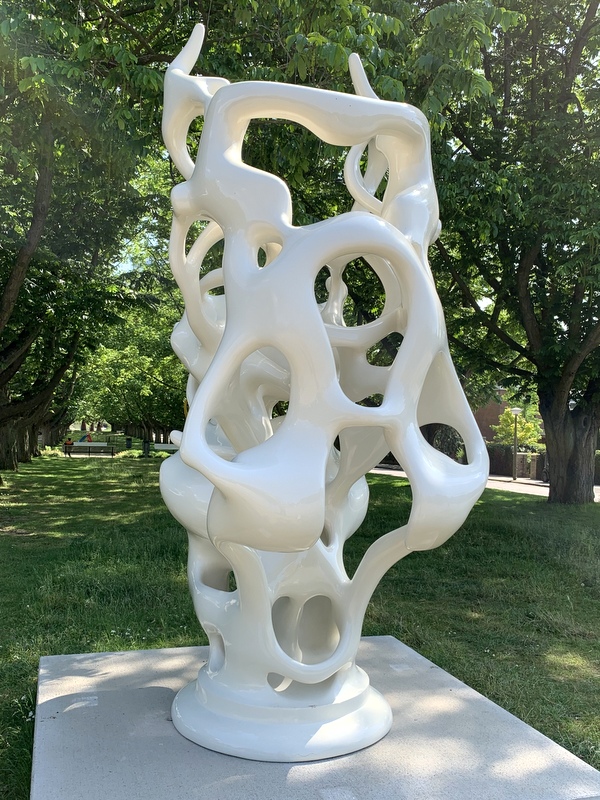
Nick Ervinck (1981), Belgium

Hans Van de Bovenkamp (1938), the Netherlands/USA

Eja Siepman van den Berg (1943), the Netherlands.

Jan Fabre (1958), Belgium

Tony Matelli (1971), USA

Left Nancy Rubins (1952) and right Matthew Monahan (1972), both USA

Ivan Cremer (1984), the Netherlands

Left Barry Flanagan (1941-2009), UK and right Jaume Plensa (1955), Spain

George Struikelblok (1973), Surinam

Left Marc Quinn (1964), UK and right Tom Claassen (1964), the Netherlands

Sachi Miyachi (1978). Japan

Left Joel Shapiro (1941), USA and right Jems Robert Koko Bi (1966), Ivory Coast

There are also artworks, created before 2000, mostly by artists who have already passed away.

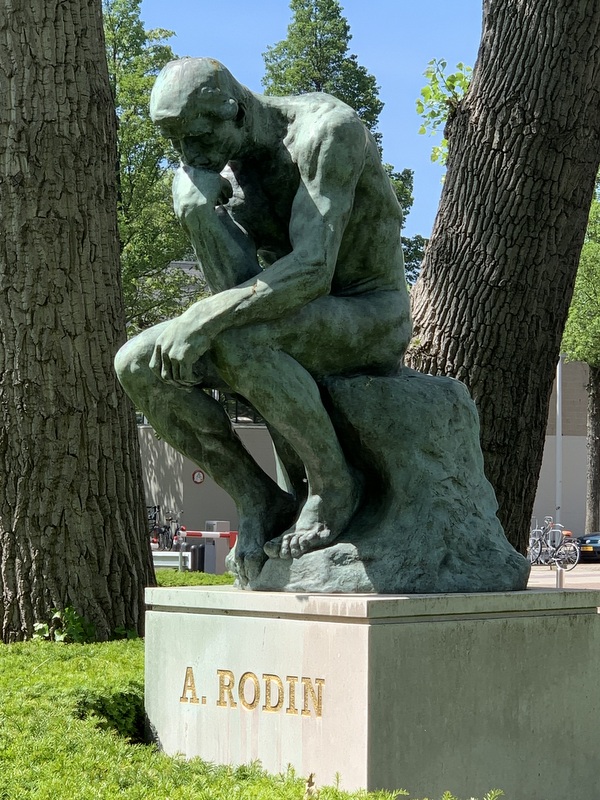
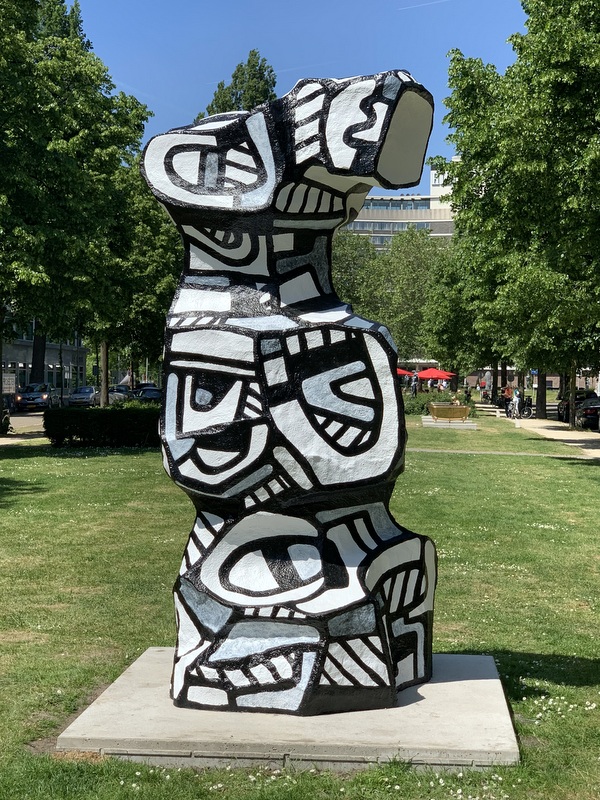
Left Auguste Rodin (1840-1917) and right Jean Dubuffet (1901-1985), both France. Of course both sculptures are not the originals, many (authorised) copies have been made (and sold!). For Rodin see this Wikipedia List of The Thinker sculptures 🙂

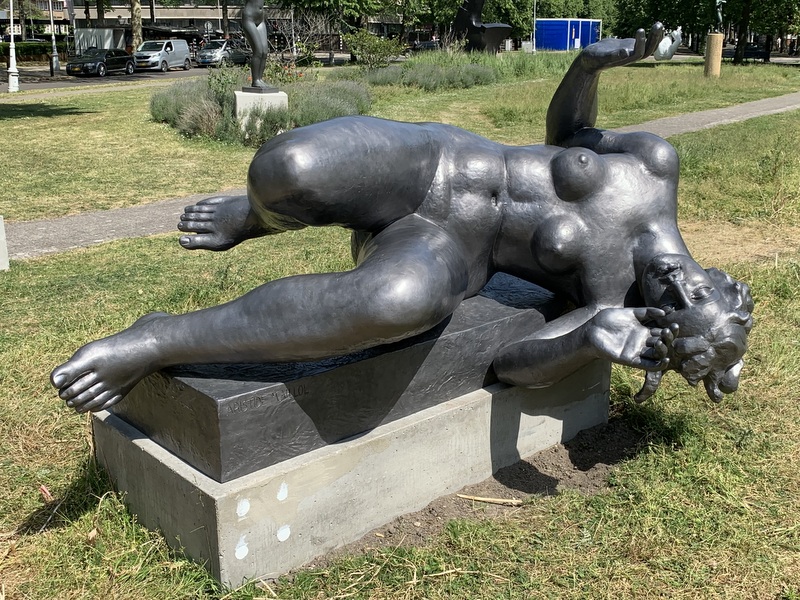
Aristide Maillol (1861-1944), France. One of the many copies

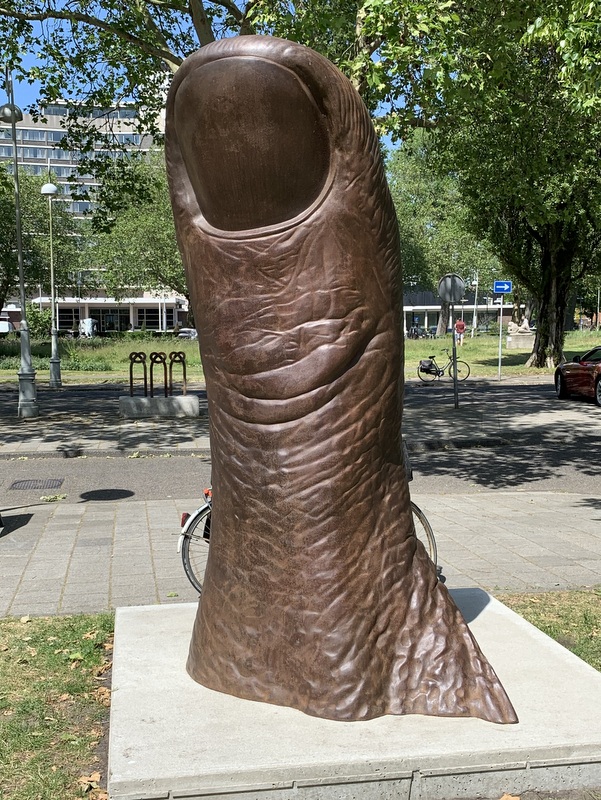
Left Jan Havermans (1892-1964), the Netherlands and right the (in)famous thumb of César (1921-1993), France

Charlotte van Pallandt (1898-1997), the Netherlands

Left Nic Jonk (1928-1994) and right Karel Appel (1921-2006), both the Netherlands

Left Arman (1928-2005) and right Antoine Poncet (1928), both France. Poincet is still alive, in 2009 he opened the first ArtZuid exhibition!

An ArtZuid App is available in the Apple App Store and Google Play Store. Very useful, it gives you a map with locations and information about the artworks.

Cinque Terre, May 2019

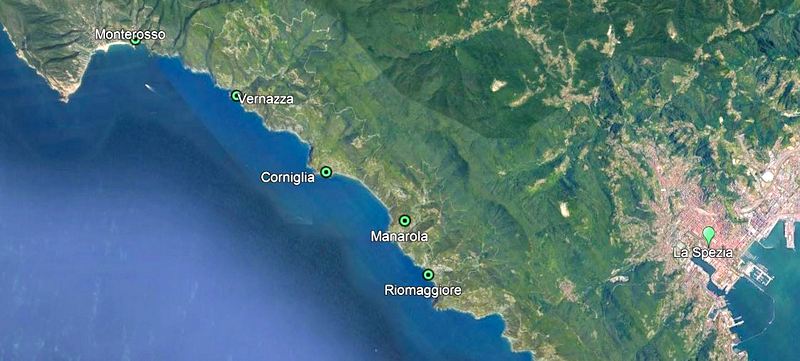
When Aric and I are visiting the Netherlands, we always try to include in our program a trip to another country. This time we wanted to visit Italy again. But which part? Aric suggested the Cinque Terre, the five coastal villages in northwest Italy. I had visited that region long ago, in 1991, and did not mind going again! Here is a map of the region.

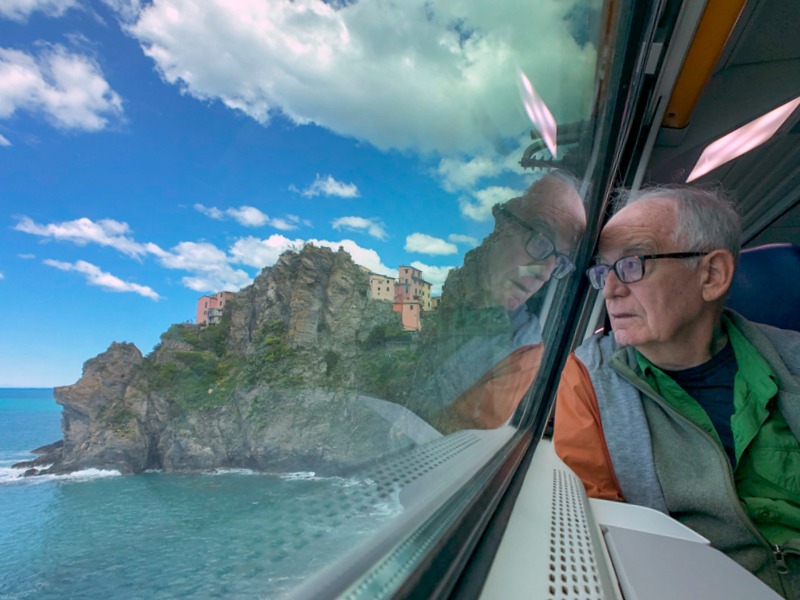
We booked a flight to Pisa and from there took a train to La Spezia, where Aric had booked an Airbnb, near the station. A frequent train connects La Spezia with the five villages.

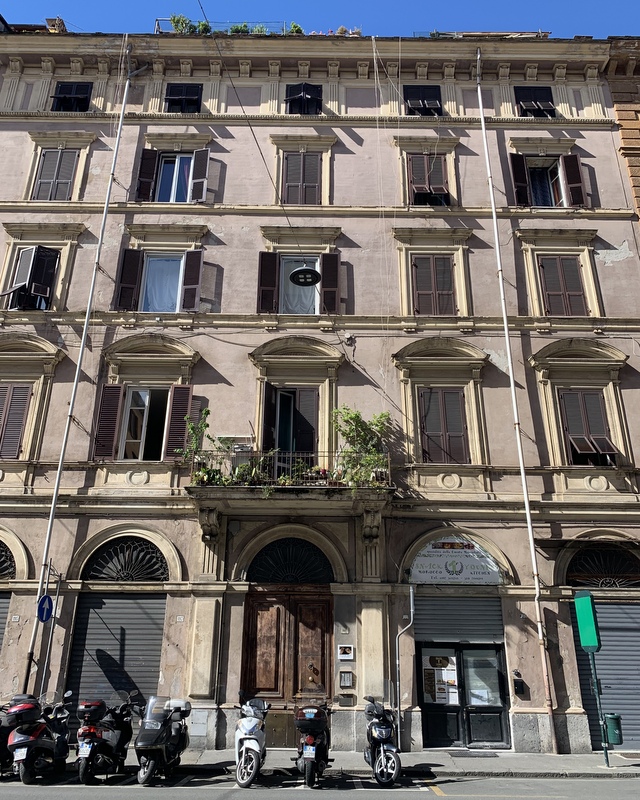
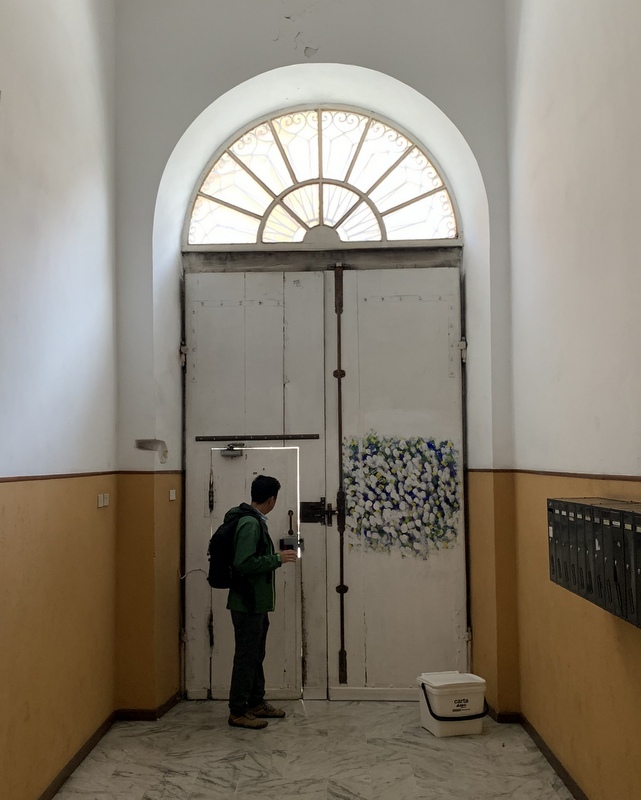
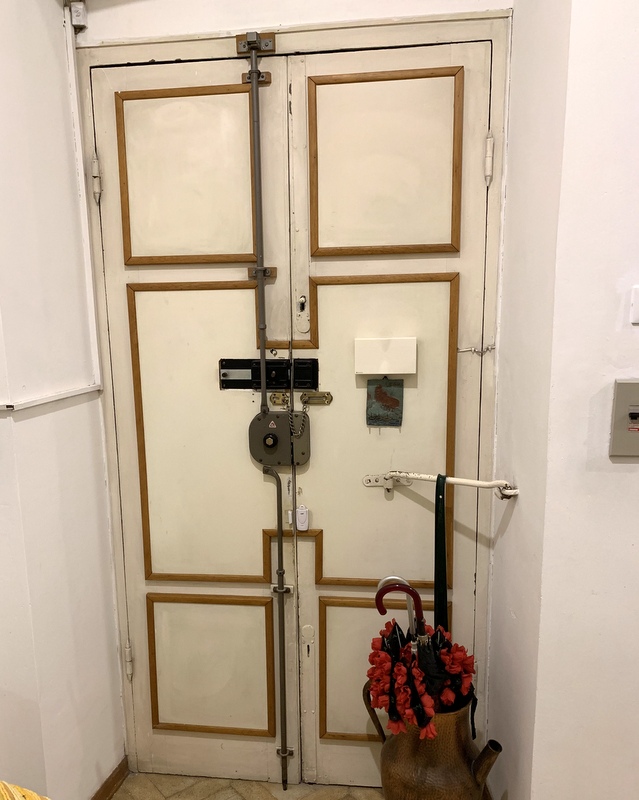
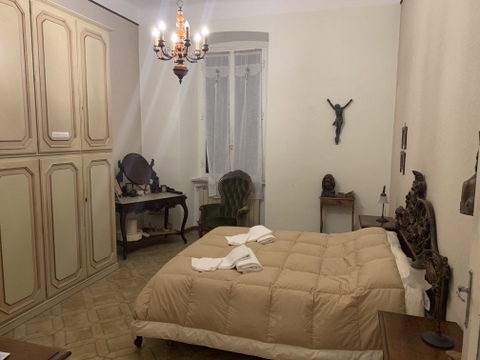
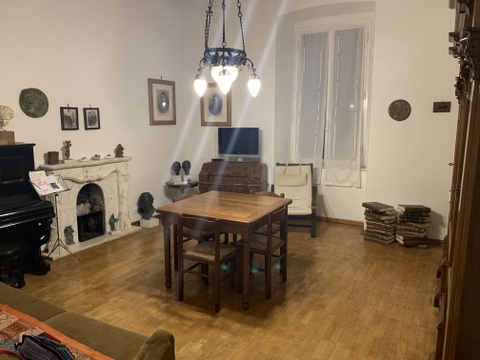
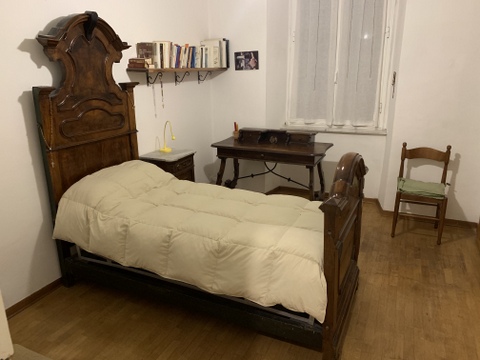
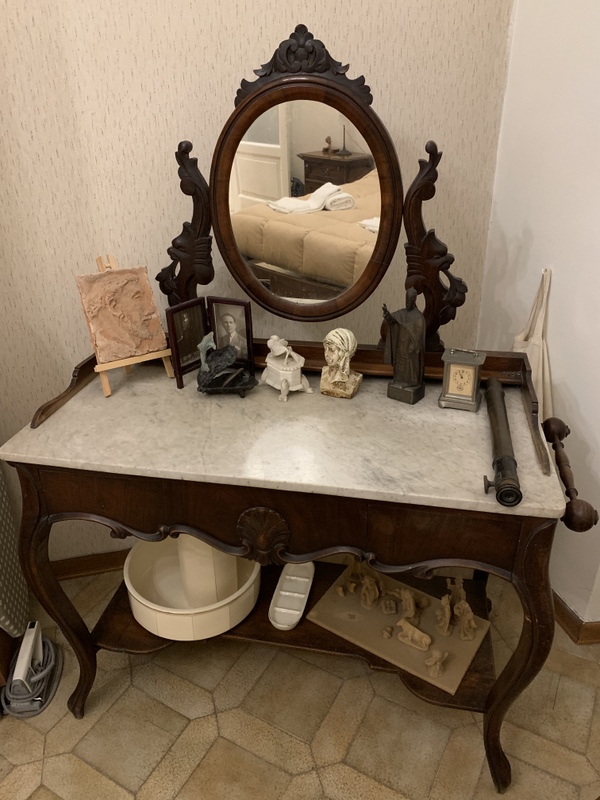
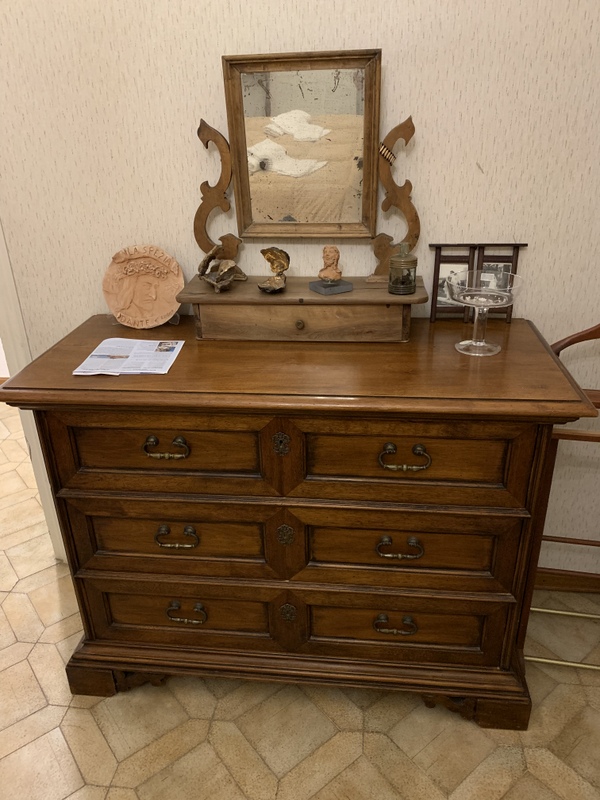
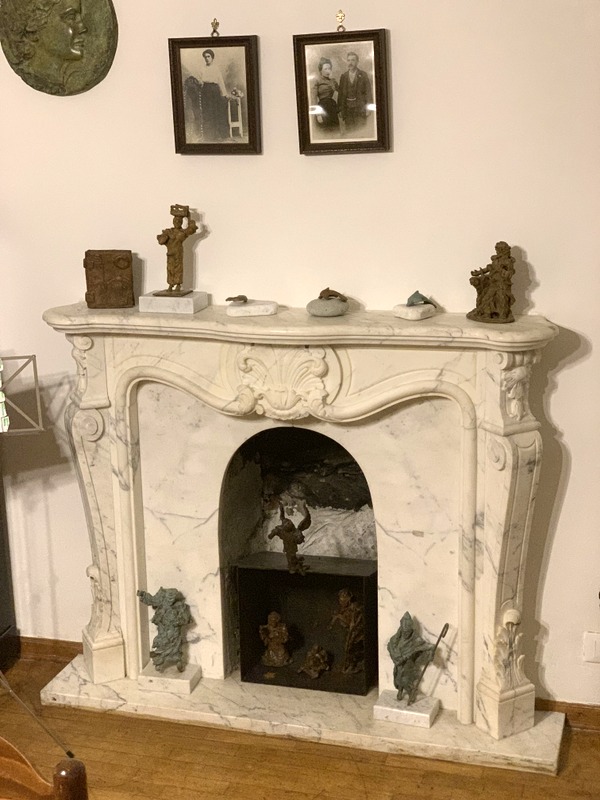
Our Airbnb was really something special and deserves a few pictures. It is the former home of Pietro Ravecca, an Italian Sculptor. After his death, his daughter decided to transform it into an Airbnb apartment. It is located in a traditional building with an old-fashioned elevator and massive doors. It feels like entering the past (but the bathroom and kitchen facilities are up-to-date 🙂 )

Many of Ravecca’s works of art are still kept in the apartment. A wonderful experience.

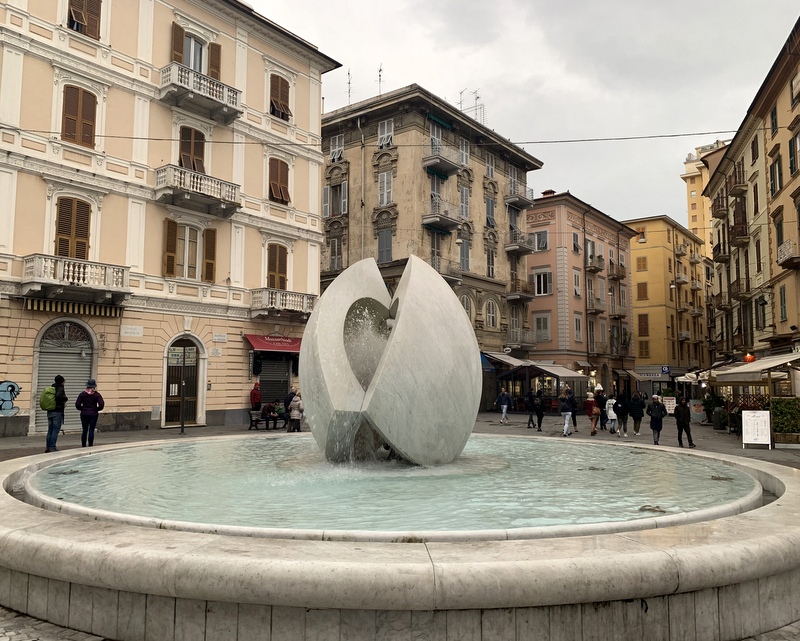
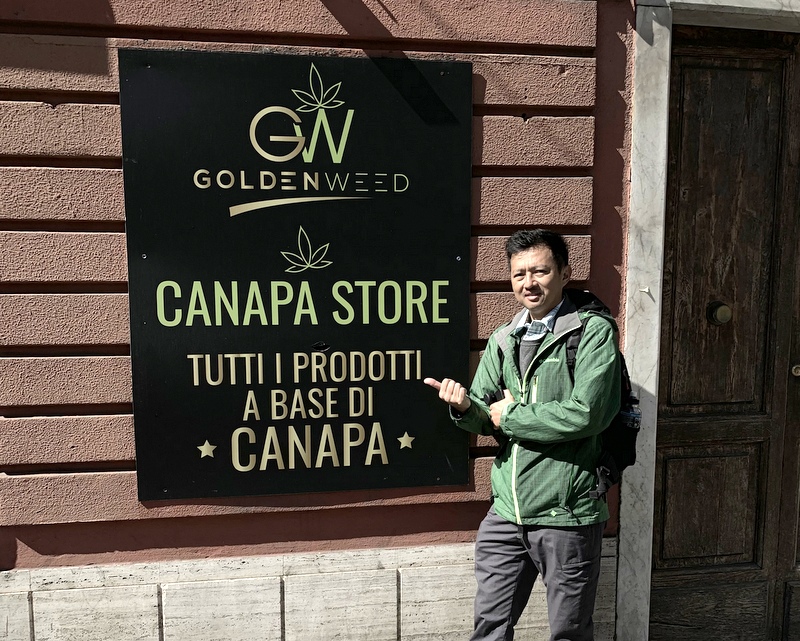
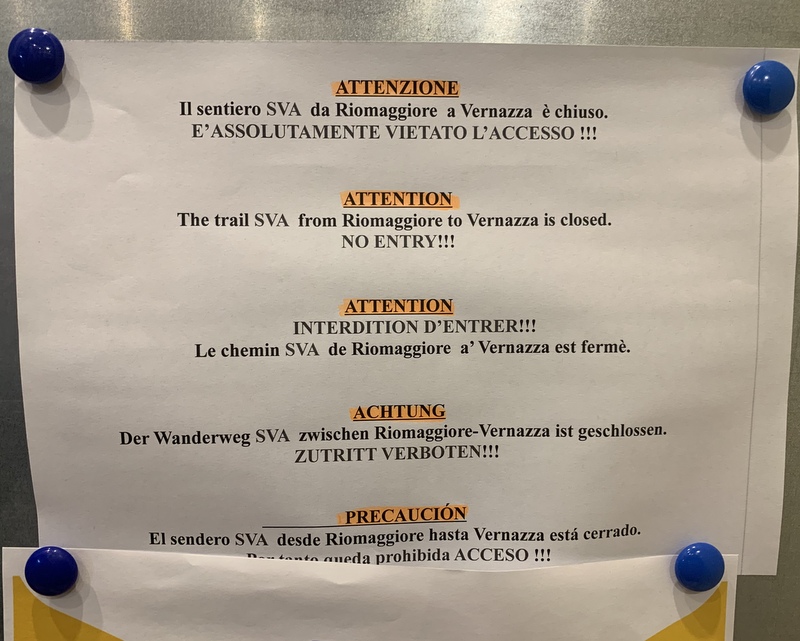
The next day, after breakfast, we walked to the station, passing a modern fountain in the Garibaldi square and, surprisingly, a marihuana shop (in Italy!). At the station we bought a 2-day Cinque Terre pass and discovered that several hiking paths between the villages were closed (because of landslides). Only the path between Monterosso and Vernazza was open.

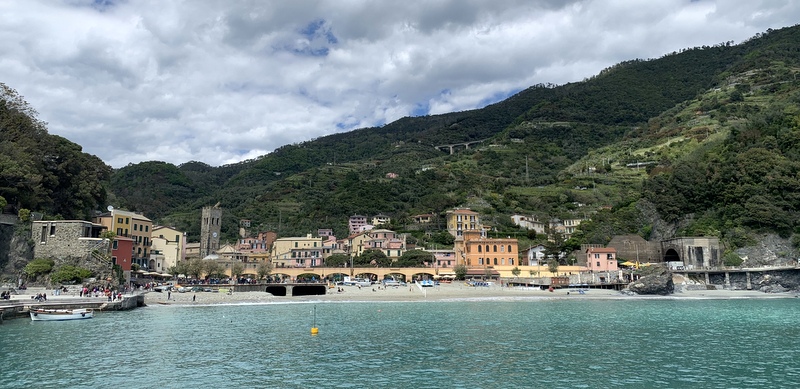
We decided to walk that path and took the train to Monterosso. Mostly through tunnels. The Monterosso station is in the modern part of town, nothing special, but with a popular beach.

Monterosso al Mare

To reach the old town you have to cross a short tunnel. The village is at the
center of a small natural gulf, protected by a small artificial reef. It is the only Cinque Terre village with a substantial beach.

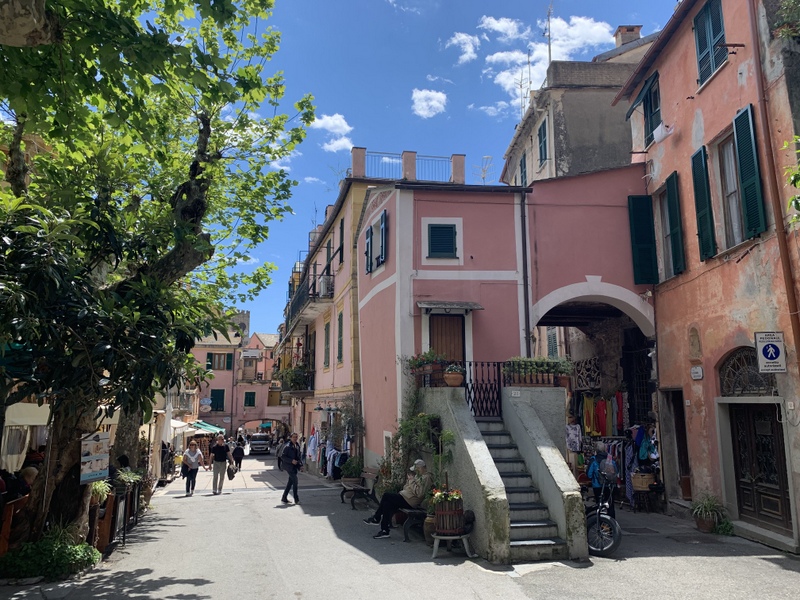
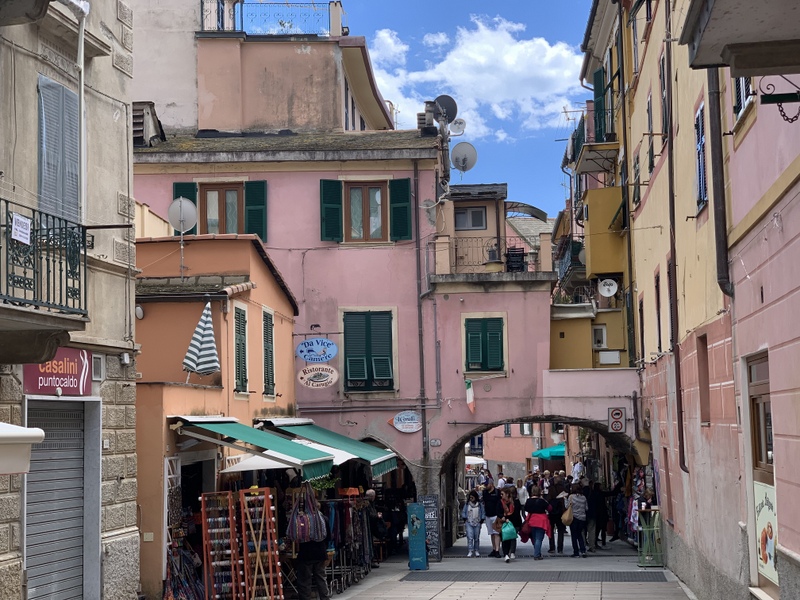
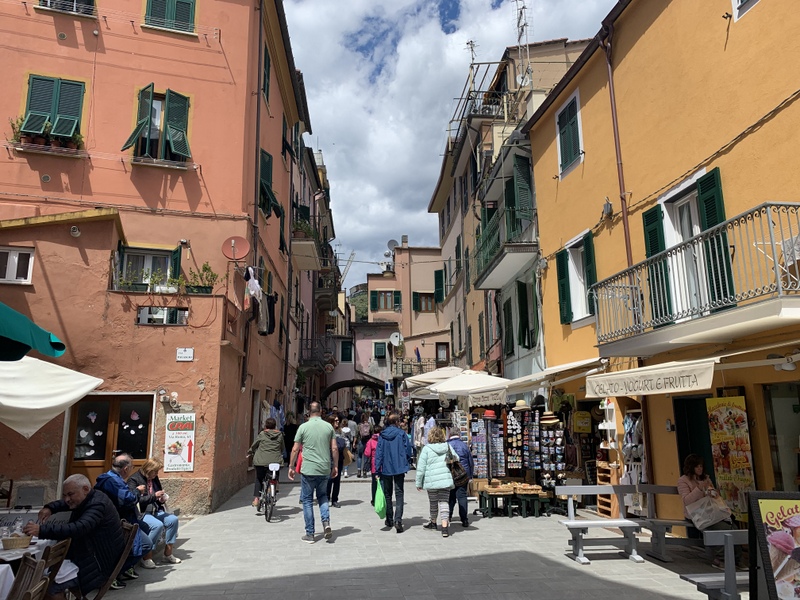
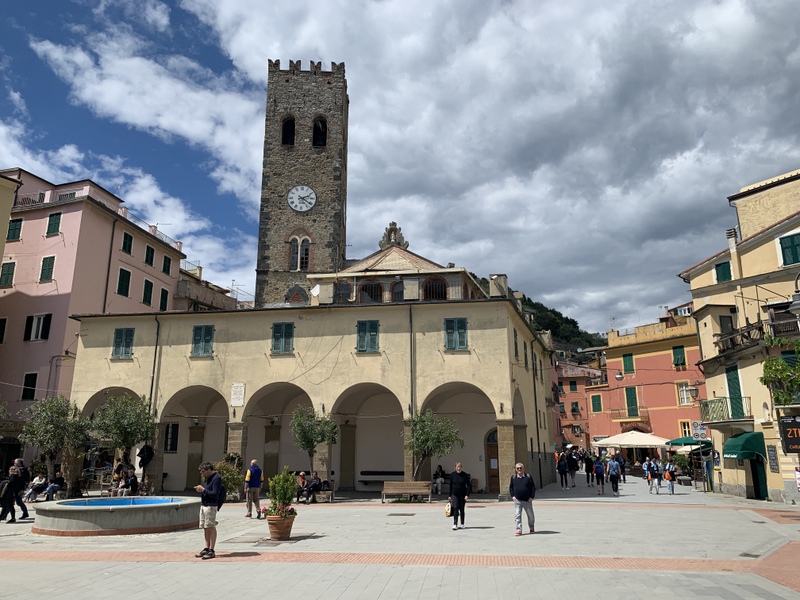
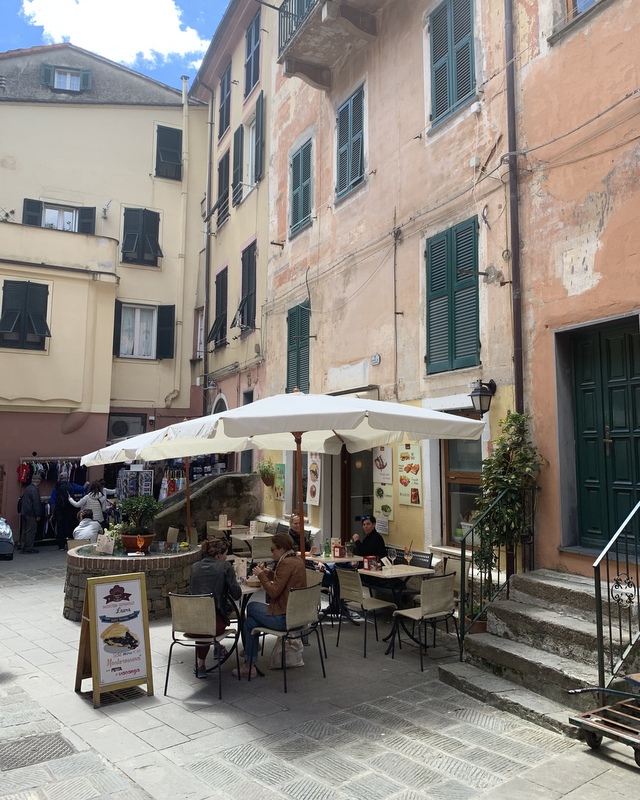
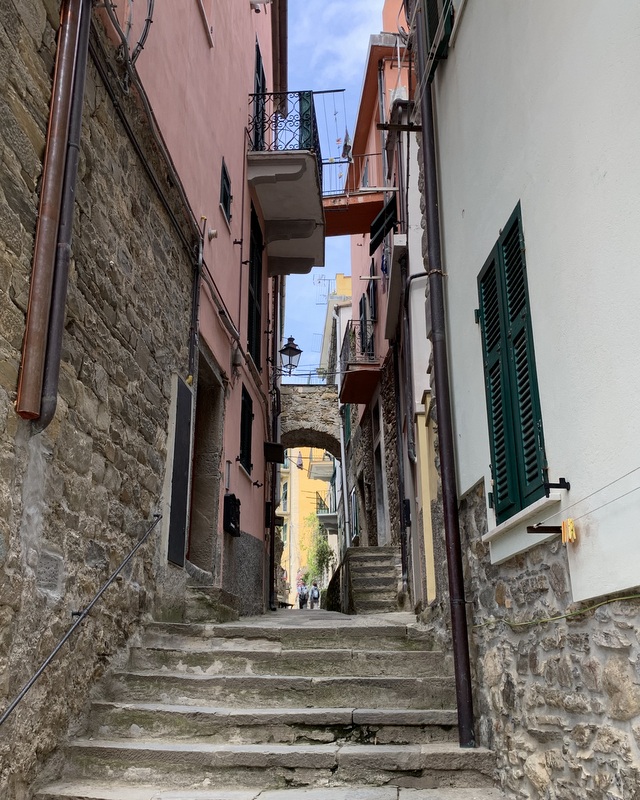
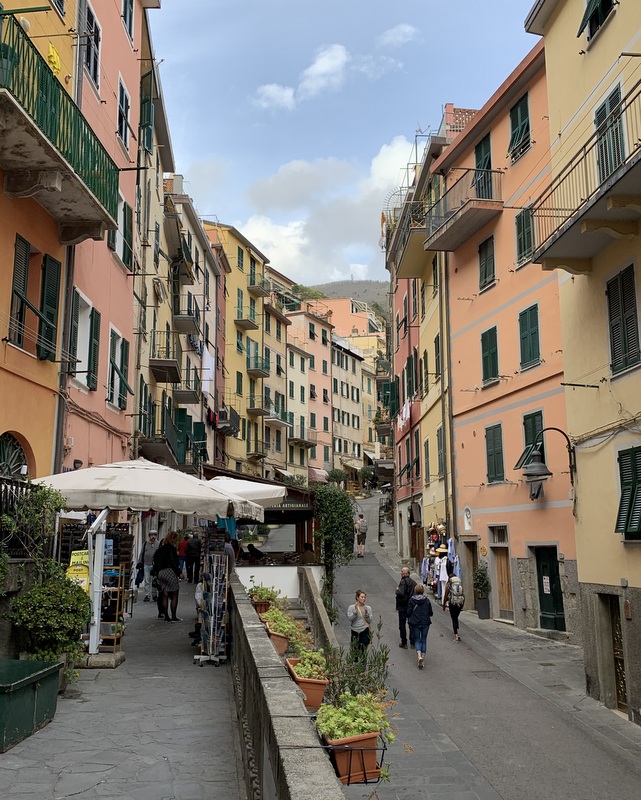
Here is a collection of pictures. Romantic, narrow streets, a church, many cafes, restaurants and souvenir shops.

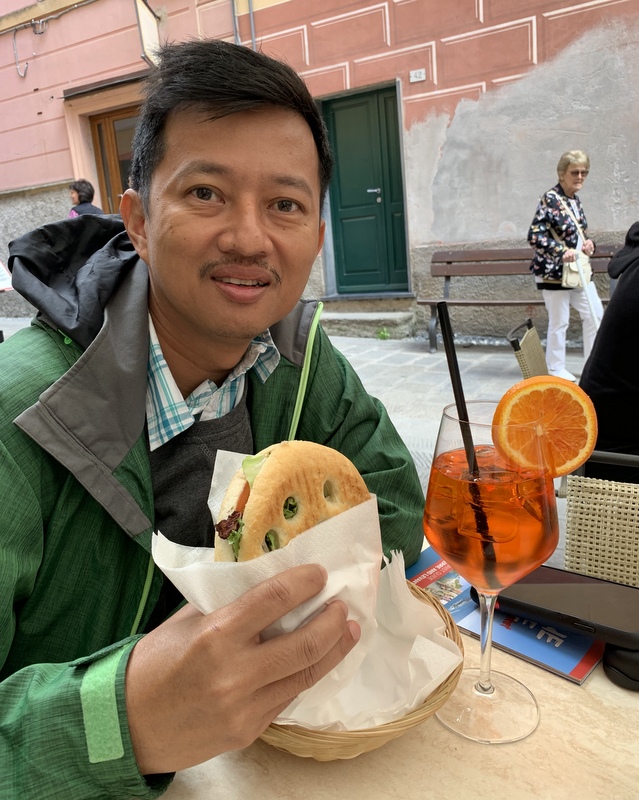
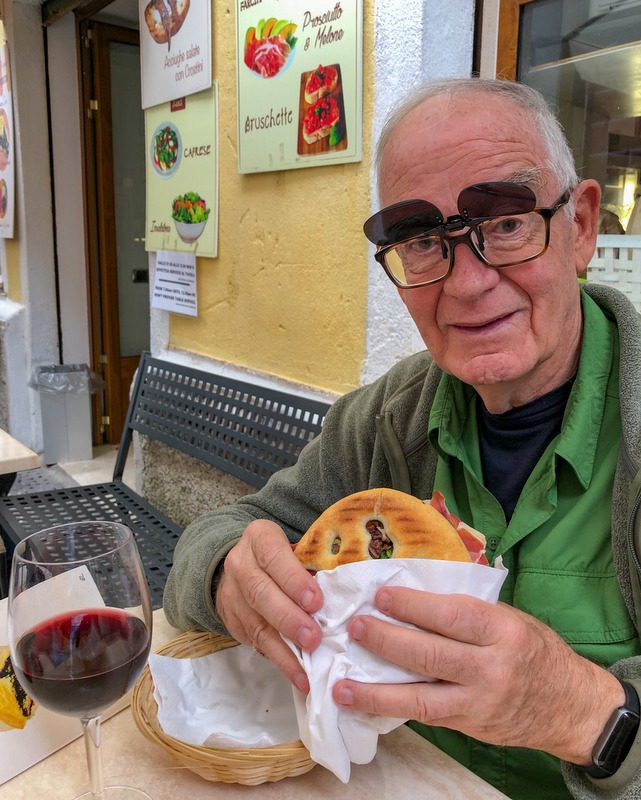
We had a simple lunch in one of the cafes. A popular aperitif is the Spritz , Aperol with prosecco. Aric tried it, it was stronger than expected, I had to help him finish it 🙂 .

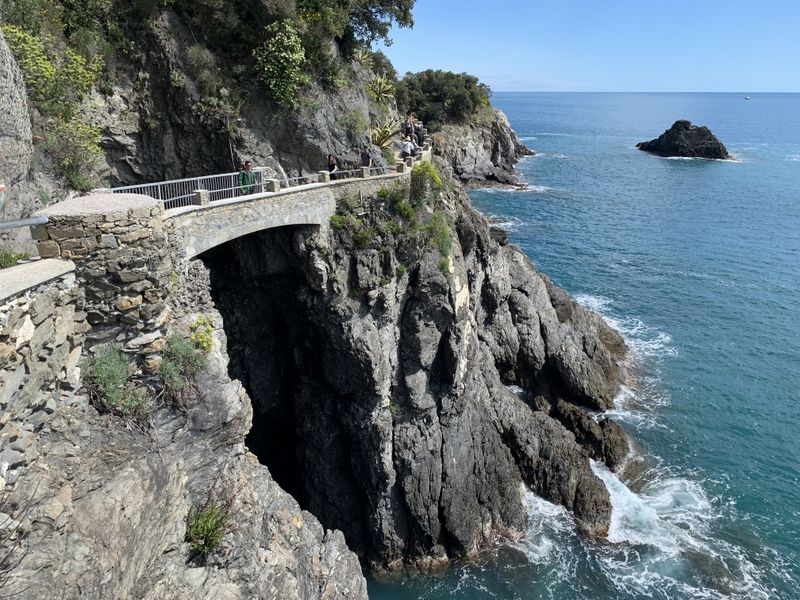
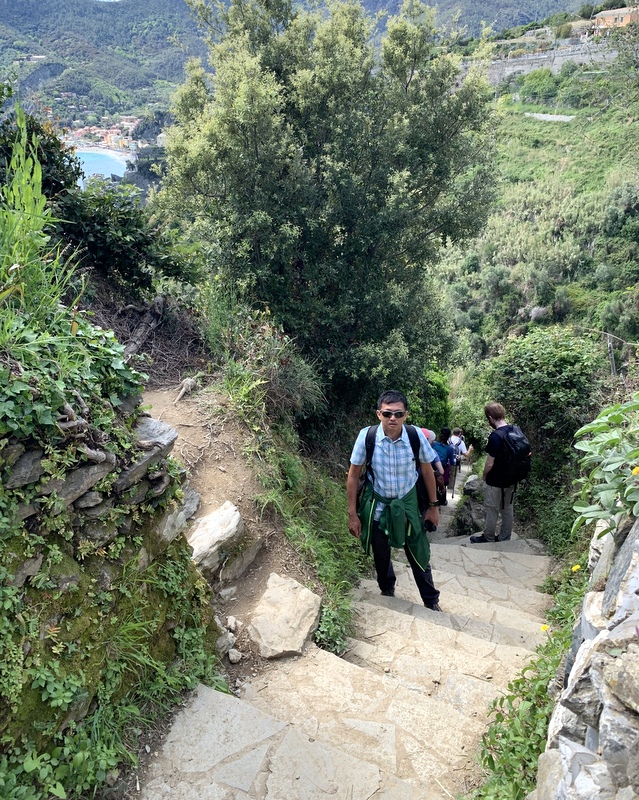
It was almost 3 pm when we started our hike to Vernazza. A well-maintained path, with some steep stretches.

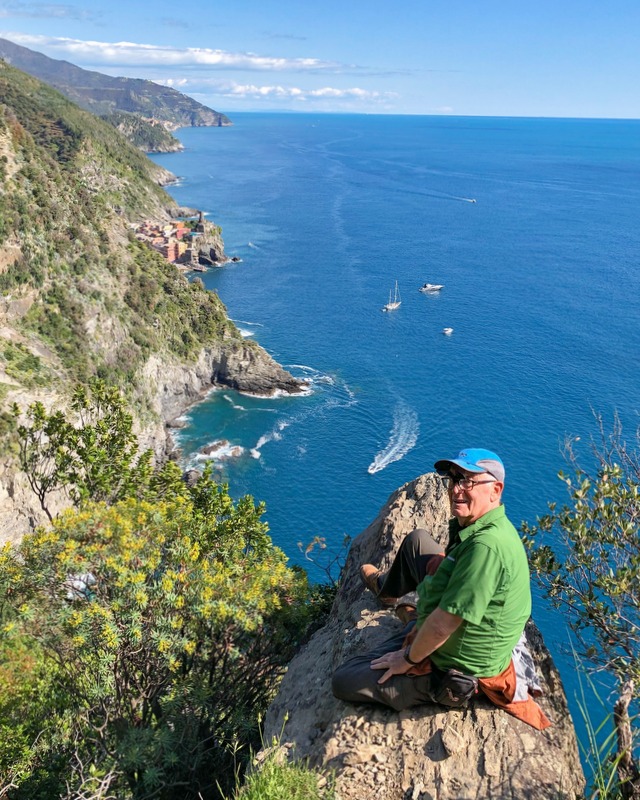
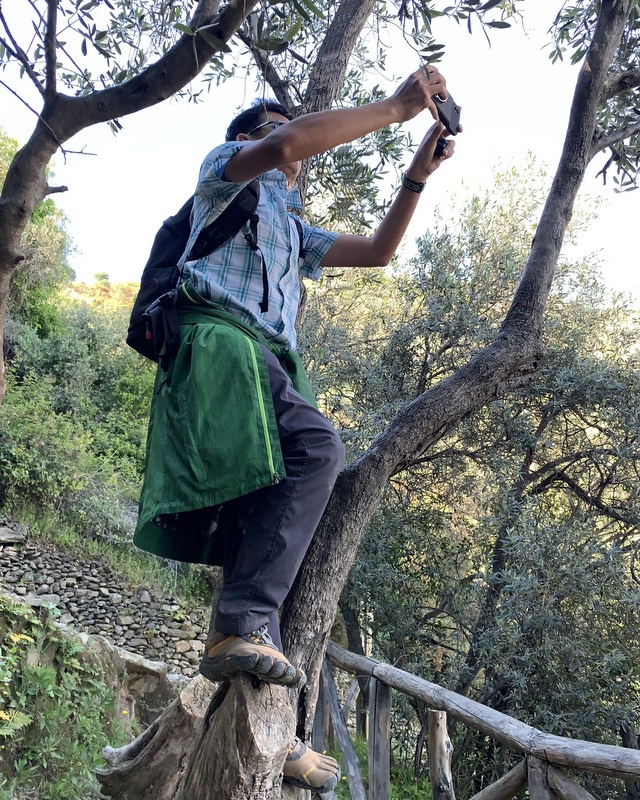
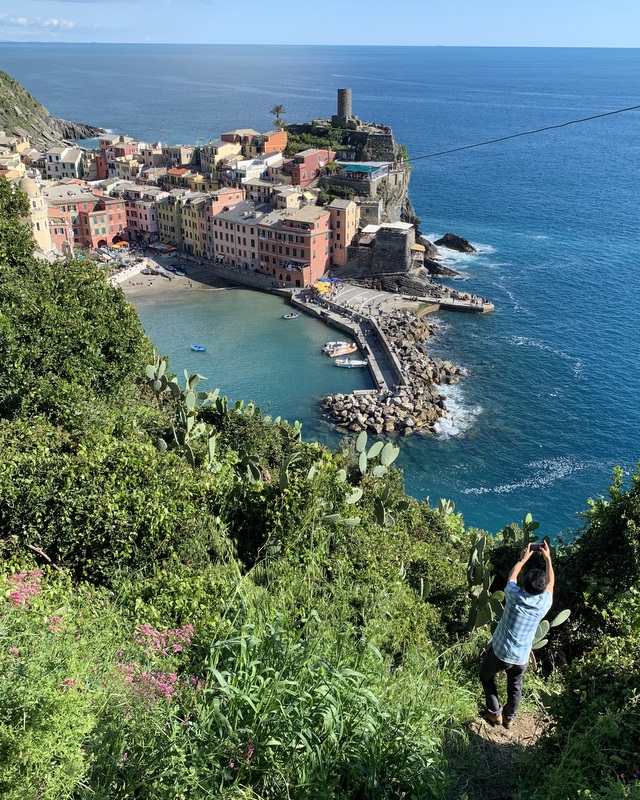
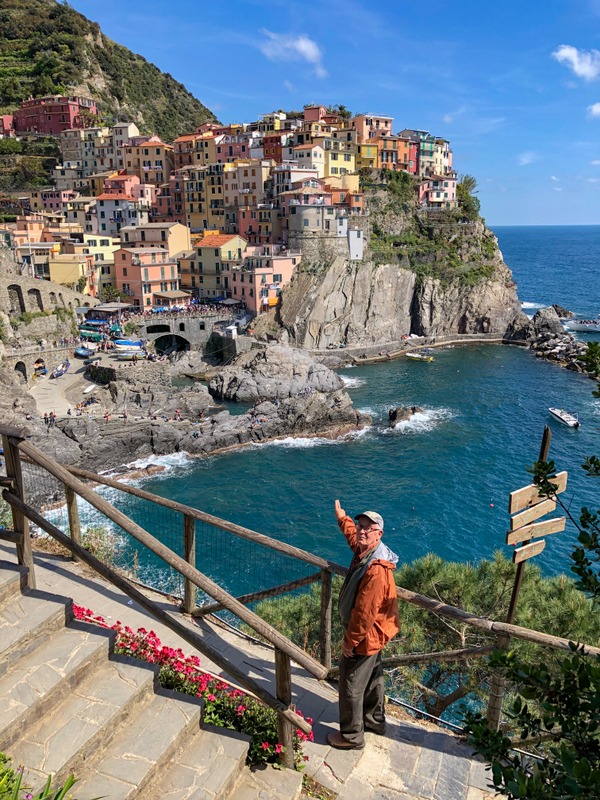
AFter about 1.5 hour we got our first views of Vernazza. It was not always easy to take pictures.

Vernazza

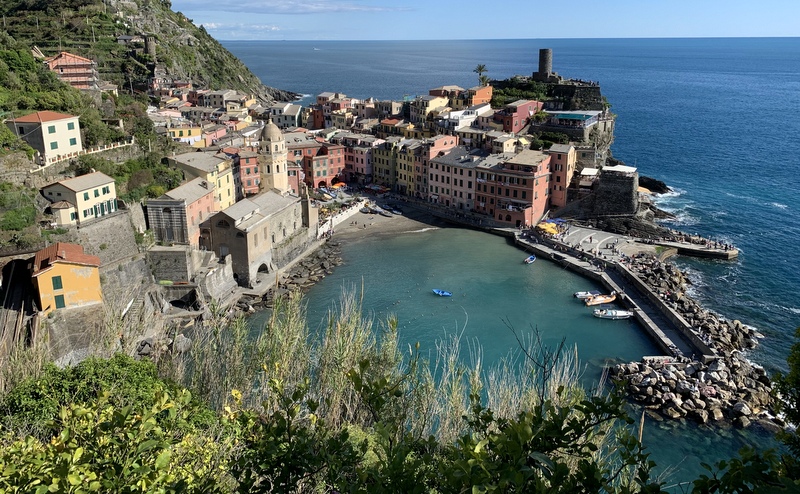
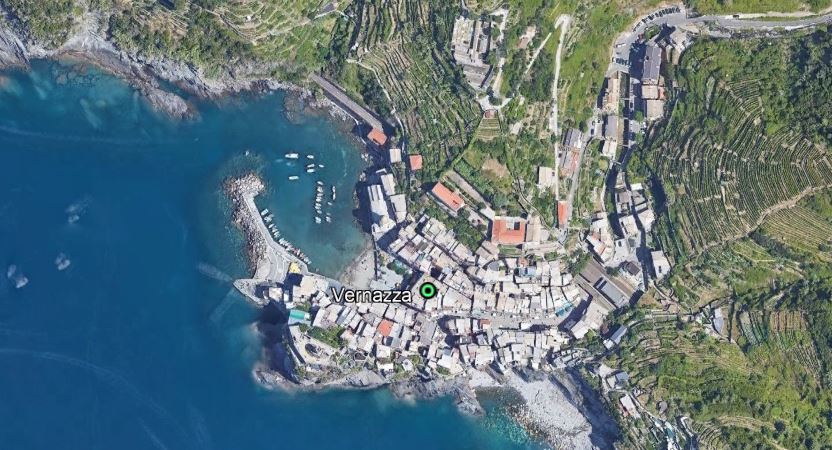
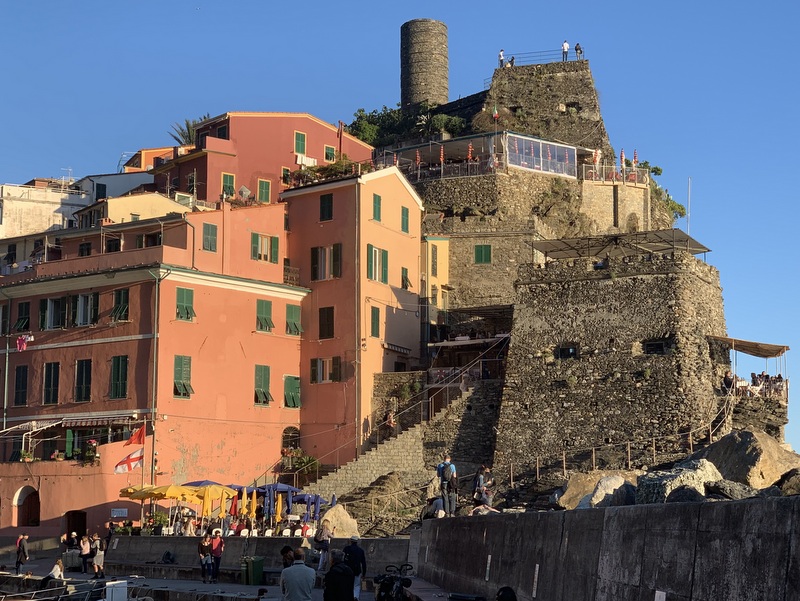
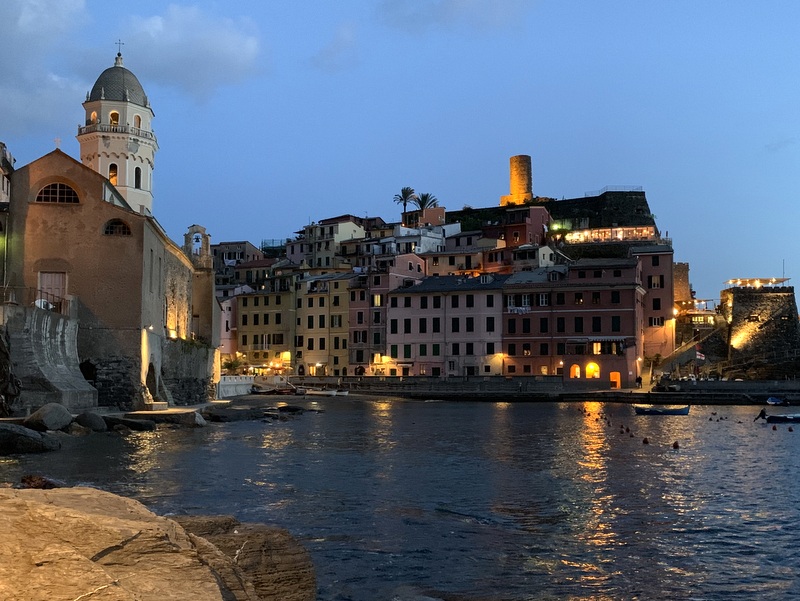
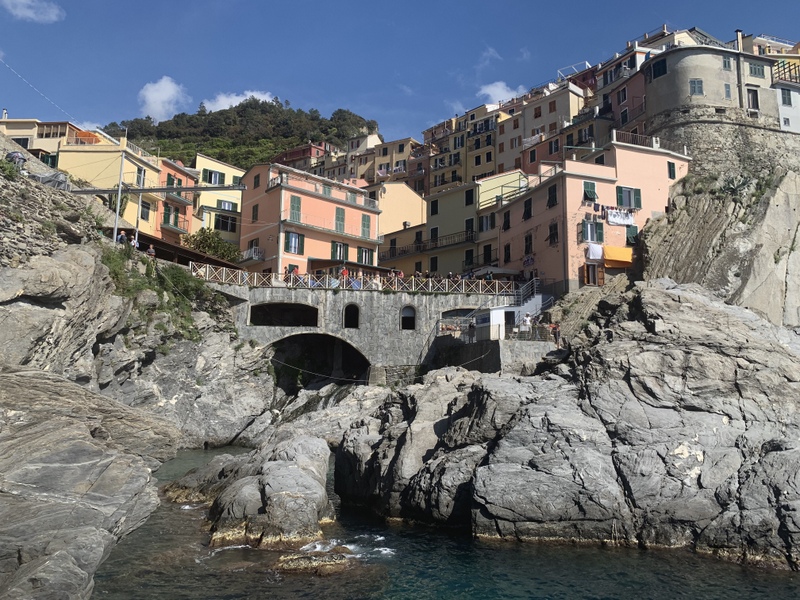
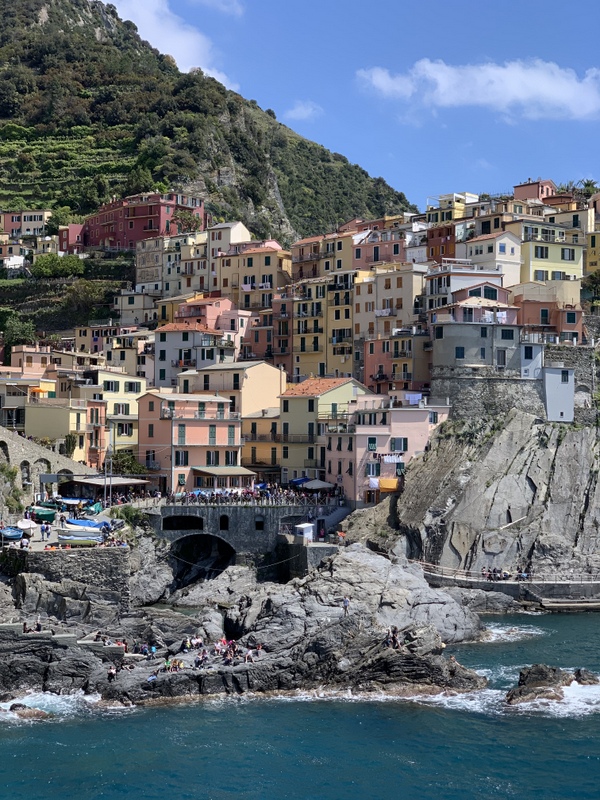
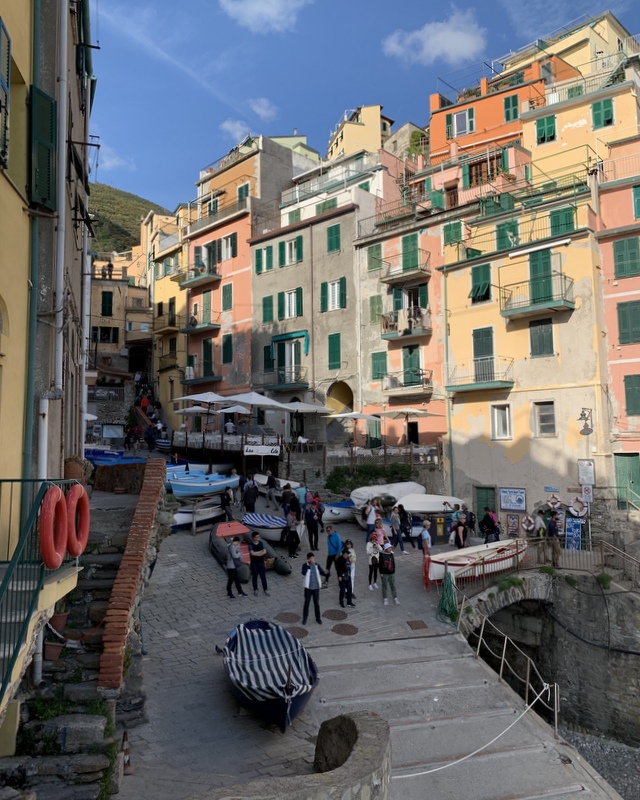
Vernazza is very old, first mentioned as a fortified town in 1080! The only Cinque Terre town with a natural harbour. Basically still a fishing village, although of course nowadays crowded with tourists.

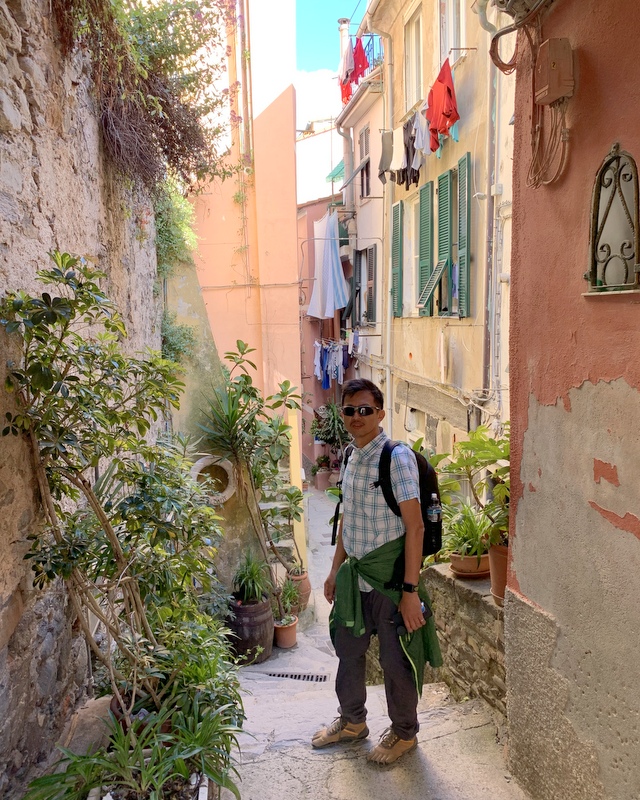
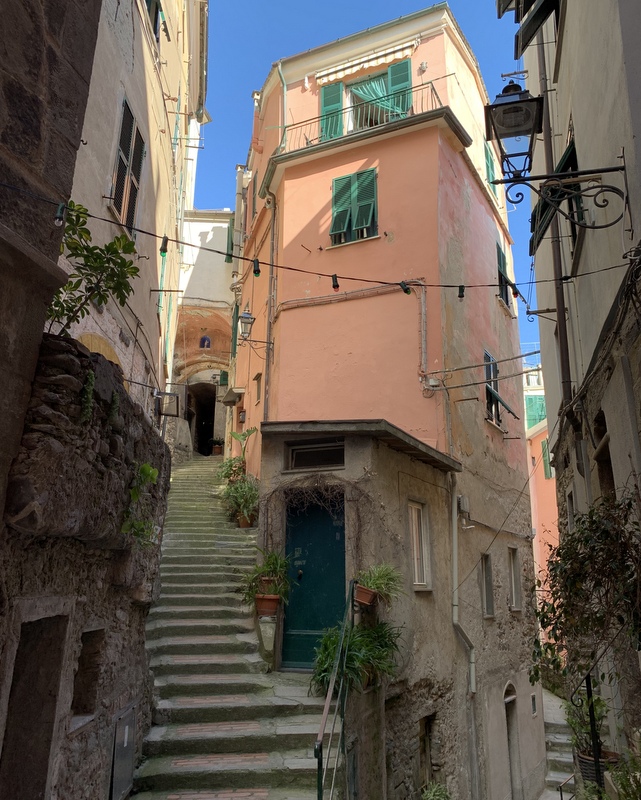
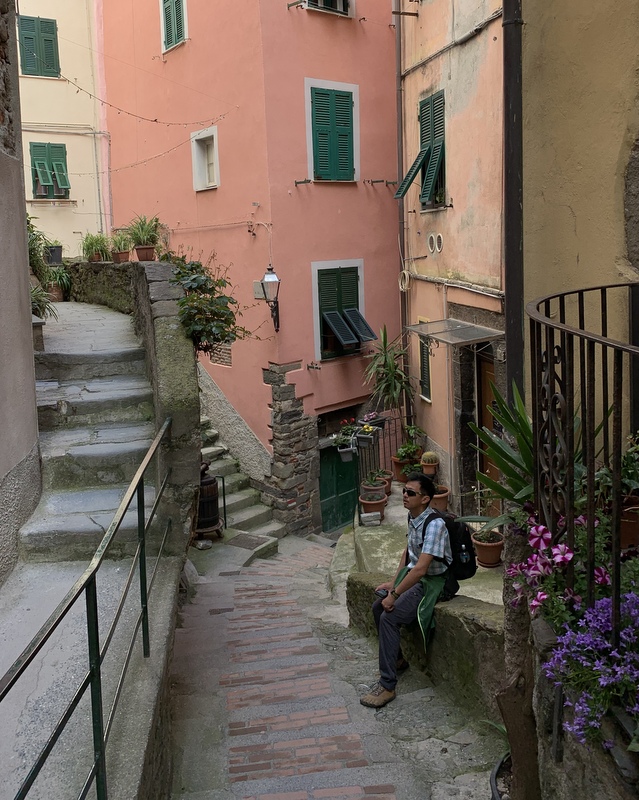
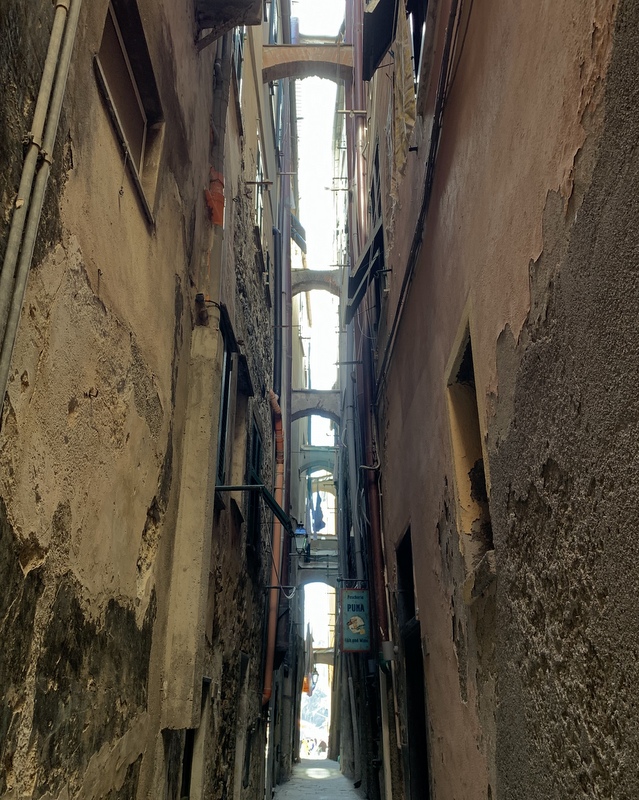
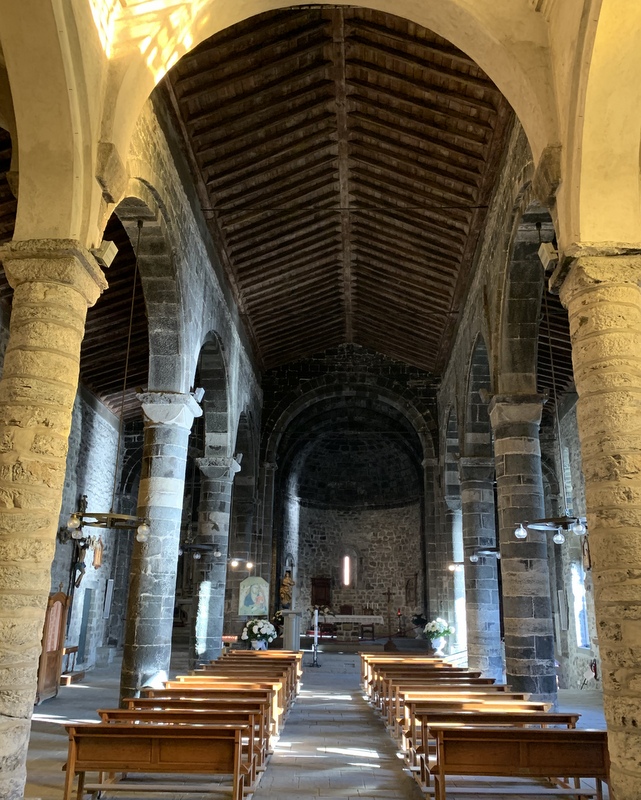
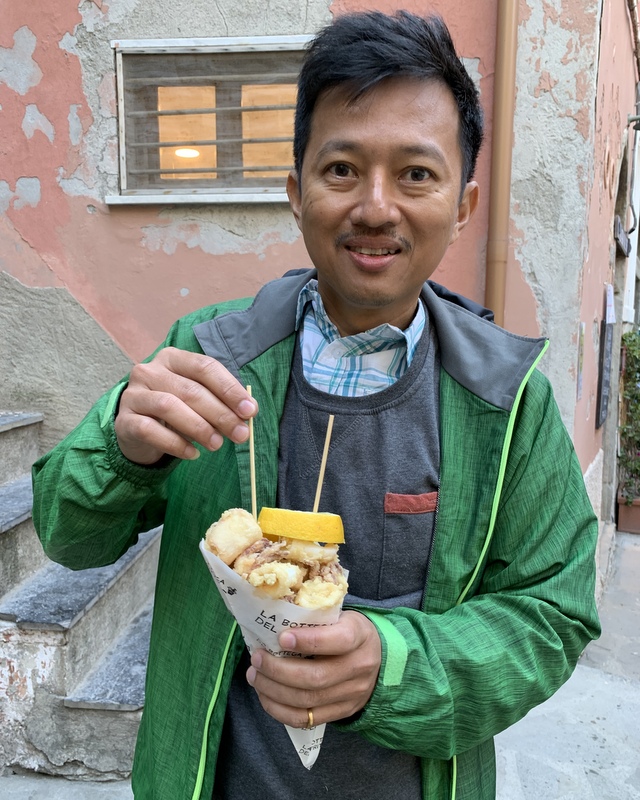
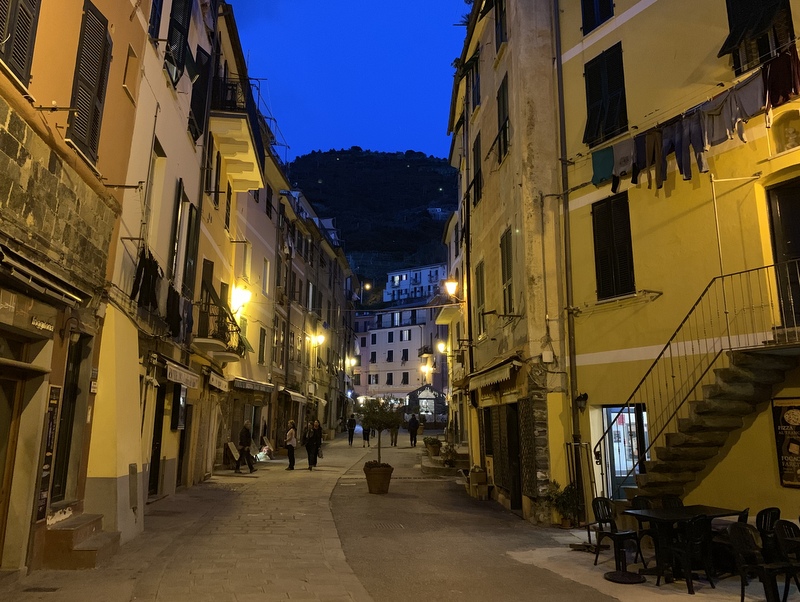
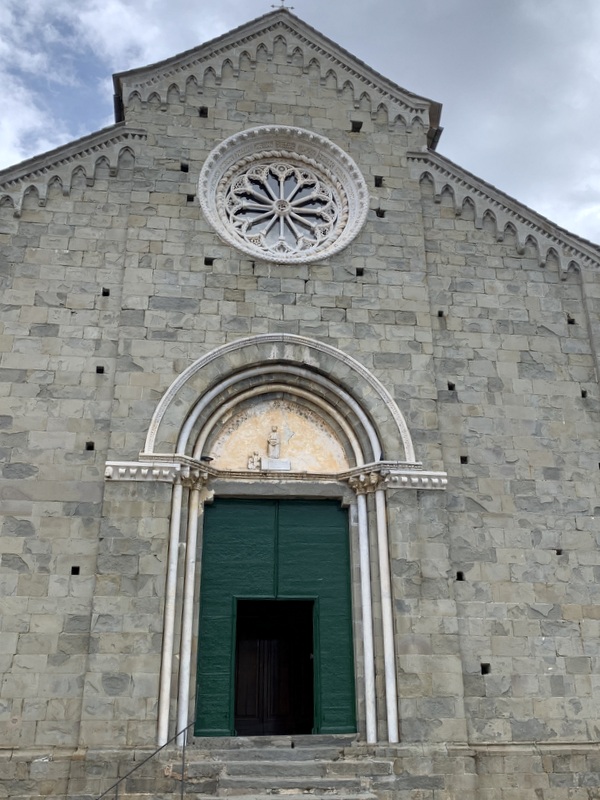
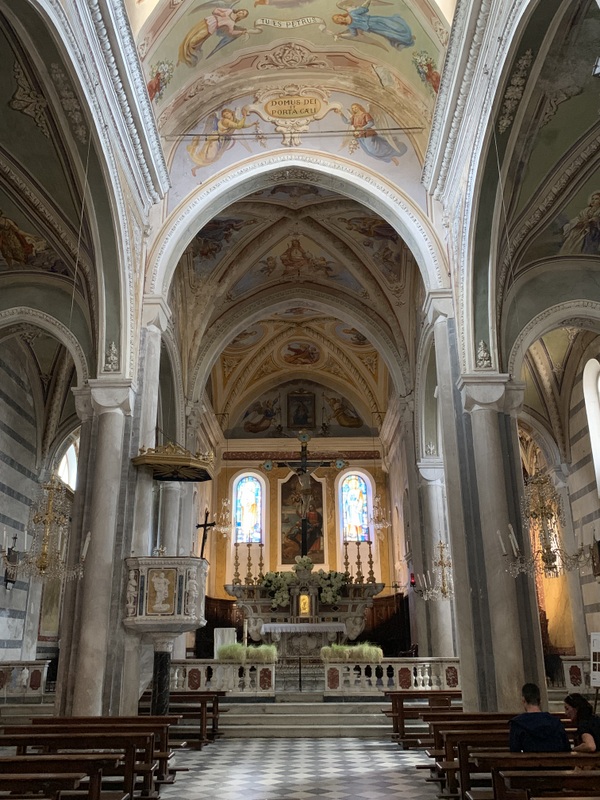
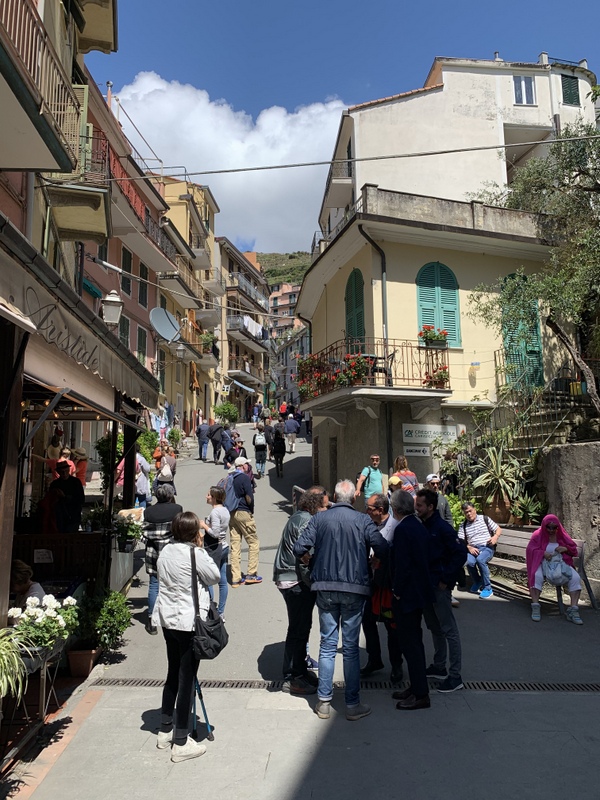
Narrow streets and an elegant church, the Santa Margherita d’Antiochia, c. 1318. We had ice cream, and tried cone calamari, fried squid. Delicious!

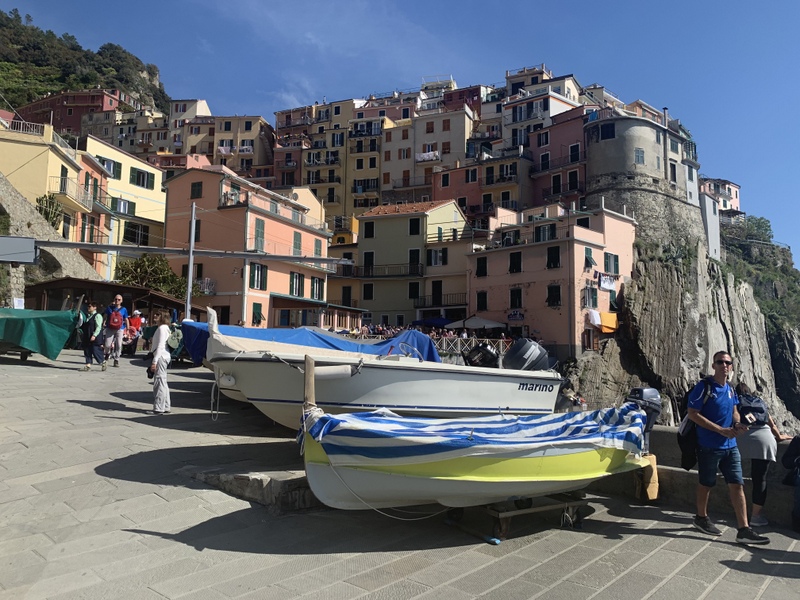
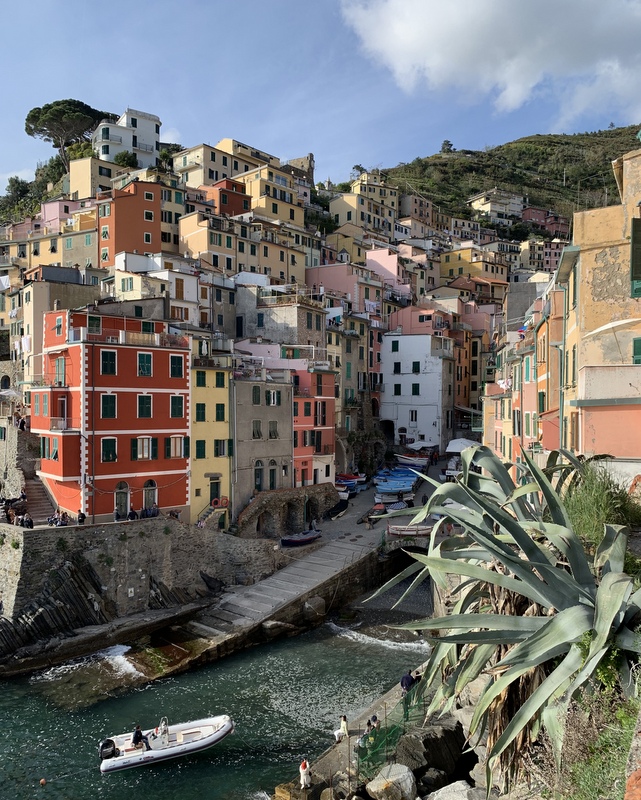
Vernazza is famous for its elegant, colorful houses. We stayed quite long there, to take pictures in the evening light, before we took the train back to La Spezia. A long, but very rewarding day.

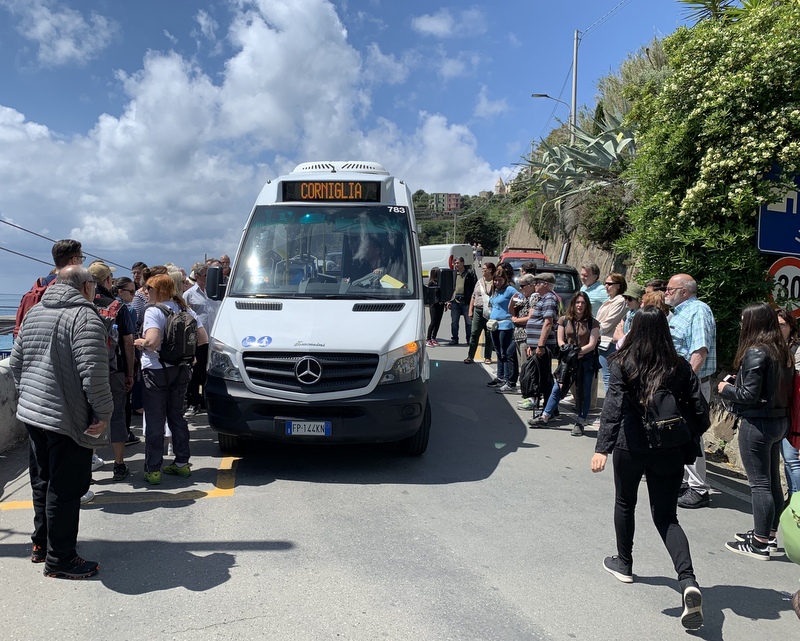
The next day we took the train to Corniglia. It is the only Cinque Terre town that is not adjacent to the sea, but built on a promontory, 100 m high. From the station a shuttle bus brings you to the town, if you don’t like to walk 🙂 .

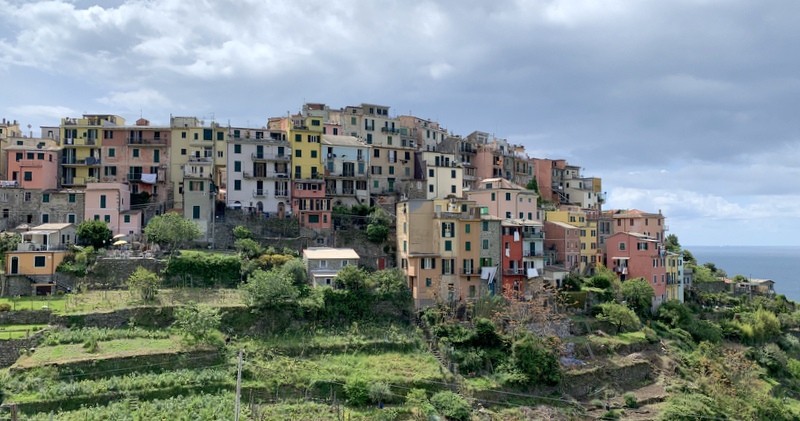
Corniglia

Corniglia is the smallest of the Cinque Terre towns.

After visiting the town, we took the shuttle bus down to the station. It is only a few minutes to the next stop, Manarola, the second-smallest Cinque Terre town.

Manarola

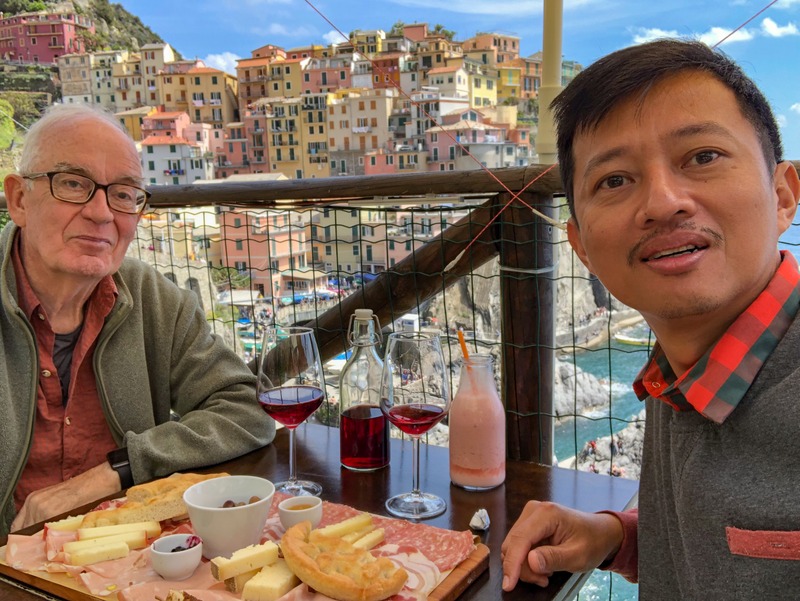
Francesca, our hostess in La Spezia, had suggested us to have lunch in restaurant Nessun Dorma, because of the superb view of Manarola. There was a queue, but it was worth waiting. The food was good too.

It is only 1 km from Manarola to the last village, Rio Maggiore, but the trail has been closed for many years already after landslides. So we took the train.

Rio Maggiore

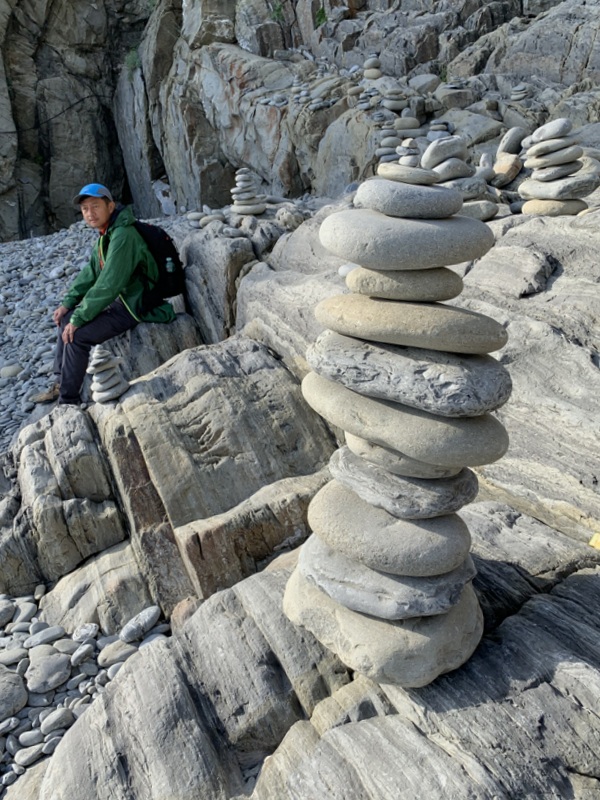
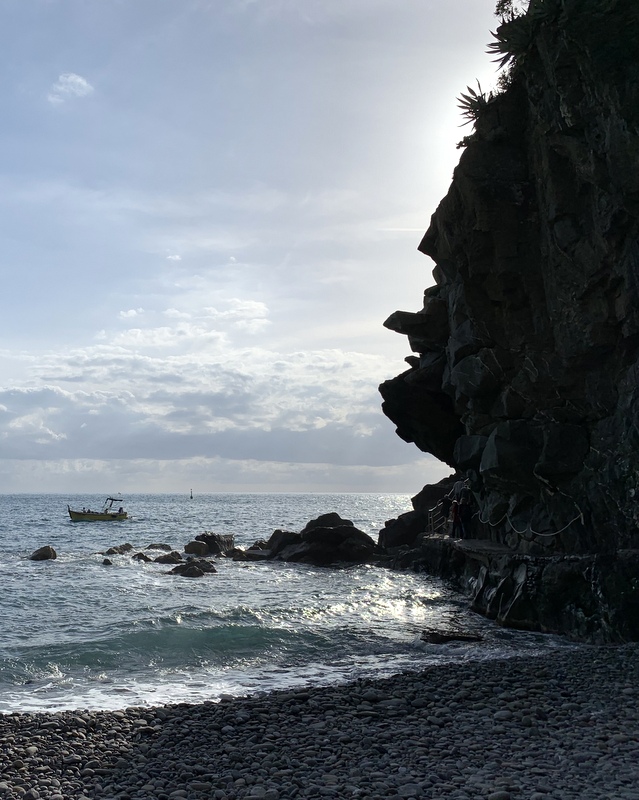
From Rio Maggiore you can reach a small pebble beach, but it was too cold to sit down and relax.

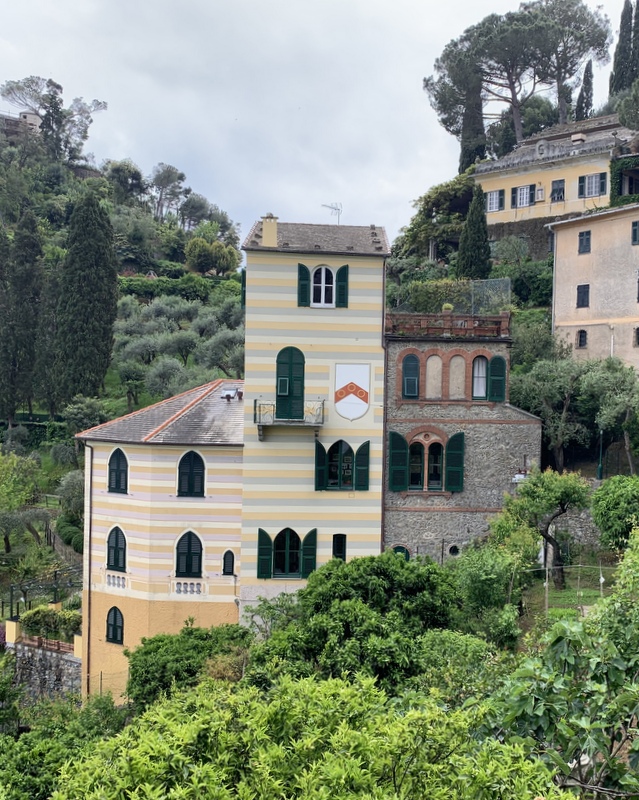
We were back in our Airbnb around 8:30 pm. Having finished all five Cinque Terre villages, we decided to visit Portofino the next day, another picturesque town, southeast of Genua, 50 km northwest of the Cinque Terre.

Portofino

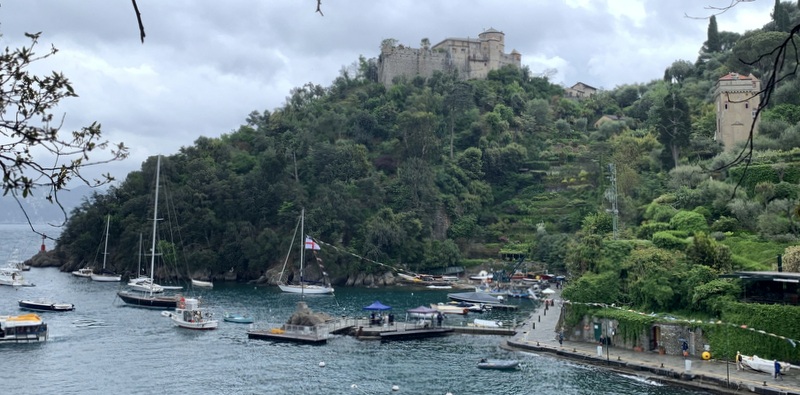
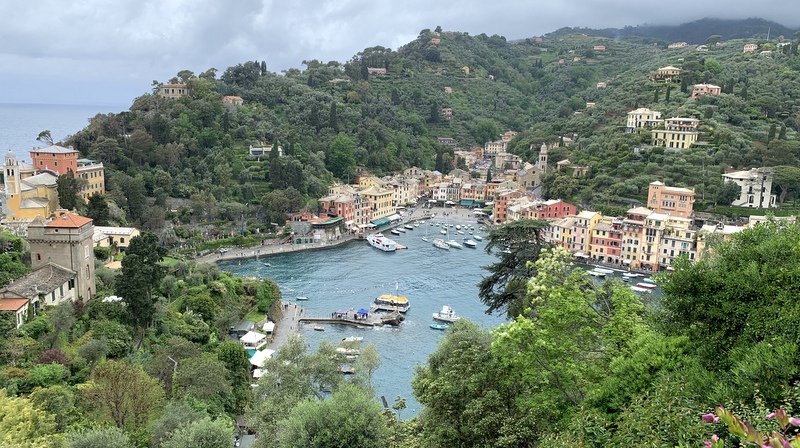
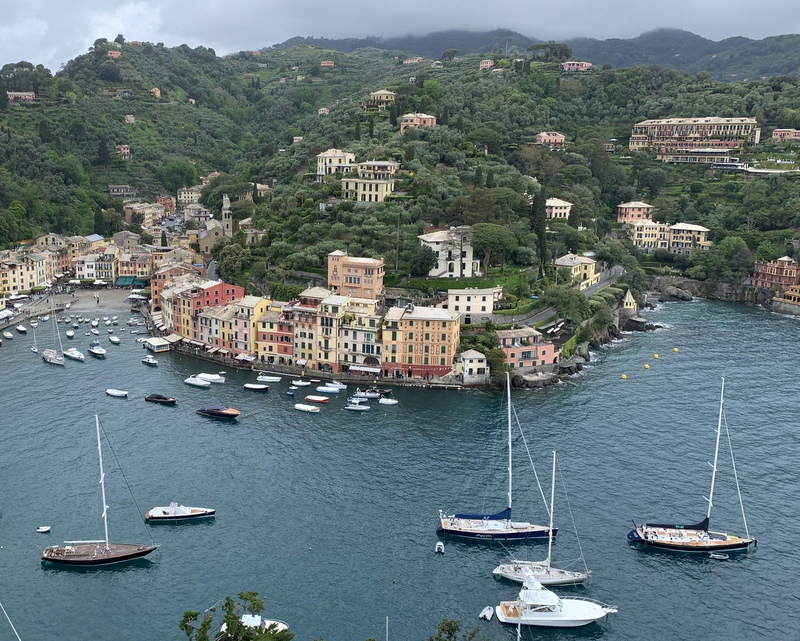
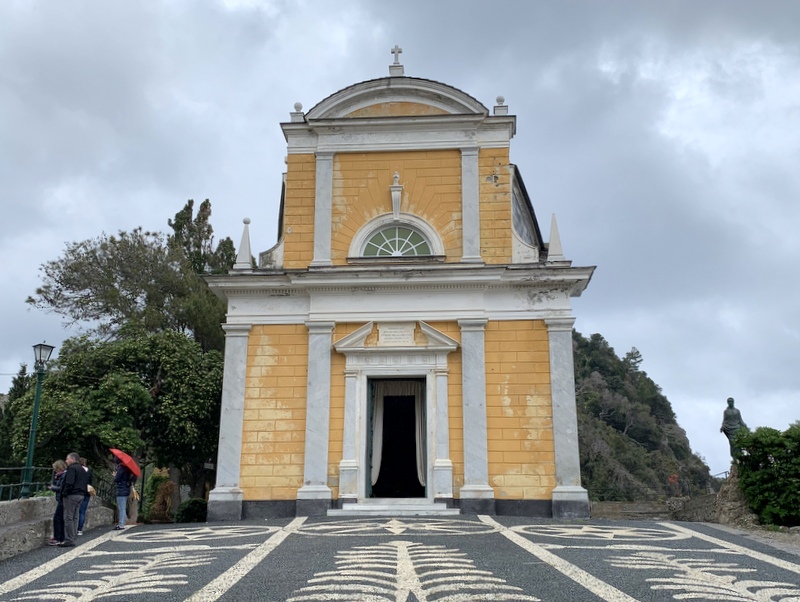
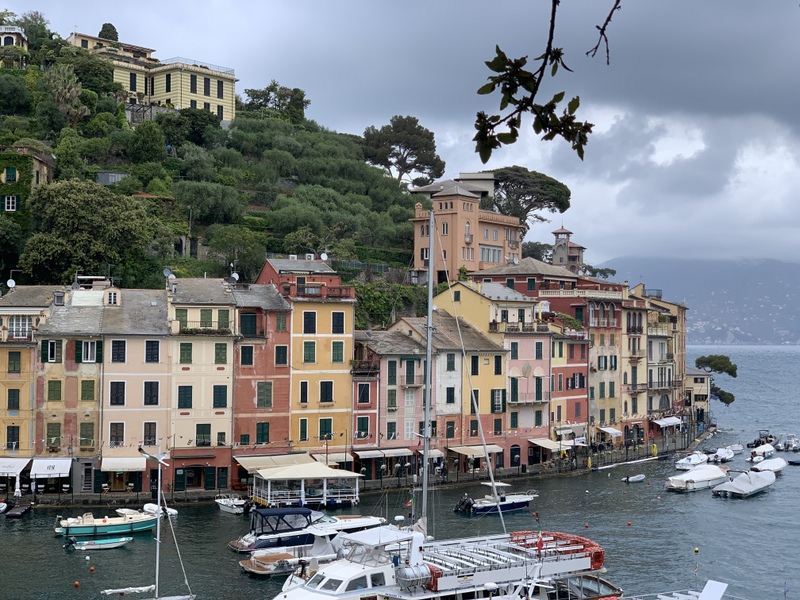
The weather was a bit dull and grey. When we arrived, we first walked up to the Castello Brown, dating back to the 16th century, later transformed into a villa. From there you have a beautiful view of Portofino with its harbour.

Castle Brown

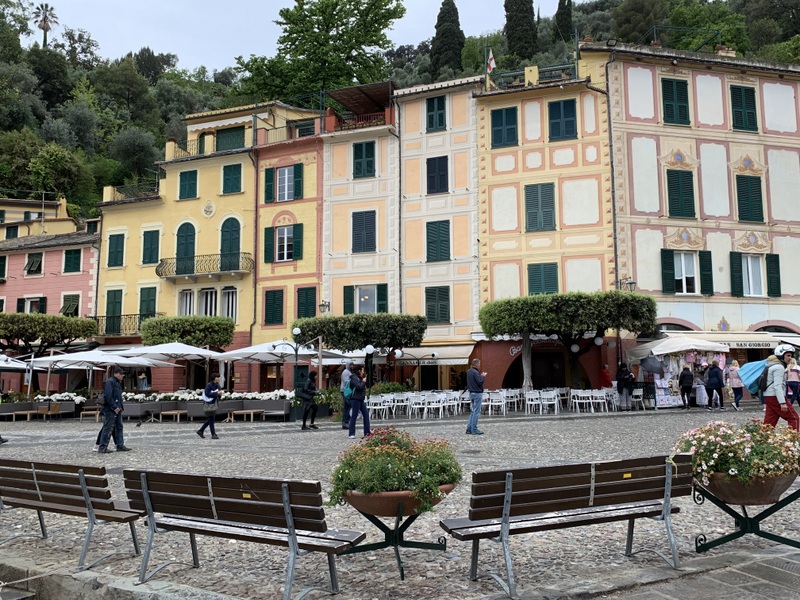
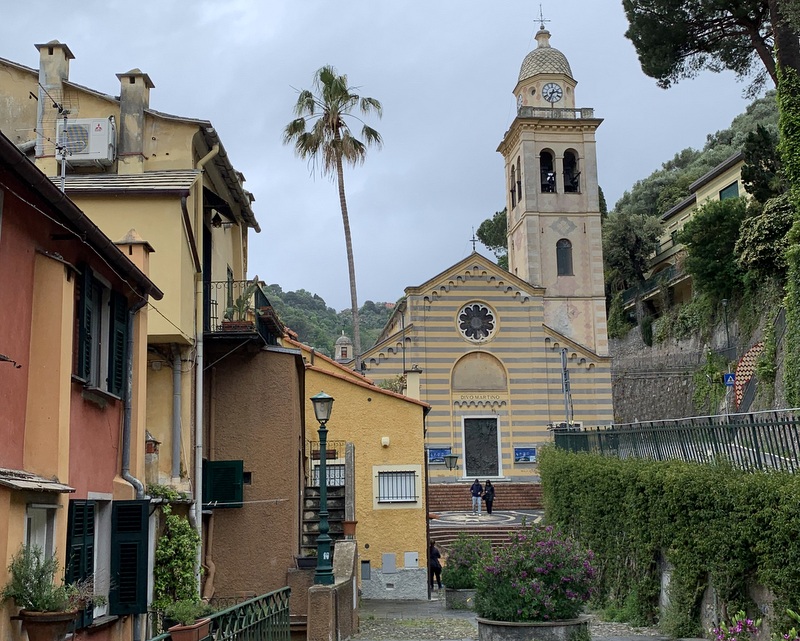
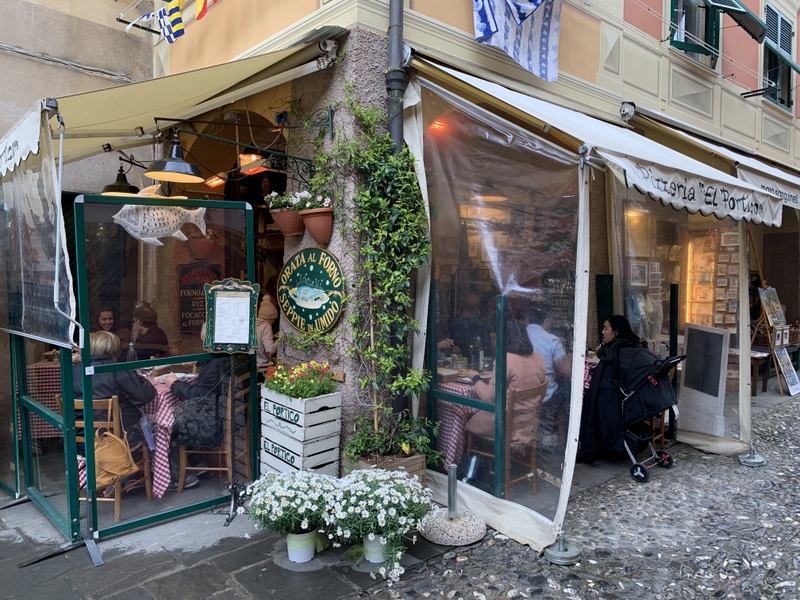
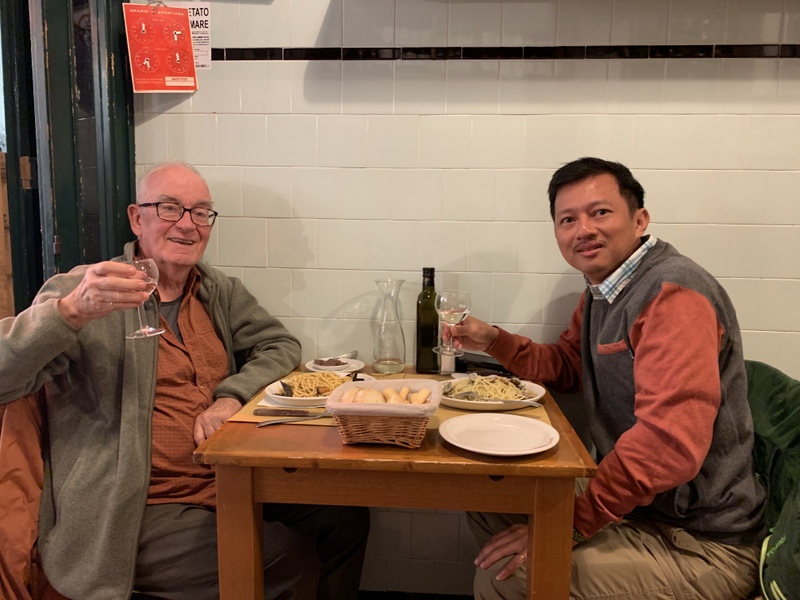
We walked down to the old town, took more pictures and found a nice restaurant for our lunch. For the first time during this trip we had pasta 🙂

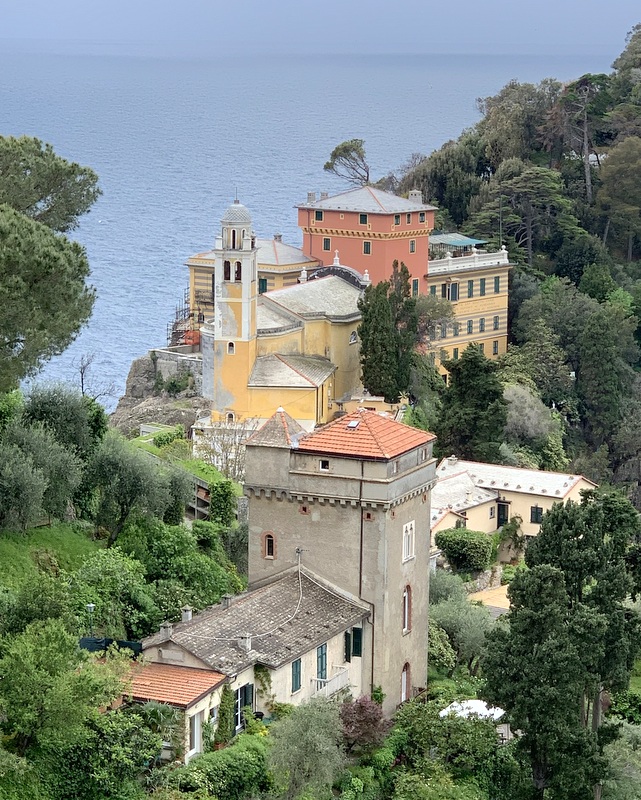
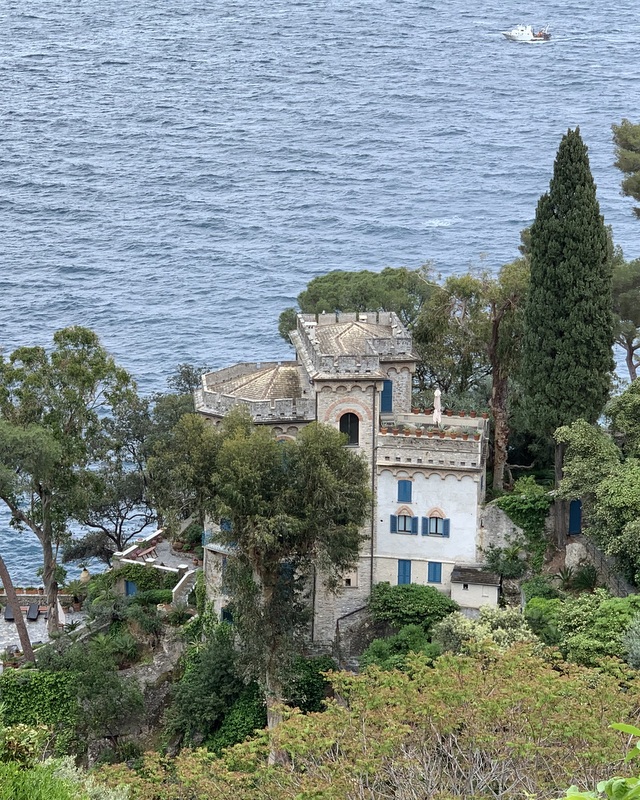
Here are a few more pictures, before we took bus and train back to La Spezia.

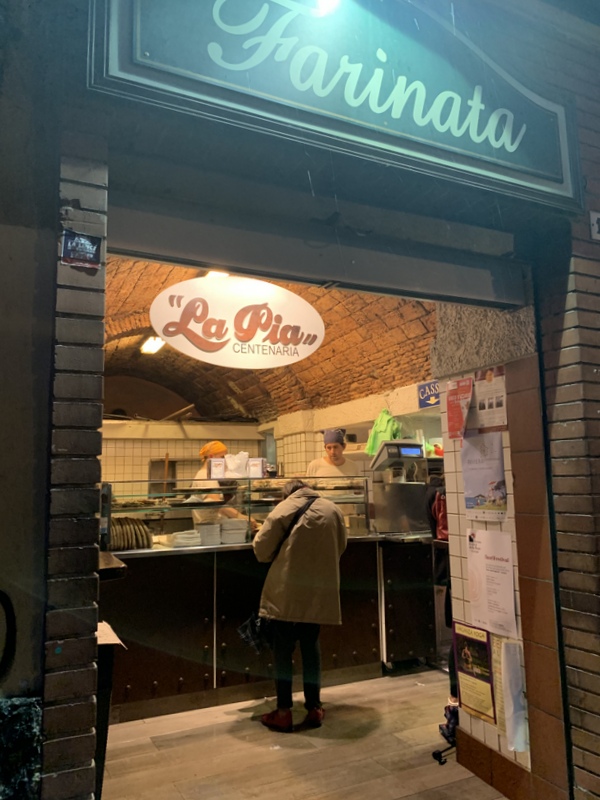
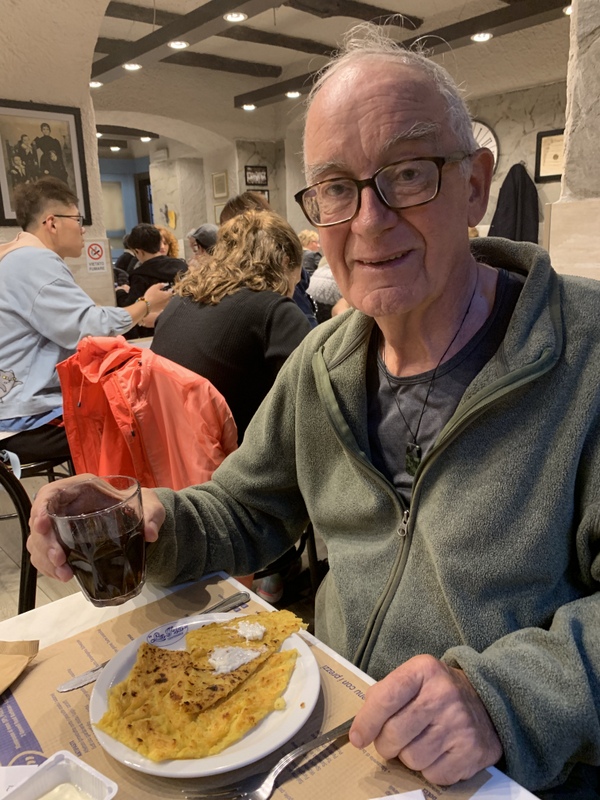
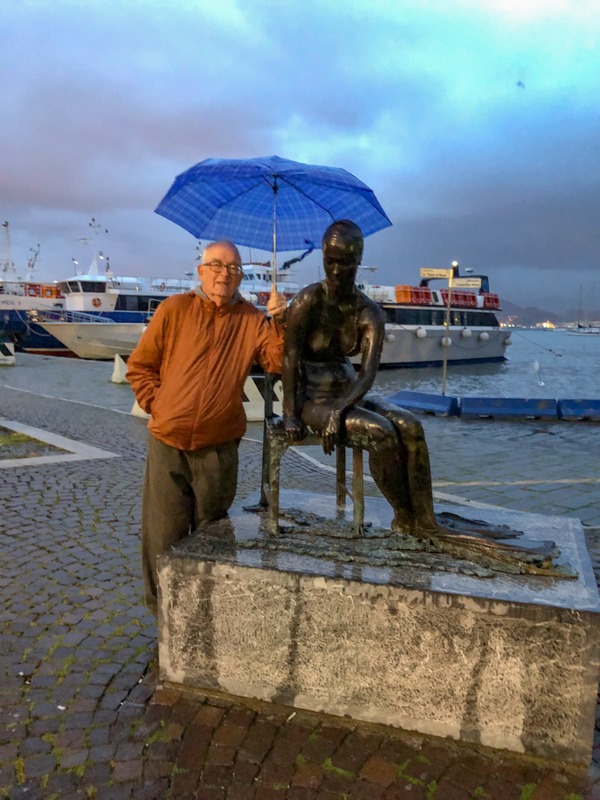
As it had started raining , we skipped the plan to visit Portovenere in the afternoon. We took some rest and in the evening we walked to a restaurant where we had the regional speciality farinata, a pancake of chickpea flour. Later we walked to the harbour, but it was too cold to protect the mermaid against the rain 🙂

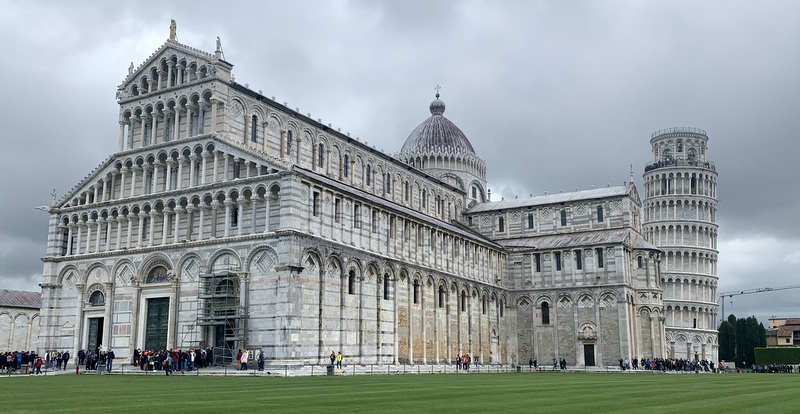
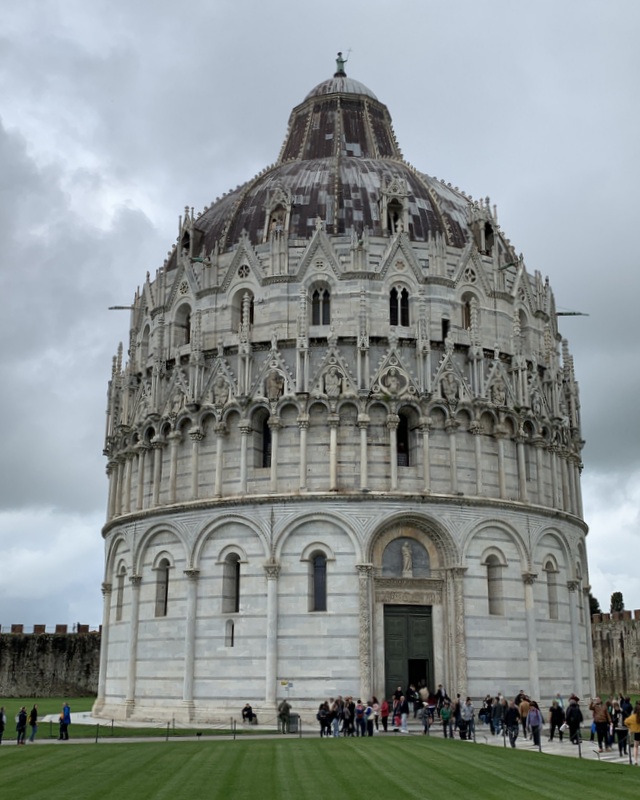
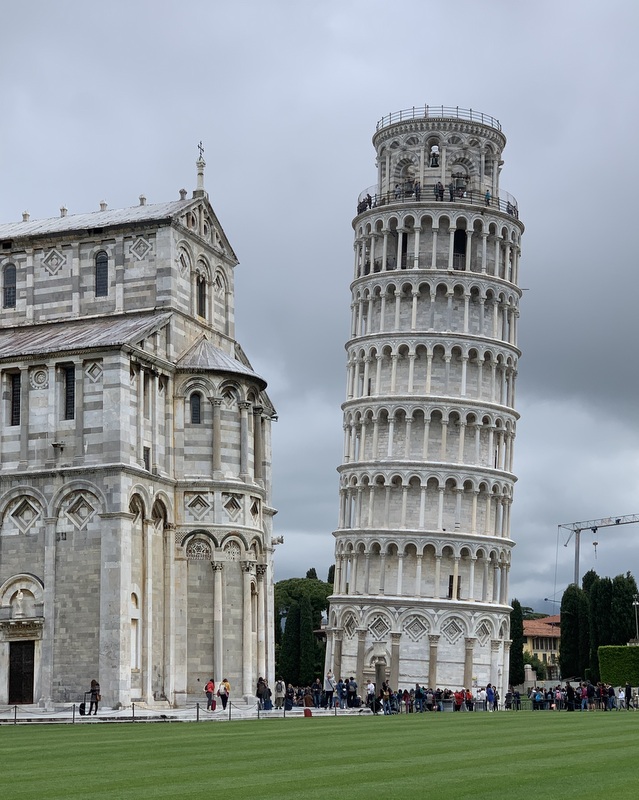
The next morning we checked out, had our breakfast and took the train back to Pisa. The rain had stopped, we had time enough to visit the Piazza del Duomo with the Cathedral, the Baptistery and of course the Leaning Tower.

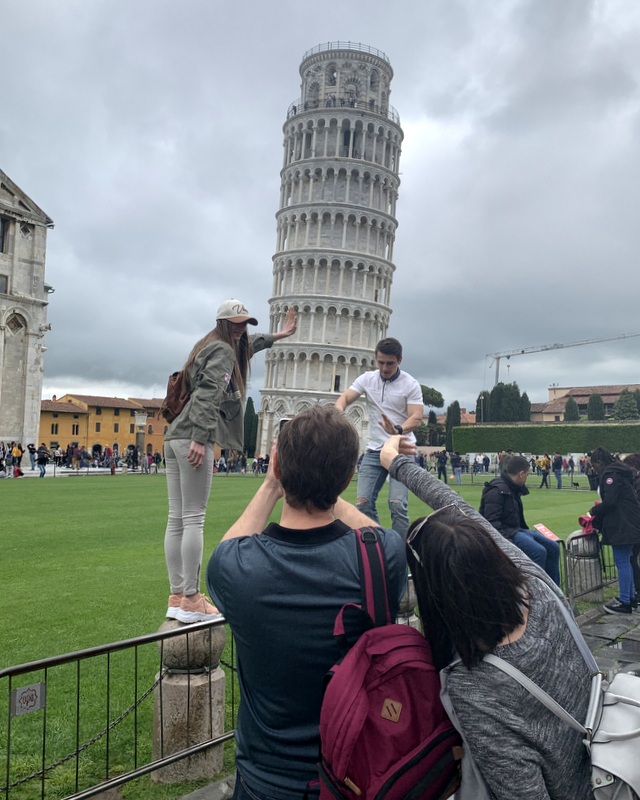
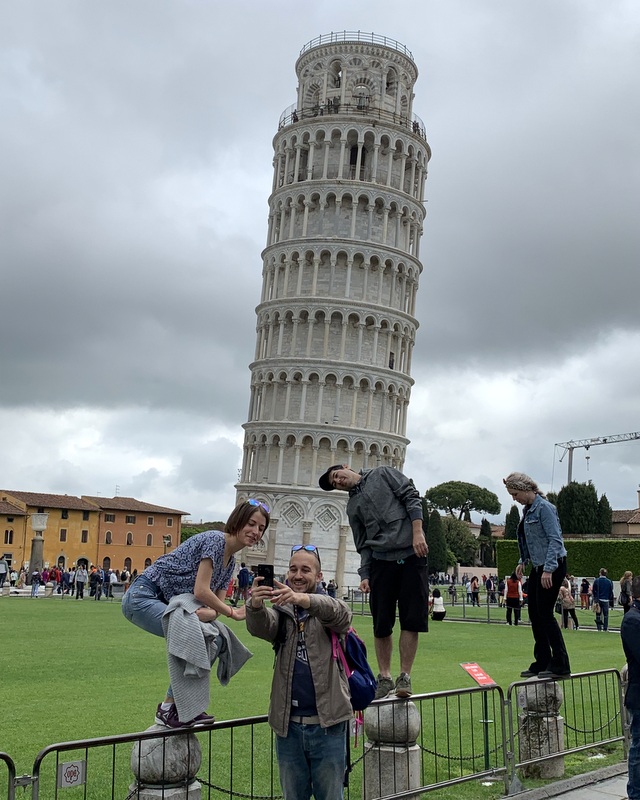
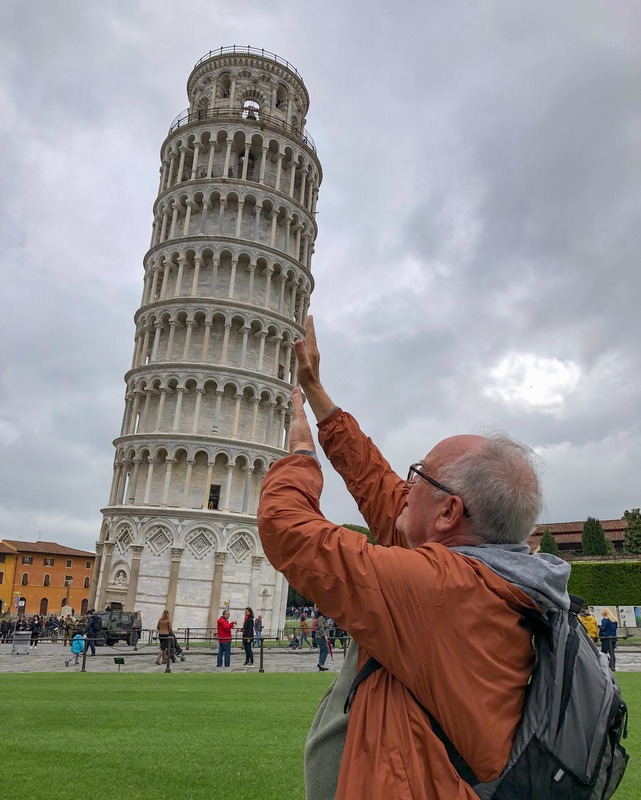
There were crowds of tourists. Many tried to support the leaning tower and of course I helped them 🙂 .

We flew back to Amsterdam with Transavia.

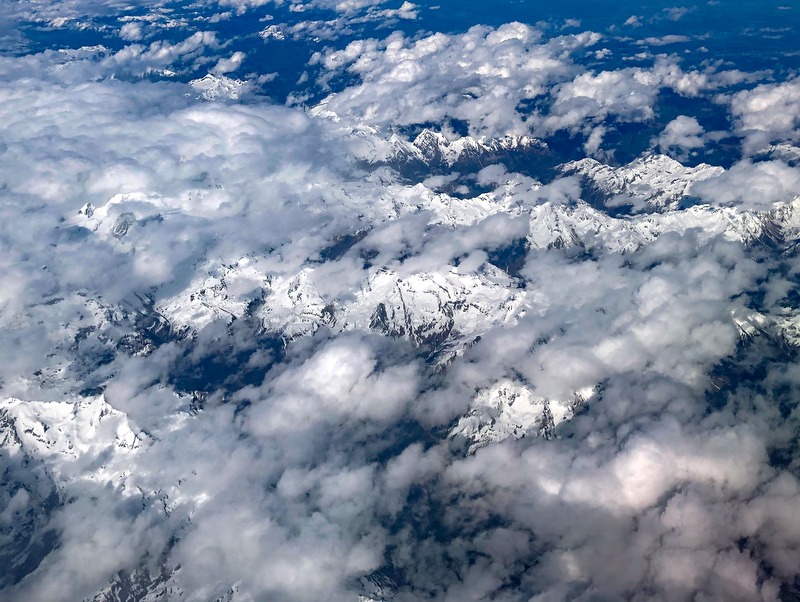
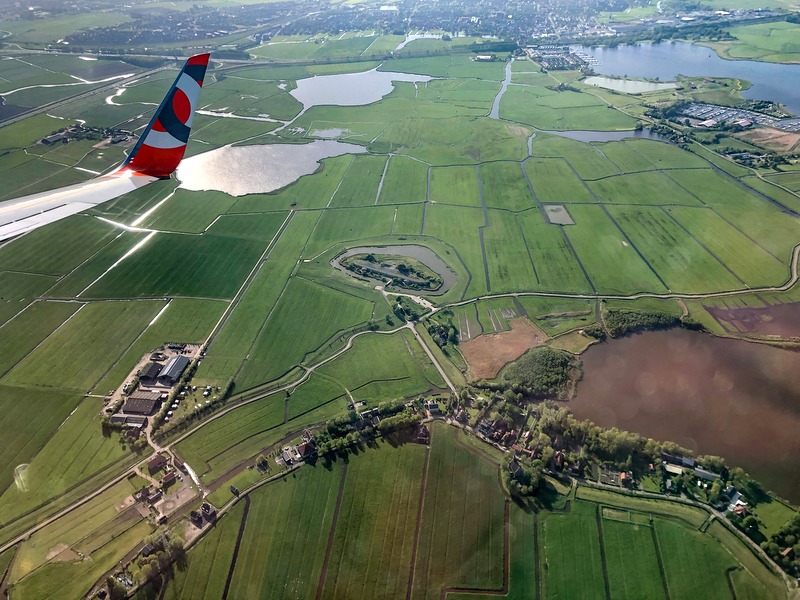
Nice views, of the Swiss Alps and, just before landing, of my beautiful country. In the centre of the right picture you can see fort Krommeniedijk, part of the (historical) Defense Line of Amsterdam .

It was a wonderful trip.

Paris, April 2019

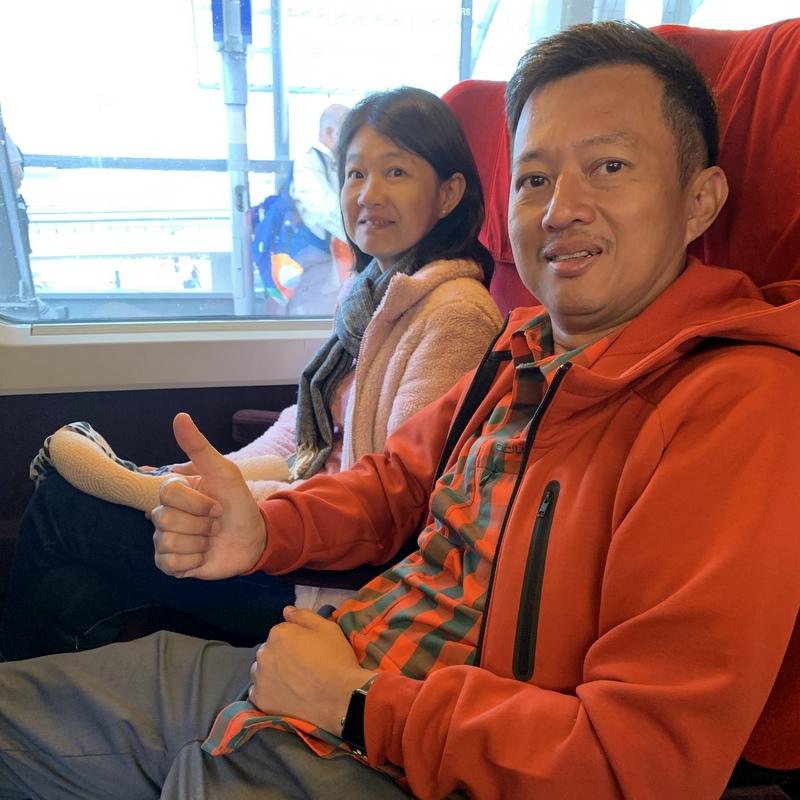
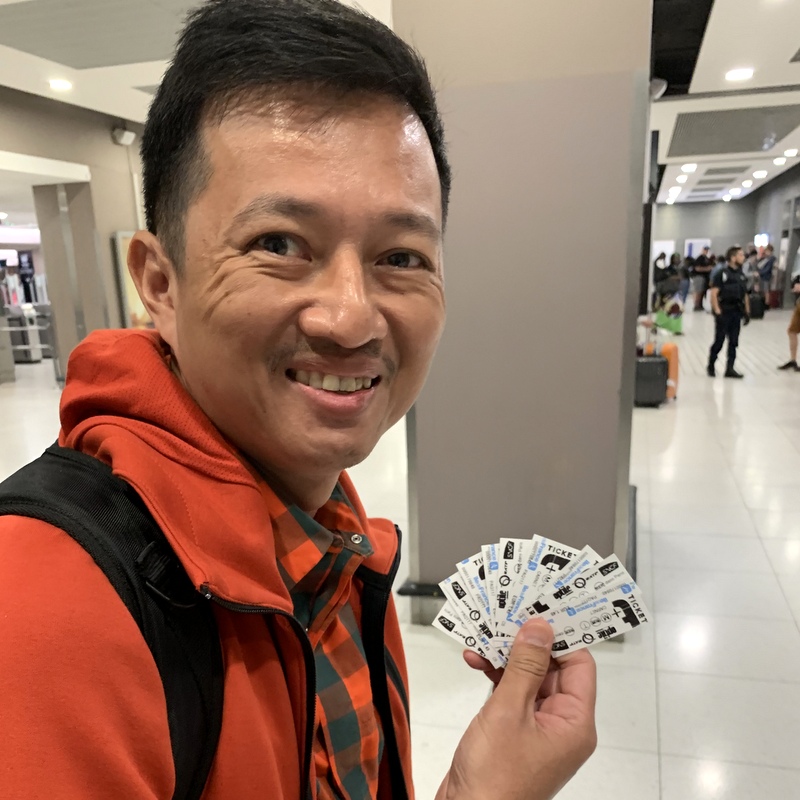
During Aei Ling’s stay in the Netherlands, we decided to visit Paris a few days. By train! The fast Thalys train takes only a bit more than three hours to reach the Gare du Nord. From there to our Airbnb we took the Metro. It has been many years ago that I visited Paris, they still use the old ticket system 😉

Aric had discovered and booked an Airbnb with a view! Located on the tenth floor with a balcony. Metro and supermarket around the corner.

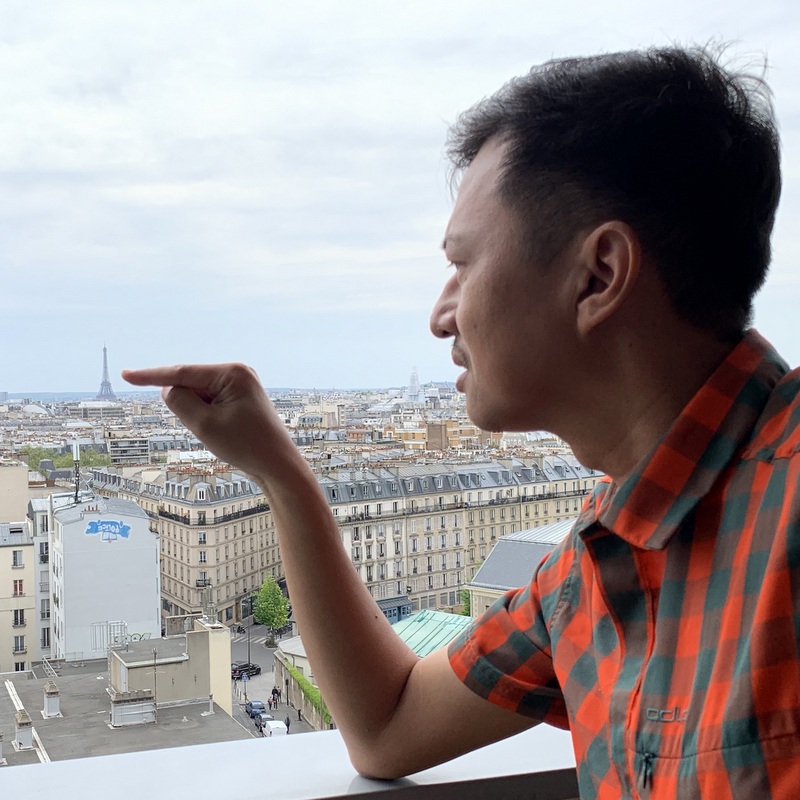
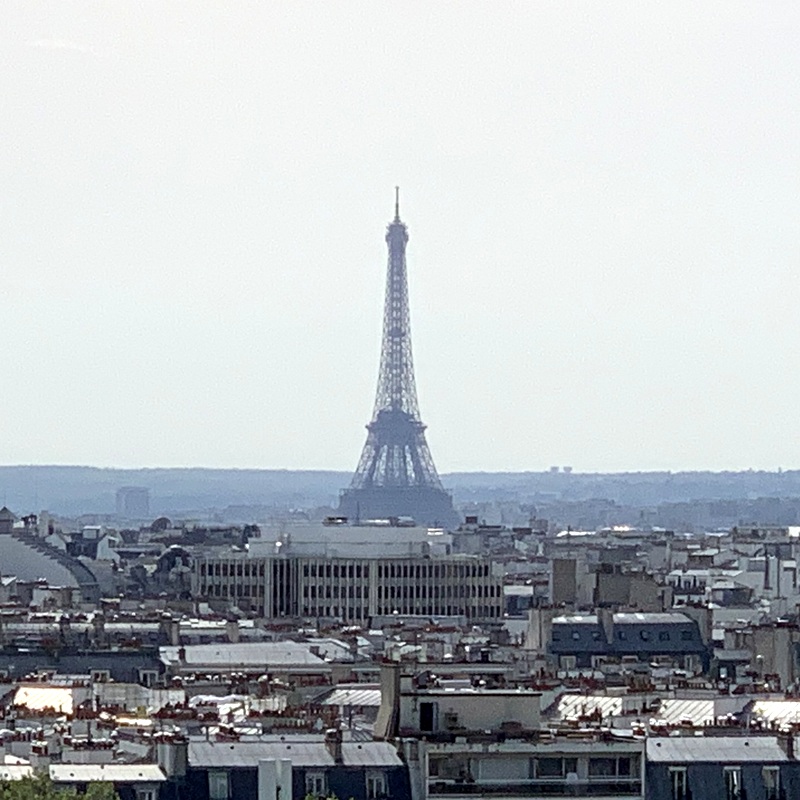
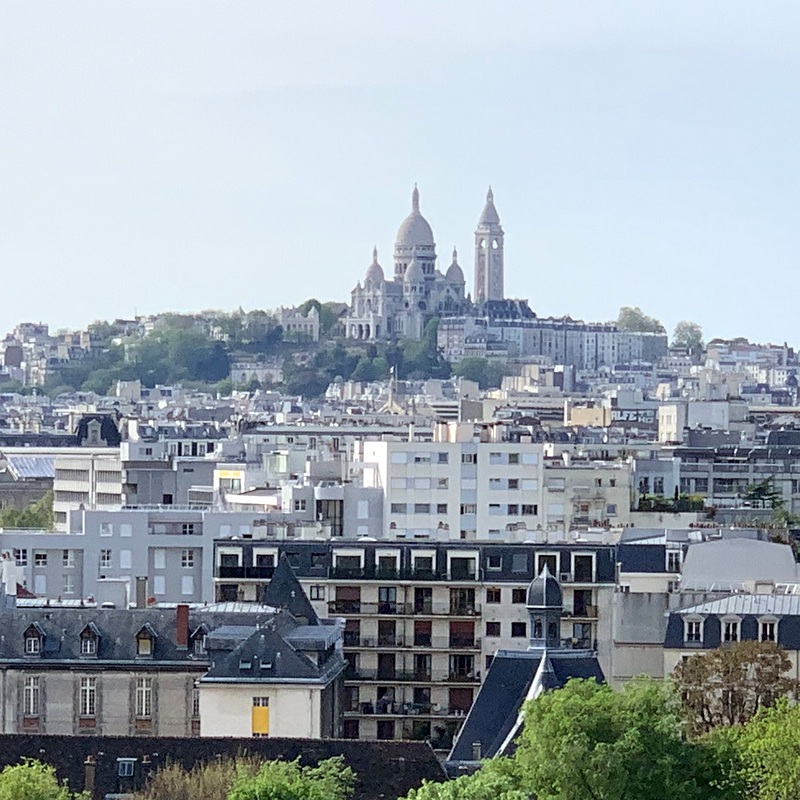
From the balcony we had a view of the Eiffel tower, the Sacré-Cœur and several other Parisian landmarks, like the Pantheon and the Notre Dame.

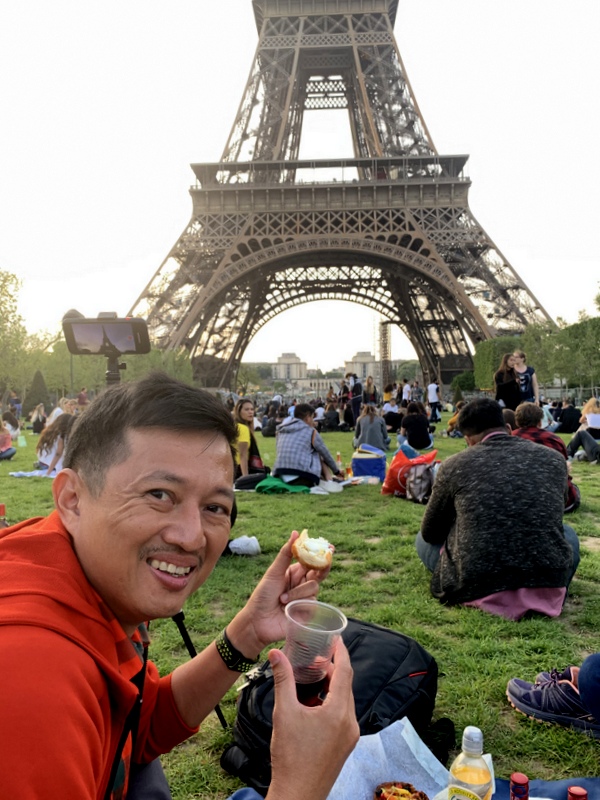
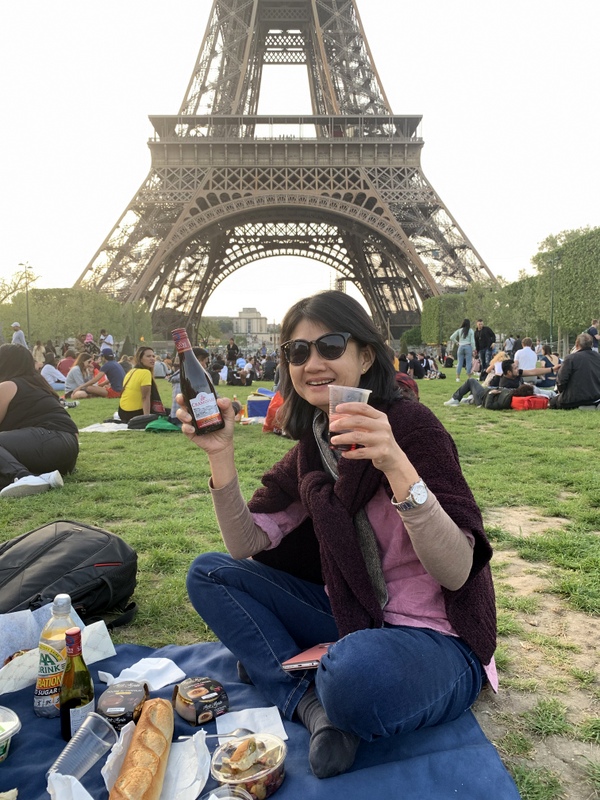
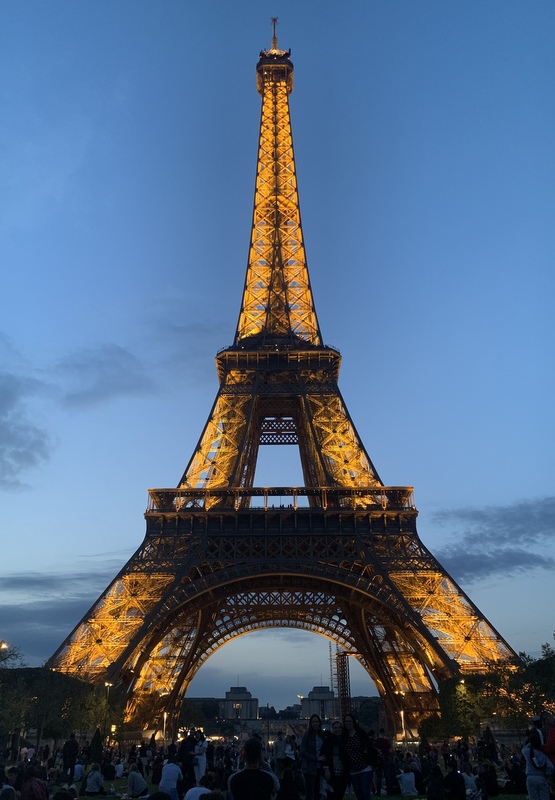
After some rest and a visit to the supermarket, we decided to have a picnic dinner at the foot of the Eiffel tower! Here is a view of the tower from the Palais de Chaillot, at the other side of the Seine river.

After taking “tourist” pictures from its terrace, we descended to the river, crossed the bridge and walked past the tower to the Champ de Mars.

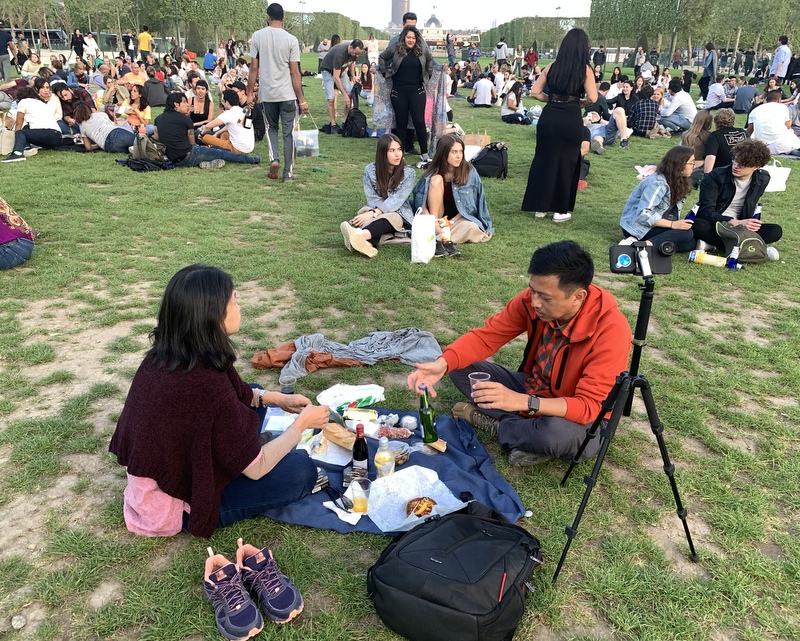
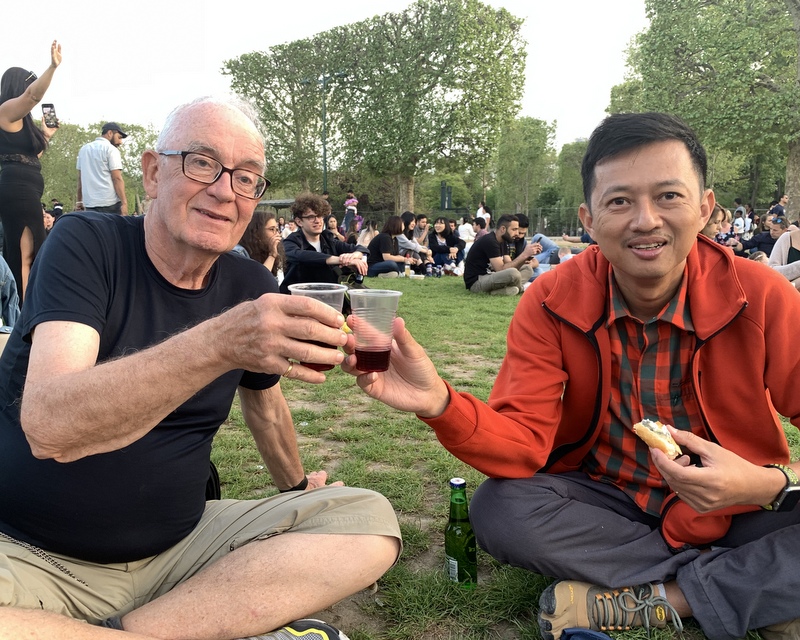
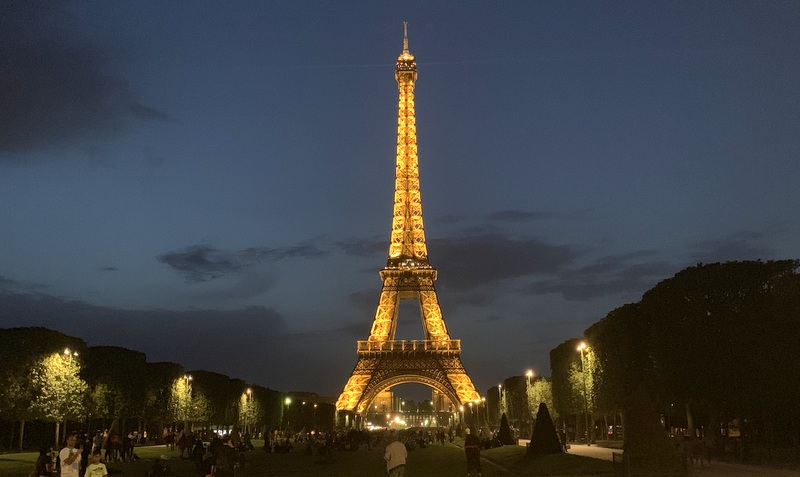
Many hundreds of tourists were having their food there and we joined them, with wine, cheese, saucisson and baguette. Really fun.

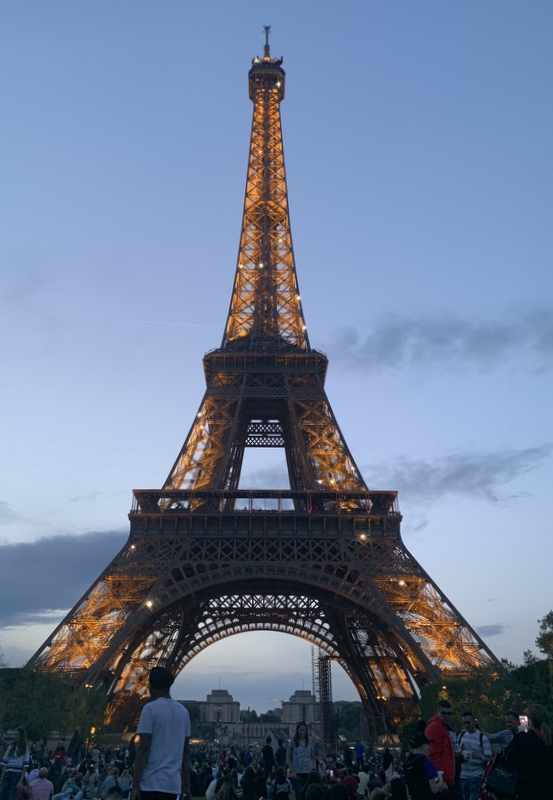
While the sun was setting, slowly the lights on the tower came on, some blinking, like a gigantic christmas tree.

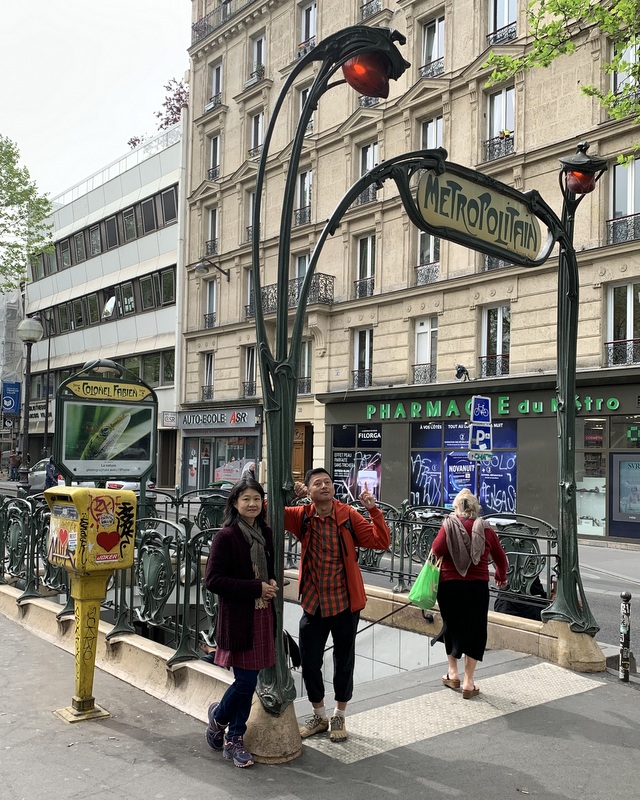
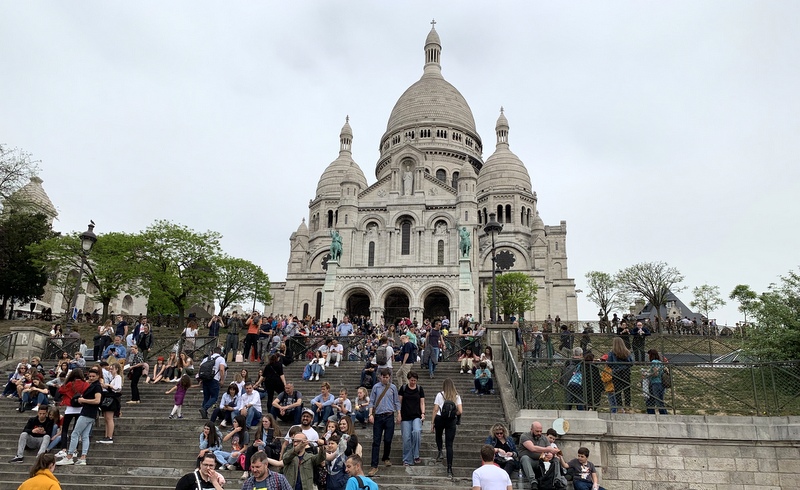
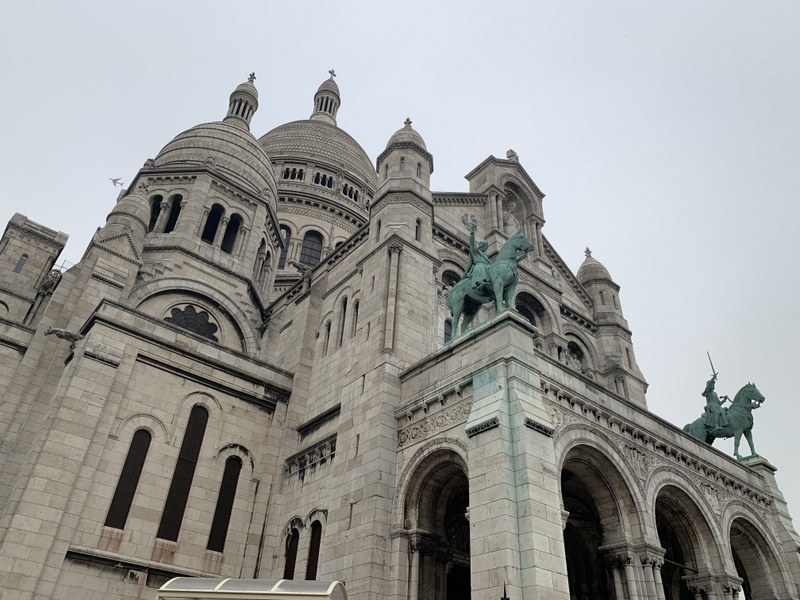
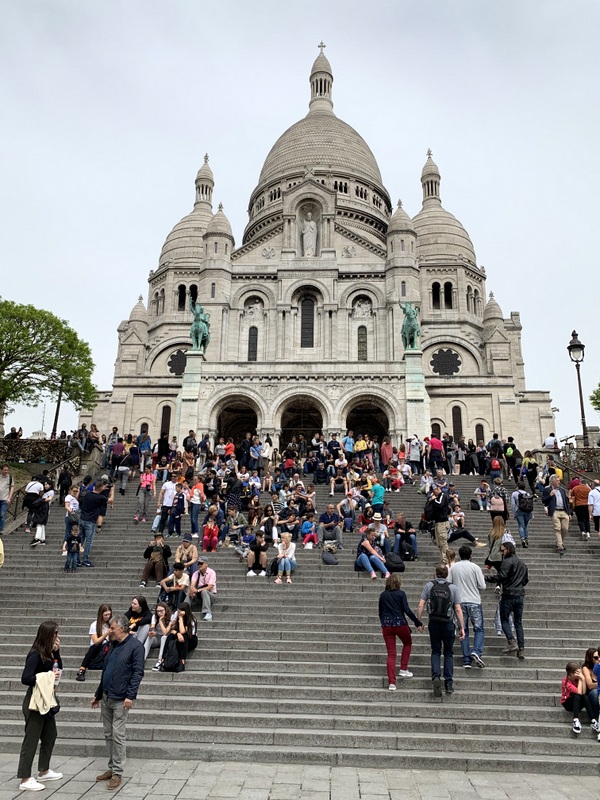
The next day we started with the Sacré-Cœur, we went there by Metro. I love the Art-Nouveau entrances of the Metro stations, dating back to the early 20th century. The basilica of the Sacred Heart is not an old church, construction on the top of the Montmartre Hill was completed in 1914.


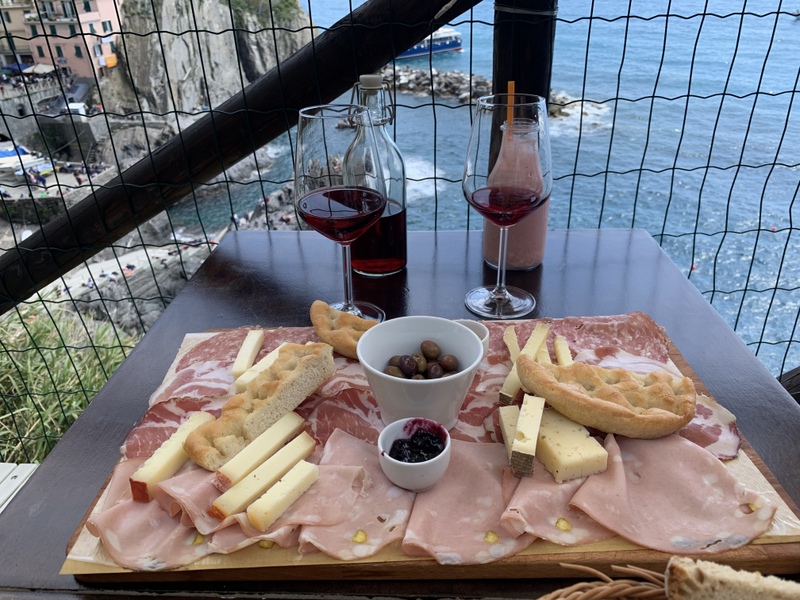
It is the second most visited monument of Paris, so we were not the only visitors 🙂

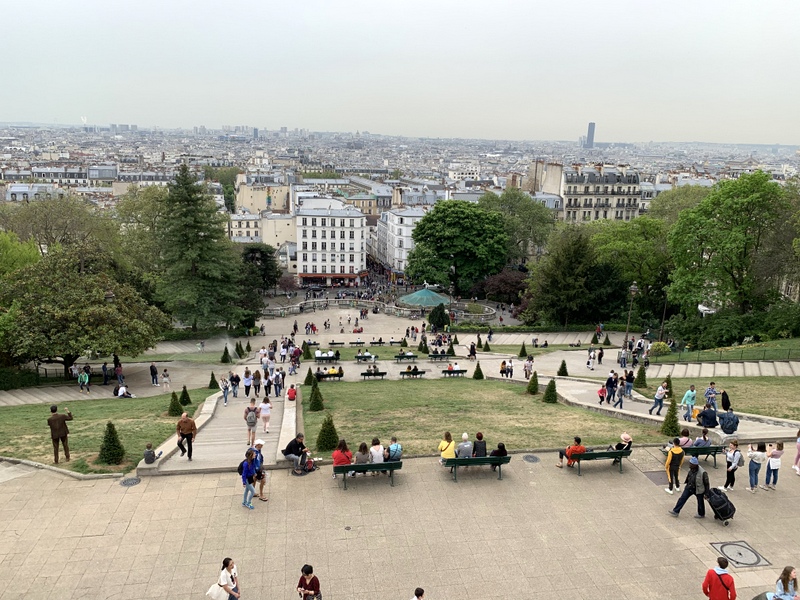
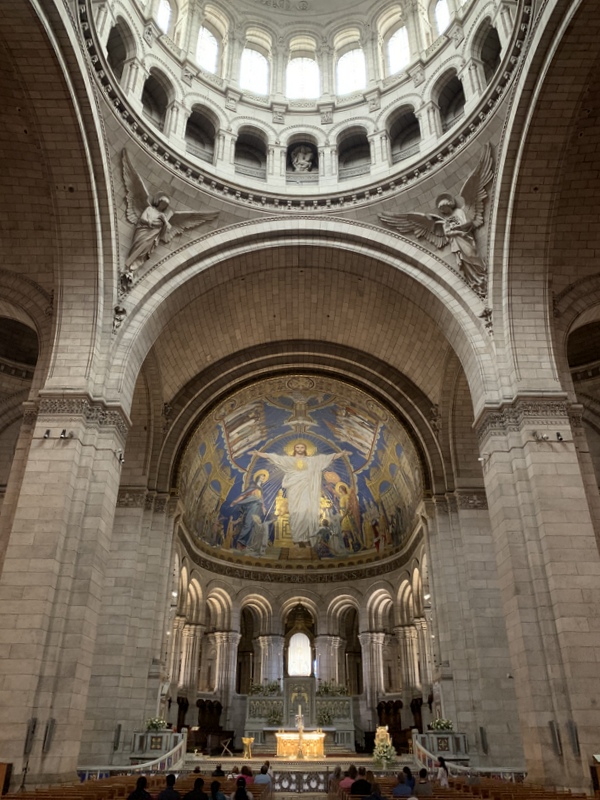
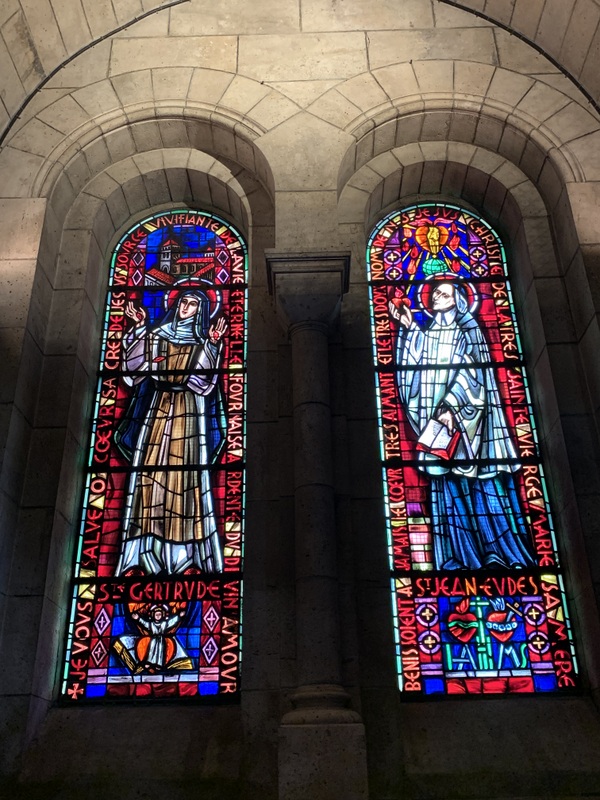
The Butte Montmartre is the highest of the seven hills of Paris, if the sky is clear, the views are extensive. It was quite grey and a bit hazy during our visit, in sunny weather the church is bright white and sometimes nicknamed the “Sugar Cake”. We had a look inside the church, but did not climb up the tower.

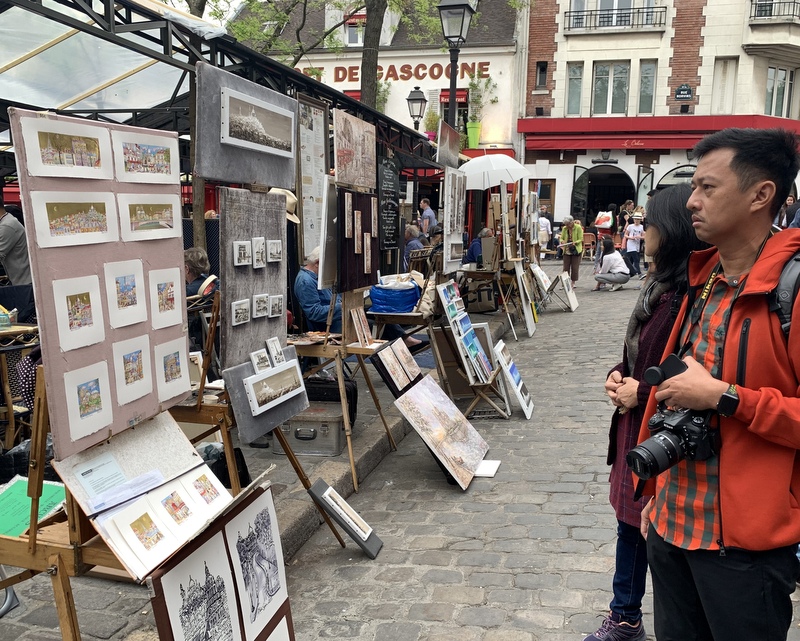
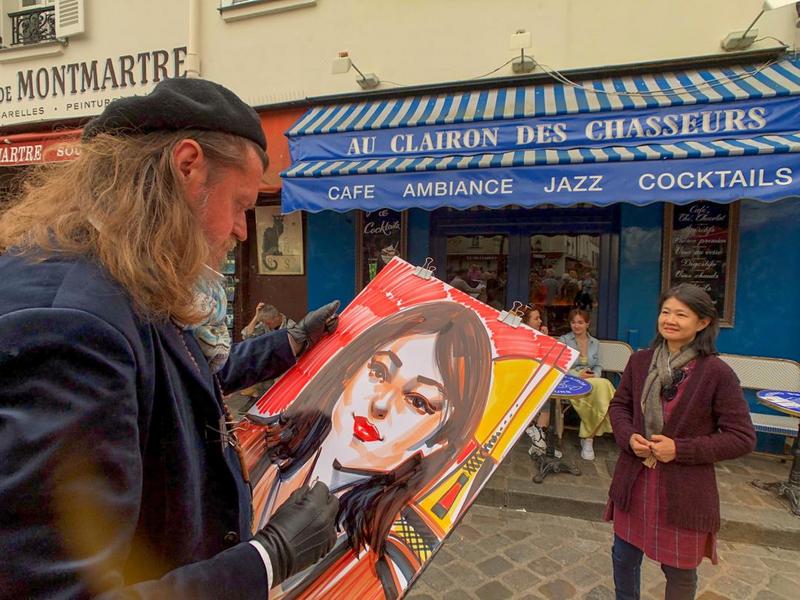
Next we walked to the nearby Place du Tertre, where dozen if not hundreds of artists try to earn some money by painting tourists. Aei Ling could not resist the temptation to have herself painted ..:-)

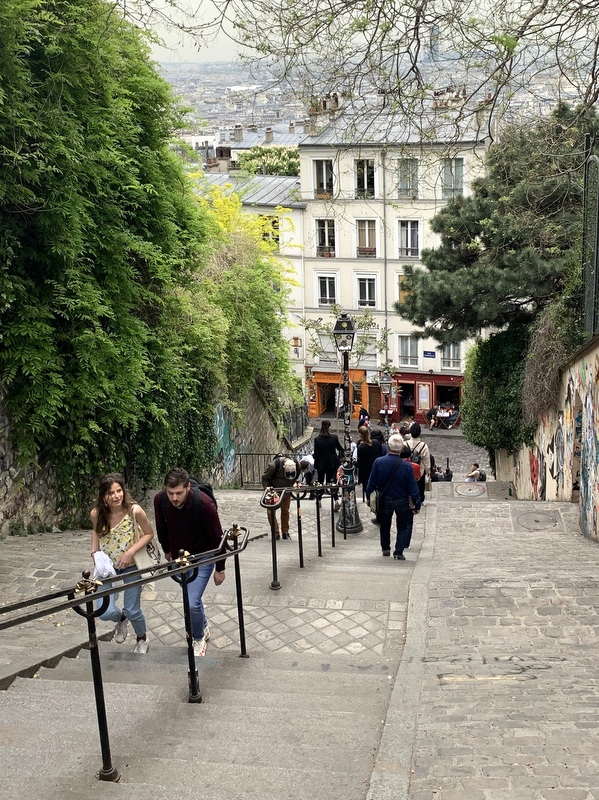
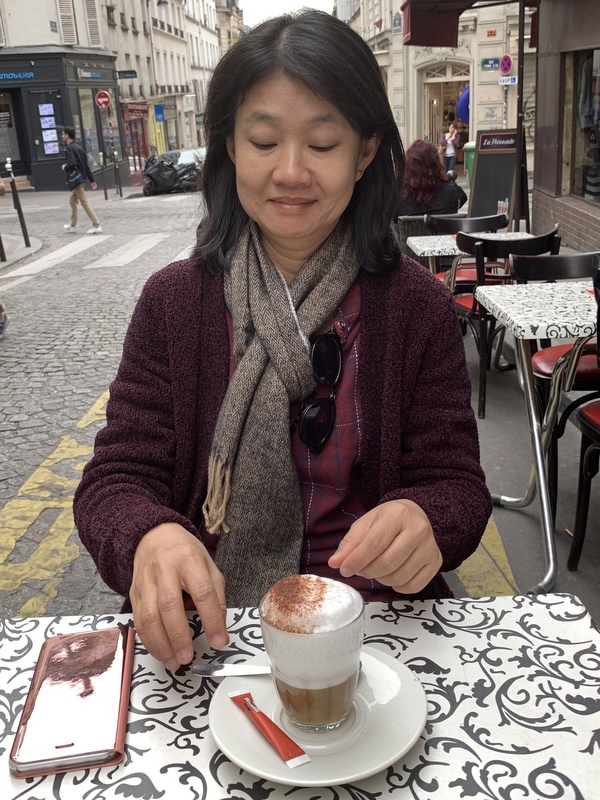
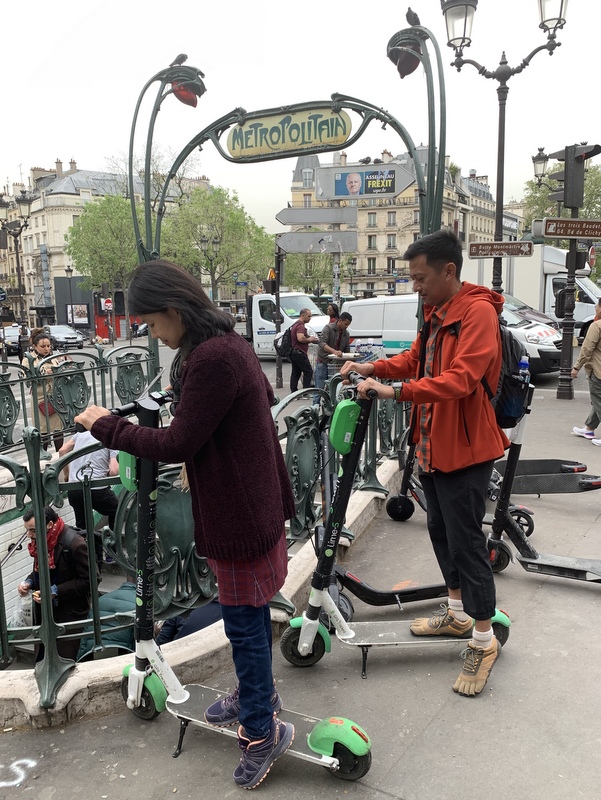
We walked down the steep streets from Montmartre and had a cup of coffee. The electric scooters are very popular, you can hire them everywhere, but we took the Metro again.

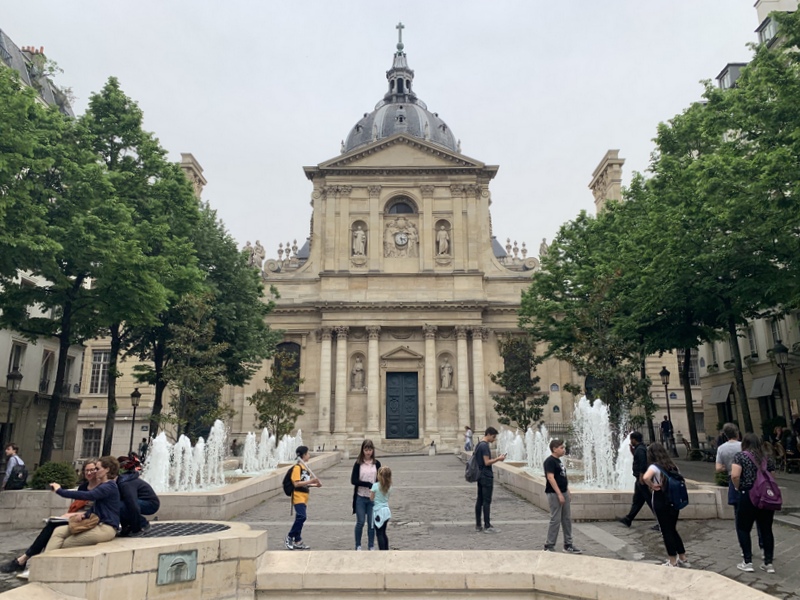
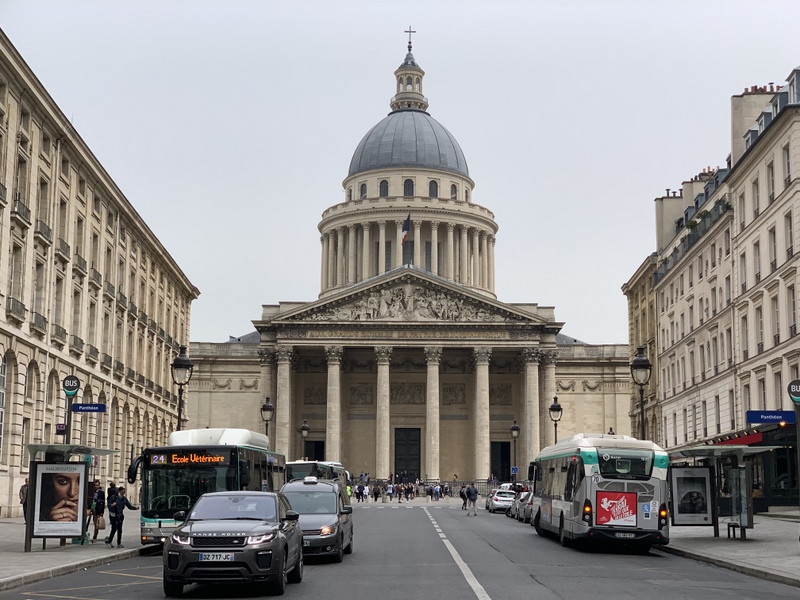
Our next destination was the Notre Dame, but on our way we first had a look at some other monuments. Left the Sorbonne, the famous university of Paris, and right the equally famous Pantheon, burial place of many French celebrities.

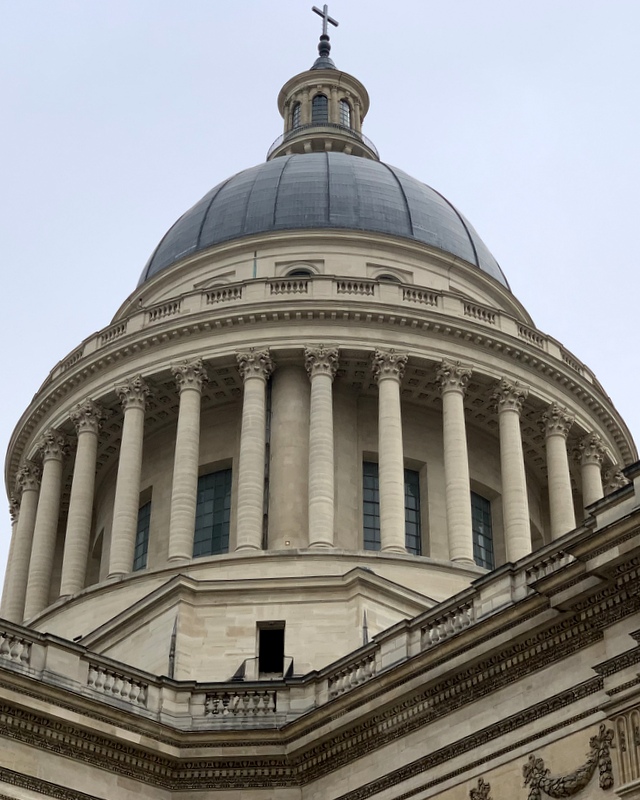
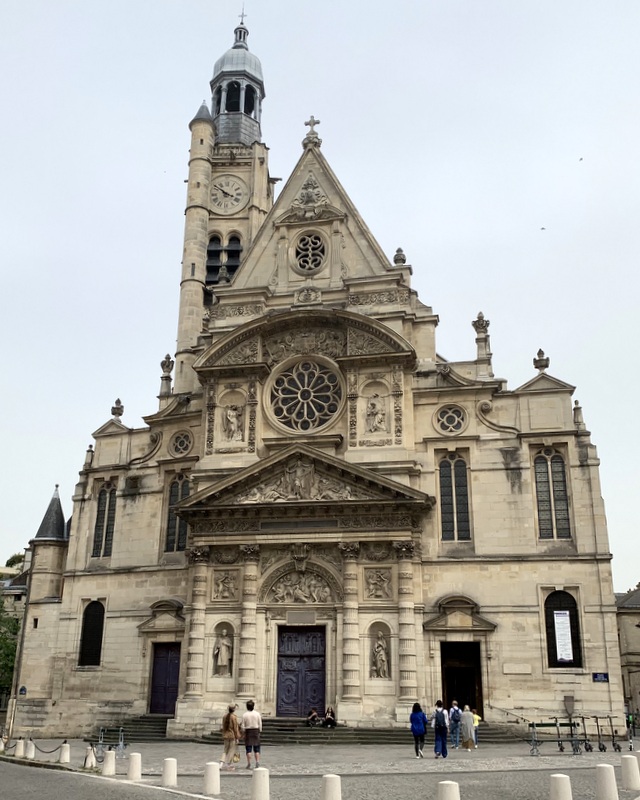
Left a close-up of the Pantheon, in the center the Facade of the Faculty of Law (with a young doctor in front of it), and right the church of Saint-Etienne-du-Mont, next to the Pantheon. It is a very nice neighbourhood of Paris.

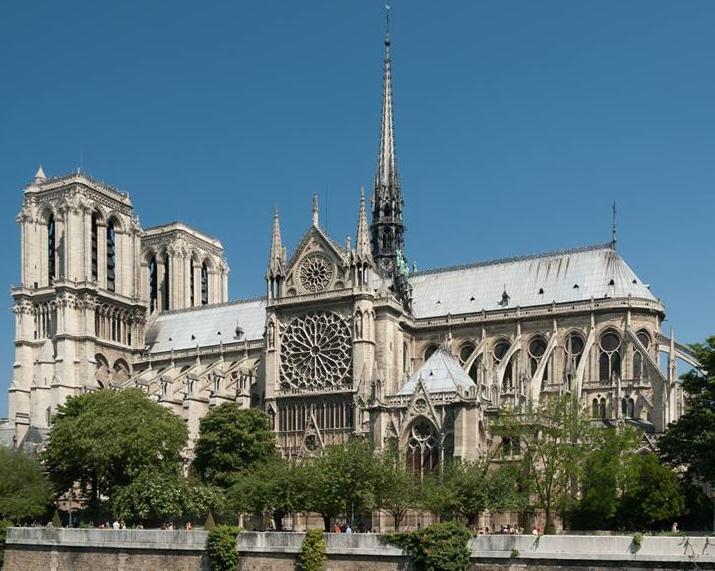
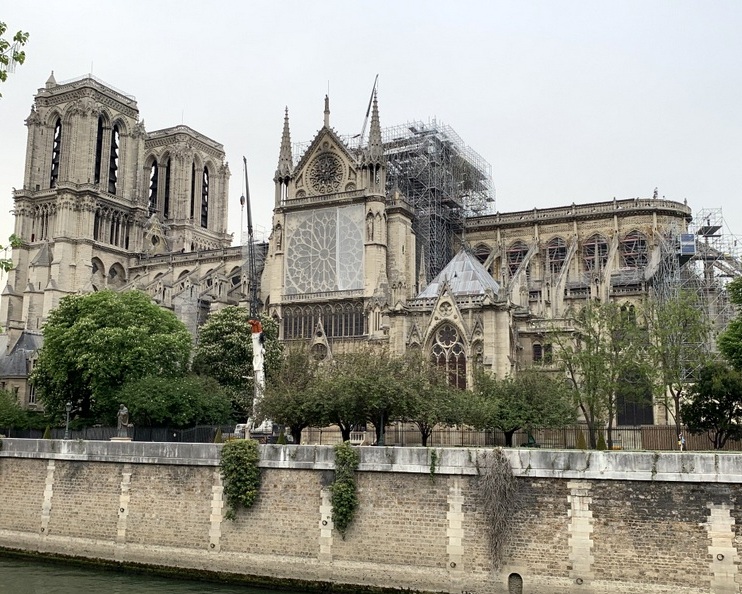
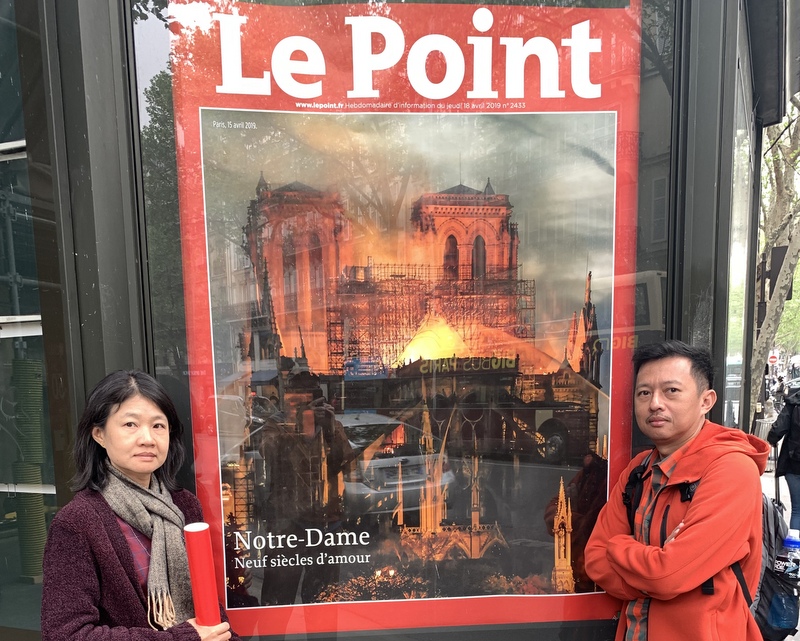
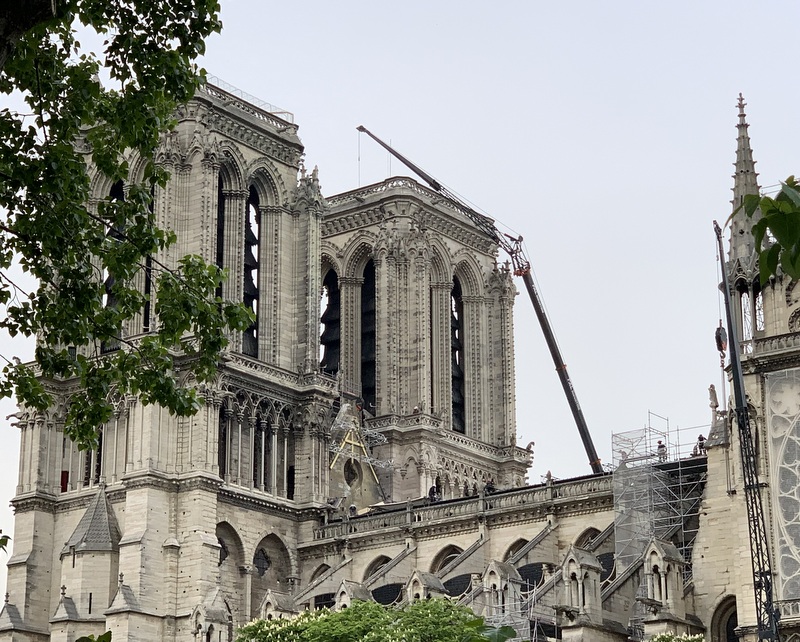
One week before our arrival, a devastating fire had destroyed the spire and the roof of the Notre Dame. Here are two photos. One (taken from the Internet) with the church in its full glory, the other one how it looked during our visit. Spire and roof have disappeared.

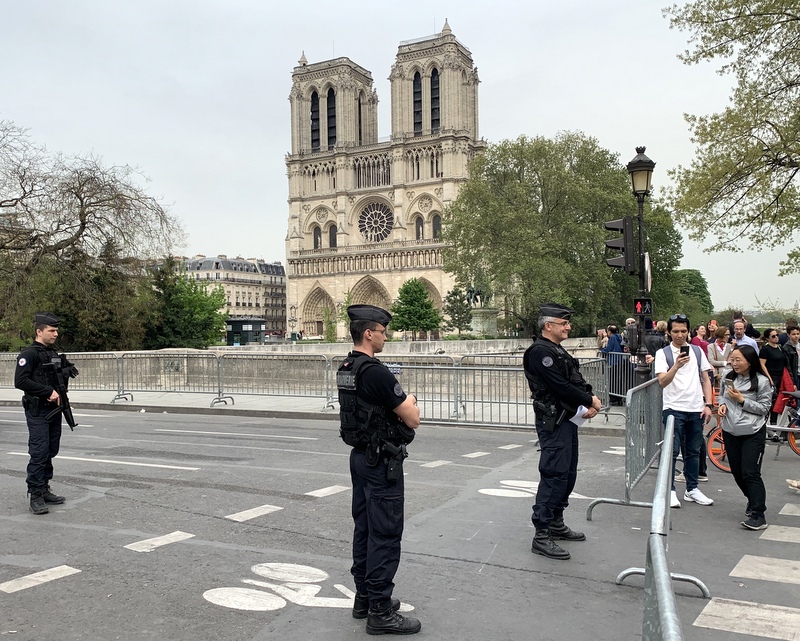
Of course many tourist wanted to see the destruction. The region around the church was cordoned of, but from across the Seine you had a good view. Protection work was going on.

It had been a long day, we were tired and decided to have a microwave dinner at home. The last day we would go out for a real French dinner 🙂

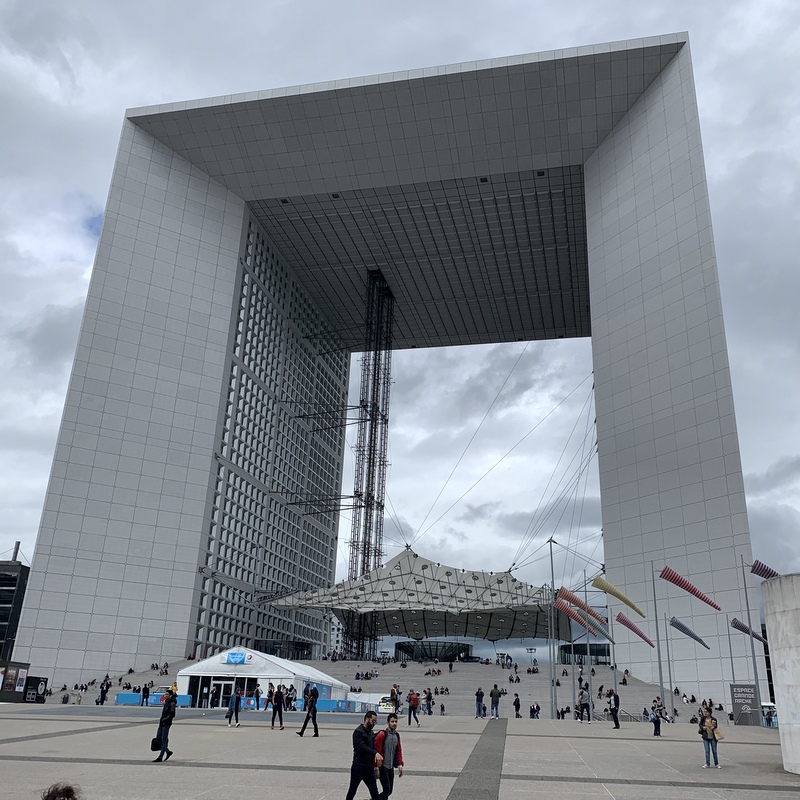
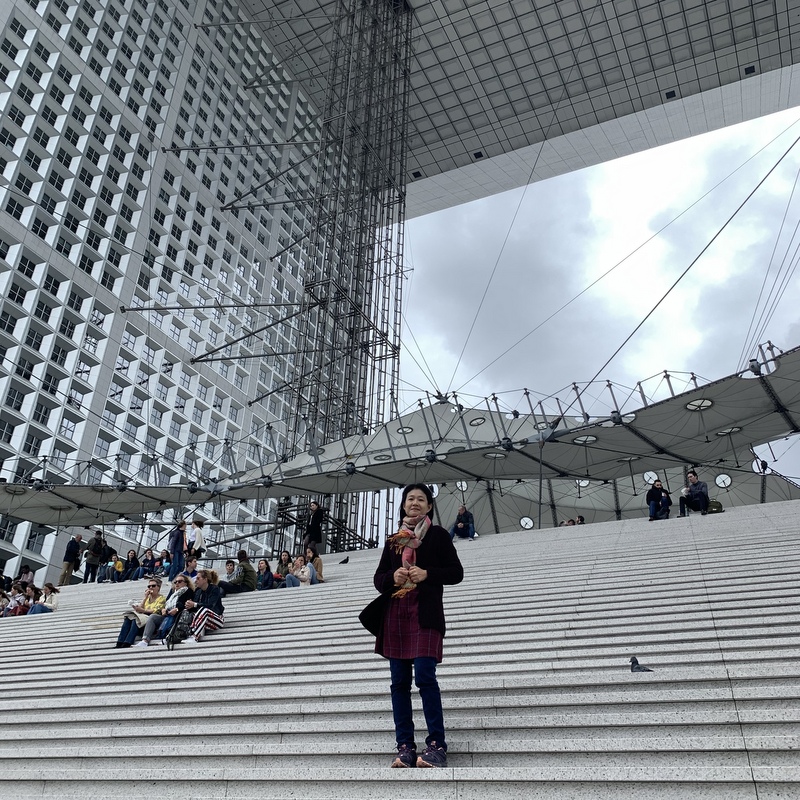
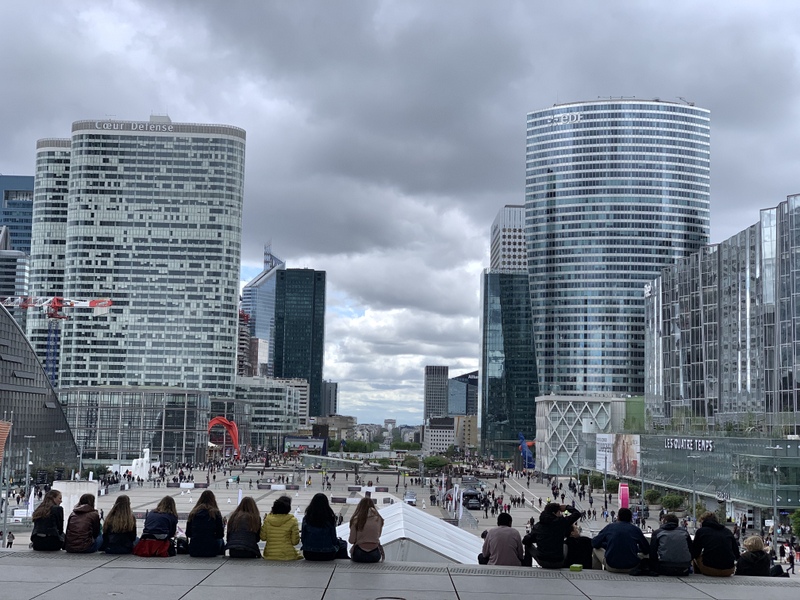
The next day we started with la Défense, the modern business district of Paris, dominated by the Grande Arche.

From the Grande Arche you can see, about 4 km away, the
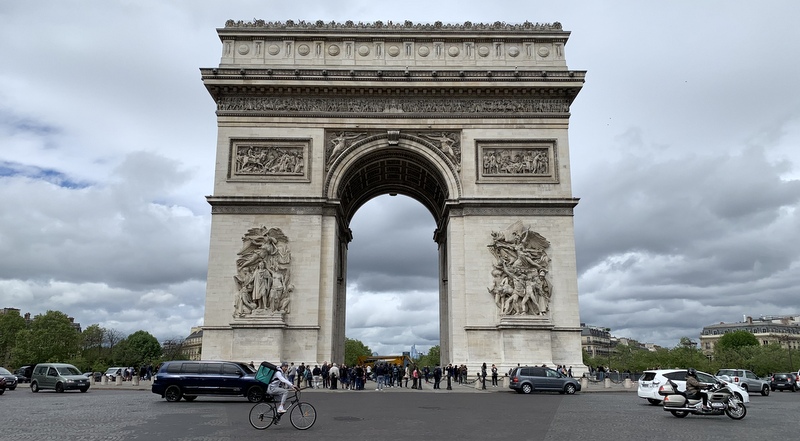
Arc de Triomphe , our next destination. Click on the right picture to enlarge

We didn’t walk, but took the Metro to the Arc de Triomphe.

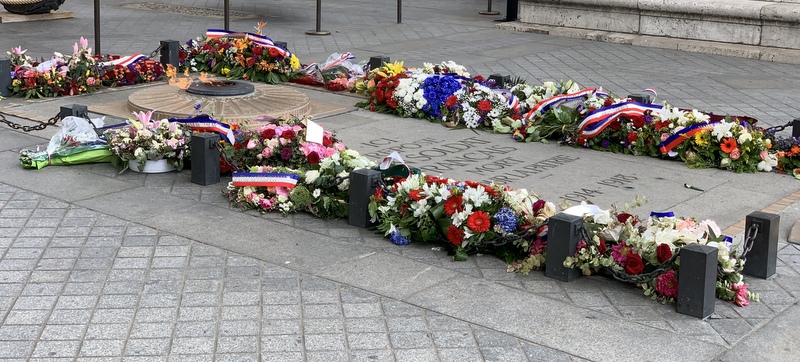
This is the Tomb of the Unknown Soldier, beneath the Arc.

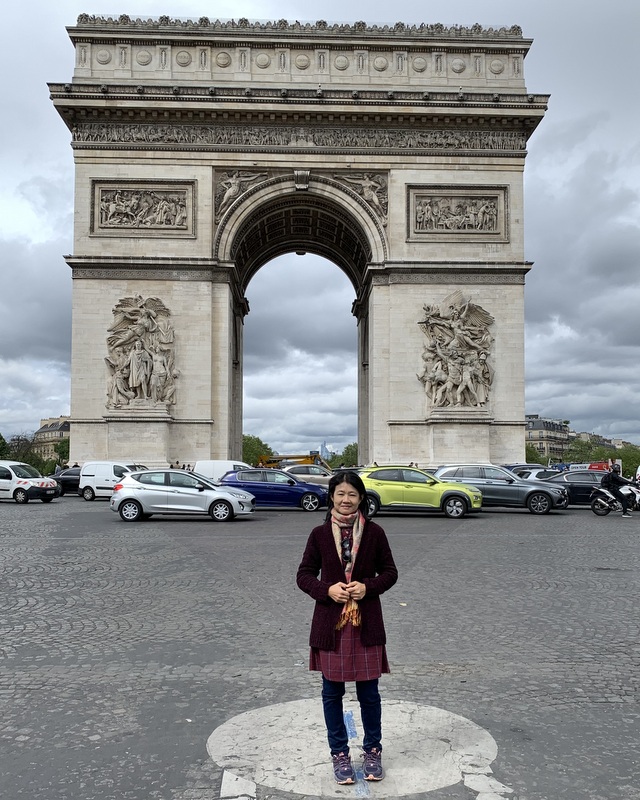
A few more pictures. Construction of the Arc was started in 1806 after the victory at Austerlitz by Napoleon, but only completed in 1836.

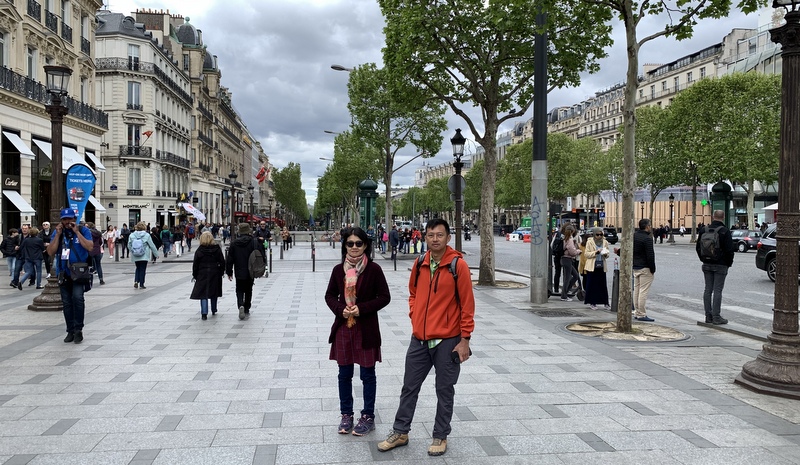
From the Arc de Triomphe we followed the famous Avenue des Champs-Élysées to the Place de La Concorde.

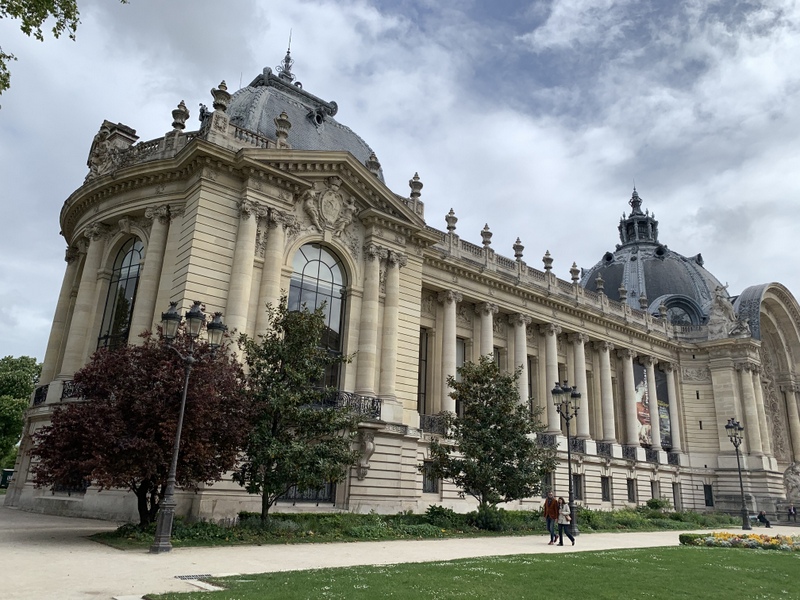
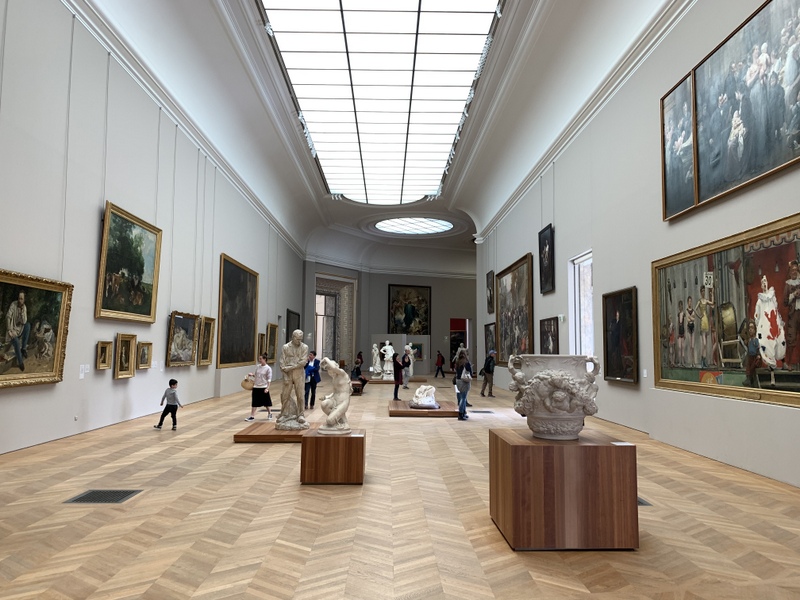
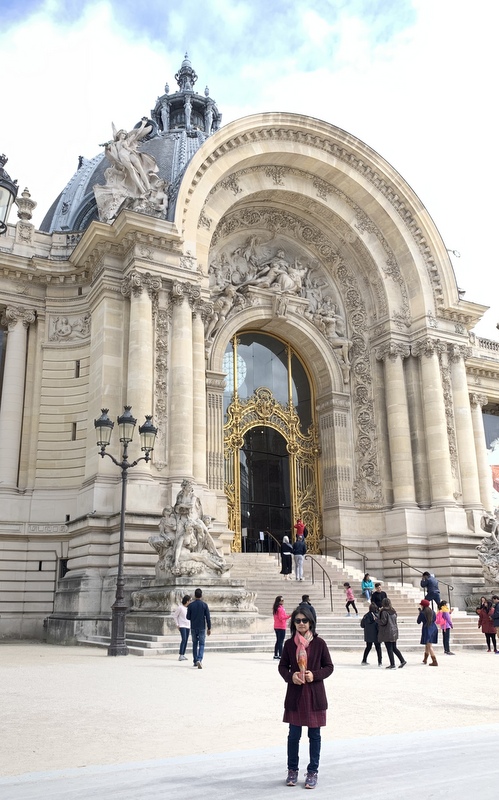
On our way we passed the impressive buildings of the Petit and Grand Palais, built in 1900 for the World Exhibition. The Petit Palais is now a fine arts museum. As access is F.O.C, we decided to have a look inside…:-)

The Place de La Concorde is the largest square of Paris. During the French Revolution a guillotine was placed here, where King Louis XVI, Queen Marie Antoinette and many others were executed. In 1829 one of the Luxor obelisks was given by the Egyptian government to France and placed in the center of the square.

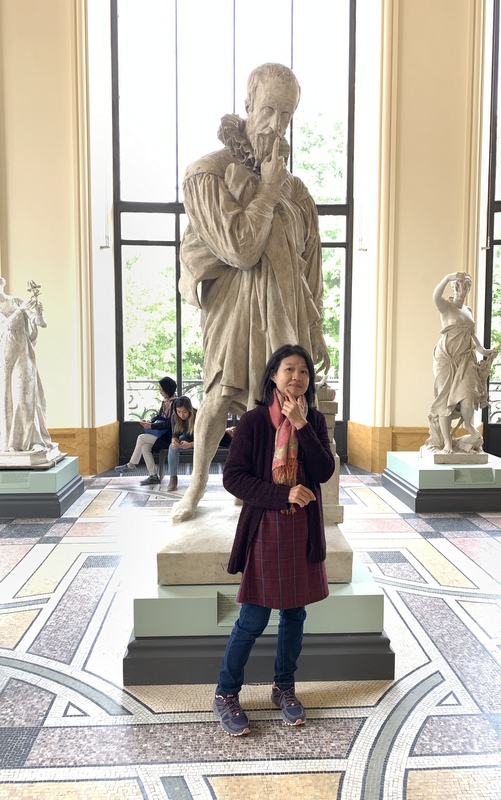
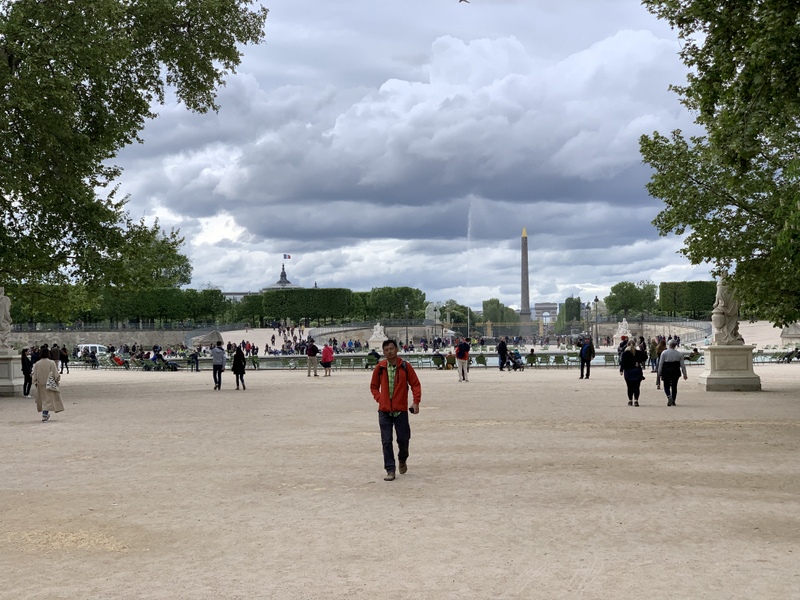
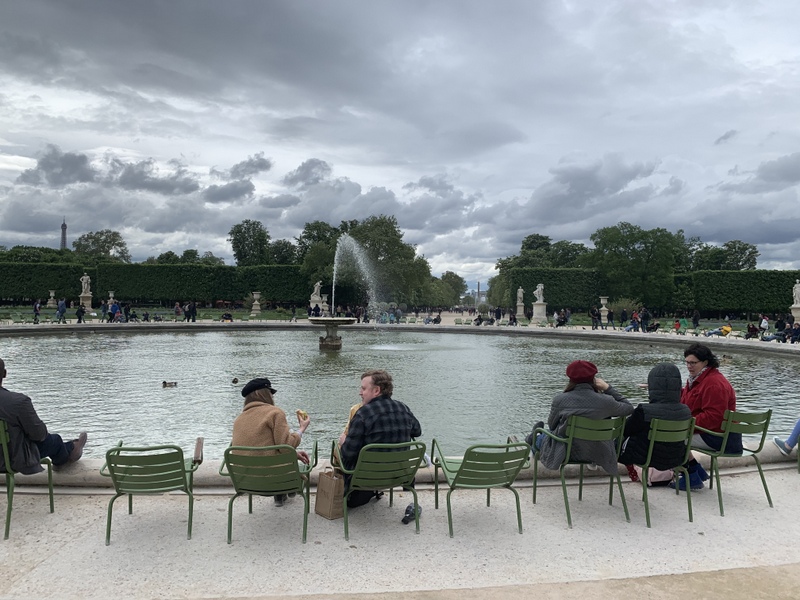
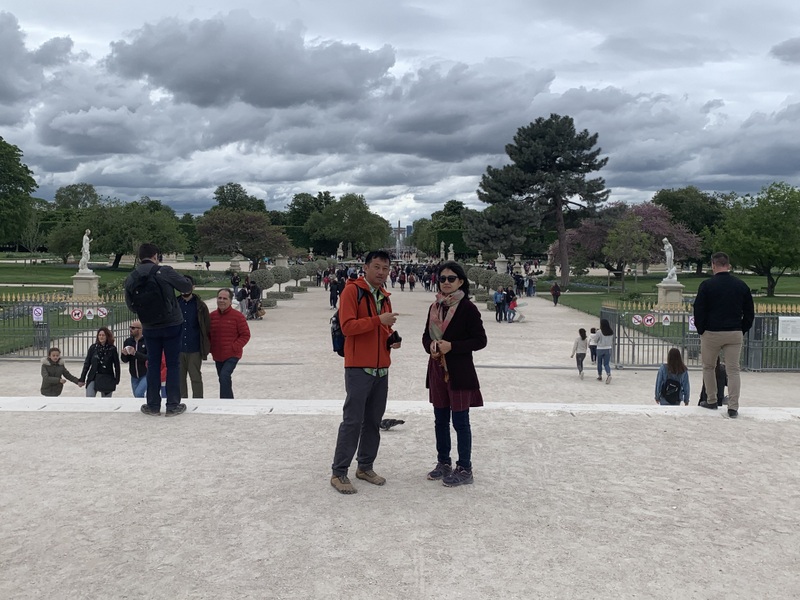
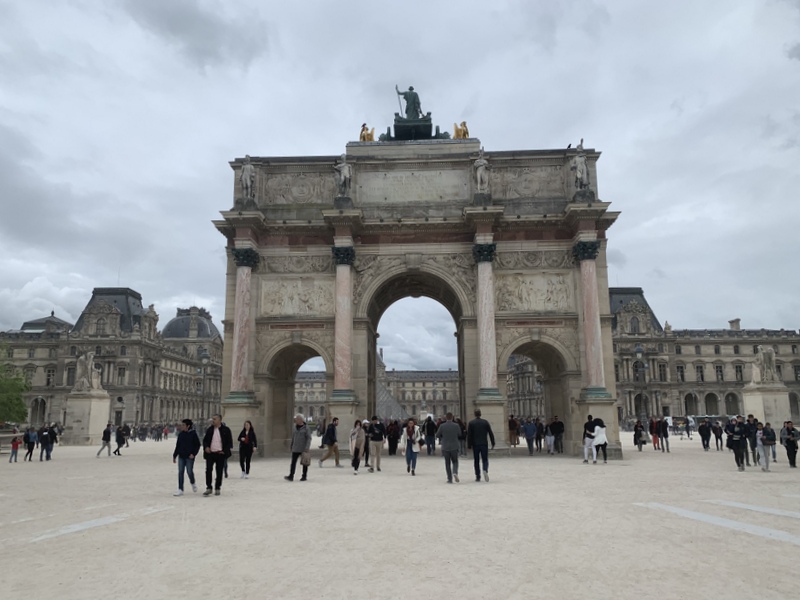
We continued to the Tuileries gardens and the Louvre. When you enlarge the top left picture, you will see the obelisk and the Arc de Triomphe in the background. Pity that it was rather cold and grey weather.

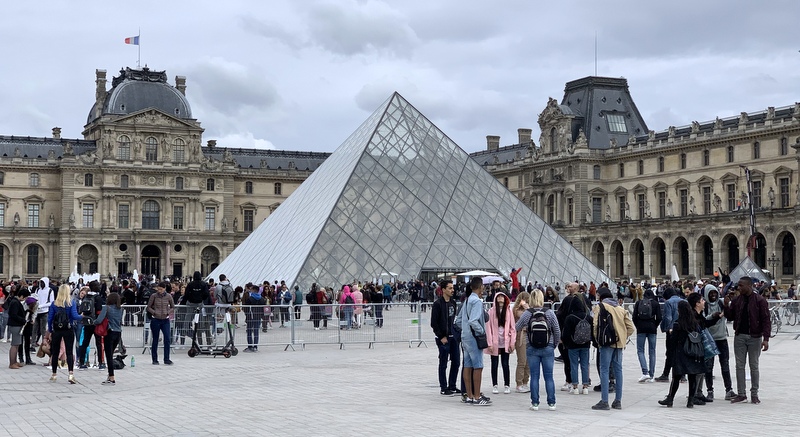
The Louvre is the world’s largest art museum. We didn’t visit , just had a look at the Pyramid, designed by famous architect I.M Pei (who passed away a few weeks ago at the age of 102!)

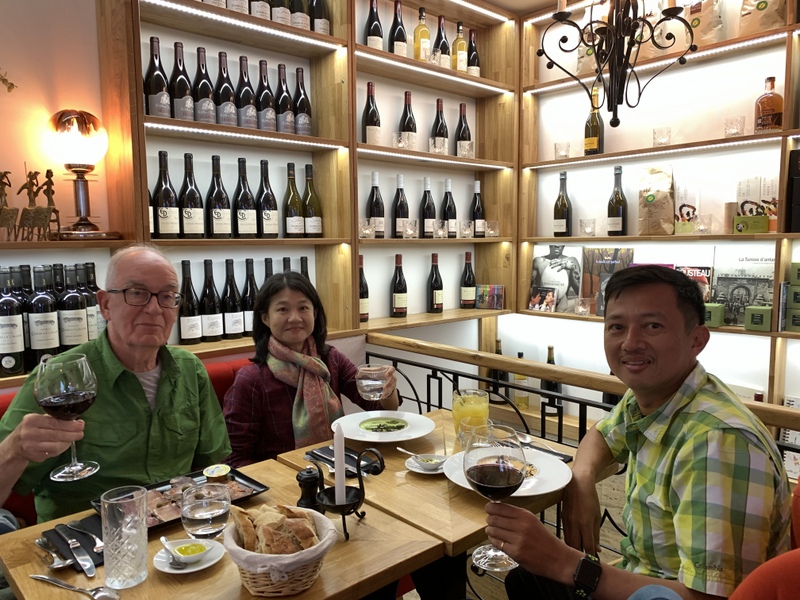
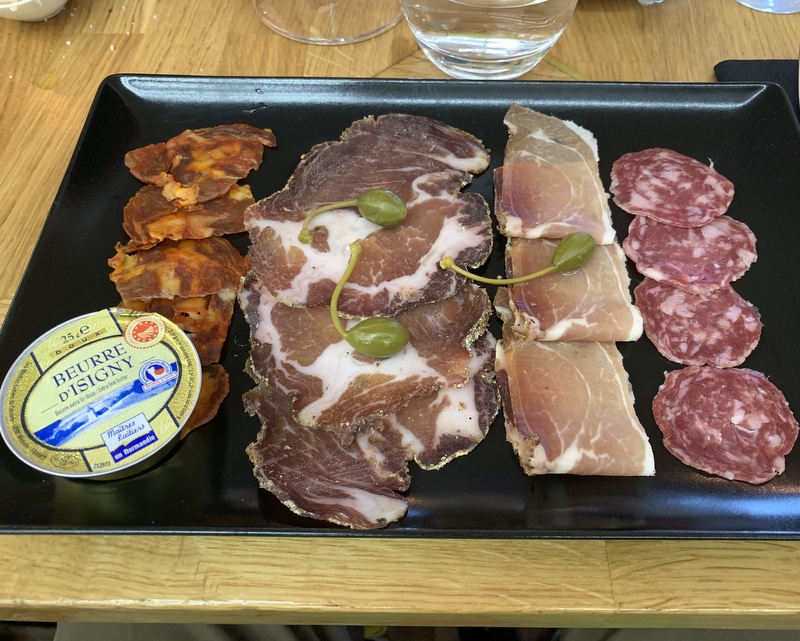
It was a long, but rewarding walk. After a short rest, we went out again to a restaurant, Au P’tit Curieux, where we had a nice dinner.

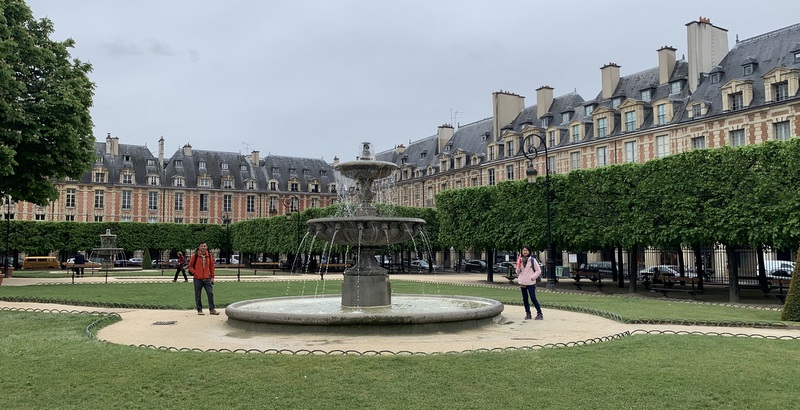
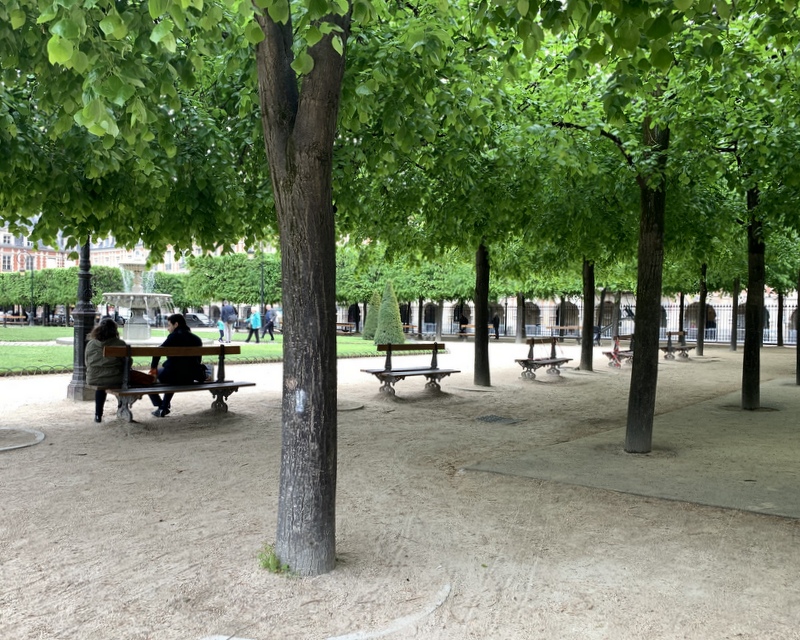
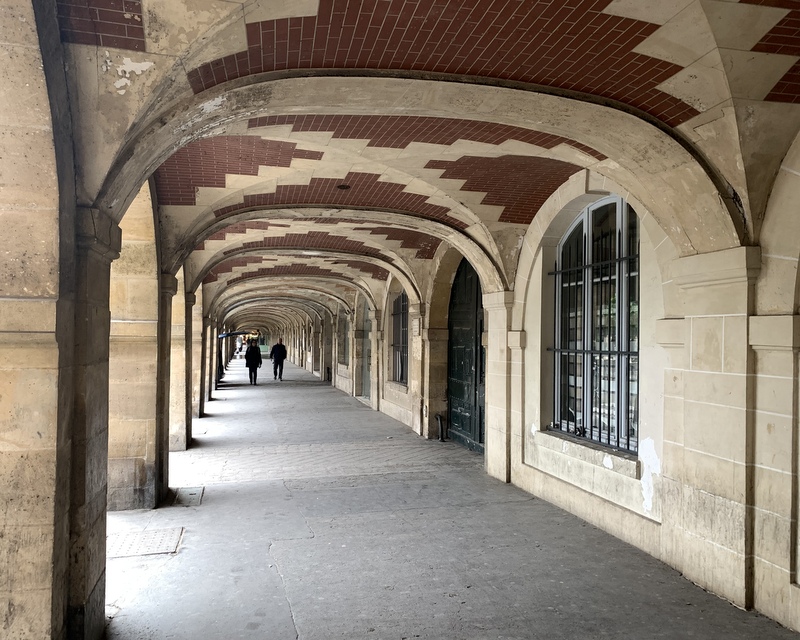
The next day we still had some time left, because our train back to Amsterdam was leaving Paris in the afternoon. After checking out we first visited the Places des Vosges. Built in 1612, it is one of the first examples of city planning.

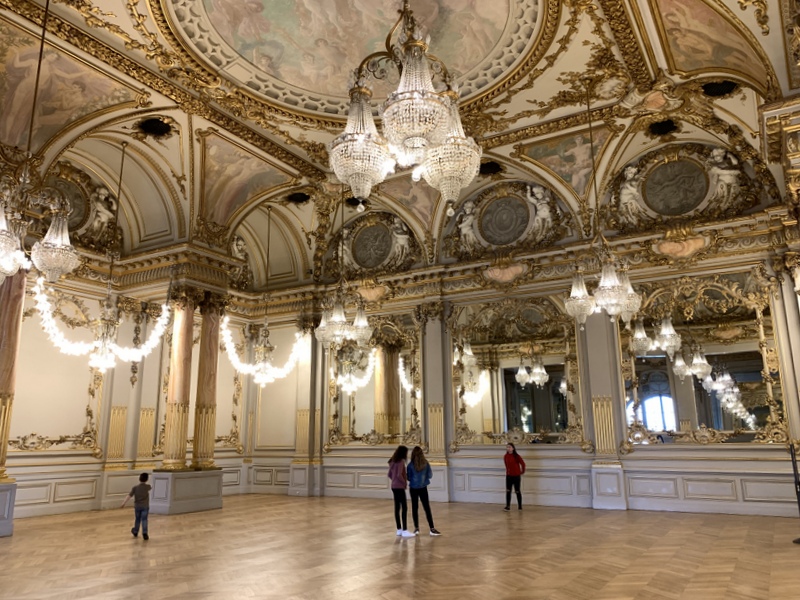
Our last destination was the Musée d’Orsay, a former railway station, my favourite Paris museum. When we arrived at the museum, we noticed the very long queue of visitors, we should have bought tickets online! So that is what we did on the spot, with the help of Aric!

The station was built around 1900 and houses French art from 1848 until 1914.

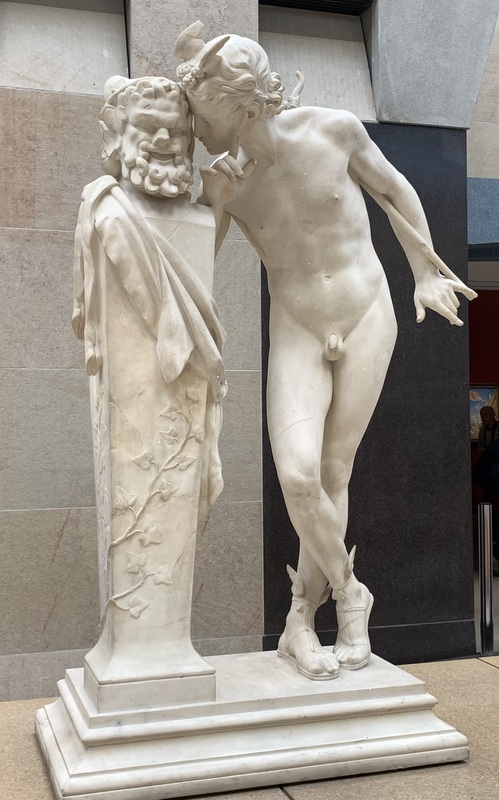
I could have spent the whole day, but we had not much time. Here are a few pictures.

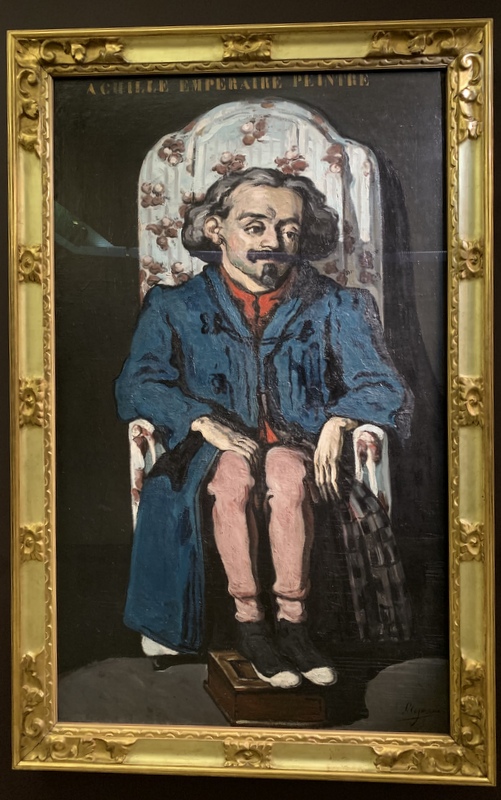
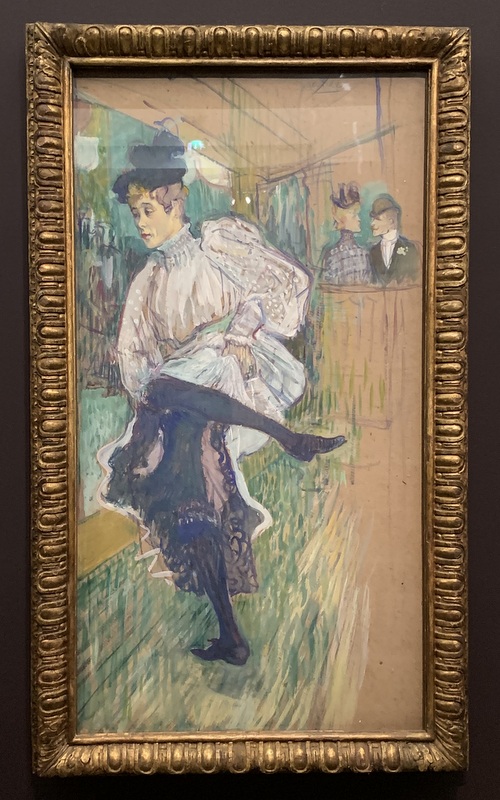
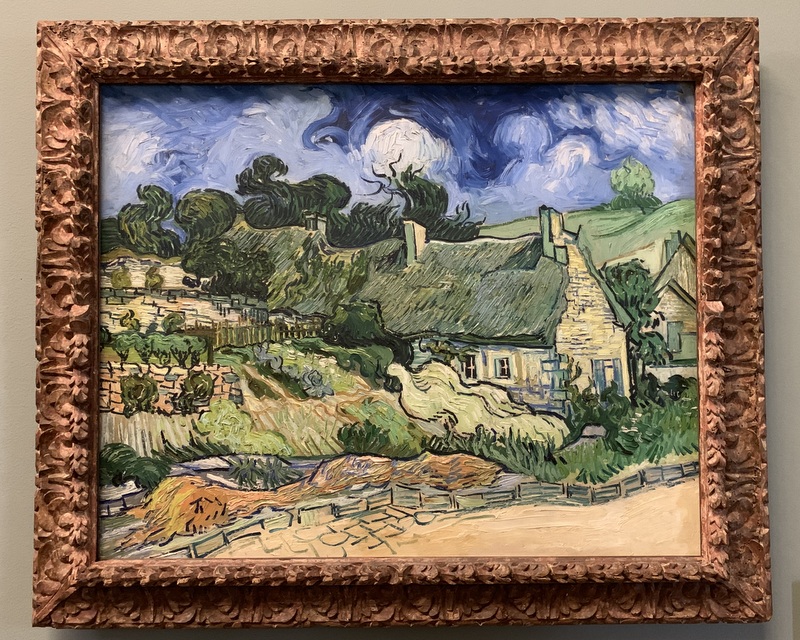
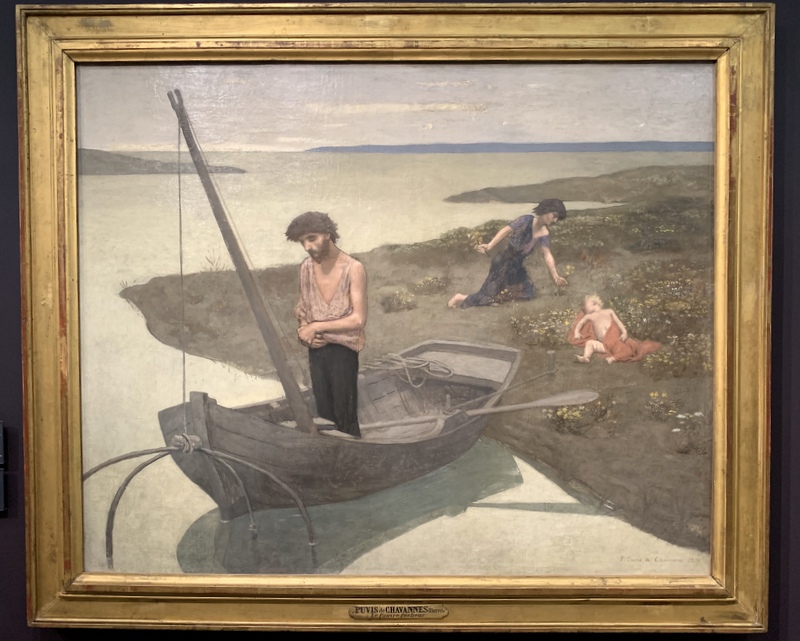
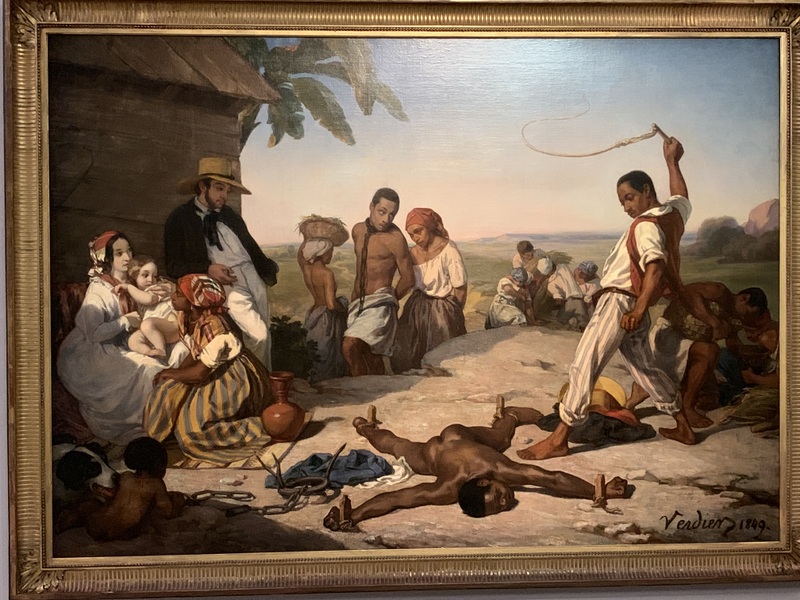
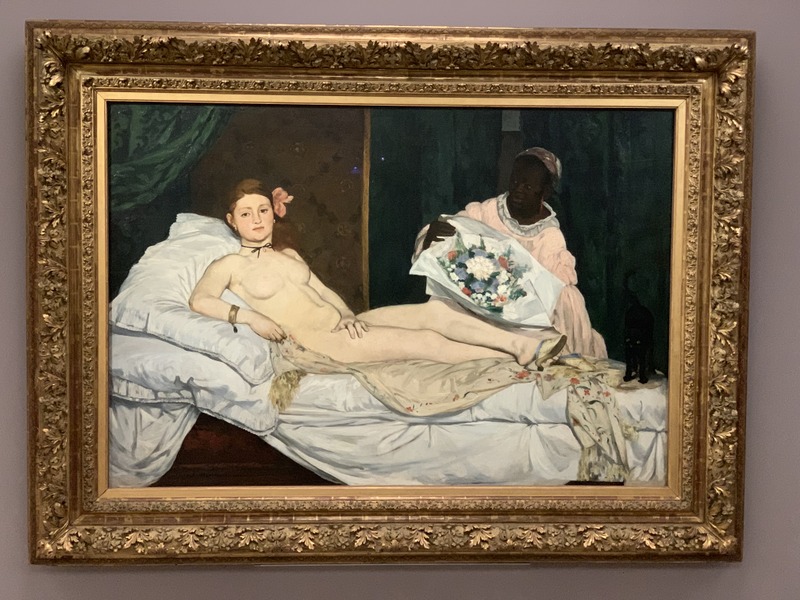
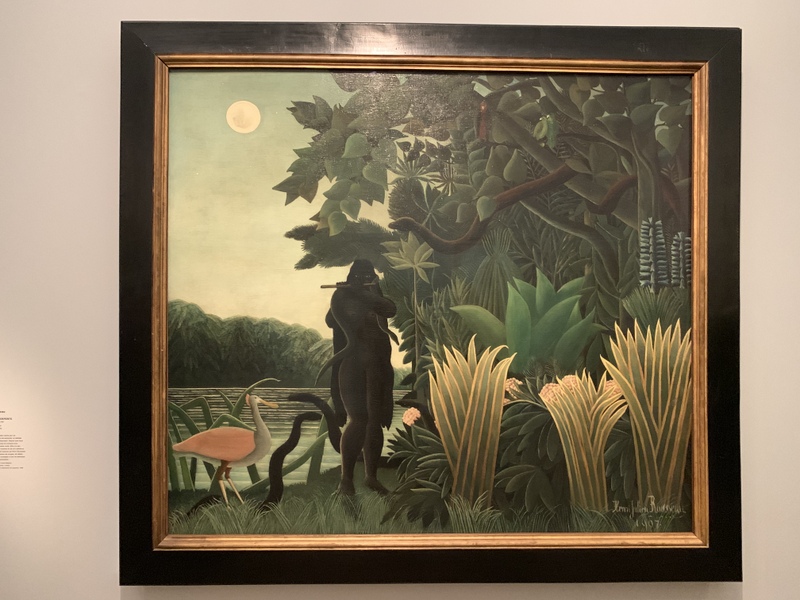
There was an interesting exhibition: Black models:from Gericault to Matisse. Famous paintings, like Manet’s Olympia and Rousseau’s Snake Charmer, but also interesting works, unknown to me.

Then it was time to go back to the Gare du Nord and catch our train back to Amsterdam. Amazing how much you can do in only a few days.

Aei Ling’s visit, April 2019

My usual visit to the Netherlands started this time in a special way! During the first two weeks, Aei Ling, Aric’s sister, stayed with us in Amsterdam. As it was her first visit to the Netherlands, we showed her many of the Dutch tourist destinations. Here is a report.

Monday 15 April

We arrived early morning at Schiphol airport, took the train to Amsterdam Zuid station and decided to walk to my apartment, although it was only a few degrees above zero! Just outside the station we saw our first tulips 🙂

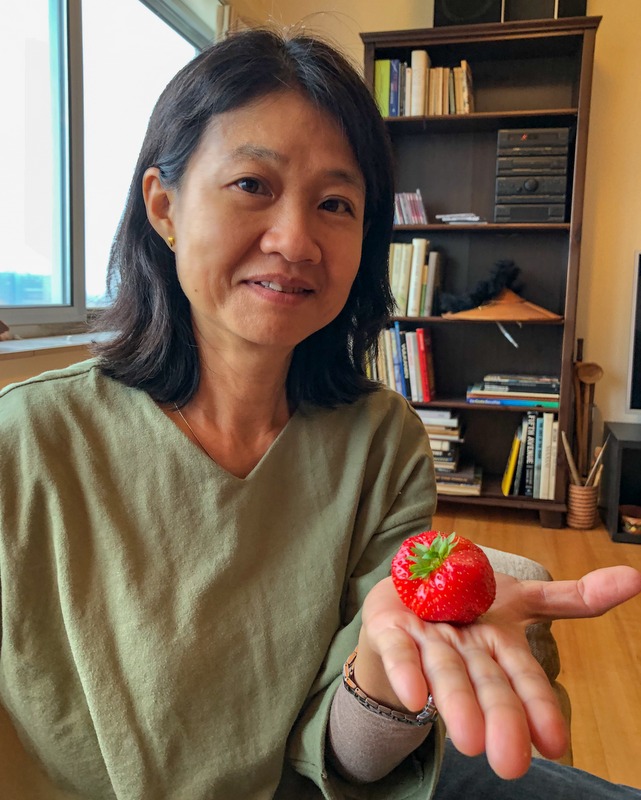
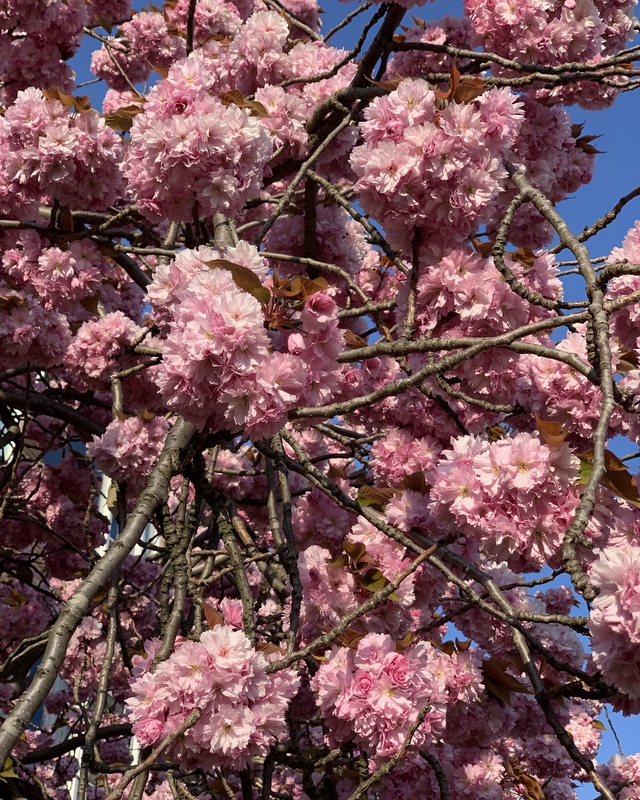
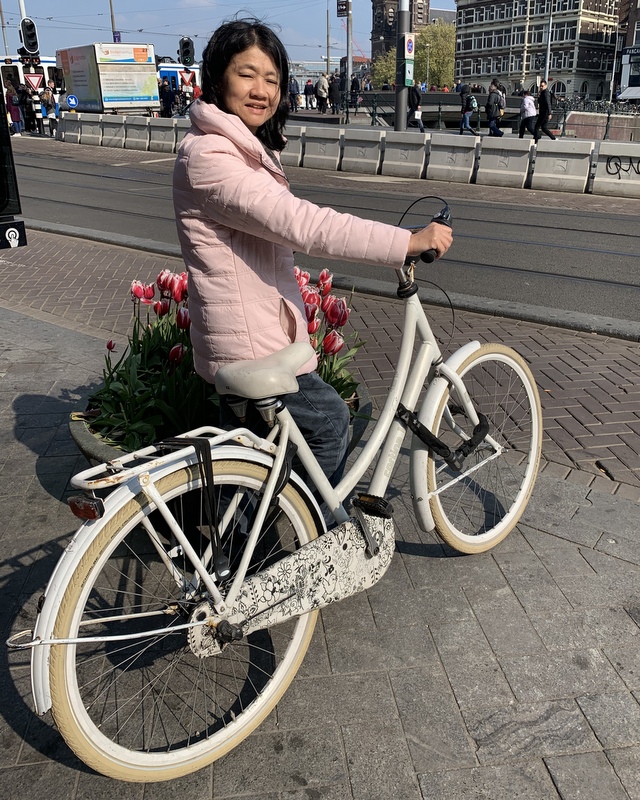
After a few hours rest (and having our first Dutch strawberries) , we went into town. It was cold but sunny and everywhere the “cherry” trees were in full bloom. Aei Ling would have liked to ride a bicycle, but I thought that would not be wise…:-)

We took the metro to the center of the town, the Dam square with the National Monument.

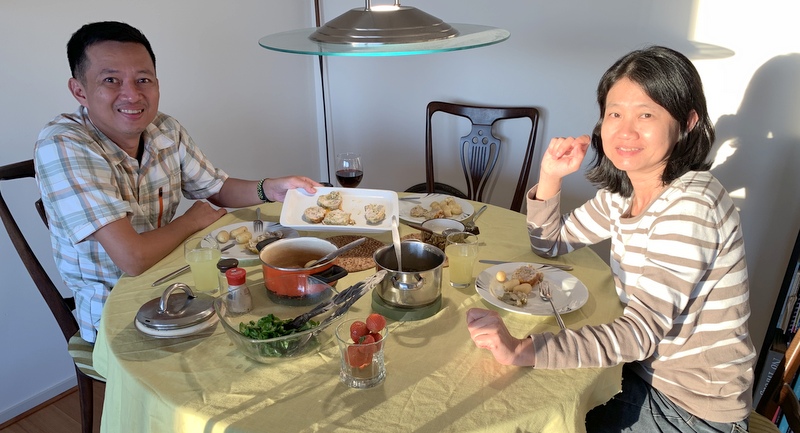
Back home we had our first Dutch dinner. Of course with potatoes.

Tuesday 16 April

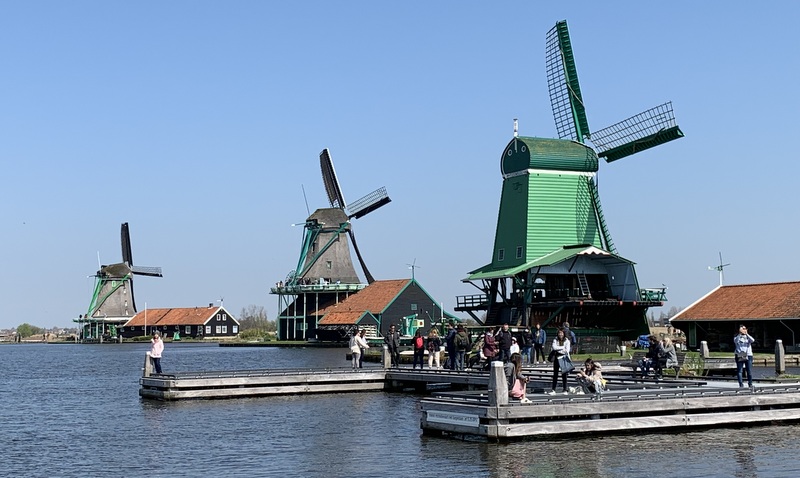
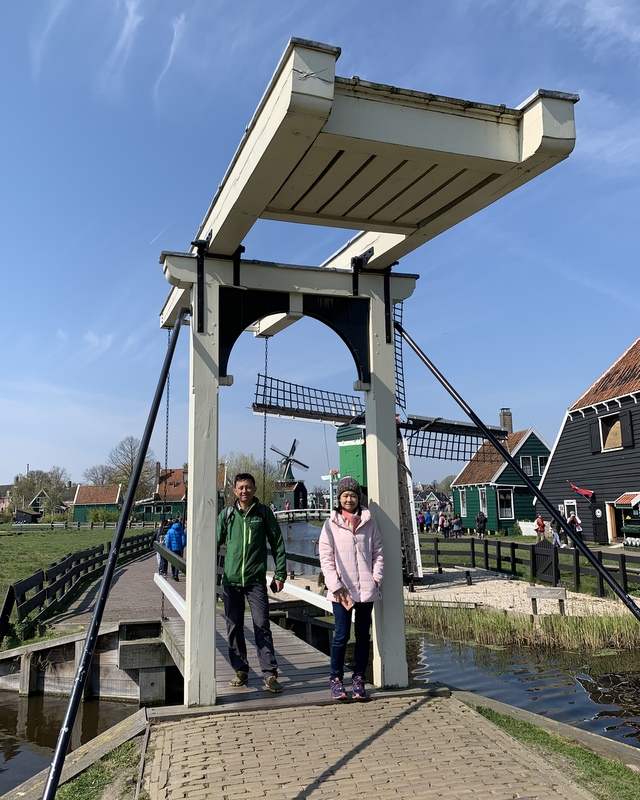
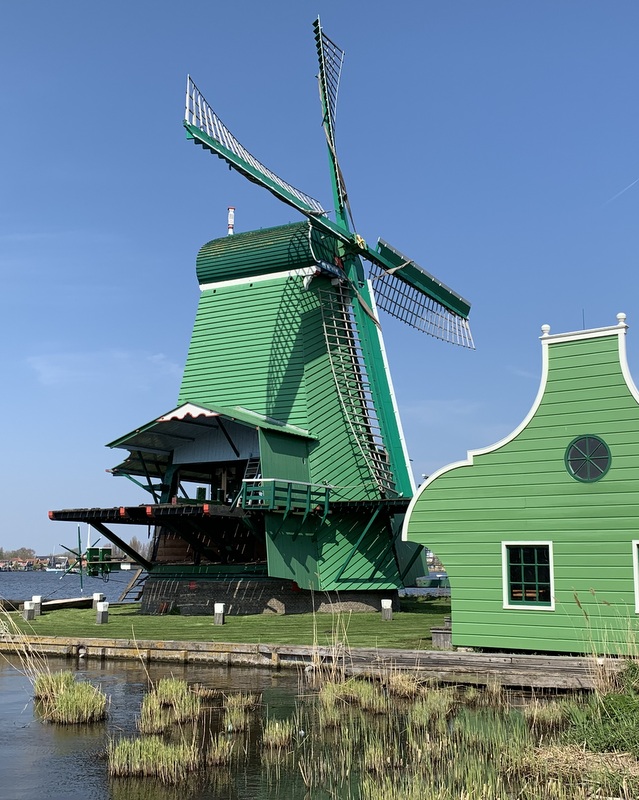
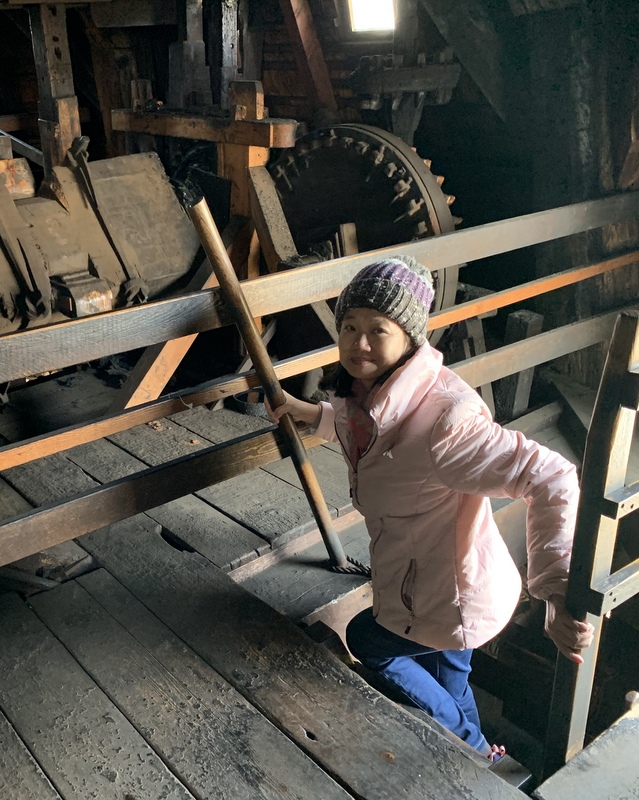
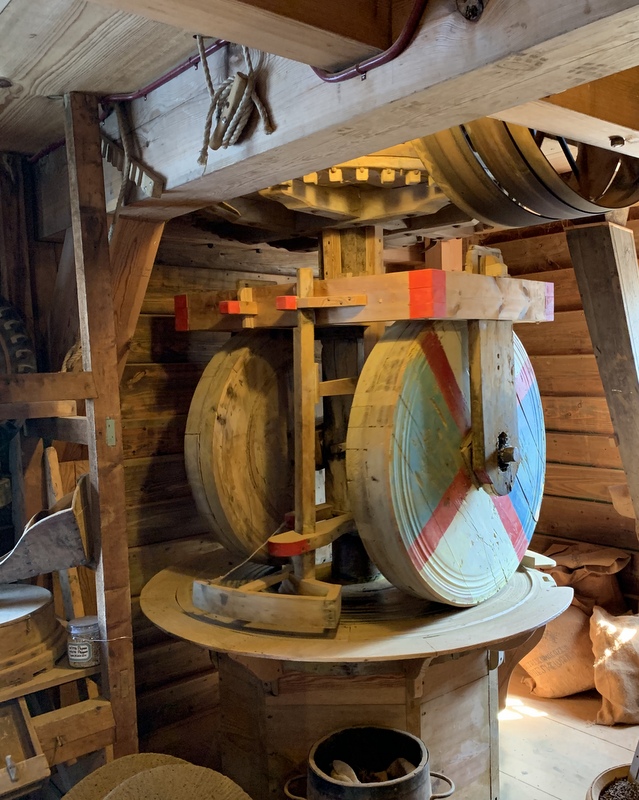
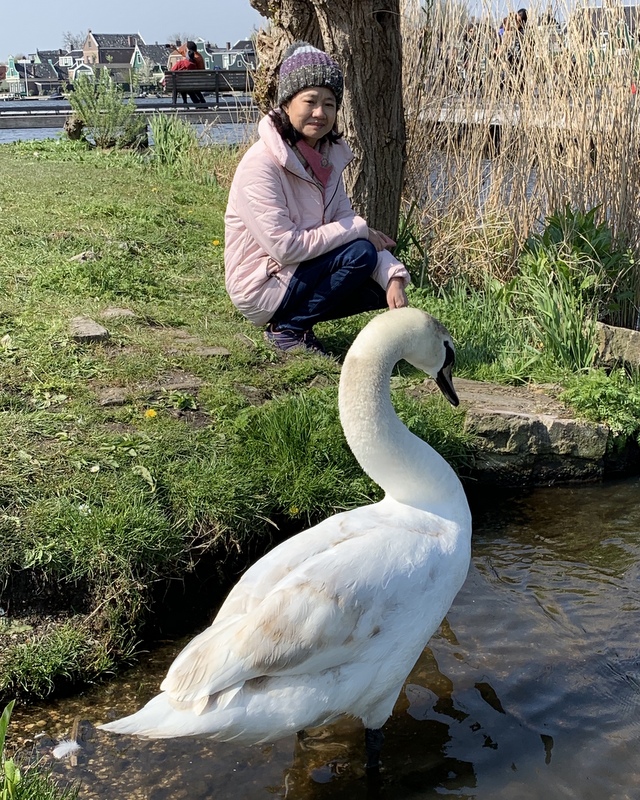
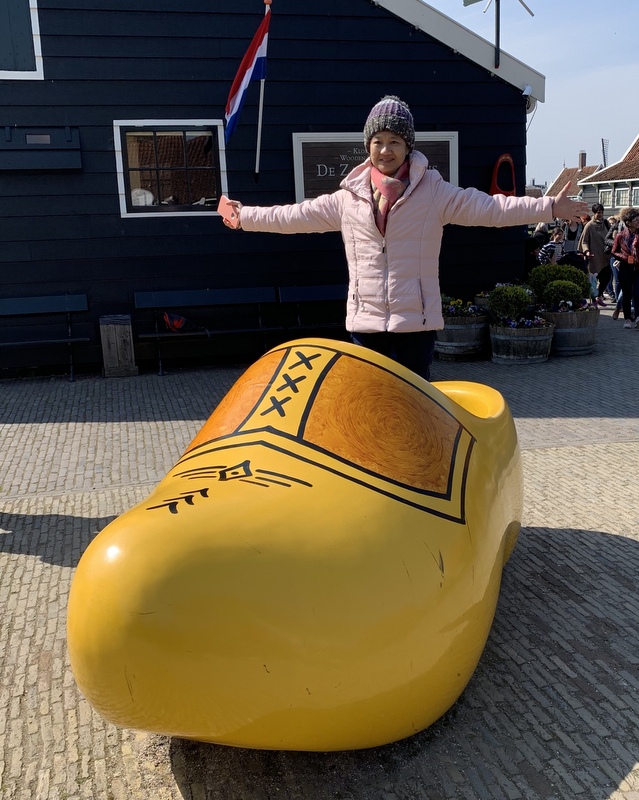
We visited the windmills of the Zaanse Schans, one of the top tourist attractions of the Netherlands. Several of the mills are working and you can visit them. In this picture Aei Ling is standing on the jetty at the left.

After coming home, we had another Dutch traditional dinner, mussels with fries. Yummie.

Wednesday 17 April

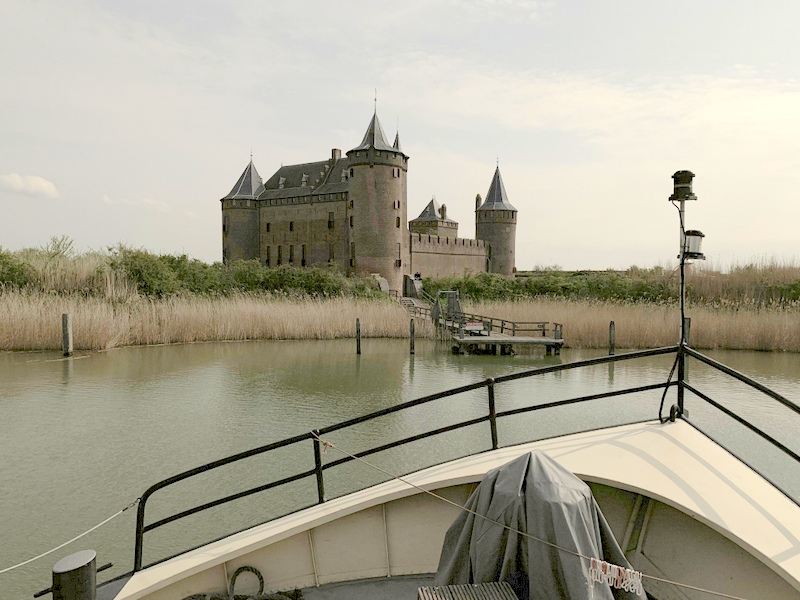
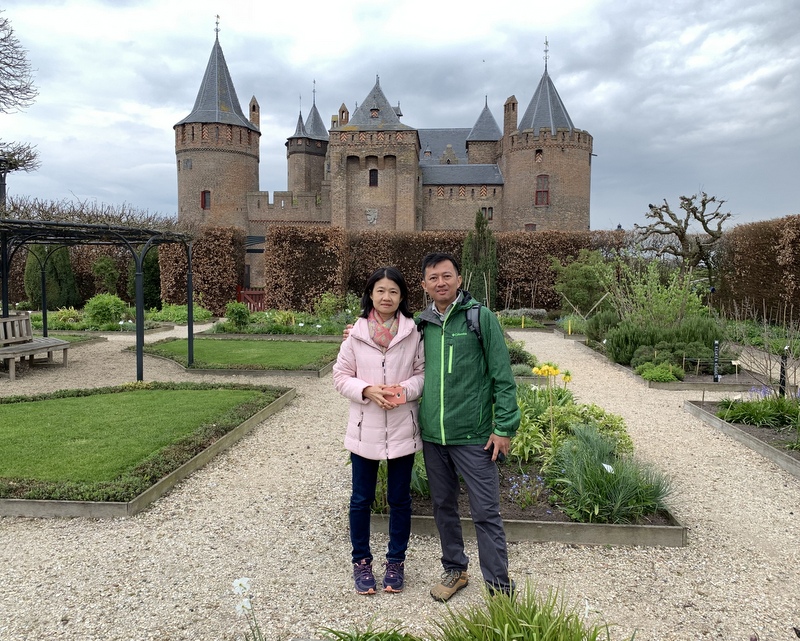
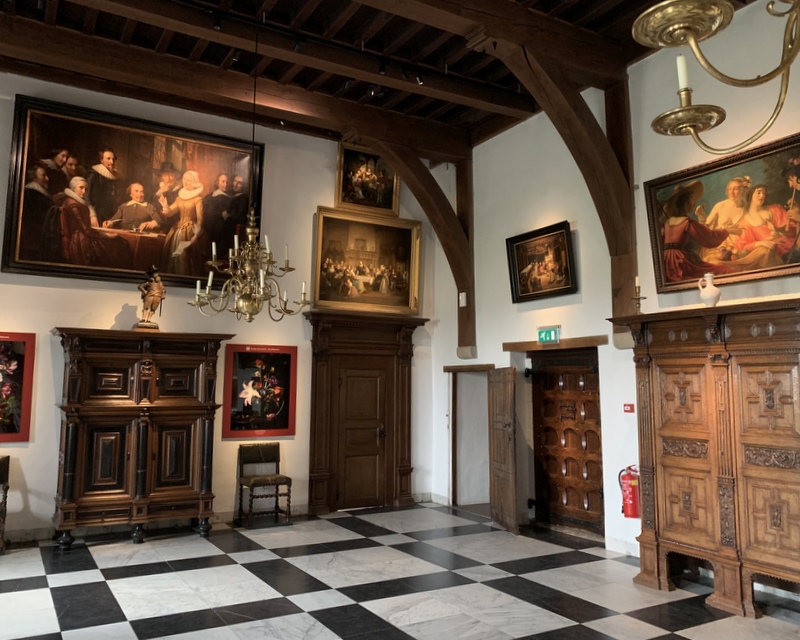
Our destination was the Muiderslot, one of the historical castles in the Netherlands. We took a ferry from Amsterdam, which lands at the castle itself, a very romantic approach.

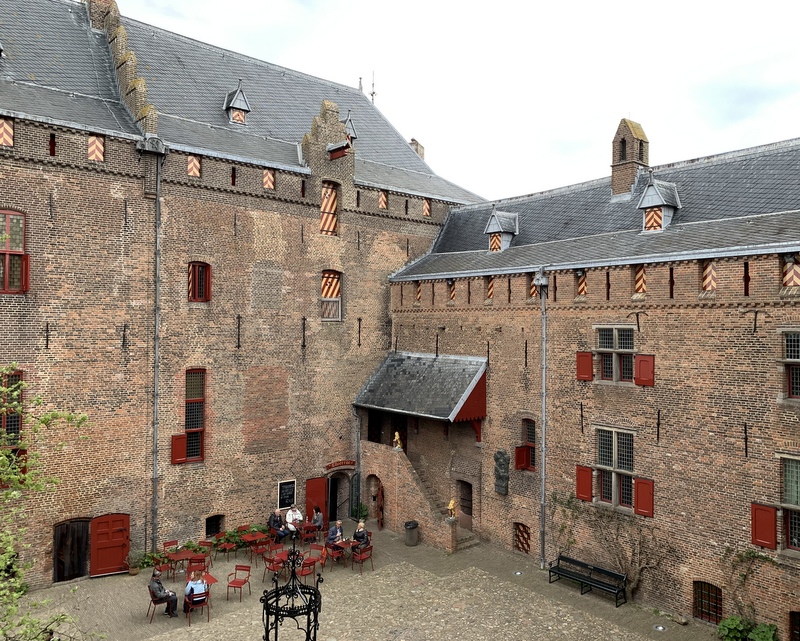
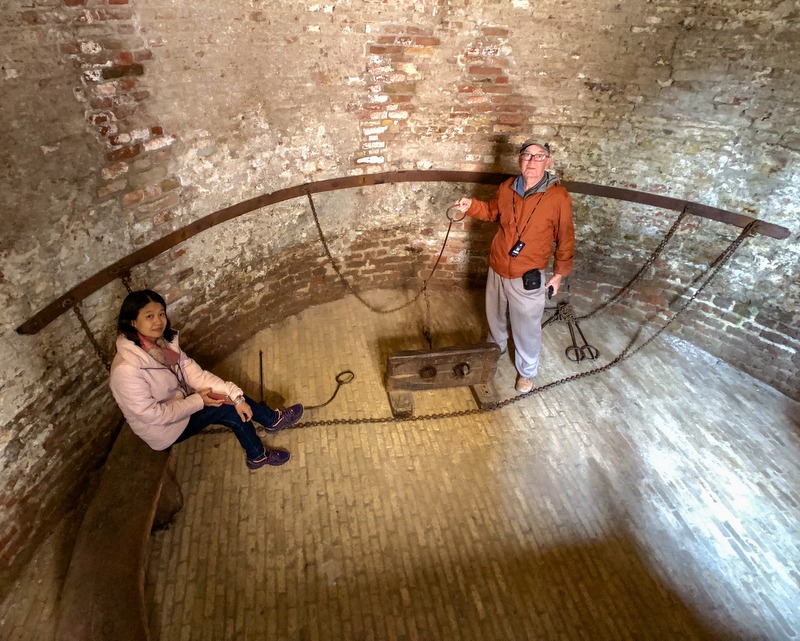
The history of the castle goes back to 1280. In the 17th century P.C. Hooft, a Dutch writer and poet has been living in the castle, many of the rooms are furnished in the style of the Dutch Golden Age. It must have been many decades ago that I visited this castle, so it was a nice experience for me too.

It was my 75th birthday and I had invited a few people for dinner at the Zoku restaurant. A very pleasant evening.

Thursday 18 April

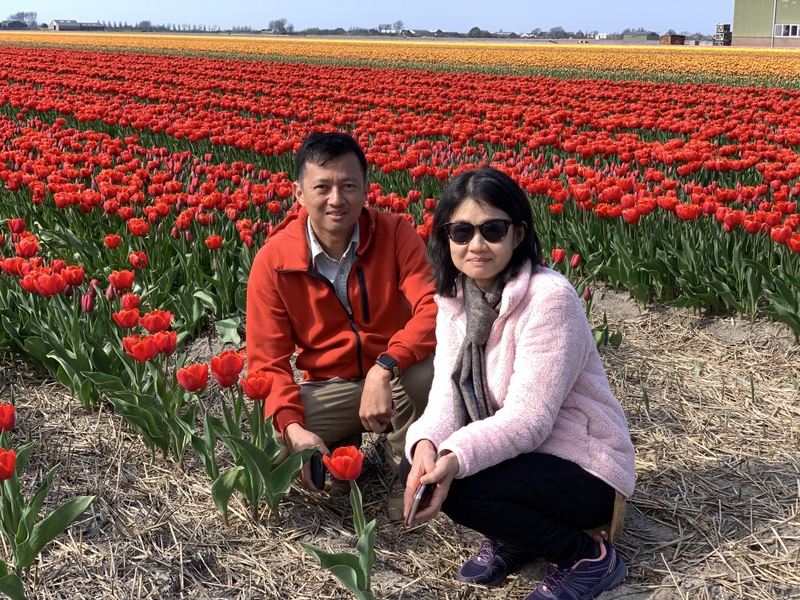
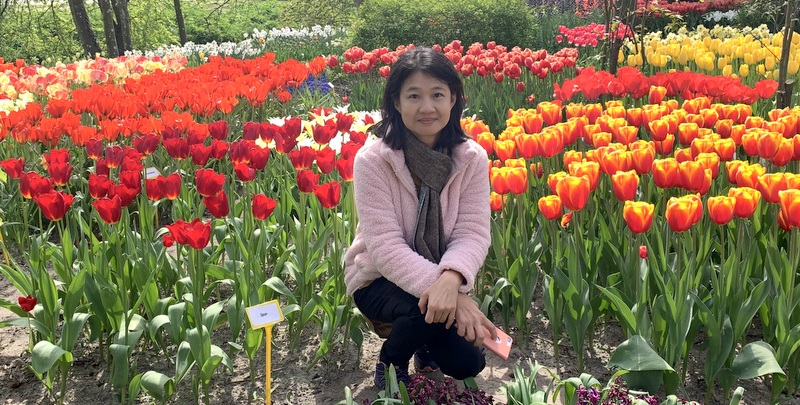
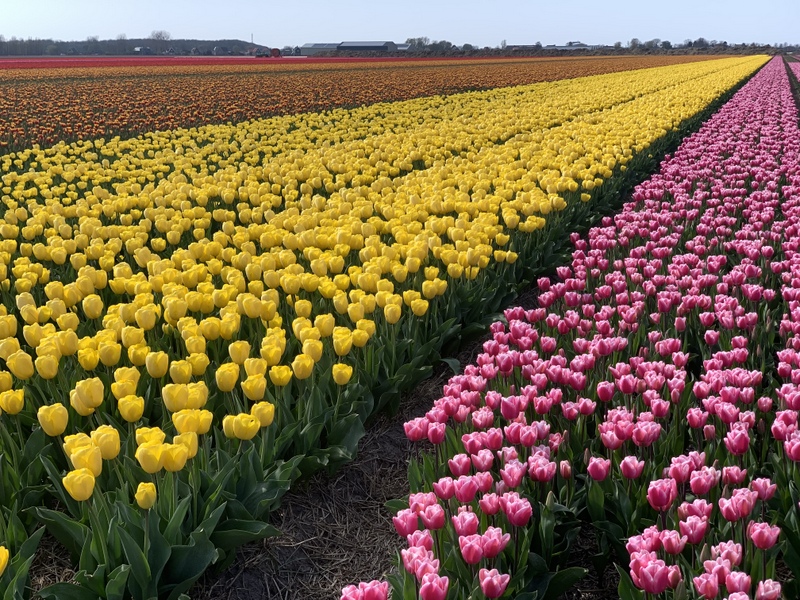
My sister Lous had offered to show us around in the tulip fields of North-Holland. We arrived by train, enjoyed their garden and had lunch with them.

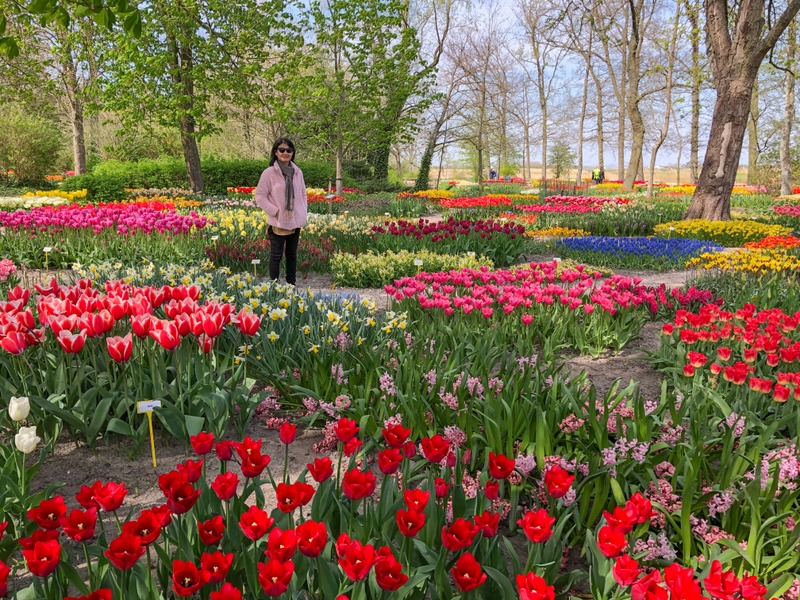
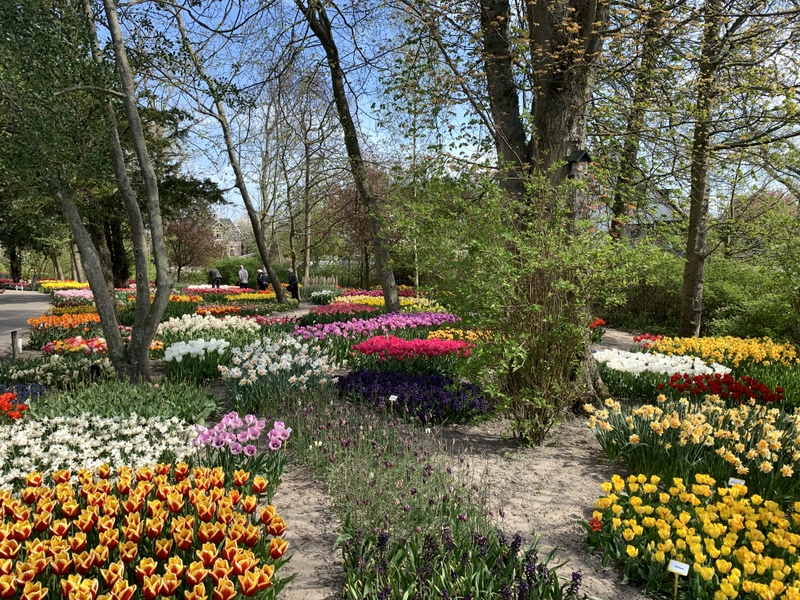
The Keukenhof is the most famous flower garden of the Netherlands, crowded with tourists from all over the world. Not many people know about the Poldertuin in Anna Paulowna, a miniature Keukenhof, quiet and F.O.C ! We were lucky, it was a perfect time to visit.

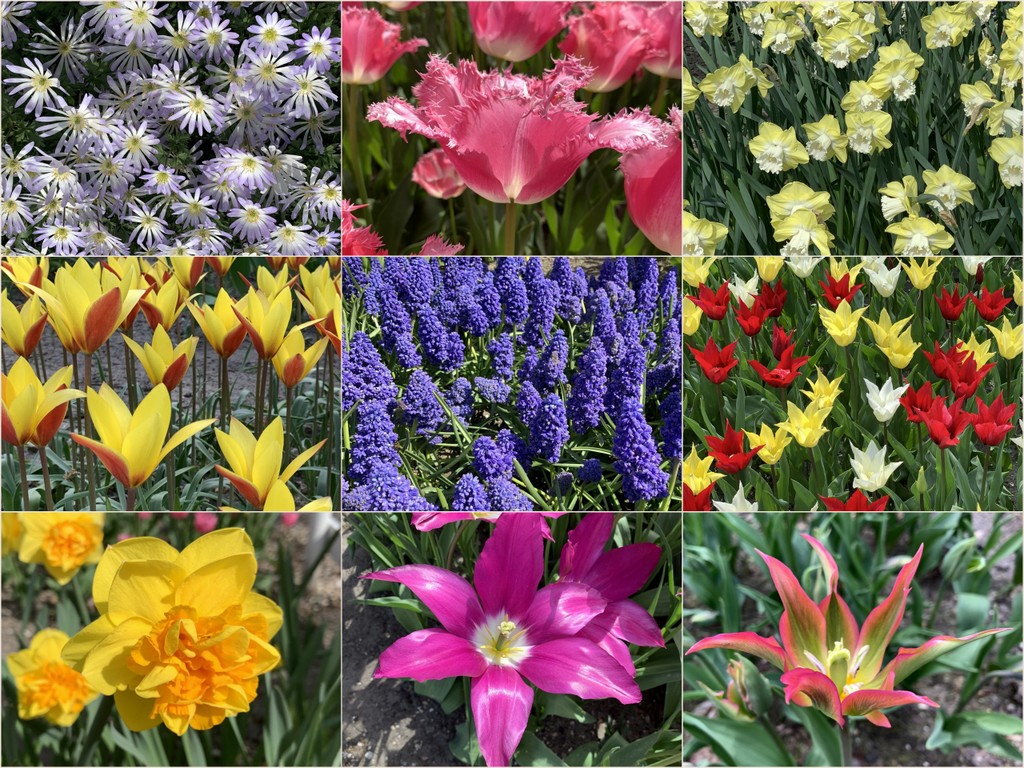
There were so many species of tulips, daffodils, etc, that I kept taking pictures…:-)

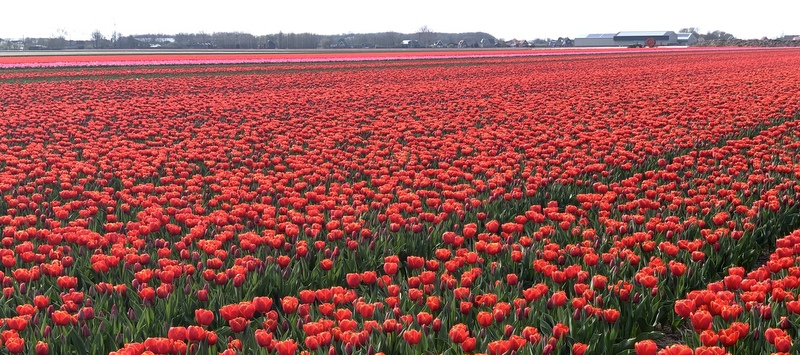
After visiting the garden, Lous and Arend drove us around through the flower fields.

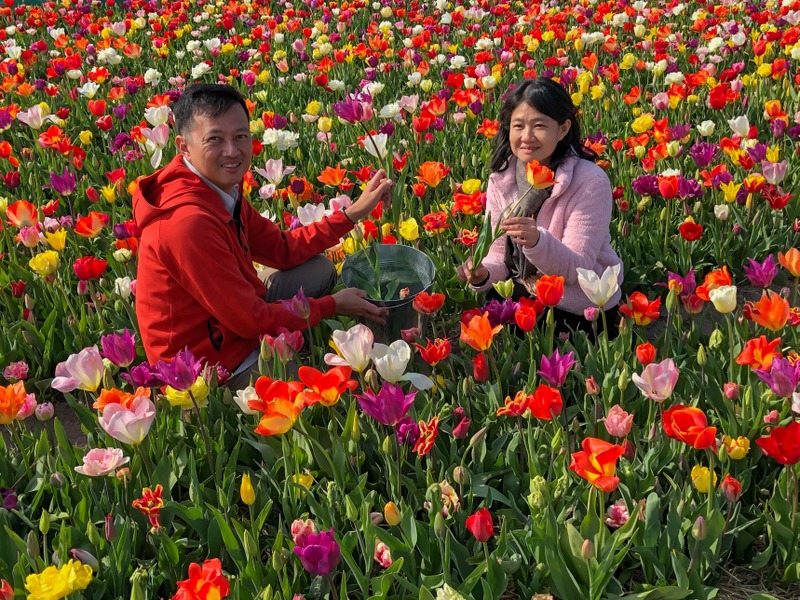
We visited one garden where you could pick your own tulips, for 25 euro cents per flower.

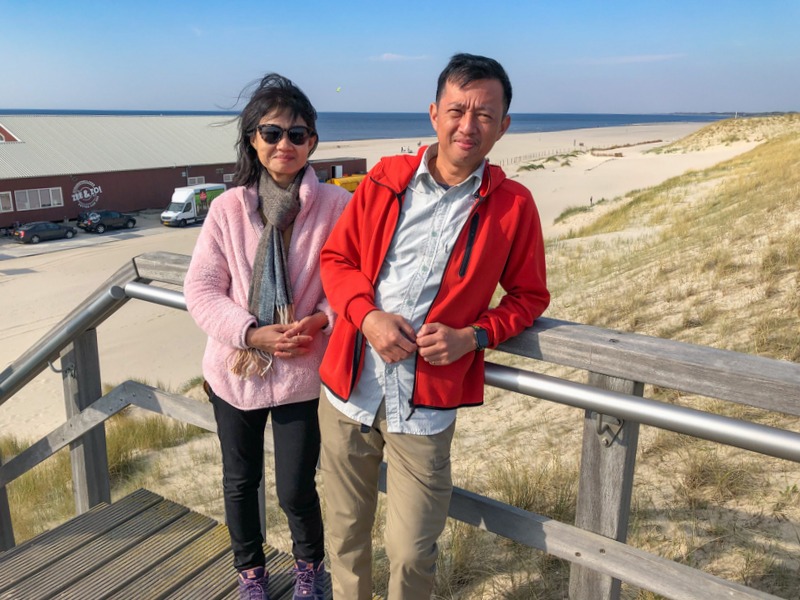
We had dinner near the beach, it was not cold, we could even sit outside.

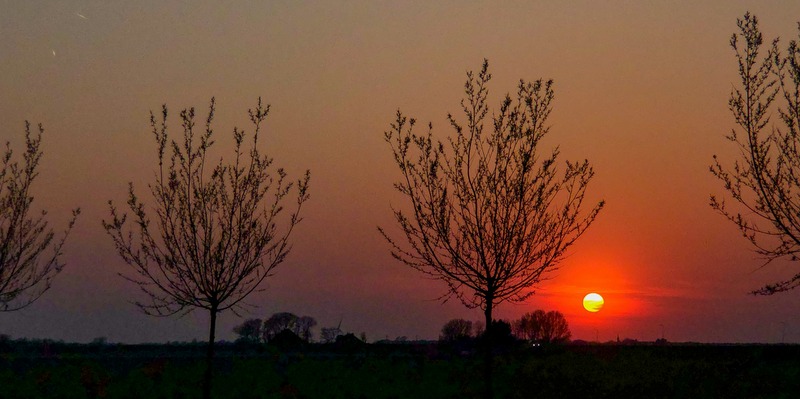
We stayed overnight, enjoying a beautiful sunset.

Friday 19 April

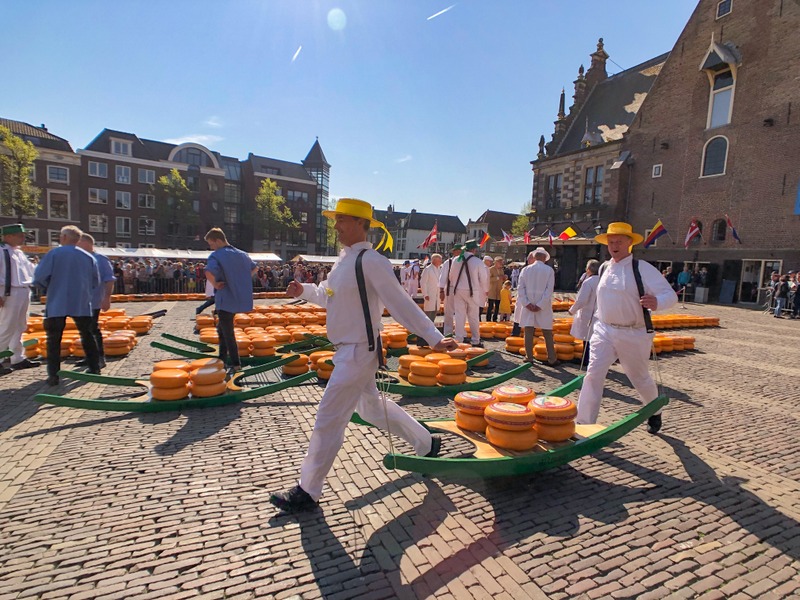
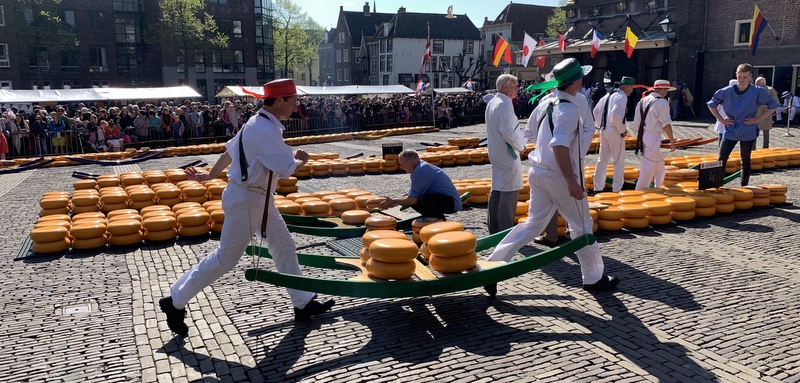
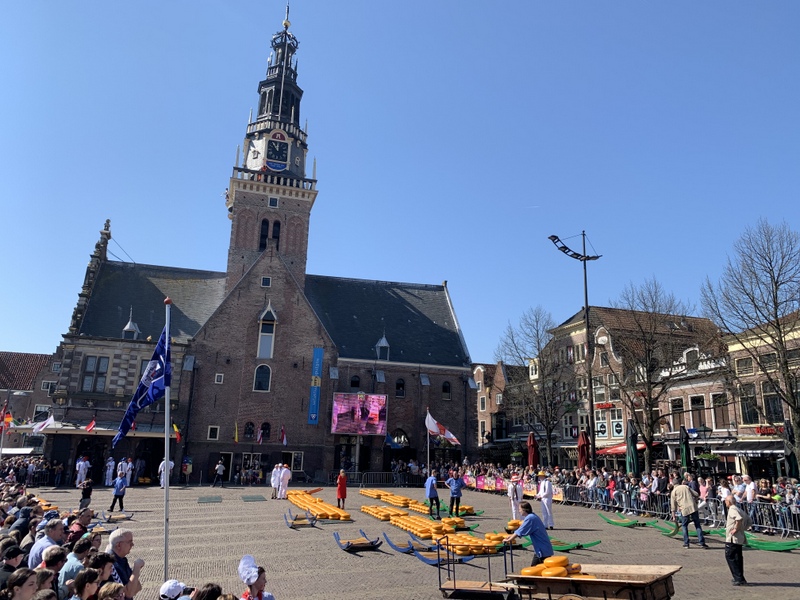
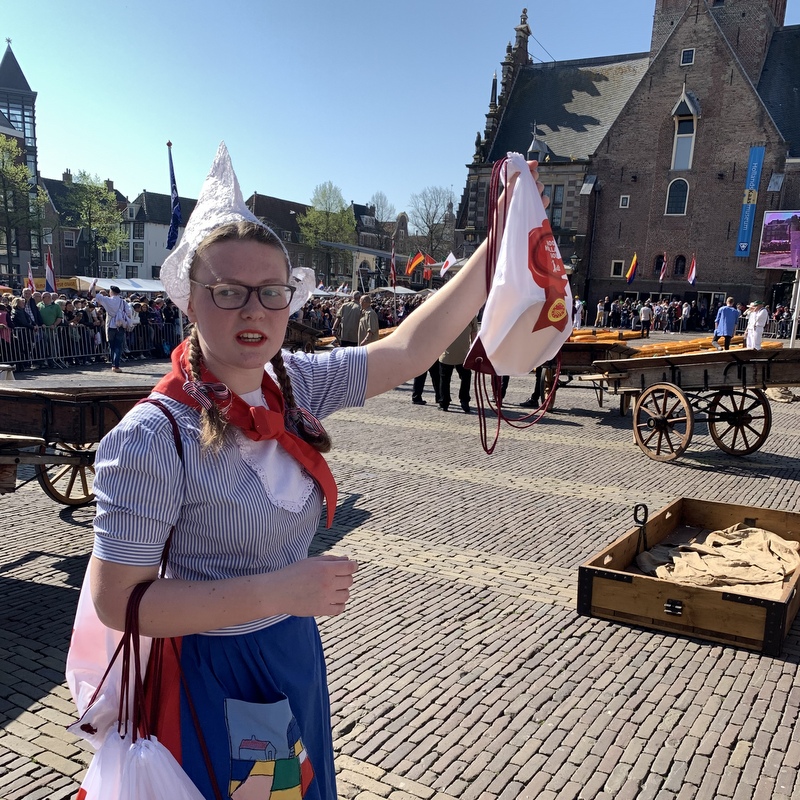
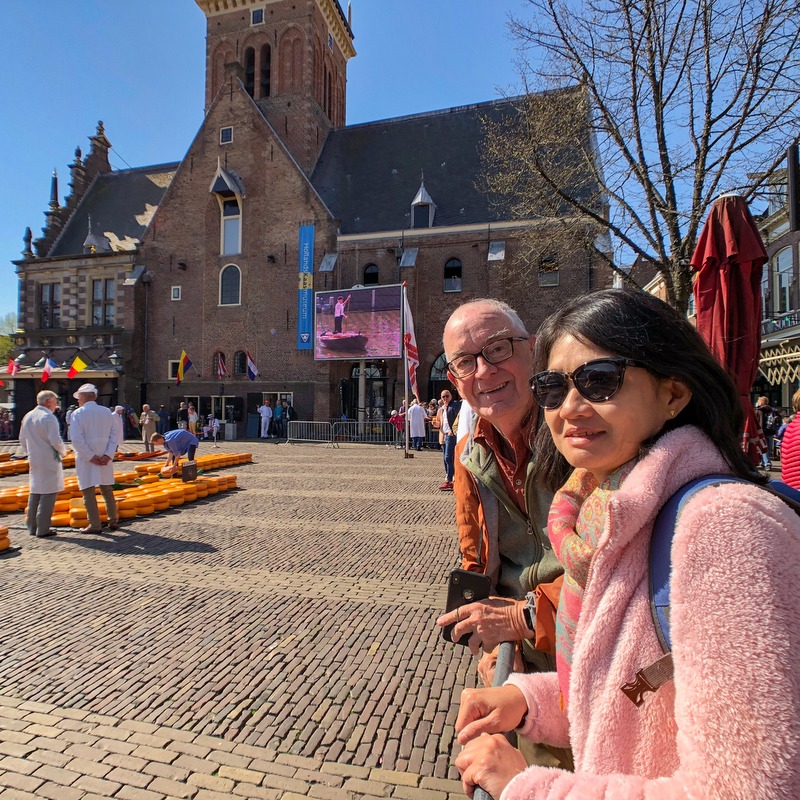
The famous Cheese Market of Alkmaar was the destination for this day. Arend dropped us near the Waagplein, where the market is held every Friday morning. It is a colorful spectacle, attracting massive crowds of (mostly foreign) visitors. Background information can be found here.

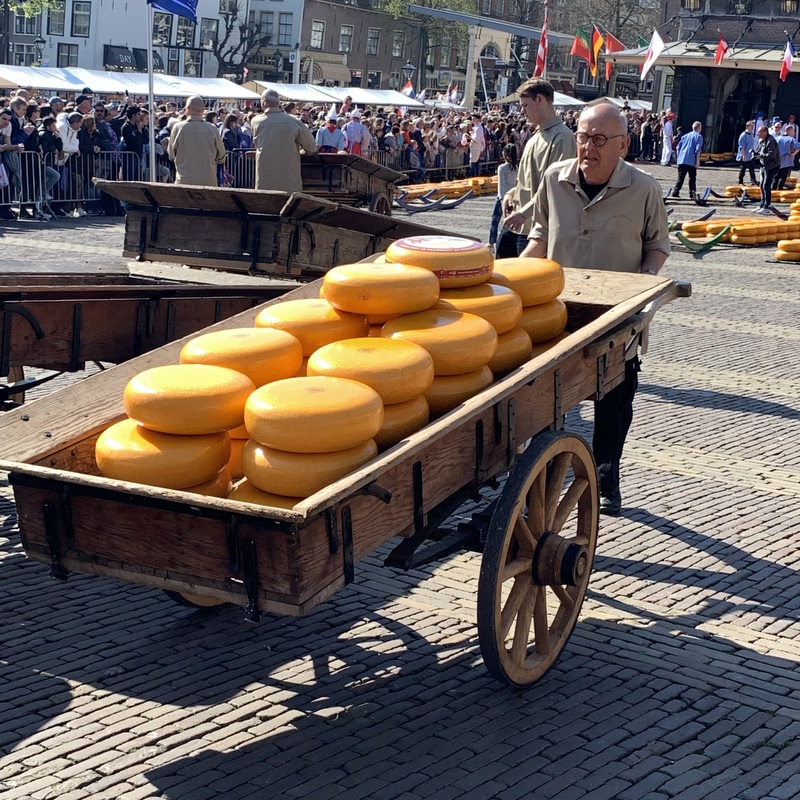
It is a honour to become a cheese carrier and you need years of training. Each cheese weighs 12-13 kg, and a barrow carries eight of them. The market started in 1365 and the whole process is steeped in tradition.

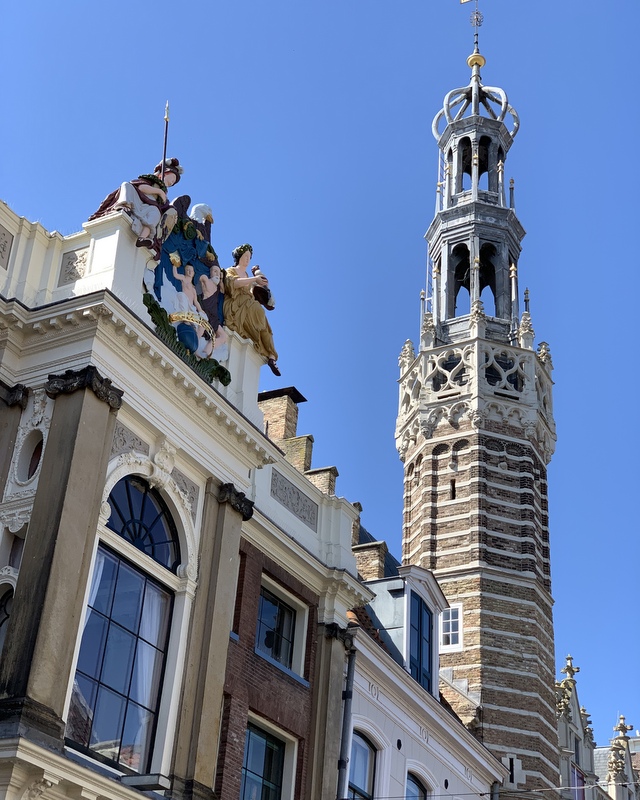
Alkmaar is a beautiful historic town, where you could easily spend hours.

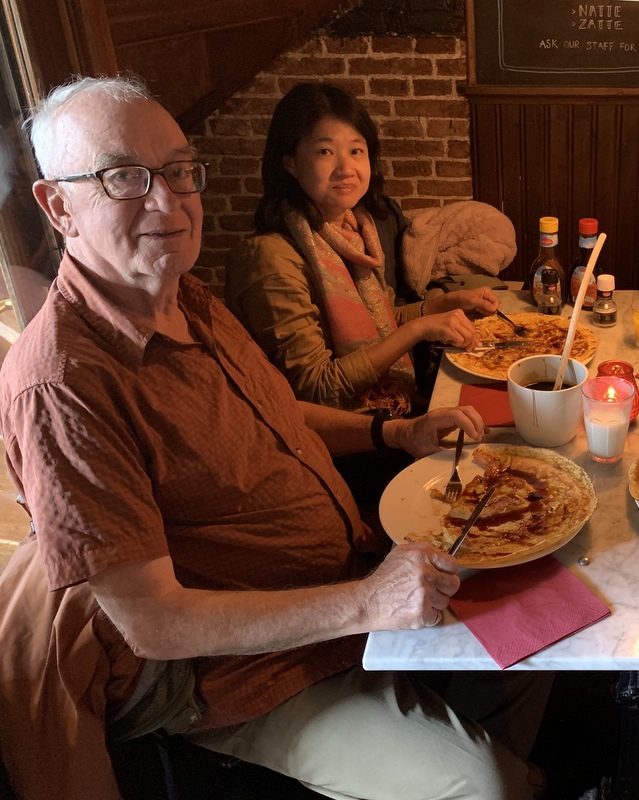
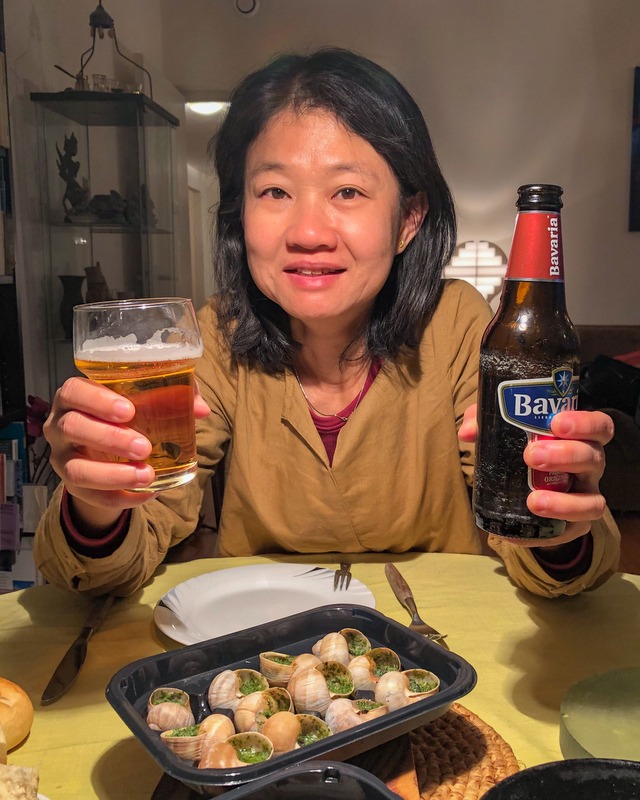
We took a train back to Amsterdam and had a late lunch in the Pancake Bakery, one of Aric’s favourite eateries. And at home a late dinner with escargots. By the way, Aei Ling is drinking 0.0 % alcohol beer, getting more and more popular these days .. 🙂

Saturday 20 April

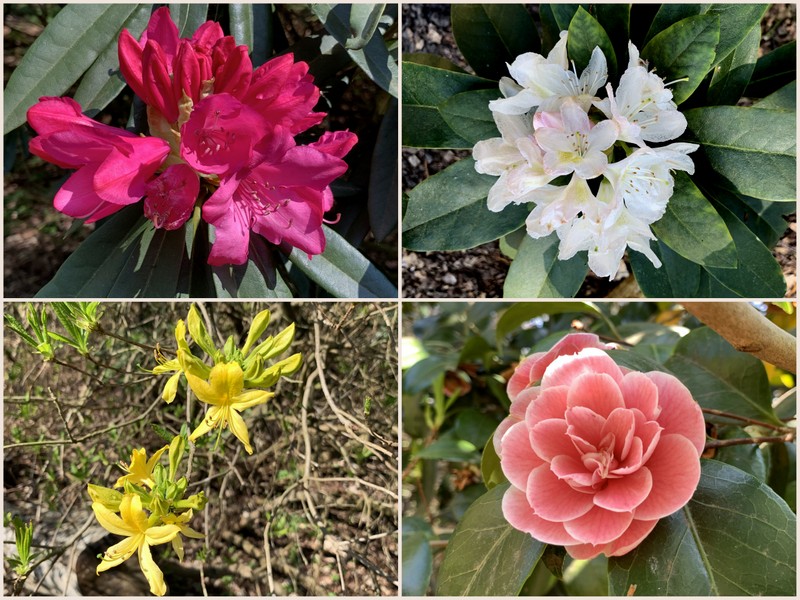
The Amstelpark is in walking distance from my apartment. Many years ago I had visited in this park the rhododendron valley, and after breakfast we tried our luck. It was a nice , easy 20 minute walk to the park, you can easily forget that you are in a suburb of Amsterdam.

And lucky we were, the rhododendrons were in full bloom

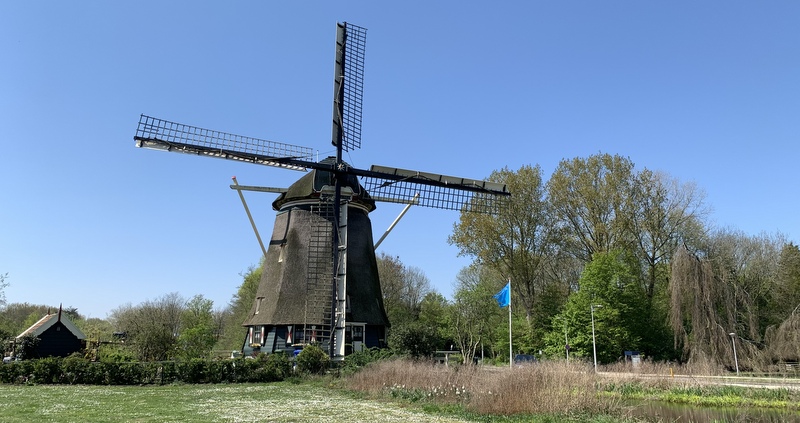
Near the park a beautiful windmill is located, the Riekermolen (1636). Almost any time of the day tourist buses stop here., we had to wait a bit for a picture without people ..:-)

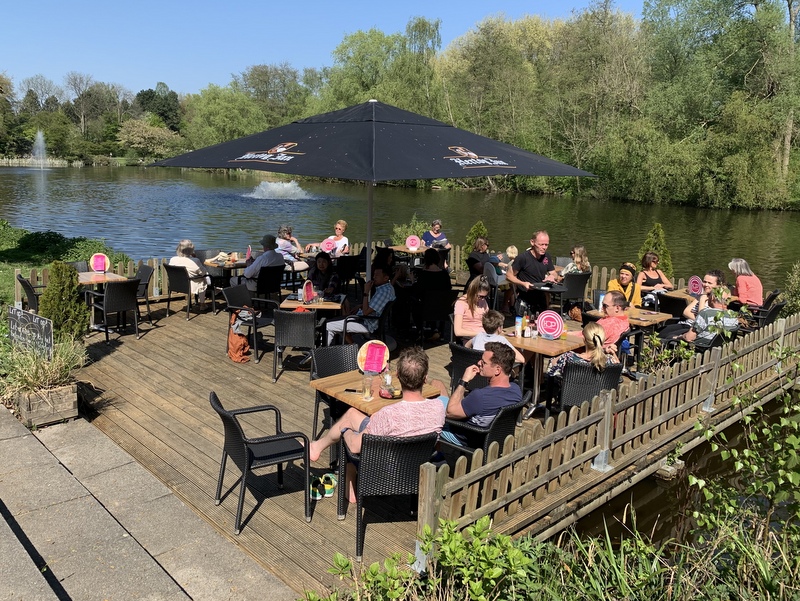
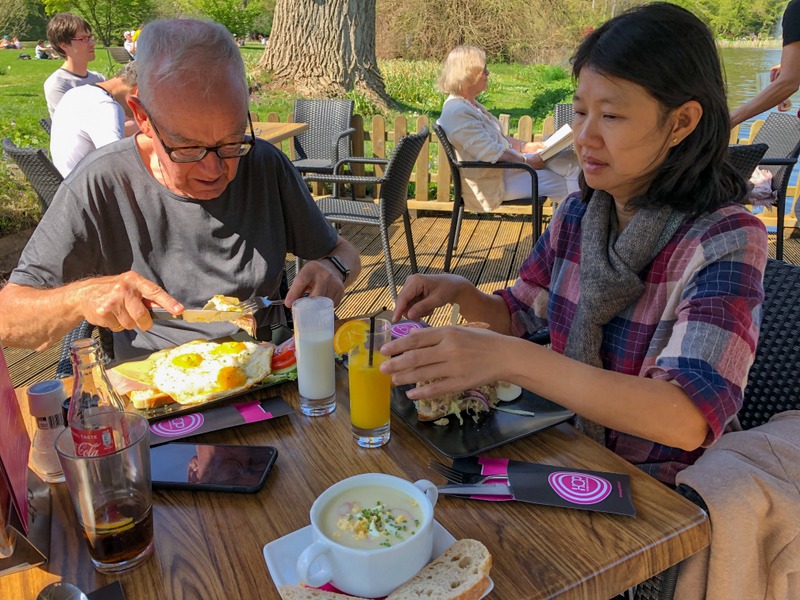
Before walking home we had lunch in the park. I had an uitsmijter, a visit to the Netherlands is not complete for me without this traditional lunch of fried eggs with ham and cheese on bread 🙂

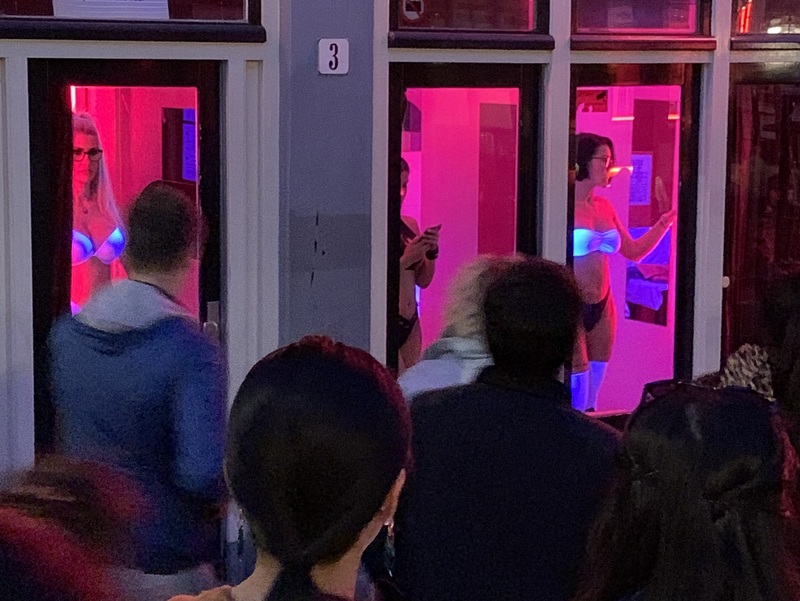
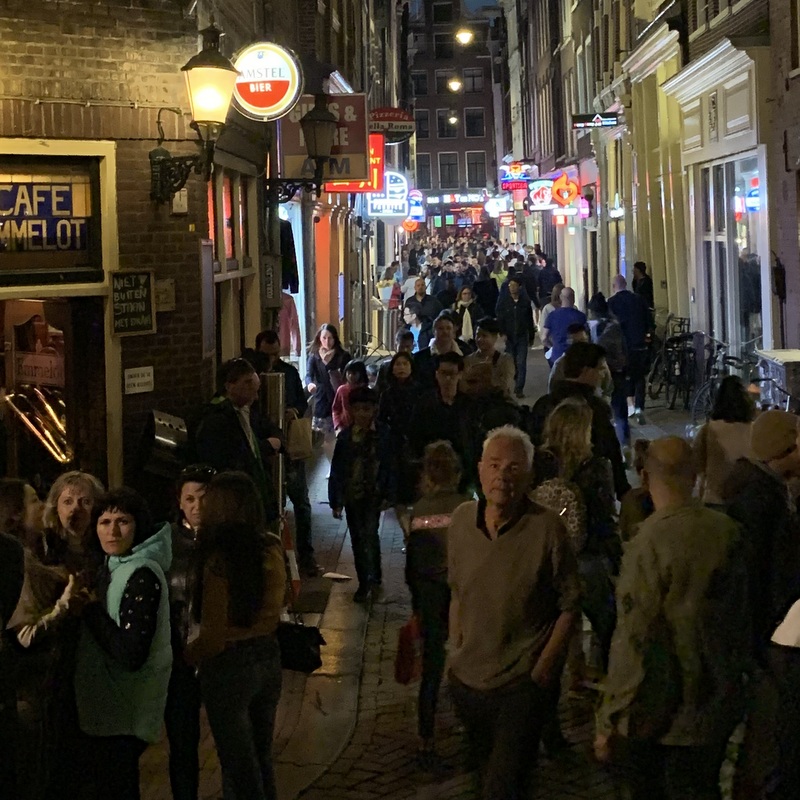
Later we went out again, because a tourist visit to Amsterdam is also not complete without a visit to the Red Light district. Too many tourists, the ladies of the night are not happy about it and often close the curtains of their rooms.

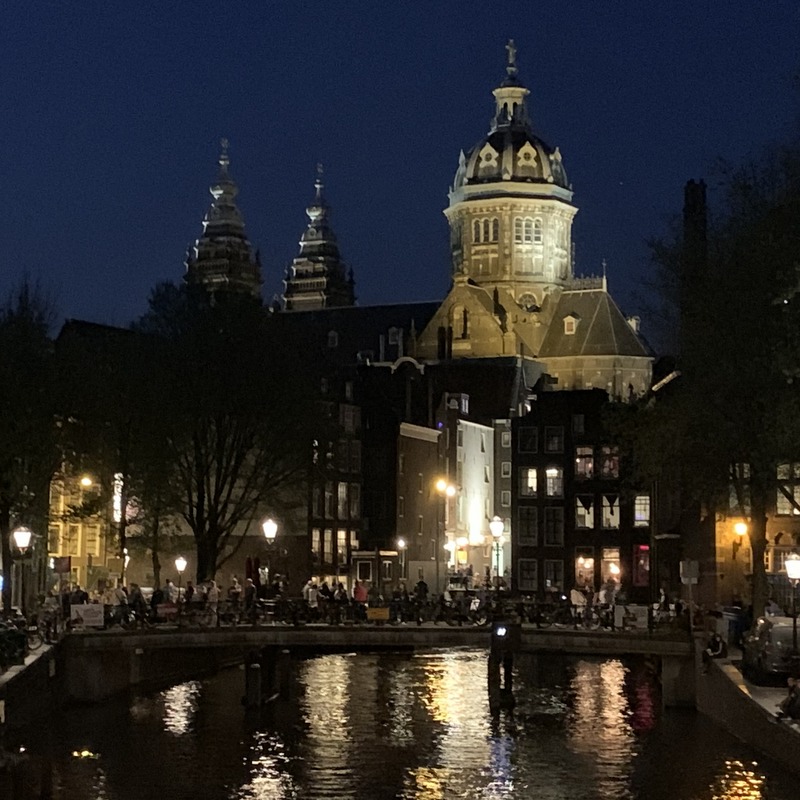
It is actually a beautiful, old part of the town.

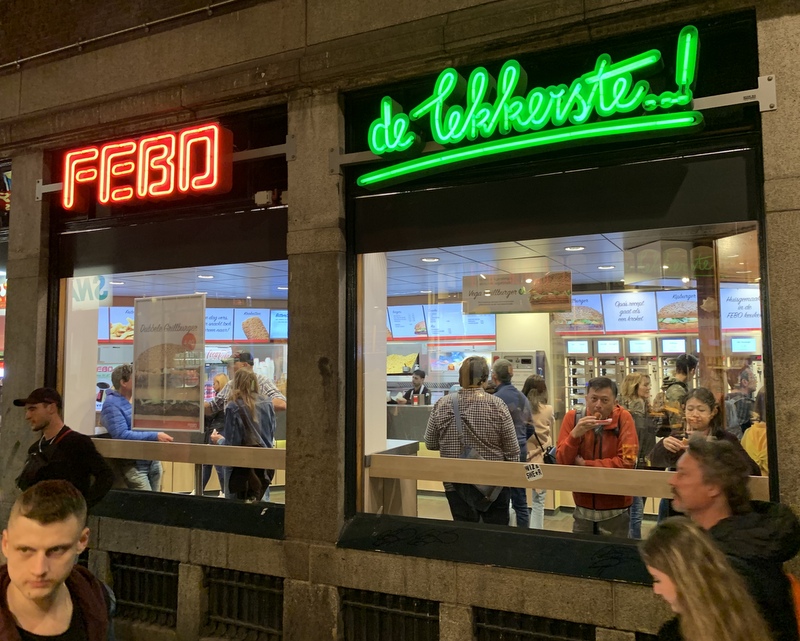
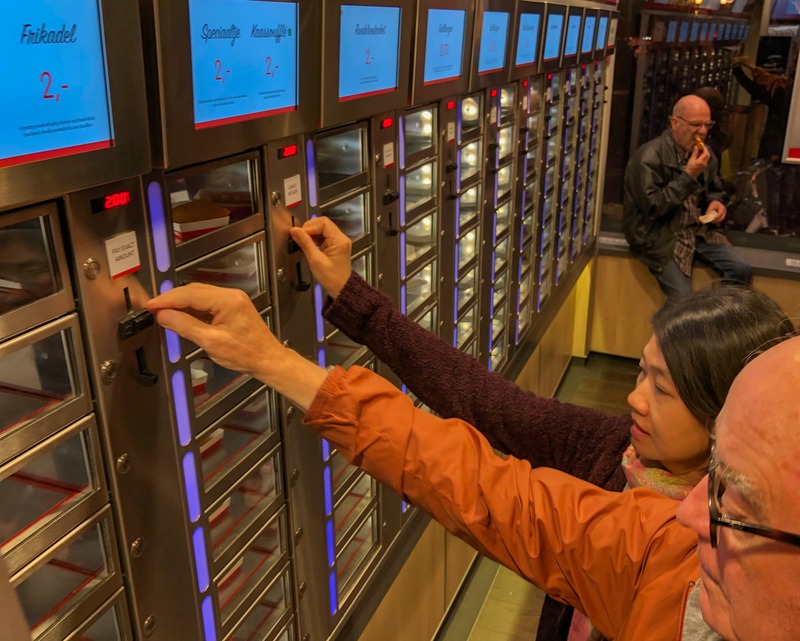
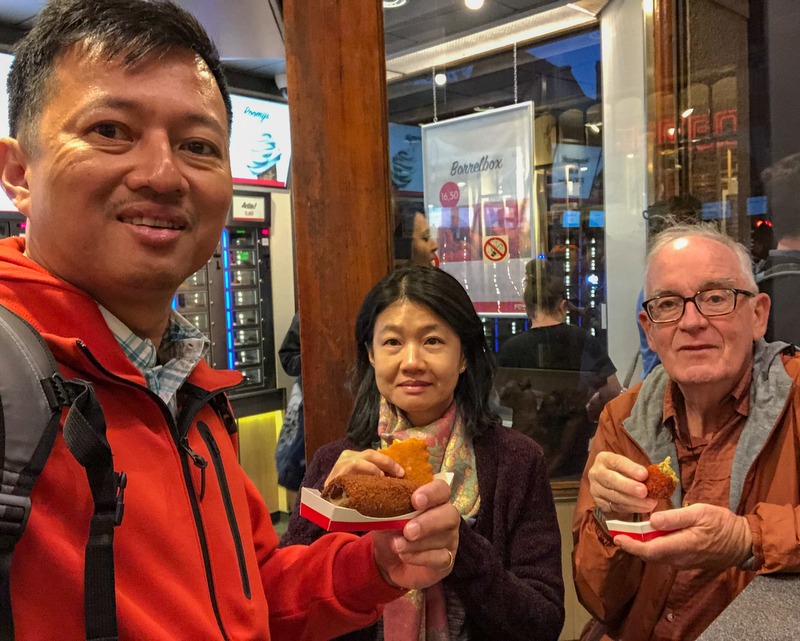
We had snack food at a FEBO outlet, a typical Dutch institution with vending machines for the different foods provided.

Sunday 21 April

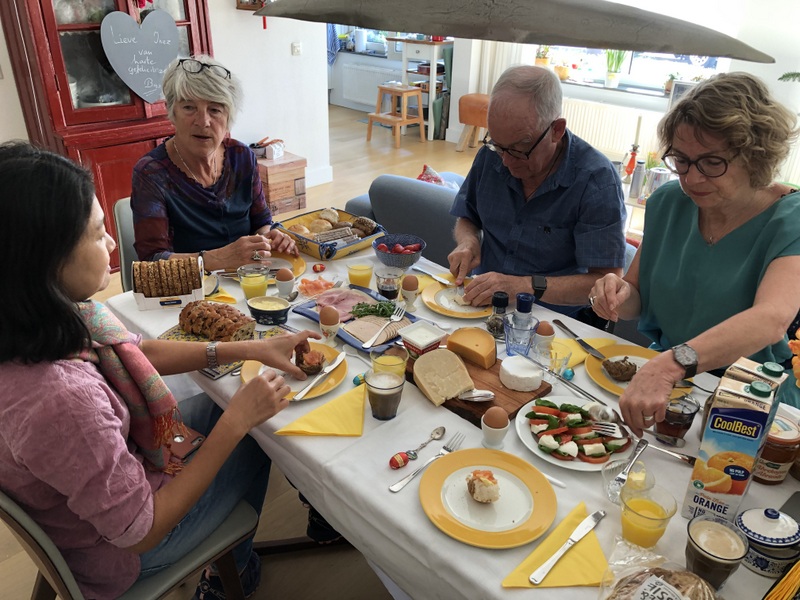
Easter Sunday! My friend Inez had invited us for lunch. With eggs, that is the tradition.

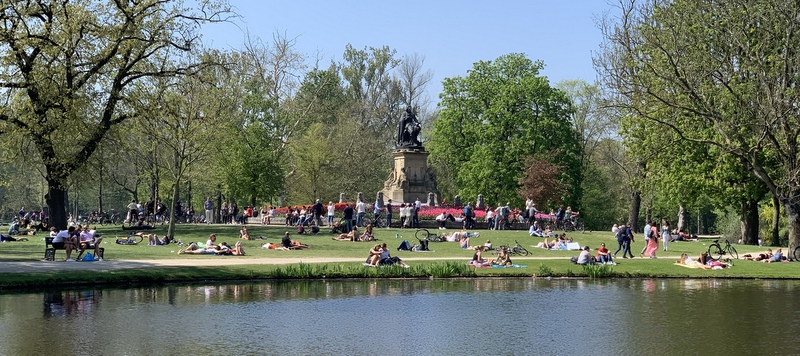
In the afternoon we visited the Vondelpark where lots of people were enjoying the nice weather and even sunbathing. We joined them and also had a look at the Boomzagertje, a hidden jewel near the Leidseplein

The next day we took the train to Paris, where we stayed four days. I have written a separate post about it, Paris, April 2019, and continue this one, after we came back to Amsterdam.

Saturday 27 April

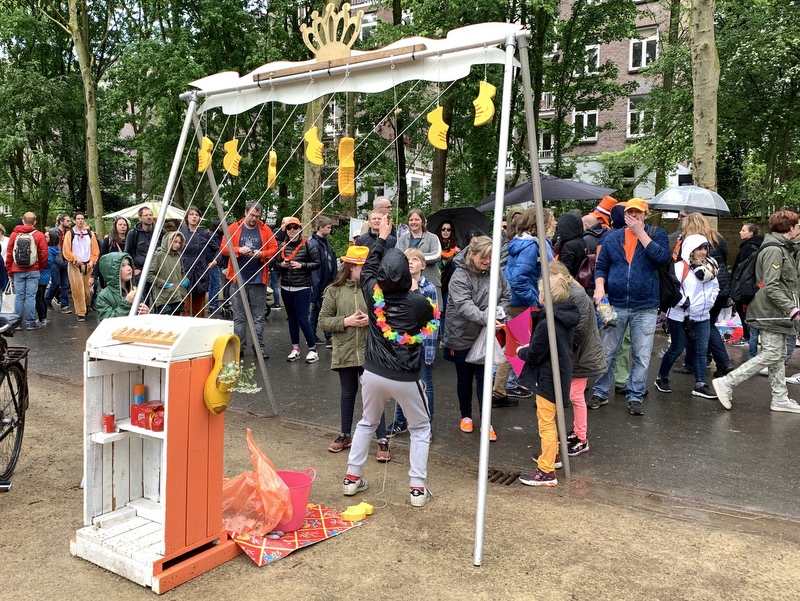
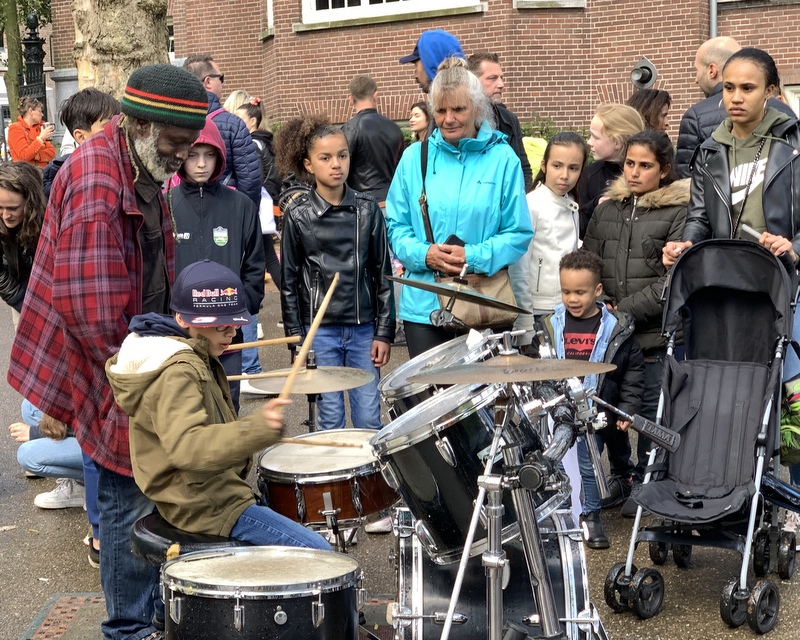
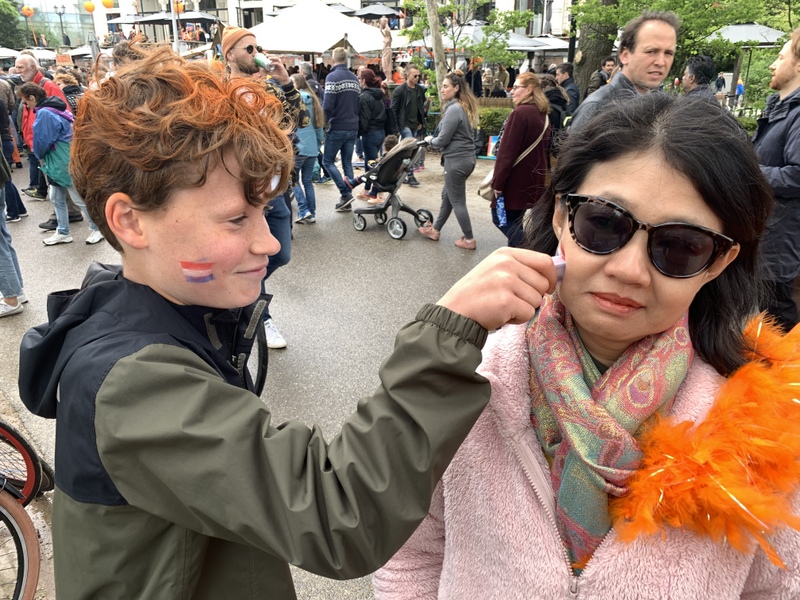
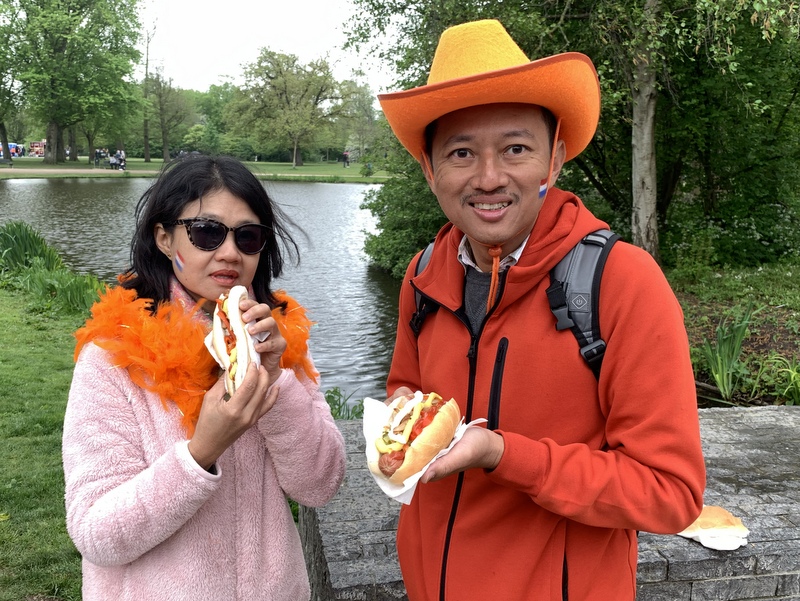
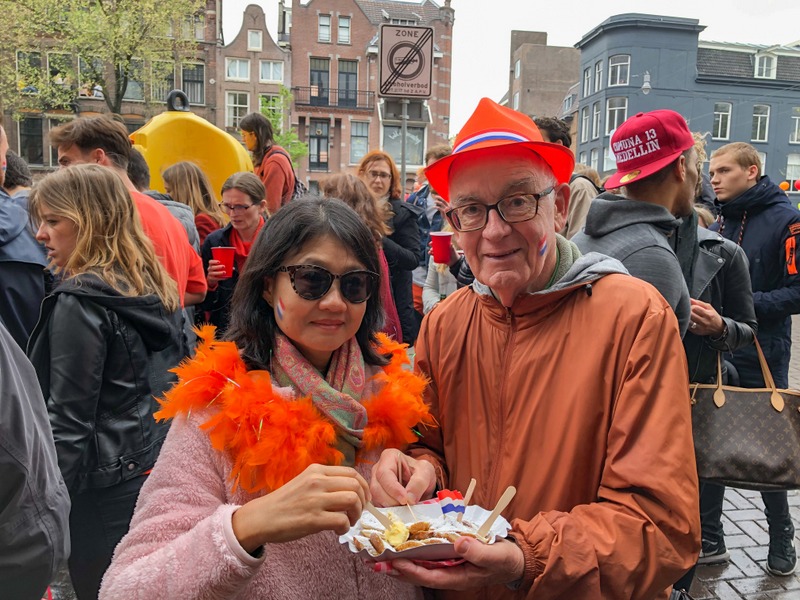
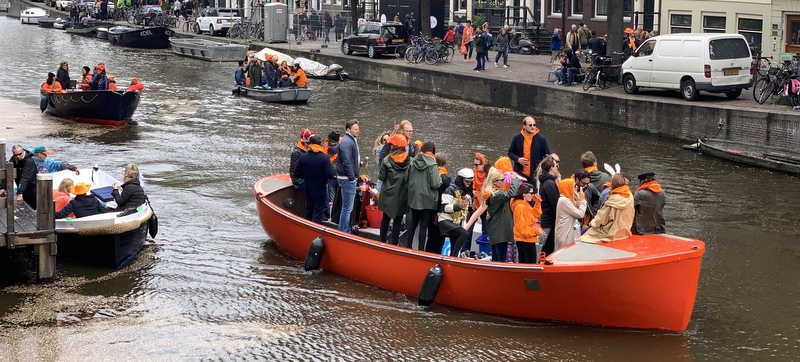
Koningsdag! The celebration of the King’s birthday is very popular in the Netherlands. Unfortunately the weather was not very favourable this year, cold with rain showers. But of course we went to town. The Vondelpark is a huge freemarket on this day, where kids try to earn a few coins by playing music etc. Pity that it was so cold.

Sunday 28 April

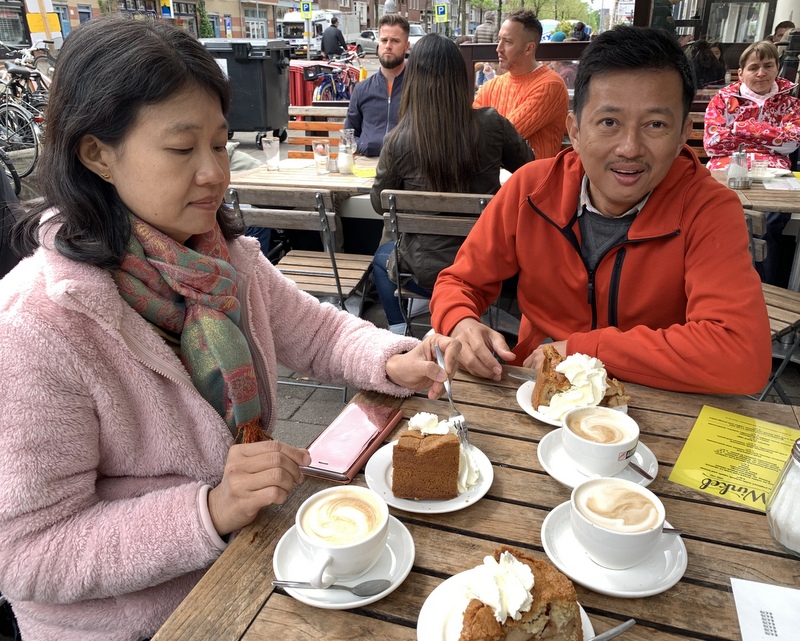
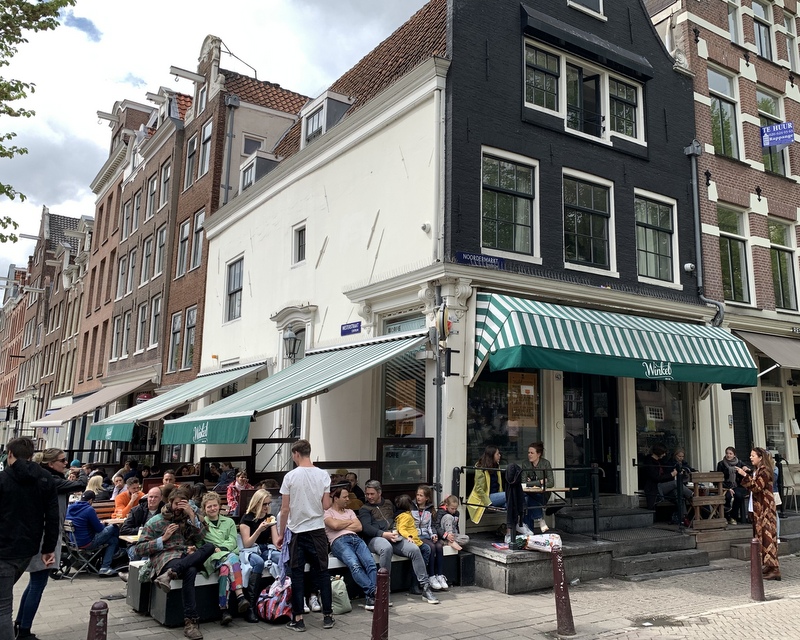
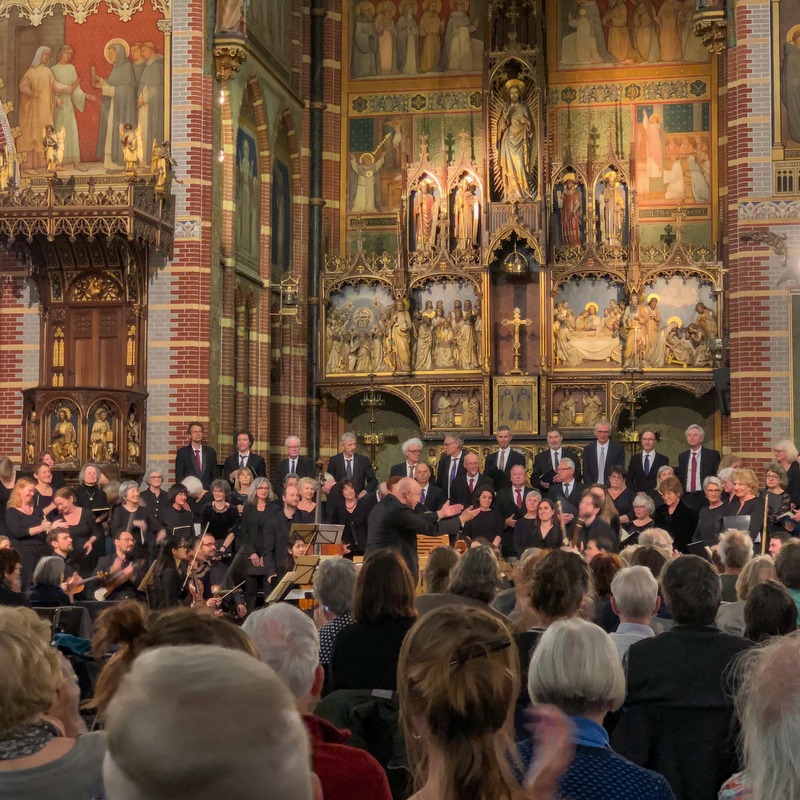
My friend Yolanda is singing in a choir and they were performing Mozart’s Requiem in the Dominicus church this Sunday afternoon. Before the concert we had apple pie in restaurant Winkel 43, supposedly the best apple pie in town 🙂

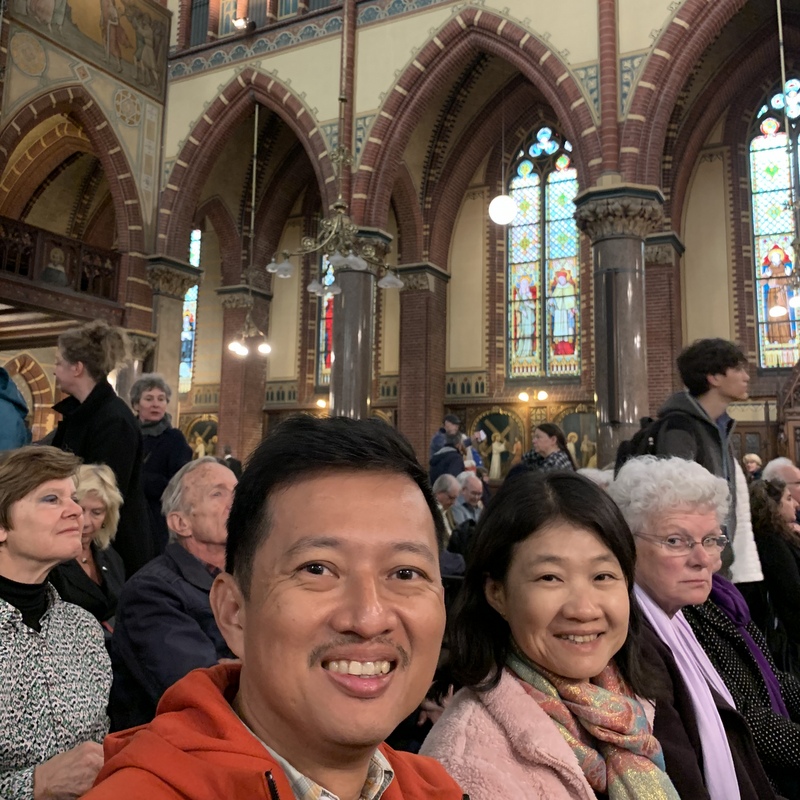
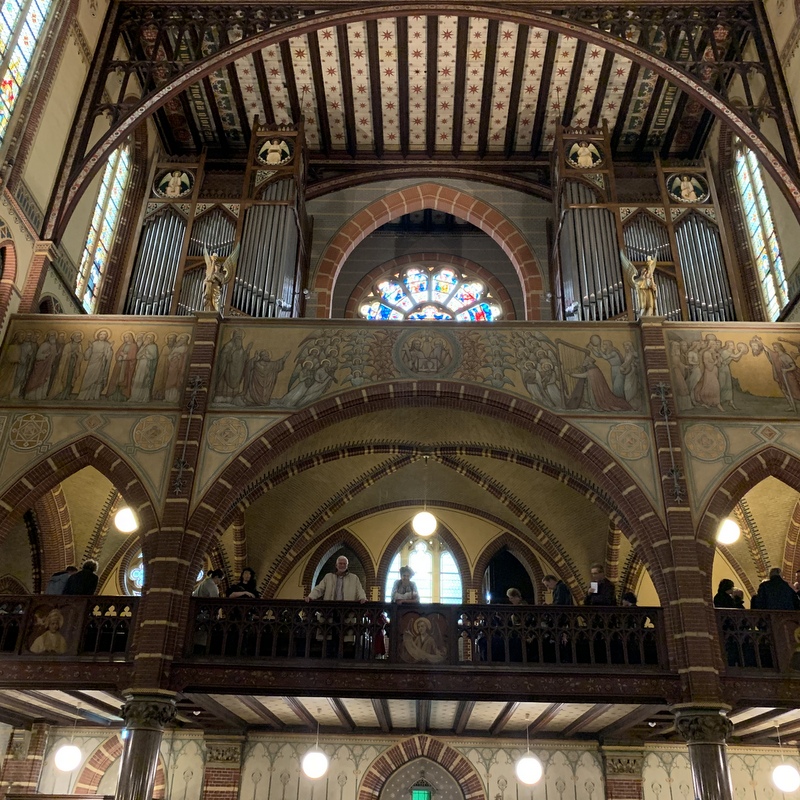
It was a beautiful concert, in a beautiful church.

After the concert we had a drink in a cafe nearby with Yolanda (left) and friends.

Monday 29 April

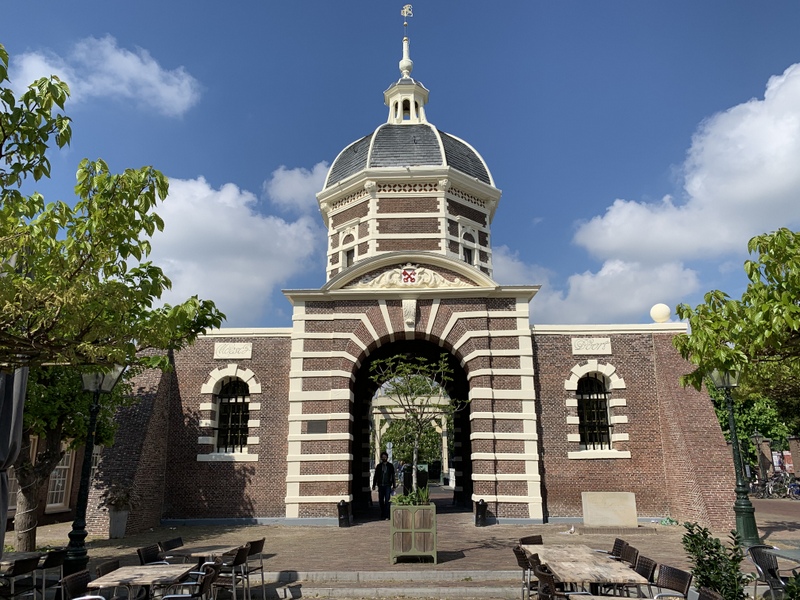
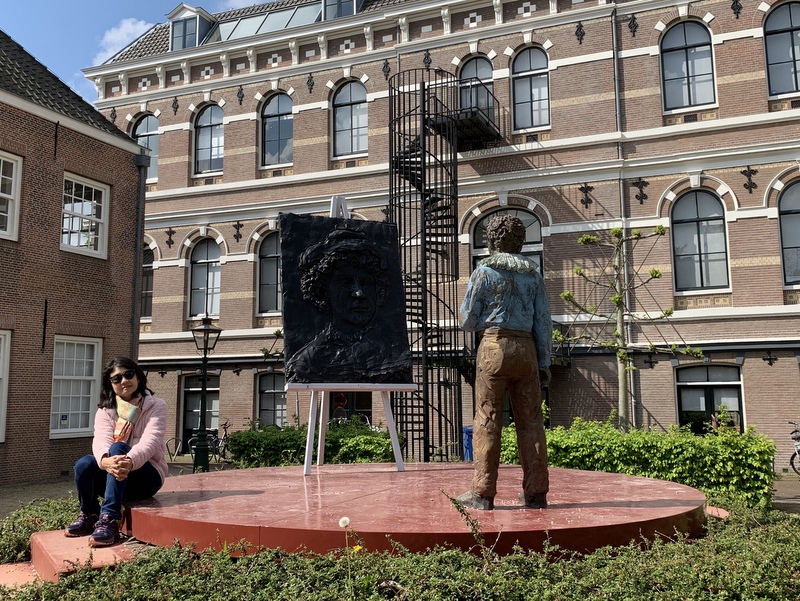
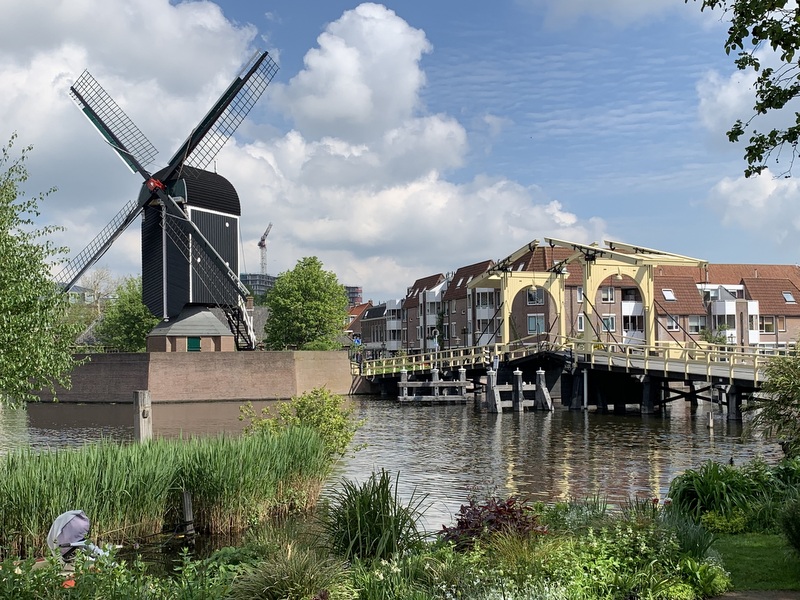
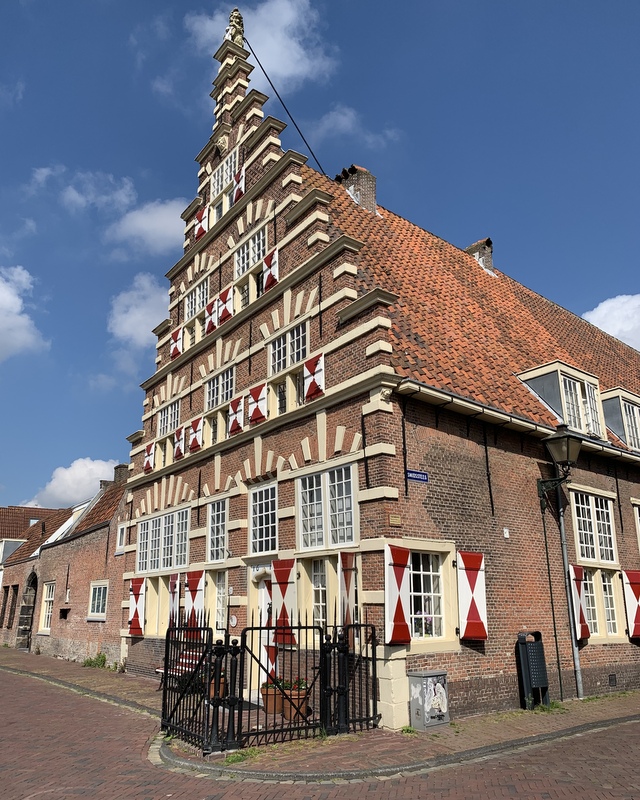
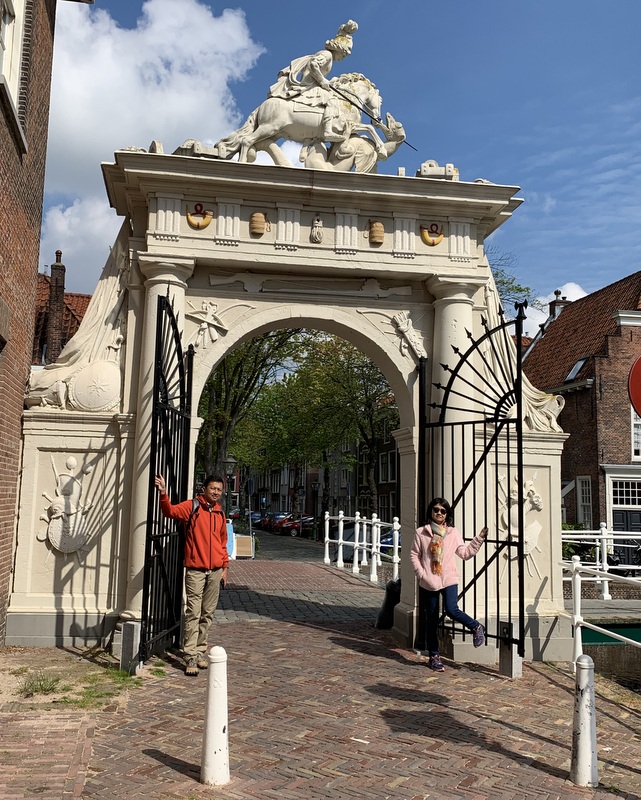
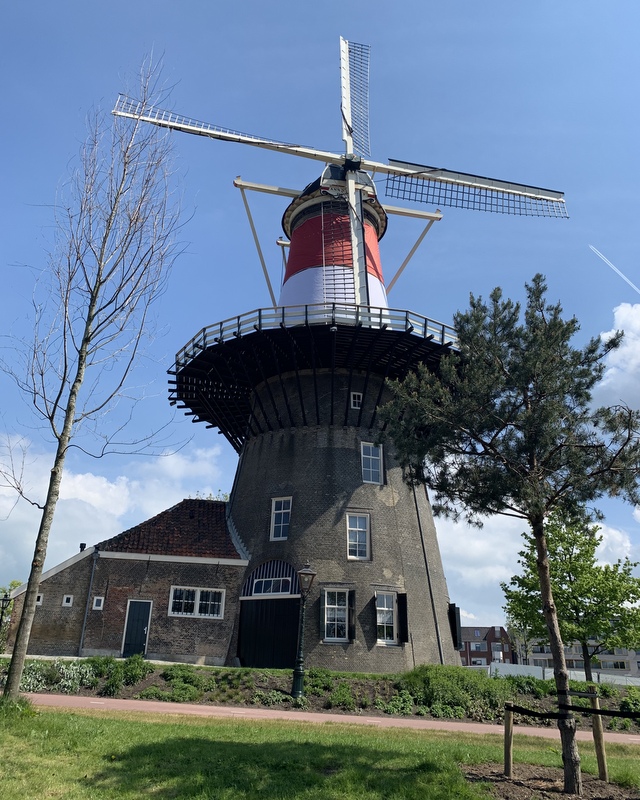
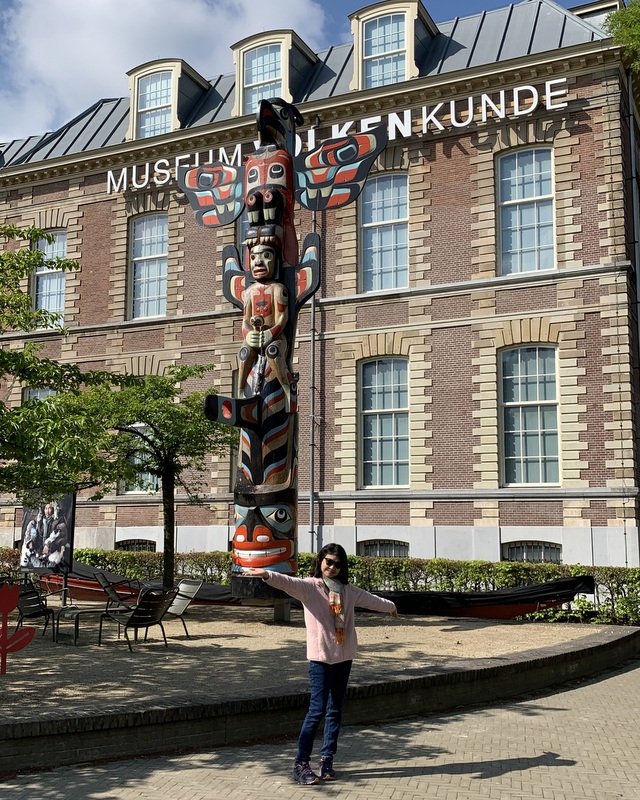
Aei Ling was flying back in the evening, still time enough for a last activity, a visit to Leiden. During my last stay in Holland I had “rediscovered” this beautiful town, near my “hometown”, see my report Leiden 2018

Only a few pictures here, to give an impression.

Then it was time to say goodbye. It was very nice to have Aei Ling as our guest!