Bukit Kiara again

My last post about Bukit Kiara, Bukit Kiara: Not All Is Well, was written end of December and reported that JLN had resumed the fence construction at the eastern border of the proposed Kiara park. It is the yellow line in the TRAKS map below.
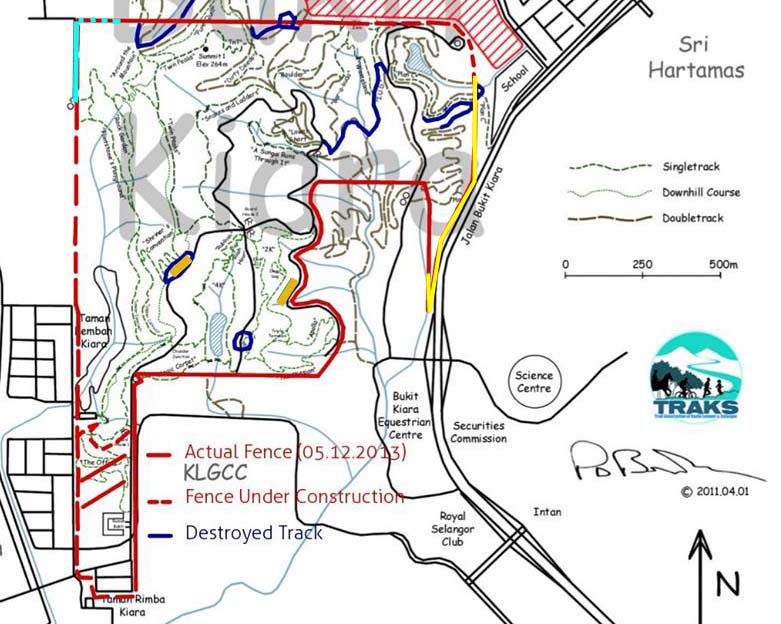
Kiara Fence

Now they are constructing the fence at the western side, where the park borders TTDI. Indicated in the map by a light blue line. I went there with my friend Pola Singh to have a look.
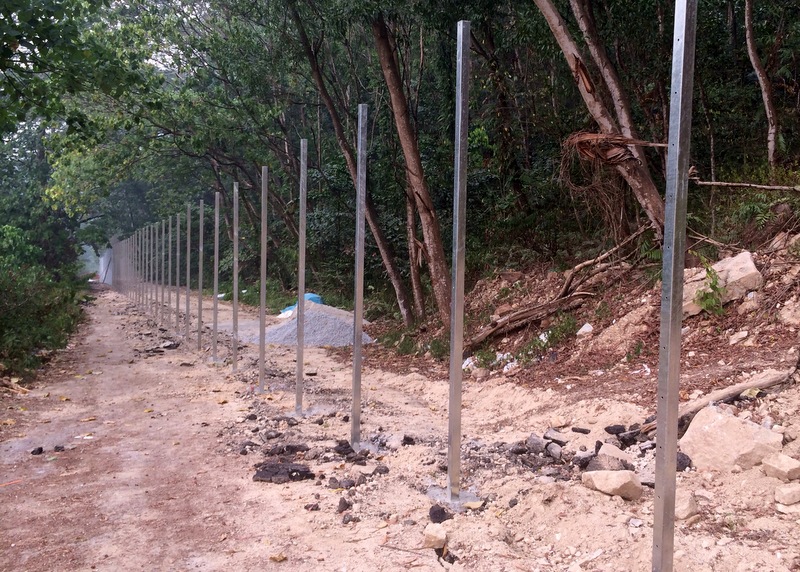
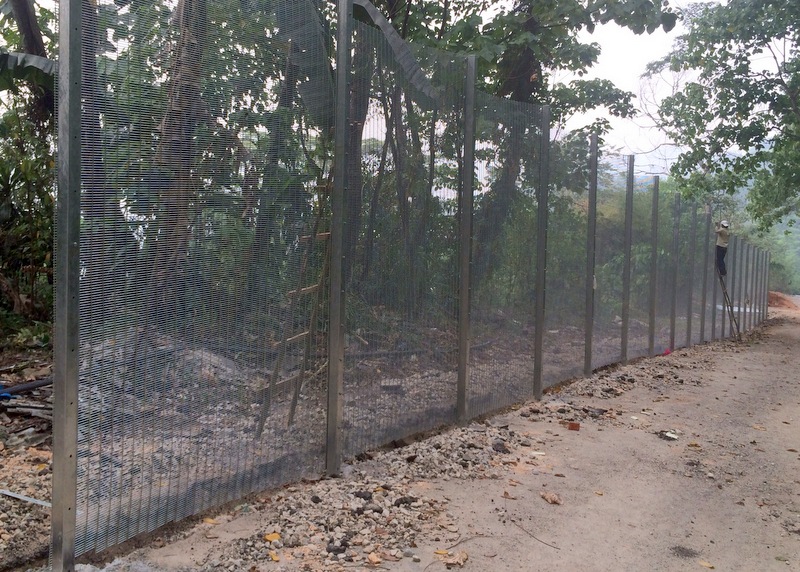
Fence under construction

Fence under construction

A small unpaved road, leading to a water tank, separates here the hill from the Taman Tun area, and it is this road where they are constructing the fence. The pylons have been cemented, now the workers are applying the actual fence. Halfway a gate has been planned. Near the water tank, the “prison” fence will connect to an old “friendly” existing fence.

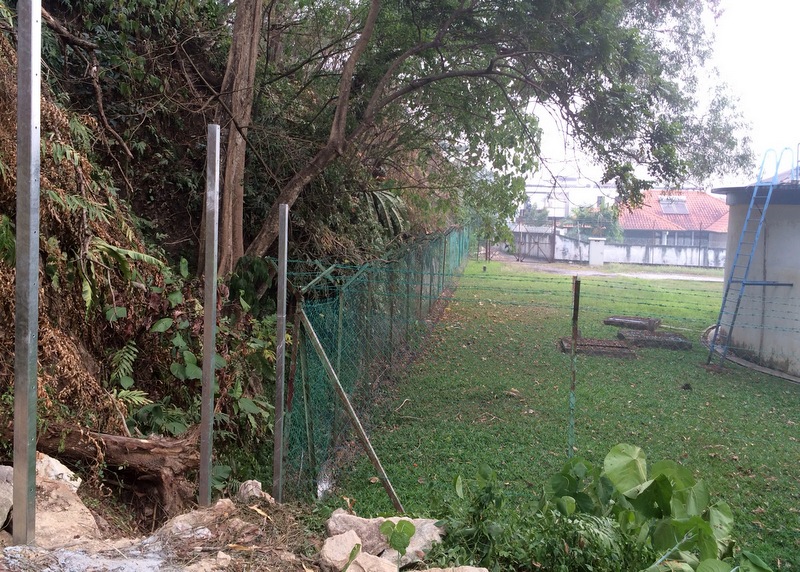
Location of the gate Old fence and new one

What will they do with this old fence? They will have to replace it, IMHO, otherwise the whole idea of making an unclimbable, high-security prison fence around Bukit Kiara becomes meaningless! Where the fence ends at the northwestern corner, it has  to turn 90 degrees (blue dashed line in the TRAKS map) and then go up a very steep slope to connect with the existing northern fence. That will be a very tough job!

On our way back we climbed to the ridge to have a look at another of JLN’s “achievements”, the slope rectification project (see my aforementioned post)
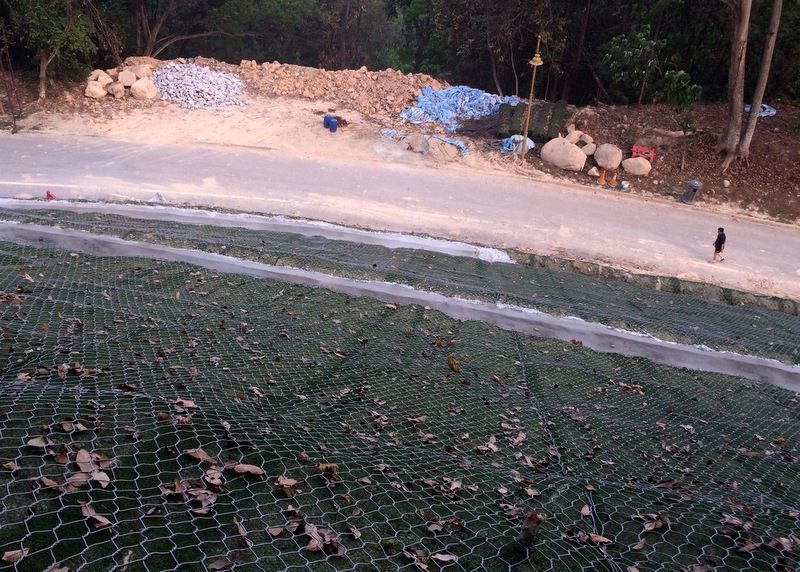
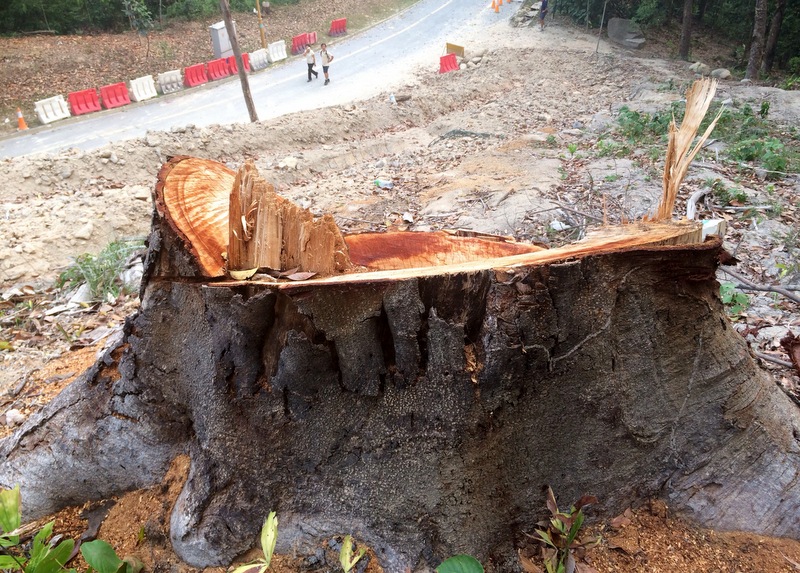
Slope rectification

This was a beautiful tree

When it became clear that the soil removed from the slope, was just dumped at the other side of the road, destroying more trees and one of the TRAKS trails, a public outcry followed, and they stopped. But the damage was already done, as so often happens in Malaysia…:-(  In the beginning they had left one majestic tree standing, but that one now has also been cut down.

Here is a Youtube clip, taken while walking this trail (the 4K trail), until blocked by the JLN-made landslide. Pathetic.

During our hike, I recorded the GPS coordinates and took quite a lot of pictures. It resulted in an EveryTrail report. In the map below you can see our hike, and when you click on it, a slideshow will start.
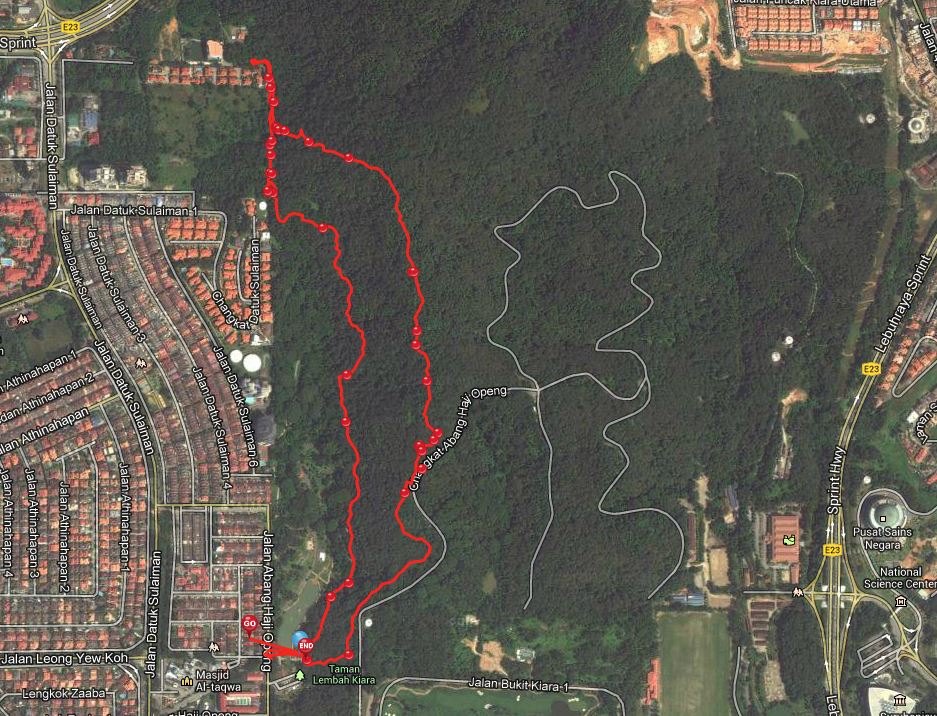
EveryTrail map

Teoh’s Canyon

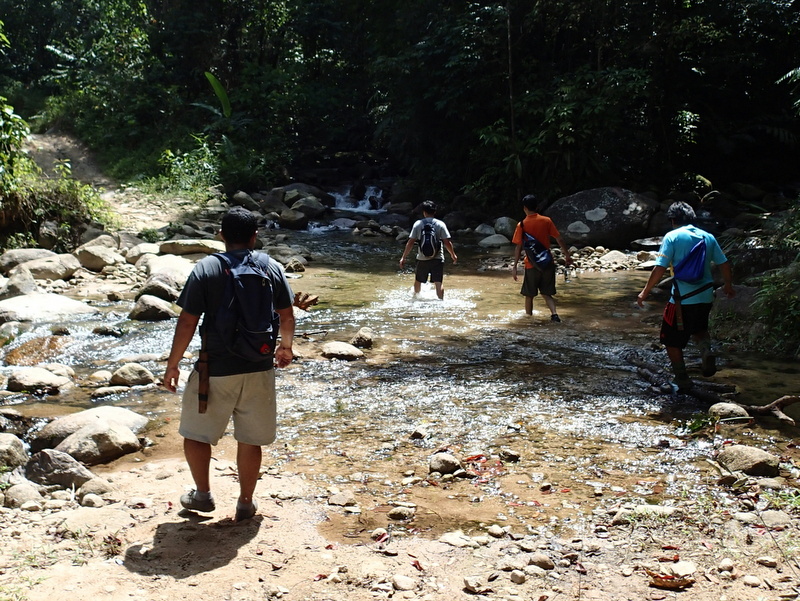
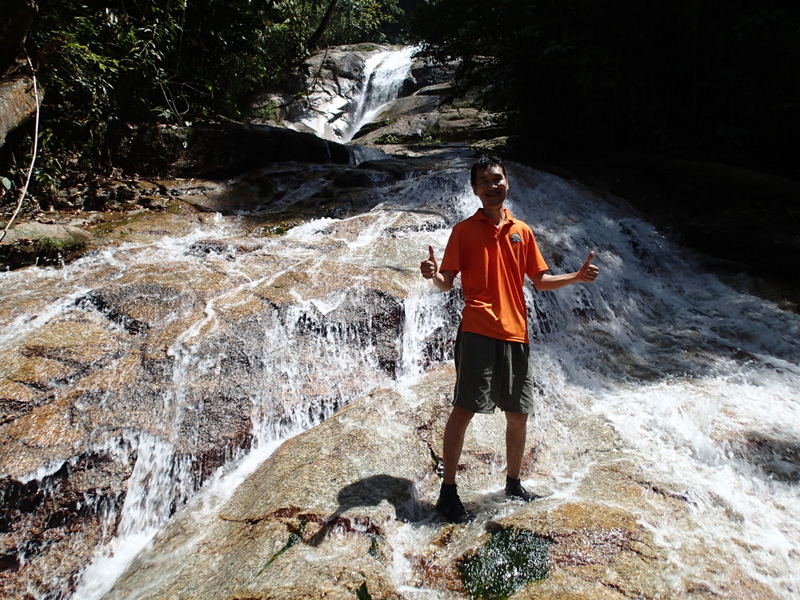
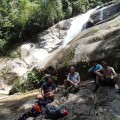
My friend Teoh has been talking several times about a beautiful canyon in Negeri Sembilan, where he would like to bring me and my waterfall gang.  A canyon in Malaysia! It was not easy to find a suitable date, that everyone was available, so finally we went only with three people, Teoh Edwin and I.

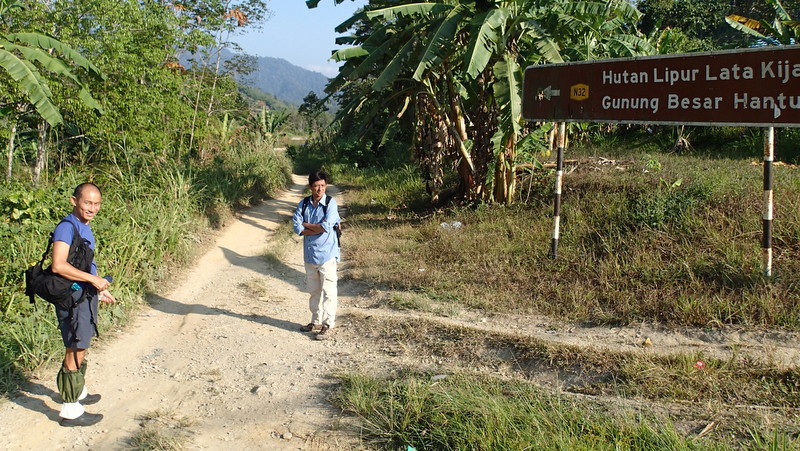
After breakfast in Batu 9, Cheras, we went on our (long) way to the region of Lata Kijang. This waterfall was almost destroyed by a severe flash flooding in September 2010 and is officially still closed to the public. With a 4WD you can reach the fall, we had to park our sedan at one of the Orang Asli kampungs along the access road and walk from there.

Hot and sunny

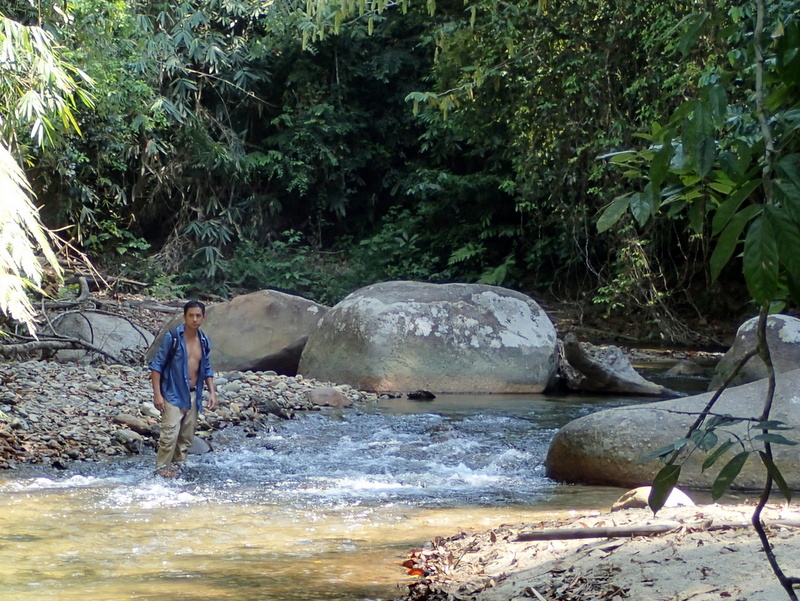
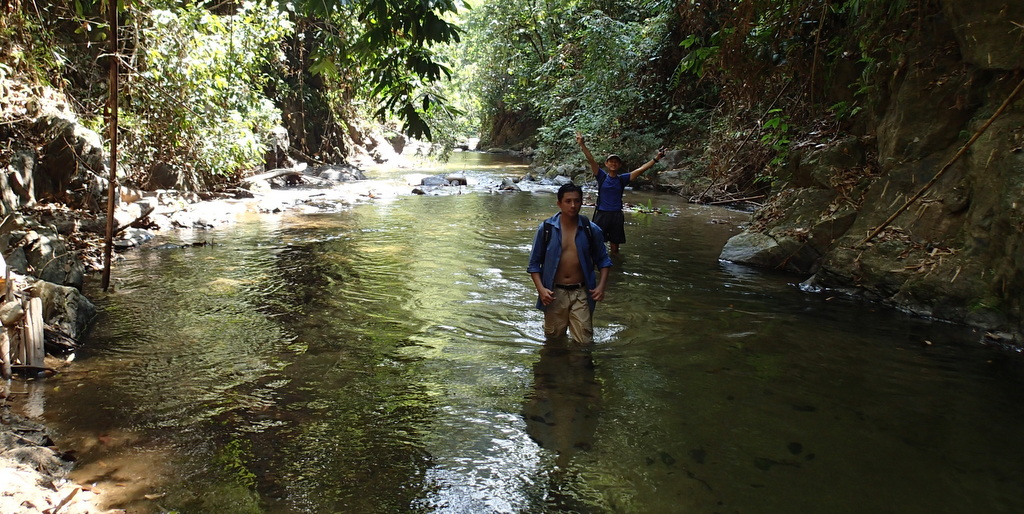
It was a few years ago that Teoh had been here, some development had taken place, it took him some time to find the right trail. It was a hot and sunny day, so it was really refreshing when we finally reached the river and could start river trekking!

Start of river trekking

It had not been raining for some time, so the water level was relatively low and the trekking easy. In the beginning the riverbanks were still walkable, but gradually they became steeper

River trekking

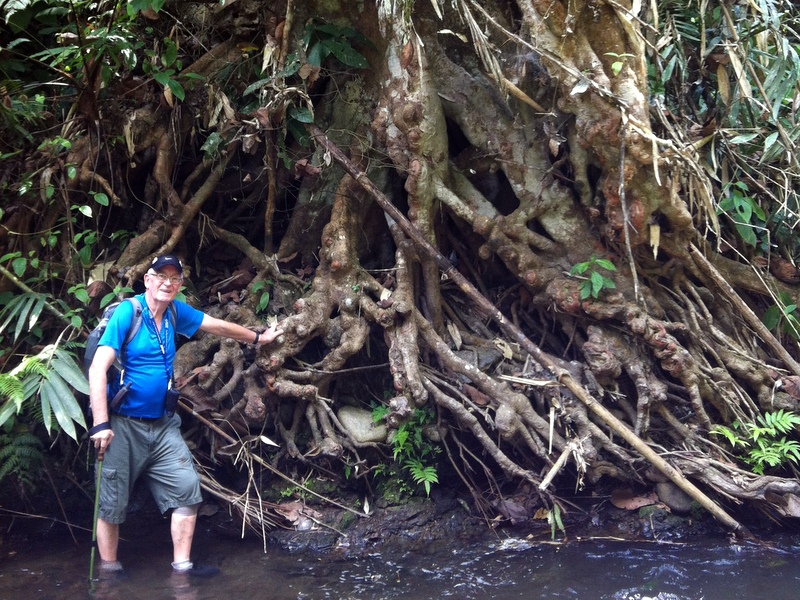
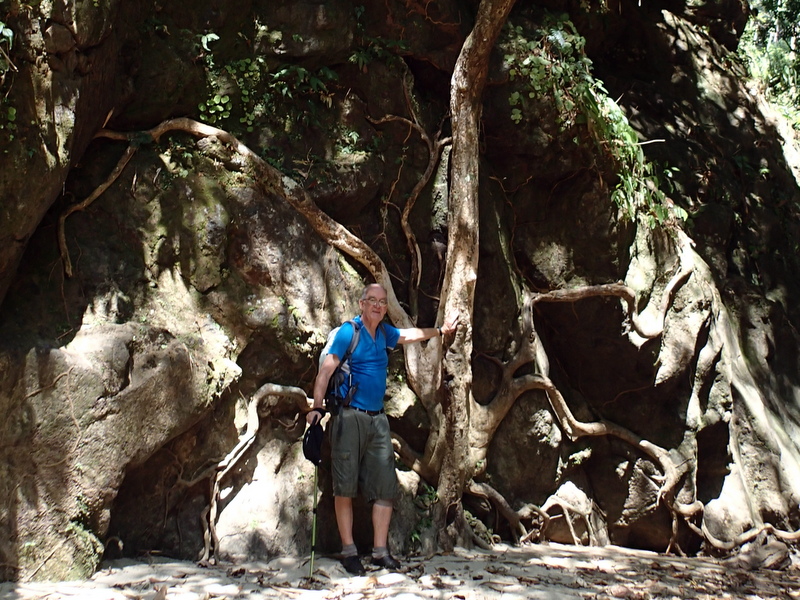
It was amazing to see how some of the trees were clinging to the rocks.

Giant tree roots

Tree clinging to the rocks

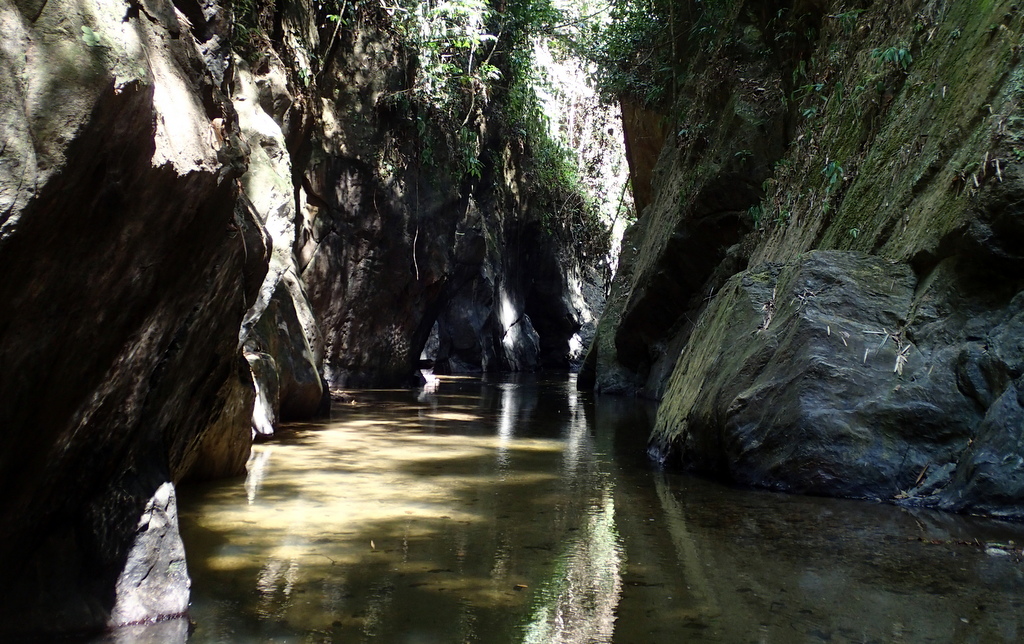
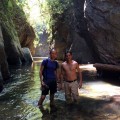
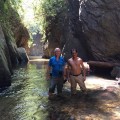
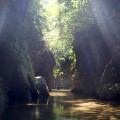
And then there was the canyon! Quite impressive. This is not a safe place to be when there is a risk of rain!. We noticed debris several meters up in the tree branches

The canyon

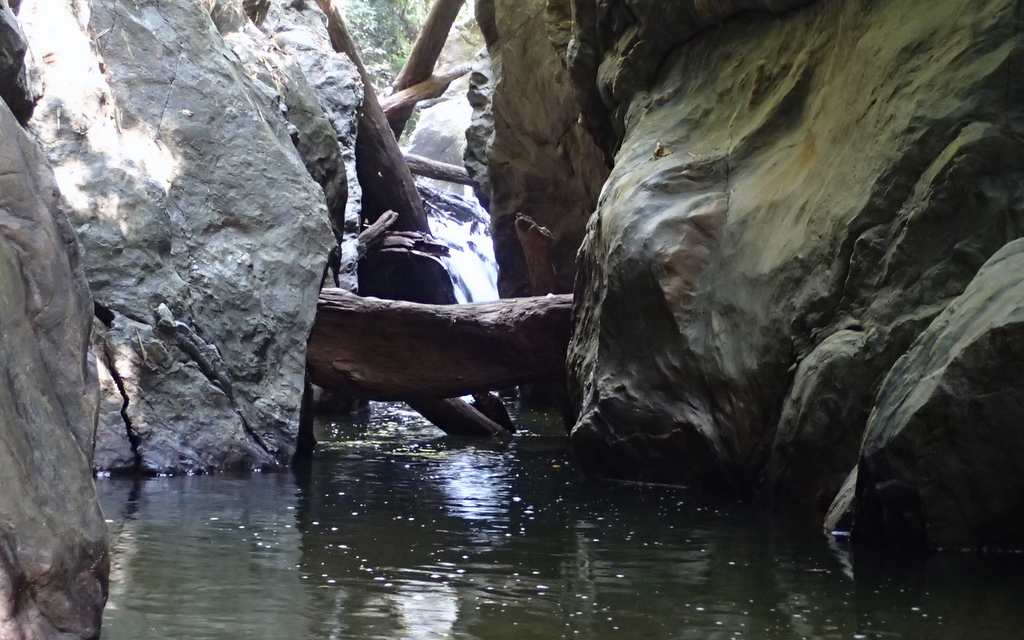
The canyon becomes narrower and at the end we saw a small waterfall. Huge tree trunks and branches in (and under) the water.  Here the water became also deeper, we would have to swim to get nearer. It might be interesting to find out if the canyon continued after the fall, but we considered it too risky to go further.

The canyon ends in a fall

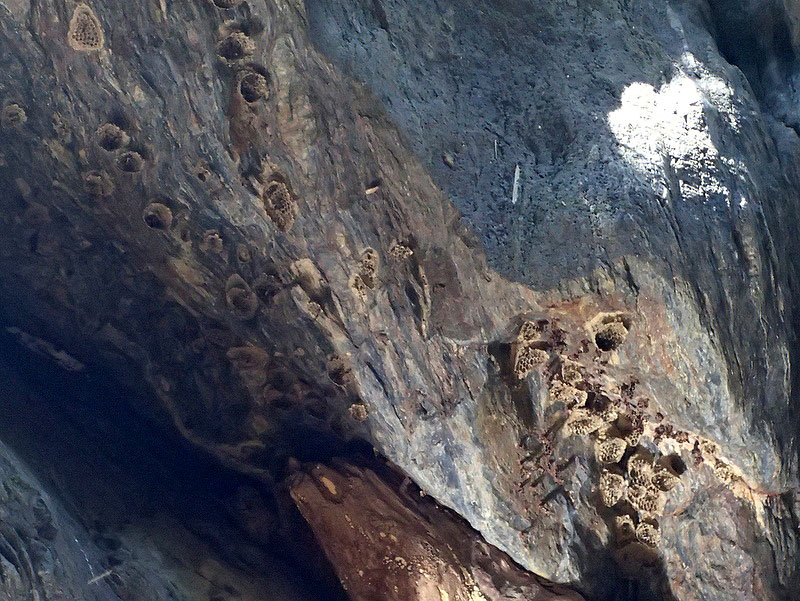
Another reason that we did not stay too long, was that not only there were quite a few bees, there were even bee hives up against the rocks. With my bee-sting allergy I did not feel comfortable, so we returned.

Bee hives

Here are a few more pictures. This is the only canyon I know about in Malaysia, a quite interesting experience. Also a bit overwhelming.

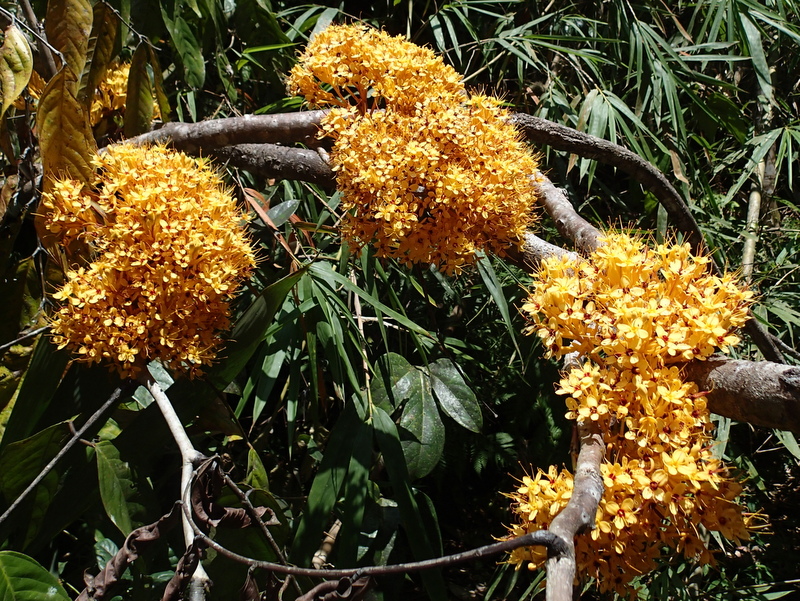
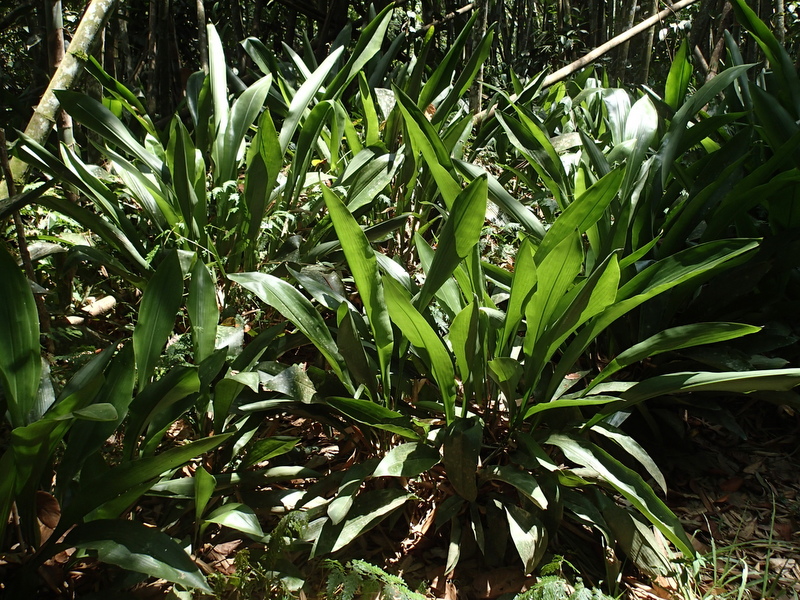
So it was also nice to be back again in the green forest, with nice flowers…:-)

Nice flowers

Fresh green plants

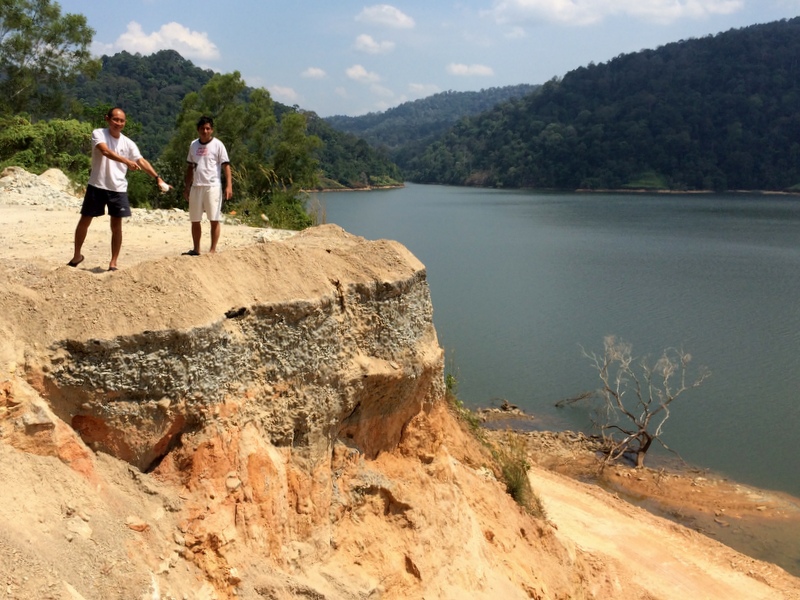
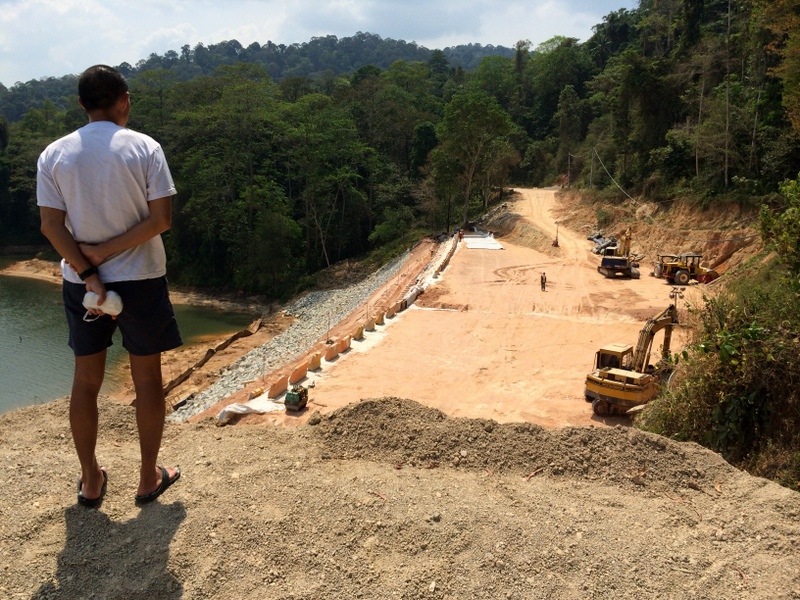
On our way back we decided to have a look at the Semeniyeh reservoir, where last year a massive landslide took place. The road is still blocked, they are working on it.

Semeniyeh landslide

Road under construction


Here is a video of the canyon:

Chingay Johor Baru, 2014

I had never heard about the Chingay parade before I recently watched the movie The Journey. In this beautiful movie, the daughter of an old farmer in the Cameron Highlands comes back from England with her boyfriend to get married. Big clash between conservative Frankie and naive, young Benji. Frankie reluctantly agrees to the wedding, but on condition that the wedding invitations will be handed over personally to the wedding guests. This brings them to Johor Baru (JB) where at that time (three weeks after CNY) the Chingay parade is held.

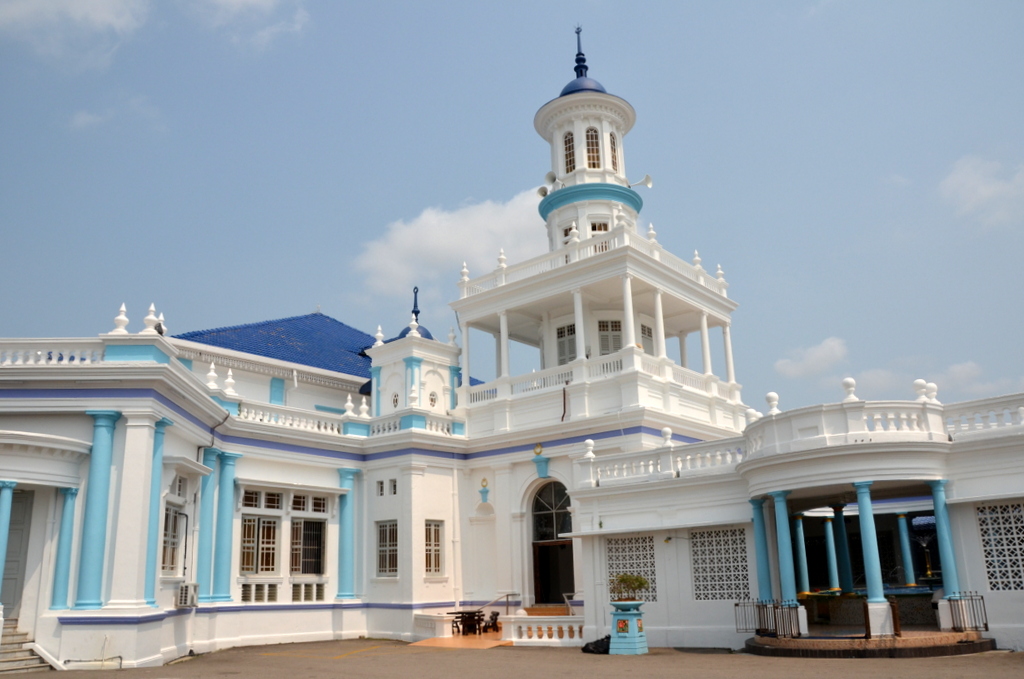
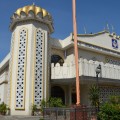
I was fascinated by what I saw, so we decided to go to JB and watch it for ourselves. To break up the long way to JB, we first spent a night in Muar. An interesting town with good food and a lot of beautiful old architecture. I have published a detailed report about this trip on my Adventure Site, so here only one picture of Muar, the iconic Masjid Jamek Sultan Ibrahim, completed in 1930. The British knew how to create spectacular architecture!

Masjid Jamek Sultan Ibrahim

In JB we had booked a room in a hotel along the route followed by the parade. A JB friend of Aric had also provided us with T-shirts we should wear when following the procession. So for the time being a Kwai Loh and a Teochew became Hakka, LOL. A bit of information about Chingay in JB might be useful:

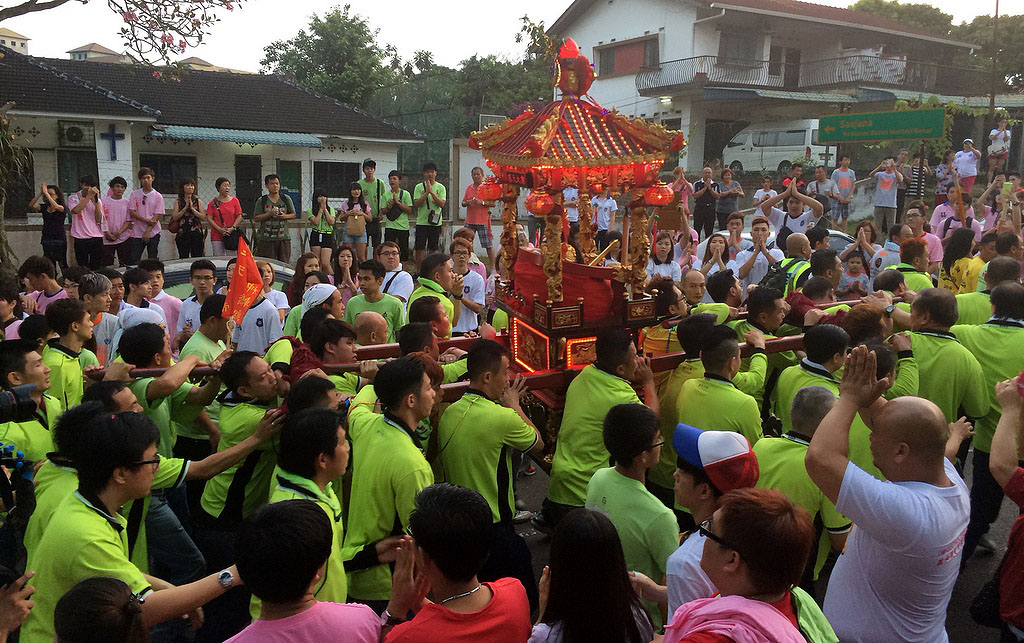
In the Old Temple in JB, five deities reside, belonging to five different Chinese clans/dialects, Hakka, Hainanese, Cantonese, Hokkien and Teochew. During Chingay they are carried through the town, in sedan chairs, carried by devotees belonging to that clan. Here is the Hakka deity

The Hakka deity

During the parade the deities are jostled and tussled often, so they have to be expertly bound to their sedans. Here you see one passing. Of course people are taking pictures, but many, often young people, are also praying. It is not just carnival, but religious as well.

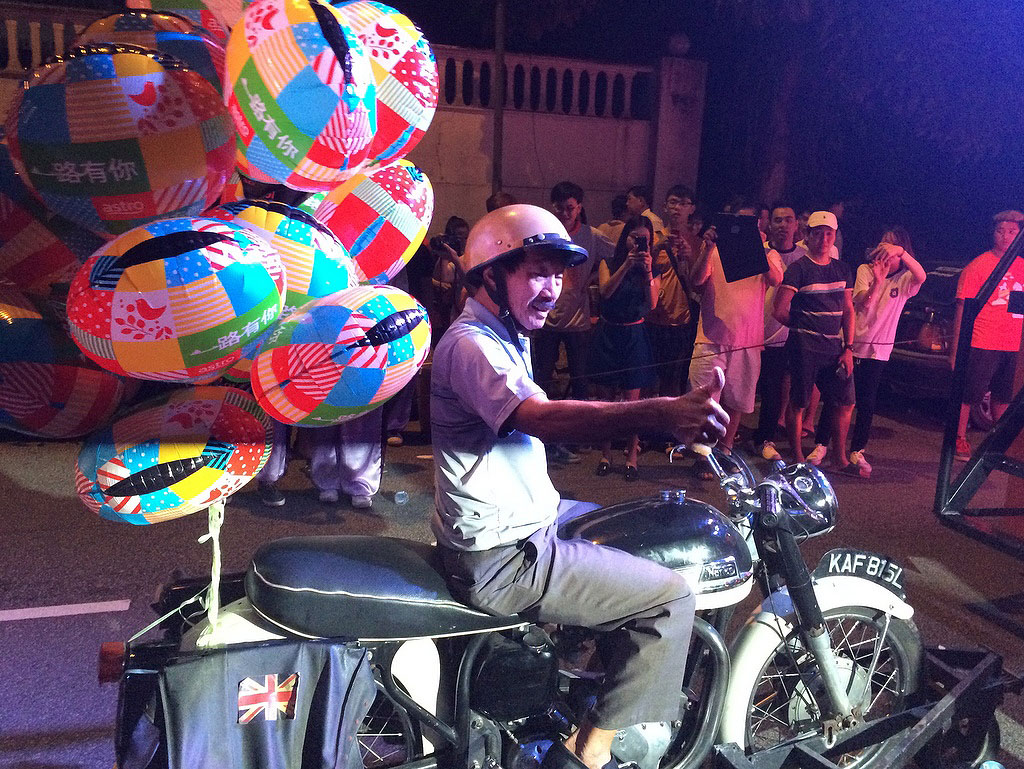
Chingay parades are held in other places as well, for example in Singapore. But the JB one is different and very impressive. After the Five deities have left the “Deities’ Depot in Jalan Ulu Air Molek, their sedans are interspersed with a variety of activities, dragon and lion dancers, stilt walkers, giant puppets, floats. A popular float was this time dedicated to the Journey movie, and main actor Frankie was present.

Frankie

Here is a collection of pictures, for more pictures, see the report mentioned above. After watching the parade and having our dinner, we went back to our hotel room (on the 15th floor!), where we had a last view of the parade. We will come back next year.

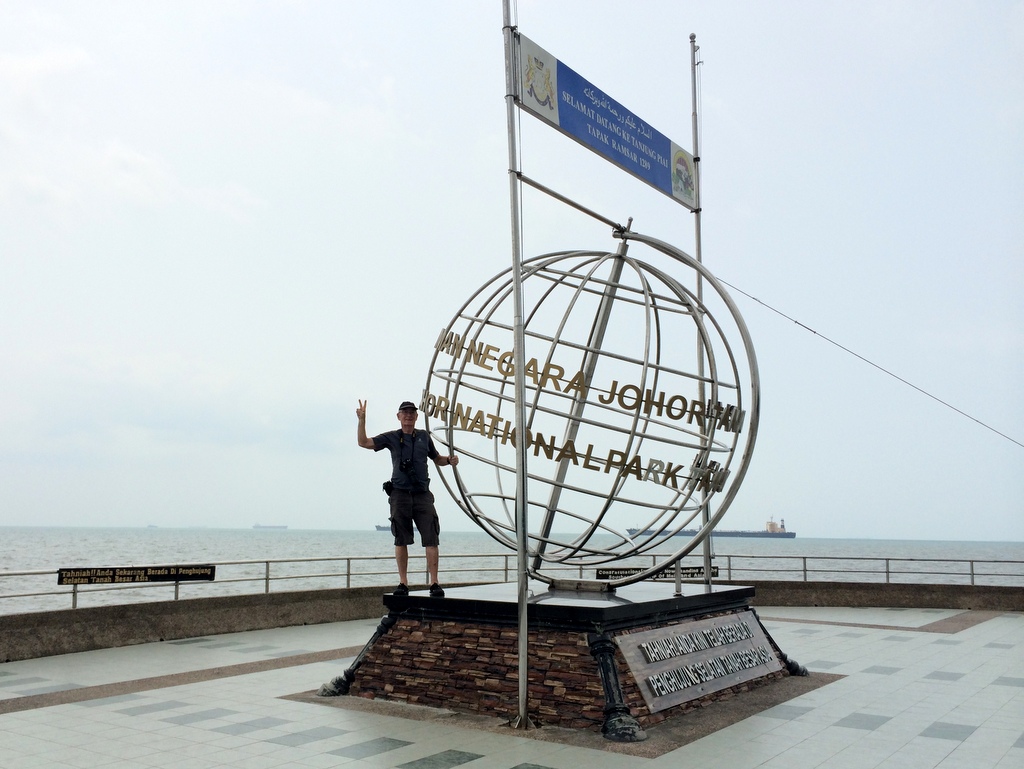
The next day, on our way back home, we visited the Tanjung Piai National Park, the southernmost tip of mainland Asia.

Tanjung Piai N.P.

More pictures and a travelogue here.

Down Memory Lane

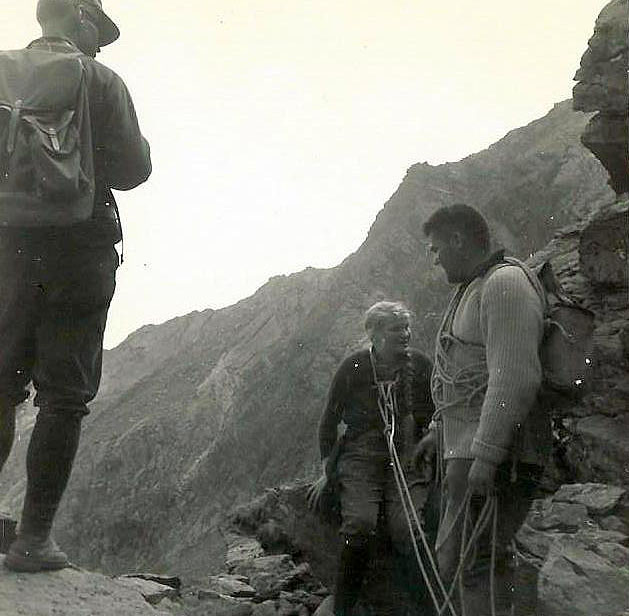
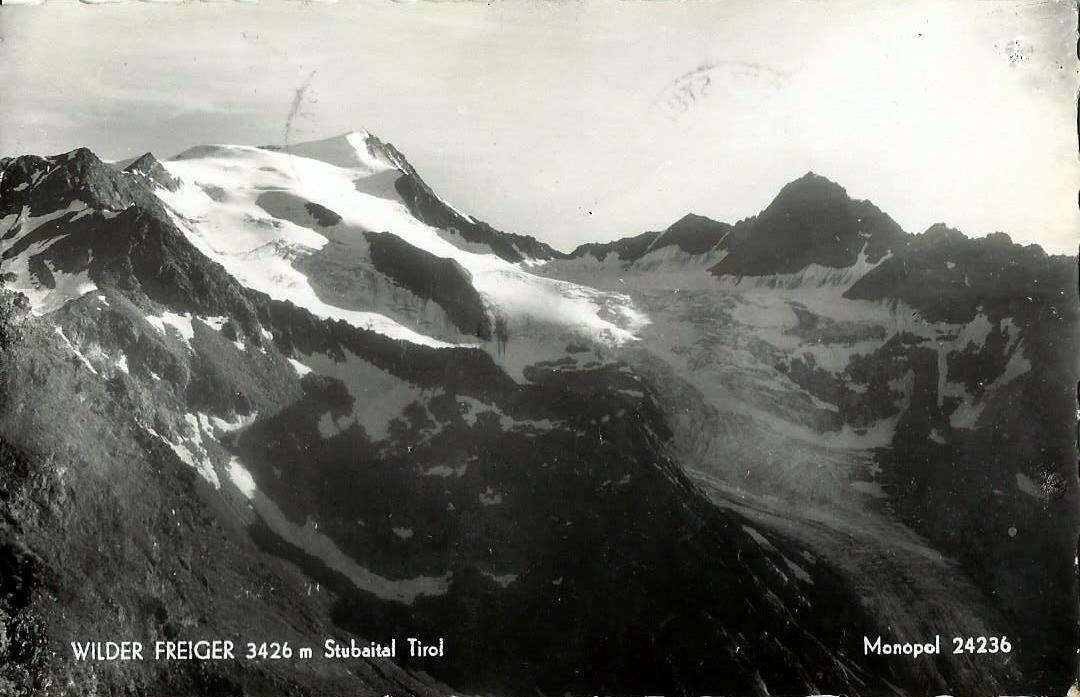
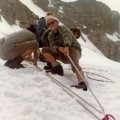
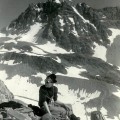
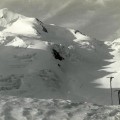
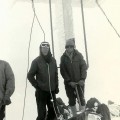
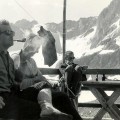
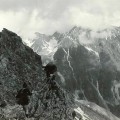
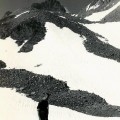
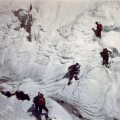
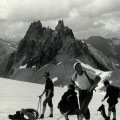
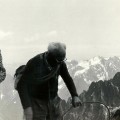
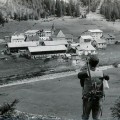
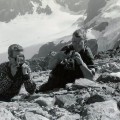
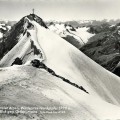
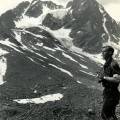
In 1964, fifty years ago, was a young student at the Free University of Amsterdam. With two friends I went to Austria during our summer holidays. Both also named Jan, so in the following pictures you will see Jan St (me) , Jan V and Jan Str. Camping in Tirol, hiking in the mountains. On one of these hikes we met Robert, a friendly German and an experienced mountaineer, who took us to the summit of the Wilder Freiger, 3418 m. It was a fascinating experience.

We were hooked and wanted to become mountaineers ourselves!

Robert

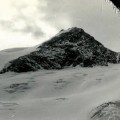
Wilder Freiger

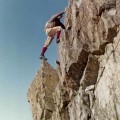
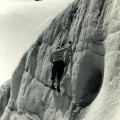
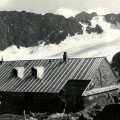
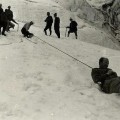
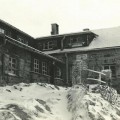
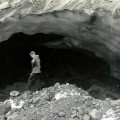
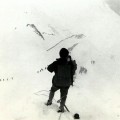
We became members of the Austrian Alpine Club and the next year we followed a training course at the (in those days) famous Kaunergratschule. Here we got a thorough instruction in the handling of rope, ice axe and crampons, how to rescue somebody who had fallen in a glacier crevasse, we learned how to rappel down steep rock faces, to brake our fall on the snow and much more.

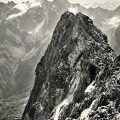
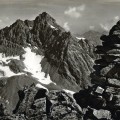
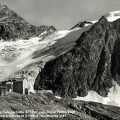
The course took two weeks, a balanced mix of theory and practice. As a part of the program we climbed several of the majestic mountains around the hut. Most impressive was the Watze Spitze with its hanging glacier.

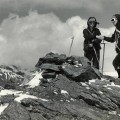
After the training program, we felt confident enough to make our own alpine tours. We stayed in the same alpine region, but hiked to another hut, from where we climbed a few beautiful mountains, culminating in the Wildspitze, the second-highest mountain of Austria at 3770 m.

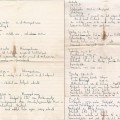
Here are more pictures, taken during these holidays. Most of them still in black and white. I found them in one of my photo albums, it was quite fun to reconstruct this part of my past, as I had forgotten most of the details. The last picture is a scan of the trip diary I kept during our stay. With information about weather and snow conditions, information about the route chosen, the difficulty (I – VI, I = easy, III= difficult)

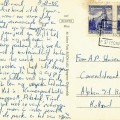
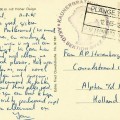
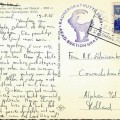
To keep my family informed, I sent them postcards regularly. Later they had given back these postcards to me and I had put them in my album. Had completely forgotten that I had written on the backside of these cards. It is in Dutch, it gives a nice “travelogue” of our holidays.

A nice trip down memory lane!

Upper Damak

It has become a nice tradition: to visit an “unknown” waterfall during CNY with a few of my waterfall friends. In 2012 we have explored Lata Naga Air and last year we hiked  to the Ulu Licin falls, near Beruas. This time Siang Hui, who probably knows dozen if not hundreds of unexplored waterfalls in Malaysia, suggested a waterfall in the Gopeng region, upstream of the Damak waterfall. He had done a recce to this fall a few years ago, could already hear the sound of falling water, but returned because there might be a “Big Cat” around!

The Ulu Geroh region is famous for the Rafflesia flowers that can be found in the region and for the large concentration of Rajah Brooke butterflies. Since a number of years the Semai Orang Asli community has been actively involved in the protection of these natural treasures. Guides will bring you to the Rafflesia and Rajah Brooke locations, or to the Damak waterfall. A good initiative to give the community some income and make them aware of the importance of preserving the natural habitat.

Ulu Geroh

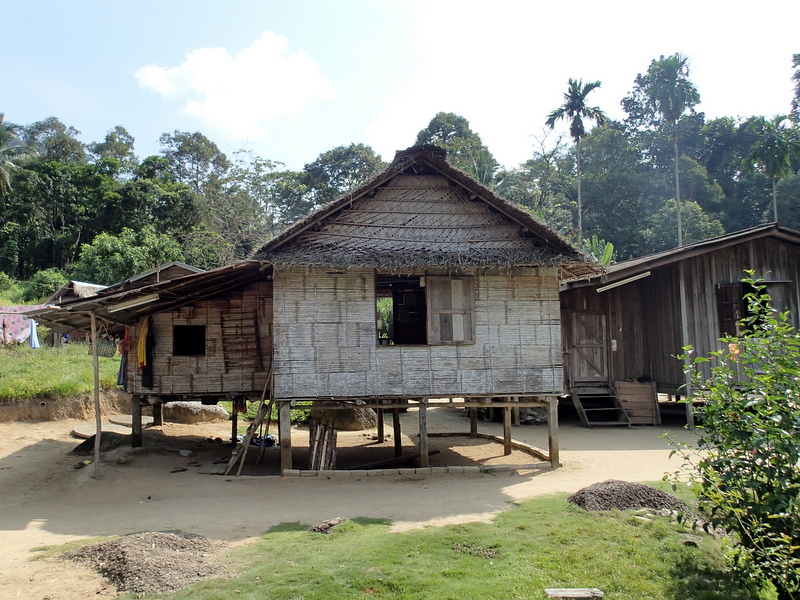
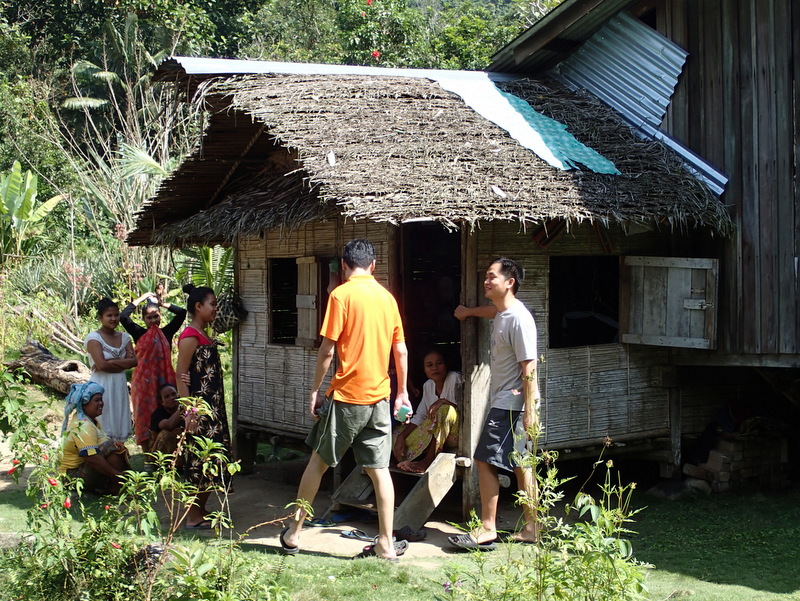
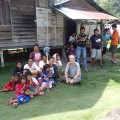
Orang Asli houseUlu Geroh


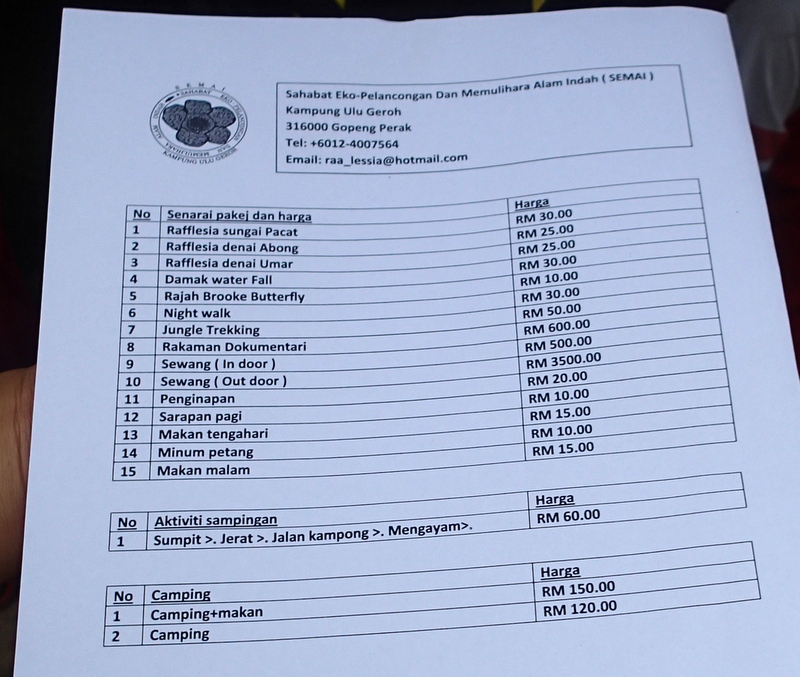
So, we did not mind taking a guide to this virtually unknown upper Damak fall. But we were shocked when they told us that we to had to pay per pax. That is very unusual for guides! Of course when your group is big, you may need more than one guide. We had a long discussion, they showed us the official price list (!). Finally we agreed to pay RM 75 for two guides. Very reasonable

price list

On our way

It was very useful to have guides, as they took a better route to the fall, than explored by Siang Hui a few years ago. We followed more or less the river, only vague trails, a lot of chopping needed. It took us about 1.5 hour to reach the Upper Damak fall. The rock face is visible on Google Earth.

Damak Upper Fall

As it had not rained for quite a few days, the water flow was not very big. Halfway up there was a nice pool, where we took a rest. The guides explained that the name of the fall was Lata Seli, where Seli means Cobra in the Semai language. And that the Damak fall should be called Lata  Jemon, while the name of the river is actually Sg Kundur. Here are some pictures taken during our hike.

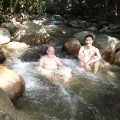
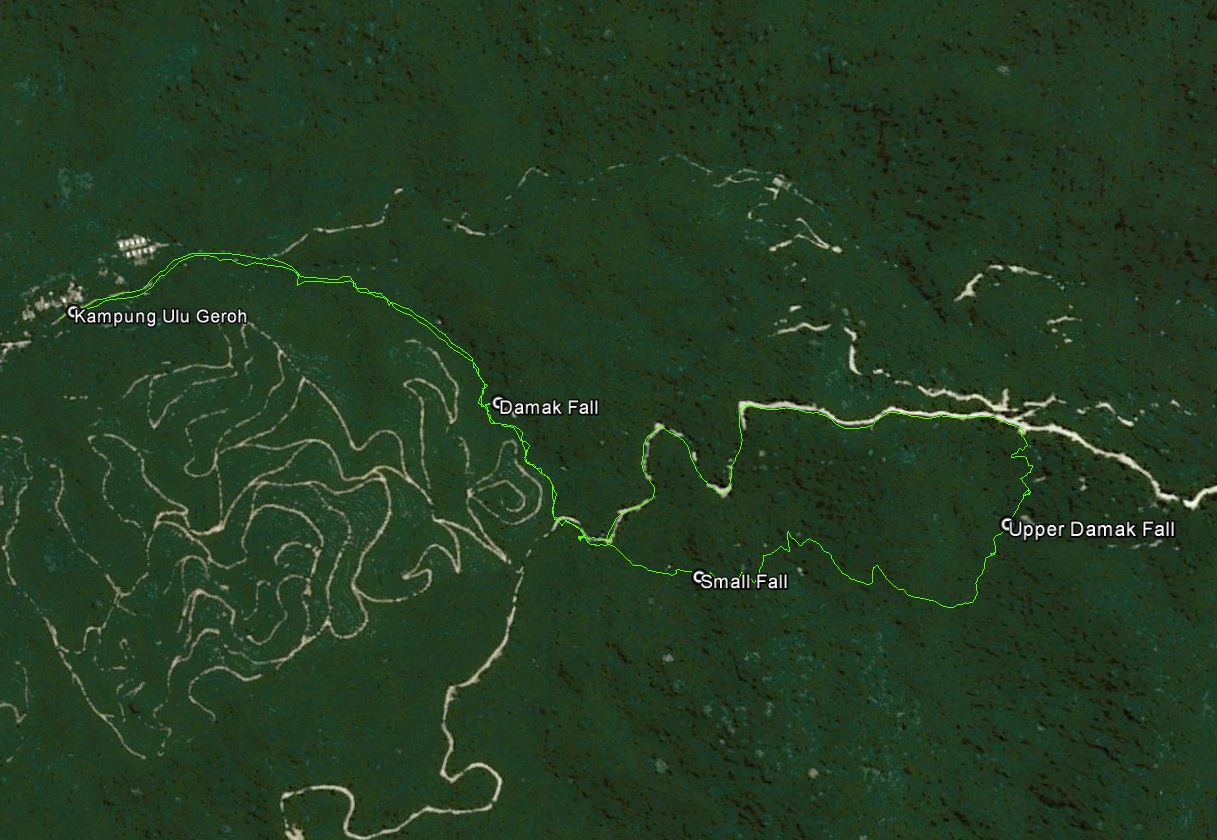
On our way back we took the logging road used by Siang Hui during his recce. Hot, no shade, so it was nice that we could take a refreshing bath in the river before going back to Gopeng. Here is a GPS track of our hike.

Map


I also took a short video of the waterfall

Abandoned

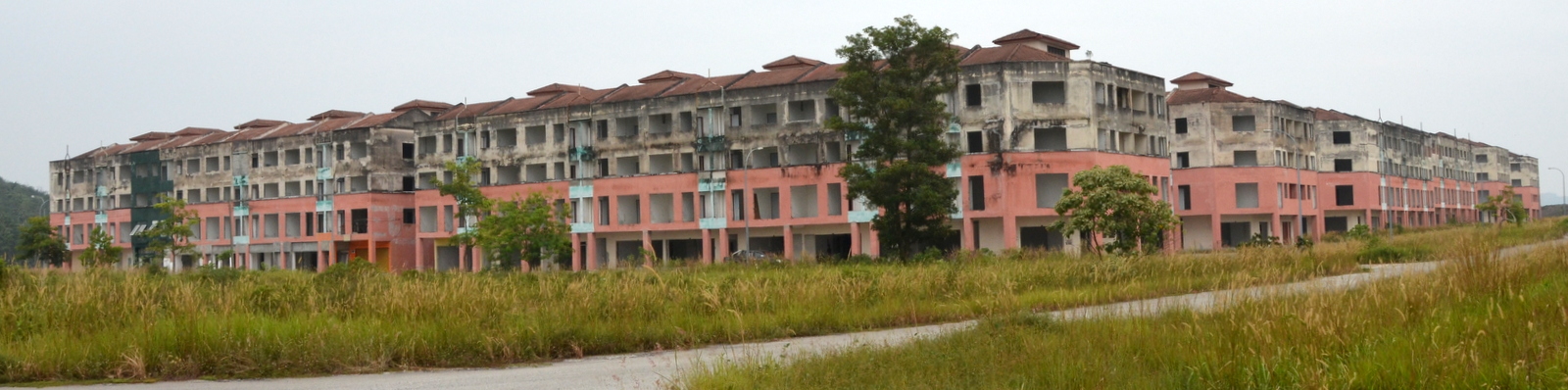
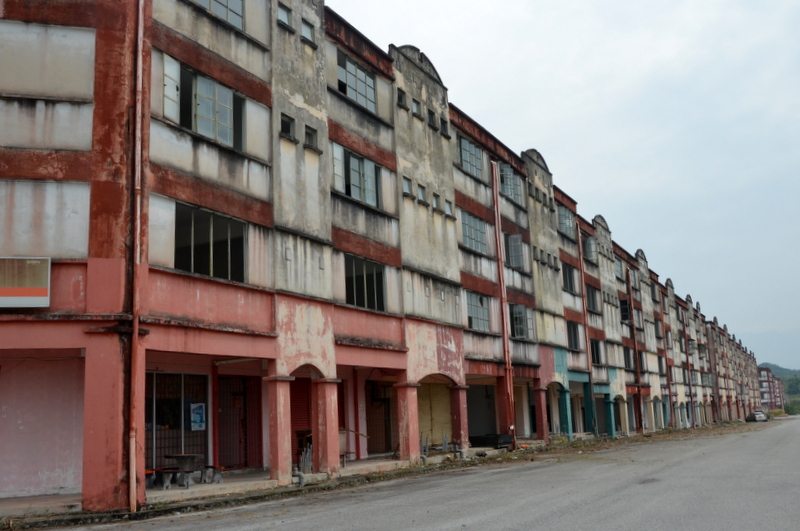
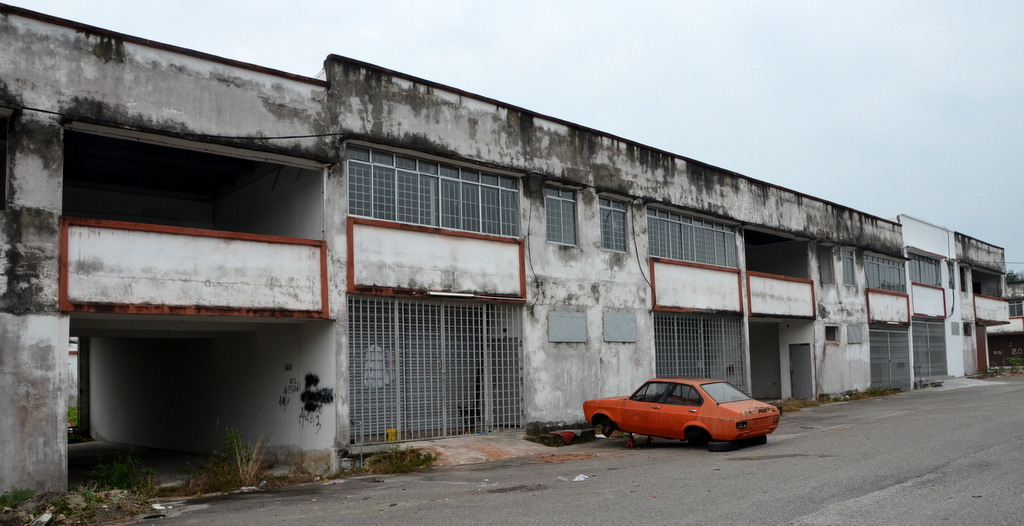
Once upon a time there was a plan for a new International Airport between Rawang and Tanjung Malim. Adventurous and greedy developers started already to build a new town at Bukit Beruntung. But the plans changed, the new airport was built far away, near Sepang, and the development bubble burst.

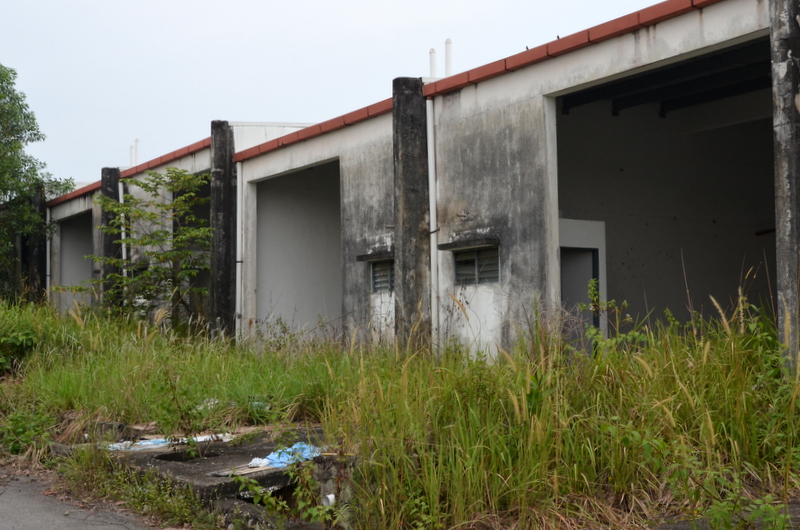
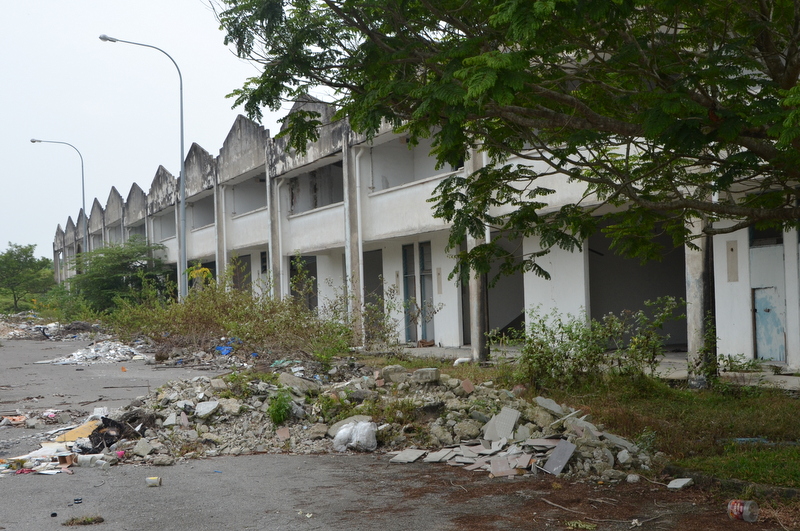
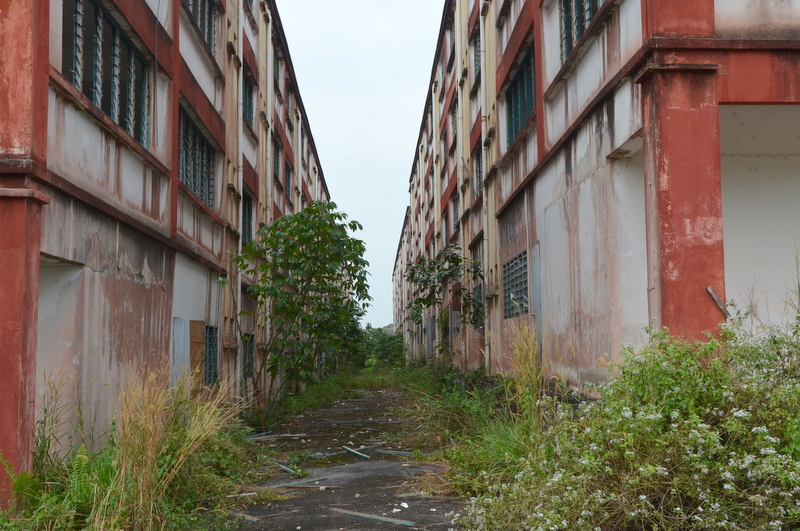
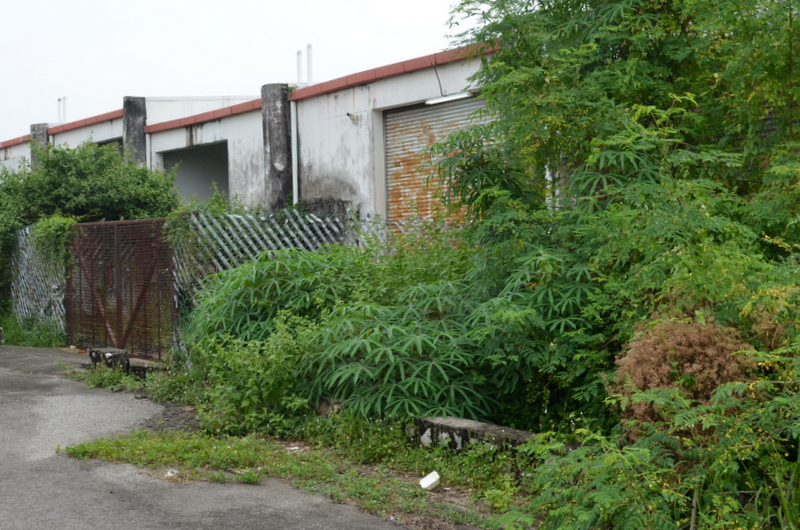
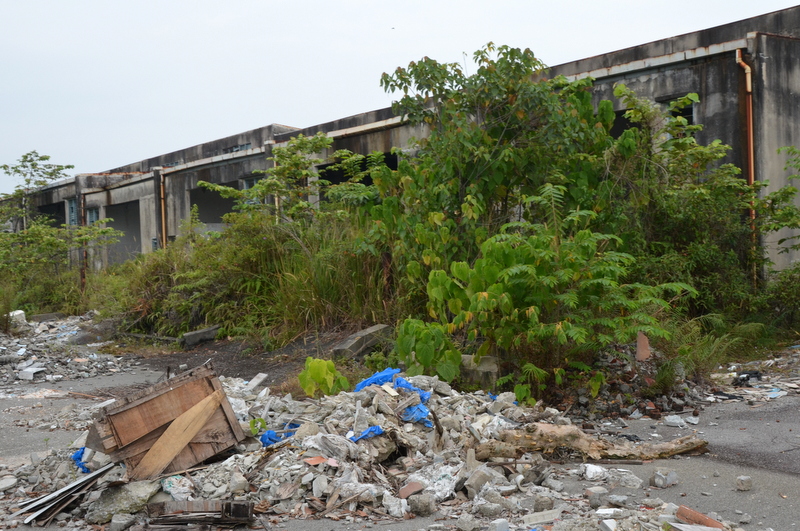
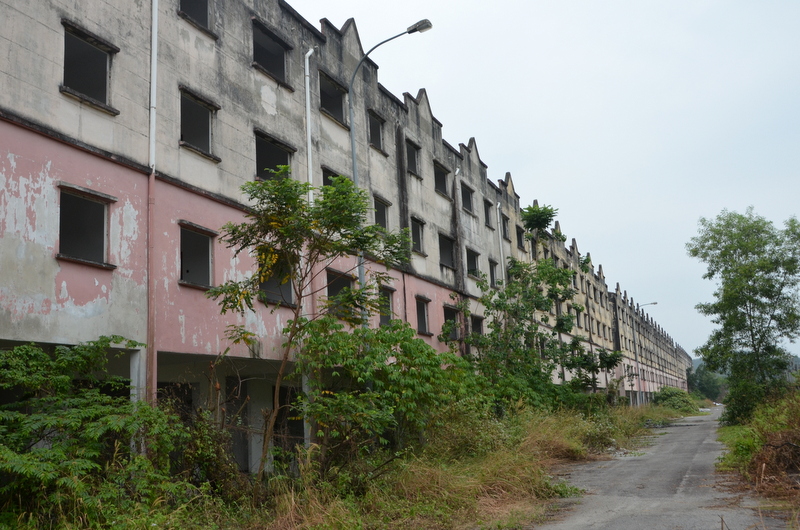
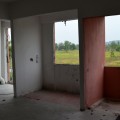
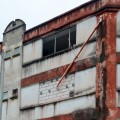
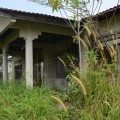
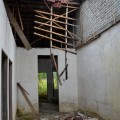
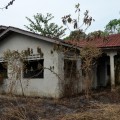
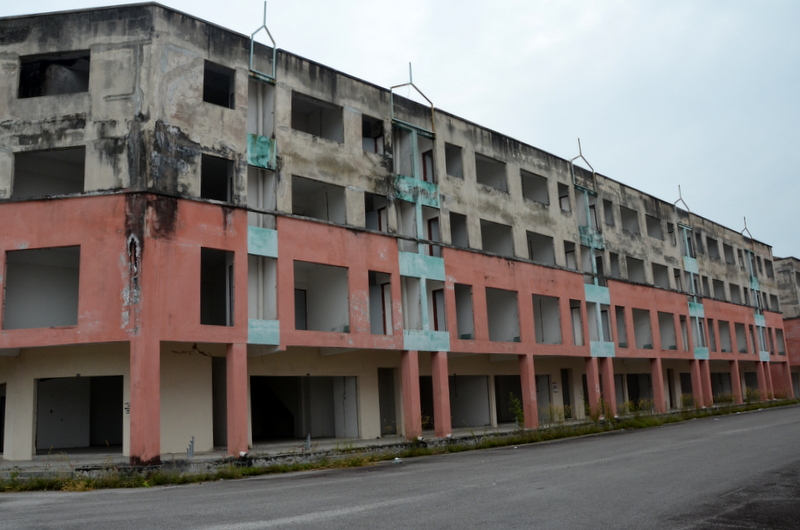
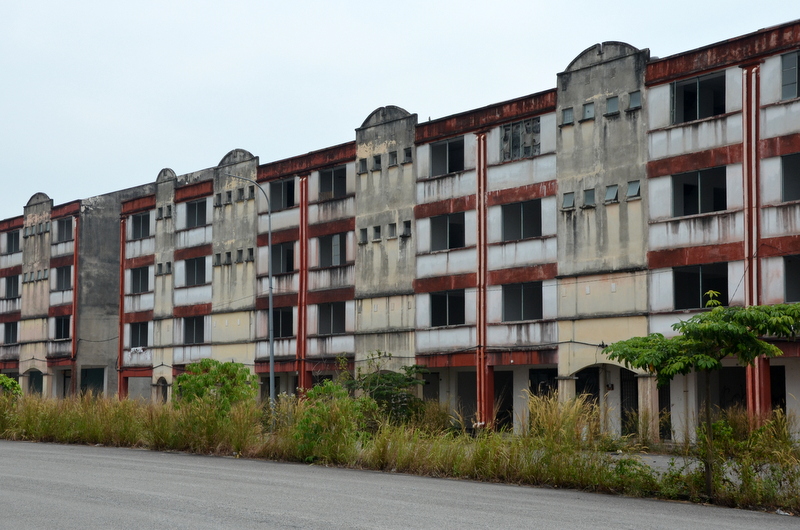
This is what remains, an abandoned township.

Abandoned

Abandoned

Abandoned

Abandoned

Abandoned

When you go to Fraser’s Hill or Chiling waterfall, and want to avoid the traffic jam in Rawang, a good alternative is to take the highway exit at Bukit Beruntung, from where you can reach Rasa on the trunk road nr 1. I have done that numerous times and was always intrigued by the many desolate and neglected residential areas along the route. Recently my Dutch friend Paul and I decided to explore these abandoned and often never completed neighborhoods. It was a fascinating trip

Overgrown

Overgrown

Overgrown

Overgrown

Overgrown

Overgrown

Some streets looked just unfinished, like the first pictures shown. Other parts were already overgrown with bushes and weeds. People were using it as rubbish dumps. When nothing happens, the jungle will take back these parts of town in a few decades.

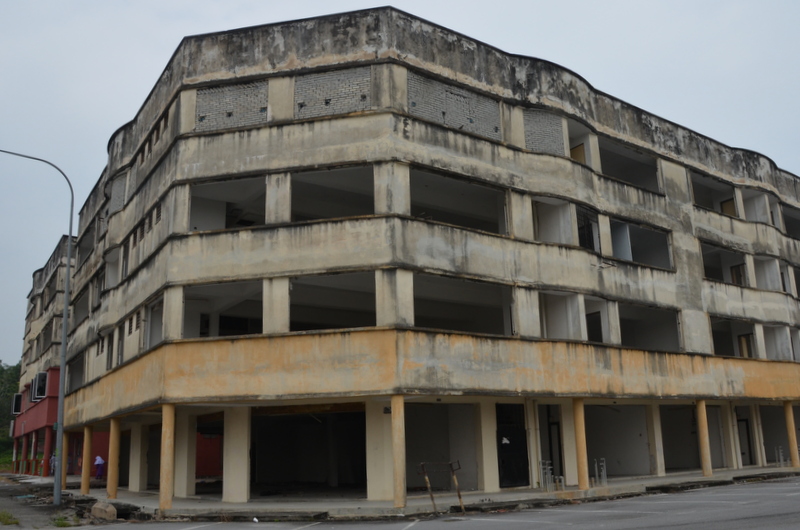
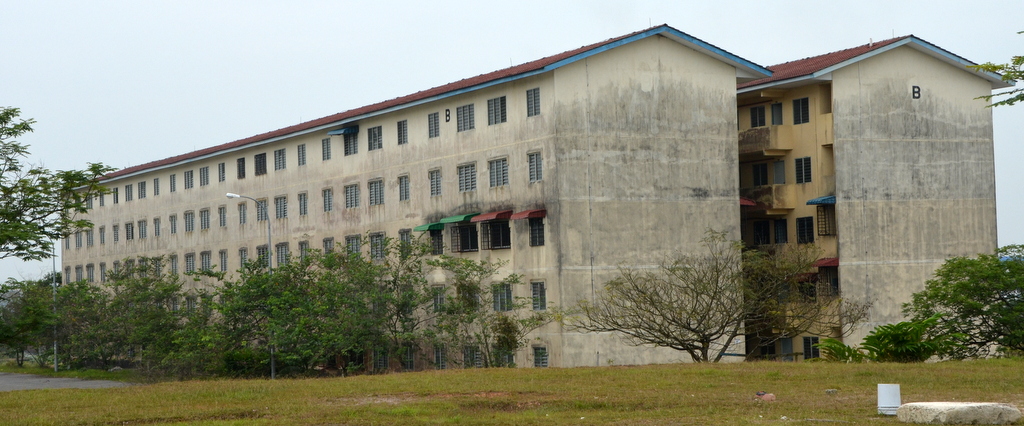
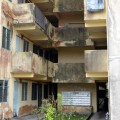
The unfinished residential complex in the picture below has a kind of strange atmosphere. Notice that there are a few apartments with sunshades. So there must have been people who have dared to move in here!

Strange atmosphere

And some people must still be living here. A dog was barking behind the gate. The fencing looks recent. Not surprisingly this part of Bukit Beruntung has a bad reputation regarding crime. I would be very reluctant to go here at night.

People living here

What I like about these desolate places, is that you can often take quite nice, scenic pictures. We had perfect weather during our recce, misty weather with some rain would have been even better…:-). Here is a collection.

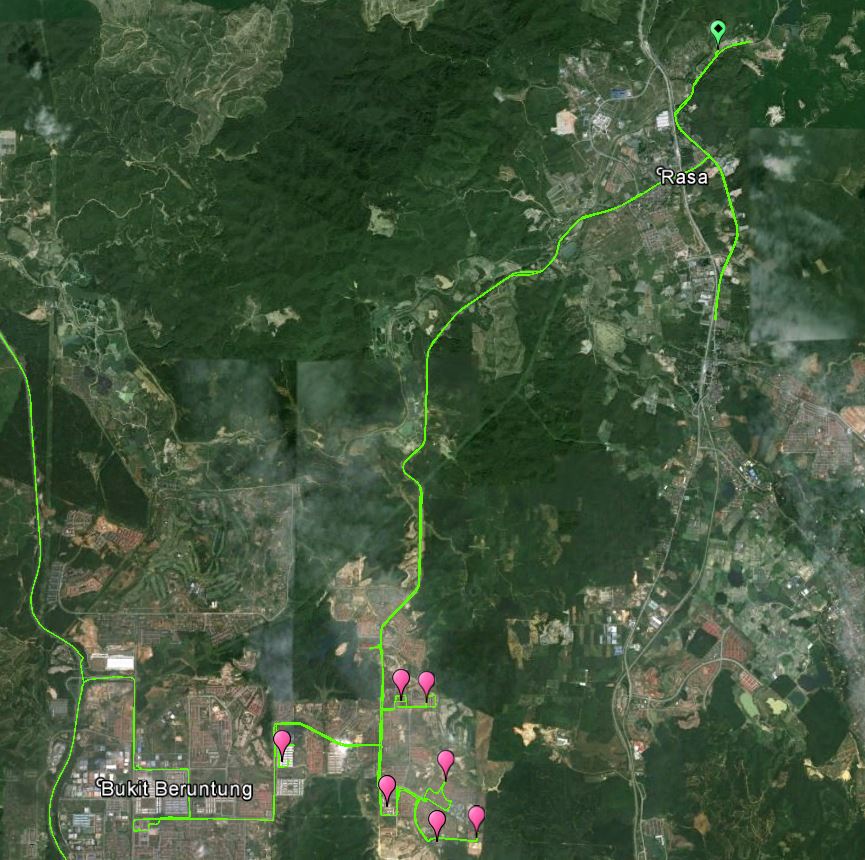
Here is a GE map of the region, with red markers at the location of abandoned projects.

Map

After Rasa there is  a green marker. That is another abandoned project, but not related to Bukit Beruntung. A number of low-cost bungalows, unfinished and almost completely overgrown now.

Houses of Worship in Kuala Lumpur

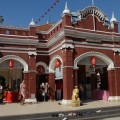
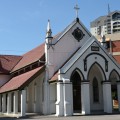
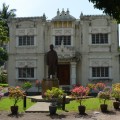
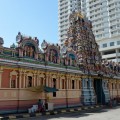
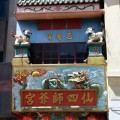
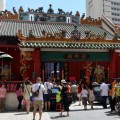
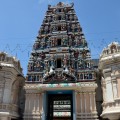
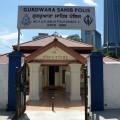
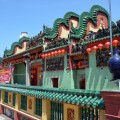
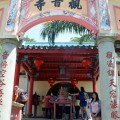
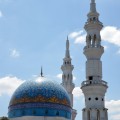
On the first day of the CNY of the Horse, my friend Joe Yap and I decided to spend the day in Kuala Lumpur, visiting as many Temples, Churches, Mosques, Kovils, Viharas and Gurdwaras as we were able to find…:-)

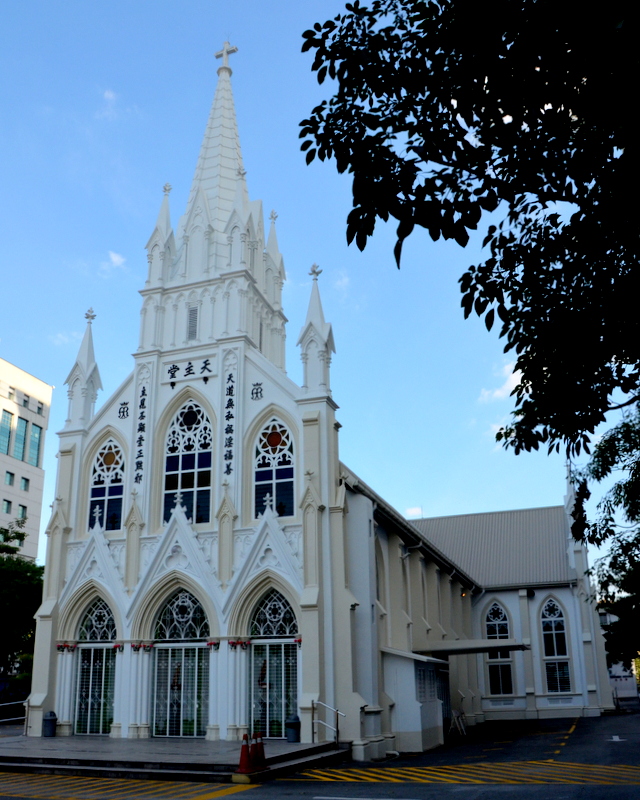
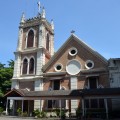
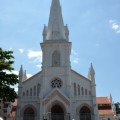
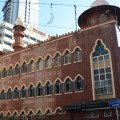
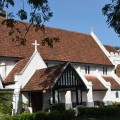
We had a wonderful day and managed to have a look at 21 (!) Places of Worship. For a detailed report about our trip, click here. In this post I will only show pictures of the places we have visited. If I had to choose a favourite, it would be the Holy Rosary Church, built in French Gothic Revival style and completed in 1904. A real beauty, although it is a shame that next to it now high-rise condominium complexes are being built. Holy Rosary Church

Here is a gallery of the other locations we have visited, in chronological order. Some of the well-known ones are missing, the Thean Hou Temple because  it was too crowded with people, and several mosques because it was Friday.

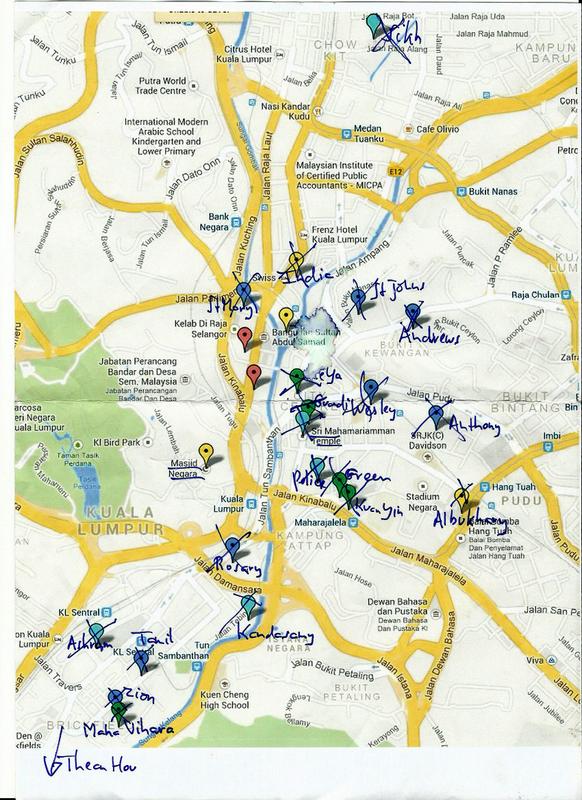
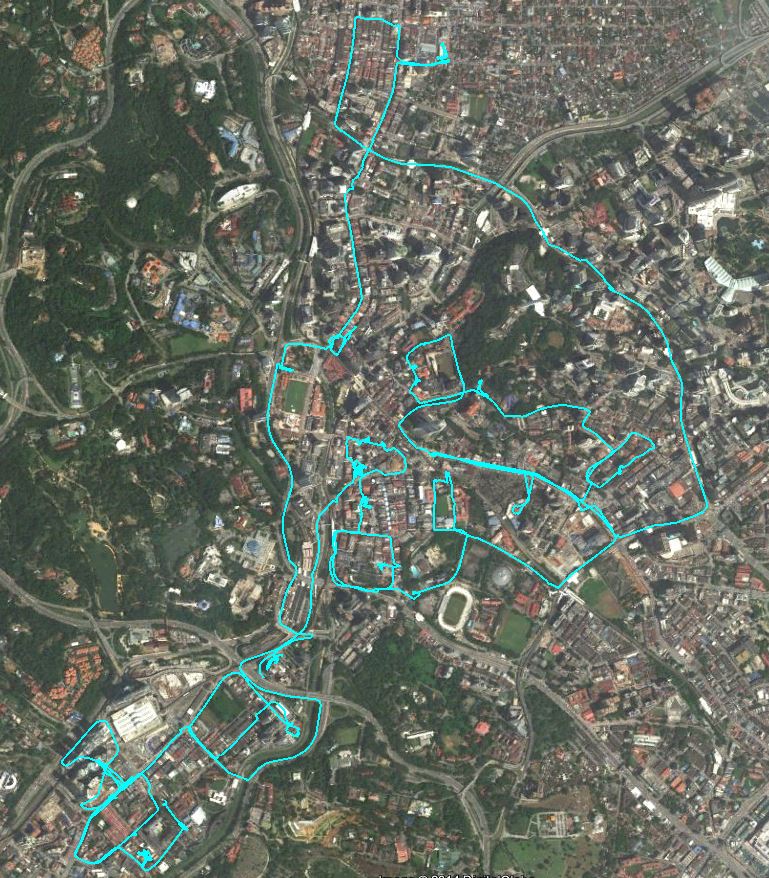
We had prepared a map with the various locations and I also recorded the GPS-track of our route. Sometimes a bit complicated with one-way streets etc..:-)  And the town was much more busy than we had expected on a CNY day.

Map

GE route

Penang Food

When you are not interested in food, you can skip this post..:-)

Penang is a paradise for foodies. Do a Google search for “Penang food paradise” and you will get many pages with hits. Our last trip to Penang had the Murals as destination and the Thaipusam festival, but of course also FOOD! Here is part of what we had during our stay. Makan Non Stop..:-) For my non-Malaysian followers: Makan = Eating in Bahasa. The traditional welcome greeting  when you arrive at a friend’s or family house is: Sudah makan? Have you eaten already?

Penang Food

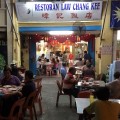
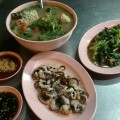
On our way to Penang, we had dinner in Nibong Tebal at the Law Chang Kee restaurant. Famous for its Crab Porridge and its Boiled Baby Octopus. Don’t say aargh, the octopus was delicious. We paid RM 38 for our meal for two..:-)  That is about 8-9 Euro.

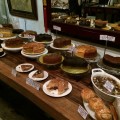
We arrived in our hotel quite late, but after a shower we decided to have an evening walk. Visiting some of the murals, and ending at the China House, really a surprise for me. Beautifully renovated old houses with a marvelous selection of coffee and cakes! Really worth a visit…:-)

The next morning we had breakfast in a mamak stall near to our hotel. A friend of us, living in Penang, had suggested it to us as possibly the best Roti Chanai in town at Transfer Road. It was crowded and basic but very VOF (Value for Money)

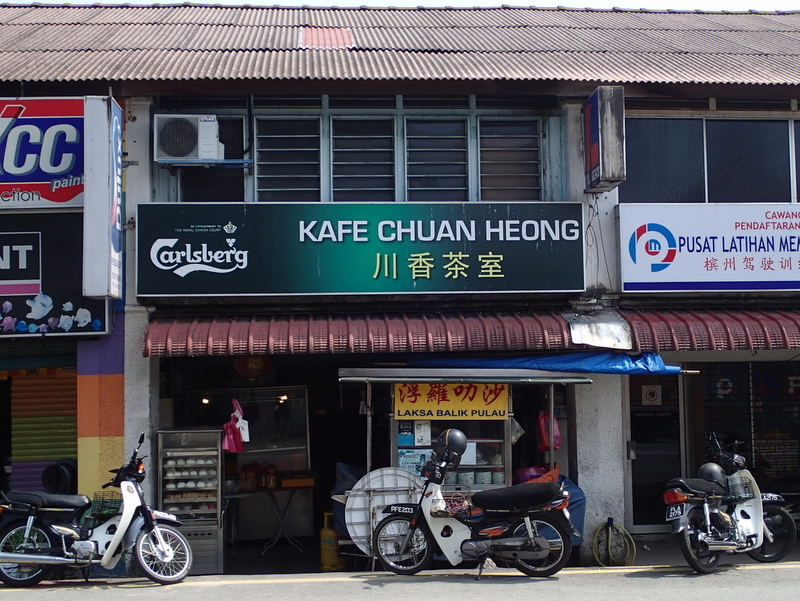
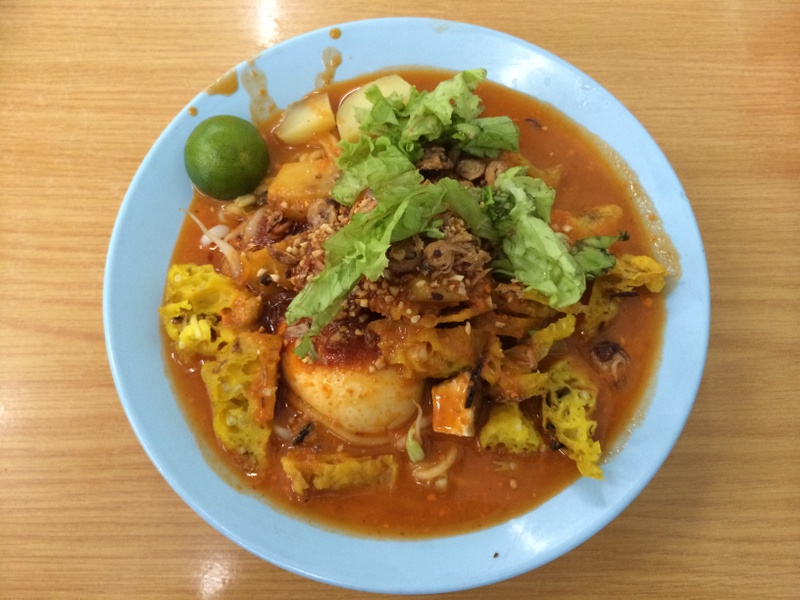
For our lunch we had planned to go to Balik Pulau for the Assam Laksa, But it was not our lucky day, the Chuan Hong stall, Aric’s favourite, was closed. So instead we had to go for Mee Rebus, in a nearby stall, also not bad.

Assam Laksa closed

Mee Rebus

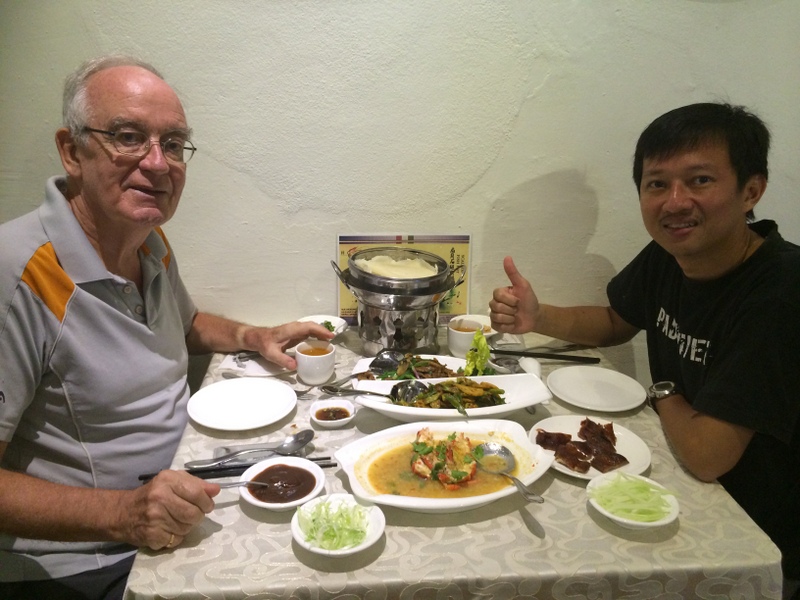
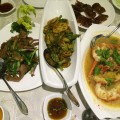
I will not mention all the other places we visited during our trip, only the last one. It is the HUG restaurant in Jalan Hutton, also quite near to our hotel Mingood. Basically I am a hawker food lover, no fancy restaurants. So when a friend suggested the House of Udang Galah , my first impression was: too posh for me. But looking at the menu,  the reasonable prices and the positive review of my friend, we decided to give it a try.

What an enjoyable evening we had! Excellent service, and good food. Only problem was that we ordered to0 many dishes, you should go there with a bigger group!

Dinner at HUG

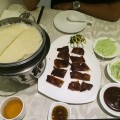
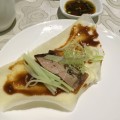
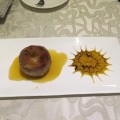
Here a few more pictures. We had Scallops as a starter, Seafood soup, then Peking Duck (first the skin, then the meat), the Udang Galah, and a combination of four vegetables. Finally we could not resist the temptation of the Baked Red Wine Syrup Apple as a dessert.
After this delicious (but also expensive!) dinner, we decided to skip the next day’s lunch at Pulau Aman. We will keep that for a next visit. First have to loose some calories…:-)
Thaipusam Festival

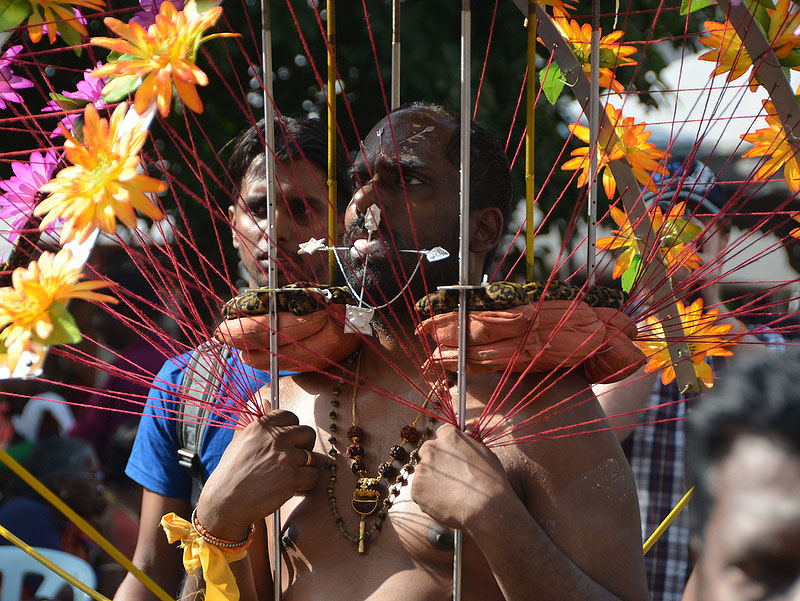
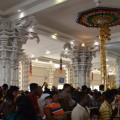
Thaipusam is a Hindu festival, celebrated, mostly by the Tamil community, on the full moon day in January/February. The festival is dedicated to Lord Murugan, the son of Shiva and Parvati and it commemorates  the occasion when Parvati gave her son a spear (the Vel) to vanquish the evil demons. Years ago I had attended the celebration at the Batu Caves in Kuala Lumpur. This time I decided to go to Penang where Thaipusam yearly attracts hundred thousands of visitors.

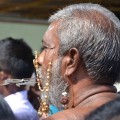
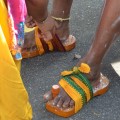
Here is a characteristic Thaipusam picture. The devotee has pierced his cheeks and tongue with a miniature Vel and is carrying a Kavadi on his shoulders

Kavadi bearer

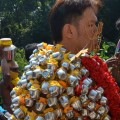
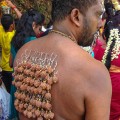
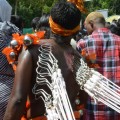
Other devotees attach fruits or small milk pots with metal hooks to their body. Most of them are Indian, but also some Chinese take part in the ceremony.

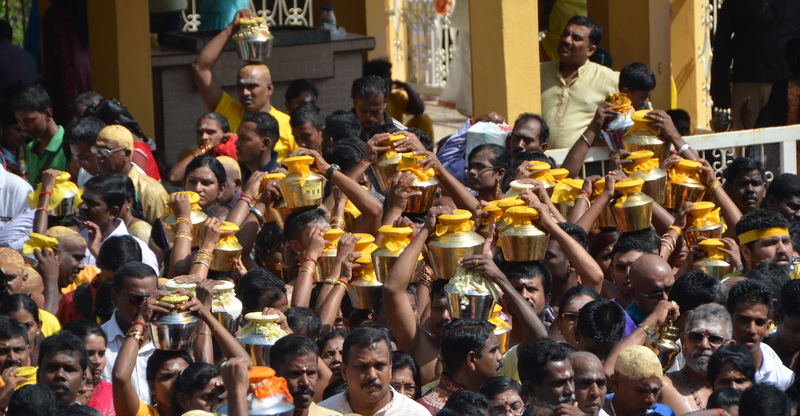
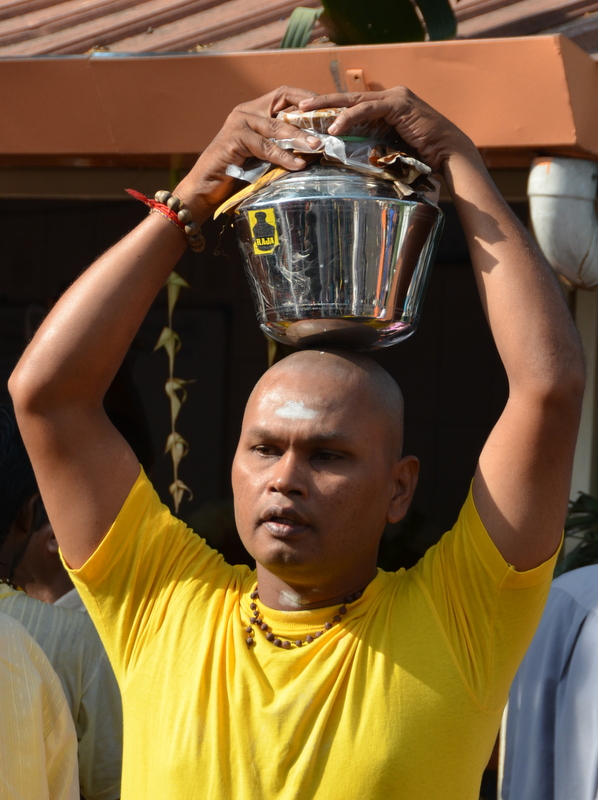
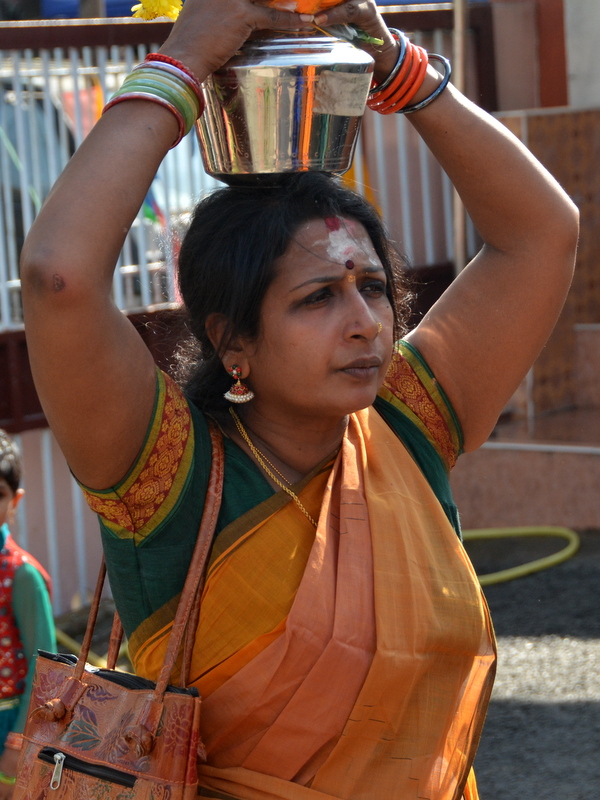
Many devotees carry pots with milk on their head. They carry this up the more than 500 steps to the Hilltop Temple.

Carrying Milk pots

Carrying a pot with milk

Carrying a pot with milk

Carrying a pot with milk

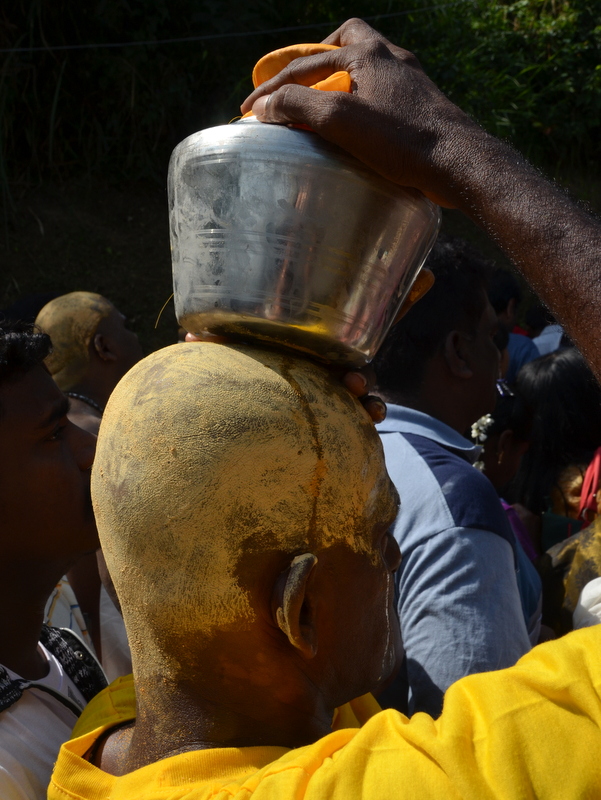
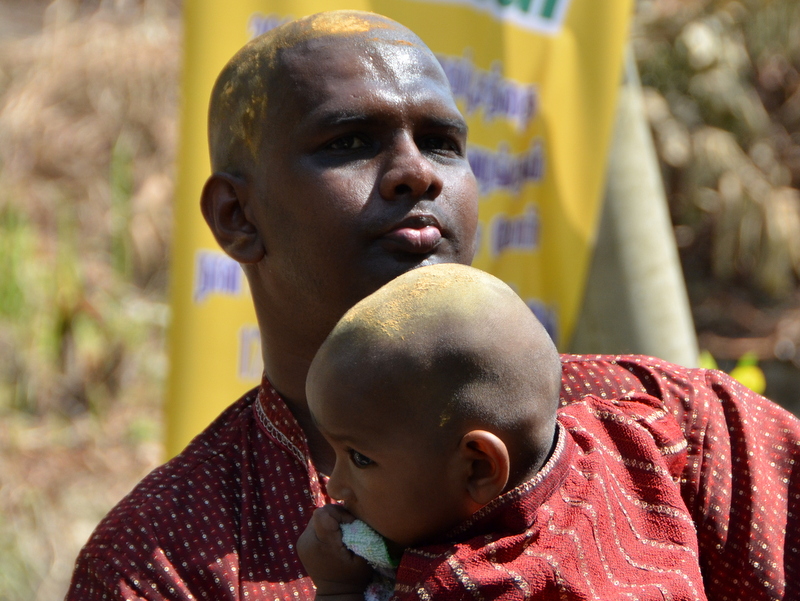
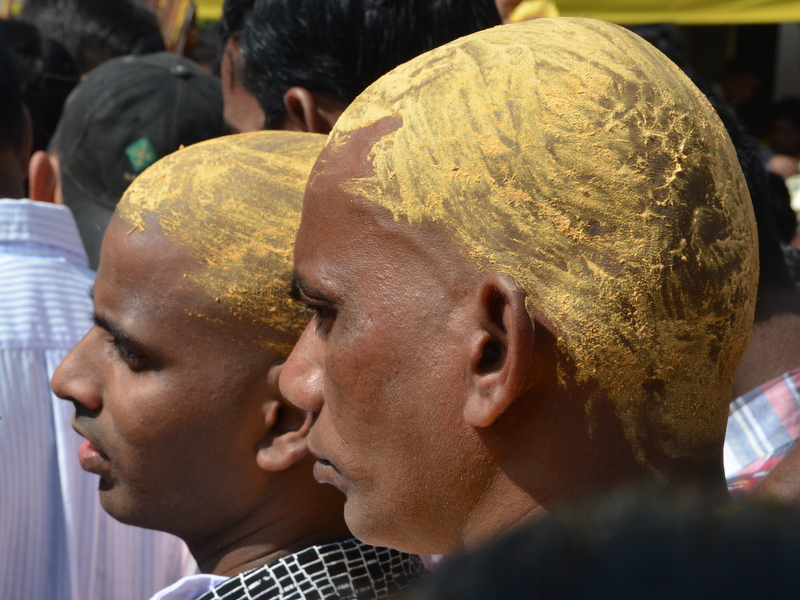
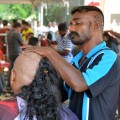
Quite a few devotees have their head shaved by barbers at the foot of the hill, as a sign of submission to Lord Murugan and in the hope that it will bring them good luck.

Shaved head

shaved head

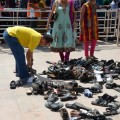
We were prepared for massive traffic jams in Penang, so on Thaipusam day we left our car at the hotel car park and took the bus. It was well organised, buses went on and off to Gottlieb road, dropping thousands of visitors. From there we had to walk, past numerous stalls, it was quite a carnivalesque atmosphere, more than I remembered from the Batu Caves in KL (but that was many years ago). Kavadi bearers, often carrying really elaborate (and heavy) contraptions on their shoulders, devotees carrying pots with milk for offering in the temple later.

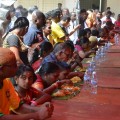
Along the road there were also many places where you could have free (vegetarian) food. Near the start of the stairs there was a place where barbers where shaving heads. Kavadi bearers can not climb up until the temple, compared with the Batu Caves where there is a special “lane” for them. Climbing up the more than 500 steps was a slow process, step by step, it took us more than two(!) hours to reach the temple. But not boring there was a lot to see. And the festival is a photographer’s heaven…:-) Here is a gallery of pictures

It was a nice experience, but when I compare it with (my memories of) the Batu Caves ceremony, I prefer that one, as I felt it had a more “sacred” atmosphere.

Penang Street Art

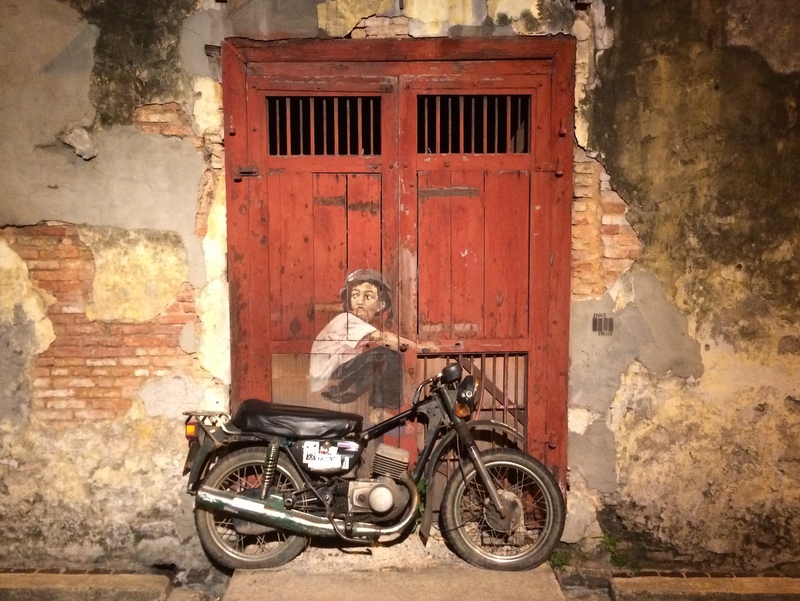
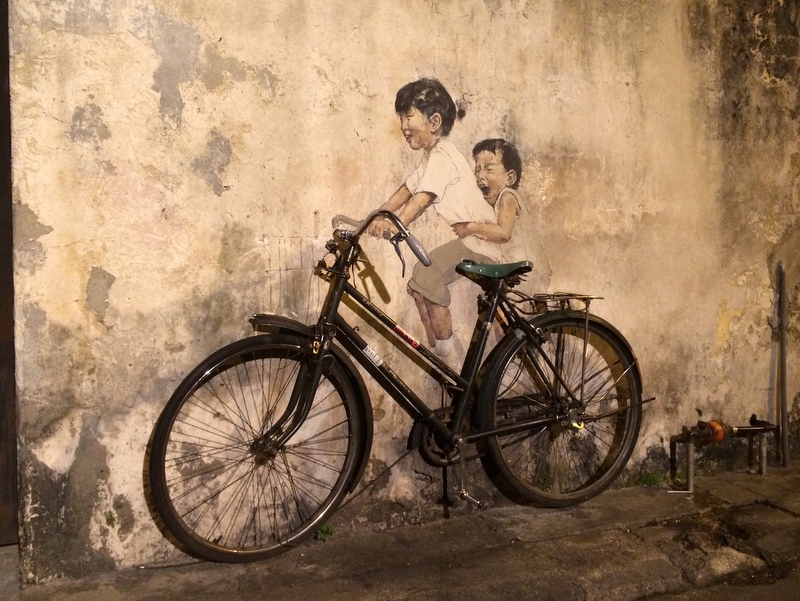
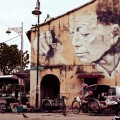
Since 2012 there is one more reason to visit Penang, besides the food and the cultural heritage. During the Georgetown Festival 2012, the young Lithuanian artist Ernest Zacharevic has painted a number of murals, which have become one of the major tourist attractions. Here are two very popular ones, a combination of a painting and an existing object. These two are floodlit during the night, which adds to the atmosphere.
Boy on a Bike

Children on a bicycle

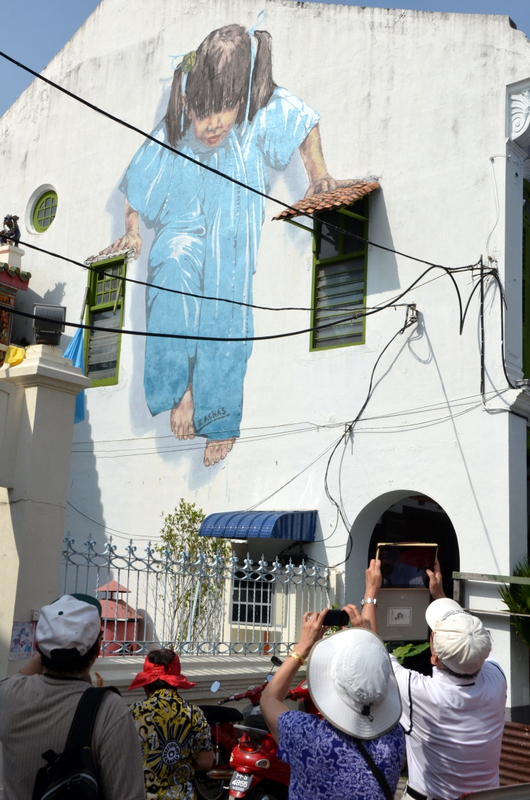
The next morning we visited the rest. This one is called Wushu Girl and can be found at Muntri Street. Tourist arrive with taxis or on rental bikes to take pictures.

Wushu Girl

Tourist attraction

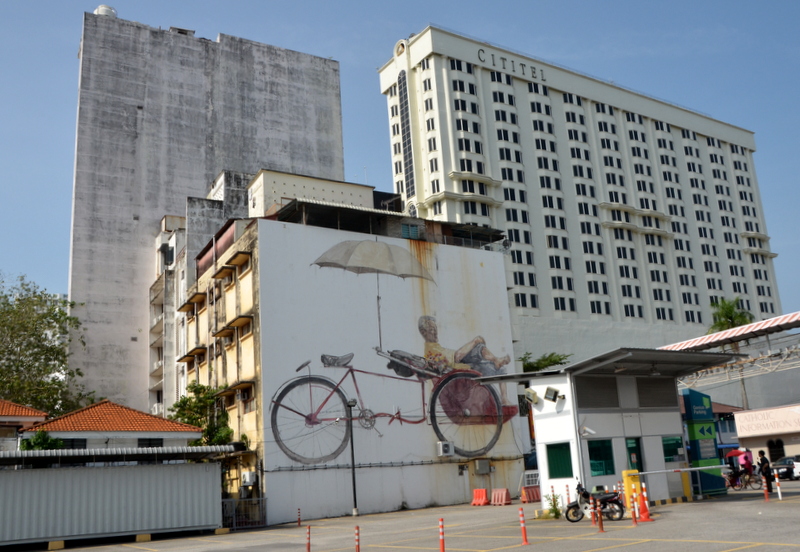
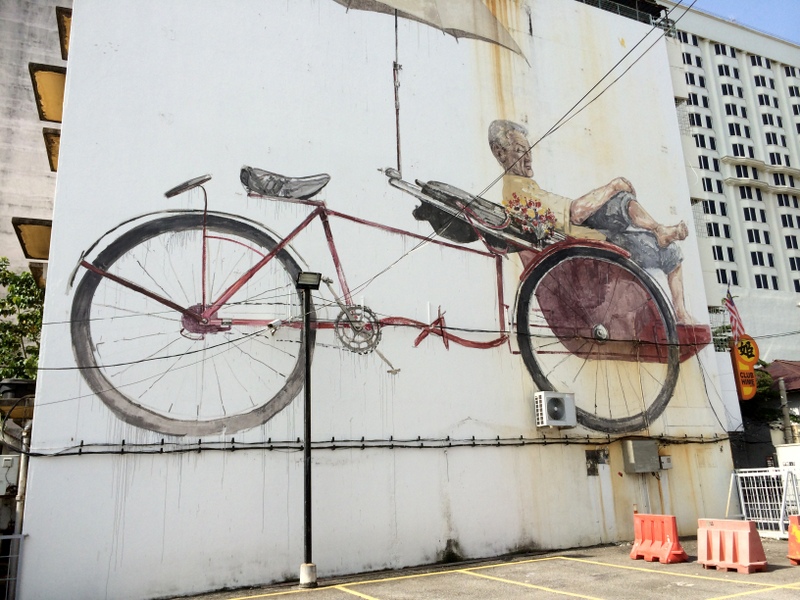
And this is The Awaiting Trishaw Paddler (Penang Street)

Trishaw Paddler

Trishaw Paddler

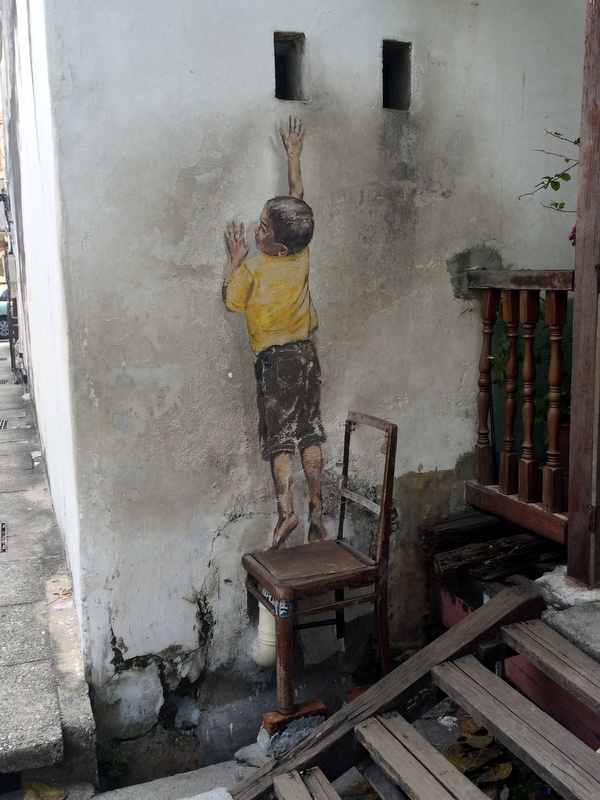
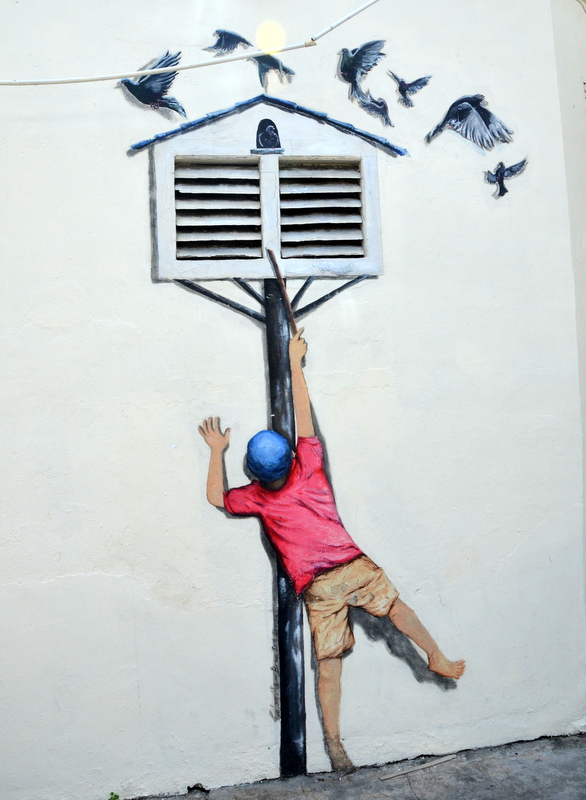
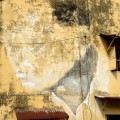
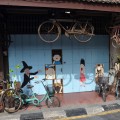
Here are two more. But only the left one, called Reaching Up is by Zacharevic! In quite a few places you will find now similar murals by others, a clear proof how successful the concept has been.

Reaching Up Unknown artist

The artist is becoming popular all over the world. In Malaysia he also created works in Kuala Lumpur and Petaling Jaya. And of course the (in)famous one in Johor Baru, depicting a lady and a robber, both in Lego style. JB has Legoland and reputedly a high crime rate.

Johor Baru

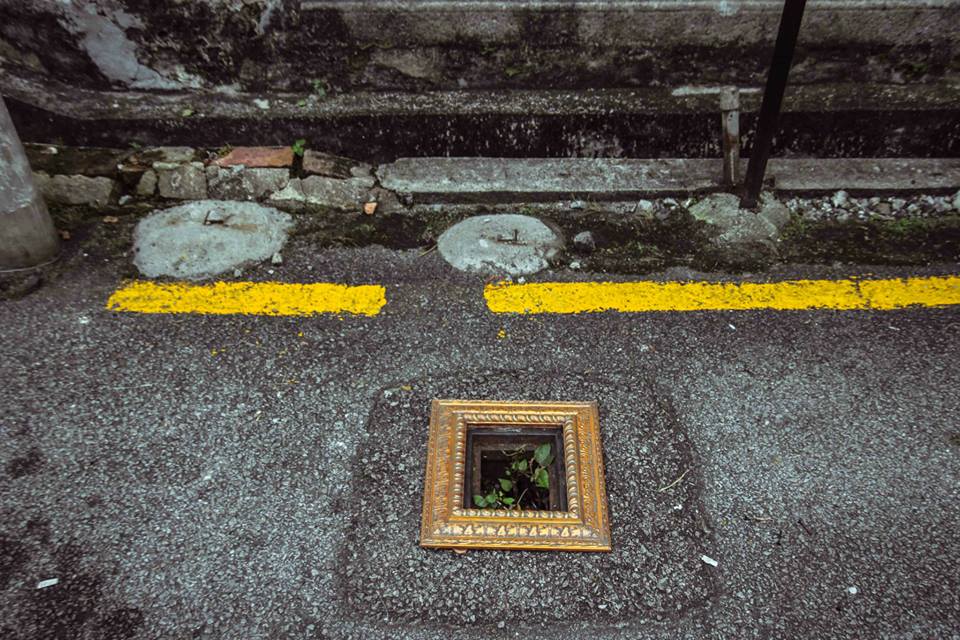
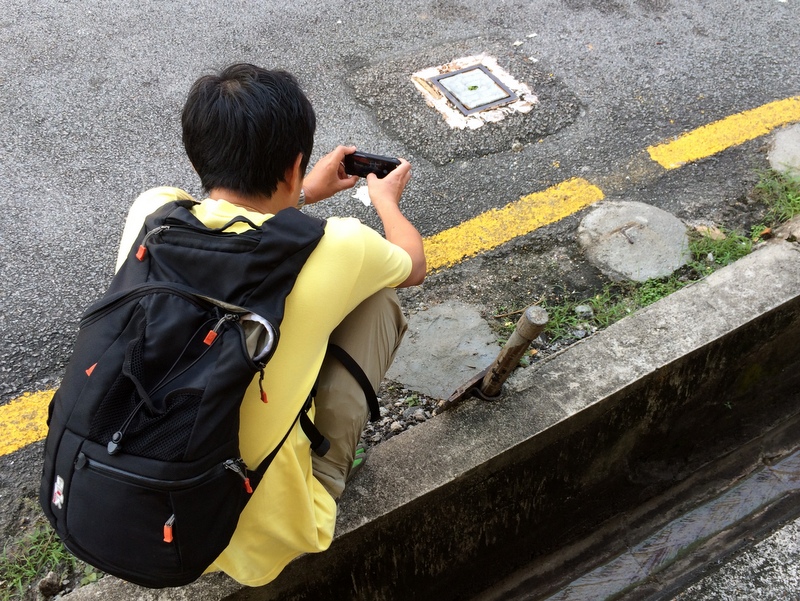
The JB town council was not amused and had it removed within a few days. Ridiculed of course by many, amongst them the Penang council. Art should be respected and free! But when Zacharevic decorated a pothole (which had been there for many years), framing it as a painting, the council acted quickly, and filled the pothole…:-)

The pothole as painting

No more there

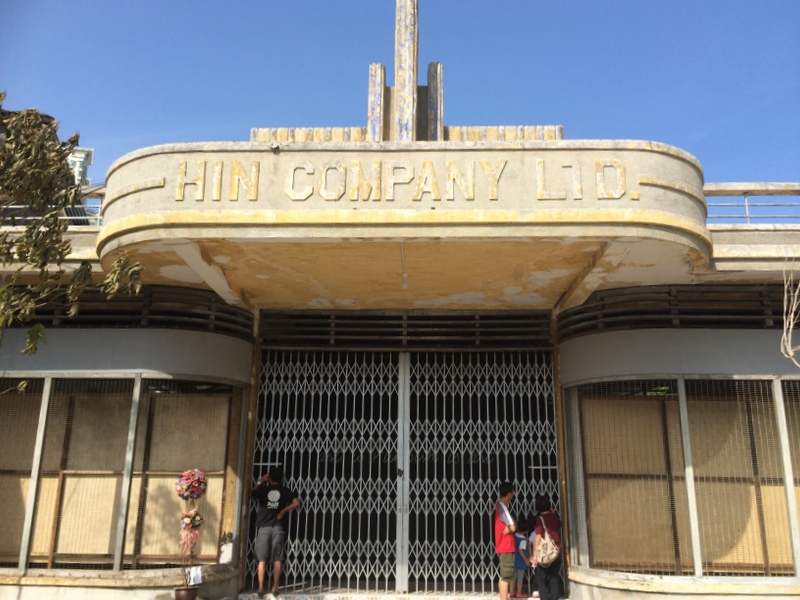
During our visit of Penang an exhibition was opened of (new) works by Zacharevic. We were eager to visit this exhibition but found the door closed..:-(  We could only peek through the fence. The exhibition opens from noon to 8pm daily until Feb 14. Free access. Maybe we should go back to Penang soon.

The exhibition building

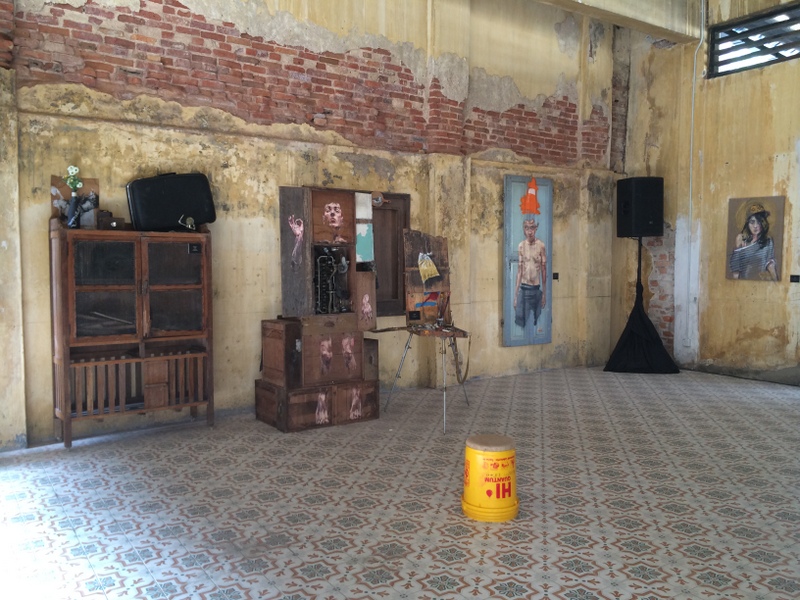
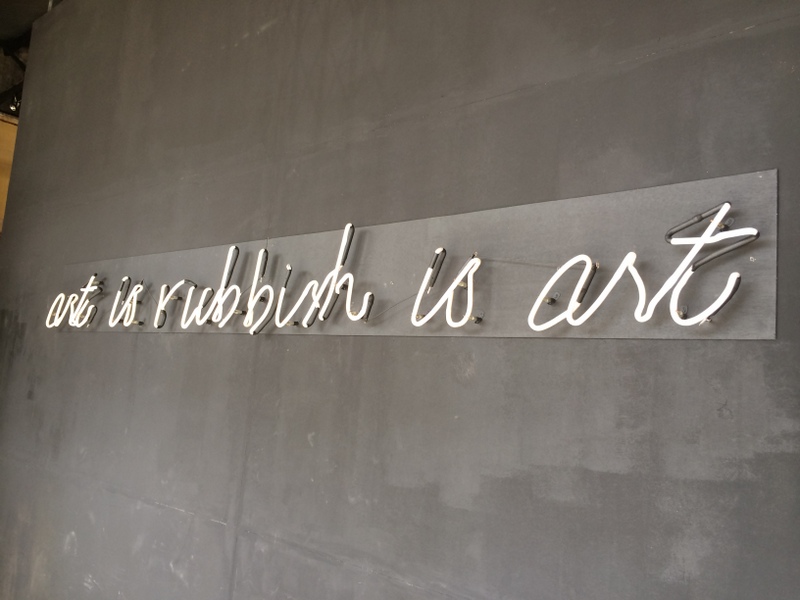
A peek inside The exhibition theme

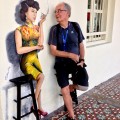
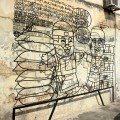
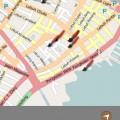
To find the locations of the Zacharevic murals, you can now install an App on your smartphone! For the other murals you must just walk around Georgetown which is a pleasure in itself. Here is a collection of pictures. The town council has placed a large number of decorative metal wire signboards in the historical center. And a bit outside the center you can find the famous UBAH bird. UBAH means change in Malay, Penang is governed by the opposition, so this bird is both art and a political statement.

Two more reports will follow, one about Penang and its food, the other one about Thaipusam,