Traveling

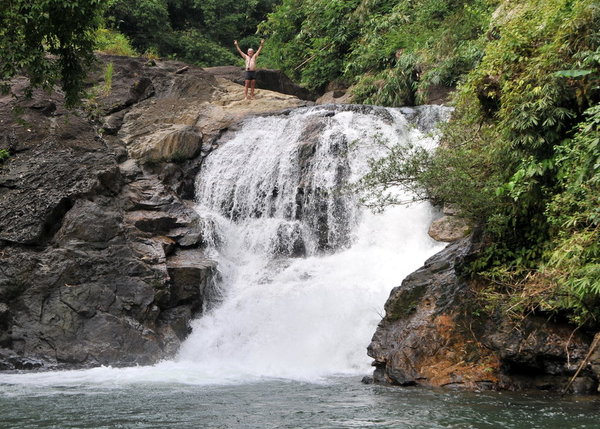
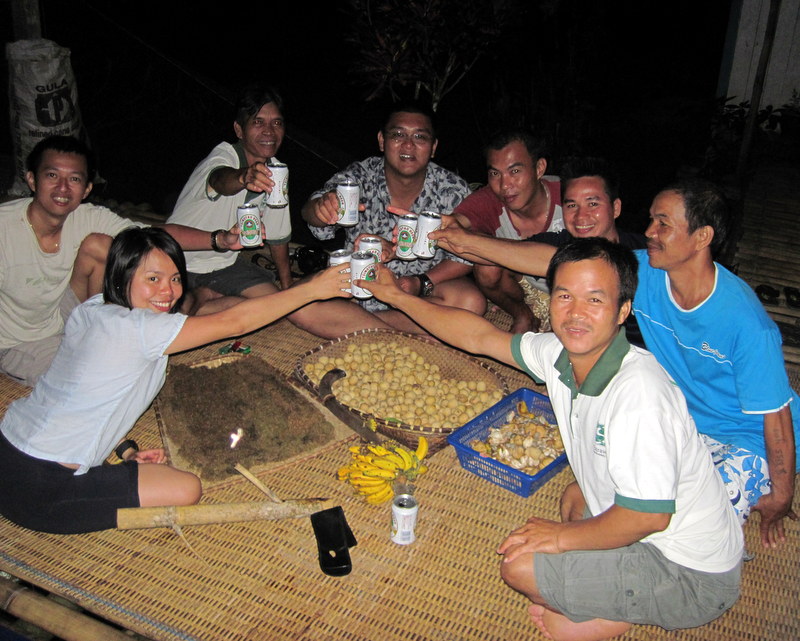
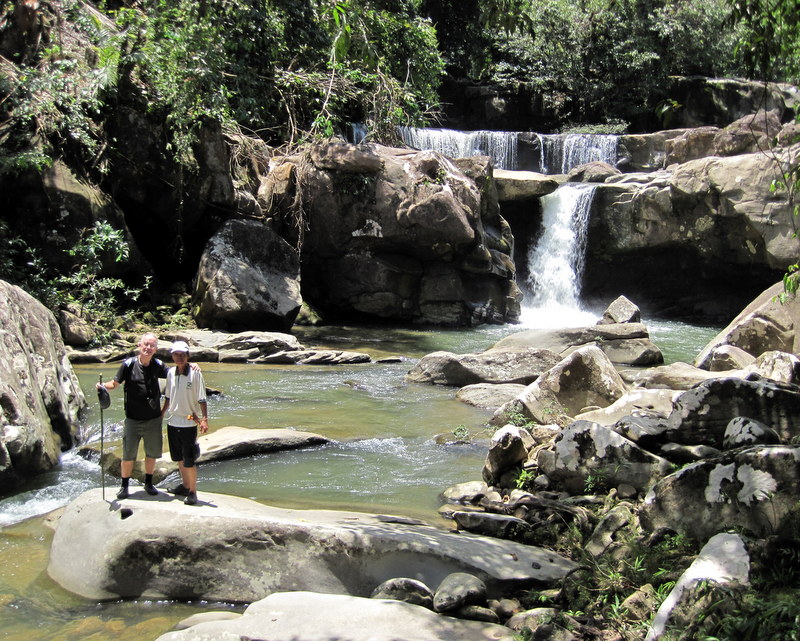
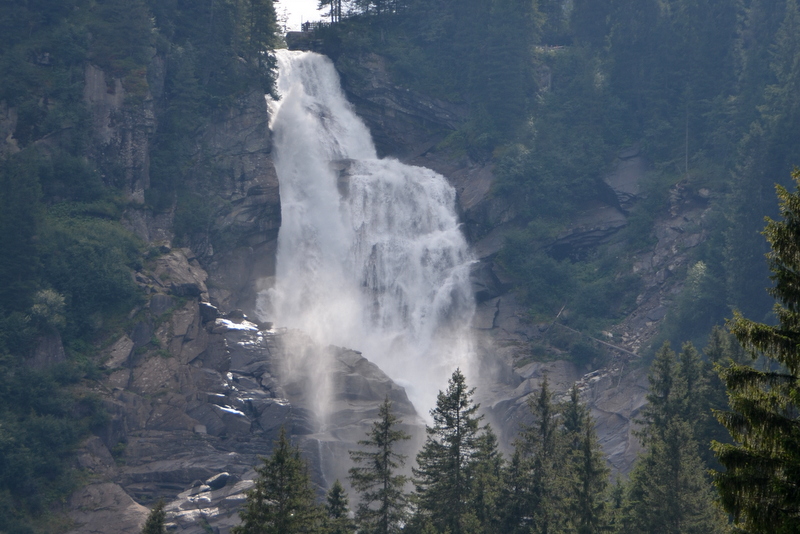
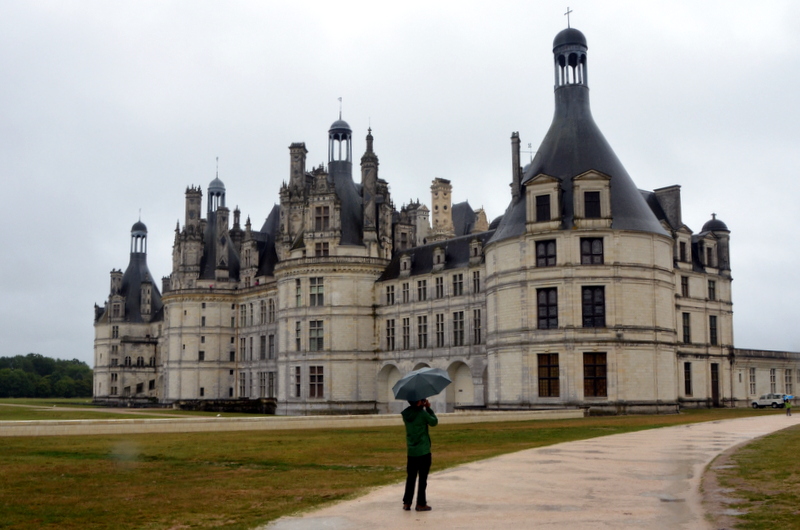
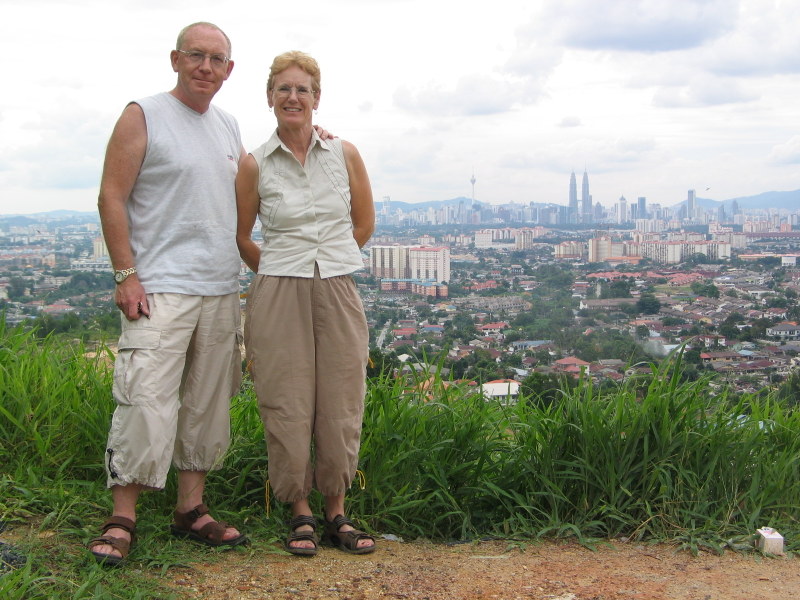
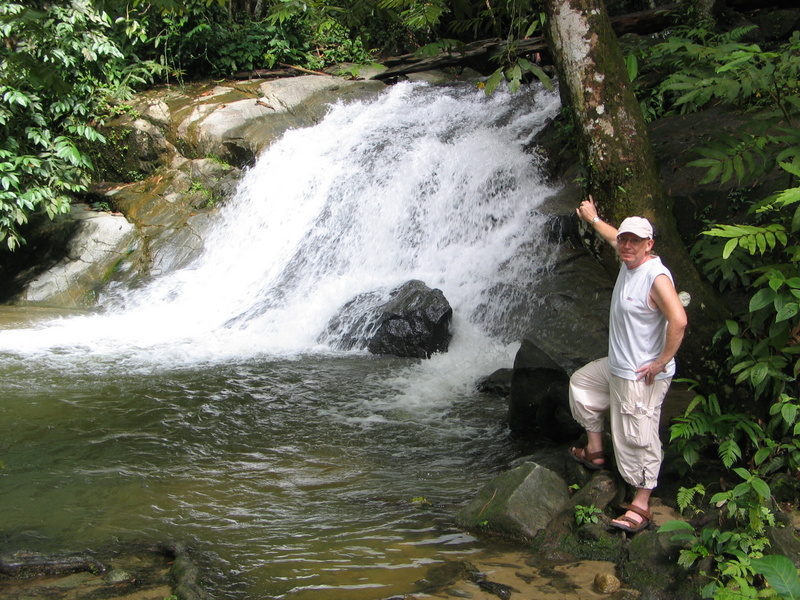
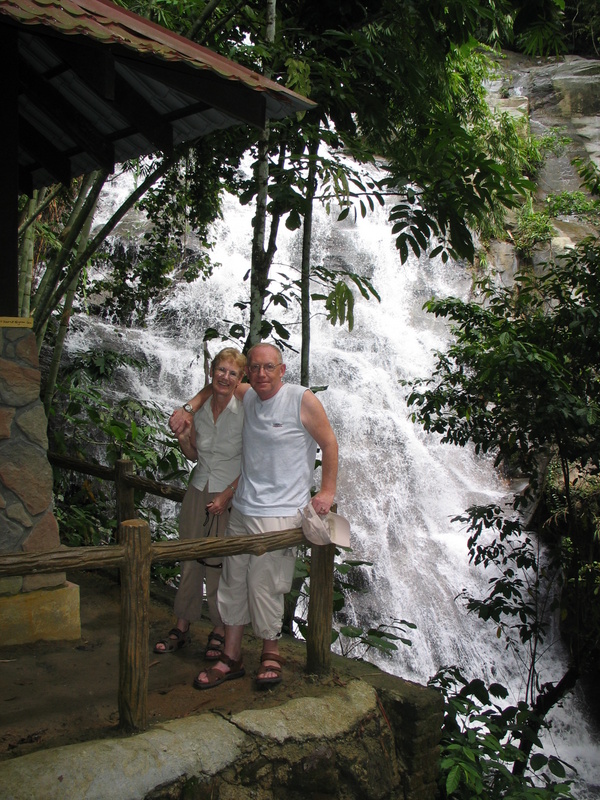
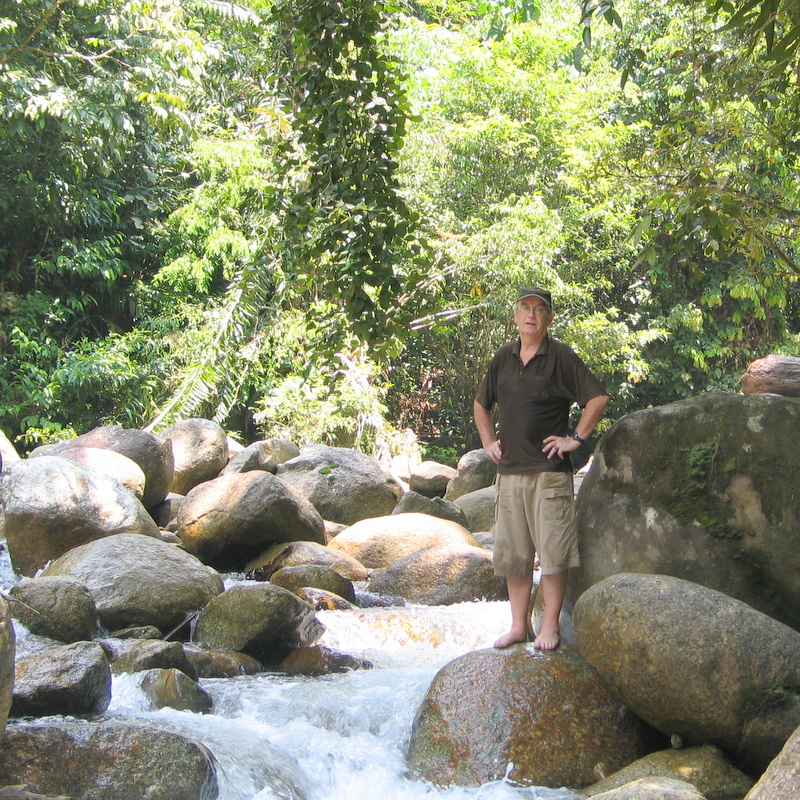
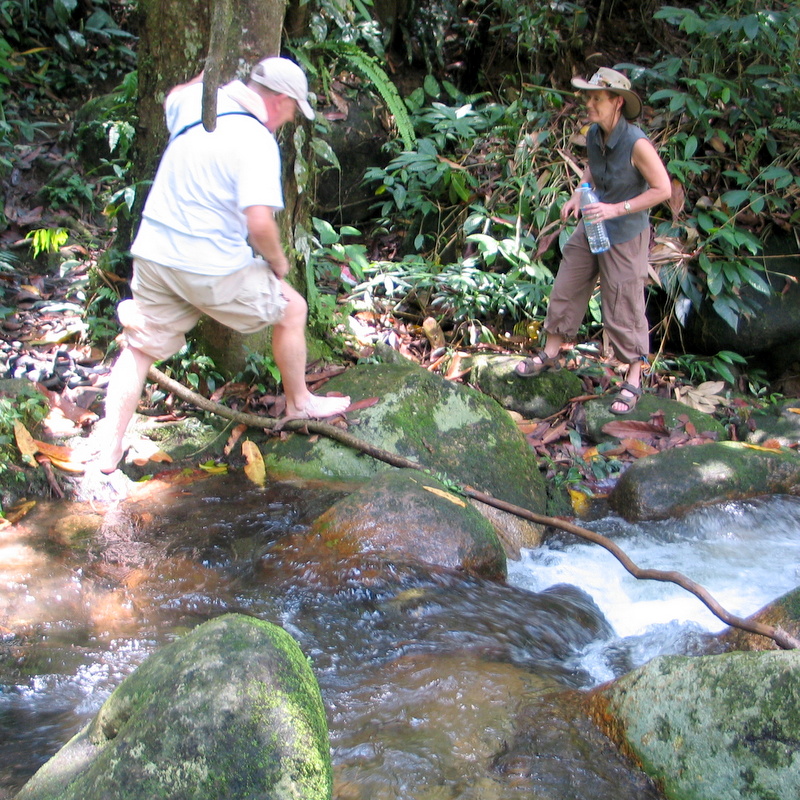
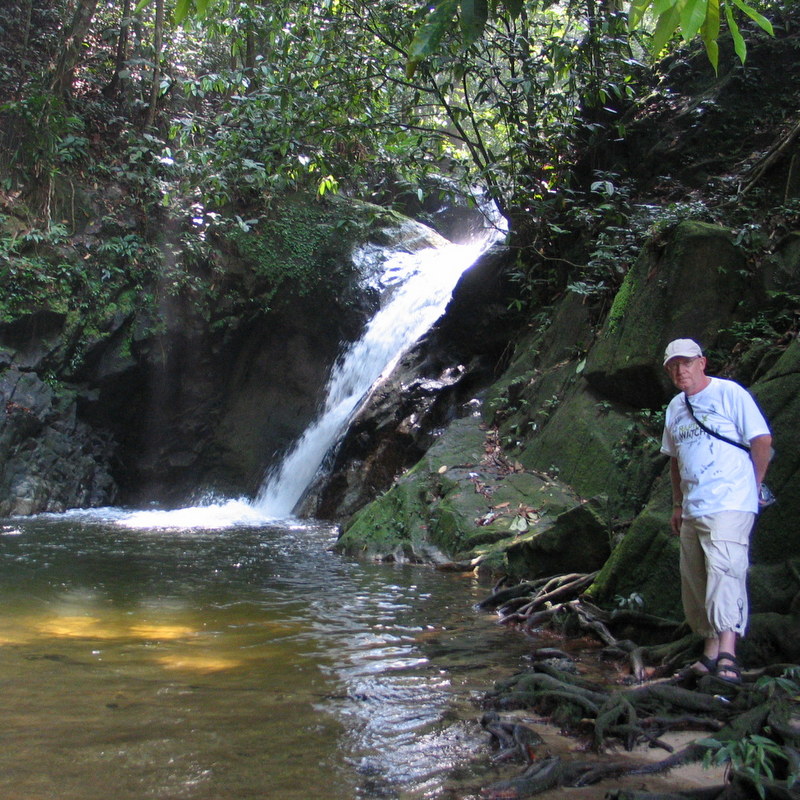
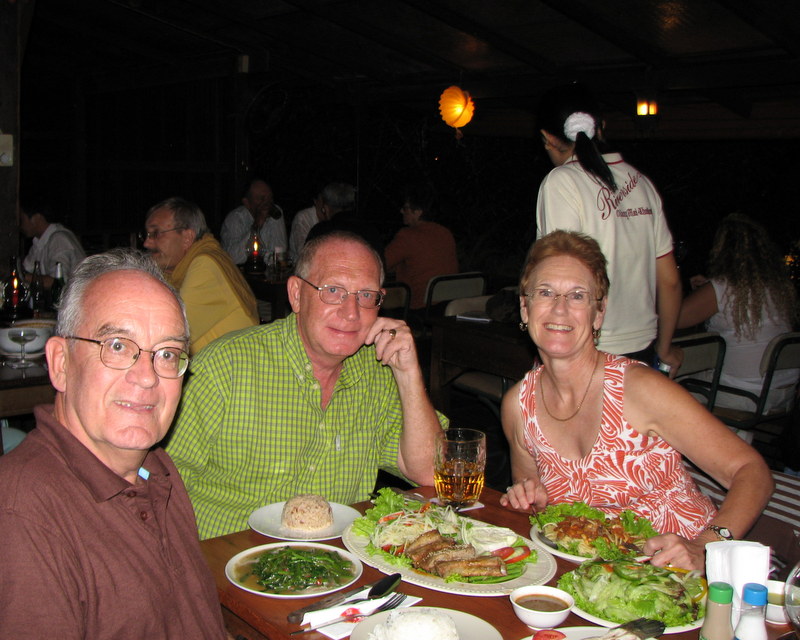
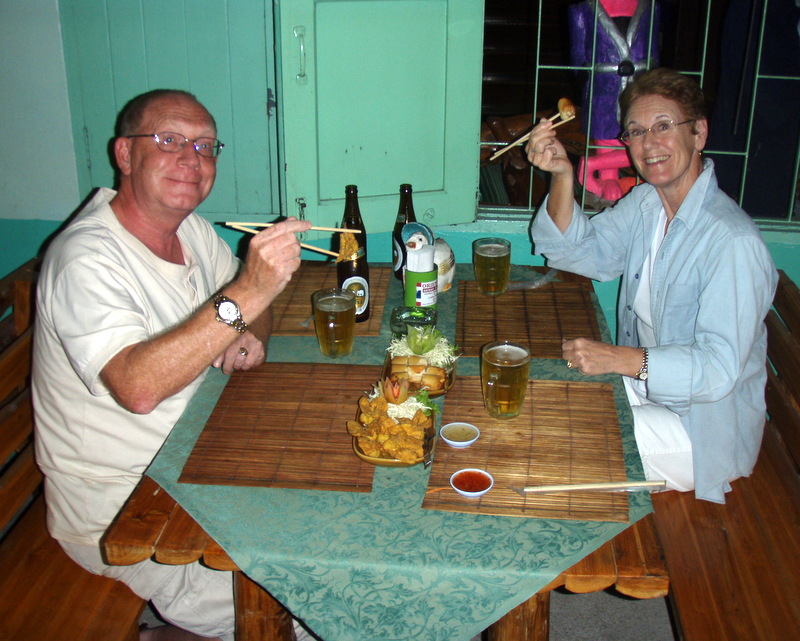
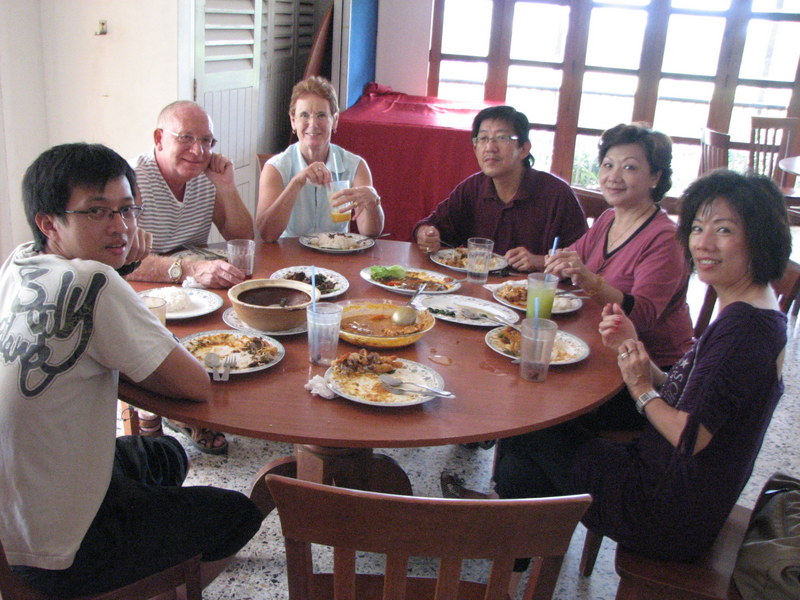
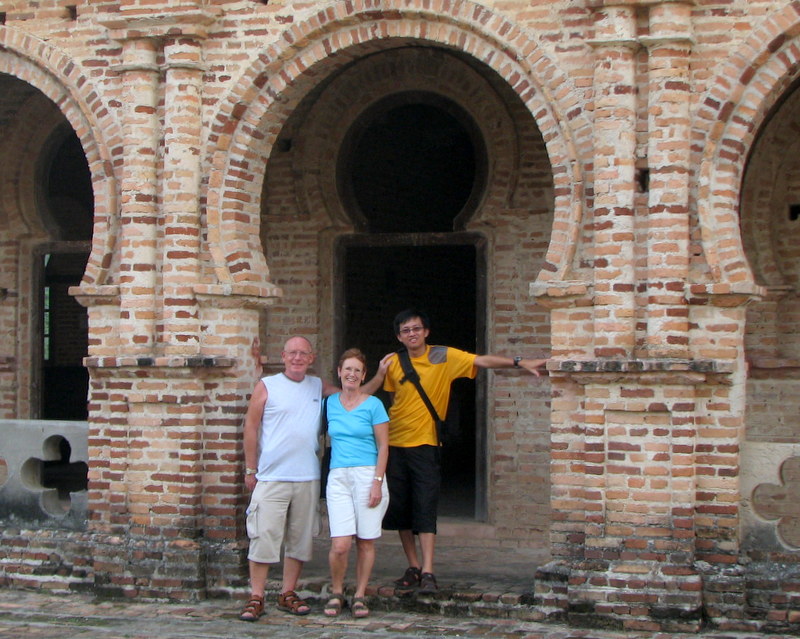
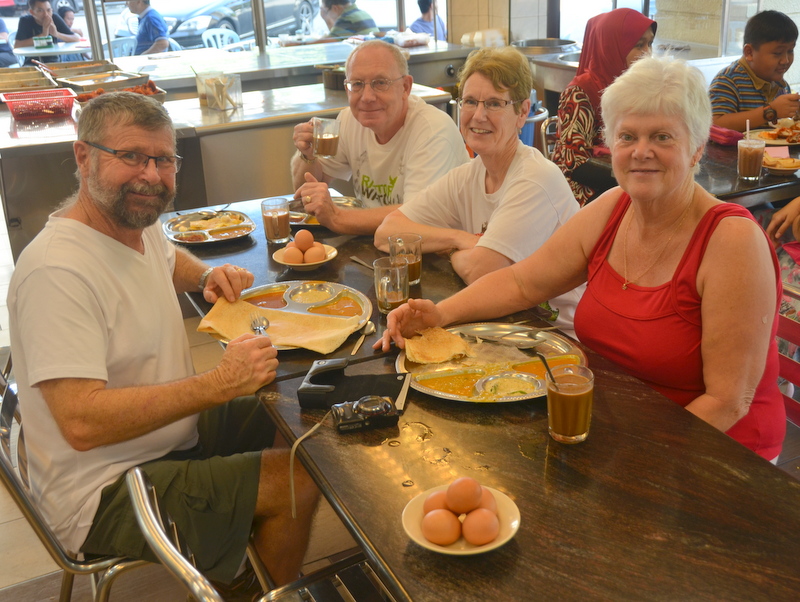
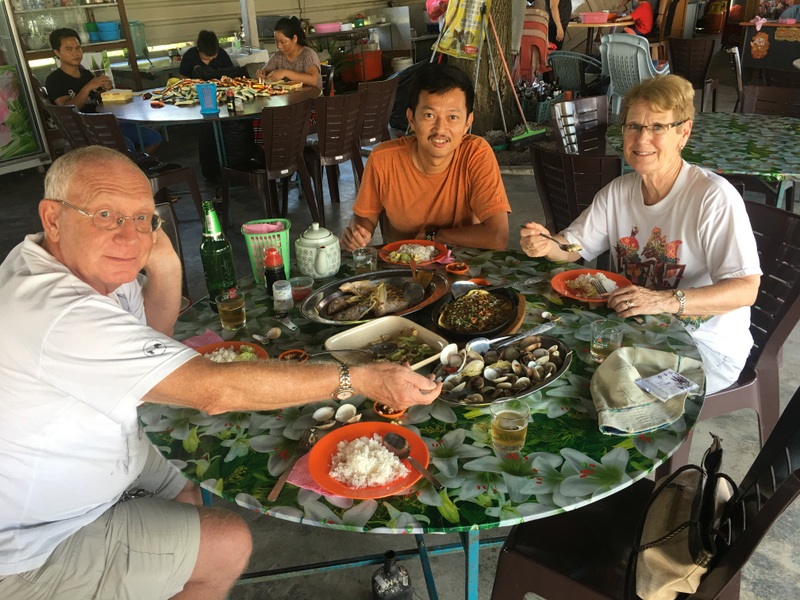
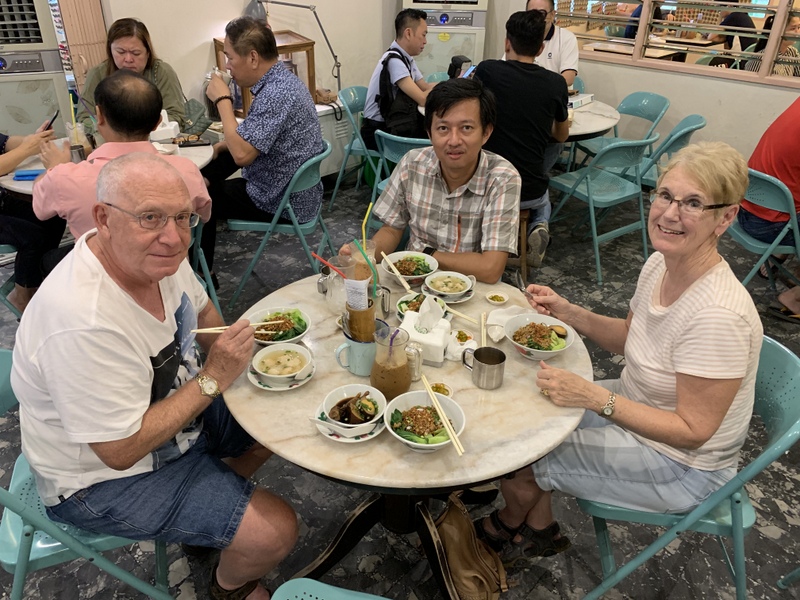
Aric and I like traveling and in the past twenty years we have visited many countries. In this blog post I have collected all the trips we have made between 2002 and 2019. Most of these trips I have documented in reports, in which case I give the link with a short description and a few pictures.

———————————————–
Europe, May 2002

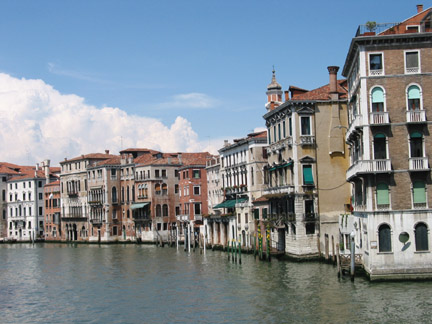
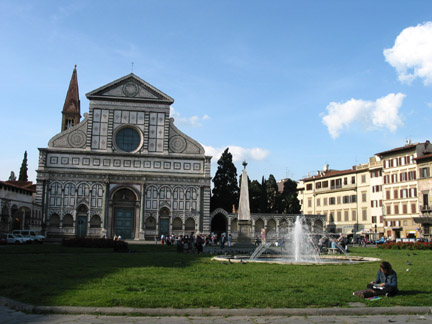
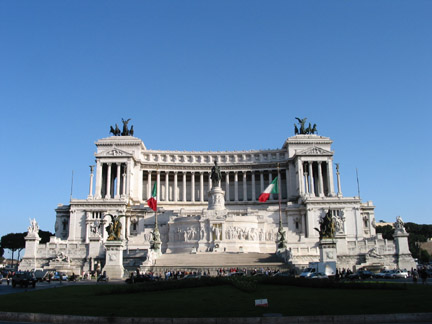
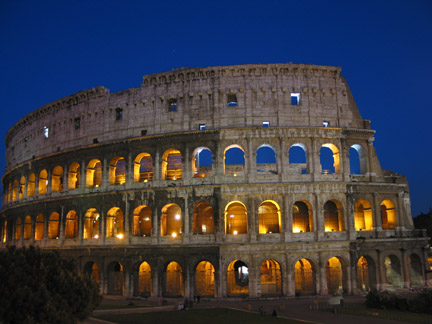
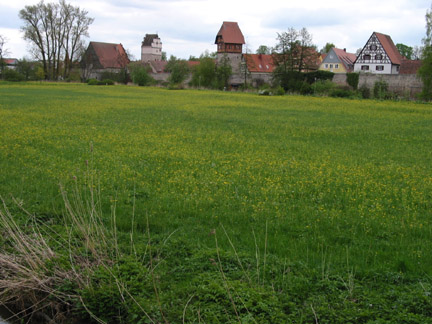
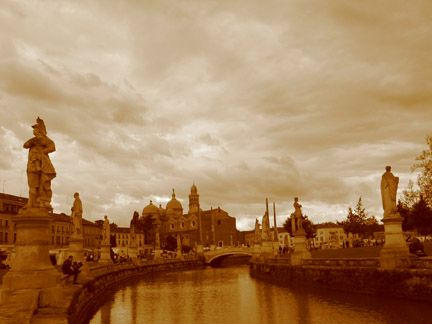
Aric’s first trip in Europe. I had planned an ambitious itinerary, including Germany, Austria, Italy, Switzerland and France 😉 . In those days I didn’t keep a blog, so details have become vague. We traveled by car, stayed mostly in hotels, camping occasionally. We did Venice as a daytrip from Padua and took a train from Florence to Rome, because Aric absolutely wanted to see the Colosseum!
———————————————–
Bali, February 2003

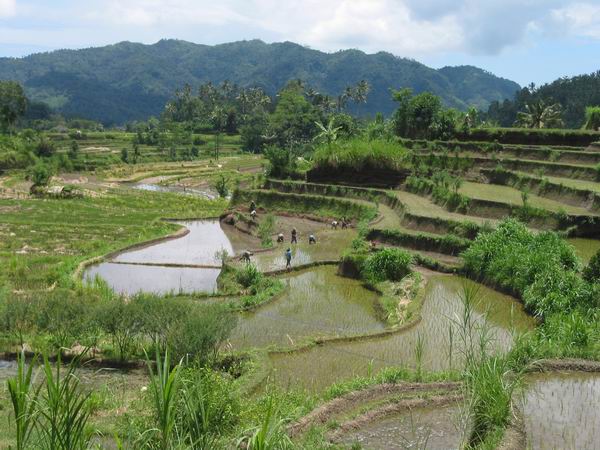
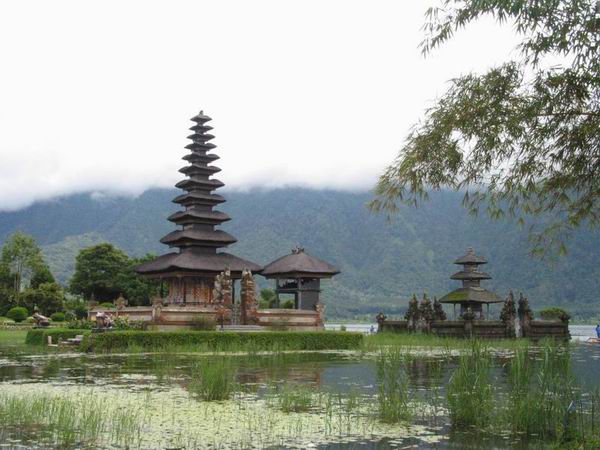
We visited Bali only a few months after the Kuta bombings, tourism had come to an almost complete standstill. I kept a diary and published four picture reports about various aspects of the trip: Nature, Culture, Sawah and Personal.
———————————————–
Sydney, October 2003

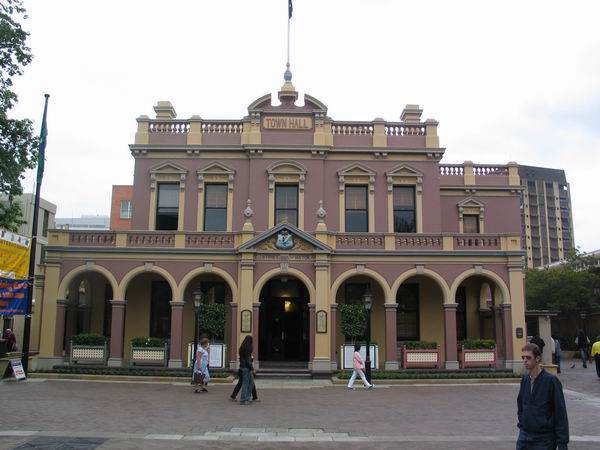
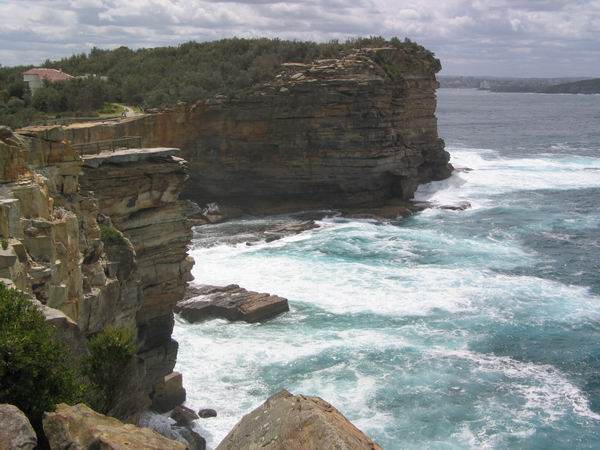
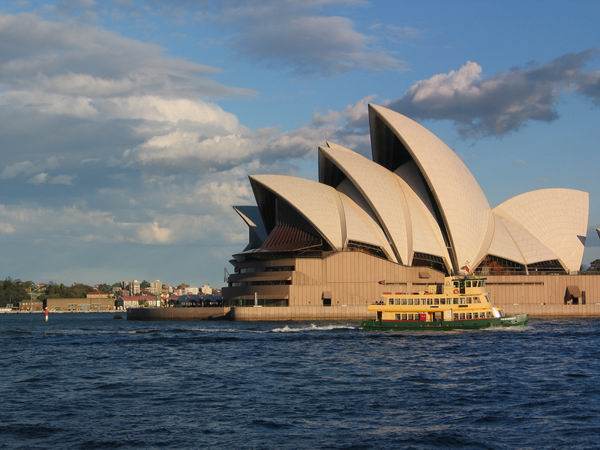
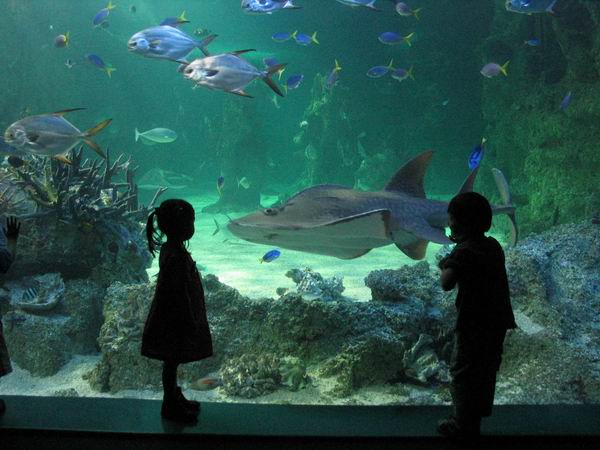
In 2003 I didn’t have a MM2H visa yet, therefore I had to leave Malaysia every three months.. Originally we had planned a trip to Beijing, but finally we decided for a short holidays Down Under. Sydney is a very pleasant town and we could easily have spent a much longer time there. Even with the sometimes winter-like cold weather, so we have hardly visited any of the famous surf beaches!. Here is a pictorial report Sydney 2003. The captions of each picture link to separate sub-reports.
———————————————–
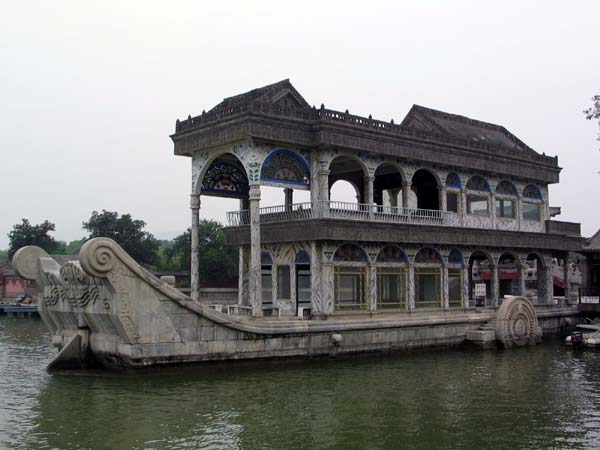
Beijing, June 2004

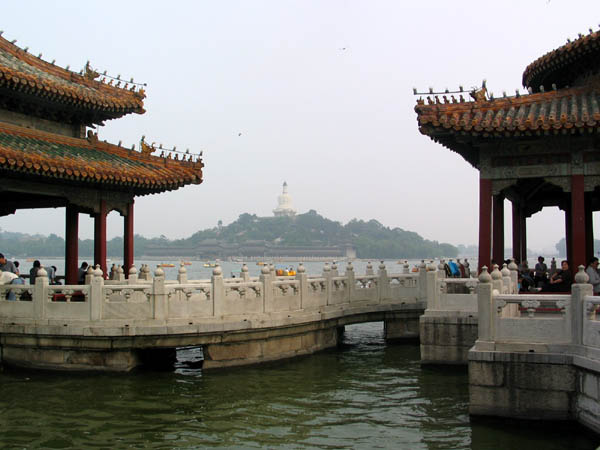
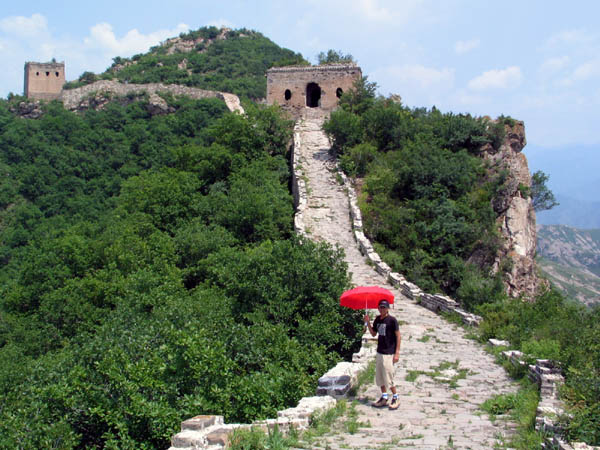
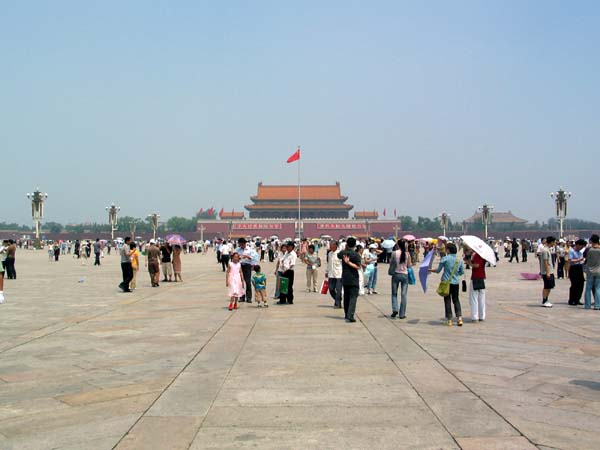
When my three-months visa expired, we decided to visit China this time. Beijing was our destination, but we also visited the Great Wall, the Ming Tombs etc. Here is a report with the Highlights of our trip. Detailed reports can be found in Beijing 2004.
———————————————–
Cambodia, January 2005

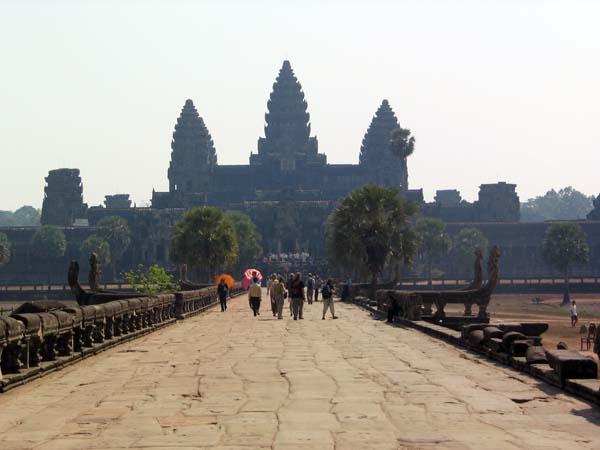
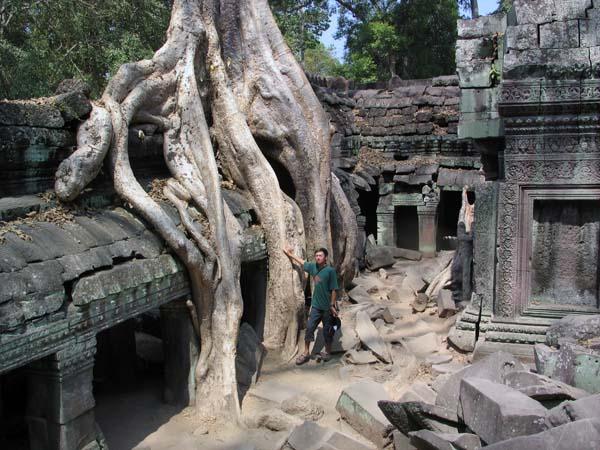
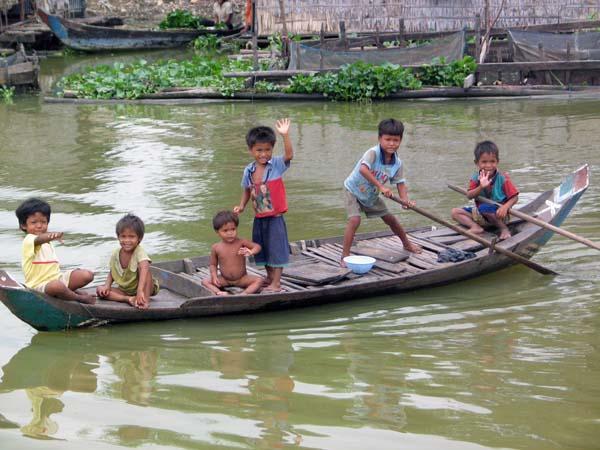
Of course Angkor Wat was the main destination of our Cambodia trip. But we started in Phnom Penh and visited the Killing Fields. By boat to Siem Reap and after three days of Angkor Wat, we continued to Battambang. I created a kind of travelogue this time: A Pictorial Travel Report of a Trip to Cambodia.
———————————————–
Sabah, May 2007

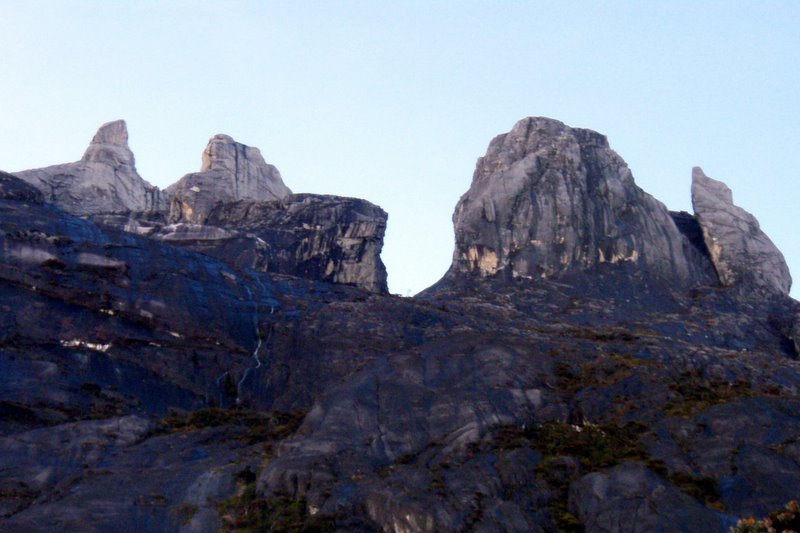
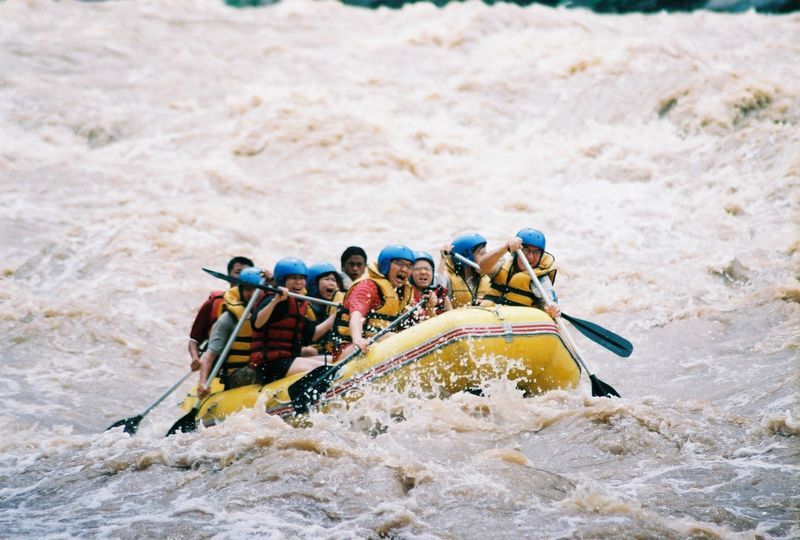
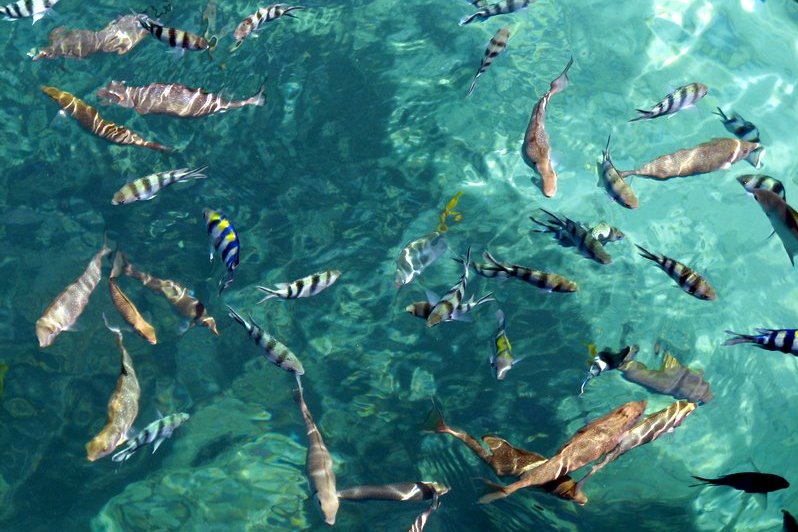
An adventurous trip, well organised by a friend of Aric. First we went snorkeling on Manukan island, next there was wild water rafting on the Padas river and the culmination was climbing Mount Kianabalu. I stopped at Laban Ratah, Aric made it to the top. After a relaxing time at the Poring Hot Springs we went back to KL. Here is the travelogue: Sabah Trip.
———————————————–
Vietnam, July 2007

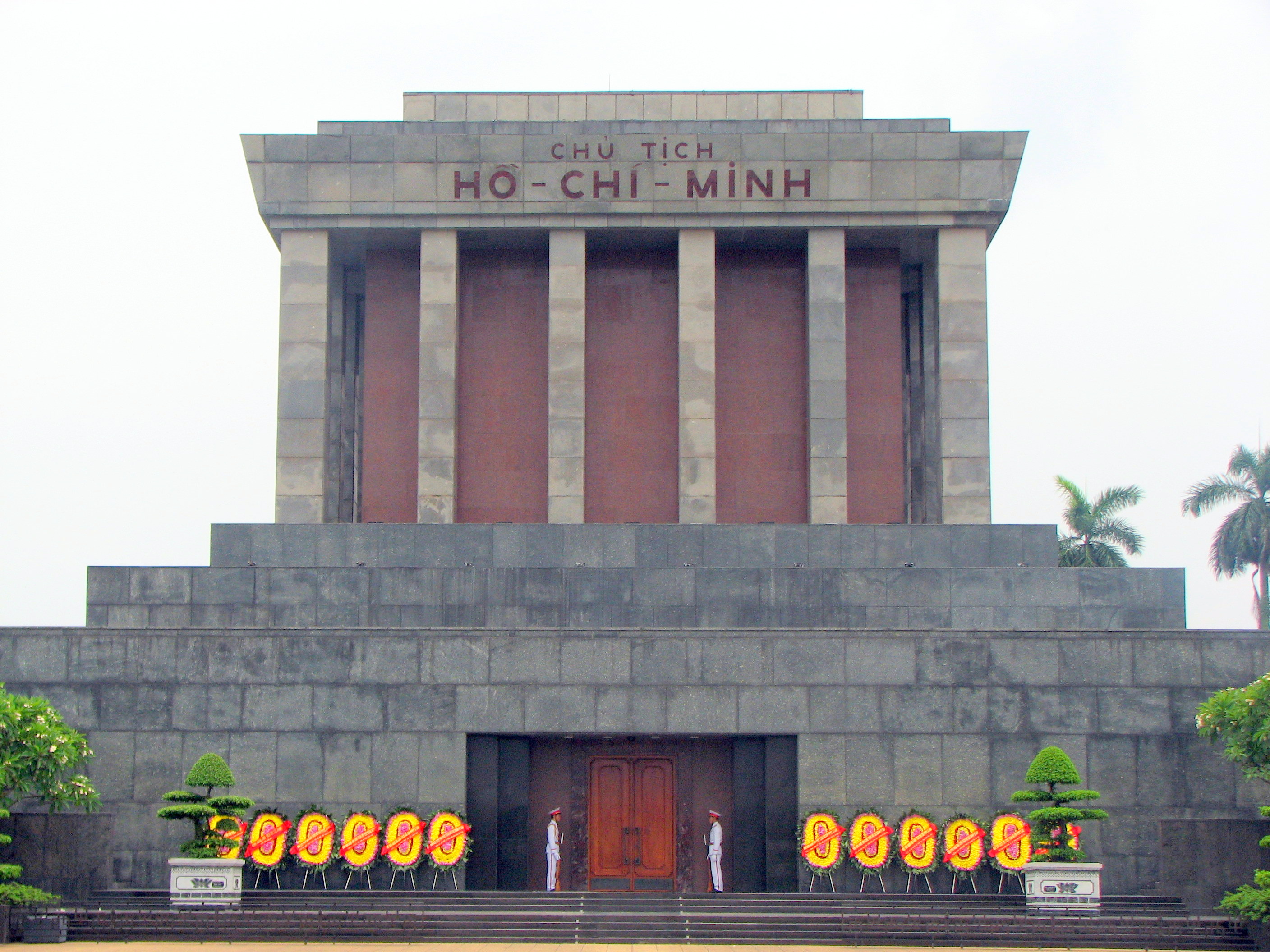
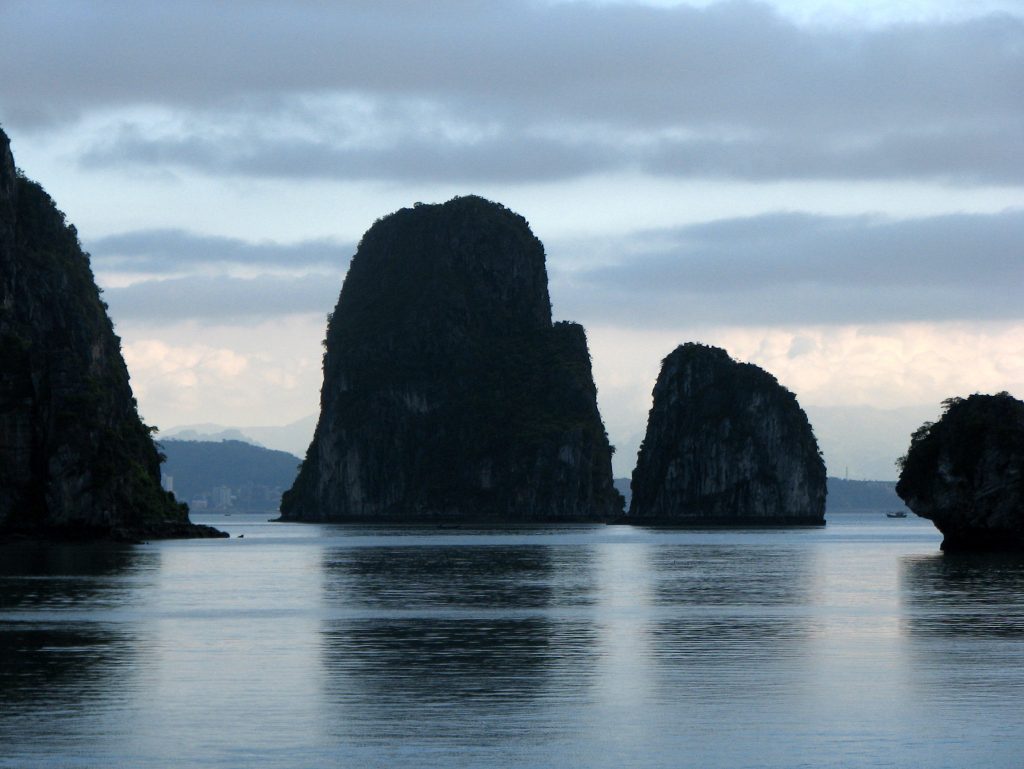
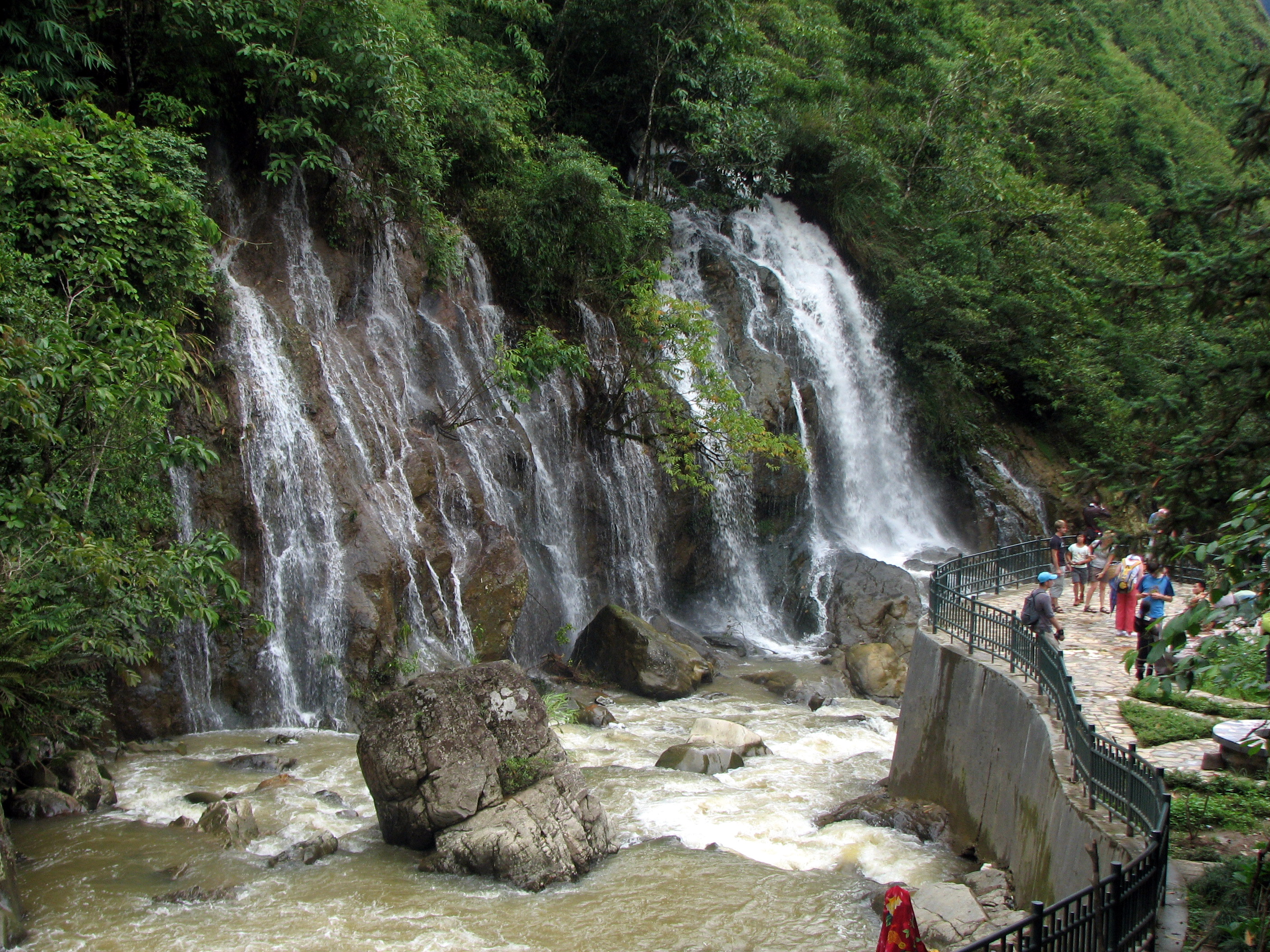
Air Asia had a promotion with free tickets to Hanoi, we could not resist the temptation and went to Vietnam. First we stayed a few days in Hanoi, a very pleasant town, although it was very hot. We made a trip to Halong Bay, very worthwhile. Instead of visiting Hue (too hot), we took the train to Sapa in the mountains. Finally a few more days in Hanoi. Here is the travelogue Vietnam, July 12-21, 2007.
———————————————–
Sarawak, December 2007

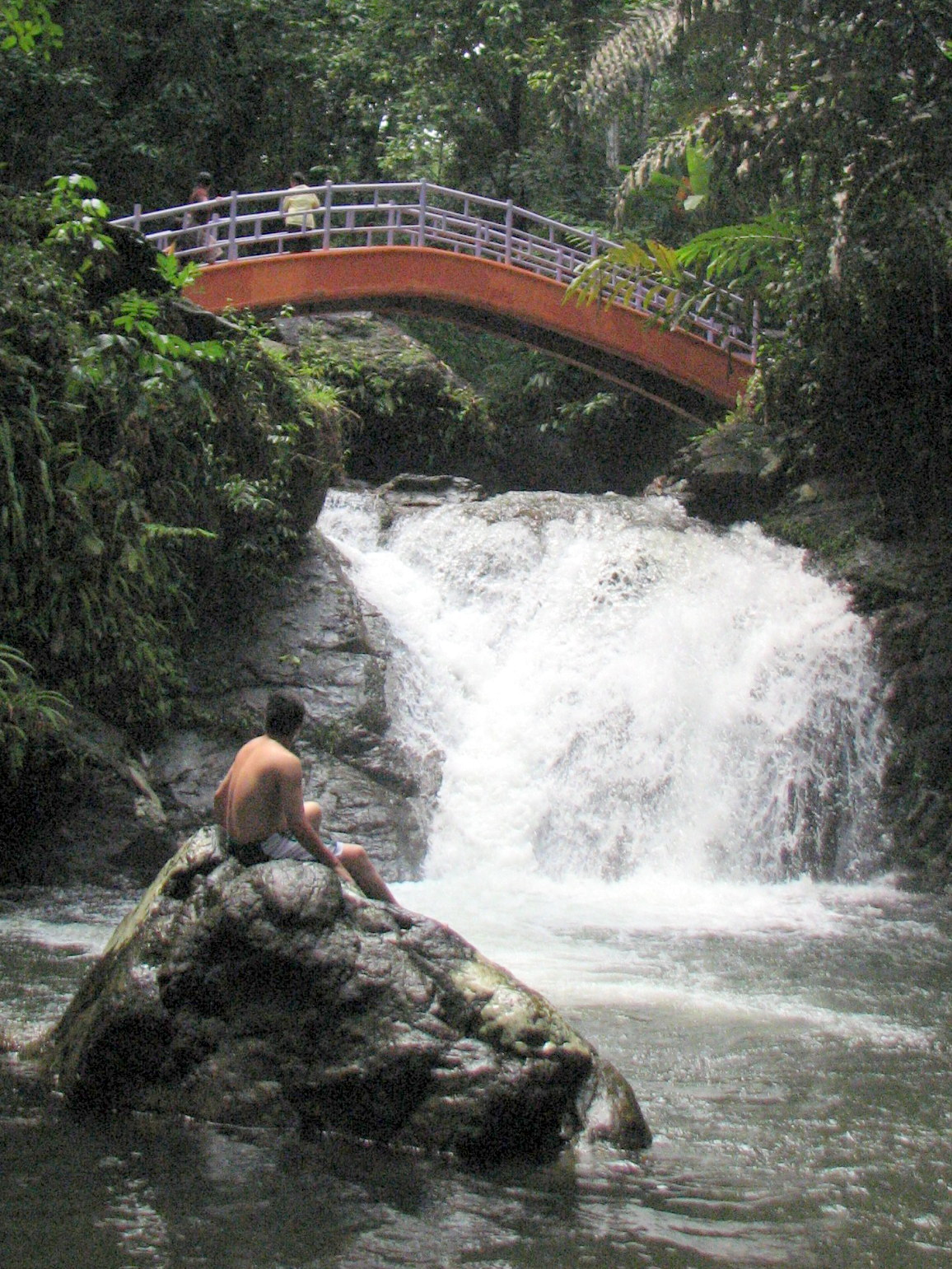
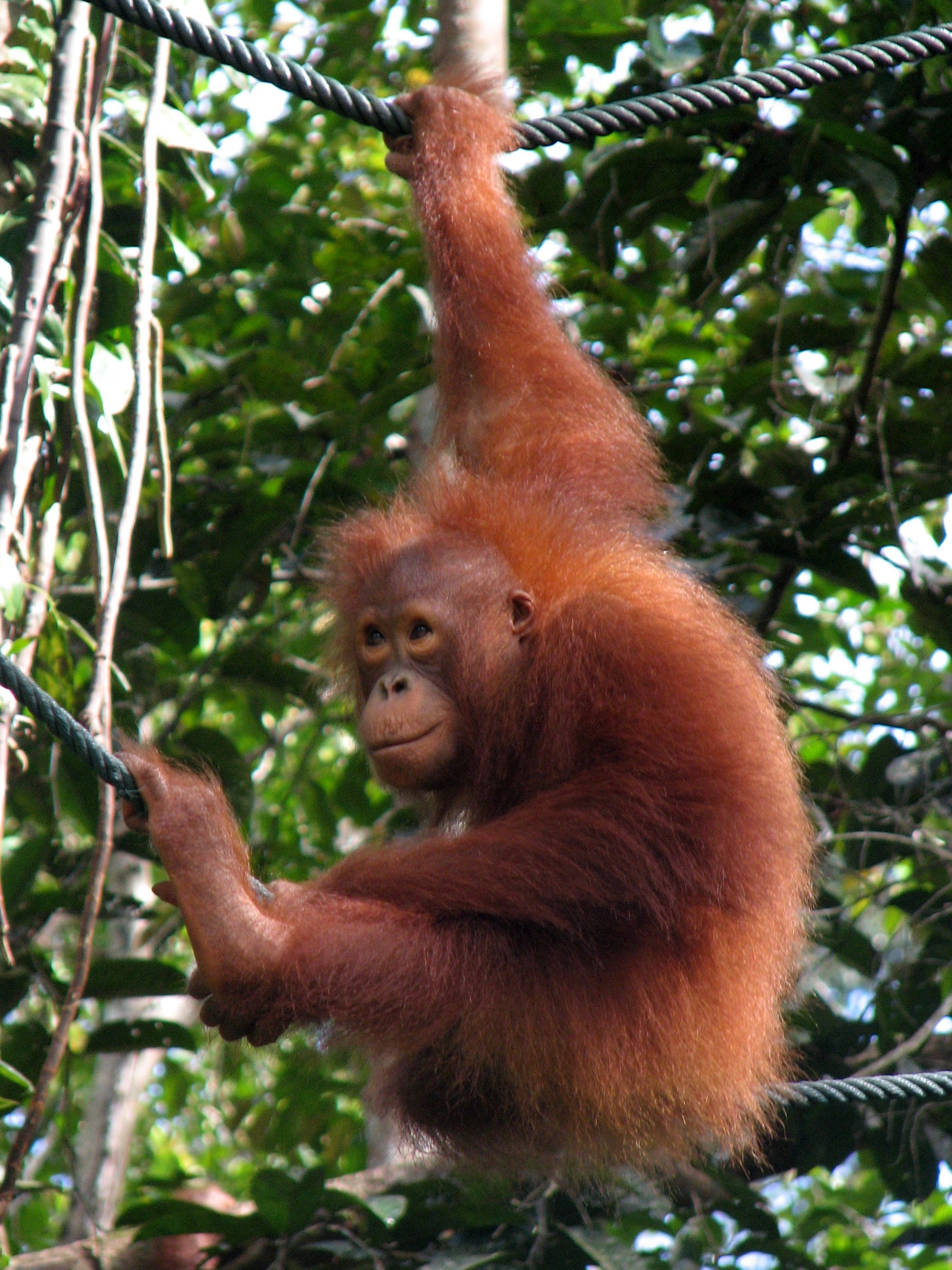
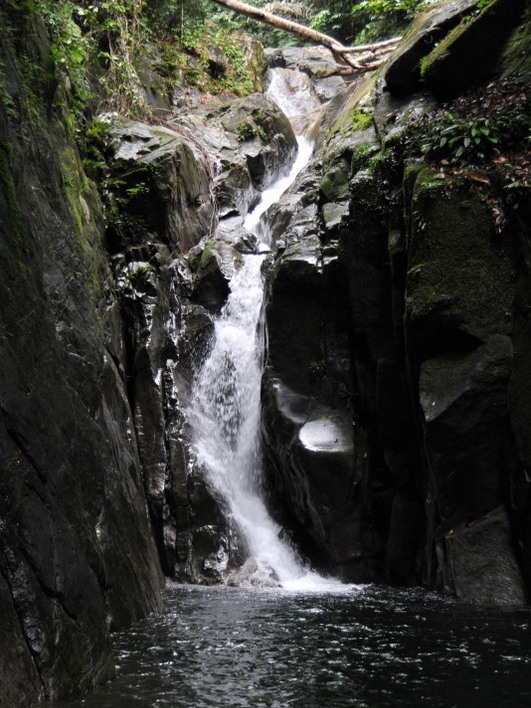
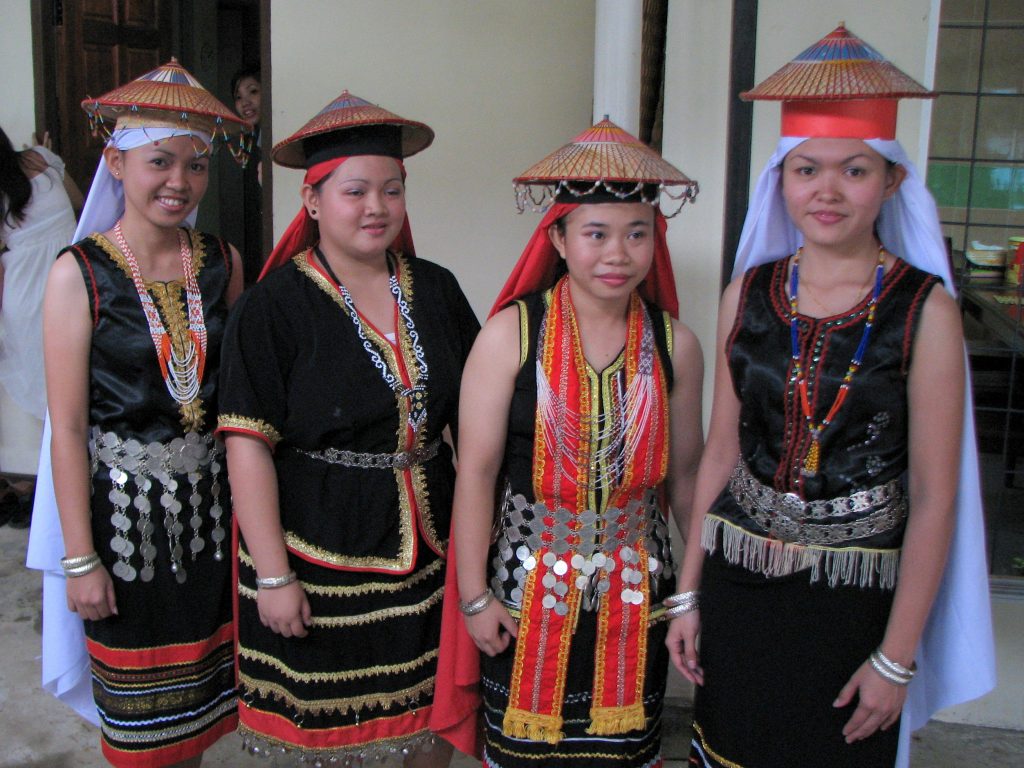
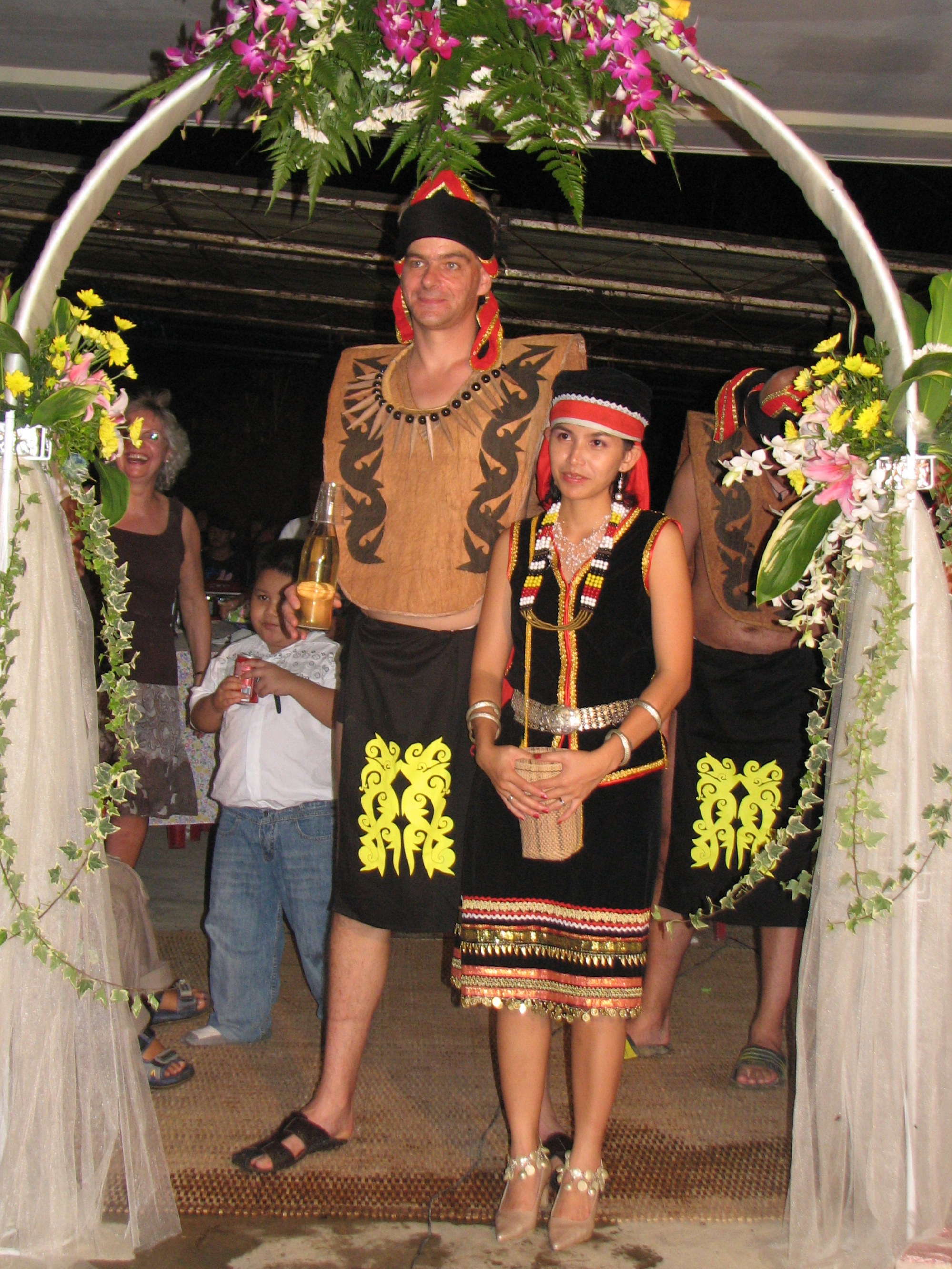
A short trip to Sarawak to attend the wedding of a Dutch friend with a Bidayu lady. Of course we managed to include a few waterfalls and also an Orang Hutan rehabilitation center. More details in Sarawak, (14-17)-12-2007.
———————————————–
Thailand, November 2008

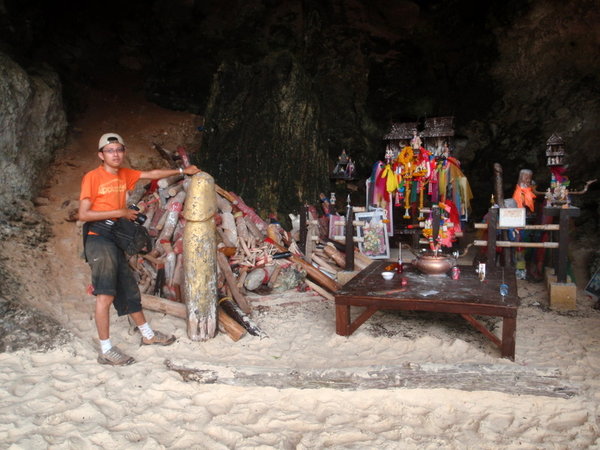
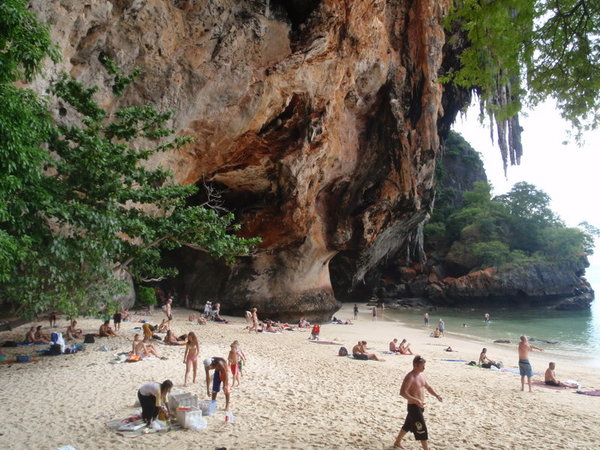
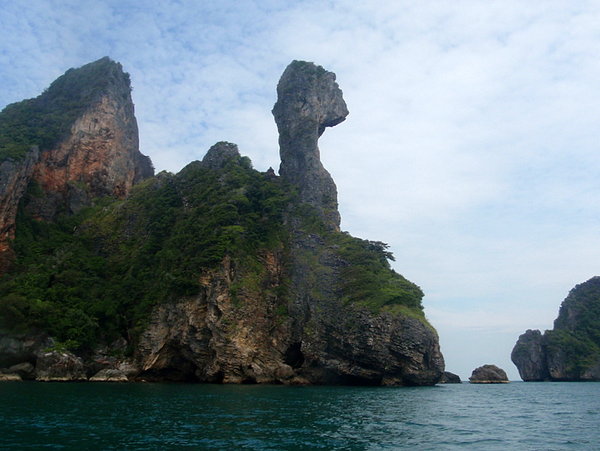
A friend of ours, Dick Sandler, has a resort near the Khao Sok National Park in Thailand and Marcia, another friend, has a house at Railay Beach, near Krabi. We took a flight to Krabi, spent some time there, then took a boat to Railay , where we celebrated Loy Krathong on the beach. In Khao Sok we stayed in a romantic tree house and visited a waterfall. More pictures in Thailand (Krabi & Khao Sok) 2008
———————————————–
China, July 2009

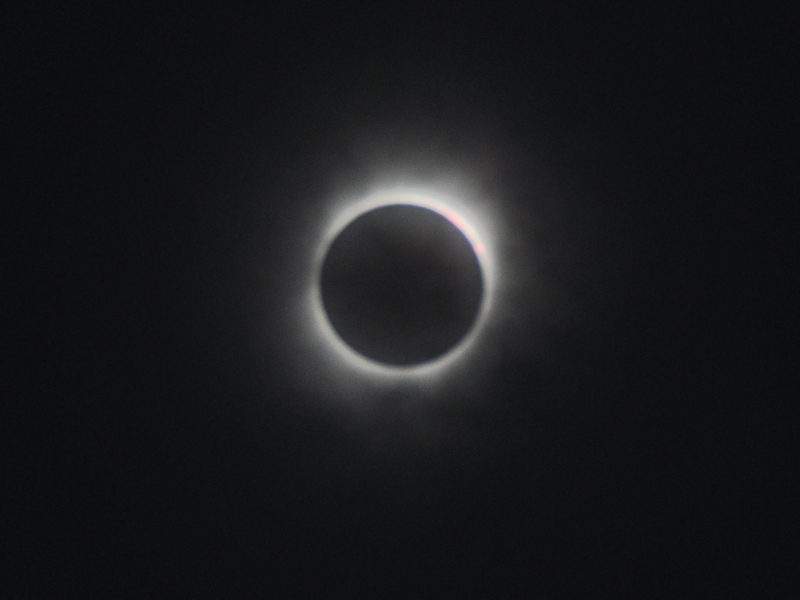
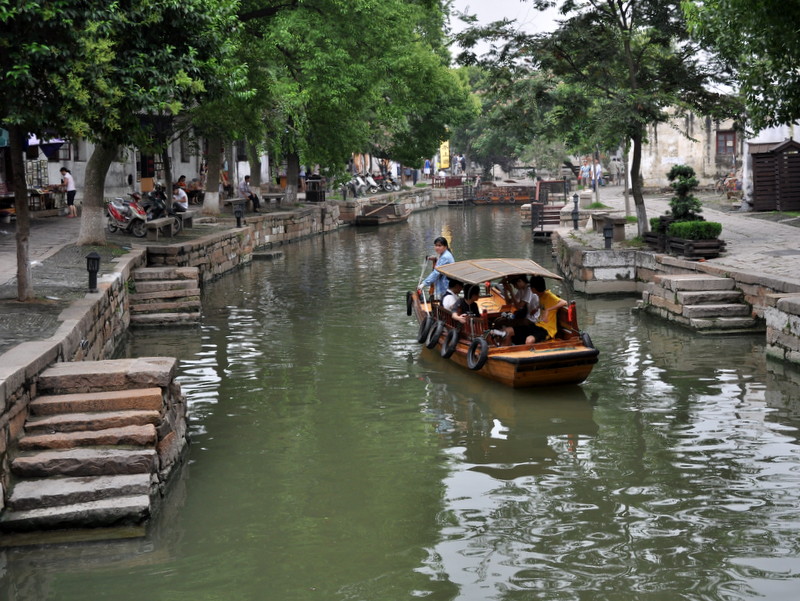
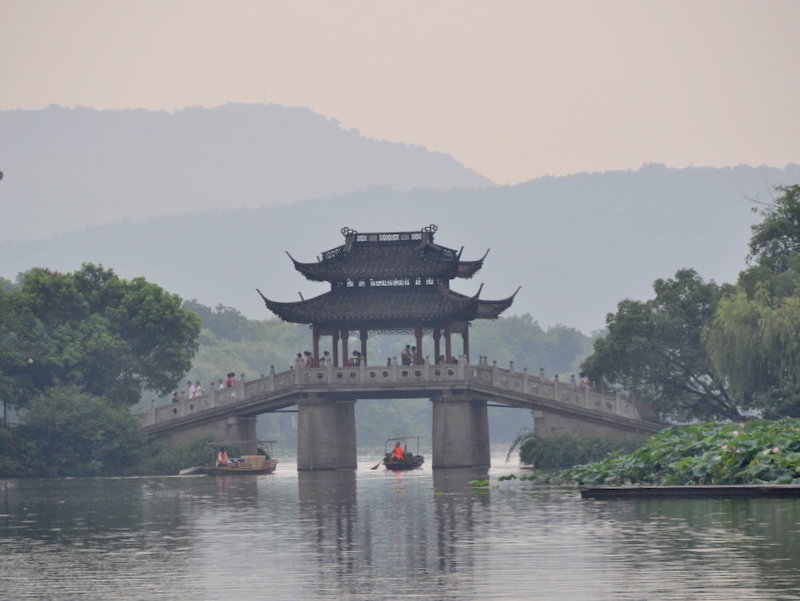
In July 2009 we went back to China for a very special reason, to see for the first time in our lives a solar eclipse! Solar eclipses are only visible from narrow regions on Earth, in this case a part of China. We decided to start our trip in Hangzhou and watch the eclipse there. Then to continue our trip to Suzhou and finally Tong Li. All three places famous tourist attractions. Our trip resulted in three albums, Hangzhou, Suzhou and Tong Li.

———————————————–
Melbourne, October 2009

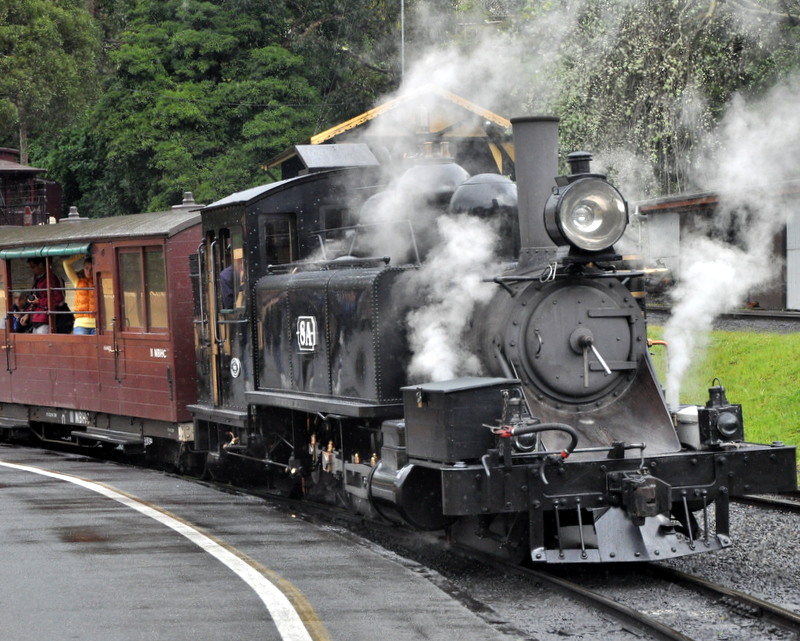
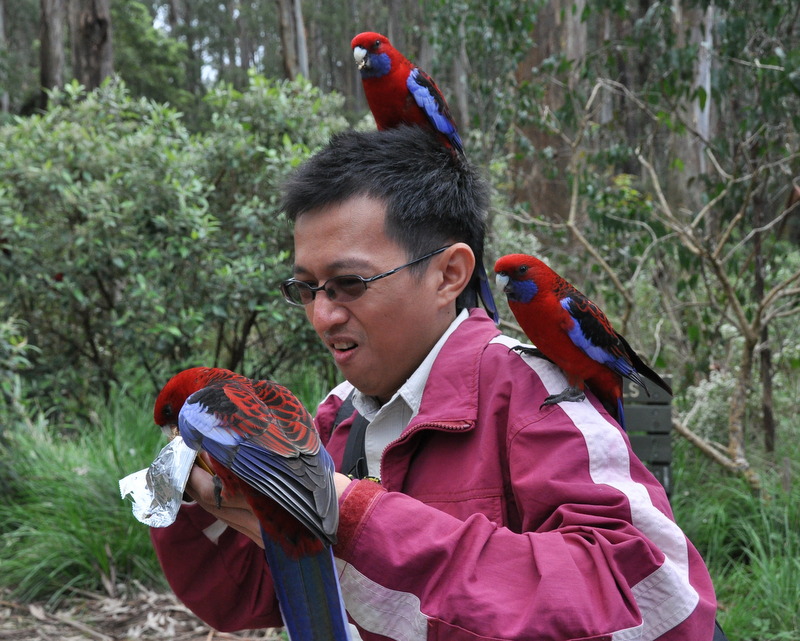
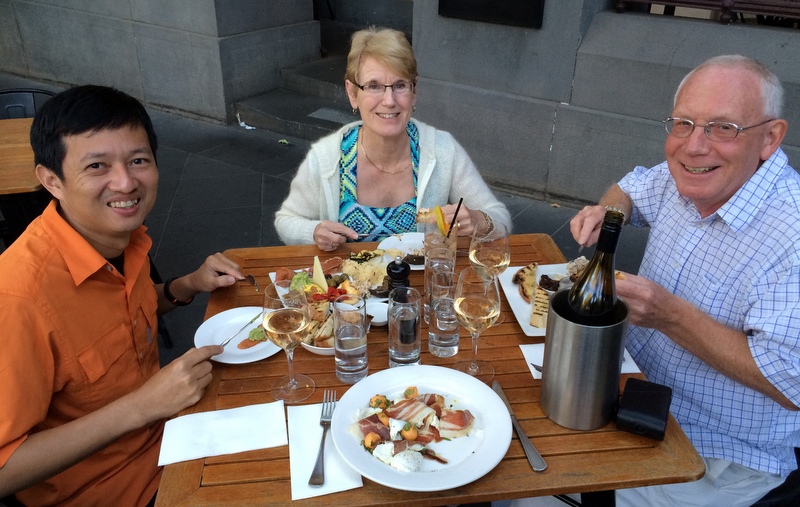
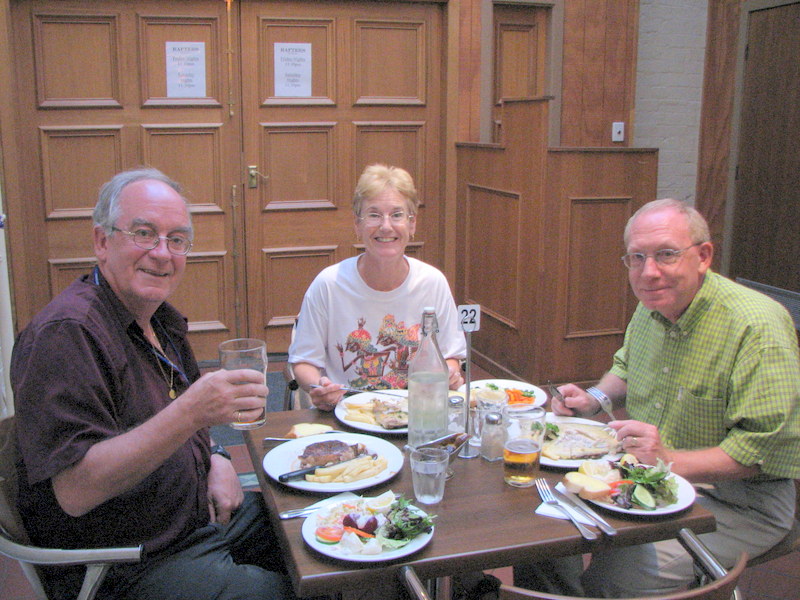
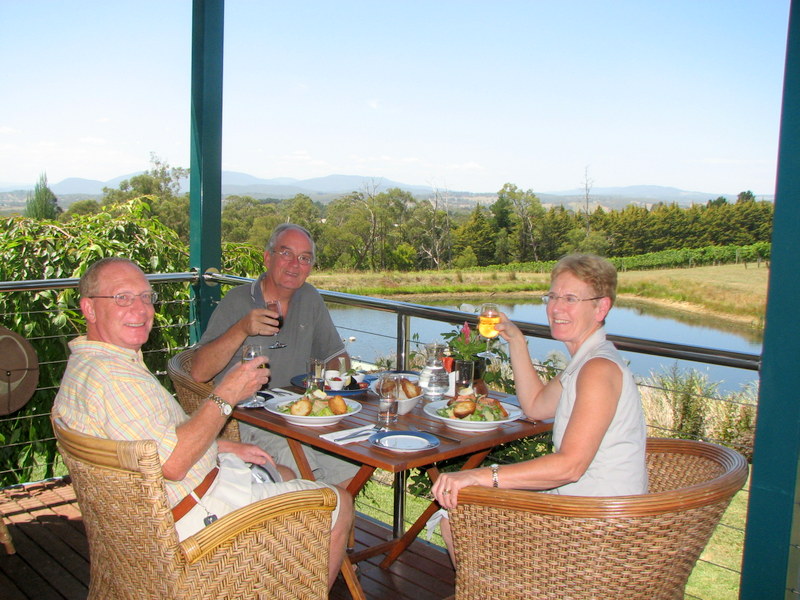
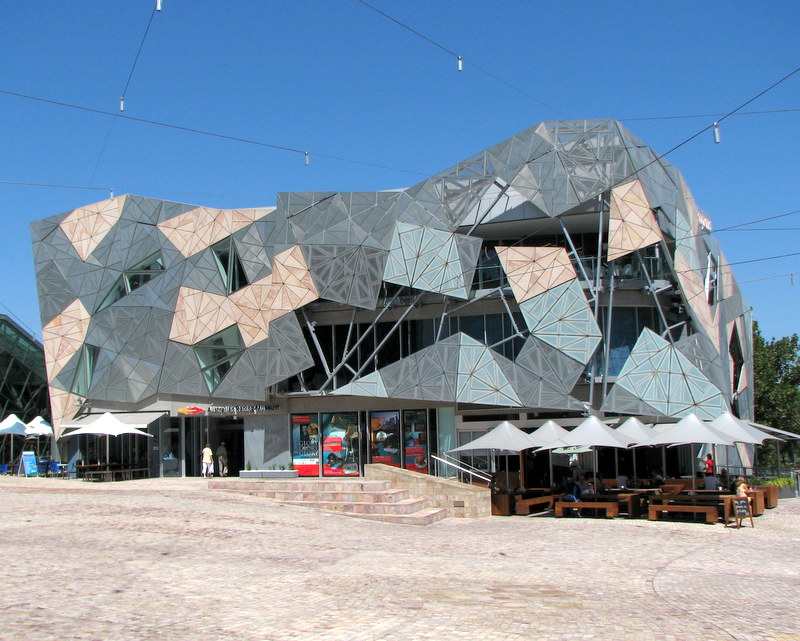
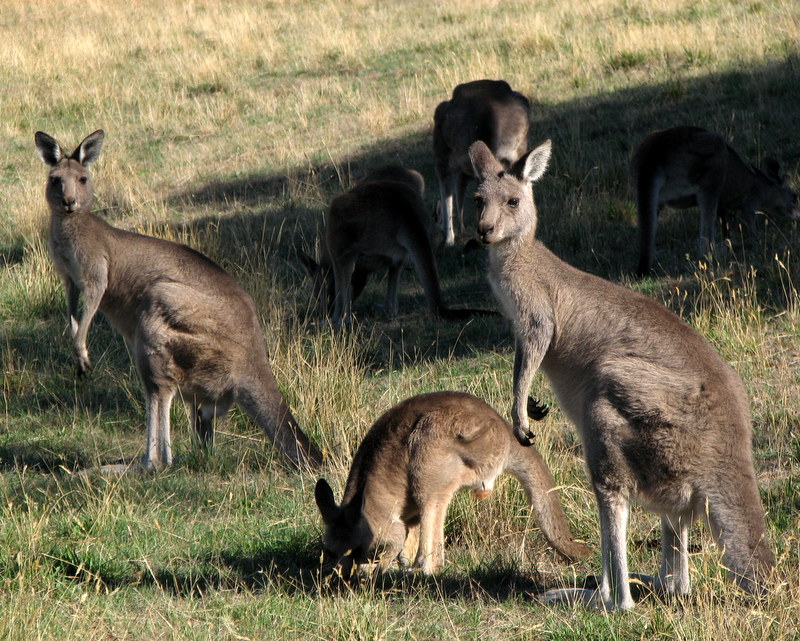
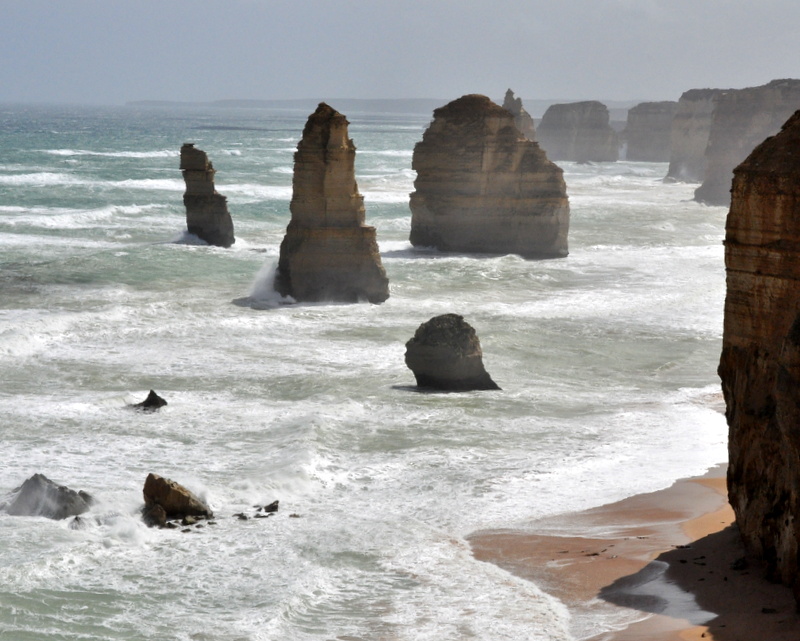
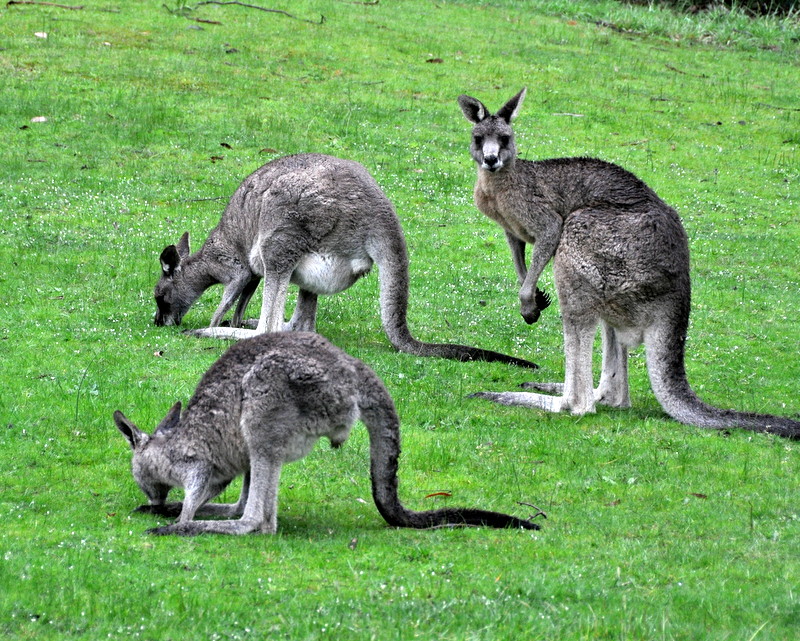
A few months later we visited our friends Pat and Roger in Melbourne. I had visited them before, so I could guide Aric around in Melbourne. Our hosts took us on a very nice trip along the Great Ocean Road. We also saw kangaroos and had delicious food. Here is the travelogue Melbourne, October 2009.
———————————————–
Sarawak , March 2010

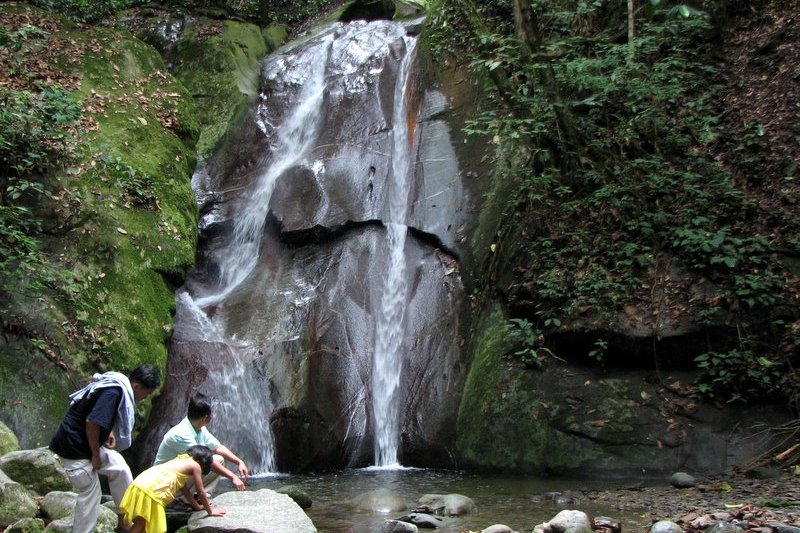
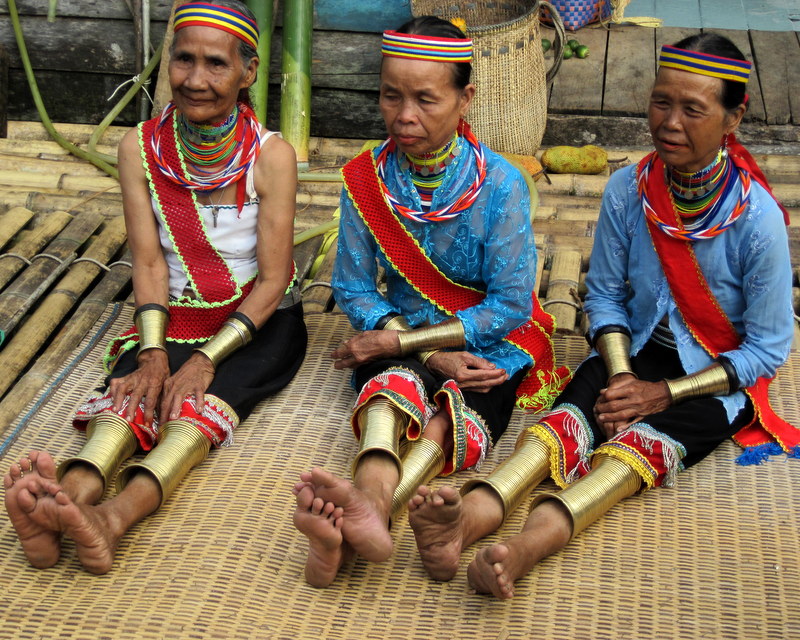
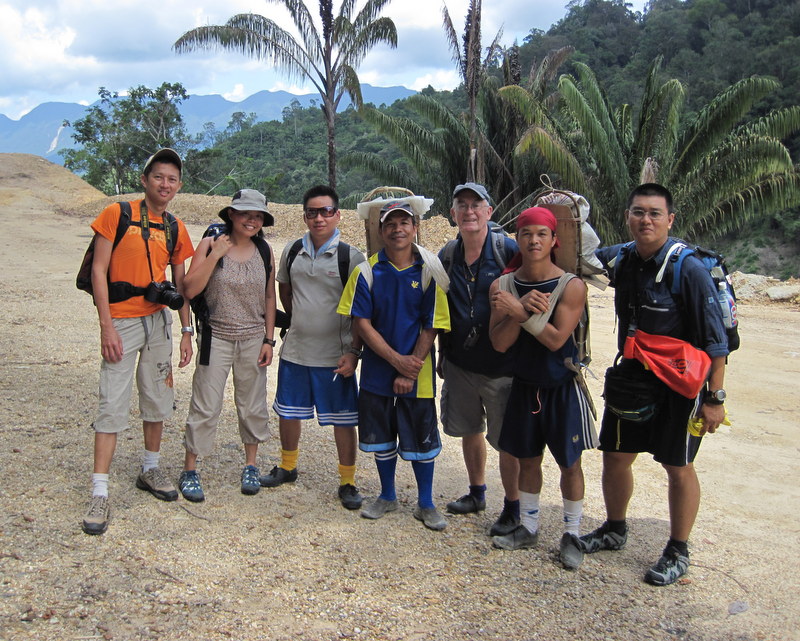
Our friend Keong invited us to join him on a trip to Semban. This village in the Bungo range south of Kuching, is famous for its “ring ladies”. High up in the hills, it is called the “Village above the Clouds”. We stayed a few days in the village, enjoying the hospitality of the Bidayu people and hiking to impressive waterfalls. Here is the report, Village above the clouds, February 2010.
———————————————–
China, family visit, May 2010

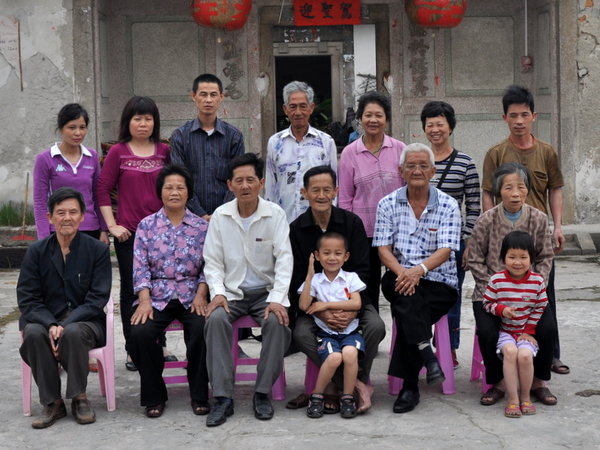
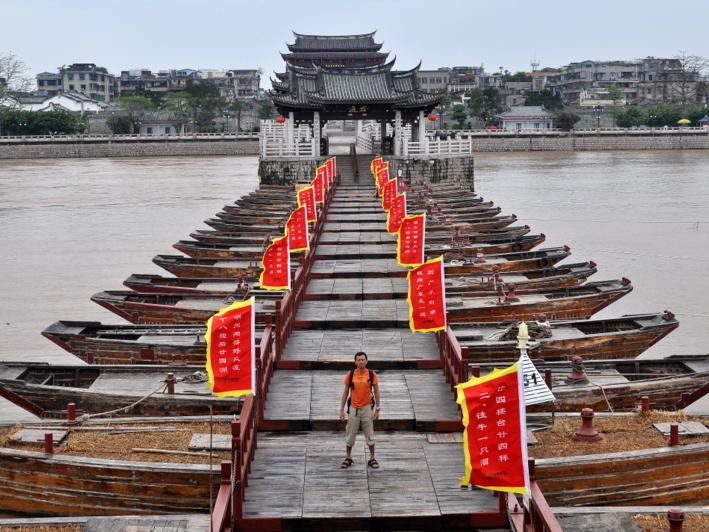
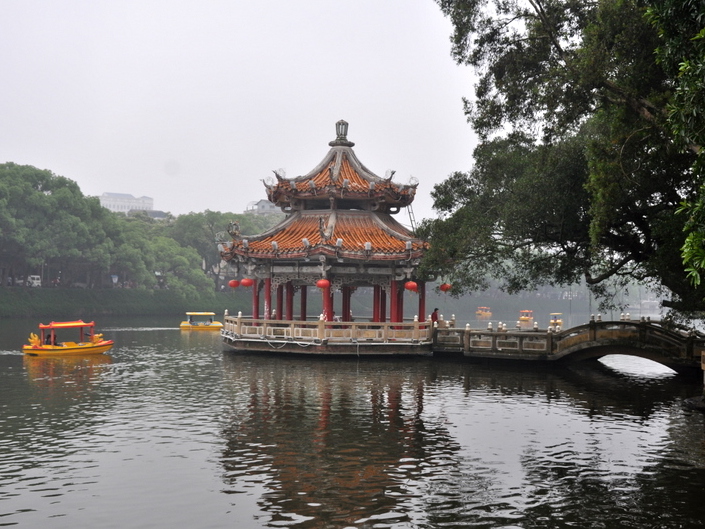
For our third trip to China we visited the Teochew region, where Aric’s family originally came from. For a long time already it had been Aric’s wish to organise a trip for his parents and his favourite uncle and auntie to their roots. It was a very successful and rewarding trip, resulting in three albums, Shantou, Chaozhou and Chenghai
———————————————–
Thailand, August 2011

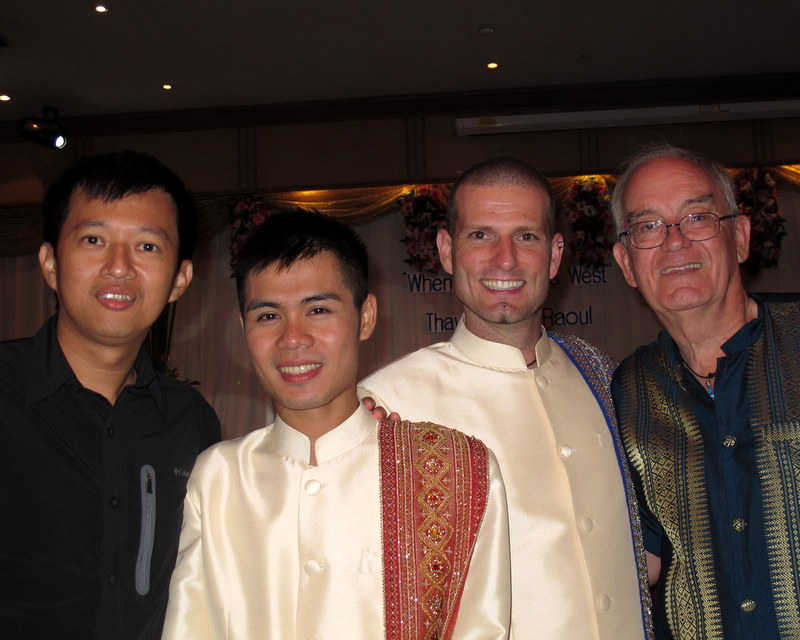
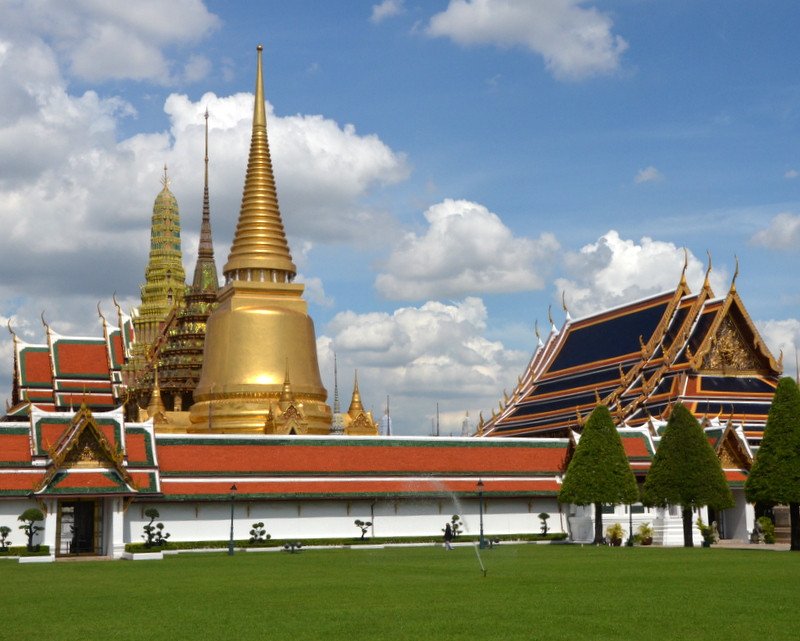
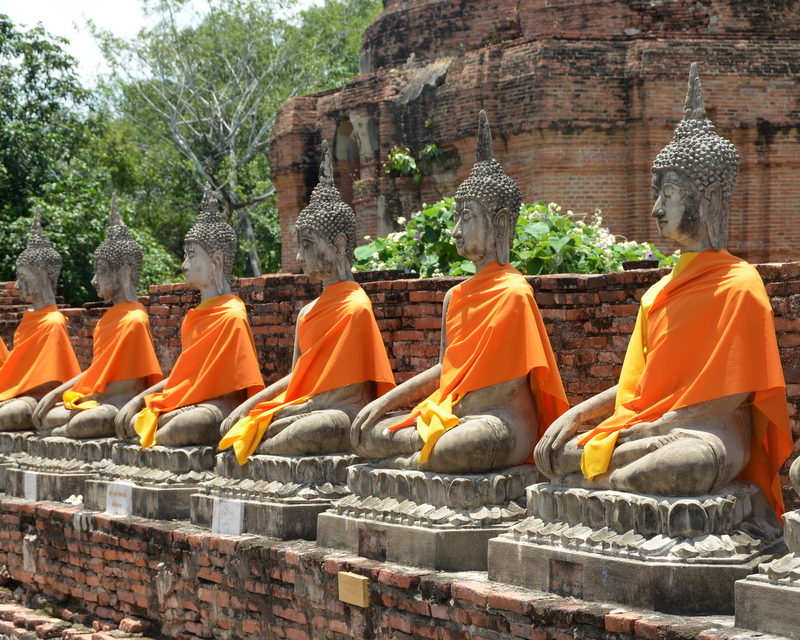
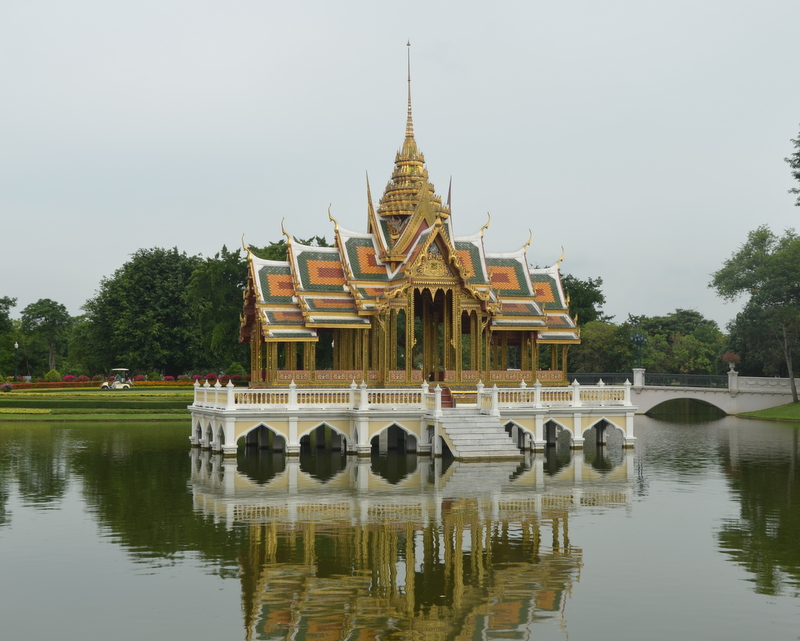
We were invited to attend the wedding of my former student Raoul with his Thai boyfriend Aunn and decided to combine this event with a visit to some world heritage sites and waterfalls. We took a flight to Bangkok and rented a car there. We visited Ayutthaya, Kamphaeng Phet and the Khlong Lan waterfall. After the wedding party we drove back to Bangkok where we stayed a few more days. Here is the travelogue Thailand (16-24)-8-2011
———————————————–
Greece, September 2011

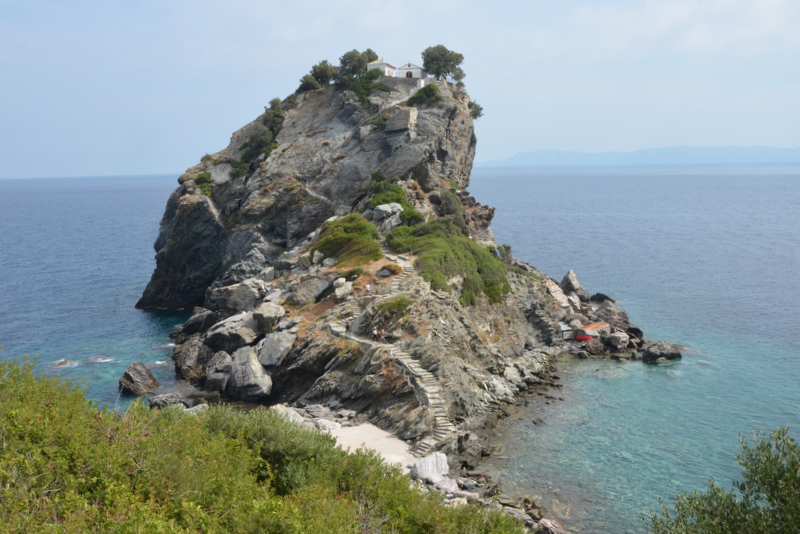
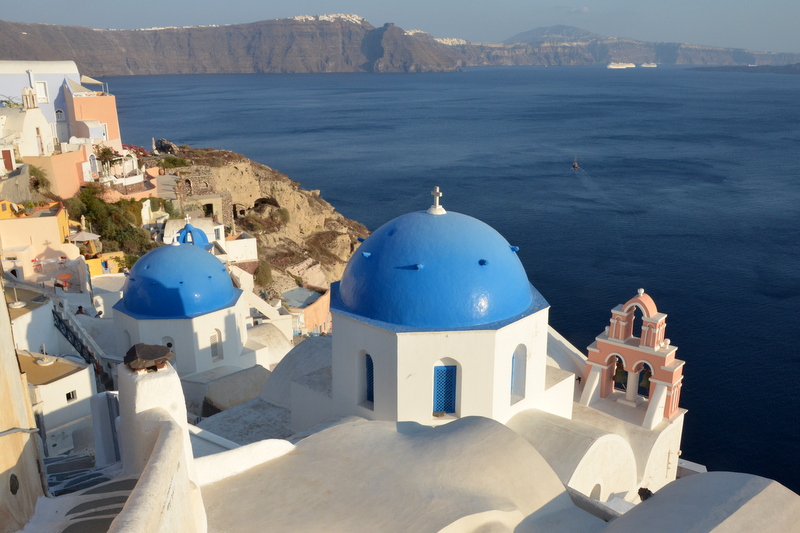
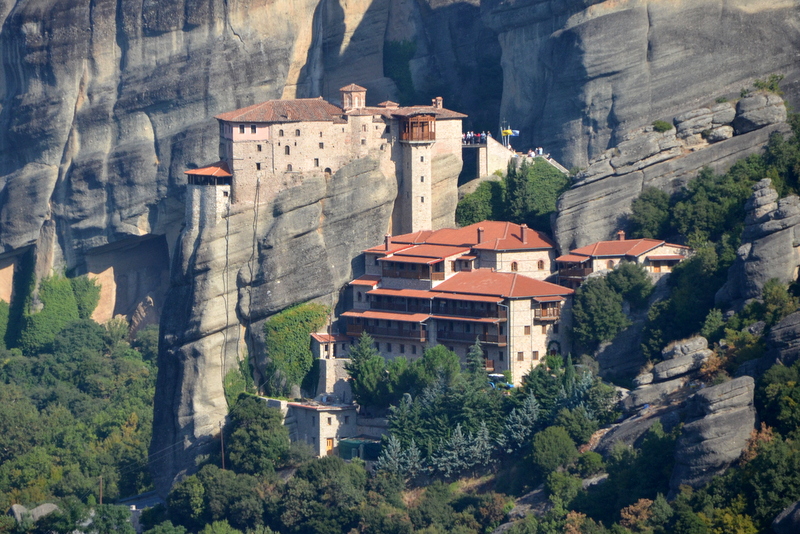
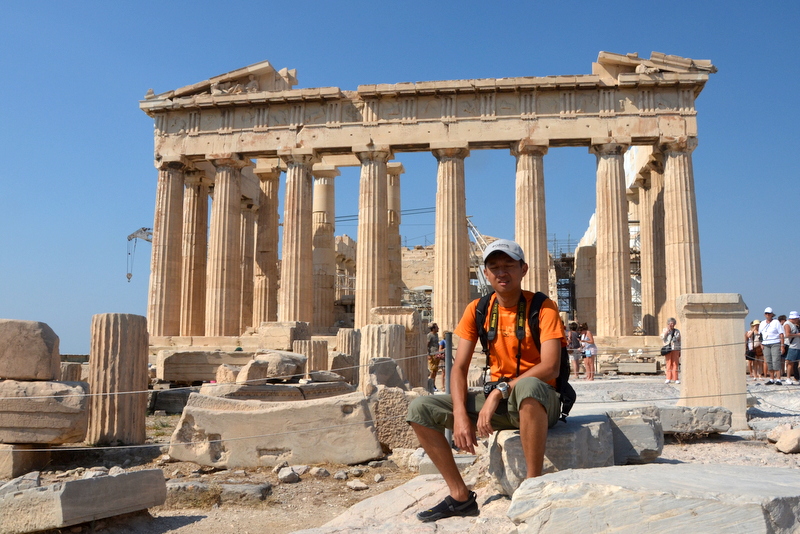
If I had to make a list of our most fascinating holidays, our trip to Greece would probably be number 1. We did a lot during 16 days, starting with Athens, followed by Delphi, Meteora, the Sporadic Islands and Santorini. I compiled four albums, one about Athens, one about Delphi & Meteora, the third one about the islands Skopelos & Skiathos and the last one about Santorini. A magical world.
———————————————–
Singapore, November 2011

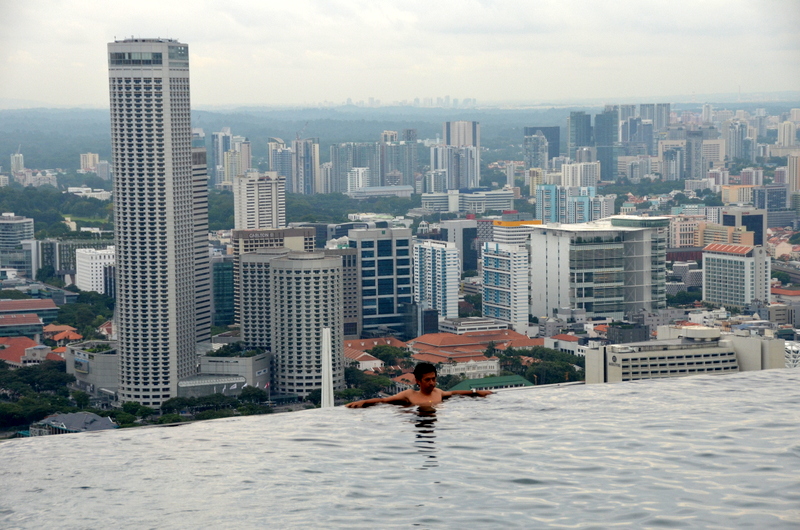
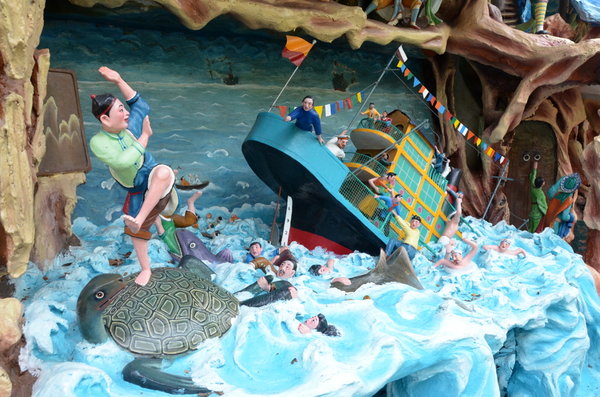
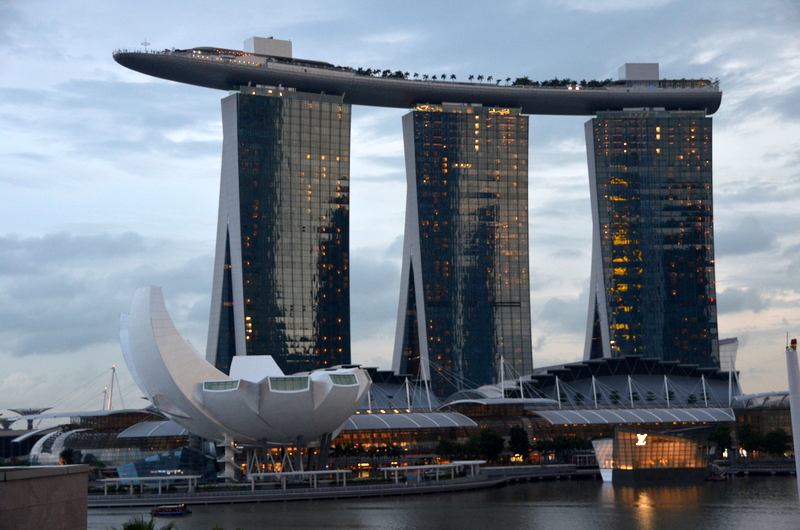
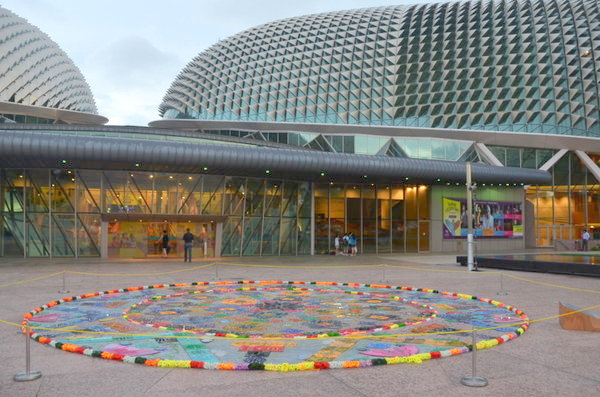
The reason that we visited Singapore again was to attend a concert of the MozART GROUP, classical music with a humorous twist. The concert took place in the concert hall, nicknamed the Durian, We stayed in the Marina Bay Sands Hotel and of course enjoyed the infinity swimming pool. We also visited the Haw Par gardens. Report is here: Singapore, November 2011.
———————————————–
Europe, September 2013

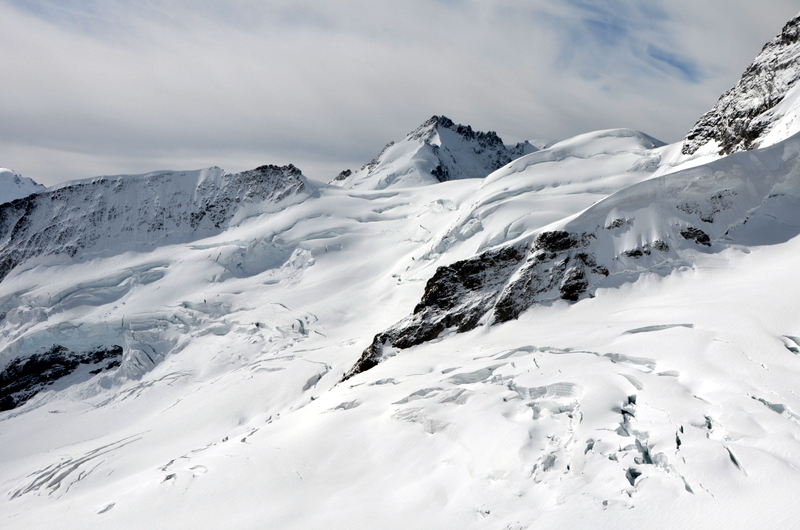
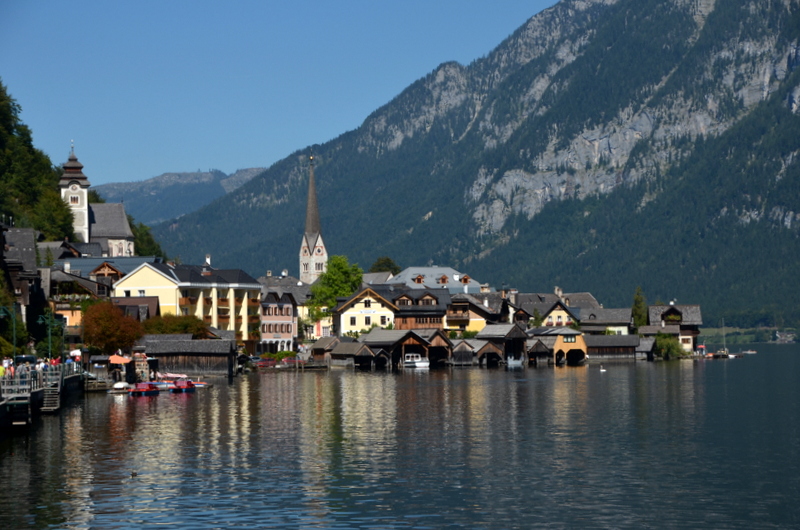
Our second Europe holiday, two weeks this time. Again a full program, Germany, Austria, Liechtenstein (!), Switzerland and France. Many highlights, the most spectacular one was the Jungfraujoch, the Top of Europe. Four albums about this trip, Germany, Austria, Switzerland and France.
———————————————–
Barcelona, September 2013

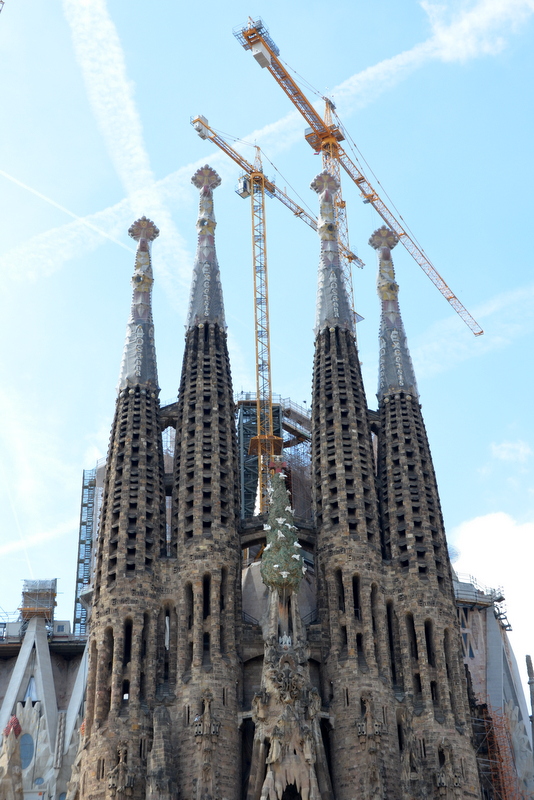
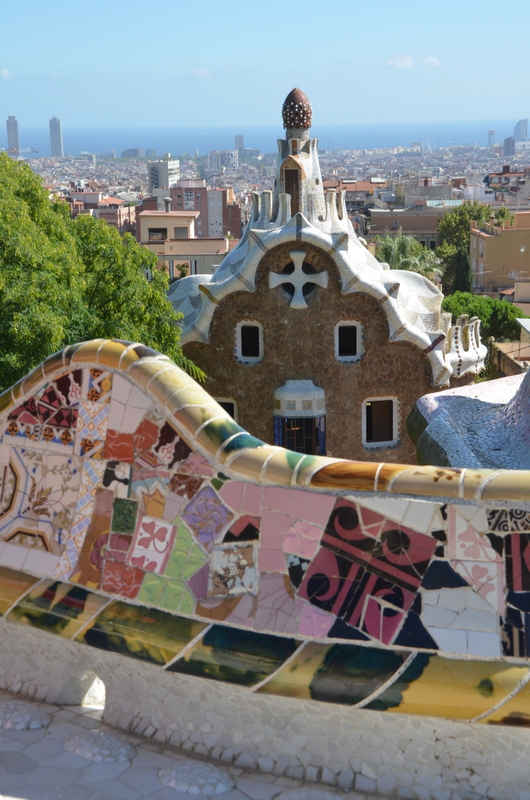
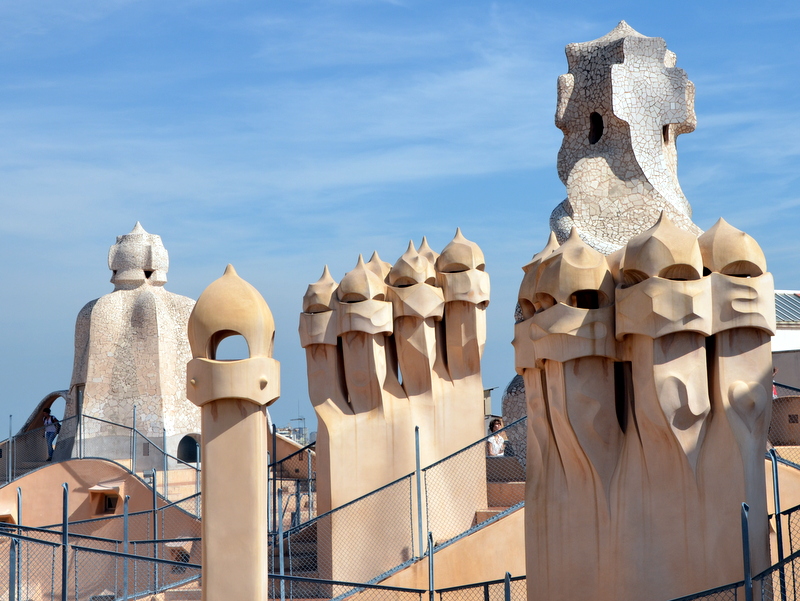
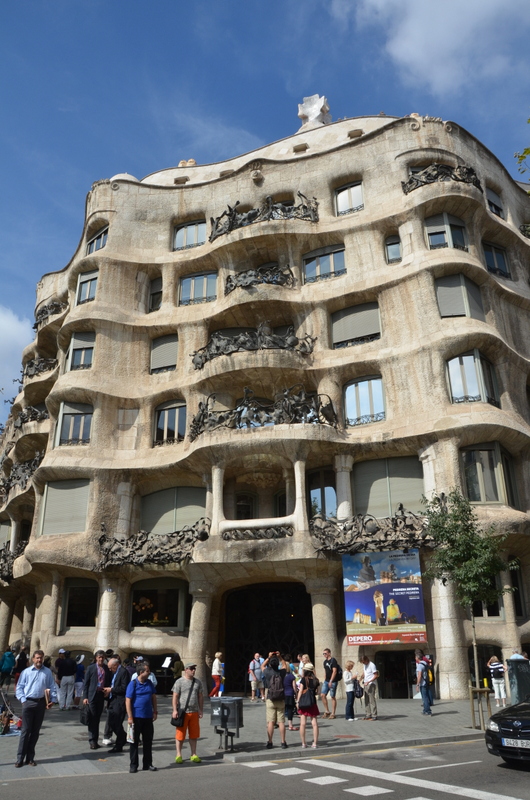
Back in Amsterdam we still had some time before Aric went back to Malaysia. So we booked a flight to Barcelona , one of my favourite towns. The town of Gaudi, for me it was the first time to visit the Sagrada Familia cathedral, still unfinished. We liked the tapas, the paella and the sangria. But, like Amsterdam, overcrowded with tourists (like ourselves, I know).
———————————————–
Taiwan, March 2014

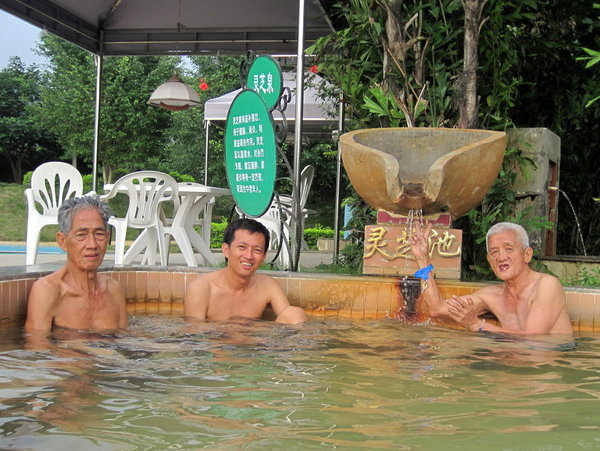
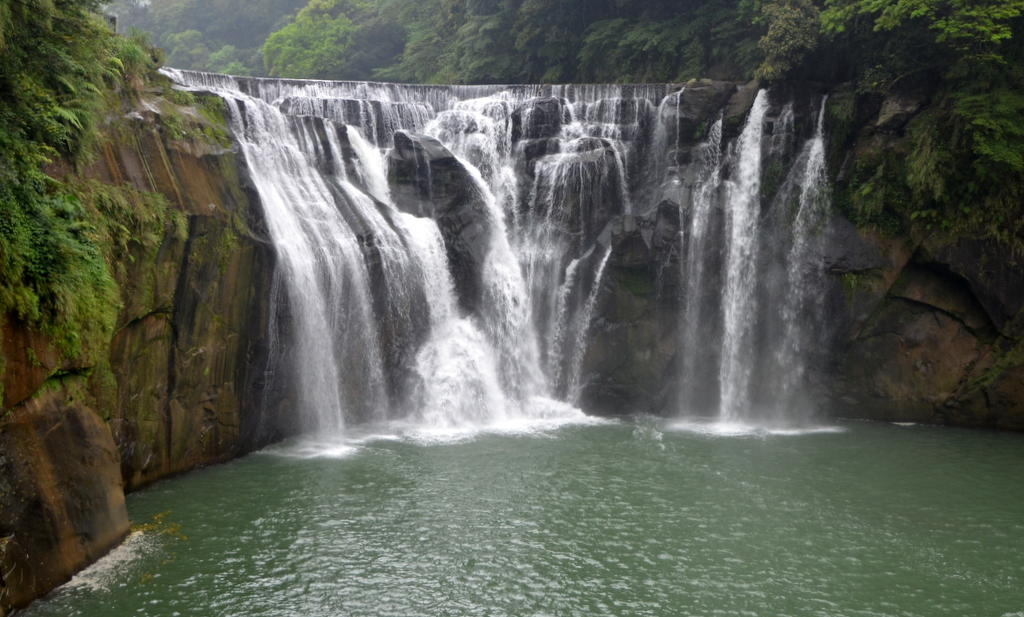
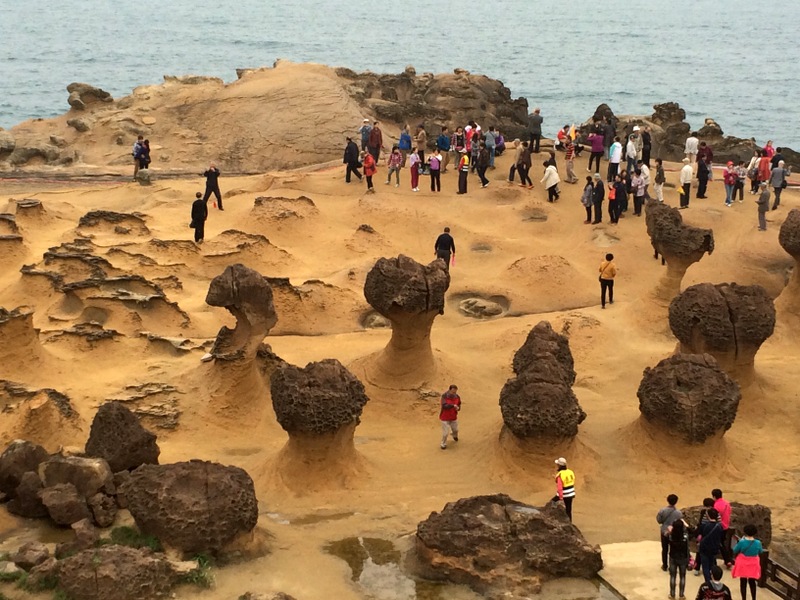
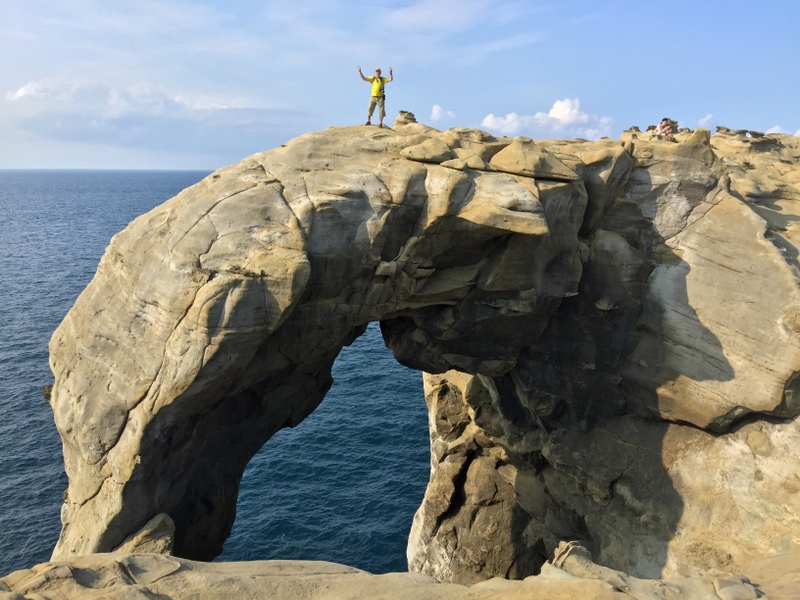
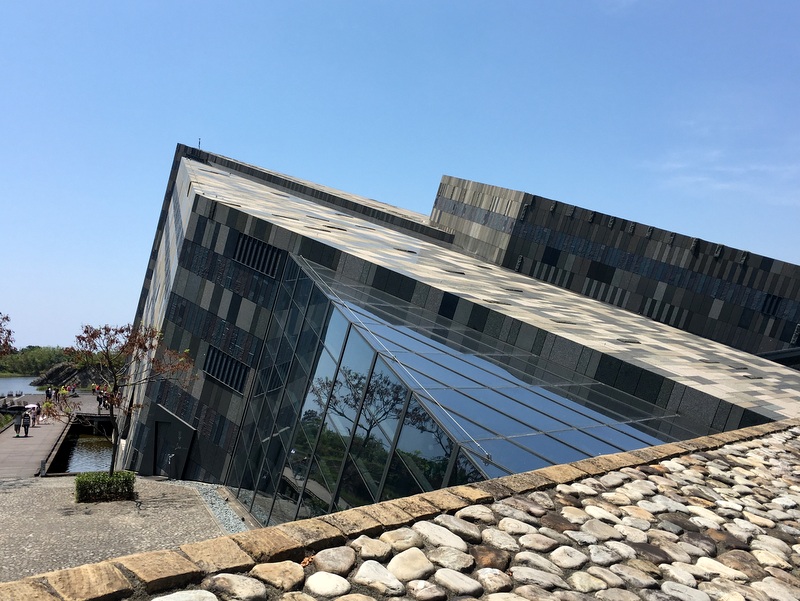
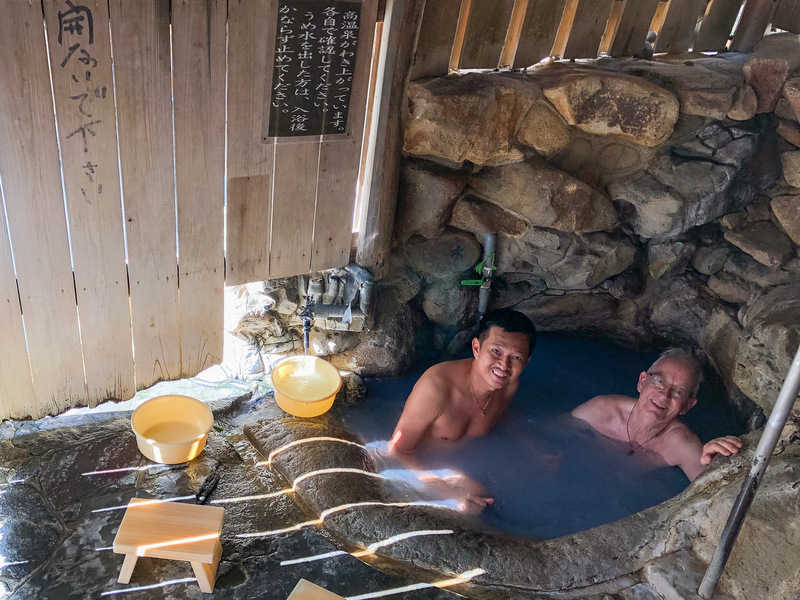
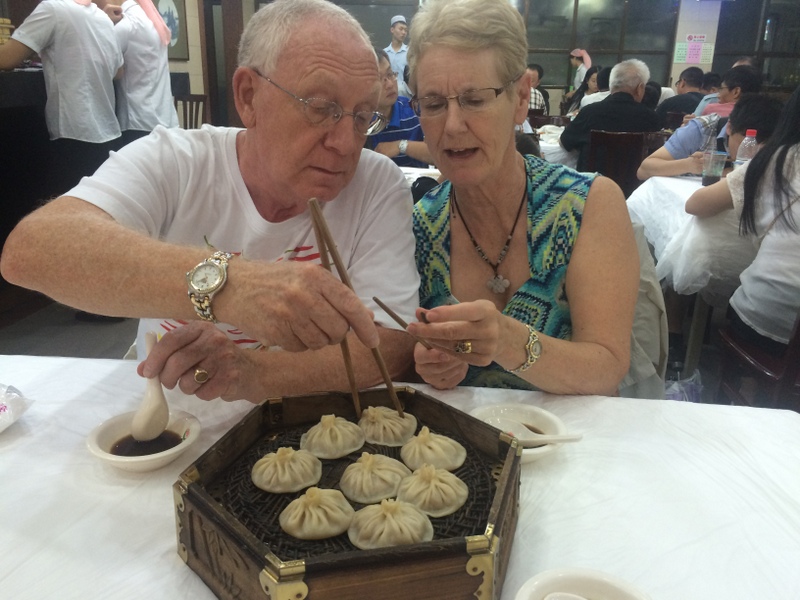
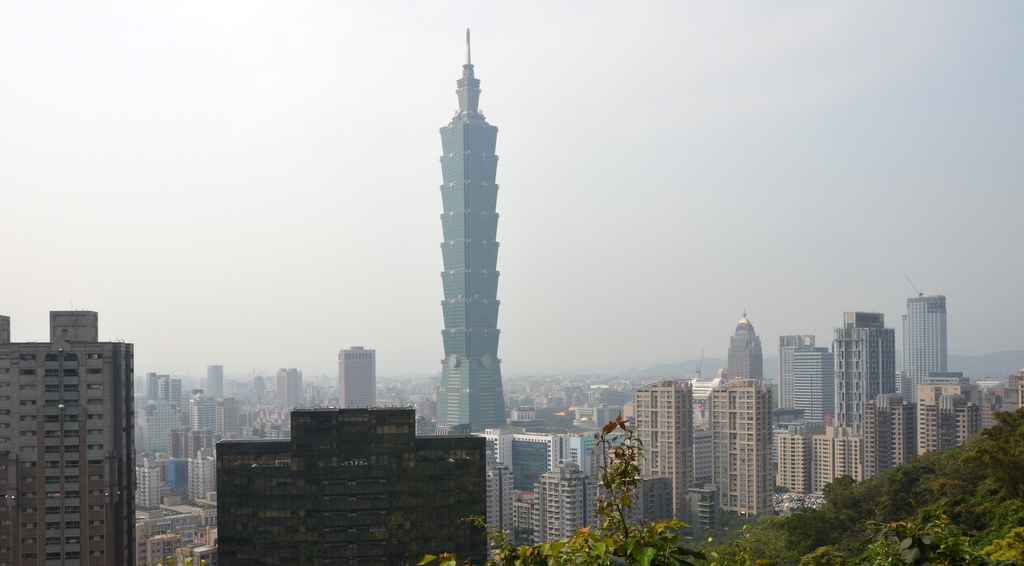
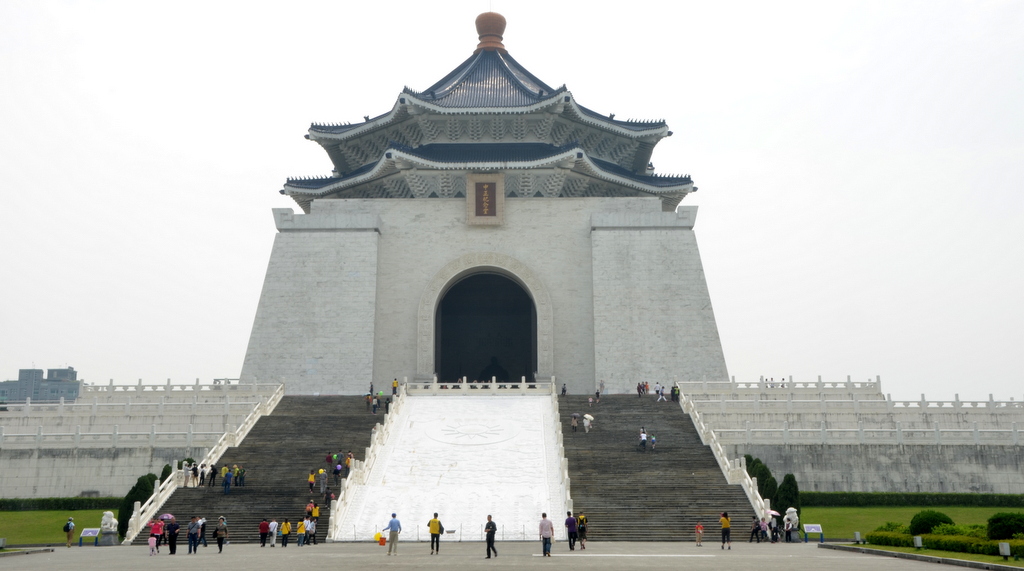
For quite some time Taiwan has been on our list of countries to visit and this year we finally booked an Air Asia flight to Taipei for a 12-day trip. One reason was to try the Taiwanese food, but of course there was also the culture and the nature. We got addicted to onsen, the hot baths. Below pictures of the iconic 101 tower, the Chang Kai-shek memorial, the Shifen waterfall and the Yehliu Geopark. Many more pictures in the album Taiwan Trip.
———————————————–
Norway, June 2014

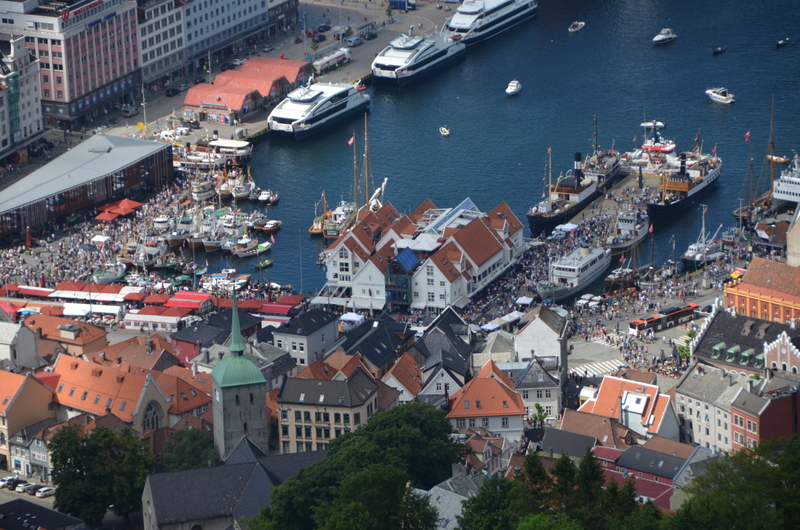
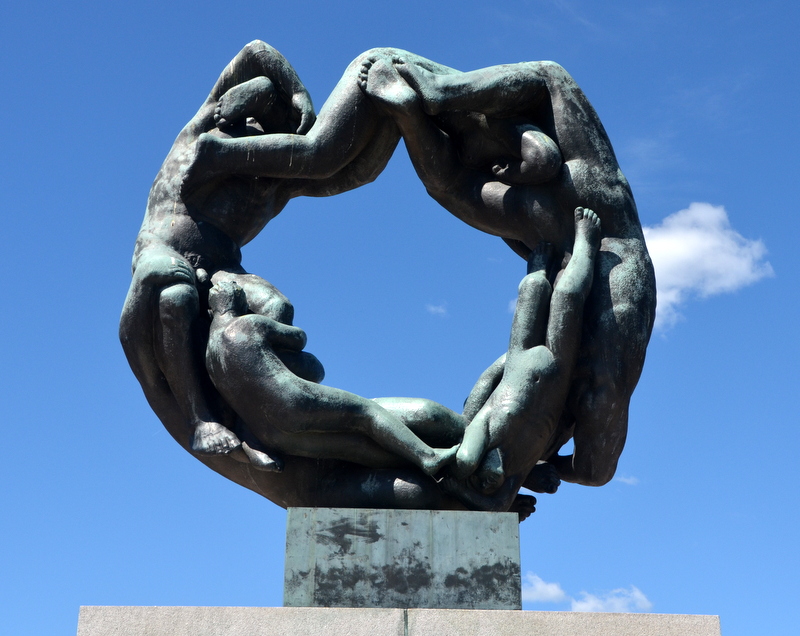
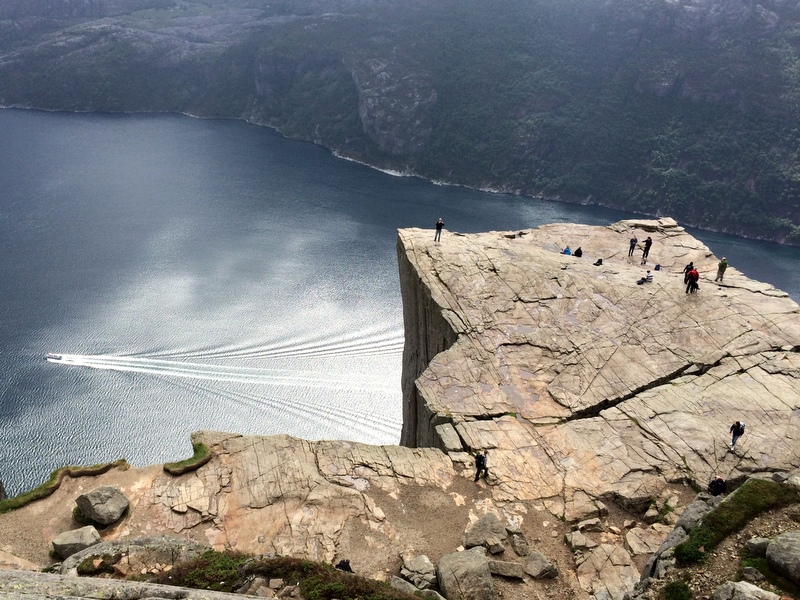
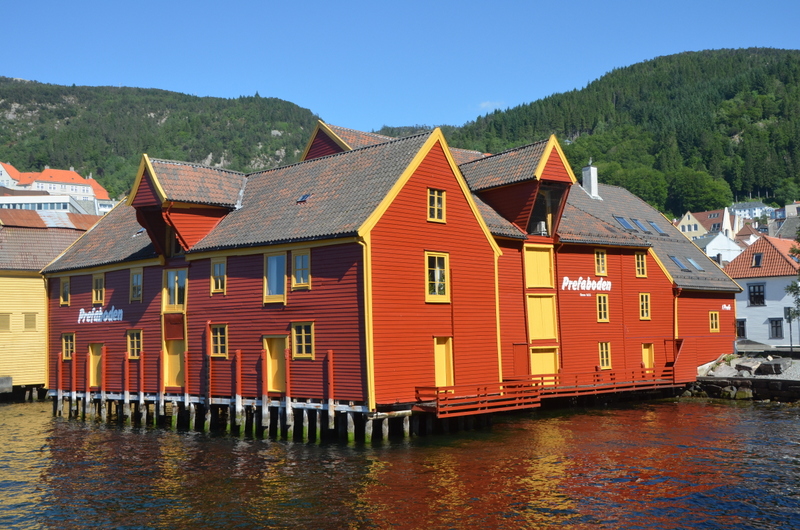
Several times we have chosen a holiday destination because of a specific tourist attraction. We had never considered Norway until we saw a picture of the Pulpit Rock, rising 600 meter above the water of the Lysefjord. We discovered that it was a doable hike, access from Stavanger. We booked a 10-day trip combining it with Bergen and Oslo. A very nice holiday, more pictures in the album Norway June 2014.
———————————————–
Japan, October 2014

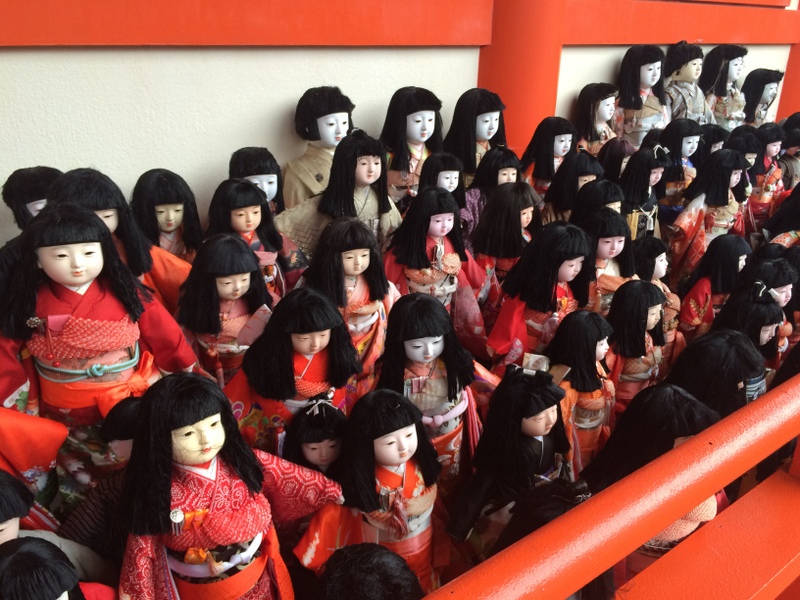
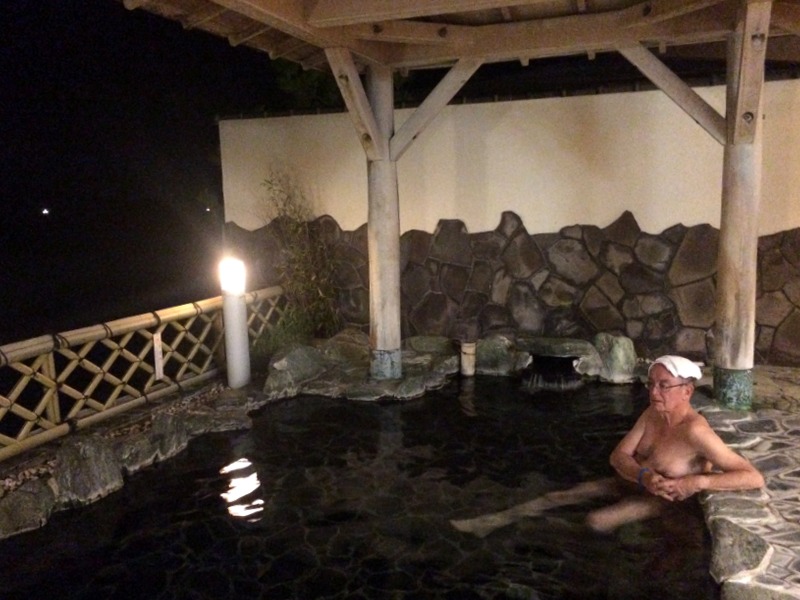
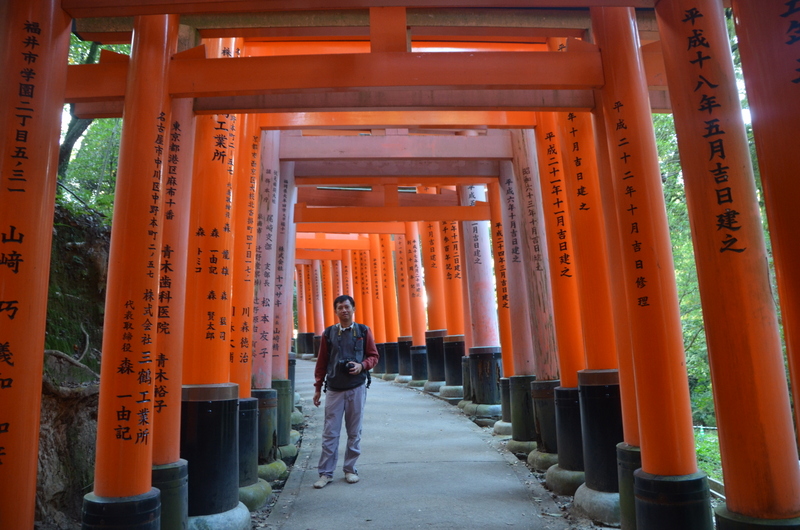
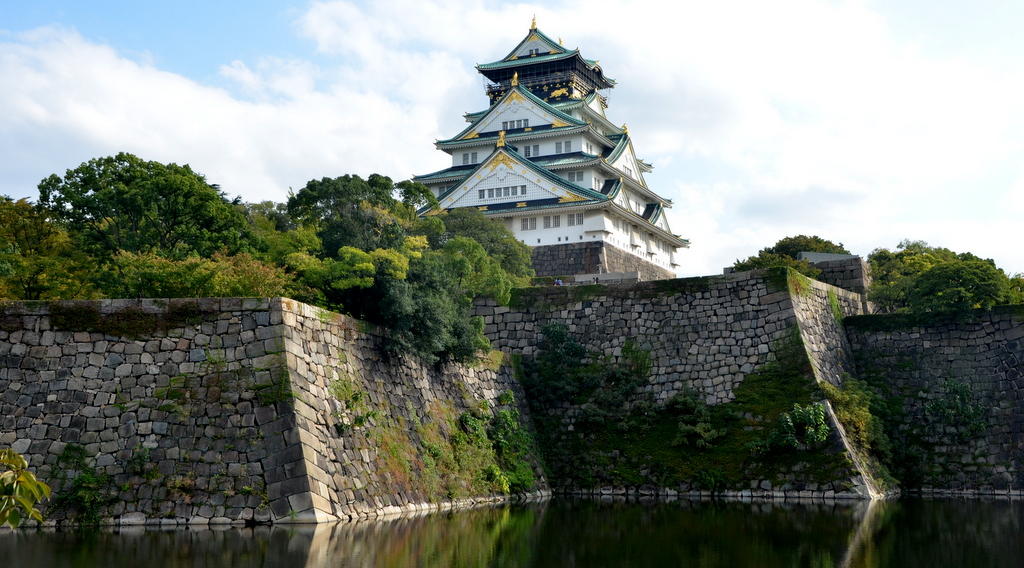
For many years we have been thinking about a trip to the Land of the Rising Sun. Would there be a language problem? We booked a 9-day trip, booked a flight to Osaka, where we stayed a few days. Then Kyoto and finally Wakayama. Osaka and Kyoto are well known, Wakayama not really, we went there especially because of our addiction to onsen, the Japanes hot baths. Three reports: Osaka, Kyoto and Wakayama. A country to visit again.
———————————————–
Melbourne, January 2015

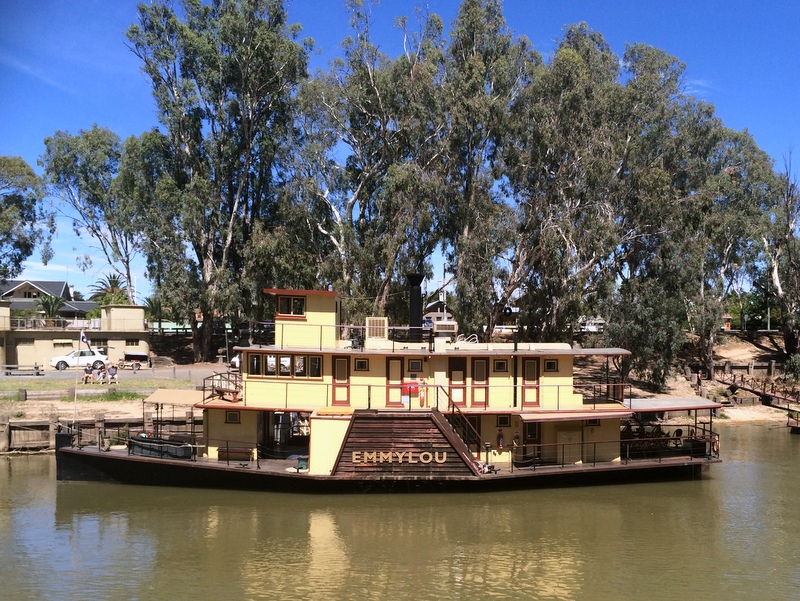
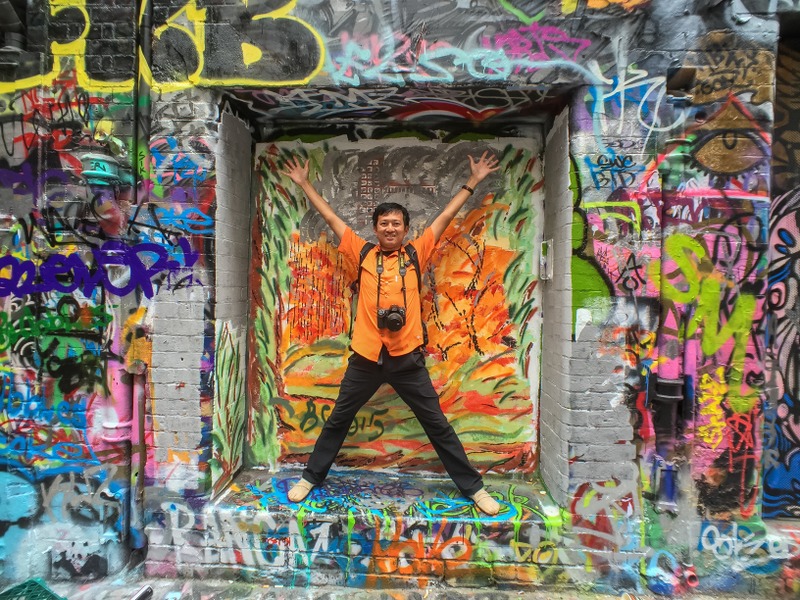
Another visit to our friends Pat and Roger in Melbourne We explored the town and enjoyed their hospitality. They took us on a trip to Bendigo (goldmines) and Echuca (paddle boats). Two albums, one about our stay with them, Melbourne, and a separate album about our trip, Victoria
———————————————–
China, September 2015

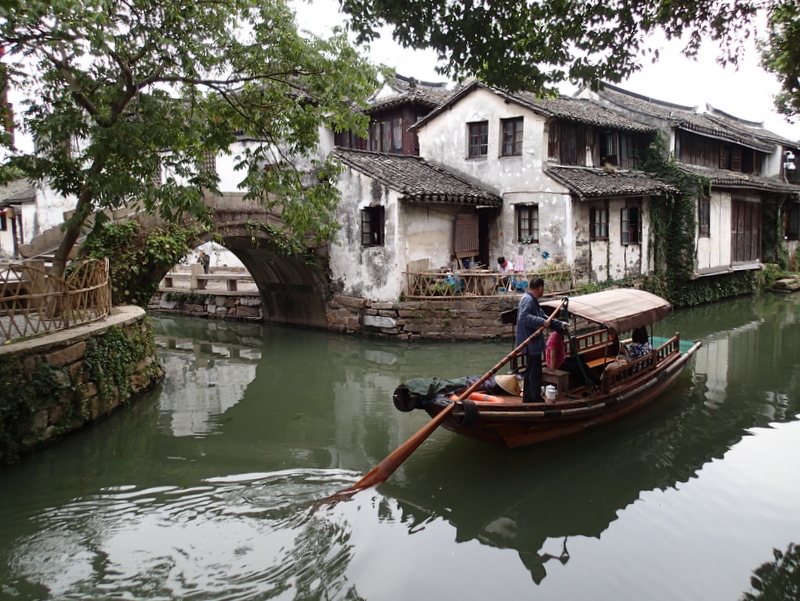
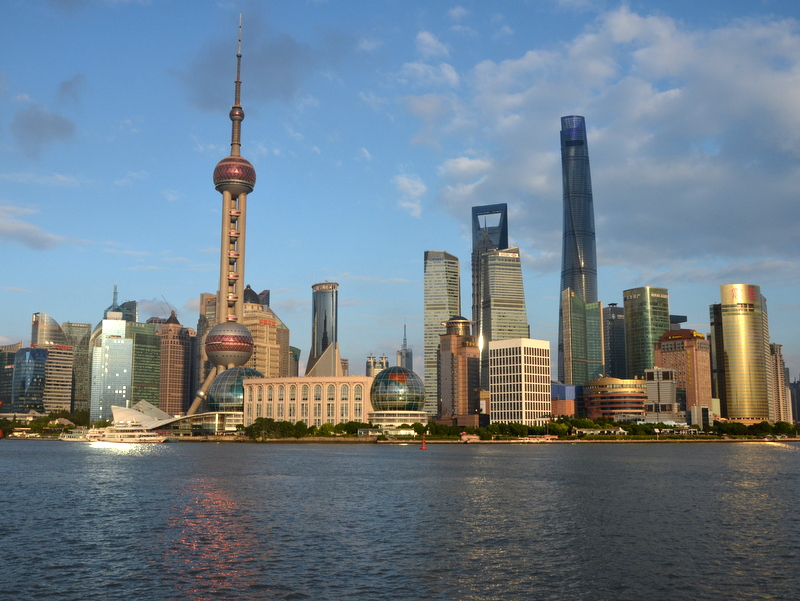
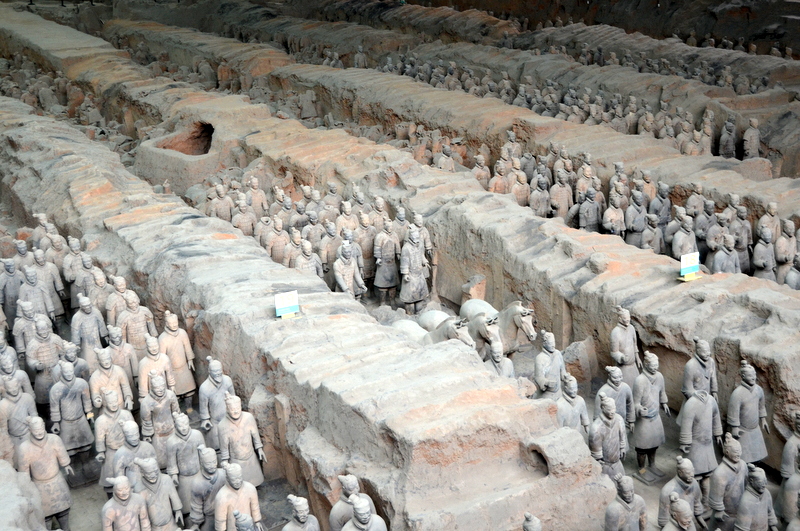
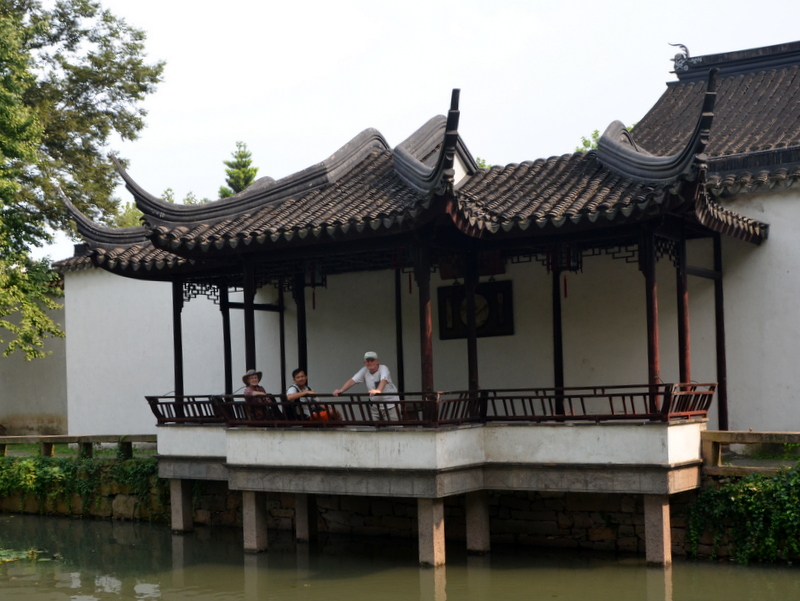
Our fourth trip to China, this time with our friends Pat and Roger. For them it was their first visit, Aric had organised the trip and was also our guide and translator. We started in Xi’an with its famous terracotta army. Next we went to Suzhou, where Aric and I had been before and after that to the water village of Zhouzhuang. Then they returned to Australia and we stayed a few more days in Shanghai. I created four albums about these holidays, Xi’an, Suzhou, Zhouzhuang and Shanghai.
———————————————–
Laos, November 2015

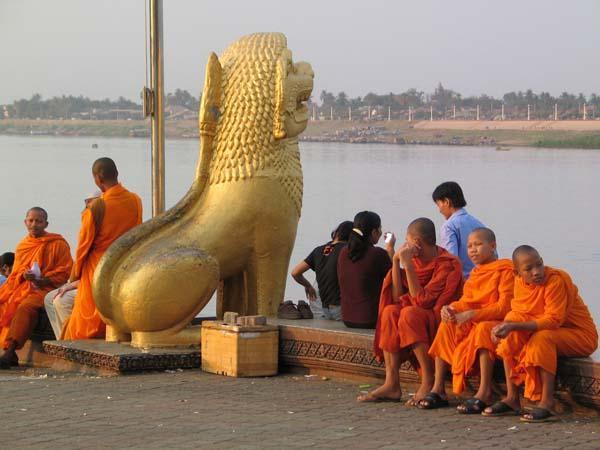
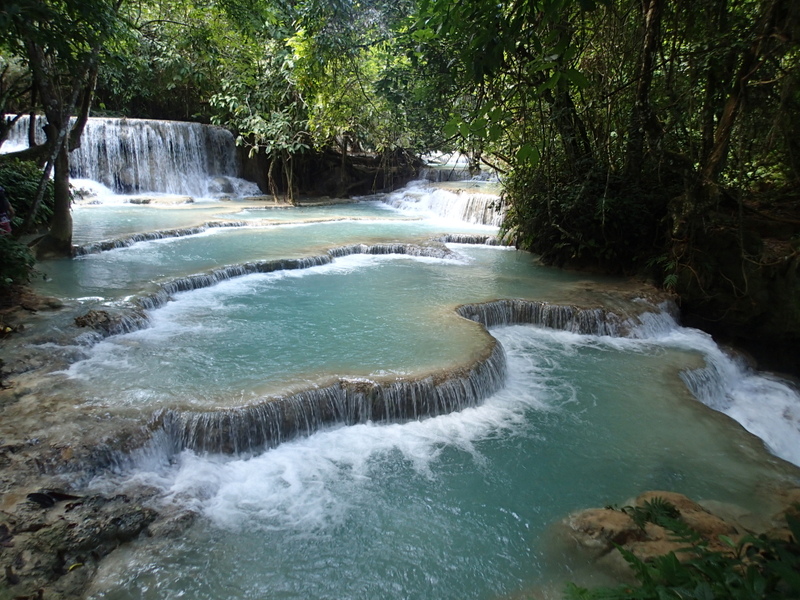
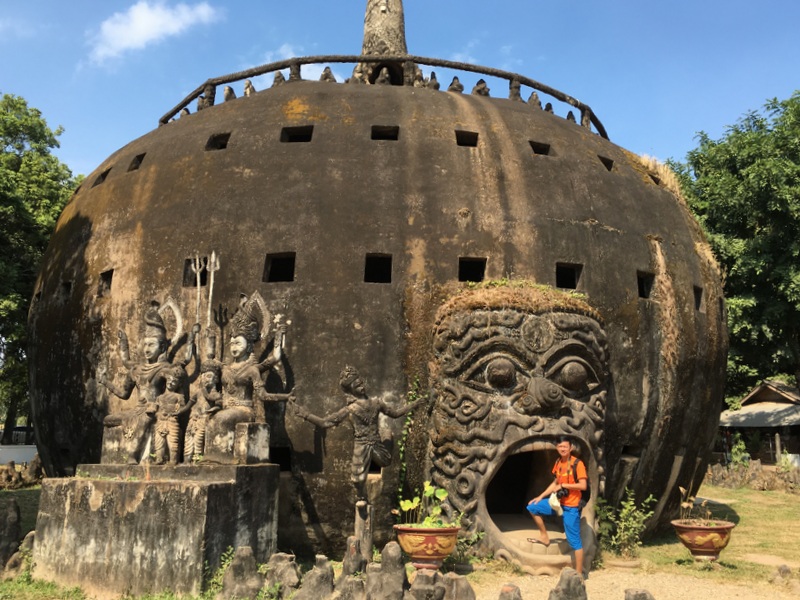
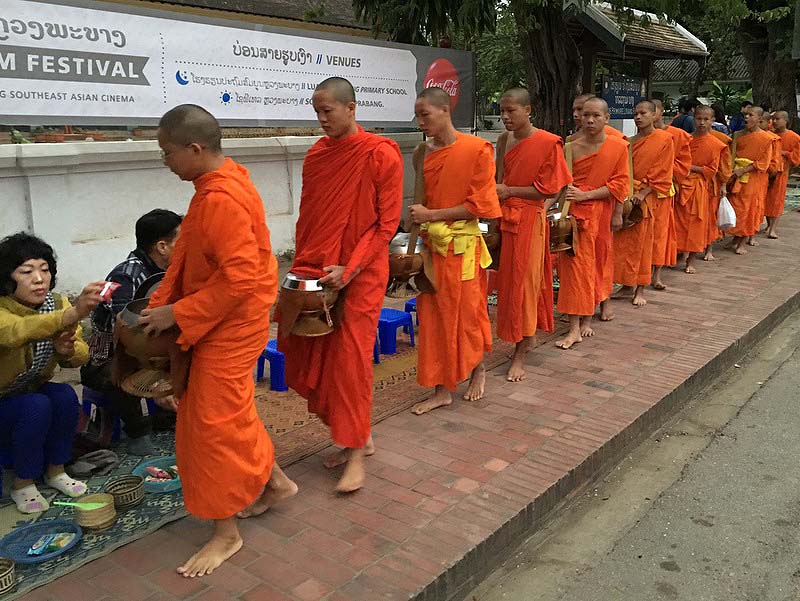
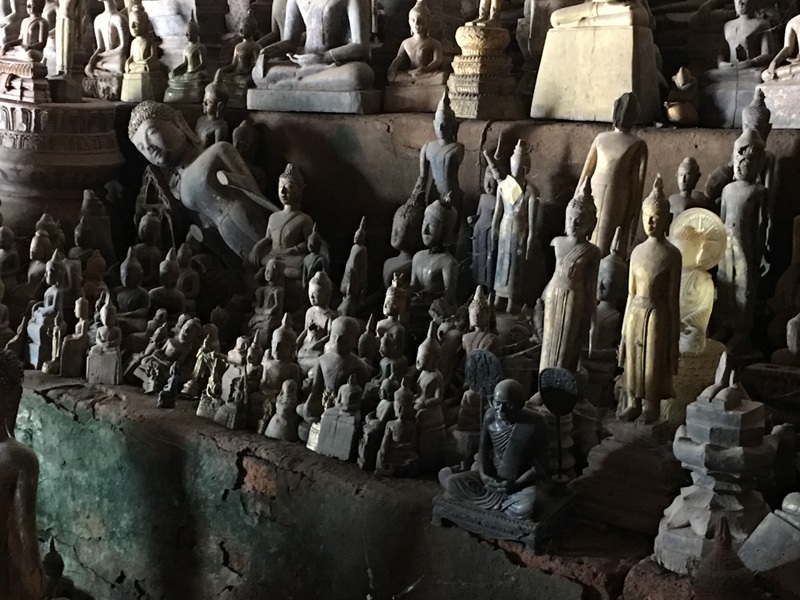
A few months later we made a short trip to Laos. Writing this report I discovered that I had written several albums about details of our trip, but never a comprehensive report. Here is a summary with links to the detailed reports. We took a flight to Luang Prabang, where we stayed a few days. We attended the (touristic) Alms Giving ceremony and visited many temples. We made two trips, one to the Pak Ou caves and one to the impressive Kuang Si waterfalls. On our way back to Vientiane we stayed two nights in Vang Vieng, where we visited another cave, the Tham CHang caves and made an interesting excursion in a Hot Air Balloon. Back in Vientiane we visited the Buddha Park.
———————————————–
Portugal, September 2016

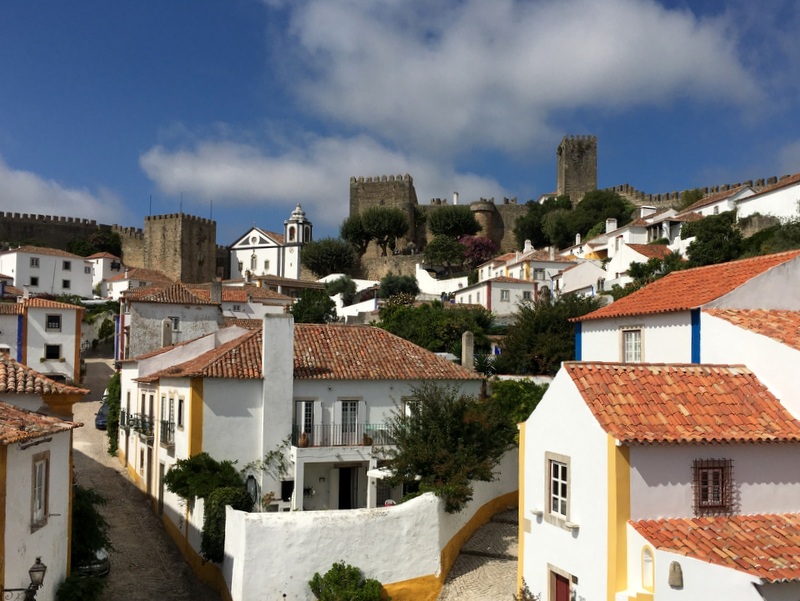
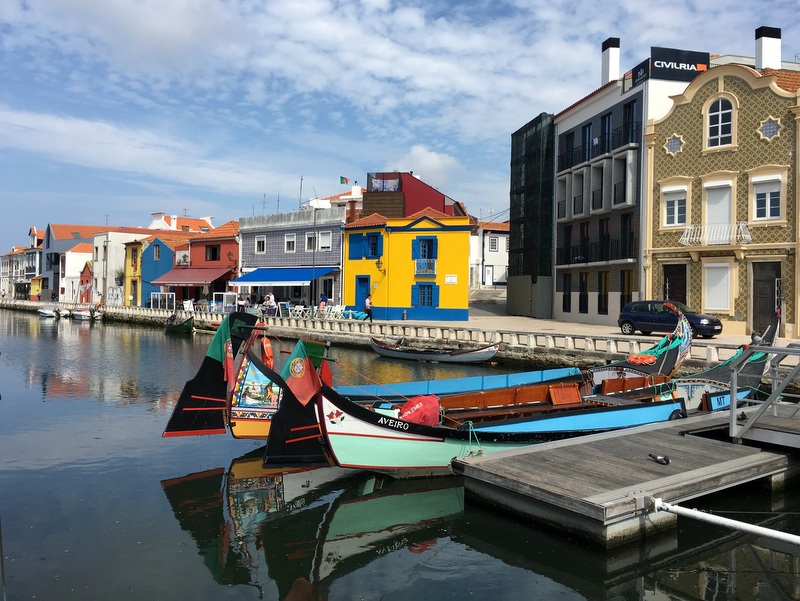
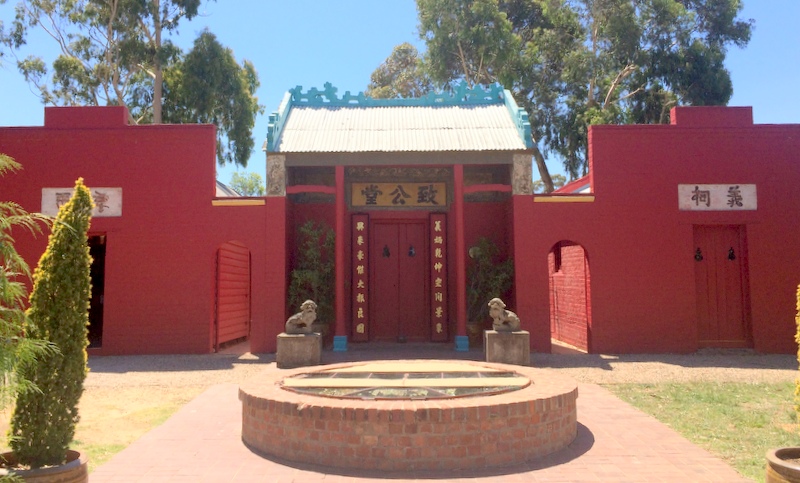
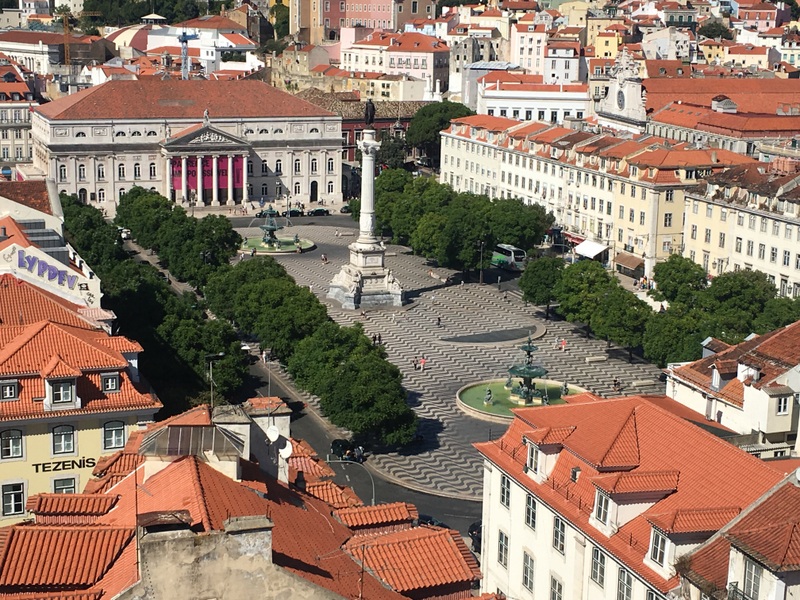
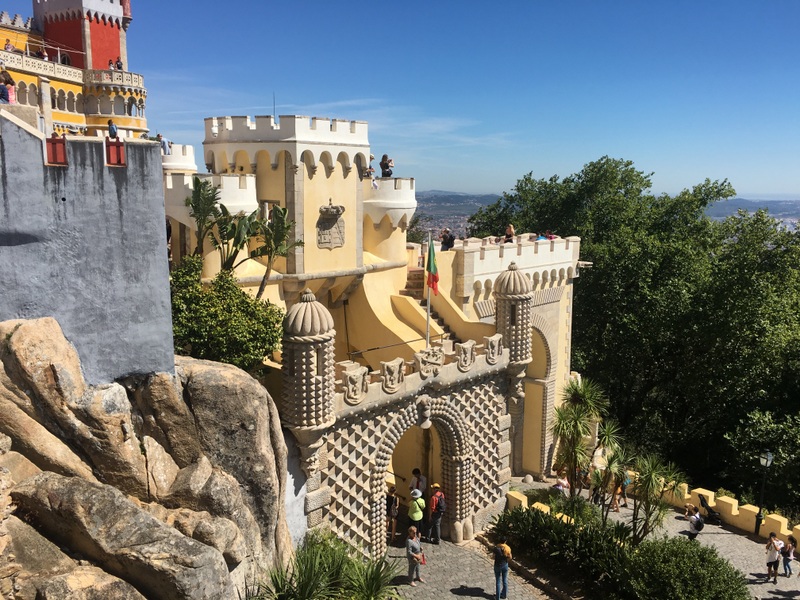
When Aric and I visit the Netherlands , we try to include a short trip to another part of Europe. This time we decided to visit Portugal. I had visited Lisbon in the past, now we also visited Porto and a few other towns. A very pleasant and friendly country. Two albums, Part 1 about Lisbon, Sintra , Obidos and Porto. Part 2 about Aveiro, Monsanto and Evora
———————————————–
Taiwan, August 2017

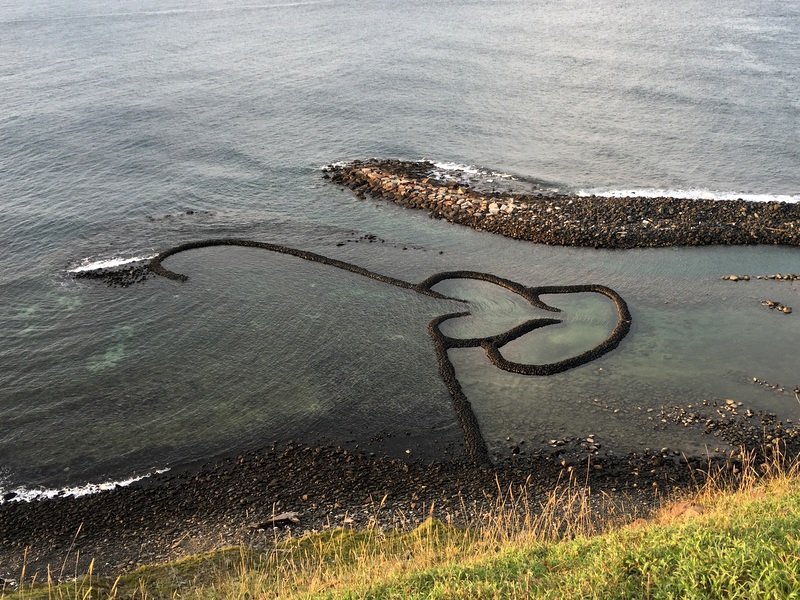
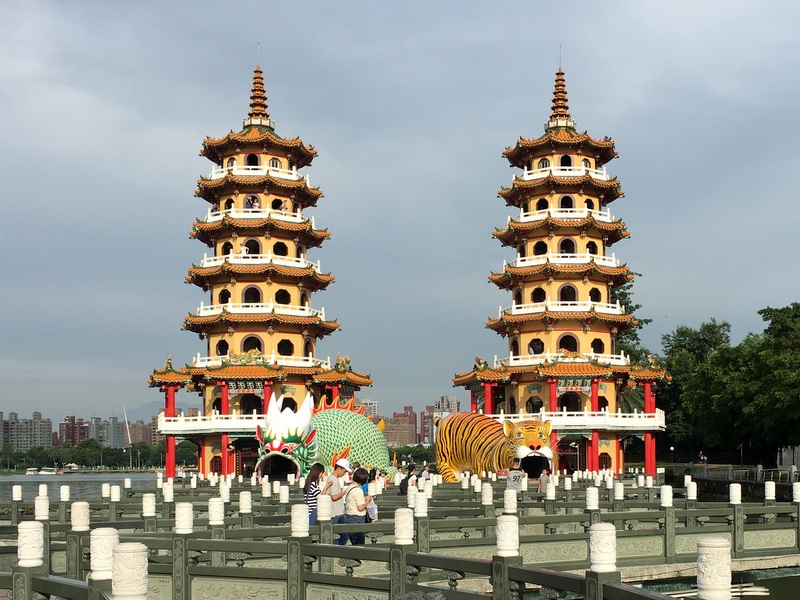
Our second visit to Taiwan (for Aric even his third). This time we wanted to explore the whole island, so we rented a car. But first we visited the Penghu islands, off Taiwan’s West Coast,. to see the Twin Hearts. A beautiful country, full of nature, culture, food and onsen. Better read the report for the details Taiwan, August 2017. .
———————————————–
Singapore, January 2018

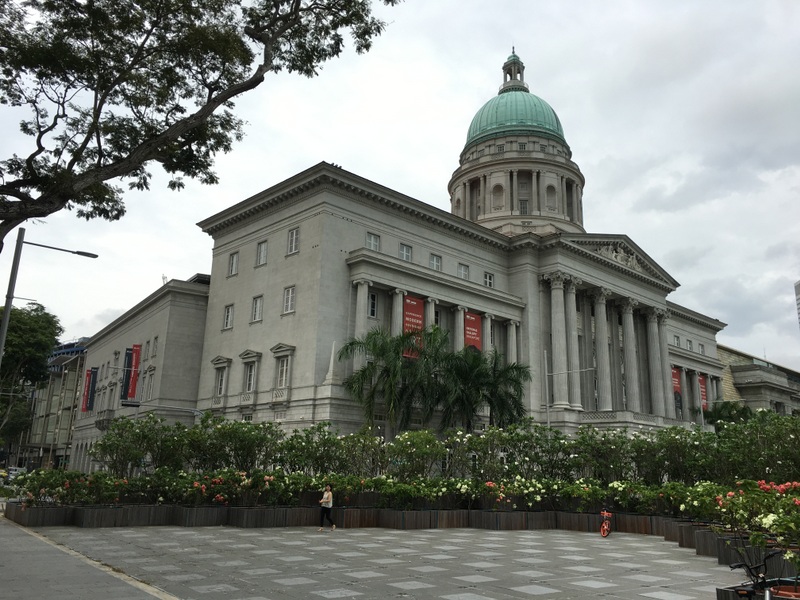
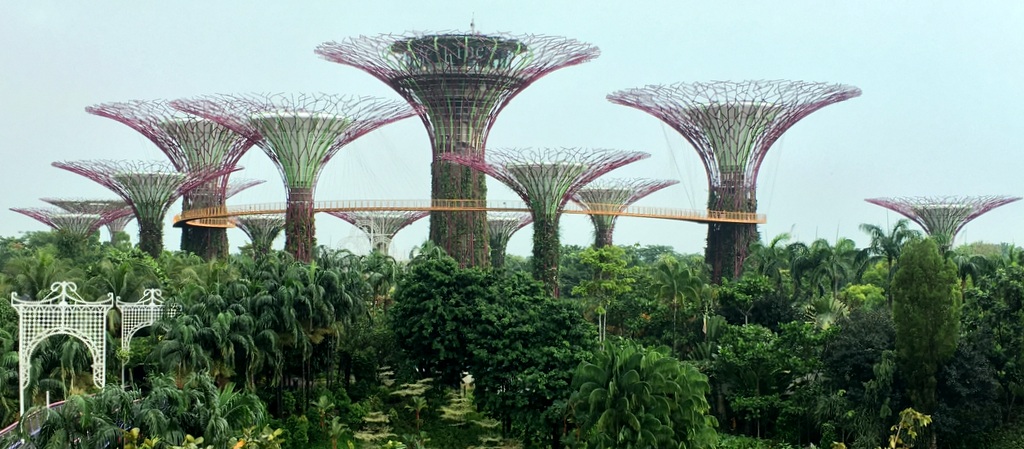
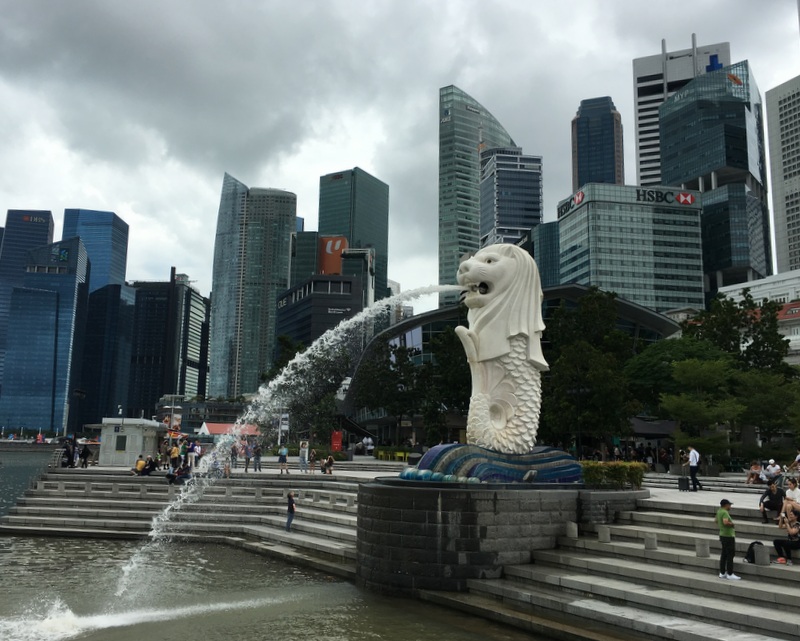
A short trip to Singapore, to visit our friend ST Lee, explore the Gardens by the Bay, visit the Botanical Gardens and the National Museum. Here is a report Singapore 2018. I was so impressed by the museum that I created a separate album about it: National Museum, Singapore.
———————————————–
Japan, March 2018

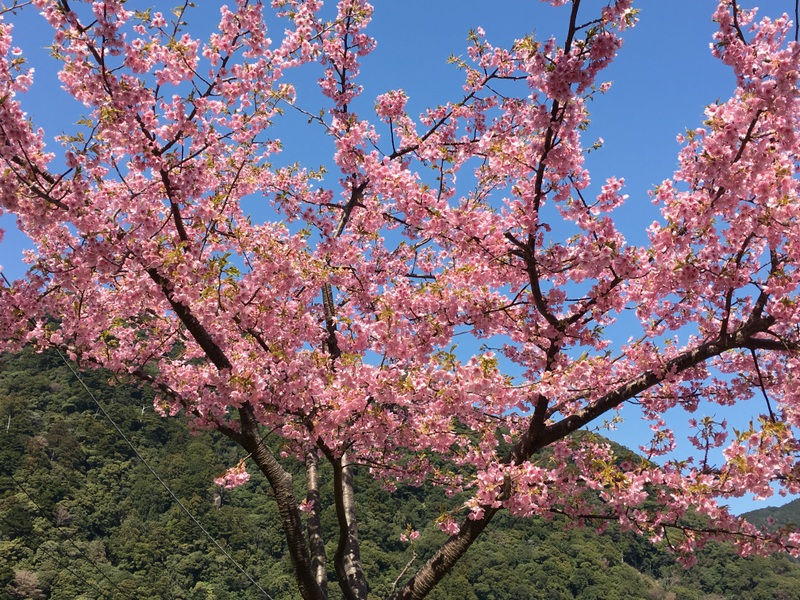
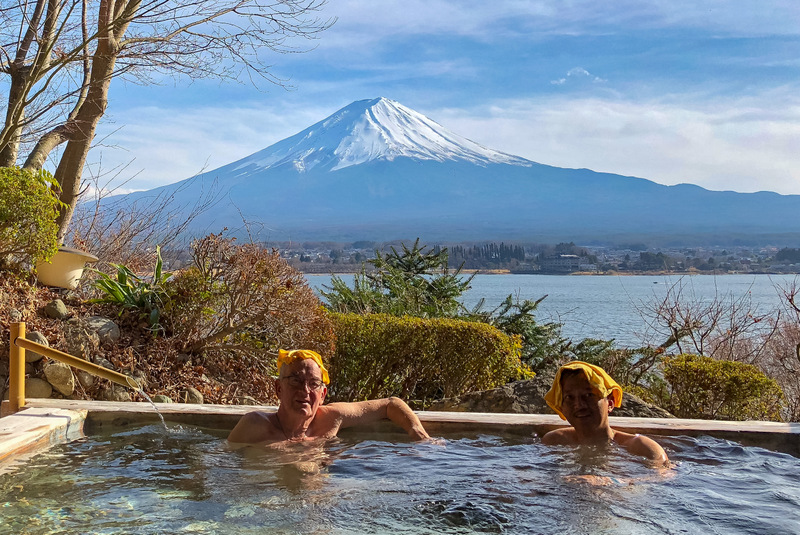
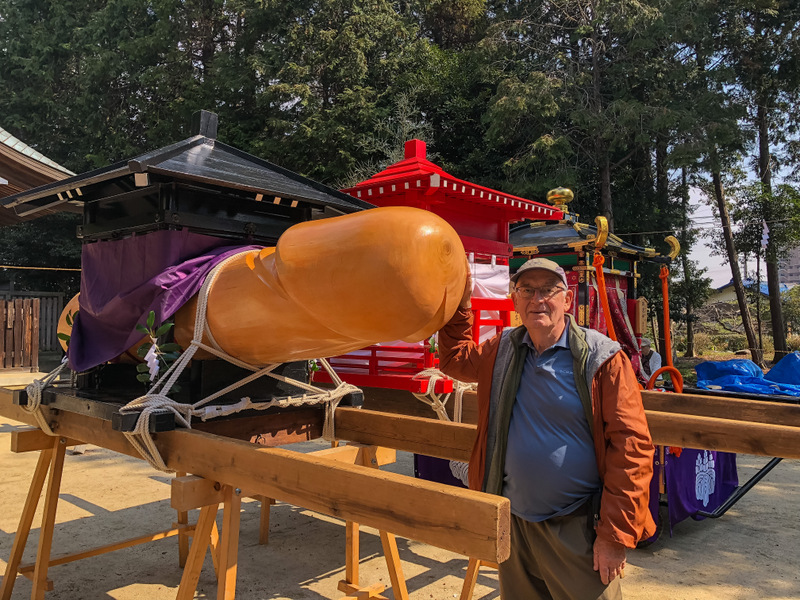
We timed our second Japan visit so that we could attend the famous Hōnensai fertility festival on 15 March. We were hoping to see the Fuji mountain, expecting lots of sakura blossom and planning to visit as many onsen as we could find. We were very fortunate to achieve all these goals. I wrote a report about the highlights, Japan 2018, in which I announced more detailed albums, but that never materialised.
———————————————–
Bhutan, April 2018

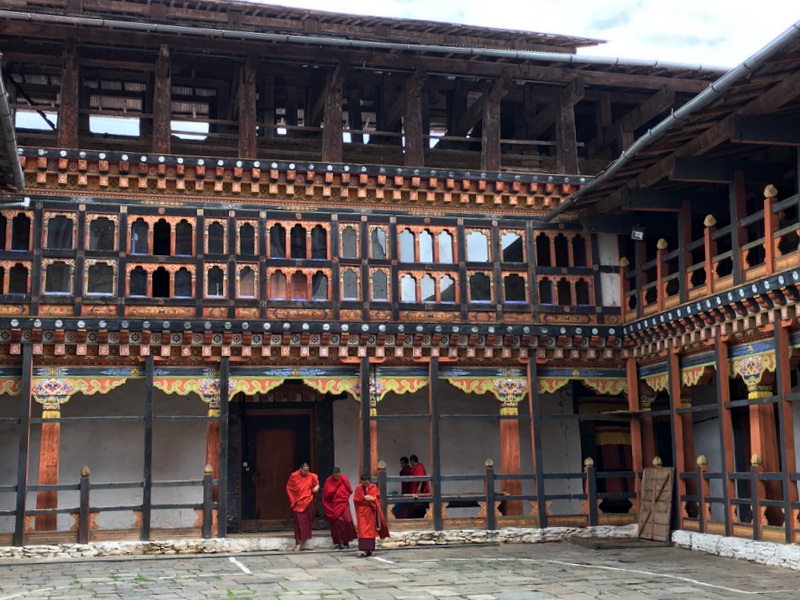
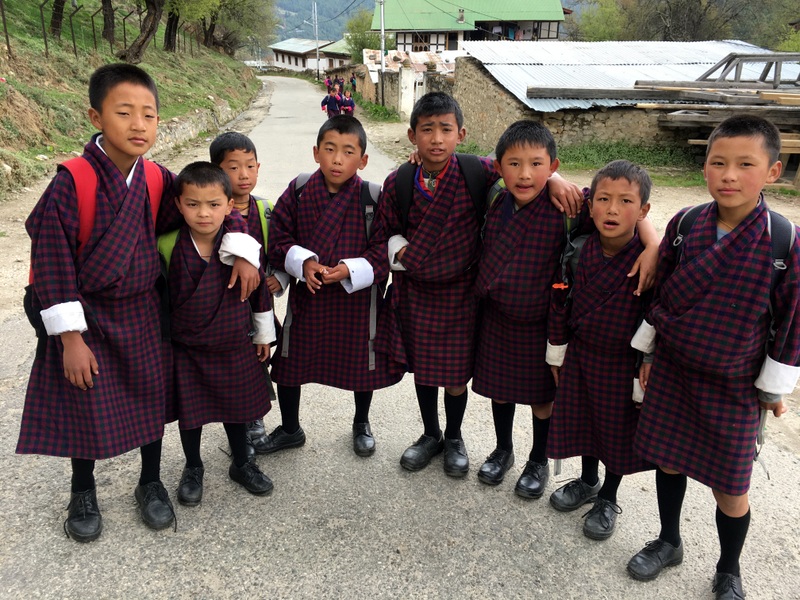
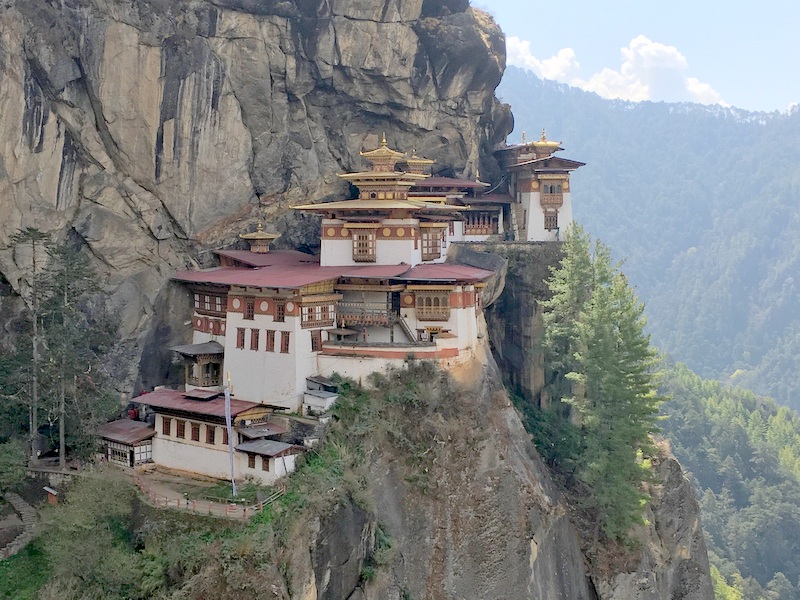
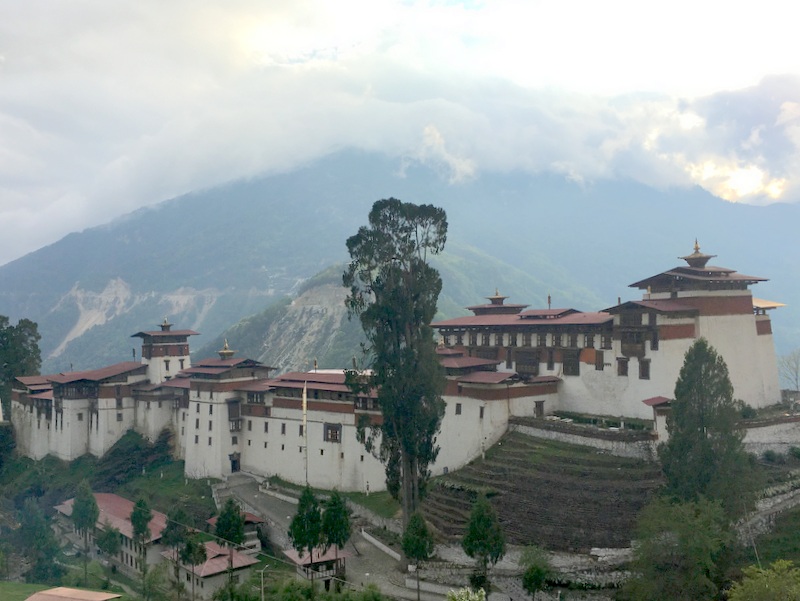
One reason that I didn’t write detailed reports about our Japan trip was that one month later we visited Bhutan. You can not travel on your own in this isolated country, we booked a tour for the two of us and were very lucky with our guides, who became friends almost immediately. There were many highlights on this 10-day trip, culminating in our climb to the Tiger’s Nest. Here is a travelogue with many more photos: Bhutan 2018.
———————————————–
France, August 2018

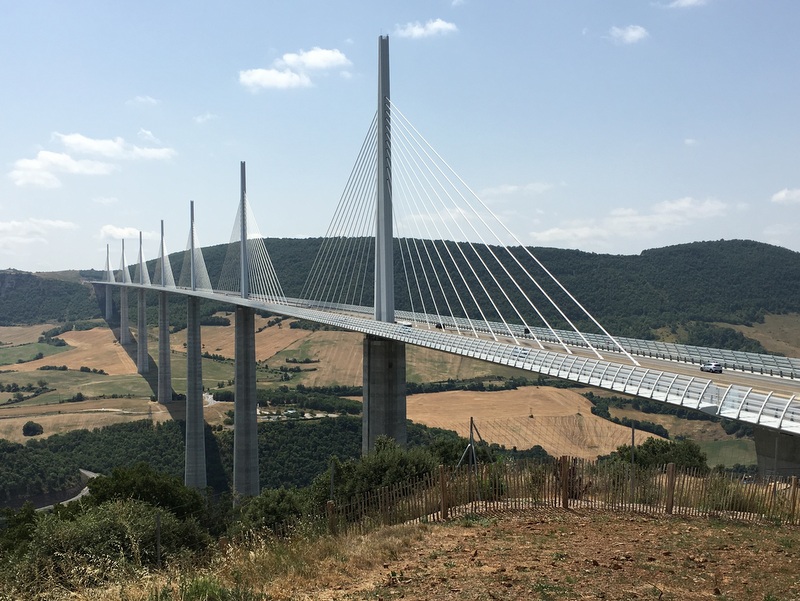
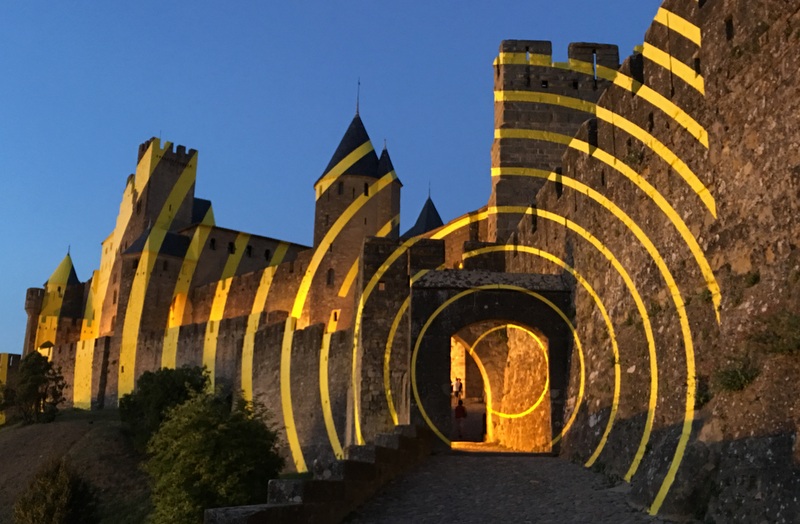
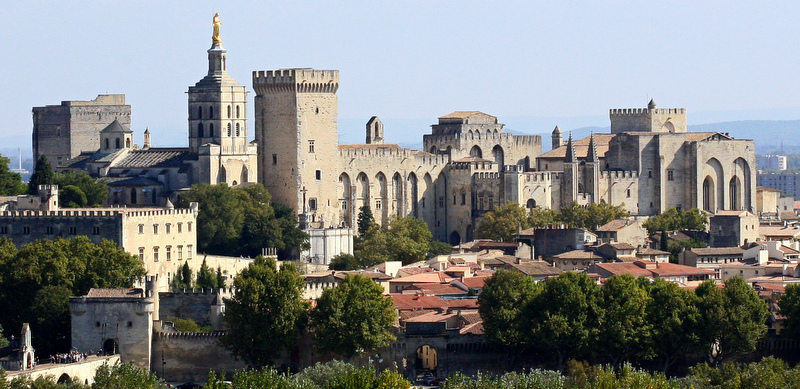
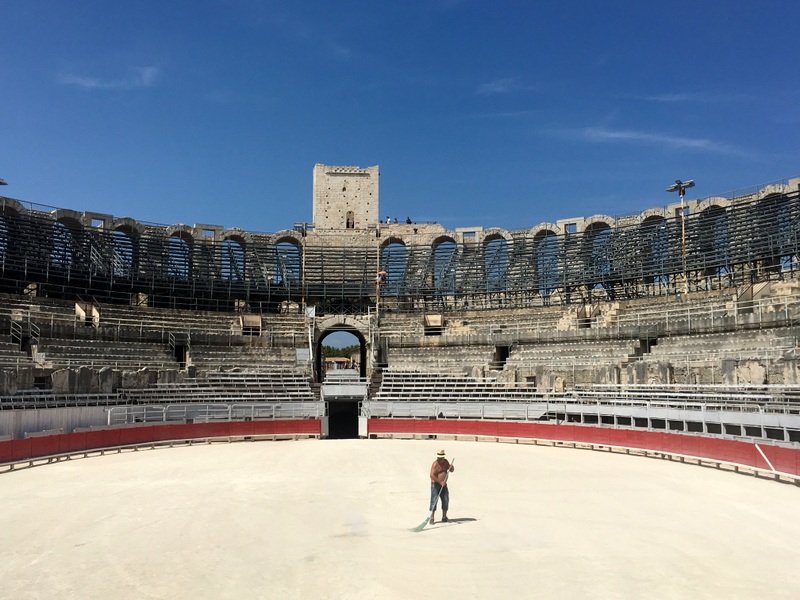
My former principal is living in Southern France, we are friends and he invited us to visit him. We took a flight to Montpellier and rented a car. There are many historical places in that part of France, we visited quite a few of them. We enjoyed a few days the hospitality of my friend and his wife. Two reports about these holidays. France 2018, part I about Nîmes, Arles, Avignon and Pont du Gard. Part 2 about Robiac, Millau, Albi, Carcassonne and Cap d’Agde.
———————————————–
Guilin , March 2019

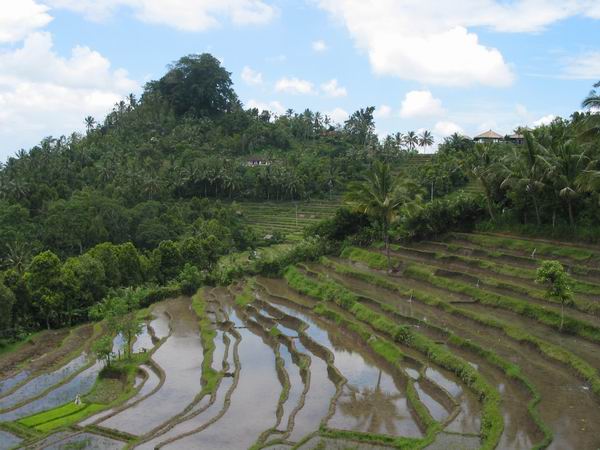
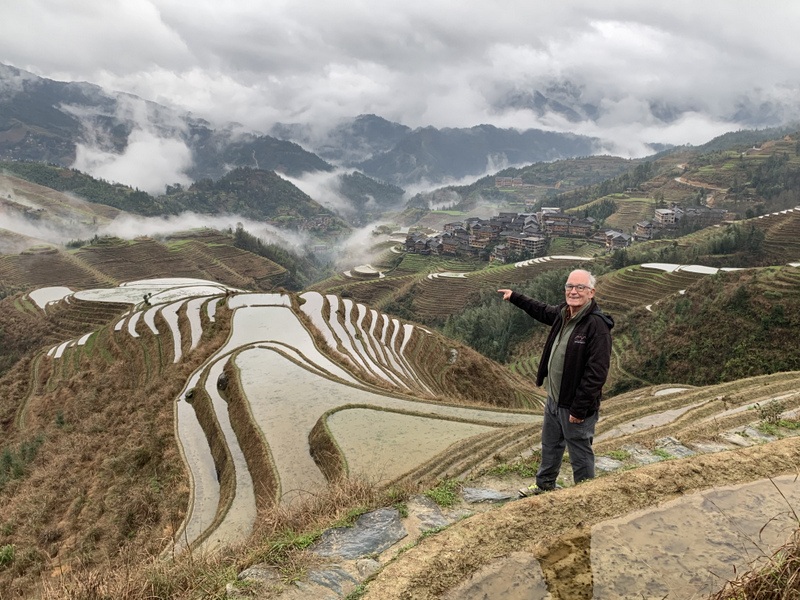
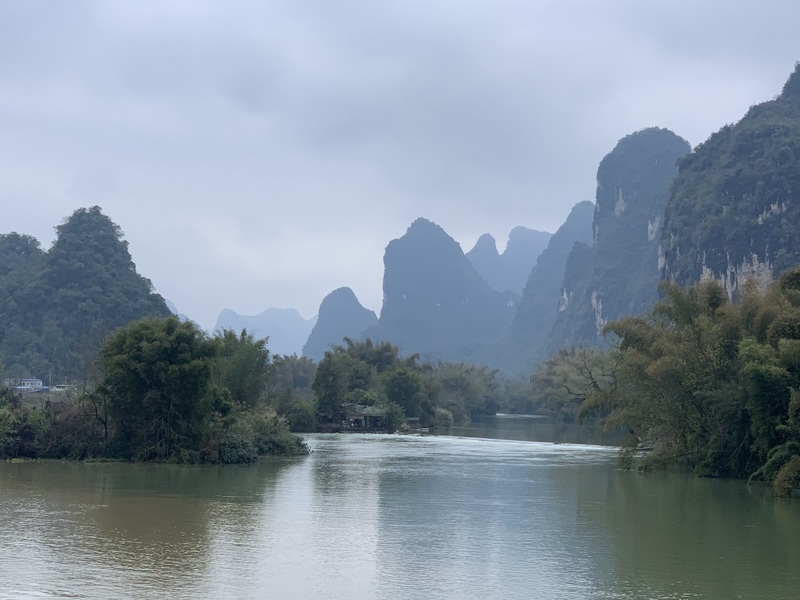
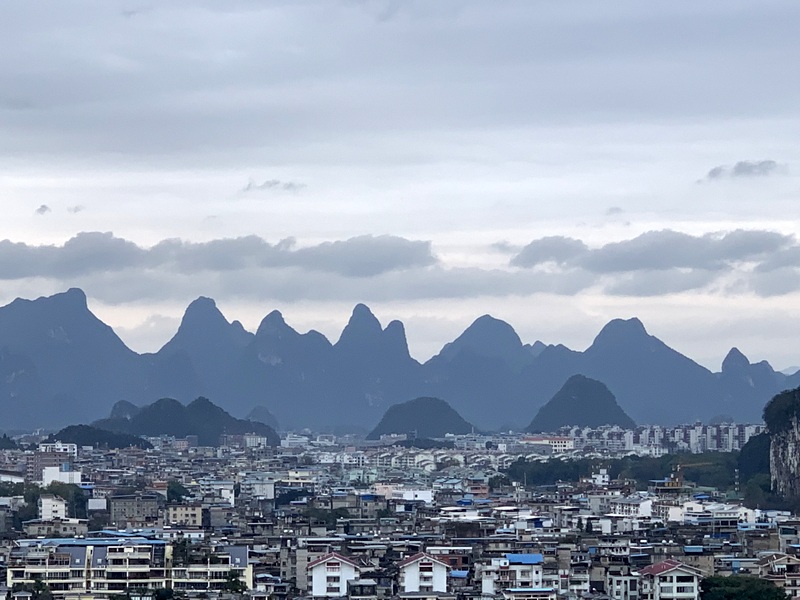
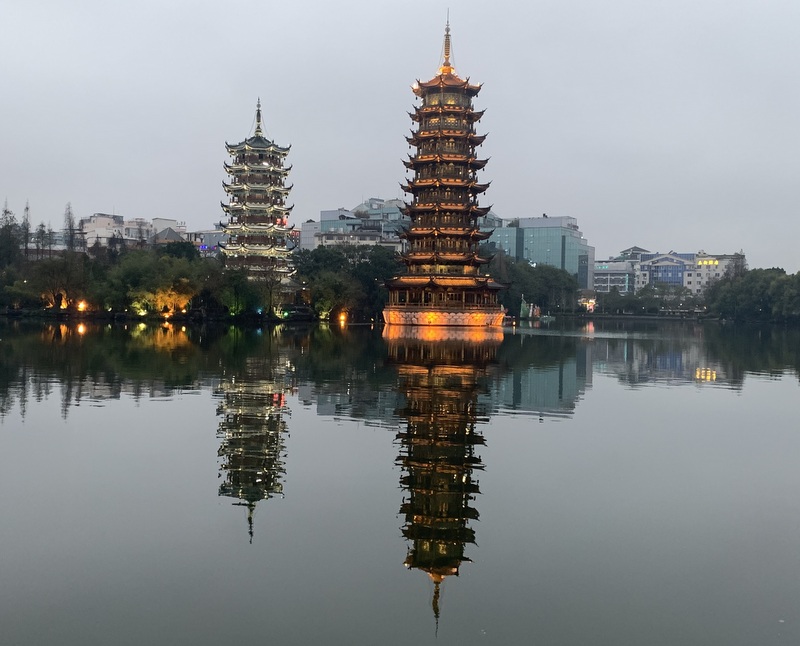
There is so much to see in China. This time we visited Guilin in Southern China, famous for its limestone karst hills. We explored the town and its surroundings. the weather was not very favourable, cold and grey. We stayed two nights in Longji with its terraced rice fields. Next we visited Yangshuo, the main tourist center of the Guilin region. In my report Guilin, March 2019 I announced three more albums, another promise I never kept.
———————————————–
Paris, April 2019

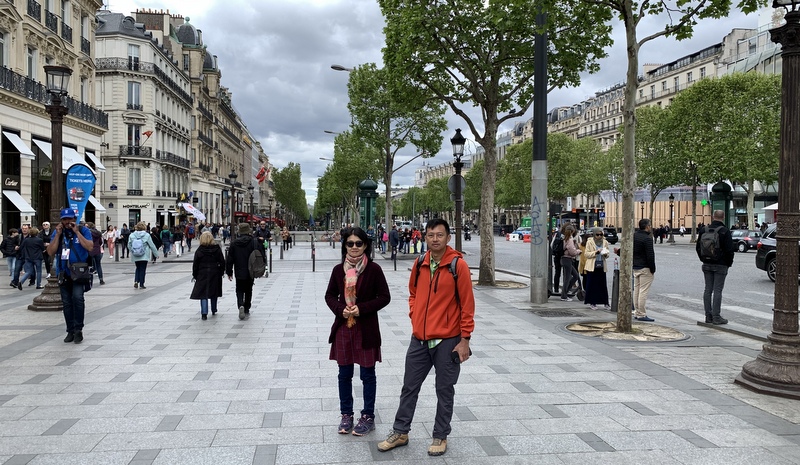
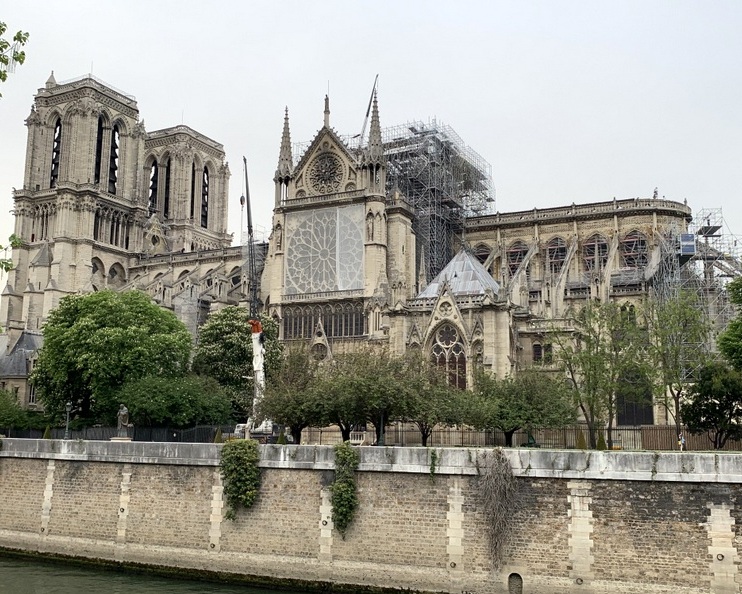
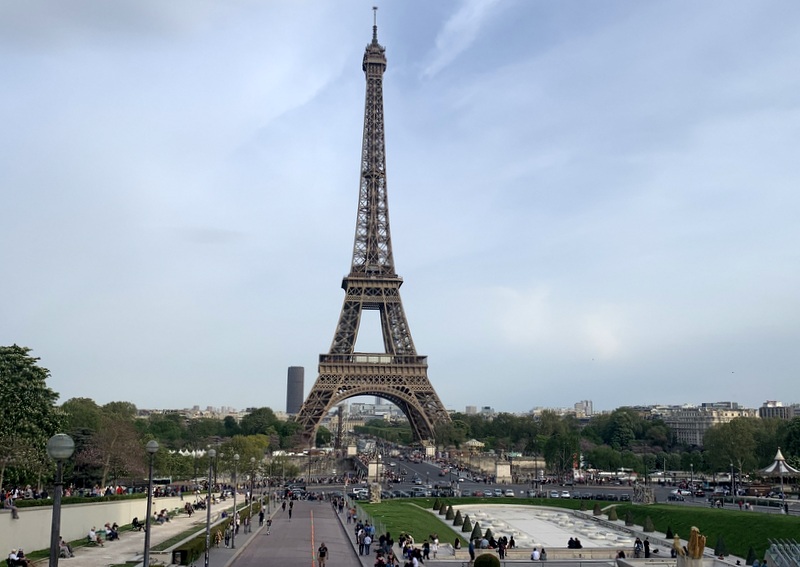
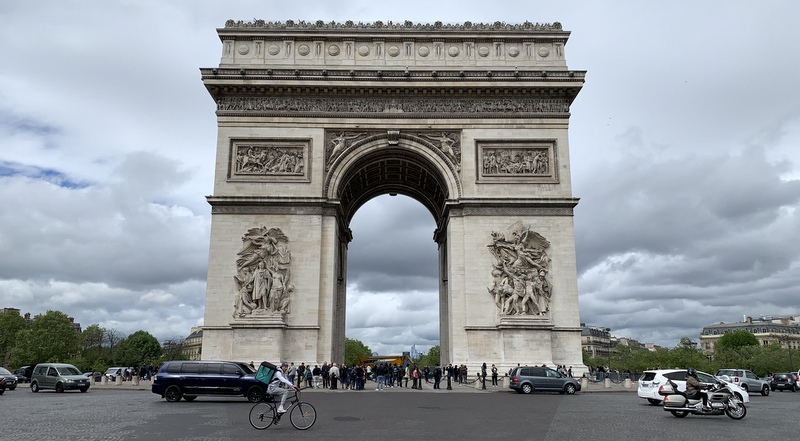
When Aric’s sister visited us in Amsterdam, we still found time to spend a few days in Paris. We managed to see quite a few of the Paris highlights, one of then, the Notre Dame, sadly destroyed by fire just one week before we arrived. More photos in Paris, 2019 .
———————————————–
Italy, May 2019

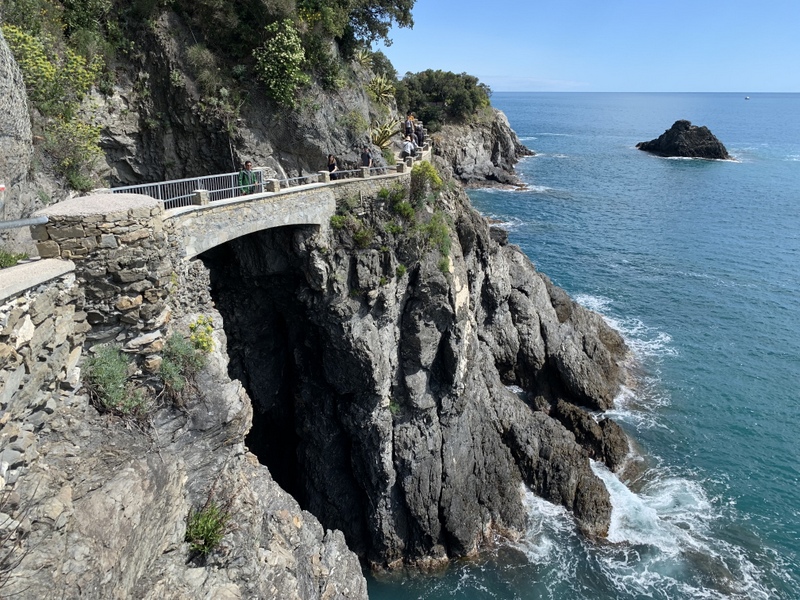
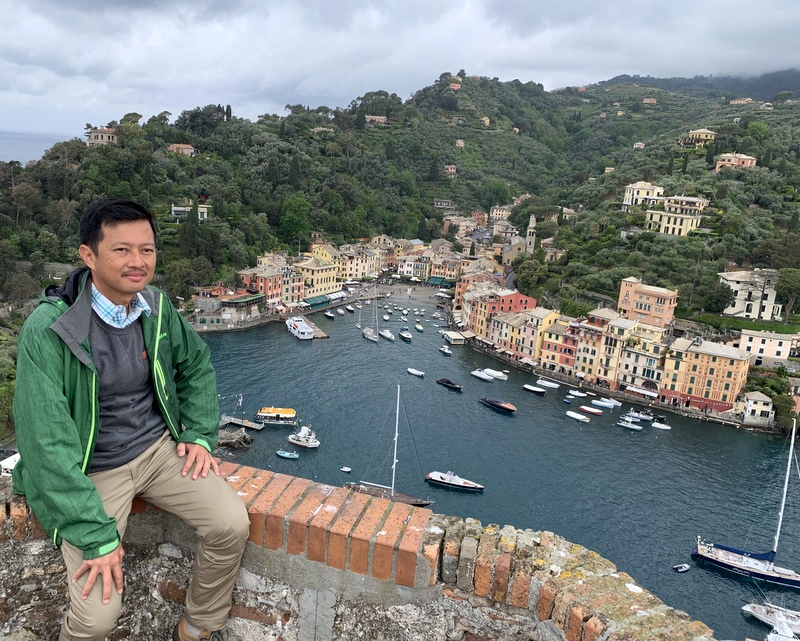
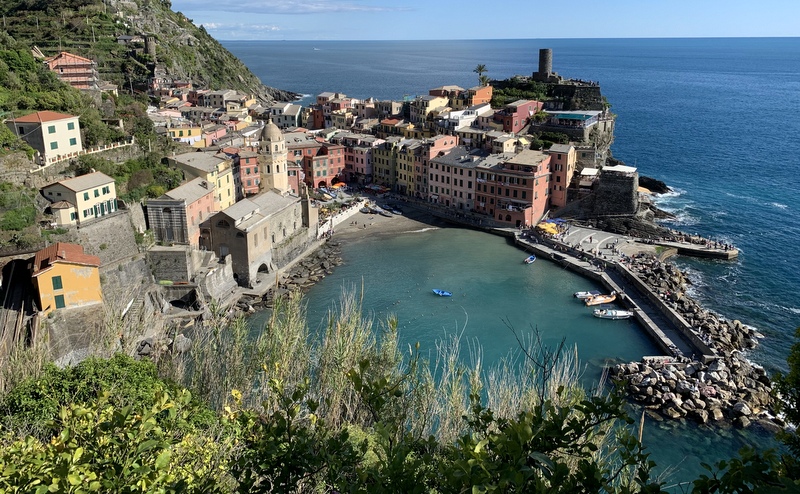
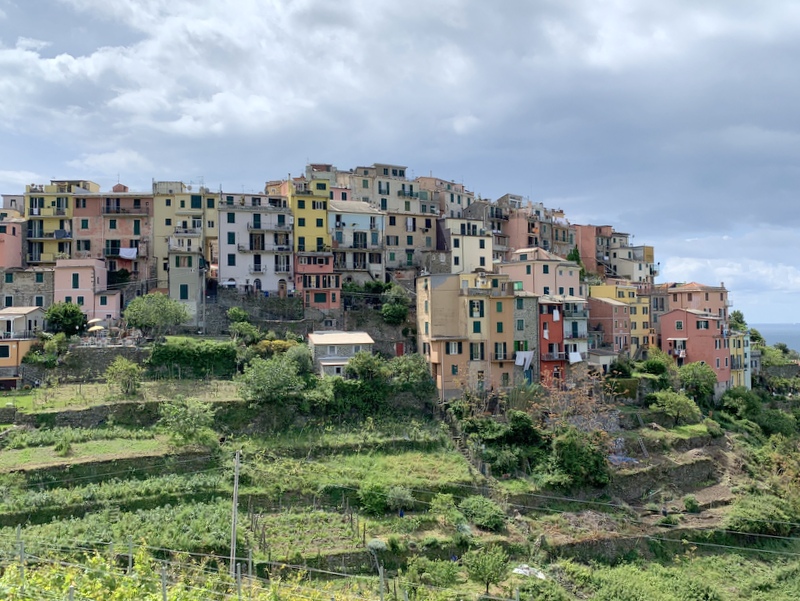
During our stay in the Netherlands, after visiting Paris with Aric’s sister, we made a short trip to the Cinque Terre in Italy. We stayed in La Spezia and made daytrips to the various fishing villages, sometimes walking from one village to another. Here is the travelogue: Cinque Terre, May 2019
———————————————–
Singapore, December 2019

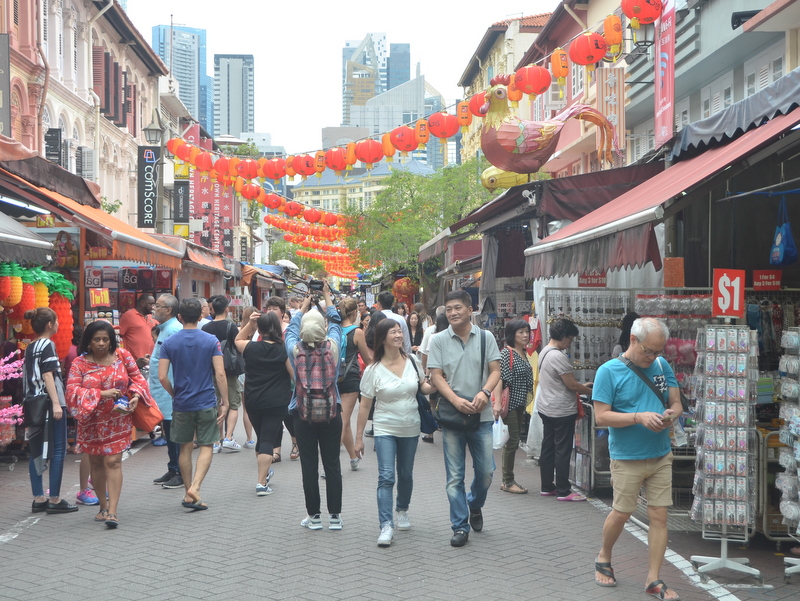
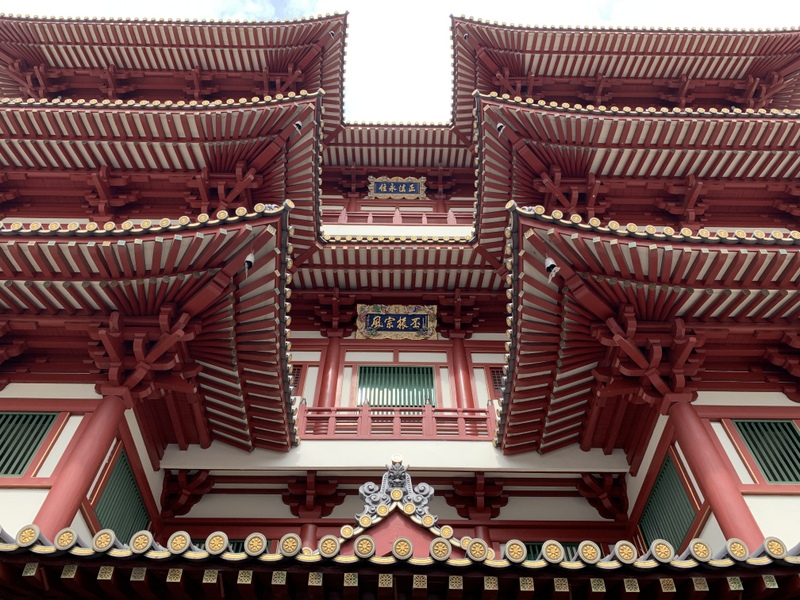
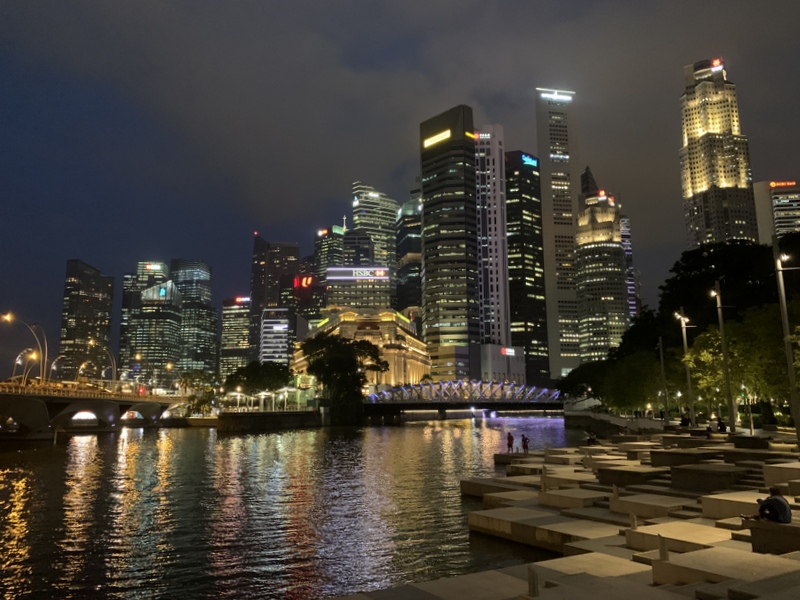
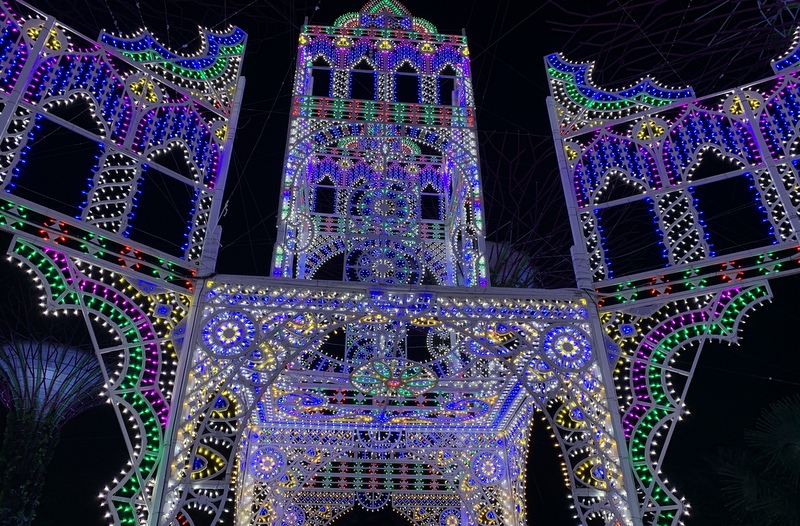
A social Singapore visit to meet friends and to see the Christmas decorations. In Orchard Road they were disappointing, but in the Gardens by the Bay quite spectacular. We also visited the new airport at Changi and the Buddha Tooth Relic Temple. And our friend ST Lee invited us for a ballet performance of the Swan Lake. Here is the report: Singapore 2019
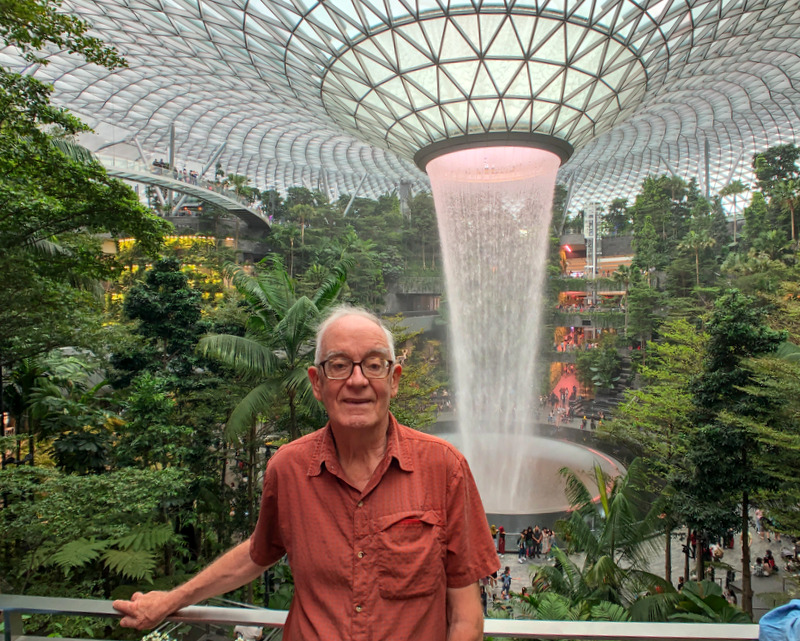
That was our last traveling trip abroad. Of course we had plans for 2020, another China trip with Aric’s family and in summer a visit to Iceland with its waterfalls, glaciers and hot springs. But then came Covid-19, the borders were closed in March 2020 and still are.

We have been very fortunate that we were able to visit so many beautiful places. Those times may never come back..
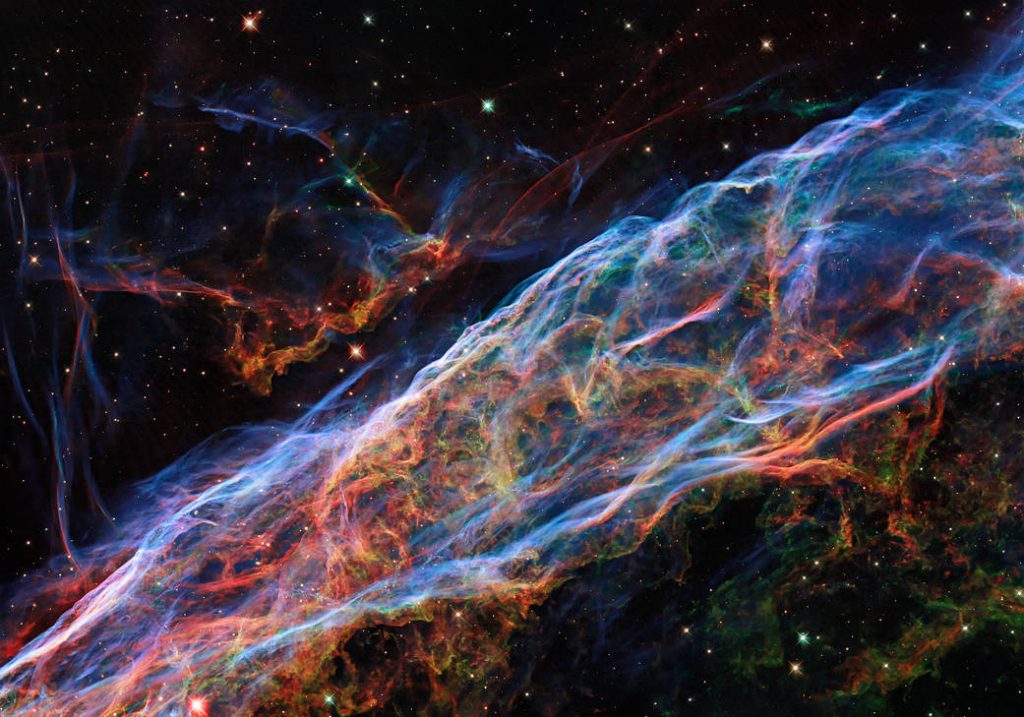
The Witch’s Broom Nebula

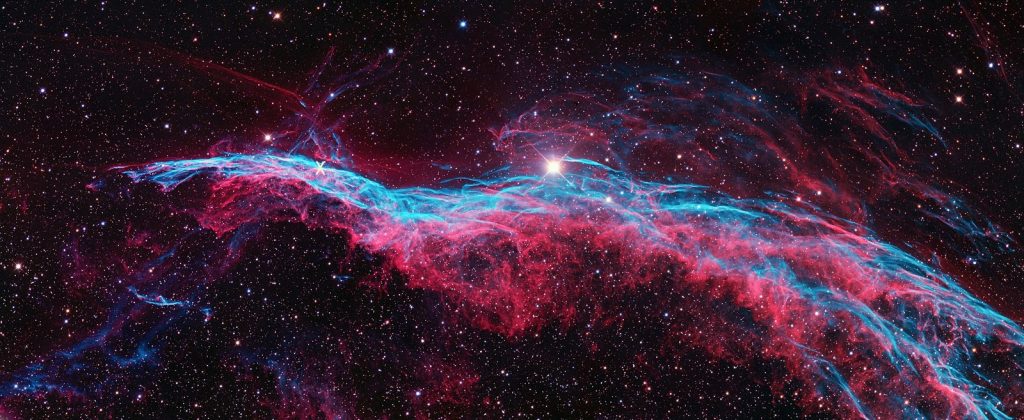
In April the ESA/NASA project published this stunning image as its Picture of the Week. In this blog I will first show some pictures and then give an explanation and some background information.

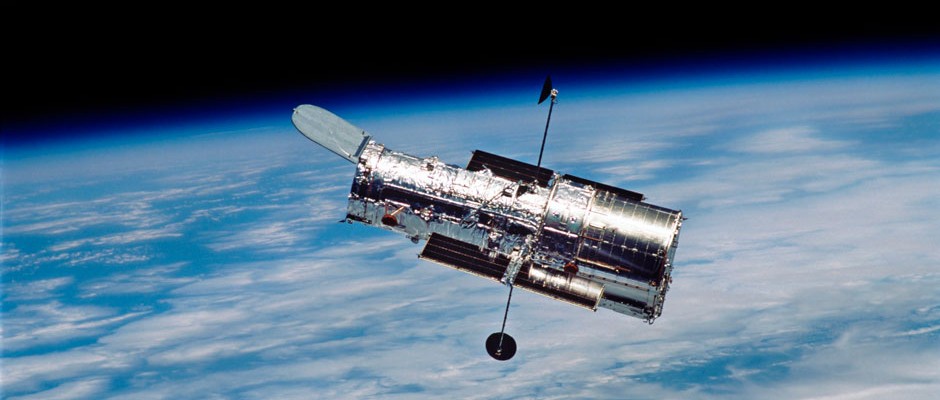
The image was taken by the Wide Field Camera 3 of the Hubble Space Telescope.

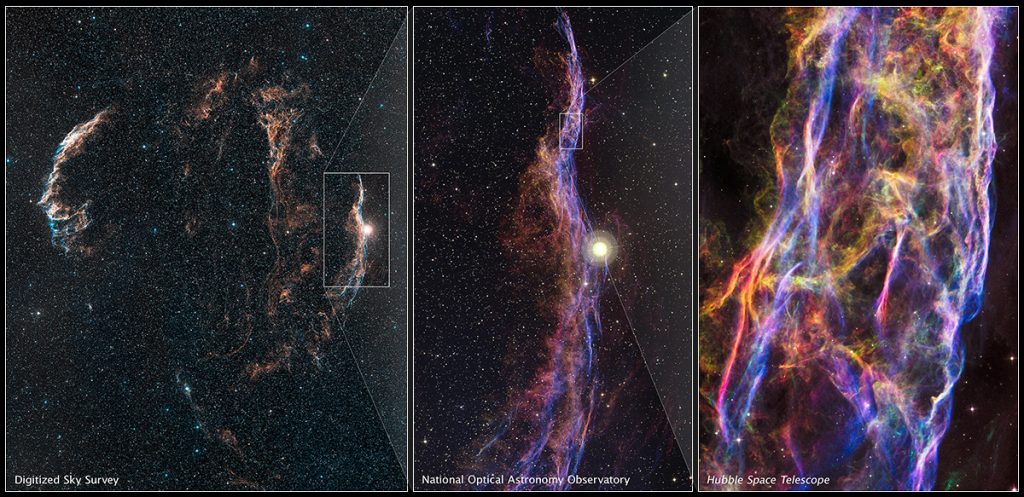
The image shows a very small part of the Witch’s Broom Nebula, also called the Western Veil Nebula. I have marked the (tiny) location of the detailed image with an x (click to enlarge)

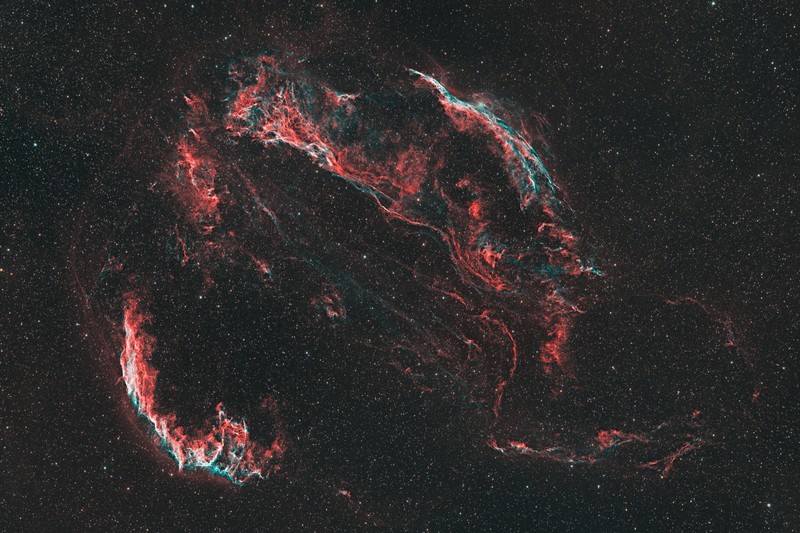
This nebula is in its turn part of the Cygnus Loop. Upper right the Witch’s Broom Nebula, lower left the Eastern Veil Nebula.

Getting confused? Here is the relation between the various images. Left the Cygnus Loop, in the middle the Witch’s Broom and right the detail.

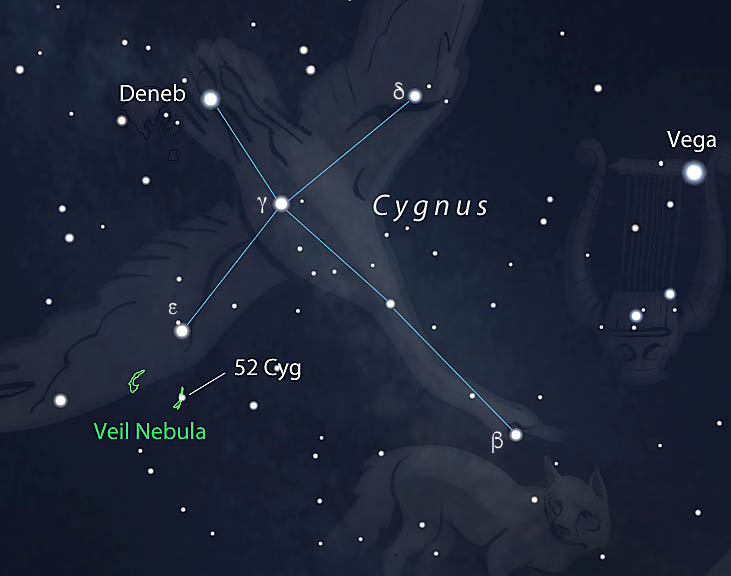
The Cygnus Loop is located in the constellation Cygnus (the Swan). Deneb and Vega are very bright stars. The Cygnus Loop (Veil Nebula) is marked in the lower left

This YouTube video may also help

_______________________

About the Cygnus loop and the Veil Nebula

The Cygnus loop and the Veil Nebula are the remnants of a supernova. Many thousands year ago a massive star (much more massive than our Sun) had used up all its “fuel” and exploded in a final spasm before dying. In that explosion, much of the star material is ejected, leaving behind a neutron star or even a black hole. For a short period the star can outshine its whole galaxy!

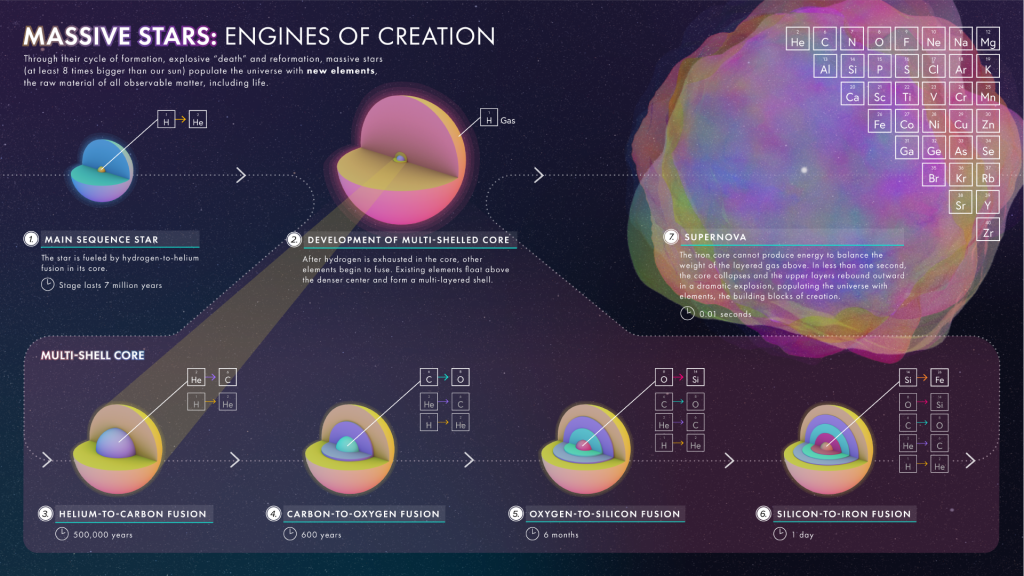
In this NASA infogram, the development of such a massive star is given. It contains lots of information, but you can skip the details for this blog.

Much research has been done about the Cygnus Loop, the Veil nebula and the star that caused it. The Cygnus Loop is huge, its diameter is about six times the diameter of the moon. You need basically a telescope to see it.

It is a so-called emission nebula. The gas and dust in the nebula is ionised by the shockwave of the exploded star and the light we observe is the light emitted by the atoms in the nebula. The color of the emitted light depends on the kind of element. Very simplified: hydrogen emits reddish light, oxygen bluish light etc. When you look at the image of the Witch’s Broom nebula, you see that it mainly consists of (ionised) hydrogen and oxygen.

Determining the distance of the Cygnus Loop is a complicated process and you will find many values on the Internet. A distance of ~ 2400 lightyear is nowadays accepted by most astronomers. This would give the actual size of the Cygnus Loop as 130 lightyear! The loop is still expanding with a speed of ~ 1.5 million km/h

When did the star explode? Many different estimates. In the release of the first picture above a value of ~10000 year is given ( and a distance of 2100 lightyear). Humans living in that time would have observed the sudden appearance of a very bright “new” star, brighter than Venus and probably even visible in broad daylight. That explains the name (super)nova with nova meaning new in Latin. Supernovae are very rare, the last one in our own Milky Way, visible from Earth, was observed and studied by Kepler in 1604.

Scientists are still searching for a neutron star, or a blackhole in the center of the nebula, but until now nothing has been found.

A lot more can be said about supernovae. In the infogram above they are called “Engines of Creation” and that is an apt description. After the Big Bang the Universe consisted of hydrogen and helium, there was no oxygen no sulfur, no calcium, no iron etc. But Earth and all living creatures are built from those elements. How come? The answer is simple, all those elements have been formed inside stars! We are literally Star Children.

_______________________

About the pictures

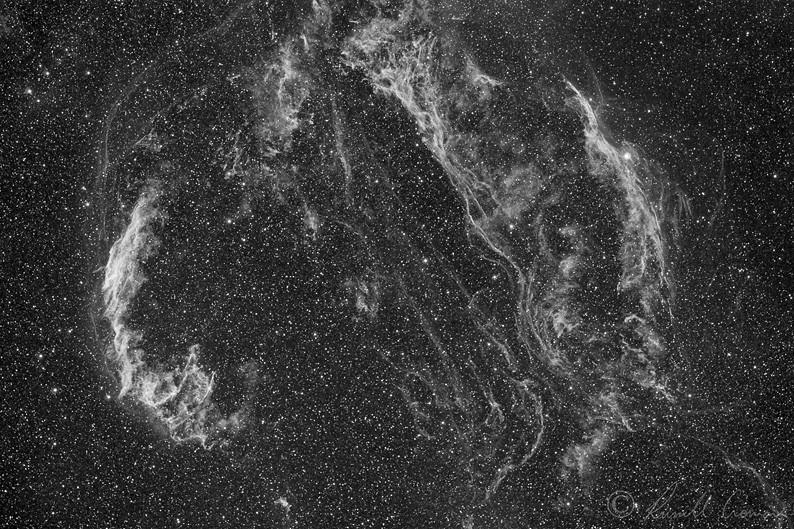
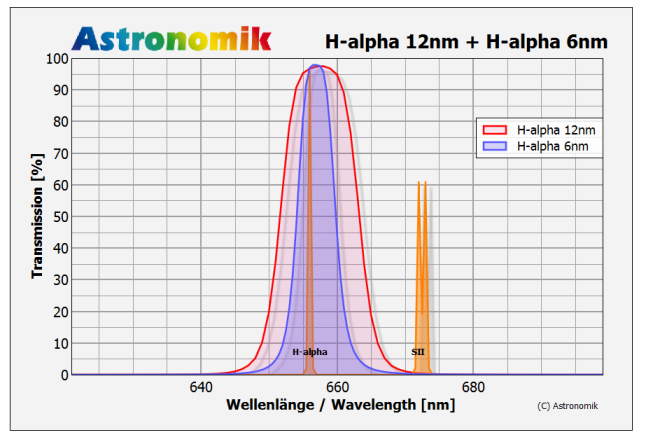
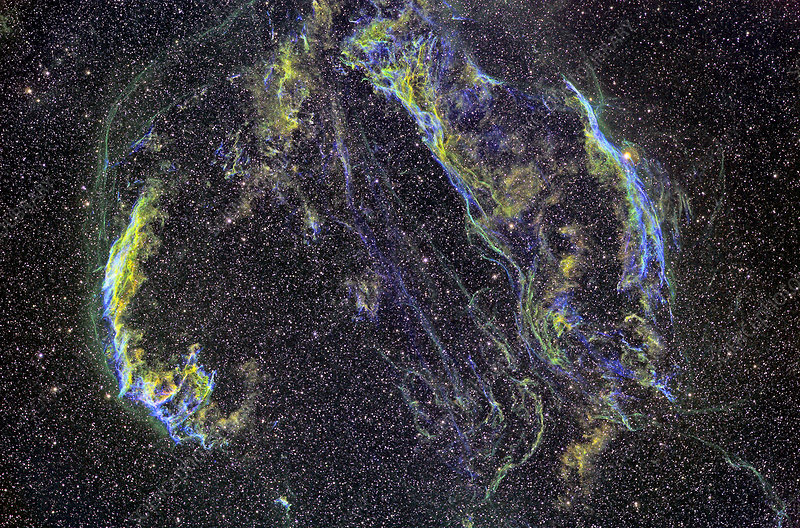
The Wide Field Camera of the Hubble Space Telescope takes colorful pictures. Wrong! It takes black and white pictures as do basically all other telescopes. But it uses a filter to select only a specific color (range). And it takes pictures of the same object using other filters, selecting different colors. For the picture above with the stunning details of the Witch’s Broom five filters were used. And those filters are not just simple pieces of red, green or blue glass. A widely used filter is the H-alpha filter, that only lets through the red light of hydrogen (technically: a wavelength of 656 nm, bandwidth a few nm). Here is a picture of the Cygnus loop, using a H-alpha filter.

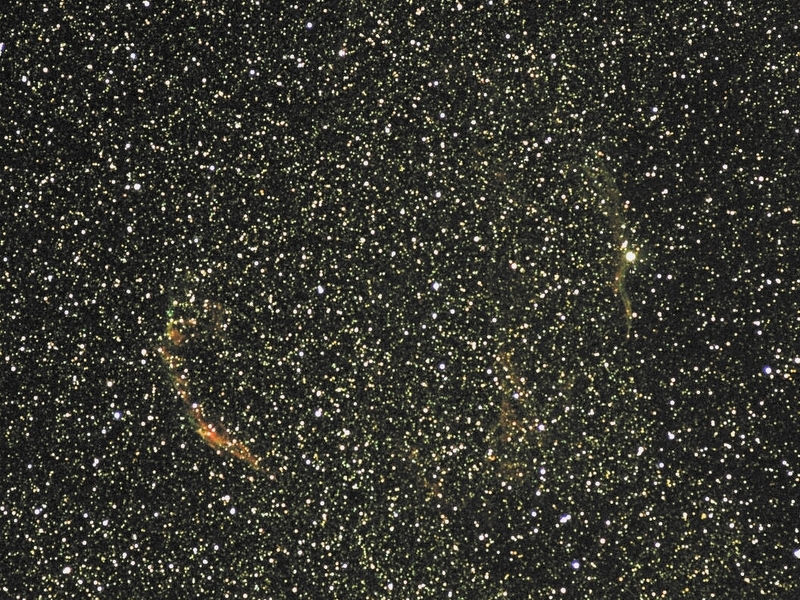
Compare it with this photo, taken with a color camera without any filters. Dominated by the numerous stars, the Witch’s Broom nebula is (almost) invisible,

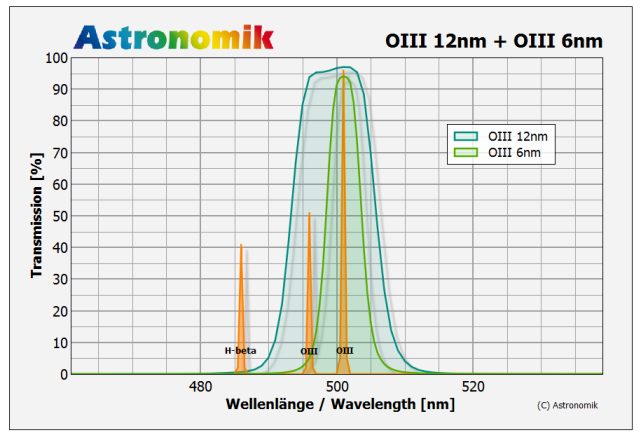
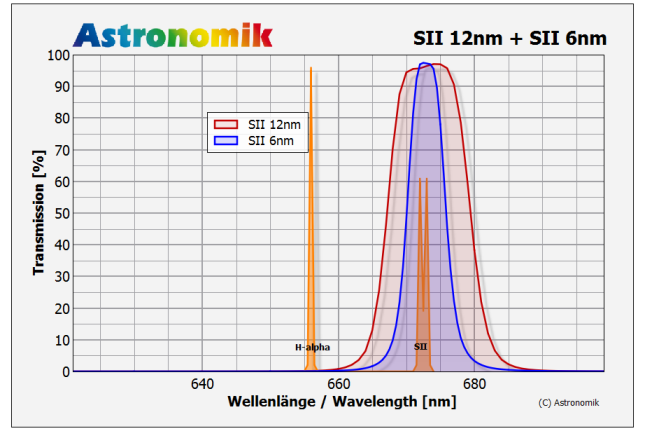
Other popular filters in astrophotography are SII and OIII filters They select the colors of ionised Oxygen blueish and Sulfur (reddish) respectively and block all the other colors.

Combining pictures, taken with different filters, you must assign colors to the black and white images. One option is to choose colors that correspond closely to the color of the filter. In that case the result will look more or less “natural”. The red-blue image of the Cygnus loop is a result of combining the H, O and S filters. But of course you can assign different colors to the B&W pictures. Like in the image below, where hydrogen is green(!), oxygen blue and sulfur red.

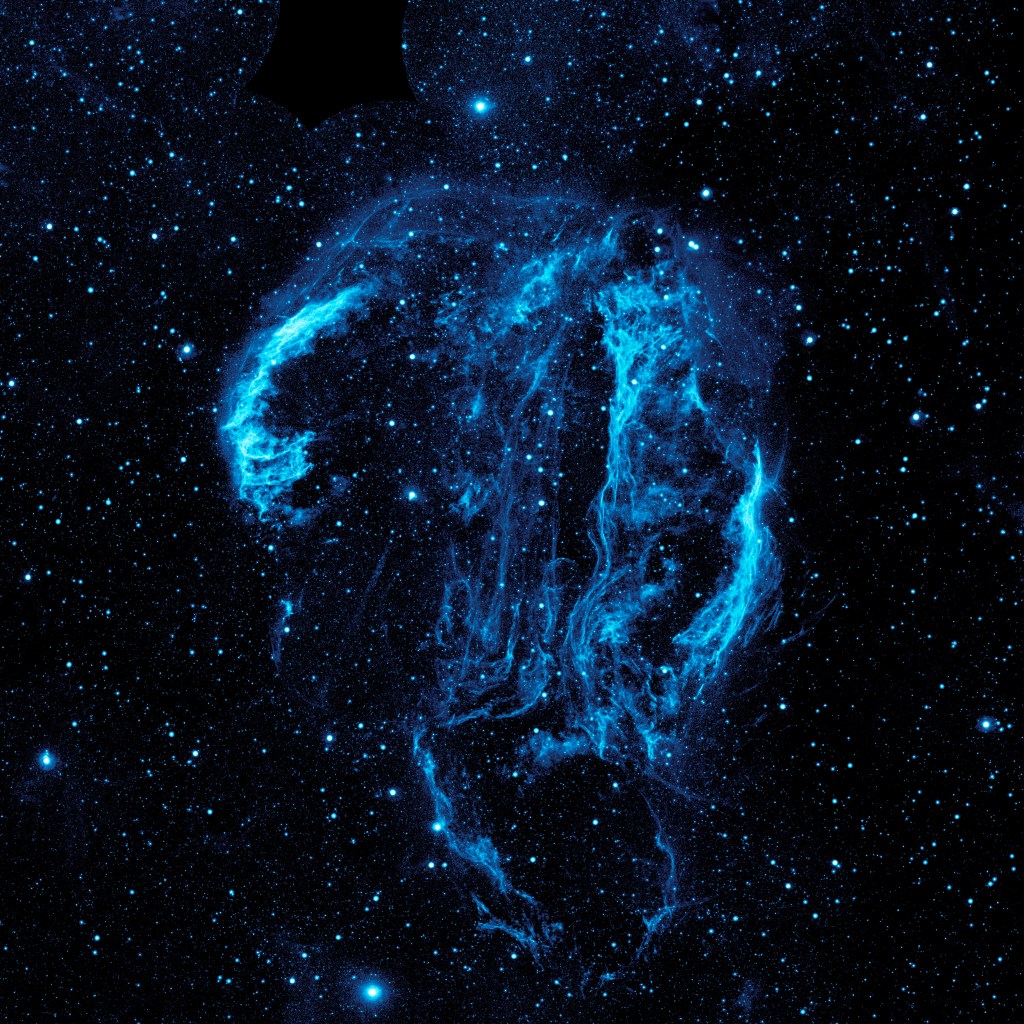
The Hubble Space Telescope can also use infrared or ultraviolet filters. Here is the Cygnus loop in ultraviolet, blue has been assigned to the B&W image.

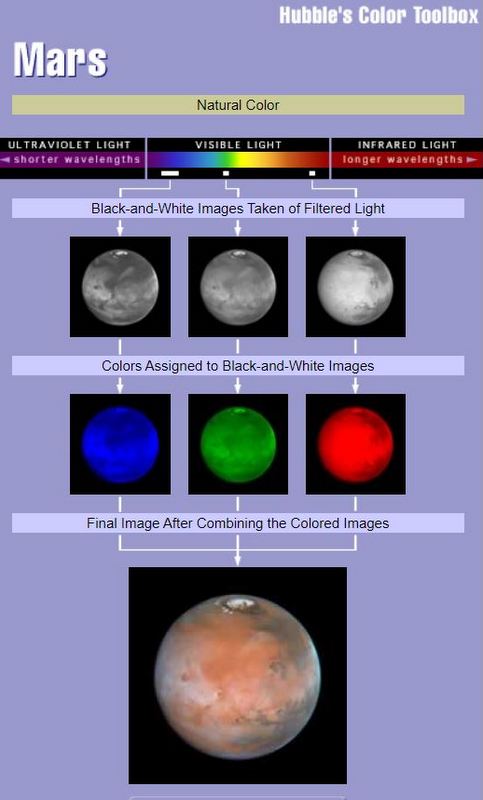
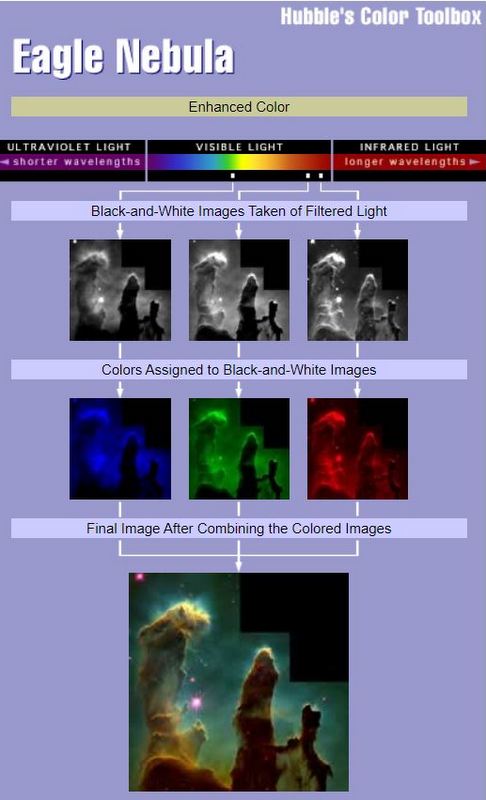
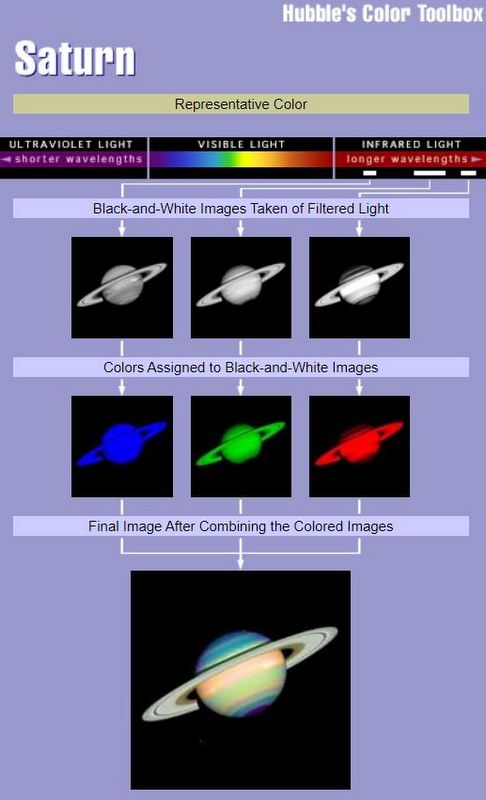
The Hubble website has a very informative section The meaning of color in Hubble Images. It shows how the B&W images can be combined in various ways. Very readable, with examples. Here are three.

Left is Mars, where the three filters have been assigned their “real” color. In the middle the famous “Pillars of Creation”, a star forming region. The red hydrogen is depicted in green, the red sulfur light in red and the green oxygen light in blue. The last example shows Saturn in unusual colors, because the B&W pictures were taken with various infrared filters. Near infrared is shown as blue, the middle range as green and the far infrared as red.

Finally here is again April’s Picture of the Week . The text says that It is a combination of five B&W images, Hydrogen in red, oxygen in blue and sulfur in green. No information about the other two.

A Backyard Hike

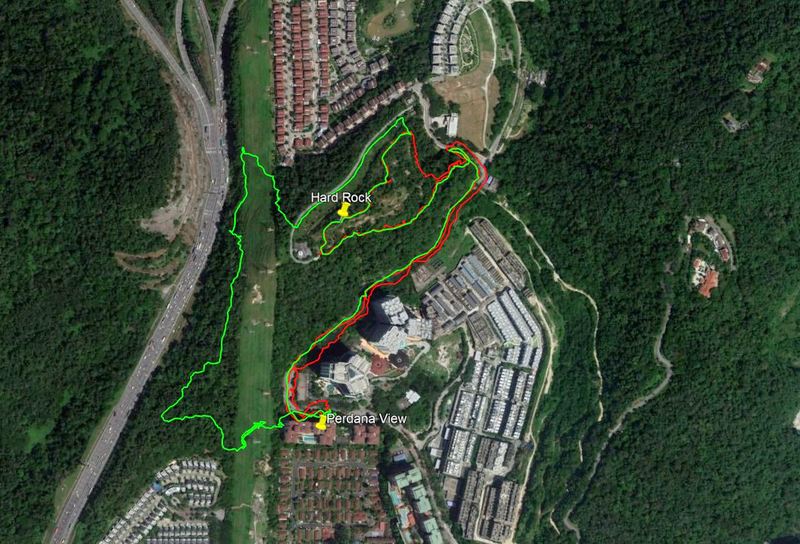
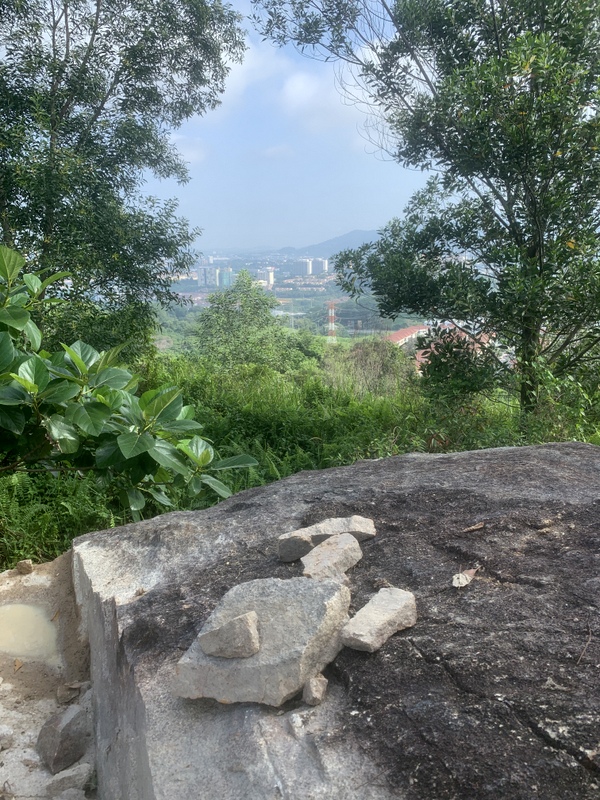
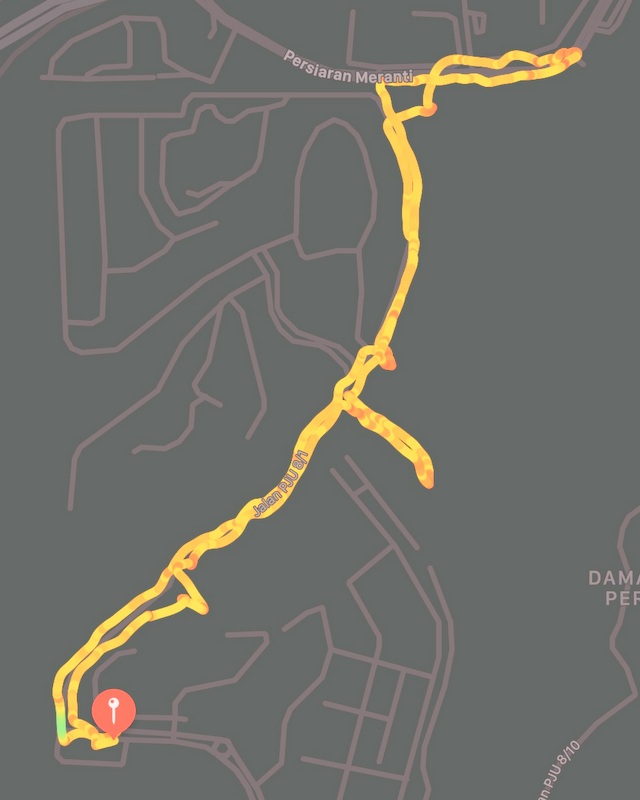
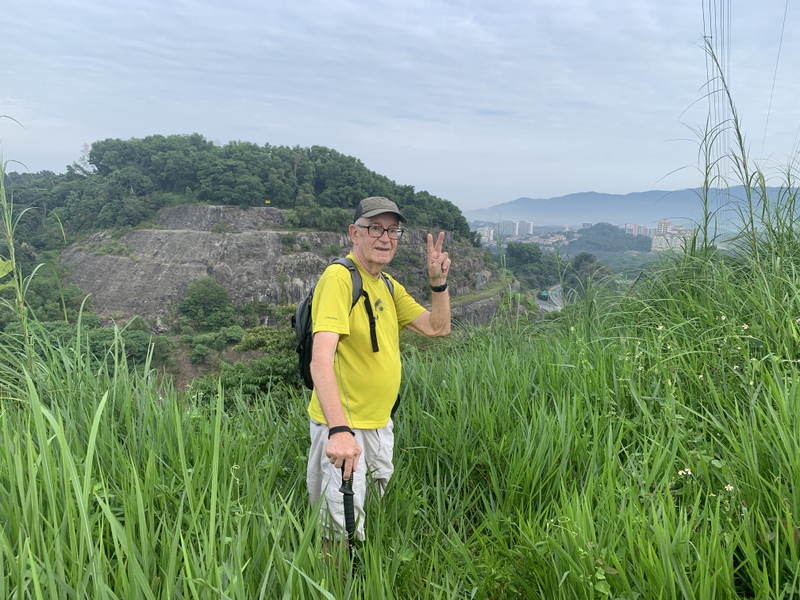
About two months ago I wrote a blog about Bukit Lanjan. Although these days Bukit Kiara is open again, I still hike regularly in my “backyard”. A group of active hikers living in Damansara Perdana is maintaining the trails and exploring new ones. One of their recent discoveries is a rocky outcrop, from where you have a nice view of the surroundings. It is becoming popular now, a nice place to relax and have a coffee or a beer. Aptly named the Hard Rock Café. The red track in the GE screenshot below is a short and interesting route to the Hard Rock.

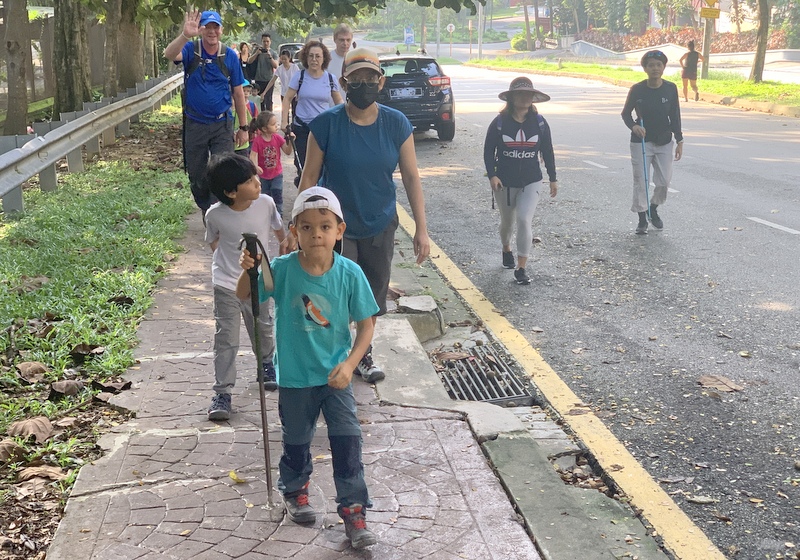
Yesterday I went again, with my friend Bee. We started from my condo and met a group of Armanee Condo parents with their kids, also going for a hike. Good initiative, in Dutch we have an expression: Jong geleerd is oud gedaan. (Google for a translation)

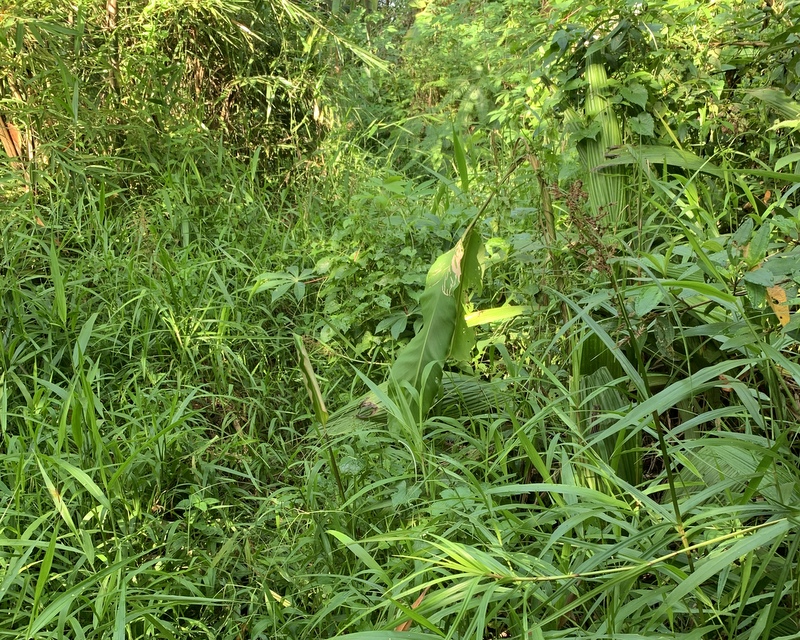
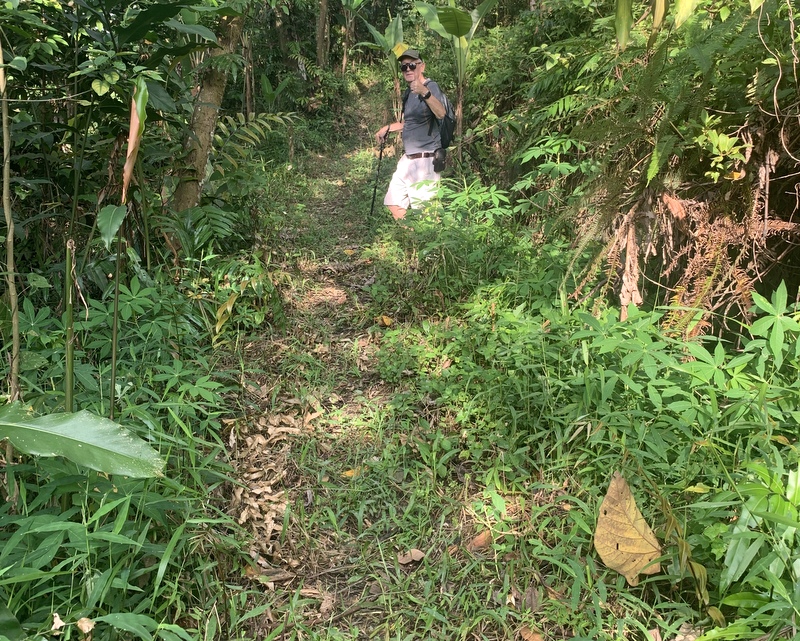
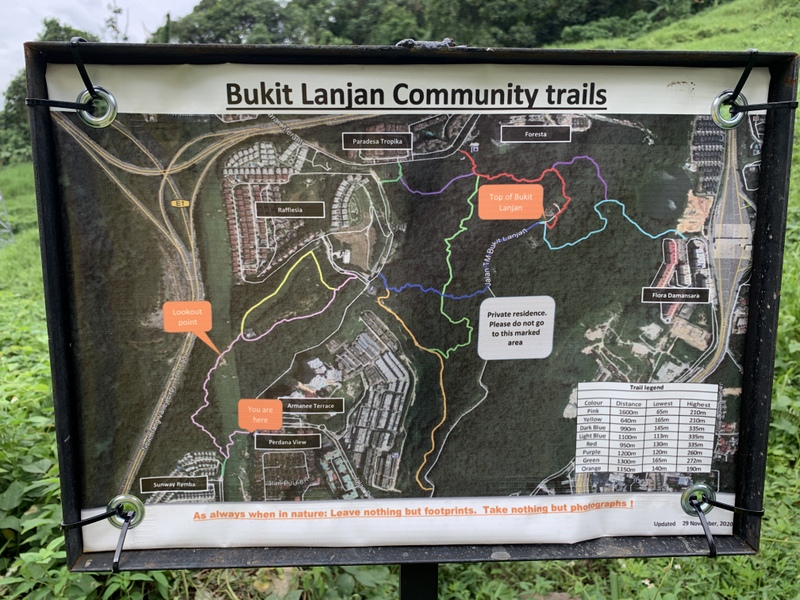
We started with the pink trail (see map). Last week I had noticed that parts of it were almost overgrown. I had mentioned it in the chat group and the trailblazers replied that they would take care of it. They did, here is the amazing result. Left the situation one week ago.

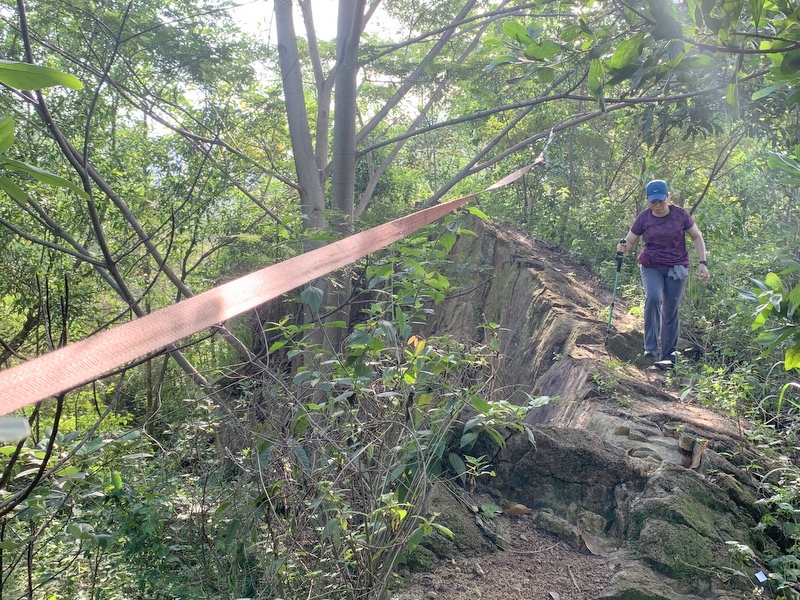
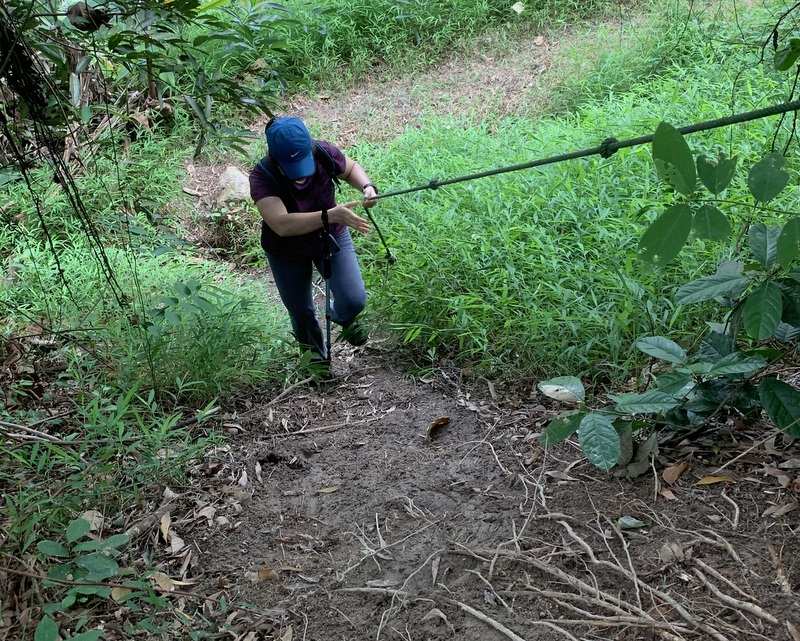
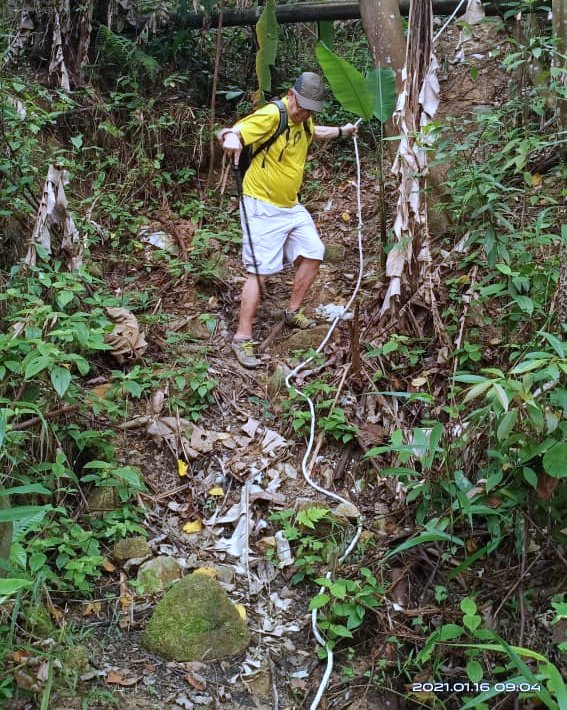
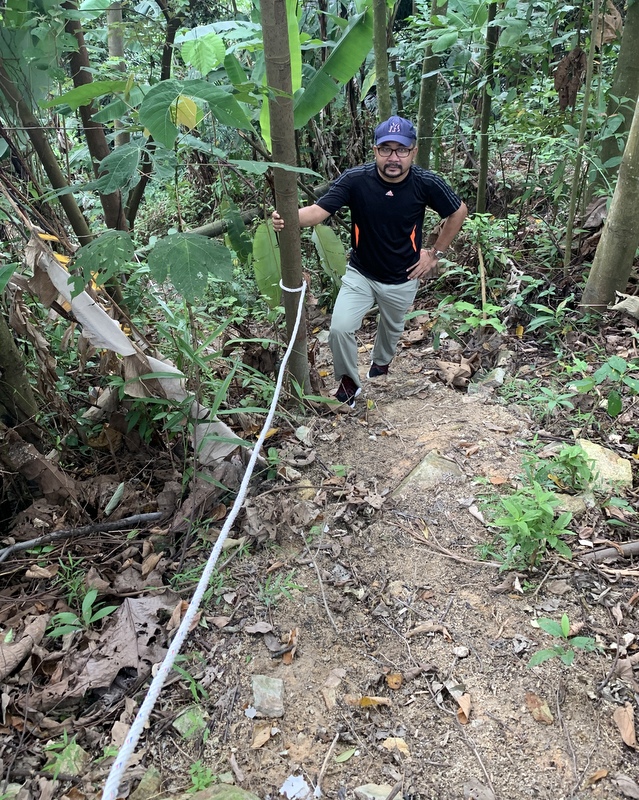
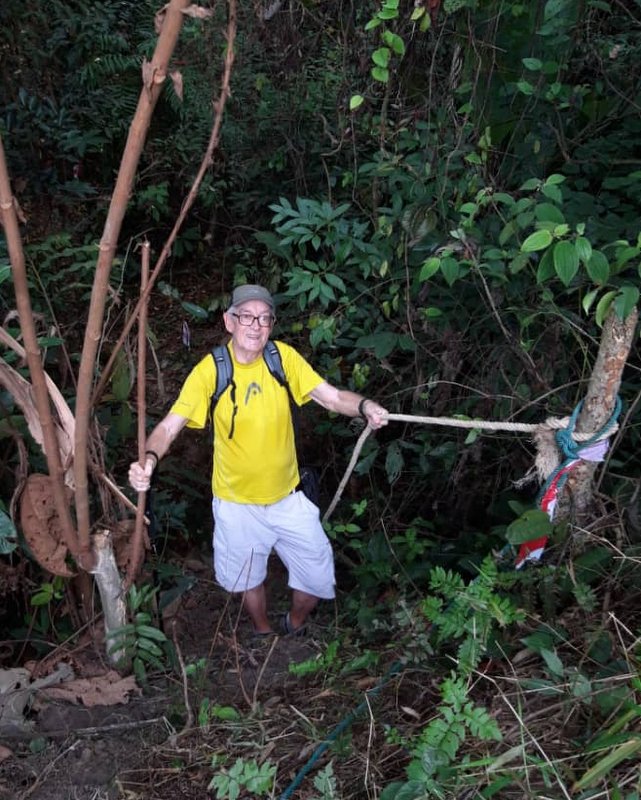
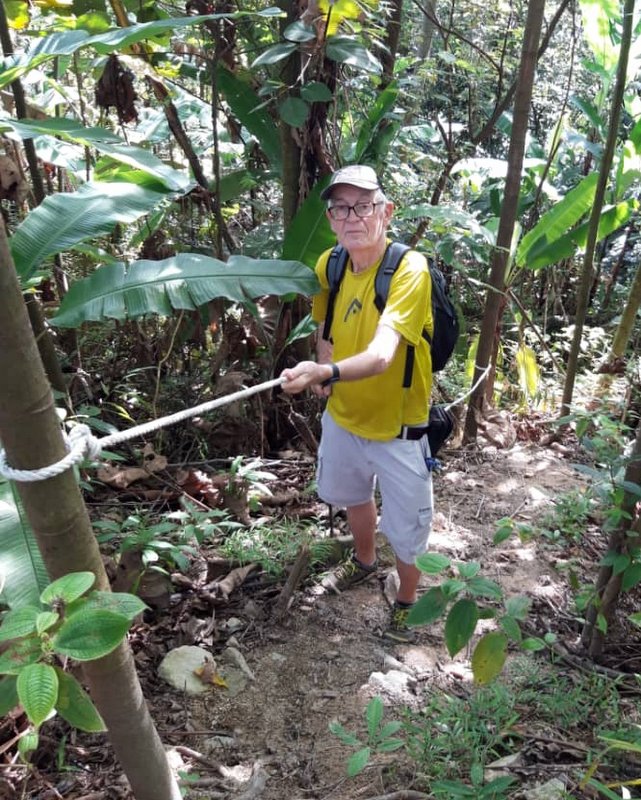
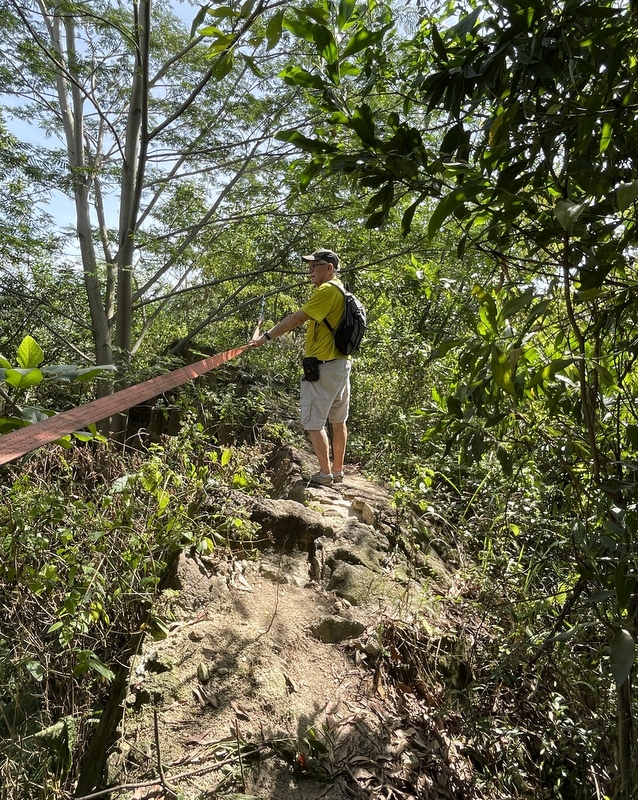
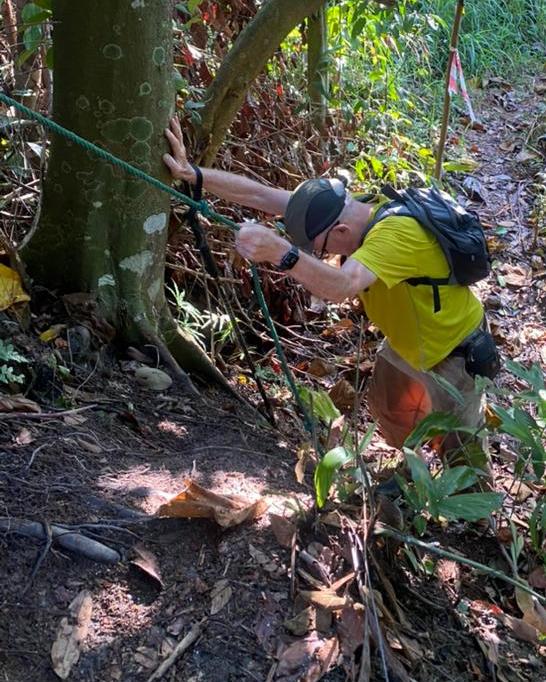
I like the pink trail, the few steep parts are provided with ropes.

On the rocky outcrop we met the parents and their kids again. Really nice!

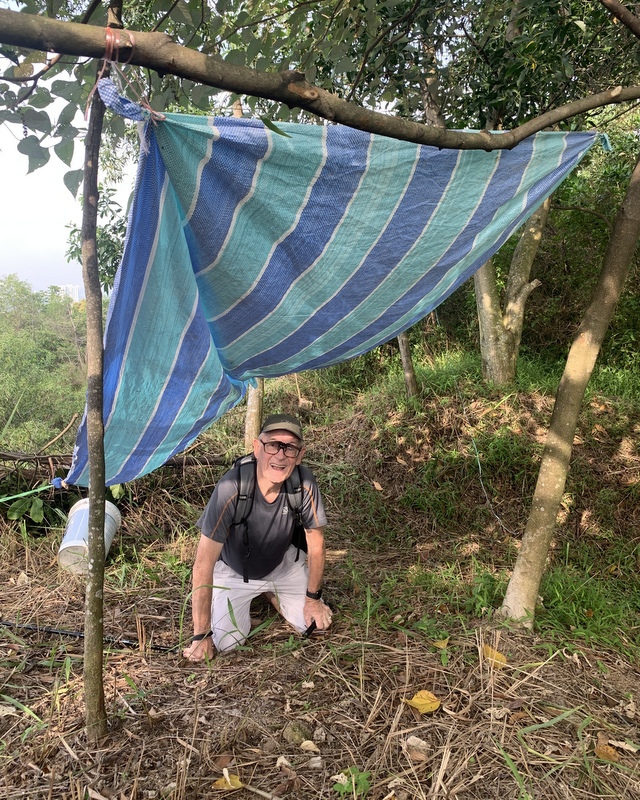
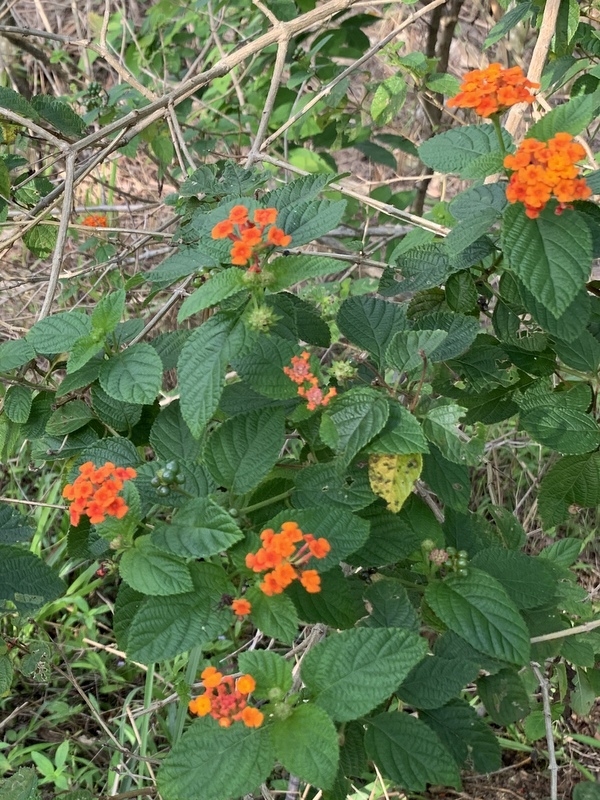
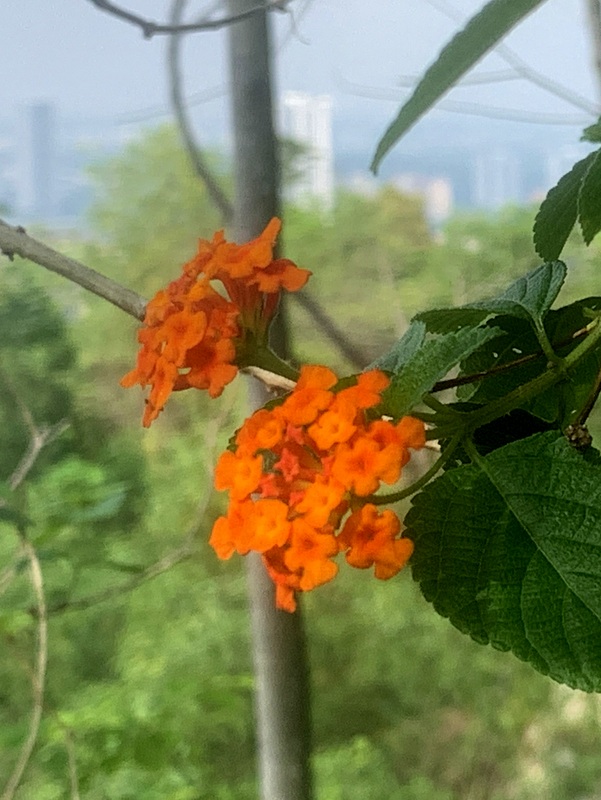
A tarp is under construction for shelter in case of rain. I noticed some nice flowers

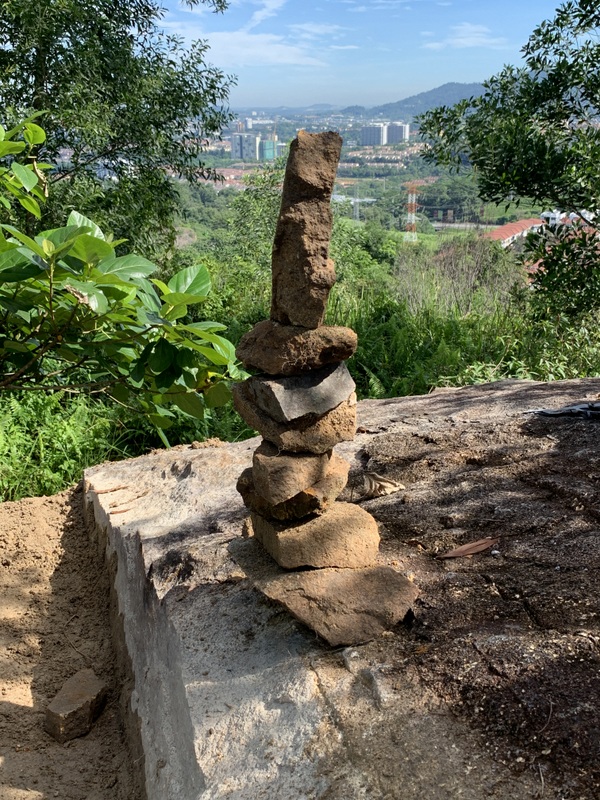
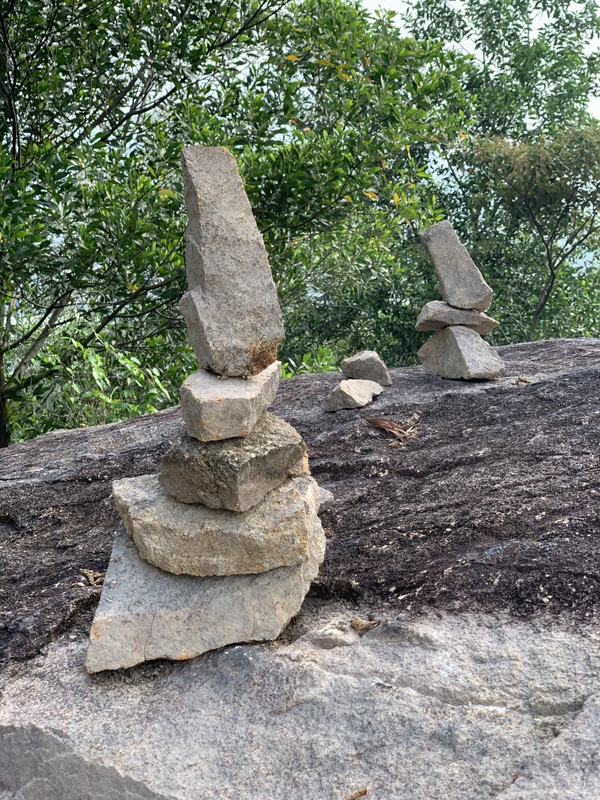
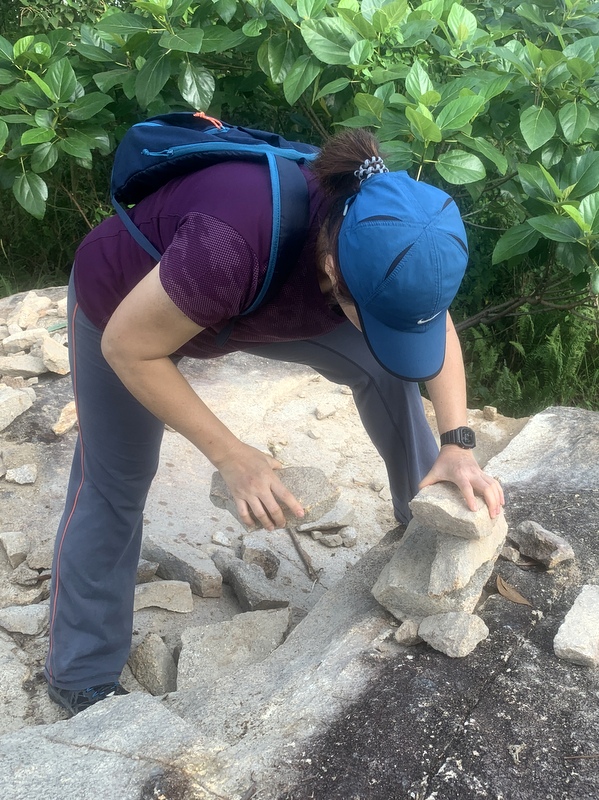
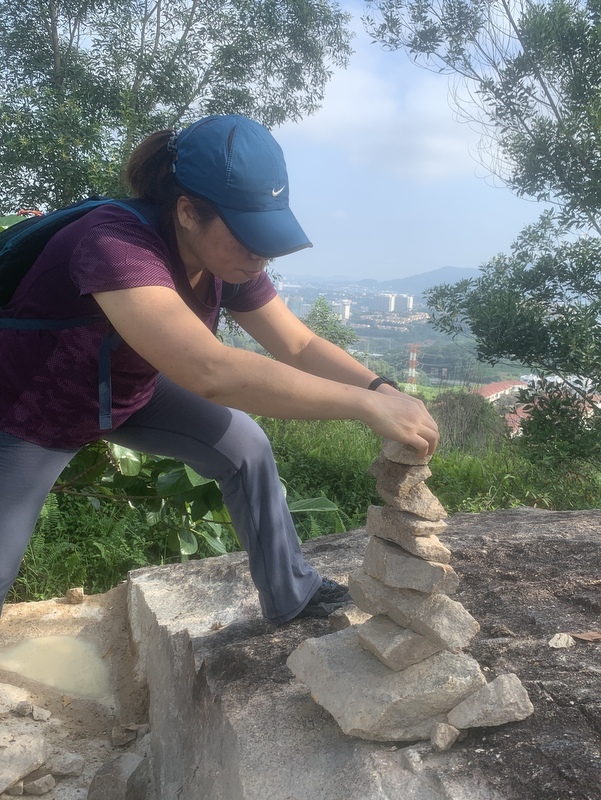
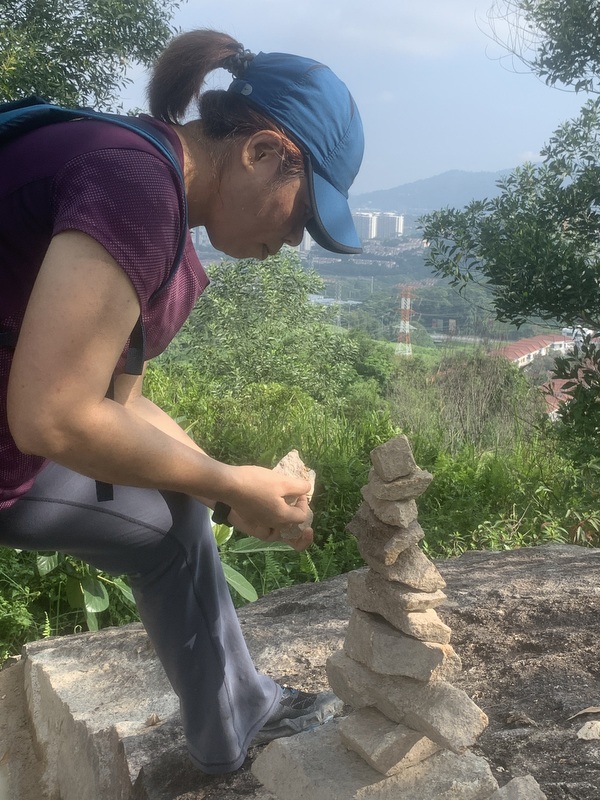
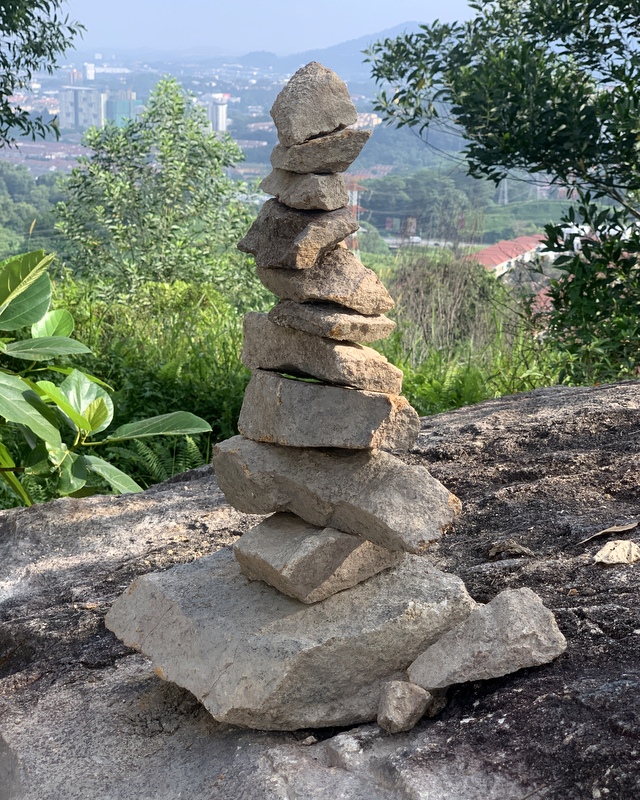
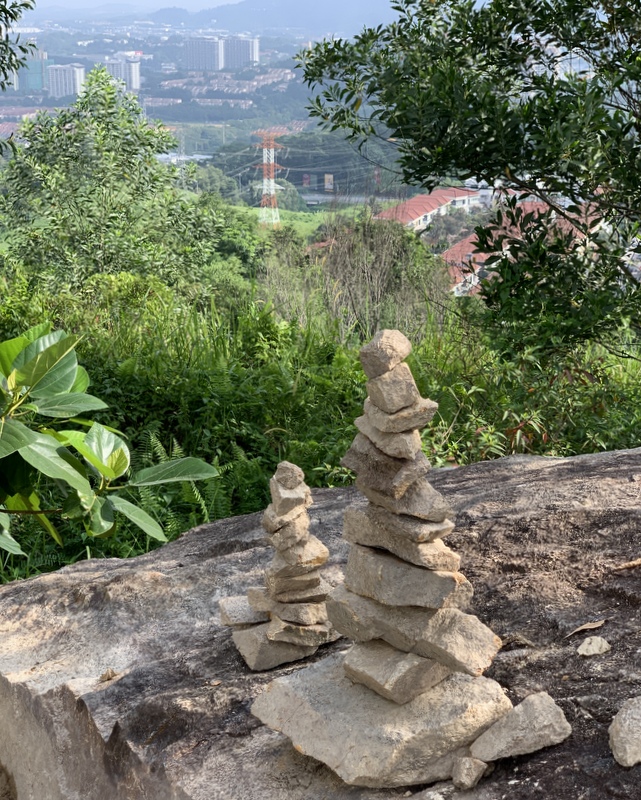
When I visited the Hard Rock two weeks ago with my friend Rahim, he constructed a nice rock cairn. They are not meant for eternity, rain or strong wind can make them collapse. One week later, a new smaller one had been created, and this time nothing was left.

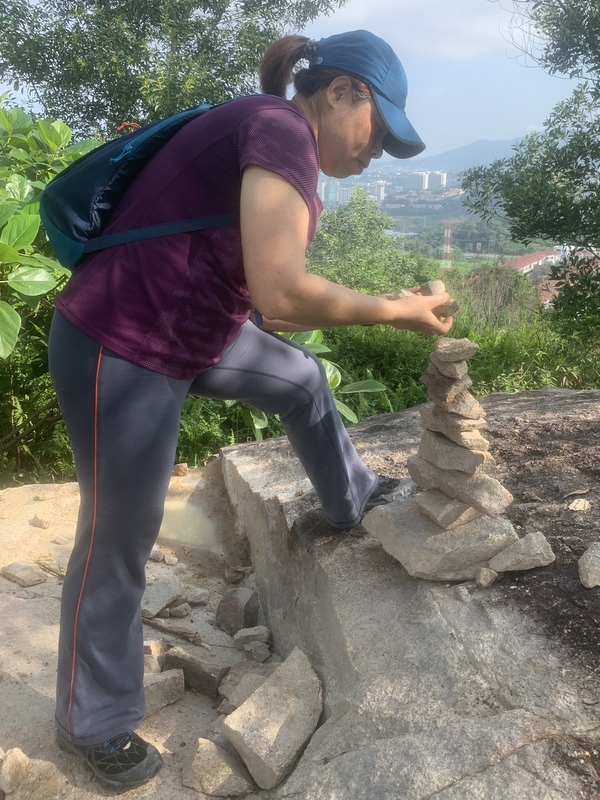
Here Bee is creating a new one.

And here is the result. Mother and child. When I visited a waterfall , I always left a cairn. Here is a blog about it: Rock Balancing.

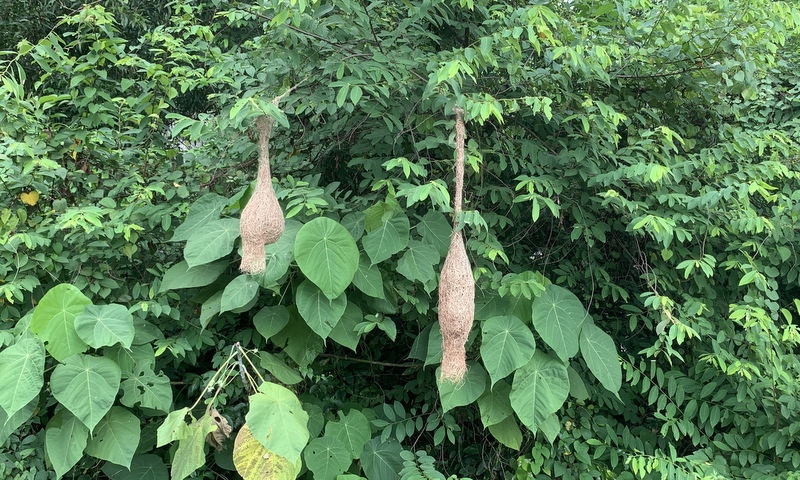
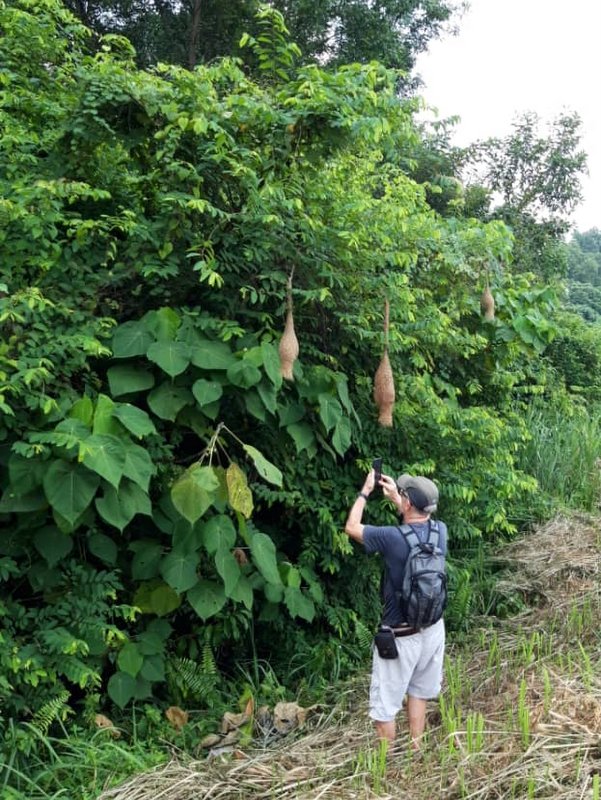
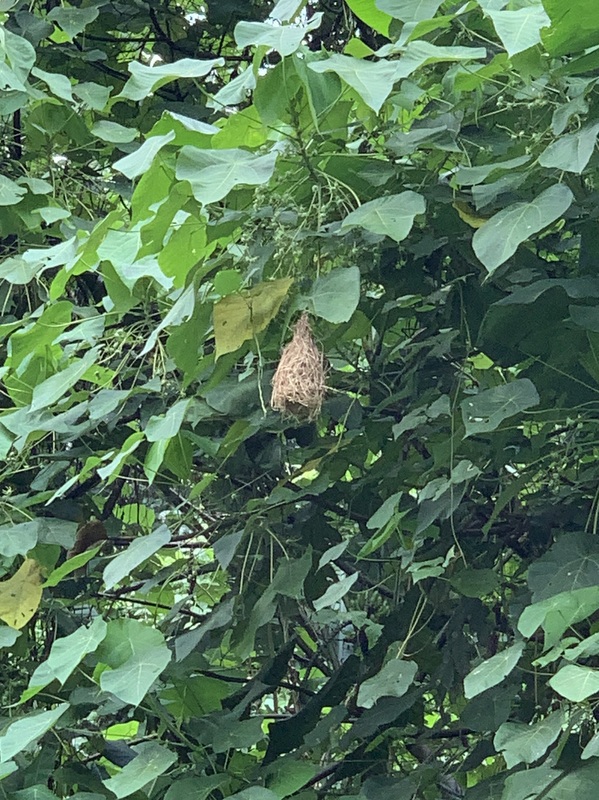
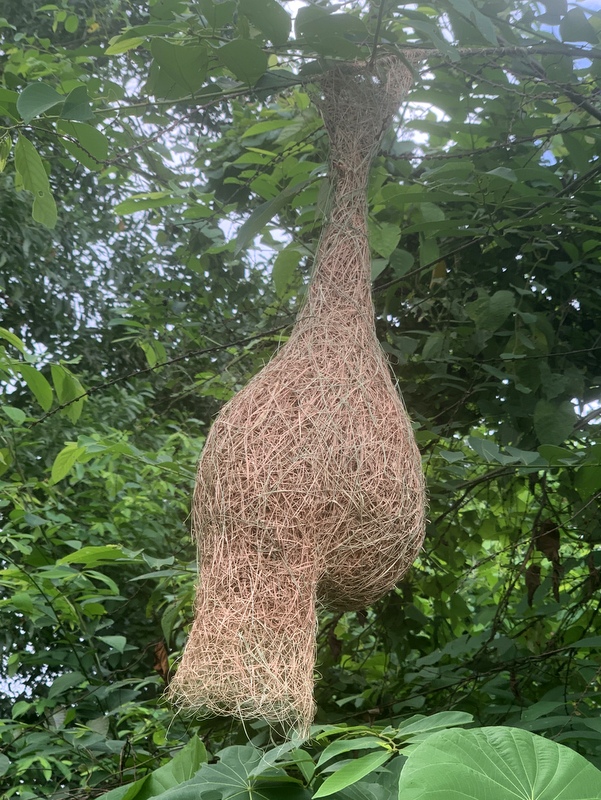
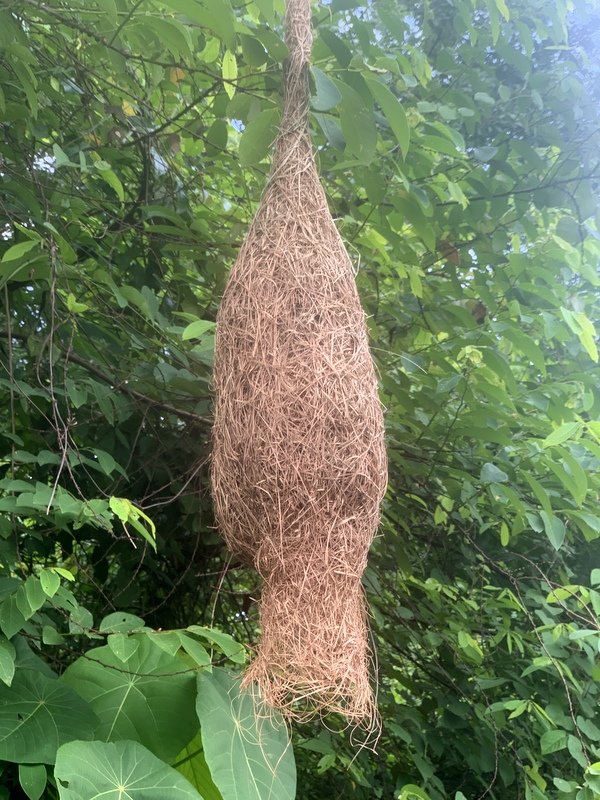
After the Hard Rock Café we did not yet go back, but continued to the maroon traill (see map). A hiker friend had spotted hanging bird nests along the trail at two locations. It was no problem to find them.

These nests have been created by Baya Weaver birds. Fascinating. The nests were not used at the moment.

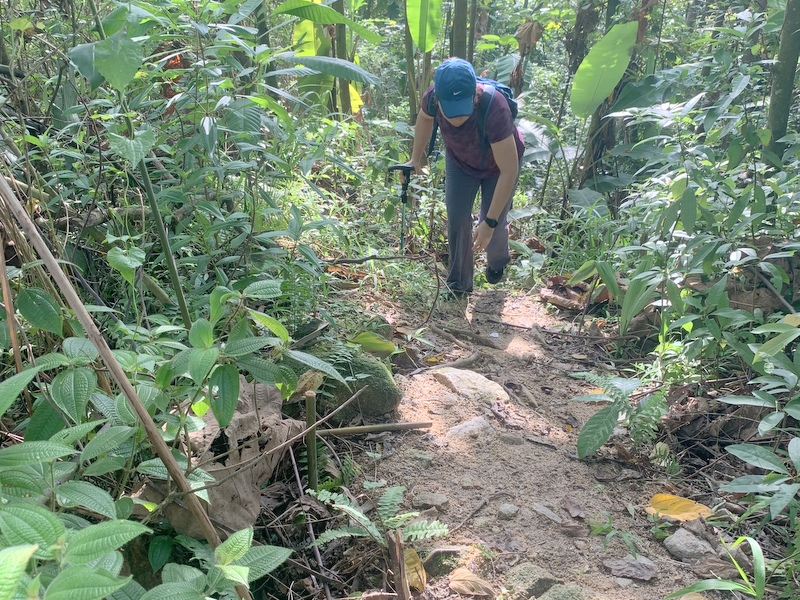
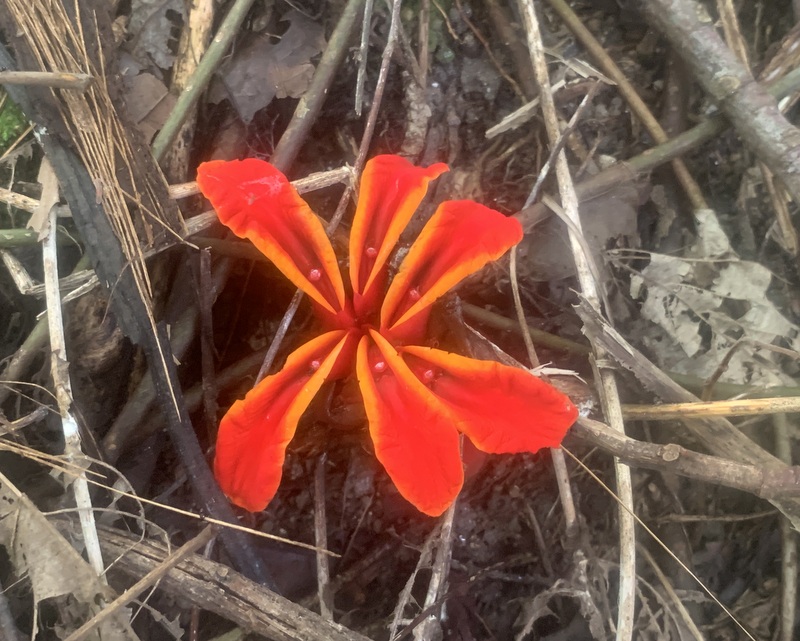
The maroon trail is longer with many steep parts.. A disadvantage is that part of it runs quite close to the highway, therefore very noisy. Ropes are helpful and we found numerous ginger flowers this time.
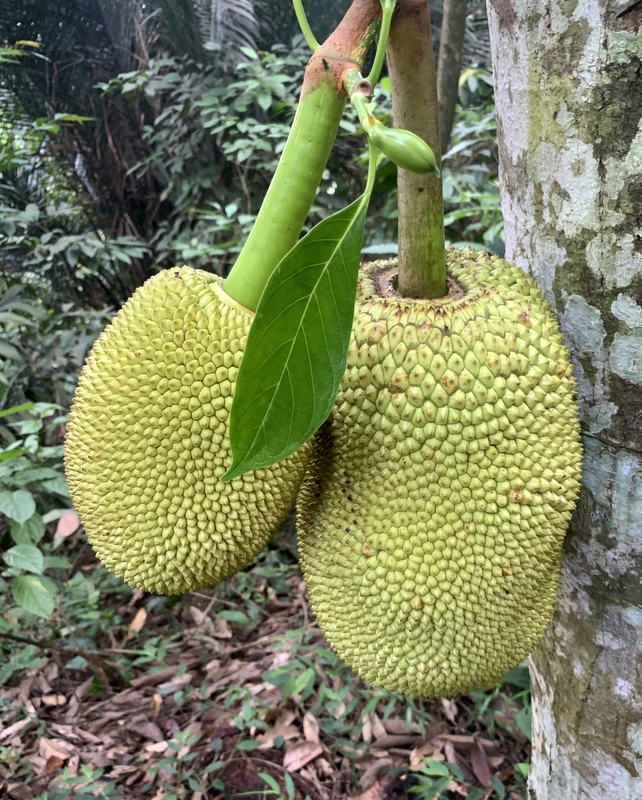
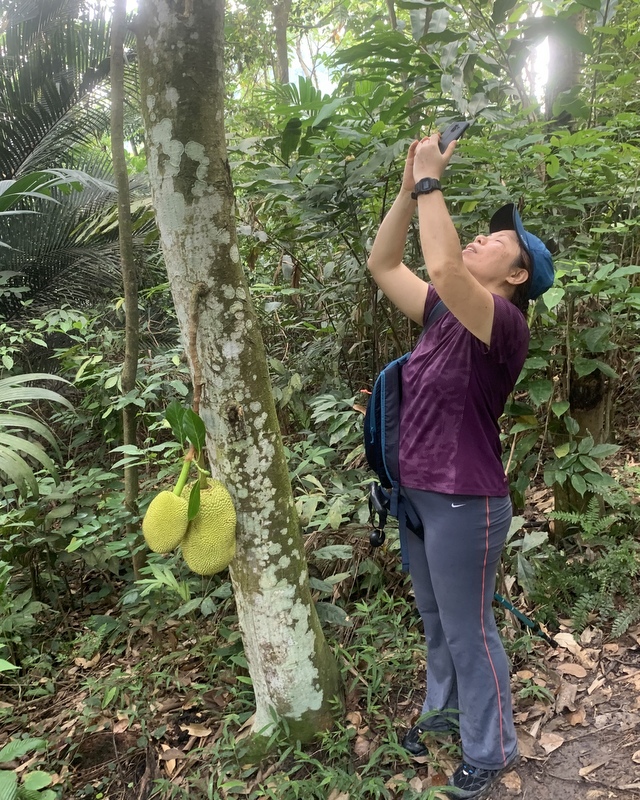
We also found a nice jackfruit tree.. Bee spotted more fruits high up in the tree
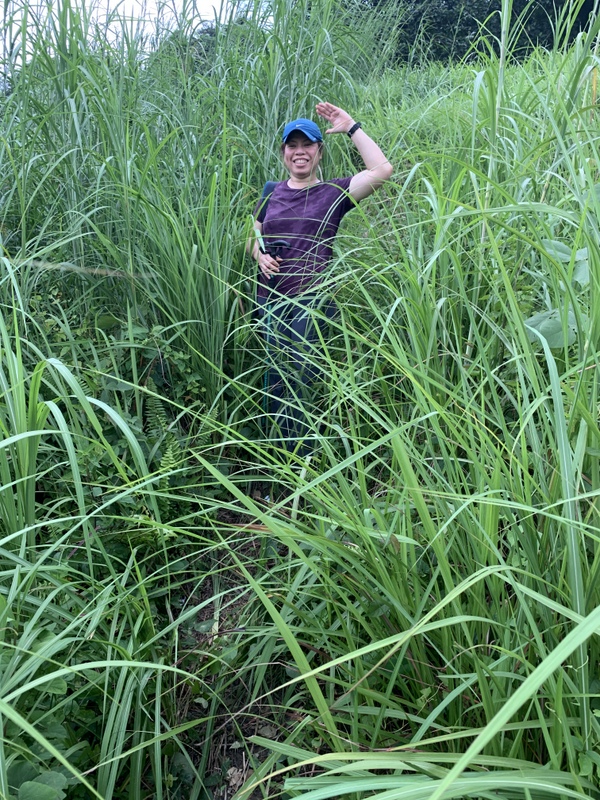
The second location of weaver nests had only one nest, high up in a tree. To get back home we got lost for a while, finally we found the trail, completely overgrown..

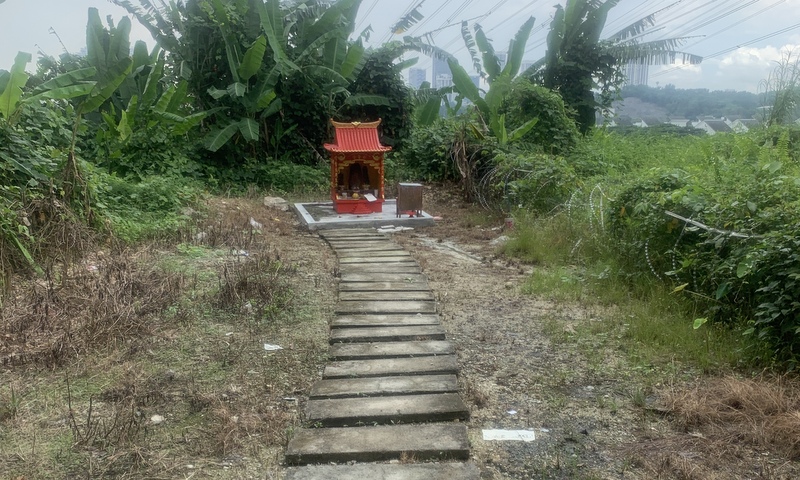
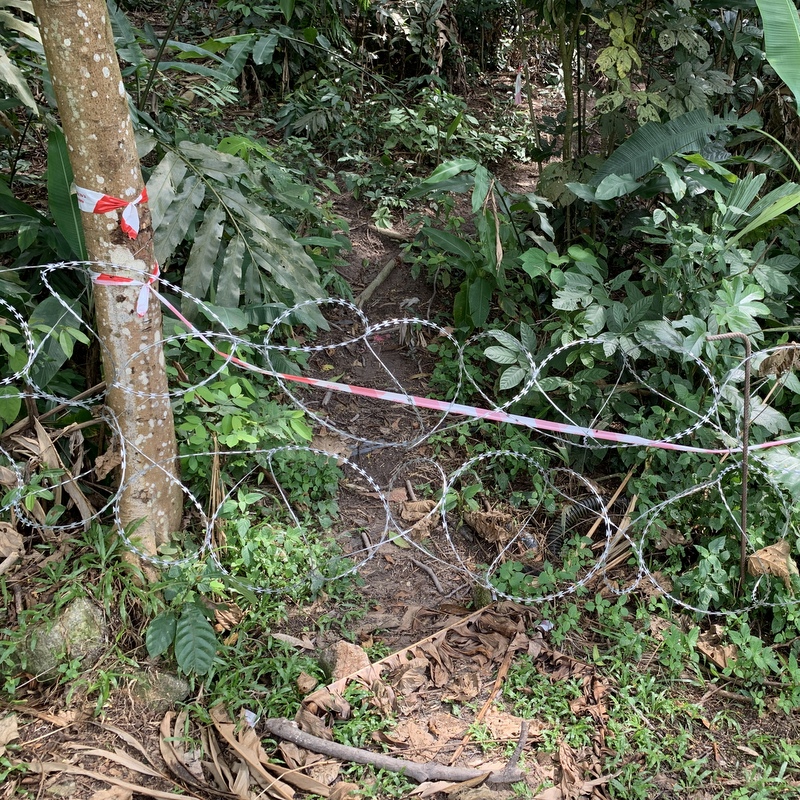
We finished our hike at the Datuk Shrine next to Perdana View condo. For reasons unknown to me, MK Land had blocked the exit with barbed wire, but you can still pass without problems.

Total hiking distance and time 5 km. 3 hours (including many stops)

The Rawang Bypass

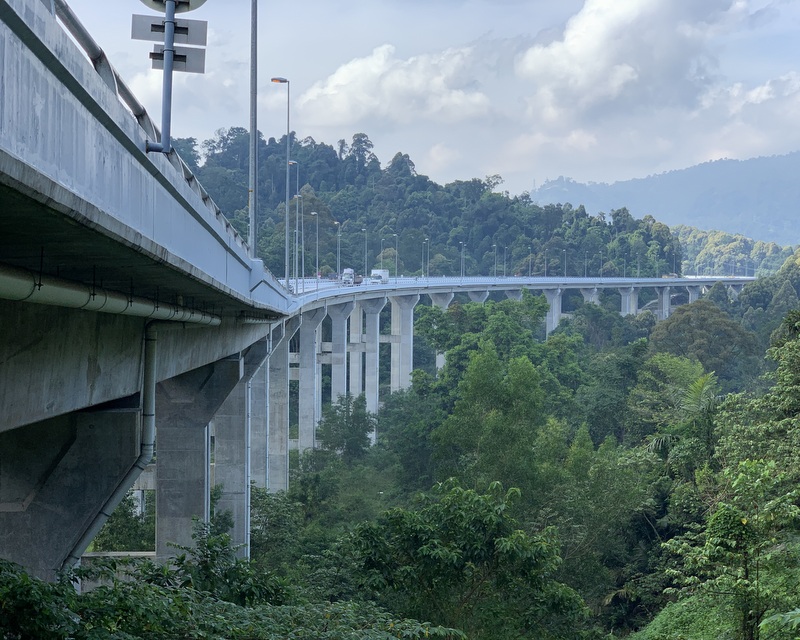
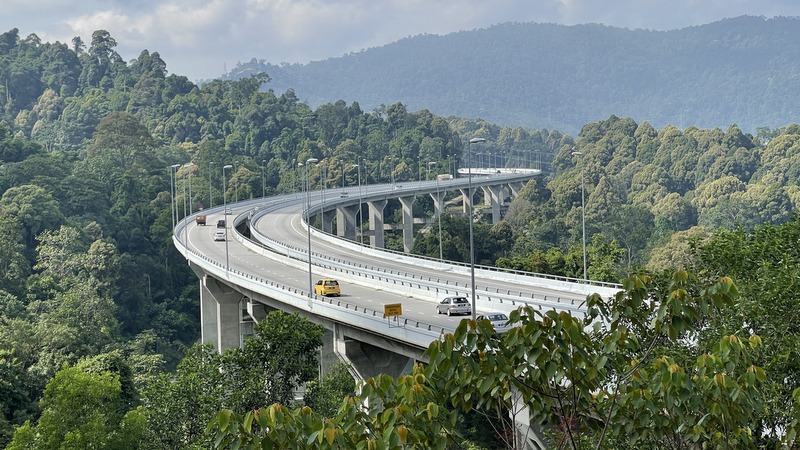
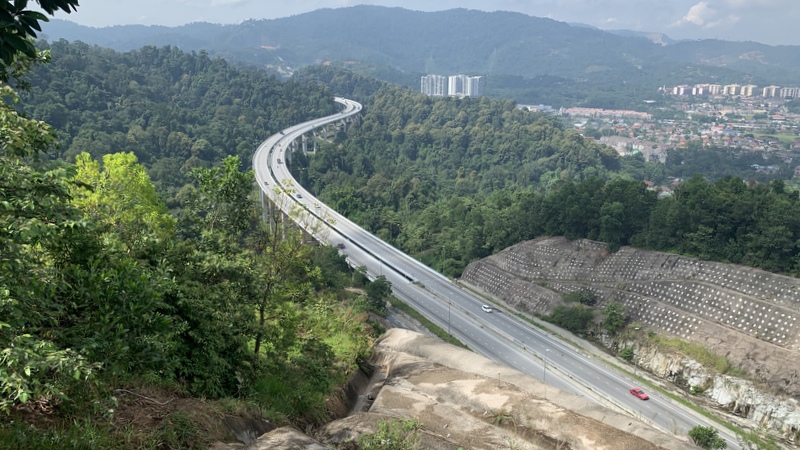
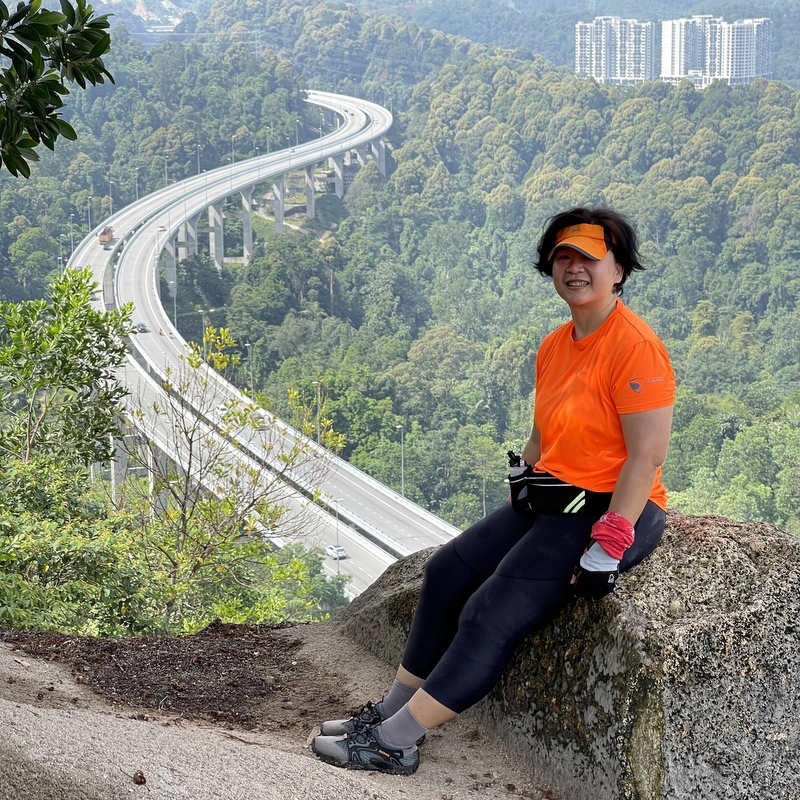
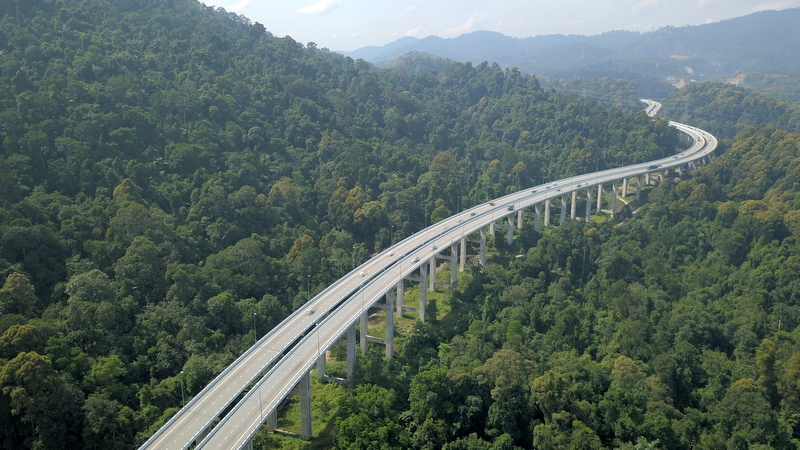
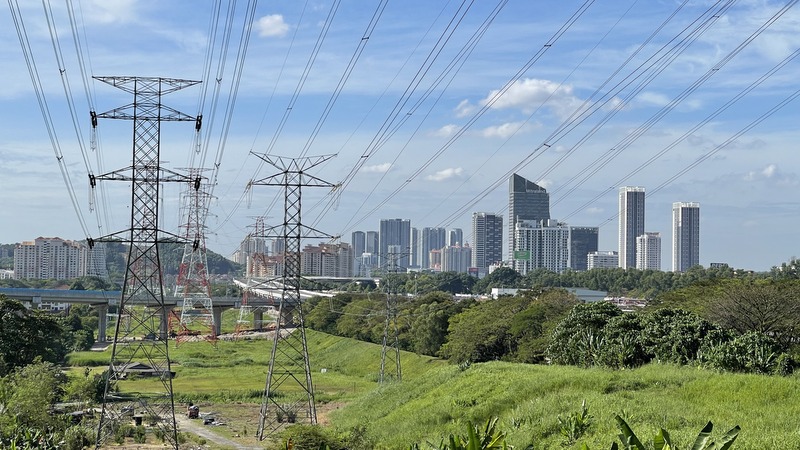
The Rawang Bypass is a highway opened in 2017 to avoid the frequent traffic congestion in Rawang. It contains the highest roadway viaduct of Malaysia, with pillars up to 58 meter above ground level. It is possible to hike from Rawang to a viewpoint high above the viaduct. Deco Diver, a friend of mine, has written a blog about this hike with a clear description of the route to follow.

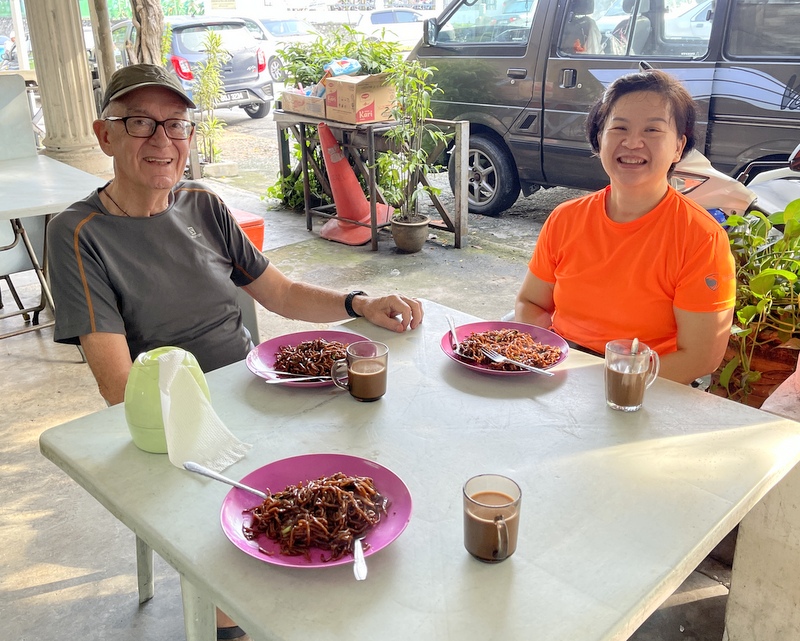
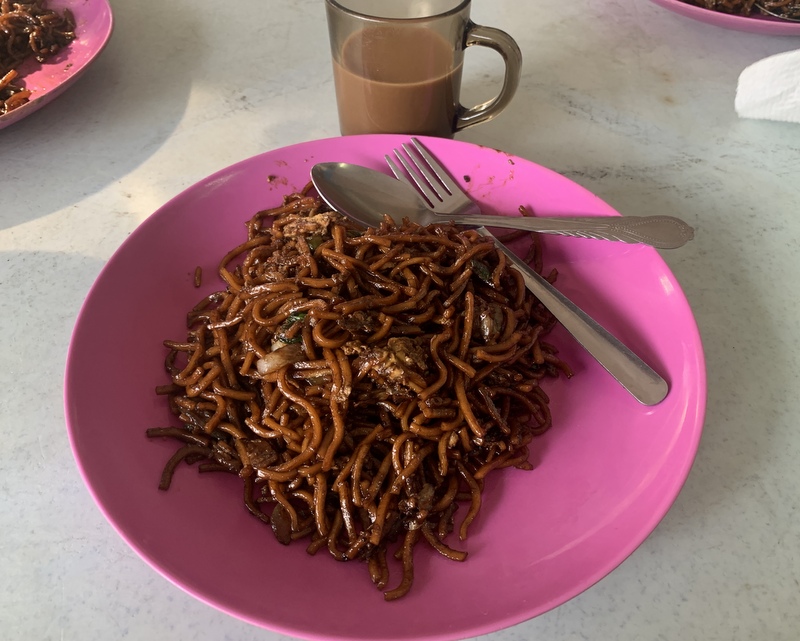
We started with breakfast in Rawang. Not easy to find a shop that was open, because of Ramadan, but after some driving around we managed to find a place where we had an acceptable mee goreng.

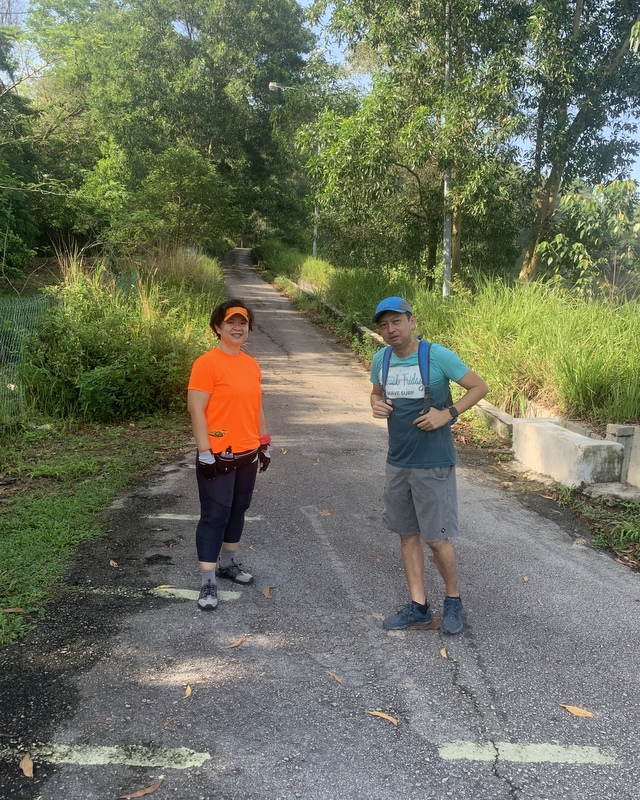
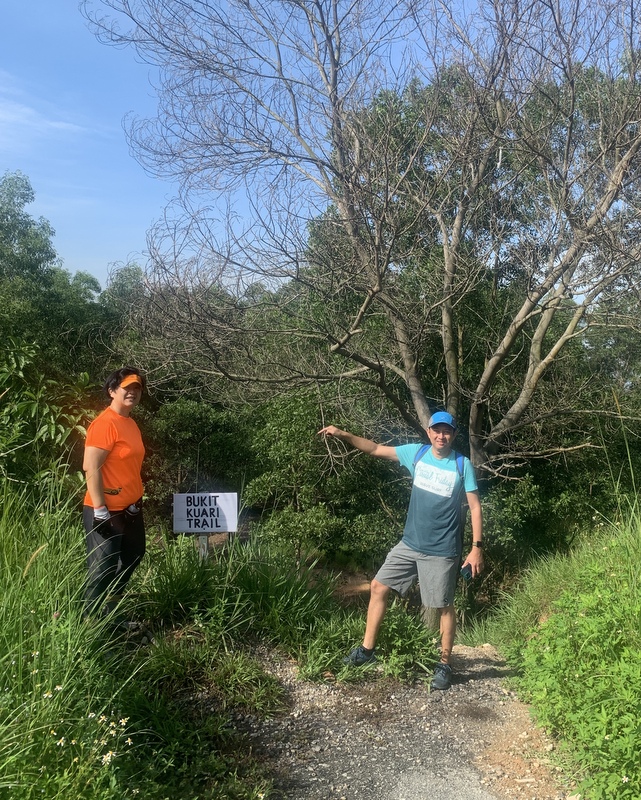
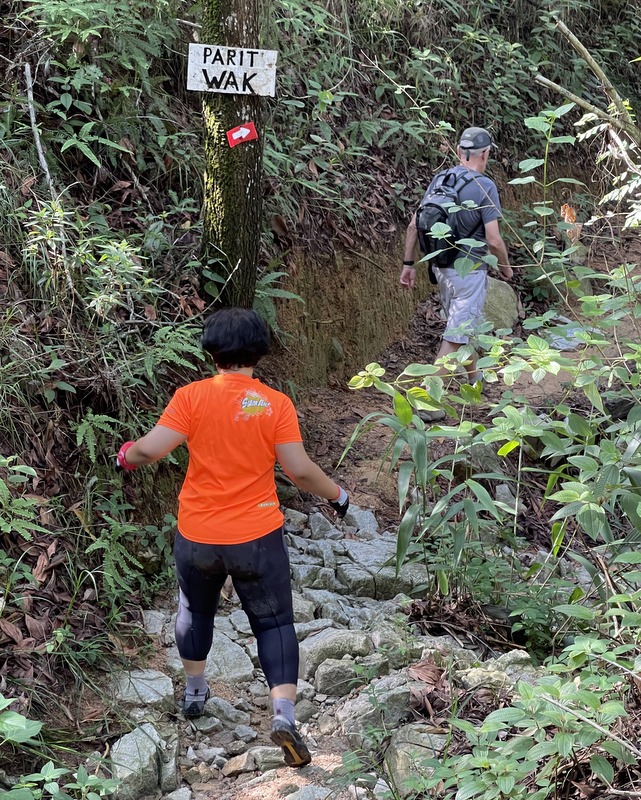
Looking for the trailhead we overlooked the one suggested by my friend, but found another one nearby. Apparently the location is popular with Rawang hikers, signs indicate the various trails. A nice, easy walk.

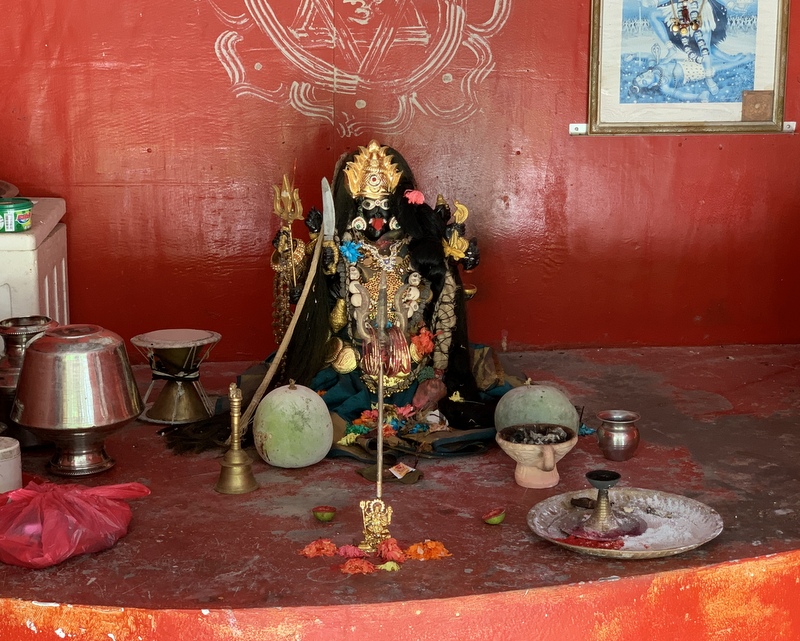
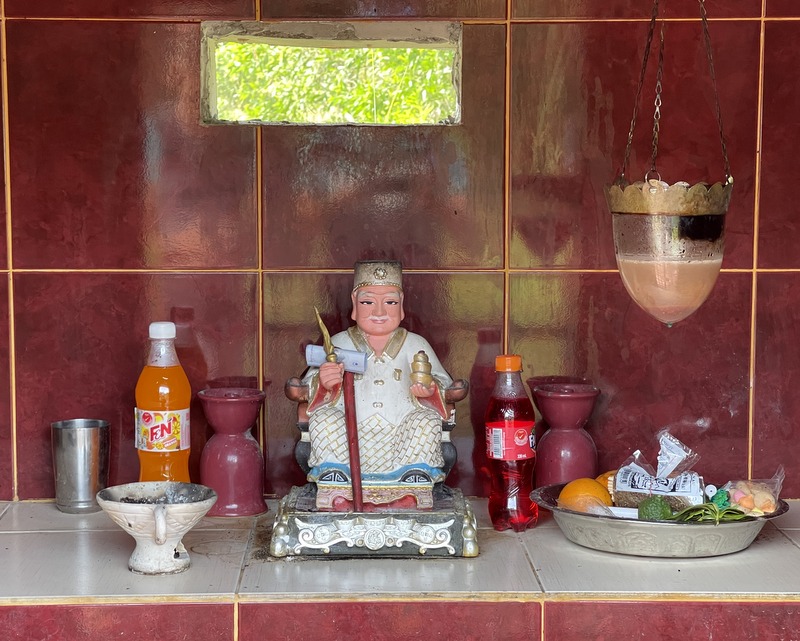
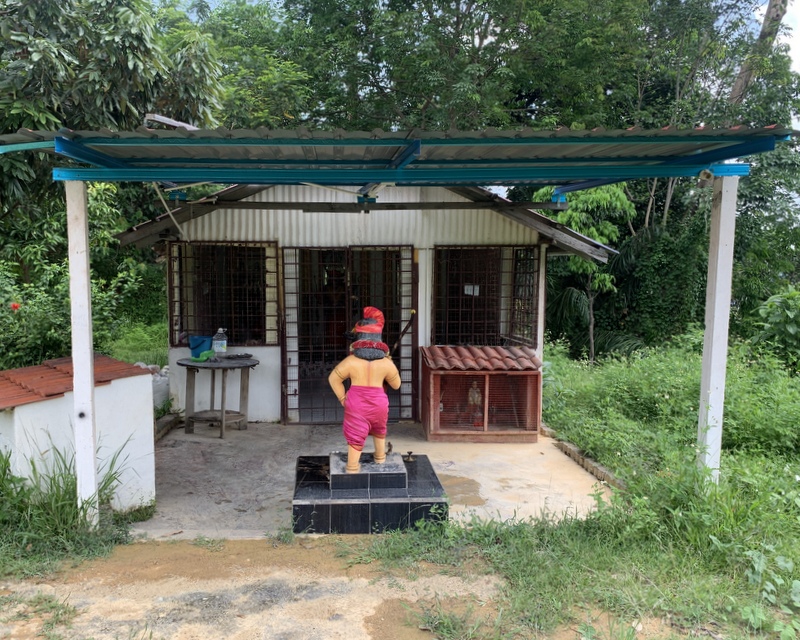
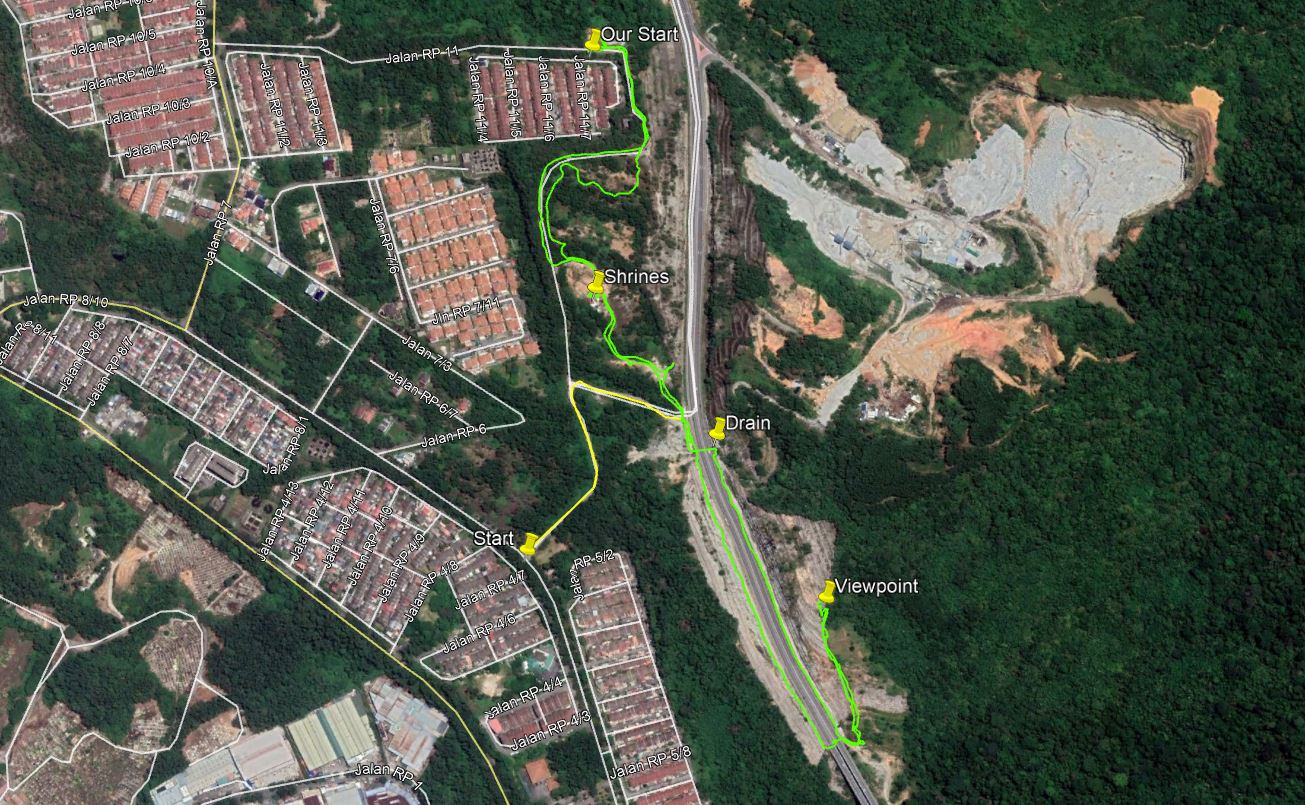
The trail passes a few shrines, an Indian Hindu shrine and next to it a Chinese Datok Kong one.

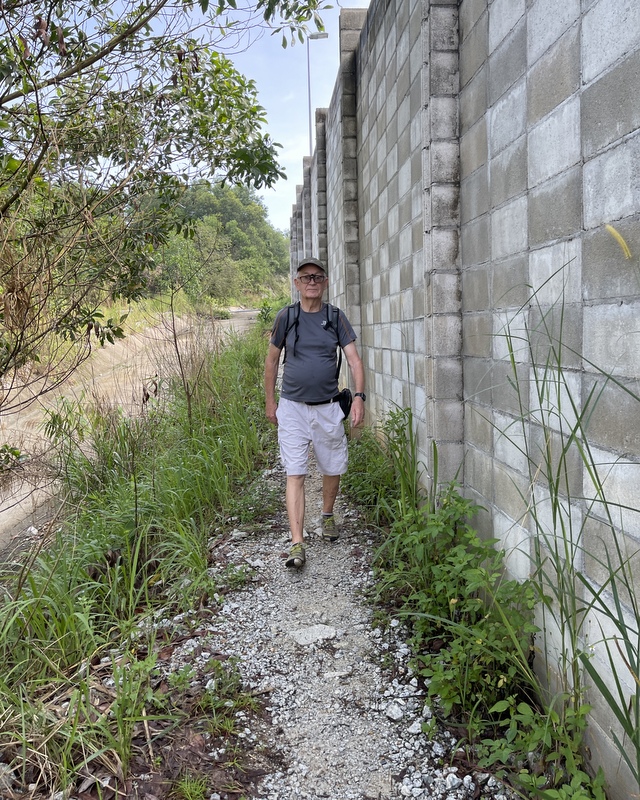
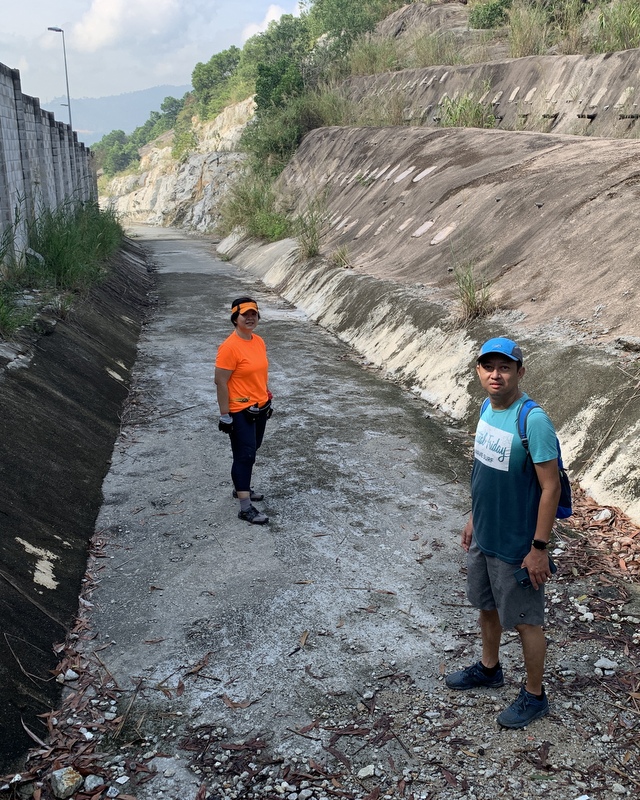
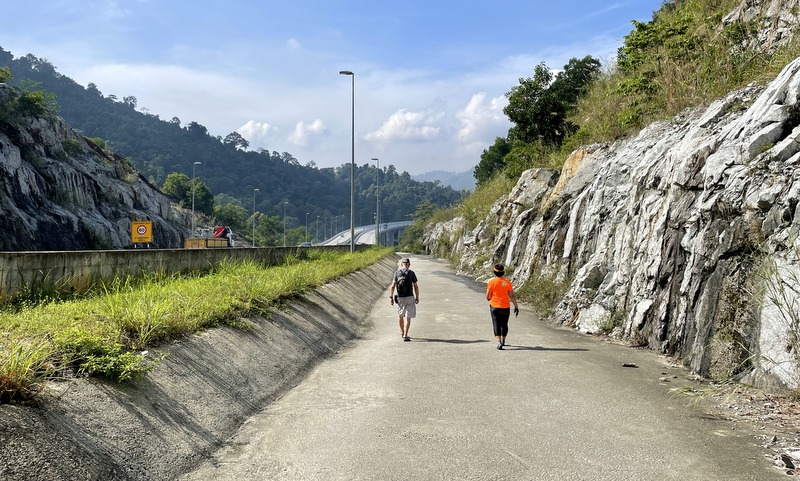
After a little more than 1 km we reached the highway, which is still at ground level here. You can cross to the other side by a drain, but we continued on a maintenance road next to the highway. Easy walking, although not very interesting.

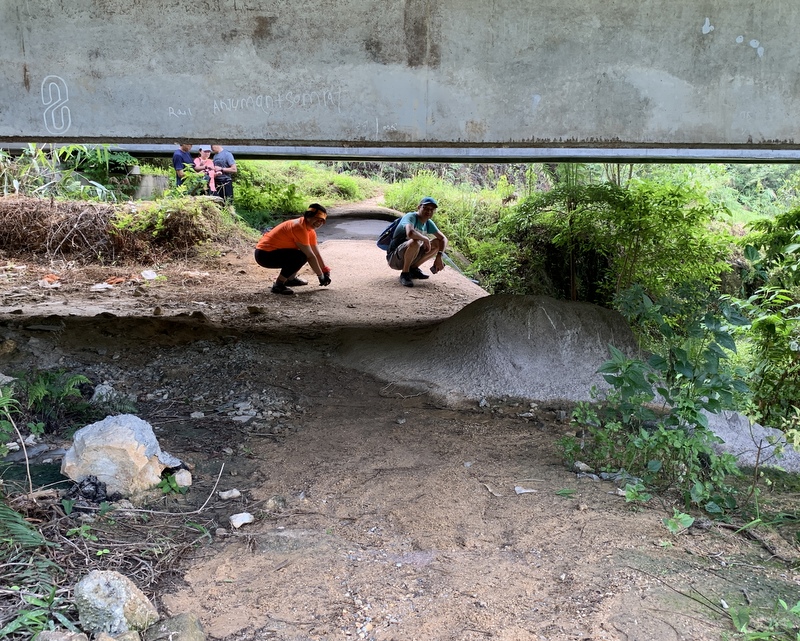
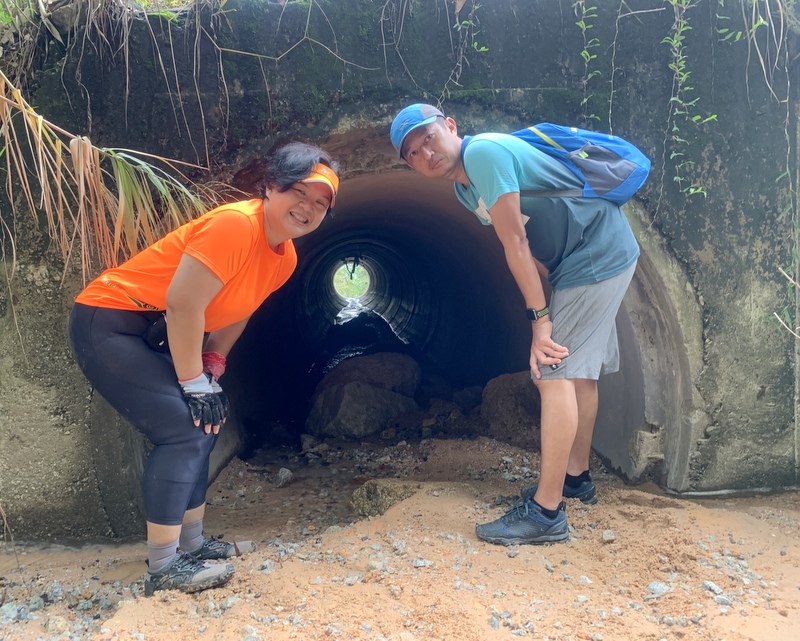
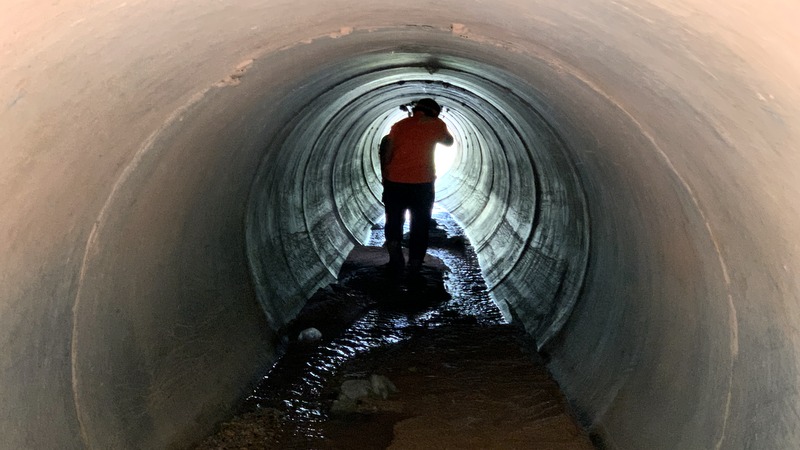
After about about 600 meter, the viaduct starts and you can cross under the highway to the other side. Mind your head 😉 .

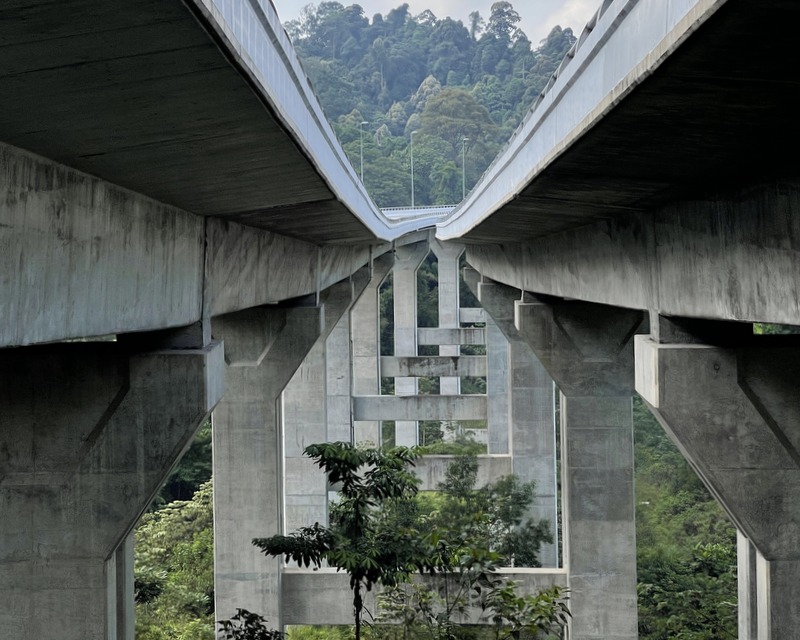
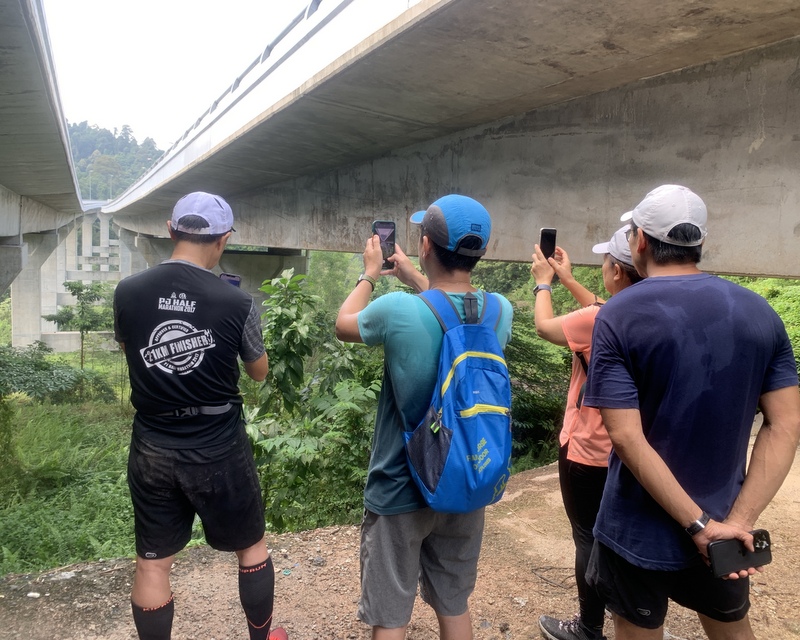
The view of the supporting pillars is quite spectacular, we met another group who was coming back from the viewpoint and also stopped here to take pictures.

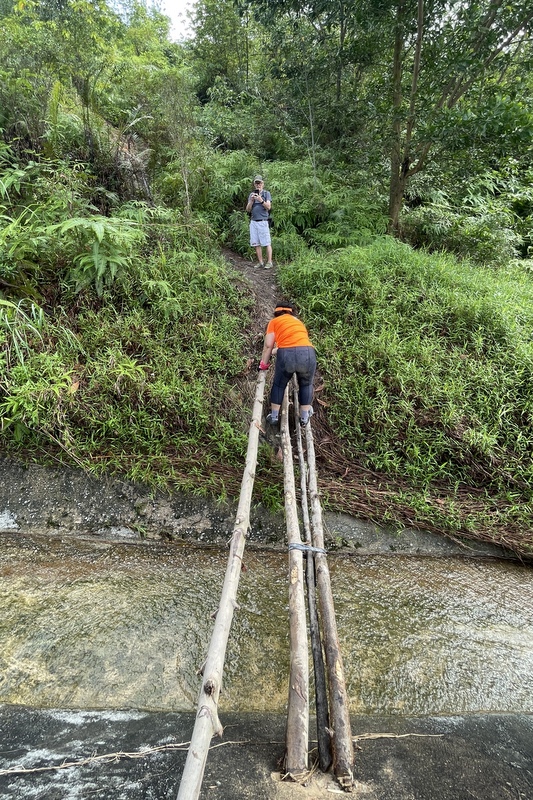
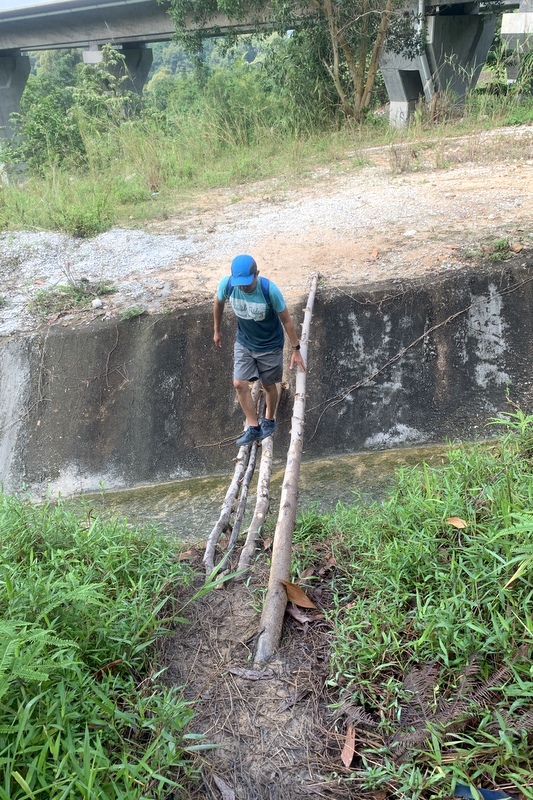
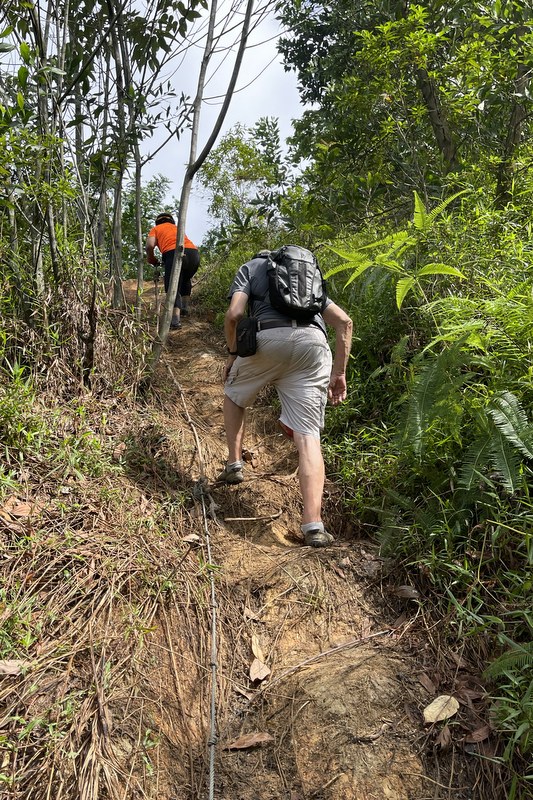
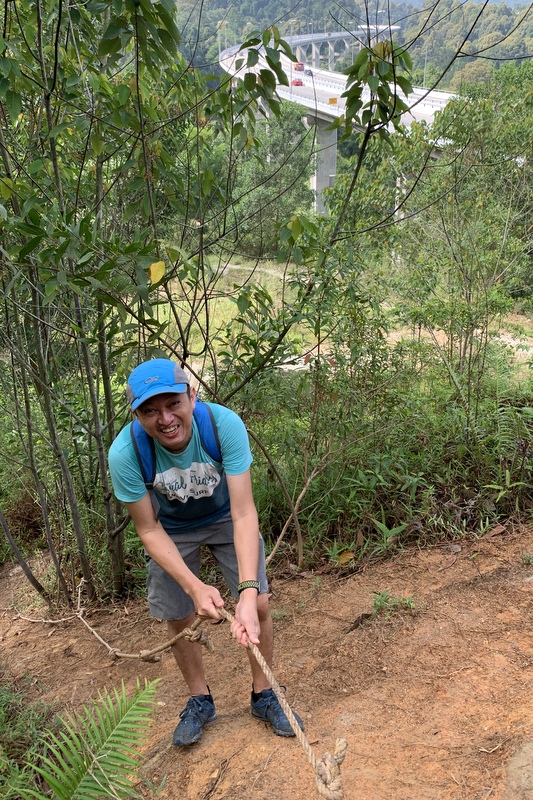
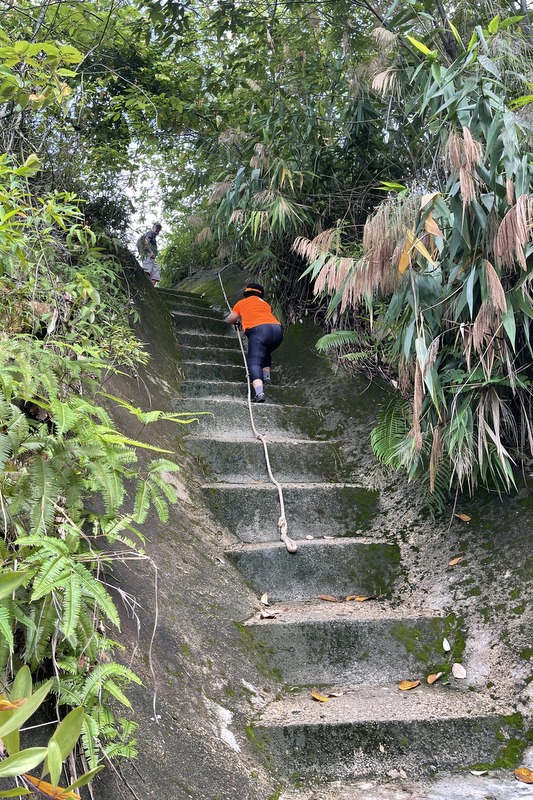
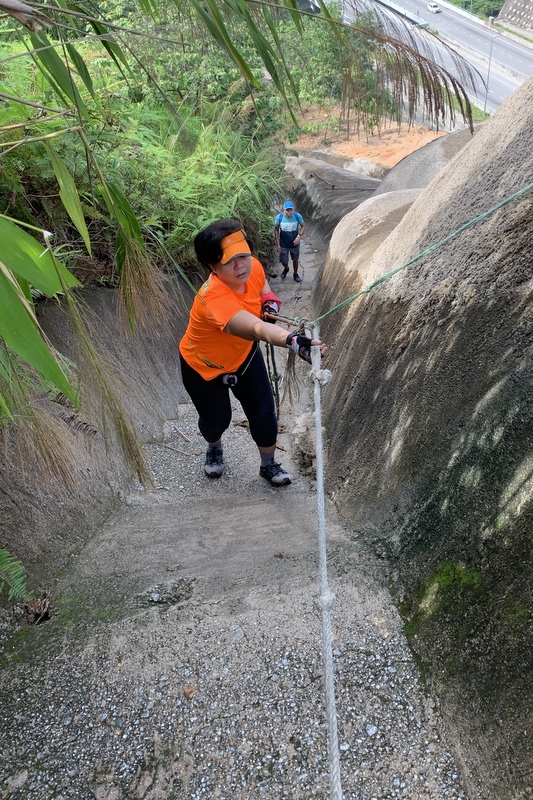
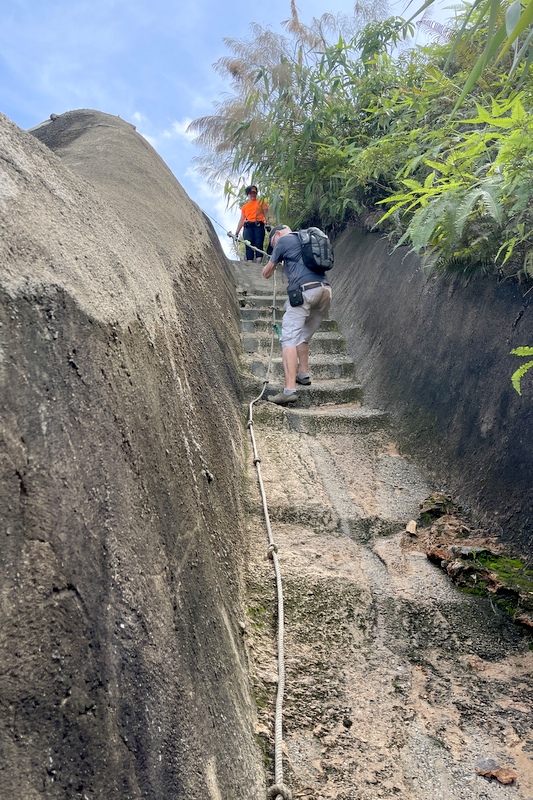
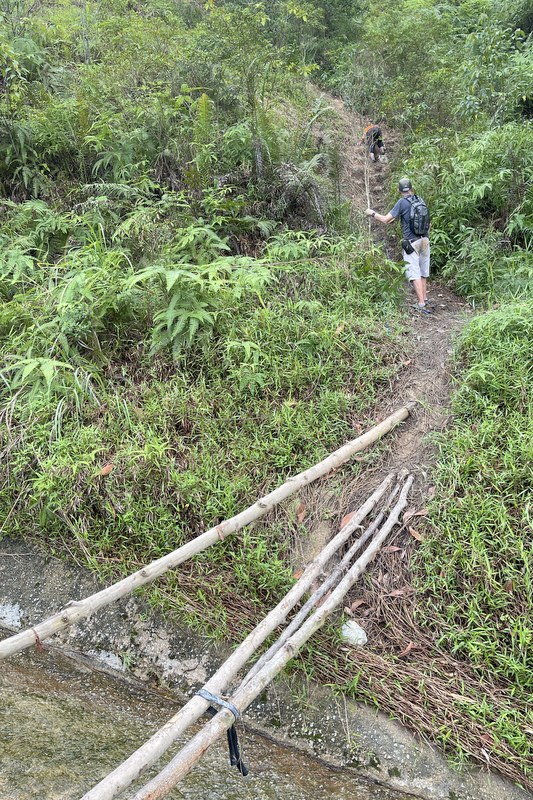
After crossing a drain on a flimsy bridge, the climb to the viewpoint starts. There are steps and ropes to help you.

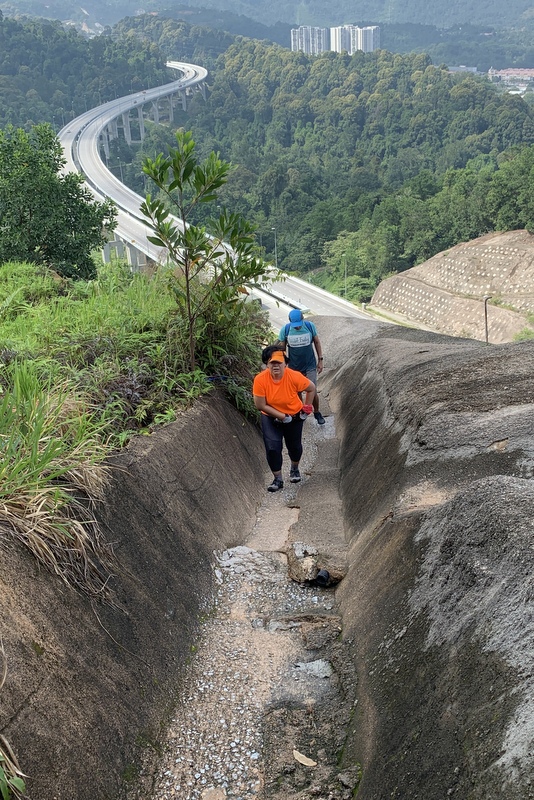
Halfway you have already a nice view of the viaduct.

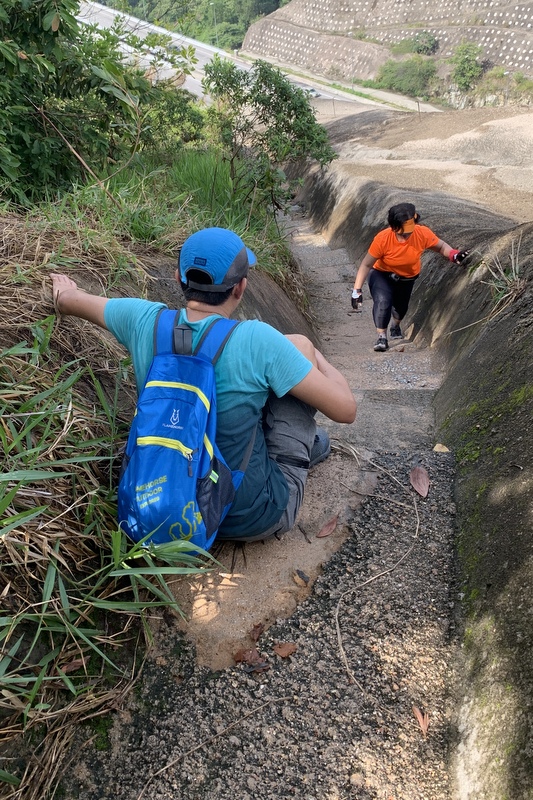
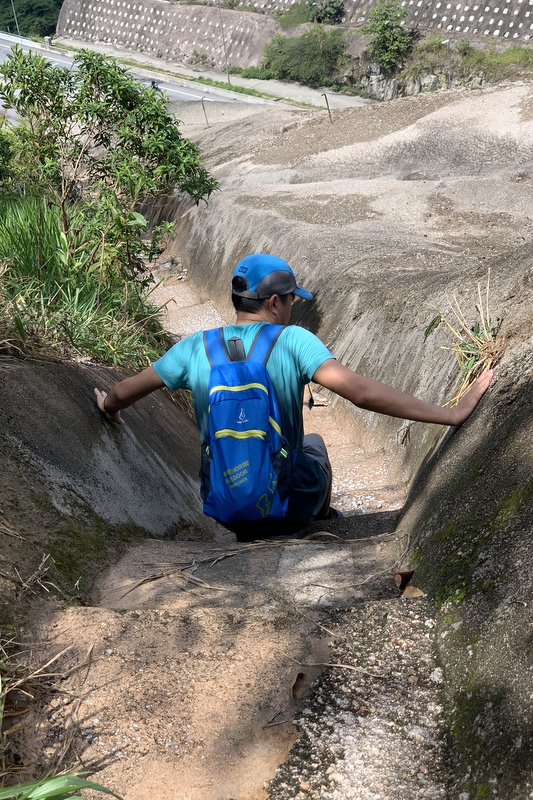
The climb becomes more challenging because you have to follow the drains. and they are constructed to guide the water down, with slanting steps. Care is needed, fortunately there are ropes attached to give you support.

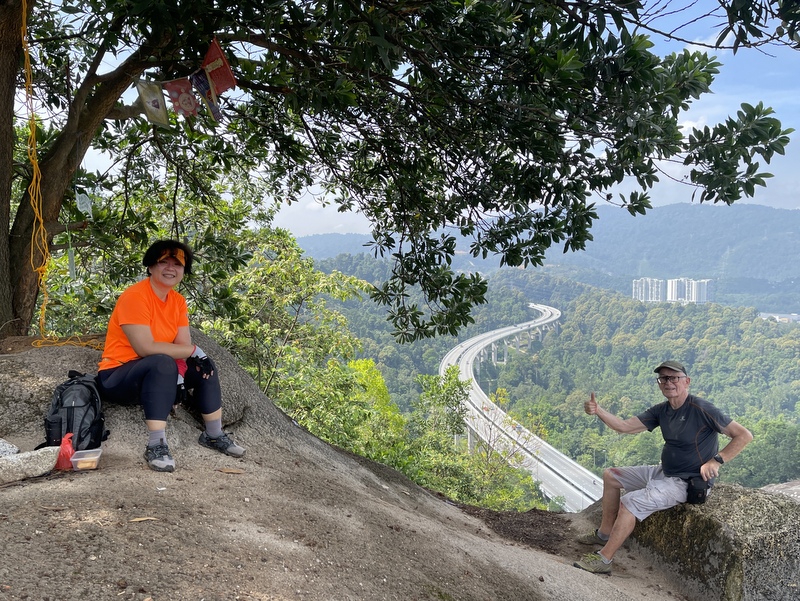
The steep stretch is only a few hundred meter long, you have to climb about 60 meter to reach the viewpoint. A big tree gives shade, it is a perfect place to relax and enjoy the view.

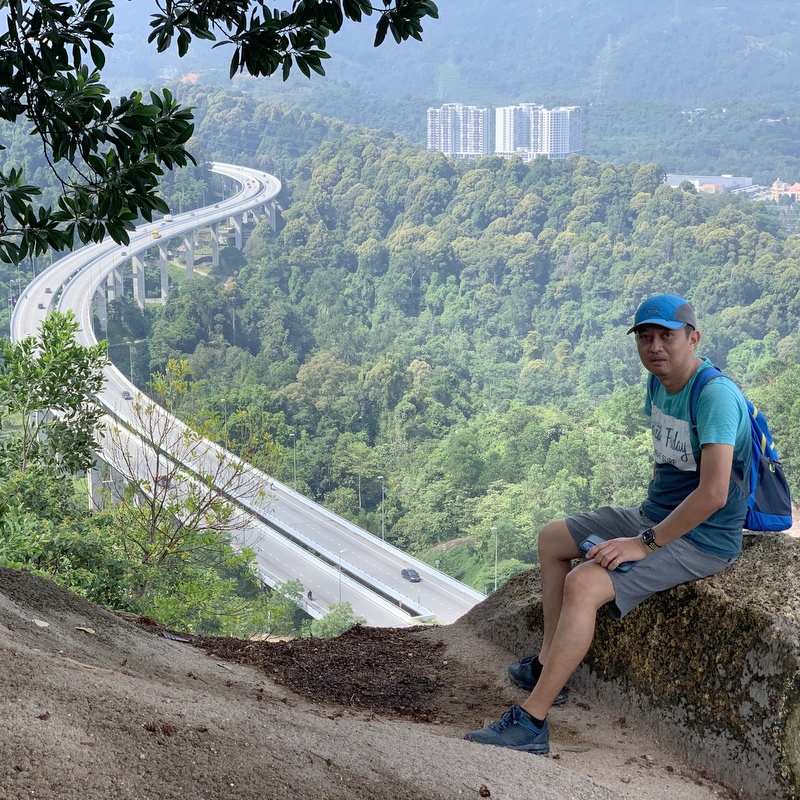
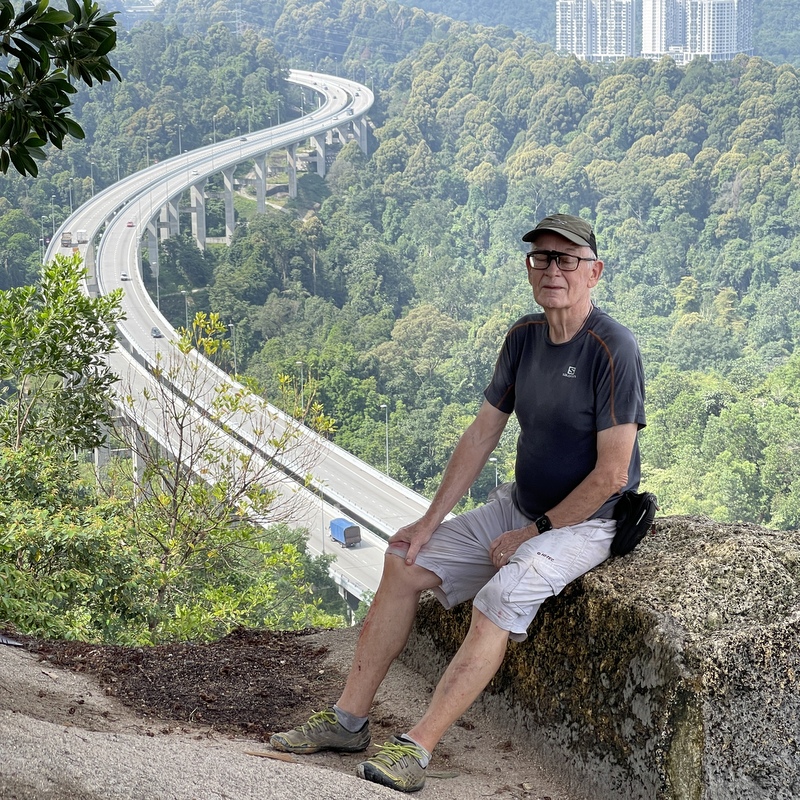
Of course we took pictures to prove that we have been there.

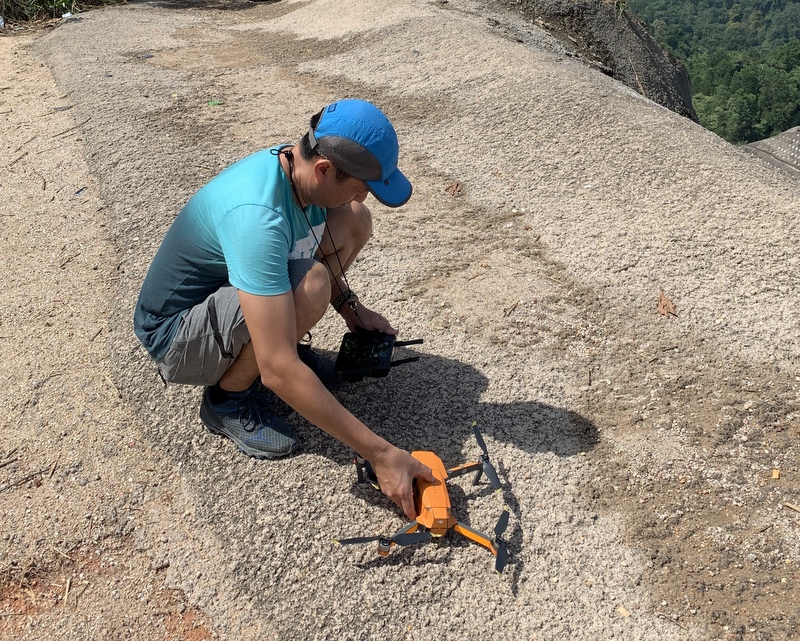
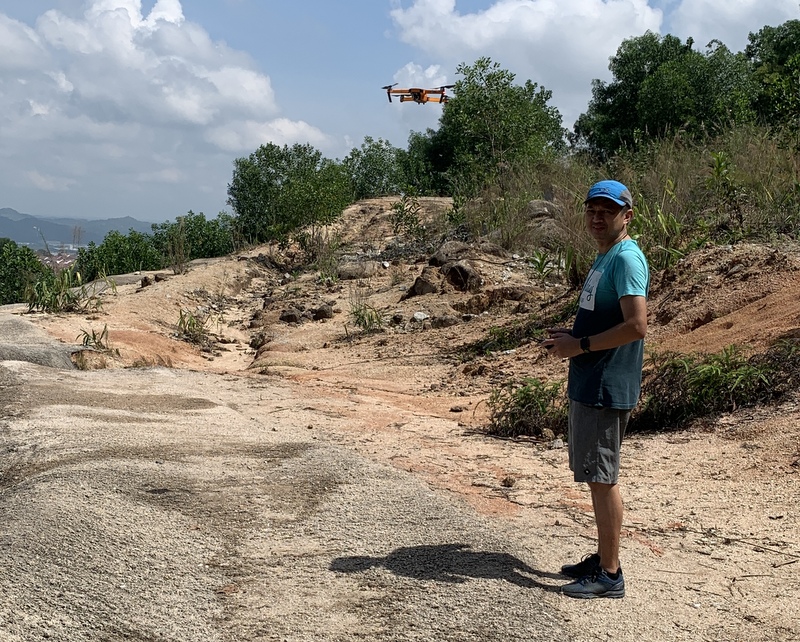
Aric had brought his drone.

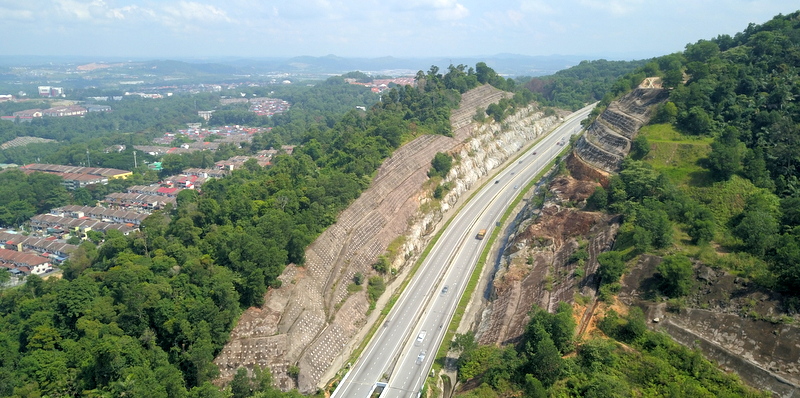
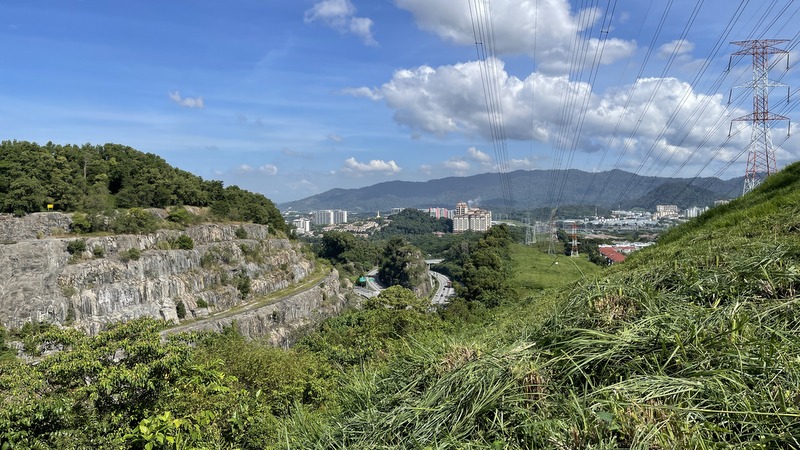
In this drone picture you see how the highway has been cut into the rocks. Notice the yellow marker, top right. That’s the viewpoint. It is often called Bukit Matt (Matt hill), although it is not a Bukit at all.

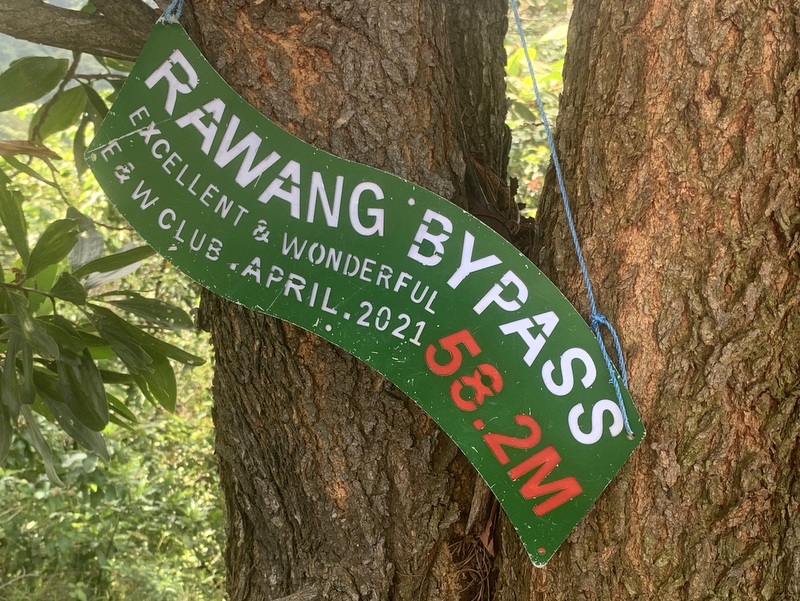
The viaduct. The main reason to build an (expensive!) elevated viaduct was to save more forest.

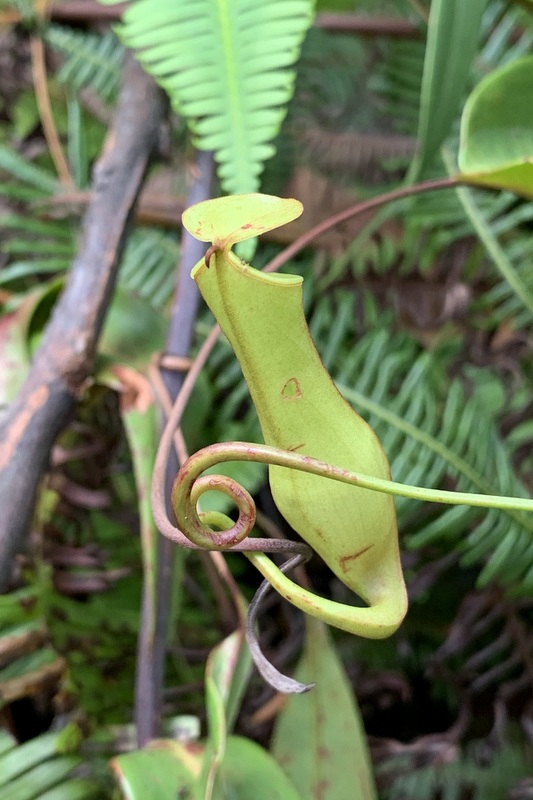
After a coffee break we climbed down the same way. Going down you must be even more careful! Not suitable after rain. We saw some nice pitcher plants.

We walked back on the maintenance road until we reached the drain. Beware! Before you reach this wide drain, you will pass two very narrow ones.

There was not much water, it will be different after a downpour.

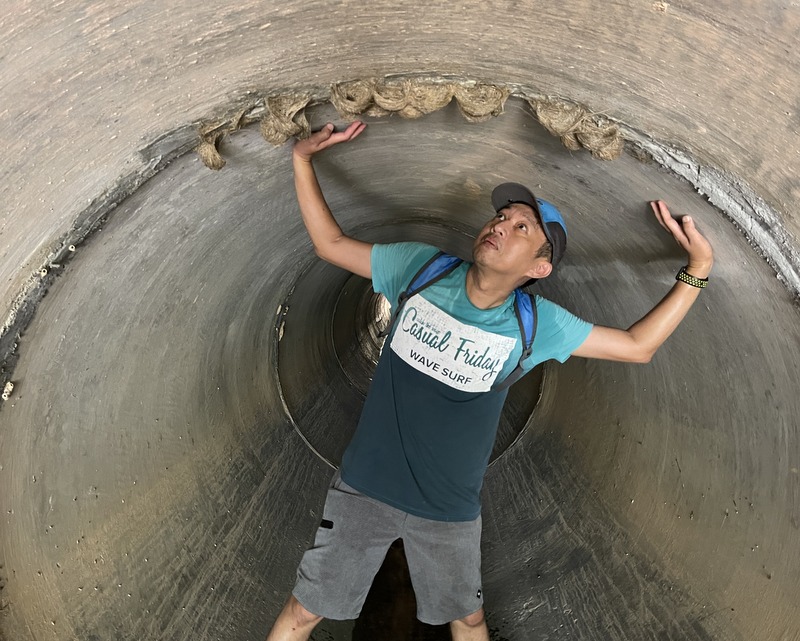
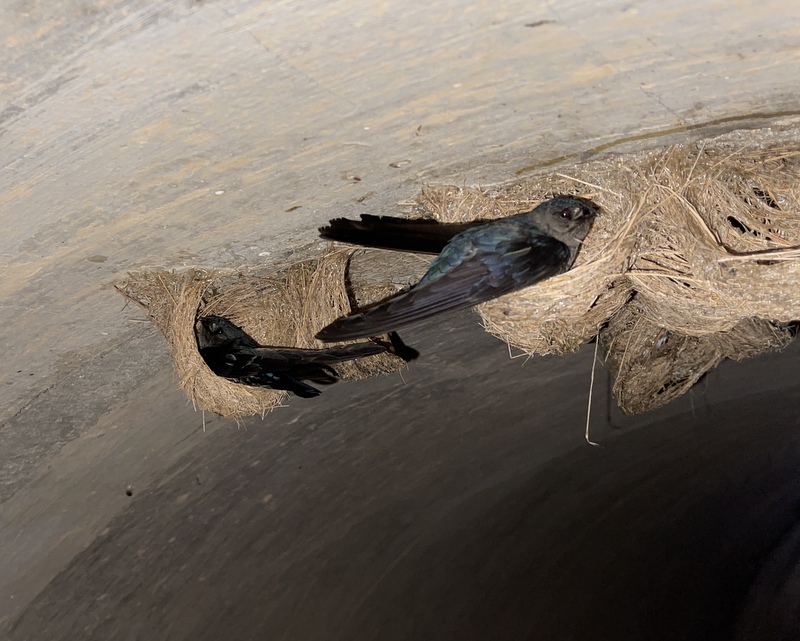
Swiftlets have built their nests inside the drain, Aric managed to take pictures of them.

Walking back to the car we noticed these markings . Physical distancing according to the SOP! A reminder that the Covid pandemic was still around. No idea if anyone would follow these rules in this natural environment.

Another Hindu shrine near were our car was parked.

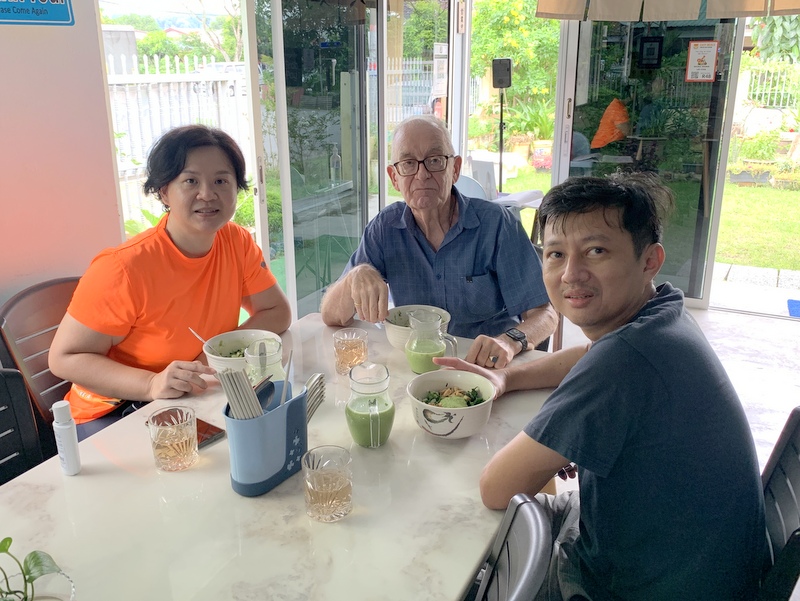
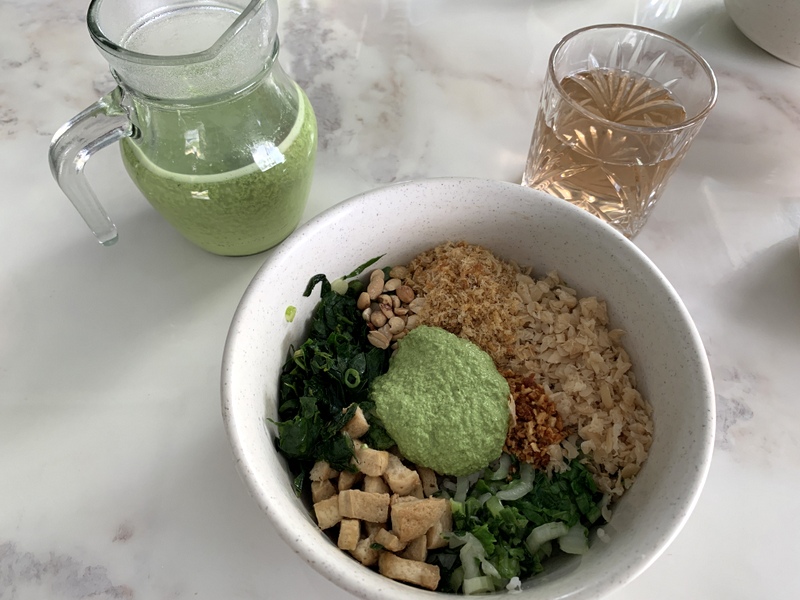
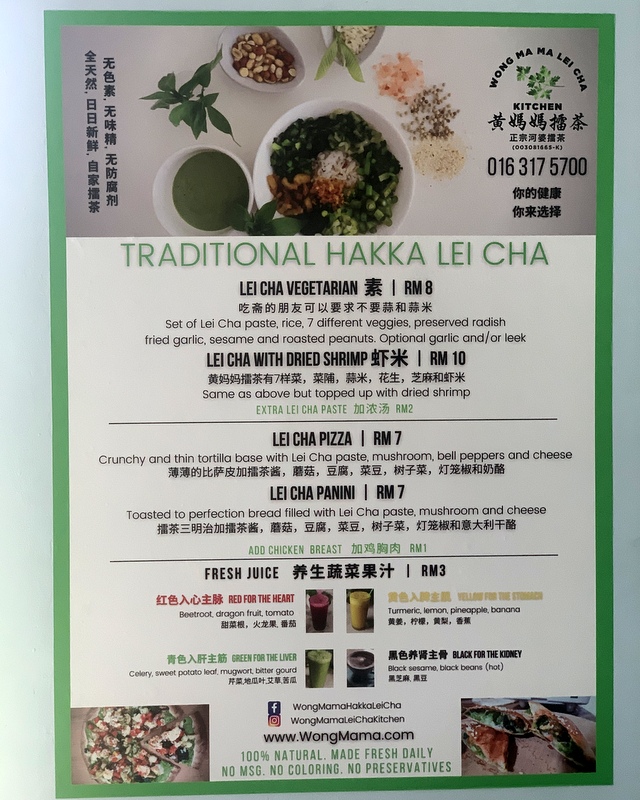
The whole trip took about 3 hours. We were hungry and our friend Jennifer, who lives in the region, knew about a Hakka eatery in Rawang, where they serve Lei Cha as a specialty. We went there and it was a good choice.

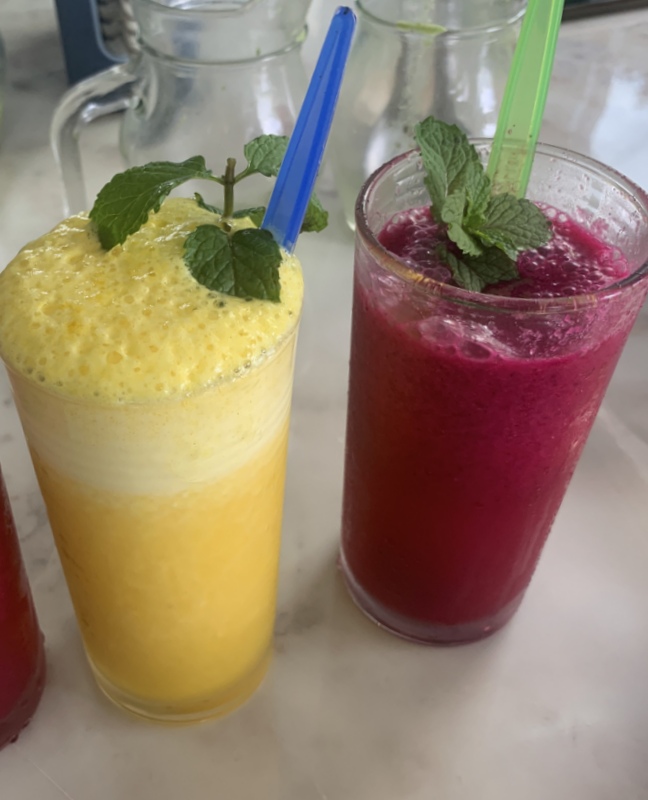
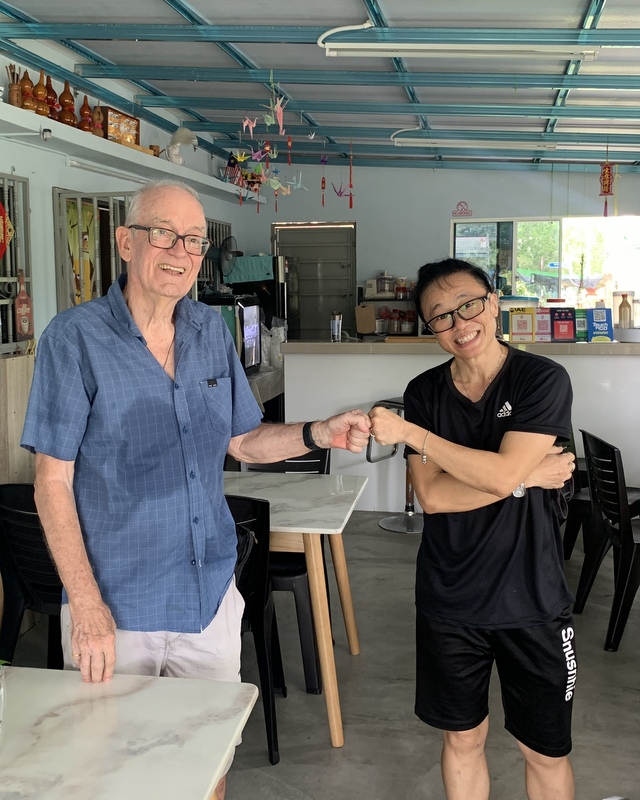
They also prepare healthy juices and even Lei Cha pizza! The owner is very friendly. We will come back.

It was a nice excursion. Here is a Google Earth screenshot, where I have marked a few locations. The yellow line marks the shorter, but less interesting route.

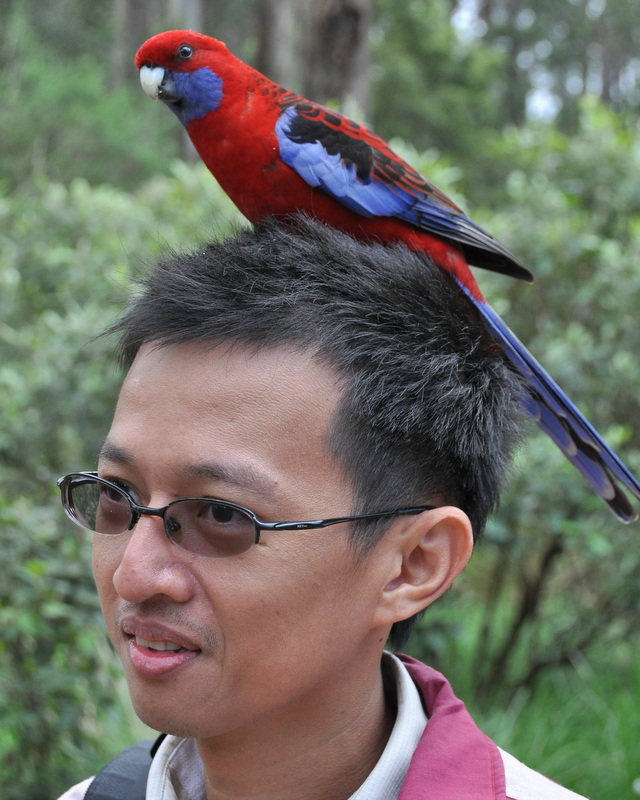
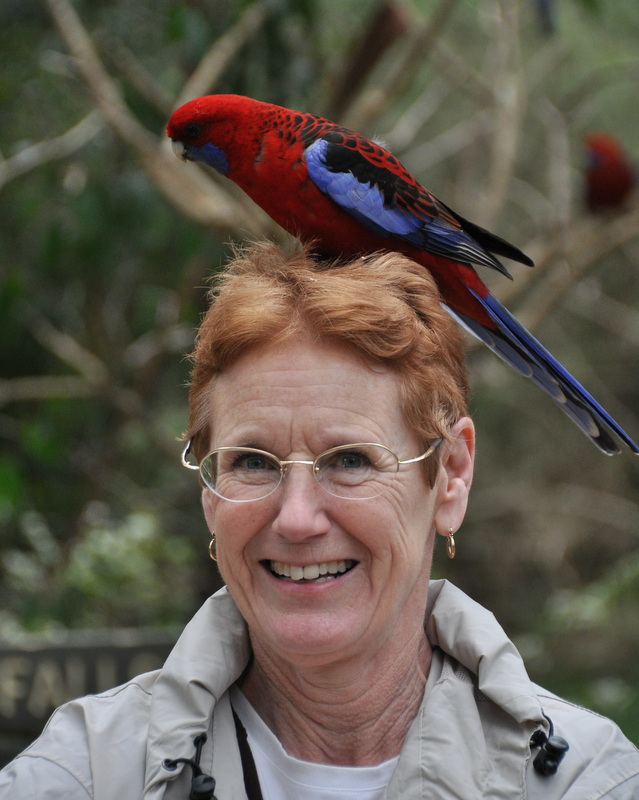
Melbourne 2015

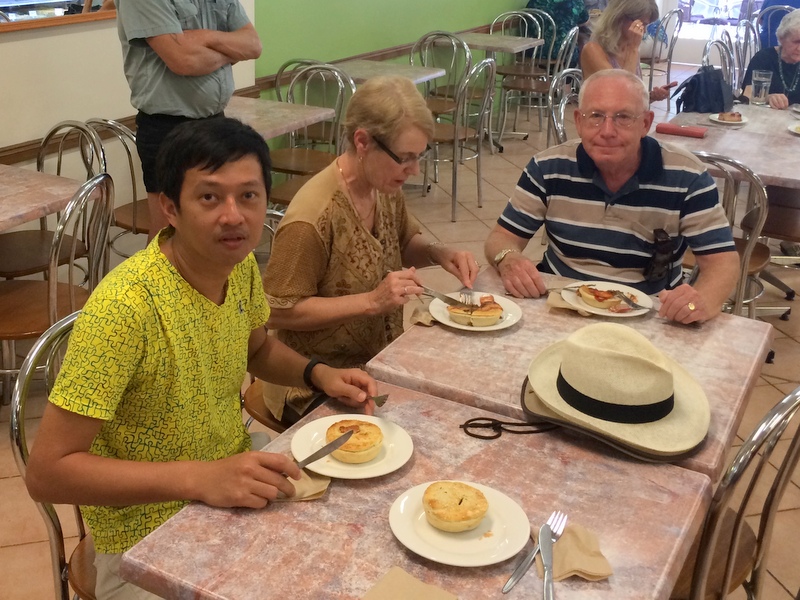
In February 2015 Aric and I visited our friends Pat and Roger in Melbourne. We had a wonderful time, I took almost 800 pictures, but I never wrote a report about it. It is now six years later, details about our trip have become vague. Here is a belated blog about that visit.

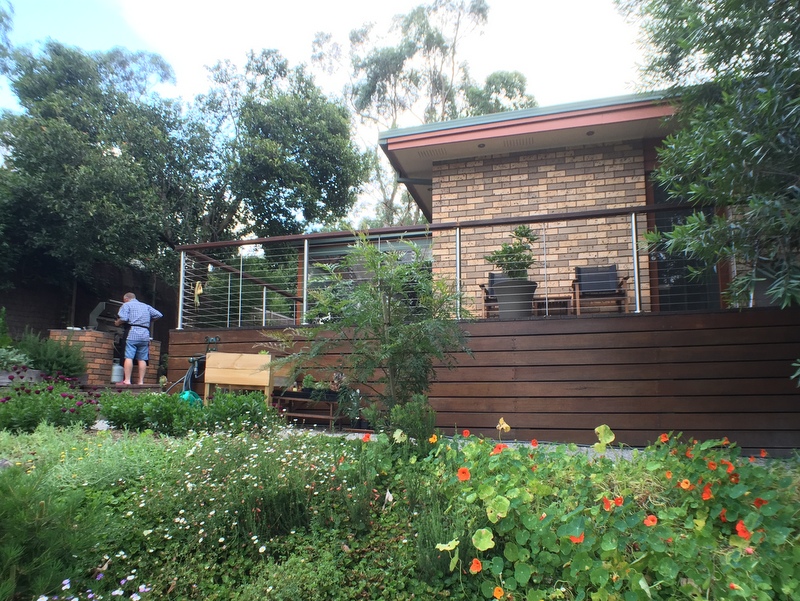
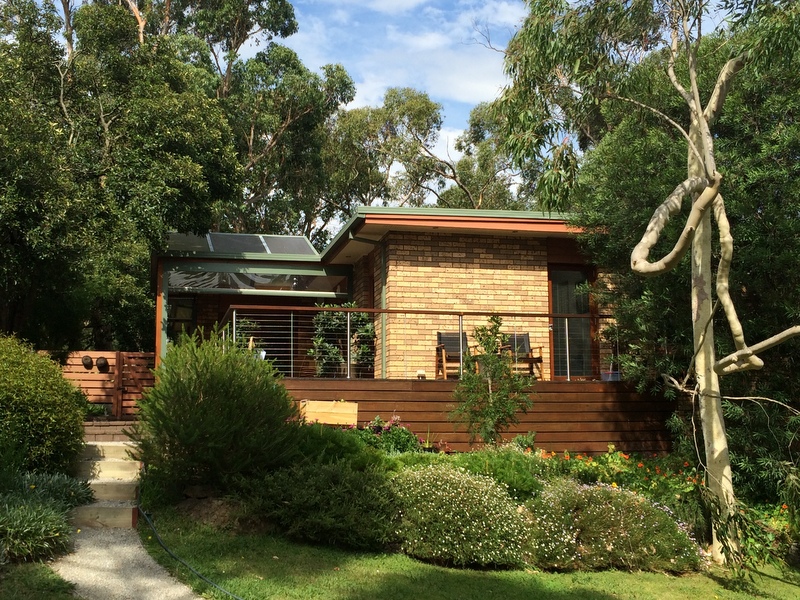
They are living in a nice bungalow in the Dandenong hills, not far from Melbourne.

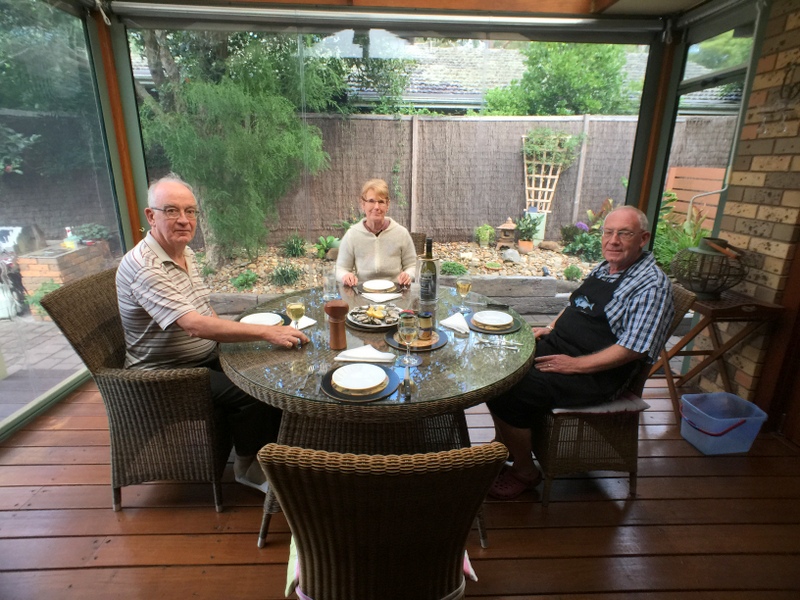
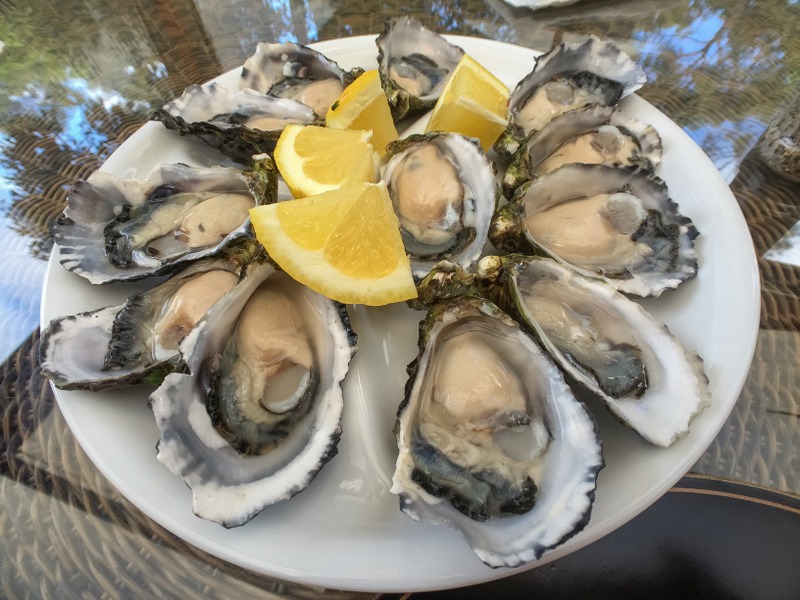
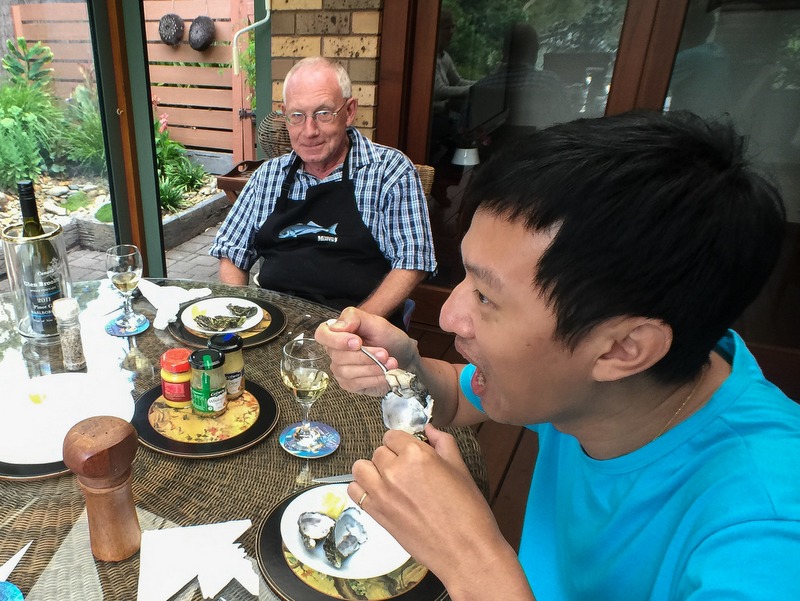
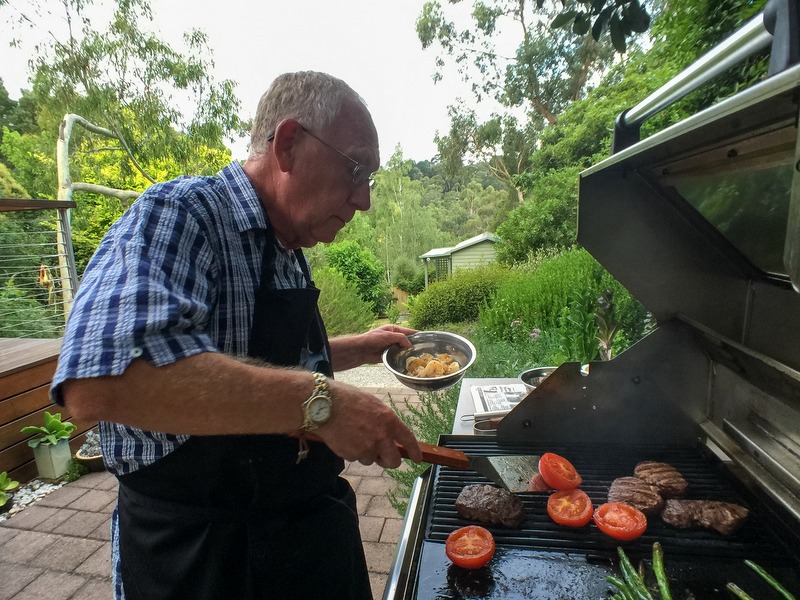
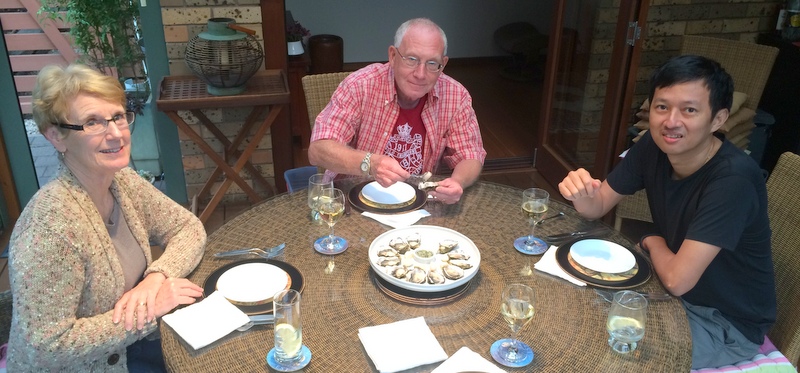
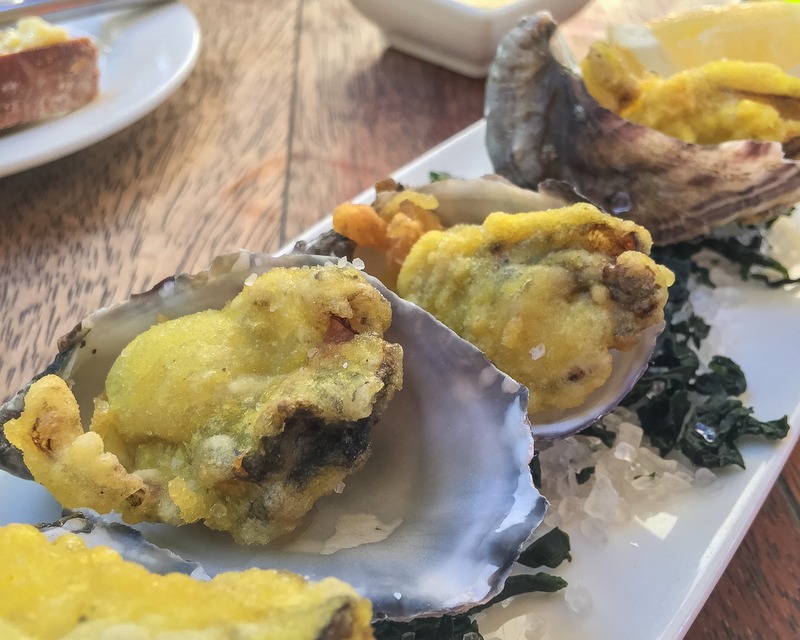
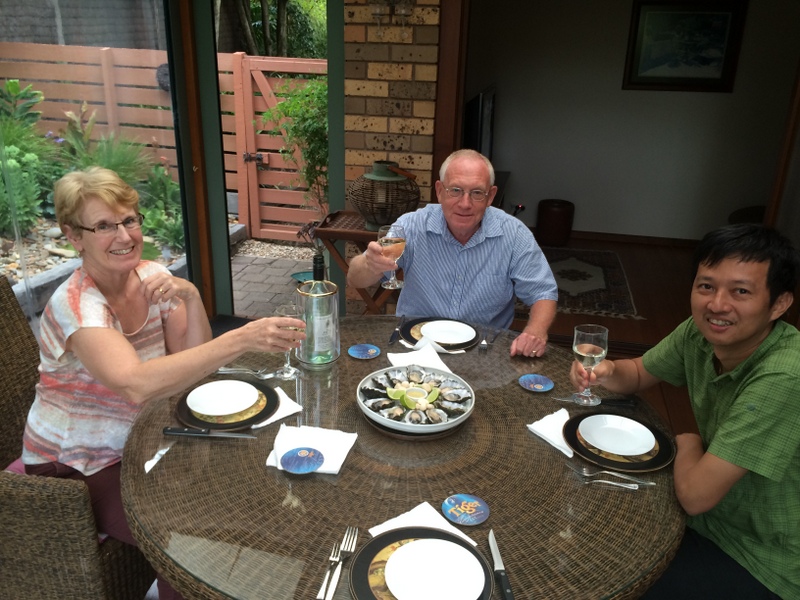
The first day we relaxed, did some shopping for the dinner. All of us love food and Roger is a good cook. He knows that we are addicted to oysters, look at his face as he is watching how Aric is enjoying one 😉 .

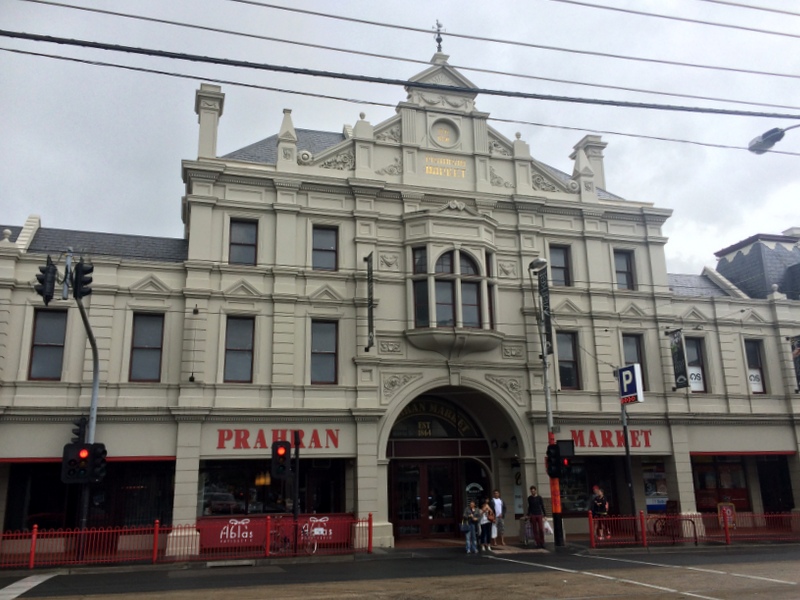
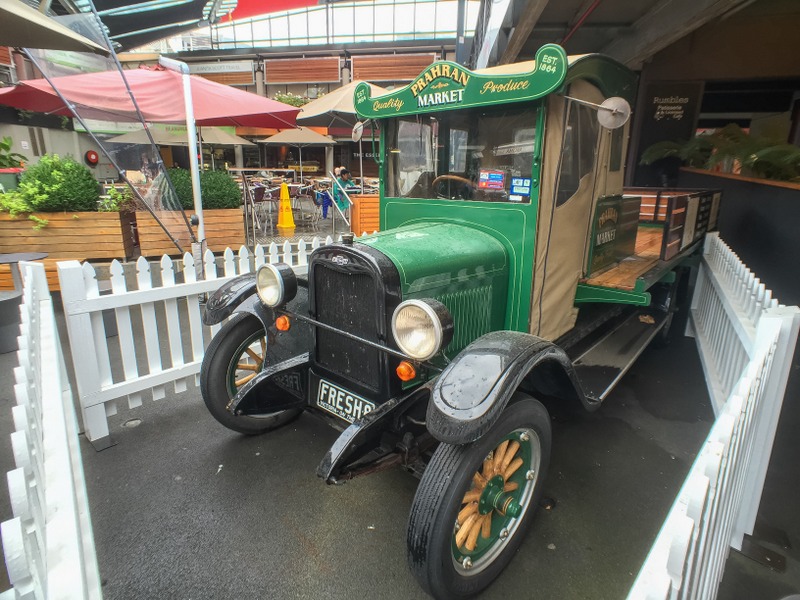
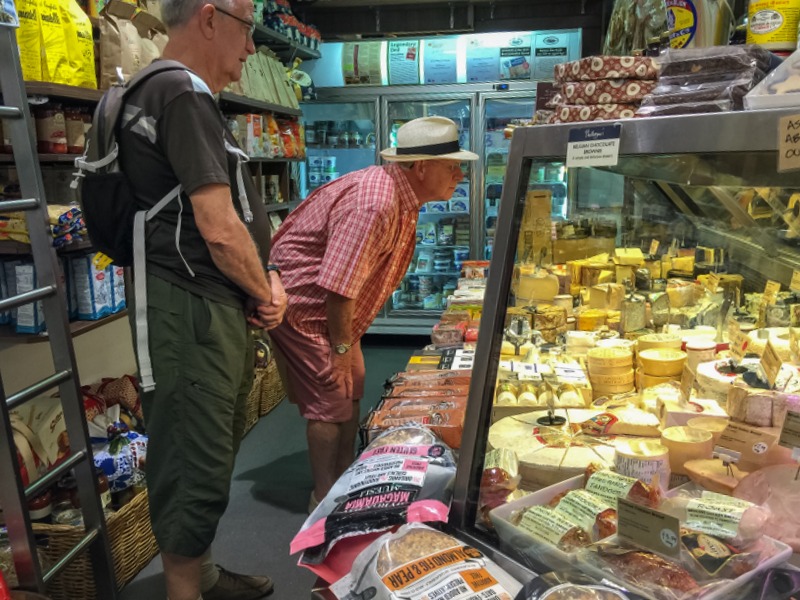
The next day we went to Melbourne, to the Prahran Market, a historical market, founded in the 1860s and relocated to its present location in 1881. Lots of fresh produce and also many cafes. Roger did some shopping for the dinner.

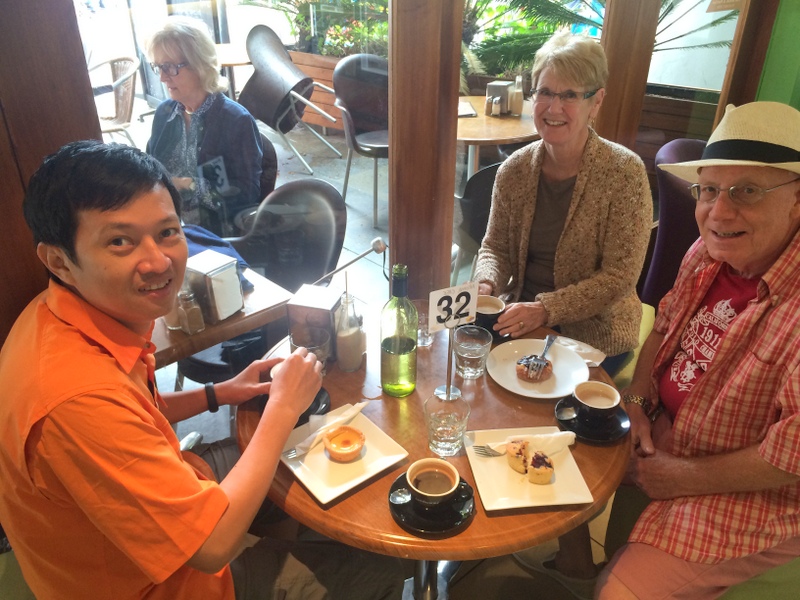
We had coffee with cake and later lunch with mussels.

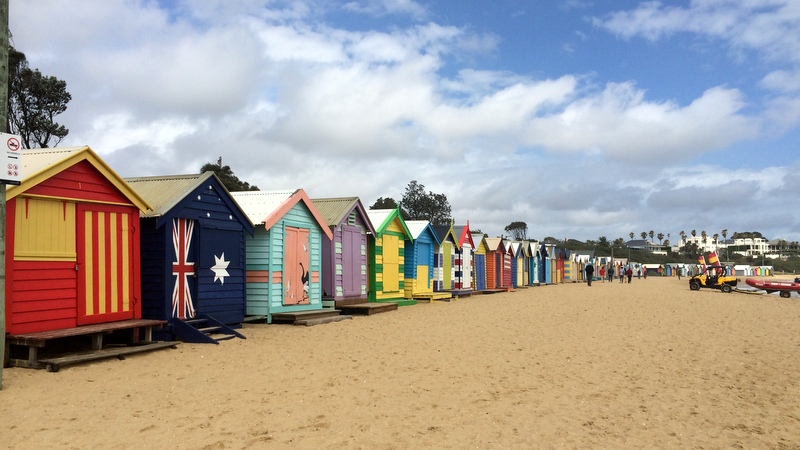
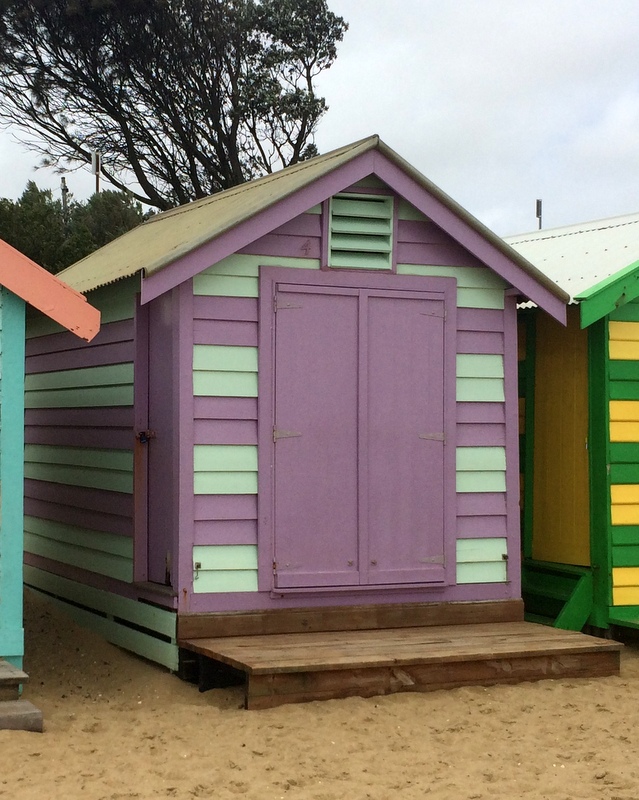
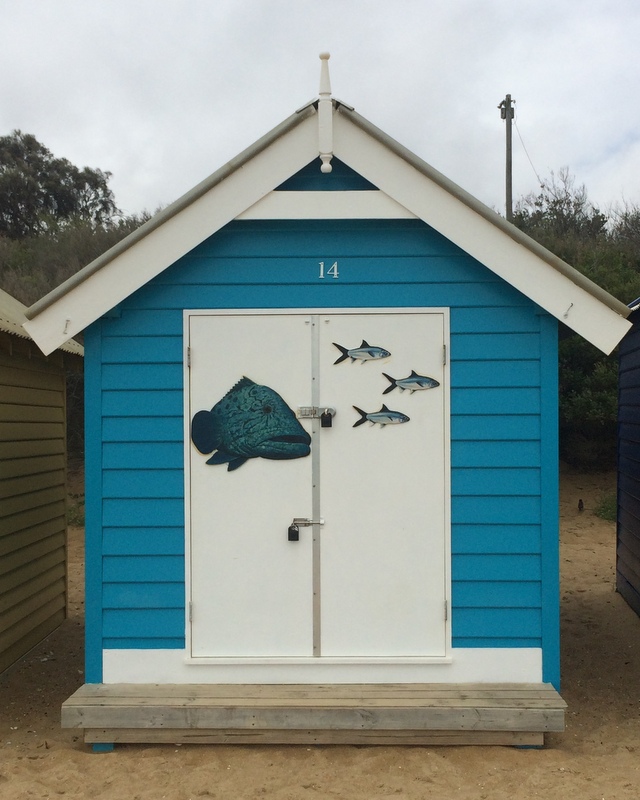
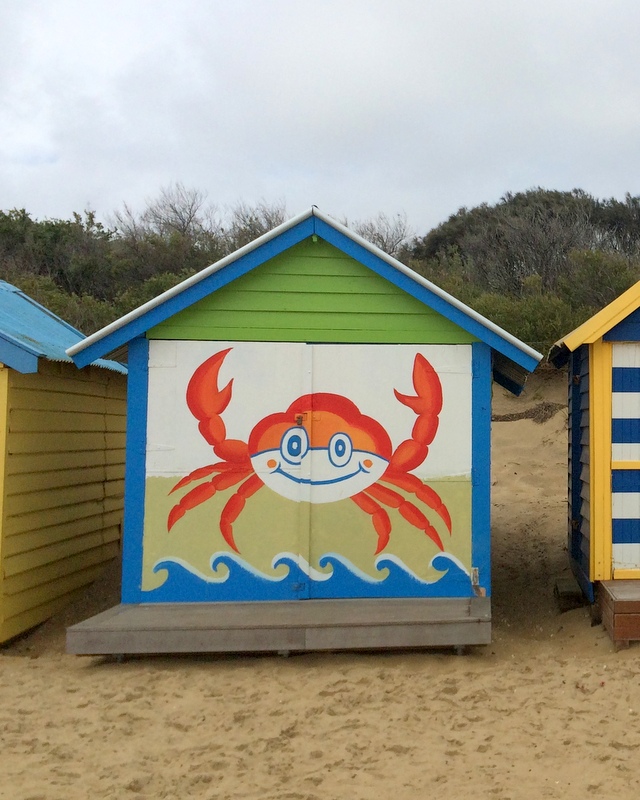
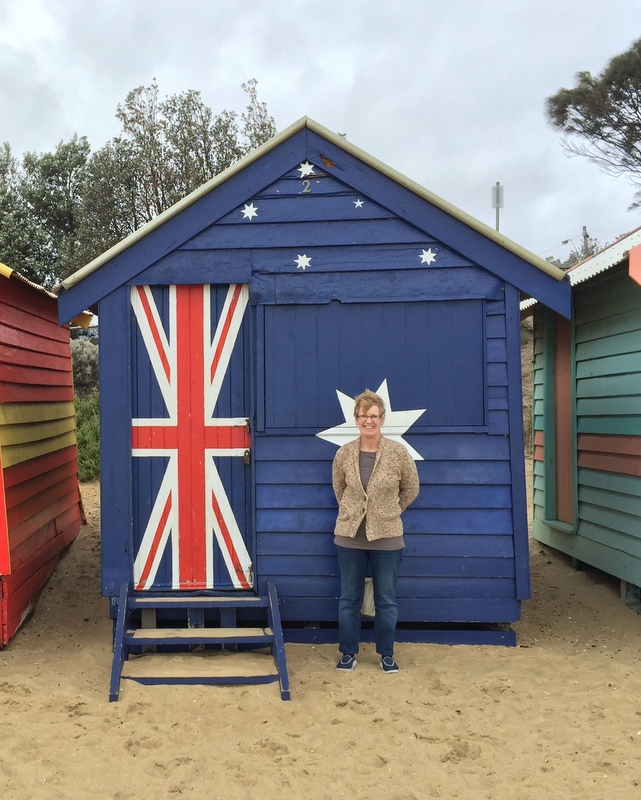
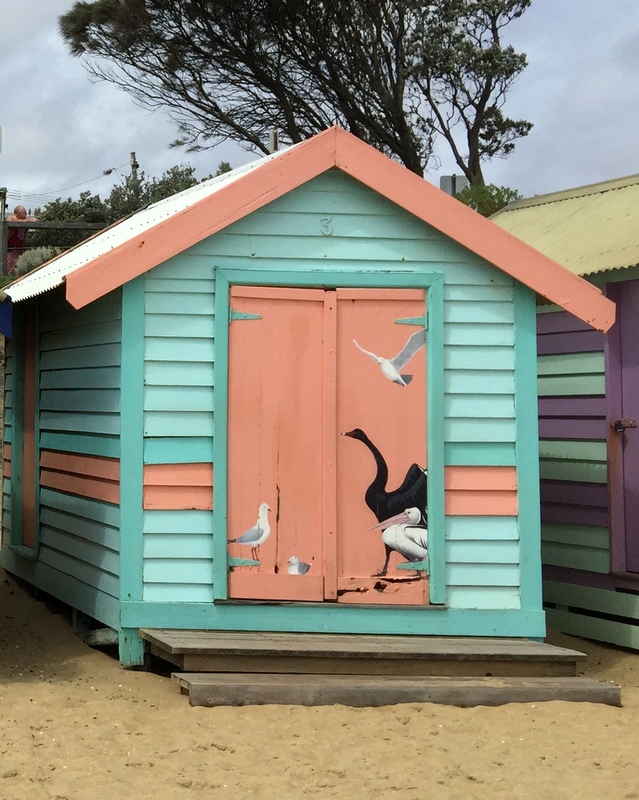
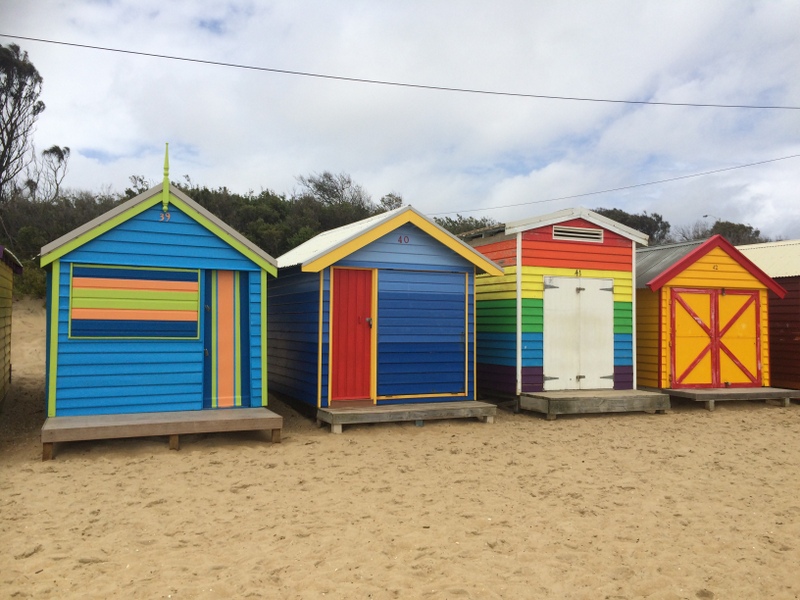
Aric had discovered on the Internet a colorful beach “village”, Brighton Beach, and in the afternoon we visited it. A perfect location for photographers.

That evening again an exquisite seafood dinner.

The next day we started a 5D4N trip to the region in Victoria north of Melbourne. We visited a goldmine in Bendigo, made a paddle steamer trip in Echuca, had lost of nice food and thoroughly enjoyed each other’s company. I wrote a separate blog about this trip, Victoria Trip 2015. Here is a sketch of our itinerary.

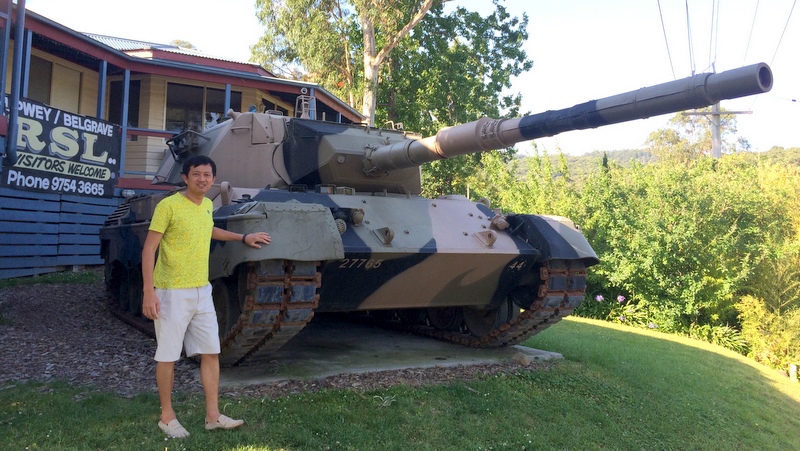
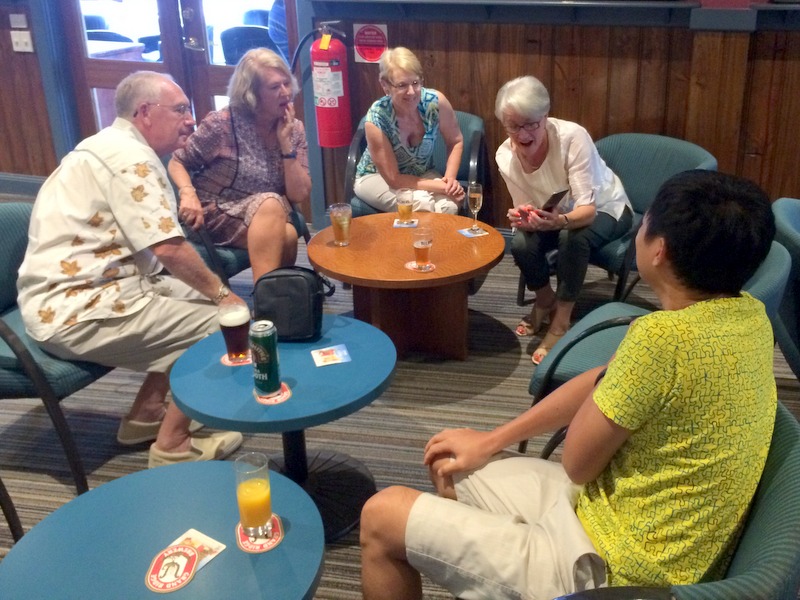
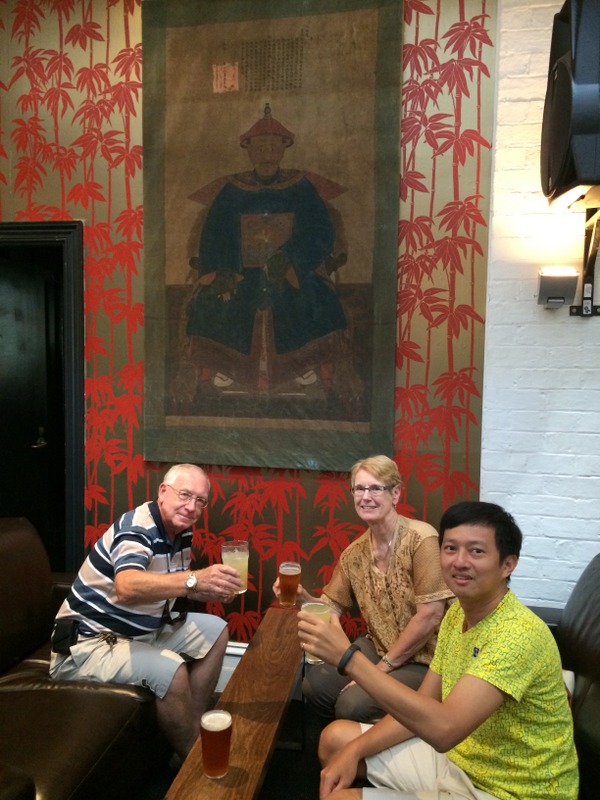
After we returned from this trip, we visited the RSL Club of Upwey-Belgrave. Roger is a member and regular visitor of this typical Australian phenomenon. Although the background is military, it now functions primarily as a pub.

The restaurant in the RSL was leased to a chef who prepared an exquisite dinner.

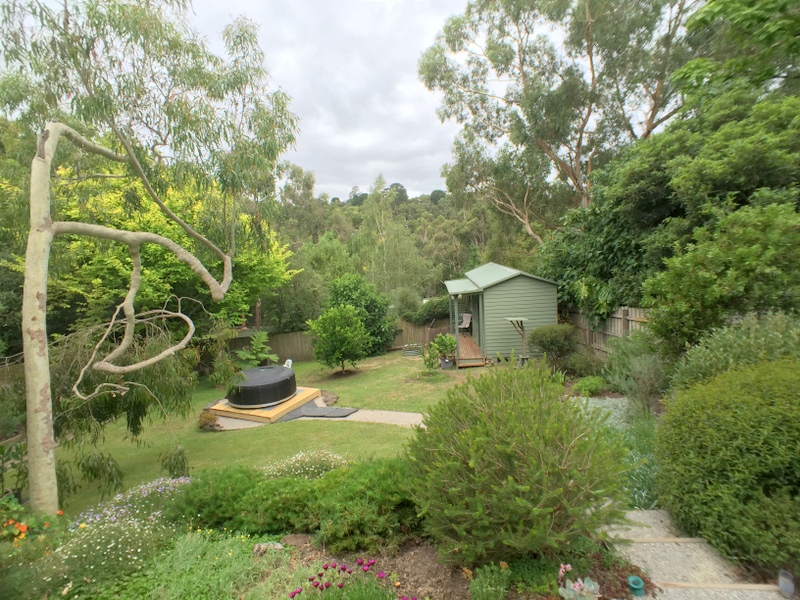
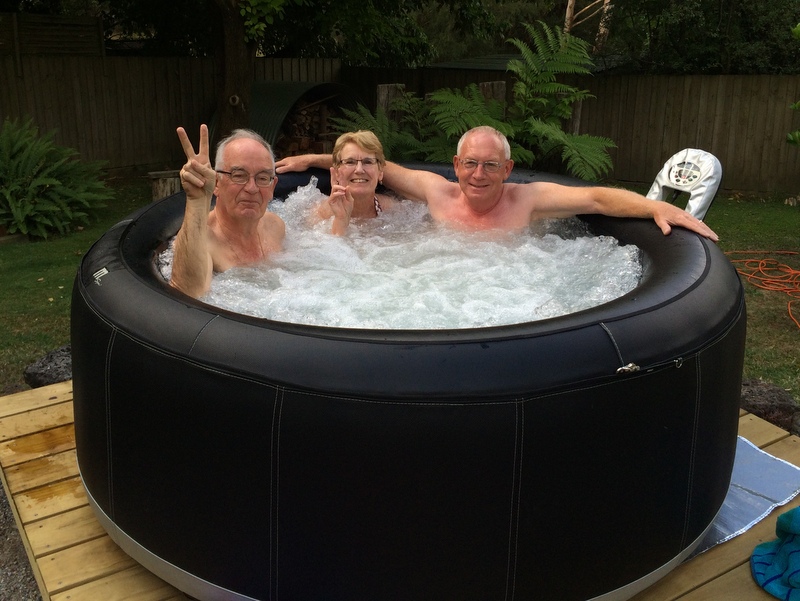
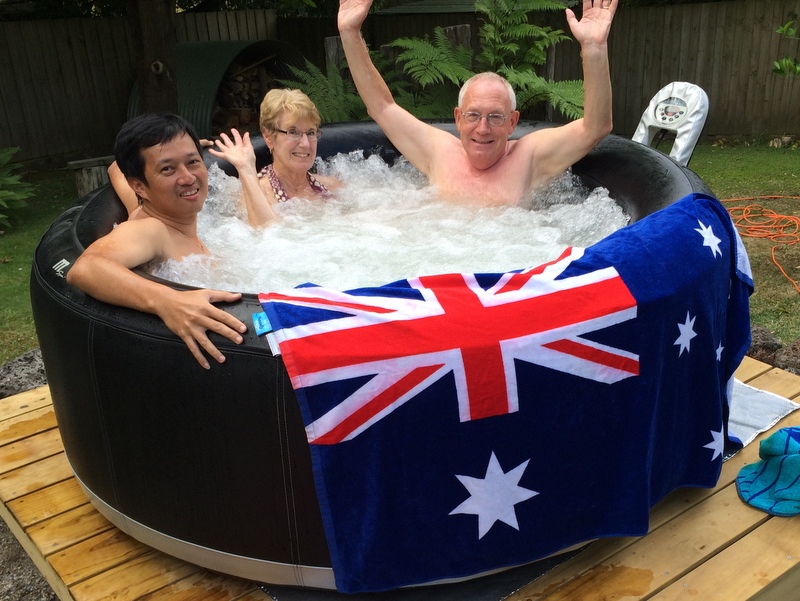
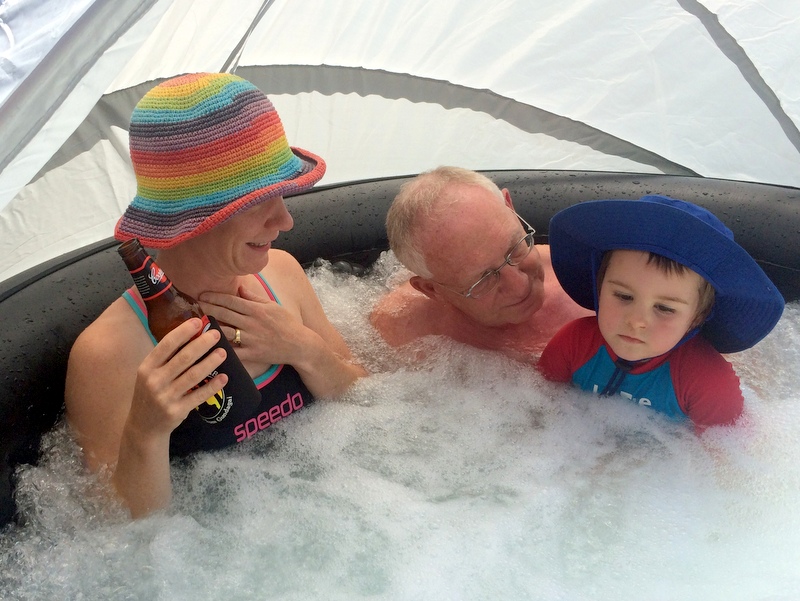
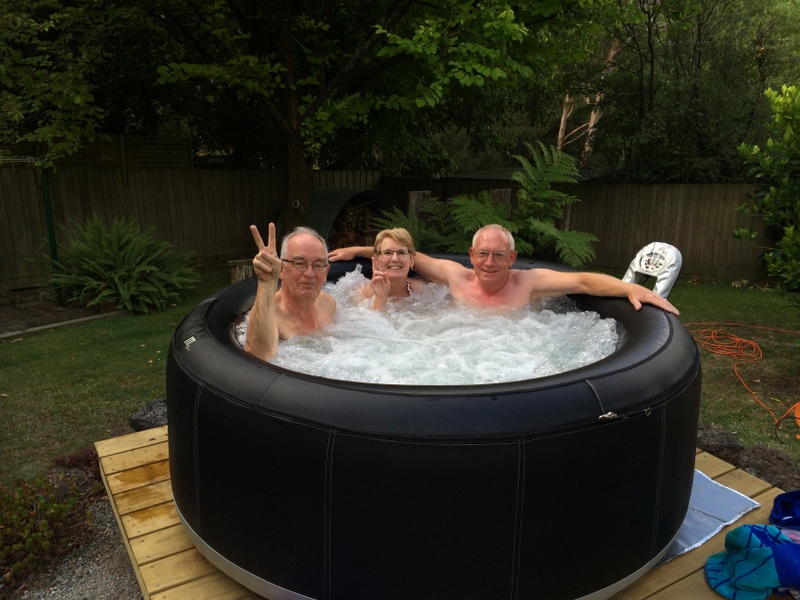
After the busy trip we relaxed the next day. They have a nice garden and Roger prepared the jacuzzi, where we spent a lazy afternoon. They have now become Australians and are clearly proud of it 😉

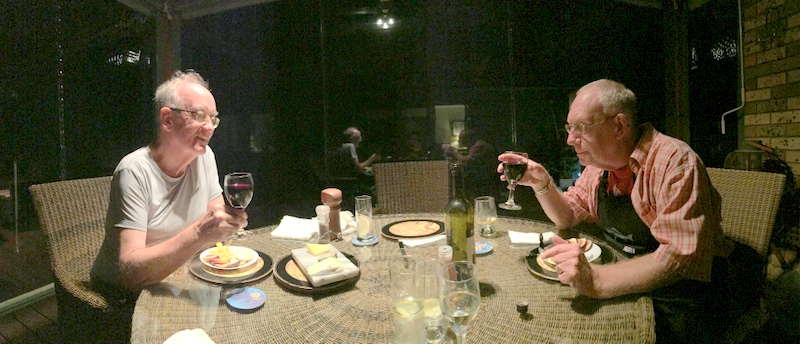
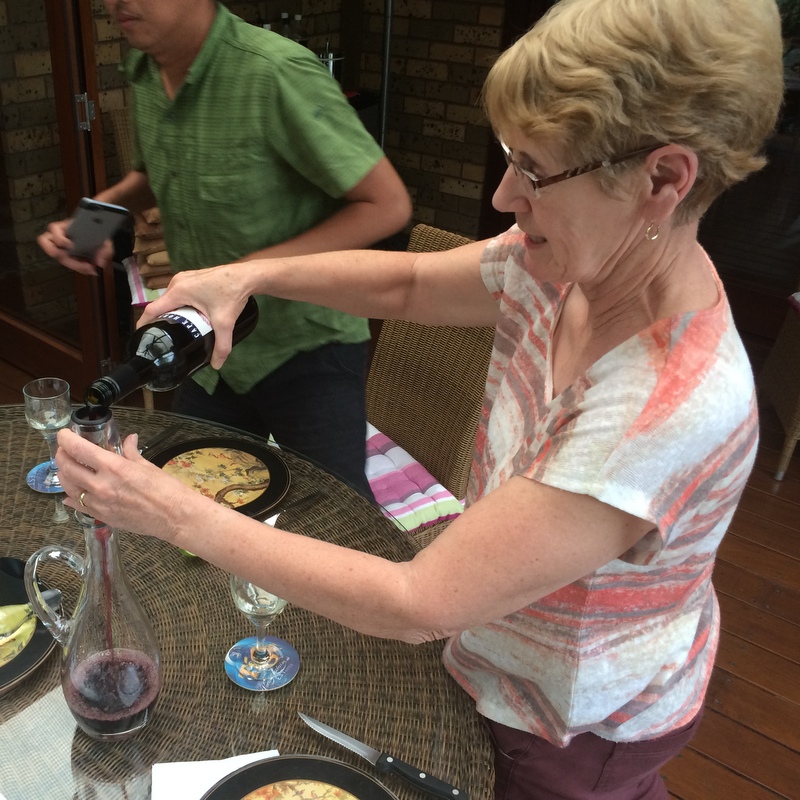
We had dinner at home. Host and hostess busy in the kitchen and decanting the wine.

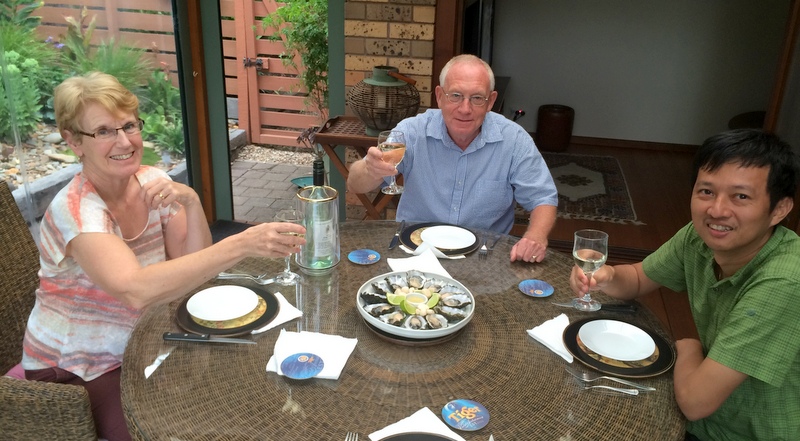
We started with oysters

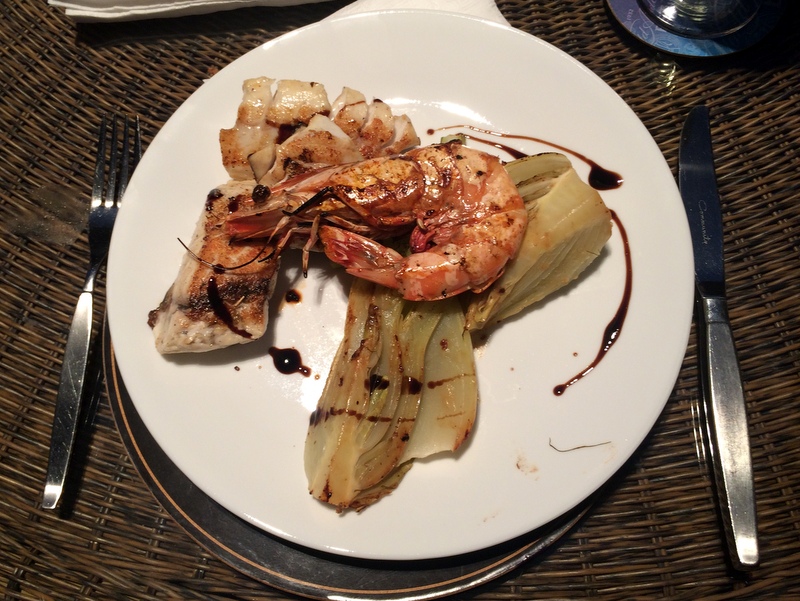
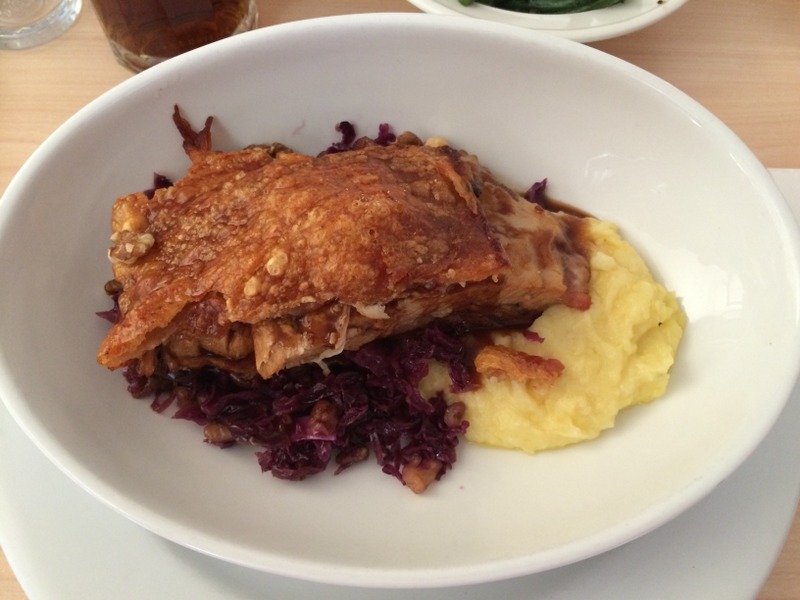
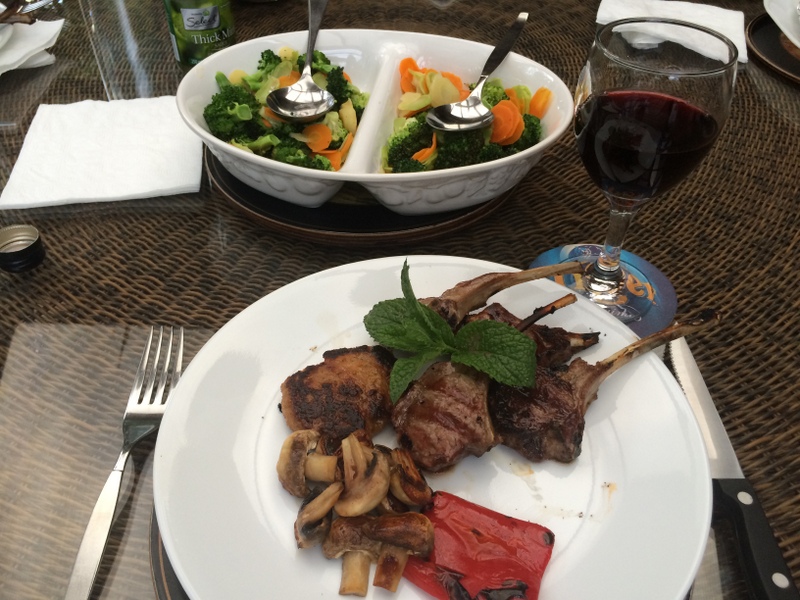
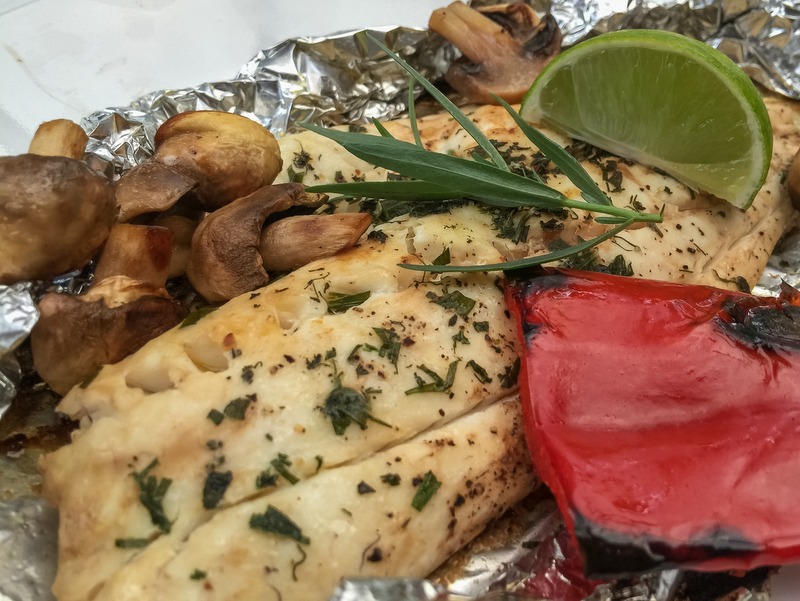
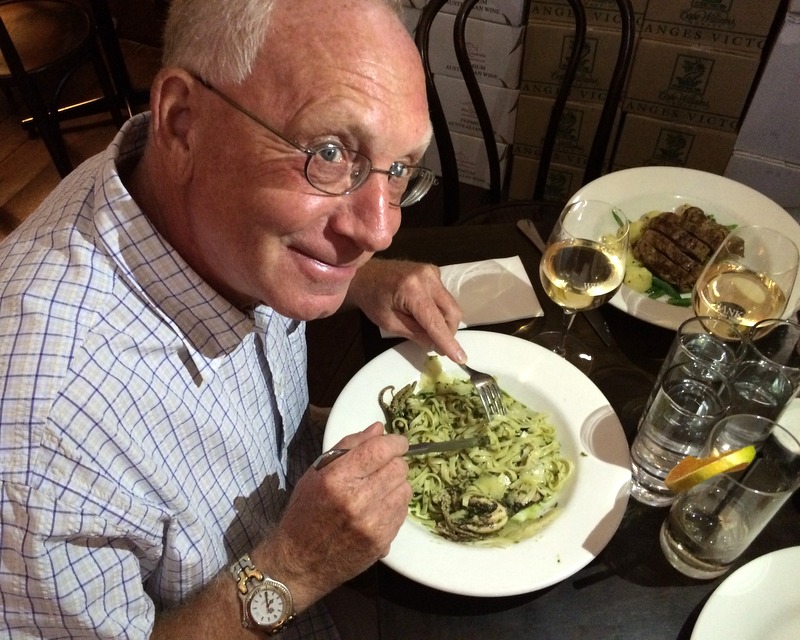
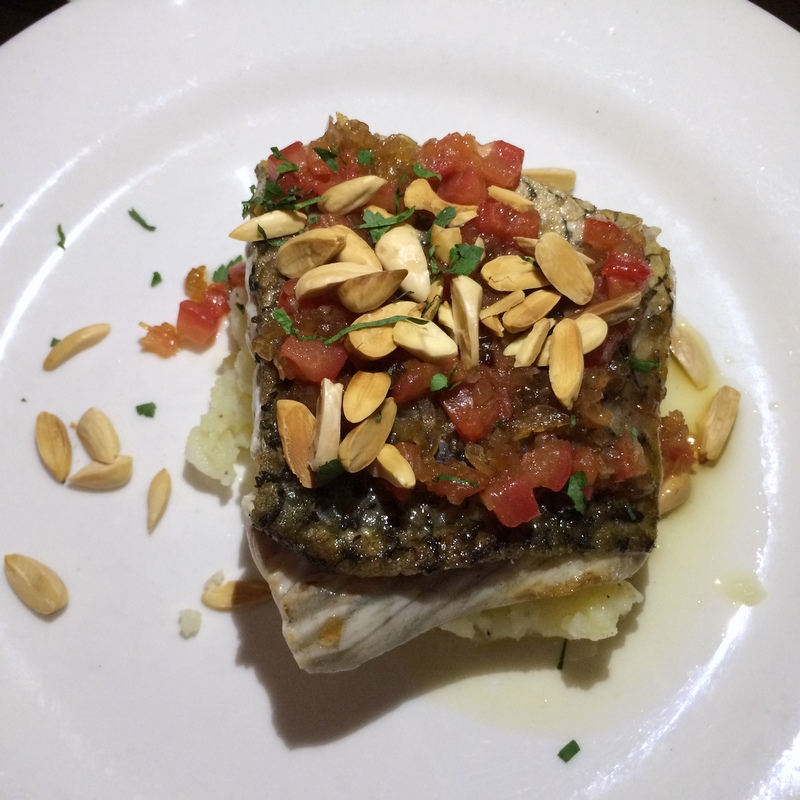
Main course were lamb cutlets. Because Roger knew that lamb was not Aric’s favourite, he prepared fish especially for him!

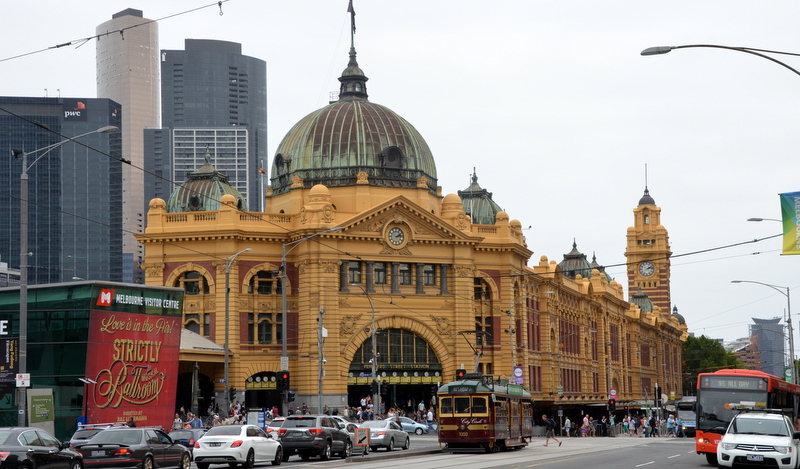
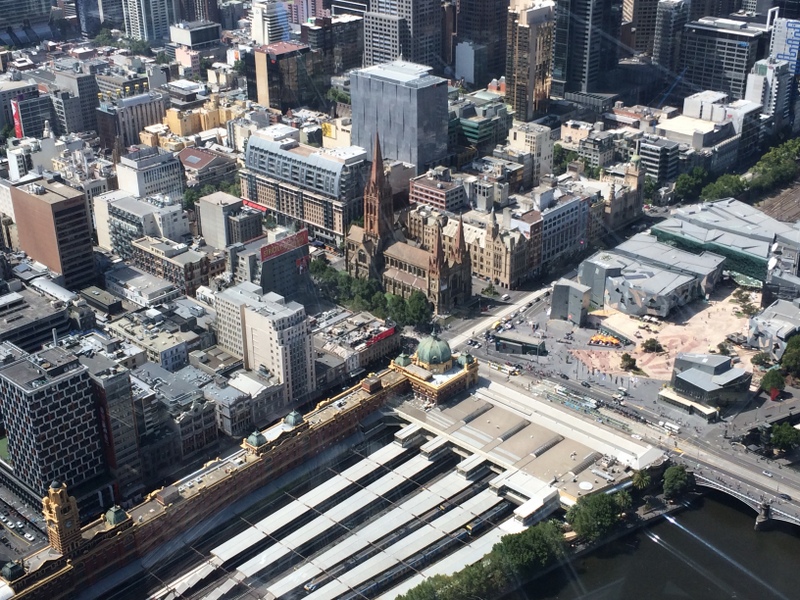
The next day we went on our own to Melbourne, using public transport. This is the iconic Victoria station (1888)

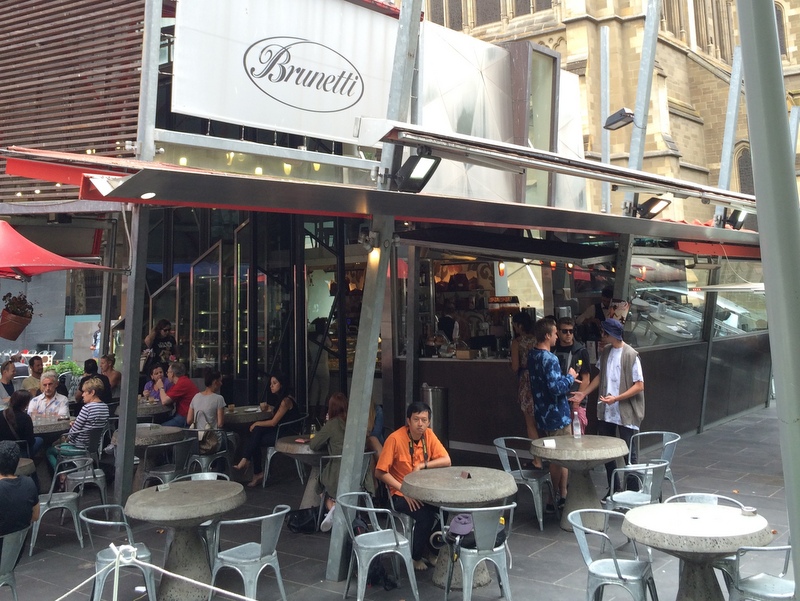
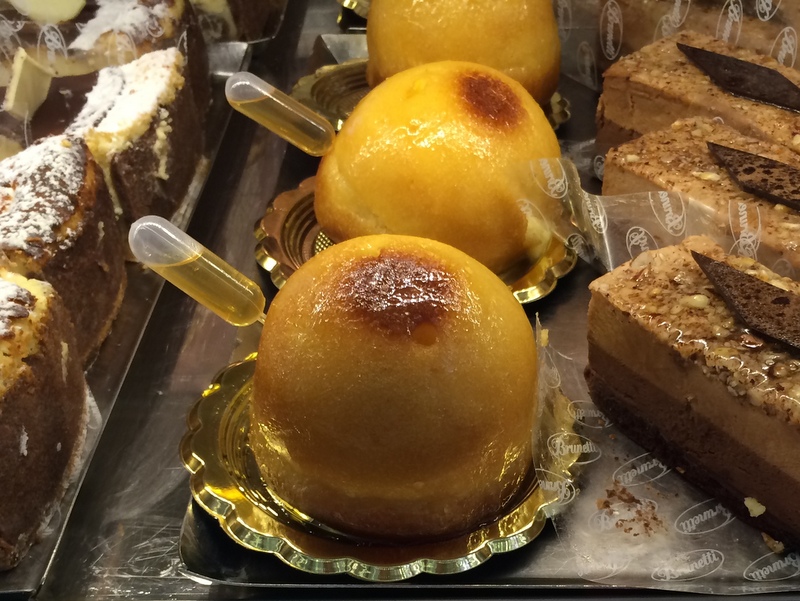
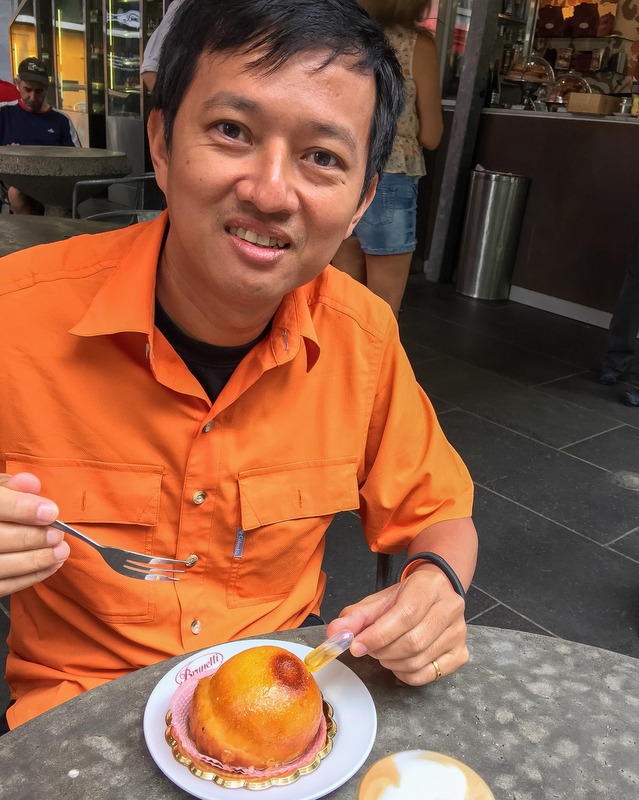
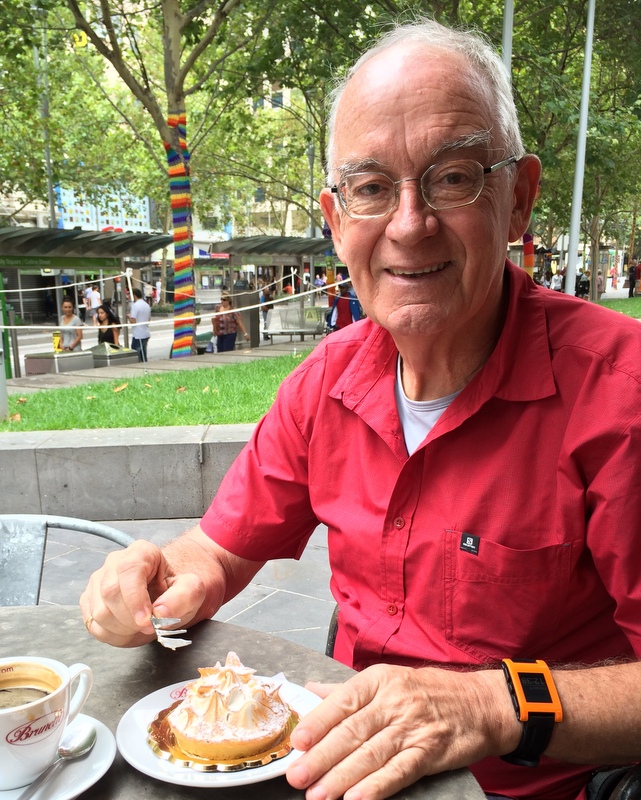
We started with coffee and cake at Brunetti’s a well-known patisserie in Melbourne. One of their specialities is the Baba Rum and of course Aric had to try it.

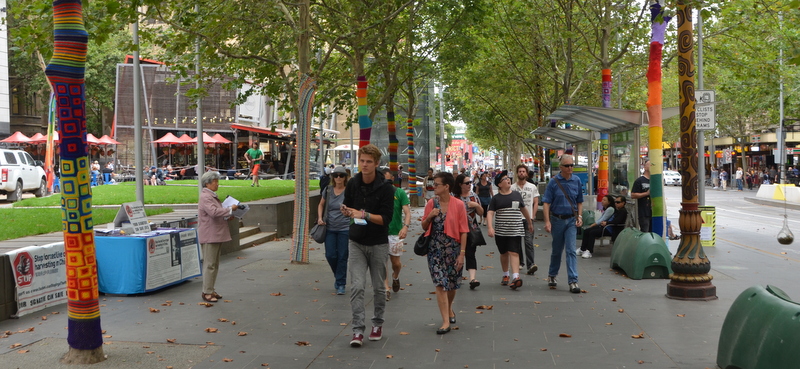
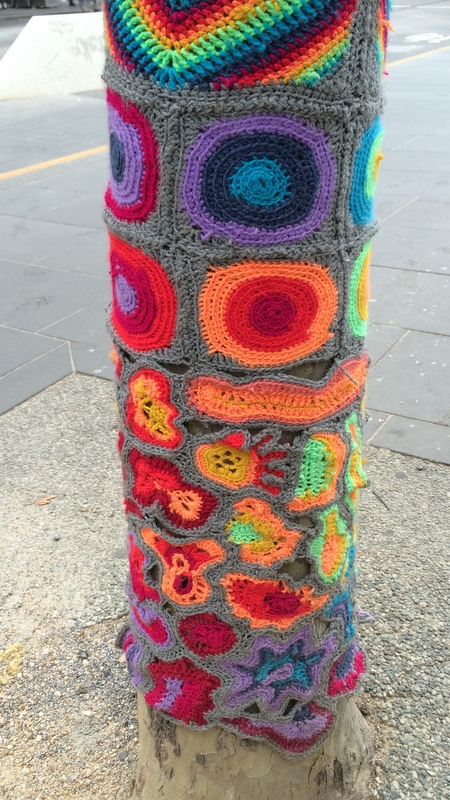
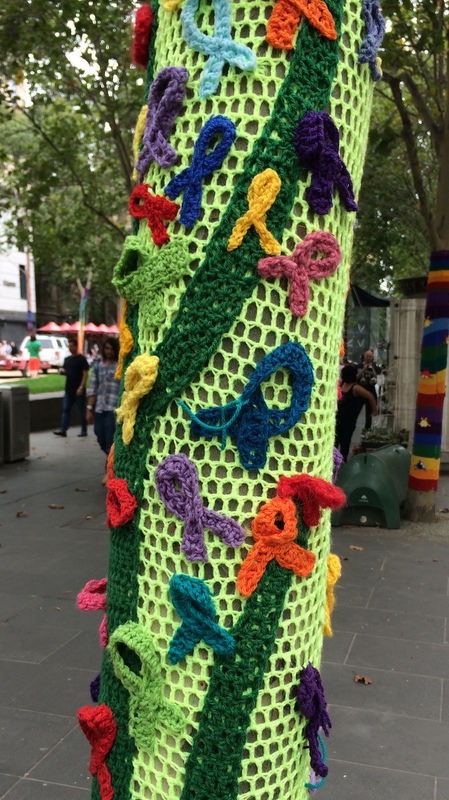
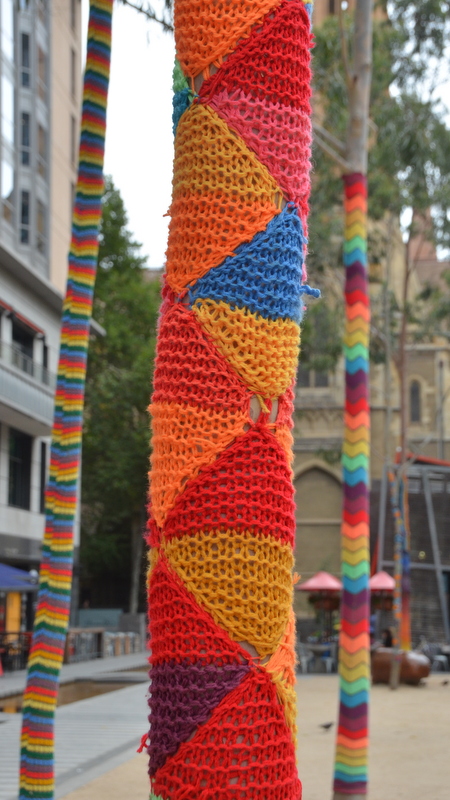
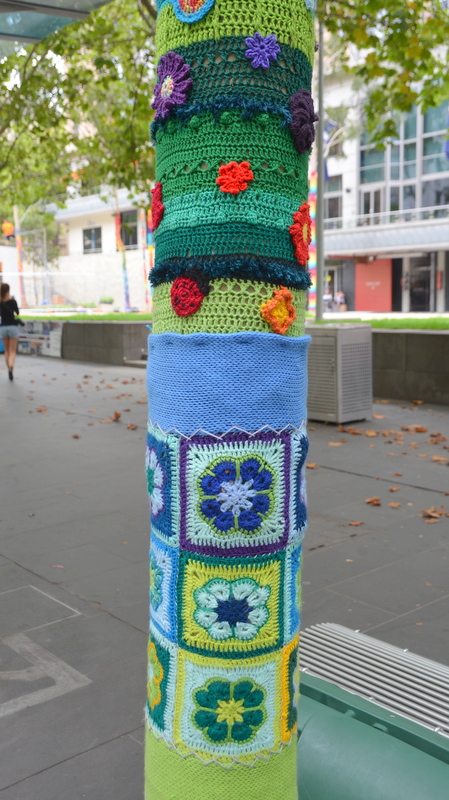
Yarn Bombing , also know as Graffiti Knitting, where trees and street objects are decorated with knitted or crocheted yarn, was quite popular in Melbourne during our visit. It gave the street a friendly atmosphere.

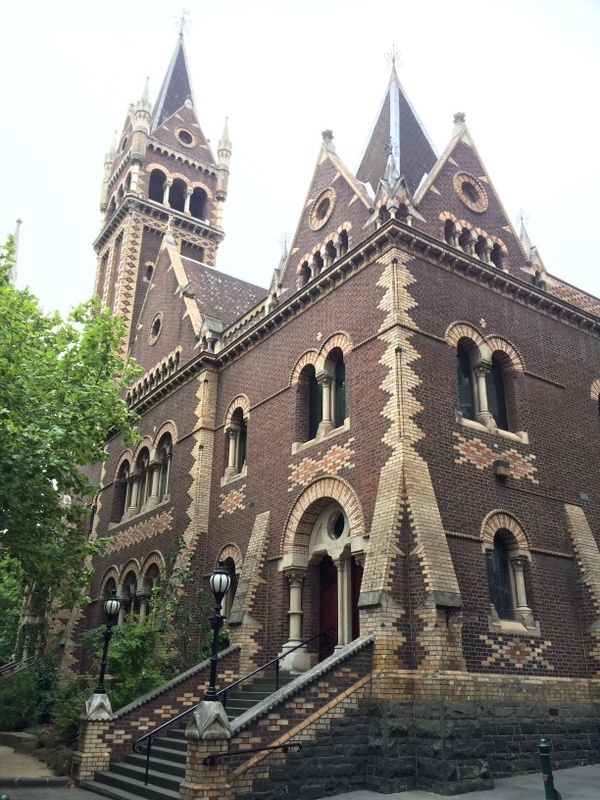
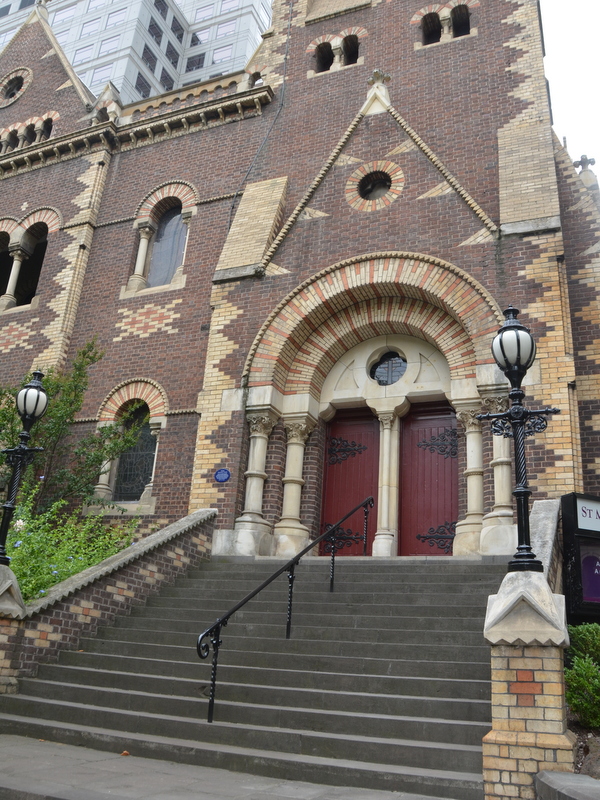
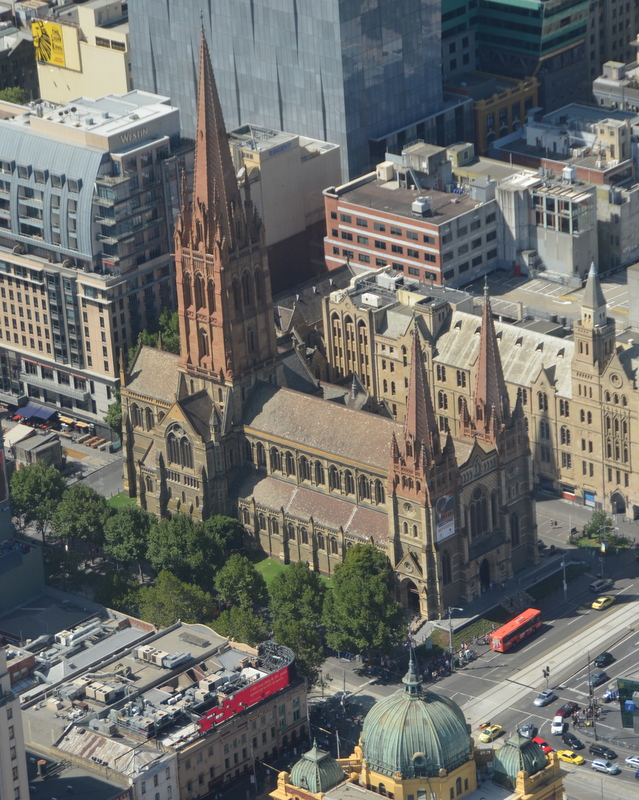
We had a look at two churches , the St. Michael’s Uniting Church (1866)

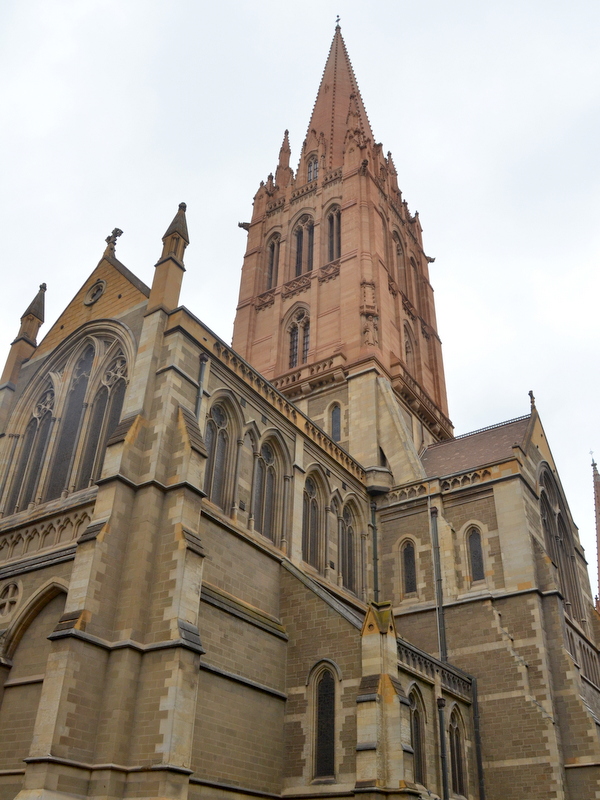
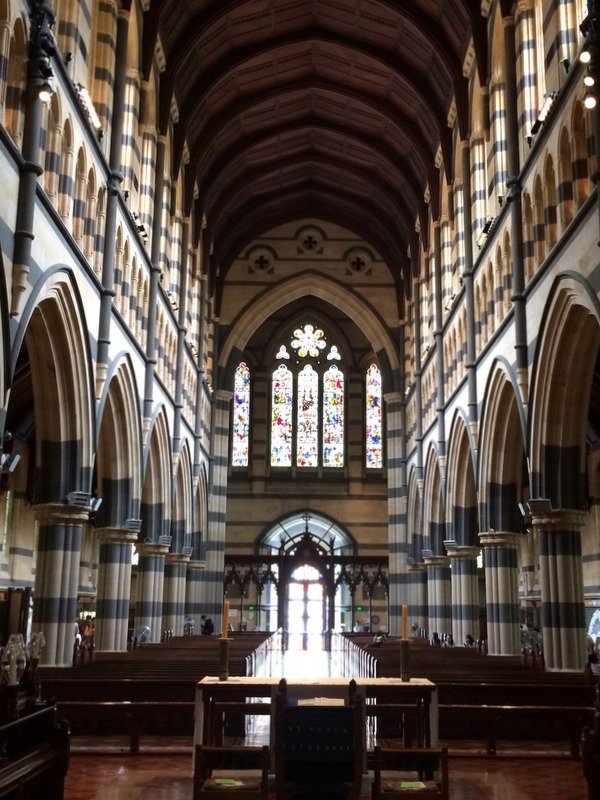
And St Paul’s Cathedral (1891)

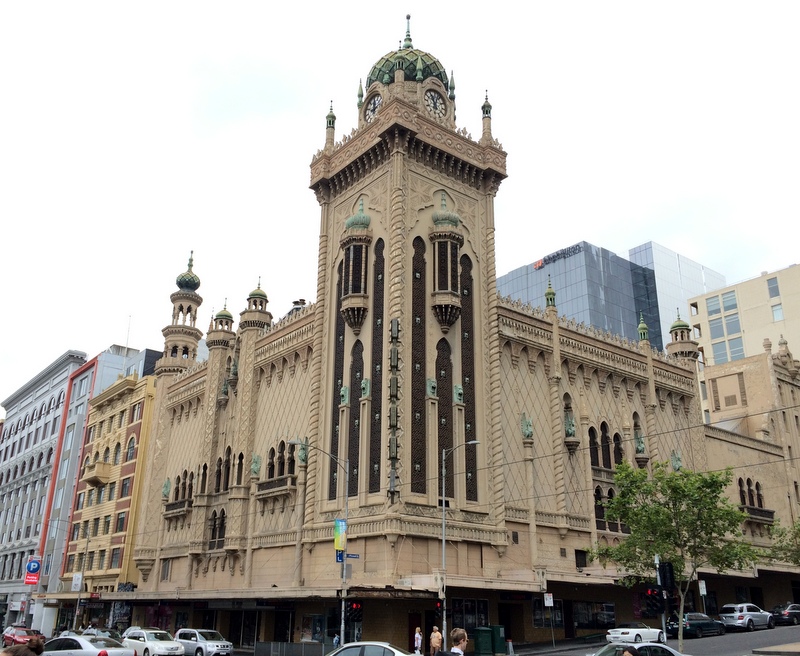
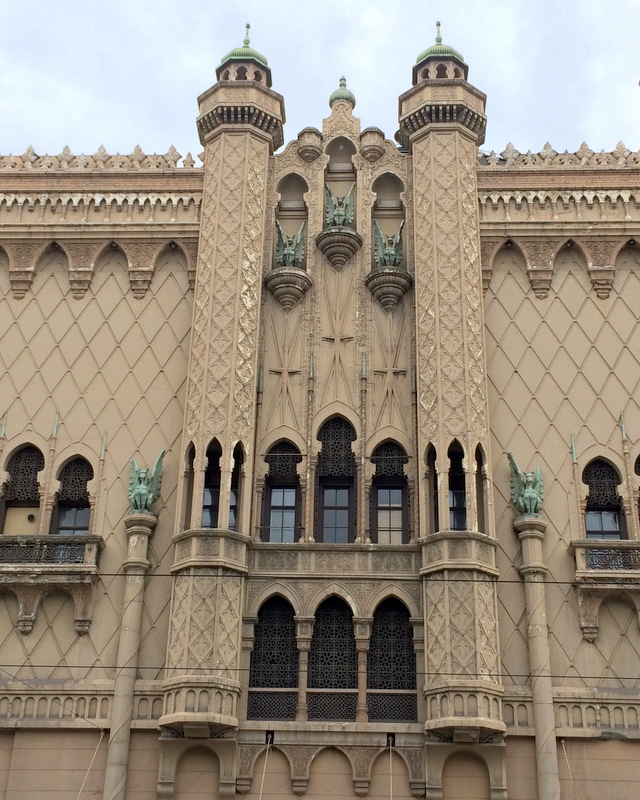
This is the former State Theatre, built 1929 in Moorish Revival style.

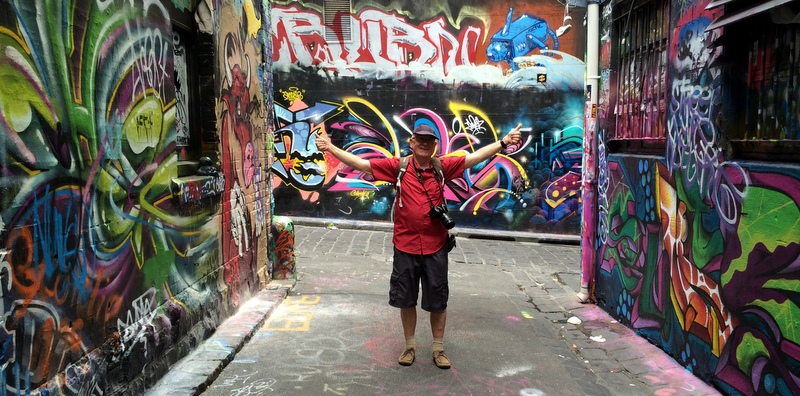
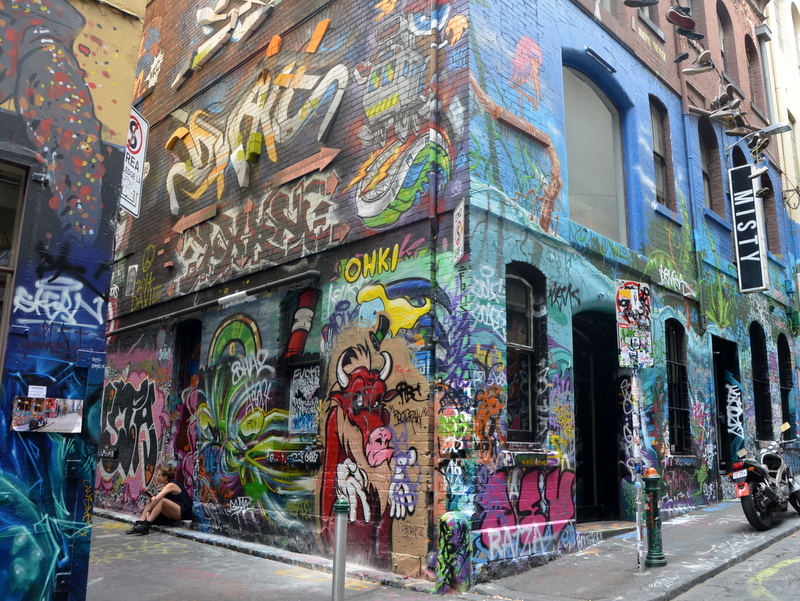
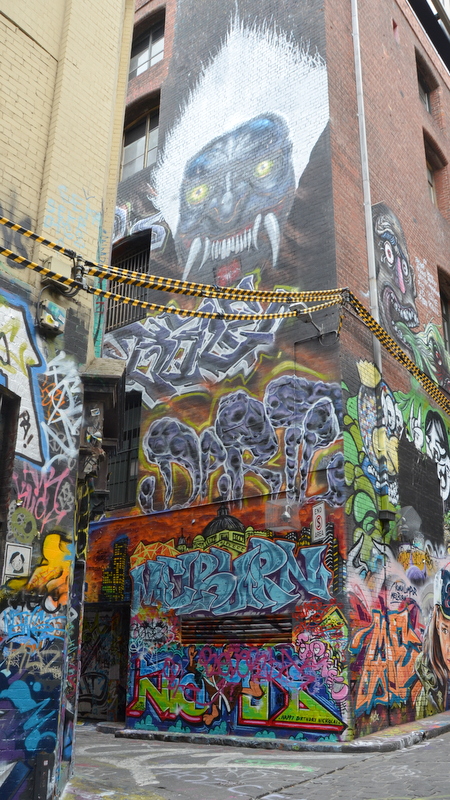
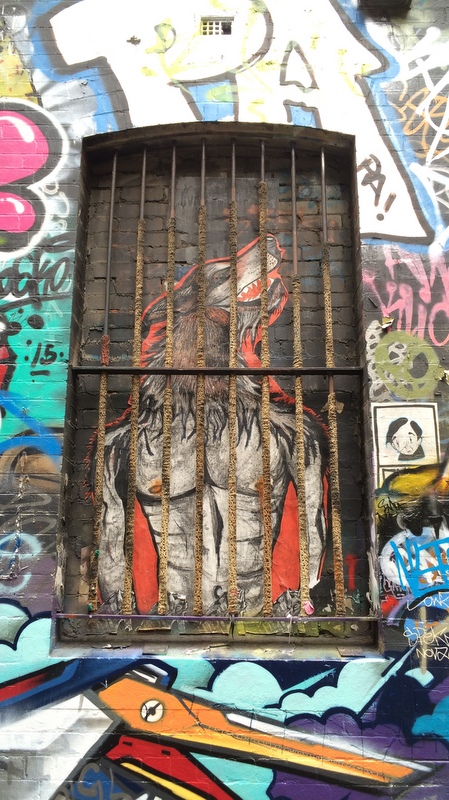
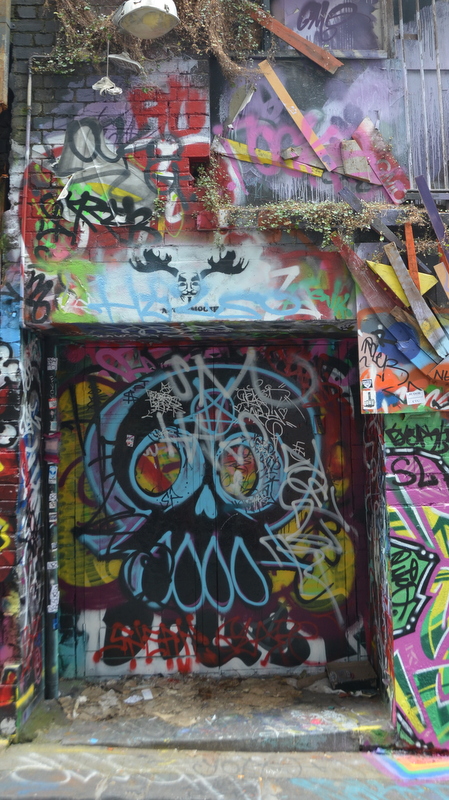
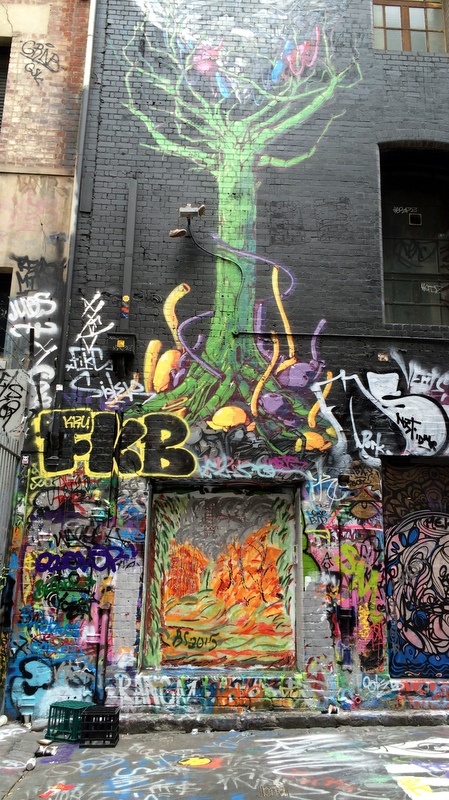
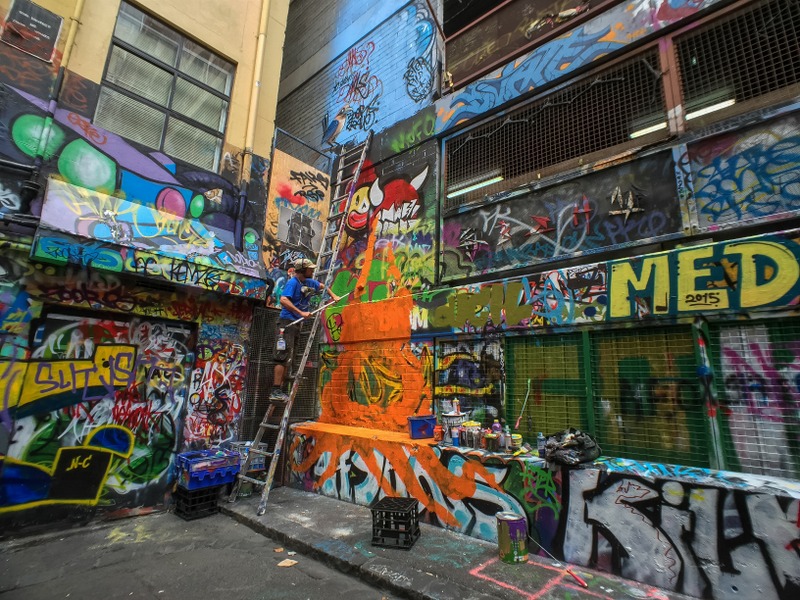
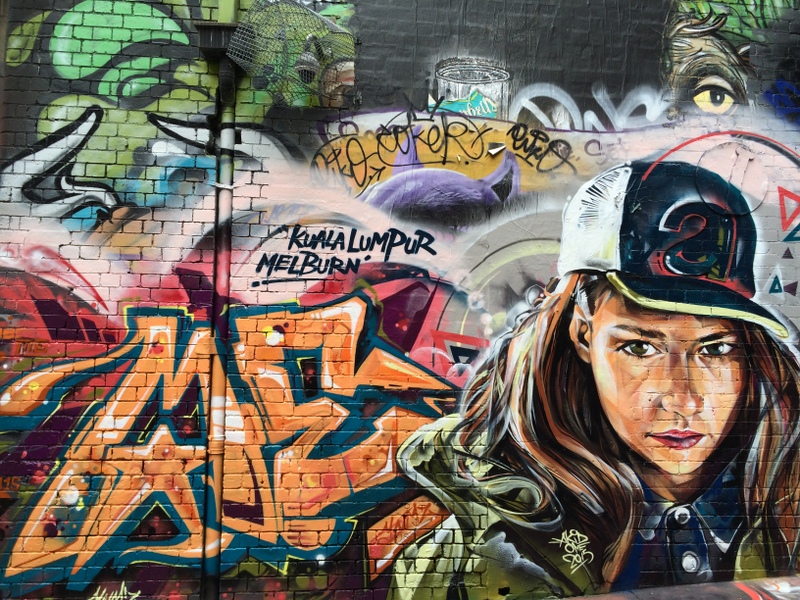
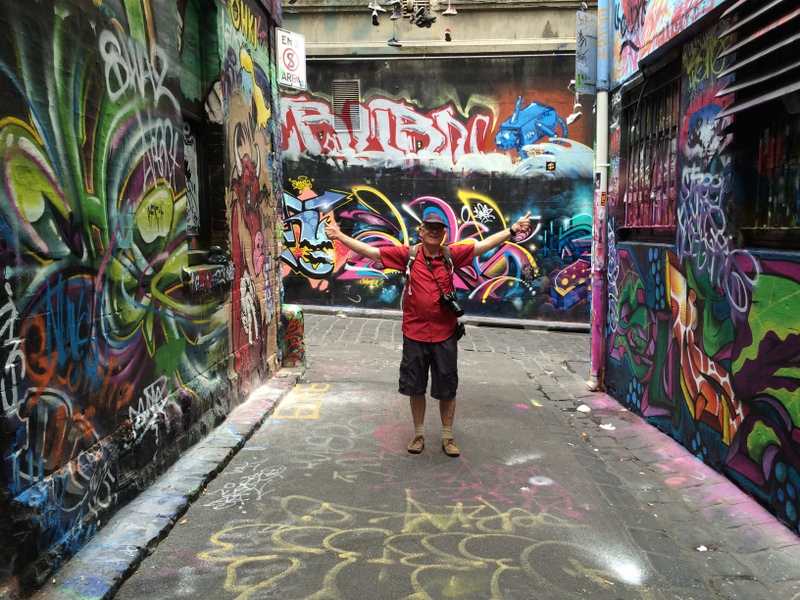
We were actually looking for another kind of graffiti. Hosier Lane is a landmark of Melbourne, famous for its Street Art.

We kept taking pictures, here is a selection.

Of course not everything is high-quality.

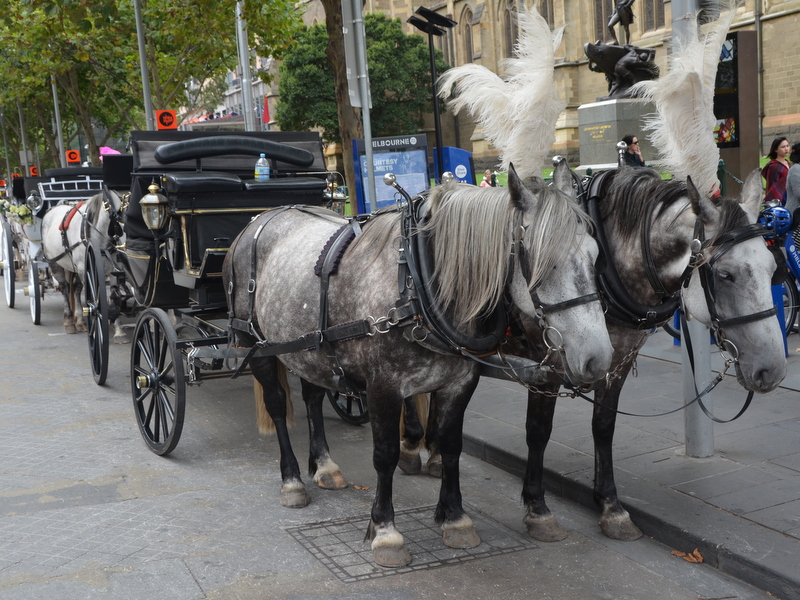
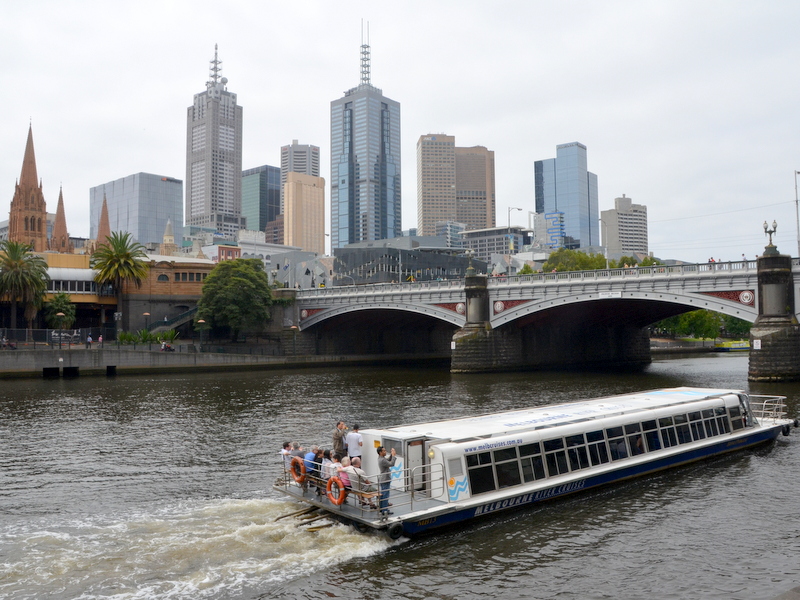
When you are a tourist, you can use a romantic horse-drawn carriage to explore the town, or take a river cruise. We just walked, crossing the Yarra river to the Southbank.

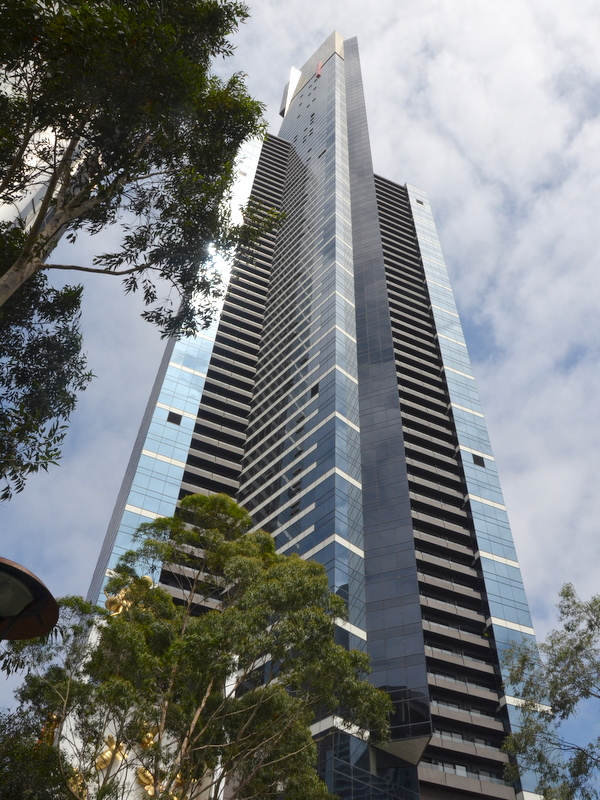
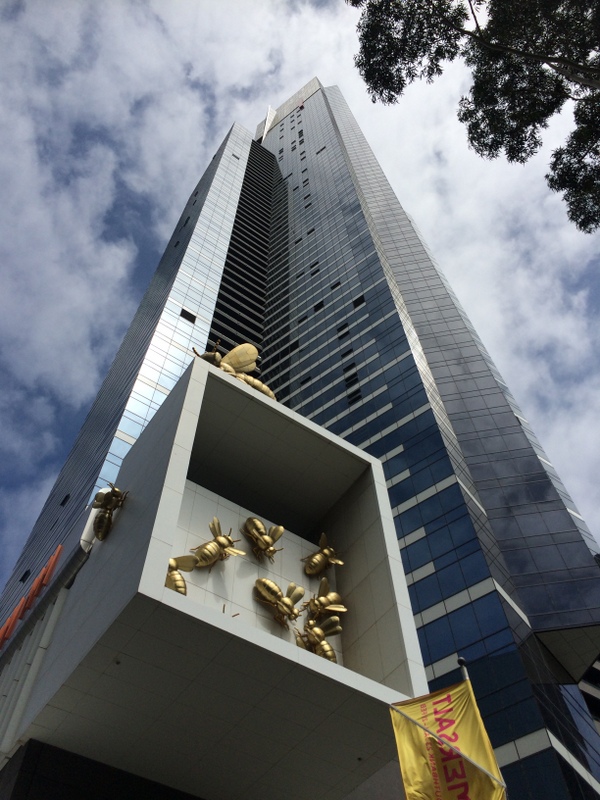
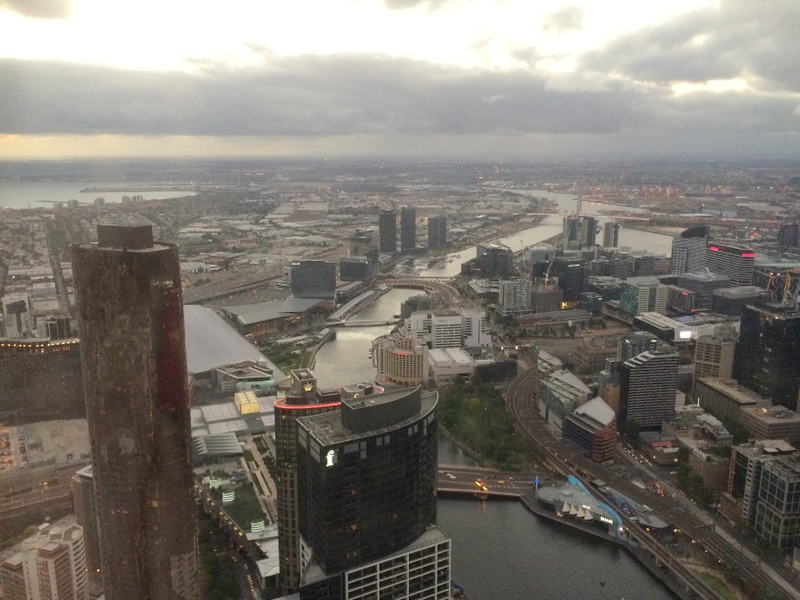
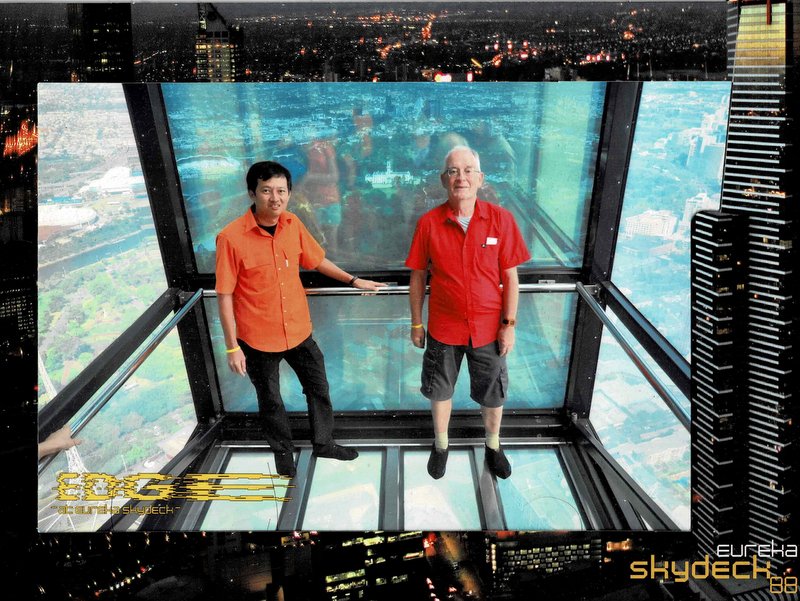
Our destination was the Eureka Tower, a 300 m tall skyscraper, completed in 2006. It is a residential building, but the 88th floor, the Eureka Skydeck, can be visited.

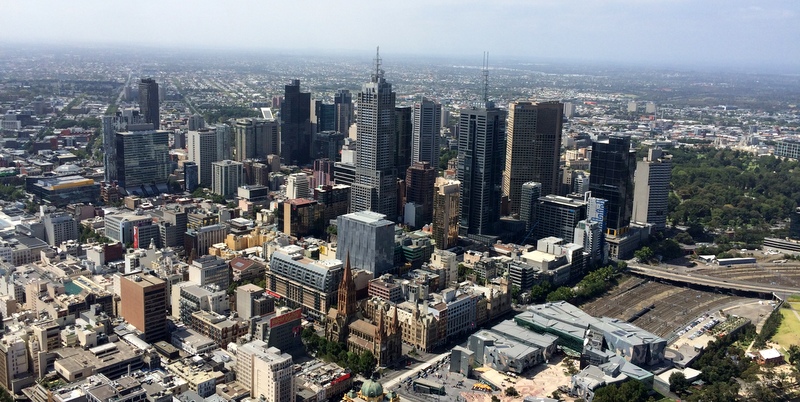
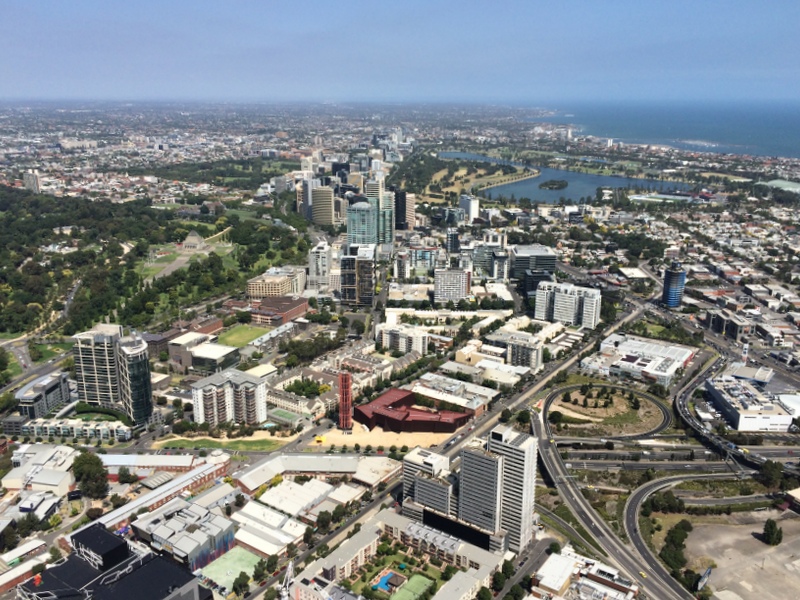
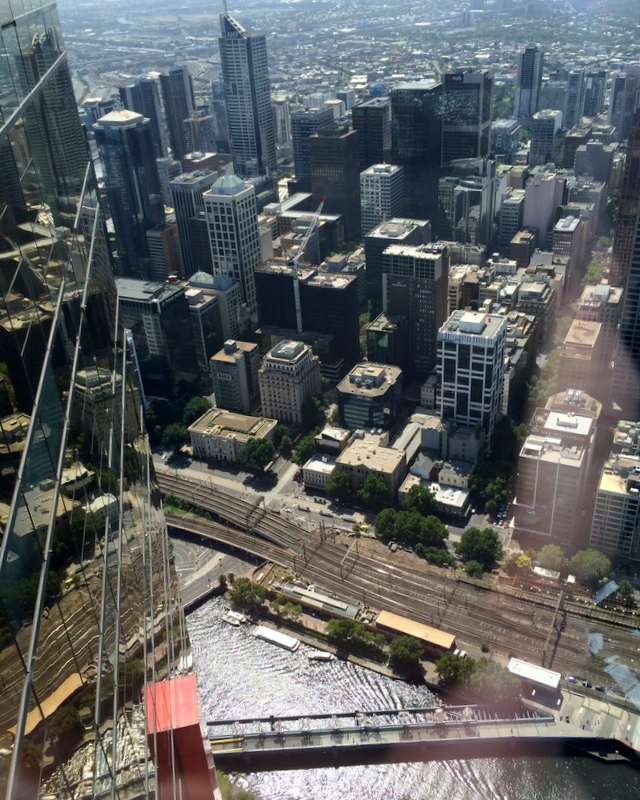
The view of Melbourne and surroundings is of course outstanding.

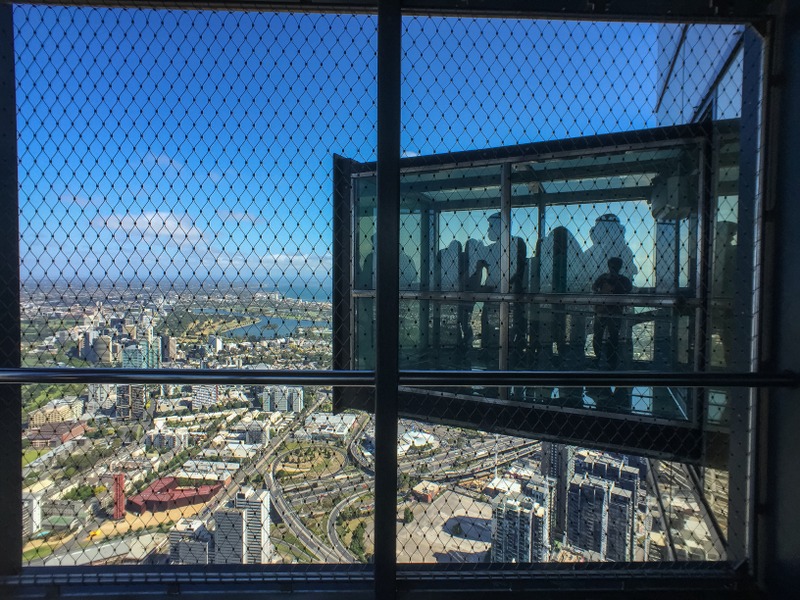
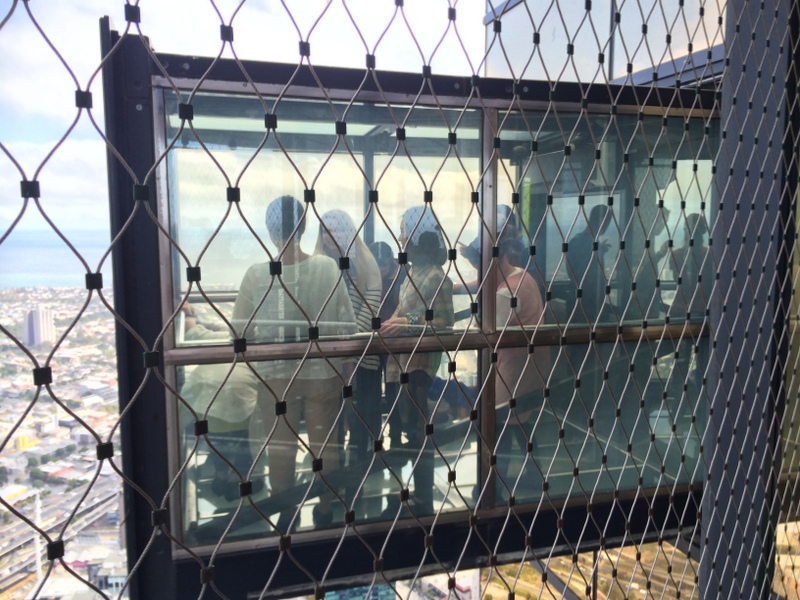
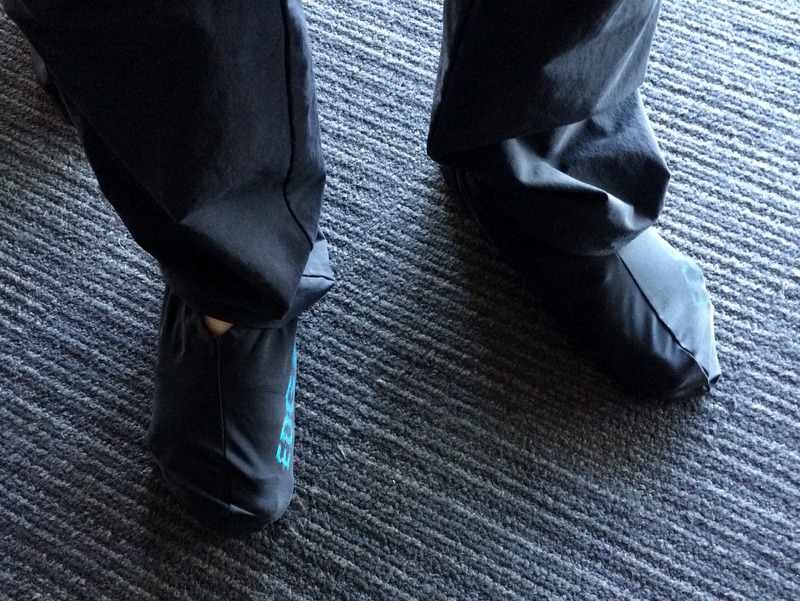
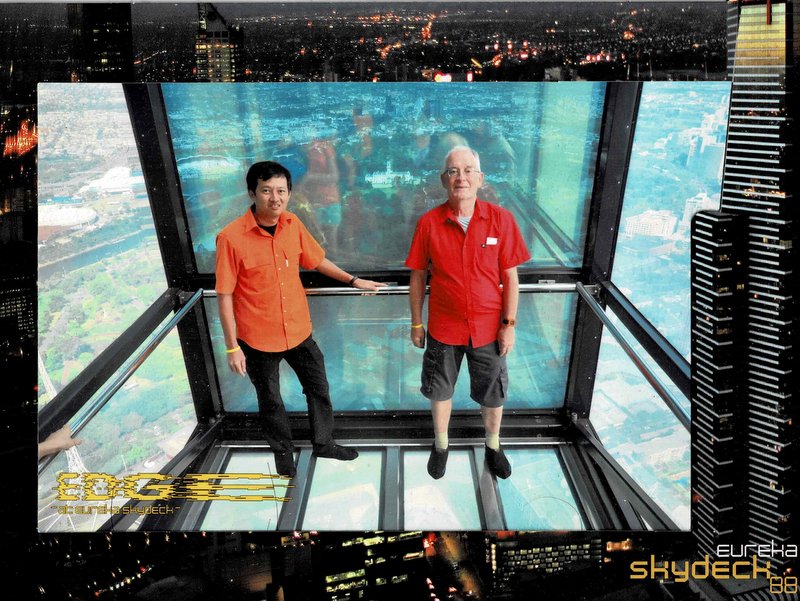
A very special attraction is the Edge, a glass cube which can be moved 3 m outside the building. Visitors must cover their shoes with protective clothing, because the floor of the cube is also glass. It is opaque, but becomes transparent when the cube is outside, so you can look 300 meter down. Not for the faint-hearted! You can not take cameras inside but an official photo is taken.

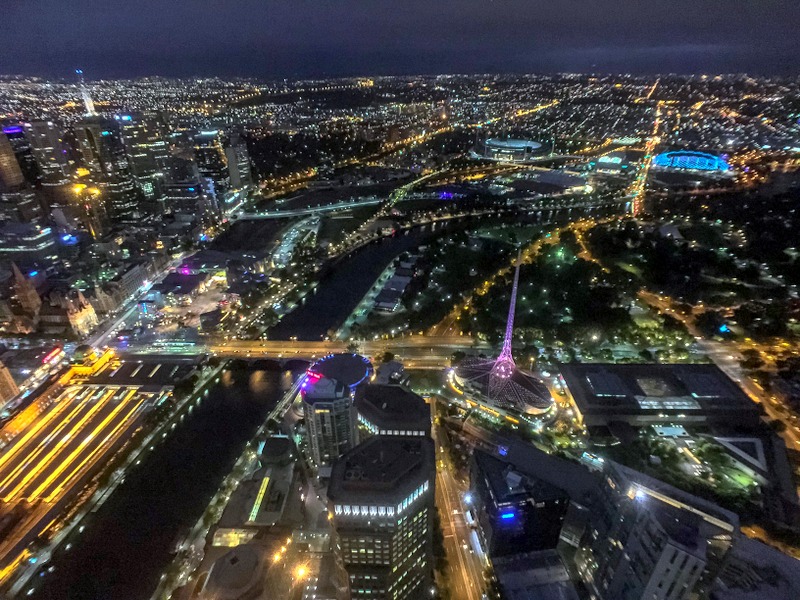
With our ticket we were allowed to come back again later, to have a night view, so we had to spend some time 🙂

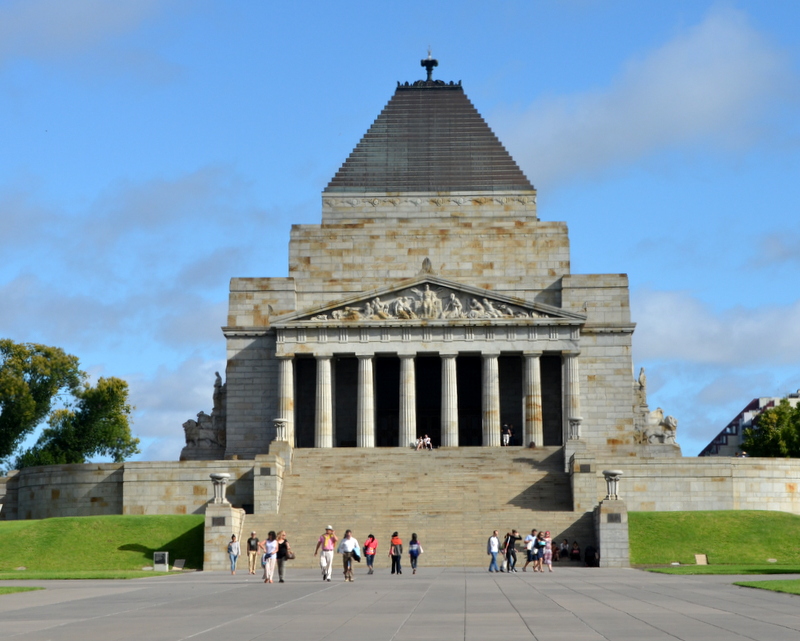
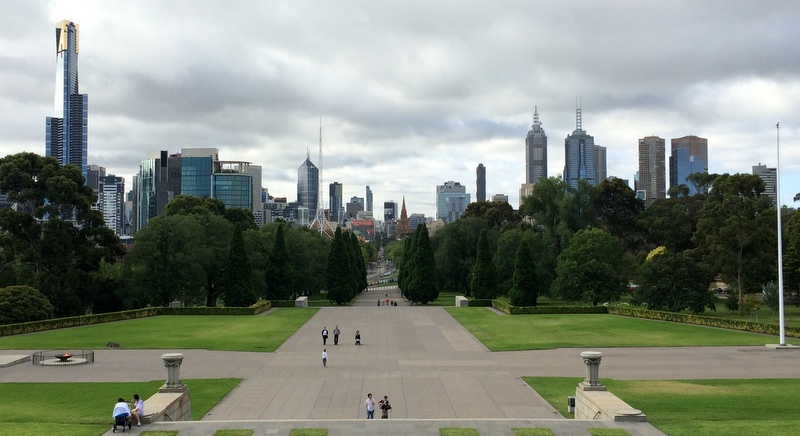
We walked to the Shrine of Remembrance, the war memorial of Melbourne. Very impressive, especially when you realise that Australia never had a war on its own territory, but, as part of the Commonwealth, has taken part in many wars all over the world.

A view of downtown Melbourne from the memorial. The Eureka tower at the left.

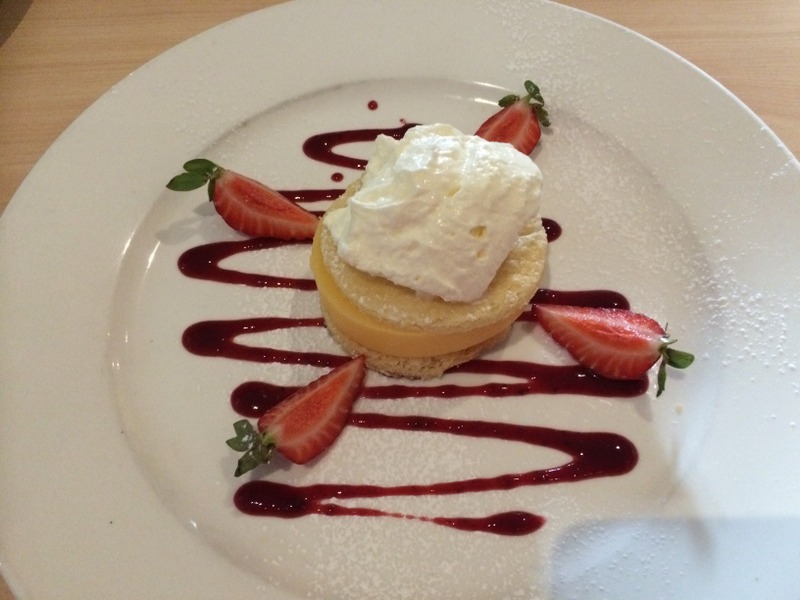
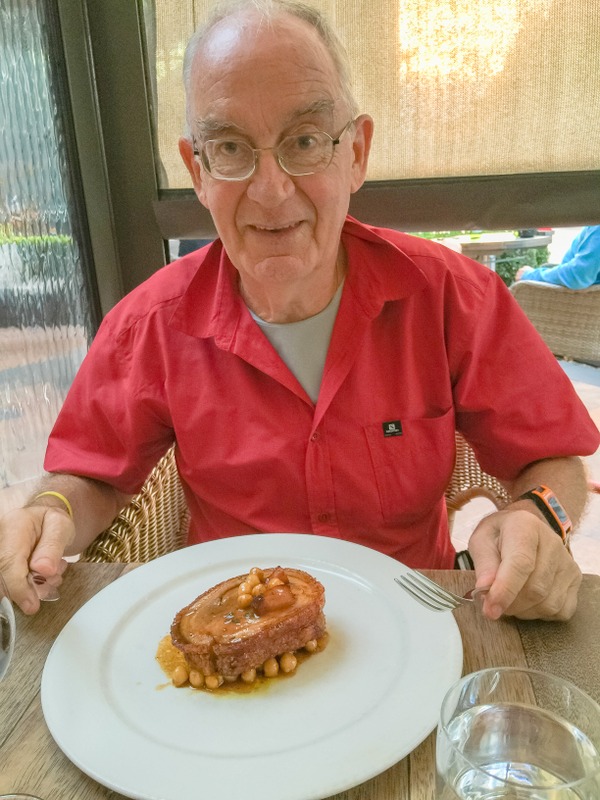
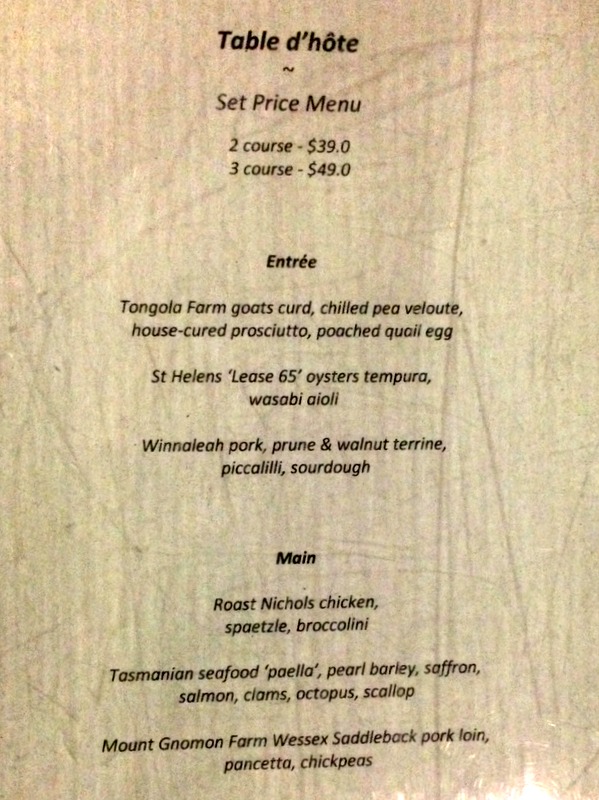
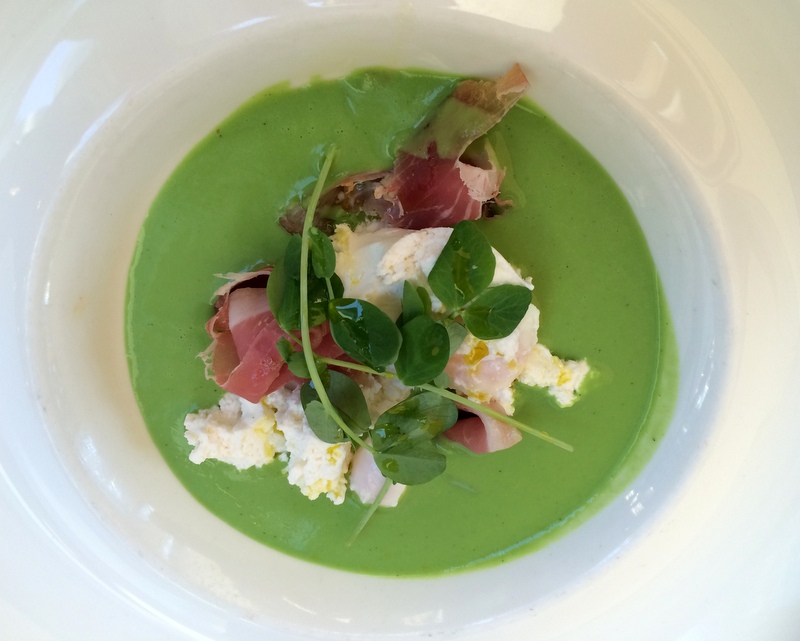
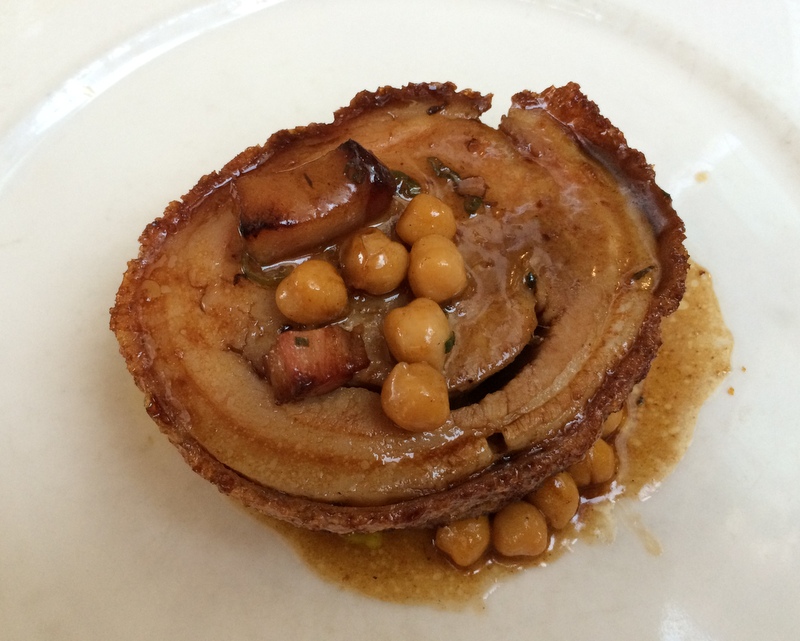
We decided to have dinner at the Pure South Dining restaurant and that turned out to be a good choice. In the menu you can see what we ordered.

After dinner we went up again to the Skydeck. We arrived just after sunset and stayed until it was really dark. We came back home late, after a nice full day.

The next day was already our last day. A relaxing day at home. Pat and Roger’s daughter Sarah came for a visit with her son Nathan, we had lunch together and enjoyed the jacuzzi. Roger showed Aric his new car and we had dinner.

In the evening we walked in the fields near their house. Nice flowers, lit by the setting sun. Peaceful evening

It was a wonderful holiday.

Victoria Trip 2015

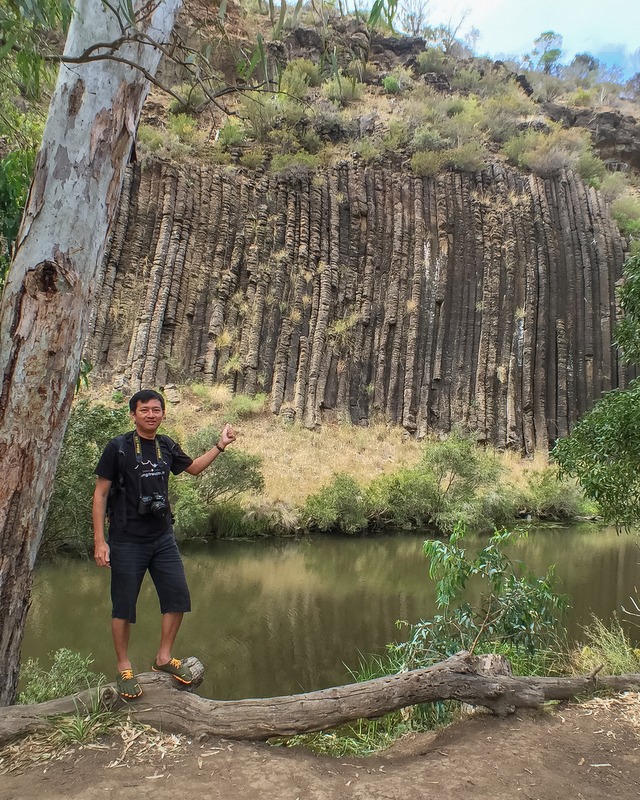
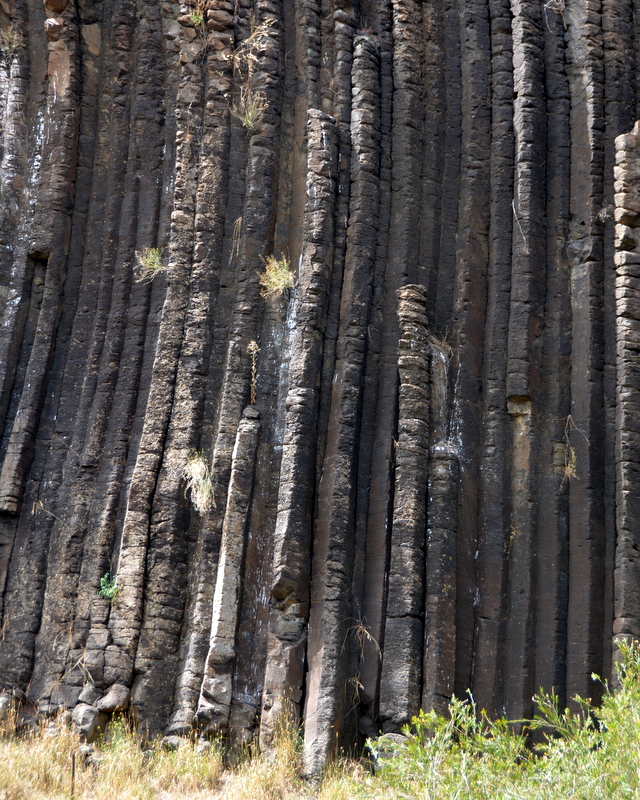
During our visit to Pat and Roger in 2015 we went with them on a 5D4N trip in the state of Victoria. First Roger took us to the Organ Pipes National Park. The “organ pipes” are basalt columns, their origin is volcanic and they are 2.5-2.8 million year old.

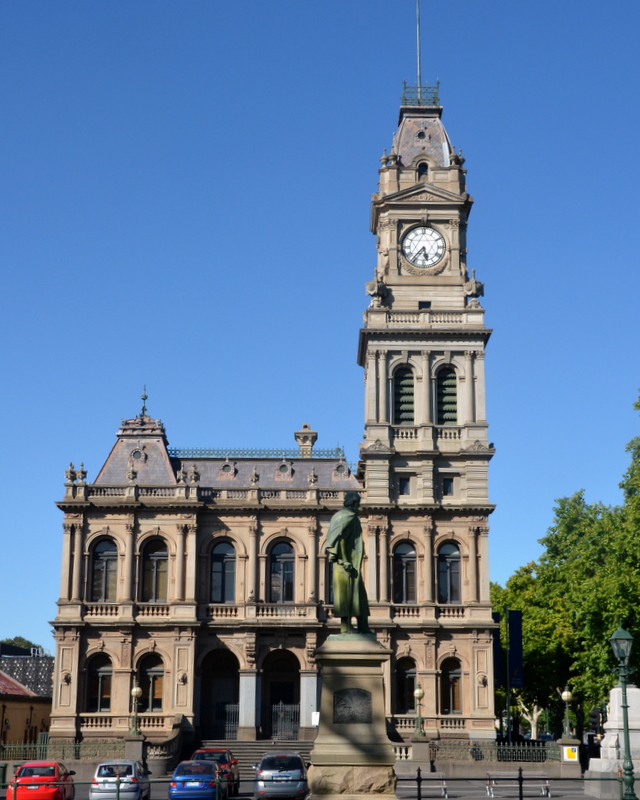
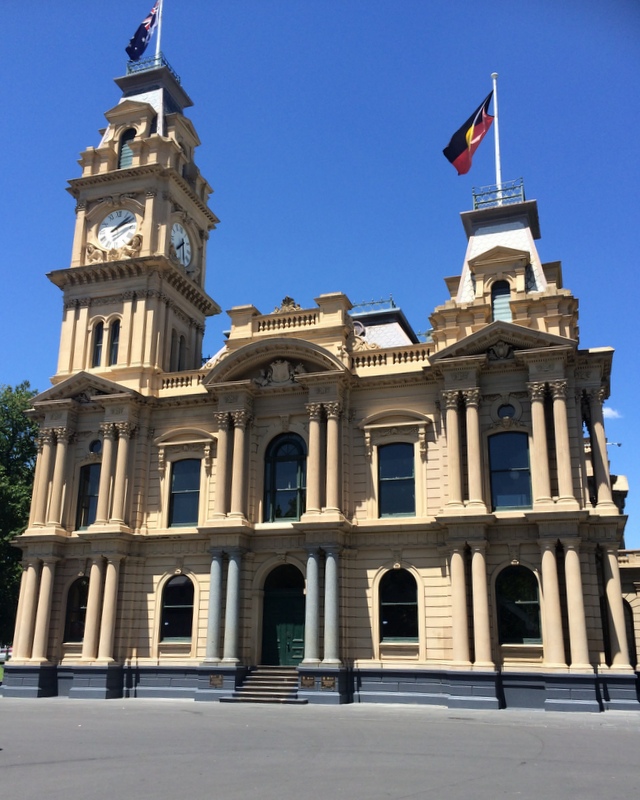
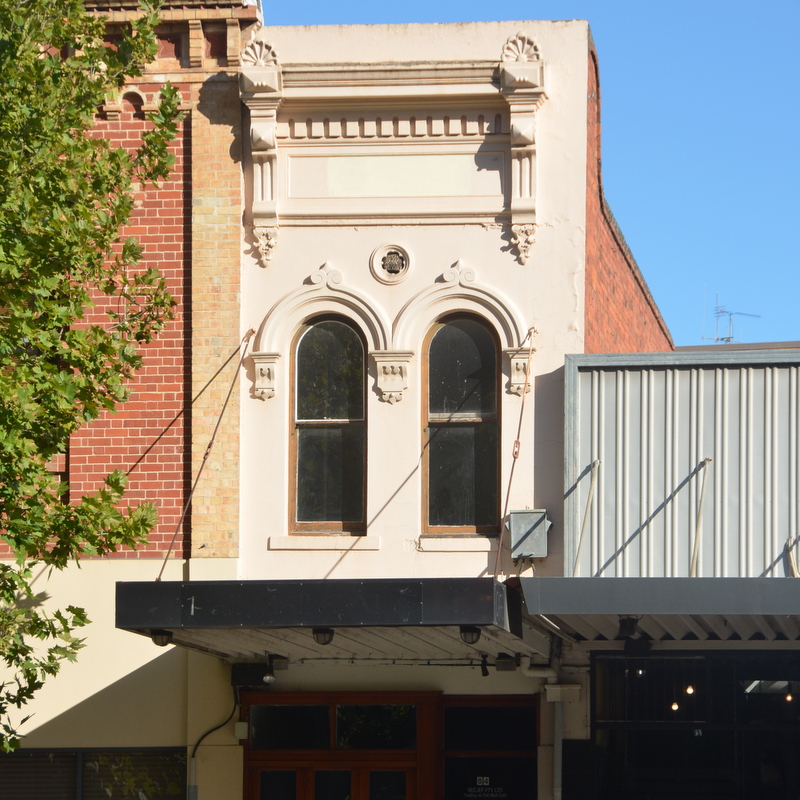
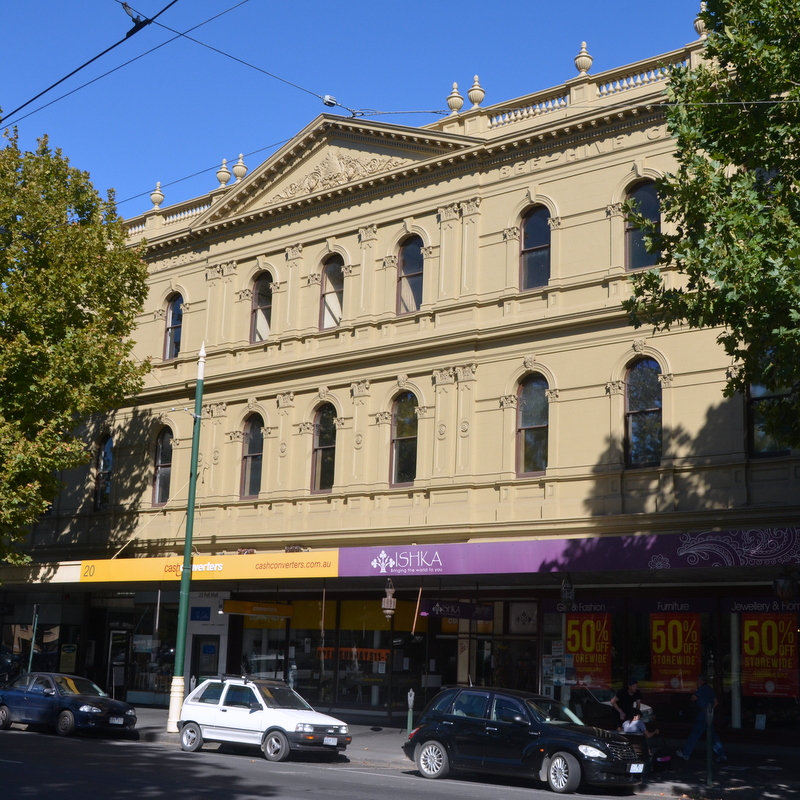
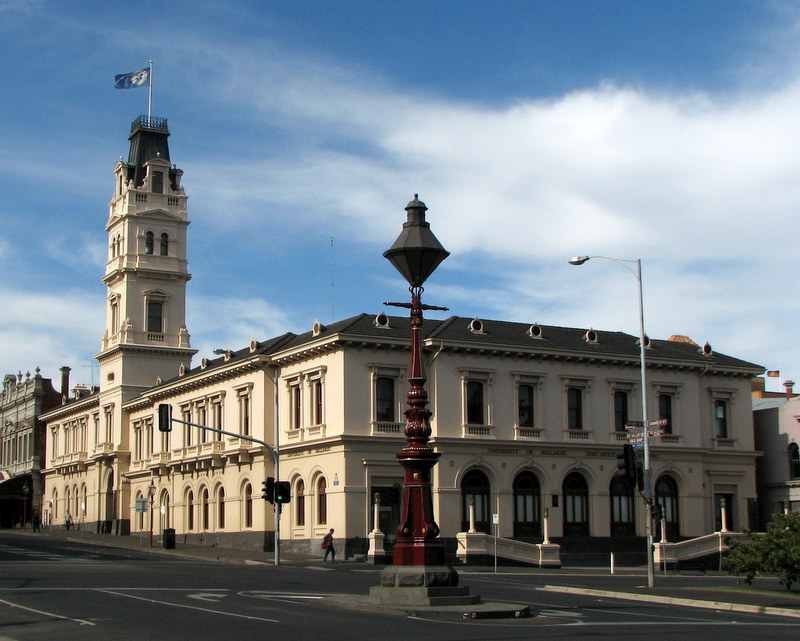
After lunch in the small town of Woodend we continued to Bendigo where we stayed overnight. In the 1850s gold was found here and Bendigo became a boomtown, attracting gold-diggers from everywhere. There is a goldmine that can be visited and there are numerous imposing buildings in Victorian style. A very pleasant town. This is Pall Mall, the main street. Left the War Memorial, in the middle the former Post Office and to the right, behind the trees, the Shamrock Hotel.

Many buildings are in the (Victorian) Second Empire style. From left to right the former Post Office (1883-1887), the Town Hall (1878-1902) and the Law Courts (1892-1896). Impressive architecture.

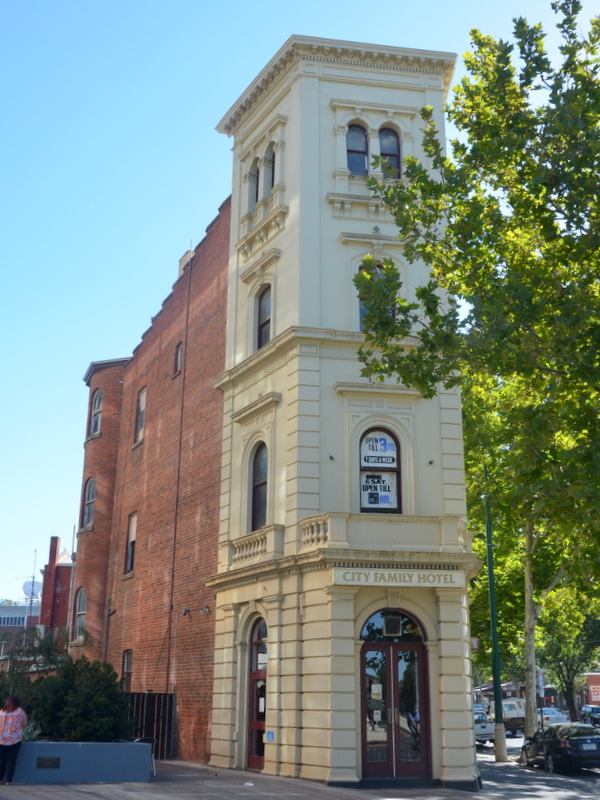
The monumental Shamrock Hotel began in 1856 but was several times rebuilt, until the final version in 1907.

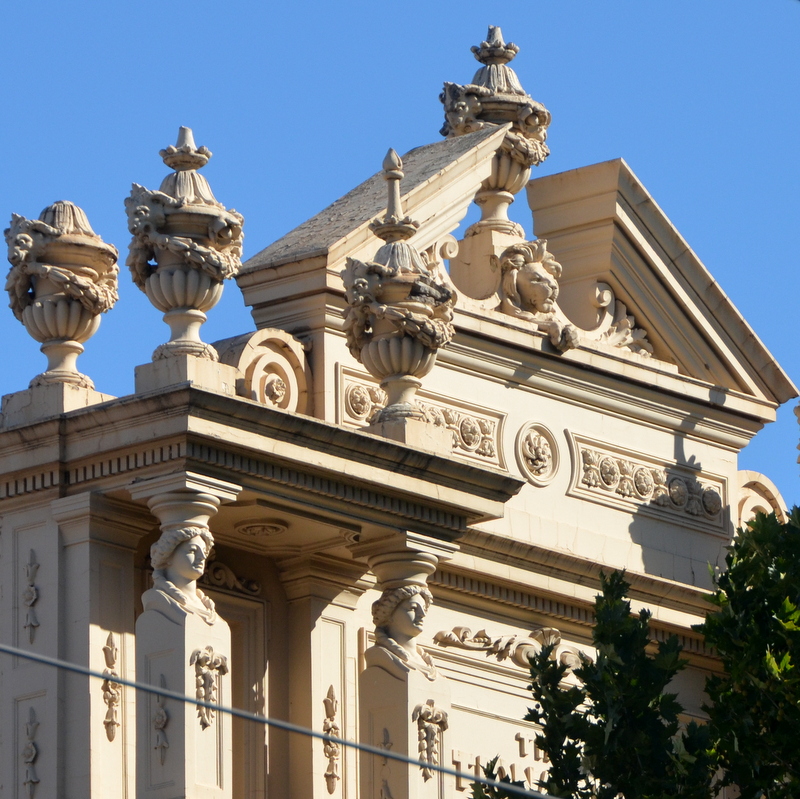
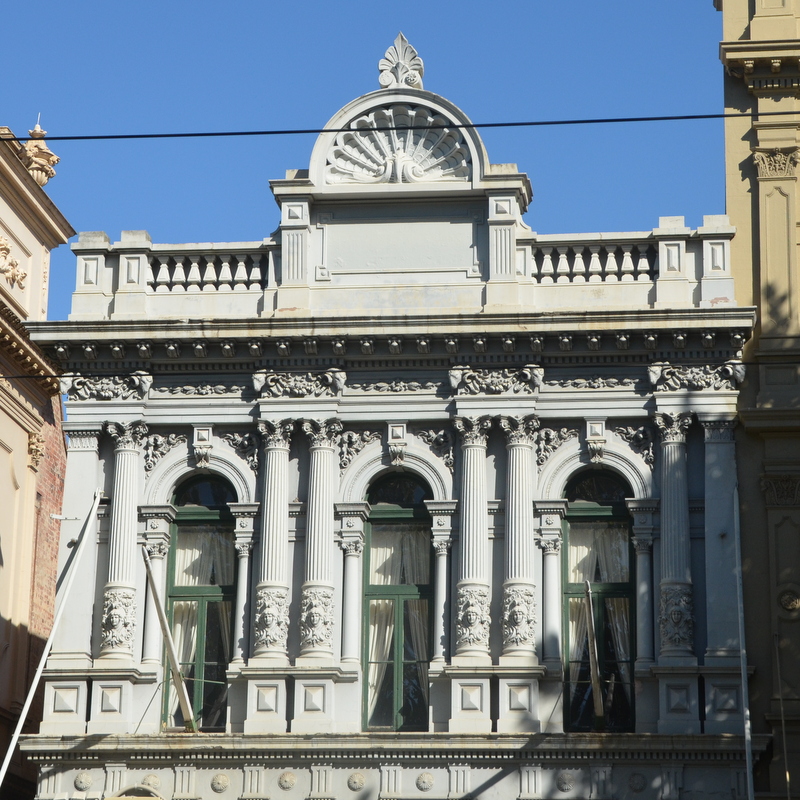
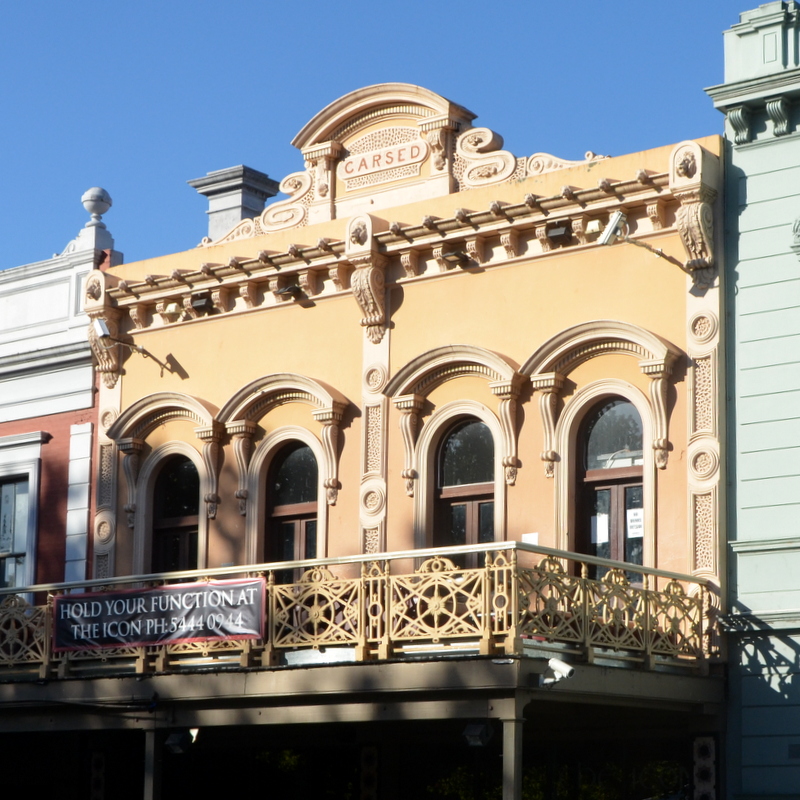
Just a few more architecture pictures.

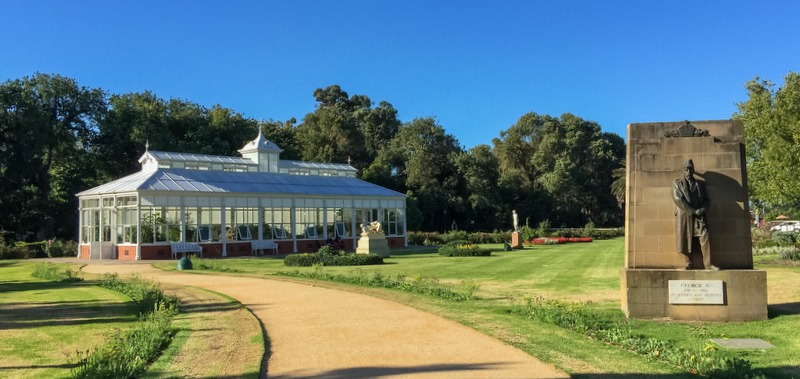
The Rosalind park was where the goldrush started in 1851. It has been a Government Camp before it became a park.

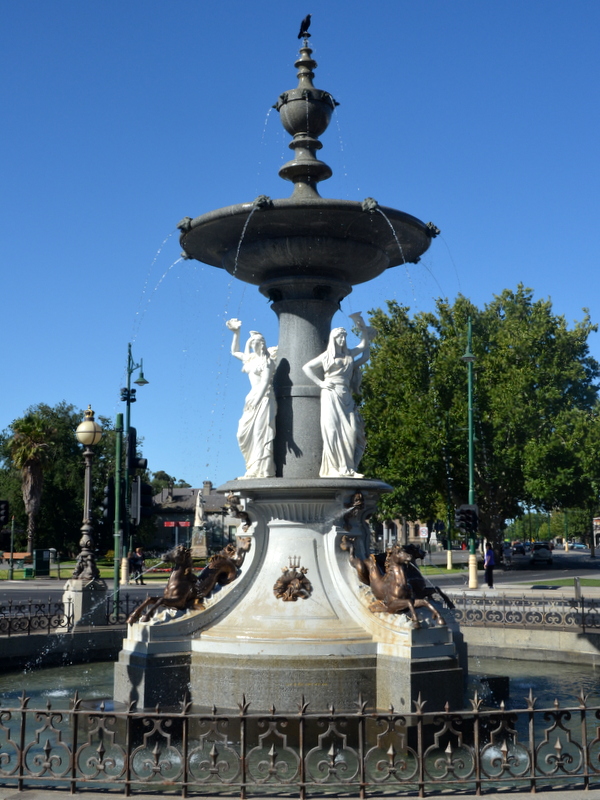
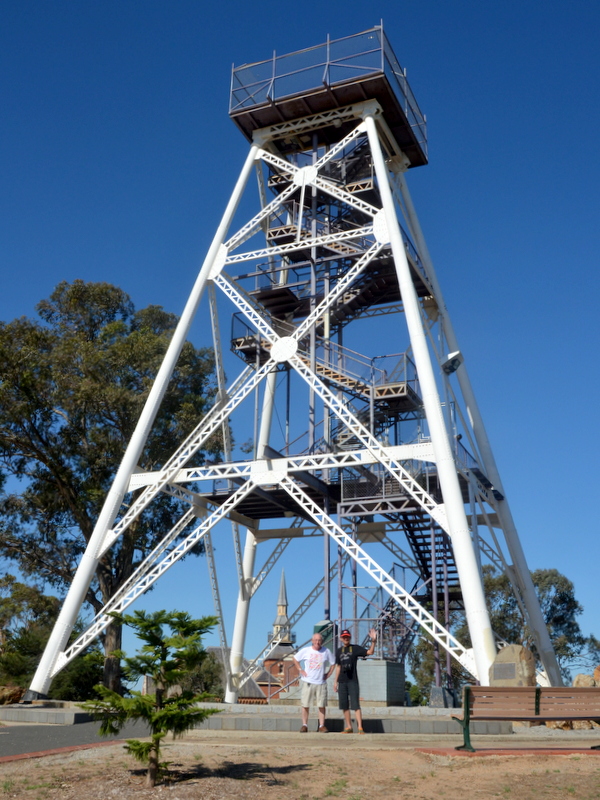
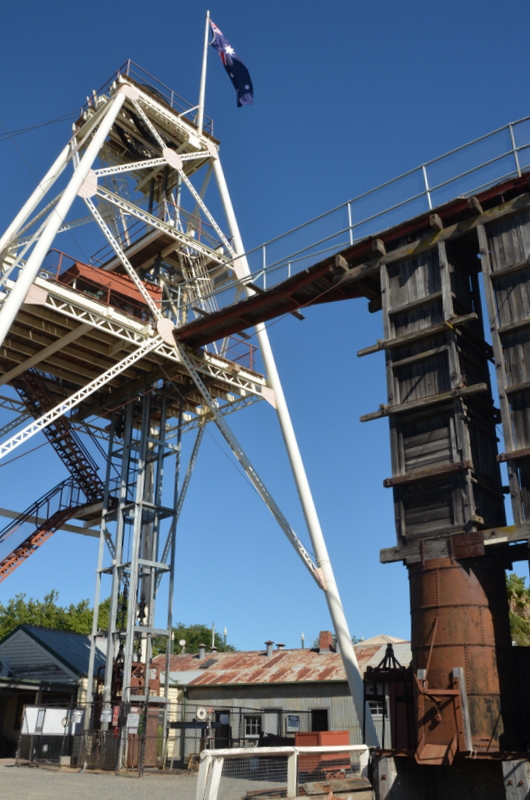
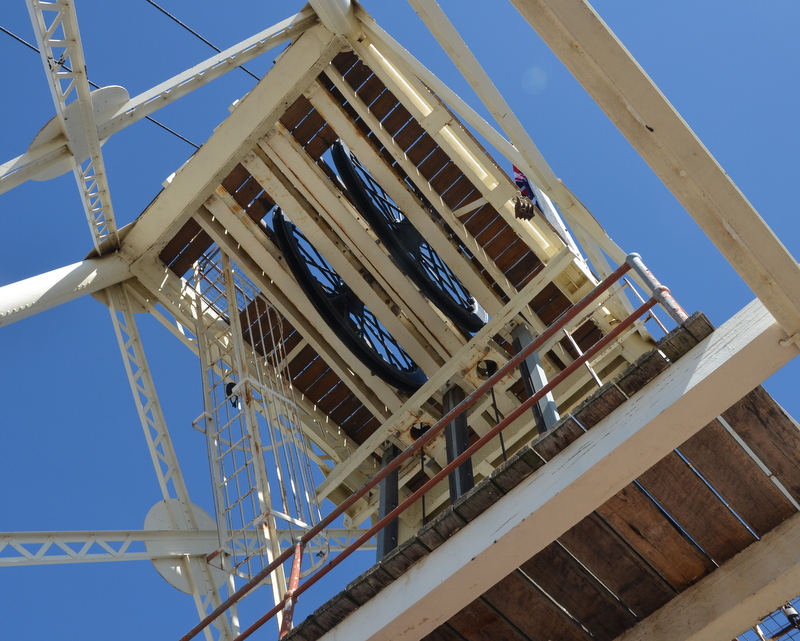
The Alexandra Fountain is located at the entrance of the park and was designed by William Vahland, the main architect of Bendigo in those days. A poppet head is a frame at the top of a mineshaft, supporting pulleys for the ropes used in hoisting . This poppet head comes from a different gold mine and is now a lookout.

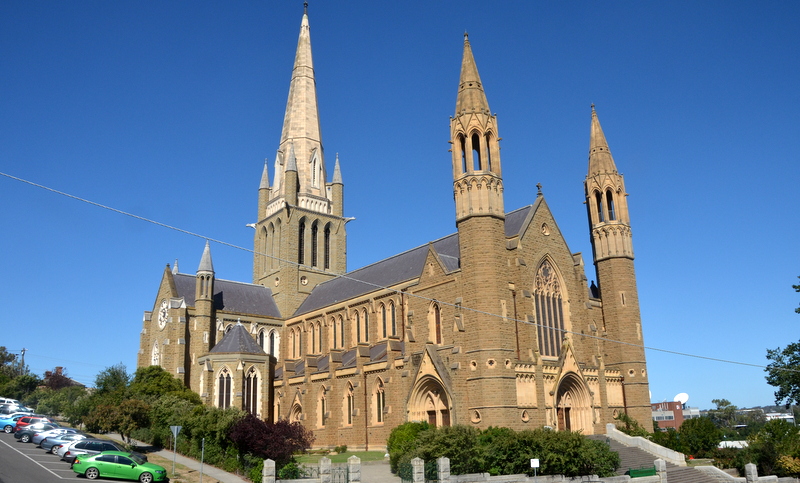
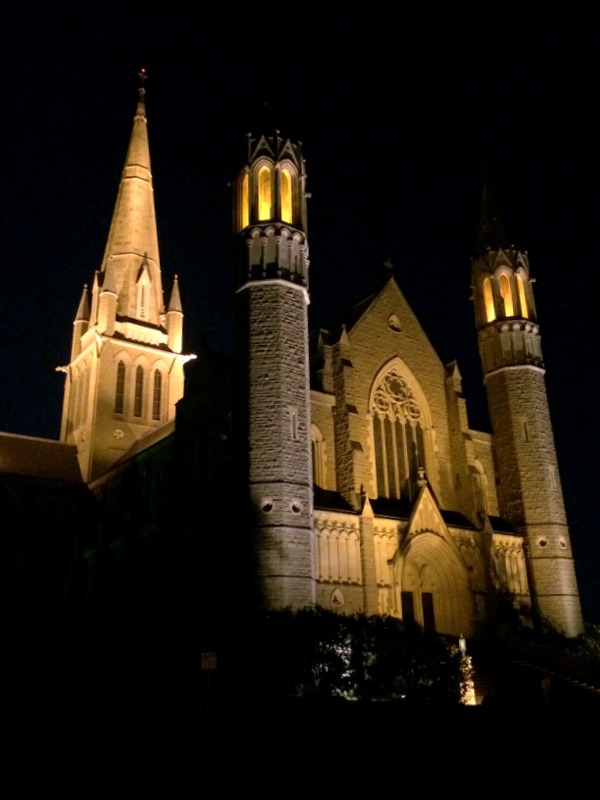
The Sacred Heart Cathedral is unusually large for a small town. Construction started in 1897, in Gothic Revival style, but was completed only in 1977.

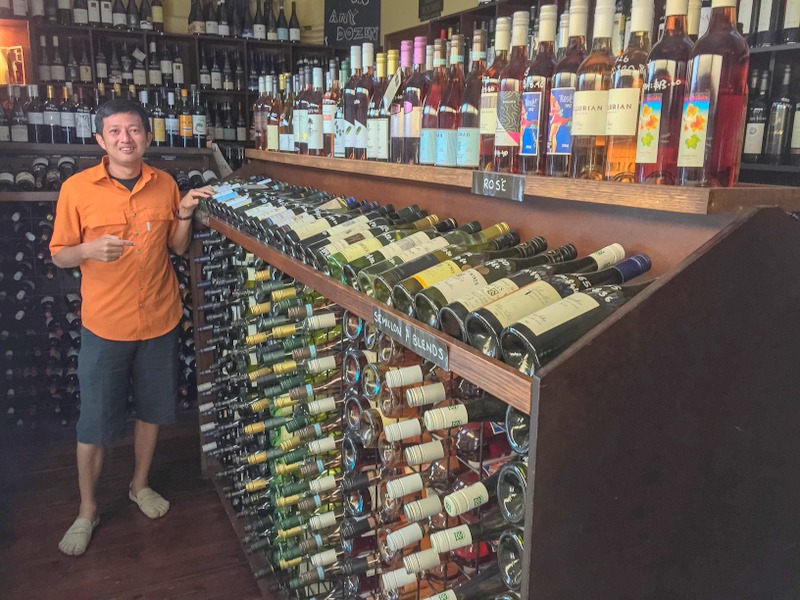
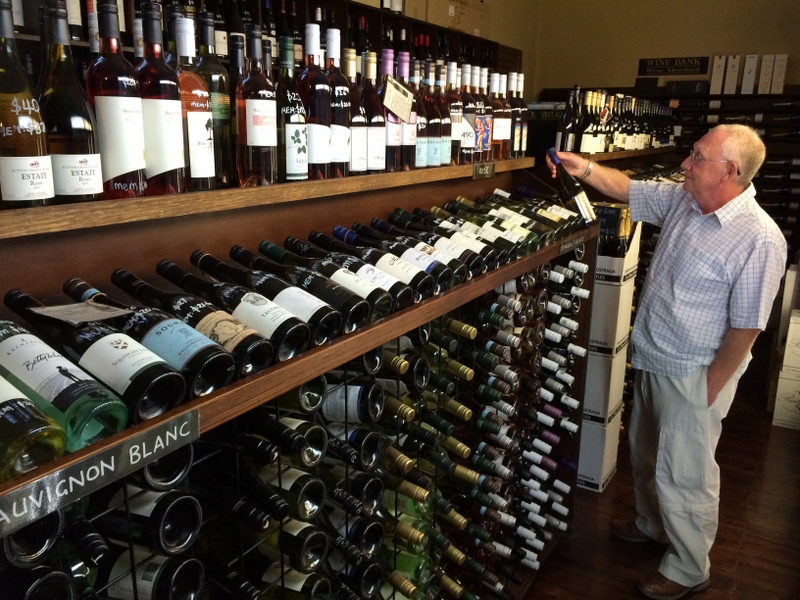
We had dinner in the Wine Bank on View, a favourite of Roger. It is a wine bar and wine merchant.

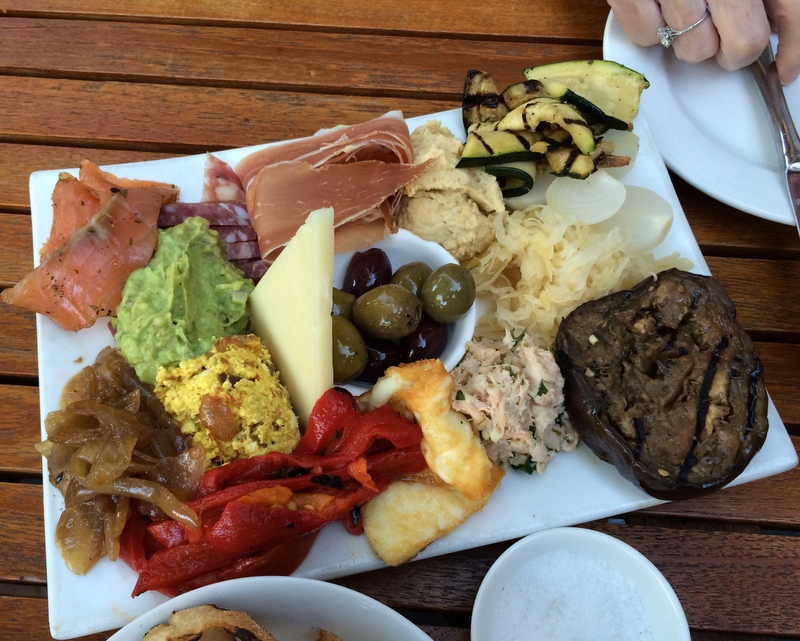
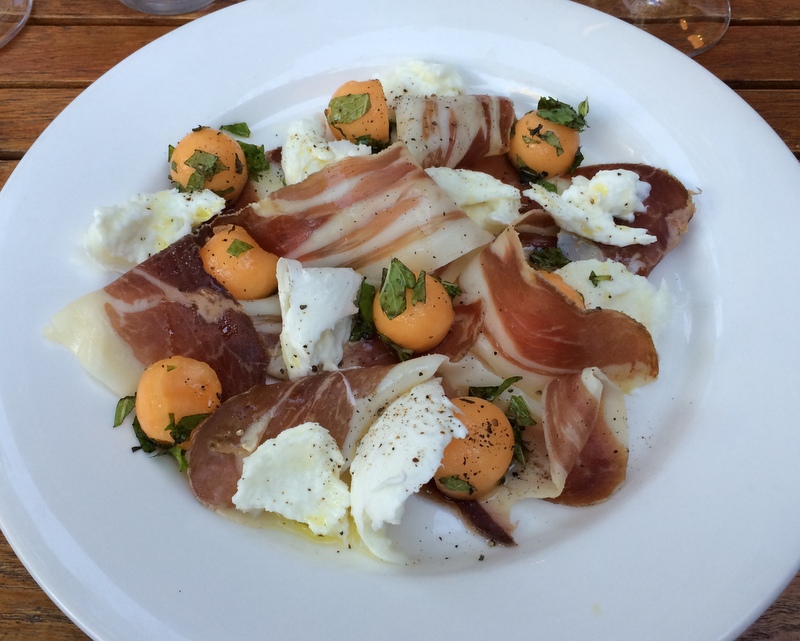
They also serve delicious food.

Starters.

We moved inside for the main course.

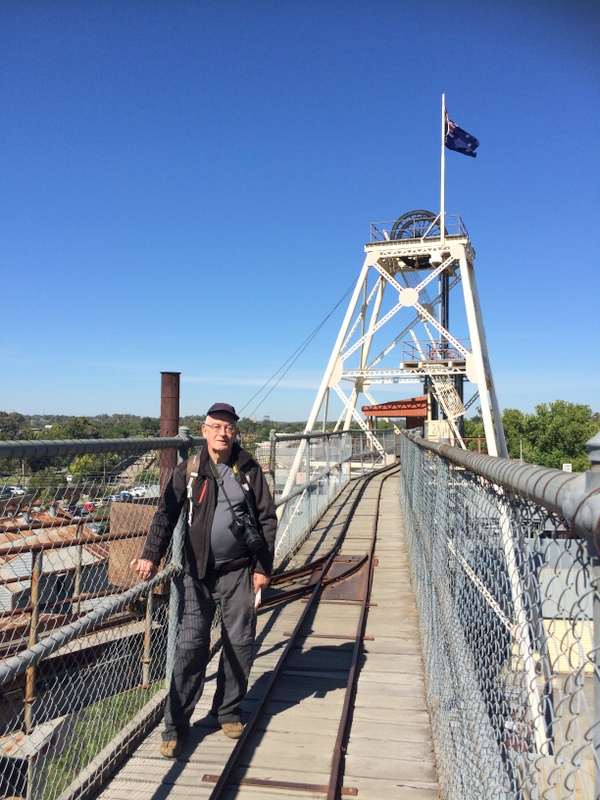
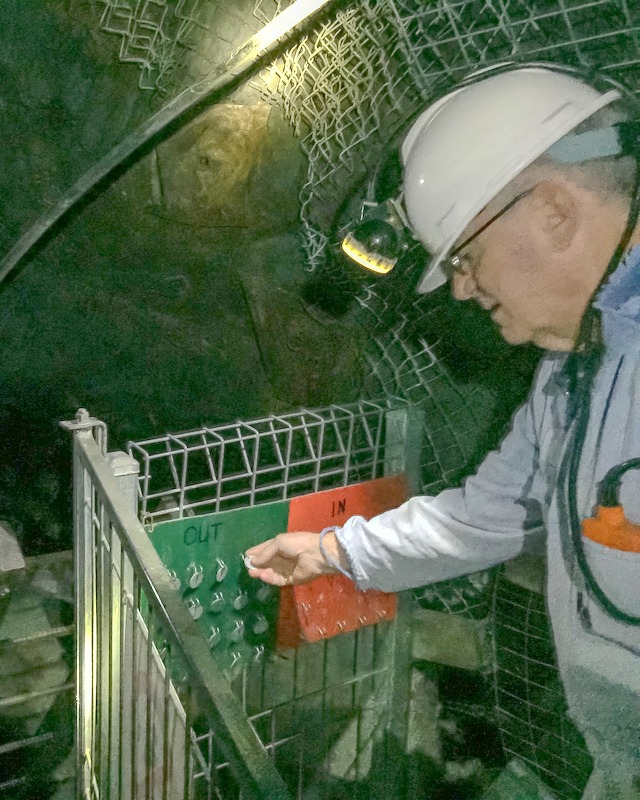
The next morning Aric and I visited the Central Deborah gold mine, now no longer active and a major tourist attraction. We took the 85 metres: Underground Adventure excursion, very interesting. Overalls, boots, miner’s hat with lamp. A traditional miner’s lunch was served underground.

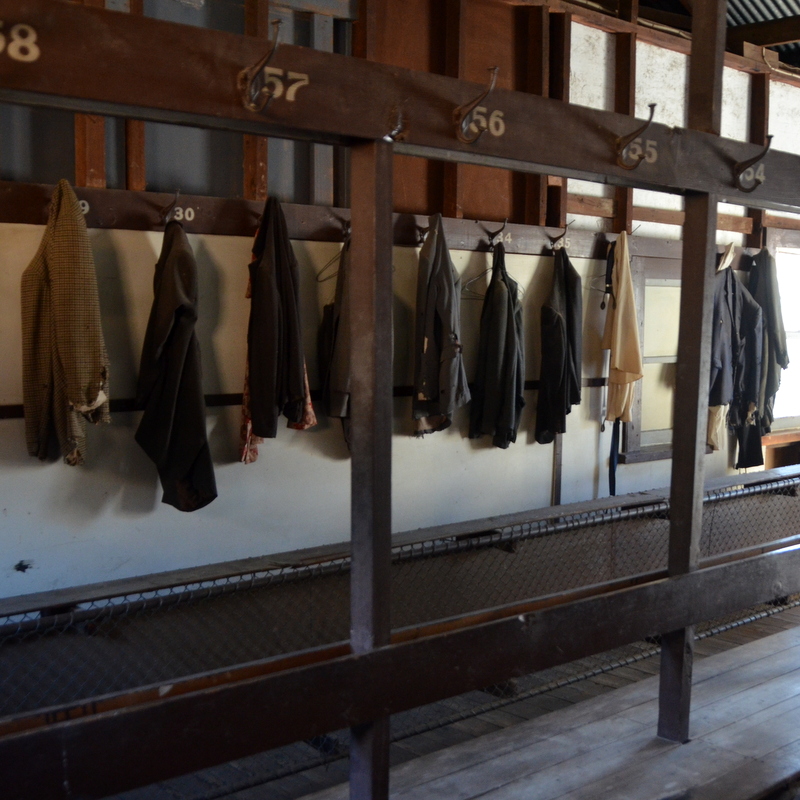
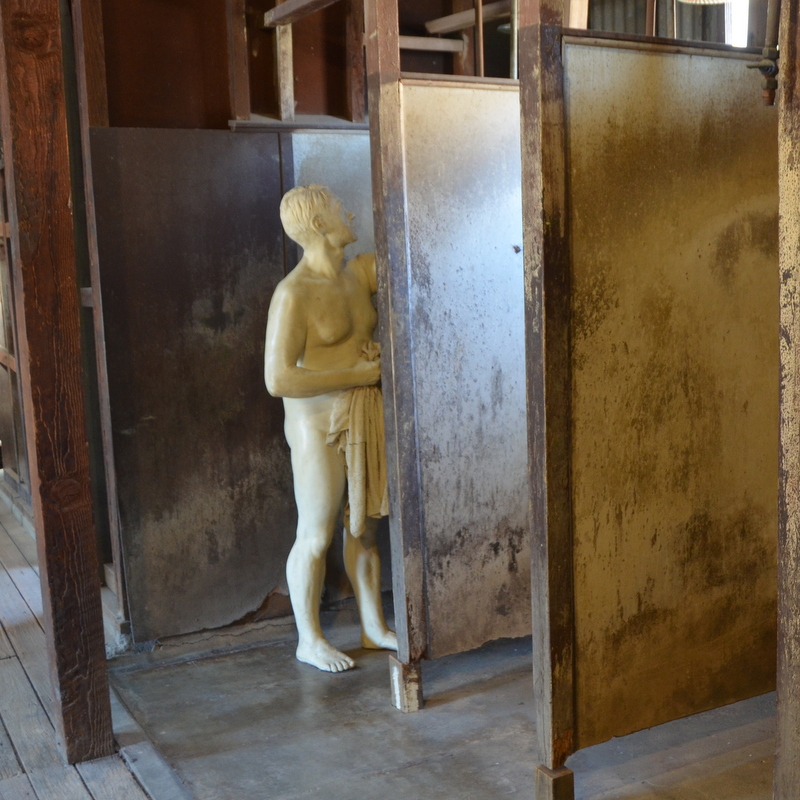
Various aspects of a miner’s life, changing room, showering, medical assistance.

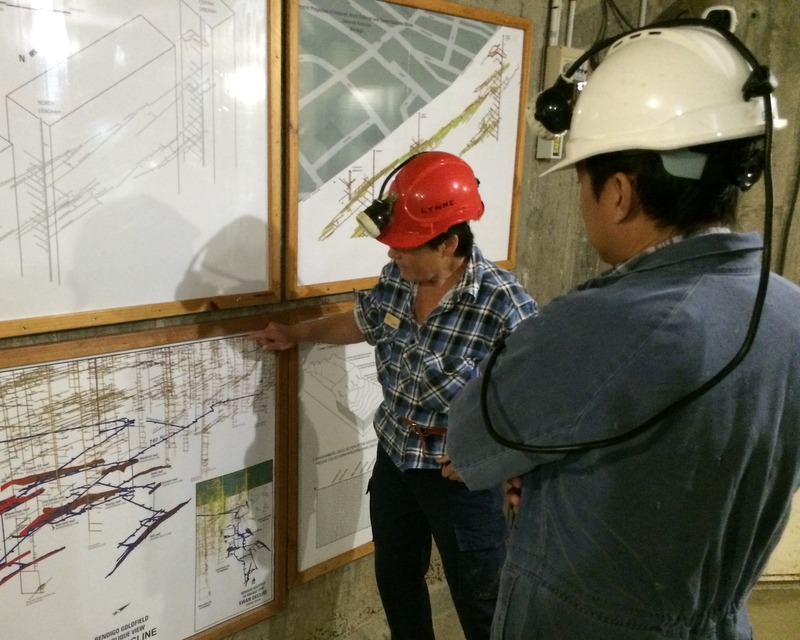
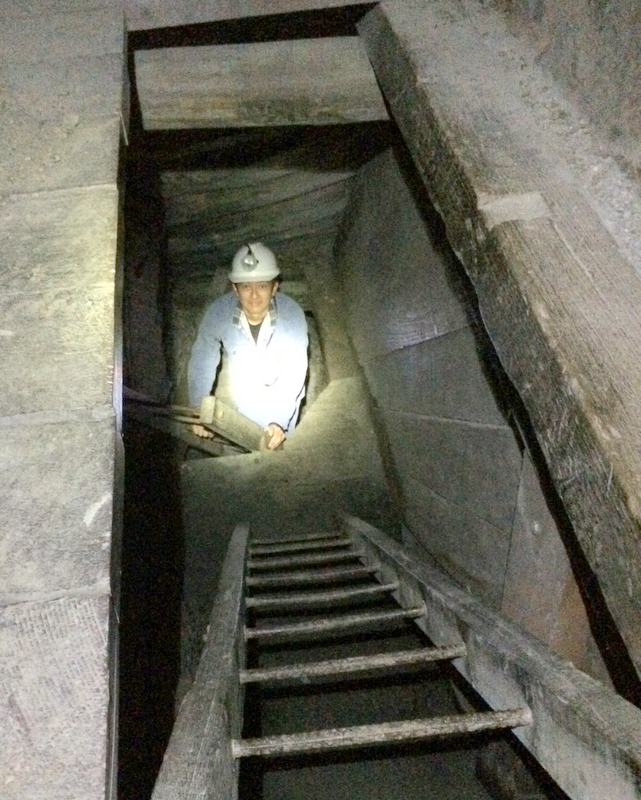
Our guide explaining where we will go and the poppet head which will lower us down.

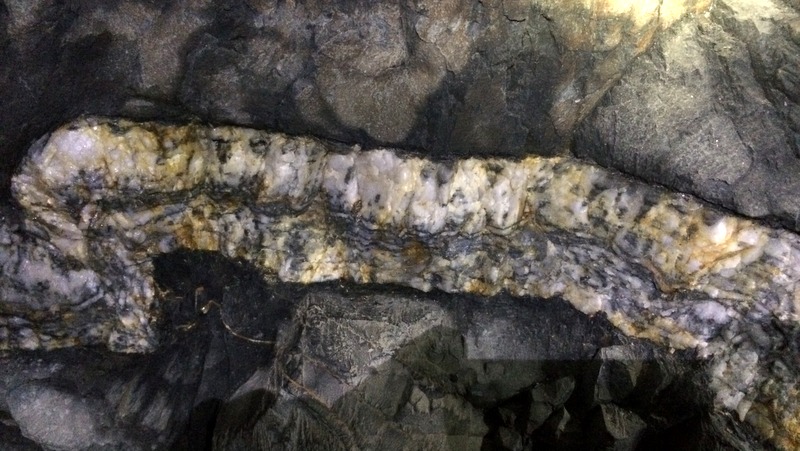
An ore deposit, where gold can be found.

Not easy to take pictures underground.

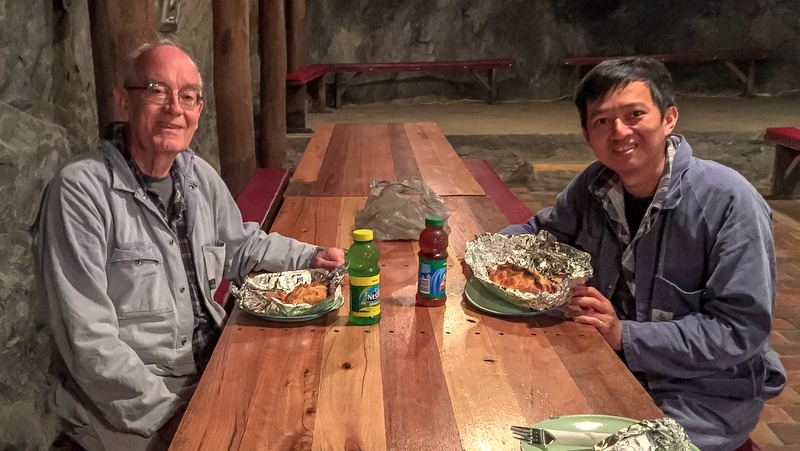
Lunch 85 meter underground.

Before we continued our trip, we visited the Chinese Joss House Temple (1871). During the gold rush many Chinese immigrants came to Victoria to work in the mines.

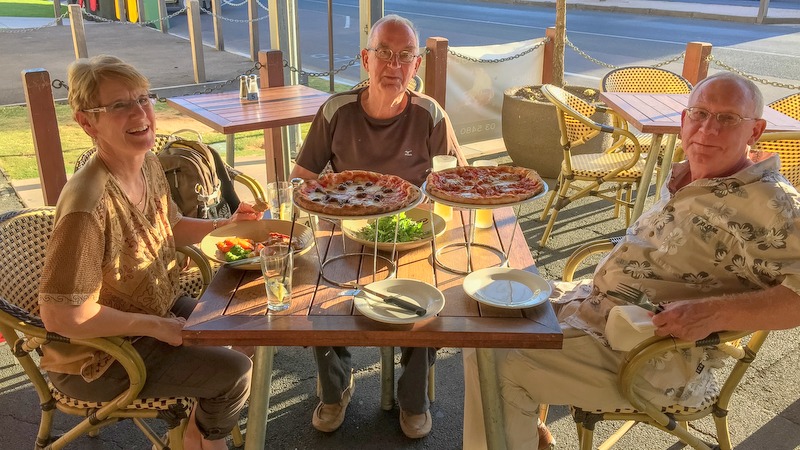
Our next destination was Echuca on the banks of the Murray river, where we stayed two nights. We had pizza for dinner.

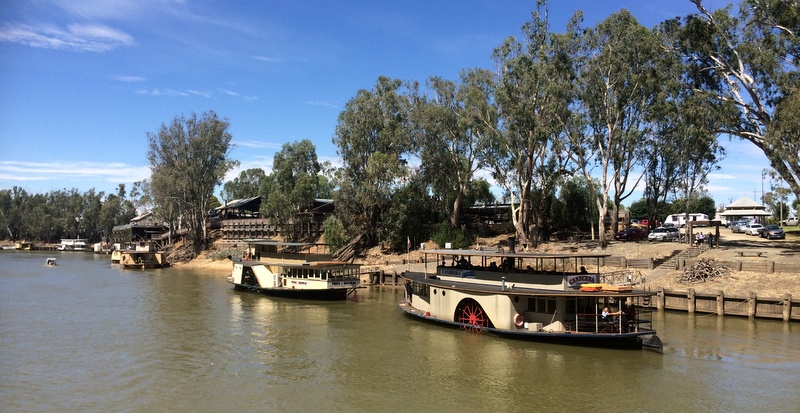
The main attraction of Echuca are the paddleboats. Echuca was founded in 1850 and became fast a major inland port. Nowadays it is a major tourist attraction.

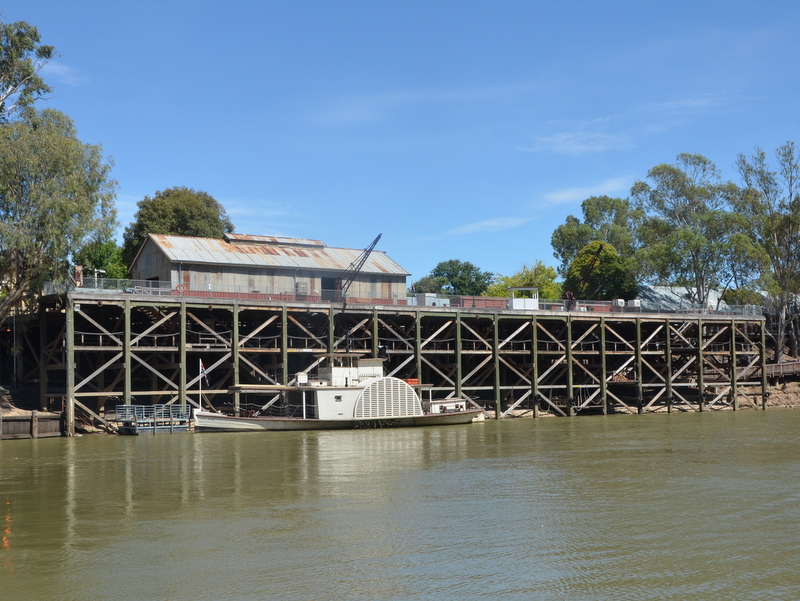
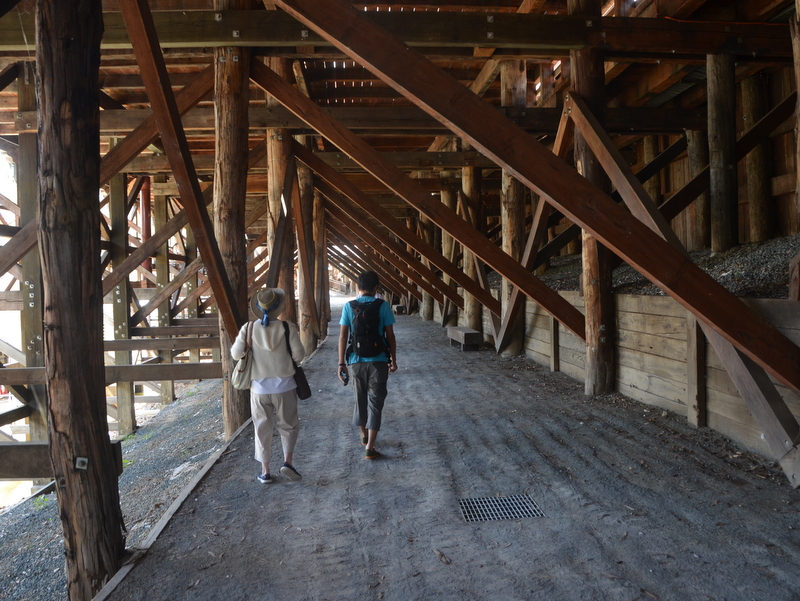
Paddleboats brought their cargo to the Echuca wharf where it was unloaded and transported by rail to Melbourne. The wharf is now Australian Heritage.

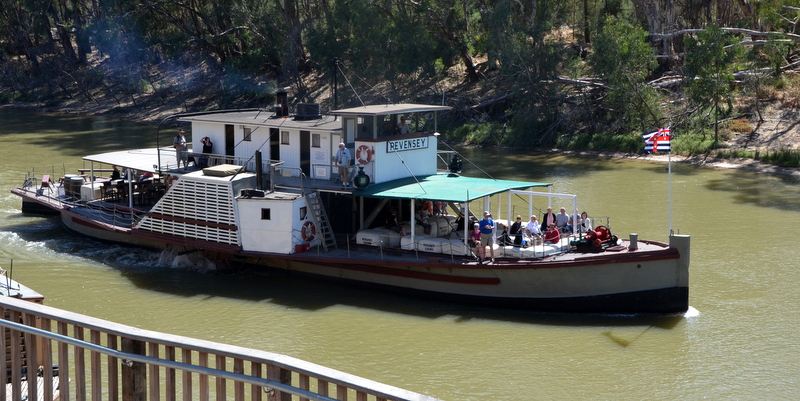
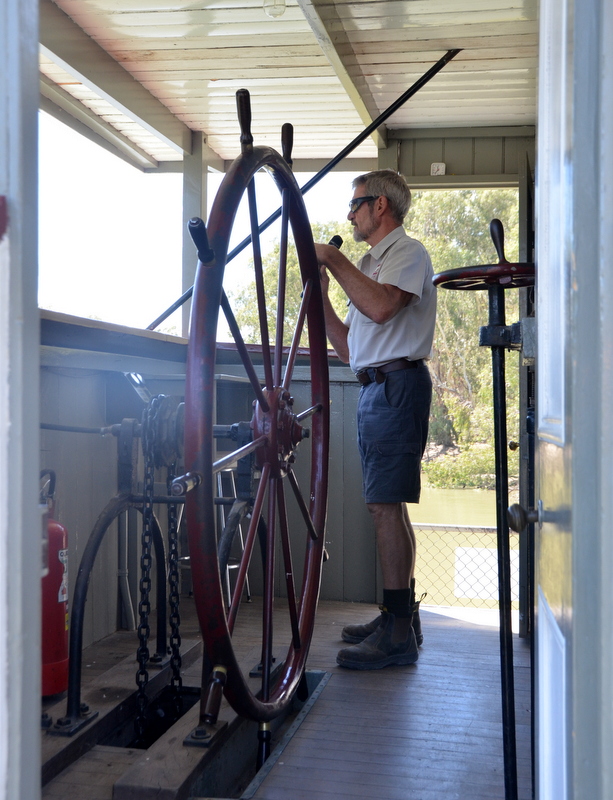
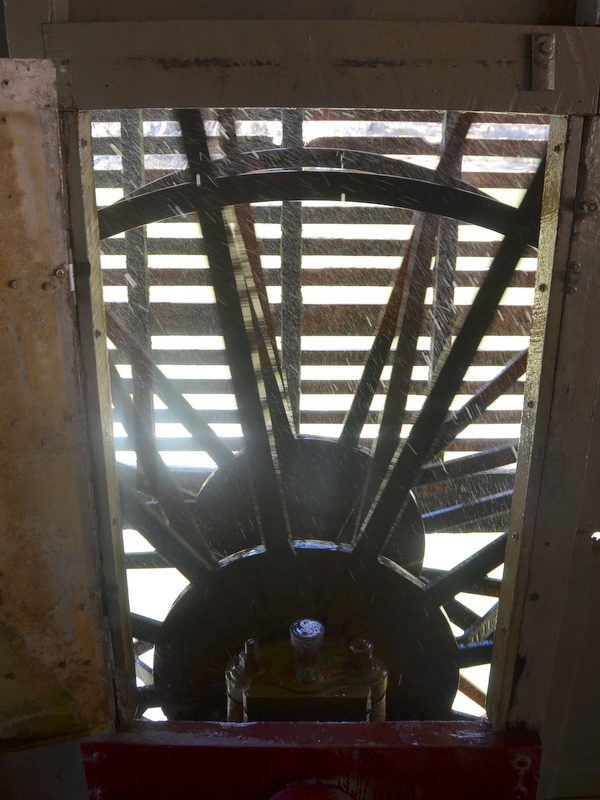
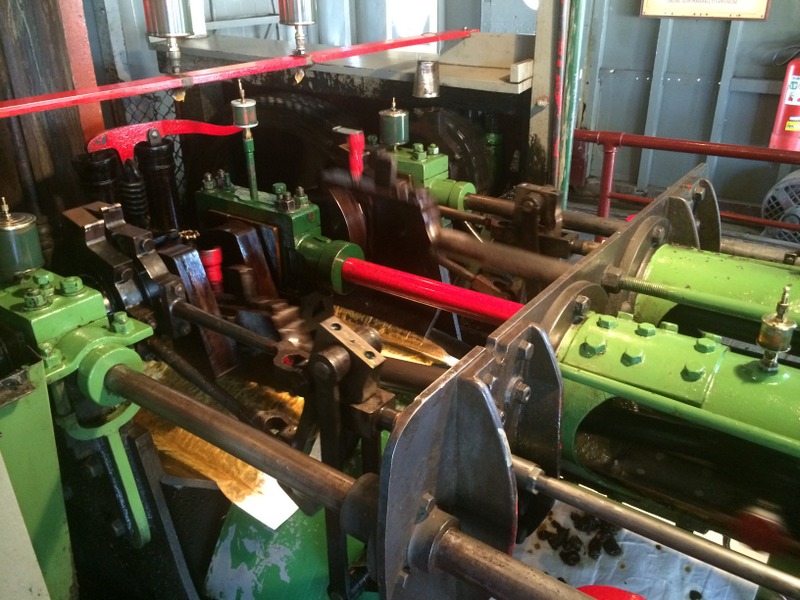
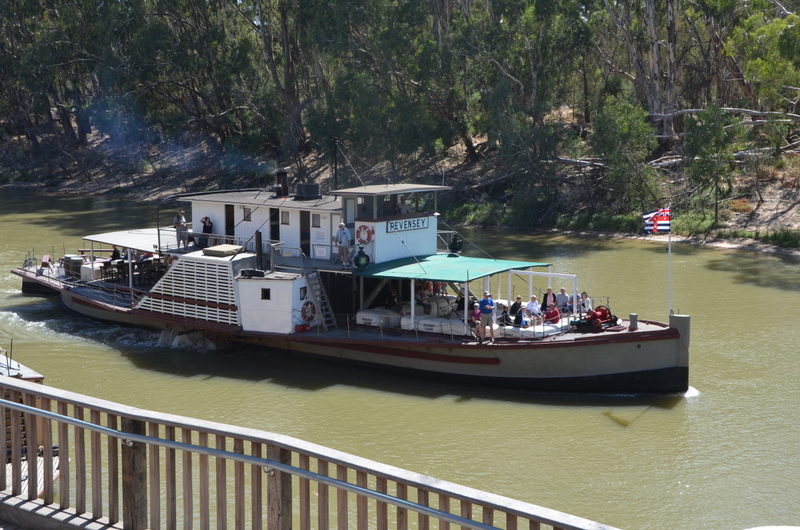
Of course we went for a trip, with the paddle steamer Pevensey. It was built in 1911, used to transport wool and still has its original steam engine.

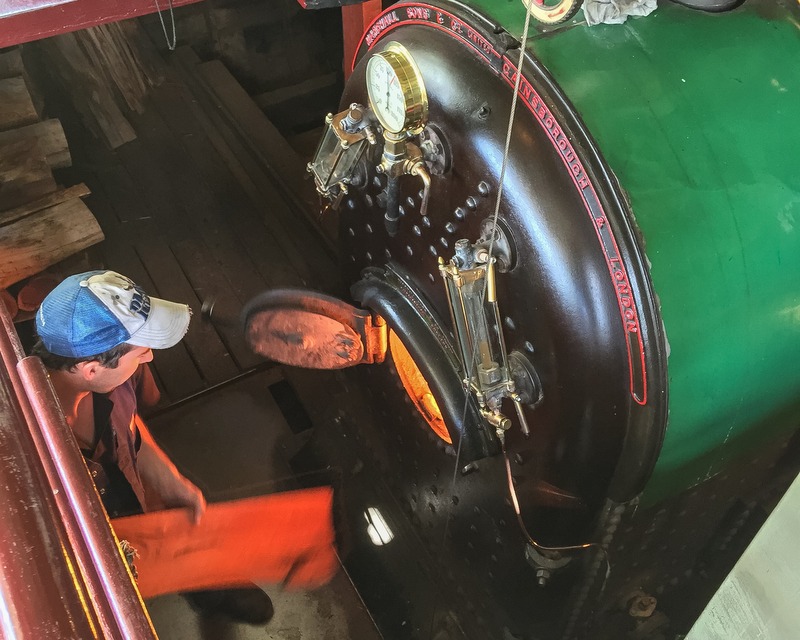
Impressive machinery. Must be a tough job to be a stoker!

The interior of the Pevensey.

Two more paddle steamers. It was a very interesting excursion

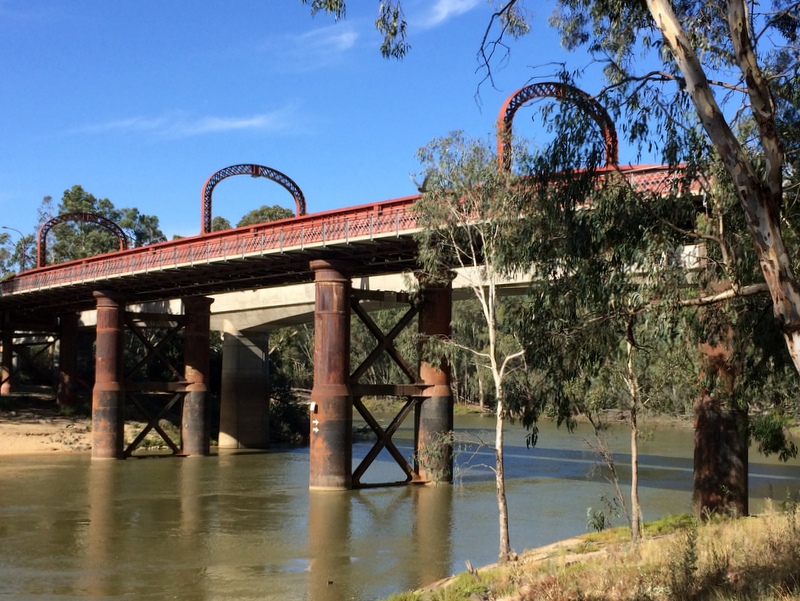
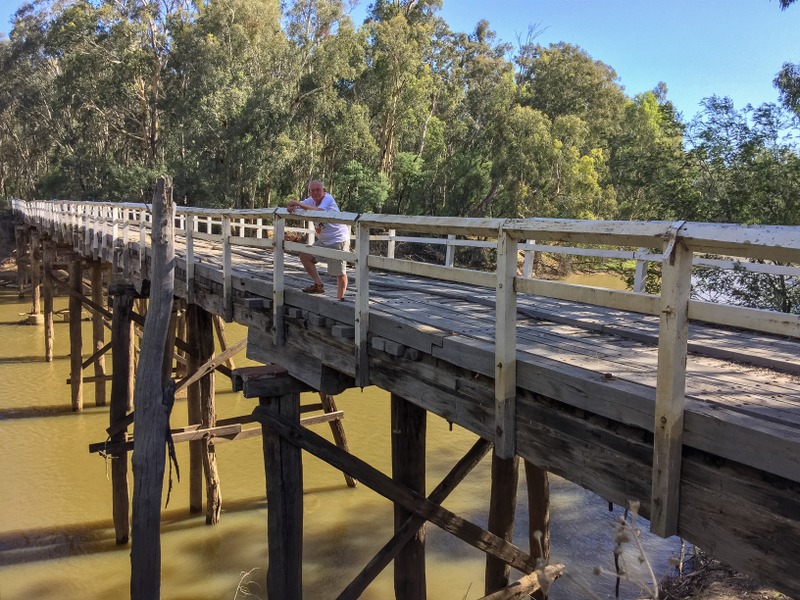
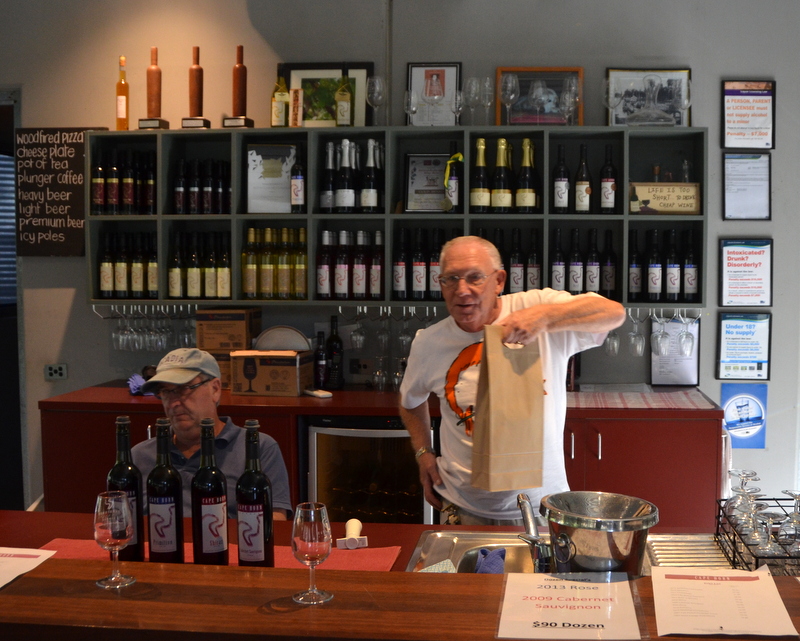
In the afternoon we drove around Echuca and visited the Cape Horn Vineyard. The Echuca-Moama bridge dates from 1878, to reach the vineyard we had to cross the Stewart’s bridge (don’t worry, the new one is hidden behind the old wooden structure).

Roger is a wine connoisseur, I am just pretending 😉 .

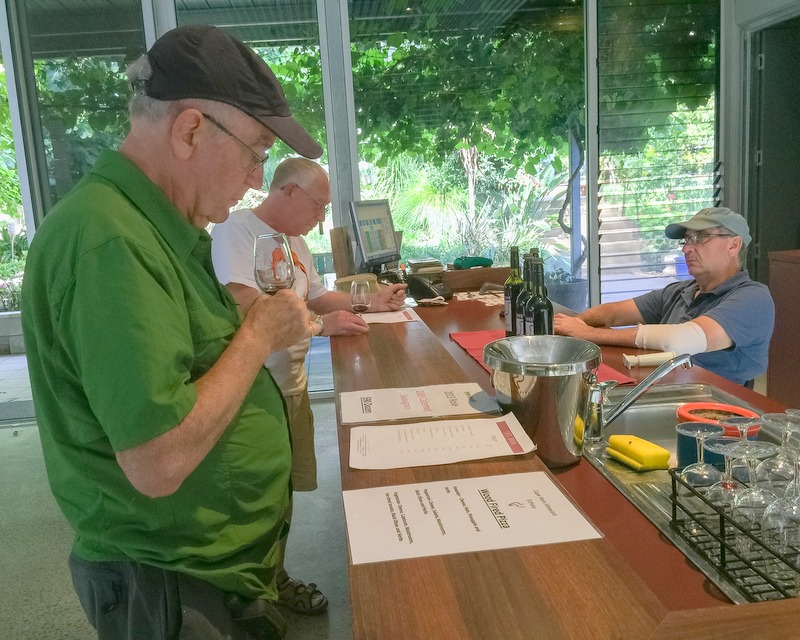
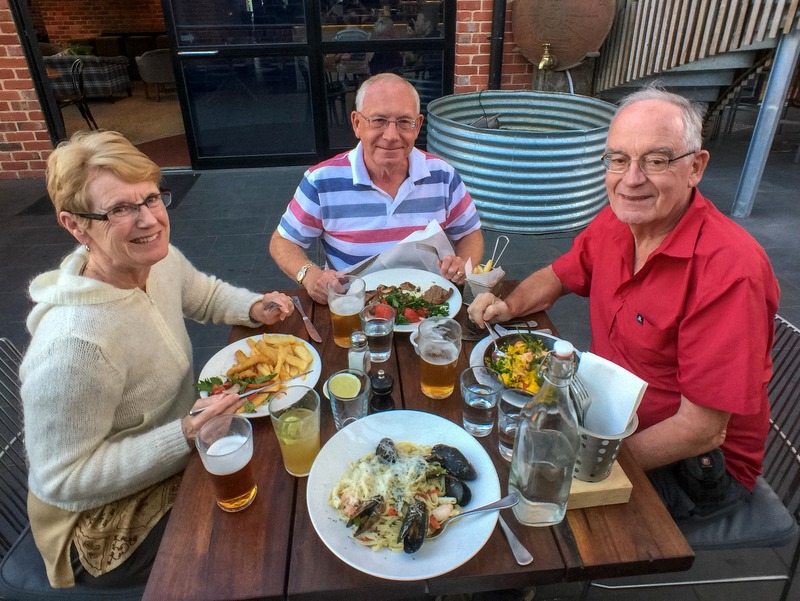
Of course a day is not complete without drinks and food!

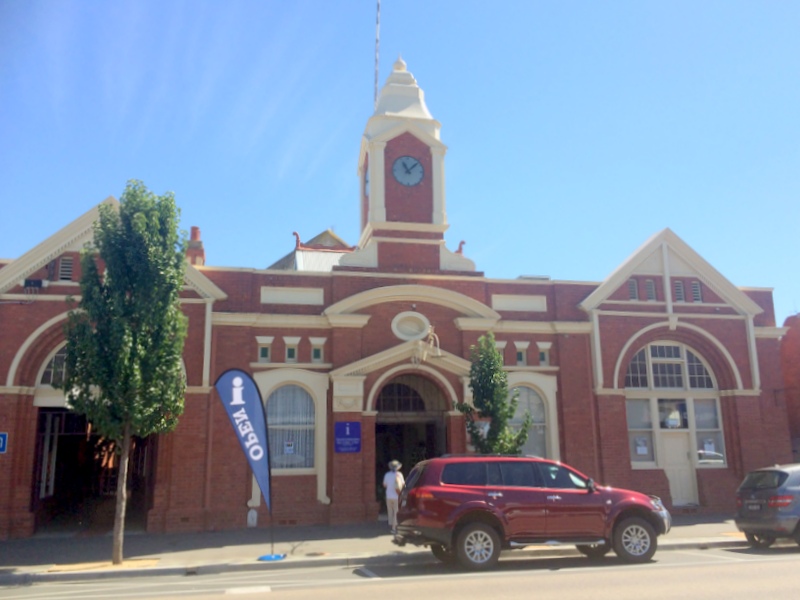
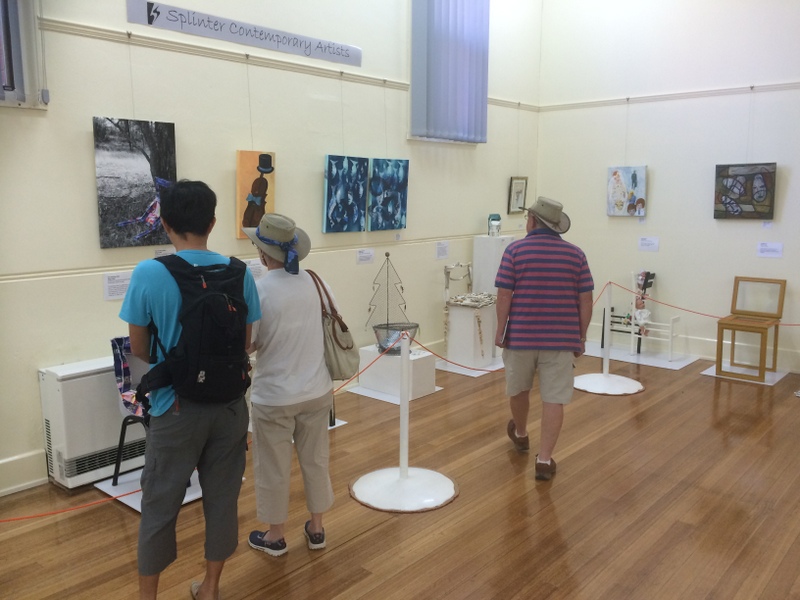
The next day we had a short stop at Kryabam , where we visited the former Town Hall (1895), now an art gallery. Just to prove that we are interested in more than food 😉 .

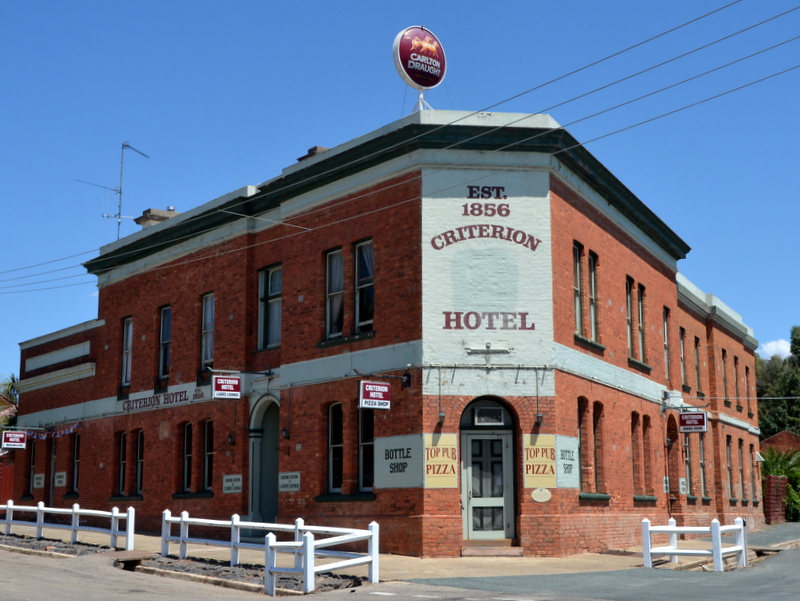
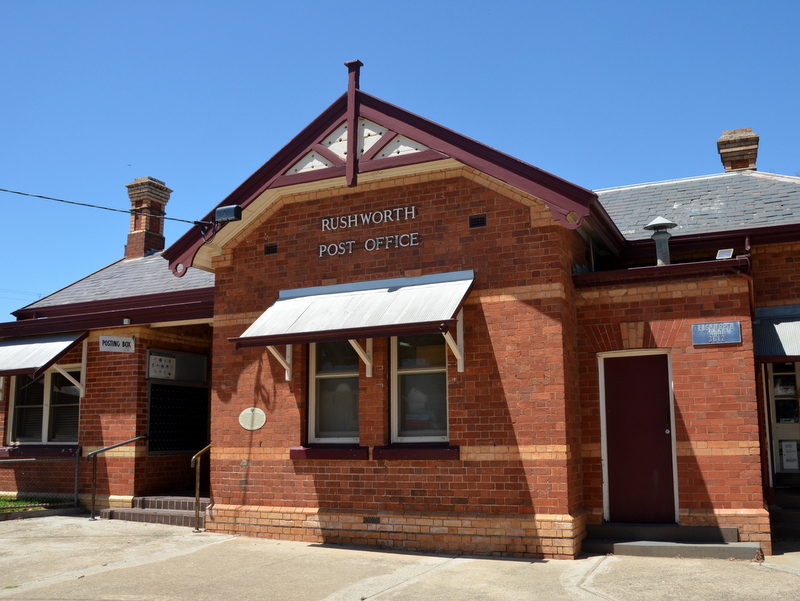
We continued to Rushworth, another goldrush town. Nice buildings , but not so spectacular as in Bendigo.

I had seen on the Internet that near Rushworth there was an old gold mine with a ghost town. I asked Roger if we could visit that place. He agreed but regretted it when it turned out that the access road was bad, causing some damage to his car. Fortunately Aric could repair it 😉 .

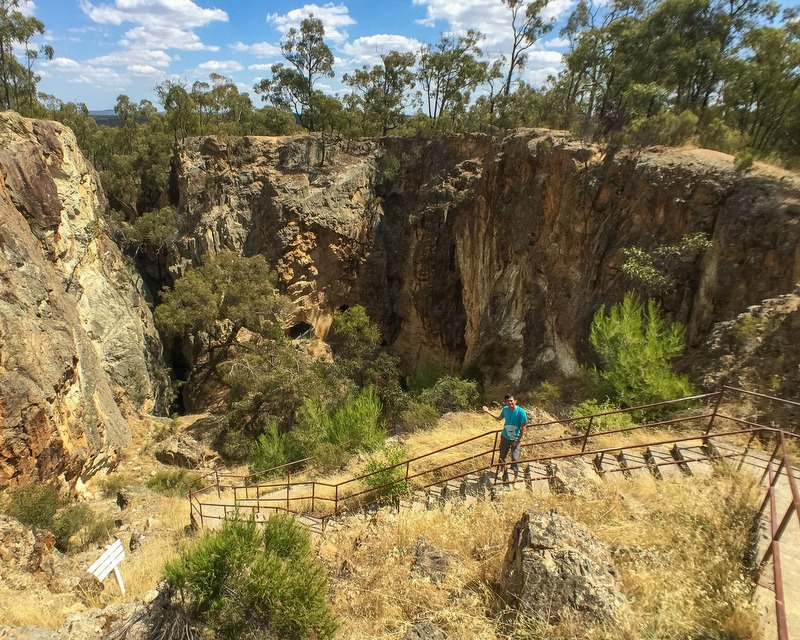
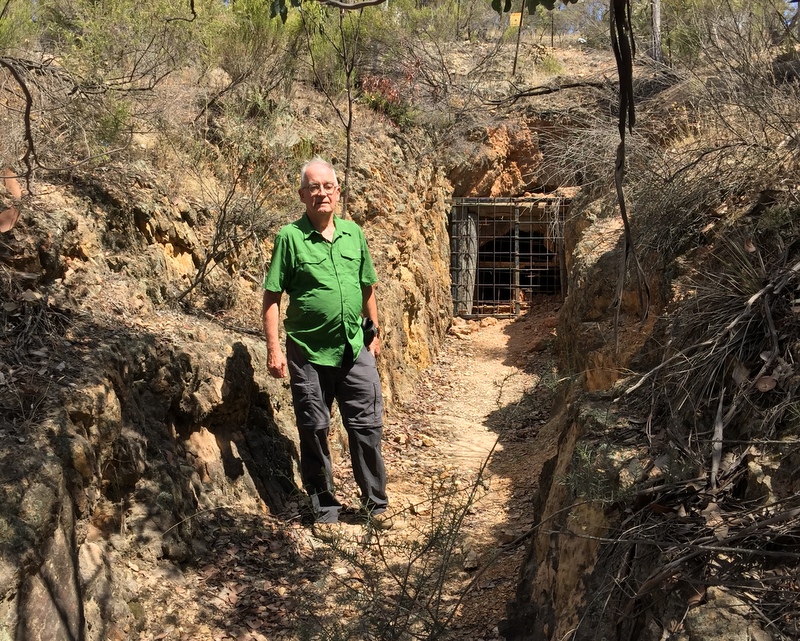
The Balaclava mine is an open-cast mine. The tunnels have been closed for safety reasons, so there is not much to explore.

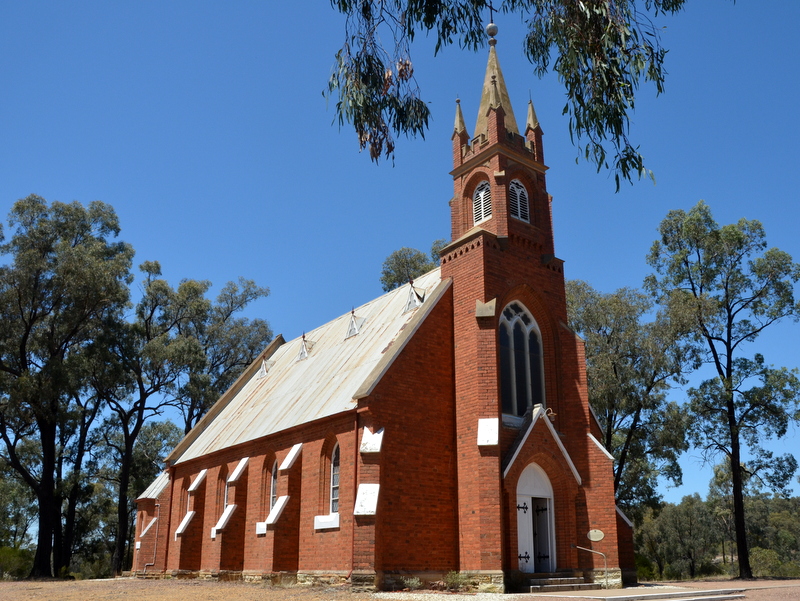
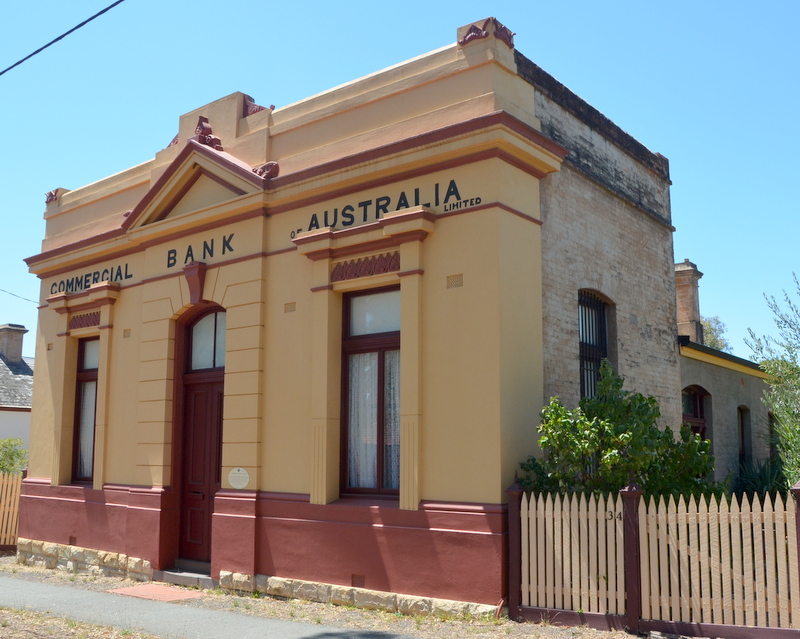
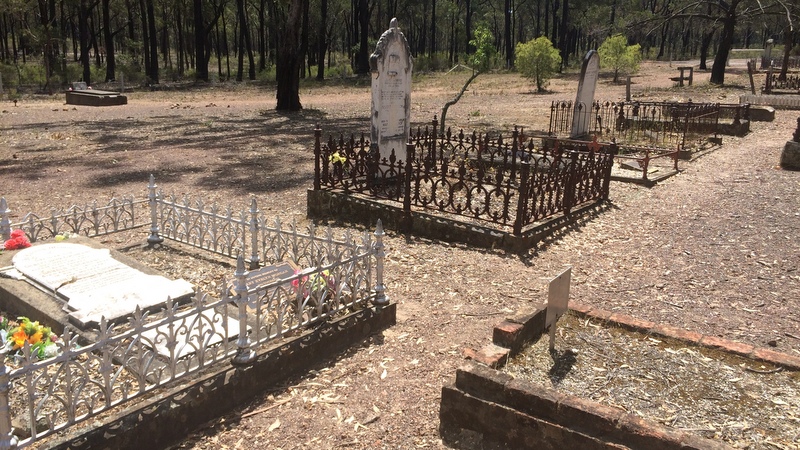
The ghost town of Whroo is not much more than the cemetery. Hard to imagine that once the town had several churches , a school, a library and a few hotels.

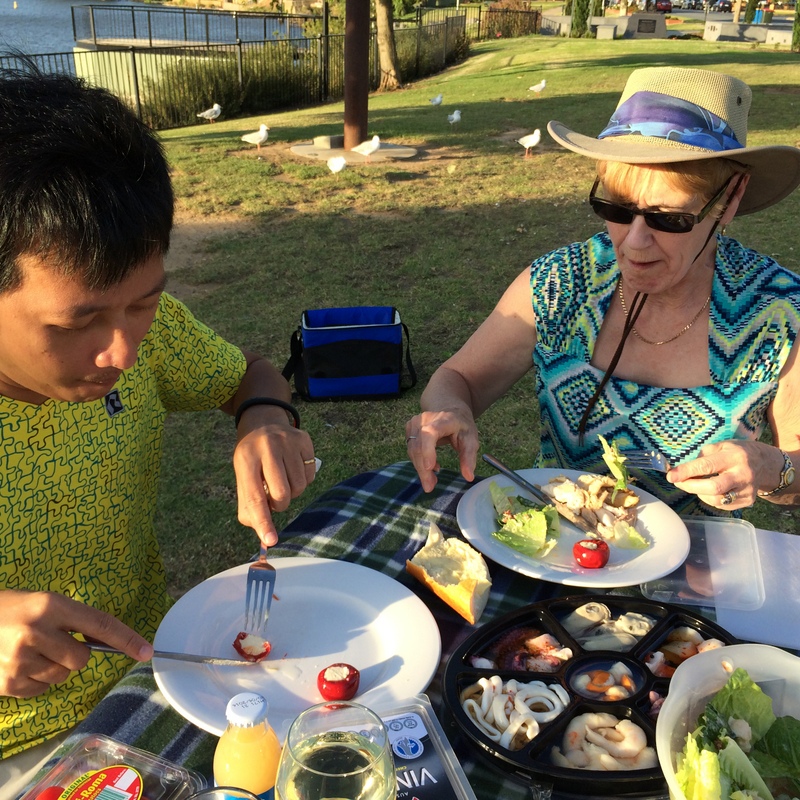
We stayed overnight in a motel in Nagambie and had an al fresco dinner at the Nagambie lake.

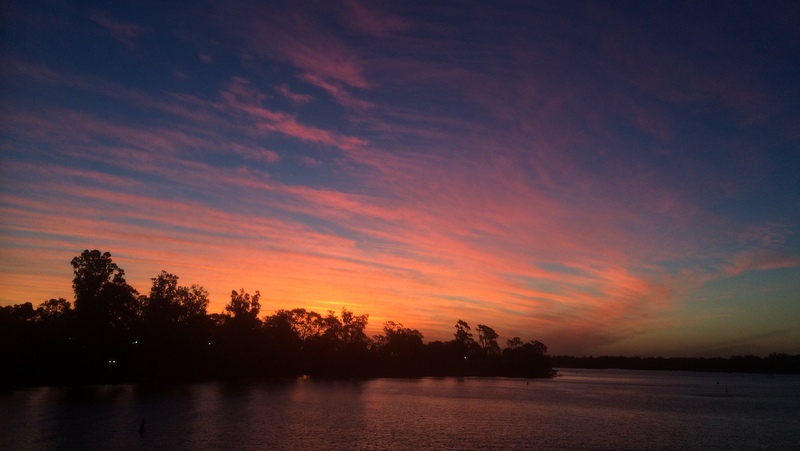
A beautiful sunset!

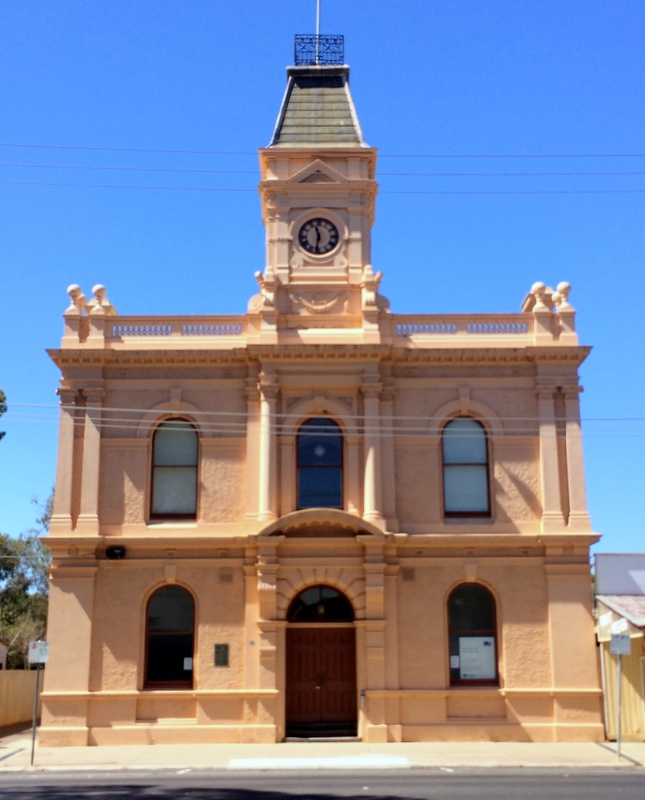
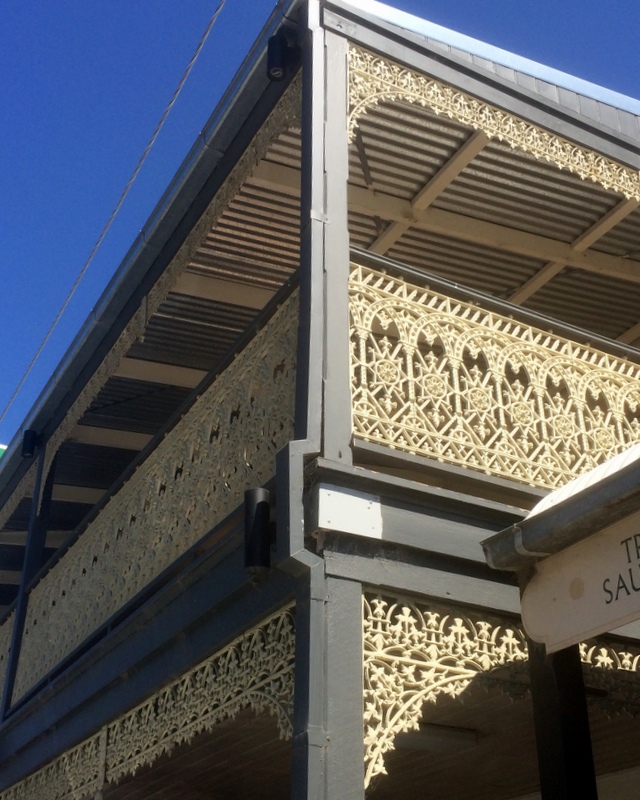
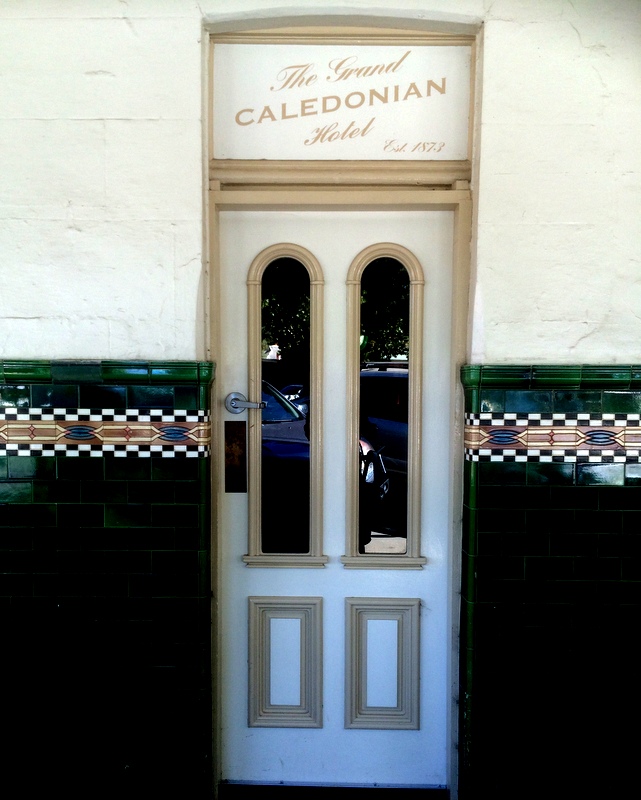
The last day of our trip we visited Yea, another small town, with some interesting buildings. The Shire Hall is from 1877, the Grand Caledonian Hotel was built in 1901.

Yea was founded in 1855, because of the gold rush, but now it is primarily a farming and agriculture town.

The Yea Wetlands are worth a visit,

We had lunch in an heritage building, the E.S Purcell’s General Store (1877).

On our way back to Upwey, we had a stop at Yarra Glen for a drink in the Grand Hotel (1888).

It was a very rewarding trip. Amazing how much we could do in just a few days.

Twenty year friendship

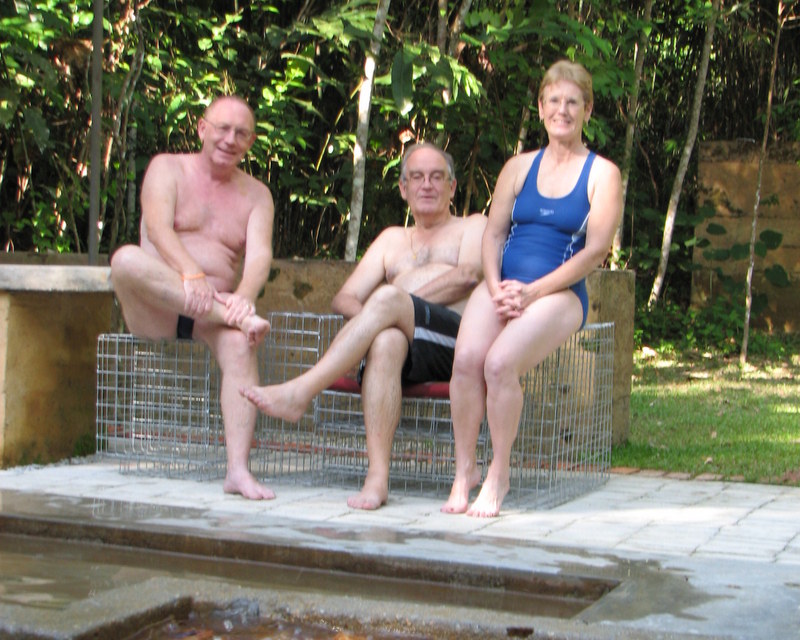
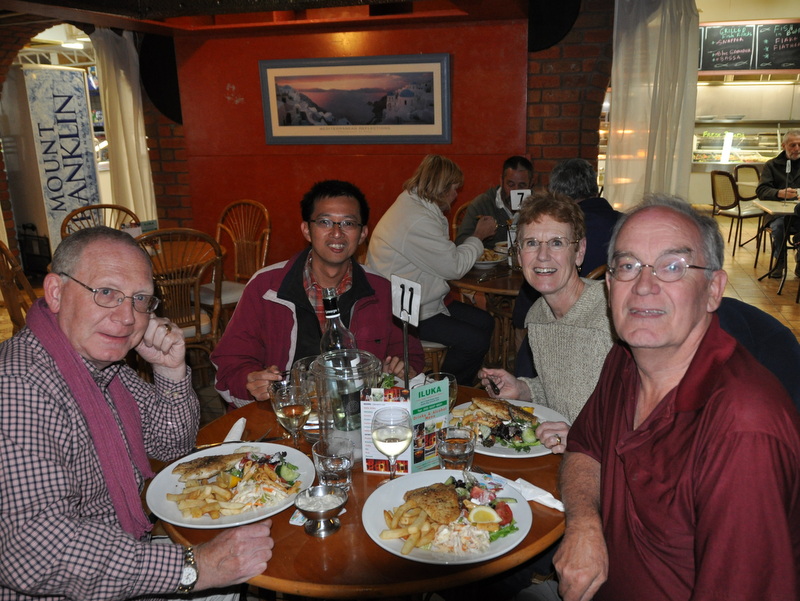
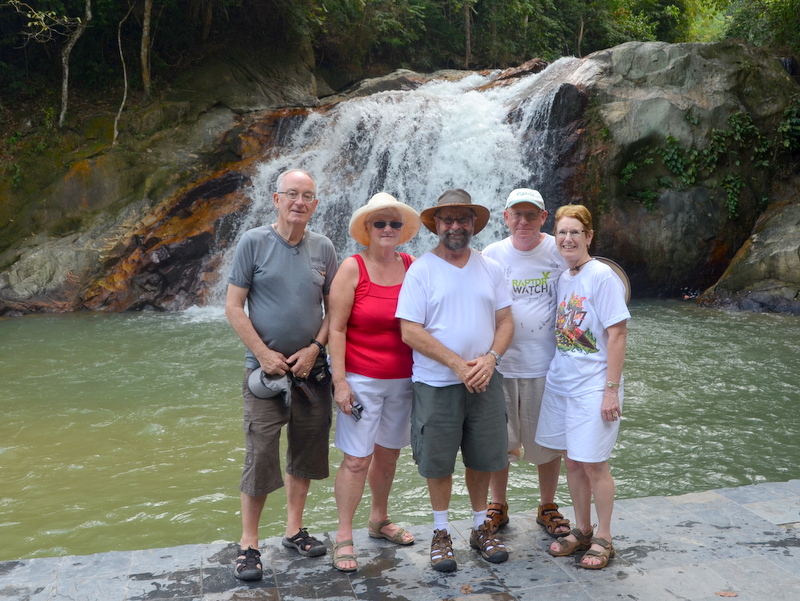
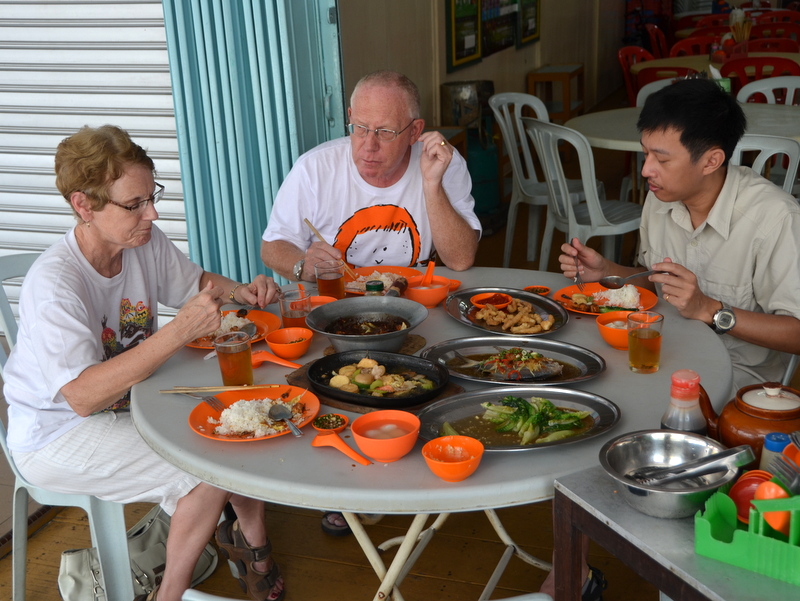
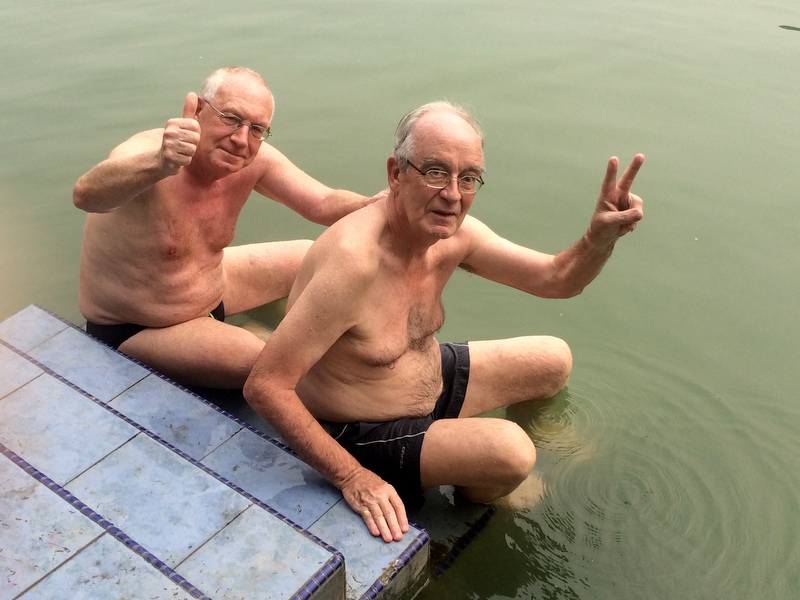
In 2000 Aric and I were living in Goodyear Court 7 in USJ and it was around September/October of that year that we met Pat and Roger, an English couple, who had also rented a condo there. At the swimming pool! We quickly became friends and we still are.

Besides meeting each other for dinners, birthdays etc, we also have made numerous trips together. About many of these trips I have written reports. Here is a chronological list . For the trips with an album, I have selected only two pictures, mostly of dinners, because we all love food. For the trips without an album, I show a few more pictures.

2001

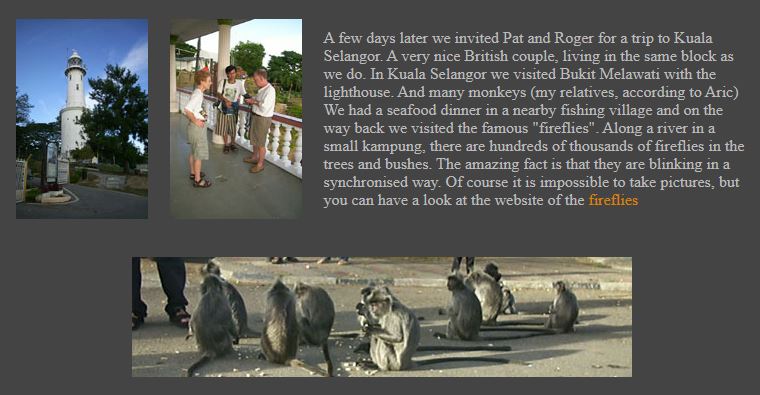
The first trip took place in June 2001, to Kuala Selangor. Here is a report in the diary that I kept in those days.

In those days I was still working part-time in Amsterdam and Pat & Roger were still living in Basildon, UK, so we could meet in Malaysia only irregularly. But we met a few times in Europe!

2003

They visited me in Amsterdam in June 2003, and a few weeks later I visited them in Basildon with my friend Inez. About this second visit I created an album , here are a few photos.

2004

The next year I celebrated my 60th birthday in Taiping with them and a few other friends. This is the album My 60th Birthday 17-4-2004 and here are a few photos

xxxxx

In September I visited them again in Basildon Trip to England.

2005

In November 2005 I took them to Ulu Langat, to visit the Gabai waterfall. Crossing the hills from Ampang you have a nice view of the KL skyline. There were some leeches, from the way Pat is walking you can see that she was a bit scared of them. The waterfall was a deserved reward.

2006

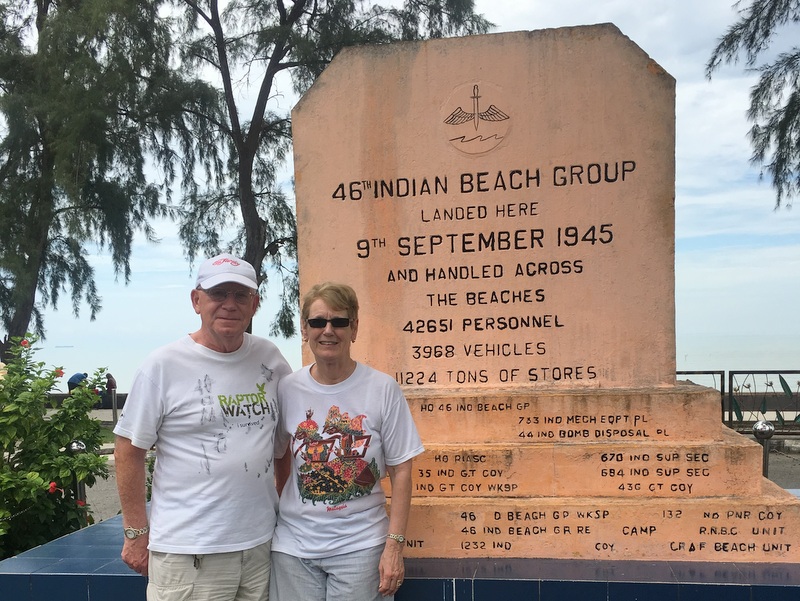
March 2006, the traditional Raptor Watch in Tanjung Tuan. A trip with my birding friends, Khong, Stephen and George, the Gang of Four.

xxxxx

A few days later another waterfall trip, this time to the Sendat waterfall near Ulu Yam.

xxxxx

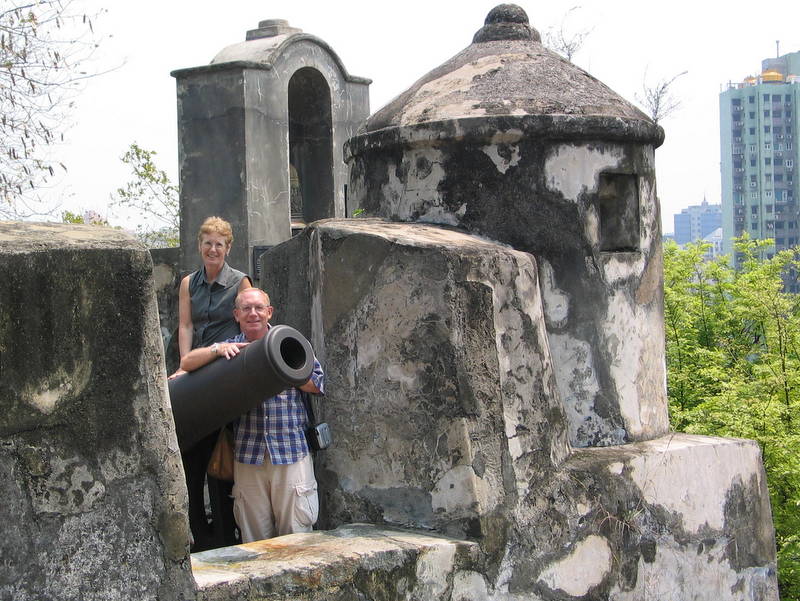
Still in the same month, I joined Pat and Roger for a 5D4N a trip to Macau. During our stay we made a daytrip to Hong Kong. Here is the report Macau & Hong Kong

xxxxx

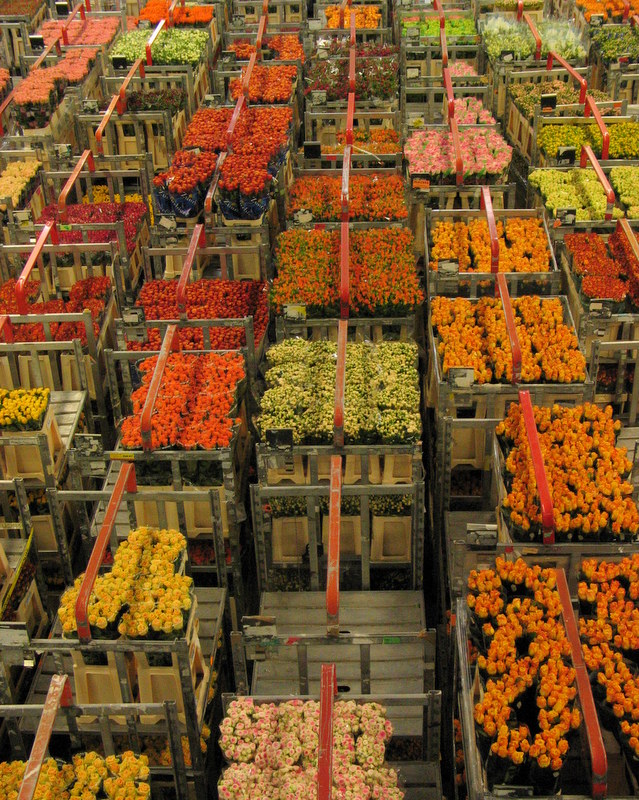
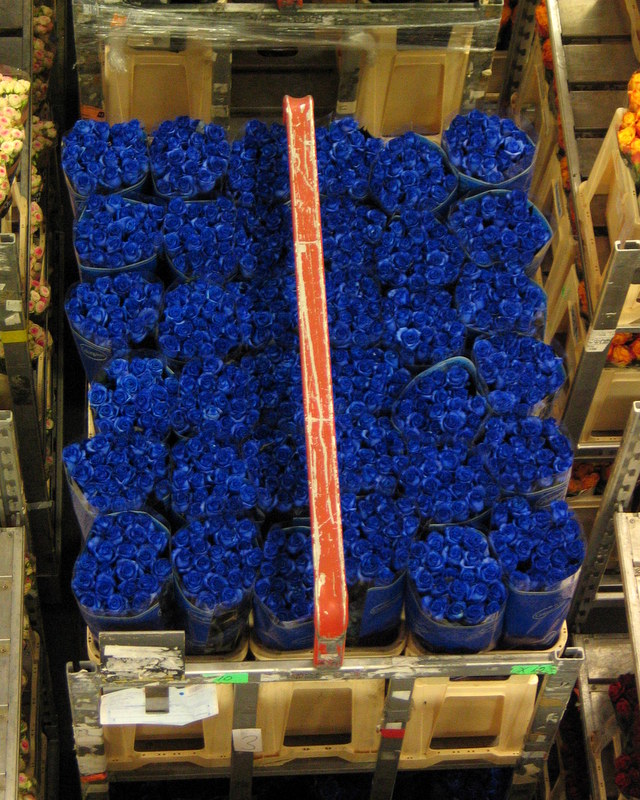
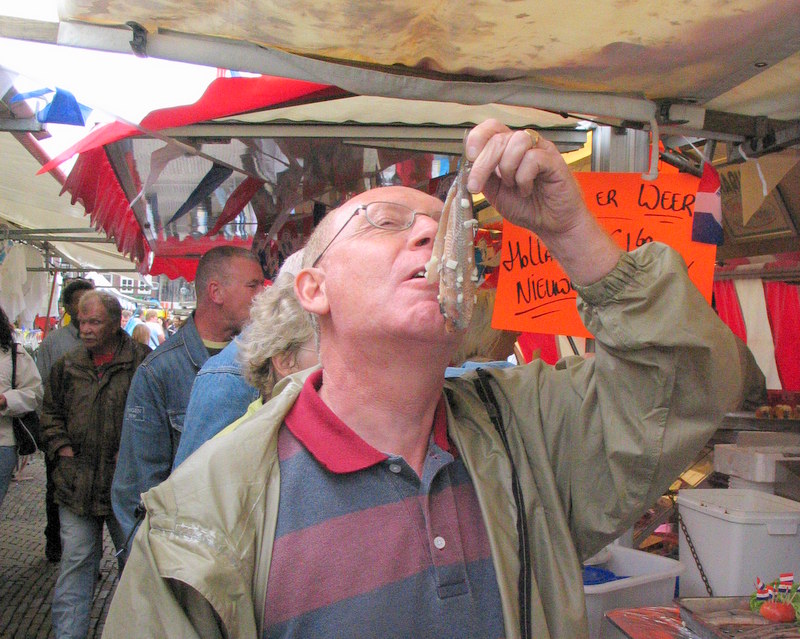
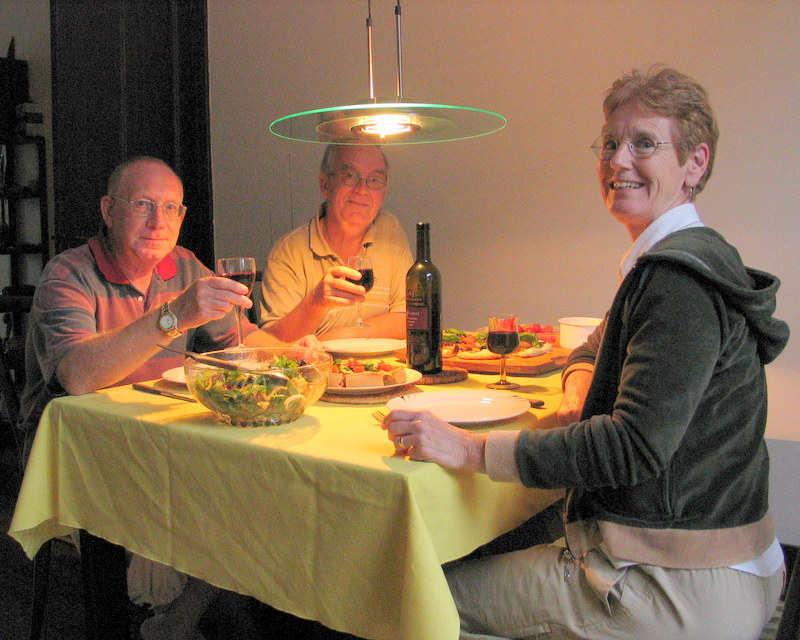
In June they visited me in Amsterdam. We made a daytrip to Delft and visited the famous flower auction in Aalsmeer. Roger tried to eat herring in the traditional way and we had dinner at home.

xxxxx

In December Aric and I invited them for a trip to Serendah where we stayed in a beautiful glass house with its own swimming pool. . The album Sepeking Serendah has more photos.

2007

Pat and Roger were planning to move to Australia and in preparation for their emigration stayed in a rented house near Melbourne, where I visited them in February. I took hundreds of photos but never created an album about this trip. I forgot the details, we visited Melbourne, Ballarat, the Dandenong hills and of course we went to see the kangaroos.

xxxxx

In November I joined them on a trip to Chiang Mai. We visited many temples, went to an elephant sanctuary and made a daytrip to beautiful waterfalls. Here is a detailed report: Chiang Mai

2008

In January we organised a farewell trip for Pat and Roger , as they were emigrating to Australia. Of course they will visit Malaysia regularly. We had lunch in Taiping with George, and stayed overnight in Sg Petani. On our way back we visited Kellie’s Castle Here is the report Trip with P & R

2009

When they came back to Malaysia in February 2009 to visit friends, we took them to Fraser’s Hill where we stayed overnight in the posh Olde Smokehouse. More photos in this album: Trip with P & R

xxxx

Later that year they invited us to Melbourne, where they had now moved to their own house. We had a wonderful time, visited the Twelve Apostles, saw kangaroos koalas, friendly birds, etc. Detailed report here: Melbourne

2012

In 2012 Pat and Roger visited Malaysia again with two Australian friends. We organised an outing for them, visited a waterfall and a Buddhist sanctuary and of course had breakfast and lunch. Here is the report: A nice outing

xxxxx

A few weeks later we made a daytrip to Pulau Ketam, Crab Island, which they had never visited before. We took the ferry to the village, walked around and had lunch. Here is the report: Pulau Ketam

xxxxx

A daughter of Pat and Roger is living in Ireland with her family, and it so happened that I was in Holland while they were in Ireland, a nice opportunity to visit them. The weather was pretty awful, but the hospitality was heartwarming. Here is the report: Ireland, December 2012

2013

Our next meeting was again in Malaysia. In June we made a daytrip to the Jenjarom temple, and Jugra hill. This is the report: Trip with Pat and Roger 25-6-2013

2015

In February we visited Pat and Roger in Melbourne, a 12 day trip in which I took more than 800 photos Melbourne. In my Journal 21-3-2015 I wrote ” I am still struggling to write a trip report” I never wrote it. Here are at least a few pictures.

xxxxx

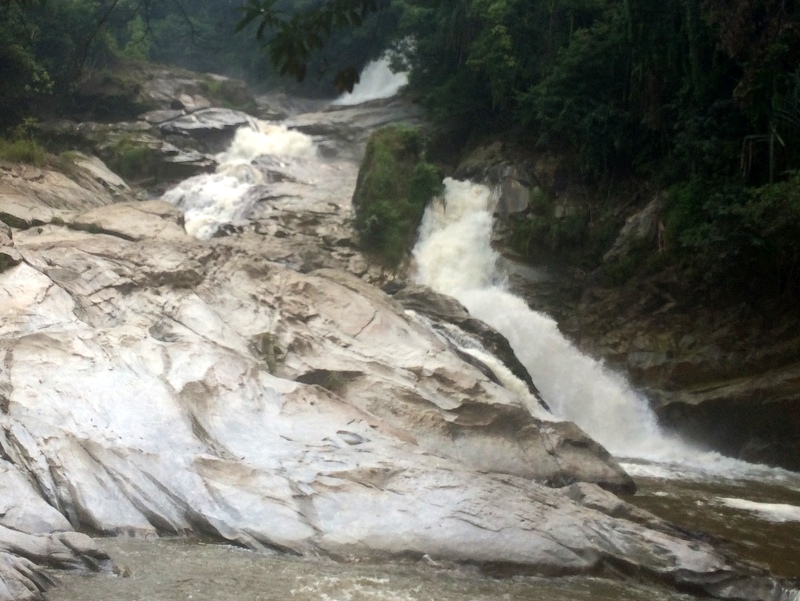
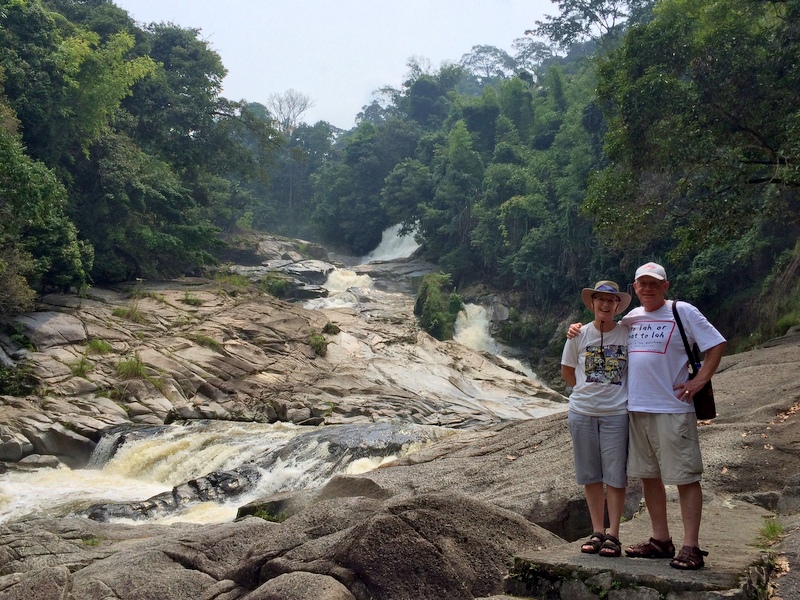
In August they came back to Malaysia. We made a short trip to the Chamang waterfall.

xxxxx

Two weeks later we finally went on trip that we had discussed for several years, a trip to China which they had never visited. Aric had made an itinerary with many highlights, Xi’an (terracotta army), Suzhou (Venice of the East),  Zhouzhuang (water village) and Shanghai. These four reports contain all the details and numerous photos. It was a memorable trip!

2017

In August a daytrip to Jenjarom, Morib and Tanjung Sepat. Aric used his drone to take a picture of us.

2019

In 2019 they visited Malaysia again. We made a 2D1N trip to Ipoh, where we stayed in the beautiful Ipoh Bali hotel. During a temple visit a fierce monkey grabbed Roger’s glasses! Have a look at the report Pat and Roger’s visit to find out how this problem was solved!

In 2020 the pandemic started and we got locked up in our respective countries. We are looking forward to meet them again.

Bukit Lanjan

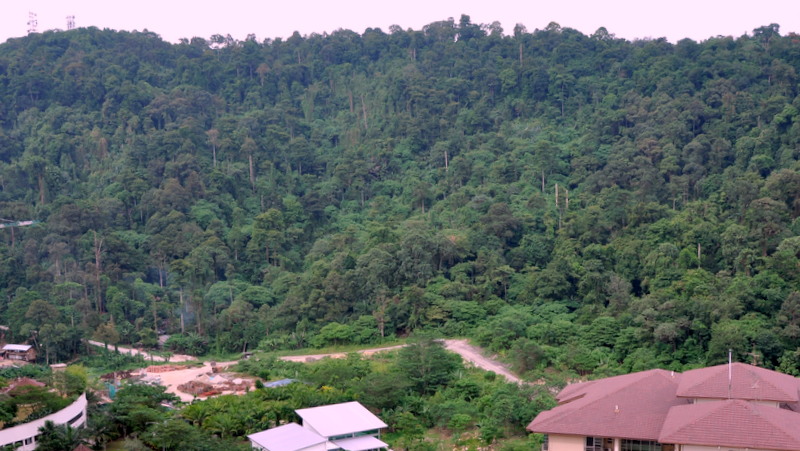
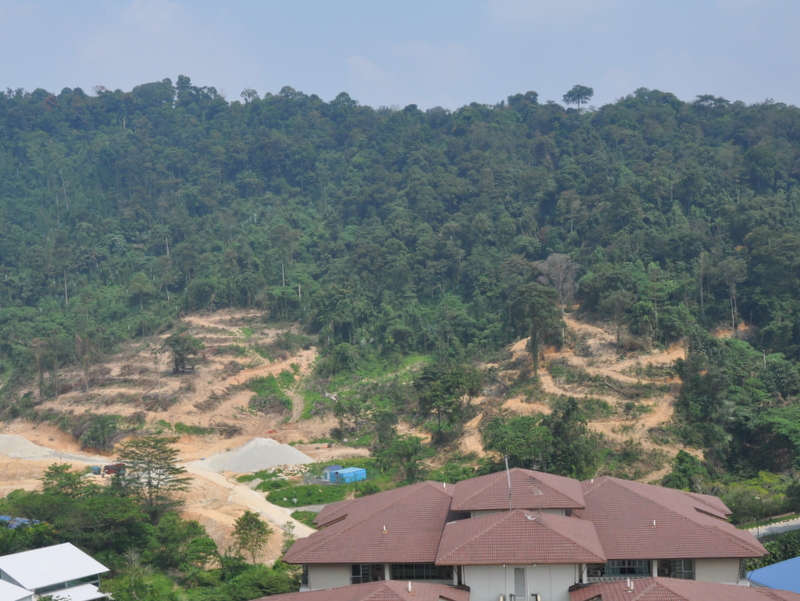
In October 2005 we moved from USJ to Damansara Perdana, where we had bought a condo in Perdana View with a beautiful view of the forested slopes of the 335 high Bukit Lanjan.

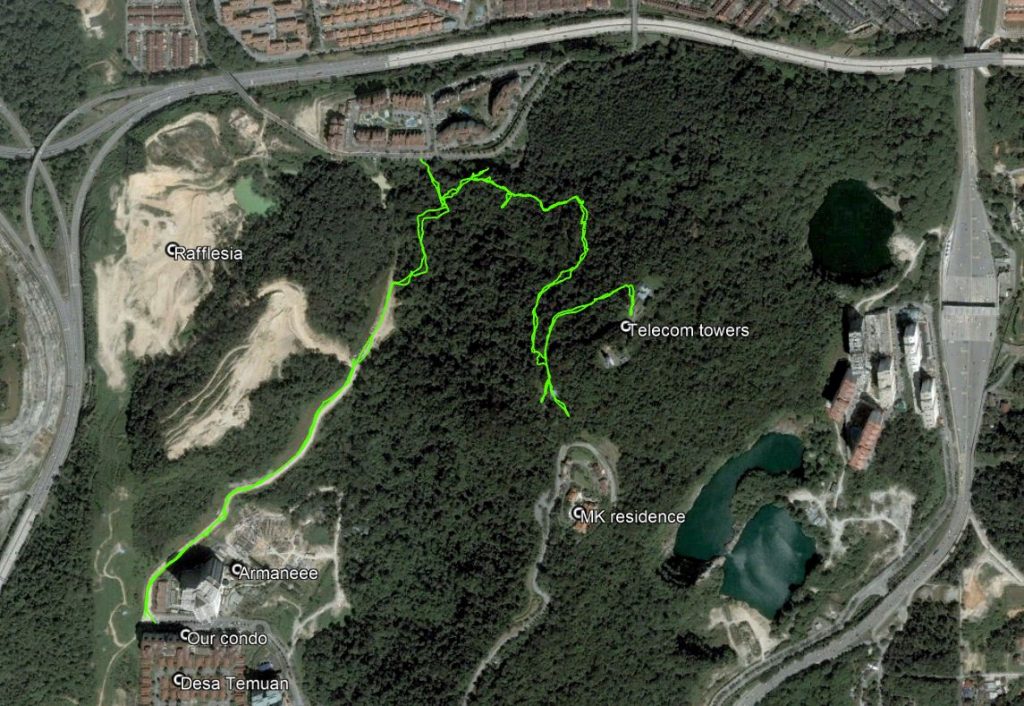
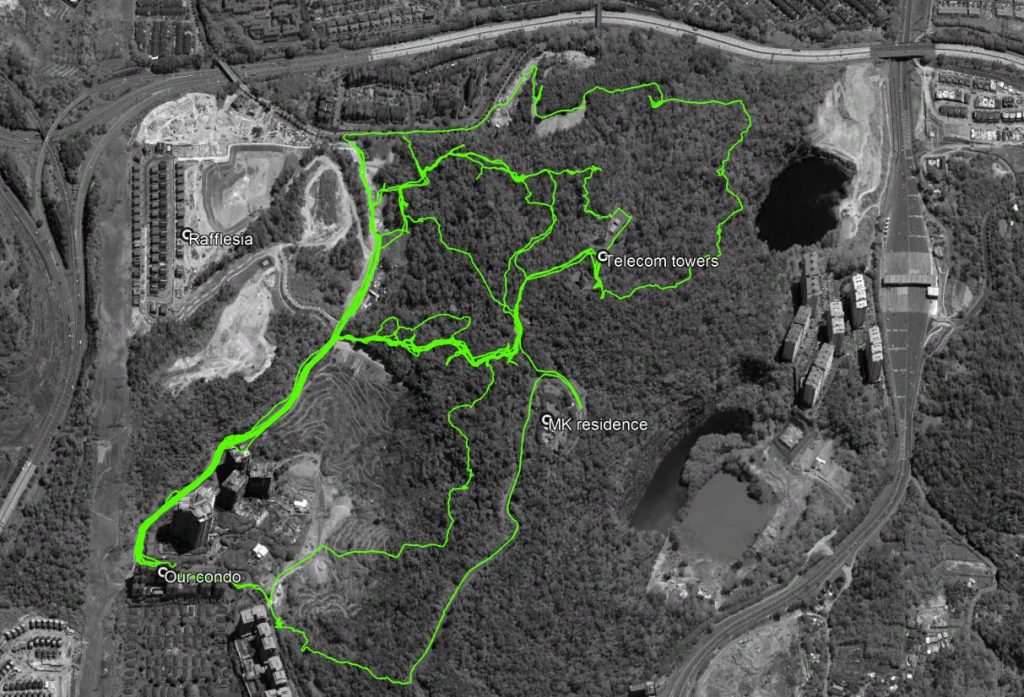
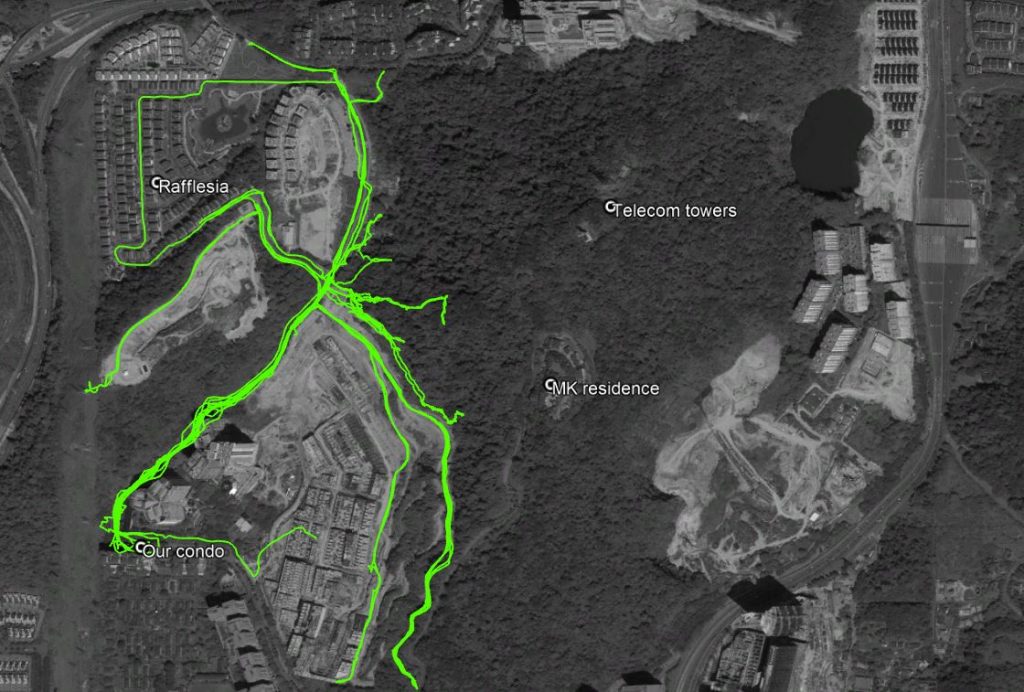
In those days I walked often in Bukit Kiara, but I also explored Bukit Lanjan a few times. Here is one of my first hikes, January 2007. The GE imagery is from 2007. I have marked a few locations. MK Land had permission to develop the hill on condition that they would provide housing for the Temuan Orang Asli who were living on the hill. Bottom left you see the Desa Temuan, nice bungalows. The Armanee condo’s were under construction and a beginning had been made with the development of Rafflesia. On the top of the hill Mustapha Kamal had built his own residence.

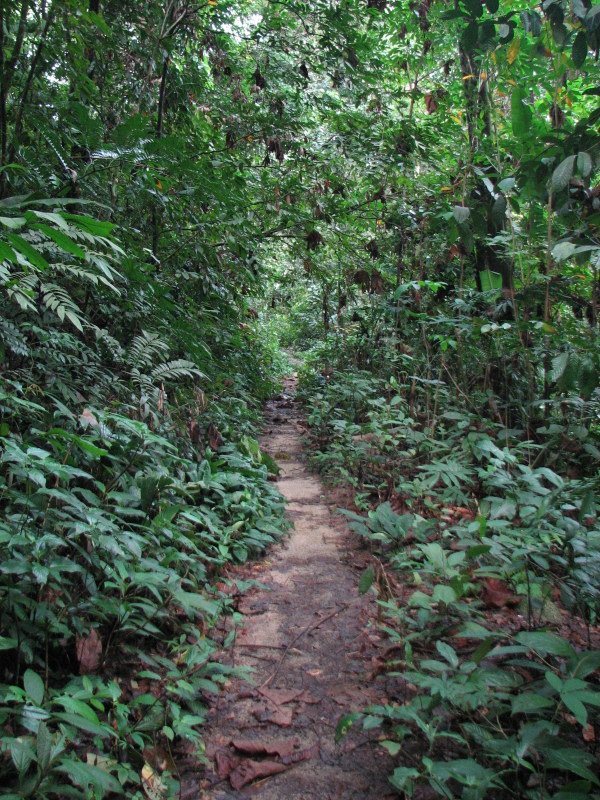
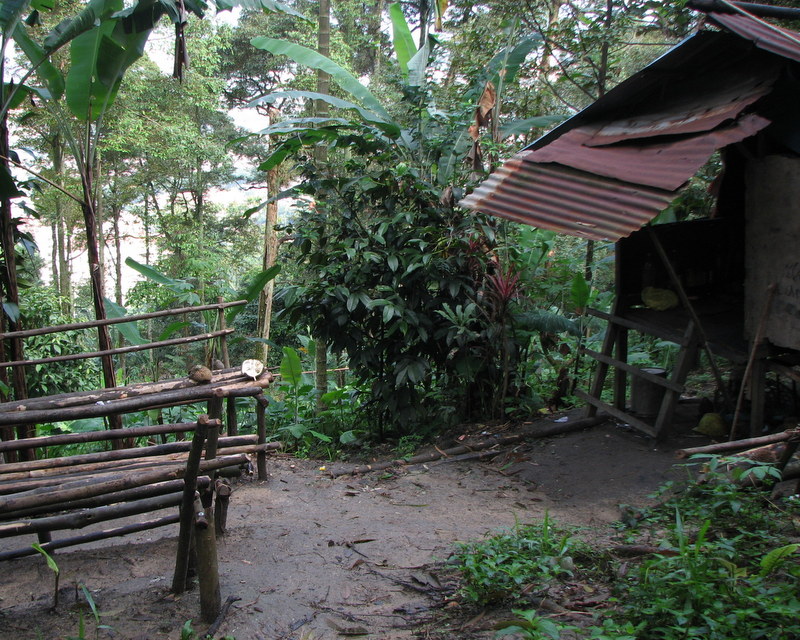
Although the Temuan had moved to the new village, they still had huts and (durian) plantations on the hill, so the trails were well maintained.

A lot of development was going on, but our view of the hill was still unspoilt. Top left you can see the two Telecom towers.

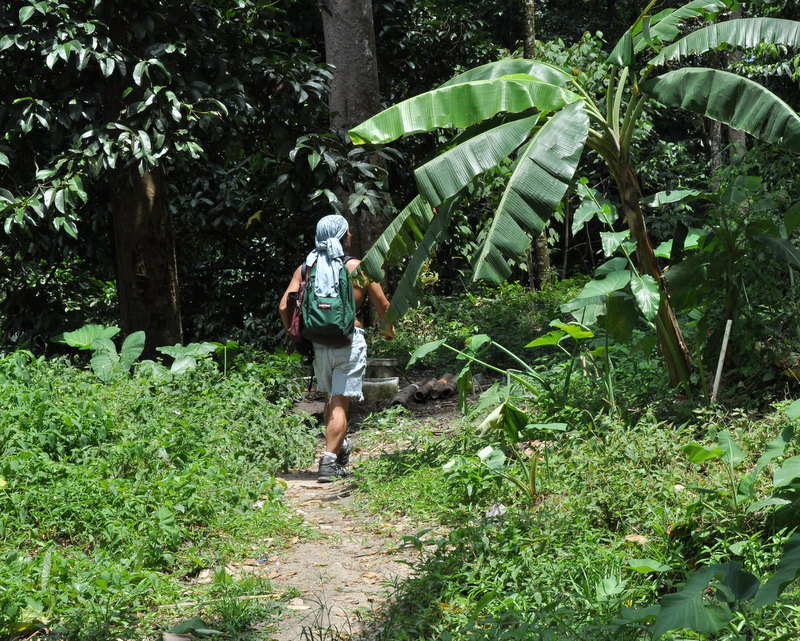
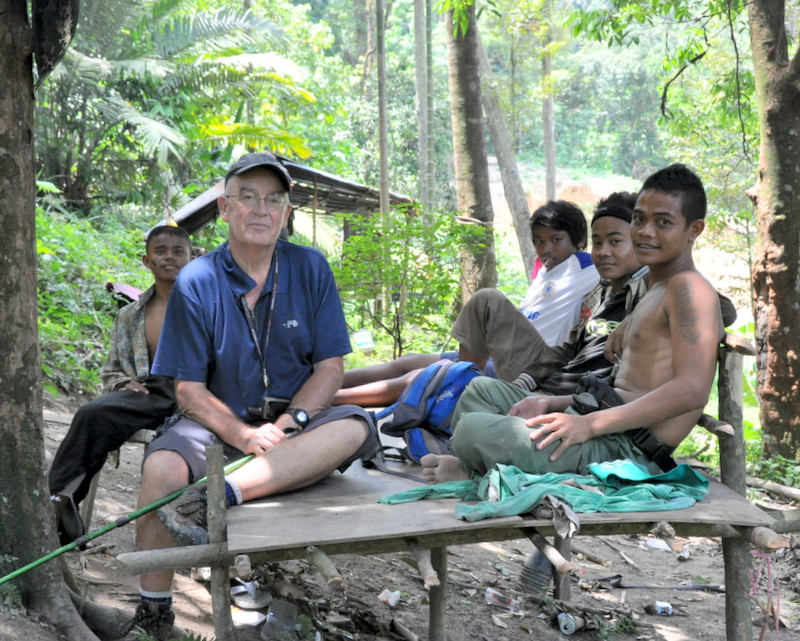
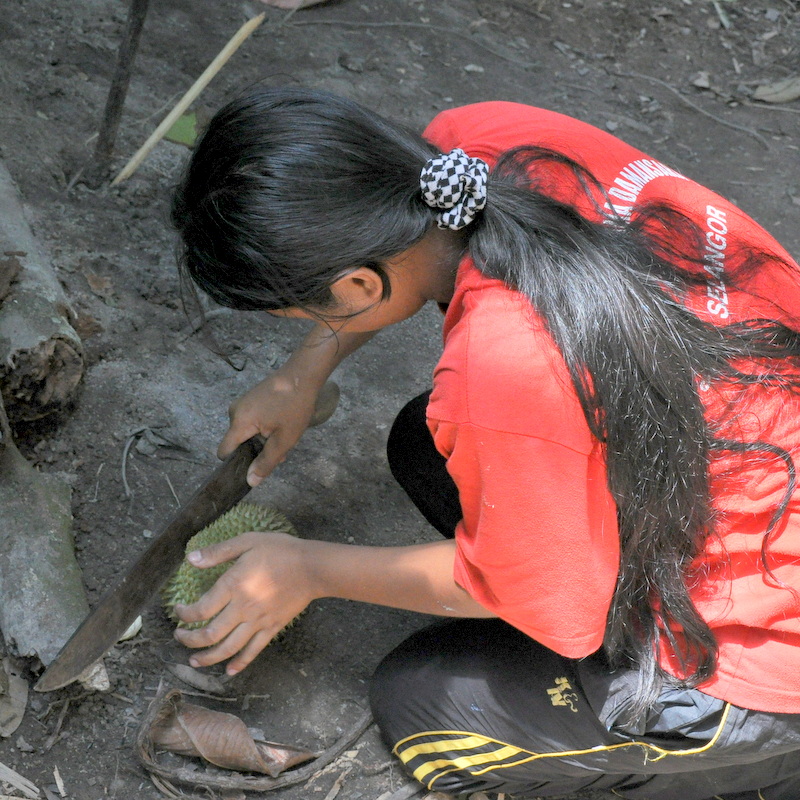
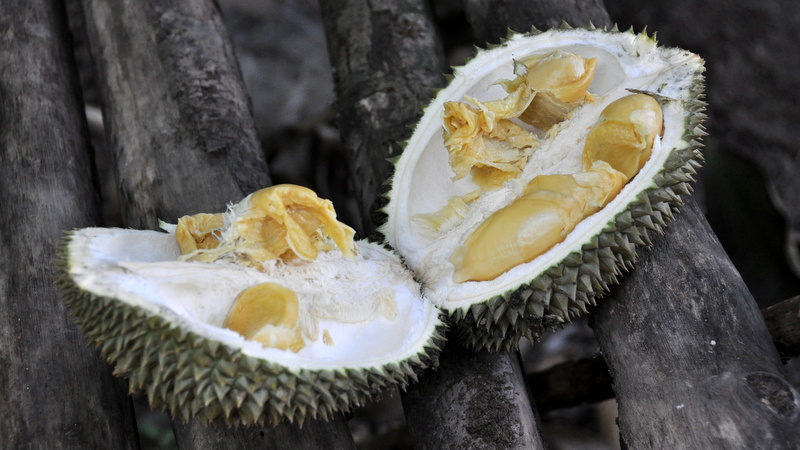
Here is another hike, September 2009. It was durian season, we met a few friendly orang asli families and had durians.

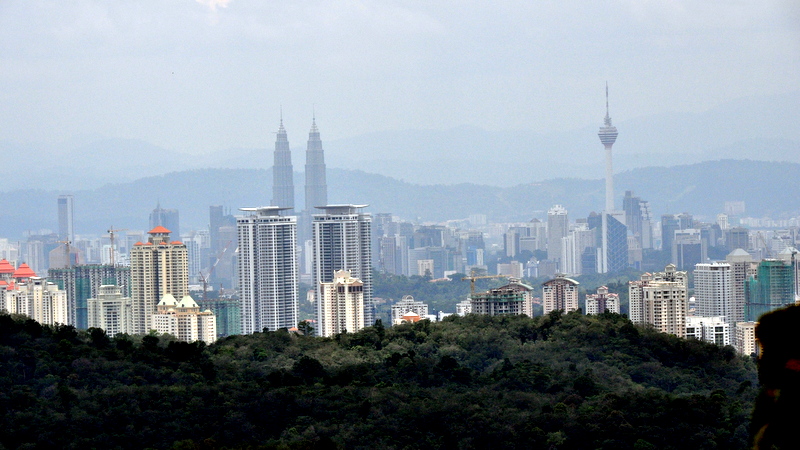
We climbed up to the top, lost the trail, but managed to reach the Telecom towers, from where we had a nice view of the KL skyline.

Our hike ended in a funny way. We decided to walk back, following the tar road. That road has been declared private after the MK residence was built, with a guard house at the beginning. The guards at the house were shocked to see people approaching from the top of the hill. We explained that we had been jungle hiking. A guard on a motorbike escorted us down until the gate. From there we walked a trail back home

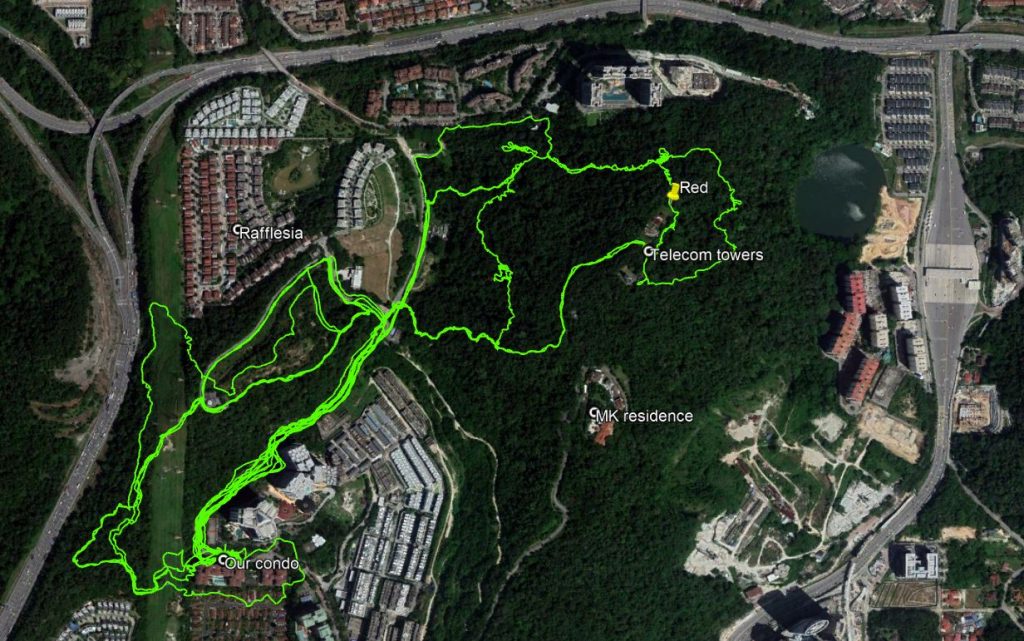
I walked a few more times in Bukit Lanjan in the period 2007-2010, in this GE screenshot I have collected my hikes. Notice de development of Rafflesia

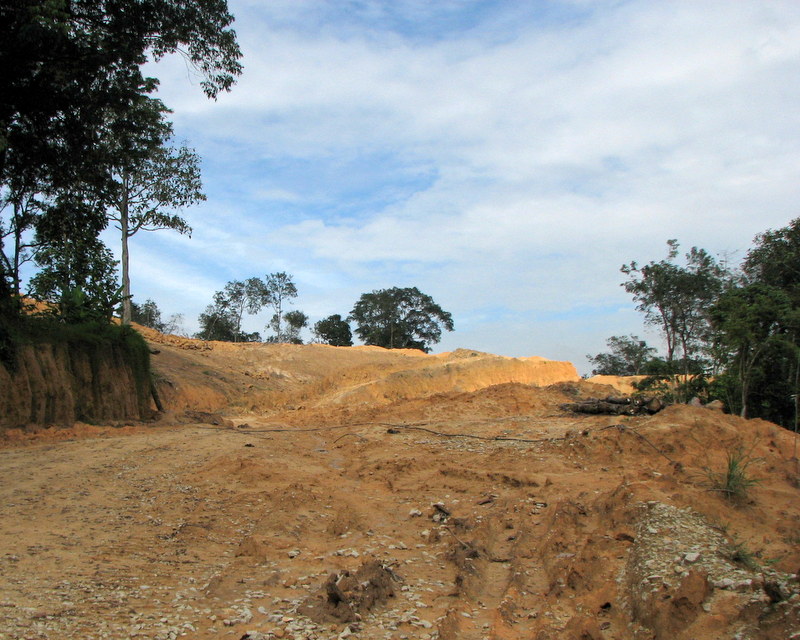
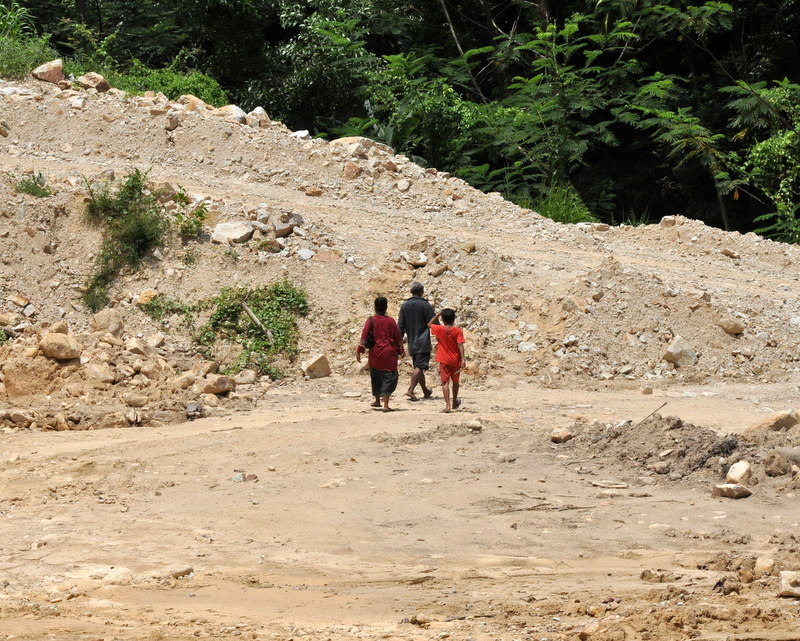
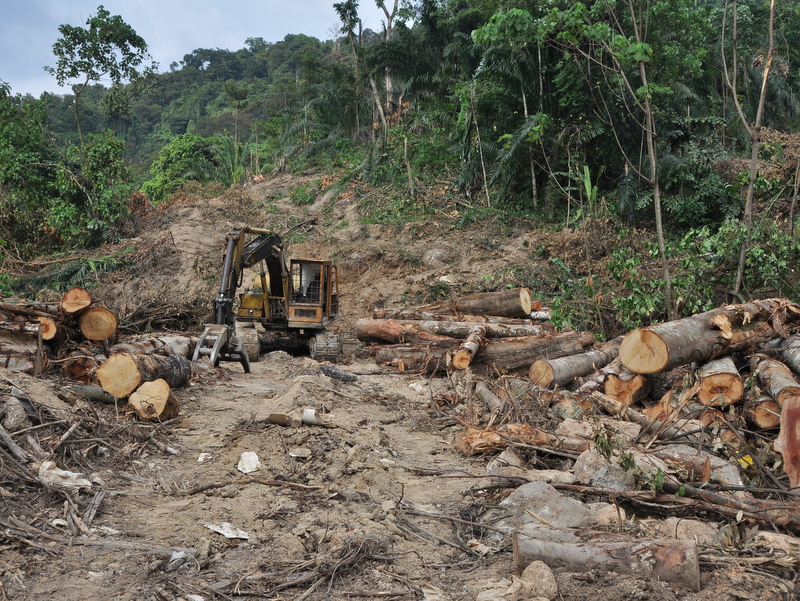
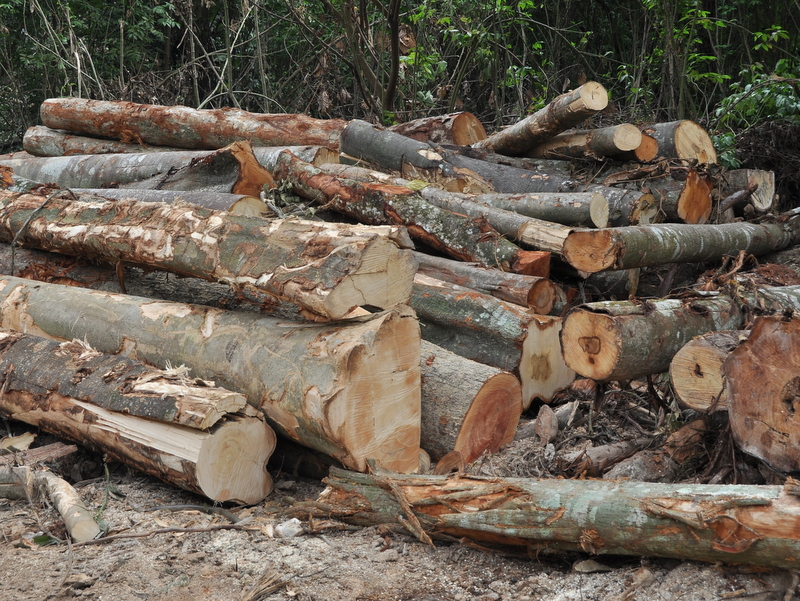
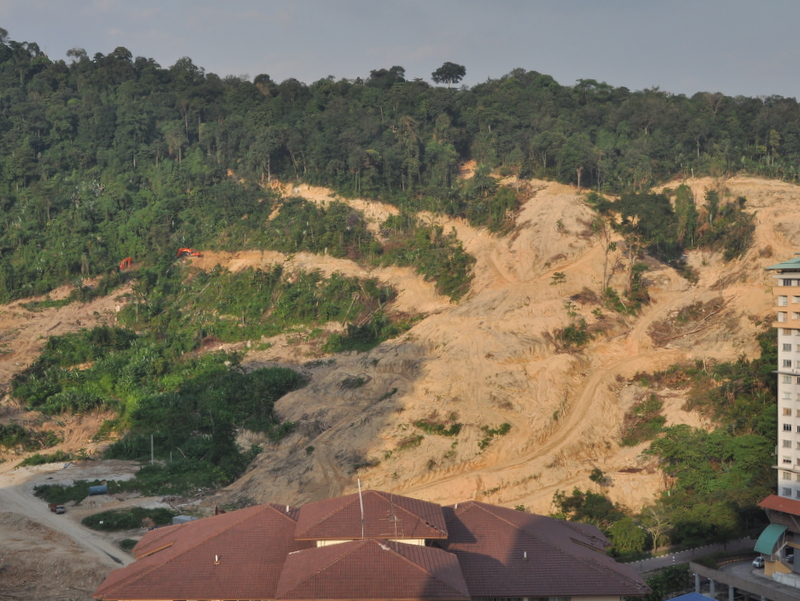
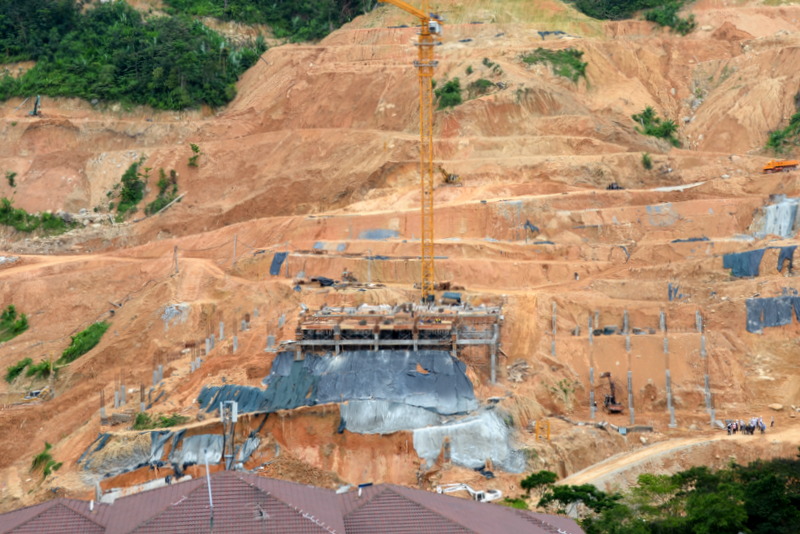
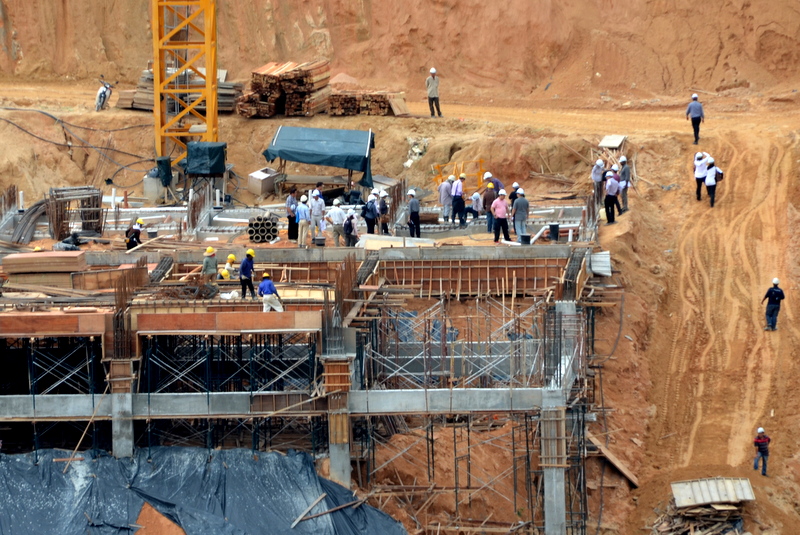
In November 2010 we were shocked to discover that the forested hill slope was being logged. MK Land had sold part of the hill to another developer, Mammoth Empire.

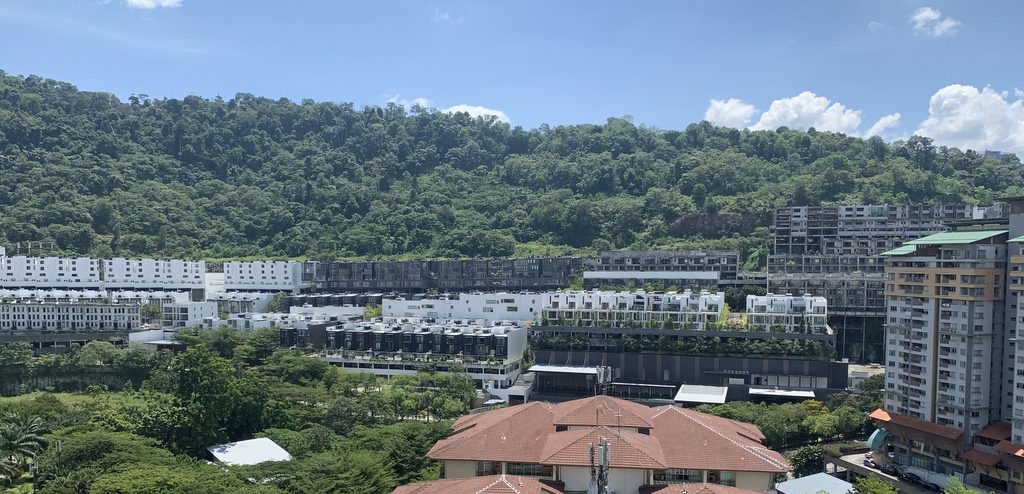
We could watch the subsequent development from our balcony.

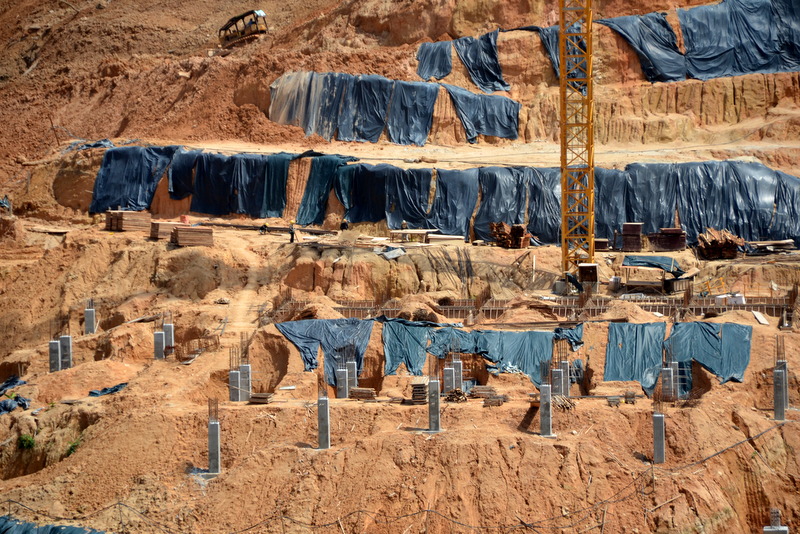
I don’t understand how a developer could get permission to build on such steep slopes. At one time even a minor landslide occurred where they had been drilling.

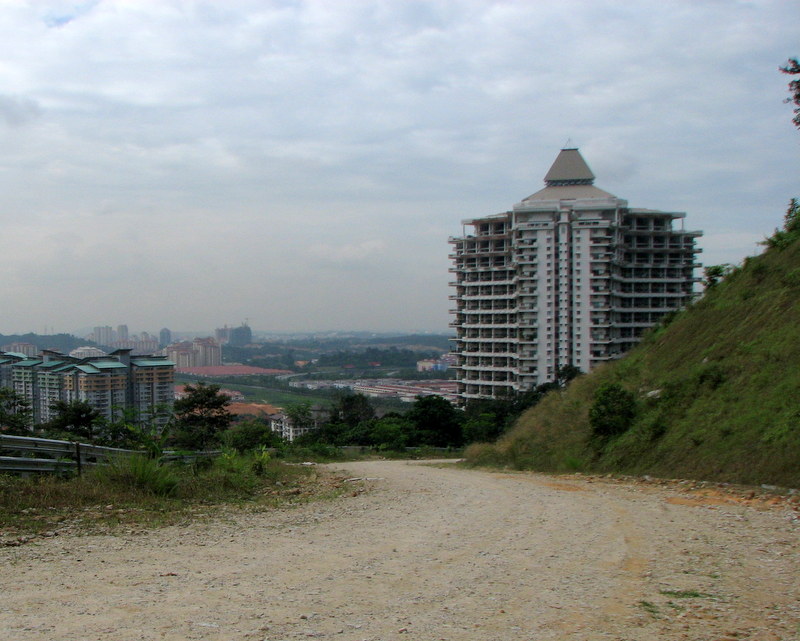
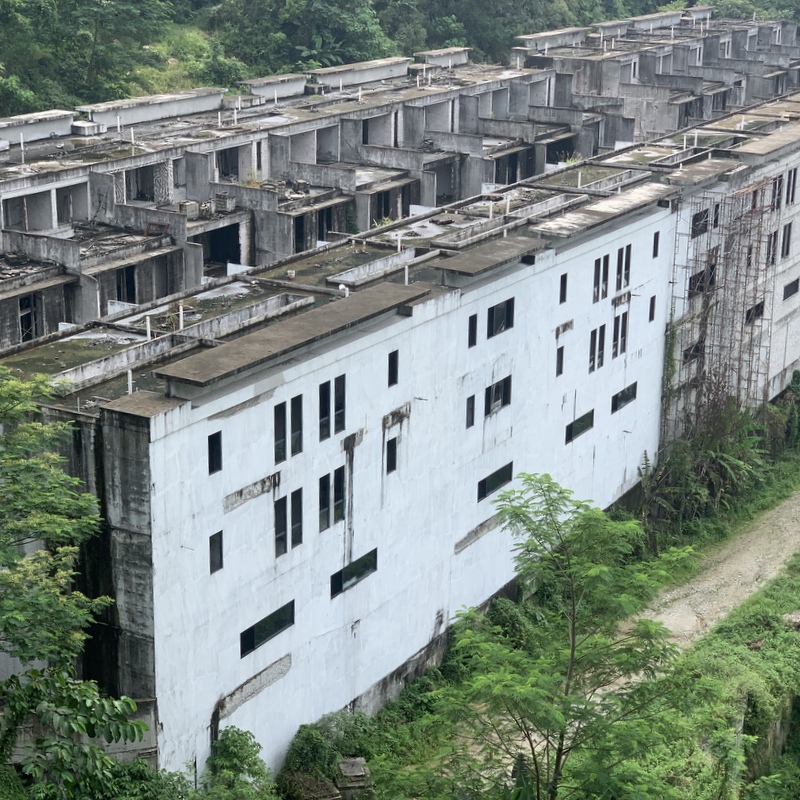
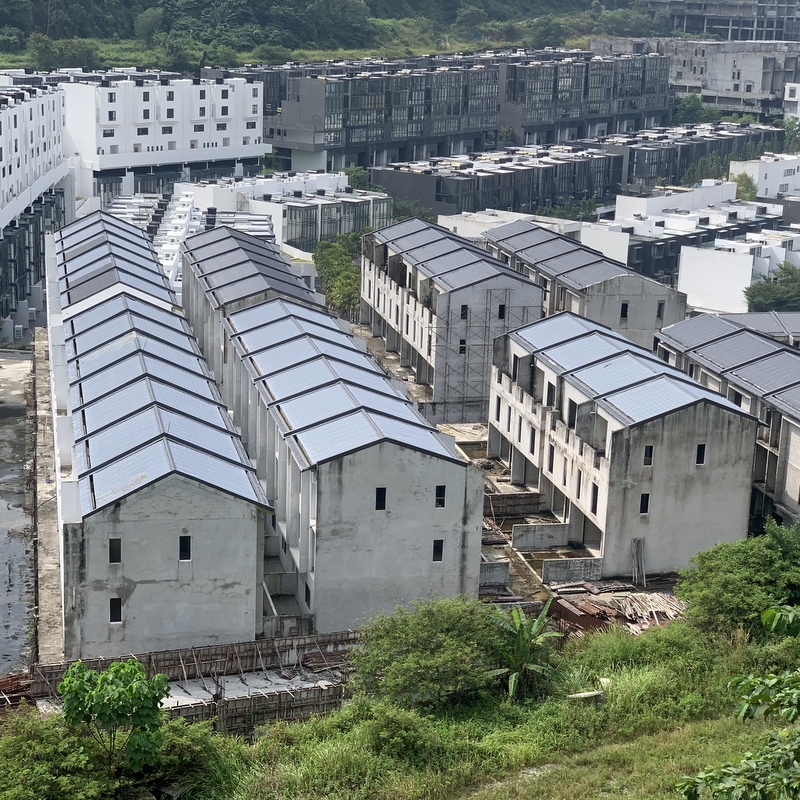
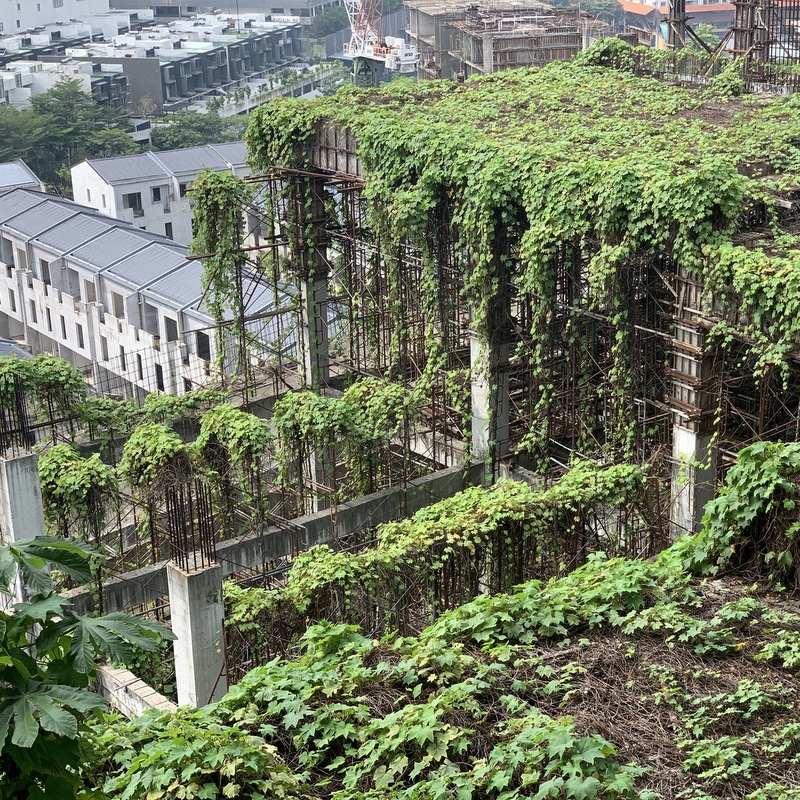
This is the present situation of what is called the Empire Residences, as seen from our balcony. A small part of the project has been completed, the rest has come to a standstill for several years already. The Low Yat forum has 46 pages about the Empire Residences, mostly negative. It’s a failed project, IMHO.

In the period 2010-2020 I still have been walking occasionally in Bukit Lanjan, but it became less interesting, because the Temuan no longer maintained their gardens and trails. Here and there fencing appeared, blocking access. Here is a collection of my walks in that period.

More than one year ago the COVID-19 pandemic started, causing a lockdown in Malaysia and limiting me in my freedom to walk and hike. I wrote a blog about it: Lockdown! .

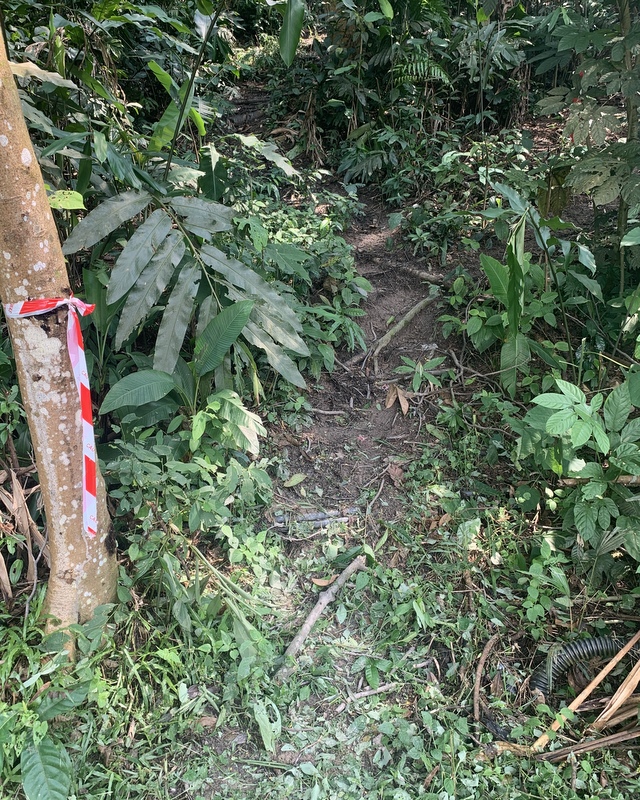
Parks were closed, but I still could walk from my condo, following the tar road. During one of my walks I noticed a trail to the right, with a red-white marker ribbon. I followed it for some distance, it looked like a regular trail.

When I came back to the road, I met another hiker, Encik Wan, who told me that recently several trails had been developed by a group of active hikers, living in Damansara Perdana. They had erected a signboard about the Bukit Lanjan Community trails near my condo. A nice surprise, I became a member of their chat group.

On 16 January Wan took me to my first Bukit Lanjan trail, just starting from my front door, so to speak 😉 . A nice hike, views of the surroundings, some steep parts, where ropes were provided.

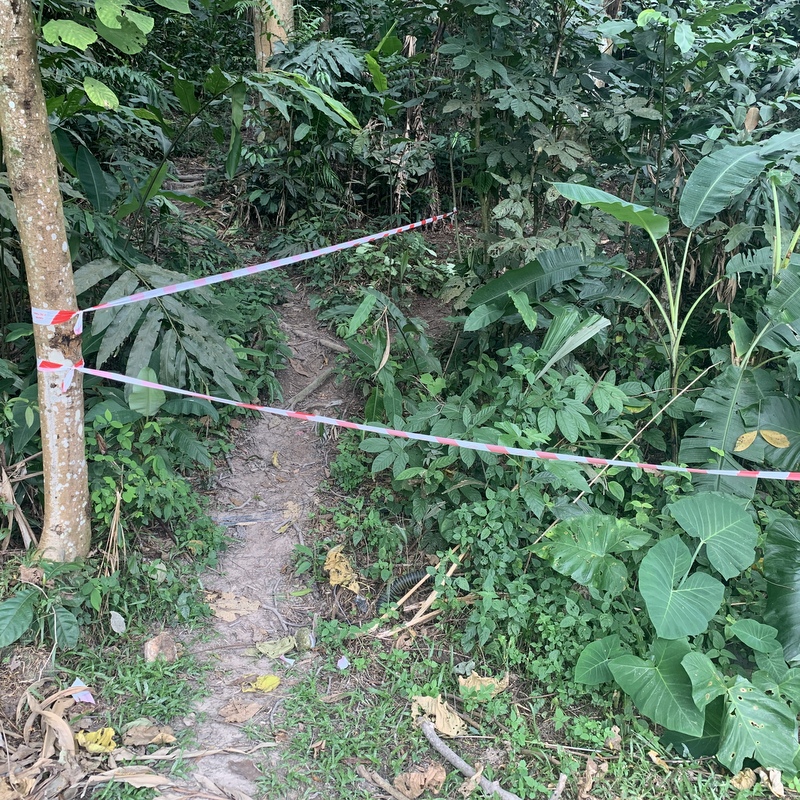
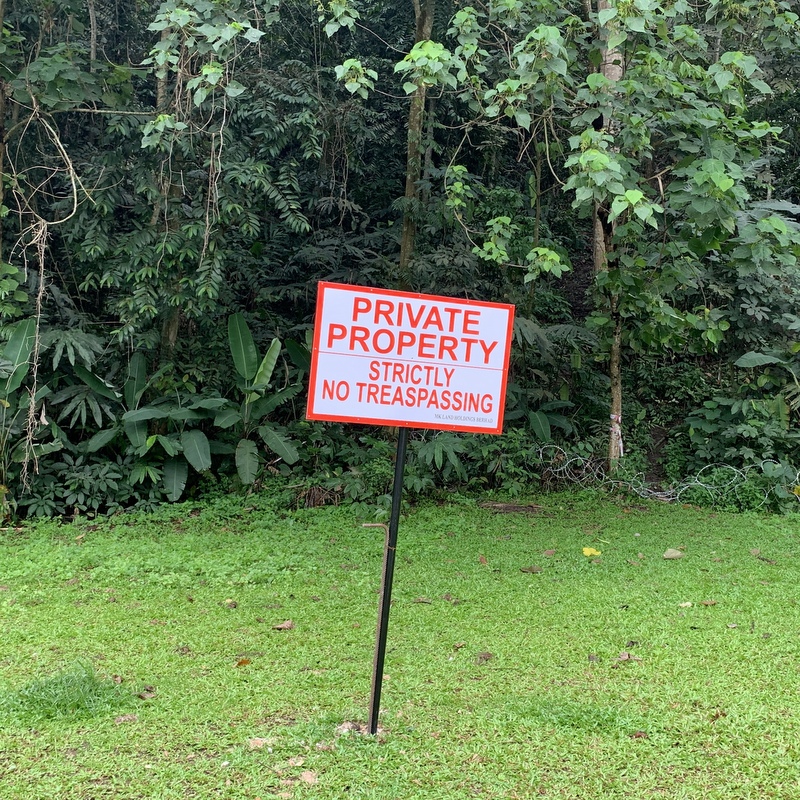
More hikes followed. Unfortunately it became clear very soon that MK Land was unhappy with this community initiative. They started to block trail heads , removed marker ribbons and supporting ropes.

I do not understand their attitude, no harm is done and the trails add value to Damansara Perdana and MK Land’s residential projects.

Most trails are still accessible and during the past three months I have been able to explore many of them. Compared with Bukit Kiara, the trails are more rough, after rain they can be slippery. Ropes are helpful.

Bukit Lanjan is still a green enclave, but surrounded by concrete jungle and highways.

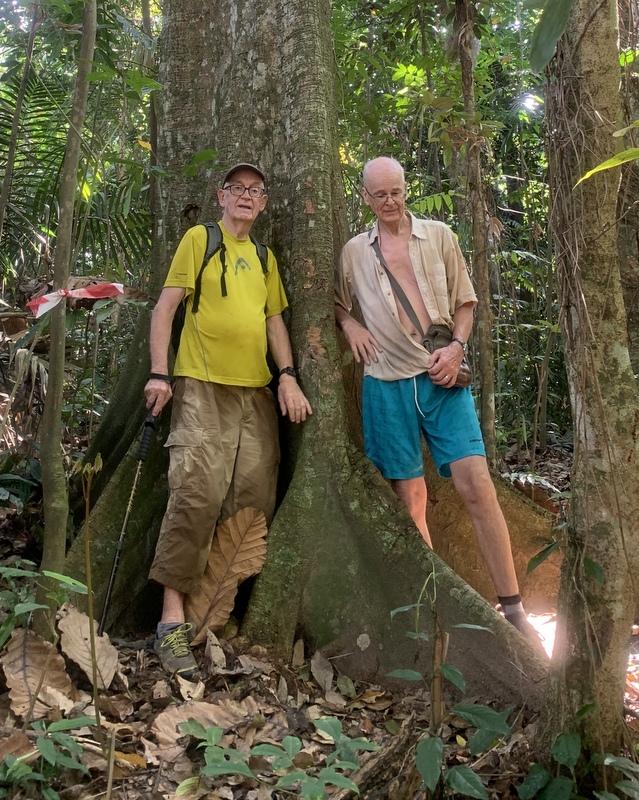
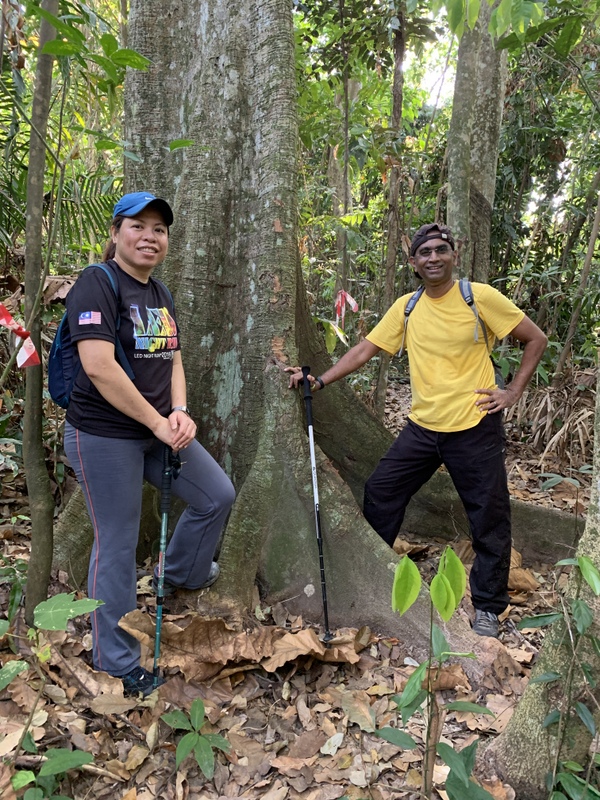
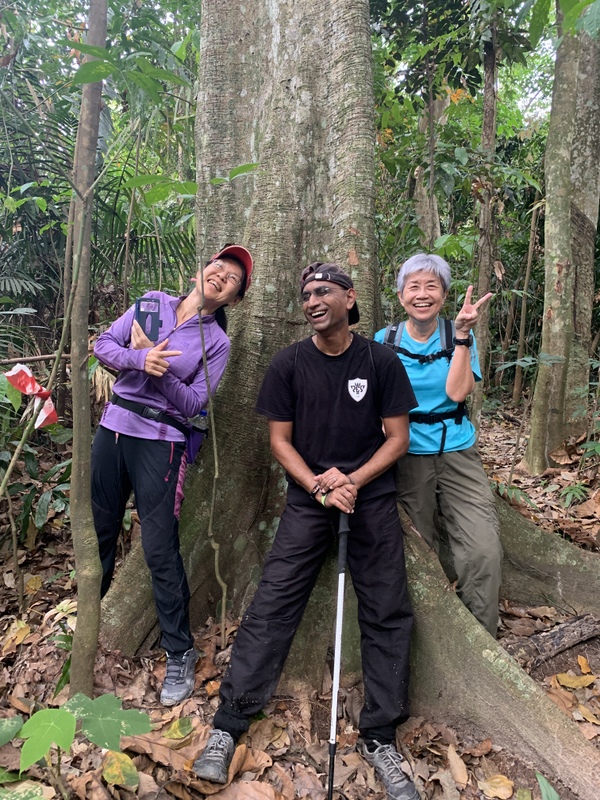
This is my favourite tree on the hill. One friend calls it Jan’s tree because I like to take pictures of the tree with my friends,

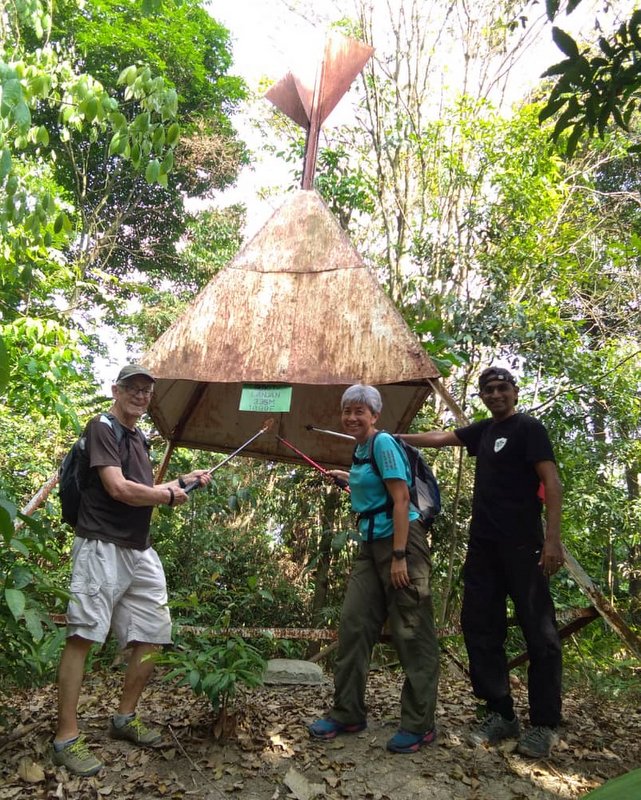
The trig marks the highest pint of Bukit Lanjan at an elevation of 335 m above sea-level. Access is not easy. On one of my hikes I met friendly people who were surveying. I hope it is not a sign for more development of the hill.

For me hiking is not just for exercise. Enjoying nature is even more important.

And not to forget: relaxing during a hike with coffee and cake ;-)!

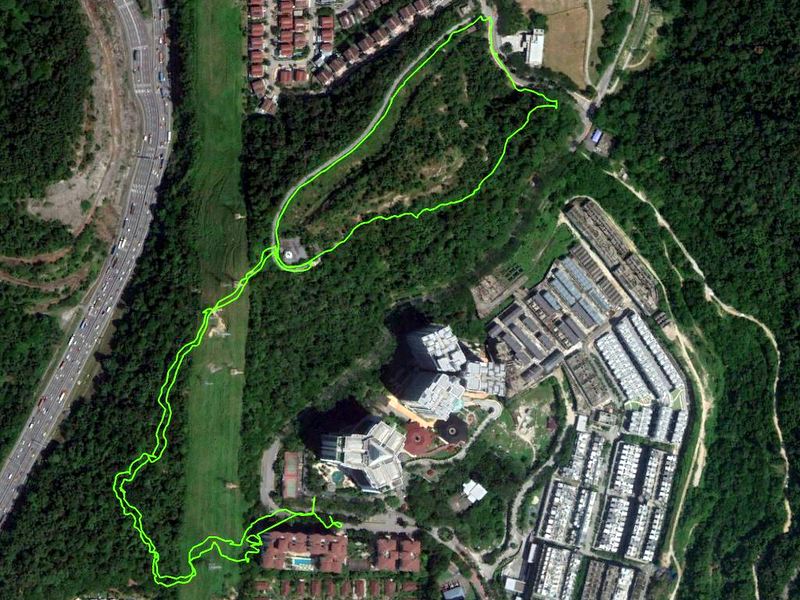
Here is a Google Earth screenshot of the trails I have been hiking in Bukit Lanjan the last few months. I really hope they will remain accessible in the future.

Batang Kali waterfall

Since the beginning of the lockdown in Malaysia (March 2020), I have visited only two waterfalls, Templer Park and Lata Iskandar. When you know about my fascination with Malaysian waterfalls, you will understand how excited I was when my friend Edwin suggested a trip to waterfalls in the Batang Kali-Ulu Yam region. Interstate travel was still prohibited, but these waterfalls are in the state of Selangor.

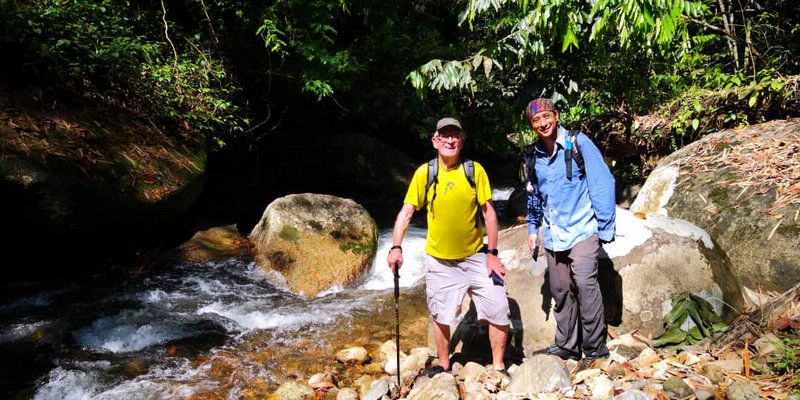
There were two options, either the Kedondong fall or waterfalls in the Batang Kali river, recently explored by him. As I had visited the Kedondong fall already, I was interested in the Batang Kali waterfalls. Interested but also a bit anxious. I am getting older and have lost my self-confidence in the jungle. I discussed my concern with Edwin and we decided to limit ourself to an “easy” waterfall in the Batang Kali River. Teoh, one of my waterfall “godsons” was eager to join as well.

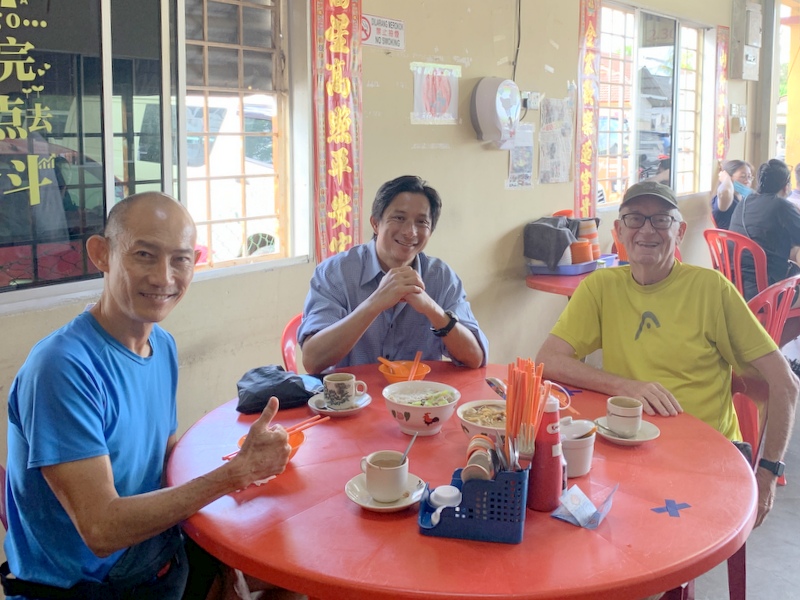
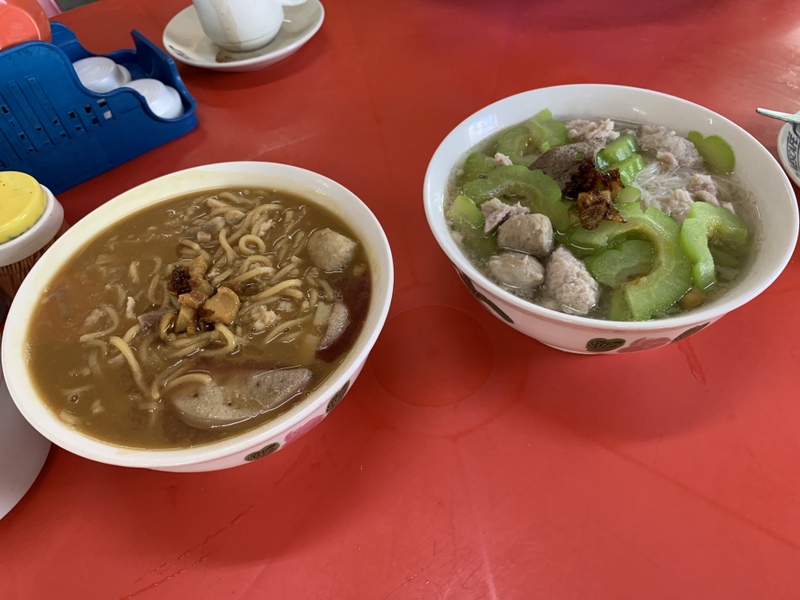
Edwin picked me up from my condo at 7:30 am and took me for breakfast to the 333 Kopitiam in Ulu Yam Baharu, where Teoh was already waiting for us. We had bitter gourd pork noodles and yam pork noodles, especially the second one was delicious and a reason to come back.

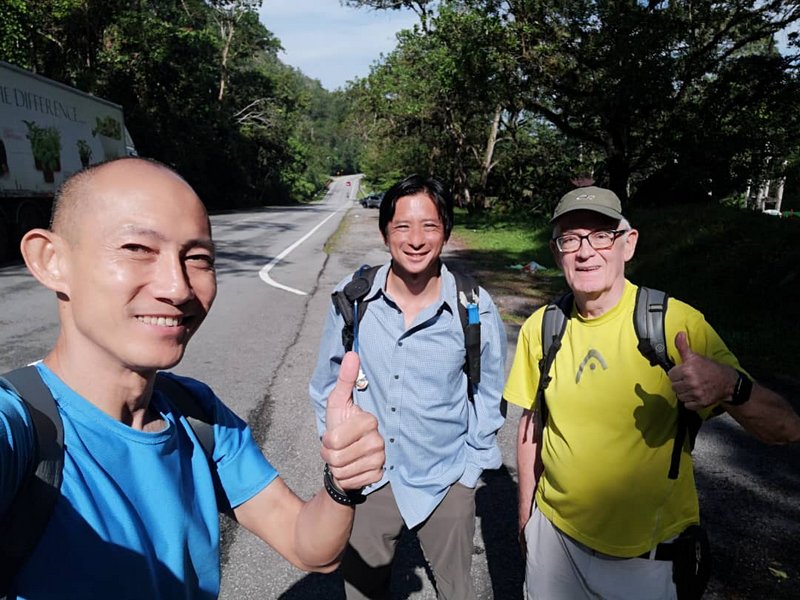
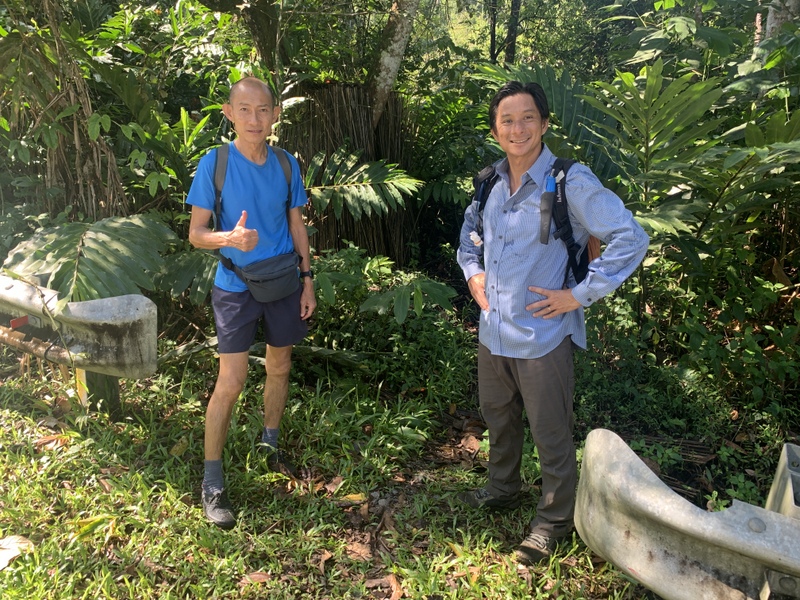
We parked our cars at the Kedondong Recreation Park, for safety, although it meant that we first had to walk along the road about 800 m to the trailhead. We started hiking around 10 am

From the trailhead we hiked down to a tributary of the Batang Kali river, which we had to cross.

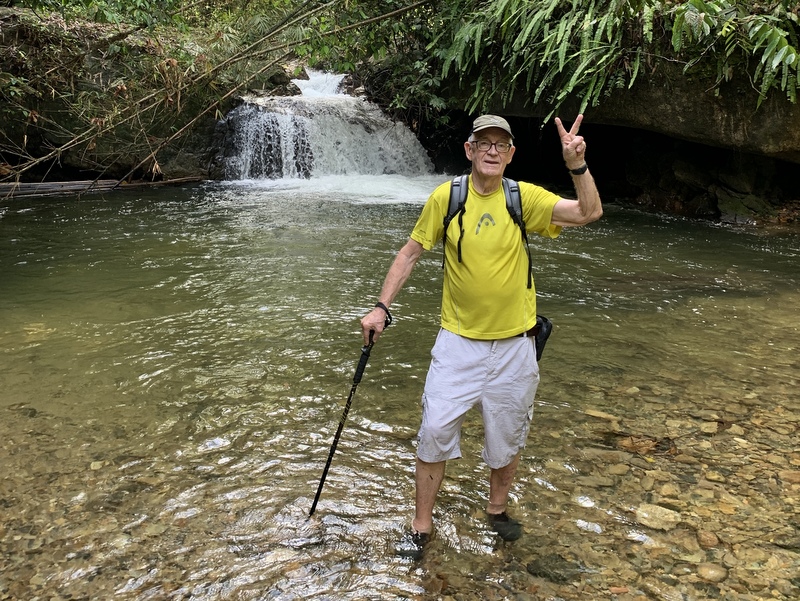
Crossing was easy. For the first time in two(!) years I was wearing my kampung Adidas.

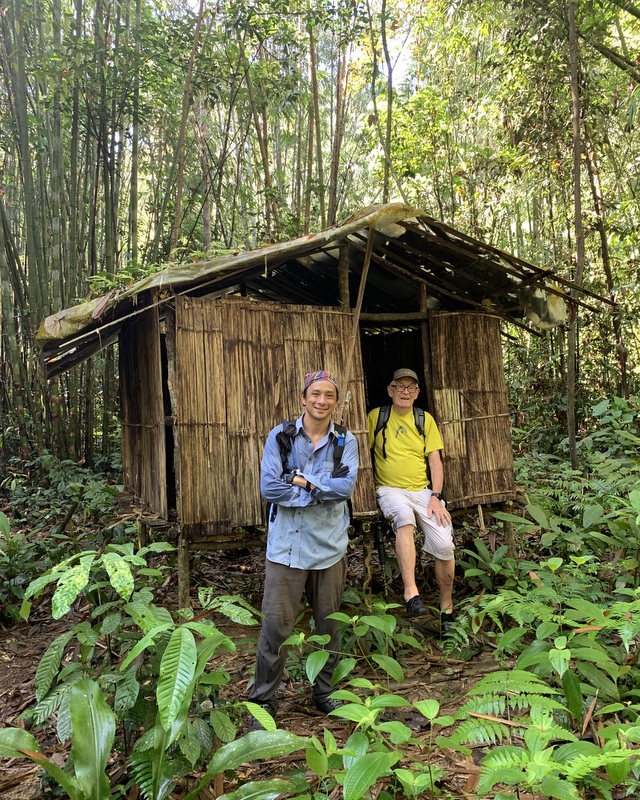
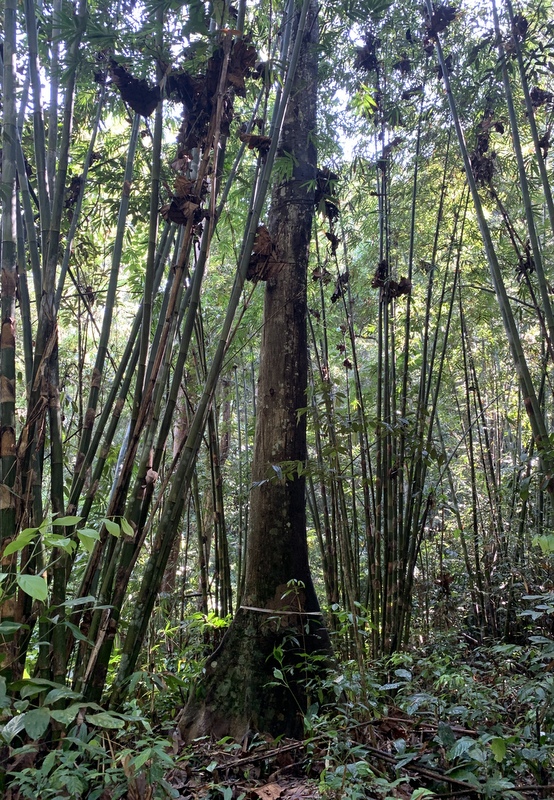
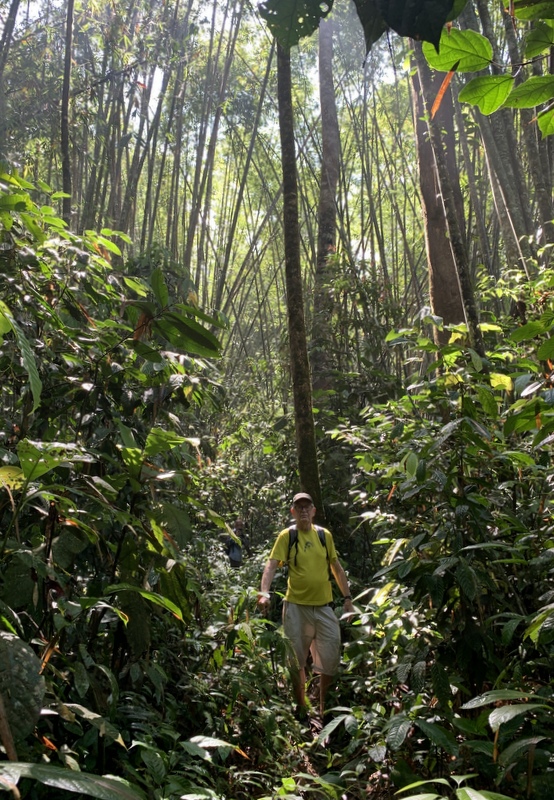
There was a clear trail with beautiful bamboo groves. Locals probably come here to harvest bamboo, even a temporary shed was built.

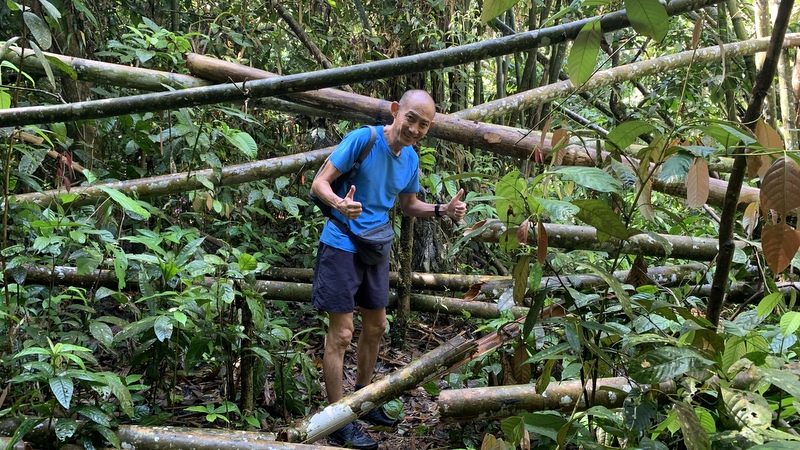
Here and there bamboo had fallen across the trail, but still easy to pass.

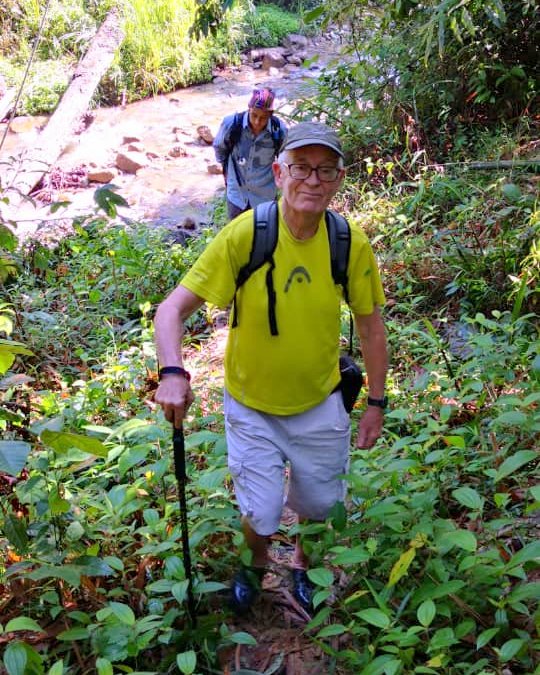
It was a real pleasure to be back in the jungle. Only a few leeches.

We had to cross the Batang Kali river once. Easy.

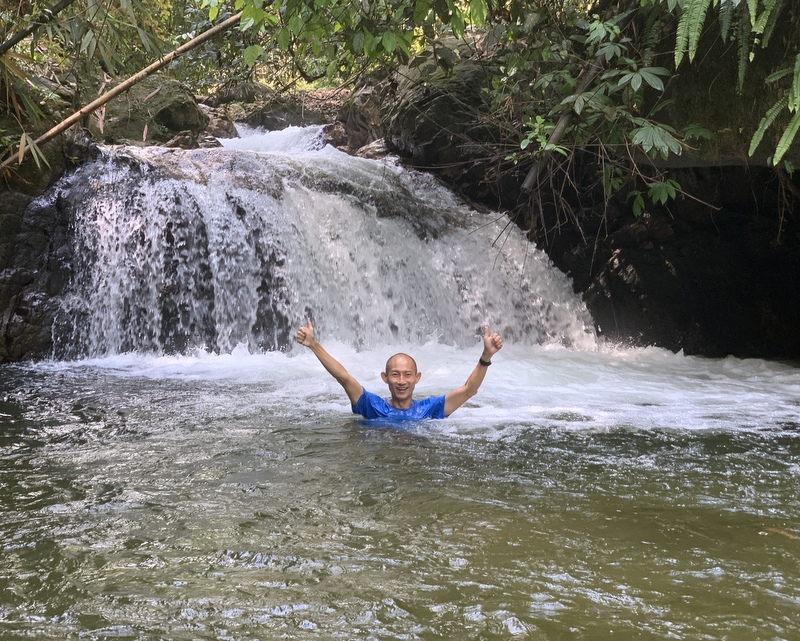
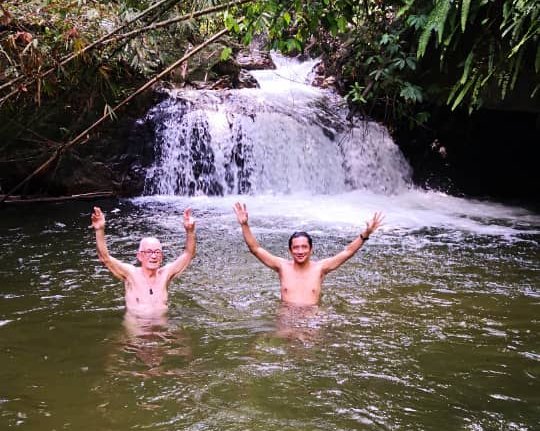
After about 30 minutes we reached the waterfall. Not a tall one, but a lot of water and a huge pool.

Of course we took a refreshing bath.

Edwin is an experienced swimmer and managed to swim behind the water curtain. I took a video, you can hardly see his face behind the water, until he dives through it :-).

Here I am relaxing near the fall. A happy man. I am always a bit worried about bees and wasps as I am allergic to their stings, but there were hardly any in this pristine location.

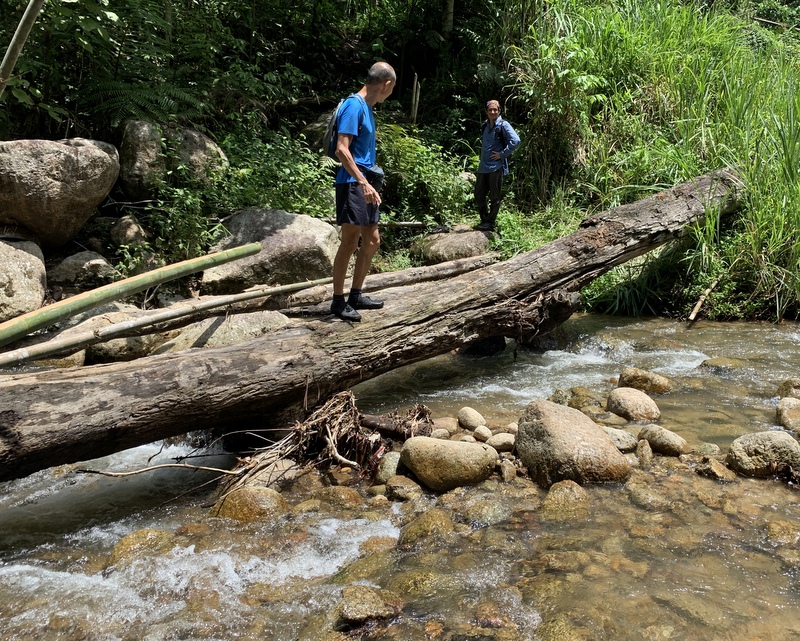
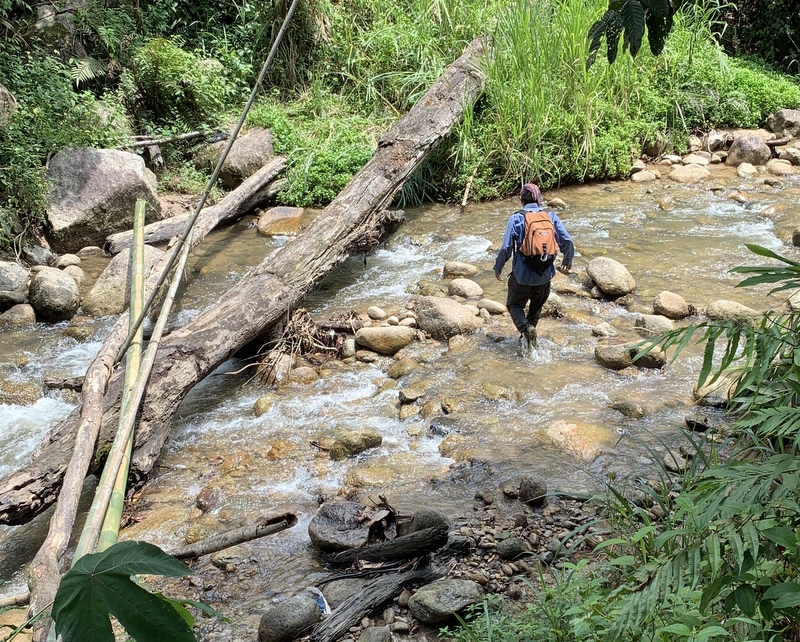
After frolicking around, we took the same trail back to the main road. Two ways of crossing the river, using the fallen tree (Edwin) or just getting wet feet (Teoh and I).

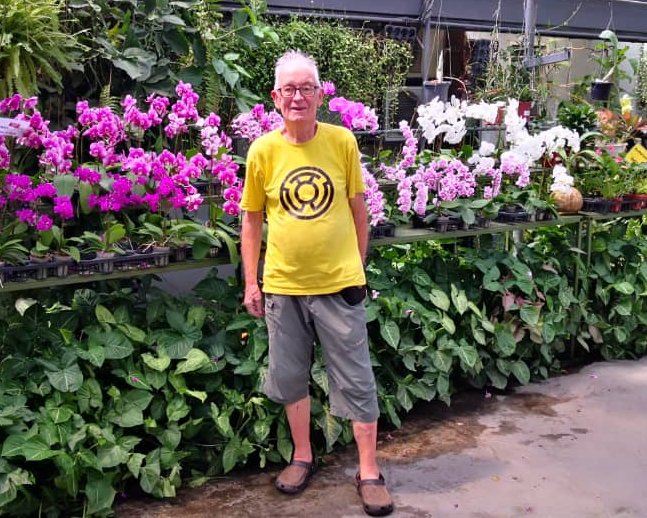
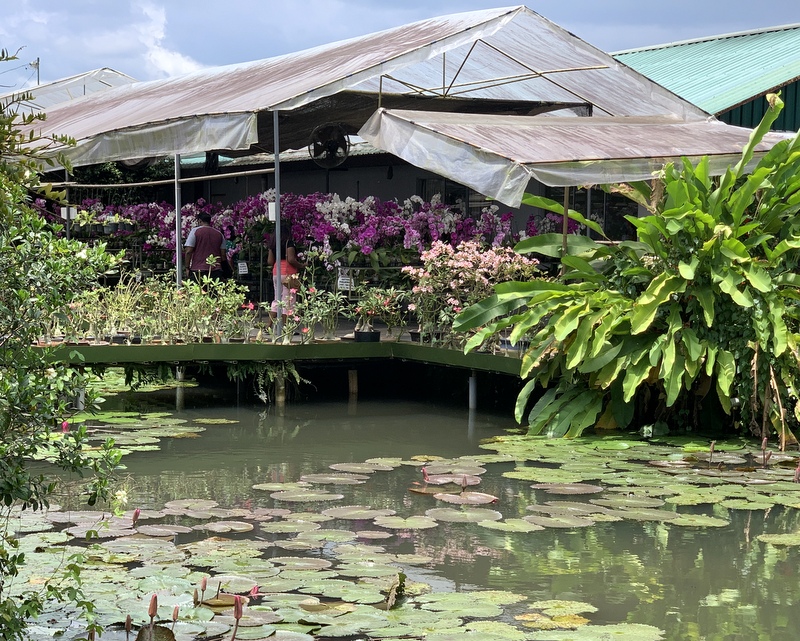
Around 1 pm we were back at our cars, getting hungry. Teoh had to go back to work (!), Edwin suggested that we could visit an orchid farm in Ulu Yam, where they also had a nice café. This World of Phalaenopsis was a pleasant surprise. Large collection of orchids, friendly atmosphere

Well maintained place with not only orchids.

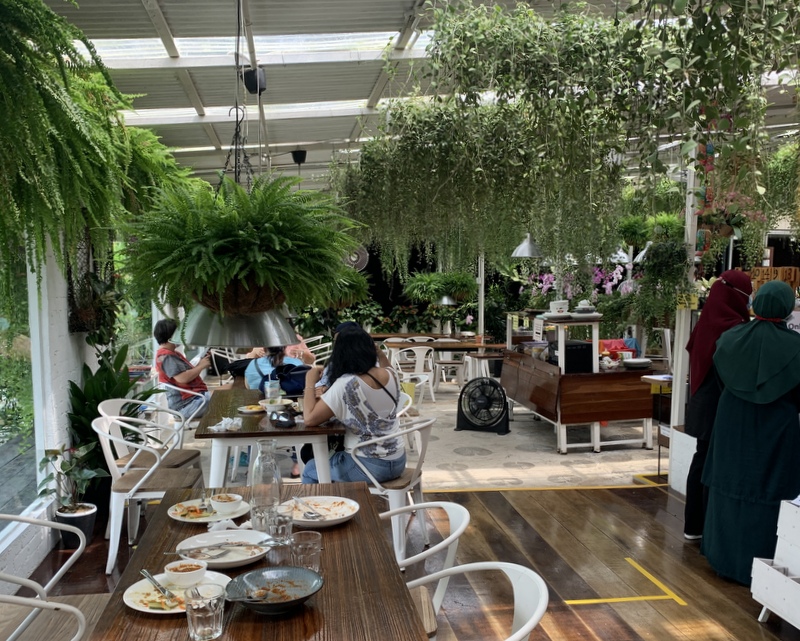
Although it was a weekday, there were many visitors both in the farm and in the café. I had a waffle with strawberries and ice cream for lunch. A place to visit again.

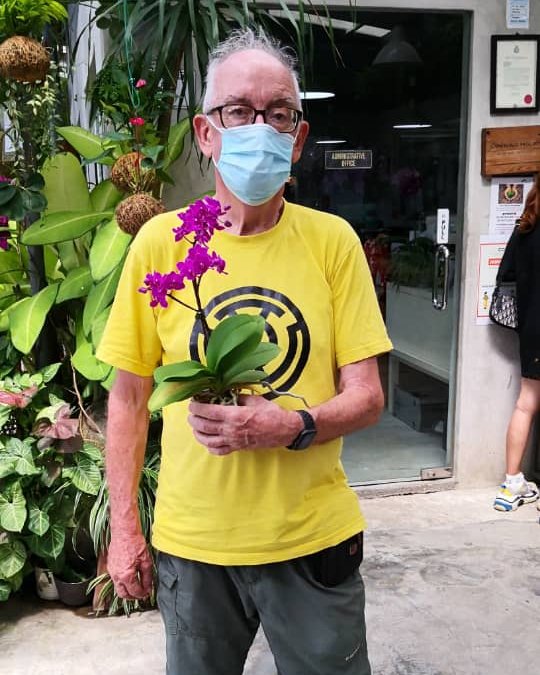
I wanted to buy an orchid to bring home, the red one I carry in the left picture. A friendly sales guy advised me to choose the one with larger flowers, they would last longer. Three orchids for RM 30 only.

A very rewarding outing. Thanks to Edwin for taking the initiative and to Teoh for his company. Real fellowship, good for boosting my self-confidence.

Here is a Google Earth of the Batang Kali region. The red part is along the road, the green one the trail. I have also marked the locations of the 333 Kopitiam and the orchid farm.

Perseverance

Are you staying up tonight?, a friend asked me a few weeks ago. No, why? , I replied. He knows about my interest in space travel and expected that I was aware of the landing of a spacecraft on Mars that night. But I was not 😉

I checked the timing, the Perseverance would land at 4:55 am in the morning of 19 February (Malaysian time). In this blog I will explain why I decided to enjoy my sleep and check the next morning if the landing had been successful 😉

In 2018 I wrote a blog Landing on Mars, in which I described the various Mars missions, concentrating on the Curiosity Mission of 2012. The procedure to land the Curiosity was new, using a so-called sky-crane for the last phase.

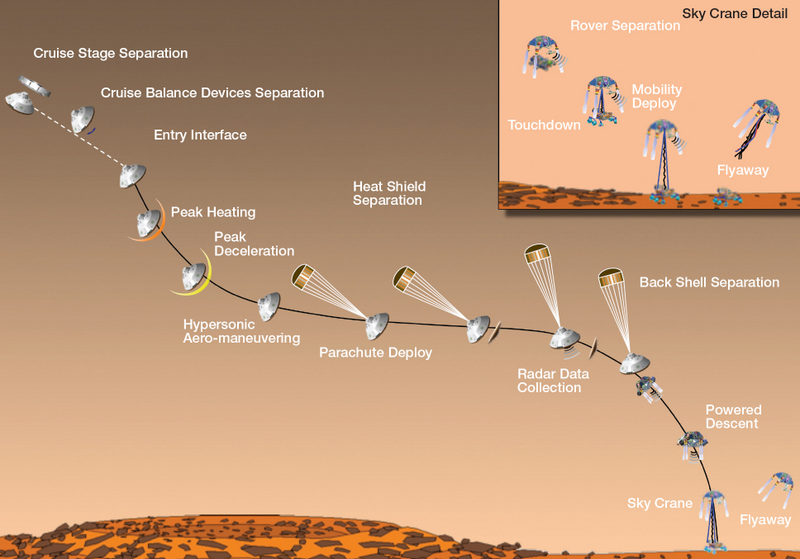
Here is a diagram of what is called the Entry, Descent and Landing (EDL) process. The spacecraft enters the (thin) Martian atmosphere with a velocity of ~ 20.000 km/h. About 7 minutes later it must land on the surface with a velocity of less than 1 m/s. As signals between Earth and Mars take about 11 minutes, EDL can not be controlled from Earth, the whole process must have been programmed in the computers on board. Mission Control can only wait and see. That’s why these 7 minutes have been called the seven minutes of terror.

In my 2018 blog I describe the three phases in more detail, here is an very informative animation.

In 2012 everything went well, the Curiosity is actually still operational at the moment, much longer than originally planned.

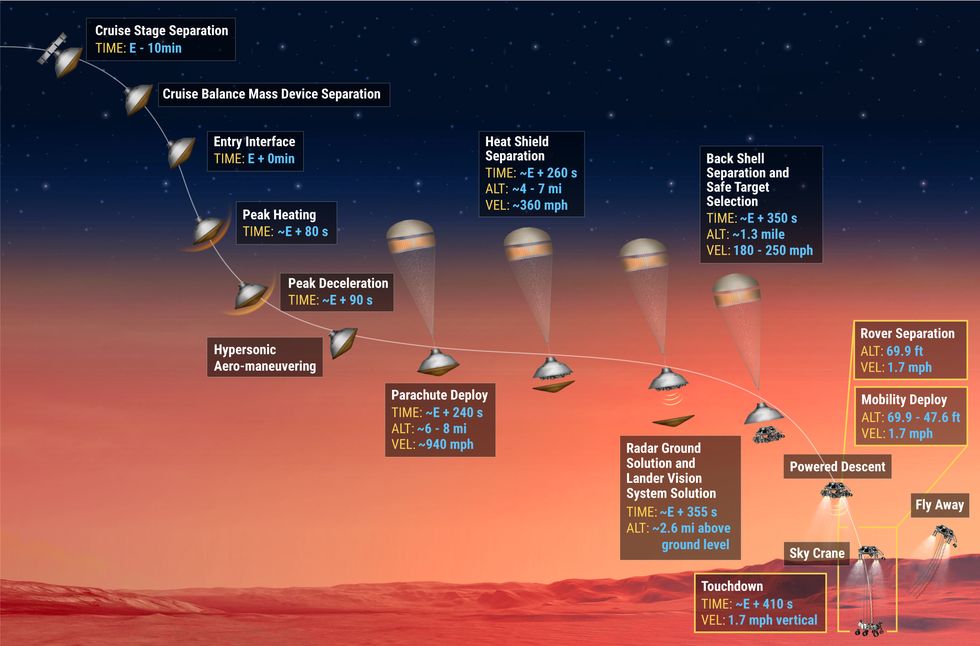
The Perseverance that landed last week, has followed the same EDL procedure. Of course it must have been a relief for Mission Control that it was again a smooth process, but to keep calling it seven minutes of terror is exaggerated. That’s why I decided to enjoy a good night’s sleep. Here is the EDL process for the Perseverance. As you see it is basically the same as for Curiosity.

The two rovers also look the same. To the left Curiosity, the official name of the mission is Mars Science Laboratory (MSL). The Perseverance, to the right, is part of the Mission 2020 project.

Of course there are differences. The wheels have been redesigned, the robotic arm is heavier and the rover carries more cameras, 23 in total. Notice the “hazcams” at the front and the back of the rover, to avoid obstacles. Sherloc, Watson and Pixl are science cameras, I will tell a bit more about them later.

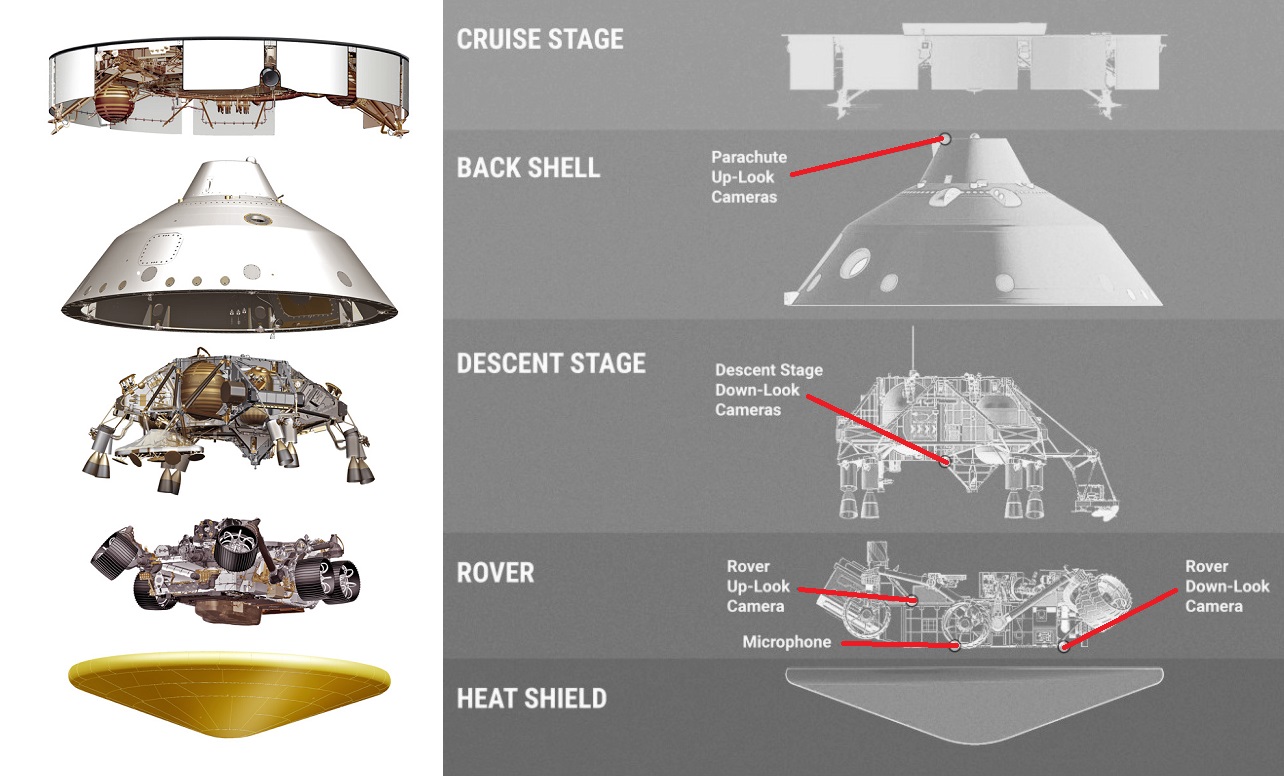
Some of the cameras have not a real science function, but have been added mainly to please the general public 🙂 . The back shell has a camera looking up to see how the parachute deploys. The camera of the sky-crane is looking down and can follow how the rover is being lowered to the ground. And the rover has a camera looking upwards to see the sky-crane. And a camera looking downward to the ground. That one is important, the spacecraft has a digital map of the surface and uses the camera images with a lot of AI to steer to the right location.

Keep in mind that all these images can only be transmitted back to Earth, after the spacecraft has landed. During the EDL, Mission Control only receives telemetry signals (altitude, speed etc). NASA has published a spectacular video where those messages are combined with the camera images. This is a YouTube video your really should watch (several times!). No wonder that this video has already been viewed more than 14 million times.

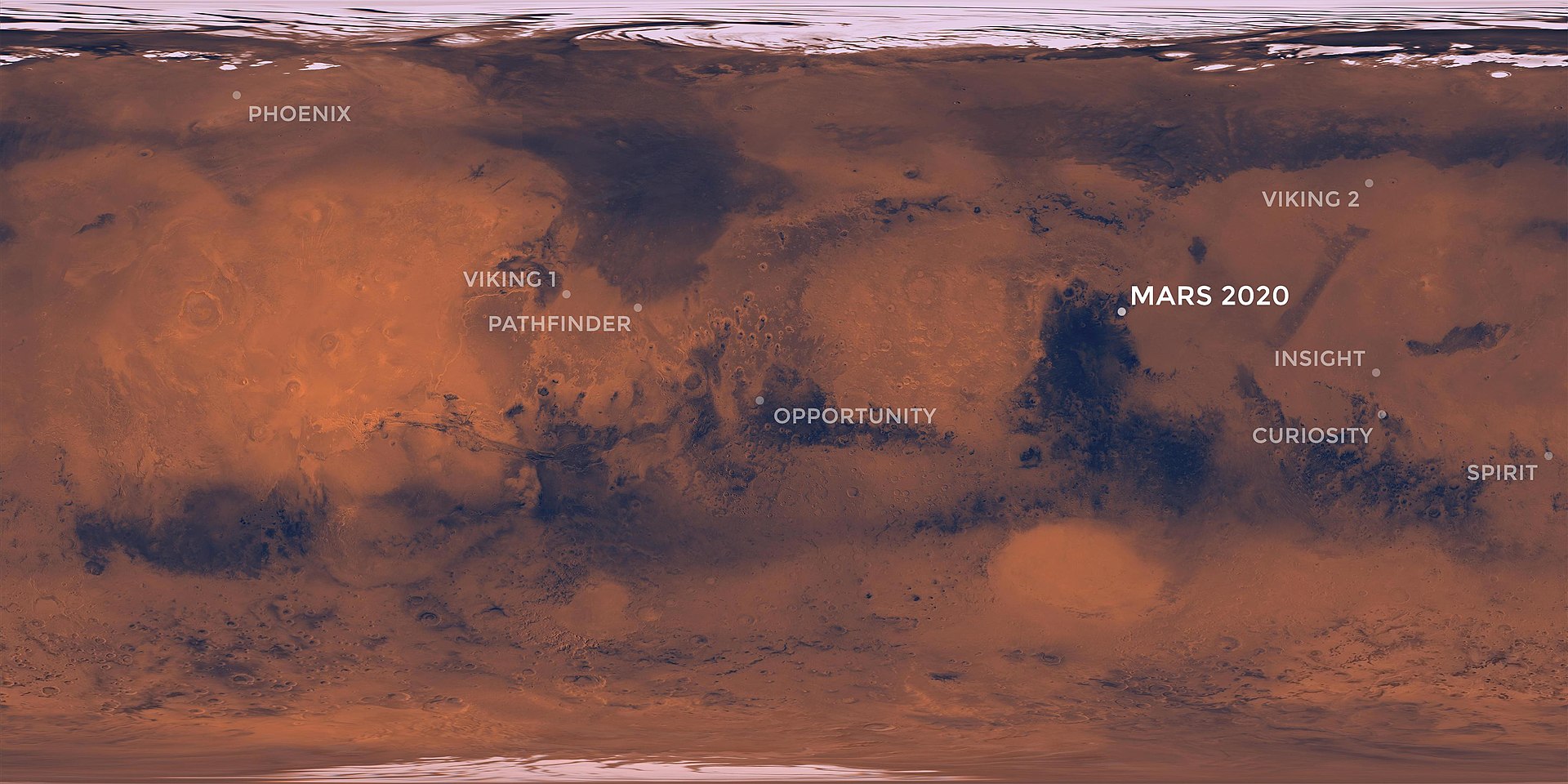
This map of Mars gives the location of the NASA missions. Insight and Curiosity are still operational. For a list of all Mars missions, click here.

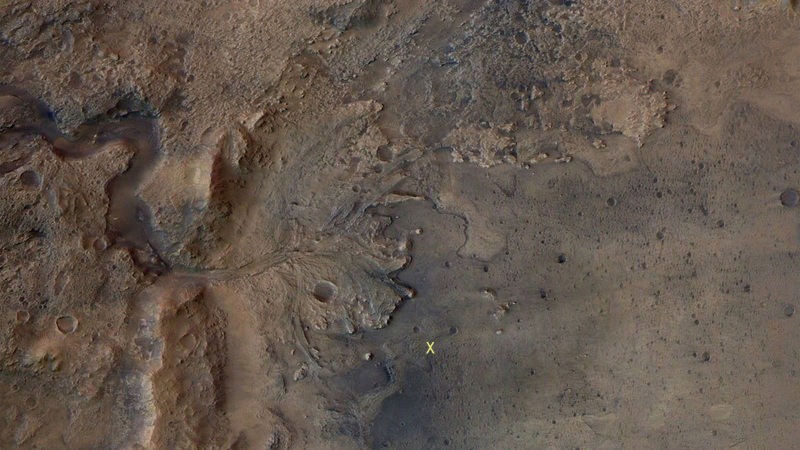
Perseverance has landed in the Jezero crater. In this picture, taken by the Mars Express orbiter, I have marked the landing location with a cross.

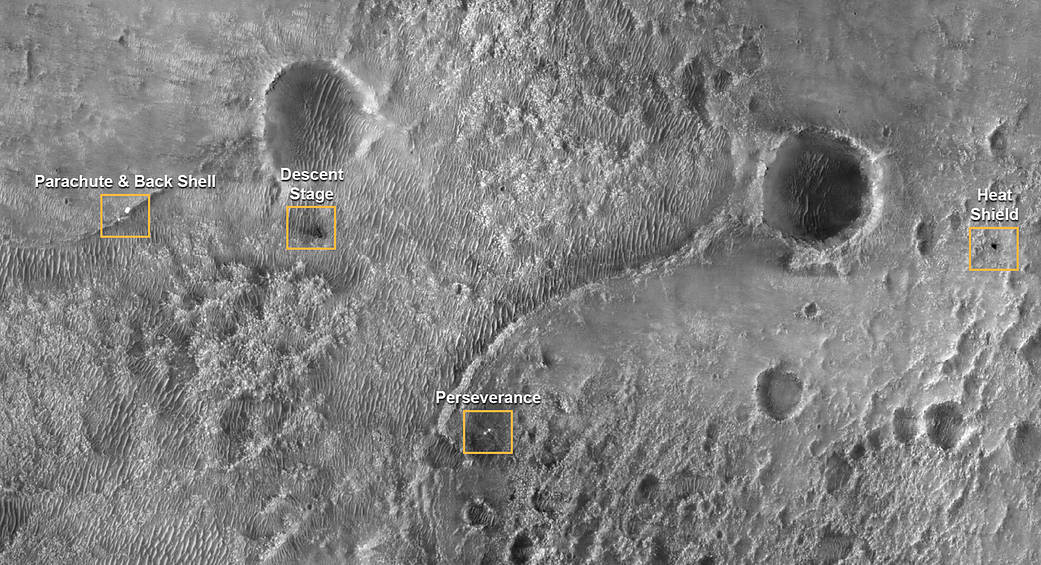
This amazing photo has been taken by the Mars Reconnaissance Orbiter, one day after the landing. During the EDL the heat shield, the parachute and the sky-crane (descent stage) have to be jettisoned away from the rover. When you enlarge the picture above, you can just see the two small craters.

———————————————–
Perseverance’s mission

Now that Perseverance has landed successfully on the Red Planet, what is it going to do? The missions of Curiosity and Perseverance are basically the same, to determine whether Mars ever was, or is, habitable to microbial life.

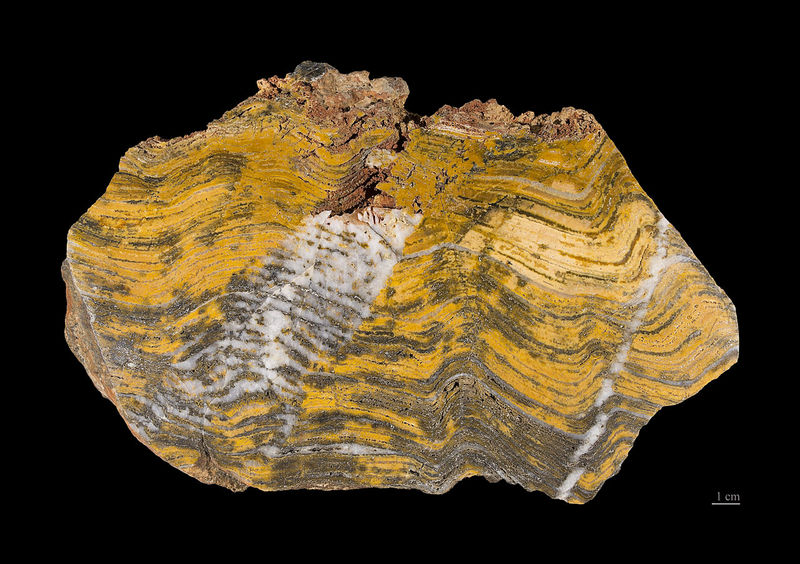
When Mars was a young planet, billions of years ago, water was abundant, there were lakes and rivers, similar to young Earth. On Earth life started about 3,5 billion years ago in the form of microbes. Fossil remains of these microbial colonies are called stromatolites. Here is an example, found in Australia, ~ 3.4 billion year old.

Could primitive microbial life have started on Mars in a similar way? Curiosity landed in the Gale crater, created about 3.7 billion year ago by a gigantic meteor impact. The crater became a lake, rivers deposited sediments. Curiosity collected surface material with its robotic arm, pulverised and heated it, before using a variety of analysing tools. Many organic molecules were found, for example thiophenes. which, on Earth at least, are primarily a result of biological processes.

Mars Mission with the Perseverance will continue this research with advanced technology.

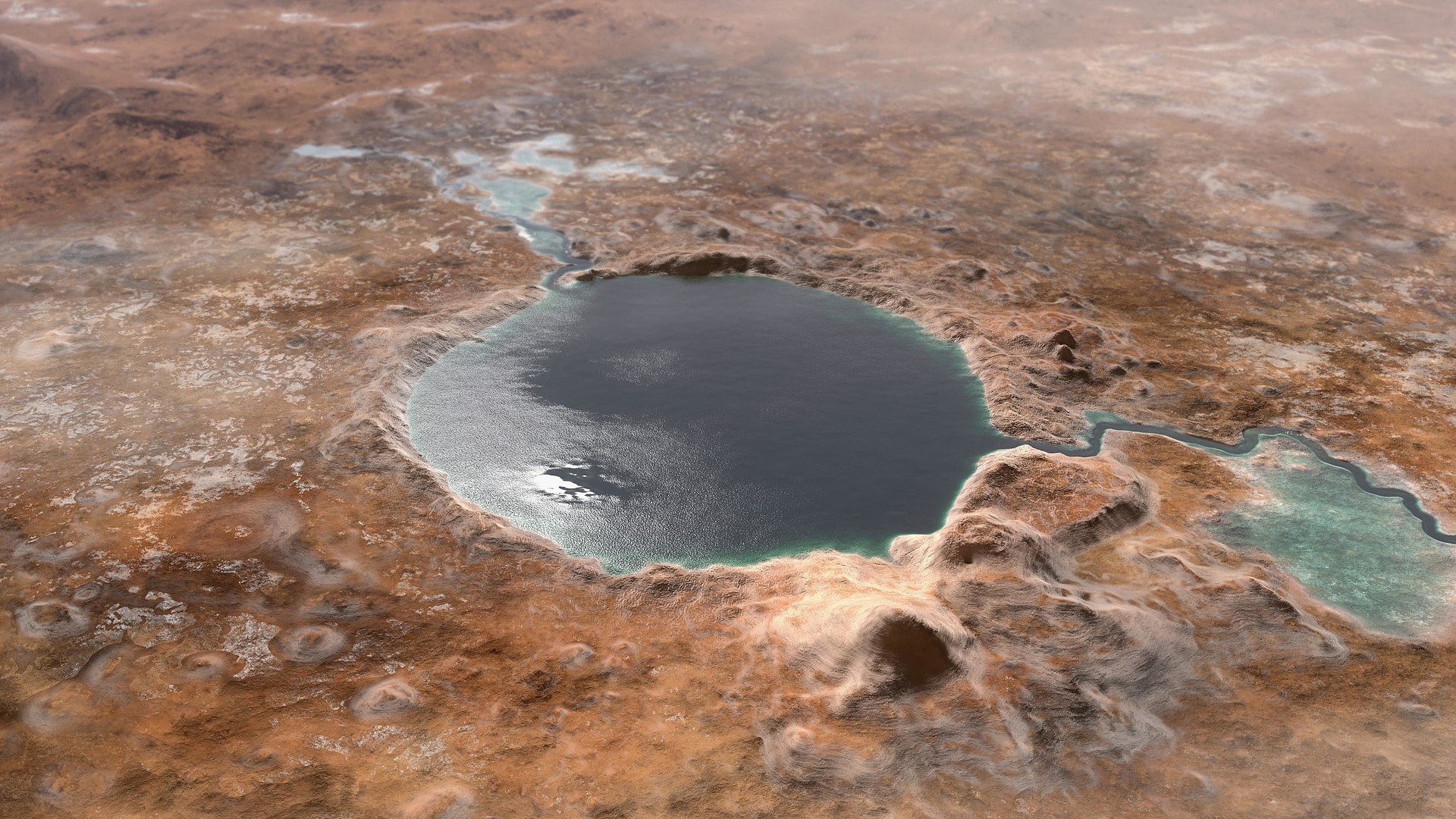
Here is an artist impression how the Jezero crater may have looked like, when it was filled with water. Notice the river, top left, flowing into the lake. That river deposited a lot of sediments in the lake and it is near these sediments that Perseverance has landed.

A detailed map of the landing region, with the various geological structures in different colors. The “valley” of the former river and the delta are clearly visible The location of the rover again marked with a cross. The scientists have already made a proposal how the rover will explore the region (yellow line). The mission will take at least one Mars year (687 Earth days). If you want more information why the Jezero crater was chosen, click here.

The robotic arm has three scientific instruments, the PIXL, SHERLOC and WATSON. PIXL stands for Planetary Instrument for X-ray Lithochemistry . SHERLOC is an acronym for Scanning Habitable Environments with Raman & Luminescence for Organics & Chemicals and WATSON represents a Wide Angle Topographic Sensor for Operations and eNgineering . Engineering sense of humor.

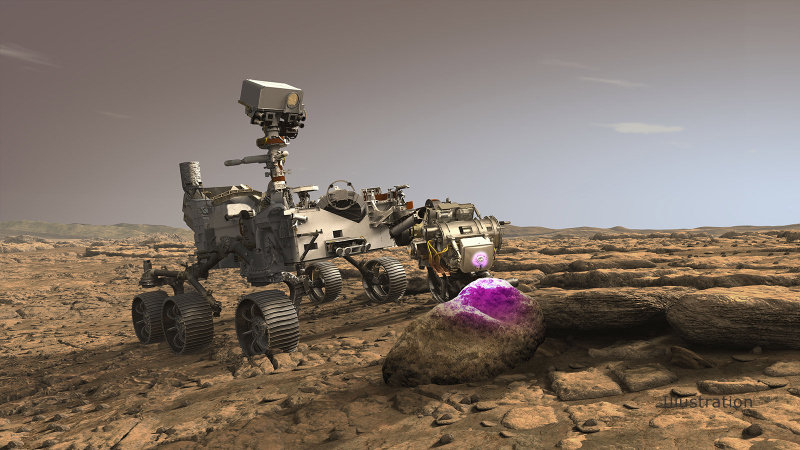
PIXL is the main instrument. It points a very narrow X-ray beam at a piece of rock and detects the reflected light (fluorescence ), which is characteristic for the chemical elements in the rock. By analysing this reflected light, PIXL hopes to find biosignatures. Here is an artist impression of PIXL in action.

SHERLOC searches for organics and minerals that have been altered by watery environments and may be signs of past microbial life . Its helper Watson will take close-up images of rock grains and surface textures.

Suppose that Perseverance finds promising locations during its traveling. Wouldn’t it be wonderful if scientists on Earth could study the material at these locations in greater detail?

Well, that is exactly the most ambitious part of the Mars 2020 project, to bring back rock and regolith back to Earth. When you are a follower of my blog, you may remember that Hayabusa2 has brought back material from the asteroid Ryugu, and of course moon rocks have been brought back. But never yet material from a planet.

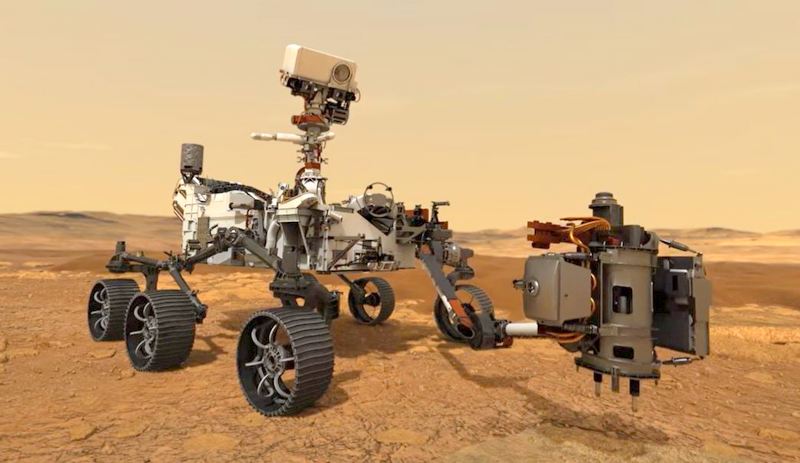
The robotic arm of Perseverance contains a drill, which can collect core samples. Here it is ready to start drilling.

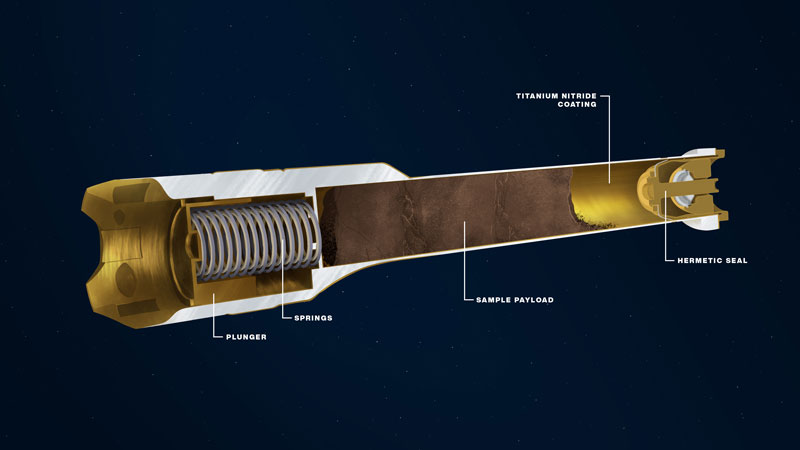
The core sample (comparable in size with a piece of chalk) is put in a sample tube and taken over to the body of the rover where a few measurements are made. Then it is hermetically sealed to avoid any contamination, and temporally stored in a cache container. The container has space for 43 tubes. Here is an example of a sample tube.

Watch the video to follow the complicated process. Three robotics arms are used!.

How to get these sealed tubes back to Earth? NASA and ESA (the European equivalent will work together in what at first sight looks almost like science fiction. Actually it is still partly fiction at the moment! Here is the plan.

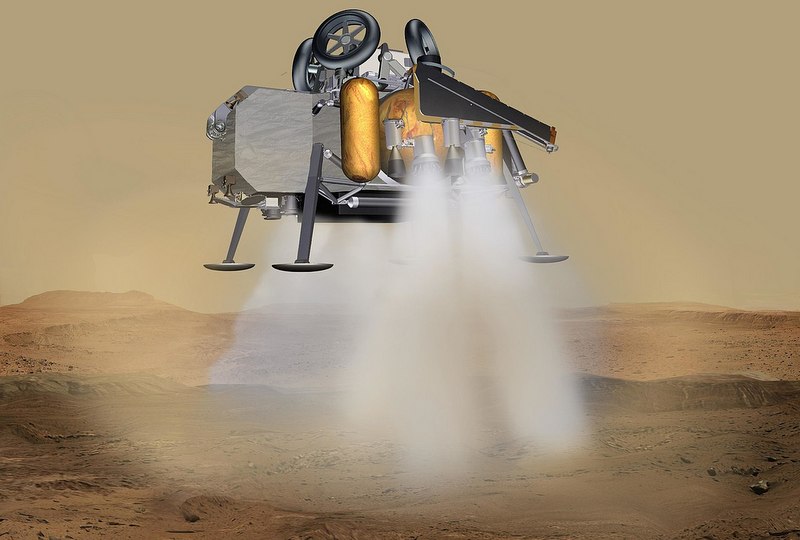
In July 2026 (!) a spacecraft will be launched, consisting of a lander and a rover. In August 2028 it will land near the Perseverance.

Here the spacecraft has landed on the surface of Mars, the rover still has to be deployed.

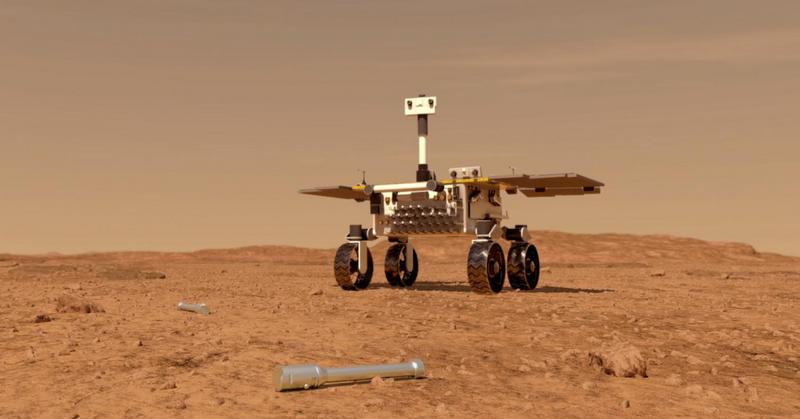
The only function of the rover is to fetch the sample tubes and bring them back to the lander. In this artist impression it is suggested that the sample tubes are scattered around, but that doesn’t make sense to me. Probably Perseverance will have created a few depots, or even kept all tubes in its own storage. The various descriptions I have found on the Internet, are not clear about this. The whole Return Mission is very much work in progress.

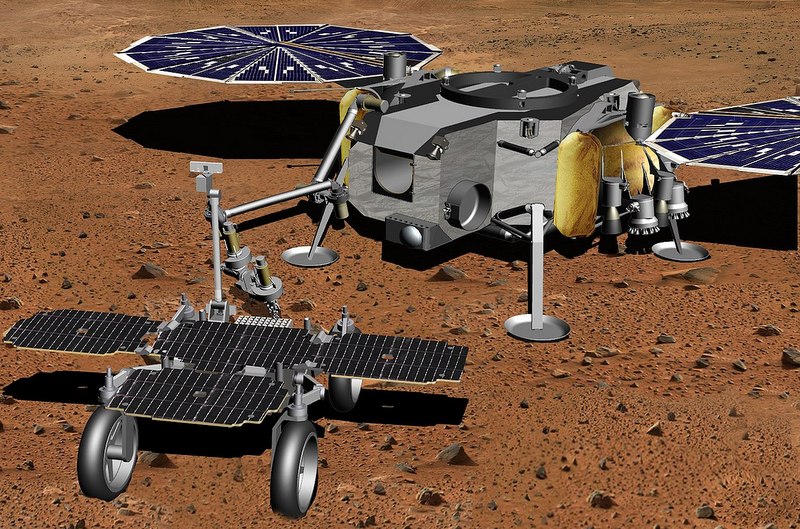
Here the tubes are handed over by the “fetch rover” to the lander, where they are put in the Sample Return Container.

The Sample Return Container might look like this. It will be designed so that the temperature of the samples will be less than 30 degrees Celsius.

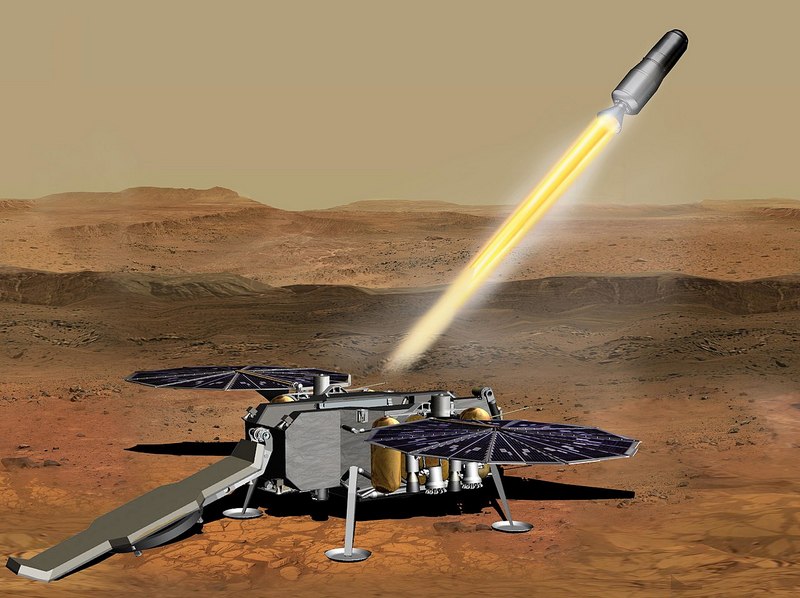
The container will be loaded in a rocket, the Mars Ascent Vehicle, which will be launched in spring 2029.

The rocket will bring the container in a low Mars orbit and release it there..

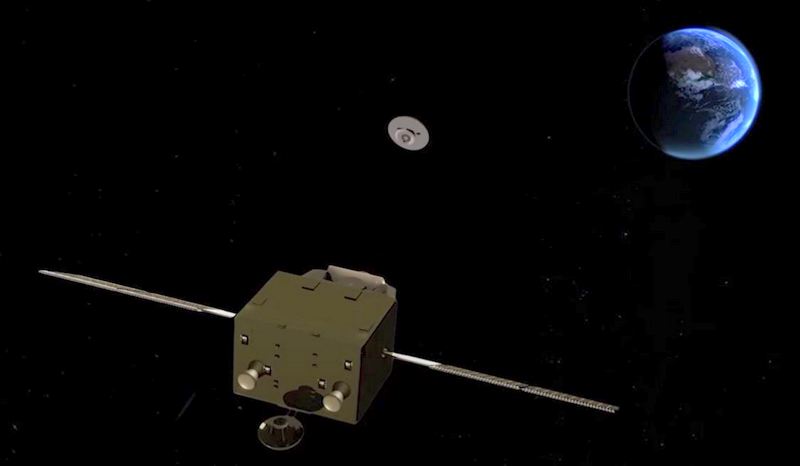
In the meantime In October 2026 the Earth Return Orbiter has been launched, it will arrive at Mars in 2027 and lower its orbit gradually to reach the desired altitude in July 2028. There it will wait to pick up the container.

After the Earth Return Orbiter has caught the container, it will “pack” it in the Sample Return Capsule (SRC) and then go back to Earth, where it will arrive in 2031, ten years from now. It is this SRC that will will be released and finally land on Earth.

Here is a simulation of the procedure.

The primary mission of Mars2020 is to determine if Mars was habitable in the past. But there are also secondary missions. On board of the Perseverance there is one experiment, called MOXIE, that will produce oxygen from the carbon dioxide in the Martian atmosphere. Just a proof of concept experiment, important for future human missions to Mars.

Quite spectacular is that Perseverance is bringing a small helicopter, the Ingenuity. The Mars atmosphere is thin, but the helicopter should be able to fly. A bit similar to a drone, flying a few meter high, and maximum 50 m away. At the moment it is still hanging under Perseverance, planning is to test it after a few months. Here is an animation

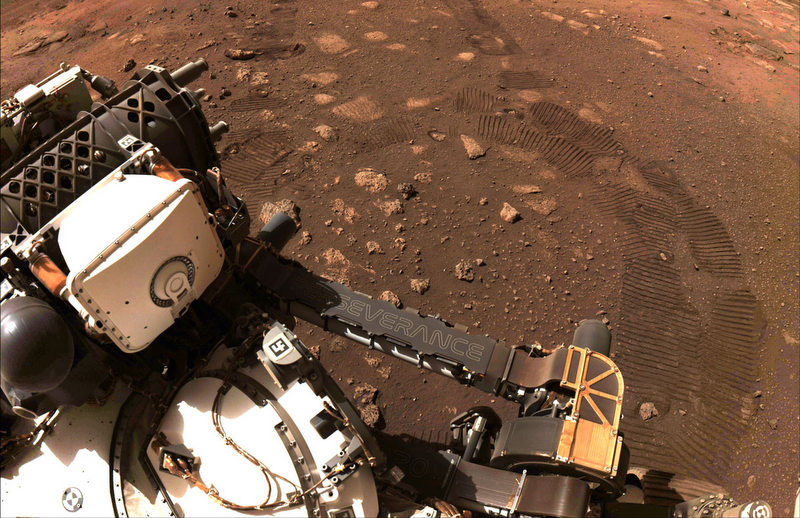
At the moment Perseverance is testing al its components. It has made its first test drive, only a few meters. Here is a picture, you can clearly see the tyre tracks.

If there is more news about the Mars2020 mission, I will update this blog or write a new one.

Let me end this blog with an animation created in 1988 (!) , describing a Sample Return Mission to Mars. Fascinating to watch.